














The Complete Guide to Stakeholder Management Software

Fecilia Clarke
Solutions Marketing Specialist
Sep 18, 2026
Fecilia Clarke
Sep 18, 2026

15 min read


Is your project’s success at risk from scattered stakeholder data and misaligned communication? You're not alone. In complex business environment, projects often live or die by the strength of their stakeholder relationships. A single key stakeholder, if not properly engaged, can derail timelines, drain budgets, and undermine even the most well-laid plans. The challenge is that managing stakeholders is often a chaotic process, fragmented across countless spreadsheets, endless email chains, and disconnected personal notes. This disorganization isn't just inefficient—it's a significant business risk that effective stakeholder management is designed to solve.
The strategic solution to this chaos is stakeholder management software. This isn't just another tool to add to your tech stack; it's a centralized command center designed to help you identify, understand, and proactively engage with every individual and group that has a vested interest in your success. It transforms the entire discipline from a reactive, administrative burden into a proactive, strategic function. In this comprehensive guide, we'll explore what this management software is, why it's crucial for modern teams, how to choose the right solution, and how a truly integrated platform can revolutionize your entire approach to building and maintaining these crucial connections.

Key takeaways: Top 8 stakeholder management software in 2026
- Lark: An all-in-one platform that integrates stakeholder management directly into your daily collaborative workspace.
- SimplyStakeholders: An intelligent, AI-driven platform focused on analyzing stakeholder sentiment and identifying key communication themes.
- Jambo: A robust, enterprise-grade solution for managing complex projects and compliance in the public and energy sectors.
- Darzin: A comprehensive toolkit designed for large-scale public consultation with deep data analysis capabilities.
- Quorum: A specialized platform for public affairs professionals that blends stakeholder engagement with legislative tracking.
- Consultation Manager: A purpose-built tool for tracking communications and ensuring compliance in infrastructure and development projects.
- Borealis: A strategic software for resource-based industries focused on managing social risk and performance.
- Engagement Hub: A digital-first platform that combines a stakeholder CRM with a suite of online community participation tools.
What exactly is a stakeholder management system?
At its core, a stakeholder management system is a centralized platform designed to help organizations systematically track and manage their relationships. Think of it as a stakeholder CRM, but purpose-built for the intricate web of individuals and groups connected to your projects—investors, employees, government bodies, customers, and community members. Its primary function is to consolidate all stakeholder information into a single, accessible source of truth. This empowers teams to move beyond guesswork and manual tracking, ensuring all stakeholder details are accurate and up-to-date, thereby improving the entire stakeholder engagement process.
This software provides the framework for a structured approach to stakeholder relationship management. It enables you to log every interaction, perform stakeholder mapping, analyze sentiment and influence, and report on progress with clarity. By doing so, it shifts your team's focus from simply disseminating information to building genuine, two-way relationships. A good stakeholder software allows you to move away from scrambling to find notes from last month's meeting, providing a complete, chronological history of all stakeholder interactions at your fingertips. This foundational clarity allows you to engage with the right people, with the right message, at the right time.
Why you can't afford poor stakeholder relations
Failing to manage stakeholder relations effectively isn't just a minor inconvenience; it can have profound consequences for your projects and your organization's reputation. When stakeholder communication is inconsistent and data is siloed, you operate in a reactive state, constantly putting out fires instead of preventing them. This leads to missed deadlines, budget overruns, and a breakdown of trust with the very people whose support you need most. Effective stakeholder management, powered by the right stakeholder tools, is the antidote to these risks, delivering tangible business value and leading to improved project outcomes.
By creating a structured and transparent process, you turn a potential liability into a strategic advantage. It’s about more than just keeping people happy; it’s about achieving successful stakeholder engagement by aligning everyone toward a common goal. This ensures that stakeholder expectations are clear, stakeholder concerns are heard, and you can mitigate risks before they impact project progress. Investing in this process protects your projects from unforeseen obstacles and helps you build stakeholder relationships on a resilient foundation of support and goodwill that pays dividends long into the future, contributing to increased project success rates.
Mitigate risks before they become issues
One of the most significant advantages of a dedicated stakeholder platform is its ability to serve as an early warning system. Without a centralized way to track concerns and analyze stakeholder sentiments, your team can be completely blindsided by opposition from one of your key stakeholders. A project that seemed to be on track can suddenly face major roadblocks because a crucial concern was missed in an email or never logged after a phone call. These are key factors that can determine the success or failure of your work.
Stakeholder management software makes it possible to systematically record and analyze every interaction. You can track sentiment over time, identifying when a supporter is becoming neutral, or when a neutral party is becoming a blocker. This intelligence enables your team to intervene proactively with targeted engagement strategies, addressing concerns before they escalate into full-blown crises. It transforms risk management from a guessing game into a data-driven discipline, safeguarding your project's timeline and budget and helping you build more positive relationships.
Drive efficiency and save valuable team time
Consider the amount of time your project managers and communication teams spend on manual, administrative tasks. They hunt through inboxes for contact details, compile reports from disparate spreadsheets, and manually update project stakeholders on progress. This repetitive work is not only inefficient but also takes them away from high-value strategic activities like planning engagement activities. It’s a common bottleneck that slows down projects and leads to team burnout.
This is where automation and centralization deliver a massive return on investment. A stakeholder engagement platform automates much of this administrative burden. Key contacts are centralized, communication logs are streamlined, and comprehensive detailed reports can often be generated with just a few clicks. Automated workflows can send reminders for follow-ups or notify team members of important updates, ensuring that crucial tasks never fall through the cracks. This frees up your team to focus on what truly matters: keeping stakeholders engaged.
Improve decisions with a single source of truth
Strategic decisions require accurate, complete stakeholder data. When your information is fragmented across multiple project management tools, decision-making becomes flawed. You might allocate resources to engage with the wrong stakeholder groups or craft a message based on outdated information. Without a holistic view, leaders lack the visibility needed to steer projects effectively and make informed choices about resource allocation, risk mitigation, and strategic direction, ultimately hindering project success.
A stakeholder management platform consolidates everything into a single source of truth. Every team member, from project coordinators to C-level executives, can access the same up-to-date information. This shared context ensures that everyone is aligned. Dashboards provide at-a-glance valuable insights into overall stakeholder health, sentiment trends, and outstanding issues, serving as critical key indicators of project viability. With this unified perspective, leaders can make faster, more confident decisions, backed by reliable data rather than assumptions.
Essential features to look for in stakeholder management tools
As you begin evaluating different platforms, you'll find a wide array of features and functionalities. However, a core set of features is non-negotiable for any effective solution designed for stakeholder engagement. These capabilities form the backbone of a system that can truly support a strategic process. When you're comparing stakeholder management software options, use this list as your checklist to ensure the software provides the foundational tools you need to succeed, moving beyond a simple digital address book to become a dynamic engine for relationship management.
- Stakeholder database & Mapping: The heart of any system is its database. It must perform stakeholder analysis and allow you to create a detailed register. Look for customizable fields and visualization tools. Some platforms even offer stakeholder analysis templates to get you started quickly.
- Communication & Engagement tracking: To build a single source of truth, you must log every touchpoint. The software should make it easy to record interactions from various communication tools. Look for features like email integration that automate logging, reducing manual data entry and creating a complete history for every stakeholder.
- Reporting & Analytics: What you can't measure, you can't improve. A robust platform must have powerful reporting capabilities. You should be able to create dashboards to track engagement metrics and sentiment trends. The ability to generate professional reports, including advanced reporting on specific consultation events, is essential for demonstrating progress.
- Task management & Automation: Effective engagement is built on reliable follow-through. The software should include built-in task management features that allow you to assign tasks and set reminders. Workflow automation is another key differentiator, ensuring a consistent process to manage tasks efficiently.
- Collaboration & Grievance management: Stakeholder management is a team sport. The platform must be designed for collaboration. Look for user roles and permissions to control access. Additionally, features for grievance management are critical for systematically tracking and resolving stakeholder complaints in a transparent and auditable manner.
The best stakeholder management software: A comparison of top tools
Choosing the right platform is a critical step in elevating your engagement strategy. While dedicated tools offer powerful, specialized features, it's also important to consider how a solution fits into your team's broader workflow. To help you navigate the market, we’ve reviewed some of the leading and most effective stakeholder management software options available.
1. Lark: The all-in-one platform to unify work and stakeholder engagement
Overview:
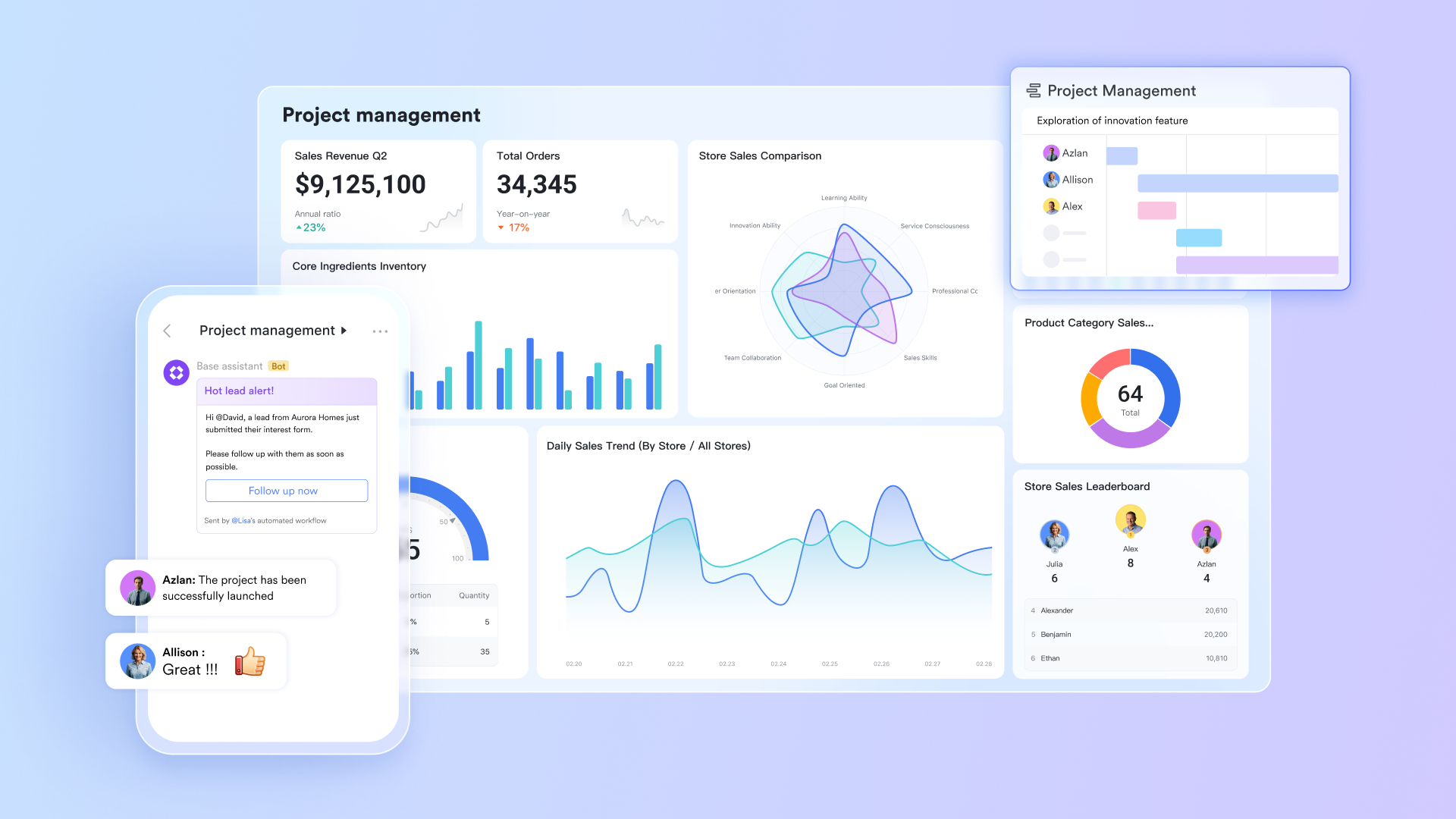
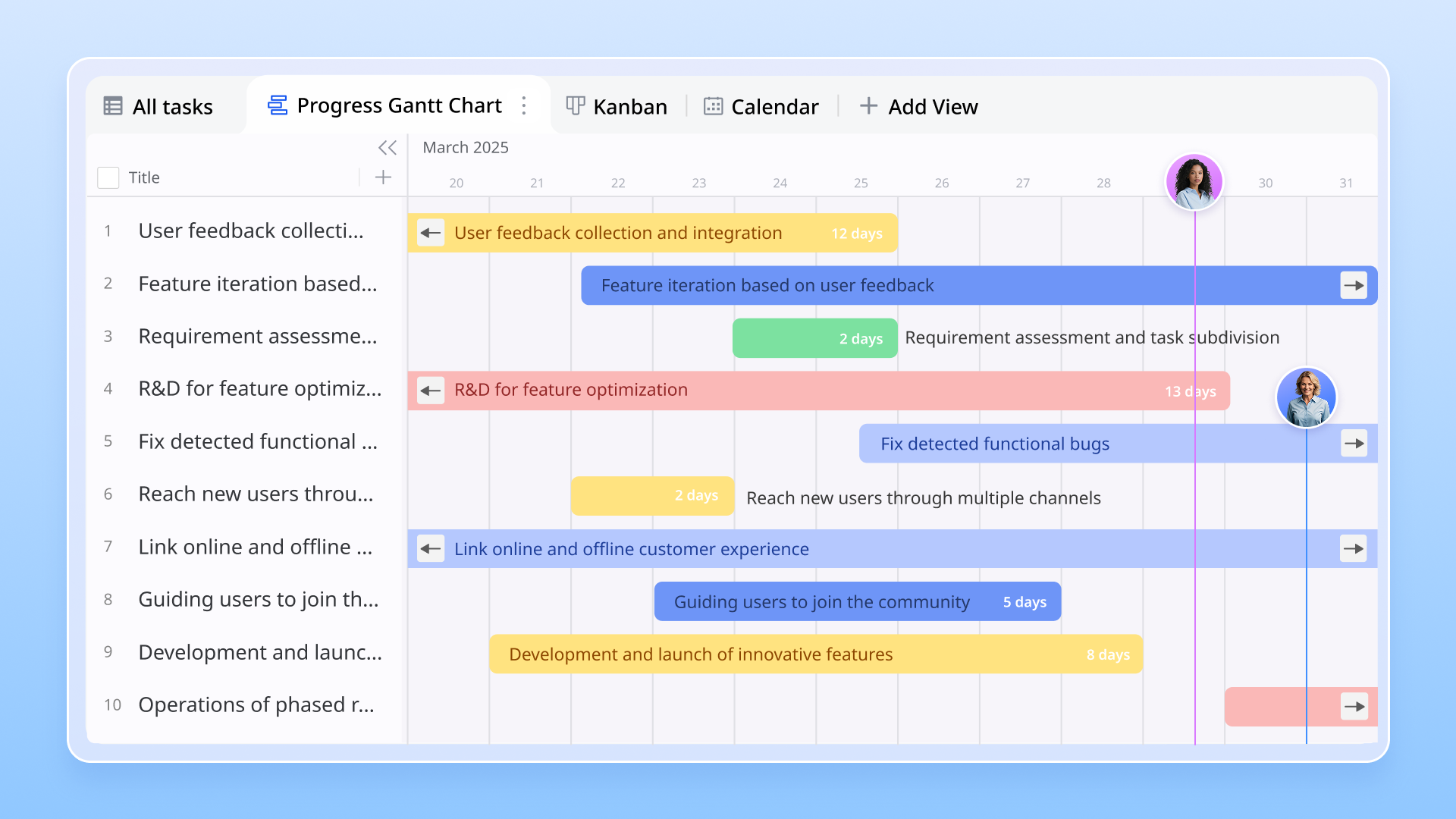
Lark transforms stakeholder management by integrating it directly into your team's daily workspace, eliminating the need for a separate, siloed tool. It serves as a central hub where you can build a custom stakeholder database, manage all communications, collaborate on strategies, and automate workflows. By connecting stakeholder engagement with project management, meetings, and documents, Lark ensures that relationship-building is a seamless and collaborative part of every project, not an isolated administrative task.
Key features:
- Centralized stakeholder hub: Build a powerful, relational stakeholder database in Lark Base to replace scattered spreadsheets. Customize views, create dynamic dashboards, and track every stakeholder detail from a single source of truth.
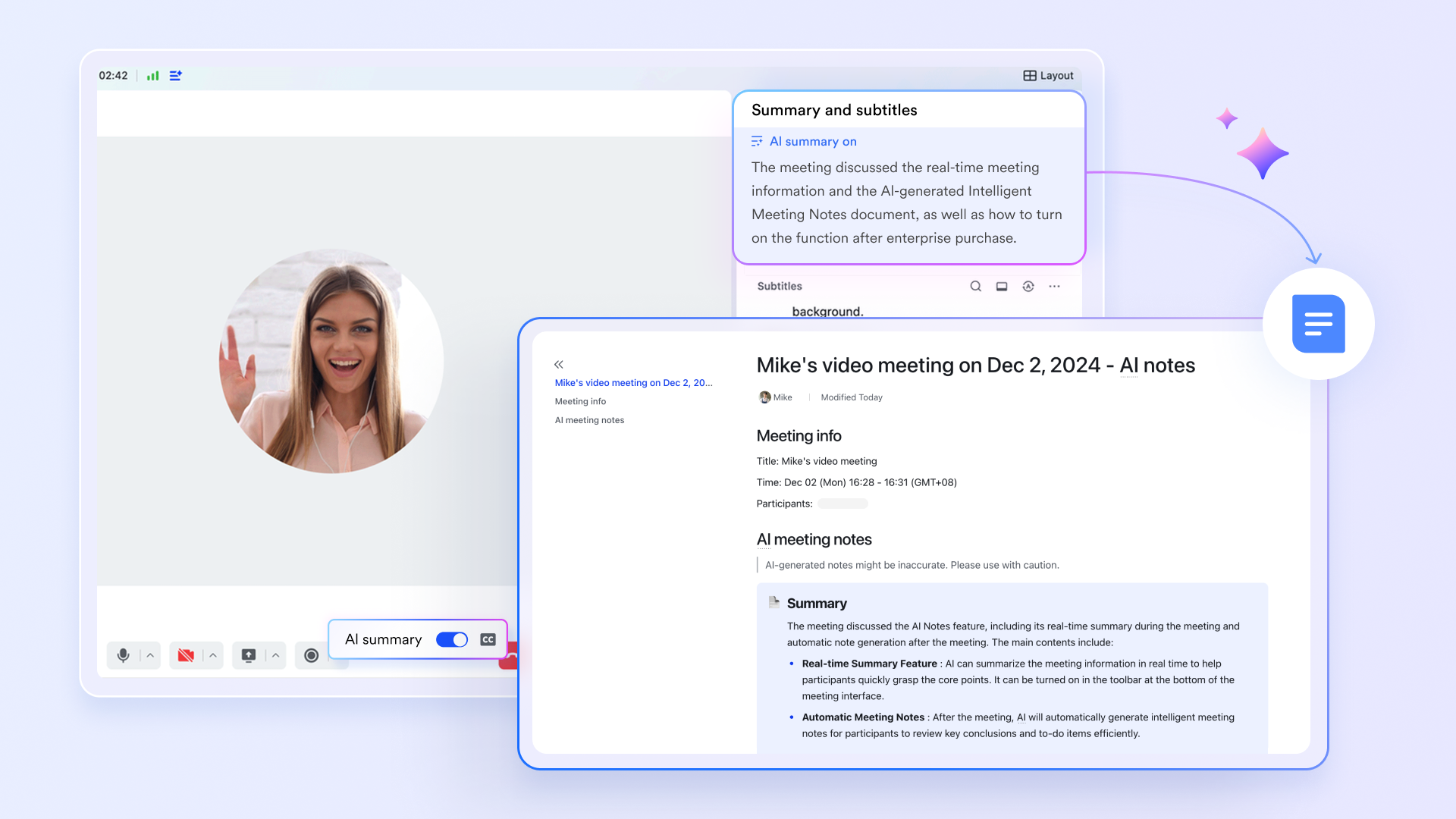
- AI-powered meeting intelligence: Automatically capture key insights and actionable commitments from every stakeholder meeting. Lark's AI-powered Meeting Notes provide accurate transcripts, summaries, and action items, ensuring nothing is missed.
- Real-time strategy collaboration: Co-create and refine stakeholder engagement plans, communication drafts, and status reports in Lark Docs. Real-time editing and comments ensure your entire team is aligned before any external outreach.
- Systematic feedback collection: Design, distribute, and analyze stakeholder feedback with ease using Lark Forms. All responses can be automatically synced to your stakeholder database in Lark Base for immediate analysis and action.
Pricing:
- Free plan: Includes 11 powerful products, supporting up to 20 users, 100 GB storage, 1,000 automation runs and unlimited AI translation in chats, docs and email.
- Paid plans: Starts at $12/user/month, supporting up to 500 users. Includes unlimited message history, 50,000 automated Base workflow executions per month.
- Enterprise plan: custom pricing.
2. SimplyStakeholders: The intelligent platform for AI-powered stakeholder analysis
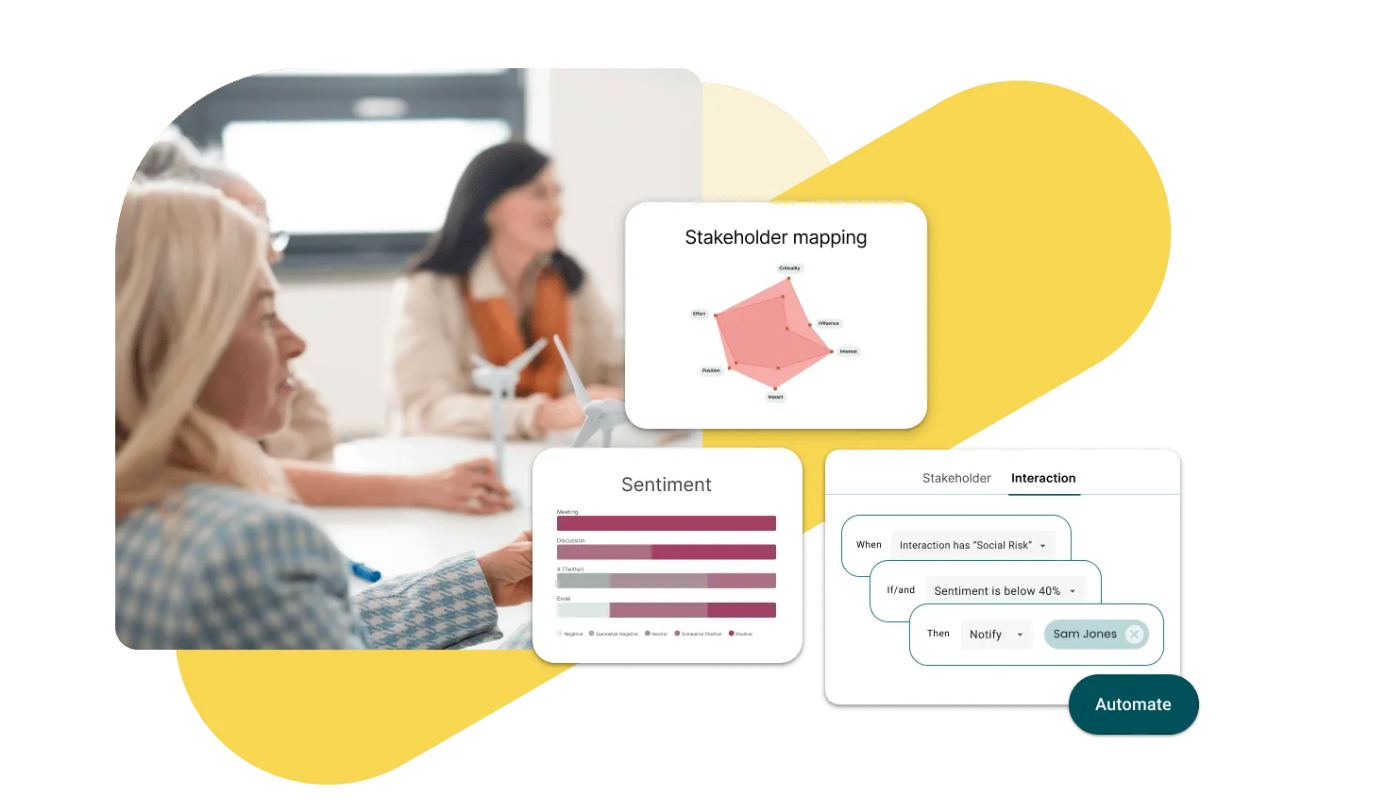
Image source: simplystakeholders.com
Overview:
SimplyStakeholders stands out by leveraging artificial intelligence to provide deeper insights into your stakeholder data. It’s designed for teams who want to move beyond simple tracking and understand the sentiment and key themes driving stakeholder conversations. The platform is intuitive and user-friendly, making powerful analytics accessible without requiring a dedicated data scientist. It helps you prioritize your engagement efforts by automatically identifying which relationships and issues need the most attention, ensuring your resources are well-spent.
Key features:
- AI-powered sentiment analysis to automatically gauge stakeholder attitudes from communications.
- Thematic analysis to identify emerging issues and trends across all interactions.
- Interactive stakeholder mapping based on influence, interest, and other custom parameters.
- Centralized interaction logging to create a complete history of all communications.
- Customizable dashboards and reporting to visualize data and track engagement KPIs.
Pricing:
Offers tiered plans based on the number of users and contacts, with pricing available upon request.
3. Jambo: The robust solution for complex enterprise and public sector projects
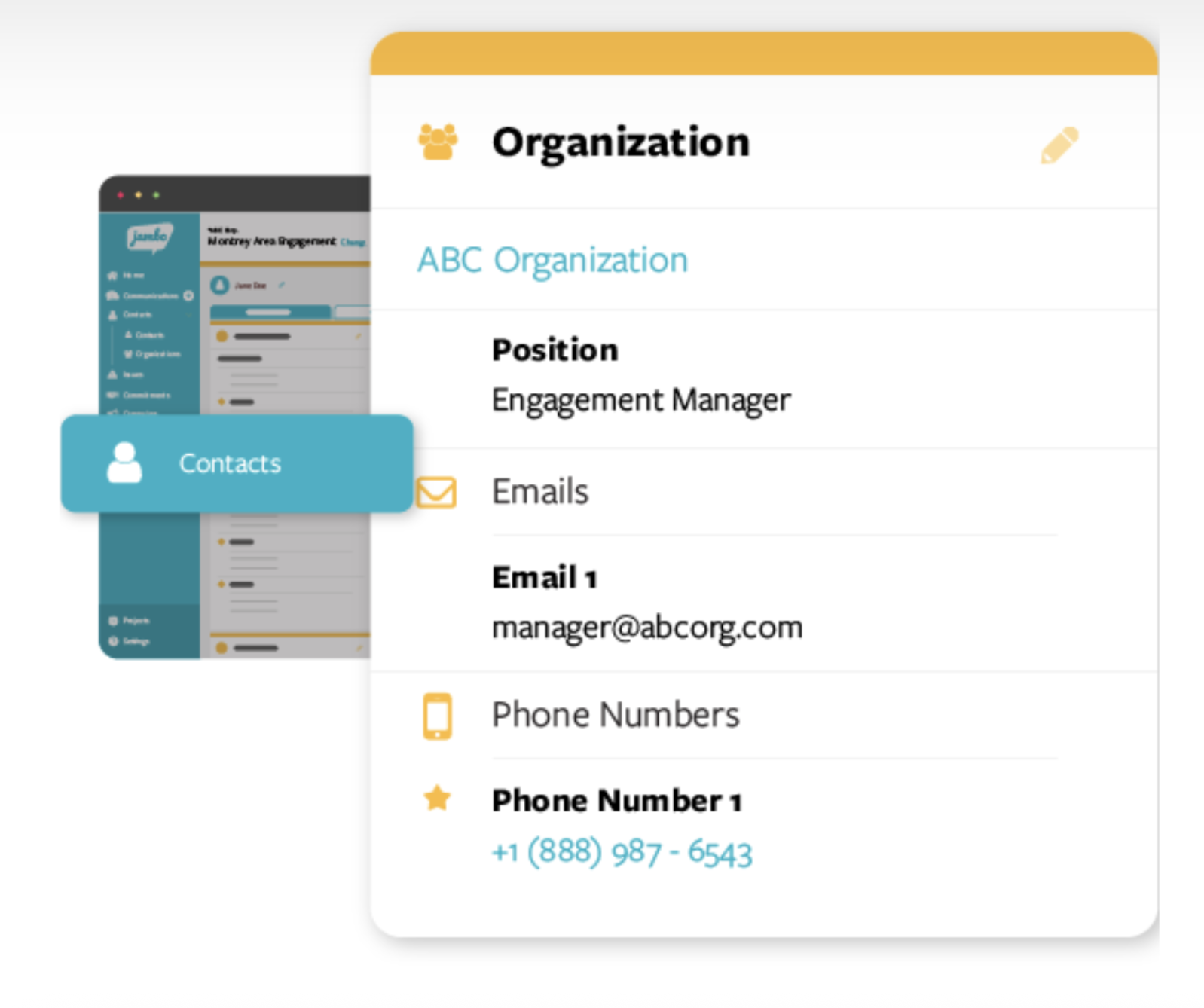
Image source: jambo.com
Overview:
Jambo is a comprehensive stakeholder relationship management platform built for large-scale projects in industries like energy, infrastructure, and government. Its strengths lie in managing vast and complex stakeholder networks where compliance, grievance management, and detailed reporting are paramount. Jambo provides a structured and auditable environment to ensure that all engagement activities are systematically logged and aligned with regulatory requirements, making it an ideal choice for organizations navigating complex social and political landscapes.
Key features:
- A centralized system for managing extensive stakeholder data and communication histories.
- Dedicated modules for grievance and complaint management with clear resolution workflows.
- Advanced tools for mapping stakeholder relationships and their connections to various project assets.
- Robust compliance reporting capabilities to meet regulatory and internal governance standards.
- Team-based collaboration features to ensure consistency across large engagement teams.
Pricing:
Paid plans start at $995/month.
4. Darzin: The comprehensive toolkit for large-scale public consultation
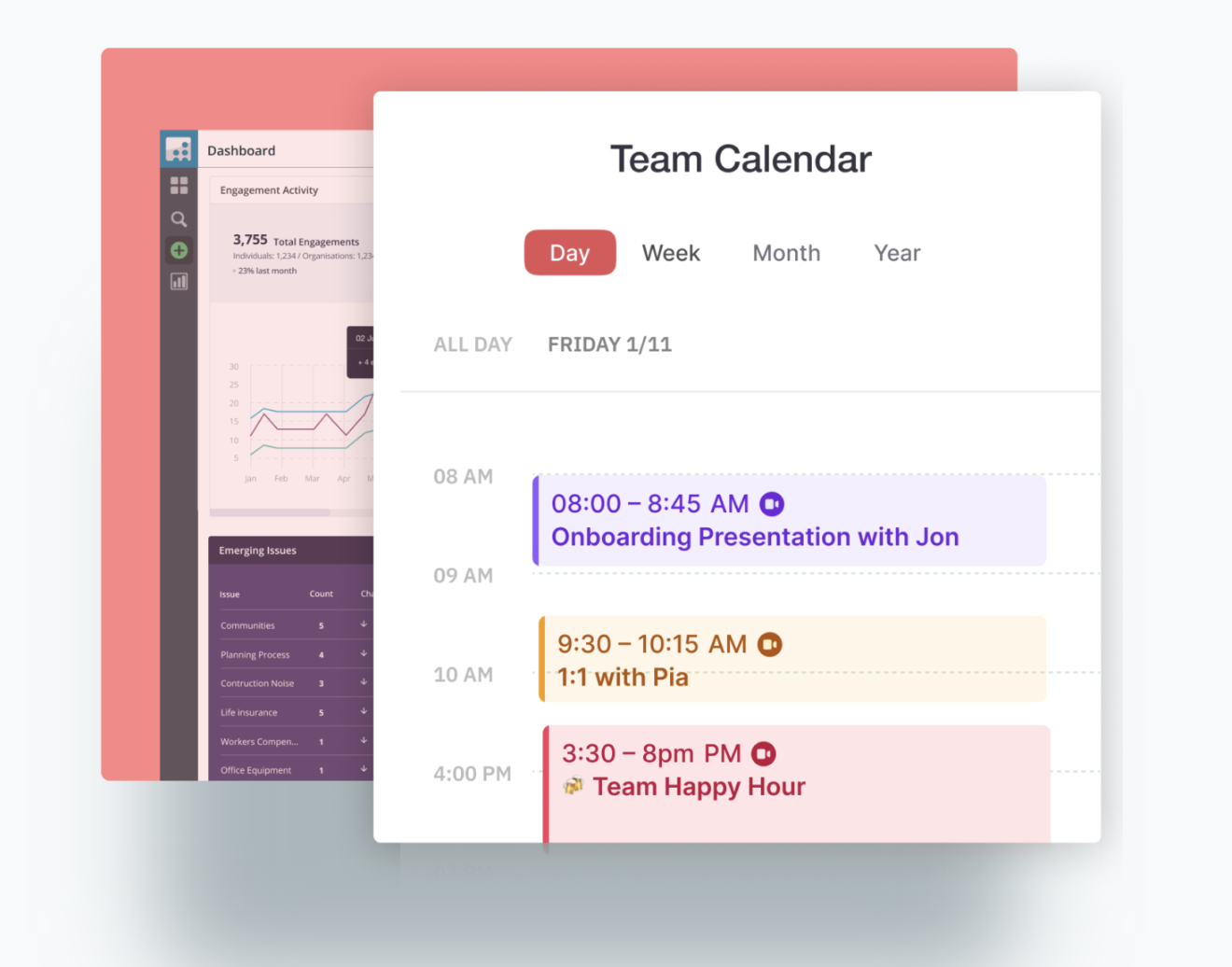
Image source: darzin.com
Overview:
Darzin is a veteran in the engagement space, offering a highly feature-rich platform designed specifically for public consultation and large-scale stakeholder engagement. It’s an all-encompassing solution that includes tools for event management, surveys, and deep qualitative and quantitative data analysis. It’s best suited for government agencies and corporations that need to manage every facet of a complex consultation process, from initial outreach to final reporting, all within a single, powerful system.
Key features:
- An extensive suite of tools including surveys, event management, and feedback analysis.
- Advanced qualitative data analysis to code and understand unstructured feedback.
- GIS integration to visually map stakeholders and issues geographically.
- Detailed and customizable reporting to demonstrate the breadth and depth of consultation.
- A centralized database to track all stakeholders and their interactions over time.
Pricing:
Quote-based pricing.
5. Quorum: The integrated platform for public affairs and government relations
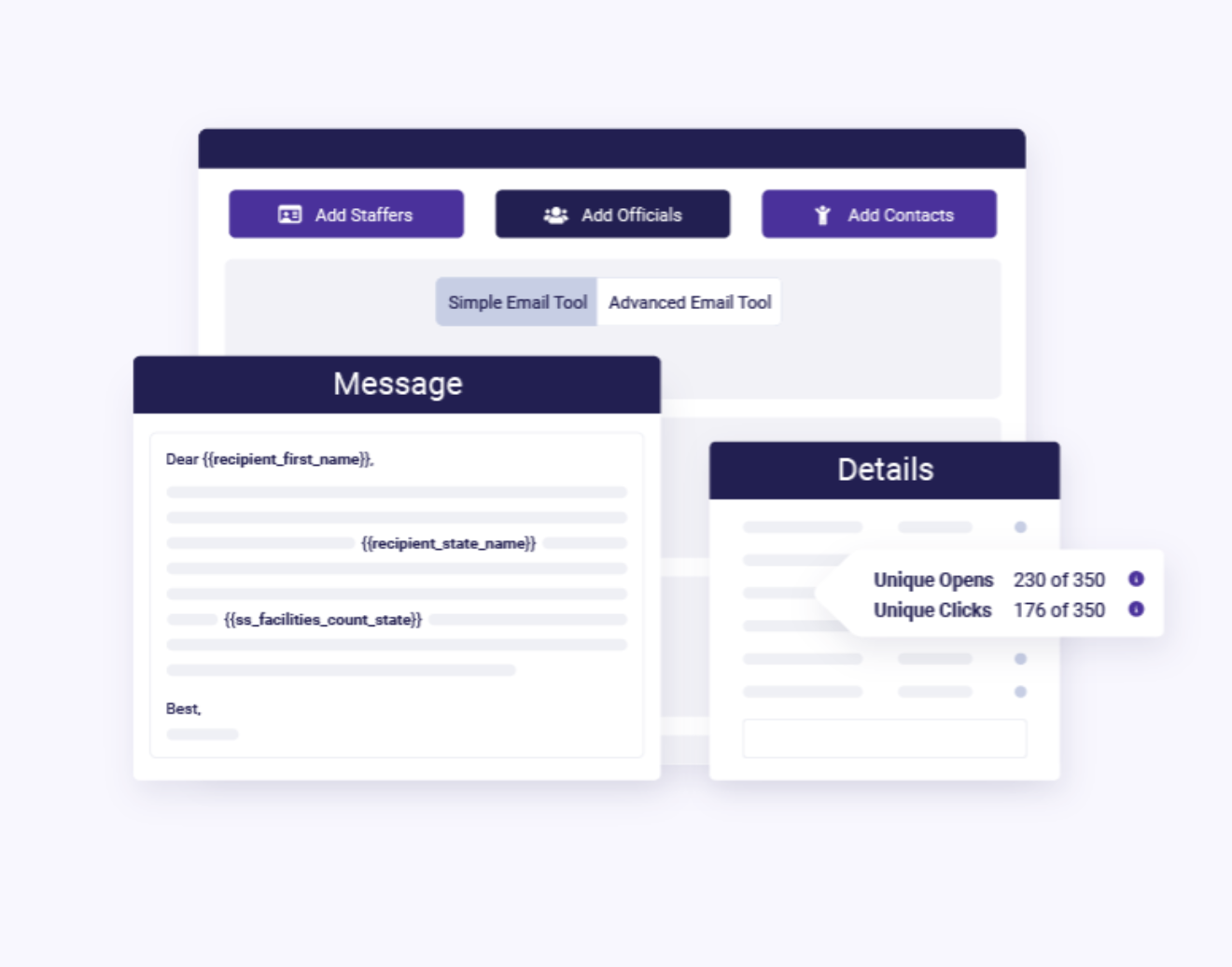
Image source: quorum.com
Overview:
Quorum is a specialized software that seamlessly blends stakeholder management with legislative tracking and grassroots advocacy tools. It is the go-to platform for public affairs professionals who need to connect their relationship-building efforts directly to policy outcomes and political action. Quorum allows teams to not only manage their key contacts but also monitor legislative changes, launch advocacy campaigns, and report on their influence, providing a holistic view of their public affairs activities.
Key features:
- Integrated database for tracking policymakers, staff, and other key influencers.
- Legislative tracking tools to monitor bills, regulations, and government dialogue.
- Outreach and campaign management features for grassroots advocacy and email initiatives.
- Customizable dashboards that show the connection between engagement activities and policy movement.
- A mobile app for logging interactions and accessing information while on the go.
Pricing:
Subscription-based pricing.
6. Consultation Manager: The specialized tool for tracking development and infrastructure projects
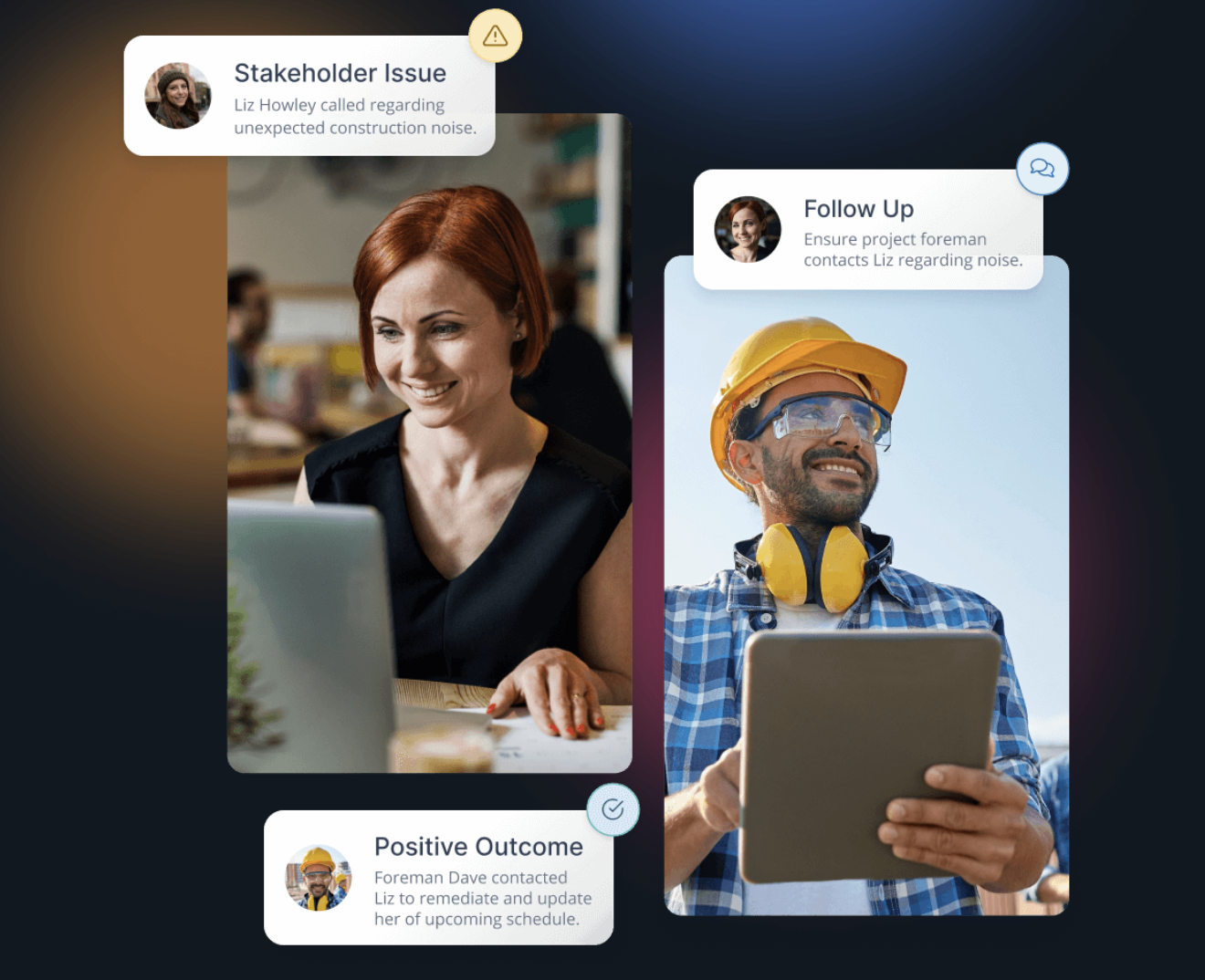
Image source: consultationmanager.com
Overview:
As its name implies, Consultation Manager is purpose-built to manage the intricate communications surrounding community and stakeholder consultations, particularly for infrastructure and property development projects. It provides a robust and auditable trail of all interactions, ensuring that organizations can demonstrate due process and transparent engagement. Its project-centric approach allows teams to effectively manage communications, track issues, and generate compliance reports for multiple projects simultaneously from one central platform.
Key features:
- Centralized contact records with a complete history of every communication and event.
- Project-based structure to keep all stakeholder data organized by initiative.
- Powerful issue and grievance tracking to ensure every concern is logged and addressed.
- GIS mapping to visualize stakeholders, properties, and issues on a map.
- Strong compliance reporting features tailored for development and planning approvals.
Pricing:
Subscription-based pricing.
7. Borealis: The strategic software for managing social performance and risk
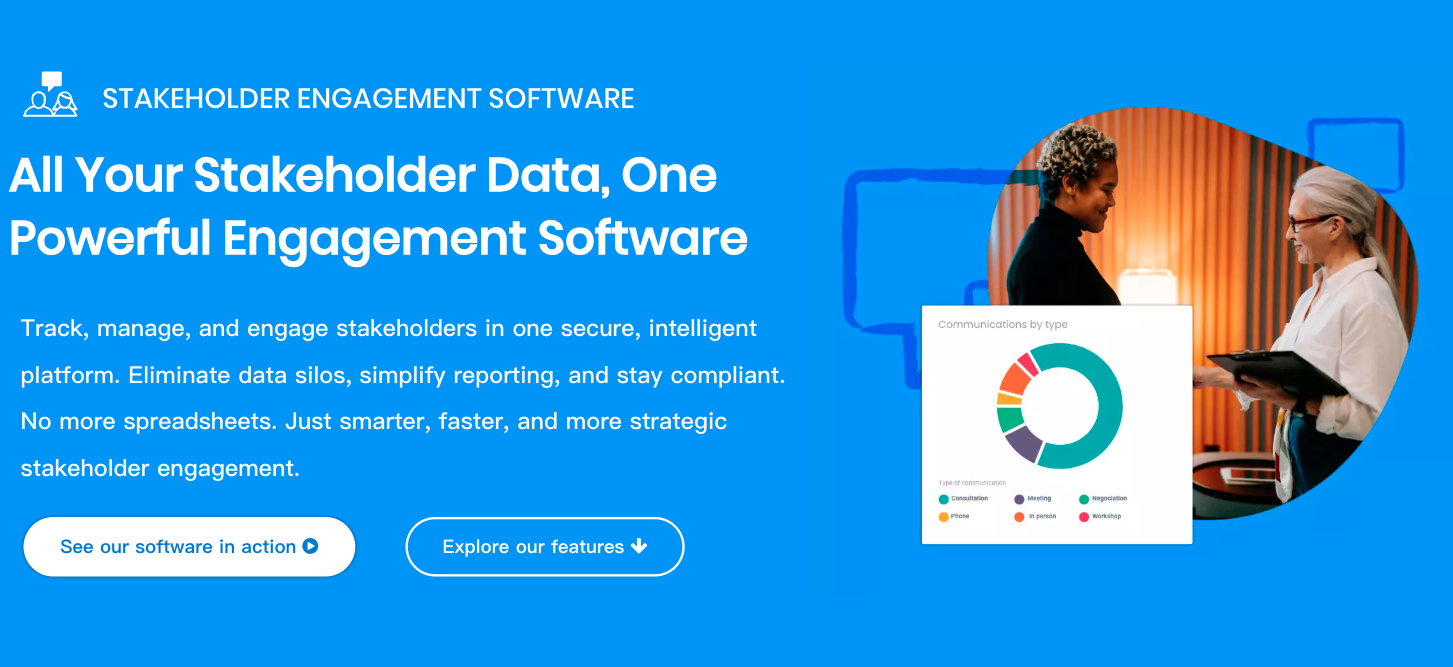
Image source: borealis.com
Overview:
Borealis is designed for companies in resource-driven industries like mining and energy, where managing social licenses to operate is a critical business function. It positions stakeholder engagement as a core component of risk management and social performance. The platform helps standardize engagement processes across global teams, ensuring that data is collected consistently and that the organization has a clear, real-time view of its social risks and obligations, helping to protect its reputation and operational stability.
Key features:
- Standardized workflows for planning, executing, and monitoring engagement activities.
- Tools for managing social and environmental obligations and commitments.
- Advanced analytics for identifying social risks and understanding stakeholder sentiment.
- Centralized communication tracking to maintain a single source of truth.
- Dashboards that provide leadership with high-level insights into social performance.
Pricing:
Subscription-based pricing.
8. Engagement Hub: The digital-first platform for online community engagement
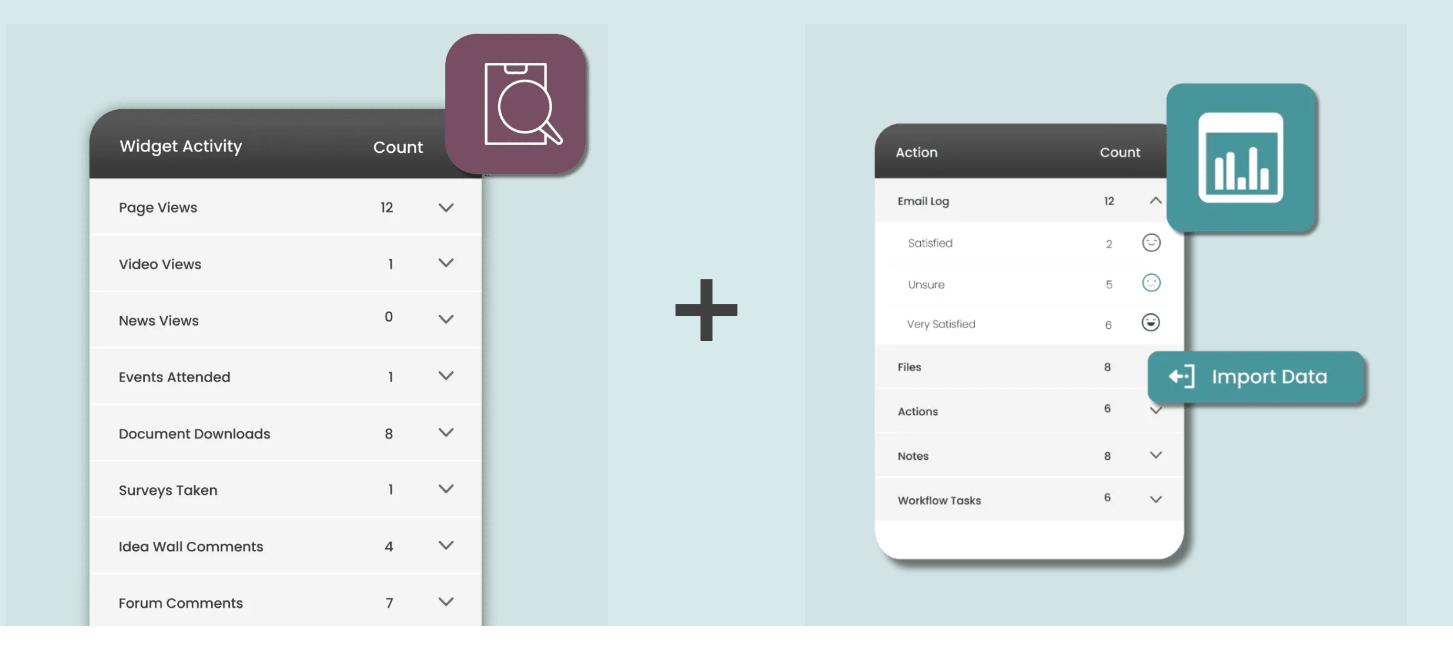
Image source: engagementhub.com
Overview:
Engagement Hub offers a unique blend of stakeholder relationship management (SRM) with a comprehensive suite of digital participation tools. It is an ideal solution for organizations that want to foster an active online community and gather feedback through a variety of interactive methods. Beyond just managing contacts, it empowers you to launch online forums, interactive surveys, participatory maps, and ideation boards, making it a great choice for driving broad-based digital-first engagement strategies.
Key features:
- An integrated SRM to manage stakeholder information and communication history.
- A suite of over 20 digital engagement tools for versatile online consultation.
- In-depth analytics on user participation, demographics, and feedback trends.
- Tools to manage the entire project lifecycle from promotion to analysis.
- Customizable branding to create a seamless experience for your community.
Pricing:
Offers tiered plans based on the number of users and contacts, with pricing available upon request.
Choosing the right stakeholder management software: A step-by-step guide
With a clear understanding of the essential features, the next step is to choose the platform that best fits your team’s unique needs. The software market is crowded with stakeholder engagement software, and making the right choice requires a thoughtful evaluation. Simply picking the tool with the most features can lead to poor adoption. Instead, finding the right stakeholder management software is about solving your specific problems and integrating smoothly into your existing workflows.
To guide your decision-making, we've developed a simple framework. By walking through these questions, you can cut through the marketing noise and build a clear set of requirements. This deliberate approach will help you identify a solution that not only meets your technical needs but also empowers your team to work more efficiently, ensuring a successful implementation.
- Assess your primary challenge:
Before looking at any software, look inward. What is the biggest pain point you are trying to solve? Is it data chaos? Inefficient reporting? Or a lack of collaboration? Identifying your number one problem will help you prioritize which features matter most.
- Consider your organization's scale:
The right solution for a small project team is different from one needed by a large enterprise. Consider the scale of your operations, including the number of users, projects, and key project stakeholders you need to manage. Be sure to choose a platform that can scale with your organization's growth.
- Evaluate the need for integration:
A stakeholder engagement tool does not exist in a vacuum. Its value increases when it connects with the tools your team uses every day. How critical is it that this software connects with your email client or a popular project management tool like Jira? List your must-have integrations.
- Compare pricing structures and total cost:
Don't just look at the sticker price. Analyze the different pricing structures offered. Factor in the total cost of ownership, including training, implementation, and potential integration fees, to ensure the solution fits within your long-term budget.
The Lark difference: The future of stakeholder management is unified
The dedicated tools listed above are powerful, but they share a common challenge: they risk creating another information silo. A standalone platform can become another window to open and another system to integrate. What if, instead of adding a new tool, you could absorb stakeholder management directly into the digital ecosystem where your team already collaborates? This is where Lark offers a unique advantage, allowing you to create a comprehensive stakeholder engagement plan within your existing workflow.
Lark isn't just a single tool; it's an all-in-one collaboration suite where engagement becomes a natural extension of your team's daily work. This integrated approach boosts efficiency and makes stakeholder-centric thinking a seamless part of your culture. It empowers your team to effectively engage stakeholders by providing proactive support and context at every turn.
- Build your command center with Lark Base: Use Lark Base to build a powerful stakeholder database. Track contacts, log interactions, analyze sentiment, and link stakeholders directly to projects. This becomes your central hub for all project management and engagement activities.
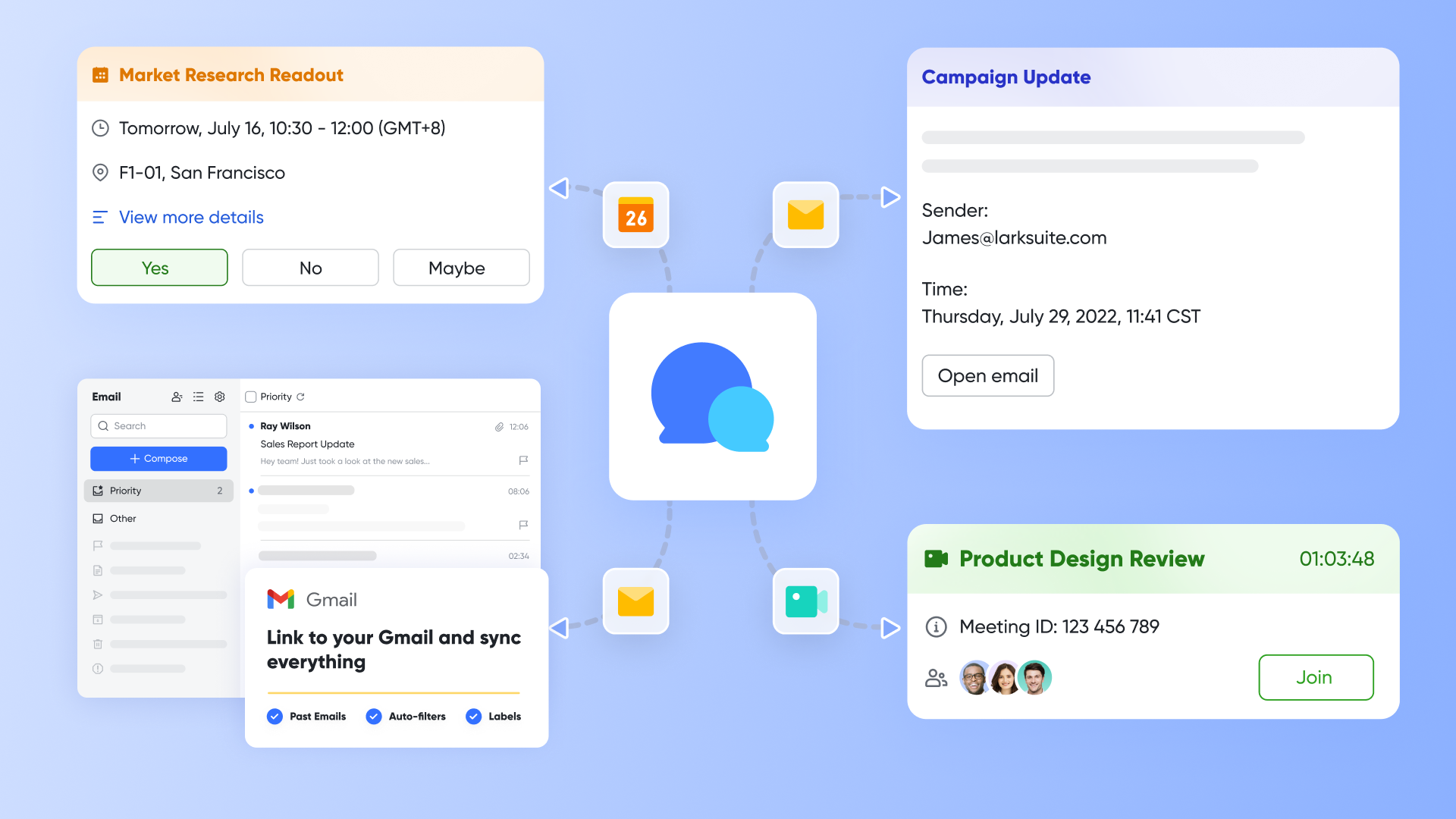
- Unify communication with Lark Messenger & Mail: Stop losing critical conversations. Use Lark Messenger for real-time internal collaboration. Utilise Lark Mail to manage external communications, ensuring every important message is logged for complete visibility.
- Capture intelligence with Lark Meetings & AI Notes: Every stakeholder meeting is a goldmine of information. With Lark Meetings and AI Meeting Notes, you can automatically transcribe conversations, summarize key points, and extract action items, ensuring no commitment is ever forgotten.
- Collaborate and collect feedback with Lark Docs & Forms: Draft communication plans collaboratively in Lark Docs. Then, use Lark Forms as powerful feedback tools to systematically gather stakeholder input, with responses flowing directly into Lark Base for immediate analysis.
Conclusion
Effective stakeholder management is a fundamental driver of project success. The risks of relying on fragmented, manual systems are simply too high. The best stakeholder management software provides the structure needed to move from a reactive to a proactive model, transforming relationships into a strategic asset.
However, the future of this discipline lies not in another standalone tool, but in combination. The most powerful approach is one where stakeholder engagement is seamlessly woven into the fabric of your team's daily collaboration. By breaking down the silos between your communication, your data, and your projects, you create a holistic ecosystem where every team member is empowered. This is where a unified platform shines, creating unparalleled alignment and efficiency.
Ready to see how an all-in-one platform can transform your stakeholder relationships and unify your team's workflow? Get started with Lark for free today.
FAQs
What is stakeholder management software?
Stakeholder management software is a centralized platform to identify, analyze, track, and engage with individuals or groups vested in your projects. It replaces scattered spreadsheets and emails with one unified system for communication, reporting, and relationship-building to drive project success.
What are the 4 C's of stakeholder management?
The 4 C's are: Communicate, Consult, Collaborate, and Coordinate. These principles guide effective engagement by ensuring you consistently share clear information, actively seek stakeholder input, work together on solutions, and strategically align all interactions to foster trust and mutual understanding.
What is the best tool for stakeholder mapping?
Lark excels as a stakeholder mapping tool by offering dynamic, customizable views like influence/interest matrices and galleries. It uniquely integrates mapping directly with project data, communication channels, and automated workflows, providing a real-time, collaborative picture of your stakeholder landscape.
What are the 7 C's of stakeholder management?
The 7 C's are Communicate, Consult, Collaborate, Coordinate, Clarify (define roles and goals), Consolidate (unify information), and Continuously improve (adapt strategies based on feedback). This comprehensive framework promotes a more proactive and thorough approach to managing diverse stakeholder expectations.
Related reading
Table of contents
Start using Lark today

Manage all your work in one place
Boost team efficiency by 10x
Save up to 70% on software costs
Table of contents
Start using Lark today
Manage all your work in one place
Boost team efficiency by 10x
Save up to 70% on software costs
Keep reading








2026 Lark Technologies Pte. Ltd.
Headquartered in Singapore with offices worldwide.






Explore: