














Understanding the Waterfall Methodology in Project Management

Ryan Tanner
Product Marketing Specialist
Sep 18, 2026
Ryan Tanner
Sep 18, 2026

15 min read


Every project needs the right methodology to succeed. While some teams thrive in adaptive frameworks like Agile, others rely on structured methods that provide clarity from start to finish. One of the most enduring approaches is the Waterfall methodology, a linear and step-by-step model that ensures each phase of a project is completed before moving to the next.
This traditional method is particularly valuable in industries like construction, manufacturing, or healthcare, where requirements are fixed and compliance is critical. Though it has a reputation for being rigid, Waterfall remains relevant when combined with modern tools that reduce its common challenges. Platforms like Lark help teams apply Waterfall effectively, giving them the structure of sequential planning with the agility of digital collaboration.

What is the Waterfall methodology?
The Waterfall methodology is a sequential project management methodology where each phase must be completed before the next begins. Unlike iterative approaches like Agile, Waterfall follows a linear path: teams gather requirements, design the system, implement solutions, test thoroughly, and finally deploy the finished product. This makes it particularly effective for projects where requirements are clear from the outset and unlikely to change.
A key characteristic of this approach is its strict order—there is no moving forward without sign-off from the previous phase. This structure ensures accountability, well-documented deliverables, and predictable timelines.
Industries such as construction, manufacturing, and regulated sectors like healthcare or aerospace often rely on the waterfall project management methodology because compliance, safety, and upfront planning are non-negotiable.
5 Phases of the Waterfall methodology
The Waterfall methodology is a structured, step-by-step project management approach where each stage must be completed before the next begins. It emphasizes thorough documentation, clear deliverables, and a logical flow from concept to completion. Below are the five key phases that define how Waterfall projects progress from requirements to release.
- Requirements gathering: This initial phase lays the foundation for the entire project. Teams work closely with stakeholders to collect and document every requirement — including business goals, technical needs, user expectations, and success criteria. The goal is to remove ambiguity early on by translating client or business needs into detailed specifications. Once finalized, this documentation acts as the single source of truth for the rest of the project. Because Waterfall follows a linear flow, getting this stage right is critical — any change later can be costly and time-consuming.
- System design: In this phase, the information gathered during requirements analysis is converted into a complete system design blueprint. Architects, engineers, or designers outline both high-level architecture (overall system structure, data flow, and component interaction) and low-level design (specific details like interfaces, algorithms, and database schema). This stage ensures that developers know exactly what to build and how different modules will interact. By defining the system's structure upfront, teams minimize uncertainty and ensure consistency when development begins.
- Implementation: Once the design is approved, the implementation phase begins — where theoretical plans become practical deliverables. Developers or project teams start building the system according to the documented design. Tasks are usually executed in clearly defined sequences, such as module development, code reviews, and integration. Because Waterfall emphasizes structure, the output of this stage should closely match the specifications established earlier. Detailed progress tracking and version control are often used to maintain alignment with design goals and prevent scope drift.
- Verification (testing): The verification phase is dedicated to validating that the system performs as intended. Testers conduct different types of testing — such as unit, integration, system, and user acceptance testing — to identify any defects, errors, or gaps against the initial requirements. Each issue is documented and addressed before moving to the final release. This stage acts as the project's quality gate, ensuring reliability, compliance, and performance. A successful verification phase guarantees that the final product meets both stakeholder expectations and technical standards.
- Deployment & maintenance: Once the system passes testing, it is formally deployed to the production environment or delivered to end users. However, Waterfall doesn't end at delivery — ongoing maintenance is essential for ensuring long-term stability. This includes resolving post-launch bugs, releasing patches, and applying updates to keep the system secure and efficient. For large organizations, this phase may also involve user training, performance monitoring, and version upgrades. Effective maintenance ensures that the product continues to deliver value even after the initial project closure.
Advantages of the Waterfall project management methodology
The Waterfall methodology has been a trusted approach in project management for decades. Its linear, stage-by-stage design makes it especially effective for projects with fixed goals, clear requirements, and strict timelines. Unlike Agile or iterative models, Waterfall ensures each stage—planning, design, development, testing, and deployment—is completed before the next begins. This makes it ideal for industries where structure, documentation, and predictability are critical.
- Clear structure and documentation
Each phase in Waterfall is fully documented before progressing, leaving little room for ambiguity. For example, in a government IT infrastructure project, all requirements and technical specifications must be formally approved before coding begins. This thorough documentation provides stakeholders with a transparent view of the project’s scope and status.
- Easy to understand and manage
Because of its step-by-step nature, Waterfall is simple for teams to follow, even without deep project management expertise. A manufacturing company building a new production line might use Waterfall because the process—design, build, test, and deploy—is predictable and easy to track through clear milestones.
- Works well for predictable projects
When requirements are stable and unlikely to change, Waterfall minimizes uncertainty and rework. For instance, a construction firm building a commercial office tower relies on Waterfall to ensure that design blueprints, materials, and safety procedures are finalized before construction starts, reducing costly mid-project changes.
- Defined deliverables at each stage
Every phase produces tangible outputs, from required documents to tested deliverables. In software development for banking systems, this means producing detailed requirement documents, design diagrams, coded modules, and verified test results—all tracked to maintain accountability and meet compliance standards.
- Strong alignment with compliance needs
Industries like healthcare, aerospace, and defense prefer Waterfall due to its emphasis on traceability and regulatory documentation. For example, a medical device manufacturer might follow Waterfall to ensure every stage—design validation, testing, and quality assurance—meets FDA and ISO standards for safety and performance.
How the Waterfall model works
The Waterfall model is a step-by-step project management method where each phase must be finished before starting the next one. The name "Waterfall" describes how progress flows downward through different stages, similar to water moving down steps. This approach focuses on planning, structure, and documentation, making sure every requirement is addressed before work begins.
A typical Waterfall workflow includes five to seven key phases, each with specific deliverables and approval points:
Requirements gathering and analysis
This first phase aims to understand what the project needs to achieve. Teams meet with stakeholders to gather detailed business needs, technical specifications, and expected outcomes. In a software project, this might involve defining system features and user needs; in construction, it means setting client goals, budgets, and design details. All requirements are documented in a clear report before moving to design.
System and design phase
Once the requirements are finalized, architects and engineers create detailed designs on how to meet those needs. This includes both high-level designs (overall architecture, workflows, layouts) and detailed designs (database schemas, blueprints, technical drawings). This documentation acts as the guide for the development or build phase, ensuring clarity.
Implementation (or development)
In this phase, the actual product or system is built based on the approved design. In software, this means coding each part; in manufacturing or engineering, it means producing components or assembling systems. Since the plan is finalized, there's little room for design changes, which keeps the process efficient and consistent.
Testing and verification
Once development is finished, teams thoroughly test the product to ensure it meets all set requirements. This can involve unit testing, integration testing, system testing, and user acceptance testing. For example, in an automotive project, this phase would include safety checks and performance testing before release. Testing guarantees that the final product is functional, compliant, and ready for use.
Deployment and maintenance
After the product passes all quality checks, it is delivered to the client or end-user. The maintenance phase covers ongoing updates, performance improvements, and bug fixes as the system or structure is used. While the Waterfall model assumes few changes after delivery, maintenance supports long-term reliability and user satisfaction.
Due to its strict, phase-driven approach, the Waterfall model works best for projects where requirements are well-understood and unlikely to change. Examples include civil engineering projects, hardware manufacturing, government IT systems, and healthcare software, where tracking, documentation, and compliance are crucial. Overall, the Waterfall model offers a clear roadmap from start to finish, making it easier to manage costs, monitor progress, and ensure accountability at each stage. This makes it a reliable choice for organizations that favor predictability and documentation over flexibility.
Using Lark to manage Waterfall projects
Although Waterfall is traditionally seen as rigid, the right project management tools can make it easier to apply in today's fast-moving business environments. Here's how Lark's features support each stage of the Waterfall methodology:
Lark Base: Structure, visualize, and automate phases
With Lark Base, project managers can map out each Waterfall phase—requirements, design, implementation, testing, and deployment—using customizable templates. Views like Gantt charts show dependencies, while Kanban boards track task progression. Built-in automated workflows handle repetitive actions such as updating statuses, sending reminders, and routing approvals. Example: When testing is complete, the workflow notifies the deployment team automatically and sends the report to managers for approval.
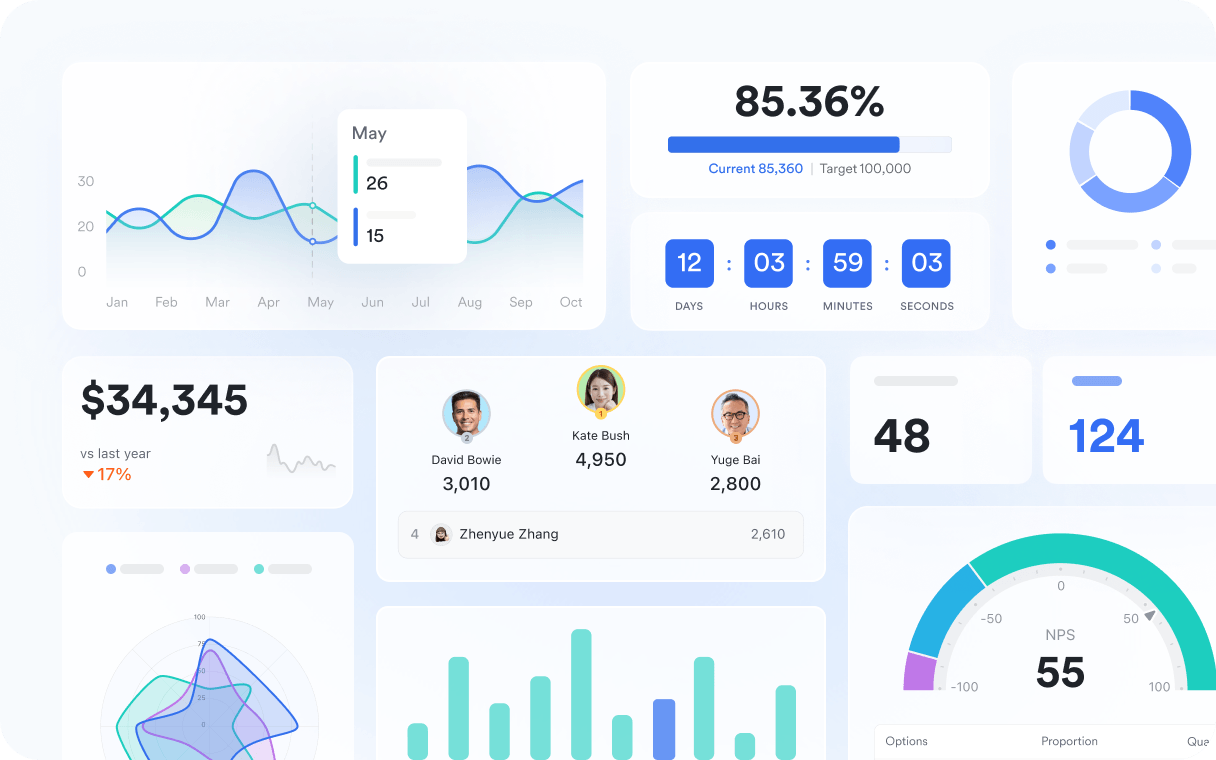
Project activities can be broken into smaller tasks with clear owners, deadlines, and priorities. Managers gain real-time visibility into progress, ensuring accountability at every stage. Scenario: In a software project, developers receive tasks tied to the design documents, with progress tracked automatically as work moves forward.
Lark Docs and Lark Wiki: Centralize documentation and decisions
Every requirement, blueprint, and decision can be co-authored in Lark Docs and stored in the Lark Wiki for long-term reference. This eliminates version control issues and ensures all stakeholders are aligned. Example: A healthcare team keeps compliance documents updated in Lark Wiki so everyone accesses the same approved version during audits.
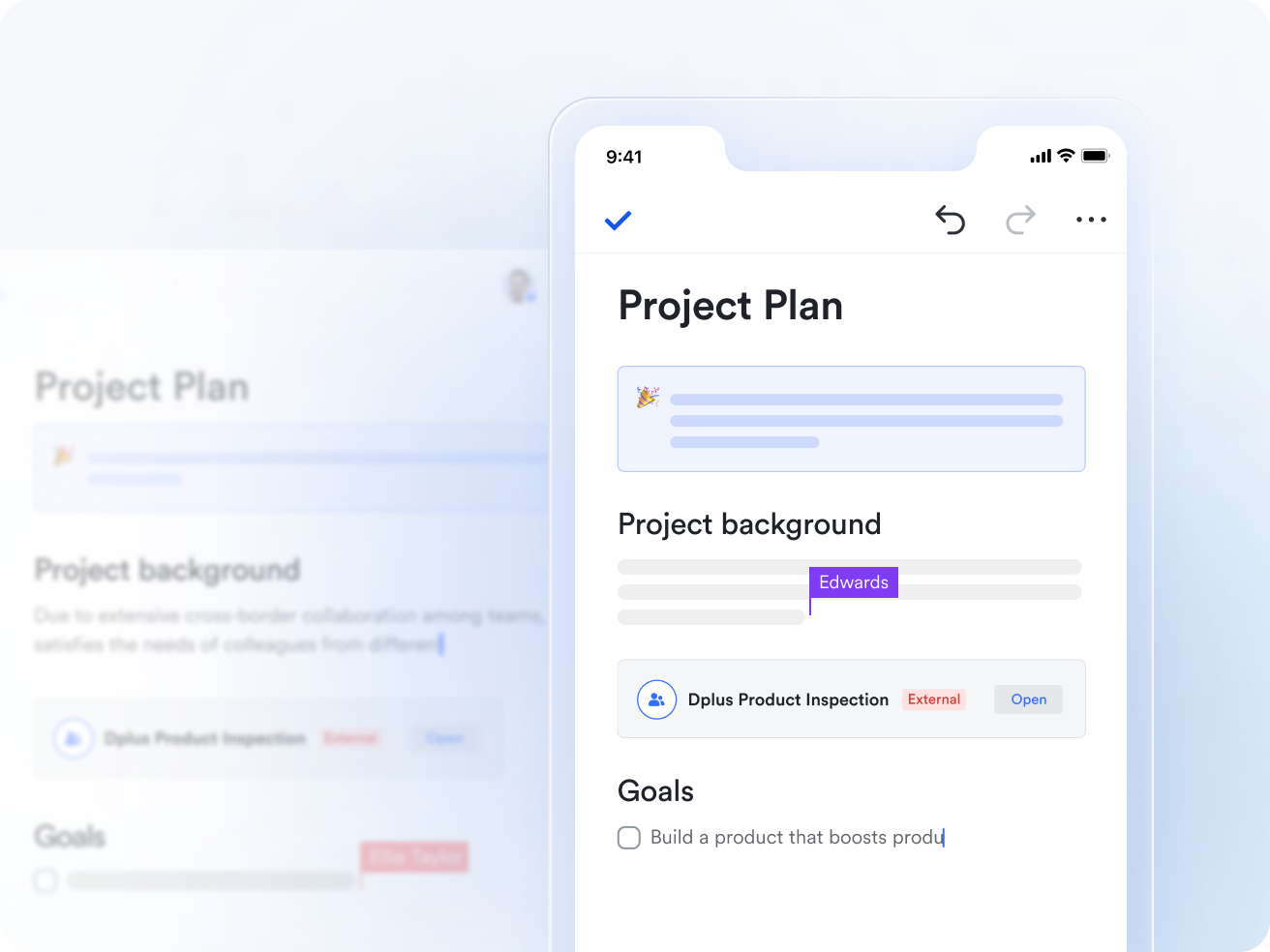
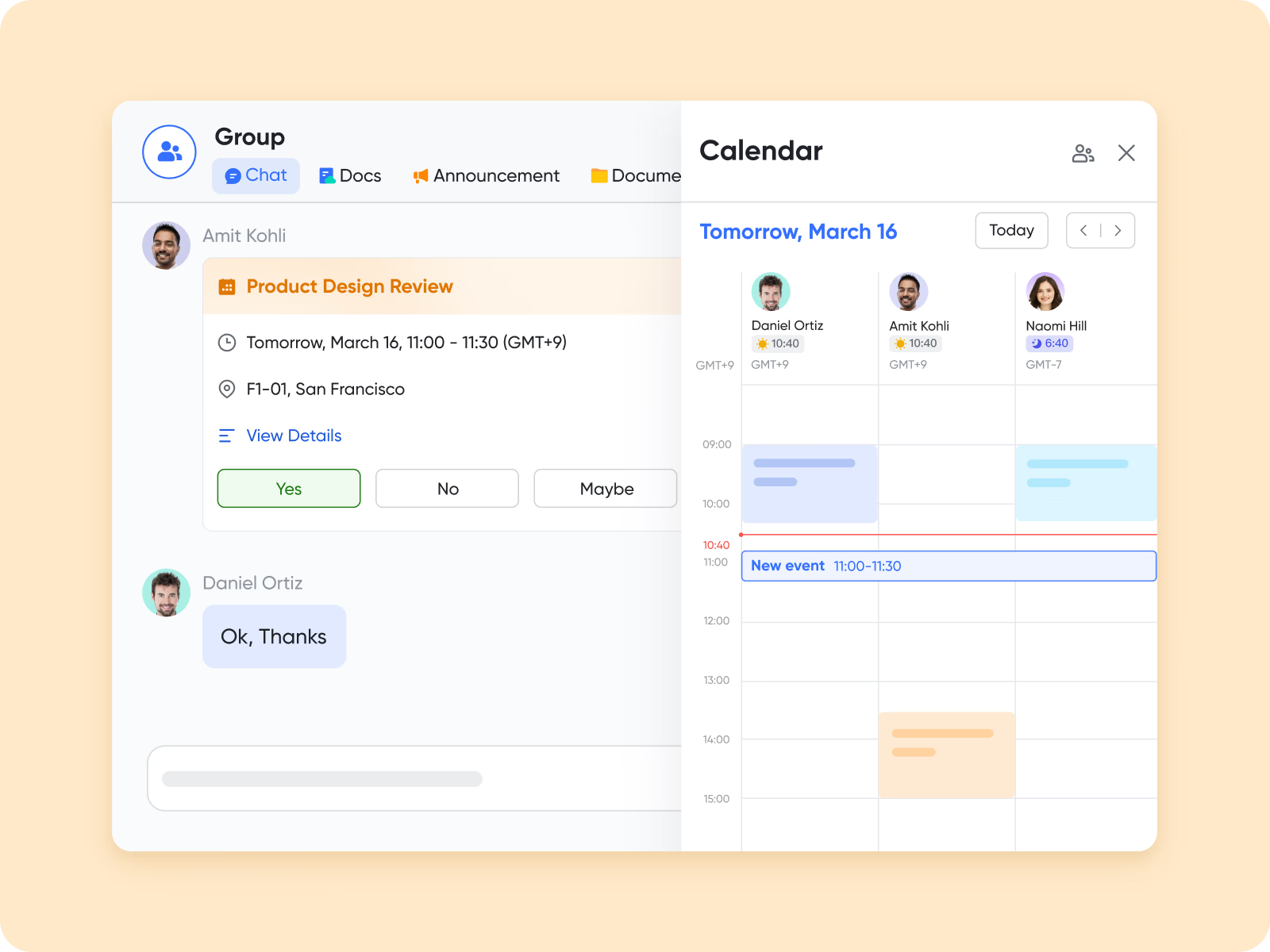
Critical milestones like design sign-offs, testing deadlines, and final delivery dates are visible to the entire team. Calendar reminders keep stakeholders informed and on schedule. Scenario: A manufacturing project sets milestones such as “prototype ready” and “testing complete,” with Calendar reminders sent to the responsible teams.
Lark Sheets: Track performance with waterfall charts
With Lark Sheets, managers can build waterfall charts to monitor project costs, resource usage, or progress metrics. These visualizations help spot risks early and maintain financial control. Example: An operations team uses Lark Sheets to track cumulative project costs across each Waterfall phase, identifying overruns before they escalate.
- Starter plan: Free forever plan that includes 11 powerful tools for up to 20 users. It also comes with 100GB of storage, 1000 automation runs, AI translations, and more.
- Pro plan: $12/user/month (billed annually) for up to 500 users. It includes everything in Starter plus group calling for up to 500 attendees, 15TB of storage, 50,000 automation runs, and more.
- Enterprise plan: Contact sales for custom pricing. Supports unlimited users and includes even more automation runs and advanced security, compliance, and management features.
Real-life examples of the Waterfall projects
The Waterfall methodology works well in settings where requirements are stable, changes are few, and precision is important. Each stage must be completed before moving on to the next, promoting discipline, accountability, and documentation. This makes it suitable for highly regulated or large-scale industries. Here are some real-world examples of the effective use of the Waterfall model:
Construction projects
Construction projects are classic examples of the Waterfall approach. All architectural designs, budgets, and blueprints are finalized before work starts. The team moves in a sequence, from foundation to structure, utilities, and finishing, ensuring no overlap between stages. Each phase requires approvals and inspections, maintaining strict order and safety compliance.
Aerospace and defense systems
The aerospace industry relies on precision, compliance, and thorough testing, which fit well with Waterfall’s linear structure. Projects move from requirements to design, simulation, prototyping, and testing, with detailed documentation at every step. This lowers risks and ensures mission reliability.
Healthcare software development
In healthcare, patient safety and regulatory compliance make Waterfall a good choice. Each phase, including requirements gathering, design, development, testing, and deployment, is documented and audited for compliance with regulations like HIPAA. This process reduces risk and maintains data integrity at every stage.
Manufacturing and hardware design
Waterfall supports hardware development, where changes after production can be expensive. Teams follow sequential steps, from concept and prototyping to tooling, testing, and production, ensuring consistency and quality assurance.
Government and infrastructure projects
Government and public sector projects require traceability, accountability, and regulatory compliance. These projects use Waterfall’s documentation-heavy method to maintain clear oversight, meet audit standards, and stick to fixed budgets and schedules.
Enterprise resource planning (ERP) implementation
Large organizations often choose Waterfall for ERP system rollouts that involve multiple departments. Since ERP systems affect finance, HR, and operations, defining requirements upfront helps avoid disruptions. Waterfall ensures integration, testing, and deployment follow a controlled process.
Overall, the Waterfall model remains essential for projects where accuracy, structure, and documentation are more important than flexibility. It provides clarity, reduces risk, and ensures high-quality results in critical industries.
Conclusion
The Waterfall methodology remains one of the most structured approaches in project management, offering clear documentation, defined deliverables, and predictable timelines. Its linear design works especially well for industries where requirements are fixed, compliance is strict, and changes are minimal. However, the same structure can sometimes make Waterfall feel inflexible and slow to adapt in today's fast-moving environments.
This is where modern tools make a difference. By combining Waterfall's clarity with digital collaboration and automation, teams can reduce bottlenecks and keep every phase on track. Lark Base, Tasks, Docs, Calendar, and Sheets bring together planning, execution, and reporting in one platform—while built-in workflows automate the repetitive steps that often slow projects down.
With the right platform, Waterfall no longer feels rigid; it becomes a practical, scalable method for structured projects.
FAQs
Can small businesses apply the Waterfall model effectively?
Yes. Small businesses can benefit from Waterfall when projects have clear requirements and limited complexity. Its structured approach ensures predictability and avoids scope creep. With Lark Base templates, even small teams can structure phases, assign tasks, and track progress without needing a dedicated project management department.
How does Waterfall handle change requests?
Waterfall traditionally struggles with late-stage changes since each phase must be completed before moving to the next. Changes often require going back to earlier phases, which can be time-consuming. In Lark Docs and Base, change requests can be logged, tracked, and linked to tasks, making it easier for teams to manage revisions transparently without losing context.
What software tools support hybrid Agile-Waterfall approaches?
Many organizations combine Waterfall's structure with Agile's flexibility, especially in large or complex projects. Tools that support both frameworks help teams adapt to different needs. Lark Base and Tasks allow you to design linear workflows for Waterfall while also running Kanban boards or sprints, enabling hybrid project management in a single platform.
How do project managers track dependencies in Waterfall?
Dependencies are usually tracked using Gantt charts or milestone schedules, helping managers visualize which tasks must be completed before others begin. This ensures timelines remain realistic. With Lark Base Gantt view and Lark Calendar, dependencies are easy to map and update in real time, with automated reminders to keep everyone aligned.
Related reading
Table of contents
Start using Lark today

Manage all your work in one place
Boost team efficiency by 10x
Save up to 70% on software costs
Table of contents
Start using Lark today
Manage all your work in one place
Boost team efficiency by 10x
Save up to 70% on software costs
Keep reading







2026 Lark Technologies Pte. Ltd.
Headquartered in Singapore with offices worldwide.






Explore: