













Best AI Content Marketing Tools to Streamline Your Workspace in 2026

Fecilia Chang
Solutions Marketing Specialist
Nov 3, 2026
Fecilia Chang
Nov 3, 2026

21 min read
Add to preferred sources


Content leaders are facing a silent operational tax. While AI content marketing tools make it incredibly easy to generate 2,000 words in under a minute, managing those outputs has become a chaotic logistical puzzle. Teams frequently find themselves ideating in ChatGPT, writing in Jasper, chasing managerial approvals inside legacy chat apps, and tracking schedules on isolated project boards.
This fragmented stack leads to version control confusion, misaligned strategic assets, and endless context-switching. Real marketing velocity does not come from generating text faster; it comes from tying your creation, team collaboration, and approval pipelines into a singular, cohesive ecosystem.
At a glance: Top recommendations for 2026
- Lark: Best for unifying AI content operations by integrating creation, communication, and approval workflows in one workspace.
- Airtable: Best for transforming loose spreadsheets into highly structured relational databases to manage complex asset and campaign pipelines.
- Jasper: Best for generating high-volume multi-channel copywriting while strictly enforcing customized brand voice memory profiles.
- Canva: Best for rapid social graphic and blog header design via an accessible drag-and-drop interface and shared brand kits.
- ClickUp: Best for tracking multi-layered task dependencies and complex content calendars through deep workspace hierarchies.
What defines an effective AI content marketing tool?
Choosing software based purely on how fast it spits out words is a trap. To build a highly resilient content operations engine that scales without administrative bloat, evaluate platforms against three fundamental criteria:
Contextual understanding and brand alignment
A great tool must move beyond standard public large language models. It needs to securely ingest your specific historical files, product documentation, and campaign briefs to produce outputs that genuinely sound like your brand, rather than a generic template.
Operational connectivity
True efficiency requires a system where a document is never just a dead file. The writing interface must be directly linked to your communication channels. If a team member has to copy text out of an app, paste it into an email to get a sign-off, and manually log it into a tracker, the tool has failed to optimize the production pipeline.
Security, tracking, and permissions
Your strategic insights and upcoming campaign materials are sensitive intellectual property. The software you select must offer granular administrative controls, clear audit logs, and secure data handling to ensure proprietary information never leaks into public training sets.
How we tested and evaluated these platforms
To help you cut through the marketing noise, we evaluated the leading choices in the market based on real-world operational friction. Our testing methodology focused on three core operational pillars:
- Stack Integration Value: We examined whether the software simplifies your bill. We favored platforms that allow organizations to replace multiple narrow point-solution subscriptions with an integrated ecosystem, drastically lowering total software spend.
- Collaboration Depth: We tested how effortlessly an asset moves from initial ideation to live internal review. High marks were given to systems where stakeholders can leave inline feedback, tag owners, and execute formal sign-offs within a shared collaborative space.
- Time to Value: We looked closely at onboarding friction. A tool is only useful if a hybrid or remote team actually adopts it. We analyzed setup difficulty, database migration paths, and the learning curve required for non-technical marketers to build automated workflows.
The Best AI content marketing tools for 2026
Market category overview
Modern AI content marketing tools have consolidated into 5 distinct functional categories in 2026, each addressing different stages of the marketing workflow:
Category 1: All-in-one digital workspace with built-in AI
Lark: Best for unifying AI content operations
Many modern marketing departments waste critical focus context-switching between separate apps for writing, messaging, approving, and tracking. This fragmented stack slows down project momentum and leaves teams buried in manual coordination overhead. Lark eliminates this structural problem by embedding Lark Docs directly alongside Lark Messenger. When your team works on a campaign brief inside Lark Docs & Wiki, they can instantly tag stakeholders or trigger automated Lark Approval workflows without leaving the document window.
For complex content schedules, Lark Base serves as a powerful database and workflow management tool, allowing teams to manage diverse media content, including text, images, videos, and audio. The platform infuses advanced intelligence directly into these operations. Marketing teams can leverage several core AI features to optimize production:
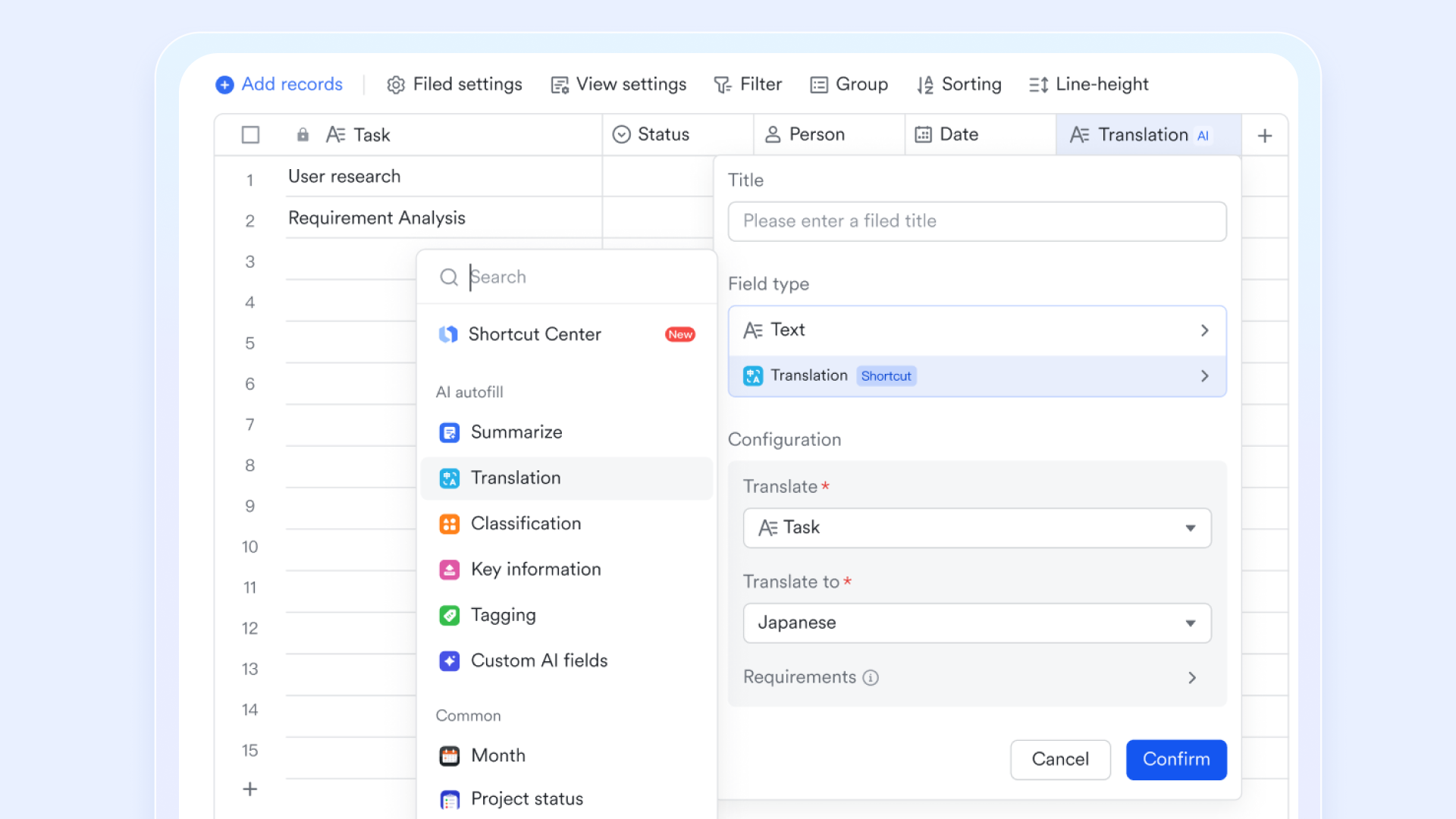
Quick content summarization & categorization: Built-in AI models rapidly summarize massive documents or translate multi-channel collateral inside your tracking hubs. By automatically categorizing large volumes of media assets, it eliminates repetitive organizational tasks so marketers can focus on strategic initiatives.
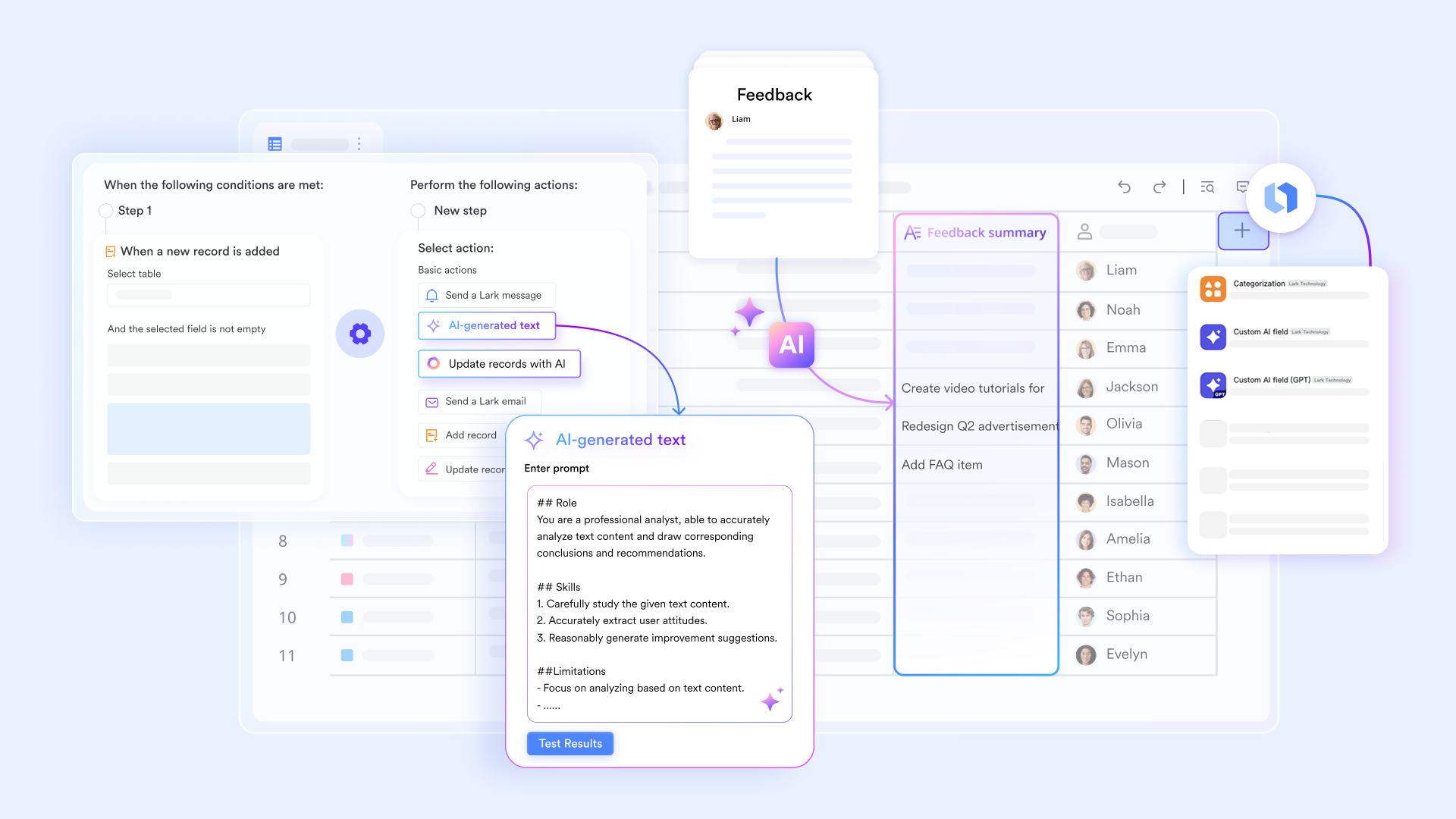
Customizable AI Fields: Users can write tailored prompts that allow the AI to meet their specific content production or management needs. This ensures the workspace perfectly adapts to unique team workflows, allowing users to build pre-configured shortcuts that automatically tag leads by sentiment, translate global campaign copy, or extract key data points from marketing briefs to reduce manual data entry.
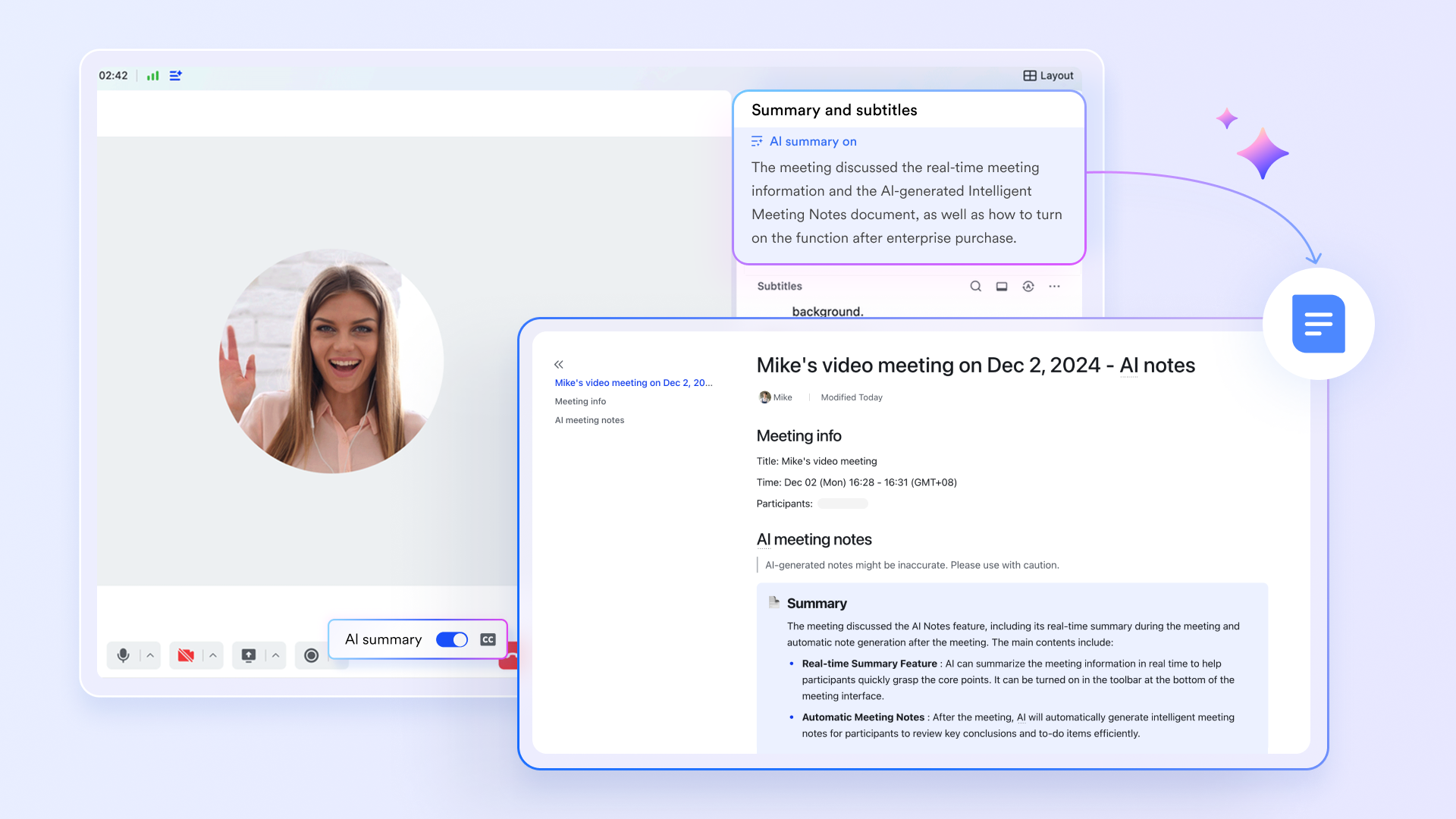
Automatic meeting summaries: Through AI Meeting Minutes, the platform captures key ideas and insights during video meetings. This provides a strategic intelligence layer for planning sessions, utilizing built-in AI to analyze brainstorming context and generate high-level executive summaries without manual note-taking.
AI-driven analytics & intelligent formulas: Marketers can automate complex data analysis by simply describing their needs in natural language—such as calculating ROI or identifying high-performing lead segments. These insights can be transformed instantly into AI-generated dashboards, using smart analysis to interpret charts and surface conversion trends at a glance.
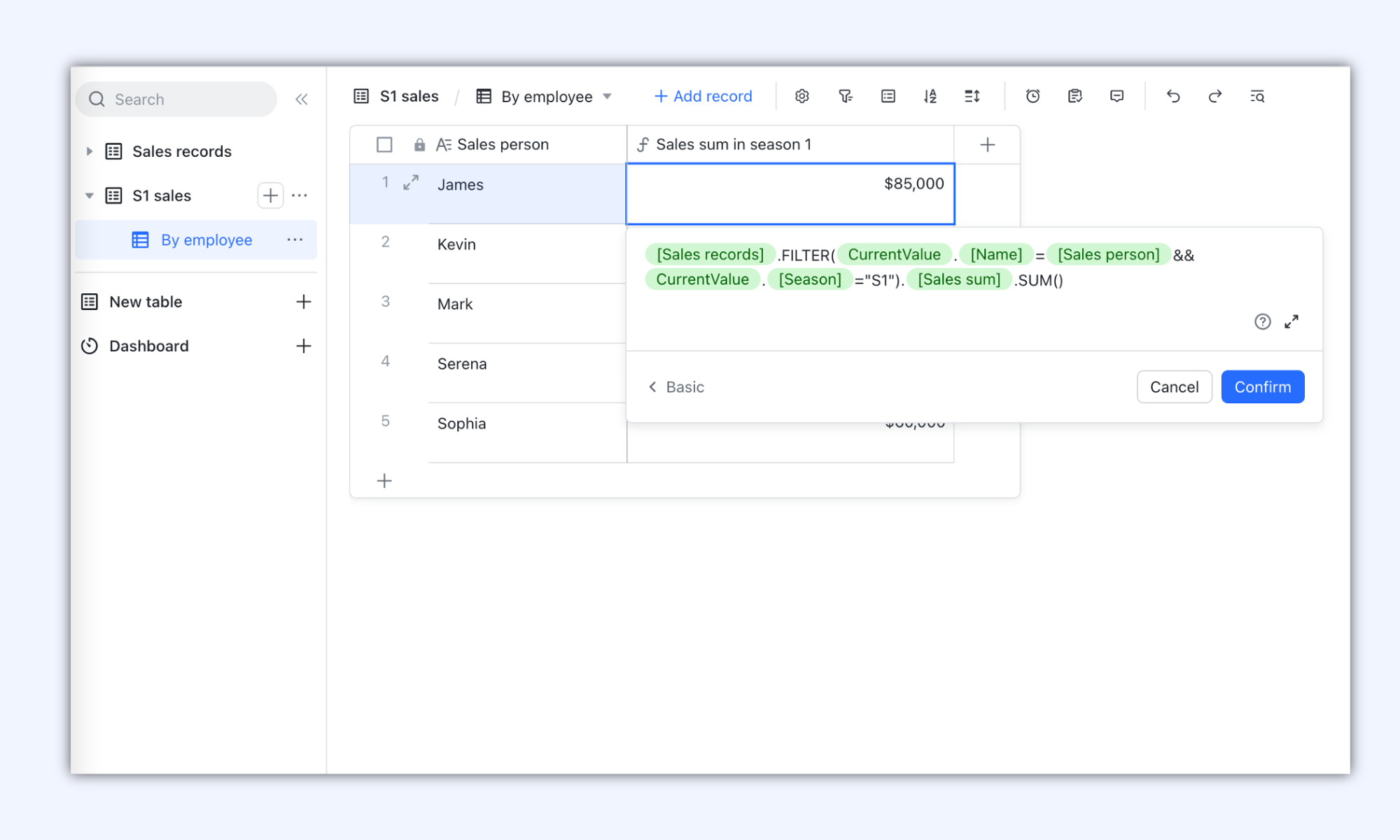
AI dashboards and data insights: In Lark, marketing teams can instantly transform complex campaign data into an AI-generated dashboard and actionable insights. "Smart analysis" streamlines this process through AI-driven chart interpretation and automated summaries, uncovering critical trends in engagement and conversion metrics at a glance.
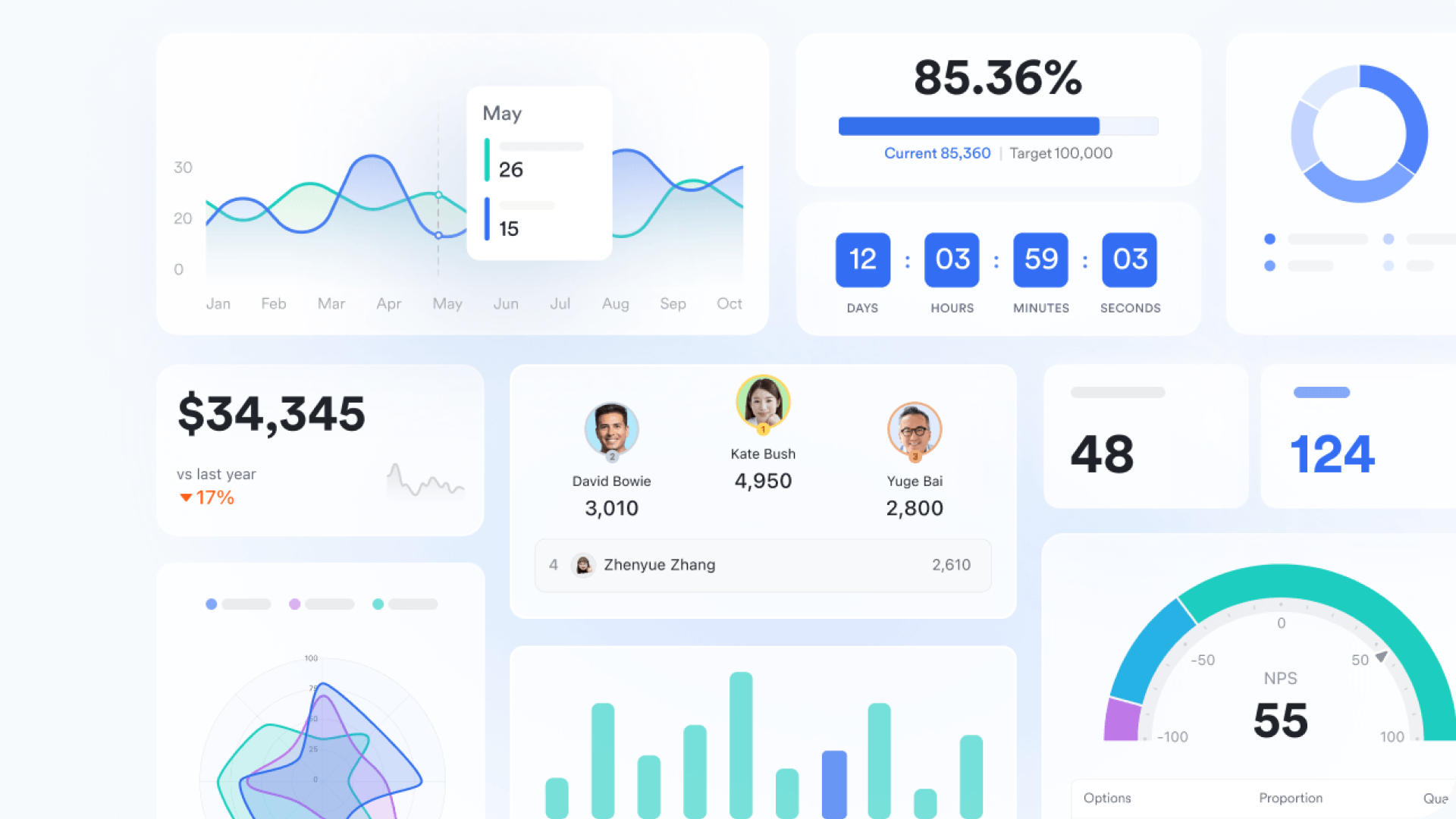
Furthermore, executives can connect these operational tasks directly to high-level strategy using Lark OKR, ensuring every single article produced actively supports quarterly growth metrics.

Category 2: Data-driven content operations & asset management
1. Airtable: Best for relational asset databases and localization pipelines
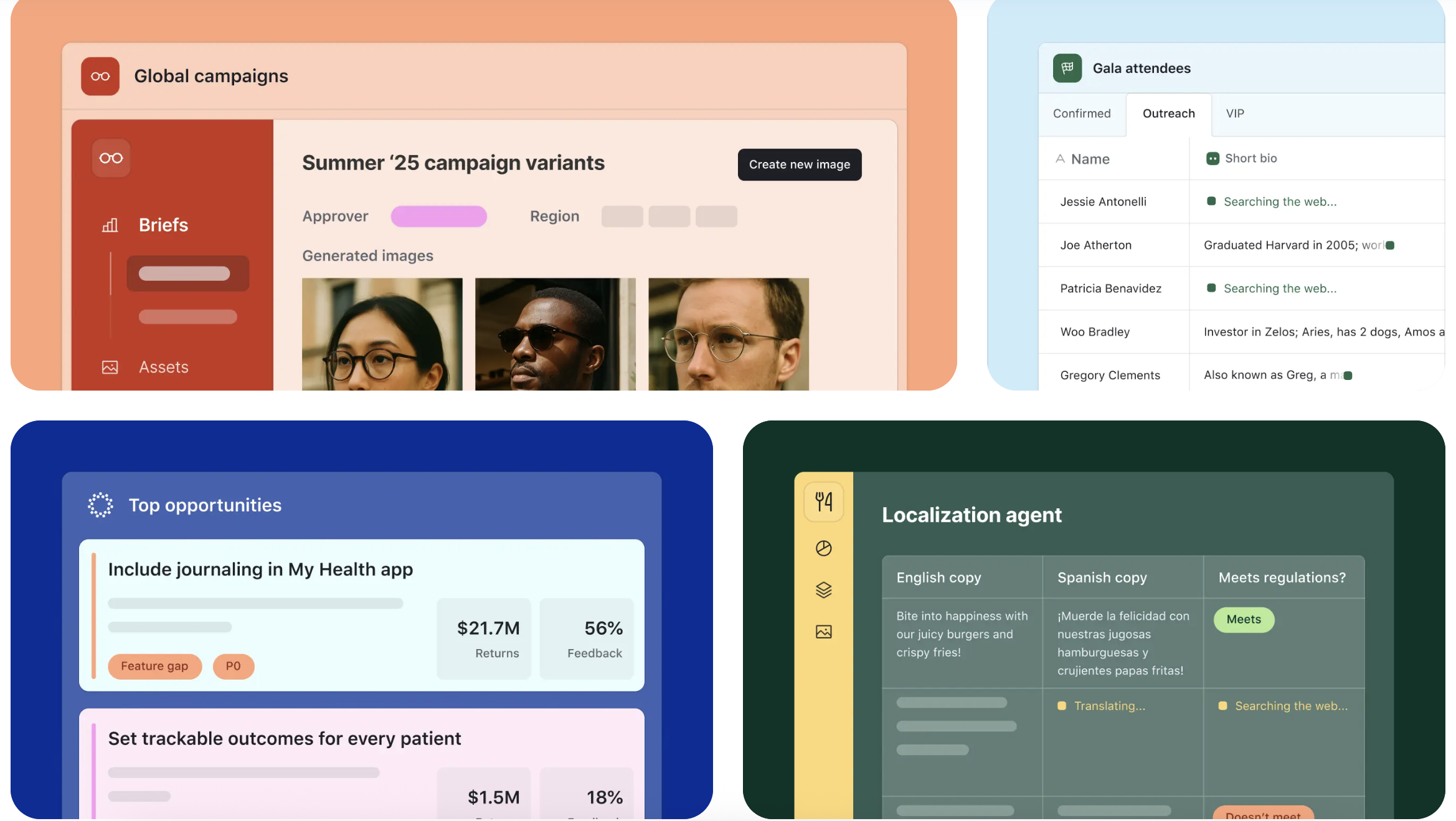
Image source: airtable.com
Airtable is an outstanding choice for mid-market to enterprise marketing operations that need to transform loose spreadsheets into heavily structured relational databases. It excels because it allows technical content managers to cross-reference campaigns, creative assets, and performance metrics within highly customized, no-code applications.
Managing localized content variants across multiple international regions quickly becomes a logistical nightmare when relying on basic flat sheets. A change made to a master campaign asset rarely updates across every regional variant, creating fragmented tracking profiles and mismatched internal goals. This disconnect is exactly where the platform steps in to centralize marketing data.
2. Notion: Best for connected knowledge wikis and team playbooks
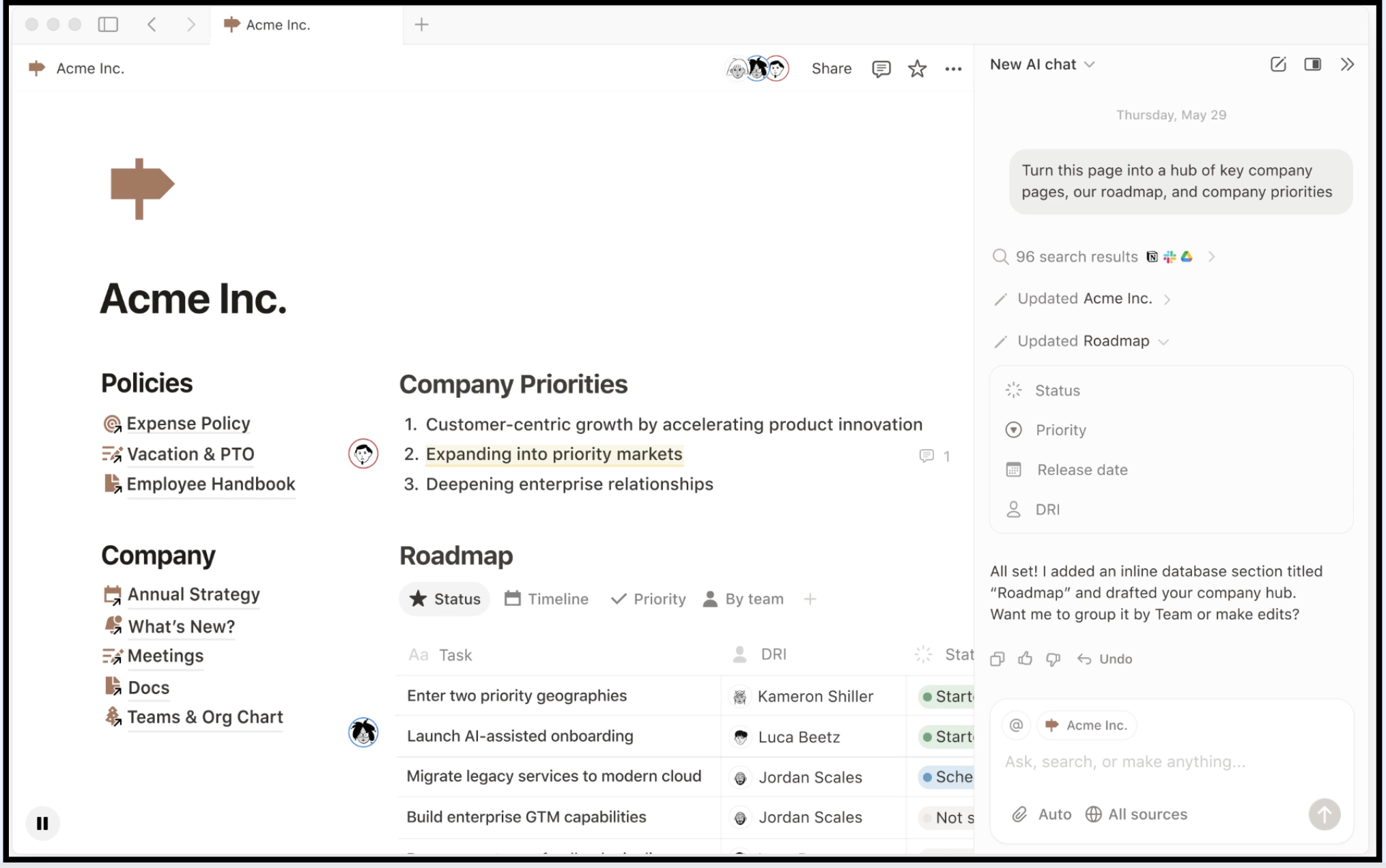
Image source: notion.com
Notion is an exceptional workspace solution for remote startups and creative agencies that require a highly flexible system for document creation and collaborative corporate wikis. It stands out because it blends a modular blank-page writing style with structured database layers under a single interface.
When internal creative guidelines, SEO playbooks, and brand voice assets live in disjointed systems, writers frequently lose track of the most current parameters. This lack of alignment results in inconsistent tone across published assets and forces editors to spend unnecessary time doing manual line corrections. The platform resolves this issue by turning standard internal notes into an interconnected network of project pages.
3. Hubspot: Best for lifecycle campaigns and direct crm pipeline attribution
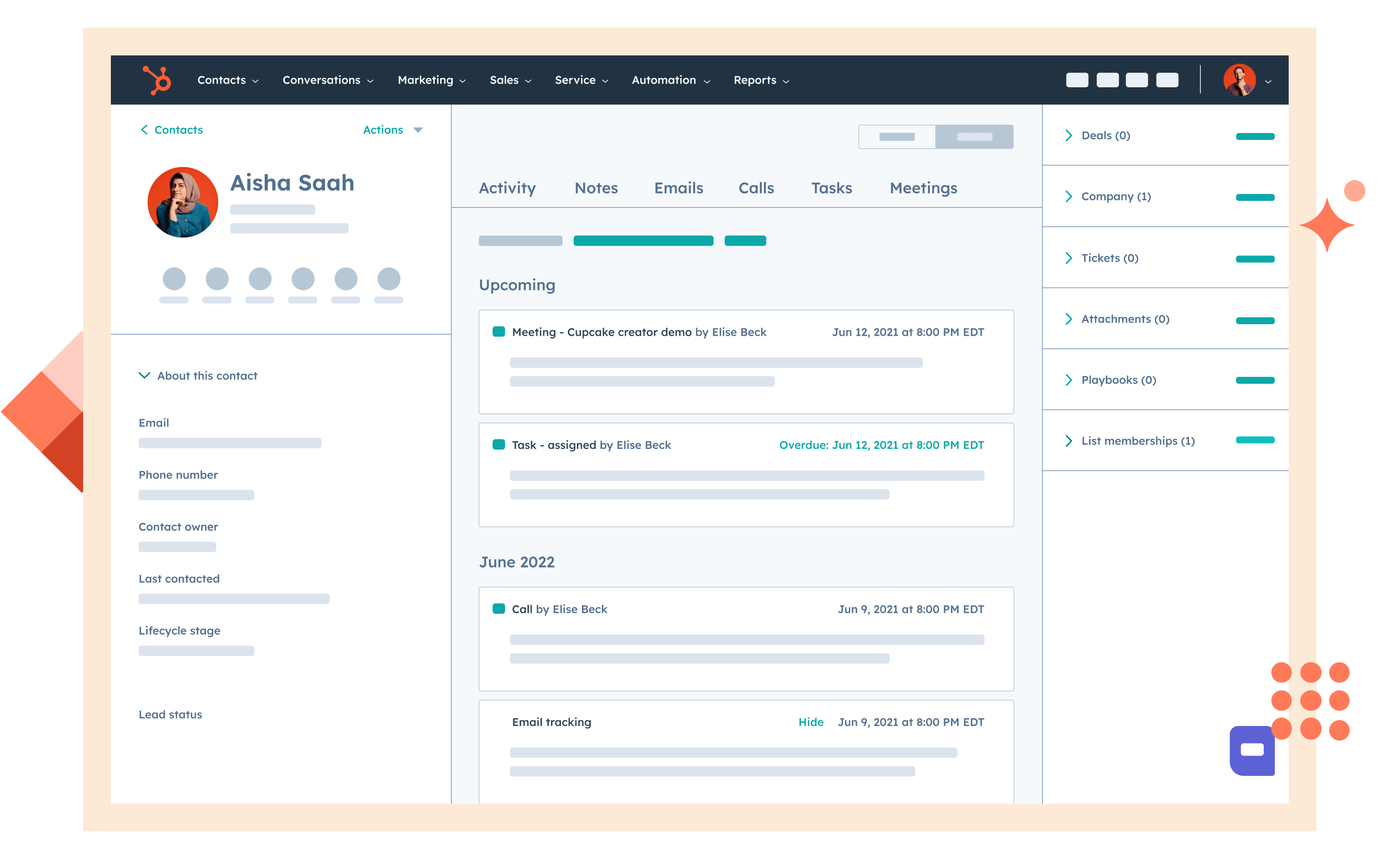
Image source: hubspot.com
HubSpot is the industry standard for inbound marketing teams that need to directly connect their content outputs to hard pipeline metrics and buyer data. It excels because it brings customer data and outbound asset delivery into a singular, powerhouse system.
For many marketing groups, there is an ongoing disconnect between the creative side of blogging and the analytical side of customer acquisition. Content teams publish articles in an isolated application, while sales professionals track incoming revenue inside a completely separate system, making it nearly impossible to determine exactly which blog post drove a specific conversion. The platform solves this operational blind spot by unifying everything.
4. Semrush: Best for competitor keyword intelligence and seo backlink audits
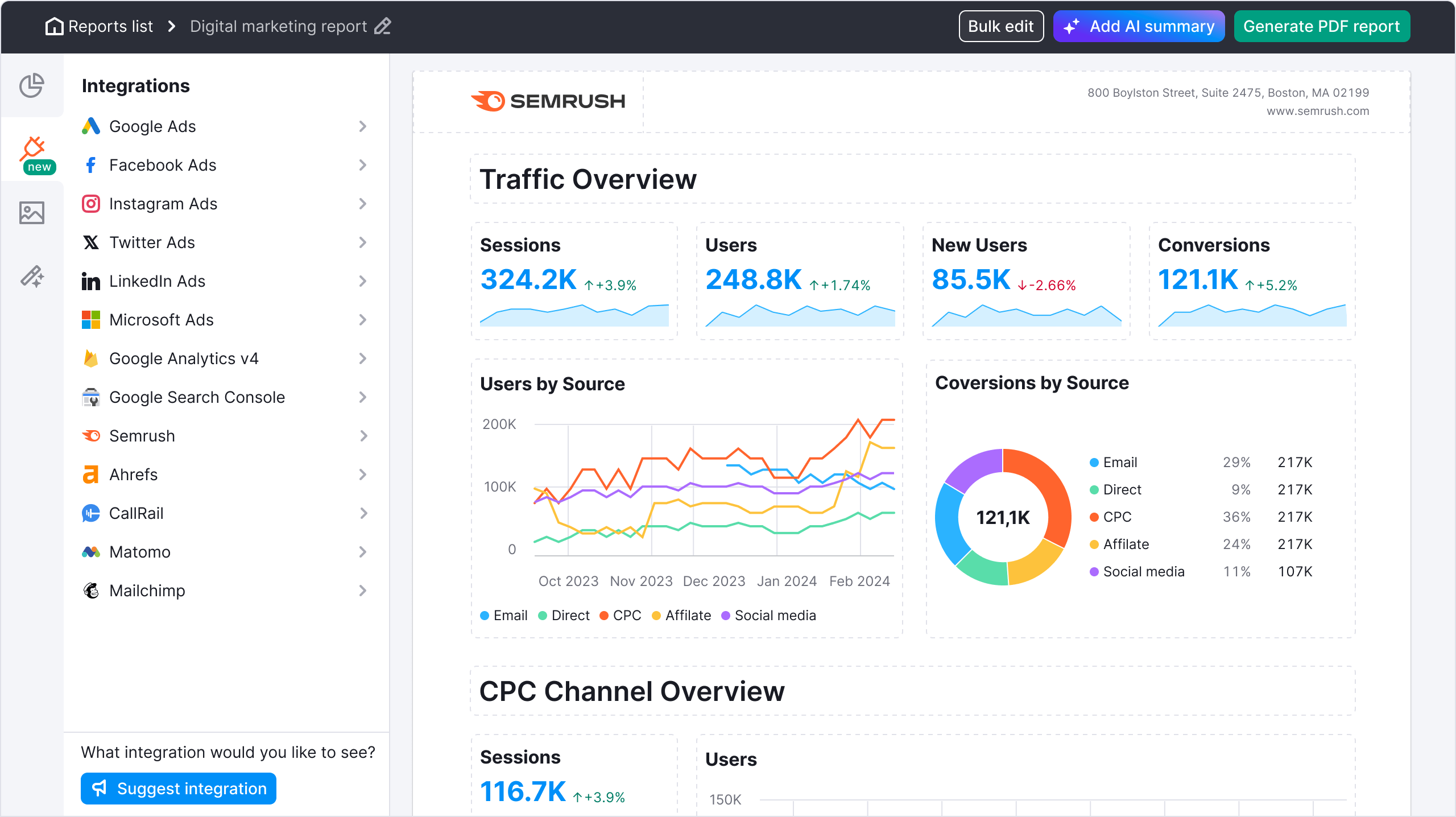
Image source: Semrush.com
Semrush is a must-have application for SEO directors and enterprise content strategists who require precise, data-backed competitive intelligence. It stands out because it possesses a massive global database that covers keyword rankings, search intent, and comprehensive backlink tracking.
Launching content initiatives without verifying real search data is an expensive gamble. Teams frequently target phrases that are either too competitive to rank for, or terms that lack meaningful commercial intent, wasting valuable budget on articles that fail to bring in traffic. The platform eliminates this risk by giving you complete visibility into exactly how your top market competitors are winning their organic traffic.
5. Surfer SEO: Best for live on-page semantic keyword optimization
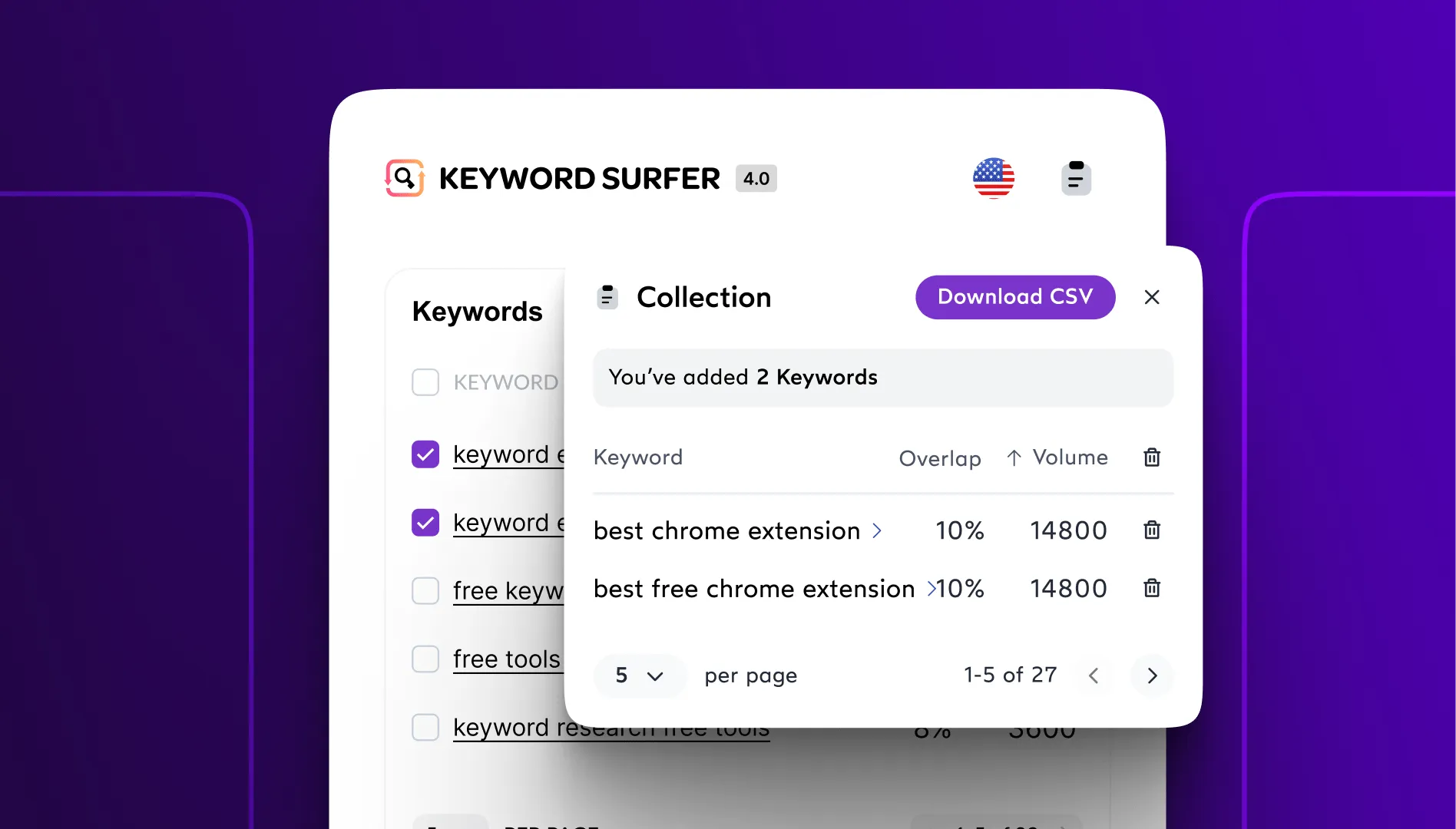
Image source: surferseo.com
Surfer SEO is the premier point solution for digital copywriters and growth editors focused on optimizing individual articles to achieve high organic visibility on Google. It excels by comparing your draft against the top-ranking web pages in real-time, offering instant keyword recommendations.
Even the most creative content can struggle to rank if it fails to include the precise semantic terms that modern search engines expect to see. Writers often guess which secondary topics to include, leading to endless rounds of edits after a post is published. The platform addresses this issue by providing a live, data-driven optimization score inside your writing window.
Category 3: Dedicated text generation & brand voice scale
1. Jasper: Best for multi-channel corporate copywriting and tone enforcement
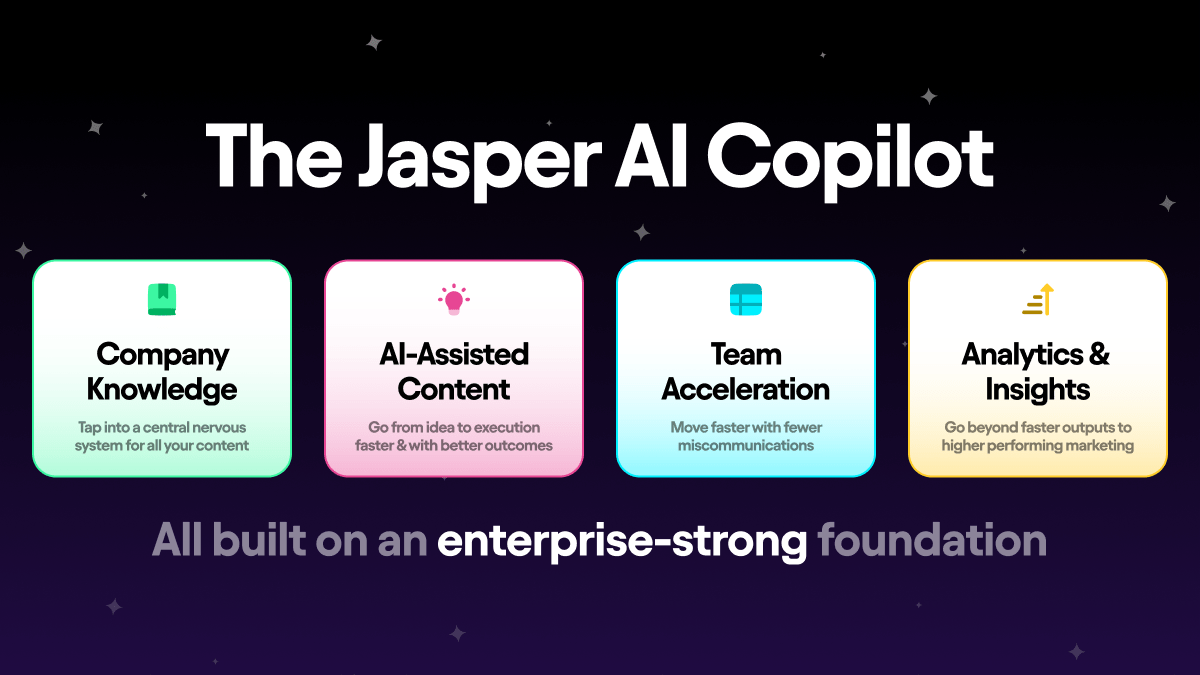
Image source: jasper.ai
Jasper is a highly reliable choice for established marketing teams that need to generate a massive volume of campaign copy while maintaining a strict, regulated corporate voice across multiple channels. It stands out due to its unique memory assets that prevent the AI from outputting generic, off-brand phrases.
A major challenge when deploying artificial intelligence for copywriting is the tendency for standard models to produce bland, repetitive outputs that sound completely disconnected from an organization's actual identity. This generic text requires significant manual editing from senior writers to correct, which defeats the purpose of trying to save time. The platform solves this issue by letting you create custom brand voice profiles.
2. Copy.ai: Best for programmatic gtm campaign automation and bulk asset scoping
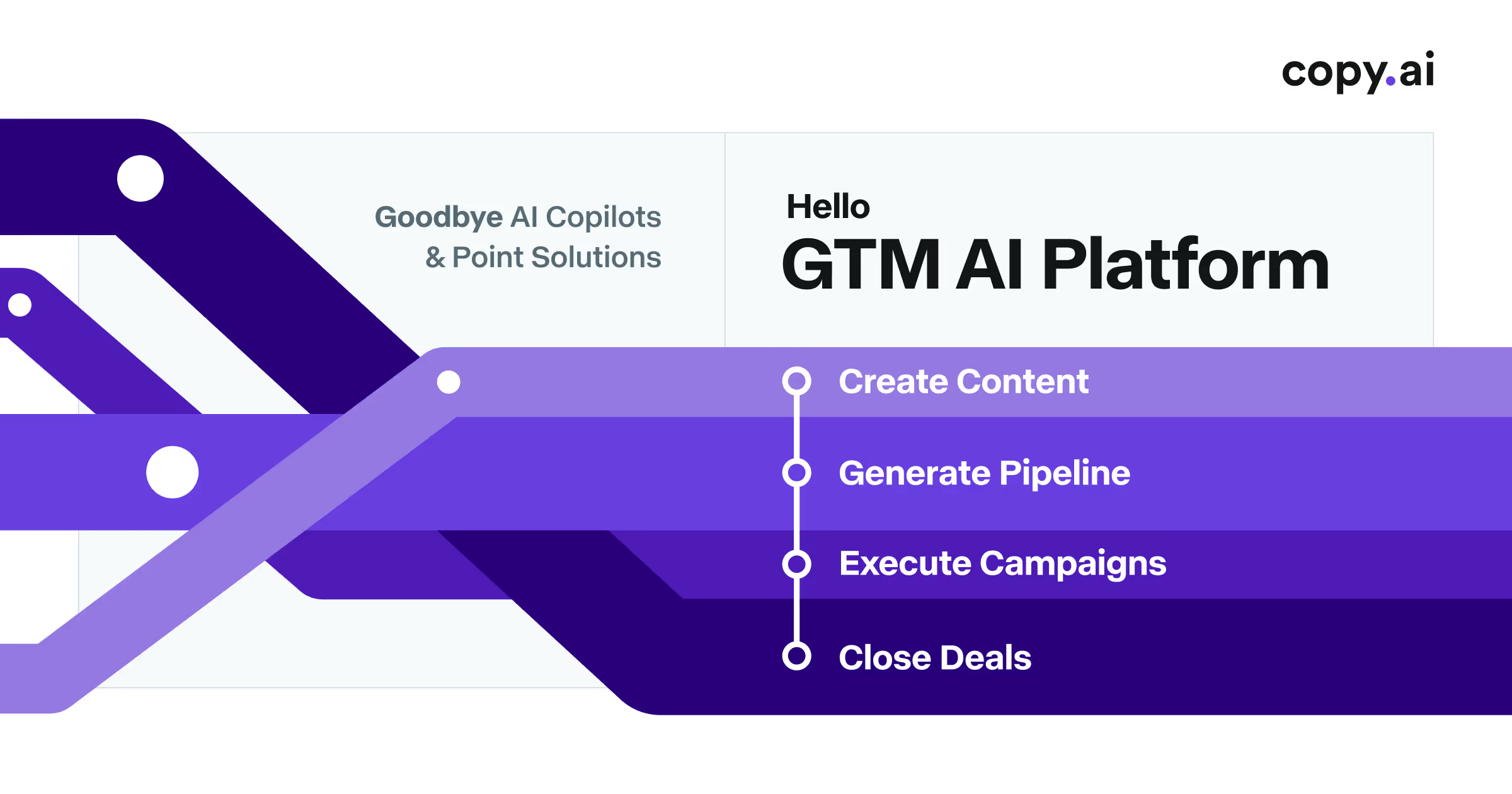
Image source: copy.ai
Copy.ai is an excellent solution for high-volume growth marketing groups that want to build structured, multi-step content pipelines to automate repetitive workflow patterns. It excels at running complex go-to-market sequences, such as instantly transforming a single product launch brief into dozens of distinct social posts and ad variants.
Manually writing slightly different variations of promotional copy for multiple separate distribution channels is an incredibly tedious task that consumes hours of a marketer's day. Creative teams often get bogged down by these small mechanical tasks, leaving them with very little time to focus on overarching strategy or deep brand positionings. The platform addresses this operational bottleneck by introducing programmatic AI workflows.
3. Writesonic: Best for performance ad copy variants and real-time web search
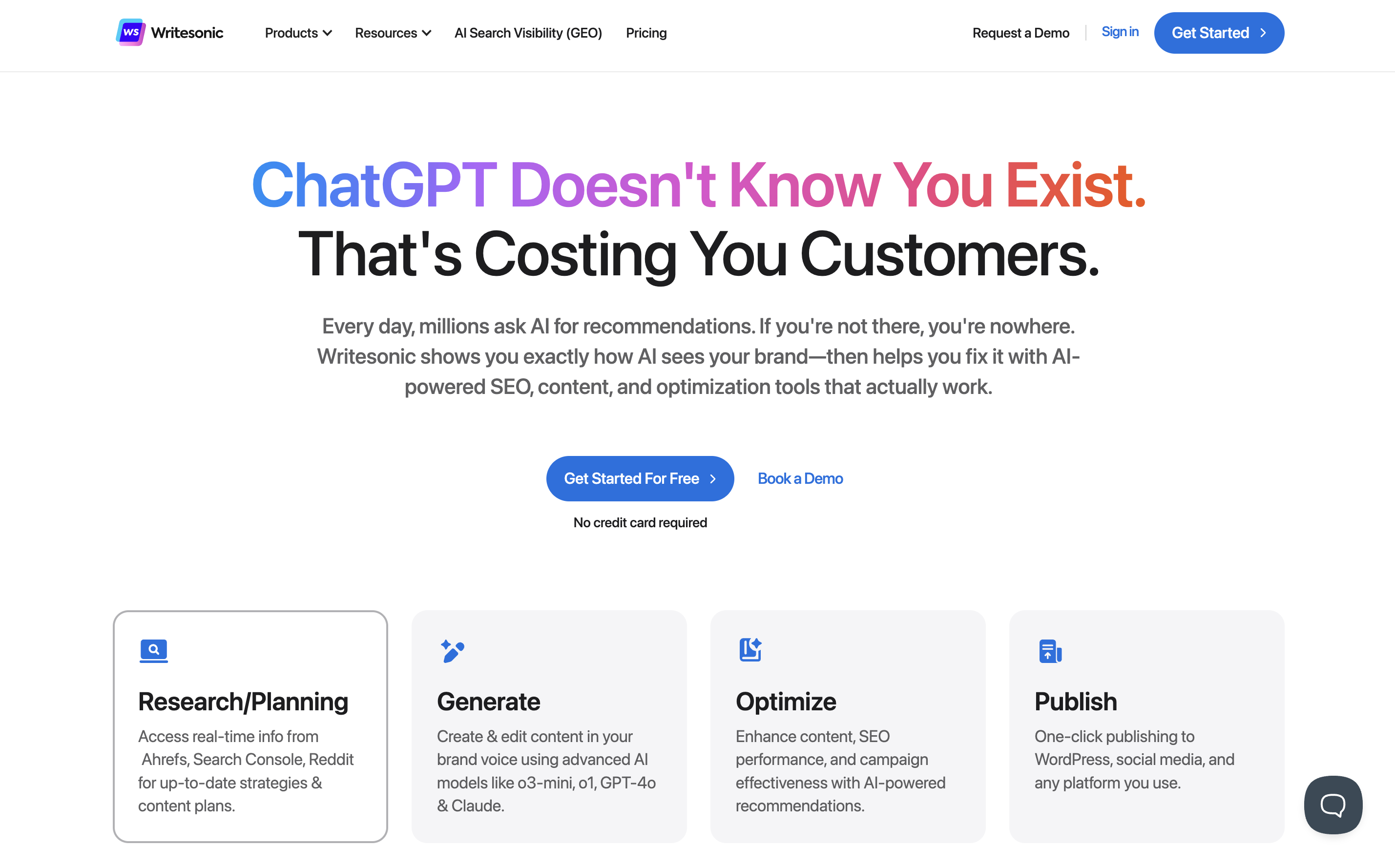
Image source: copy.ai
Writesonic is a great option for performance marketers and agile e-commerce brands that need to rapidly generate high-converting digital ad variations, landing page copy, and initial blog ideas. It stands out because it combines fast content templates with real-time web search capabilities.
When managing fast-moving paid advertising campaigns across multiple digital networks, creative exhaustion sets in quickly. Marketing teams are required to constantly test fresh hook combinations, headline variants, and body text to combat ad fatigue and maintain profitable acquisition costs. The platform directly addresses this pressure by offering highly specialized short-form text generation templates.
4. Claude (Anthropic): Best for long-form report analysis and sophisticated prose
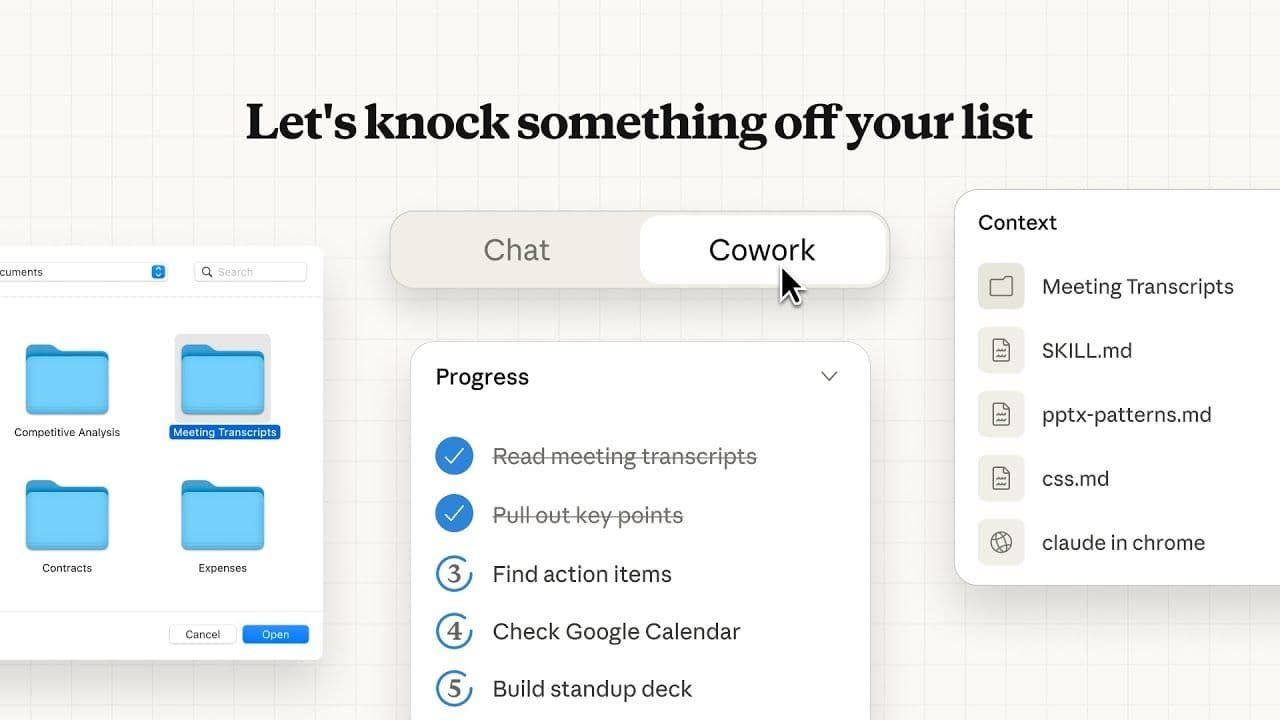
Image source: anhropic.com
Claude is an exceptional tool for content editors and research-heavy marketing teams that need to analyze massive internal documents, match complex tonal styles, and draft sophisticated long-form reports. It stands out because it exhibits an advanced, highly natural writing style that avoids the typical robotic patterns found in older models.
Many standard artificial intelligence tools rely on repetitive structural habits and predictable vocabulary that make the resulting text feel distinctly artificial. For premium brands that rely on deep, nuanced positioning, using that style of copy ruins credibility and turns off discerning readers. The platform resolves this issue through its advanced linguistic capabilities and massive context window.
5. ChatGPT (OpenAI): Best for open conversational brainstorming and custom prompting
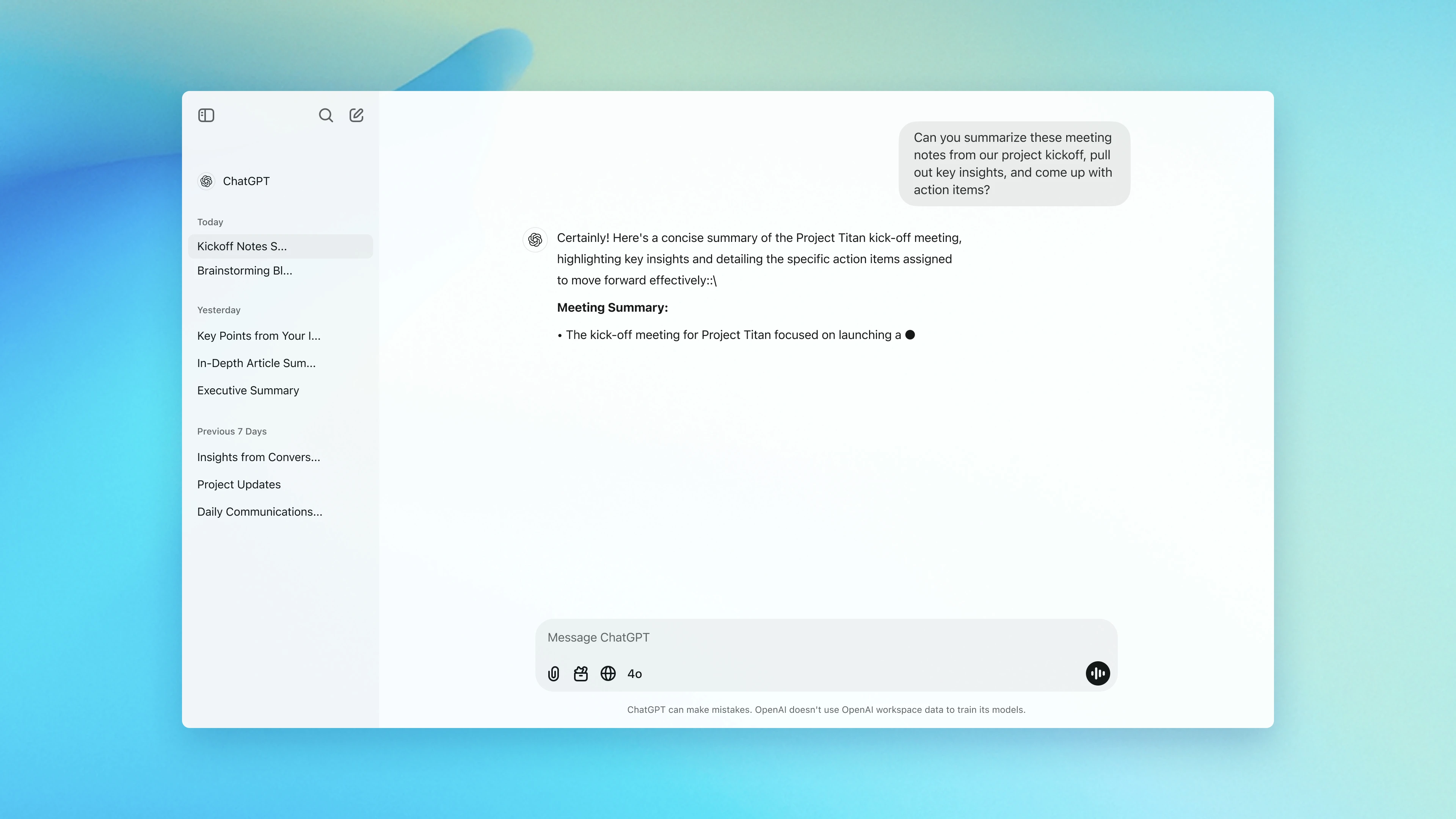
Image source: chatgpt.com
ChatGPT is the most versatile general-purpose AI application for creative marketers who want a highly flexible digital sandbox to brainstorm ideas, script custom automation instructions, and experiment across diverse content styles. Its strength lies in its extensive marketplace of custom extensions and massive global developer ecosystem.
When a creative team hits a wall during a complex campaign design phase, they need a fast, open-ended tool to bounce ideas off of, outline rough angles, and test out unusual concepts. Rigid, template-bound applications can sometimes stifle this initial exploratory phase. The platform provides a completely open conversational interface that can adapt to almost any prompt sequence you can imagine.
6. Perplexity: Best for market research synthesis and direct source citation
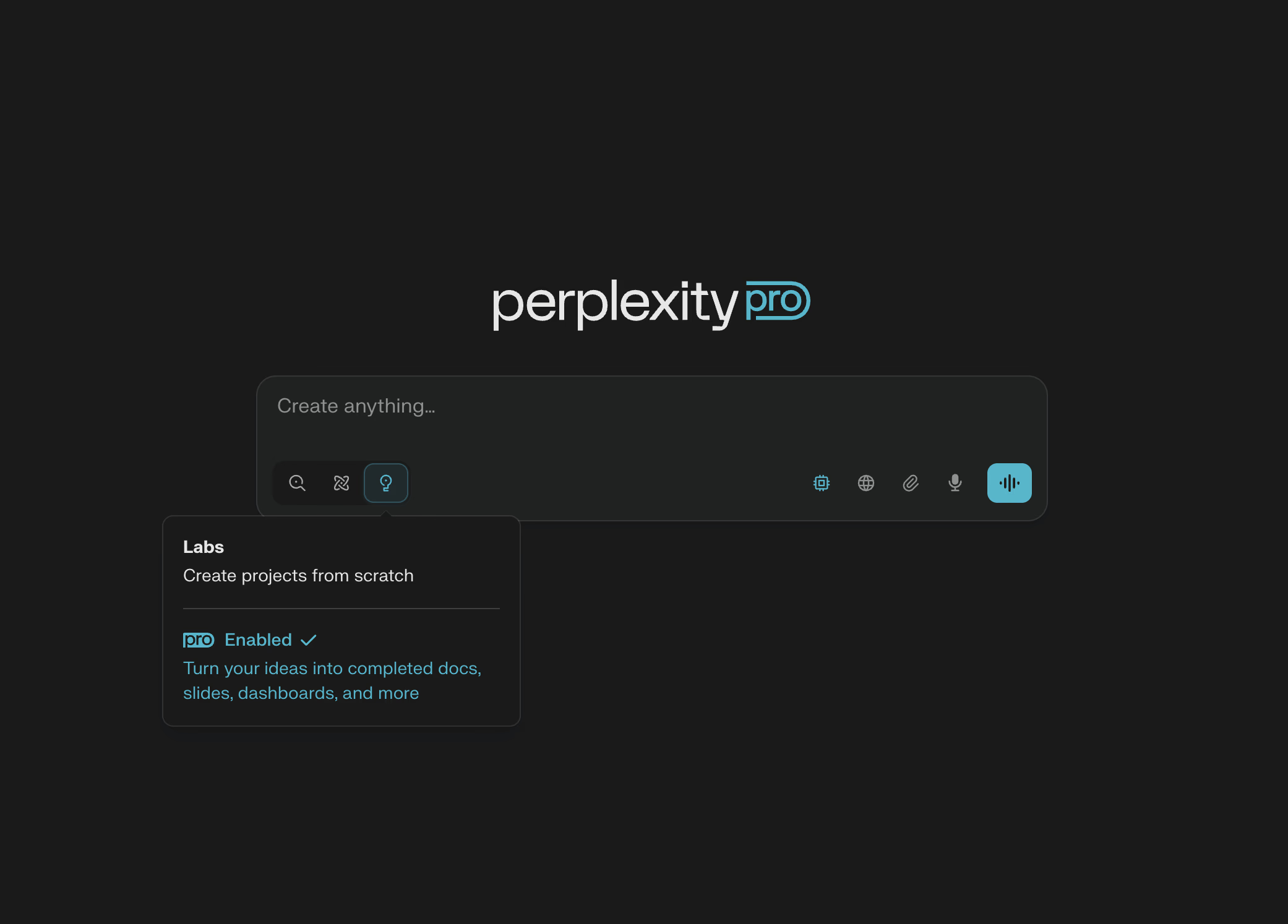
Image source: perplexity.com
Perplexity is an indispensable search companion for content writers and strategy directors who need to conduct rapid market research, verify current facts, and collect verified source links without spending hours digging through traditional search engines. It excels by combining large language models with a live web indexing engine.
Traditional web research is a time-consuming process that involves opening dozens of separate browser tabs, reading through lengthy articles, and manually copying source links to ensure a blog draft is accurate. This manual process slows down production timelines and increases the risk of accidental factual errors. The platform changes this dynamic by operating as an answering machine that cites its sources.
7. Grammarly: Best for multi-app inline editing and style guide compliance
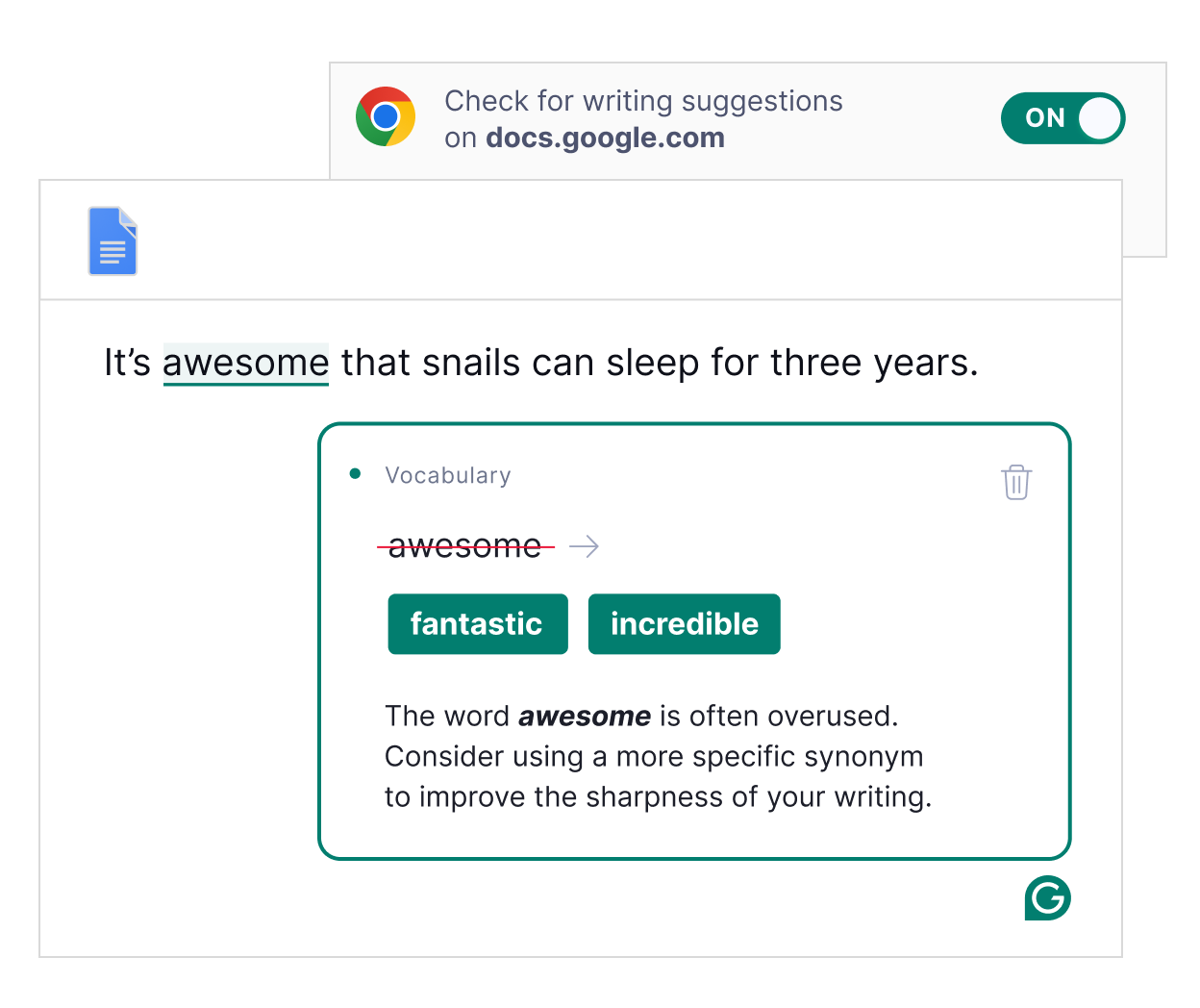
Image source: grammarly.com
Grammarly is an essential point solution for copyeditors and content distribution teams that need to enforce clear grammar, consistent style guidelines, and plagiarism checks across all written communications. It stands out because it can integrate directly into almost any text window via browser extensions and desktop applications.
When a marketing department scales up its content output across a large network of internal writers and external freelancers, maintaining a clean standard of spelling and style becomes difficult. Editors often spend hours fixing basic punctuation slips, correcting passive voice constructions, and cleaning up awkward phrasing, which delays the actual publication schedule. The platform automates this baseline review layer.
Category 4: Creative visual layout & multimedia asset creation
1. Canva: Best for drag-and-drop social graphics and shared brand kits
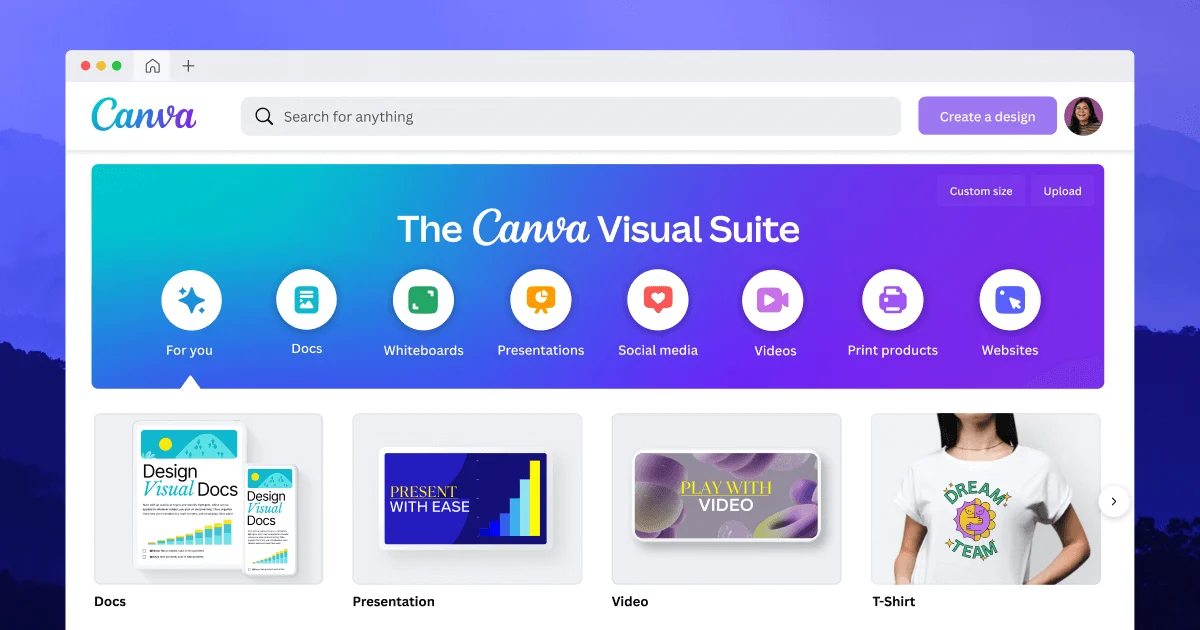
Image source: canva.com
Canva is the premier creative workspace for non-designers and agile marketing teams that need to rapidly build out high-quality social graphics, blog headers, and presentation slide layouts without waiting on professional design queues. It excels due to its drag-and-drop mechanics and massive library of pre-configured visual templates.
Content production pipelines often hit a massive bottleneck when moving from written text to visual asset generation. Writers finish an article but find themselves waiting days for a specialized graphics department to build a simple featured header image or a set of promotional social media cards. This delay stalls campaign launches and disrupts consistent publishing cadences. The platform addresses this operational drag by making design accessible to everyone.
2. Midjourney: Best for high-concept generative art and editorial illustrations
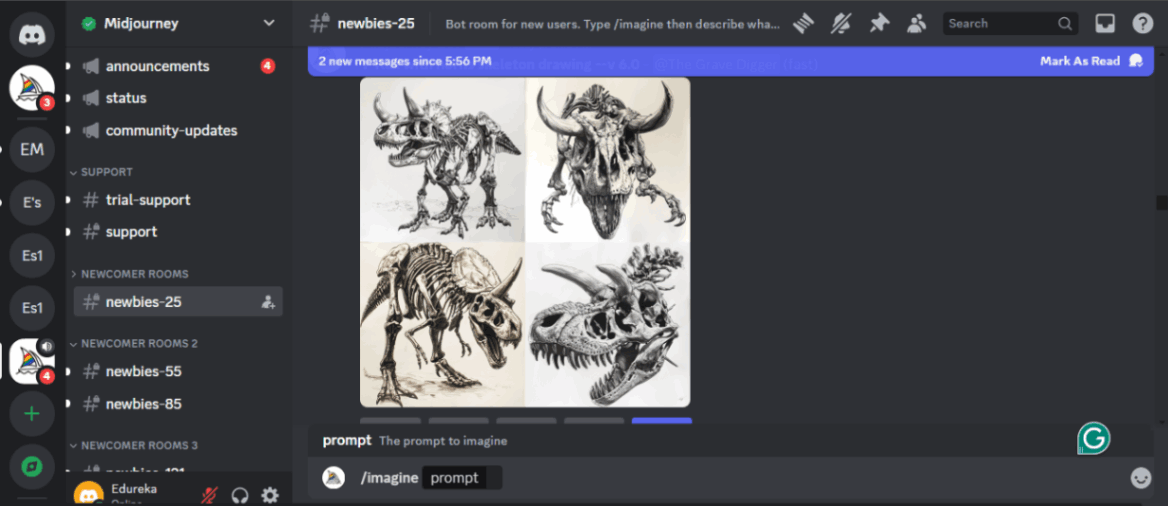
Image source: edureka.com
Midjourney is the definitive generative tool for creative directors and concept designers who need to spin up hyper-realistic visual assets, unique blog illustrations, and advanced campaign lookbooks. It stands out due to its unmatched image quality and artistic styling capabilities.
Relying on generic stock photography websites often results in uninspired blog headers and predictable social media campaigns that fail to catch a user's eye in a crowded feed. Purchasing custom professional illustrations for every single piece of content, however, rapidly drains a marketing budget. The platform resolves this dilemma by generating stunning, high-concept visual imagery from simple text descriptions.
3. Descript: Best for transcript-based video slicing and audio cleaning
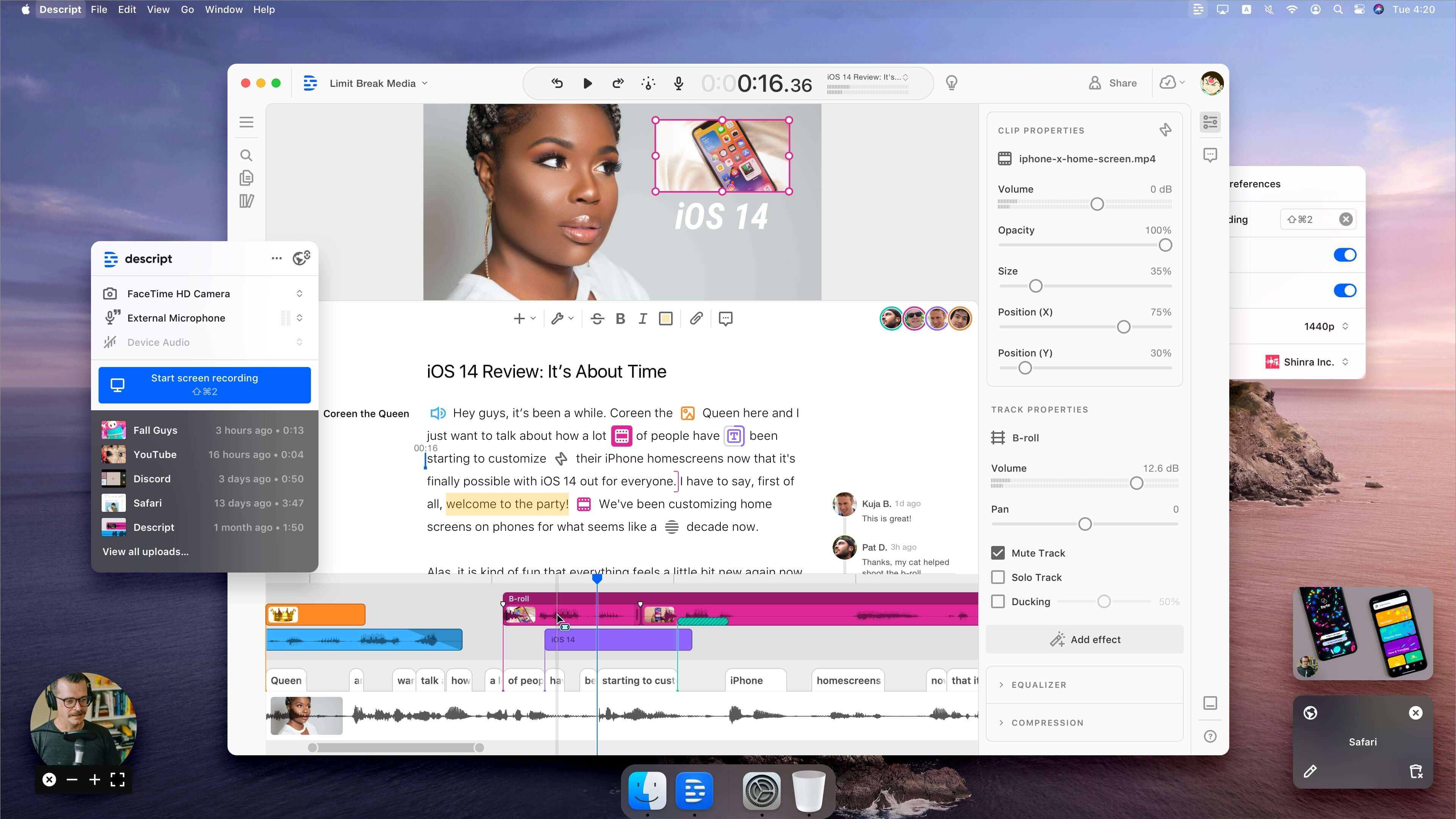
Image source: descript.com
Descript is an incredible utility tool for multimedia marketing teams that need to edit video podcasts, social video clips, and webinar recordings by simply modifying a text transcript. It excels by treating audio and video editing with the simplicity of a standard word document.
Traditional video editing software is notoriously complex and demands specialized technical skills to execute even basic cuts, sync audio tracks, or clean up dialogue. Marketing writers who want to pull a quick video snippet from a lengthy webinar recording often find themselves waiting on a dedicated video editor, creating an operational bottleneck that slows down multi-channel distribution. The platform completely bypasses this technical friction through automated transcription.
4. Loom: Best for asynchronous screen-share feedback and visual walkthroughs
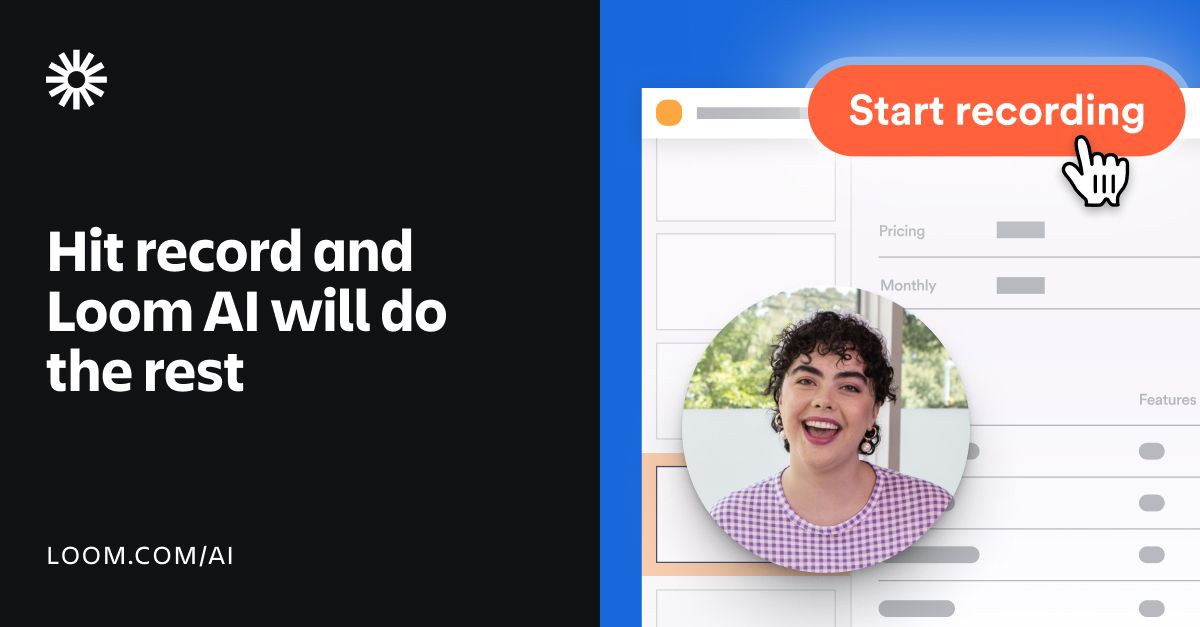
Image source: loom.com
Loom is the leading choice for distributed, remote marketing teams that want to cut down on unnecessary live video meetings by using fast, recorded screen-shares to deliver project feedback and creative briefs. It stands out because it allows users to record, process, and share video links in seconds.
Trying to align the schedules of multiple remote team members across differing time zones just to run a simple design review or walk through a project brief creates significant friction. Teams often waste days trying to book a live 30-minute meeting, which stalls production momentum and keeps assets stuck in the pipeline. The platform resolves this issue by introducing asynchronous video updates.
Category 5: Workflow automation & targeted distribution channels
1. ClickUp: Best for deep task hierarchies and customizable workspace views
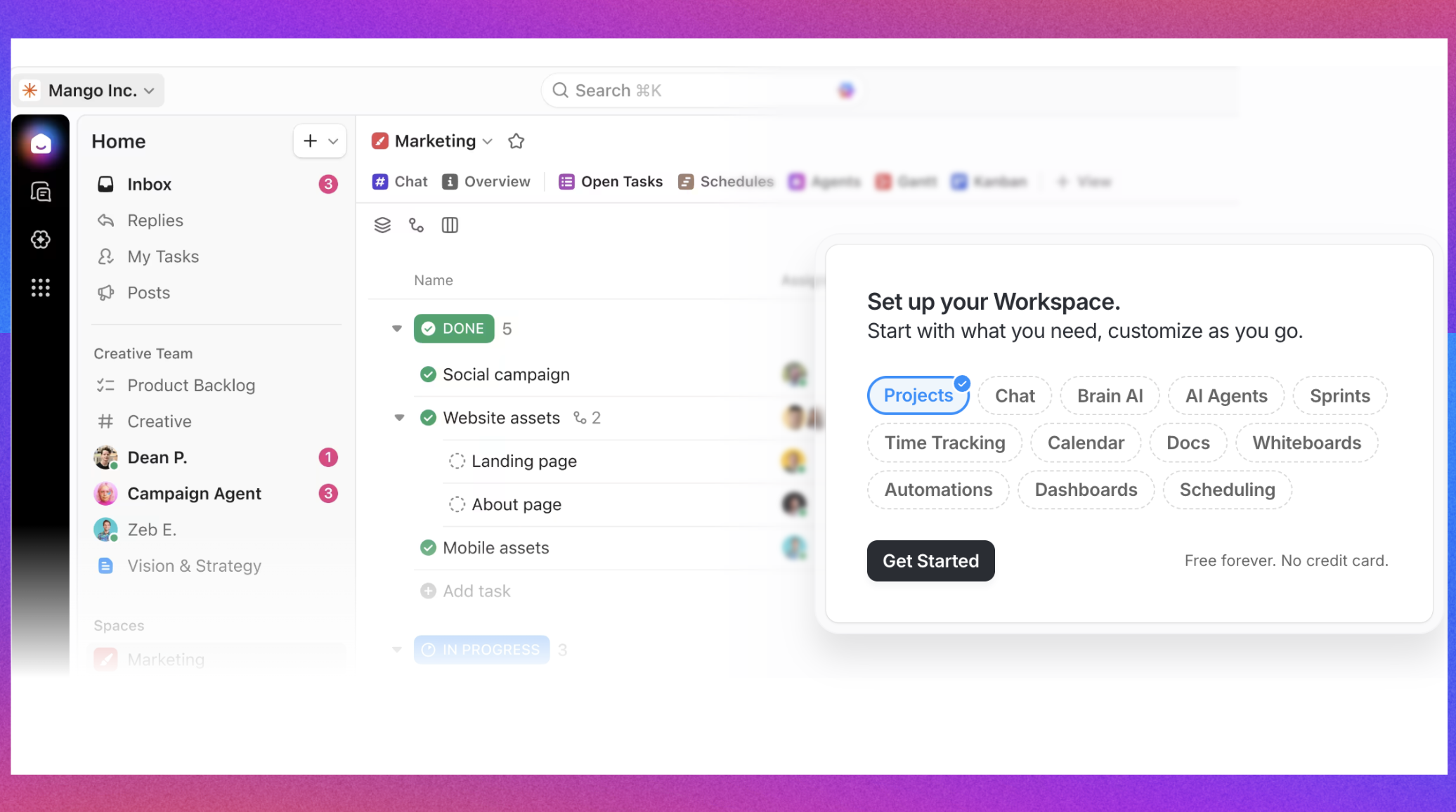
Image source: clickup.com
ClickUp is a highly powerful choice for large marketing organizations that require a deeply structured project management application to organize multi-layered task dependencies and complex content calendars. It stands out because it allows users to customize almost every aspect of their task tracking interface.
When a content production pipeline involves dozens of moving parts—such as tracking keyword research, coordinating external design requests, managing localization paths, and scheduling social distribution across multiple networks—basic list trackers break down. Project managers lose visibility into which tasks are delaying the launch, leading to missed deadlines. The platform handles this structural complexity through a multi-tiered workspace hierarchy.
2. Asana: Best for large cross-functional campaigns and executive goal portfolio mapping
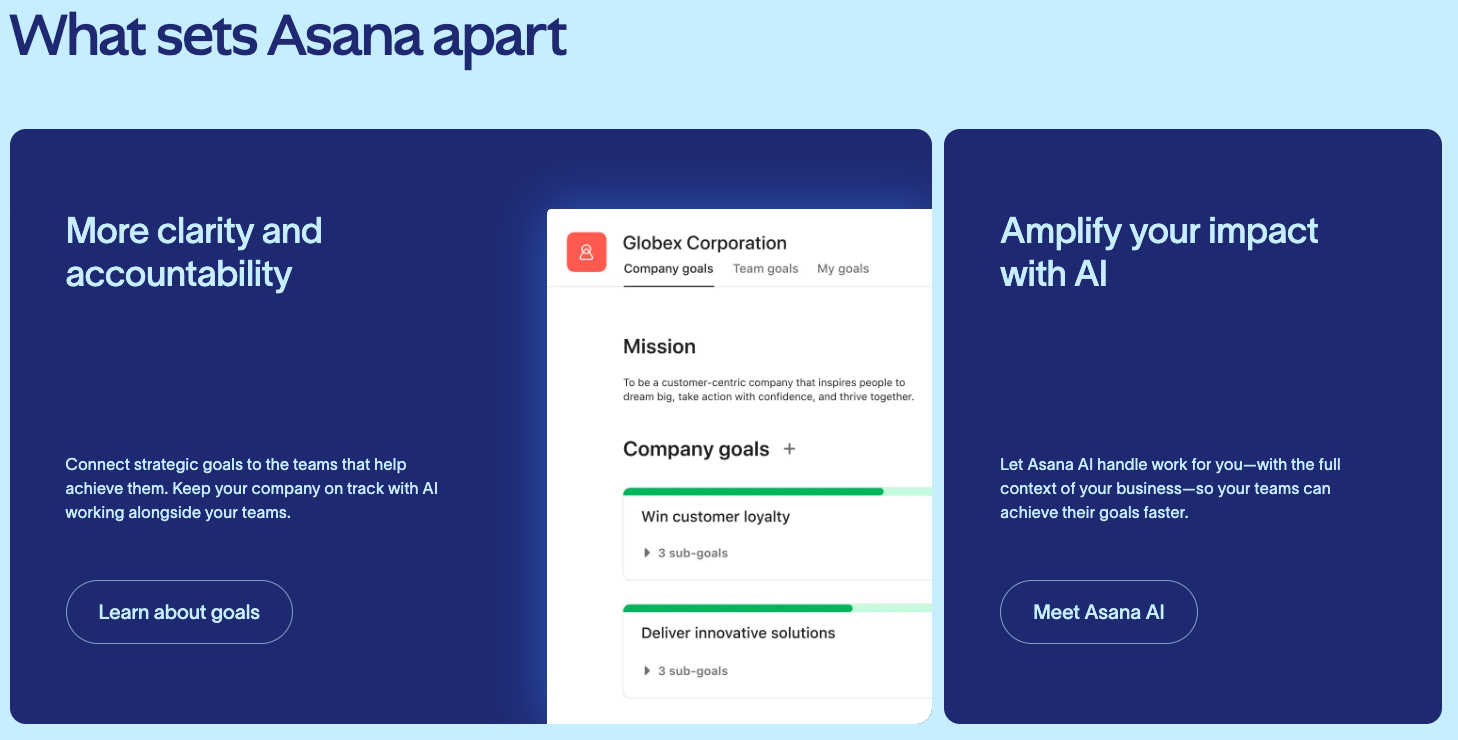
Image source: asana.com
Asana is a top-tier project management platform for corporate marketing departments that need to align large cross-functional teams around high-level strategic campaigns and executive growth goals. It excels due to its clean user experience and robust workflow automation paths.
In large corporate setups, creative marketing initiatives often run the risk of becoming disconnected from executive company goals. Teams spend significant energy publishing articles and producing collateral without a clear understanding of how those specific outputs directly impact larger business milestones, leading to misplaced budgets. The platform addresses this alignment gap through its structured goals and workflow mapping architecture.
3. Zapier: Best for code-free multi-app triggers and background data syncs
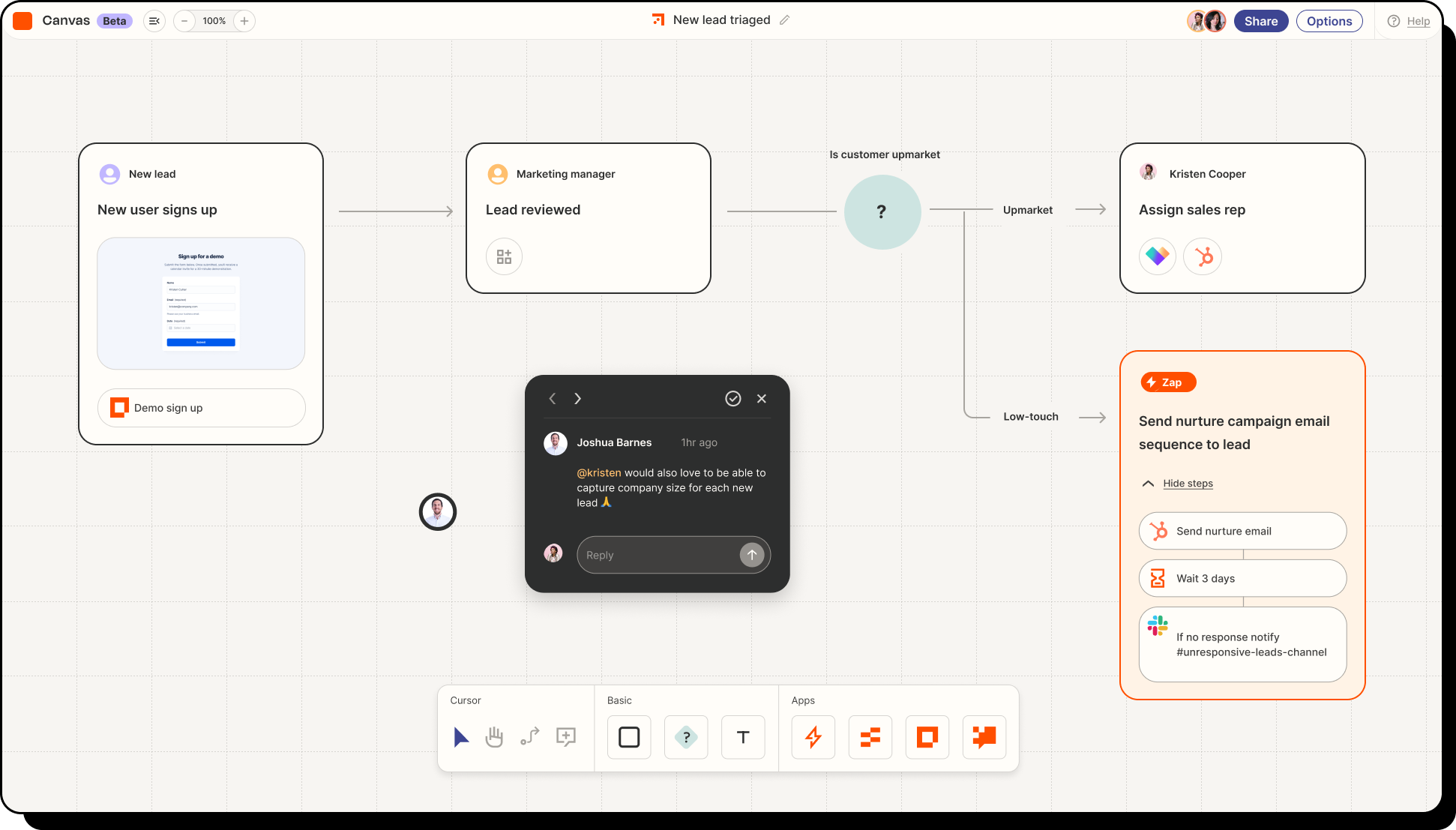
Image source: zapier.com
Zapier is an indispensable infrastructure utility for operations managers who need to connect disconnected point solutions by building custom automated data pipelines between separate web apps. It stands out because it features a massive directory of pre-built API integrations covering thousands of popular software tools.
When an organization runs a fragmented marketing stack composed of multiple niche applications, manual data entry quickly becomes a massive time drain. Employees waste hours copying newly captured leads out of a landing page tool, pasting them into a tracking spreadsheet, and manually alerting a slack channel about the update. This broken process creates information delays and increases the likelihood of data errors. The platform resolves this connectivity gap by building automated code-free bridges.
4. Buffer: Best for lightweight social queue scheduling and simple metrics
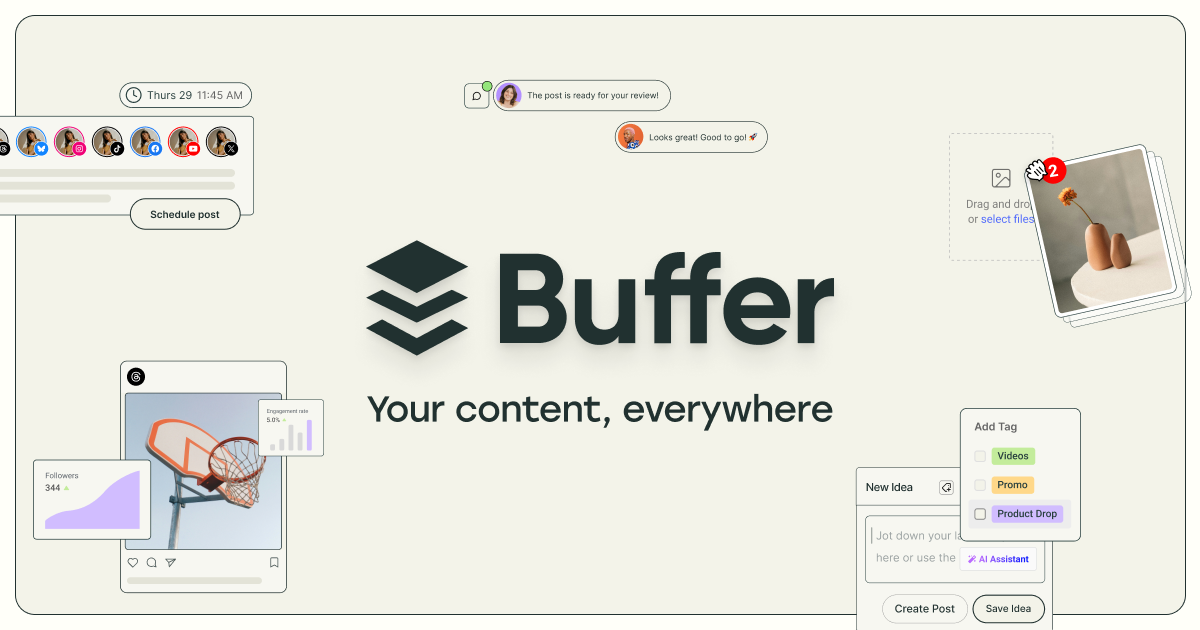
Image source: buffer.com
Buffer is a highly efficient choice for small marketing teams and independent content creators who need a simple, user-friendly interface to schedule social media posts and review engagement metrics across multiple networks. It excels by focusing entirely on a clean, distraction-free queue management system.
Managing the manual distribution of marketing content across separate social networks like LinkedIn, X, and Instagram drains creative focus. Teams find themselves constantly log-in and out of different platforms, re-formatting image sizes, and manually publishing text blocks throughout the day. This disorganized routine disrupts deep work and makes maintaining a consistent brand presence difficult. The platform addresses this distribution friction by unifying your outbound social queues.
5. Hootsuite: Best for enterprise social listening streams and strict governance protocols
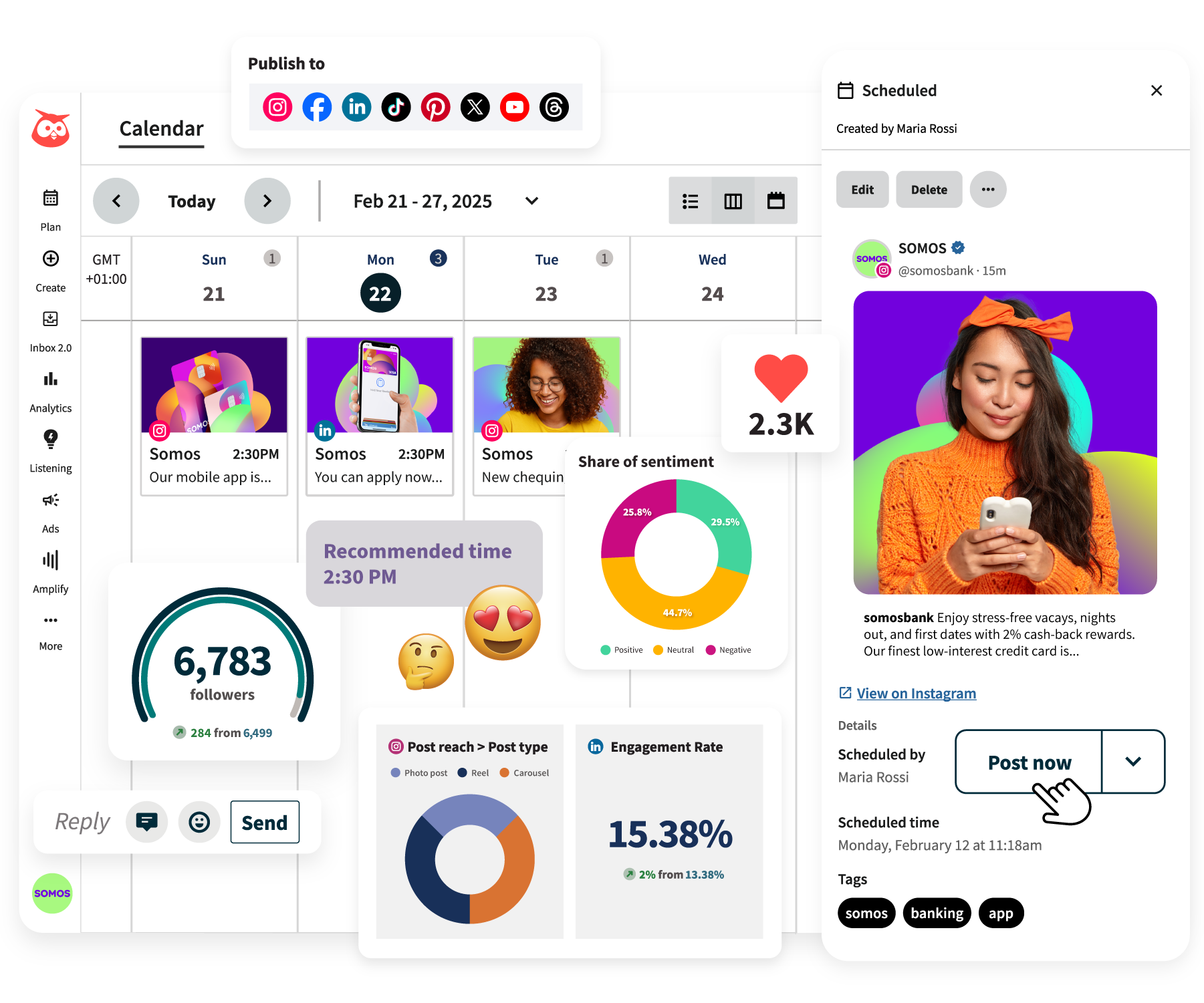
Image source: hootsuite.com
Hootsuite is the standard choice for enterprise marketing departments and corporate brand teams that require advanced social listening metrics, multi-user approval governance, and large-scale community management dashboards. It stands out for its robust security tracking features and extensive analytics engine.
For large corporate organizations, publishing updates to public social media accounts carries significant brand reputation risks. A single unapproved post or typo can spark an immediate public relations issue. Passing account passwords around to multiple team members creates security vulnerabilities, and lacking clear managerial sign-off controls before content goes live is a major exposure. The platform resolves these corporate risks through strict permission governance.
So which AI content marketing tool should you pick?
Choosing the right platform comes down to whether you want to manage a sprawling collection of specialized software or run your entire operations from a single control center.
If your primary goal is to eliminate tool switching, break down communication silos, and keep your content strategy, team chats, and databases perfectly aligned, an all-in-one digital workspace like Lark provides the most cohesive foundation. It removes the friction of jumping between separate apps just to move a project forward.
However, if your operational bottlenecks are highly isolated, targeting specific point solutions makes sense:
- For deep competitive keyword mapping and technical search engine tracking, choose an industry data engine like Semrush.
- For refining live text drafts against real-time search engine results, deploy Surfer SEO.
- For enterprise copywriting scale across multi-channel campaigns while preserving a strict tone, select Jasper.
- For editing social video clips and interviews with the simplicity of a text document, look to Descript.
- For strict corporate compliance, listening streams, and secure brand management across public accounts, go with Hootsuite.
Pitfalls to avoid when deploying AI marketing tools
Over-reliance on pure automation without human governance
Deploying artificial intelligence to automatically write, schedule, and publish content without strict human review is a fast track to brand degradation. Generative models can hallucinate incorrect facts, misinterpret nuanced compliance guidelines, and produce generic text that fails to connect with real audiences. Guardrails must be built into your workflow to ensure senior editors review every asset for strategic accuracy and unique perspective before it goes live.
Fragmenting context across too many disconnected software seats
Adding a new niche point application for every single creative task creates massive data fragmentation. When your keyword research lives in one tool, your article draft in another, team feedback in a third, and task tracking in a fourth, your creators waste hours manually moving information around. This fragmentation dilutes the context available to your team and causes critical strategic parameters to get lost in transit.
Ignoring data privacy and proprietary brand governance boundaries
Feeding confidential go-to-market strategies, unannounced product roadmaps, or sensitive client data into open, public artificial intelligence models poses a significant security risk. Without enterprise-grade data protection parameters, your proprietary information may be used to train public algorithms. Always verify that your software stack complies with corporate data security standards and keeps your internal operational context entirely private.
Conclusion
The true value of modern marketing software lies not in how many words it can generate per minute, but in how effectively it removes the administrative friction that slows down your creative team. Point solutions offer deep, targeted capabilities for isolated tasks, but they often introduce an hidden efficiency tax by scattering your strategic context across multiple browser tabs and individual subscription seats.
To truly win the organic traffic and content positioning battle, organizations must prioritize structural velocity. This is exactly where Lark turns the tables. By consolidating your content documents, production databases, team communication, and native AI assistants into a single fluid ecosystem, Lark eliminates the operational lag that plagues traditional fragmented setups. Instead of wrestling with tool switching, your team can focus entirely on what matters: producing high-impact, strategically aligned content that cuts through the noise and drives real organic growth.
FAQs
Can AI content marketing tools completely replace human copywriters?
No. While these tools excel at processing data, brainstorming structural outlines, and speeding up first drafts, they lack the original life experiences, authentic brand empathy, and deep strategic intuition required to create standout content. The most effective approach treats technology as an operational amplifier, freeing up human writers to focus on high-level positioning, original research, and creative storytelling.
How do search engines view content generated by artificial intelligence?
Search engines prioritize high-quality, helpful information that satisfies user search intent, regardless of how it was created. However, spinning up massive quantities of low-quality, automated text solely to manipulate search rankings violates webmaster guidelines. Focus on delivering genuine value, incorporating original insights, and maintaining strict editorial quality control to sustain organic search visibility.
What is the difference between an all-in-one workspace and a dedicated writing assistant?
An all-in-one workspace integrates your company communication channels, collaborative documents, project task trackers, and structured databases into a single interface, embedding artificial intelligence across the entire ecosystem. A dedicated writing assistant is a narrow point solution built exclusively for text generation, meaning it operates in isolation and requires you to manually copy its outputs into your external tracking systems.
Related reading
Table of contents
Start using Lark today

Manage all your work in one place
Boost team efficiency by 10x
Save up to 70% on software costs
Table of contents
Start using Lark today
Manage all your work in one place
Boost team efficiency by 10x
Save up to 70% on software costs
Keep reading







2026 Lark Technologies Pte. Ltd.
Headquartered in Singapore with offices worldwide.






Explore: