A candidate tracking system helps hiring teams organize candidates, track progress, and collaborate more effectively throughout the hiring process. As recruitment volumes grow and multiple stakeholders become involved, relying on emails, spreadsheets, or disconnected tools often leads to missed updates and inconsistent decisions.
Modern candidate tracking software centralizes candidate information, hiring stages, and communication in a single system, making workflows easier to manage and outcomes more predictable. This blog reviews leading candidate tracking system tools, compares use cases, and helps recruiters and HR teams choose the right solution.
Key takeaways: 5 best systems for tracking candidates
This section highlights the five HR candidate tracking systems that stand out for collaboration, workflow clarity, and hiring efficiency. It offers a quick snapshot before diving into detailed reviews of all tools later in the article.
1. Lark: All-in-one platforms for team-based hiring management
2. Greenhouse: Structured HR candidate tracking system
3. Lever: Candidate tracking software for relationship hiring
4. Workable: Candidate tracking system for small businesses
5. BambooHR: HR-led candidate tracking software
Top 5 candidate tracking system tools overview
Below is a high-level overview of the top candidate , comparing their core strengths and ideal use cases. Full, in-depth evaluations of all 15 tools are covered in the detailed sections that follow.
Information source: Official vendor sites
Update time: 2026-02-07
Note: Pricing and plan details reflect publicly available data as of the update date and may vary based on region, billing cycle, and number of agents.
Achieve accurate tracking with the #1 tool today
What is a candidate tracking system?
A candidate tracking system is a software solution that helps hiring teams collect, organize, and manage candidate information throughout the . It centralizes resumes, applications, , and hiring stages in one place, allowing recruiters to track progress from initial application to final decision. By replacing manual tracking methods, a candidate tracking system brings structure and consistency to the hiring process.
Modern candidate tracking software also supports collaboration across recruiters, hiring managers, and HR teams. It enables shared visibility into candidate status, streamlines communication, and reduces delays caused by scattered information. As part of a broader HR candidate tracking system, these tools help teams move faster, improve candidate experience, and make more informed hiring decisions.
Detailed reviews of the best collaborative applicant tracking systems
1. Lark: All-in-one platforms for team-based hiring management
provides a unified environment where recruiting workflows, collaboration, and onboarding connect seamlessly. Instead of operating as a standalone ATS, it allows teams to build a flexible applicant that evolves with hiring needs. By combining structured data, automation, communication, and documentation, Lark supports faster decisions and more transparent hiring processes across teams.
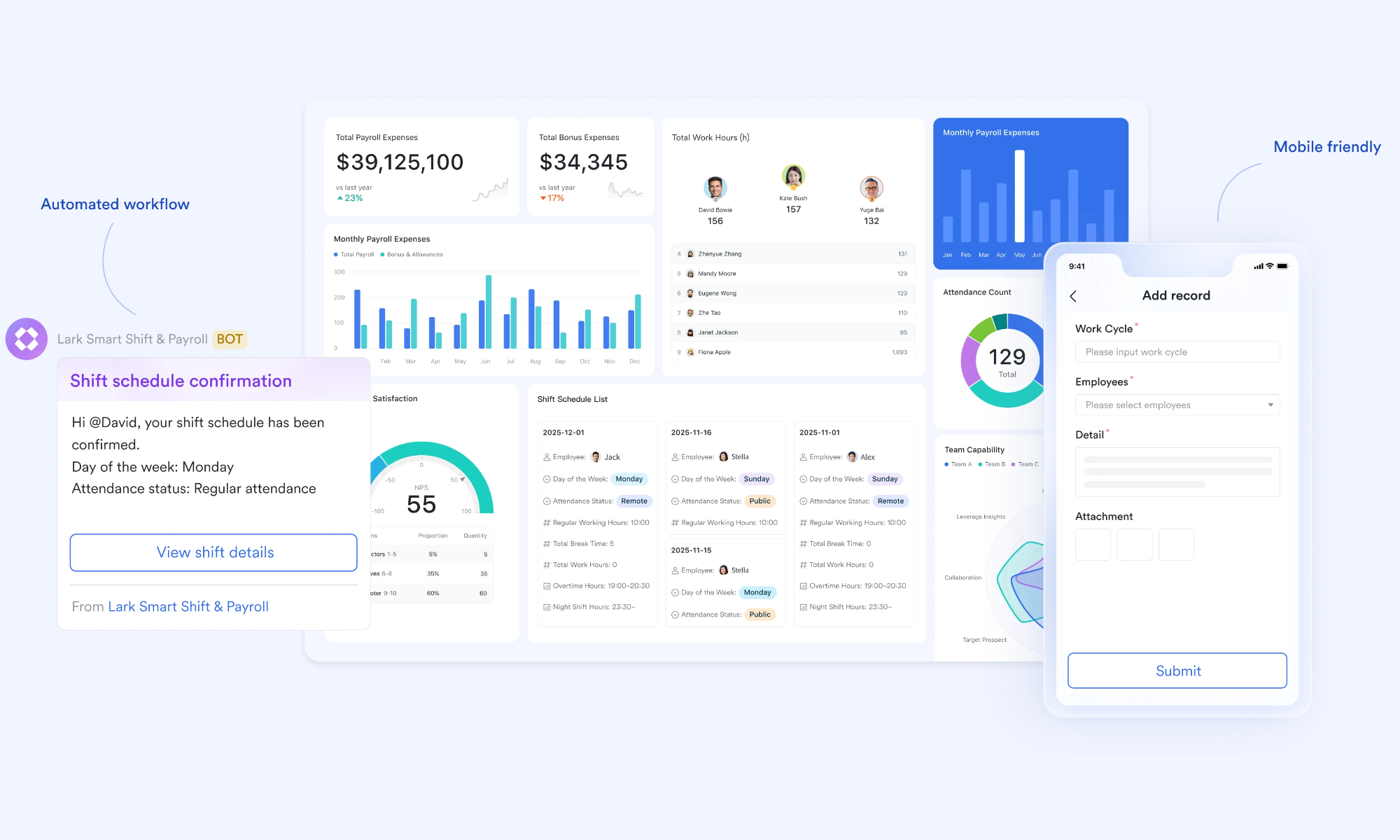
Key features:
Dynamic applicant tracking
serves as the central nervous system for your hiring pipeline, allowing you to build a fully customized ATS. You can visualize your talent pool through Kanban boards to manage candidate stages or use Gallery views to review portfolios side-by-side. Because it is a relational database, you can link candidates to specific departments, interviewers, and job requisitions, providing a single source of truth that updates in real-time as your team makes decisions. 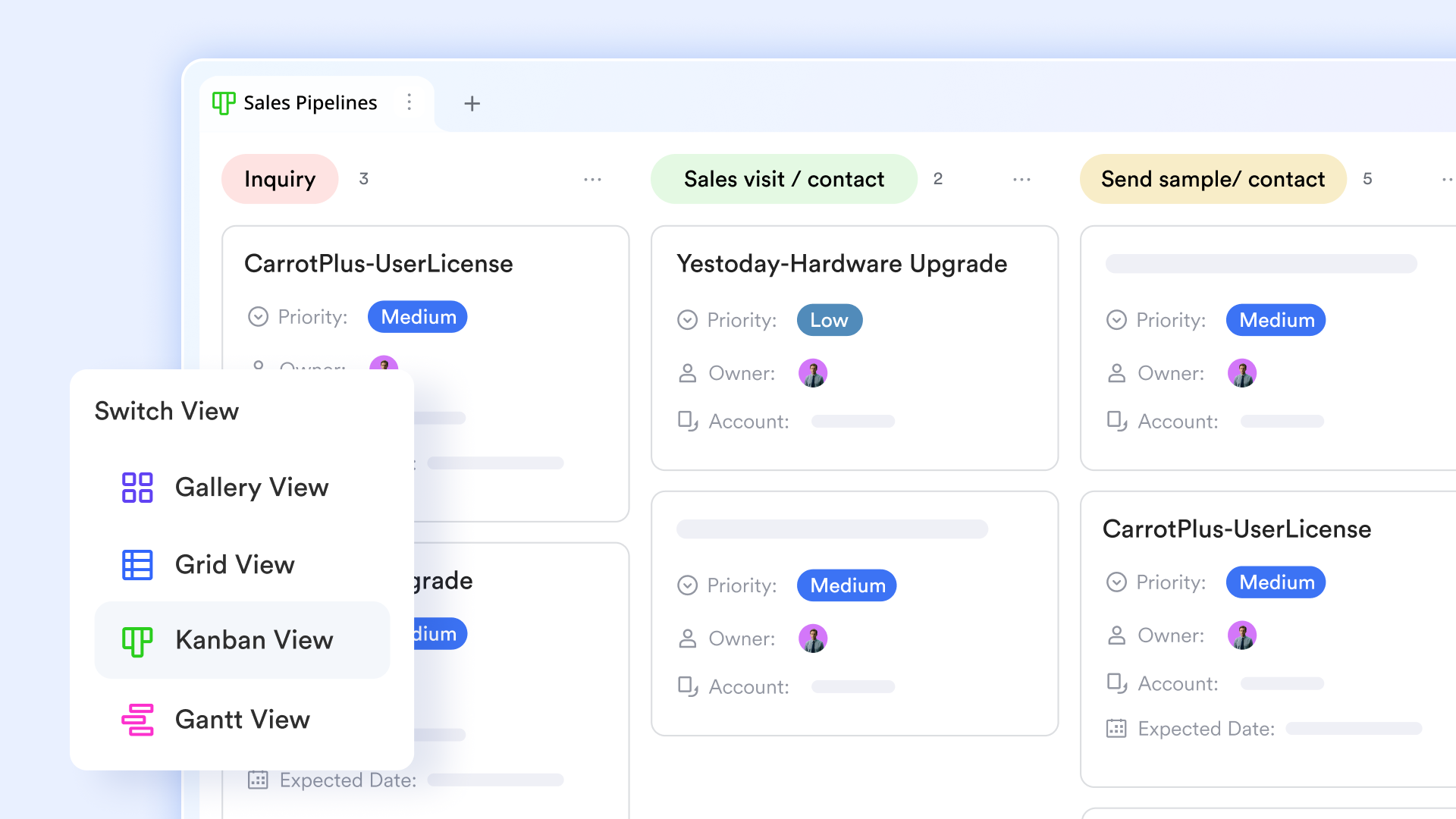
Automated recruitment workflows and notifications
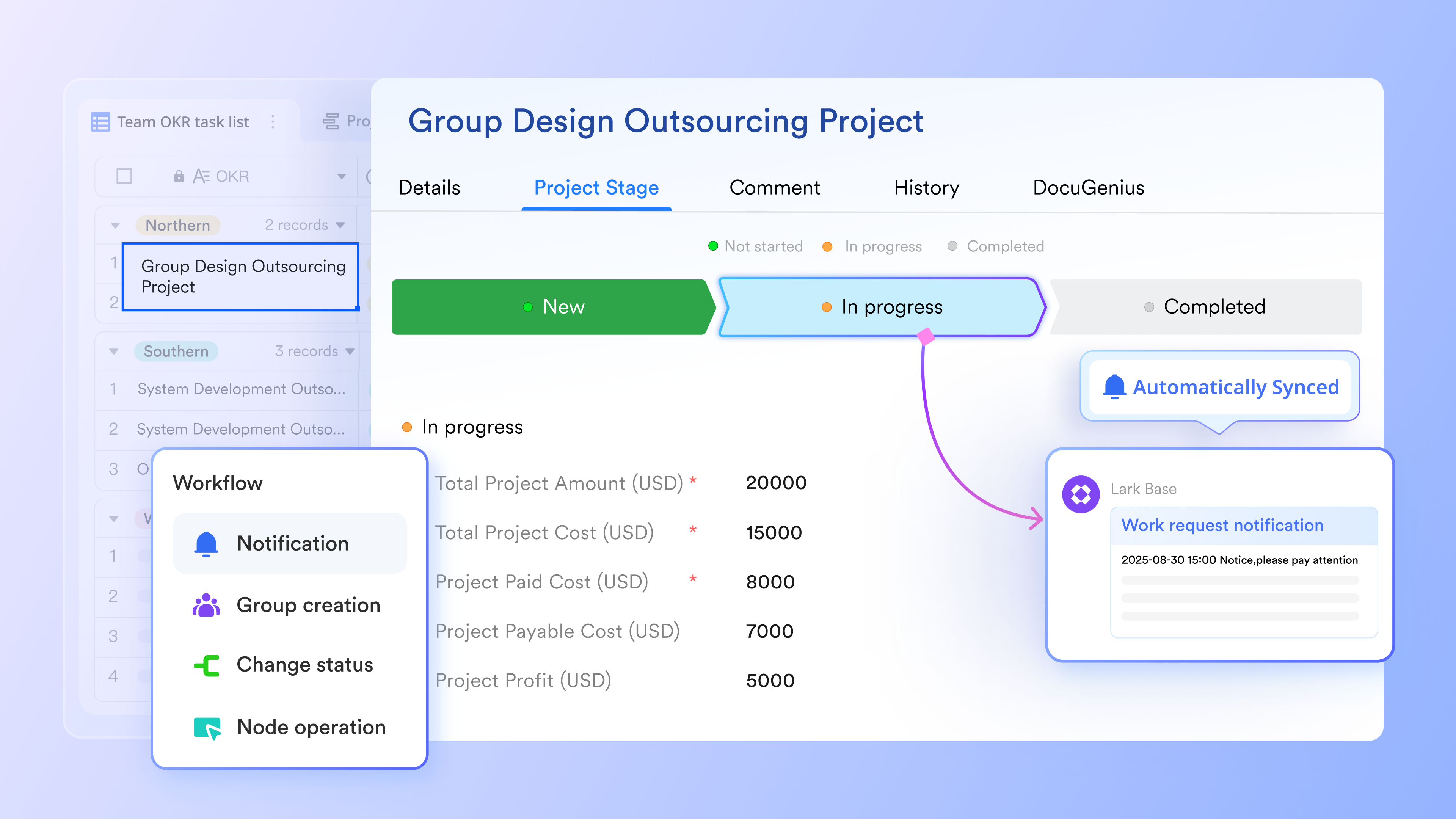
To eliminate manual follow-ups, Lark leverages powerful automation triggers that bridge the gap between records and action. For instance, when a recruiter moves a candidate to the "technical interview" stage in , the system can automatically send a notification to the hiring manager via and generate an evaluation task. This "zero-latency" approach ensures that interviewers are prepared and candidates never stall in the pipeline due to administrative oversight.
Unified interview scheduling and video conferencing
Lark removes the scheduling friction that often leads to candidate drop-off. Recruiters can view the real-time availability of multiple interviewers through the built-in calendar and book slots instantly. When the interview begins, provides a seamless experience with "magic share," allowing the panel to view the candidate's resume and the job description within the video window, facilitating more focused, data-driven conversations without switching tabs. 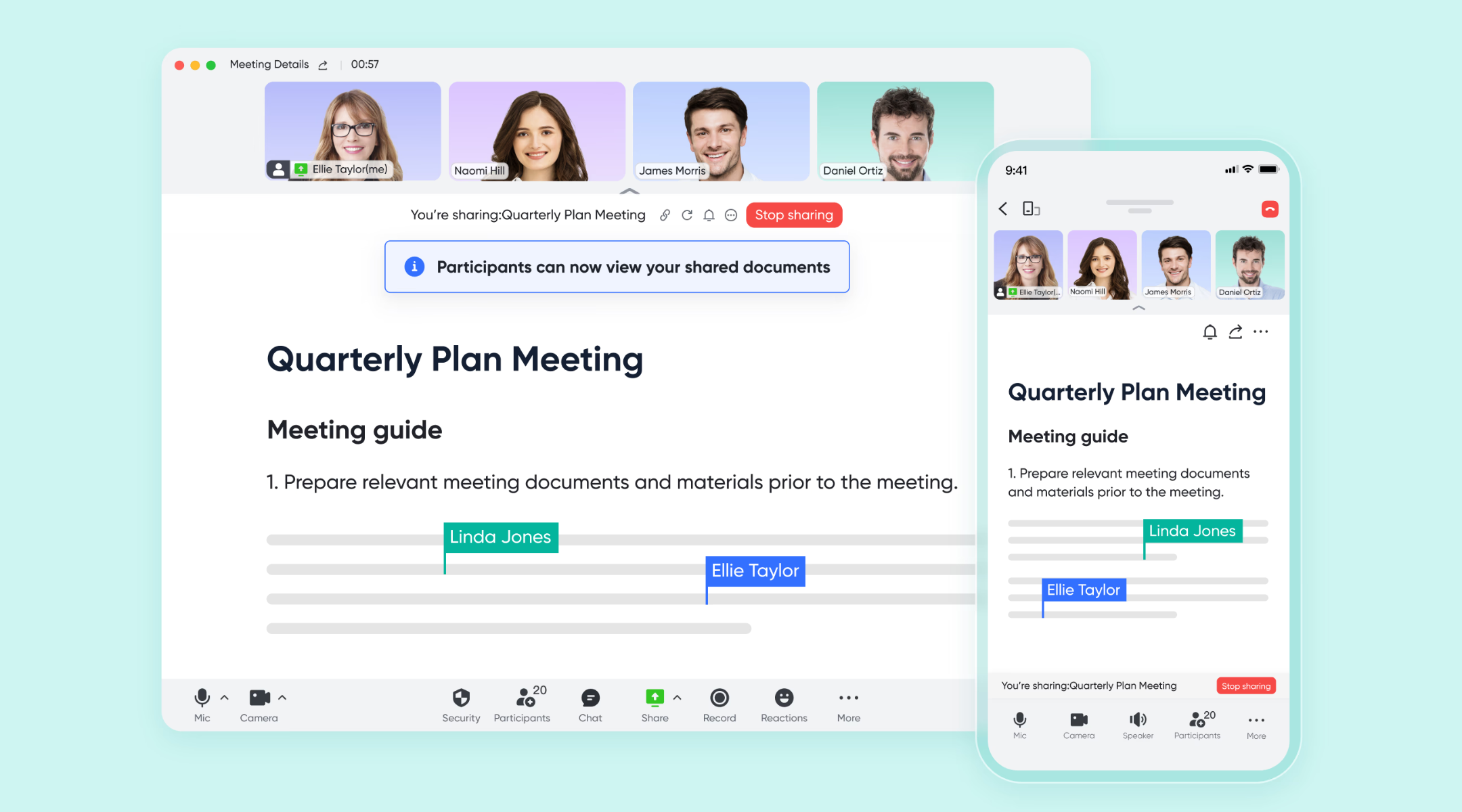
Seamless onboarding transition
The hiring journey in Lark extends beyond the signed offer to ensure a successful Day 1. Once a candidate's status is updated to "hired," Lark can trigger an automated onboarding sequence using Lark Tasks. This workflow automatically assigns equipment provisioning to the IT team, document collection to HR, and "welcome" coffee chats to the new team members. By automating these handoffs, you ensure that new employees feel supported and productive from the moment they join. 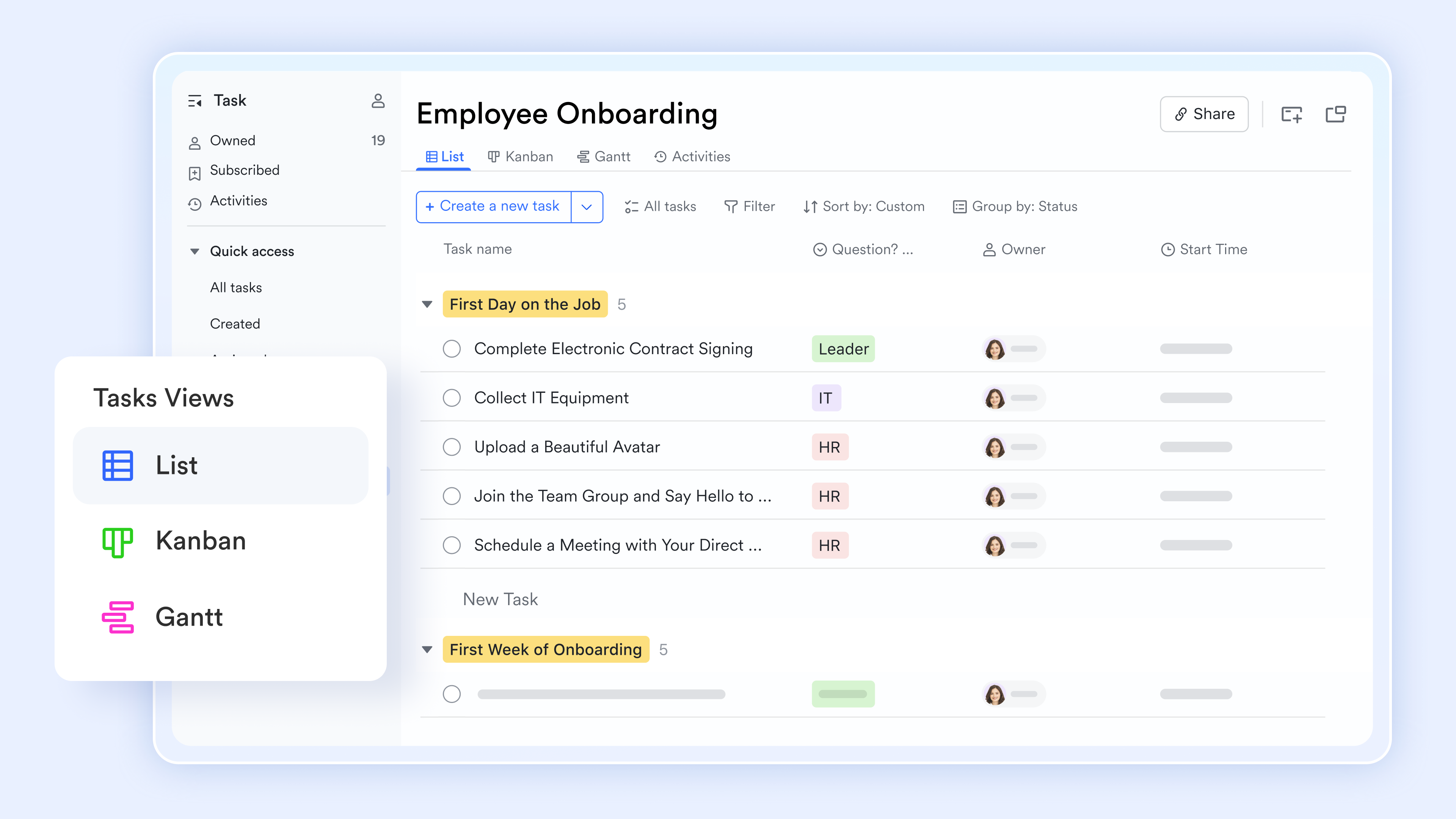
Pros:
- Highly customizable applicant tracking using Lark Base with real-time collaboration
- Strong automation for interview workflows, notifications, and onboarding handoffs
- Combined scheduling, video interviews, documents, and task management in one platform
- Scales well for growing teams without relying on multiple disconnected hiring tools
Con:
- Some advanced features would require setups. However, its provides beginner guides for specific features.
:
- Starter plan: Free forever plan that includes 11 powerful tools for up to 20 users. It also comes with 100GB of storage, 1000 automation runs, AI translations, and more.
- Basic plan: $6/user/month (billed annually) for up to 500 users. It includes everything in Starter plus group calling for up to 500 attendees, 5TB of storage, 1000 automation runs, and more. For more details, please .
- Pro plan: $12/user/month (billed annually) for up to 500 users. It includes everything in Basic plus group calling for up to 500 attendees, 15TB of storage, 50,000 automation runs, and more.
- Enterprise plan: for custom pricing. Supports unlimited users and includes even more automation runs and advanced security, compliance, and management features.
For small teams with simple communication needs

18 months message history
1000 Base automation runs/month
2000 rows per table in Base
Most POPULAR
For companies with comprehensive collaboration and management needs
Unlimited message history
500-participant video meetings
50k Base automation runs/month
20k rows per table in Base
For large companies with advanced security and organizational management needs
Get a personalized demo and pricing
Unlimited message history
500-participant video meetings
15 TB storage + 30 GB storage/user
500k Base automation runs/month
50k Base automation runs/month
Most POPULAR
For companies with comprehensive collaboration and management needs
Unlimited message history
500-participant video meetings
50k Base automation runs/month
20k rows per table in Base
2. Greenhouse: Structured HR candidate tracking system
Greenhouse is designed for organizations that require structured and repeatable hiring processes. It emphasizes standardized workflows, scorecards, and interview kits to support consistent hiring decisions. The platform is commonly used by mid-size enterprise teams with mature recruiting operations.
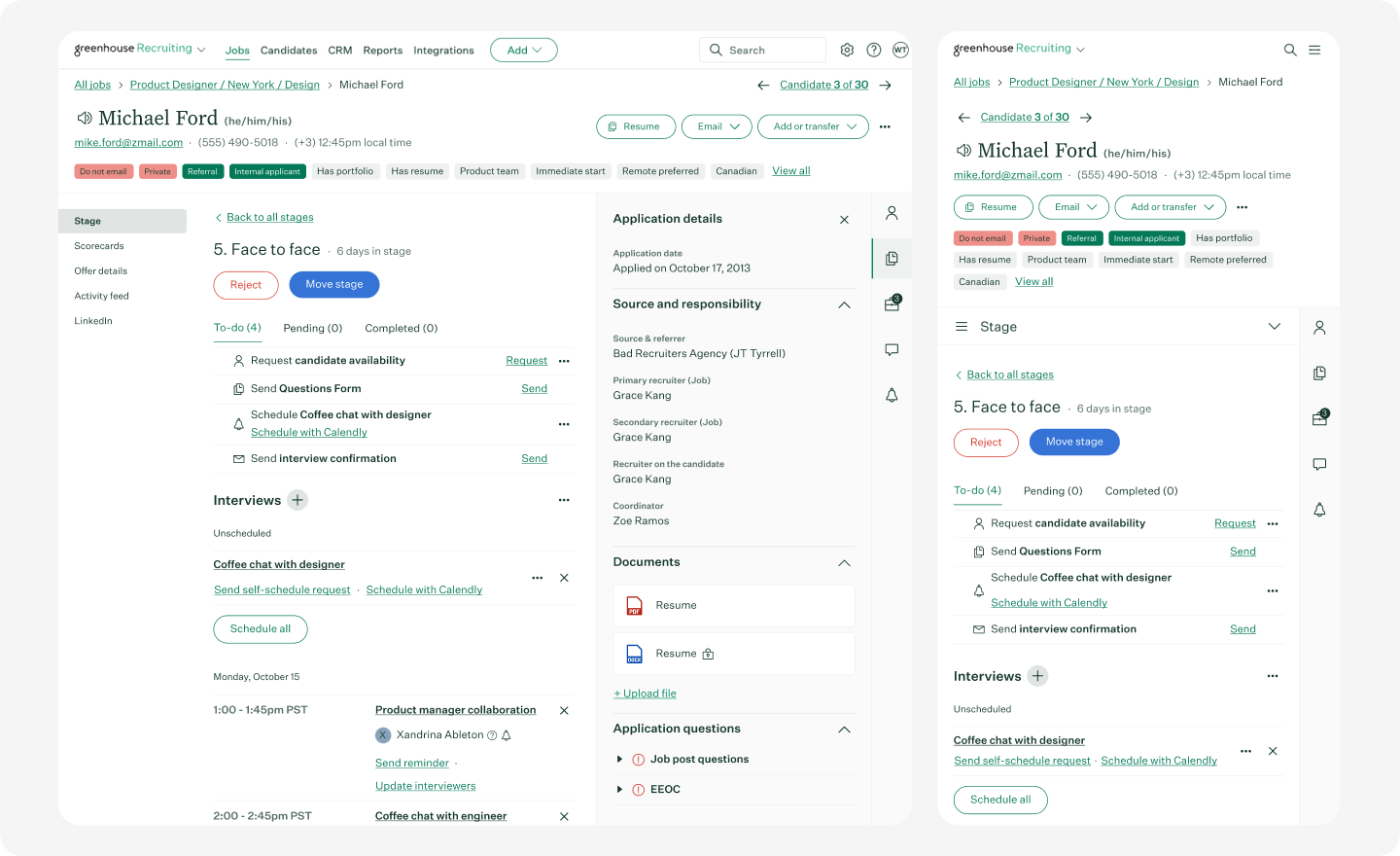
Image source: greenhouse.com
Key features:
- Structured hiring pipelines and interview kits
- Customizable scorecards and feedback collection
- Reporting and hiring analytics
- Integrations with HR and recruiting tools
Pros:
- Strong structure for consistent hiring
- Excellent interview standardization
- Scales well for larger teams
- Robust reporting capabilities
Cons:
- Complex setup for smaller teams
- Higher cost compared to SMB tools
- Less flexibility in workflows
Pricing:
- Custom pricing is based on the workflow and hiring requirements.
3. Lever: Candidate tracking software for relationship hiring
Lever focuses on relationship-driven recruiting by combining applicant tracking with candidate engagement tools. It is designed to help recruiters build long-term talent pipelines. The platform suits mid-size teams that prioritize proactive sourcing.
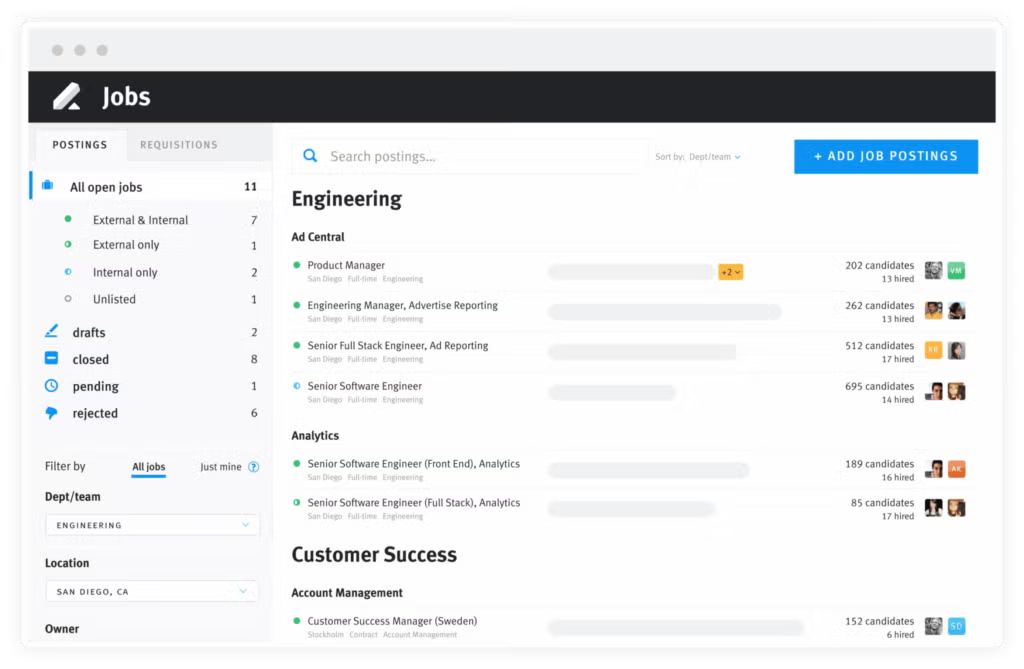
Image source: lever.co
Key features:
- Candidate relationship management
- Pipeline and stage tracking
- Email and communication tools
- Analytics and sourcing insights
Pros:
- Strong focus on candidate engagement
- Clean and intuitive interface
- Good sourcing visibility
- Suitable for growth-stage teams
Cons:
- Limited customization for complex workflows
- Reporting depth varies by plan
- Less suited for very large enterprises
Pricing:
- Custom pricing is based on the workflow and hiring requirements.
4. Workable: Candidate tracking system for small businesses
Workable is built for small to mid-size teams that want a simple and efficient hiring process. It combines job posting, resume screening, and candidate tracking into a single platform. The tool emphasizes speed and ease of use.
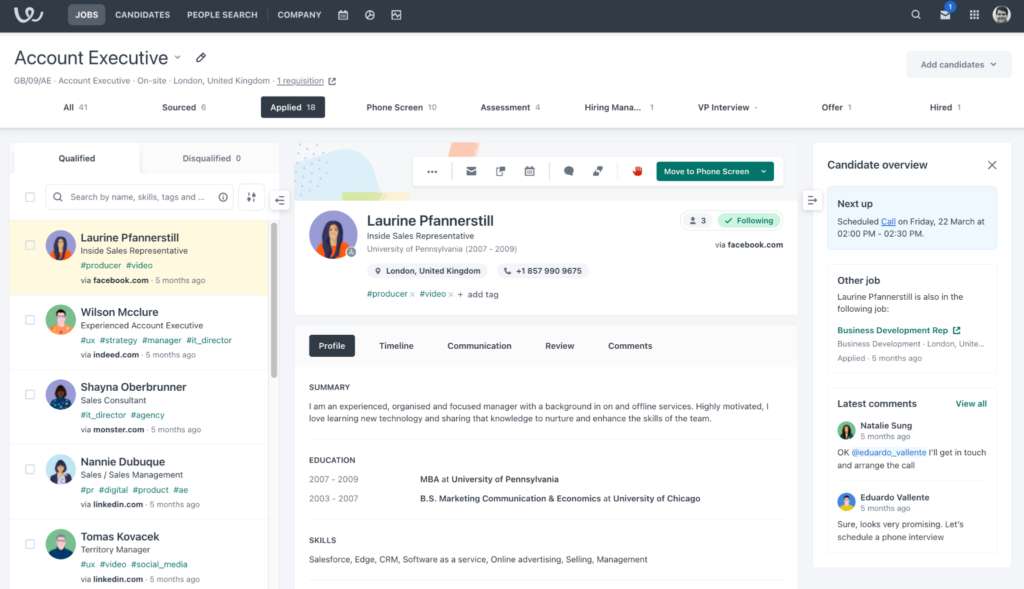
Image source: workable.com
Key features
- Job posting to multiple boards
- Resume screening and scoring
- Interview scheduling tools
- Candidate pipeline tracking
Pros
- Strong job board integrations
- Suitable for small teams
Cons
- Limited advanced analytics
- Less customization for workflows
- Can become costly as hiring scales
Pricing:
- Standard plan: $299/month (billed annually).
- Premier plan: $599/month (billed annually).
5. BambooHR: HR-led candidate tracking software
BambooHR offers candidate tracking as part of a broader HR management platform. It is best suited for HR-led hiring processes in small to mid-size organizations. The tool focuses on simplicity and HR workflow alignment.
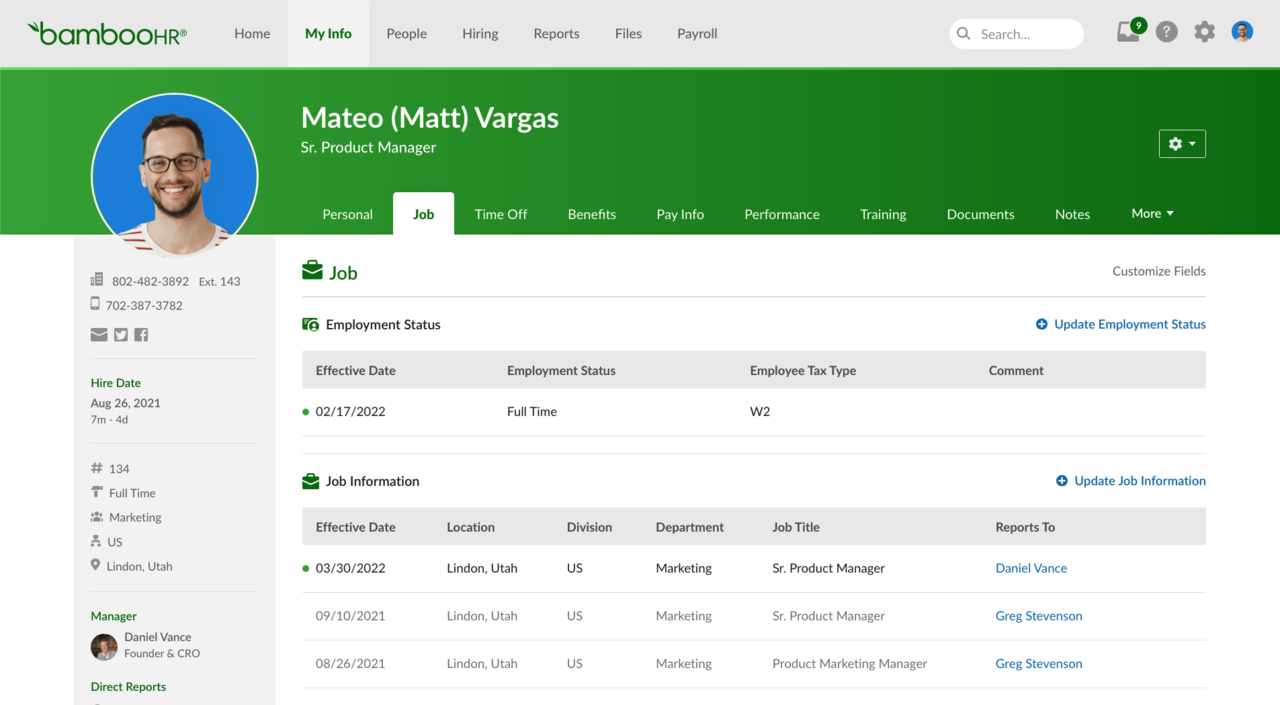
Image source: bamboohr.com
Key features
- Applicant tracking within an HR platform
- Resume and application management
- Hiring approvals and notes
- Employee onboarding integration
Pros
- Strong HR and hiring alignment
- Good onboarding connection
Cons
- Limited recruiting customization
- Not ideal for high-volume hiring
Pricing:
- BambooHR plans start at just $10/month/employee.
- It requires a quote for the pricing details.
6. Zoho Recruit: Affordable candidate tracking software
Zoho Recruit offers a cost-effective candidate-tracking system for growing businesses. It supports both staffing agencies and internal hiring teams. The platform integrates well with the Zoho ecosystem.
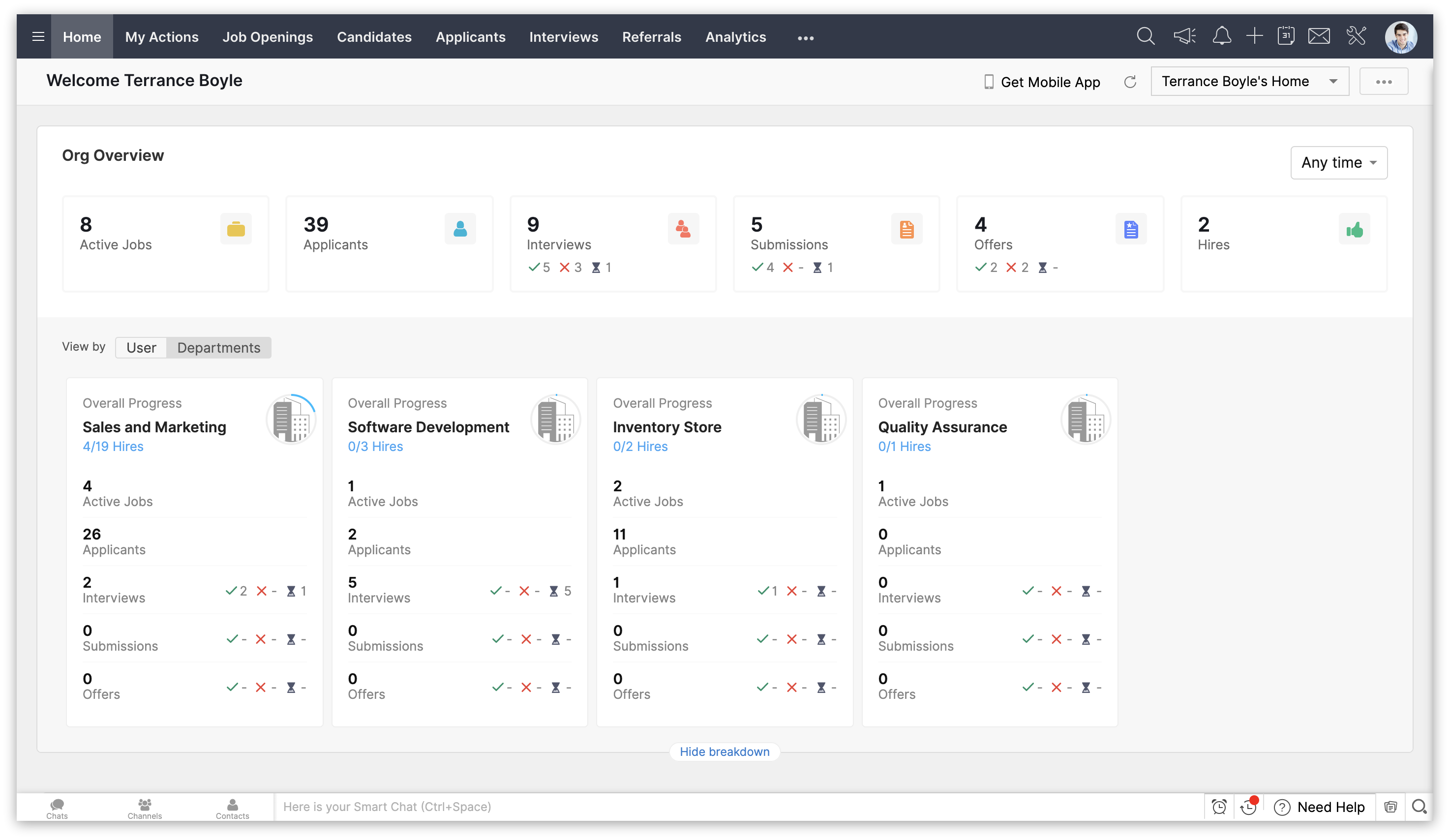
Image source: zoho.com
Key features:
- Candidate database management
- Job posting and resume parsing
- Reporting and dashboards
Pros:
- Flexible configuration options
- Good automation features
- Integrates with Zoho apps
Cons:
- Interface can feel complex
- Learning curve for setup
- Limited advanced analytics
Pricing:
- Free plan: $0/user/month
- Standard plan: $25/user/month
- Professional plan: $50/user/month
- Enterprise plan: $75/user/month
7. JazzHR: Hiring-focused candidate tracking system
JazzHR is designed for small businesses that want a straightforward hiring tool. It focuses on simplifying job posting and candidate tracking. The platform supports collaborative hiring without heavy complexity.
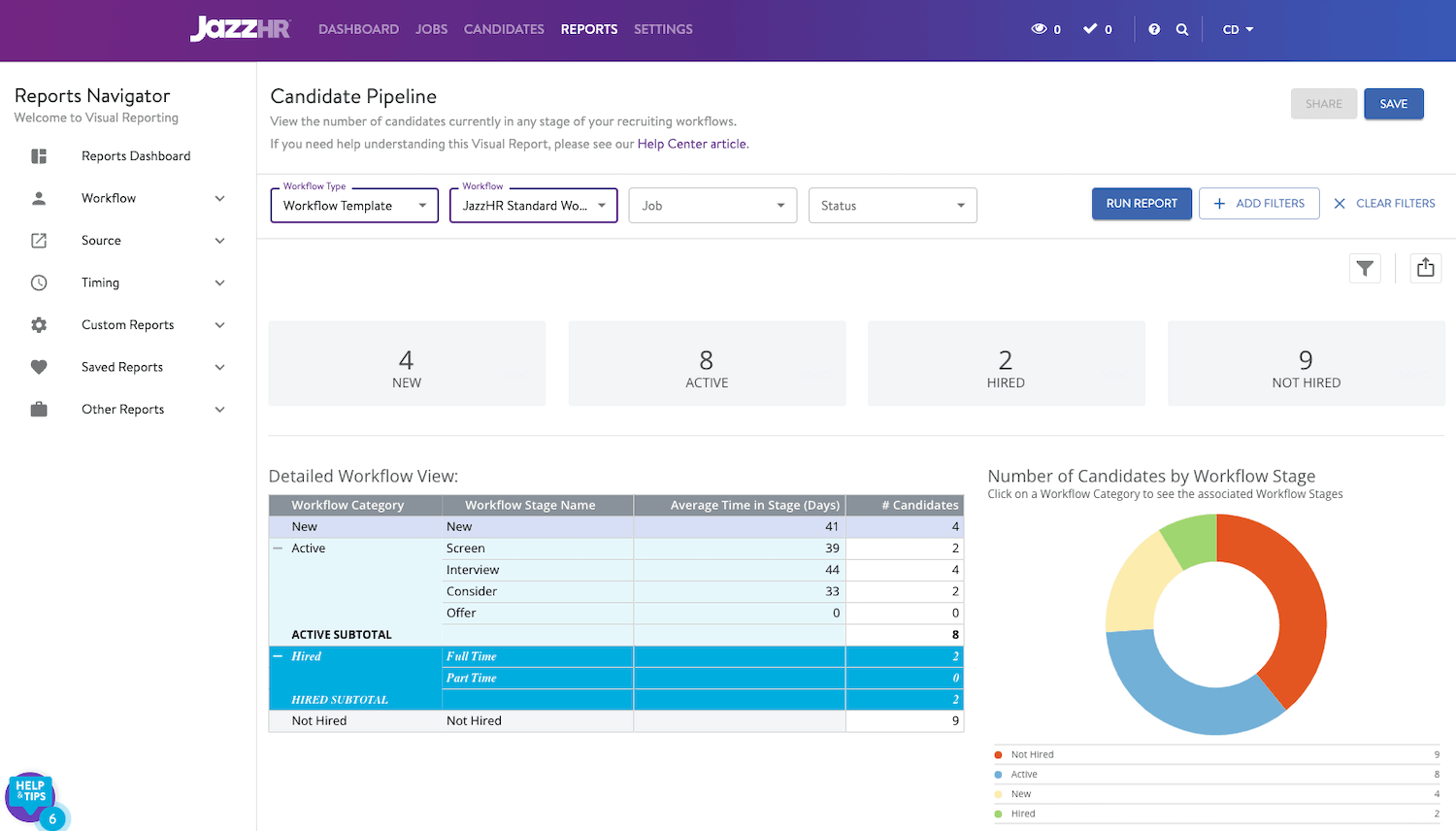
Image source: jazzhr.com
Key features:
- Applicant tracking pipelines
- Team collaboration tools
Pros:
- Suitable for small teams
Cons:
- Basic reporting features
- Not ideal for scaling organizations
Pricing:
- Hero plan: $110/month (billed annually).
- Plus plan: $350/month (billed annually).
- Pro plan: Custom pricing.
8. Hireology: Candidate tracking for distributed teams
Hireology supports organizations with distributed or multi-location hiring needs. It is commonly used in industries with frontline or hourly hiring. The platform focuses on consistency across locations.
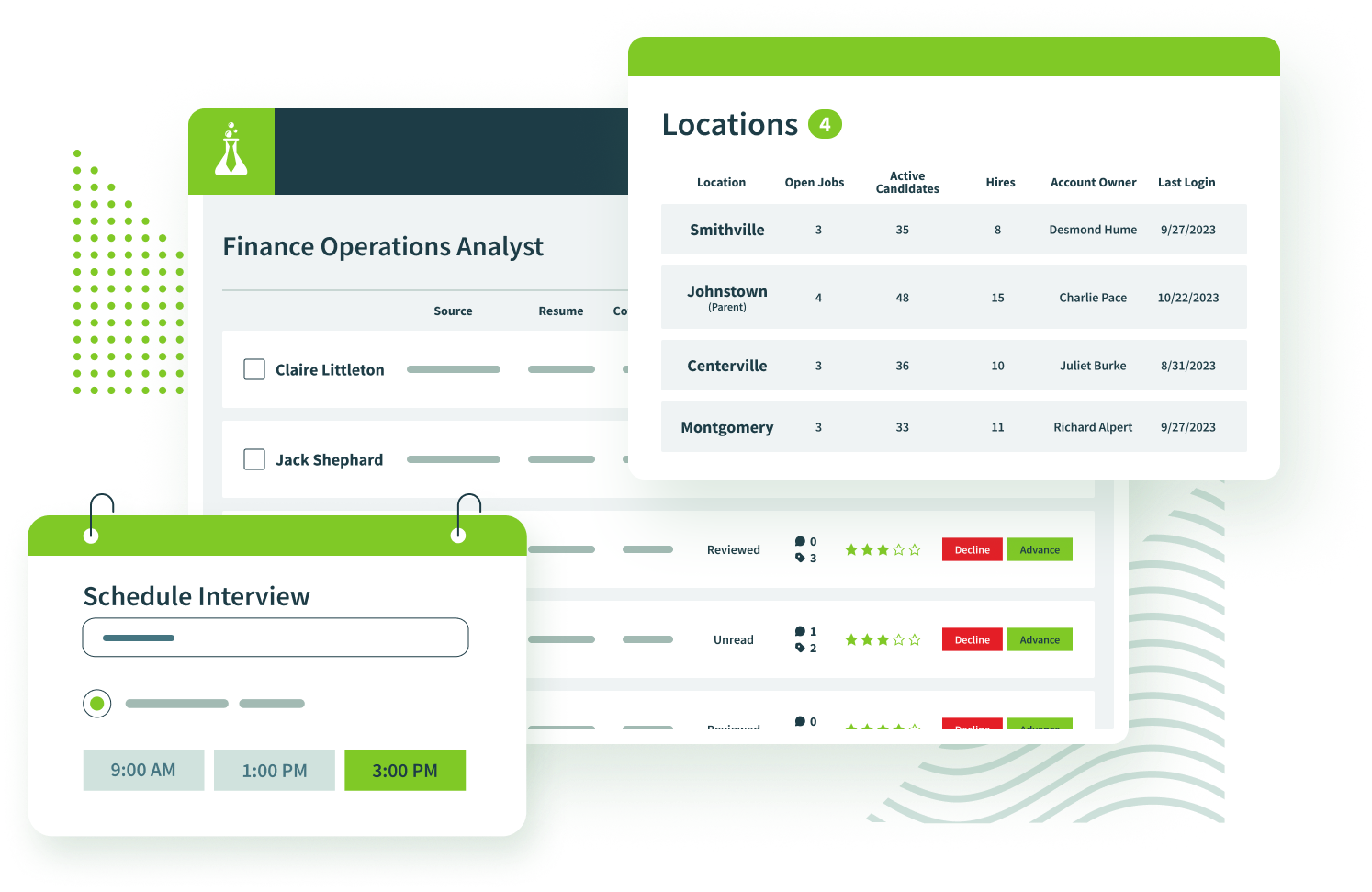
Image source: hireology.com
Key features:
- Multi-location hiring management
- Candidate tracking workflows
- Background check integrations
- Hiring performance reports
Pros:
- Strong multi-location support
- Suitable for high-turnover roles
- Consistent hiring processes
- Industry-specific features
Cons:
- Limited flexibility outside target industries
- Reporting customization is limited
Pricing:
- Custom pricing is based on the workflow and hiring requirements.
9. SmartRecruiters: Global candidate tracking software
SmartRecruiters is built for global enterprises managing large-scale hiring. It supports complex workflows, multiple languages, and compliance needs. The platform focuses on enterprise recruiting operations.
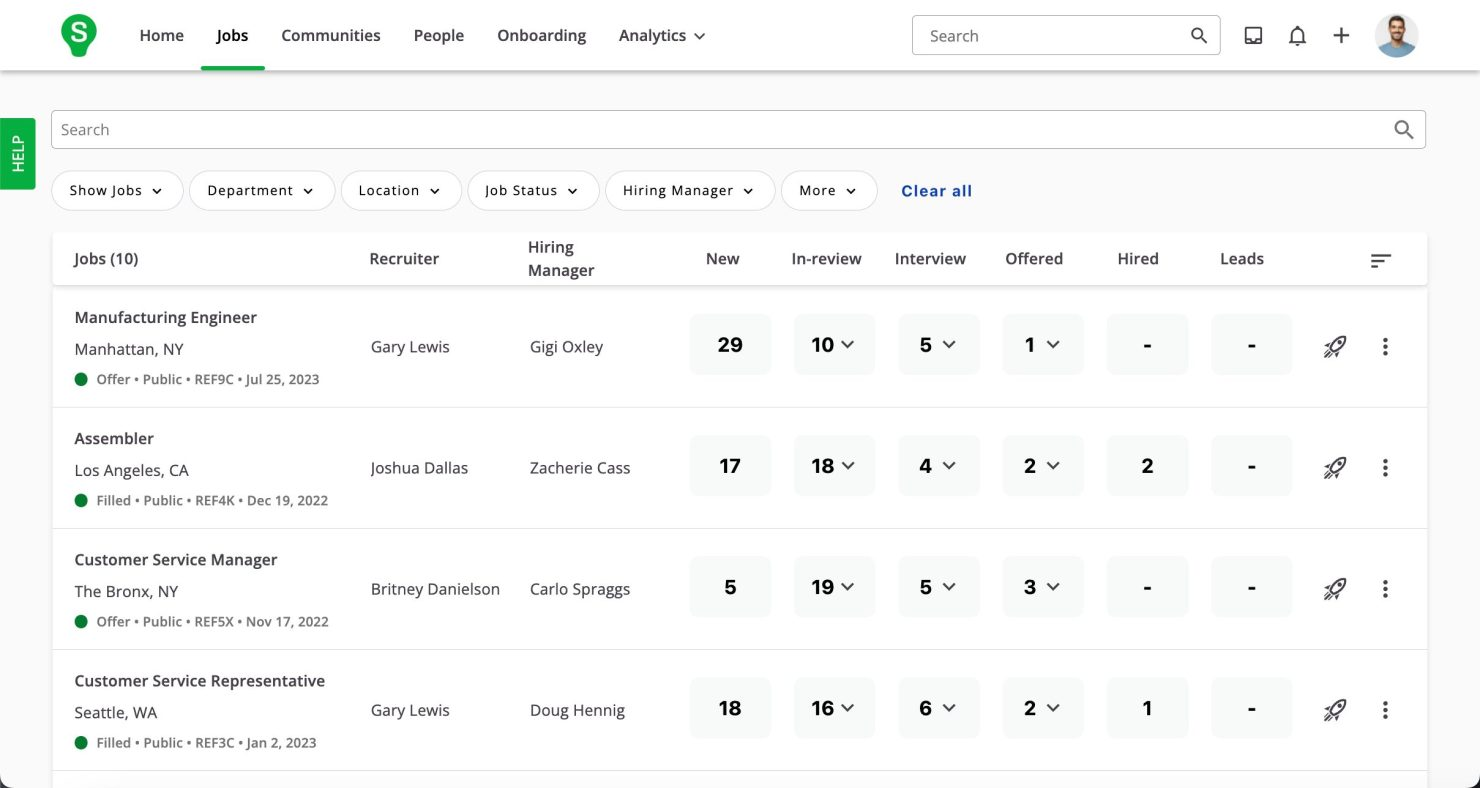
Image source: smartrecruiters.com
Key features:
- Advanced analytics and reporting
- Candidate experience tools
- Extensive integrations marketplace
Pros:
- Enterprise-grade scalability
- Flexible hiring workflows
Cons:
- High cost for smaller teams
- Requires training for users
Pricing:
- Essential plan: Starting at $14,995.
- Professional plan: Custom pricing.
- High volume plan: Custom pricing.
- Complete plan: Custom pricing.
10. Breezy HR: Visual candidate tracking tool
Breezy HR emphasizes visual pipelines and ease of collaboration. It is designed for small to mid-size teams that want clear hiring visibility. The tool focuses on simplicity and candidate experience.
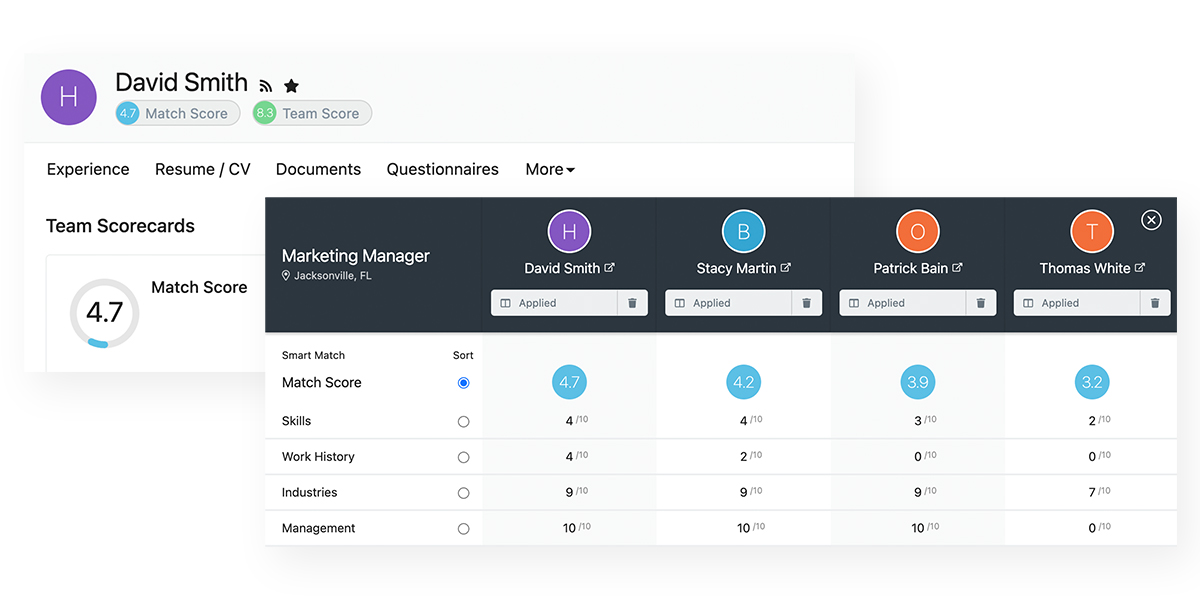
Image source: breezy.hr
Key features:
- Visual drag-and-drop pipelines
- Resume parsing and screening
- Candidate messaging tools
Pros:
- Good candidate experience
Cons:
- Limited advanced analytics
- Not ideal for enterprise hiring
Pricing:
- Bootstrap plan: Free forever
- Startup plan: $157/month
- Business plan: $439/month
11. HiringThing: Candidate tracking within HR workflows
HiringThing is a cloud-based hiring platform built for growing organizations to manage recruitment and onboarding in one place. It supports sourcing, screening, and team collaboration through simple, structured hiring workflows.
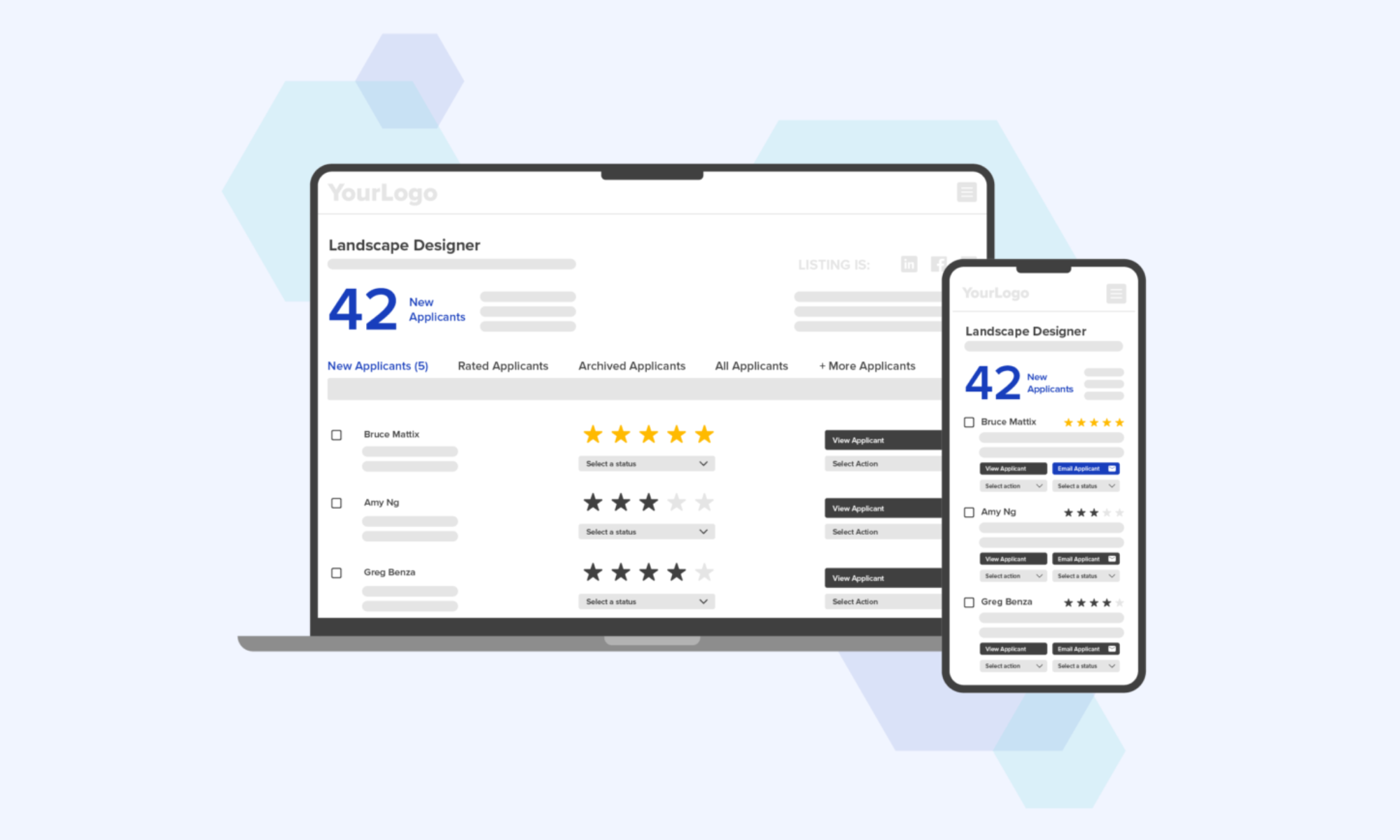
Image source: hiringthing.com
Key features:
- Applicant tracking system
Pros:
- Easy onboarding connection
Cons:
Pricing:
- Custom pricing is based on the workflow and hiring requirements.
12. Recruitee: Team-based candidate tracking system
Recruitee focuses on collaborative hiring and team visibility. It is designed for growing teams that want shared ownership of hiring decisions. The platform supports flexible pipelines.
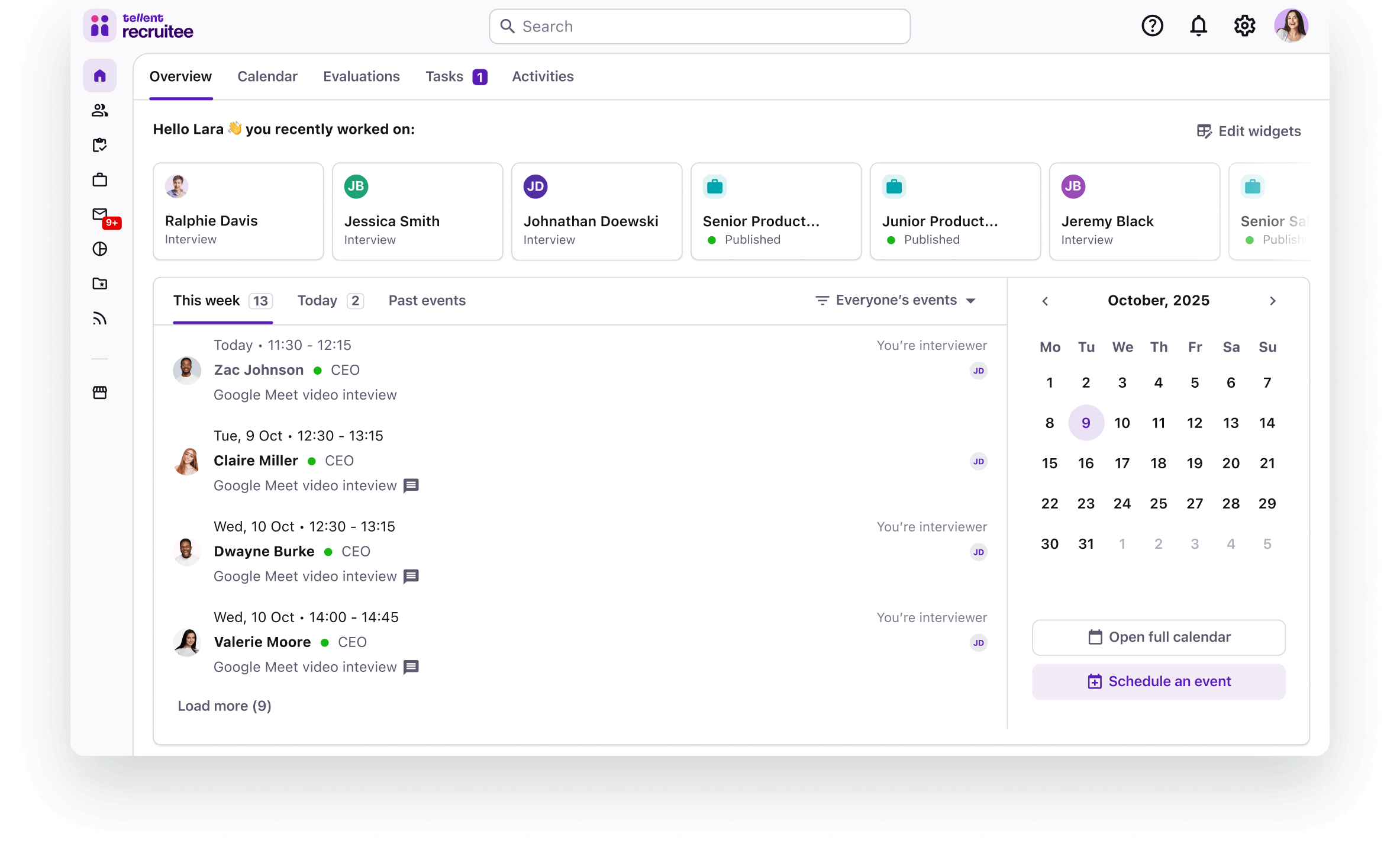
Image source: recruitee.com
Key features:
- Team collaboration tools
Pros:
- Strong collaboration features
- Good visibility across teams
Cons:
- Advanced features require higher plans
- Limited enterprise controls
Pricing:
- Advance plan: $451/month
- Optimize plan: $1,664/month
13. Jobvite: High-volume candidate tracking software
Jobvite supports high-volume and enterprise-level recruiting. It combines applicant tracking with recruitment marketing features. The platform is often used by large organizations.
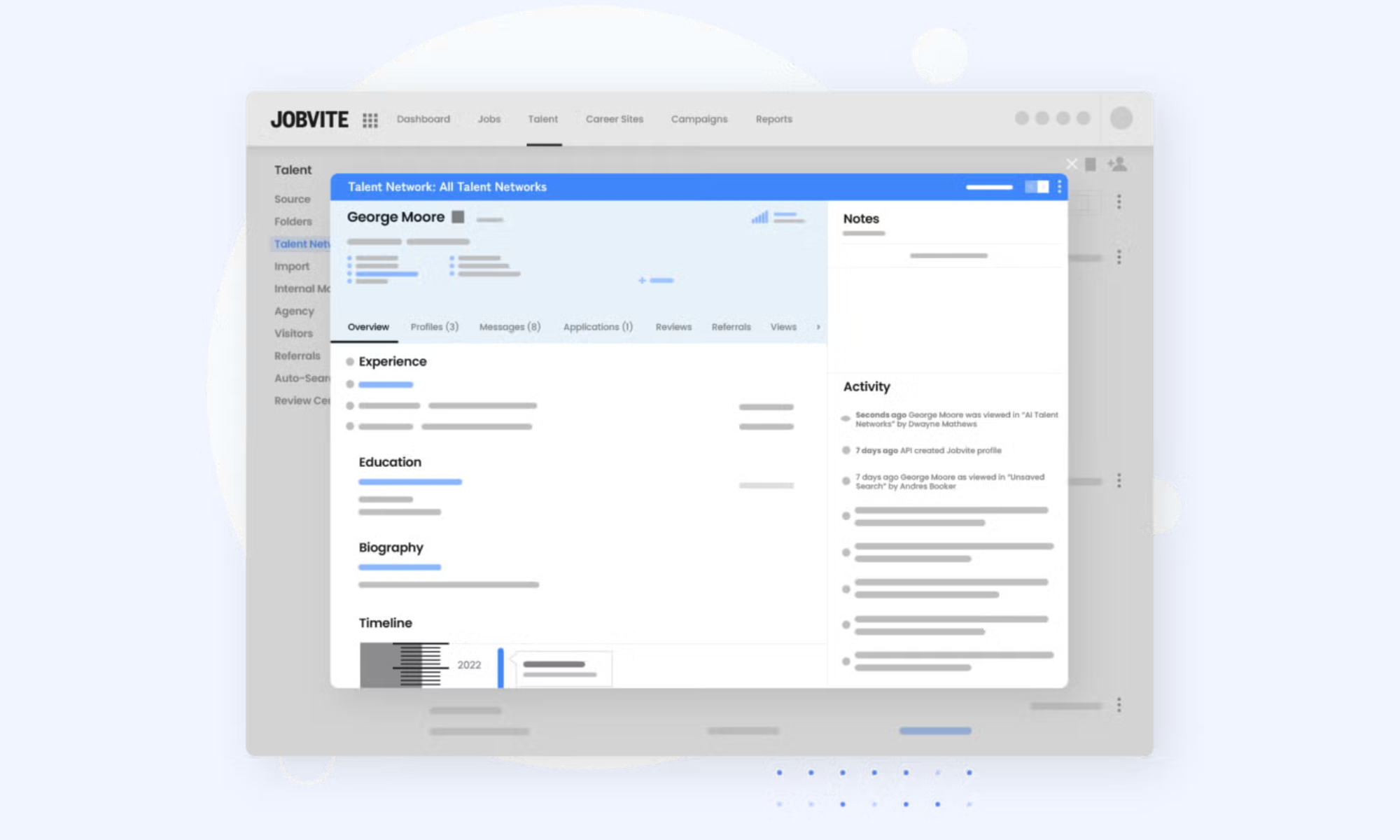
Image source: jobvite.com
Key features:
- High-volume applicant tracking
- Recruitment marketing tools
- Employee referral management
Pros:
- Scales for large hiring needs
- Strong referral features
- Comprehensive recruiting suite
- Enterprise-ready controls
Cons:
- Long implementation time
Pricing:
- Custom pricing is based on the workflow and hiring requirements.
14. ATS OnDemand: Traditional candidate tracking system
ATS OnDemand offers a traditional approach to candidate tracking. It focuses on core applicant management features. The platform suits organizations with stable hiring processes.
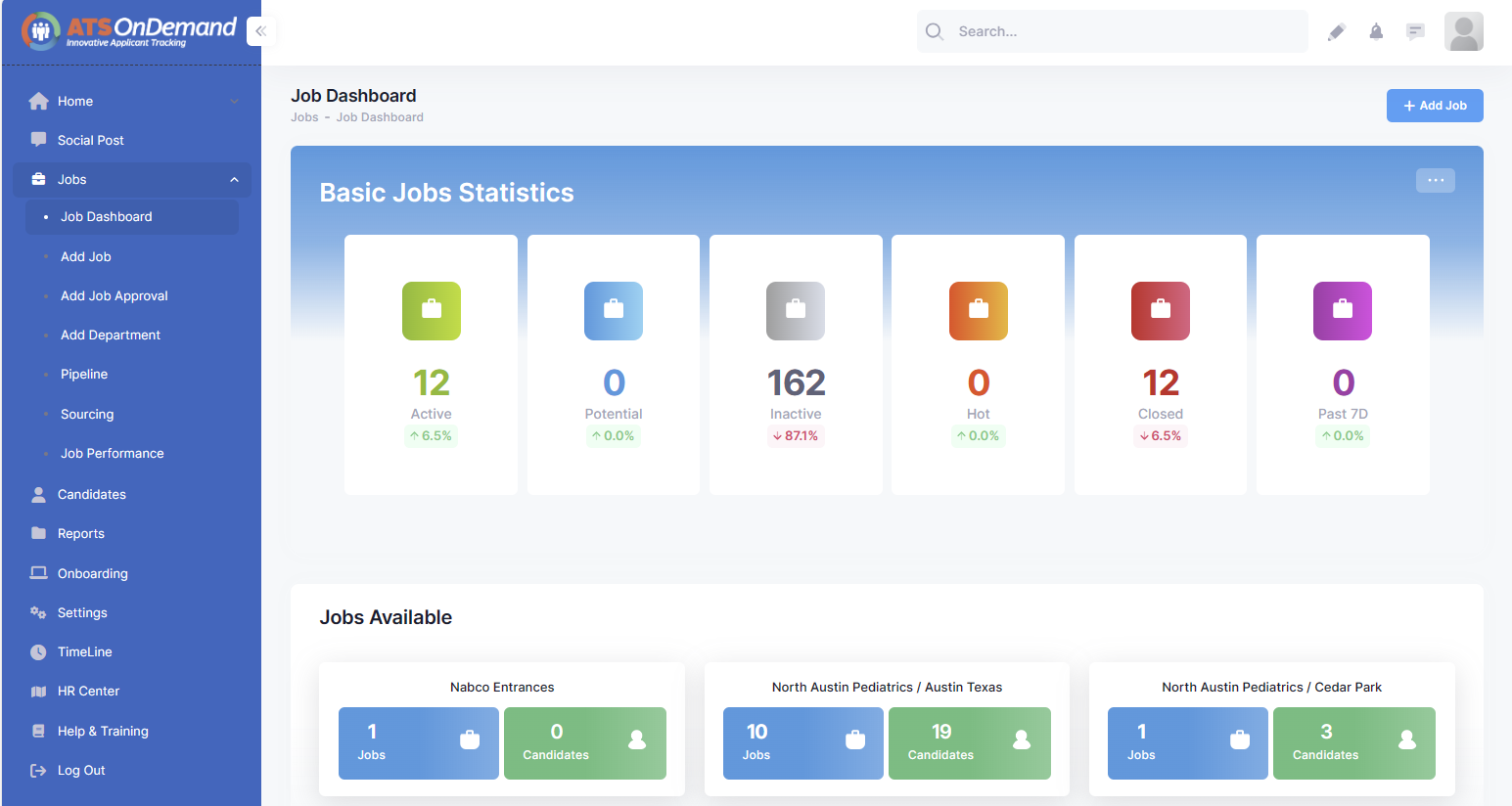
Image source: power.atsondemand.com
Key features:
- Applicant database management
Pros:
- Simple and stable system
- Suitable for consistent hiring
- Predictable functionality
Cons:
Pricing:
- Custom pricing is based on the workflow and hiring requirements.
15. Teamtailor: Candidate tracking with employer branding
Teamtailor combines candidate tracking with employer branding tools. It is designed for teams that want to improve candidate experience. The platform emphasizes career site design.
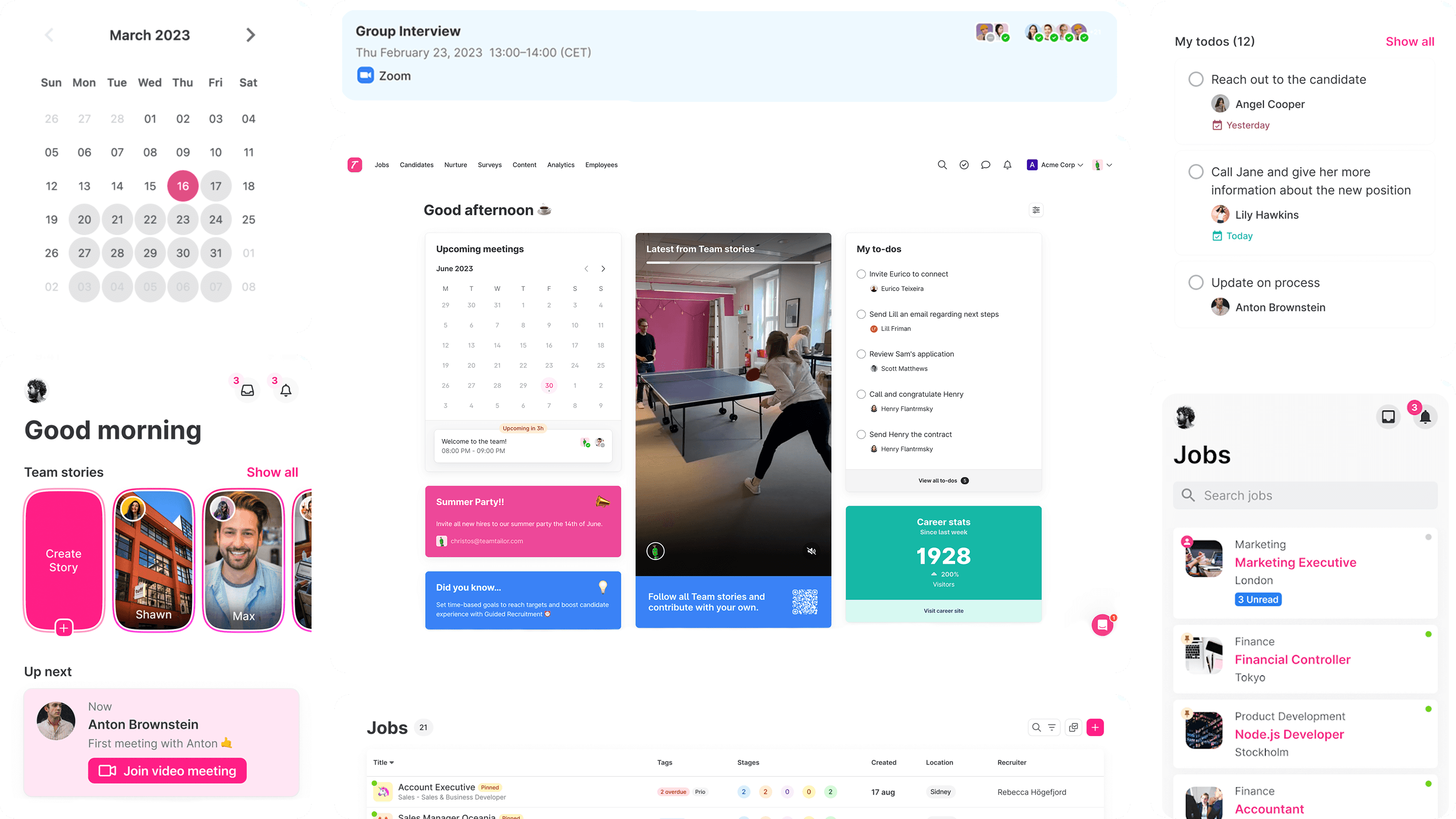
Image source: teamtailor.com
Key features:
- Candidate tracking pipelines
- Career site customization
- Candidate communication tools
Pros:
- Strong branding capabilities
- Good candidate experience
Cons:
- Not ideal for complex hiring workflows
- Higher cost for small teams
Pricing:
- Custom pricing is based on the workflow and hiring requirements.
Start accurate candidate tracking with the top tool
How to choose the right candidate tracking system
Selecting the right candidate tracking system depends on hiring volume, collaboration needs, and how structured your recruitment workflows must be.
- Hiring volume and team size: Evaluate how many roles you hire for and how many stakeholders are involved. The system should handle current demand while scaling smoothly as hiring grows.
- Workflow structure and customization: Look for candidate tracking software that supports clear stages, approvals, and feedback. Well-defined workflows improve consistency and reduce hiring delays.
- Collaboration and visibility: An HR candidate tracking system should provide shared visibility for recruiters and hiring managers. This ensures faster alignment and better hiring decisions.
- Reporting and hiring insights: The system should offer clear insights into pipeline health and . Easy-to-read reports help teams identify issues and optimize processes.
- Integration and long-term flexibility: Choose a candidate tracking system that integrates with existing and job boards. Flexibility ensures the platform remains useful as hiring needs evolve.
Conclusion
A candidate tracking system plays a central role in helping hiring teams manage candidates, support job tracking, and collaborate effectively across recruitment workflows. As hiring processes involve more roles and higher volumes, relying on manual tracking or disconnected tools often leads to delays and missed opportunities. Modern candidate tracking software brings structure by , candidate data, interview feedback, and hiring stages, enabling teams to move faster and make more informed decisions.
Choosing the right HR candidate tracking system requires balancing ease of use, workflow clarity, and long-term flexibility. The most effective tools support collaboration without adding complexity and scale as hiring needs evolve. Over time, platforms like show how candidate tracking can gradually become part of a broader, connected hiring workflow, helping teams improve visibility, reduce administrative effort, and deliver a better experience for both recruiters and candidates.
Automate the tracking of candidates with Lark today
FAQs
What is an ATS vs CRM?
An applicant tracking system focuses on managing active candidates through defined hiring stages, from application to offer. A recruiting CRM is designed to nurture long-term candidate relationships before they formally apply. Many modern hiring teams use both approaches together, and over time, platforms like Lark show how structured tracking and ongoing collaboration can gradually connect within a single hiring workflow.
What are the best applicant tracking systems?
The best applicant tracking systems depend on hiring volume, team size, and workflow needs. Some tools focus on structured enterprise hiring, while others support smaller teams with simpler workflows. As hiring becomes more collaborative, solutions such as Lark highlight how candidate tracking can evolve beyond standalone systems into connected team-based hiring processes. Is there a free applicant tracking system?
Yes, some applicant offer free or entry-level plans with limited features. These options are suitable for small teams or early-stage hiring needs. As requirements grow, platforms like Lark demonstrate how teams can gradually move from basic tracking to more integrated hiring workflows without relying on multiple tools.
Are candidate tracking systems suitable for contract or freelance hiring?
Candidate tracking systems can be used for contract and freelance hiring, especially when managing recurring roles or large talent pools. They help organize candidates, track availability, and maintain communication. Over time, tools like Lark illustrate how flexible tracking and can support both full-time and non-traditional hiring models.
Related reading