














Top 15 Customer Retention Strategies Every Business Should Try

Ryan Tanner
Product Marketing Specialist
Sep 18, 2026
Ryan Tanner
Sep 18, 2026

15 min read


Keeping customers loyal in today's fast-moving world is both an art and a science. It's no longer enough to acquire new customers; sustaining their trust is what drives real growth. Strong customer retention boosts lifetime value, encourages referrals, and builds lasting brand advocacy. Achieving this, however, requires more than great products; it demands proactive communication, seamless collaboration, and a deep understanding of customer needs. Worry no more; let's understand this notion with ease guide today.

What is customer retention, and why does it matter
Customer retention is the process of keeping existing customers engaged and loyal to your brand over time. It reflects how well a company builds relationships, delivers value, and meets evolving customer expectations. Loyal customers also tend to spend more, refer to others, and cost significantly less to serve than new ones. In a competitive market where attention spans are short, prioritising retention builds stability and sustainable growth. With tools like Lark, teams can unify communication, automate follow-ups, and align departments around shared customer goals, turning retention into a strategic advantage rather than a reactive task.
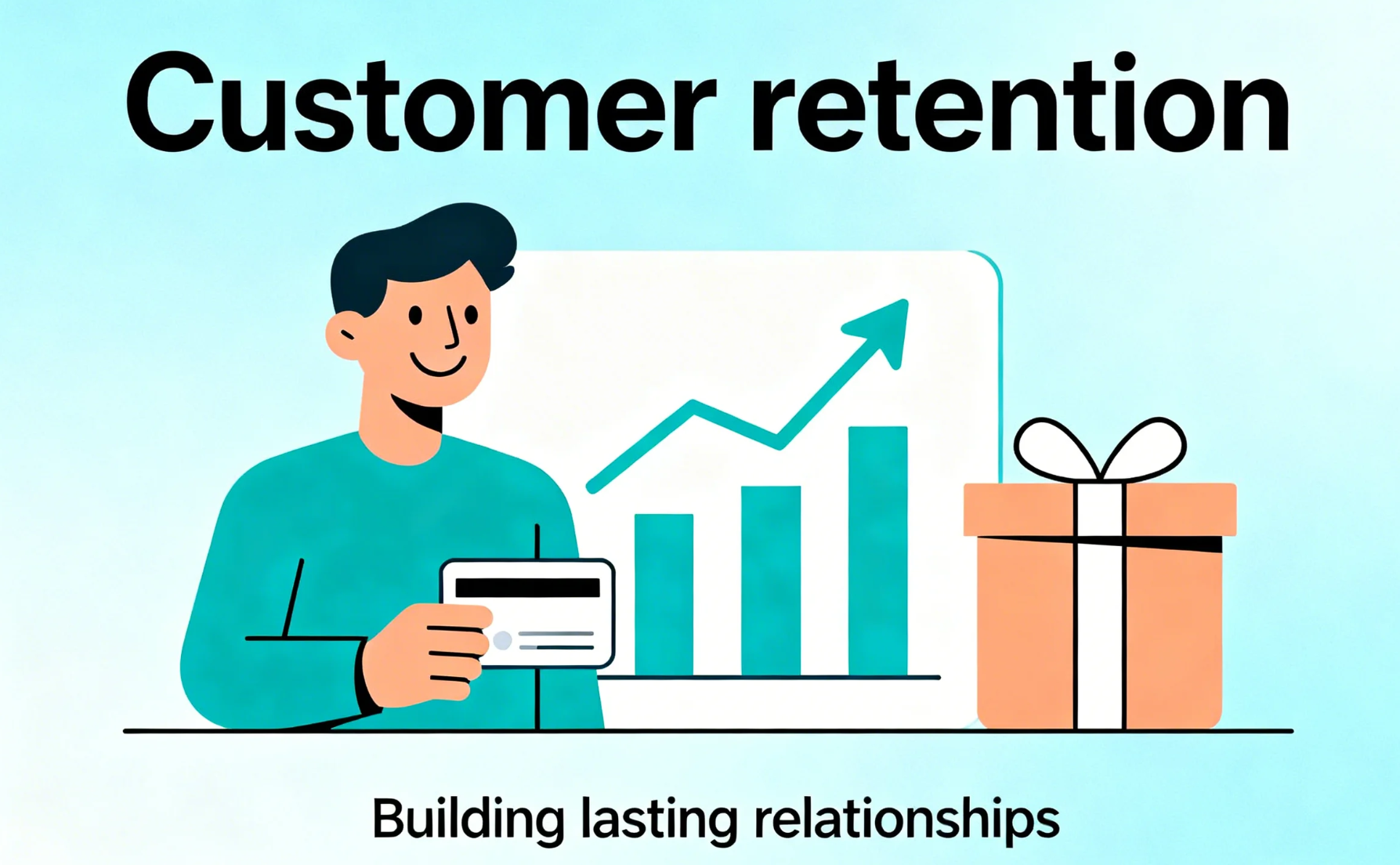
Image source: unsplash.com
How to calculate your customer retention rate (with a simple formula)
Your customer retention rate (CRR) measures the percentage of customers your business keeps over a specific period. It's a key indicator of loyalty and long-term satisfaction. The formula is simple: Customer Retention Rate (CRR)=(E−N)/S×100
Where:
- E = customers at the end of the period
- N = new customers acquired during the period
- S = customers at the start of the period
Example:
If you start with 1,000 customers, gain 200 new ones, and end with 1,050, your CRR is: ((1050−200)/1000)×100=85%
A higher retention rate means stronger customer loyalty and healthier revenue streams. Tracking this metric regularly helps identify churn risks early and evaluate whether your retention strategies—and tools like Lark—are truly effective.
A quick glance at the 15 best customer retention strategies
15 Customer retention strategies that actually work
Keeping customers loyal in a competitive market takes more than great products it requires consistent engagement, proactive support, and efficient teamwork. These 15 proven strategies show how leading companies strengthen retention and how Lark helps make each step faster and more effective.
1. Personalize every customer interaction
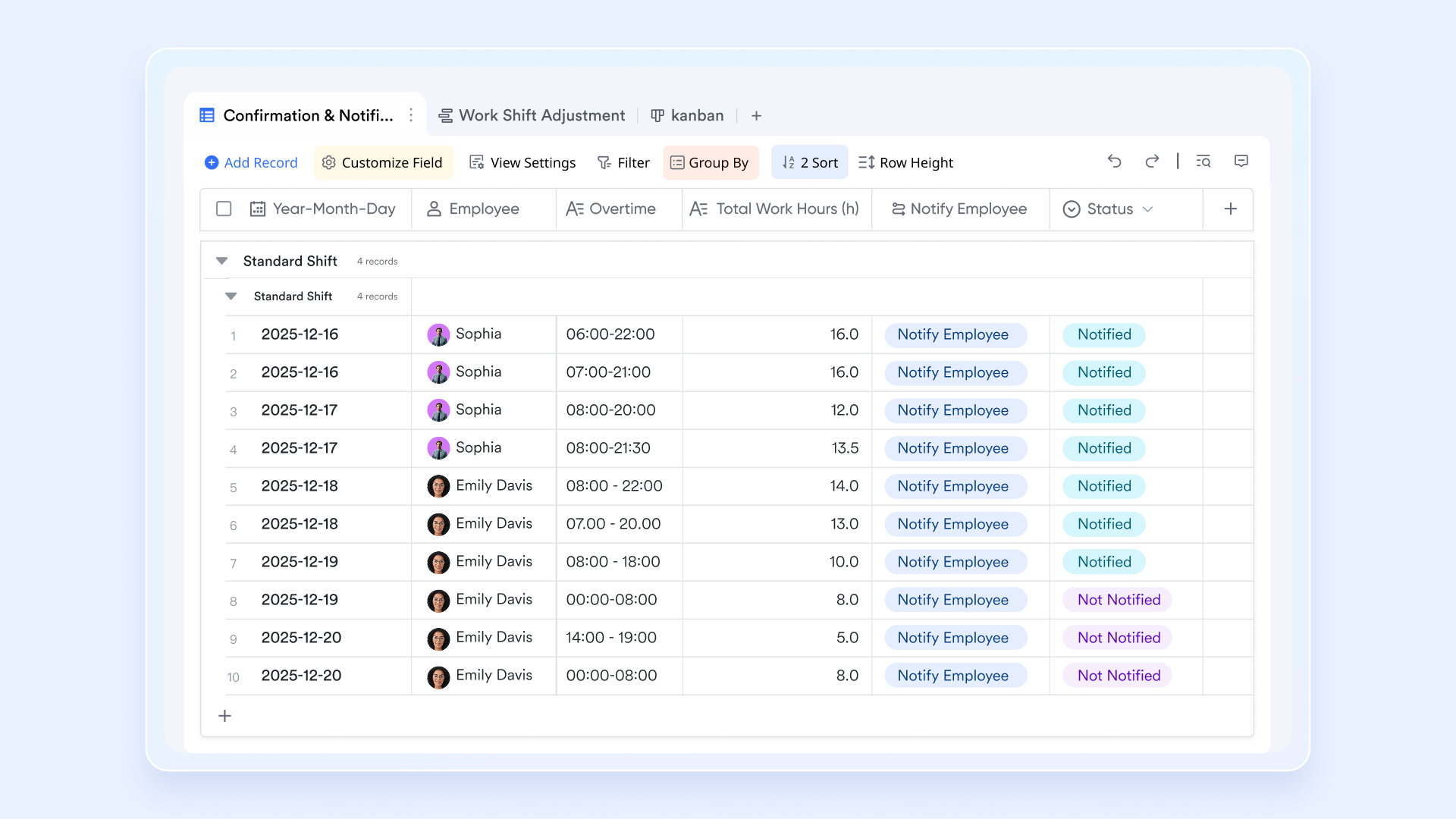
Personalization is the foundation of loyalty. Customers expect brands to understand their needs and anticipate their next move. For instance, an online fashion retailer might use purchase history to recommend complementary items or seasonal restocks. With Lark Base, teams can share customer insights in real time across marketing, support, and product teams. When everyone has access to the same customer context, communication becomes personal, relevant, and consistent, building stronger relationships that last.
2. Create a smooth onboarding journey
First impressions determine how long customers stay. A software company, for example, can lose users if its onboarding steps are confusing or delayed.
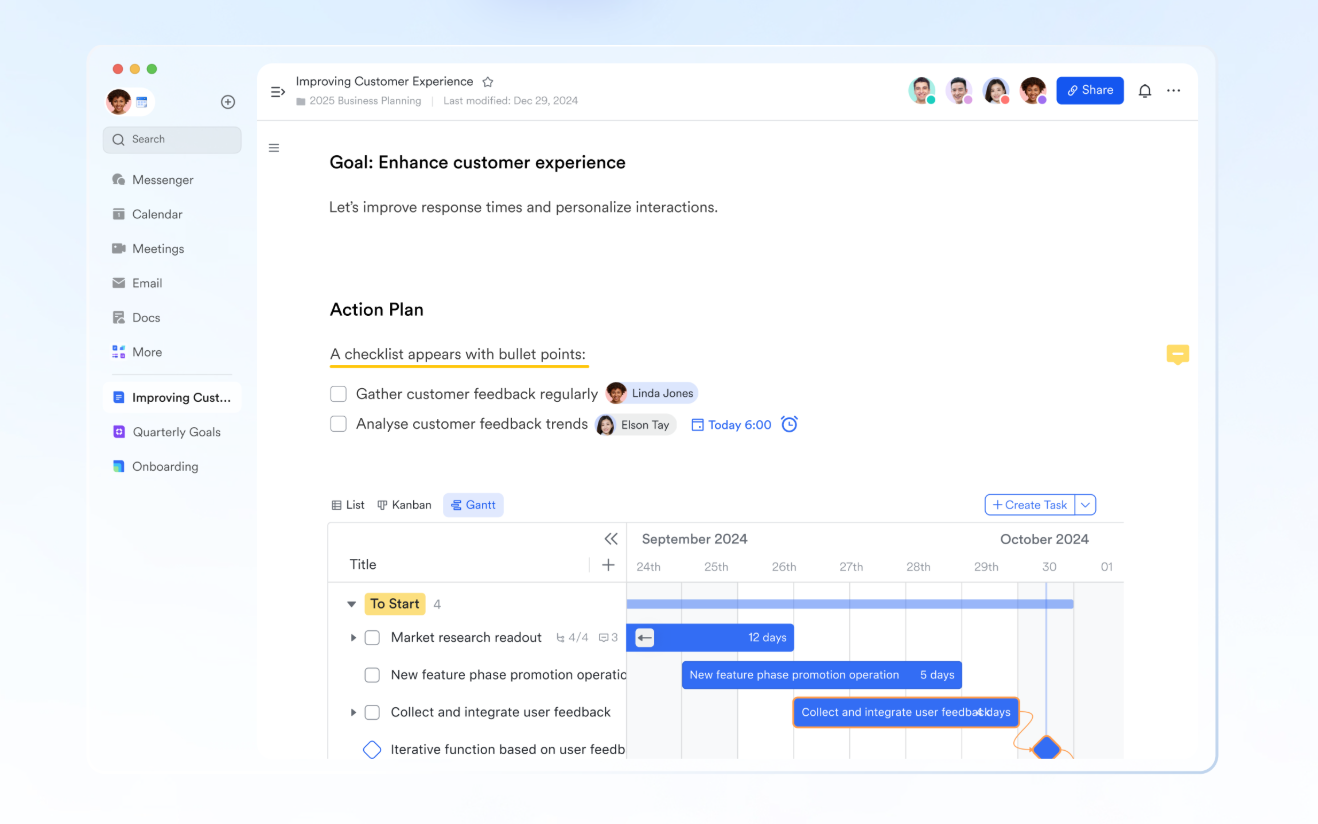
Using Lark Docs, teams can create interactive onboarding guides and FAQs that new customers can easily follow. At the same time, Lark Messenger enables instant collaboration between customer success and support teams to resolve onboarding questions as they arise ensuring customers reach their first success milestone quickly.
3. Stay proactive with customer communication
Retention grows when brands stay connected. Instead of waiting for a customer to reach out, send timely updates, tips, and renewal reminders. For example, a subscription-based service can alert users about upcoming billing cycles or feature launches.
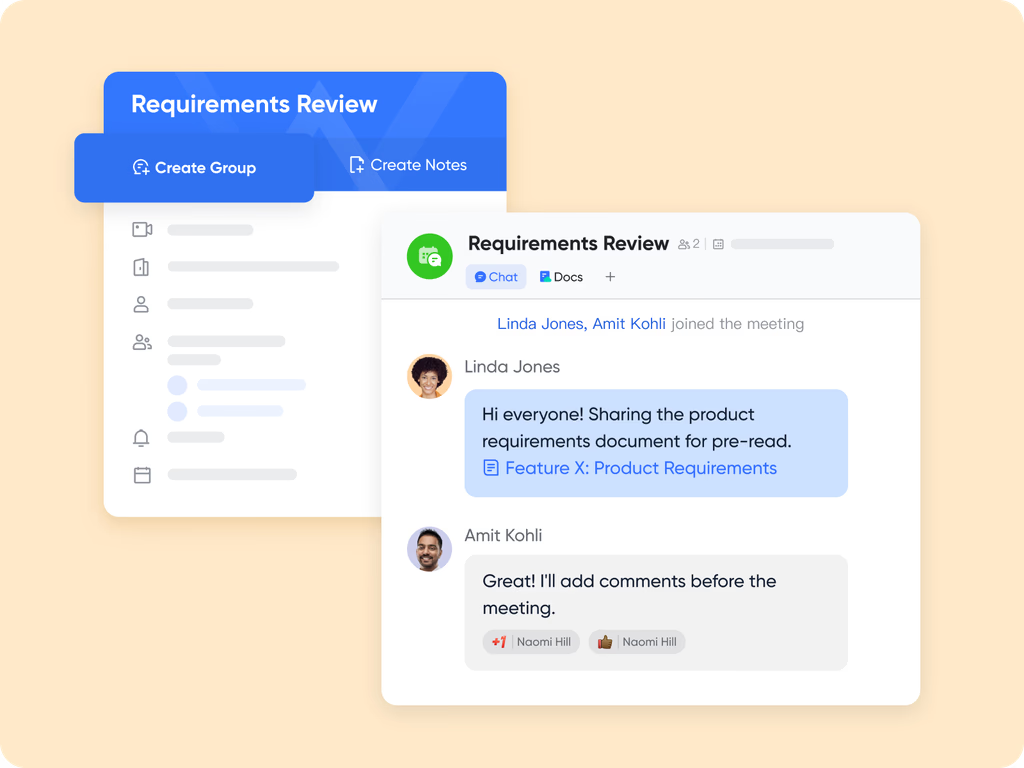
Lark Calendar helps teams plan communication calendars, draft messages collaboratively, and share updates instantly, reducing delays and improving response times. By integrating mass text message software, teams can automate these notifications at scale, ensuring that every customer receives personalized and timely information without extra manual effort.
4. Automate routine retention tasks
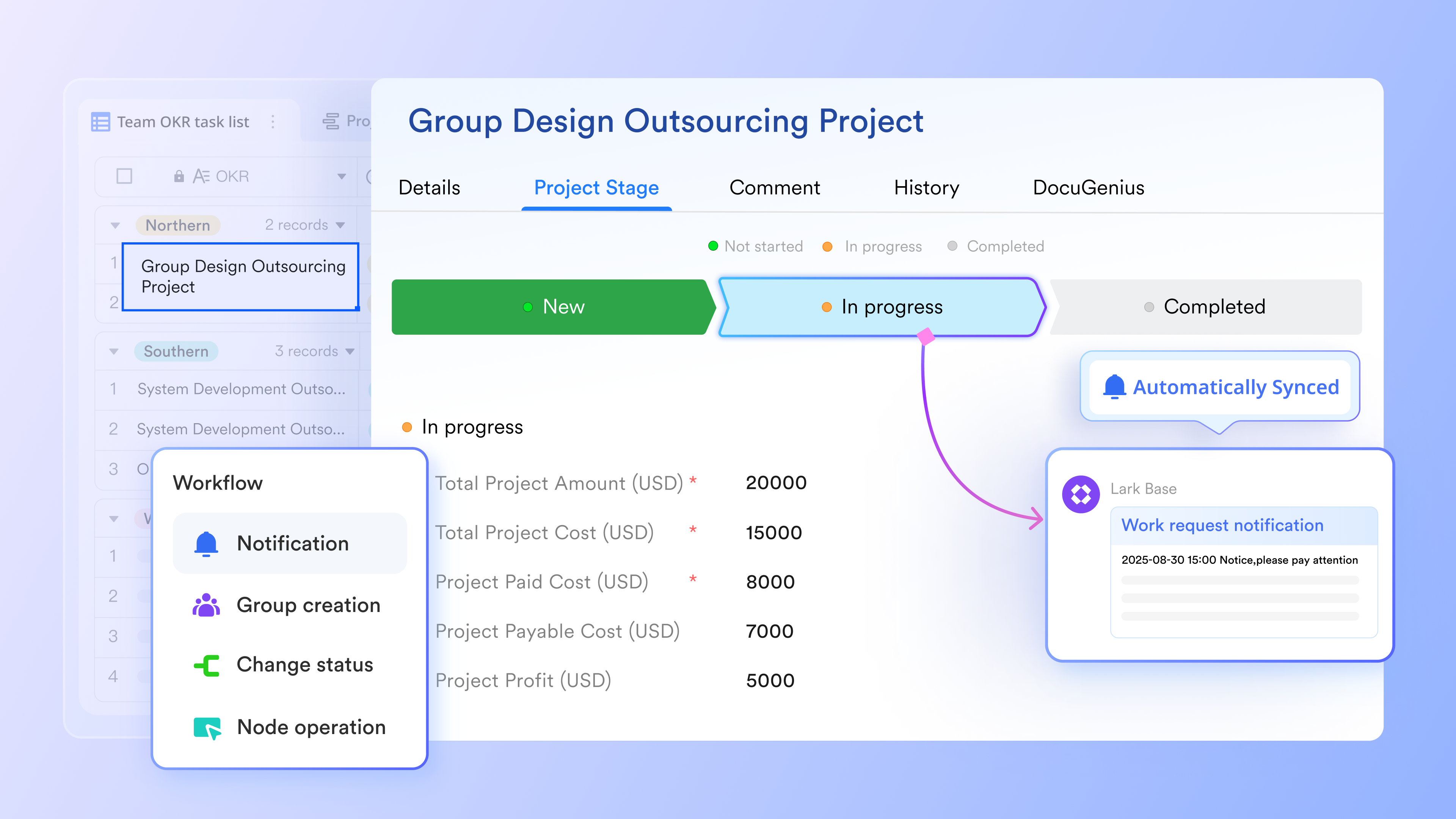
Repetitive actions like follow-up emails, satisfaction surveys, or managing an automated approval pipeline can eat up valuable time. Automating these ensures consistency without increasing workload.
With Lark's automated workflow, you can set triggers such as sending a reminder two days before a renewal date or alerting the account team when a feedback form is submitted. This keeps your retention cycle active while freeing teams to focus on customer conversations that matter most.
5. Use customer feedback to improve continuously
Feedback offers direct insight into what customers value and what frustrates them. A hotel chain, for example, might use surveys to identify recurring service complaints and fix them before churn happens.
In Lark, feedback can be collected in shared documents or forms and reviewed collaboratively. Teams can assign actions to address issues, track progress, and update everyone involved turning feedback into measurable improvement.
6. Keep every department aligned on retention goals
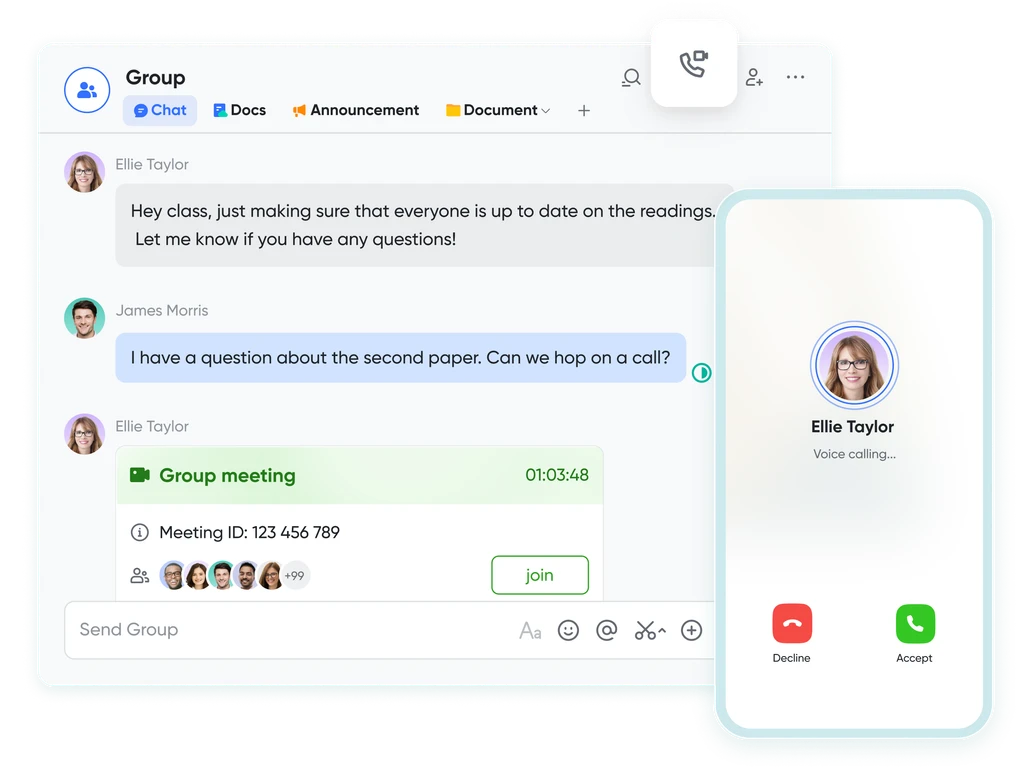
When marketing, product, and support teams work in isolation, customers receive inconsistent experiences. Alignment keeps messaging, support, and delivery unified. Using Lark, leaders can host shared retention dashboards and run regular team check-ins where all departments discuss churn data, customer success metrics, and upcoming campaigns. This unified approach ensures customers feel supported at every step of their journey.
7. Track your retention metrics regularly
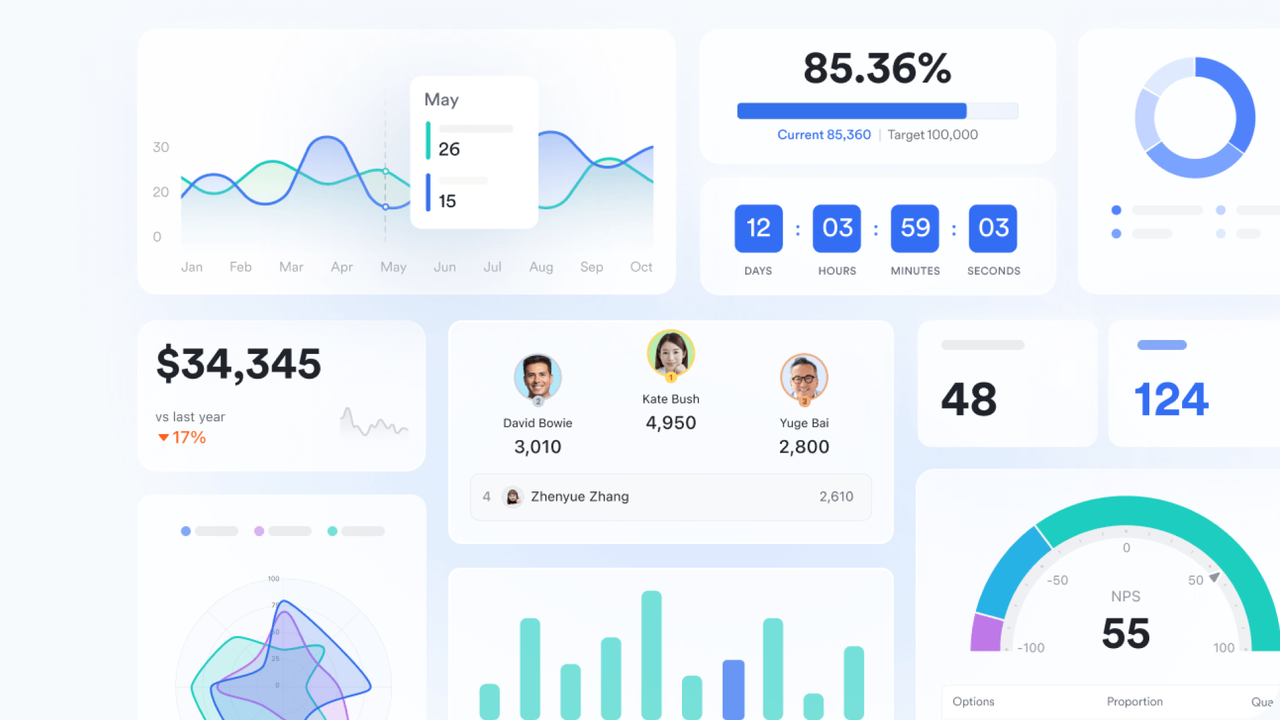
Retention success depends on what you measure. Metrics like churn rate, repeat purchase rate, and customer lifetime value (CLV) reveal early warning signs. For instance, an e-commerce brand might notice a drop in repeat purchase frequency and use that insight to redesign its loyalty offers.
With Lark Base, teams can visualize metrics on dynamic dashboards and share updates automatically—so data-driven decisions replace guesswork.
8. Build loyalty programs that reward engagement
Loyalty programs turn occasional buyers into lifelong fans. A coffee chain, for example, might reward every 10th purchase or offer birthday discounts. Using Lark, marketing and operations teams can plan, track, and analyse campaign performance together. Shared sheets and documents keep promotional timelines visible, while real-time updates ensure teams act fast when campaigns perform well.
9. Share customer success stories internally
Highlighting customer wins motivates teams and reinforces what works. For instance, if a client renews after exceptional support, documenting that story helps others replicate the success.
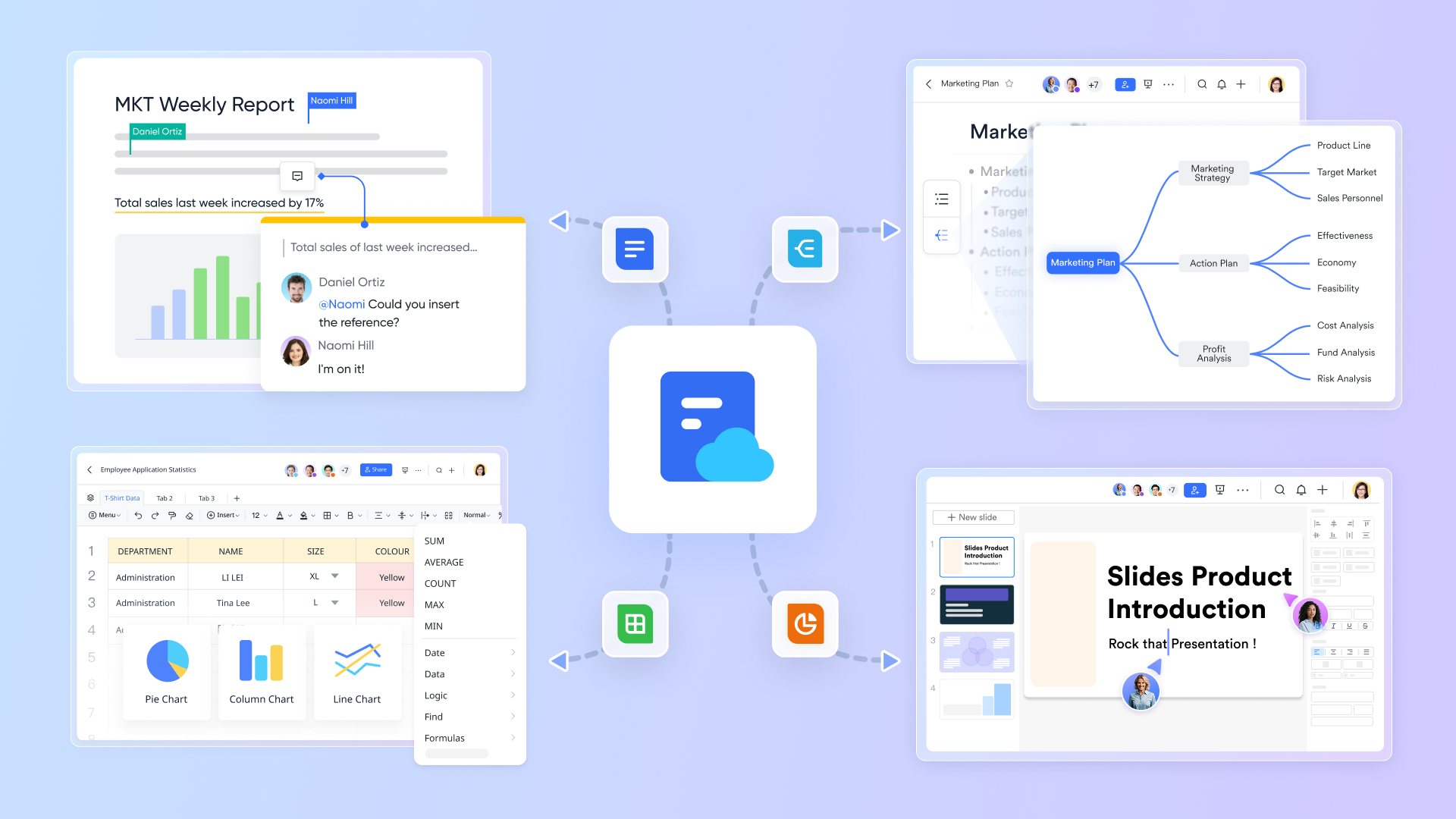
With Lark Docs, teams can create a shared "Customer Success Hub" with stories, metrics, and testimonials. These can be discussed on Lark Messenger channels to encourage knowledge sharing and continuous learning across departments.
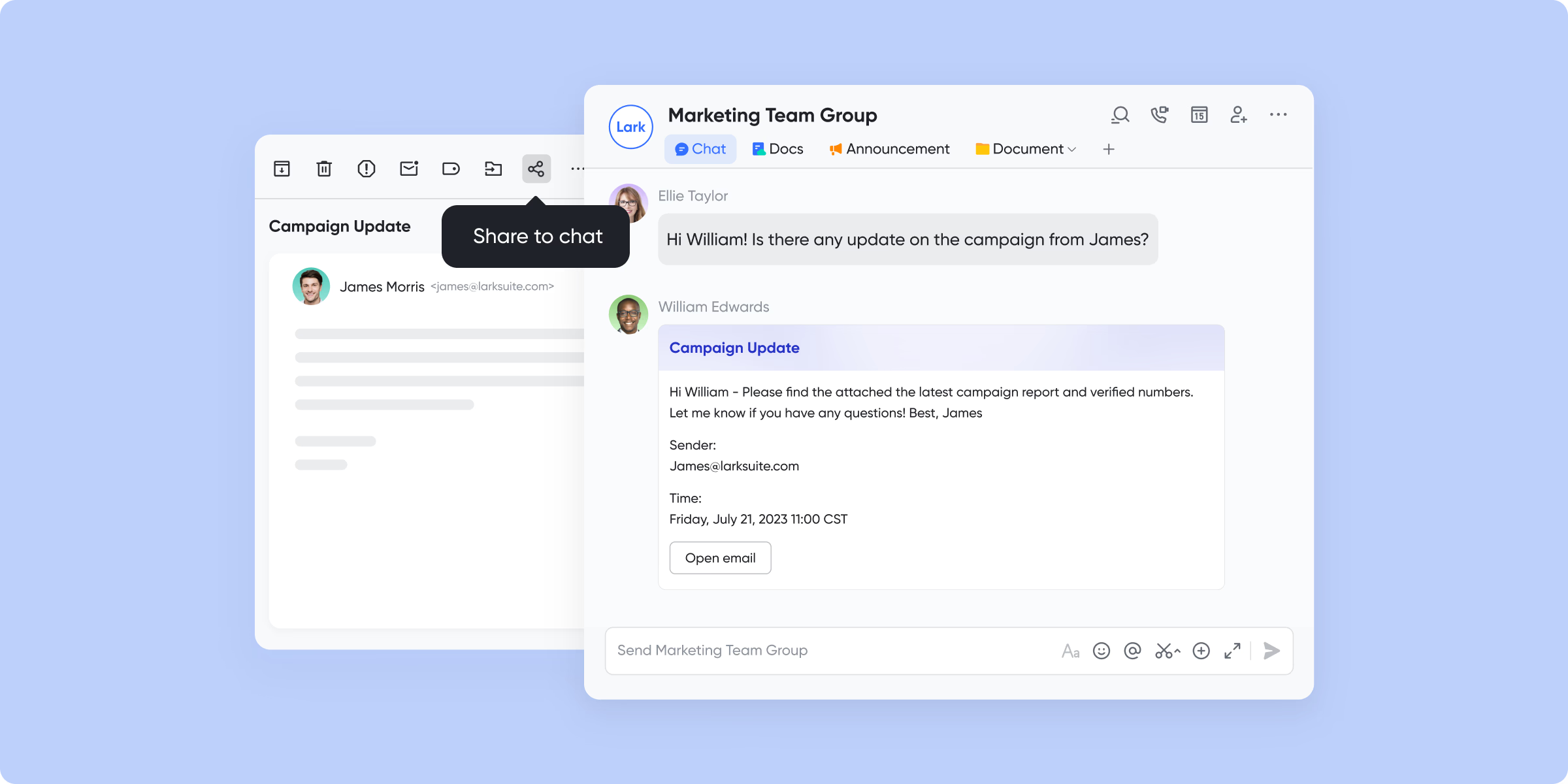
10. Respond faster to customer issues
Quick resolution is one of the biggest drivers of retention. A delayed response during a crisis can lead to customer churn. Lark streamlines communication during these moments. Teams can create dedicated for urgent customer cases, assign responsibility, and track updates in real time. This collaborative flow ensures customers receive timely and consistent resolutions, reinforcing trust.
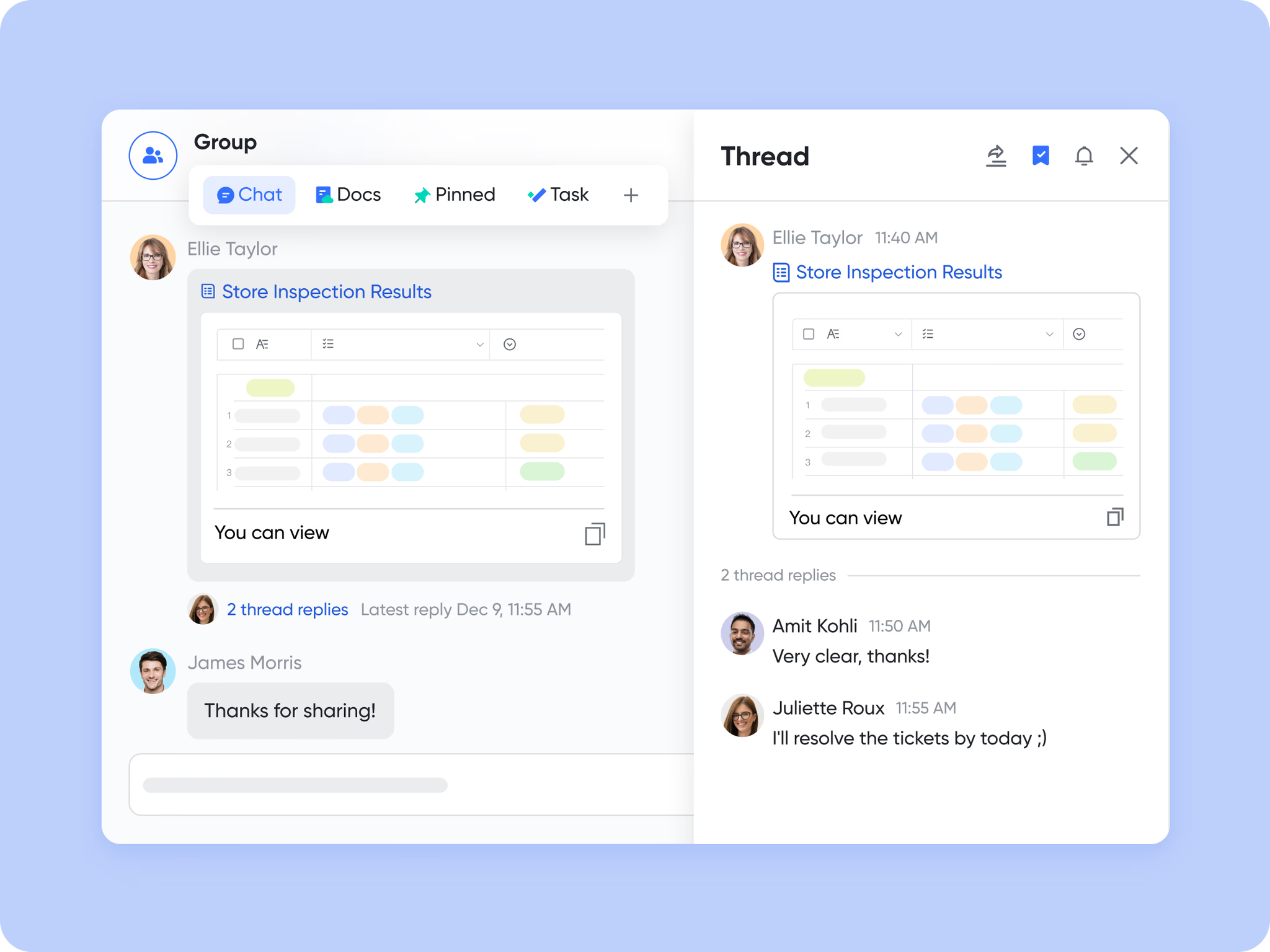
11. Simplify renewal management
Missed renewals often happen due to poor visibility or unclear ownership. For example, a SaaS company could lose clients simply because reminders were delayed.
Using the Lark Calendar, teams can schedule renewal alerts and meetings well in advance. Paired with task tracking, every account owner knows when to follow up making renewals systematic rather than reactive.
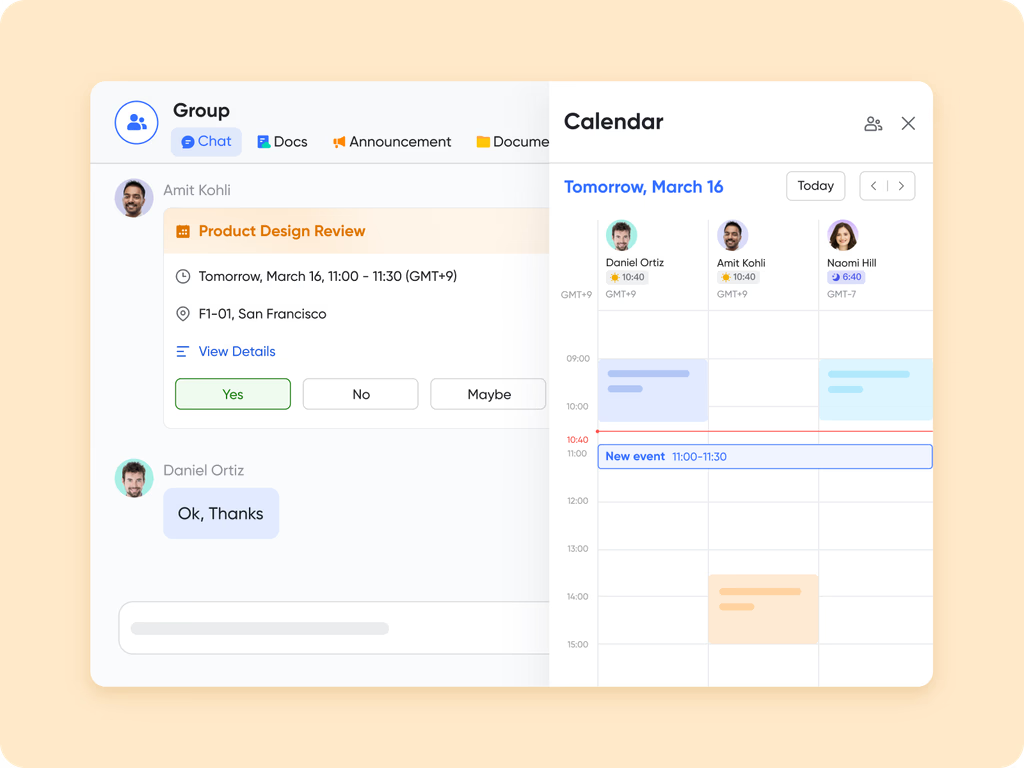
12. Segment customers for targeted outreach
Different customers have different expectations. Segmentation helps tailor communication to loyalty stage, purchase frequency, or risk level. A B2B company can group customers by engagement score and send tailored updates accordingly.
With Lark, teams can share segmentation lists, book a meeting for further discussion, discuss messaging ideas in Lark Messenger, and coordinate outreach across marketing and success teams.
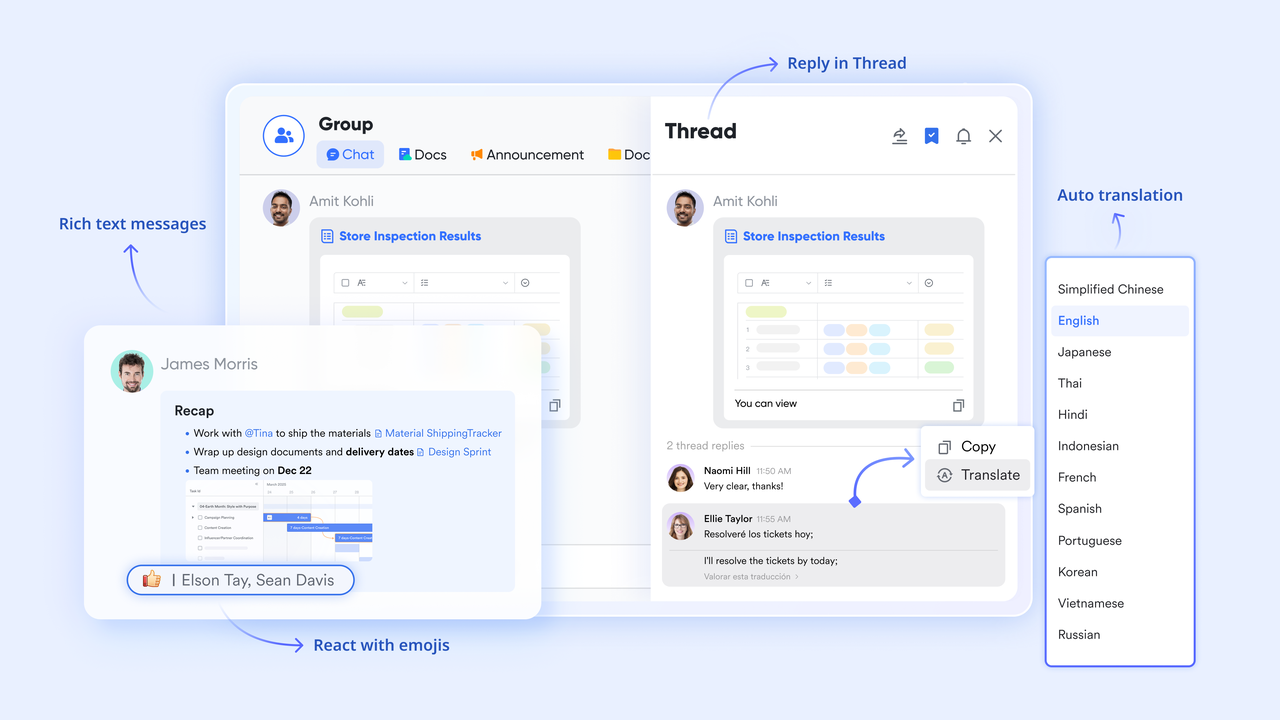
13. Encourage collaboration across sales, support, and marketing
Retention requires shared accountability. A sales team might close the deal, but support keeps it alive. Without collaboration, vital context is lost. Lark's unified workspace connects these teams, ensuring customer records, updates, and campaign notes are shared in real time. Everyone stays informed about customer needs and next steps, reducing friction and boosting satisfaction.
14. Provide ongoing education and resources
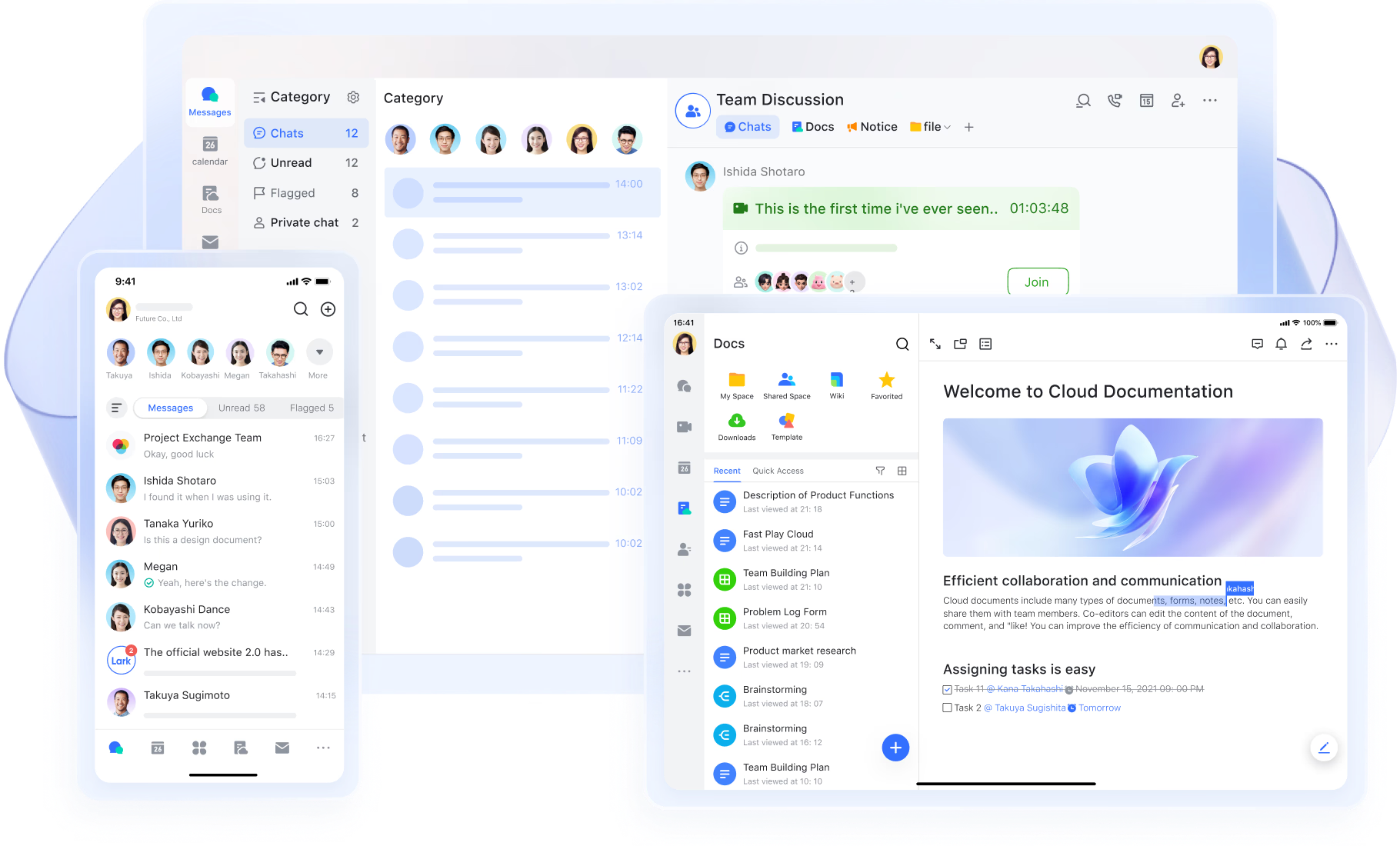
Retained customers are informed customers. Educational content like how-to guides, product tutorials, or best practice tips keeps engagement high.
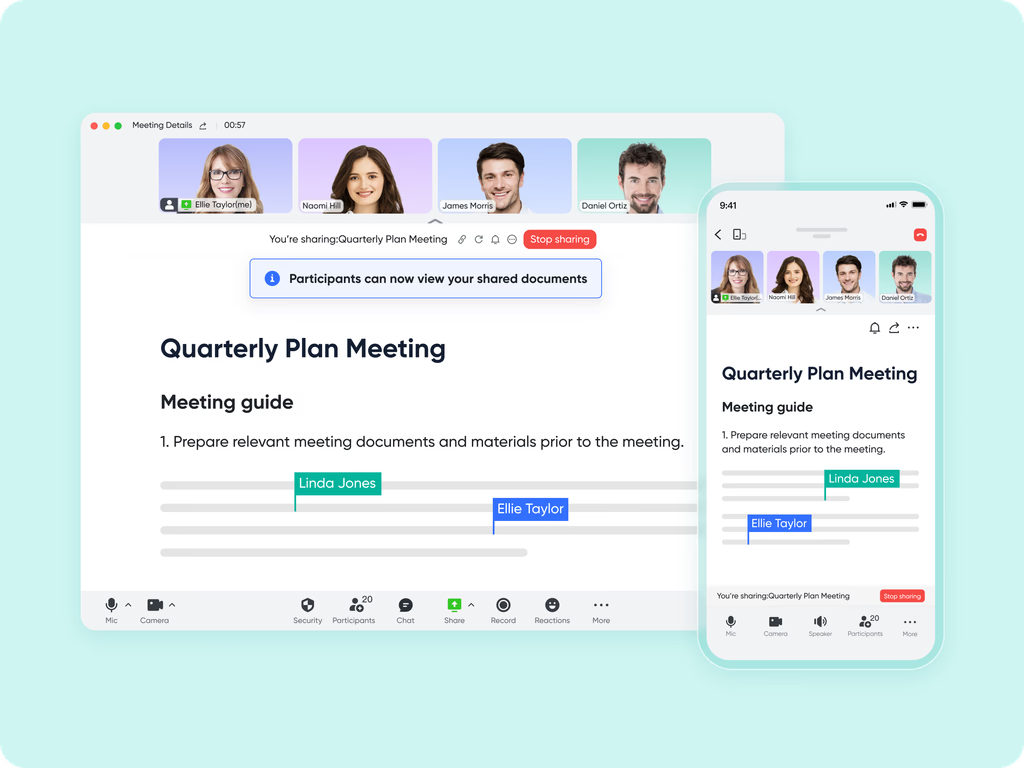
Teams can use Lark Docs to create and update learning materials quickly, ensuring consistent messaging across customer-facing roles. Hosting training review sessions in Lark Meetings keeps everyone aligned on content goals and delivery.
15. Analyse retention performance and adapt
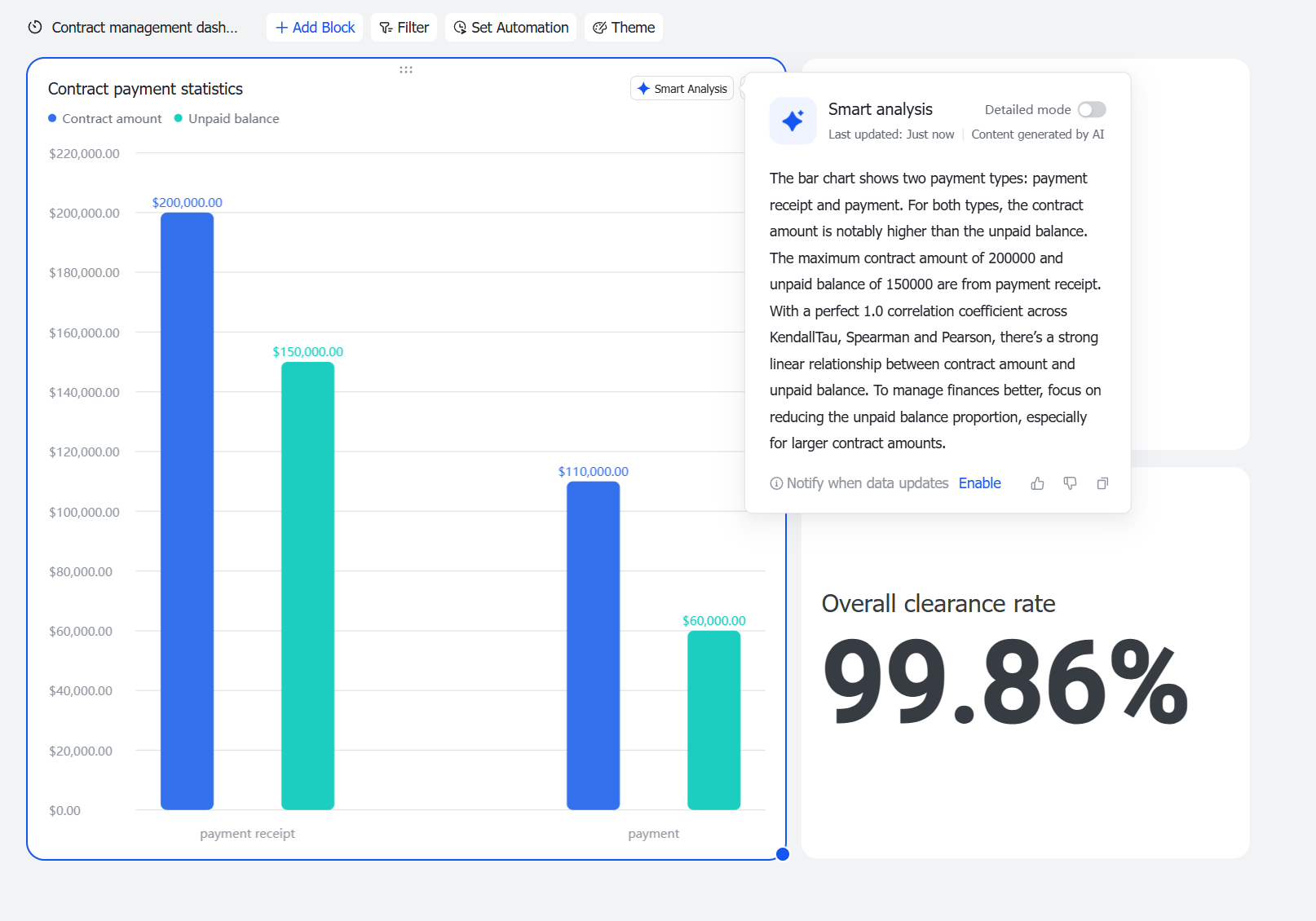
Retention strategies must evolve as customer expectations change. For example, a telecom company might discover that introducing self-service options improves renewal rates. With thoughtful analysis and dashboard summary in Base, teams can centralise performance reports, review them together, and update retention strategies accordingly. Because discussions, documents, and data coexist in one workspace, iteration becomes fast and actionable.
Customer retention myths vs reality
Customer retention is often surrounded by misconceptions that can quietly derail even the best strategies. Many businesses still rely on old assumptions about loyalty, effort, and ownership but the data tells a different story. Let's debunk a few of the most common myths and reveal what actually drives long-term customer relationships.
Myth 1: Retention is only a customer service responsibility
Reality: Customer retention is a shared mission across the entire organization.
From marketing and sales to product and support, every department influences how customers perceive value and trust. For example, poor onboarding (a product issue) or inconsistent follow-up (a sales issue) can damage retention just as much as slow response times.
How Lark helps: Lark unites every team in one workspace so marketing, support, and customer success can align around shared goals, shared data, and shared outcomes.
Myth 2: Satisfied customers automatically stay loyal
Reality: Satisfaction and loyalty aren't the same thing.
A customer might be satisfied today but still switch tomorrow if they find something faster, cheaper, or easier. Retention depends on continuous engagement and emotional connection, not just good service.
How Lark helps: Lark enables ongoing communication loops through shared updates, automated follow-ups, and real-time customer tracking, ensuring engagement never fades after a single transaction.
Myth 3: Acquiring new customers is more important than retaining existing ones
Reality: Retention consistently outperforms acquisition in long-term ROI.
Studies show it costs five times more to acquire a new customer than to retain an existing one. Loyal customers also spend more and refer others, multiplying your marketing impact.
How Lark helps: Lark gives teams visibility into both acquisition and retention workflows, making it easier to balance new-customer campaigns with ongoing loyalty initiatives.
Myth 4: Discounts are the best way to keep customers
Reality: Retention is driven more by relationships than price.
While discounts can attract attention, they rarely build loyalty. Customers stay when they feel valued, heard, and supported not just when they save a few dollars.
How Lark helps: Lark helps teams maintain personalized communication and track feedback effectively, ensuring customers feel connected to the brand through meaningful interactions rather than one-time incentives.
Myth 5: Once you fix churn, your retention strategy is done
Reality: Retention is an ongoing process, not a one-time project.
Customer needs evolve, competitors innovate, and expectations rise. What worked last year might fail today if teams stop analyzing and improving.
How Lark helps: Lark keeps retention data and team collaboration in one place. Teams can review dashboards, update documents, and assign new initiatives quickly, making continuous improvement part of their routine.
Conclusion
Customer retention is the backbone of sustainable business growth. While acquiring new customers fuels expansion, keeping existing ones ensures long-term profitability and brand trust. Effective retention comes from personalized communication, proactive support, and cross-team collaboration, not just discounts or quick fixes. When teams stay aligned around shared goals and insights, every customer interaction strengthens loyalty.
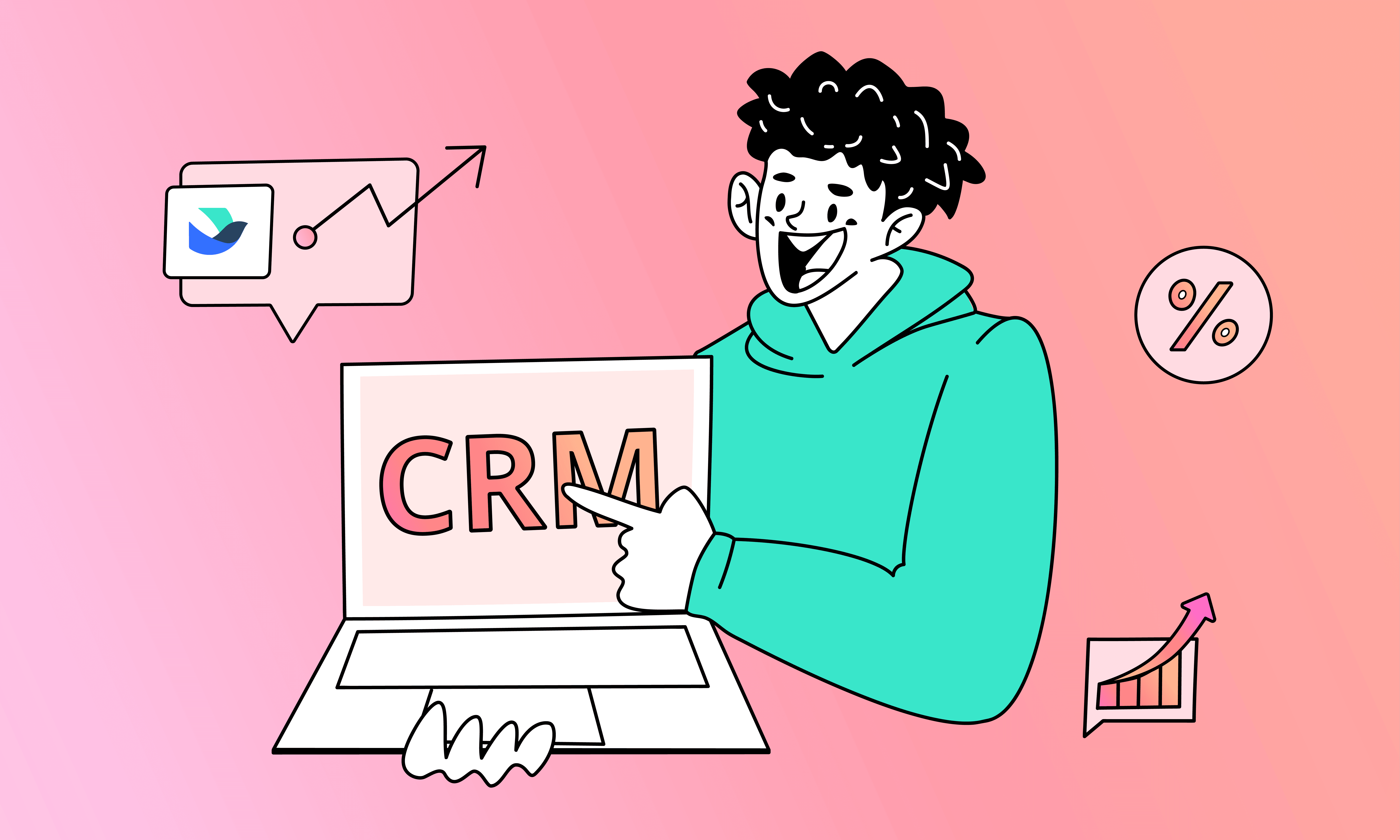
With Lark functioning as your crm software, businesses can centralize communication, automate workflows, and manage customer data in one connected workspace. From tracking renewals to coordinating feedback and onboarding, Lark helps teams deliver consistent, high-quality experiences that build lasting relationships. In today's competitive market, that alignment is what transforms satisfied customers into lifelong advocates.
FAQs
What is a good customer retention rate for my industry?
Retention rates vary by sector—SaaS companies often aim for 85–90%, while e-commerce averages 60–70%. Service-based industries typically see higher loyalty if customer relationships are well-managed.
How does customer retention impact overall business profitability?
Retained customers buy more frequently, refer others, and cost less to serve. Even a 5% increase in retention can boost profits by up to 95%, making it one of the most efficient growth drivers.
Can automation tools really improve customer retention?
Yes—automation streamlines follow-ups, feedback collection, and renewals. It ensures consistent engagement while freeing teams to focus on building stronger, more personal customer relationships.
How can small businesses build effective customer loyalty programs?
Start with simple rewards, personalized offers, and proactive communication. Using collaborative tools like Lark helps maintain visibility and consistency across all customer touchpoints.
What metrics should be tracked to measure customer loyalty effectively?
Track customer retention rate, churn rate, repeat purchase rate, customer lifetime value (CLV), and Net Promoter Score (NPS) to measure satisfaction and long-term loyalty trends.
Related reading
Table of contents
Start using Lark today

Manage all your work in one place
Boost team efficiency by 10x
Save up to 70% on software costs
Table of contents
Start using Lark today
Manage all your work in one place
Boost team efficiency by 10x
Save up to 70% on software costs
Keep reading







2026 Lark Technologies Pte. Ltd.
Headquartered in Singapore with offices worldwide.






Explore: