Data analytics project management has emerged as a cornerstone for achieving project success. Organizations are increasingly relying on data to drive decisions and improve project performance across varying dimensions. Understanding how to effectively manage data analytics projects can lead to more enlightened decision-making and a clear alignment with stakeholder expectations.
This article explores the fundamental aspects of data analytics project management, examining the methodologies, tools, and practices crucial for delivering successful projects. Additionally, we will delve into how platforms like Lark can support project teams in harnessing the full potential of data analytics to enable effective project management.
Understanding data analytics project management
Data analytics in refers to the integration of data analysis into the traditional project management framework. By embedding analytics into every stage of the project lifecycle, from planning to execution, organizations can better allocate resources and mitigate risks. This proactive approach allows project managers to derive insights from structured and unstructured data sources, enhancing their decision-making capabilities.
The critical role of data in managing projects cannot be overstated. Through project data, managers are empowered to analyze data trends, identify potential risks, and measure key performance indicators (KPIs) that inform project outcomes. Ultimately, utilizing data analytics enables teams to adopt a more agile response to changing project dynamics and external factors.
By leveraging advanced , teams can transform conventional project management tasks into data-driven endeavors. This shift towards a data-driven culture is reshaping modern project management, encouraging teams to focus on results, performance metrics, and user satisfaction.
Optimize project outcomes through data-driven insights
The role of data analytics in project management
The integration of data analytics into project management provides numerous benefits that significantly enhance project success. Key features include:
- Enhanced decision-making: By utilizing data insights, can make prompt, informed decisions that correlate directly with project objectives. Effective project management relies on a foundation of accurate data analysis to guide strategic decisions.
- Improved resource allocation: Data analytics allows project teams to identify resources that will yield the highest impact. By assessing historical data and current project metrics, managers can effectively to ensure maximum productivity and efficiency.
- Risk management: A data-driven approach facilitates better risk assessment and management. Project managers can analyze data points to identify potential risks, allowing them to implement strategies to minimize the impact of these risks on overall project performance.
- Continuous improvement: A focus on data enables teams to engage in a cycle of continuous improvement. By regularly analyzing project performance and stakeholder feedback, project managers can identify gaps and areas for enhancement, tailoring their strategies for better outcomes.
By appreciating the significance of the analytics project, organizations can align their project management practices with data analytics to ensure success.
Common challenges in data analytics project management
While the integration of data analytics into project management offers significant advantages, it is not without challenges. Recognizing and addressing these challenges is pivotal for successful implementation.
- Data overload: One of the primary challenges face is the overwhelming volume of data available. Filtering through extensive datasets and identifying actionable insights can be time-consuming. To overcome this, project teams should prioritize critical data that aligns with their project objectives and KPIs.
- Stakeholder engagement: Ensuring that are engaged and informed throughout the project is crucial. A lack of communication can lead to misunderstandings and unmet expectations. Using a collaborative platform like Lark allows project managers to maintain open lines of communication and keep stakeholders updated on progress and analytics insights.
- Establishing data culture: Implementing data analytics in projects often requires a cultural shift within the organization. Project managers must champion a data-driven mindset among team members, fostering an environment where data is valued and utilized in decision-making processes.
- Skill gaps: Not all team members may possess the necessary skill sets to analyze data effectively. Training and development programs that focus on enhancing data literacy among team members can empower them to leverage data effectively.
By proactively addressing these challenges, project managers can harness the full potential of data analytics to enhance project performance and drive positive outcomes.
Solve problems with a wiser project management tool
Essential data analytics tools for project managers
To implement effective project management data analytics, various tools are instrumental in analyzing data, tracking performance, and enhancing communication among teams. Here are some essential tools that can aid project managers in their efforts:
- Data visualization tools: Tools like Tableau and Power BI enable teams to create interactive visual representations of complex data sets. help identify trends and patterns that are crucial for informed decision-making. This capability allows project teams to analyze data efficiently and draw actionable insights from it.
- Collaboration platforms: Effective teamwork is critical to project success. Platforms such as Lark provide a comprehensive suite that includes messaging, documentation, and meeting management. With Lark, project teams can easily share data insights, updates, and feedback, promoting collaborative problem-solving.
- Automation and reporting: Automated reporting tools streamline the process of gathering and analyzing project data. This feature ensures that project managers receive up-to-date analytics without being bogged down by manual data collection.
- : Software like , Asana and Trello serves as a central hub for project management needs. By integrating analytics capabilities, project managers can track key metrics in real-time, ensuring that project development aligns with strategic goals.
- Advanced analytics solutions: Leveraging predictive analytics through machine learning can significantly enhance data analysis capabilities. These tools allow project managers to analyze future trends based on historical data, enabling them to anticipate project risks and opportunities.
By utilizing these essential tools, project managers can enhance their data analytics capabilities, ensuring that they operate with a clear focus on project objectives.
Simplify data management with an all-in-one tool
All-in-one solution supports data analytics project management
An all-in-one solution like Lark plays a crucial role in optimizing data analytics project management. By integrating various functionalities into a single platform, Lark provides project teams with the tools they need to manage projects efficiently and effectively.
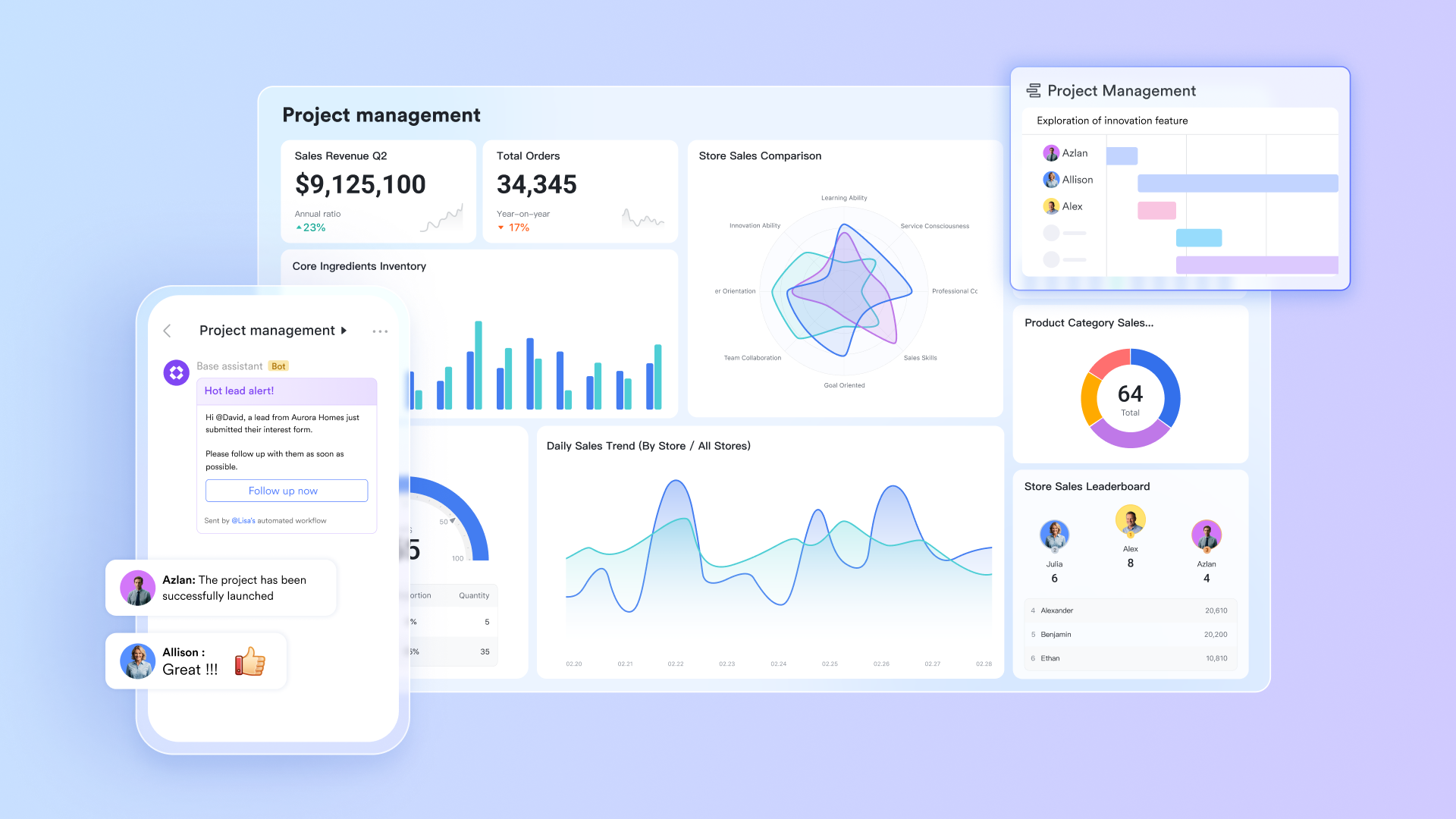
Comprehensive project management features
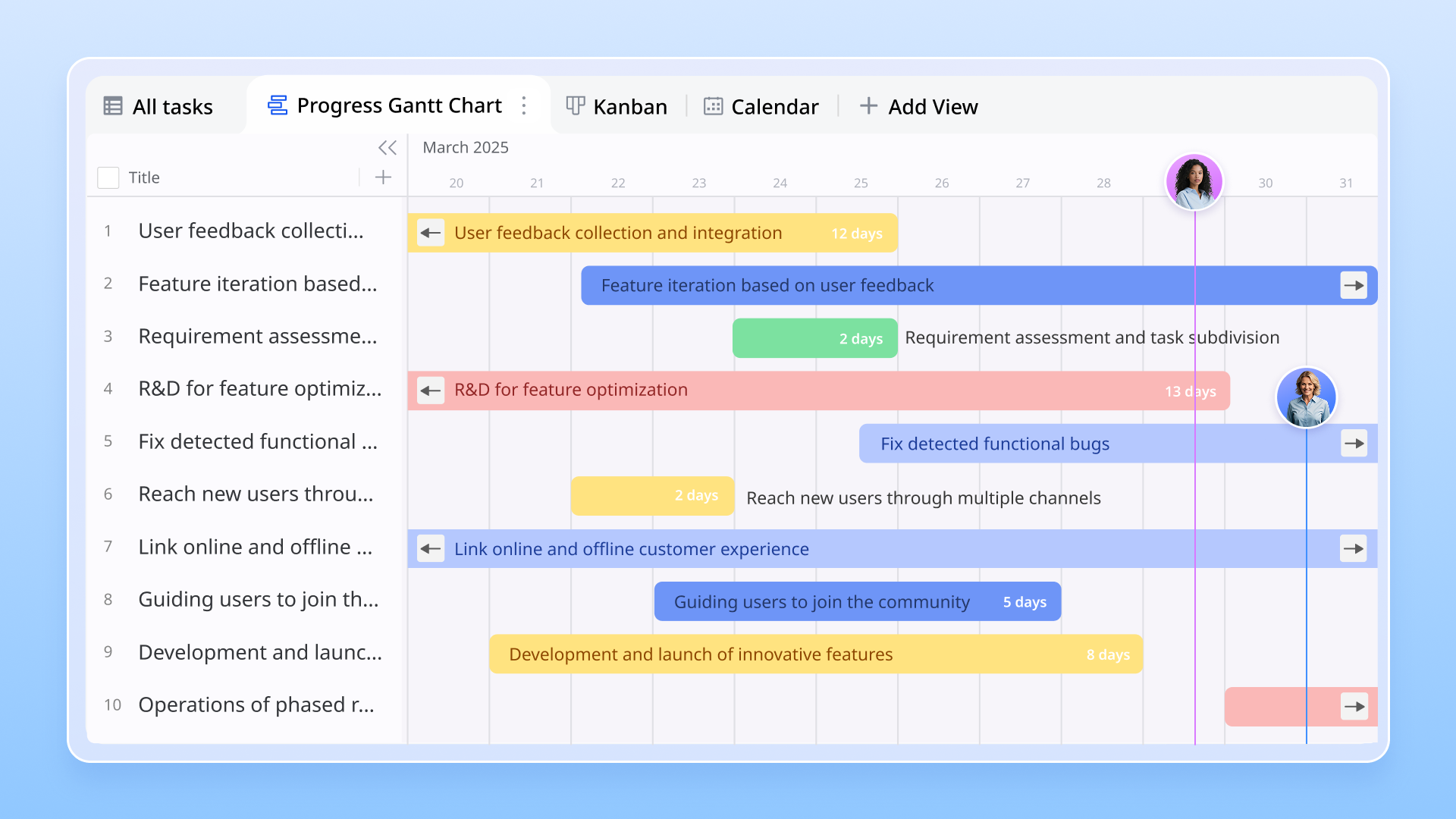
Lark offers an array of project management features that facilitate data analytics. For instance, allows teams to manage timelines, milestones, and while keeping a close eye on key performance indicators (KPIs) in real-time. This approach ensures that project managers can make informed decisions based on accurate, up-to-date data.
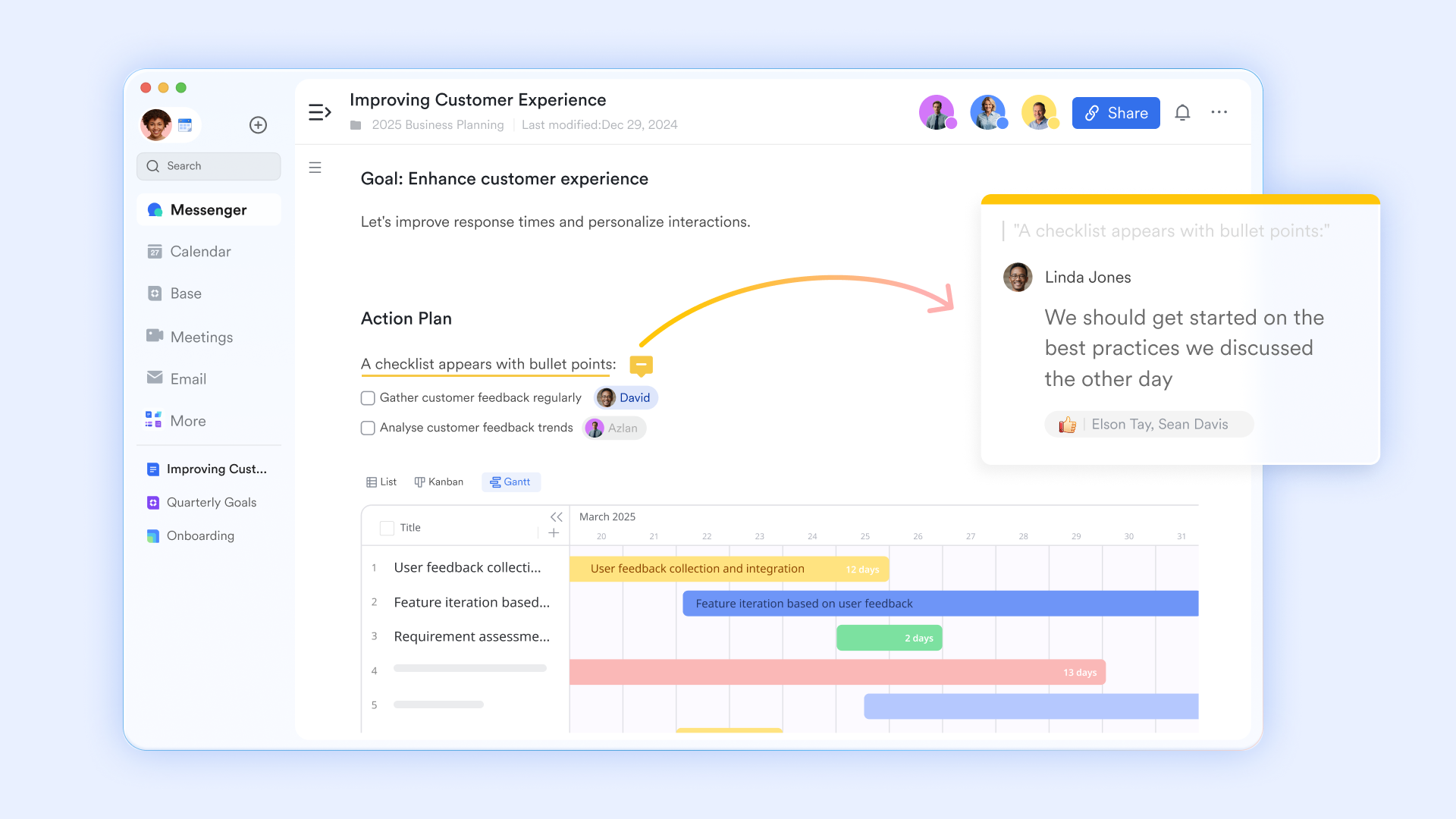
Moreover, Lark's feature enables teams to create, collaborate on, and share documents seamlessly. This allows project teams to generate reports and share data insights efficiently, keeping everyone informed and aligned. The convenience of real-time editing reduces the risk of miscommunication and empowers teams to make data-driven decisions confidently.
Enhanced communication through unified tools
Lark stands out as a powerful tool for enhancing communication among project teams. Its ensures that team members can engage in real-time discussions, facilitating the rapid sharing of insights derived from data analytics. This platform encourages collaboration, allowing teams to address challenges quickly and implement solutions effectively.

Additionally, Lark's automatically captures essential points during discussions, summarizing data-driven conversations and ensuring accountability. This capability minimizes the risk of miscommunication and ensures that every team member remains aligned with stakeholder expectations and project goals.
Leveraging data insights for informed decision-making
With Lark, project managers can leverage data insights effectively, as the platform integrates various functionalities allowing for detailed analysis and reporting. By utilizing automated reporting and , project teams can monitor their in real-time and make adjustments as needed. This ensures that projects remain on track in terms of timelines and budgets.
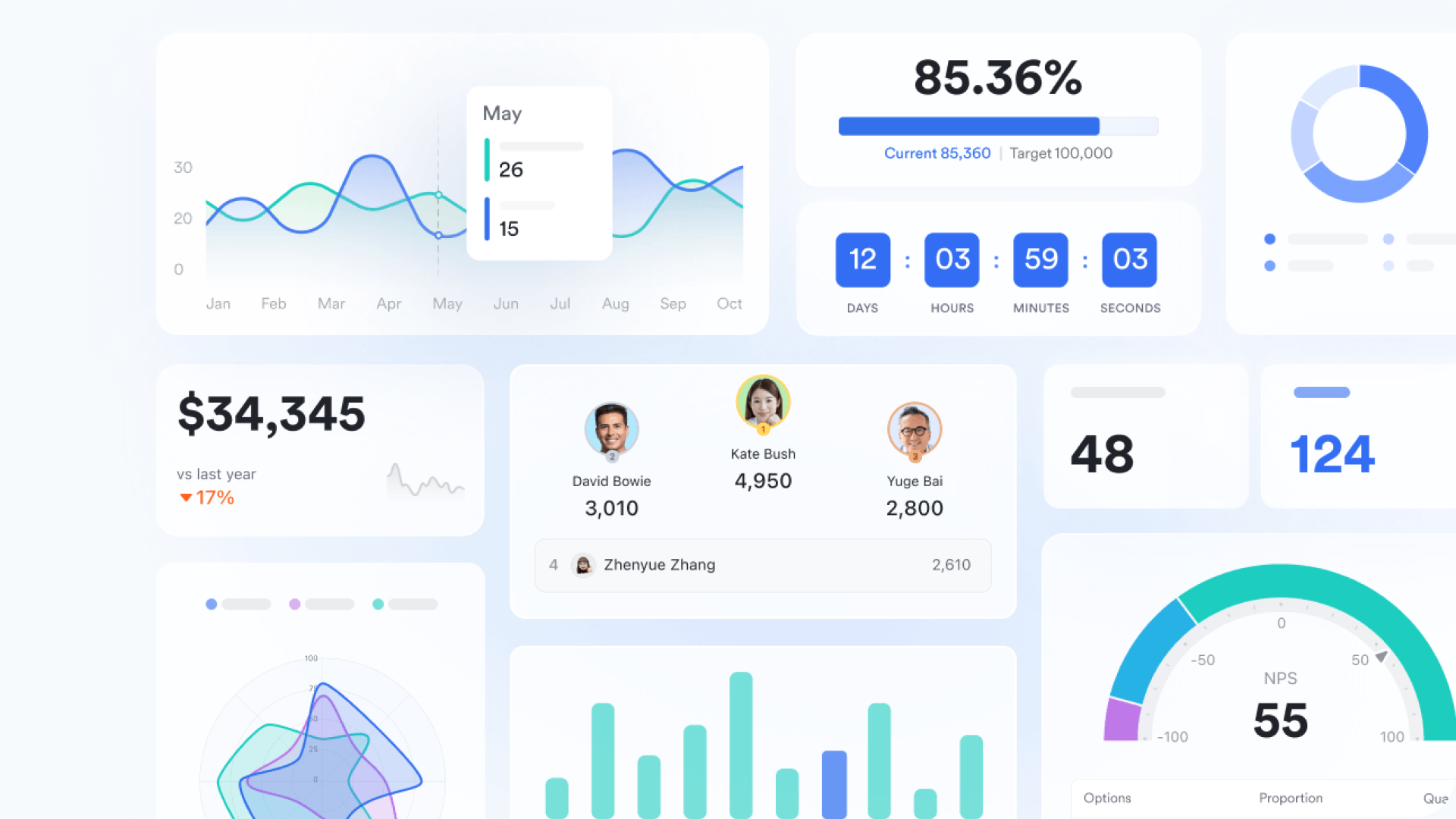
Moreover, Lark's OKR feature helps align project objectives with broader . This alignment ensures that teams continuously measure their success against strategic targets, integrating data analytics into daily operations.
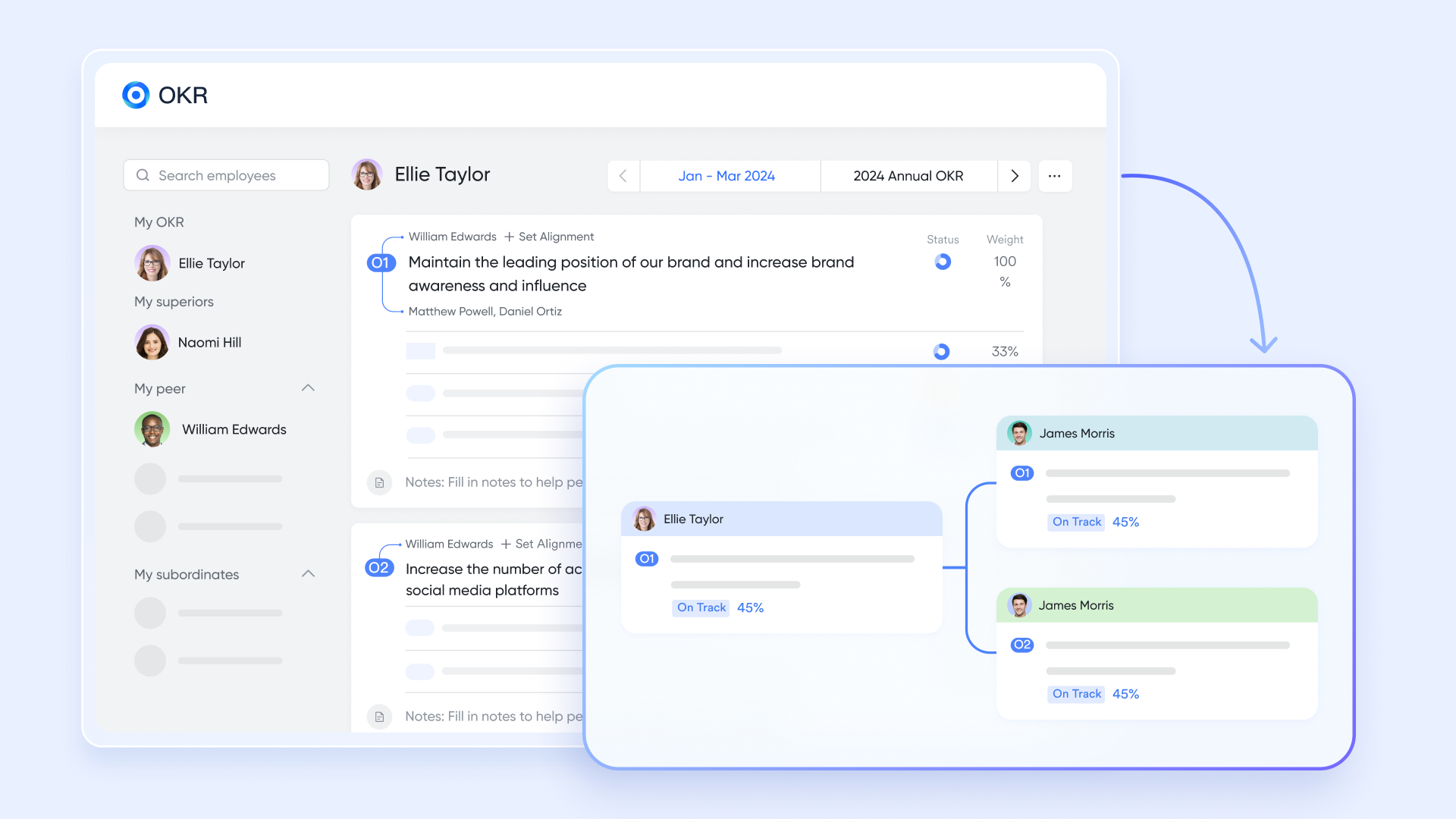
By adopting an all-in-one solution like Lark, organizations can unlock a transformative approach to data analytics project management, enabling teams to work cohesively while leveraging powerful data insights.
🌟 Learn more about :
As an all-in-one solution, Lark includes all these features below in every plan:

- Free plan: Includes 11 powerful products, supporting up to 20 users, 100 GB storage, 1,000 automation runs and unlimited AI translation in chats, docs and email.
- Pro plan: $12/user/month, supporting up to 500 users. Includes unlimited message history, 50,000 automated Base workflow executions per month.
For small teams with simple communication needs

18 months message history
1000 Base automation runs/month
2000 rows per table in Base
Most POPULAR
For companies with comprehensive collaboration and management needs
Unlimited message history
500-participant video meetings
50k Base automation runs/month
20k rows per table in Base
For large companies with advanced security and organizational management needs
Get a personalized demo and pricing
Unlimited message history
500-participant video meetings
15 TB storage + 30 GB storage/user
500k Base automation runs/month
50k Base automation runs/month
Most POPULAR
For companies with comprehensive collaboration and management needs
Unlimited message history
500-participant video meetings
50k Base automation runs/month
20k rows per table in Base
Best practices for implementing data analytics in projects
Successfully integrating data analytics into project management demands adherence to best practices that maximize the advantages of this data-driven approach. Here are several key guidelines that project managers can follow:
Establish clear objectives
Identifying clear objectives is the foundation of effective data analytics project management. Organizations must prioritize understanding what they aim to achieve and how data analytics can support their project outcomes. By , project managers can align their analytical efforts with the overarching objectives of the project.
Focus on key performance indicators
Choosing the right is essential. By focusing on metrics that align with project goals, teams can effectively measure progress and gain insights that inform decision-making. Common KPIs to consider include resource allocation, schedule performance, and customer satisfaction. This targeted approach enables managers to track success accurately and make adjustments as necessary.
Invest in training and resources
Empowering team members with the skills necessary for data analysis is vital. should invest in training programs that enhance team members' data literacy, ensuring they can effectively analyze and interpret data. By fostering a culture of learning and development, organizations can drive engagement and empower their teams to leverage data for informed decision-making.
Providing access to relevant analytical tools is equally important. Ensuring that team members have the necessary resources for data analysis will empower them to contribute actively to the project's success.
Embrace a culture of data-driven decision-making
Fostering a culture that prioritizes data-driven decision-making requires commitment from leadership. Project managers should champion the use of data analytics among team members, illustrating its value in guiding project strategies and informing business decisions. By highlighting successful outcomes resulting from analytical insights, organizations can promote a collective acceptance of data as an essential resource.
Regularly review and adjust strategies
Given the fast-paced nature of modern , regularly reviewing and adjusting strategies based on data insights is crucial. Project managers should establish routine evaluations of project performance and analytics efforts, identifying successes and areas for improvement. This iterative approach ensures continuous refinement and aids in alignment with both project goals and stakeholder expectations.
Optimize project outcomes through data-driven insights
The future of data analytics project management
The future of data analytics in project management is poised for transformation. Various technological advancements and industry trends are set to shape the landscape of how organizations approach data analytics in their project management practices.
Increased reliance on artificial intelligence
Artificial intelligence is increasingly being adopted in data analytics, enhancing project management capabilities. By integrating , project managers can automate data evaluations and identify trends with incredible speed and accuracy. takes this further by deploying autonomous agents that continuously monitor project data, proactively surface anomalies, and recommend corrective actions without human intervention. This predictive analytics capability will enable teams to forecast project performance and detect potential risks earlier in the project lifecycle.
Integration of machine learning
As machine learning algorithms evolve, they will further enrich project managers' ability to analyze vast datasets and extract insights. Machine learning enables systems to learn from historical performance, providing predictive intelligence that can inform strategic decision-making in unprecedented ways.
Data democratization
One of the emerging trends in the data landscape is the democratization of data access. Organizations are prioritizing making data available to all levels of the organization, empowering non-technical teams to contribute to analysis and decision-making. By fostering a culture that encourages data exploration, organizations can unlock new opportunities for innovation and collaboration.
Continuous evolution of collaboration tools
As remote work becomes standard practice, collaboration tools are evolving to enhance functionality and user experience. All-in-one platforms like are continuously innovating to facilitate improved communication and analytics capabilities. This evolution ensures that teams can engage in real-time collaboration, respond to data insights quickly, and manage projects effectively.
Conclusion
Data analytics project management represents a critical intersection where data-driven methodologies meet traditional project management practices. By integrating data analysis throughout the project lifecycle, organizations can optimize operations, enhance performance metrics, and ultimately drive better project outcomes.
Challenges such as data overload and the need for stakeholder engagement can be addressed through effective training and the use of comprehensive tools like Lark. With its unified suite of features, Lark empowers project teams to leverage data analytics fully, enhancing collaboration, communication, and overall project management effectiveness. Now is the time to explore how can facilitate and enhance your data analytics project management strategies, ensuring that your projects are not only efficient but also insightful and successful.
Tailor your project success with comprehensive analytics
FAQs
What is data analytics in project management?
Data analytics in project management refers to the systematic analysis of project-related data to enhance decision-making and improve outcomes. This process involves collecting, processing, and analyzing project metrics, such as timelines and resource utilization. By leveraging these insights, project managers can identify trends, mitigate risks, and optimize resource allocation, ultimately driving project success.
Can a data analyst do project management?
Yes, a data analyst can take on project management roles, particularly in data-driven projects. Their expertise in data analysis equips them to understand project metrics, measure performance, and derive actionable insights. However, successful project management also requires skills in planning, communication, and stakeholder management, which they may need to develop alongside their analytical abilities.
How to use data analysis in project management?
To use data analysis in project management, begin by identifying key performance indicators (KPIs) relevant to your project goals. Collect and analyze data from various sources, such as project schedules and budgets. Utilize visualization tools to present findings, enabling informed decision-making. Regularly review data insights to adjust strategies, improve resource allocation, and enhance overall project performance.
What are the 5 C's of data analytics?
The 5 C's of data analytics include Collect, Cleansing, Connect, Analyze, and Communicate. Collect involves gathering data from various sources. Cleansing ensures that data is accurate and usable. Connect merges data sets for comprehensive analysis. Analyze involves interpreting data to uncover insights. Finally, Communicate disseminates findings to stakeholders for informed decision-making.
Related reading