














How to Write a Project Proposal: Structure, Examples, and Templates

Ryan Tanner
Product Marketing Specialist
Sep 18, 2026
Ryan Tanner
Sep 18, 2026

15 min read


Learning how to write project proposal is one of the most important steps in securing approval, funding, or support for your next big idea. Writing a project proposal is often the moment when an idea starts taking shape. A clear, well-thought-out proposal demonstrates why your project is important, how it will function, and what impact it can have. It’s how you win approval, funding, or support to move forward. In a workplace where ideas move quickly, teams need proposals that are easy to read and review. Tools like Lark make that easier by helping everyone plan, write, and refine together — all in one place.

What is a project proposal?
A project proposal is a formal document outlining the goals, scope, and execution plan of a project. It provides an overview of what the project aims to achieve, how it will be carried out, and what resources it requires. Whether used internally or shared externally, a strong proposal bridges the gap between concept and action by clearly explaining why a project should move forward.
Teams often use proposals to win approval from management, apply for funding, or align multiple departments before a project begins. The level of detail may vary depending on the audience, but every good proposal shares one goal to convince stakeholders that the project is valuable and achievable.
Types of project proposals
Before writing, it's important to identify what type of proposal you're creating. Each serves a specific purpose and audience, shaping how you frame your information.
Internal project proposals
Internal proposals are created within organizations to request new initiatives or improvements. These may focus on process optimization, system upgrades, or team expansion. The key is to link project outcomes to measurable business goals so leaders can see a direct impact on productivity or cost savings.
External project proposals
External proposals are shared with clients, investors, or funding agencies. They highlight deliverables, pricing, and outcomes that address external expectations. Professional formatting, strong visuals, and clear milestones make these proposals stand out in competitive bids.
Solicited proposals
Solicited proposals respond to a specific request for proposal (RFP). They must follow predefined criteria, including scope, format, and budget. Attention to detail is crucial since evaluators often score proposals based on compliance and clarity.
Unsolicited proposals
Unsolicited proposals present proactive ideas to potential stakeholders even without formal requests. These often aim to inspire interest or demonstrate innovation, requiring strong storytelling and data-driven justification.
Continuation or renewal proposals
Continuation proposals seek to extend existing projects or secure additional funding. They highlight past results, current progress, and expected next-phase outcomes to justify continued investment.
Step-by-step guide on how to write a project proposal
A step-by-step process helps teams plan, draft, and approve proposals with fewer revisions and clearer expectations. This section explains how to write a proposal for a project that speaks to decision-makers and aligns with practical execution. Each step focuses on clarity, evidence, and collaboration, so your document is easy to review and approve. Follow these actions to move from idea to a persuasive, well-structured proposal.
Step 1: Research the audience and objectives
Identify who will read the proposal and what they care about most. Executives often prefer concise summaries and outcomes, while technical reviewers expect detailed methods and data. Map stakeholder priorities to your structure and level of detail. Set clear approval criteria, so your proposal answers the right questions from the start.
Step 2: Define the problem clearly
Frame the problem or opportunity with specific evidence such as metrics, user feedback, or compliance needs. Explain the impact of doing nothing to highlight urgency and value. Link the problem to organizational goals to show strategic relevance. Keep language simple so every reader understands the stakes.
Step 3: Outline the approach
Describe your proposed solution, major activities, and sequencing across phases. Explain dependencies, quality standards, and how decisions will be made. Call out required expertise and project management tools, so resourcing is transparent. Keep the narrative focused on outcomes rather than technical jargon.
Step 4: Visualize timelines and resources
Translate your plan into a clear schedule with milestones, owners, and estimated dates. Show how people, budgets, and tools will be allocated over time. Use a simple chart or table to make dependencies and critical paths obvious. Keep visuals updated as feedback arrives to maintain alignment.
Step 5: Review and refine collaboratively
Share drafts early to gather comments from sponsors, finance, legal, and delivery teams. Resolve conflicting feedback by aligning on goals and scope first. Track project changes in one place to avoid version drift. Run a final quality pass for consistency, accuracy, and readability before submission.
Step 6: Present with clarity
Use consistent headings, short paragraphs, and plain language so the document is easy to scan. Lead each section with the most important points, then provide details. Summarize the ask and next steps at the end with a clear call to action. Prepare a brief slide or one-pager for quick executive review. In this way, you don't have to Google questions like "how to write a proposal for a project," "how to write a proposal letter for a project."
Project proposal templates to get started
You may wonder how to write a project proposal template when you need a ready-to-use template. Yes, writing a project proposal from scratch can be time-consuming, especially when you need to ensure it's clear, structured, and persuasive. Using a template helps teams save time and maintain consistency across departments or client pitches.
Starting with a ready-made template saves time and ensures consistent formatting. Templates guide you through the essential sections while allowing customization for your specific project type.
Research proposal template
This template is designed for teams conducting academic, scientific, or market research where hypotheses, variables, and methods need to be documented clearly. It helps create a structured flow from research questions to data collection and analysis. By using a predefined format, teams can avoid missing important sections such as ethical considerations or sampling methods. It is especially useful when multiple contributors need to collaborate on the same document.
Multimedia project proposal template
Creative and marketing teams often need to explain concepts visually while also defining budget, delivery formats, and campaign goals. This template provides a clear space for storyboards, media formats, and approval stages. It keeps all creative elements aligned with timelines and production expectations, which helps avoid scope creep. Agencies and in-house design teams can use it for video shoots, ads, social content, or full campaign plans.
Web3 project funding proposal template
Teams creating blockchain-based products often need to present token details, governance rules, and technical architecture to potential investors. This template organizes those elements clearly, so readers understand the value, utility, and growth plan of the project. As an IT project proposal, it also includes spaces for roadmap stages and security mechanisms, which are critical in decentralized projects. Ideal for DAOs, Web3 startups, and grant-based crypto projects.
Construction proposal template
Contractors and engineers can use this format to present cost projections, site plans, materials, and compliance requirements in a consistent layout. It helps clients understand how the project will progress, who will be responsible at each stage, and what safety or regulatory standards apply. The template also supports detailed timelines and milestone billing, which reduces back-and-forth during negotiations.
Client proposal template for commercials
Agencies pitching video or commercial projects can use this template to outline creative direction, deliverables, asset formats, and pricing. It gives structure to ideas while still allowing space for narrative, visuals, or concept mockups. The format helps decision-makers compare proposals quickly and understand projected returns before approving a campaign. It is suited for both fixed-cost and retainer-based engagements.
Grant proposal template
Nonprofits, research groups, and impact-driven organizations often apply for grants that require strict section formatting. This template guides teams through problem statements, outcomes, budgets, and measurement plans, so proposals meet funder criteria. It also ensures clarity when communicating expected social, educational, or scientific benefits. It is especially useful when responding to funding cycles with tight deadlines.
Eco-tourism marketing proposal template
Designed for tourism initiatives focused on sustainability and local experience, this template highlights environmental goals, promotional strategies, and visitor engagement plans. It helps teams present campaigns that balance commercial value with ecological responsibility. Suitable for tourism boards, hospitality brands, or destination projects that require detailed storytelling and stakeholder alignment.
Budget proposal template
This template is designed for teams that need to justify financial needs and spending plans before a project begins. It breaks down costs by category and timeline, making it easier for finance or leadership teams to review allocation and return expectations. It works for internal approvals, fundraising requests, or recurring departmental planning cycles.
Web3 governance proposal tracker
Decentralized organizations use this template to document, submit, and track proposals voted on by community members. It provides a structured way to record voting outcomes, change logs, and governance rationales. This format is ideal for DAOs and blockchain projects that rely on transparent, recorded decision-making rather than traditional management approval.
How Lark simplifies project proposal creation
Creating a well-structured project proposal requires more than just writing, it demands coordination, feedback, and clarity across teams. Lark brings all these elements together by combining documentation, data management, and real-time collaboration within a single connected workspace.
Lark Docs: Collaborative living document
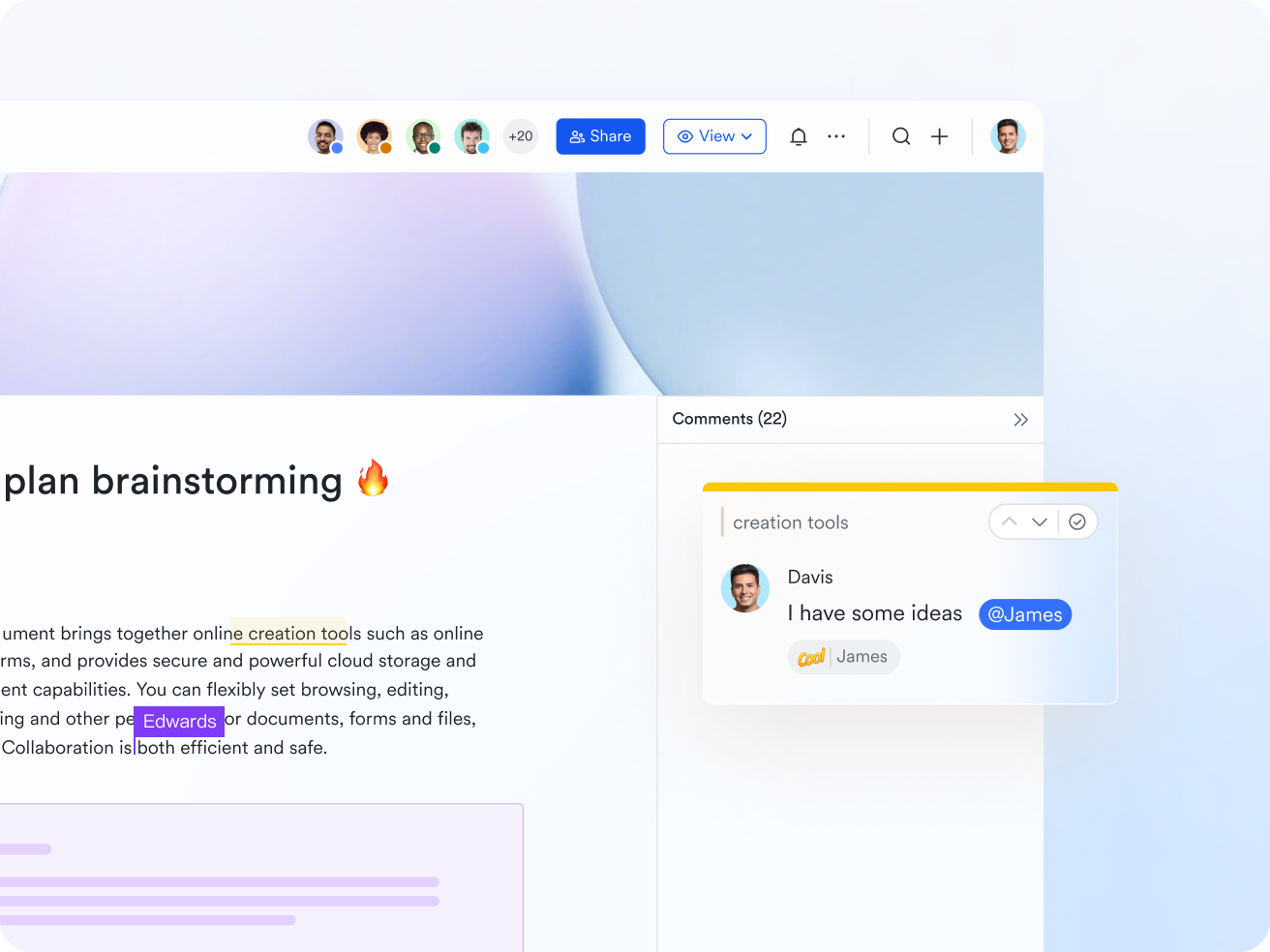
Teams can start by using Lark Docs to draft proposals collaboratively. Everyone involved, from project managers to finance leads, may co-edit, comment, or ask questions directly within the document. Every edit appears instantly, eliminating version confusion and ensuring all stakeholders stay aligned on content and direction.
Templates: A gallery of ready-to-use templates
To streamline structure and save time, users can access Lark Docs templates like Project Plan or Project Timeline. These pre-built formats provide a clear outline for objectives, deliverables, and schedules, helping teams focus on refining content instead of formatting.
Lark Sheets: Organizing project data with sheets
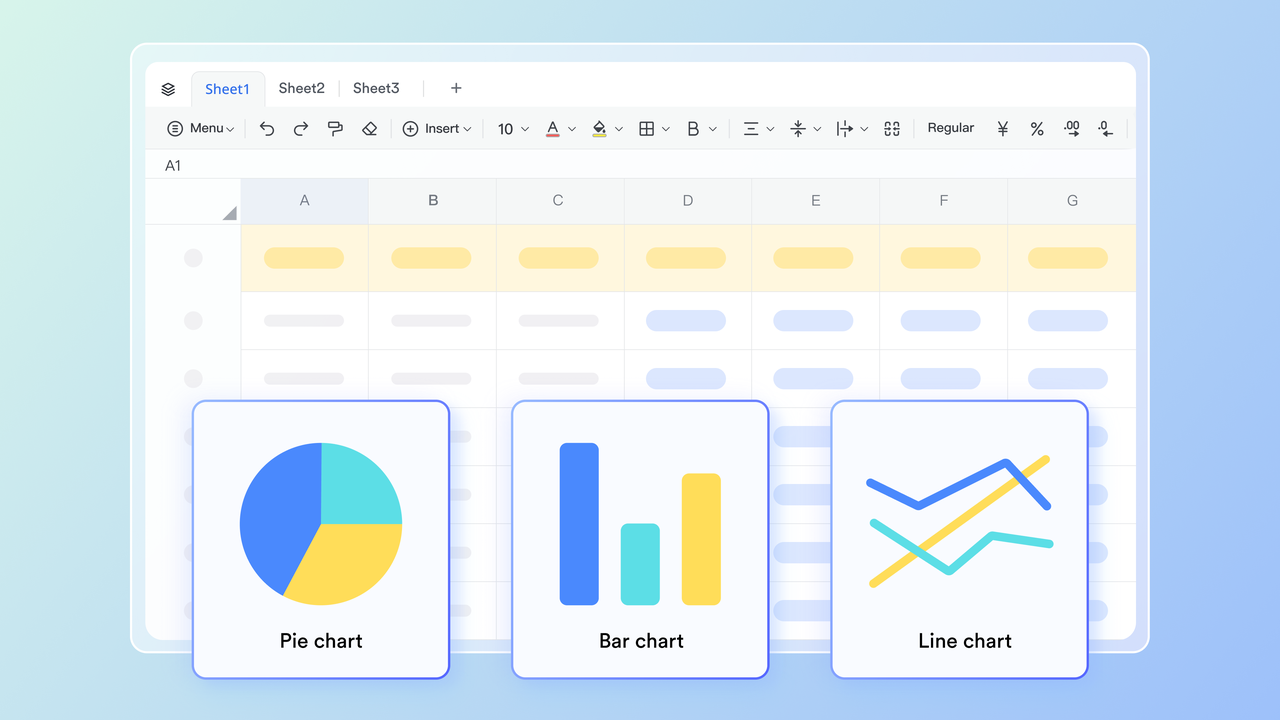
For organizing project data, timelines, and responsibilities, Lark Sheets comes into play. You can assign tasks and direct queries to the relevant team members, insert links to Docs directly into cells for easy reference and discussion, and rely on real-time updates, so everyone always sees the latest version. Teams can track key targets, assign owners, and monitor progress in one place, linking proposal goals directly to execution plans.
Lark Forms & Lark Base: simplify information gathering and budgeting
Meanwhile, Lark Forms and Lark Base simplify information gathering and budgeting. Forms allow stakeholders to submit inputs such as cost estimates, requirements, or approvals through structured fields. The responses automatically populate in Base, where teams can analyze, categorize, and align data with proposal sections like resource planning or budget breakdowns.
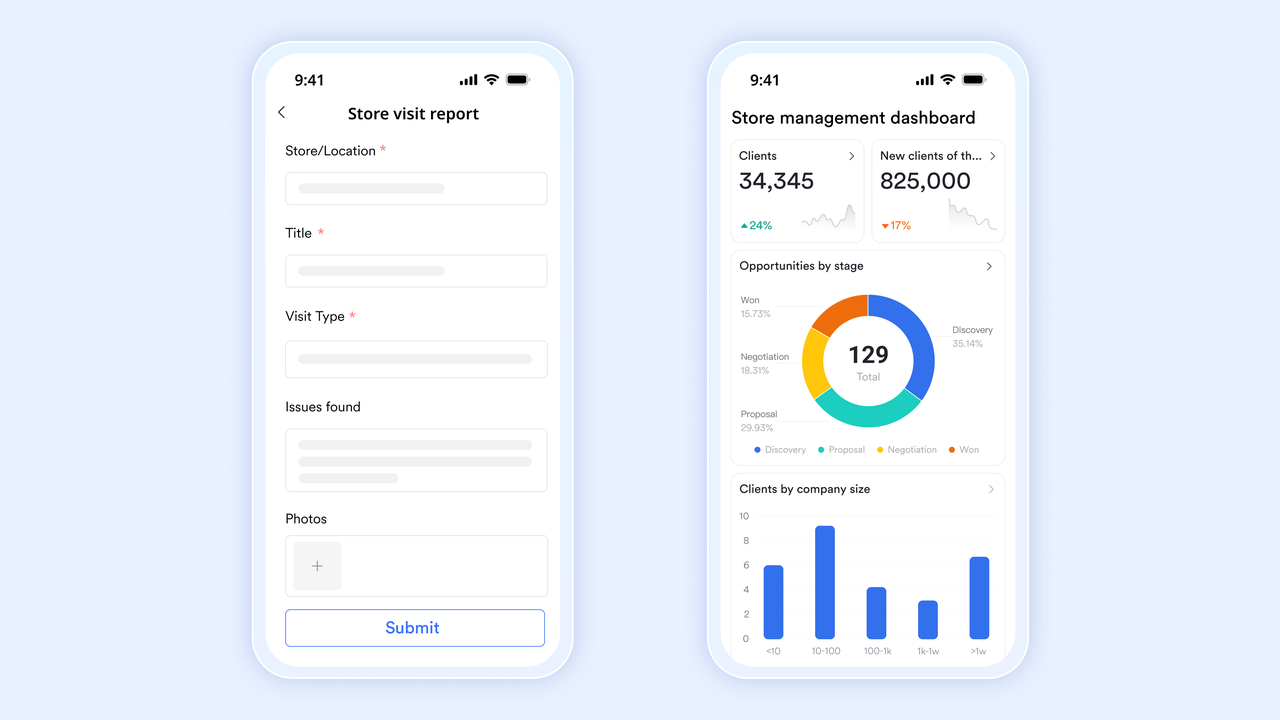
Together, these tools turn what was once a fragmented proposal process into a smooth, transparent workflow where every edit, number, and comment lives in one unified workspace. With Lark, teams can move from concept to submission faster, ensuring proposals are not only well-written but also well-coordinated.
- Starter plan: Free forever plan that includes 11 powerful tools for up to 20 users. It also comes with 100GB of storage, 1000 automation runs, AI translations, and more.
- Pro plan: $12/user/month (billed annually) for up to 500 users. It includes everything in Starter plus group calling for up to 500 attendees, 15TB of storage, 50,000 automation runs, and more.
- Enterprise plan: Contact sales for custom pricing. Supports unlimited users and includes even more automation runs and advanced security, compliance, and management features.
Key components of a strong project proposal
A strong proposal follows a clear structure so stakeholders can review goals, timelines, and requirements without confusion. The components below form the foundation of a professional proposal, whether it is shared internally or sent to clients or funding bodies. Each section plays a specific role in communicating project value, feasibility, and accountability. Understanding these elements makes it easier to plan how to write project proposal documents that are persuasive and complete.
- Title page and executive summary: These sections include the project name, team members, and submission date. The executive summary provides a concise overview of the proposal's goals, timelines, key stakeholders, and expected outcomes, enabling decision-makers to quickly understand its purpose.
- Introduction and background: Explains the context behind the proposal by outlining the problem or opportunity being addressed. This section should use data or past insights to show why the project is necessary and how it aligns with wider organizational priorities.
- Project objectives: Lists clear, measurable goals that support business outcomes. Project objectives should use specific targets such as time saved, revenue gained, or efficiency improved to build confidence in expected results.
- Scope and deliverables: Clarifies what the project will and will not include. Defining boundaries early helps prevent confusion, manage expectations, and keep all teams aligned on responsibilities.
- Timeline and milestones: Presents a visual breakdown of phases, deadlines, and dependencies. Teams often use tools like Gantt charts or Lark Base views to track progress and keep timelines transparent for all contributors.
- Budget and resources: Outlines projected expenses for staffing, materials, and tools. Providing realistic estimates backed by past project data helps secure approval and reinforces financial credibility.
- Risk assessment and mitigation: Identifies potential challenges such as delays, cost fluctuations, or resource issues. This section should also explain how each risk will be monitored or reduced to protect project success.
- Evaluation and success metrics: Defines how outcomes will be measured through indicators such as ROI, user adoption, or cycle-time reduction. Clear metrics make post-launch evaluation easier and more objective.
- Conclusion and call to action: Summarizes the proposal's main points and invites the next step, whether that is approval, funding, or stakeholder review. It should reaffirm the project's strategic value and urgency.
Common mistakes to avoid when writing proposal for project
Avoiding common pitfalls can significantly improve your proposal's clarity and credibility.
- Writing without understanding audience expectations often leads to misalignment or rejection.
- Overlooking detailed budgeting or risk planning weakens confidence in project feasibility.
- Using generic templates without customization fails to reflect specific goals or brand tone.
- Missing measurable objectives or timelines reduces accountability and clarity.
- Submitting without peer review or alignment may result in inconsistencies and avoidable errors.
Conclusion
A strong project proposal does more than outline ideas. It brings clarity to objectives, explains why the project matters, and shows how resources, timelines, and deliverables will come together to create measurable outcomes. When teams take time to define the problem, outline an approach, map milestones, and address risks, proposals become easier to approve because they answer the questions decision-makers care about most. The process becomes even more effective when teams collaborate instead of working in isolated drafts or email threads.
Modern tools like Lark support this workflow by keeping writing, reviewing, and planning in one connected space. Teams can draft proposals, collect feedback, manage data, and track updates without switching platforms. This reduces version confusion and helps everyone stay aligned from first draft to final approval. With the right structure and the right tools, proposals move faster, feel clearer, and lead to decisions with more confidence.
FAQs
What is a project proposal used for?
A project proposal is used to present an idea, gain approval, or request funding. It serves as a structured document that explains objectives, timelines, and outcomes in detail. Teams can collaborate on creating these proposals easily using digital platforms like Lark.
What are the key elements of a good project proposal?
Good proposals include an executive summary, background, objectives, scope, budget, and success metrics. Each section should clearly connect to business or client goals. Collaborative drafting tools help keep these sections consistent and up to date.
How long should a project proposal be?
The ideal length depends on complexity, but most proposals range between 5 to 15 pages. The key is to maintain clarity and relevance while covering every essential component.
How to write a project proposal for funding?
When writing for funding, focusing on the problem statement, proposed solution, and measurable outcomes. Use data and success indicators to demonstrate value. Lark templates can help organize these elements efficiently.
Can I use Lark to collaborate on project proposals?
Yes. Lark offers connected tools for writing, editing, commenting, and tracking project data in real time. It's an ideal space for teams that want to streamline proposal creation from start to finish.
Related reading
Table of contents
Start using Lark today

Manage all your work in one place
Boost team efficiency by 10x
Save up to 70% on software costs
Table of contents
Start using Lark today
Manage all your work in one place
Boost team efficiency by 10x
Save up to 70% on software costs
Keep reading







2026 Lark Technologies Pte. Ltd.
Headquartered in Singapore with offices worldwide.






Explore: