














Lean Project Management: Principles, Benefits, and Applications

Ryan Tanner
Product Marketing Specialist
Sep 18, 2026
Ryan Tanner
Sep 18, 2026

16 min read


Modern teams often find themselves battling wasted time, stretched budgets, and projects that deliver less value than expected. Lean project management offers a more innovative approach to project management. Rooted in the principles of lean thinking, it's about eliminating waste, focusing on high-value work, and creating a cycle of continuous improvement. Instead of drowning in complexity, teams gain clarity, efficiency, and a process that adapts to change. While this approach was born in manufacturing, it has since become a proven framework for managing projects across industries. Today, digital tools like Lark make it easier to implement lean practices in everyday workflows.

What is lean project management?
Lean project management is a methodology inspired by lean manufacturing, designed to make projects more efficient by cutting out anything that doesn't add value. Instead of overloading teams with tasks, documents, or processes, it emphasizes focusing only on the work that directly benefits the customer. The core idea is simple: deliver value as quickly and effectively as possible while reducing waste at every step.
In practice, this means streamlining workflows, improving collaboration, and continuously refining processes. Tools like Lark support this approach by allowing teams to visualize tasks, spot bottlenecks, and keep projects flowing smoothly from start to finish.
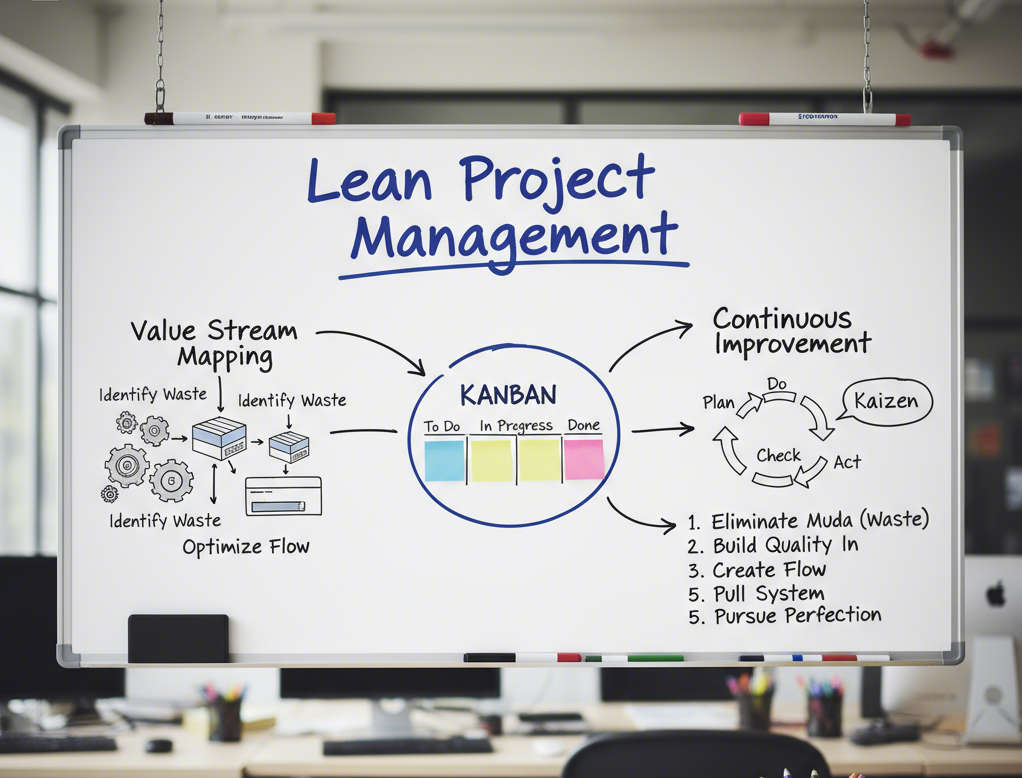
Image source: pexels.com
Principles of lean project management
The foundation of lean project management rests on five guiding principles that enable teams to deliver meaningful outcomes without unnecessary waste. Each principle builds on the other, creating a system that prioritizes value, efficiency, and continuous improvement.
- Define value from the customer's perspective: Value in lean is not defined by what the team thinks is important, but by what the customer actually needs. This requires understanding user pain points, desired outcomes, and the features or services that make the most significant impact. By keeping the customer's perspective front and center, teams avoid wasting time on work that doesn't create real value.
- Map the value stream: Every project involves a series of steps—some that add value and others that do not. Mapping the value stream means examining the entire process to identify which steps contribute to customer outcomes and which steps create delays or waste. By visualizing the workflow in Lark, teams can streamline processes, cut unnecessary activities, and focus resources on high-value tasks.
- Create continuous flow: Work should move smoothly from one stage to the next without interruptions or bottlenecks. Continuous flow enables teams to deliver results faster and more predictably, thereby reducing idle time and inefficiency. When teams design workflows for flow, they create momentum that makes projects easier to manage and progress easier to measure.
- Establish pull: Instead of stockpiling work or overloading teams, lean project management operates on a pull system. This means tasks are only started when there is a clear need, and resources are allocated based on demand. The result is better resource utilization, less burnout, and higher-quality outputs that align with real requirements.
- Pursue continuous improvement (Kaizen): Lean is never "finished"—it thrives on constant learning and minor, incremental improvements. Teams regularly review what worked, what didn't, and what can be improved. This culture of reflection and adaptation ensures that processes evolve to meet changing needs and deliver even greater value over time.
Pro Tip: With Lark Docs and Lark Wiki, teams can document processes, capture learnings, and refine workflows continuously. Having a shared knowledge hub makes it easier to apply Kaizen in practice, ensuring improvements are visible, accessible, and actionable.
Lean project management methodology in practice
While the principles of lean provide the foundation, the true power of lean project management lies in how they're applied day-to-day. In practice, this approach shapes how teams plan, execute, and collaborate.
- Short cycles of planning and execution: Instead of mapping out a project from start to finish in detail, lean favors short, iterative cycles. Teams plan just enough to move forward, execute quickly, and then adjust based on the feedback they receive. This keeps projects agile and prevents wasted effort on assumptions that may later change. In practice, many organizations blend these approaches into lean agile project management, where lean's focus on efficiency complements Agile's adaptability in delivering value faster and with greater flexibility.
- Emphasis on minimizing waste: Lean project management is laser-focused on reducing waste in every form—whether it's time spent waiting on approvals, effort duplicated across teams, or costs tied to unnecessary features. By constantly asking, "Does this add value for the customer?" teams can reduce inefficiencies and ensure resources are used wisely.
- Use of Kanban-style workflows for visibility: Making work visible is at the heart of lean. Kanban boards provide teams with a clear, real-time view of tasks as they progress through various stages of completion. This visibility helps identify bottlenecks early, balance workloads, and ensure that projects progress smoothly.
- Cross-functional team collaboration: Lean thrives on collaboration across disciplines—developers, designers, product managers, and stakeholders all work together. Cross-functional teamwork ensures that different perspectives are included and that value flows across the entire process, not just within one silo. The result is faster decision-making and higher-quality outcomes.
Tools like Lark Base Kanban boards make workflows visible, Tasks ensure clear ownership and accountability, and Messenger enables instant communication. Together, they bring lean methodology to life in digital projects, keeping teams aligned and efficient.
Lean vs Agile vs Six Sigma
While all three methodologies aim to improve processes, they do so with very different philosophies. Lean is about waste reduction, streamlining workflows by removing anything that doesn't add value. Think of it like a sculptor carefully chipping away marble to reveal the final form. Agile prioritizes adaptability, using iterative development to stay flexible and responsive to changing requirements—making it ideal for fast-moving environments. In practice, teams often combine the two: using Lean to make Agile sprints more efficient.
Meanwhile, Six Sigma is focused on quality and error reduction. It's a data-driven methodology that identifies and removes the root causes of defects in processes. Where Lean makes work faster, Six Sigma makes it better. Together, they form Lean Six Sigma, a framework that blends speed with precision—producing outcomes that are both efficient and reliable. When applied in real-world projects, this approach is often referred to as Lean Six Sigma project management, helping teams deliver results that are not only quicker but also consistent and of the highest quality.
Lark fit: With Lark Sheets and automated workflows, teams can bring together Lean's efficiency and Six Sigma's precision, tracking data in real time while automating repetitive steps for smoother execution.
Comparison table: Lean vs Agile vs Six Sigma
Benefits of lean project management
Lean project management delivers a host of practical benefits that transform how teams work. By focusing on customer value and eliminating waste, organizations achieve faster delivery, lower costs, and stronger long-term outcomes.
- Faster delivery with less waste: Lean helps teams move faster by eliminating unnecessary steps, rework, and delays. By simplifying workflows, projects reach completion sooner, giving businesses a competitive edge. Faster delivery also means earlier feedback from customers, allowing for quicker adjustments.
- Higher customer satisfaction: At the heart of lean is the principle of defining value from the customer's perspective. By focusing only on what truly matters to users, teams deliver solutions that are both relevant and impactful. This alignment with customer needs builds stronger satisfaction and loyalty over time.
- Lower costs through efficient use of resources: Waste isn't only time—it's also money, effort, and materials. Lean ensures every hour of work and every dollar spent contributes directly to value creation. This disciplined approach reduces operational costs while boosting profit margins.
- Continuous learning and improvement: Lean encourages Kaizen, or continuous improvement. Teams regularly analyze their processes, learn from mistakes, and refine their workflows. This mindset creates resilient, adaptive teams that keep getting better with every project.
With real-time dashboards in Lark Base and Sheets, teams can track performance indicators, measure efficiency gains, and monitor improvements over time—making the benefits of lean visible and actionable.
Challenges of lean project management
Adopting lean project management isn't always smooth sailing. While its benefits are clear, many organizations encounter practical challenges when attempting to shift away from traditional ways of working.
- Difficult cultural shift to a lean mindset: Lean isn't just about new tools—it's about a new way of thinking. Teams accustomed to long-term planning, heavy documentation, or rigid hierarchies may struggle to embrace flexibility and waste reduction. Making the cultural shift requires leadership support, training, and time to build trust in a lean system.
- Risk of cutting "too much": One danger of lean is taking waste elimination too far. Sometimes, processes that seem unnecessary—like documentation or quality reviews—actually add long-term value. Without balance, teams risk cutting steps that safeguard quality or ensure compliance. The challenge is knowing where efficiency ends and value protection begins.
- Needs high discipline to maintain flow: Lean thrives on consistency. Teams must keep tasks visible, respect work-in-progress limits, and act quickly when bottlenecks appear. Without discipline, workflows stall, and inefficiencies creep back in, undermining lean's effectiveness.
- Hard to scale across very large organizations: While lean works well for small or mid-sized teams, scaling it across hundreds or thousands of employees can be a complex process. Different departments may interpret "value" differently, leading to misalignment. Achieving true end-to-end lean flow in large enterprises requires strong coordination and unified systems.
How Lark solves: With automated workflows, smart reminders, and connected tools across Base, Tasks, and Docs, lean practices remain consistent across teams of any size. Lark makes it easier to sustain discipline, balance efficiency with quality, and scale lean approaches without losing alignment.
Examples of lean project management in different industries
Lean project management isn't limited to one sector—it can be applied anywhere teams want to cut waste and deliver more value. Here are a few ways it shows up across industries:
- Software: Software teams use lean to eliminate wasted effort in development cycles. By visualizing tasks with Kanban boards, they can track progress, limit work-in-progress, and quickly spot bottlenecks. This keeps sprints focused, efficient, and better aligned with user needs.
- Marketing: Marketing projects often slow down due to long approval chains. Lean simplifies workflows by cutting unnecessary review steps and empowering teams to make quicker decisions. Campaigns move from concept to launch more quickly, ensuring messages remain timely and relevant.
- Manufacturing: Lean's origins are in manufacturing, where efficiency is critical. By reducing inventory waste, improving equipment flow, and standardizing processes, factories deliver goods faster and with fewer defects. These improvements lower costs while boosting quality.
- HR: Recruitment often suffers from paperwork, repeated screenings, and misaligned interview schedules. Lean HR practices streamline hiring by eliminating redundant steps, automating routine tasks, and focusing only on activities that move candidates closer to hire—the result: faster recruitment cycles and a better candidate experience.
Lark mention: With Lark Base templates tailored for HR, sales, and operations, teams across departments can quickly put lean principles into action. From Kanban boards for software to structured workflows for hiring or campaigns, Lark helps organizations adapt lean project management across diverse functions.H2: Using Lark for lean project management.
Using Lark for lean project management
Lean project management works best when supported by the right project management tools. Lark's all-in-one platform is designed to help teams apply lean principles seamlessly in digital projects by centralizing core functions and automating repetitive tasks. Here's how each feature contributes to a lean workflow:
Optimize value streams with Lark Base
At the heart of Lark's lean capabilities is Base, a no-code database that enables teams to visualize workflows in multiple ways—including Kanban boards, a core lean tool. With Base, you can map your value stream, monitor work-in-progress, and quickly spot bottlenecks. This visibility makes it easier to maintain a smooth, continuous flow of work.
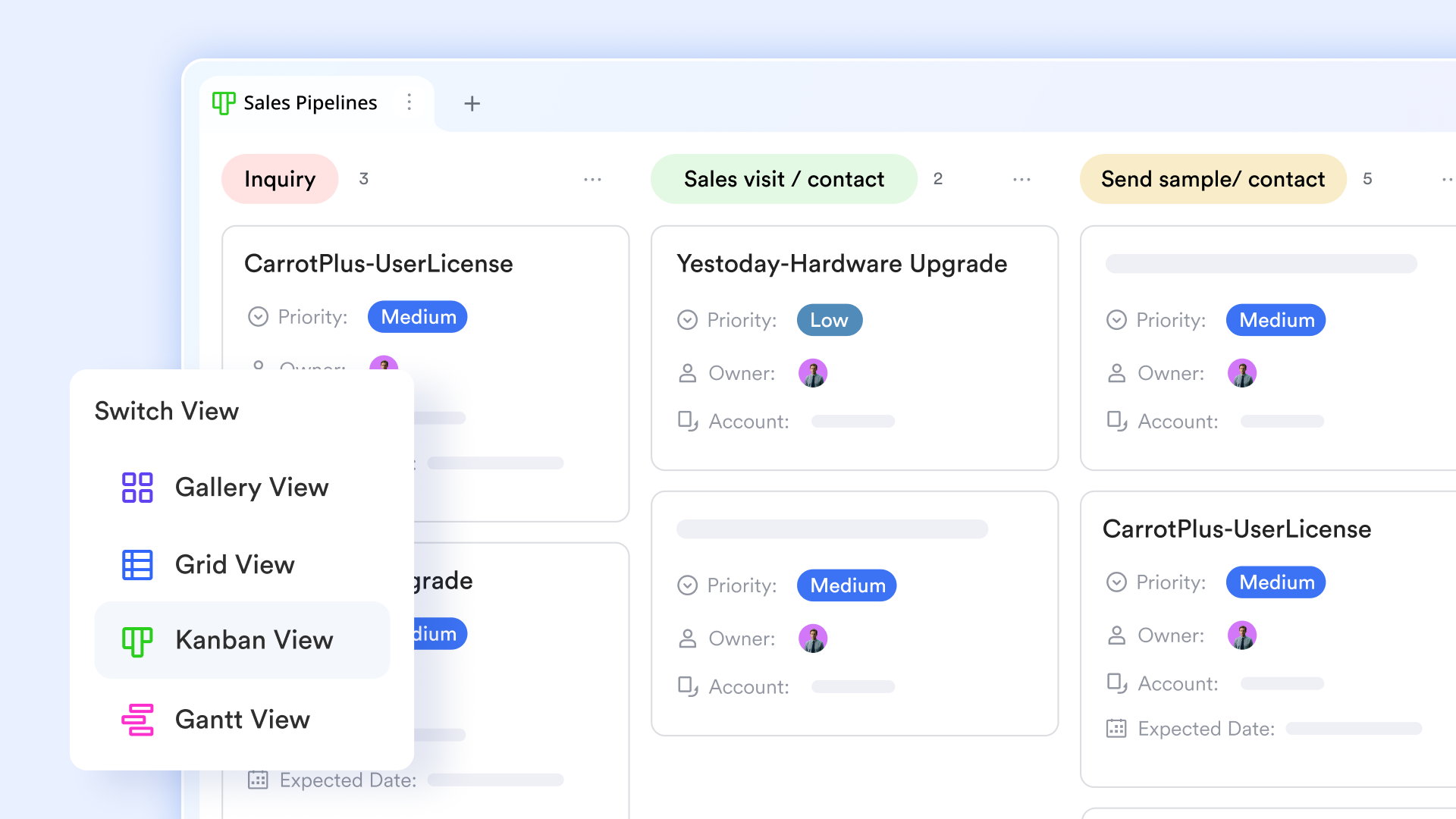
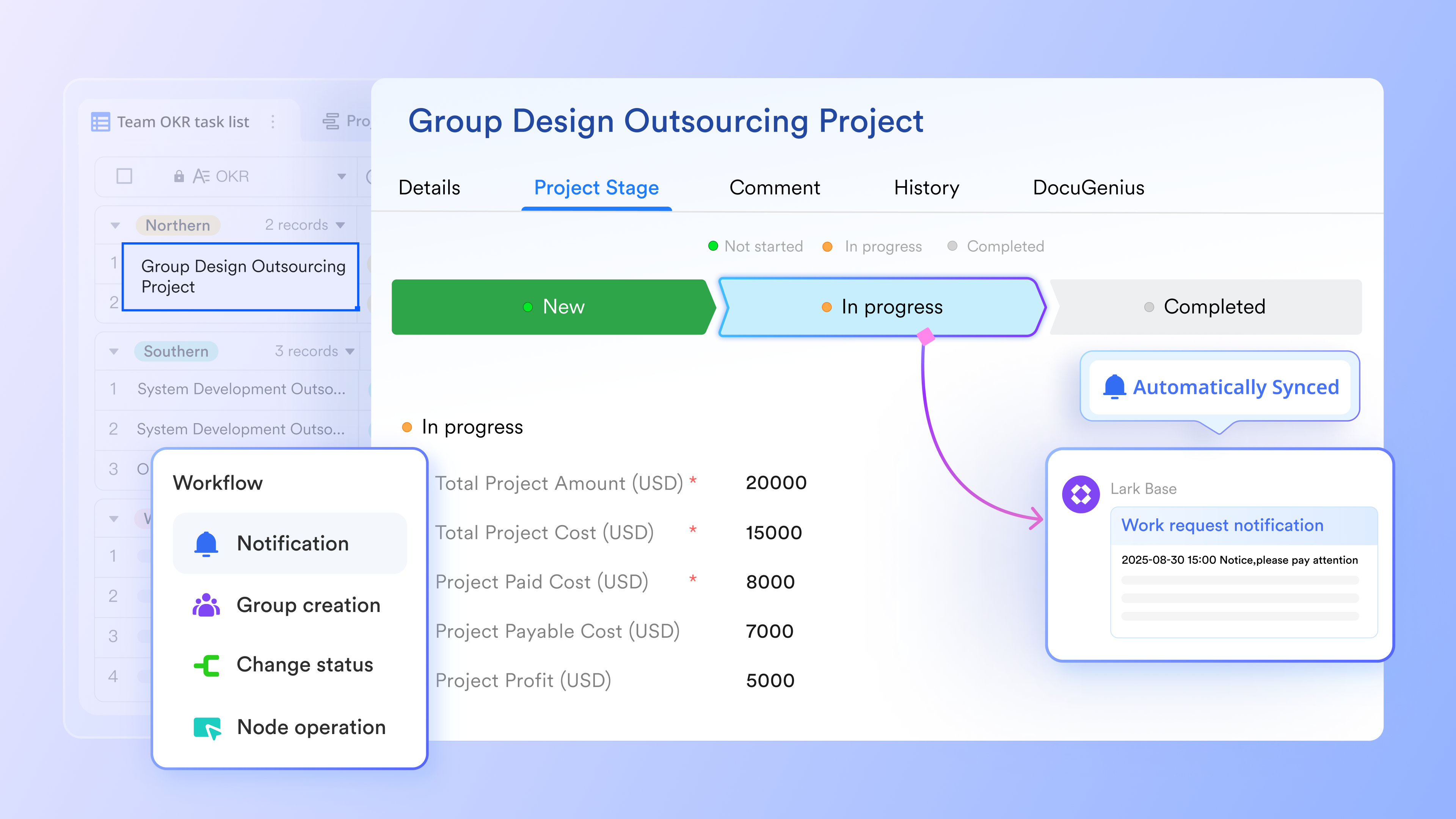
The most powerful way to eliminate waste is to automate repetitive steps. Lark's automated workflow feature allows teams to set rules without coding—for example, sending alerts when tasks are overdue, auto-updating records, or notifying approvers instantly. This ensures projects continue to move forward while freeing up the team to focus on high-value work.
Drive accountability with Lark Tasks
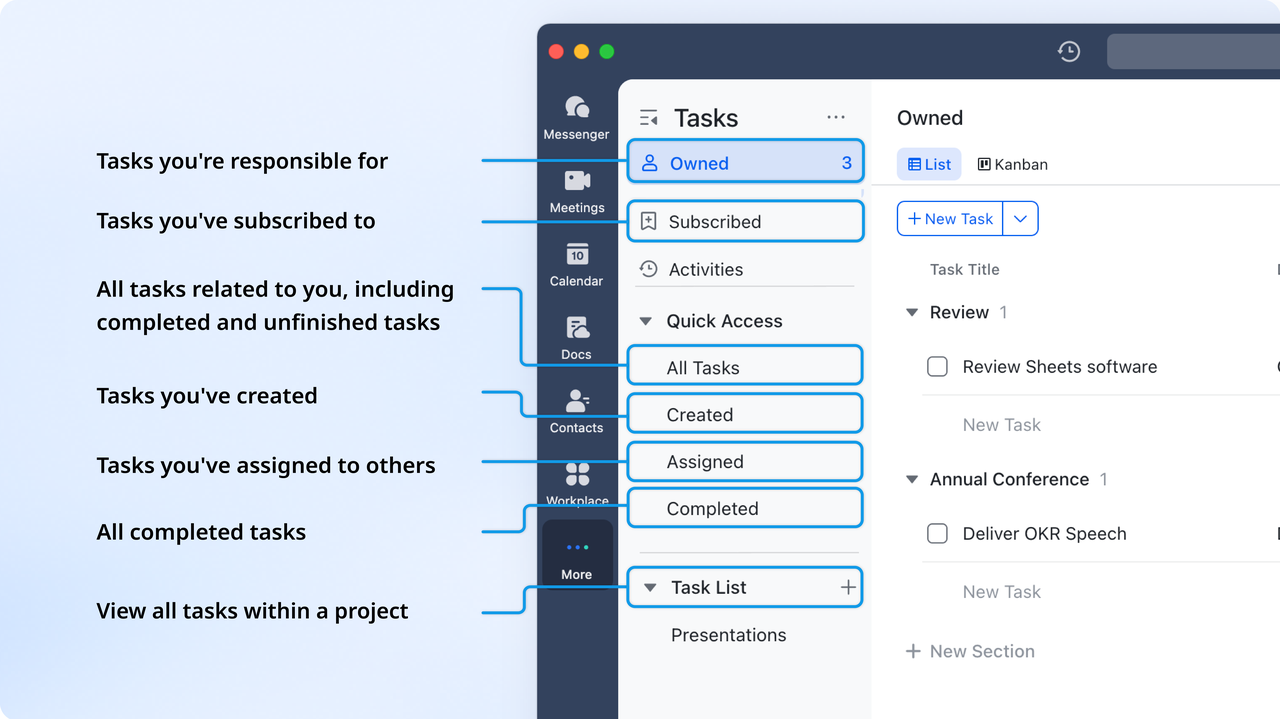
Clear accountability is critical in lean project management. Lark Tasks ensures every responsibility has an owner, with due dates and priorities clearly assigned. This structure keeps teams disciplined, ensures tasks have purpose, and reduces the risk of wasted effort.
Accelerate communication flow with Lark Messenger
Fast, context-rich communication keeps lean projects moving without delays. With Lark Messenger, teams can collaborate instantly, ask quick questions, and share updates—avoiding long email threads and communication slowdowns that create waste.
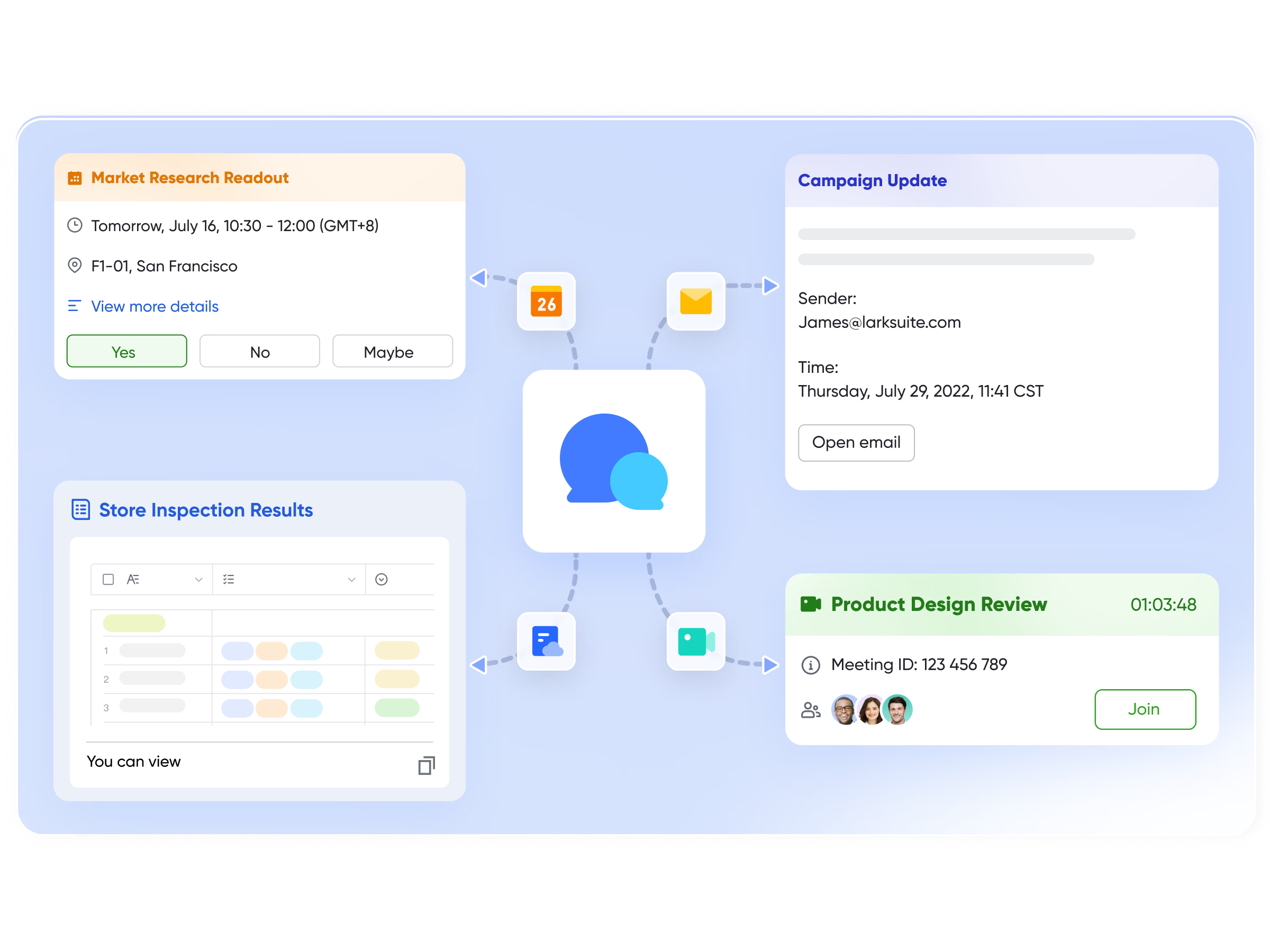
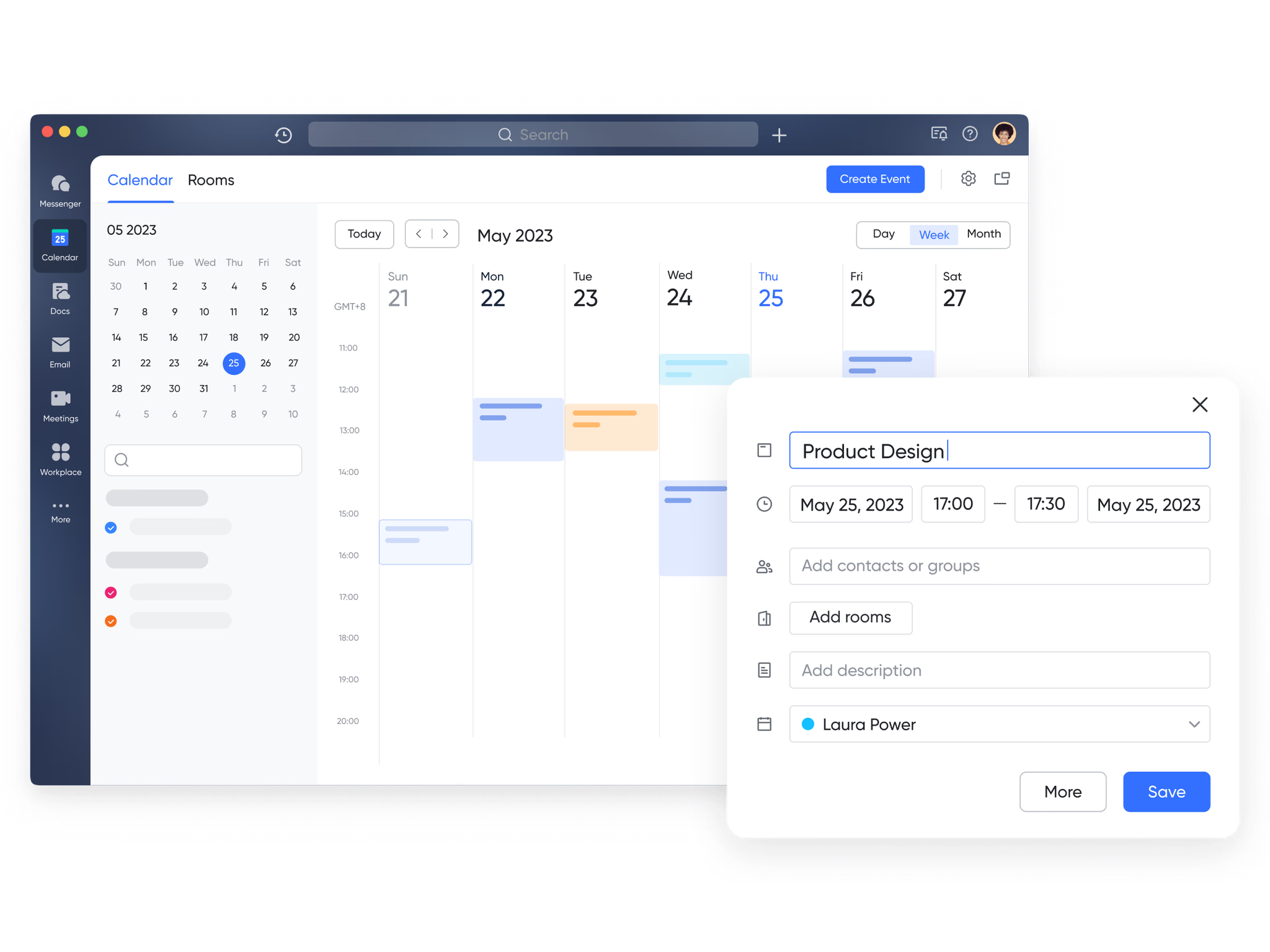
Streamline coordination with Lark Calendar
Timely coordination is key to keeping projects on track. Lark Calendar makes it simple to schedule reviews, launches, and team syncs, while shared visibility ensures everyone can find the right time quickly. This eliminates scheduling friction and prevents delays in project flow.
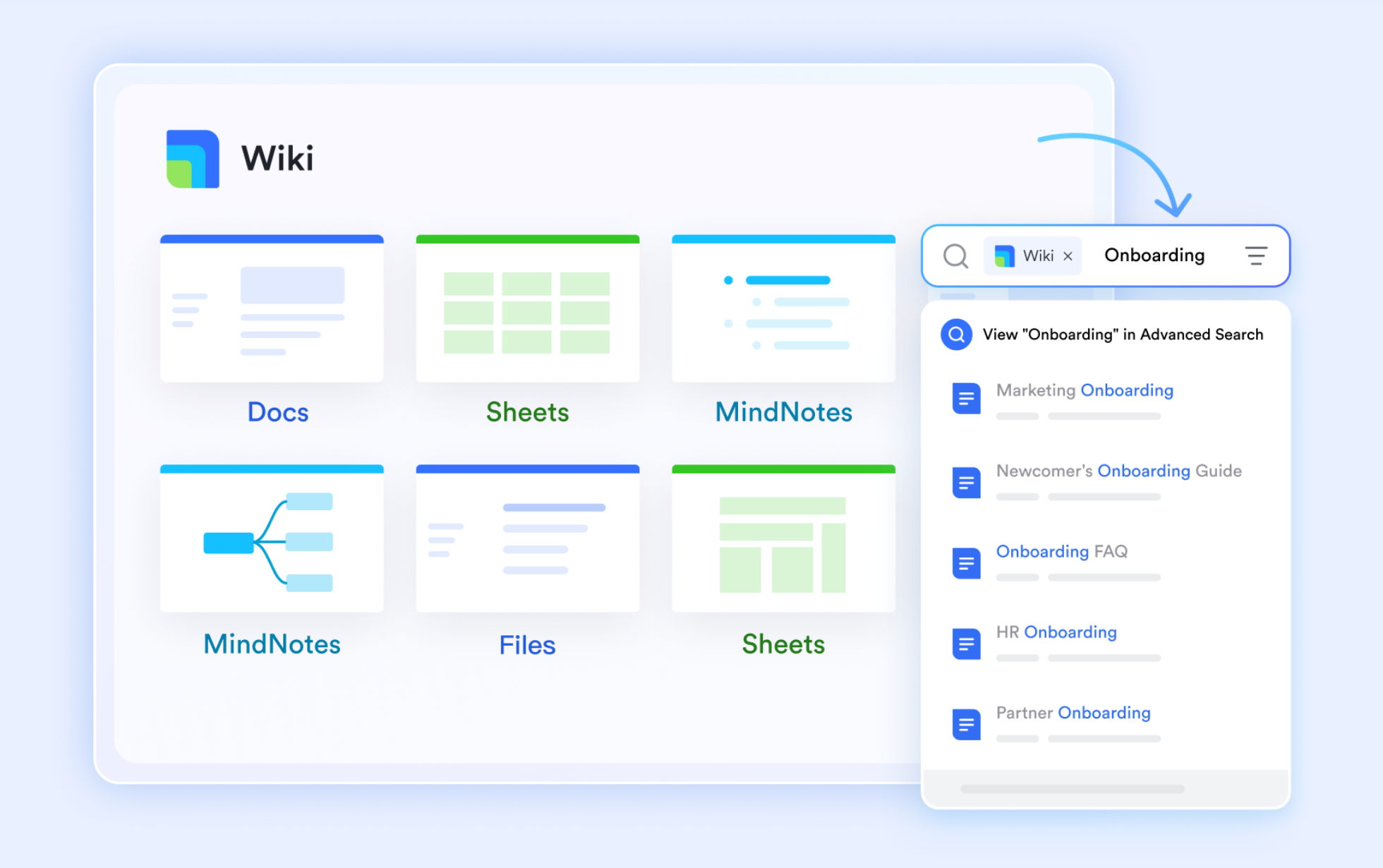
Enable continuous improvement with Lark Docs and Lark Wiki
Continuous improvement depends on shared knowledge. With Lark Docs and Lark Wiki, teams can capture processes, document improvements, and create a single source of truth. This helps new members onboard faster and ensures improvements are recorded and accessible to everyone.
Measure and improve flow with Lark Sheets
Measuring performance is crucial to lean management. Lark Sheets enables teams to track metrics such as cycle time and throughput, then transform the data into real-time dashboards within Base. This provides leaders and teams with instant visibility into performance, highlighting areas where further improvements are needed.
- Starter plan: Free forever plan that includes 11 powerful tools for up to 20 users. It also comes with 100GB of storage, 1000 automation runs, AI translations, and more.
- Pro plan: $12/user/month (billed annually) for up to 500 users. It includes everything in Starter plus group calling for up to 500 attendees, 15TB of storage, 50,000 automation runs, and more.
- Enterprise plan: Contact sales for custom pricing. Supports unlimited users and includes even more automation runs and advanced security, compliance, and management features.
Conclusion
Lean project management reduces waste, maximizes value, and builds a culture of continuous improvement. Focusing on customer needs, streamlining workflows, and empowering cross-functional collaboration helps teams deliver faster and more effectively. Unlike traditional approaches weighed down by unnecessary steps, lean enables clarity, adaptability, and measurable results across industries—from software to HR to manufacturing. With digital tools like Lark Base, templates, and automation, lean principles move beyond theory into everyday practice. Teams gain the visibility, discipline, and scalability needed to make lean sustainable, turning projects into streamlined, value-driven successes in today's fast-changing work environment.
FAQs
What are the main differences between lean project management and traditional project management?
Traditional project management often relies on heavy upfront planning, detailed documentation, and rigid timelines. While this can work for some projects, it can also create waste and slow things down. Lean project management takes the opposite approach—focusing on eliminating unnecessary steps, adapting quickly, and prioritizing value for the customer. With Lark Base, teams can visualize workflows and automate repetitive steps, making lean much easier to apply than in traditional setups.
How do you measure success in lean project management?
Success in lean isn't only about finishing on time or under budget—it's about delivering maximum value with minimum waste. Common metrics include cycle time, throughput, and customer satisfaction. Teams also look at how consistently they're improving through Kaizen (continuous improvement). With Lark Sheets and Base dashboards, you can track these metrics in real time, making progress and bottlenecks visible at a glance.
Can lean project management be applied in non-technical fields like education or healthcare?
Yes—Lean is not just for software or manufacturing. In education, lean can streamline curriculum planning and reduce administrative overload. In healthcare, it helps minimize wait times, reduce redundant paperwork, and focus more on patient care. Wherever there are processes and people, lean principles can reduce waste and improve outcomes. Lark Base makes it easy to adapt lean workflows across industries with customizable templates.
How does lean project management handle risk management?
Lean doesn't ignore risks—it addresses them continuously. Instead of waiting until the end of a project to evaluate risks, lean teams identify potential blockers early and adjust quickly through short cycles of planning and execution. This proactive approach reduces the chances of minor issues growing into bigger problems. With Lark's automated reminders and real-time updates, teams stay on top of risks without extra meetings or paperwork.
What are common mistakes teams make when starting lean project management?
One common mistake is treating lean as just a set of tools rather than a mindset. Teams sometimes cut too much in the name of efficiency—removing steps like quality reviews that actually add long-term value. Another mistake is skipping discipline: lean requires consistent visibility of tasks and respect for work-in-progress limits. Without it, bottlenecks return. With Lark Base and Tasks, teams get the visibility and accountability they need to avoid these pitfalls and make lean sustainable.
Related reading
Table of contents
Start using Lark today

Manage all your work in one place
Boost team efficiency by 10x
Save up to 70% on software costs
Table of contents
Start using Lark today
Manage all your work in one place
Boost team efficiency by 10x
Save up to 70% on software costs
Keep reading







2026 Lark Technologies Pte. Ltd.
Headquartered in Singapore with offices worldwide.






Explore: