














5 Open Source Construction Project Management Tools and a Better Option

Ryan Tanner
Product Marketing Specialist
Sep 18, 2026
Ryan Tanner
Sep 18, 2026

15 min read


Managing construction projects is complex—teams need reliable tools for scheduling, approvals, and collaboration. Many businesses turn to open source construction project management software for its cost savings, customization options, and self-hosted security. These tools often provide essentials like Gantt charts, task tracking, and workflow scheduling that keep projects on track.
Still, open source solutions can sometimes fall short on automation and real-time collaboration. That’s why some teams also consider modern platforms, which offer a more unified approach. In this guide, we’ll cover the five best open source options and introduce Lark as a flexible alternative.

Why use open source construction project management software?
Open source construction project management tools are increasingly popular because they combine affordability with flexibility. Unlike rigid proprietary systems, open source planning software gives teams more control over how they organize and scale projects.
- Cost savings vs proprietary tools: Open source solutions are usually free to download and use, making them cost-effective for small and medium-sized construction firms. Businesses save on licensing fees while still accessing professional-grade scheduling and task management features.
- Flexibility to customize workflows: Teams can adapt open source software to their unique construction processes. From customizing Gantt chart views to tailoring milestones, open source tools give users control that closed systems often limit.
- Community support and continuous improvements: Most open source tools are supported by active communities that release plugins, extensions, and frequent updates. This ensures construction teams can benefit from the latest features and fixes without waiting for vendor upgrades.
- On-premise or self-hosted options for security: Open source systems allow firms to host data on their own servers, which is especially useful for construction projects involving sensitive contracts or client information. This on-premise control adds an extra layer of security.
- Scalability for different project sizes: Whether it’s a small residential build or a large infrastructure project, open source software can scale to match needs. Teams can add features and modules as project demands grow without incurring high costs.
Key features to look for in open source project management tools
When choosing the right open source project management tools for construction, it’s important to focus on features that keep teams organized, on schedule, and accountable. Here are the essentials:
- Gantt charts and scheduling: Construction projects rely heavily on timelines. Gantt charts help visualize project stages, assign tasks, and track progress against deadlines in an easy-to-read format.
- Task dependencies and milestones: Many construction tasks can’t begin until others are completed. Dependency tracking ensures that no step is overlooked, while milestones highlight key deliverables and project checkpoints.
- Budgeting and cost control: Open source tools often include modules for tracking project budgets, forecasting expenses, and controlling costs—critical for keeping large construction projects financially viable.
- Document storage and versioning: From blueprints to permits, construction projects generate a large volume of documents. Versioning ensures that teams always work on the latest file, avoiding confusion and costly mistakes.
- Collaboration and communication: Whether teams are on-site or remote, built-in collaboration features like task comments, discussion boards, or notifications help keep communication clear and project details transparent.
- Mobile and self-hosted options: Modern construction projects require access from the field. Mobile apps allow updates directly from worksites, while self-hosted deployments give companies more control over data security.
5 Best open source construction project management tools
1. GanttProject: Lightweight, free, open source Gantt chart and scheduling tool
GanttProject is a simple yet powerful open source project planning software designed for creating Gantt charts and managing project schedules. It’s popular among construction teams looking for a lightweight, offline solution that doesn’t require enterprise-level setup. While it lacks advanced automation, it provides essential scheduling and tracking capabilities.
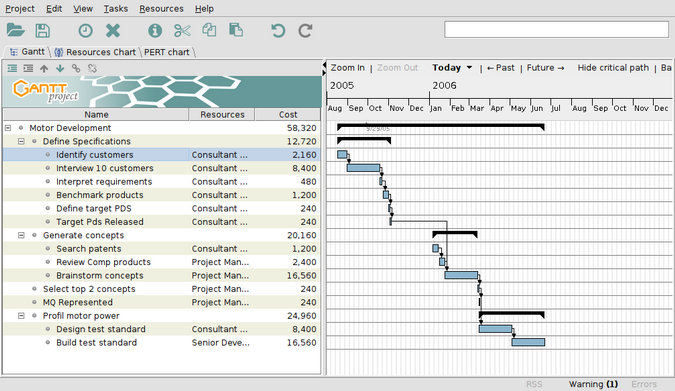
Image source: ganttproject.biz
Features
- Gantt chart visualization for tasks and schedules
- Task hierarchies and dependencies
- Resource allocation tracking
- PDF and PNG export options
- Cross-platform support (Windows, macOS, Linux)
Pros
- Free to use with no licensing fees
- Intuitive Gantt chart interface
- Works offline without cloud reliance
- Good for small teams and projects
Cons
- No real-time collaboration
- Limited reporting and integrations
2. Redmine: Flexible open source project tracking tool with plugins for construction workflows
Redmine is one of the most widely used open source project management software options, offering issue tracking, project planning, and plugin support. Construction firms use Redmine for its flexibility in managing tasks, schedules, and documentation through customizable workflows.
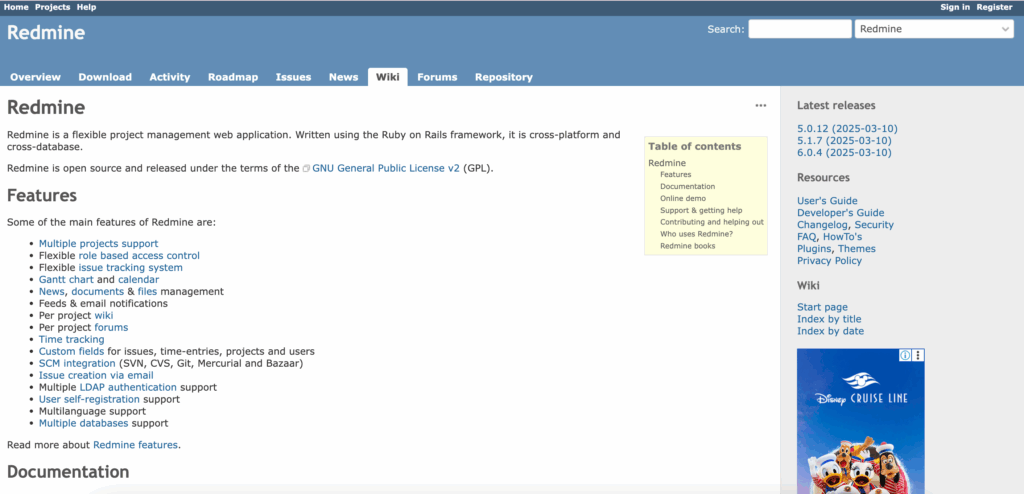
Image source: redmine.org
Features
- Multi-project support with role-based access
- Gantt charts and calendars for scheduling
- Plugin ecosystem for added features
- Issue and bug tracking
- Wiki and forum for documentation
Pros
- Highly customizable with plugins
- Active community and long-term support
- Role-based permissions for security
- Good for cross-department collaboration
Cons
- Requires technical setup and hosting
- Interface feels outdated compared to modern tools
3. Taiga: Open source agile project management tool, customizable for construction tracking
Taiga is a modern open source project management solution originally built for agile teams but easily adaptable for construction workflows. Its Kanban boards and sprint tracking make it a good choice for projects that need flexibility in planning and execution.
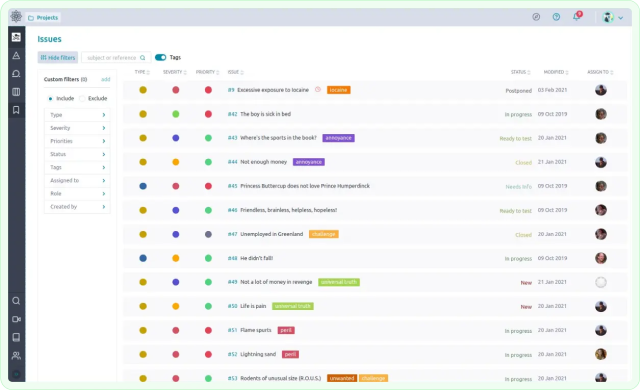
Image source: taiga.io
Features:
- Kanban boards for task visualization
- Backlogs and sprint planning
- Gantt-style timeline add-ons
- Real-time task updates
- REST API for integrations
Pros:
- Clean and modern interface
- Great for agile-style construction projects
- Free self-hosted option available
- Supports real-time collaboration
Cons:
- Limited built-in reporting tools
- May require plugins for advanced construction workflows
4. OrangeScrum: Open source task management and collaboration platform, supports Gantt charts
OrangeScrum is an open source task management tool with support for Gantt charts, time tracking, and team collaboration. Construction companies use it to assign tasks, manage dependencies, and track project milestones in one platform.
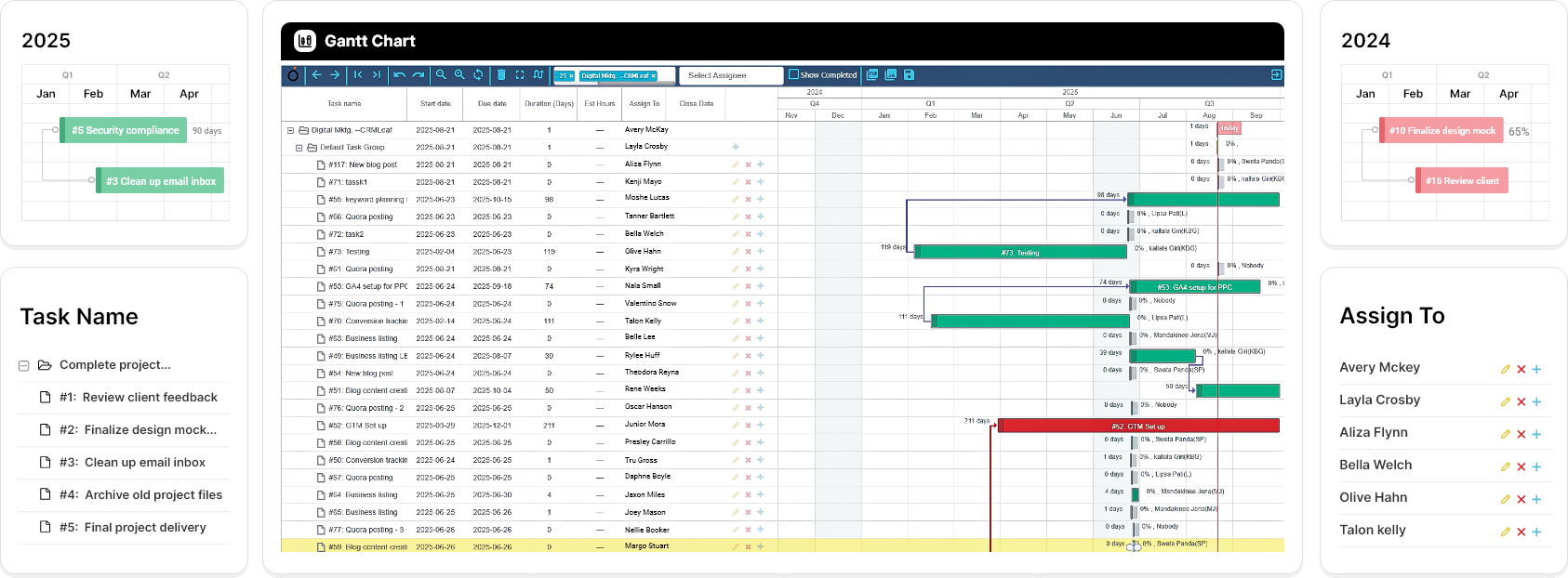
Image source: orangescrum.com
Features:
- Gantt chart scheduling
- Task assignments and dependencies
- Time tracking and timesheets
- File sharing and collaboration
- Role-based permissions
Pros:
- Easy to set up and use
- Combines task and time management
- Active open source community
- Supports agile and traditional workflows
Cons:
- Limited integrations in open source version
- Advanced features often require paid plans
5. LibrePlan: Open source project planning and scheduling software, suited for resource-heavy construction projects
LibrePlan is a robust open source Gantt chart and scheduling software designed for industries like construction, manufacturing, and engineering. It excels in handling resource allocation and cost tracking, making it a strong choice for large-scale projects.
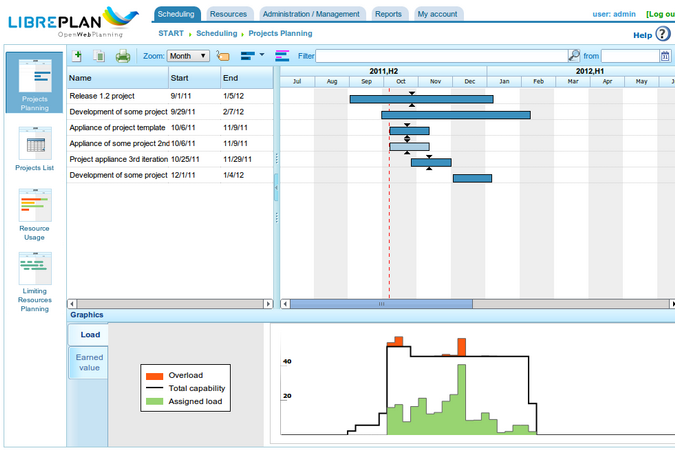
Image source: libreplan.dev
Features:
- Advanced Gantt charts and scheduling
- Resource and workload management
- Budgeting and cost control tools
- Web-based interface for collaboration
- Customizable reporting
Pros:
- Strong focus on resource allocation
- Web-based and accessible across devices
- Flexible reporting options
- Scalable for large projects
Cons:
- Steeper learning curve for beginners
- Requires hosting and setup
Open source construction project management software gives flexibility and cost savings, but it often stops short when it comes to real-time collaboration, automation, and seamless execution across devices. Lark fills this gap by providing a cloud-based, all-in-one workflow system that brings schedules, documents, contractors, and communication under one roof. Here’s a closer look at how each Lark feature supports construction project success:
Beyond open source: Real-time project control with Lark
Lark is more than just project management software—it’s an all-in-one cloud platform built for real-time collaboration and workflow automation. Construction teams can plan schedules, manage dependencies, and track progress seamlessly in Lark Base, while contractors and managers stay aligned through Messenger and Meetings. Important files like contracts, safety manuals, and permits can be stored in Docs and Wiki, ensuring easy access anytime. With mobile dashboards and offline sync, field teams can update tasks on-site without disruption. For firms seeking speed, scalability, and accountability, Lark delivers streamlined project control beyond traditional open source tools.
Lark Base: Gantt/timeline scheduling, dependencies
Lark Base is more than a static Gantt chart—it’s a dynamic workflow hub. Construction managers can create timelines, link dependent tasks (e.g., foundation work before framing, framing before electrical), and automatically track progress as milestones are completed. Dependencies ensure that if one activity is delayed, related tasks are updated instantly, reducing the risk of bottlenecks.
Example: If a subcontractor delays concrete pouring by two days, Lark Base automatically adjusts the framing start date and sends reminders to the relevant teams, preventing confusion and keeping the project realistic.

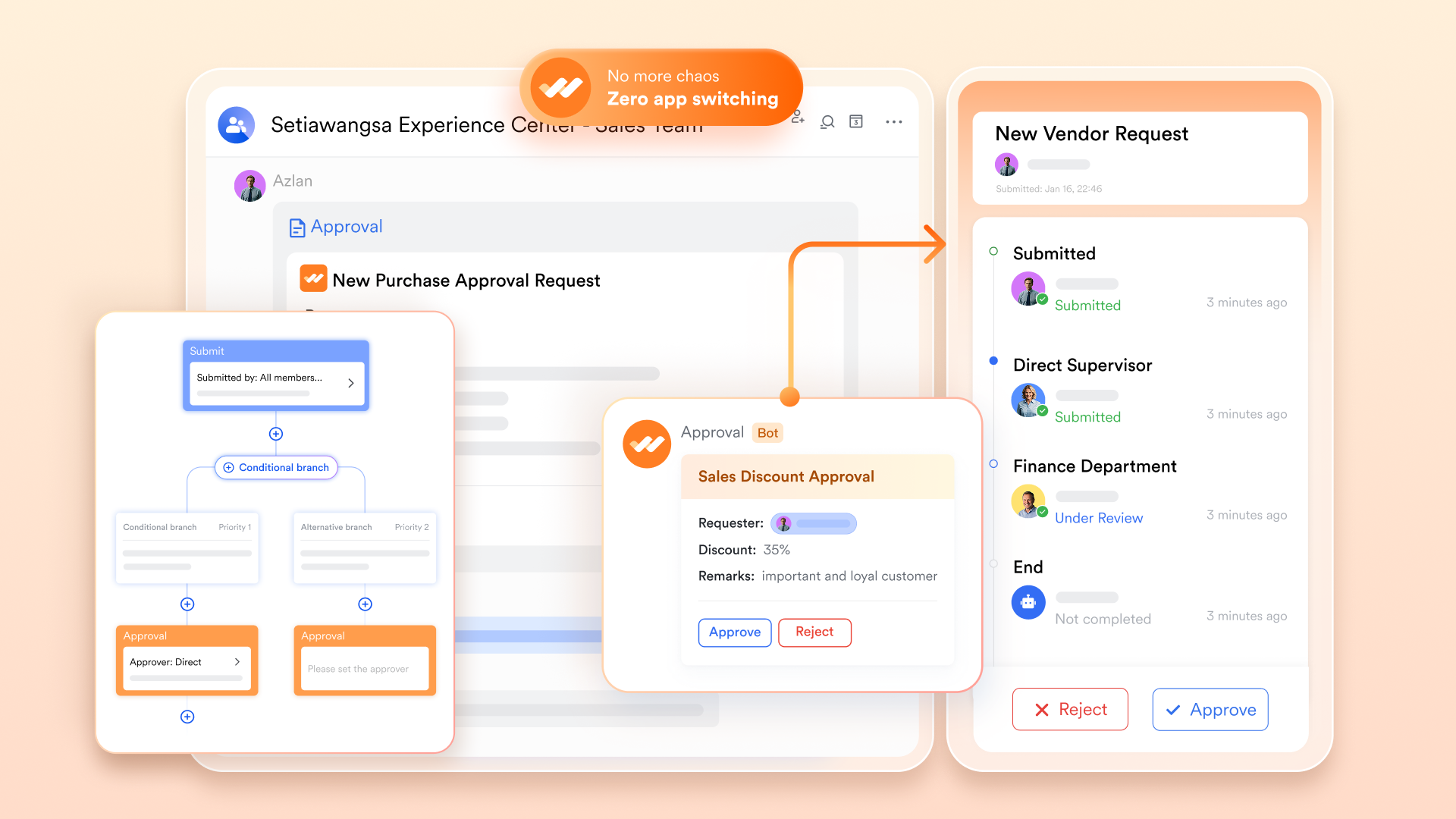
Lark Approval: Inspections, deliveries, change orders in automated workflows
Unlike most open source tools, Lark comes with built-in workflow automation. Project managers can set rules such as “when inspection is approved → trigger material delivery request” or “if a delivery is late → escalate to project manager.” This ensures routine steps don’t fall through the cracks.
Example: A project workflow can be configured so that once scaffolding is approved, Lark Approval automatically creates a follow-up inspection task, pings the safety officer in Messenger, and updates the dashboard with a compliance note.
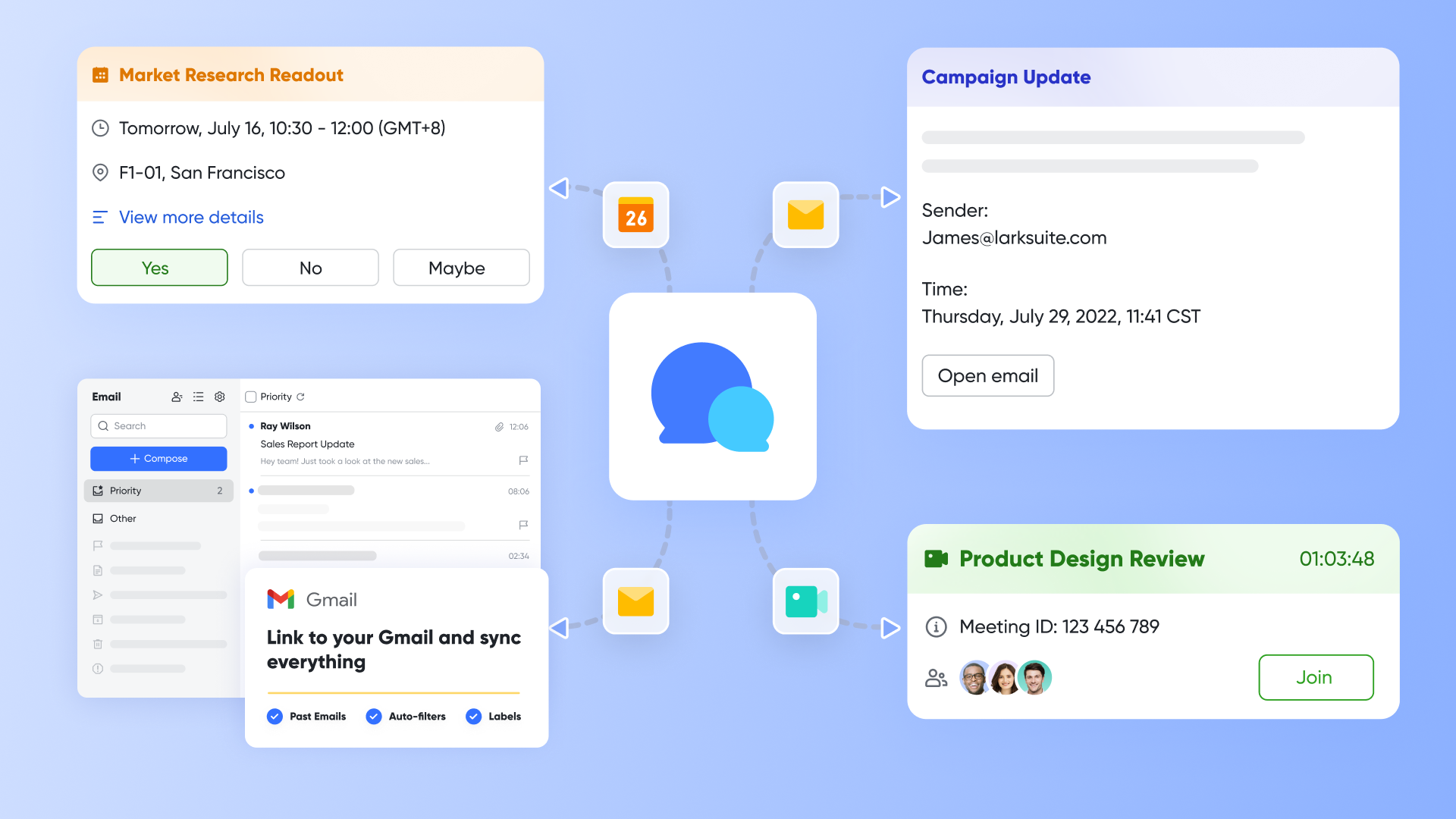
Lark Messenger & Lark Meetings: Real-time communication with contractors
Communication is often the Achilles’ heel of construction projects. Lark eliminates delays caused by email chains by embedding chat and video directly within the workflow system. Teams can tag tasks in Lark Base and instantly discuss updates in Lark Messenger or launch a video call from the same interface.
Example: If a site supervisor notices a design conflict between plumbing and electrical layouts, they can drop a photo into Messenger, loop in architects, and resolve it on a quick Lark Meetings—without switching platforms.
Lark Docs & Lark Wiki: Store contracts, safety manuals, permits
Construction requires managing large volumes of documentation: contracts, compliance certificates, blueprints, permits, and safety guides. With Lark Docs and Lark Wiki, everything is centralized in a searchable repository. Docs allow collaborative editing with version history, while Wiki ensures that approved manuals and guidelines remain consistent across the team.
Example: When new safety regulations are introduced, the compliance team can update the safety manual in Lark Docs. This updated version is instantly accessible in Wiki by all field engineers, ensuring no one works with outdated instructions.

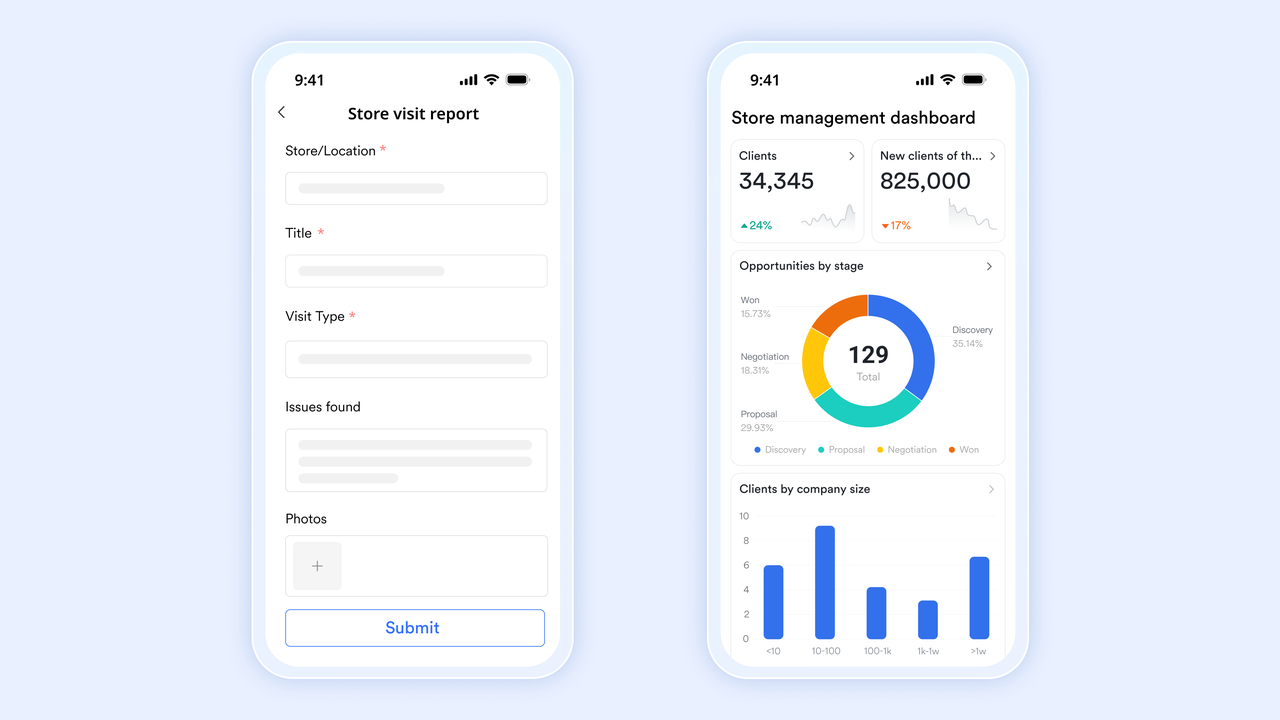
Mobile dashboards: Field updates, offline sync
Construction happens on-site, not just in offices. Lark’s mobile dashboards allow field supervisors and engineers to log progress, upload inspection photos, and flag issues instantly. Offline mode ensures data captured in remote areas without internet access syncs back once connectivity is restored.
Example: A site engineer in a low-connectivity zone logs the completion of steel reinforcement work offline. As soon as they reconnect, Lark syncs the update, automatically marking the milestone as completed in Base and updating the project Gantt chart for headquarters.
Conclusion
Open source construction project management software provides affordability, flexibility, and customization—making it a practical choice for many teams. Tools like GanttProject, Redmine, and LibrePlan remain popular for scheduling, task tracking, and planning workflows. However, as projects grow in scale and complexity, teams often face challenges with real-time collaboration, automation, and mobile accessibility. That’s where modern all-in-one platforms like Lark excel, combining scheduling, documentation, approvals, and communication into a single workspace. Ultimately, construction firms should choose solutions that match their project size, security needs, and collaboration goals—ensuring smoother delivery and better accountability.
FAQs
What is the best open source construction project management software?
The best option depends on your needs—GanttProject works well for simple scheduling, while Redmine and LibrePlan support more complex project tracking. These tools are affordable and customizable, but they can lack modern collaboration features. For teams wanting real-time scheduling and automation, Lark offers a streamlined alternative with Base, Docs, and Messenger built in.
Can I use Gantt charts in open source project tools?
Yes. Tools like GanttProject, OrangeScrum, and LibrePlan provide open source Gantt chart features for scheduling and task dependencies. They’re great for visual planning, though setup can feel manual. In contrast, Lark Base lets you switch between Gantt, Kanban, and timeline views instantly, keeping projects dynamic and easier to manage.
Are open source project management tools secure?
Open source tools offer transparency, and self-hosted options give control over your own data. However, ensuring updates, patches, and backups is your responsibility. Lark provides enterprise-grade cloud security, advanced permissions, and compliance standards, removing the burden of maintenance while safeguarding sensitive project data.
Can construction firms use Lark for project scheduling?
Absolutely. With Lark Base, teams can manage scheduling via drag-and-drop Gantt charts, assign tasks, and track progress. Messenger and Meetings enable real-time discussions with contractors, while Docs and Wiki store safety manuals and contracts. This makes Lark a practical option for firms that need more than static scheduling.
What’s the difference between open source and cloud-based project management tools?
Open source software is usually free and customizable but requires technical setup and self-hosting. Cloud-based workflow systems like Lark deliver ready-to-use collaboration, automation, and mobile access without heavy maintenance. For construction teams balancing fieldwork and office coordination, cloud-based solutions can offer greater speed and scalability.
Related reading
Table of contents
Start using Lark today

Manage all your work in one place
Boost team efficiency by 10x
Save up to 70% on software costs
Table of contents
Start using Lark today
Manage all your work in one place
Boost team efficiency by 10x
Save up to 70% on software costs
Keep reading







2026 Lark Technologies Pte. Ltd.
Headquartered in Singapore with offices worldwide.






Explore: