A project charter is the first formal document that authorizes a project and outlines its purpose, objectives and expected outcomes. Many teams ask what is a project charter when they want to understand how to begin structured project planning. The charter establishes early alignment so everyone understands why the project exists and what success should look like. It also gives project managers the authority to secure resources and initiate work. As organizations move toward collaborative digital workflows, tools like Lark gradually help teams create and manage charters more efficiently while maintaining clear documentation.
Explore smarter ways to streamline project planning
What is a project charter?
A is a formal authorization document that outlines what a project aims to achieve, why it matters, and who is responsible for making it happen. Teams often ask what a project charter is when they begin planning complex initiatives or cross-functional programs within an organization. It acts as an early reference point that summarizes the project in a simple and structured format. Understanding what a project charter is helps teams secure clarity before deeper planning and scheduling begin.
A project charter is essential for organizational alignment because it captures objectives, constraints, and high-level boundaries at an early stage. When teams want to understand what a project charter is in project management, they often look at it as the first shared agreement that sets roles and expectations. It helps prevent miscommunication later and ensures every participant understands the purpose and authority behind the work.
What is the purpose of a project charter?
Teams often ask what the purpose of a project charter is when preparing to launch new initiatives that require meaningful alignment from different . The charter's purpose is to clarify why the project exists and what it is expected to deliver. It ensures that sponsors have a shared understanding of value, that project managers know the authority they hold, and that contributors understand the expectations placed on them.
- Establishes project vision, scope, and expected outcomes: This ensures the project begins with a well-defined direction so contributors can align their efforts with organizational goals while understanding the guiding purpose behind the initiative. It offers clarity that minimizes confusion and enables smoother planning as teams interpret the intended results and limitations and connect these expectations back to strategic priorities that support long-term value creation.
- Aligns stakeholders before execution: This helps ensure sponsors, managers, and participating teams develop a unified understanding of goals, so decisions remain consistent during execution and disagreements are reduced significantly. It also provides a shared reference that allows different departments to interpret the project with the same assumptions, helping maintain cooperation and strengthening communication throughout early planning.
- Clarifies responsibilities and authority: This provides necessary transparency by documenting who approves decisions, who manages day-to-day execution, and who contributes to essential tasks, so teams avoid unnecessary confusion as work progresses. It strengthens accountability by assigning explicit ownership, ensuring teams coordinate efficiently, and helping contributors feel confident about reporting structures and oversight expectations.
- Helps prevent scope confusion later: This sets boundaries early so teams do not unintentionally expand the project beyond capacity and avoid misunderstanding expectations as tasks evolve. It also protects and resources by capturing what the project will not address, helping contributors maintain focus and reducing the risk of unplanned deliverables that could disrupt efficiency or add pressure.
What is included in a project charter
Teams looking to understand what is included in a project charter expect a set of core components that describe goals, constraints, responsibilities, and assumptions. These components ensure that the charter provides a complete overview of the project in simple terms. Clear structure helps more effectively and reduces misinterpretation as the project moves from initiation to execution.
- Project goals and description: This outlines why the project exists and what outcomes are expected, so teams understand the purpose and value behind the initiative while maintaining perspective on long-term benefits.
- Scope (what is included and excluded): This describes boundaries that shape the project, so teams avoid assumptions and stay focused on required deliverables that match organizational priorities.
- Key stakeholders: This identifies individuals and groups involved in decisions or execution, so communication remains coordinated and responsibilities remain visible throughout the project.
- Budget assumptions: This outlines preliminary estimates for resource usage so sponsors can plan financial commitments and teams operate with realistic expectations about funding limitations.
- Timeline or milestones: This captures high-level dates that support scheduling clarity, so teams work toward structured checkpoints that maintain momentum and allow project managers to monitor progress effectively.
- Success metrics or : This explains how outcomes will be measured so teams can evaluate performance objectively and adjust strategies based on observable results.
- Dependencies and risks: This highlights conditions that could influence progress and identifies potential challenges that teams must address early to ensure smooth execution.
- Governance and approval requirements: This captures decision-making structures, so contributors understand who has authority to approve major changes and who provides oversight at critical stages.
Role of the project charter in project management
To understand what a project charter is in project management, teams must see how this document influences planning, alignment, and authority throughout the . The charter becomes the starting point for structured execution by giving project managers the approval and direction required to organize work. It supports consistency across teams, helping avoid miscommunication that often arises during early planning. As organizations become more distributed, charters that remain accessible and easy to collaborate around offer even greater value.
A well-written charter provides a strong foundation for decision-making and resource allocation. It allows sponsors to evaluate readiness and offers teams a shared reference point for interpreting project priorities. Early alignment improves coordination and helps deliver outcomes more reliably.
- Project initiation phase: This gives the project a clearly defined starting point so contributors know why the initiative exists and what expectations shape the early approach to planning. It guides initial conversations by outlining purpose and anticipated outcomes, reducing the impact of ambiguous assumptions. This increases confidence among sponsors and helps teams understand their roles from the beginning.
- Before planning, scheduling or : This provides the guidance needed for detailed planning so teams work from accurate assumptions and avoid drafting documents that require unnecessary revision. It ensures key decisions are documented before deeper planning begins and supports structured development of schedules and cost estimates. This improves efficiency by preventing rework caused by premature planning.
- During stakeholder buy-in and approval: This helps build consensus and ensures key individuals agree with documented goals, constraints and responsibilities. It communicates value to sponsors in a way that simplifies decisions and strengthens commitment. With a clear charter, approval processes become more predictable and transparent, reducing delays that could affect timelines.
- For organizational alignment across teams: This provides context that helps departments collaborate more effectively and understand how their efforts connect to a larger initiative. It supports distributed teams by offering a common reference point that captures objectives and responsibilities. This contributes to improved coordination and increases the likelihood that deliverables support strategic goals.
How to create a project charter
A structured process helps teams build effective project charters that support alignment and clarity. Each step contributes to a high-quality document that captures purpose, responsibilities, and expectations. Following a step-by-step method prevents omissions that could lead to confusion during later phases. Teams often benefit from flexible that support collaborative editing and learn more about approaches that accelerate document creation.
Step 1: Identify the project need or problem
This provides context for why the project exists, helping understand the motivations behind the initiative and recognize the value of addressing the identified challenges. It strengthens strategic alignment by offering clarity about how this project contributes to broader organizational needs. This helps leaders commit resources confidently and allows teams to frame objectives more effectively.
Step 2: Define objectives and success criteria
This clarifies what the project intends to achieve and how those achievements will be evaluated so stakeholders share a consistent understanding of intended outcomes. It ensures goals remain realistic and meaningful by setting standards that guide subsequent planning. This promotes coordination among contributors as they understand how their work supports key milestones and aligns with performance expectations.
Step 3: Document scope and boundaries
This identifies what the project includes and excludes, so contributors maintain focus and planning remains controlled. It reduces the likelihood of misunderstandings or unintended expansions that could disrupt timelines. Documenting boundaries strengthens decision-making because teams have a defined framework that supports the evaluation of new activities or changes.
Step 4: Identify sponsors and stakeholders
This provides clear assignments of responsibility and oversight, so contributors know who leads, who supports, and who approves key decisions. It enhances communication by clarifying pathways for consultation, reducing uncertainty about authority. This also strengthens collaboration as individuals understand where their roles fit and how they support project success.
Step 5: Outline risks, assumptions, and constraints
This offers visibility into potential challenges so teams can evaluate how uncertainties could affect execution and prepare appropriate mitigation strategies. It supports realistic planning because assumptions and limitations are documented clearly. This improves adaptability as teams anticipate potential obstacles rather than reacting unexpectedly.
Step 6: Document resources and budget estimates
This captures financial and operational requirements so leaders can allocate resources effectively and plan for upcoming needs. It reduces ambiguity by offering clear expectations around funding and resource consumption. This helps project managers build more accurate schedules and prevent unnecessary delays caused by underestimating needs.
Step 7: Final review and approval from stakeholders
This ensures that all contributors agree with documented information before the project transitions into detailed planning. It supports transparency and encourages discussion about adjustments required for alignment. This strengthens commitment among sponsors and teams, helping ensure everyone begins execution with shared expectations.
Create a project charter and clear all to-dos
Paper-based vs digital project charters: What teams prefer today
Many organizations began with paper-based or static digital documents when building project charters, but these approaches often limit collaboration and make updates difficult. As workflows become more dynamic, teams face increasing pressure to adjust quickly, making traditional formats less practical. Digital charters allow contributors to edit together, maintain version history, and store content centrally. This shift offers smoother onboarding, faster approvals and stronger visibility. - Easier collaboration with cloud-based documents: This helps teams work together in real time by allowing multiple contributors to refine content simultaneously, reducing the need for prolonged email exchanges and minimizing delays caused by version conflicts. It also ensures everyone sees the latest information instantly, strengthening cooperation as insights become available without barriers. With cloud tools, alignment improves because updates occur transparently.
- Version history and locked sections prevent accidental edits: This protects approved content from unintended changes so teams can trust the accuracy of foundational information throughout the project. It provides clarity by tracking revisions clearly, helping contributors understand how the document evolved over time. Locking sections ensures essential areas remain consistent during planning, improving reliability and reducing the need for corrective review cycles.
- Integrated task assignment improves follow-through: This connects key project details to actionable responsibilities so milestones transition smoothly into execution and teams remain accountable for timely outcomes. It allows contributors to convert charter commitments directly into trackable tasks, making progress monitoring more efficient. This connection strengthens continuity between planning and action, helping reduce oversights.
- Why static PDFs or Word docs fail in dynamic workflows: This reveals the limitations of fixed documents that cannot adapt quickly, highlighting how they create friction when teams require active collaboration and continuous updates. Static formats often lead to outdated information circulating across teams, weakening alignment and slowing decision-making. In modern environments, these tools cannot support the pace required for complex initiatives.
- Digital charters as part of a larger project OS: This demonstrates how integrating documentation with scheduling, communication, and tracking tools creates a more cohesive environment that improves visibility and coordination. It supports teams throughout the , transforming the charter into a living reference that evolves with ongoing activities. This integration enhances execution by connecting information seamlessly across workflows.
See how digital workspaces eliminate version issues
Start your mission: Use Lark to create project chapters and manage projects
Modern teams need project charters that are easy to create, update, and share across different departments. Traditional documents often lack the flexibility needed for and structured execution. provides a connected workspace that helps teams draft, refine, , and maintain charters more efficiently. Its tools enhance visibility, strengthen alignment, and support smoother transitions from planning to delivery.
How Lark supports project chapter creations
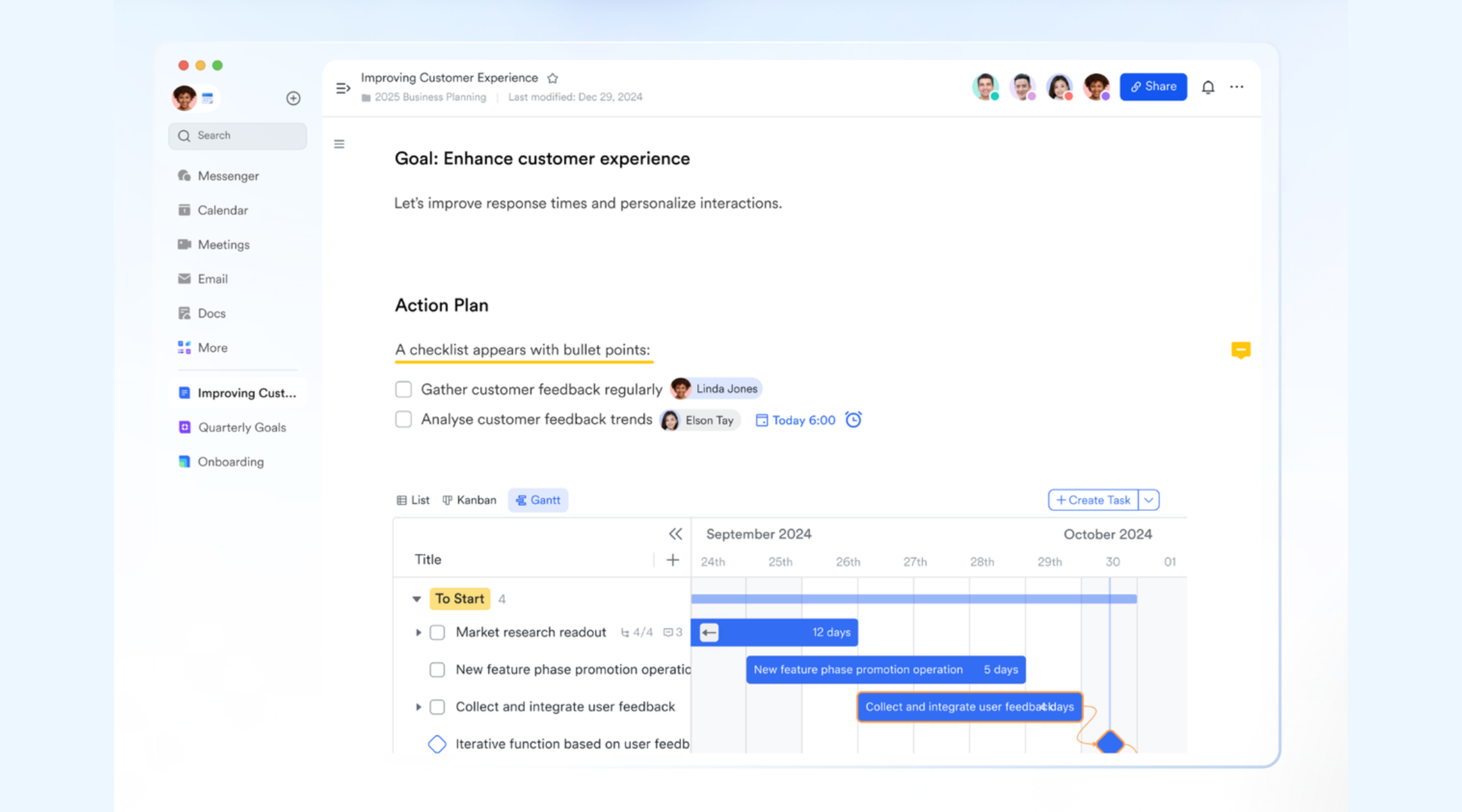
Real-time co-editing for collaborative charter creation
enables teams to draft and refine project charters together in real time, ensuring alignment from the very first version. Multiple contributors, project managers, stakeholders, and sponsors can edit simultaneously, add comments, tag teammates with @mentions, and resolve questions instantly. This eliminates version conflicts and long , making the charter creation process faster and more transparent.
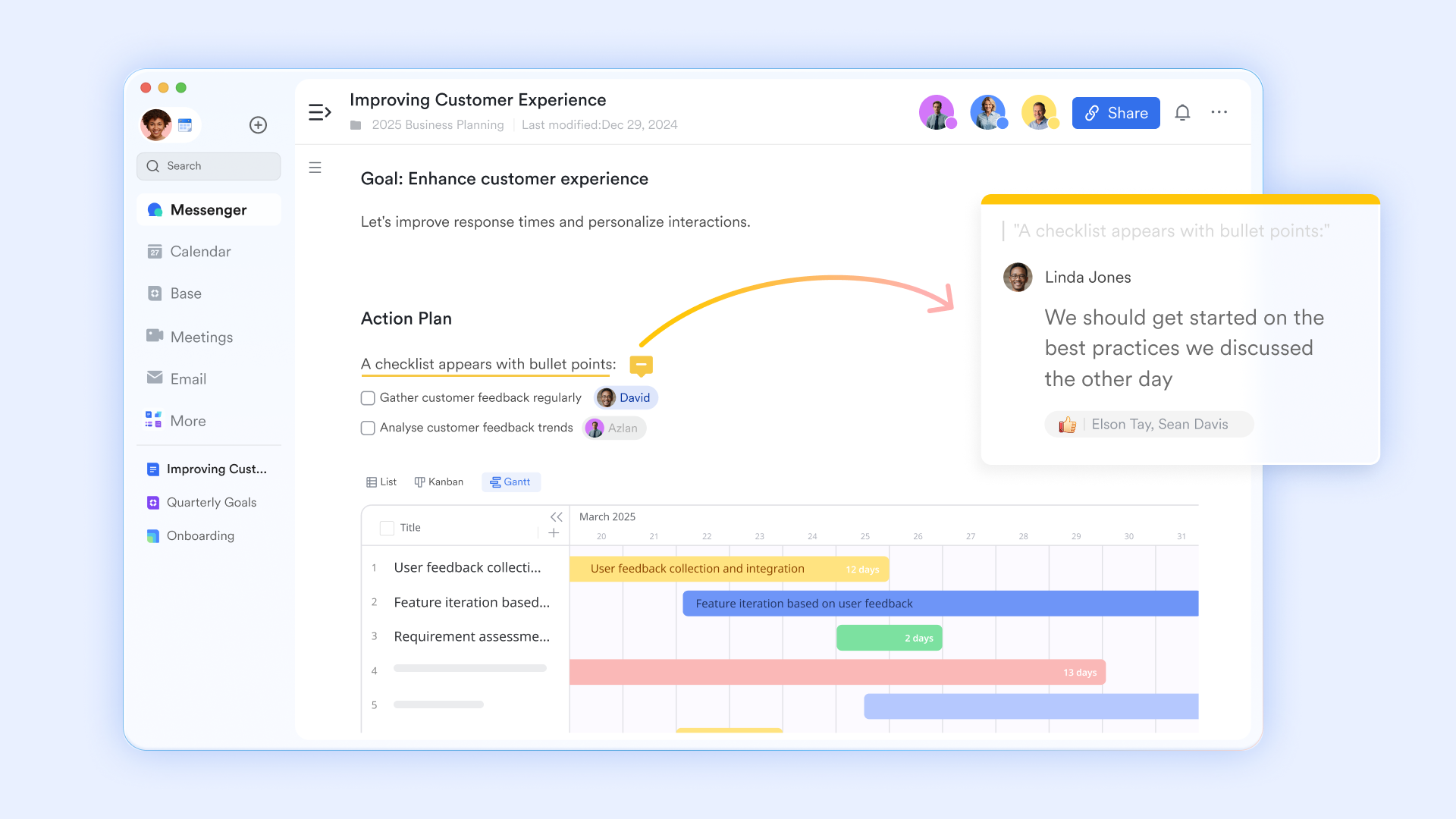
Rich chapter design by inserting different contents
Lark Docs helps structure project chapters by leveraging flexible blocks and deep . For example, it allows you to insert for visually outlining project hierarchies. Chapters are enriched with dynamic, actionable content by embedding data summary sheets and inserting or umL diagrams to document processes. Additionally, you can embed minute videos and create tasks directly within the document, transforming it into a comprehensive, interactive project hub.
Multiple add-ons for structured documentation
organizes project chapters by enhancing structure and visual data through its add-ons. The crucial table of contents add-on automatically generates an outline from document headings, ensuring effortless navigation between different project sections. Furthermore, the timeline add-on aids in visualizing project milestones and phases, while the mermaid add-on allows for the easy insertion of complex flowcharts and diagrams , making technical chapters and process documentation clear and visual. 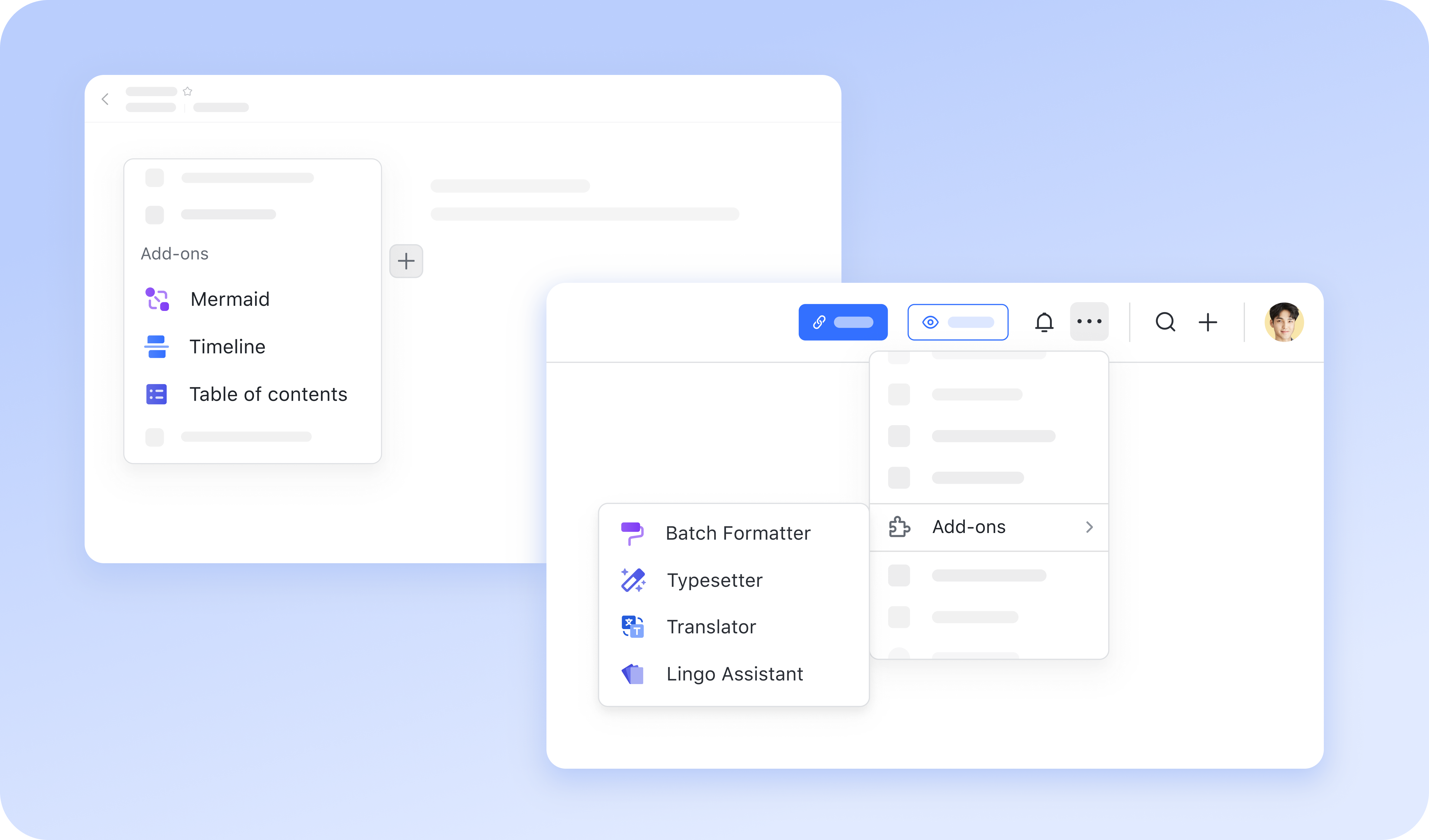
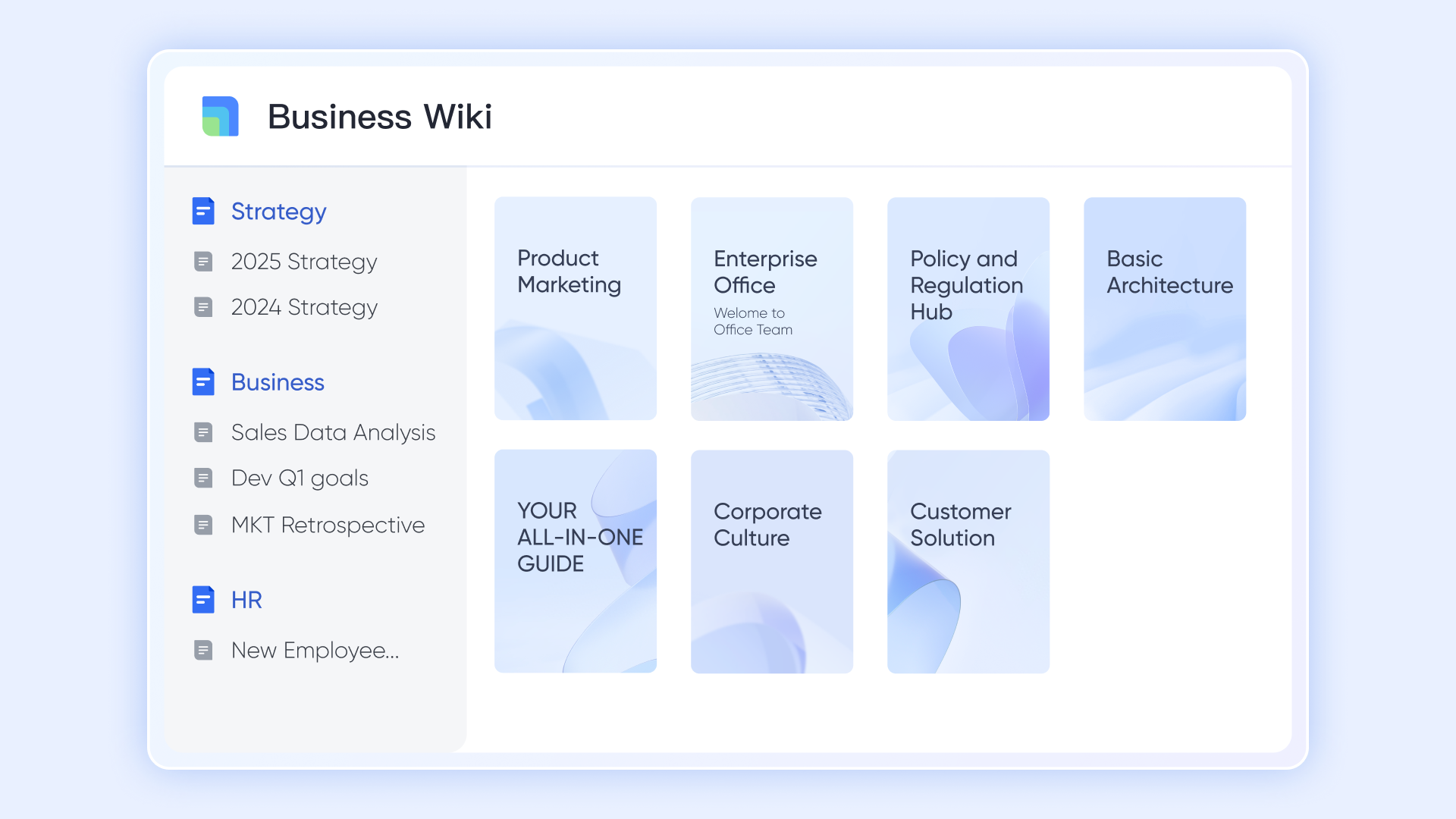
Centralized charter storage and knowledge access
provides a centralized, hierarchical space to store all project charters, ensuring organization-wide visibility and easy access. Teams can publish finalized charters into Wiki categories such as by department, program, or project type so stakeholders always know where to find approved documentation. Each Wiki page maintains a clear revision history and supports permission settings to control visibility and editing rights.
Version history, ownership transfer, and controlled permissions
Project charters often undergo iterations, and Lark supports this through detailed version history logs that allow teams to compare edits or revert to earlier drafts. Document owners can transfer ownership when project responsibility shifts, ensuring continuity. Permissions in both Docs and Wiki allow granular control over who can view, comment, or edit the charter. This protects sensitive information while keeping stakeholders informed. How Lark supports project management
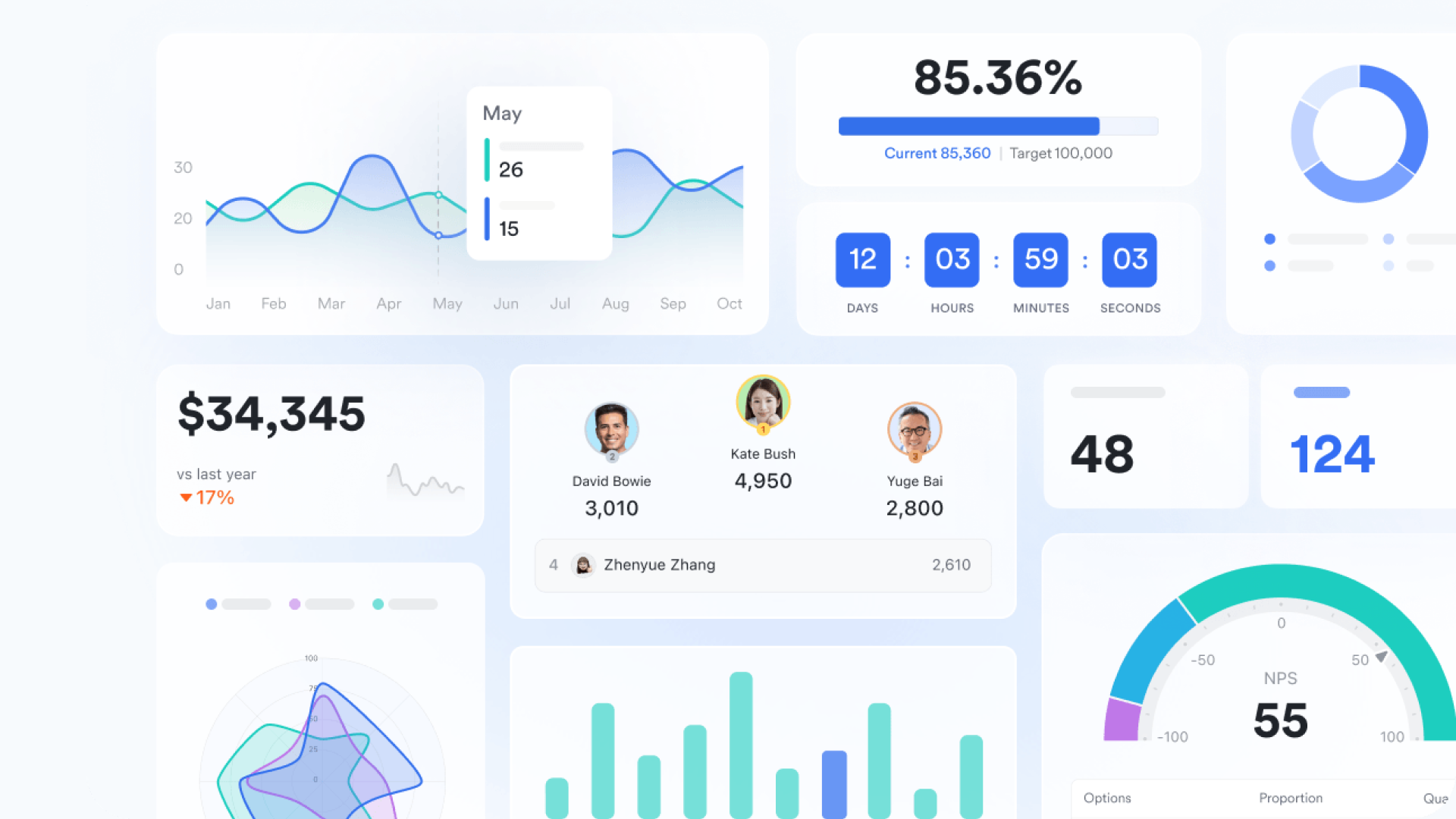
for structured project data: This connects relational databases, dashboards and deliverables so project activities remain aligned with documented information and support effective tracking across teams. It enhances visibility and helps contributors understand dependencies more clearly while offering a more scalable data framework.
Lark Tasks to convert milestones into actionable items: This allows users to transform charter commitments into assignable tasks that carry deadlines and priorities so execution remains continuous and predictable. It reduces oversight by ensuring teams follow through on goals outlined in the document and offering structured coordination. 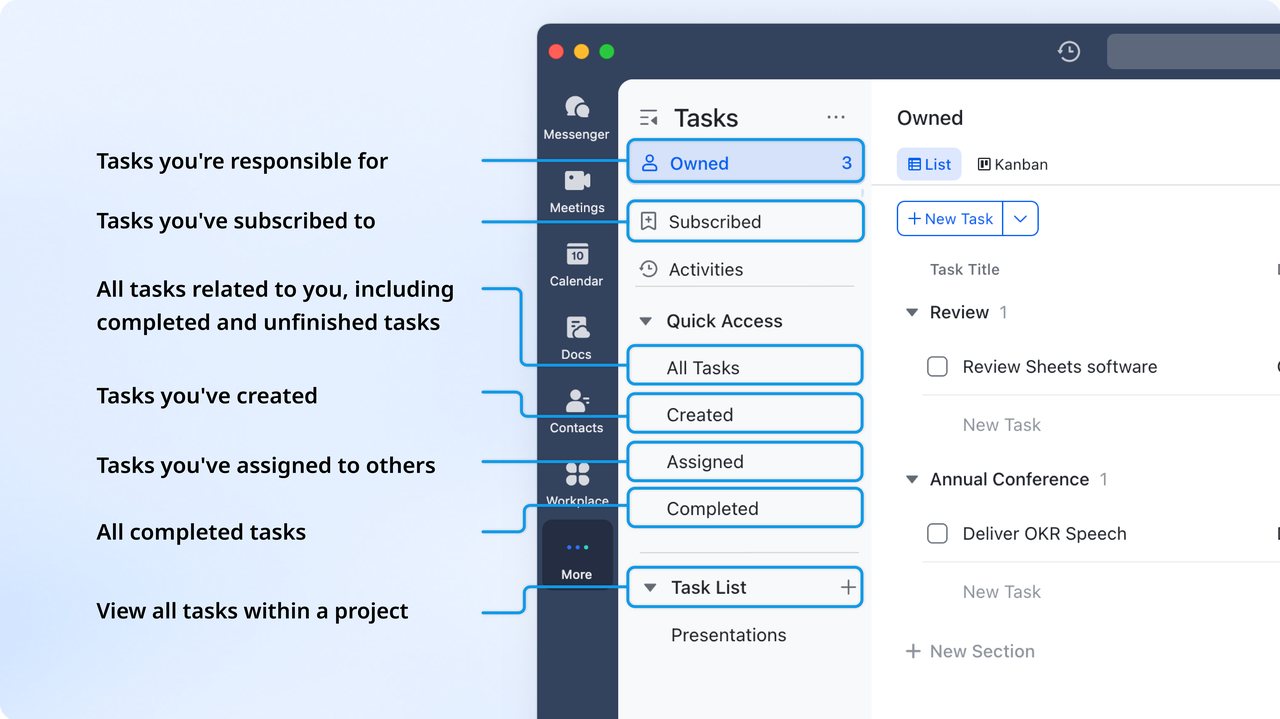
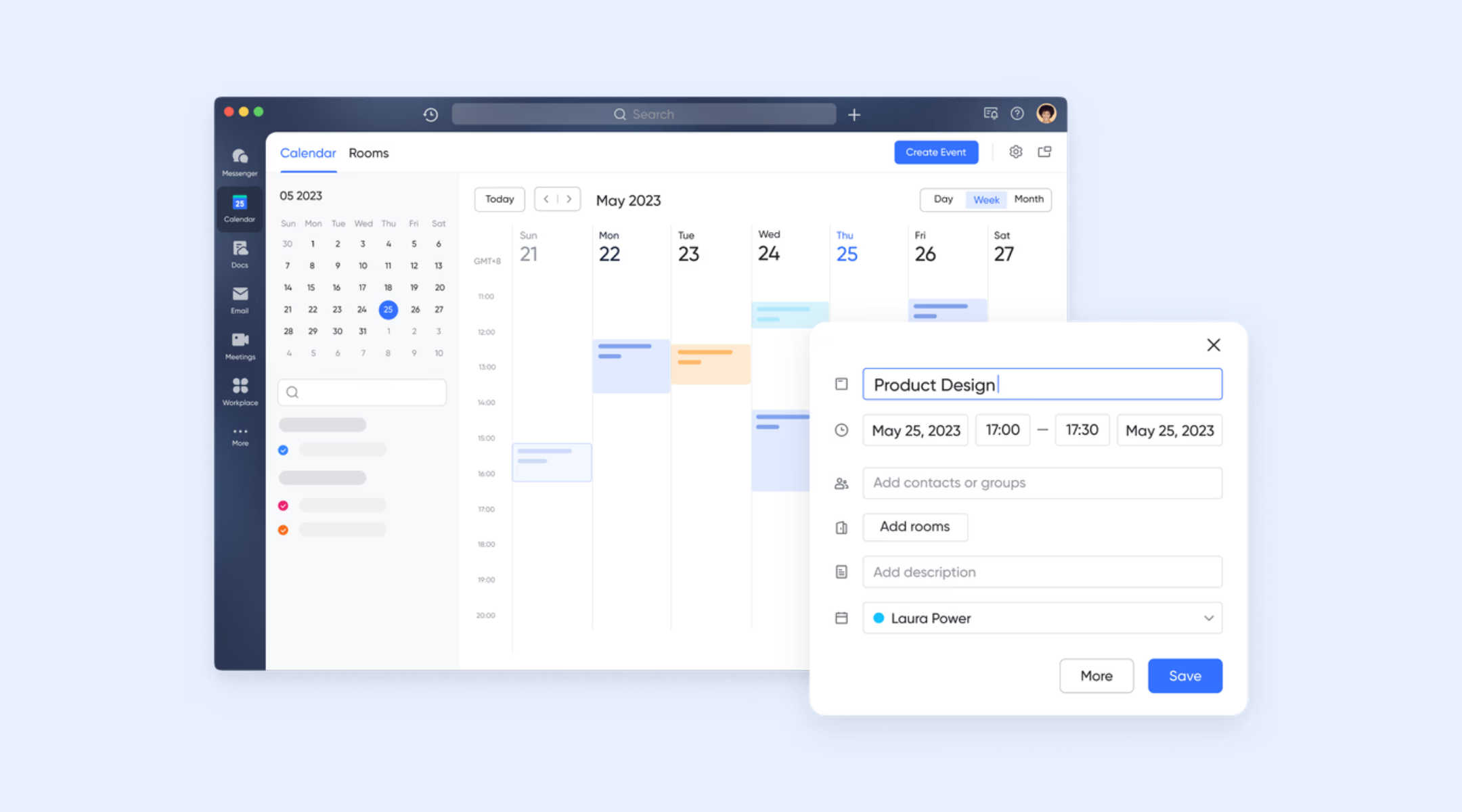
for scheduling key events: This supports planning by helping teams establish kickoff meetings, milestone reviews and risk evaluations that align with charter expectations. It improves coordination by offering visibility into timelines across departments so contributors stay informed about important dates.
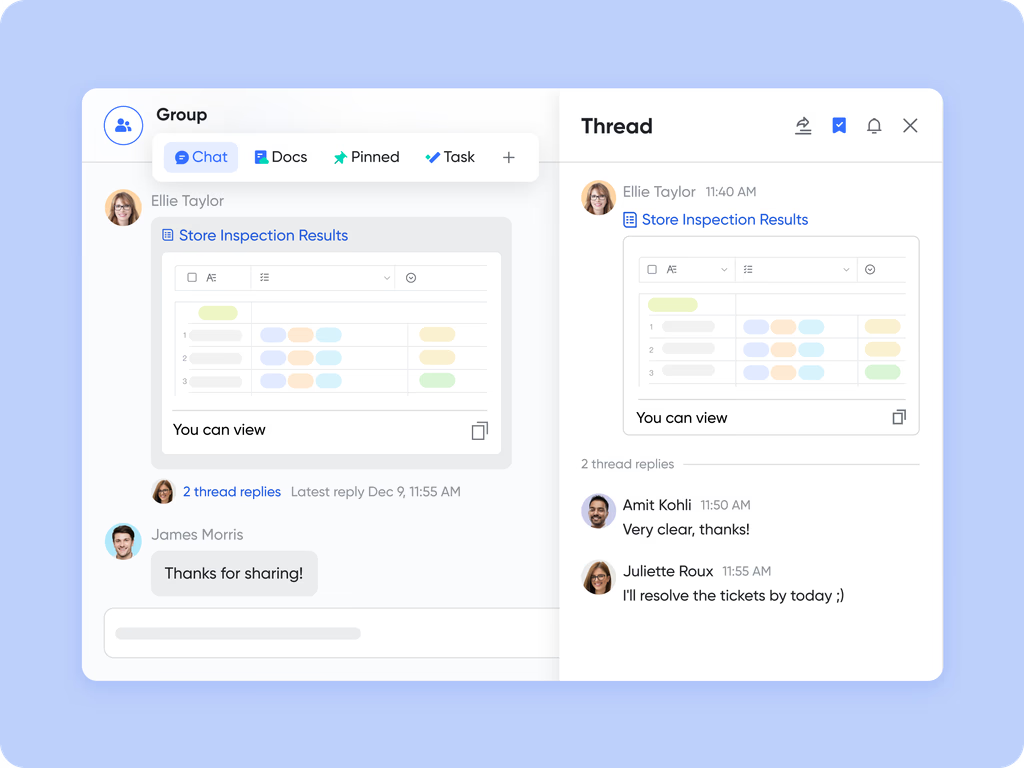
for contextual communication: This replaces fragmented conversations by allowing teams to discuss relevant topics directly connected to the charter or associated tasks. It encourages clarity by ensuring messages stay tied to the right content and reduces time spent searching for information scattered across channels.
:
- Starter plan: Free forever plan that includes 11 powerful tools for up to 20 users. It also comes with 100GB of storage, 1000 automation runs, AI translations, and more.
- Pro plan: $12/user/month (billed annually) for up to 500 users. It includes everything in Starter plus group calling for up to 500 attendees, 15TB of storage, 50,000 automation runs, and more.
- Enterprise plan: for custom pricing. Supports unlimited users and includes even more automation runs and advanced security, compliance, and management features.
For small teams with simple communication needs

18 months message history
1000 Base automation runs/month
2000 rows per table in Base
Most POPULAR
For companies with comprehensive collaboration and management needs
Unlimited message history
500-participant video meetings
50k Base automation runs/month
20k rows per table in Base
For large companies with advanced security and organizational management needs
Get a personalized demo and pricing
Unlimited message history
500-participant video meetings
15 TB storage + 30 GB storage/user
500k Base automation runs/month
50k Base automation runs/month
Most POPULAR
For companies with comprehensive collaboration and management needs
Unlimited message history
500-participant video meetings
50k Base automation runs/month
20k rows per table in Base
Best practices for writing an effective project charter
A well-written project charter helps teams begin with clarity, structure and shared expectations. It guides early decision-making by outlining goals, roles and constraints in a consistent way. Strong charters reduce confusion during execution and improve alignment across teams. These best practices help project managers create documents that support smoother planning and more reliable outcomes.
- Keep objectives measurable and realistic: This helps teams avoid ambiguous interpretations and ensures contributors focus on delivering outcomes that can be evaluated meaningfully across stages. It also provides clarity for sponsors who need confidence when assessing progress and reviewing deliverables. Clear metrics ensure project direction remains consistent despite unforeseen challenges.
- Document both inclusions and exclusions to protect scope: This prevents misunderstandings that could lead to added work or delayed and helps contributors focus on the essential deliverables that matter most. It encourages transparency when discussing proposed changes, offering a foundation for evaluating whether adjustments support overall strategy. This improves stability during execution.
- Use clear role definitions to avoid overlap: This provides clarity about responsibilities so teams understand how tasks are distributed and helps prevent duplication of work or gaps in ownership. It encourages more efficient collaboration by clarifying accountability. This fosters trust and reliable coordination across teams.
- Keep language simple and avoid jargon: This allows stakeholders from different departments to interpret information consistently, reducing confusion that could slow decision-making. It ensures the document remains accessible to both new contributors and experienced participants. Clear language strengthens alignment during planning and execution.
- Share widely and revisit periodically: This increases visibility so teams remain aware of expectations and progress, especially when conditions evolve or adjustments become necessary. It ensures contributors revisit important decisions with updated perspectives and maintain alignment with goals. Regular review helps teams remain proactive.
- Store charters in a workspace that supports documentation and execution: This improves accessibility and ensures that content remains connected to daily activities, offering structure that supports . It strengthens collaboration by ensuring information lives alongside tasks and communication. This provides a more intuitive project environment.
Conclusion
A project charter serves as the foundation for every successful project by providing clarity, alignment, and authority before detailed planning begins. It outlines goals, responsibilities, constraints, and expectations so teams understand what they are working toward and why the work matters. A strong charter reduces risk by preventing misunderstandings and offers a consistent reference throughout execution.
As continue to evolve, digital platforms create opportunities for teams to refine charters with more transparency and efficiency. gradually enhances this process by offering real-time co-editing, structured templates, unified workflows, and version control that keeps documentation aligned with evolving project needs. This helps organizations move from planning to delivery with confidence and clarity.
Turn the complex project into streamlined workflows
FAQs
How does a project charter differ from a project plan?
A defines the purpose, scope, and authority of the project, while a project plan describes how the work will be executed through detailed tasks, schedules and resource allocations. The charter comes first because it sets the direction and authorizes the work. Teams often rely on collaborative platforms like Lark to manage both documents while maintaining alignment.
Should teams update a project charter during execution, and how often?
Teams should update a charter only when major decisions, risks or objectives change significantly enough to influence execution or outcomes. Updates typically occur during milestone reviews or when leadership guidance shifts. Adjustments should be deliberate and well documented.
What tools help automate project charter approval workflows?
Many teams use integrated platforms that route documents for review, notify stakeholders and track decision status automatically. These tools streamline approvals and reduce delays associated with manual coordination. Lark supports automated workflows that ensure comments, approvals and permissions flow smoothly through the organization.
How detailed should the scope section be in an enterprise charter?
The scope section should clearly describe what the project will deliver and what it will not include, offering enough detail to avoid misunderstandings while keeping the document concise. Enterprise teams benefit from using structured templates that ensure completeness without overcomplicating information.
How can a project charter improve communication across distributed teams?
A project charter provides a shared reference that unifies understanding across contributors who may work in different locations or time zones. It clarifies goals, responsibilities and expectations so communication remains structured and predictable. When stored in a collaborative environment like Lark, the charter becomes accessible to all participants, helping teams stay aligned and reducing confusion caused by fragmented .
Related reading