Agile using Scrum has become one of the most widely adopted ways for teams to deliver work in fast-changing environments. As projects grow more complex and requirements shift frequently, traditional linear planning often struggles to keep pace. Agile provides the flexibility teams need to respond to change, while Scrum adds a structured framework that turns adaptability into consistent execution.
Many organizations explore Agile methodology using Scrum because it balances discipline with continuous learning. Teams work in short iterations, gather feedback early, and improve incrementally rather than relying on long planning cycles. This guide explains Agile using Scrum with practical examples, roles, events, and best practices. It also looks at how modern teams apply Agile development using Scrum beyond software, including marketing, operations, and product teams. Let's dive in now.
Key takeaways
1. Agile using Scrum means practicing Agile principles through the Scrum framework
2. Scrum and Agile development are related but not interchangeable
3. Scrum events create rhythm and accountability in Agile teams
4. Agile project management using Scrum methodology supports predictable delivery
5. Modern tools help teams operate in the Scrum framework and in an Agile environment
What is Agile methodology using Scrum?
Agile methodology using Scrum refers to applying Agile principles through the Agile itself is a mindset focused on adaptability, collaboration, and continuous improvement. Scrum provides a concrete way to practice that mindset through defined roles, events, and artefacts.
In Agile development using Scrum, work is delivered in short cycles called sprints. Teams commit to a small set of goals, deliver working outcomes, and then review results. This allows teams to respond quickly to change without losing focus.
Scrum and work together because Scrum turns abstract Agile values into daily behaviour. Instead of long upfront planning, teams inspect progress frequently. Agile using Scrum emphasises learning through delivery rather than prediction. This makes it suitable for environments where priorities evolve, and certainty is limited.
Understanding the difference: Agile vs. Scrum
Agile and Scrum are closely related, but they are not interchangeable. Agile sets the philosophy for how teams think and behave, while Scrum provides a practical framework for putting that philosophy into action. Understanding this distinction helps teams avoid rigid execution and get more value from both approaches.
High-level comparison of
Agile is a set of values and principles that emphasize adaptability, collaboration, customer value, and continuous improvement. It does not prescribe specific roles, meetings, or artifacts. Scrum, on the other hand, is a structured framework designed to help teams apply Agile principles in a consistent way.
Scrum introduces defined roles, time-boxed events, and clear deliverables, making Agile easier to operationalize. In short, Agile defines the mindset, while Scrum defines the structure teams can use to support that mindset.
When teams misunderstand Agile as Scrum
A common mistake is assuming that following Scrum ceremonies automatically makes a team Agile. Teams may run stand-ups, sprints, and retrospectives, yet still resist change or ignore feedback. This results in mechanical execution without learning.
Agile focuses on outcomes, improvement, and responsiveness. Scrum is only effective when teams use it to reinforce Agile principles, not as a rigid checklist. When process compliance matters more than results, agility is lost.
Why organizations adopt Scrum within Agile instead of choosing one
Organizations adopt Scrum because it provides clarity and repeatability. Scrum’s roles, events, and artifacts create shared expectations and reduce ambiguity, especially for teams new to Agile ways of working.
By using Scrum within an Agile mindset, teams gain enough structure to stay aligned while retaining flexibility to adapt. This balance helps organizations scale delivery without sacrificing responsiveness or continuous improvement.
4 core Scrum events that drive Agile delivery
Scrum events form the backbone of Agile project management using Scrum methodology. Each event has a clear purpose and supports transparency, inspection, and adaptation.
- Sprint planning: The defines what the team will deliver in the upcoming sprint. Teams select work from the backlog based on capacity and priorities. Goals are clarified, so everyone understands what success looks like. This creates alignment without locking teams into rigid plans. It sets a realistic and shared direction for the sprint.
- Daily Scrum: The daily Scrum is a short, focused meeting for team synchronization. Team members share progress, surface blockers, and adjust plans as needed. It promotes accountability and early problem detection. Rather than reporting status, the focus stays on collaboration. This keeps work moving smoothly throughout the sprint.
- Sprint review: A Sprint review focuses on inspecting the outcome of the sprint. Teams demonstrate completed work and gather feedback from stakeholders. This helps validate assumptions and identify improvement opportunities. Feedback informs future backlog priorities. Learning is built directly into delivery.
- Sprint retrospective: A Sprint retrospective allows teams to reflect on how they worked together. Teams discuss what went well, what did not, and what can be improved. Action items are identified for the next sprint. This reinforces continuous improvement. Retrospectives strengthen .
Begin your practices with a reliable tool today
Benefits of using Agile Scrum methodology
Using Agile Scrum methodology delivers consistent benefits when teams apply it with the right mindset and discipline. These benefits extend beyond speed to include quality, alignment, and resilience.
- Faster feedback and adaptability: Short, time-boxed sprints allow teams to test ideas, features, or assumptions quickly. Instead of waiting months to validate work, teams receive feedback at the end of each sprint. This early feedback reduces wasted effort and lowers risk by revealing problems while they are still easy to fix. Over time, adaptability becomes part of daily work rather than an exception triggered by crises.
- Improved team alignment: Scrum creates alignment through clearly defined roles, , and regular events such as planning, reviews, and retrospectives. Everyone understands what the team is working on and why it matters. Misunderstandings are surfaced early through frequent communication. As alignment improves, teams collaborate more effectively across roles and deliver higher-quality outcomes.
- Predictable delivery without rigid planning: using Scrum methodology introduces a steady delivery rhythm. Teams commit only to work they can realistically complete within a sprint, improving reliability. Progress is visible and measurable at regular intervals, which builds trust with stakeholders. This predictability does not rely on heavy documentation or long-term forecasts, allowing teams to remain flexible as priorities evolve.
- Higher product quality through continuous improvement: Quality improves as testing, review, and reflection are built into the process. Each encourages teams to inspect both the product and their way of working. Issues are addressed incrementally rather than accumulating over time. This continuous improvement mindset reduces technical debt and raises overall delivery standards.
- Greater transparency and stakeholder confidence: Scrum makes work visible through backlogs, sprint goals, and reviews. Stakeholders can see what is being delivered, what is in progress, and what challenges exist. This transparency reduces surprises and builds confidence. Instead of relying on status reports, stakeholders gain real insight through working results and open discussions.
Deliver your projects via smooth teamwork today
Why Lark is a favoured option for Agile using Scrum
Modern Agile teams need more than boards and meetings. They need shared visibility, , and lightweight coordination. This is where platforms like Lark support Agile using Scrum in practice. , one of the most robust , allows teams to manage sprint planning, daily coordination, and retrospectives within one workspace. Instead of switching between tools, teams connect discussions, tasks, and documentation in context. This supports Scrum and Agile development without adding process overhead.
Highly customizable project management hub
gives Scrum teams the flexibility to design workflows that match how they actually work. Teams can use a Kanban-style board for sprint execution, switch to Grid view for backlog grooming, or use Gantt-style views for longer-term release planning. Custom fields allow tracking of story points, priorities, owners, and statuses. Colour-coded tags and filters improve visibility across sprints and backlogs. 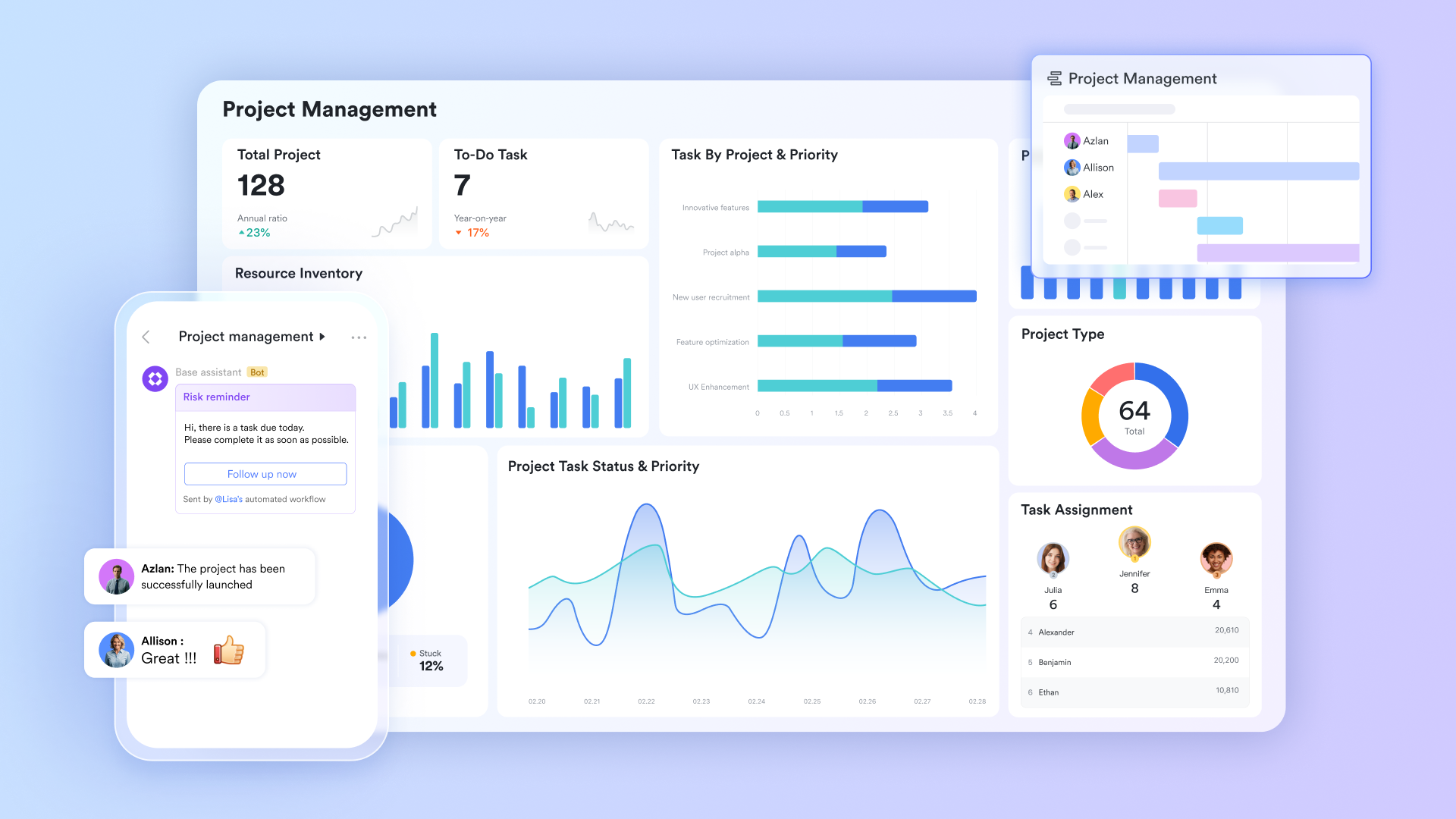
Built-in workflow automation
Lark supports no-code automation that reduces repetitive Scrum tasks across the workflow. Teams can trigger notifications when work moves between stages, assign reviewers automatically, or update statuses based on predefined rules. With conditional branches like "IF/ELSE," "Loop," and "Switch," these keep daily routines processing smoothly. 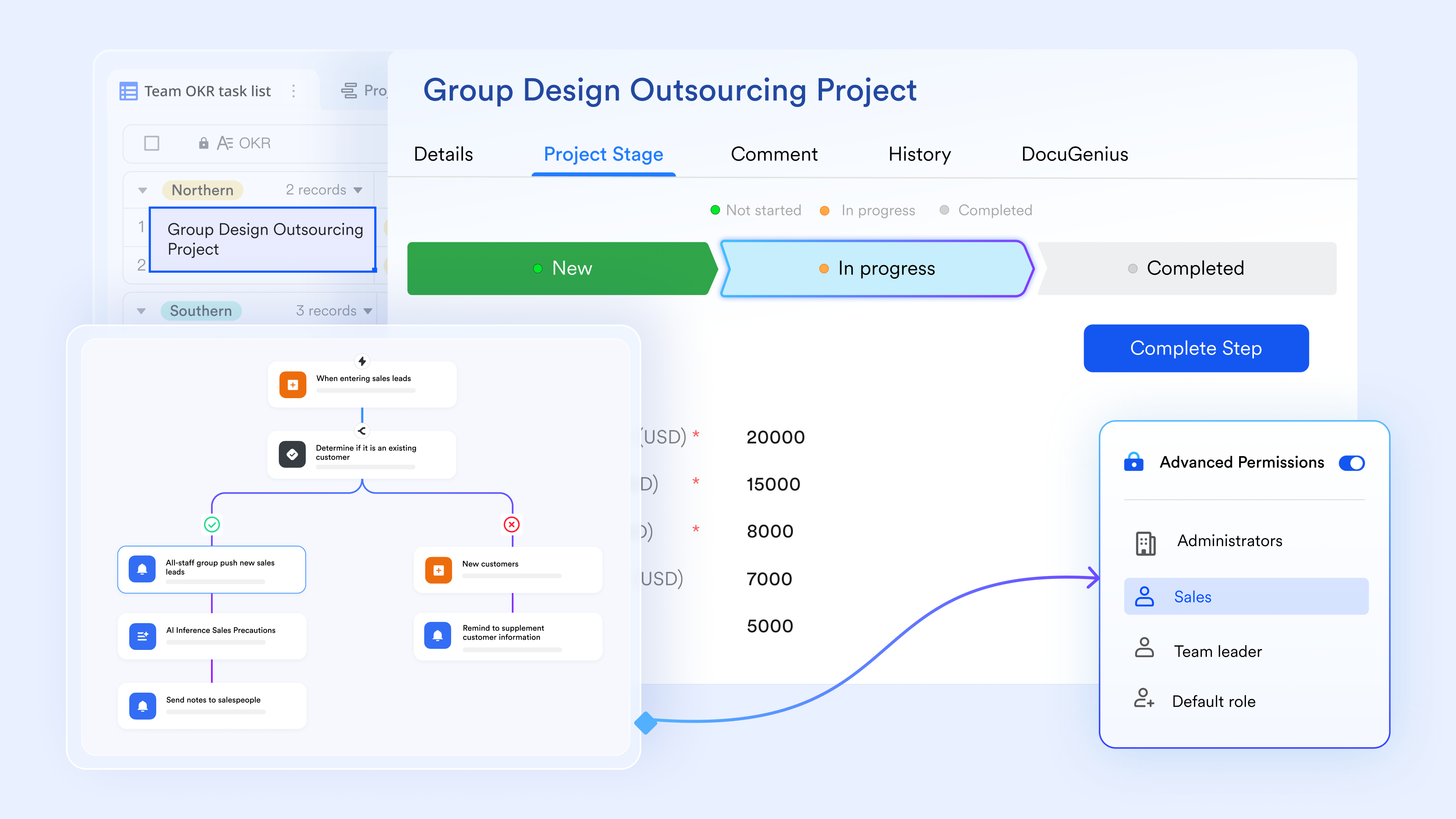
OKR tracking and goal alignment
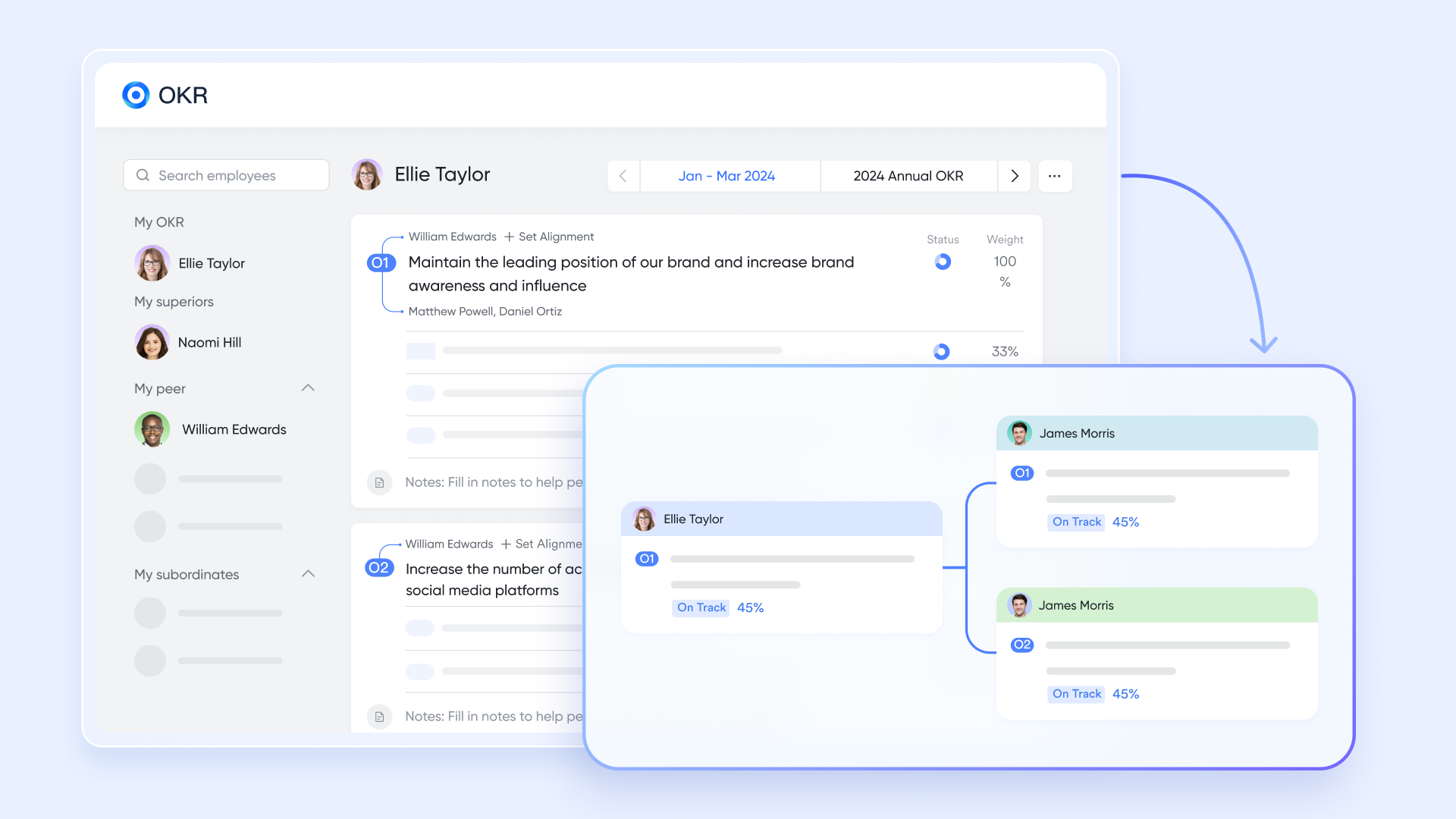
allows teams to connect sprint goals and individual tasks directly to higher-level objectives and key results. This helps team members clearly understand how daily sprint work contributes to broader organizational goals. Visibility into OKR alignment improves prioritization during . Progress tracking becomes clearer for both teams and leaders, reinforcing accountability in Agile using Scrum environments.
A unified ecosystem for team collaboration
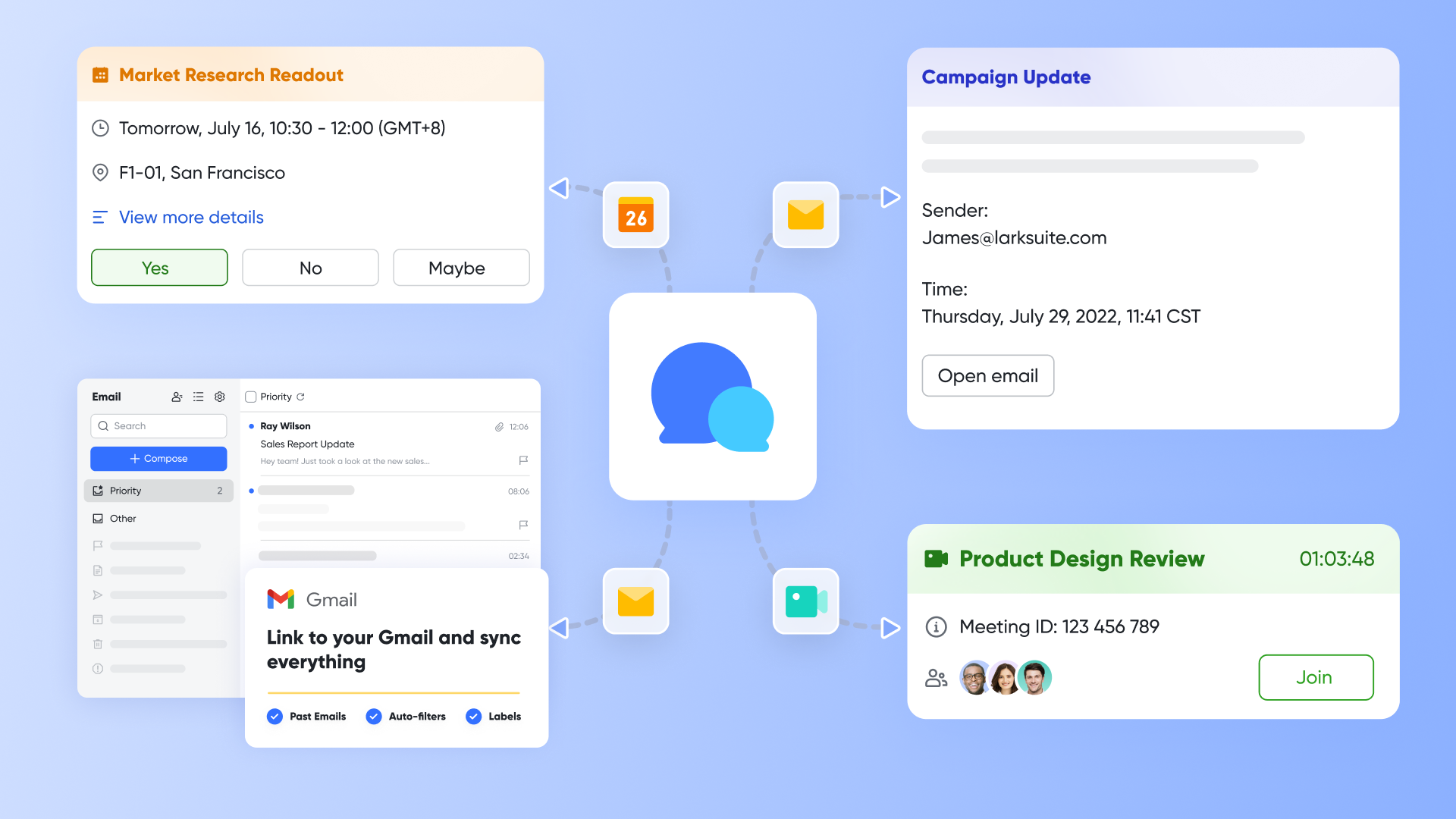
Lark's unified workspace brings all Scrum activities into a single, connected environment. Teams can run daily Scrum meetings using , share a live Scrum board from Lark Base, and discuss blockers in a dedicated chat without switching tools. Sprint notes and decisions captured in can be linked directly to tasks, keeping context intact. This reduces friction caused by fragmented tools and helps teams focus on delivery rather than coordination.
:
- Starter plan: Free forever plan that includes 11 powerful tools for up to 20 users. It also comes with 100GB of storage, 1000 automation runs, AI translations, and more.
- Pro plan: $12/user/month (billed annually) for up to 500 users. It includes everything in Starter plus group calling for up to 500 attendees, 15TB of storage, 50,000 automation runs, and more.
- Enterprise plan: for custom pricing. Supports unlimited users and includes even more automation runs and advanced security, compliance, and management features.
For small teams with simple communication needs

18 months message history
1000 Base automation runs/month
2000 rows per table in Base
Most POPULAR
For companies with comprehensive collaboration and management needs
Unlimited message history
500-participant video meetings
50k Base automation runs/month
20k rows per table in Base
For large companies with advanced security and organizational management needs
Get a personalized demo and pricing
Unlimited message history
500-participant video meetings
15 TB storage + 30 GB storage/user
500k Base automation runs/month
50k Base automation runs/month
Most POPULAR
For companies with comprehensive collaboration and management needs
Unlimited message history
500-participant video meetings
50k Base automation runs/month
20k rows per table in Base
Best practices to explain Agile methodology using Scrum to new teams
Helping teams understand Agile using Scrum requires more than explaining ceremonies and roles. New teams need clarity on why Agile exists and how Scrum supports that purpose in daily work. A thoughtful introduction builds confidence, reduces resistance, and encourages long-term adoption.
- Start with principles before processes: Teams should first understand the core Agile values such as adaptability, collaboration, and continuous learning. This creates context for why Scrum events exist in the first place. When principles are clear, ceremonies feel purposeful rather than mandatory. Teams are more likely to embrace change. Resistance decreases because the focus shifts from rules to outcomes.
- Keep ceremonies lightweight and focused: Scrum events should enable progress rather than interrupt work. Time-boxed meetings help teams stay disciplined without over-discussion. Each ceremony should have a clear objective and outcome. Removing unnecessary formalities keeps energy high. Teams remain focused on delivery rather than process overhead.
- Encourage continuous improvement: Retrospectives should be treated as problem-solving sessions, not routine check-ins. Teams identify specific actions and test improvements sprint by sprint. Learning becomes part of everyday work instead of an occasional activity. Small improvements compound over time. This strengthens .
- Measure outcomes, not activity: Teams should evaluate success based on value delivered rather than the number of tasks completed. Metrics are used to guide learning and improvement, not to control behaviour. This shifts attention toward impact and customer outcomes. Motivation improves when teams see meaningful results. Transparency increases trust.
Common challenges in Agile using Scrum
Even experienced teams encounter obstacles when working in an Agile environment using Scrum. These challenges usually stem from misunderstanding principles or applying Scrum mechanically. Addressing them early helps teams maintain momentum and maturity.
- Poor backlog refinement: Teams struggle when backlog items lack clarity or shared understanding. Regular refinement sessions help break work into manageable pieces. with product owners improves alignment. Clear acceptance criteria reduce rework. Planning becomes smoother, and sprint goals are more achievable.
- Overloaded sprints: Teams often overcommit in an effort to deliver more. This leads to unfinished work and reduced quality. Capacity-based planning helps teams set realistic commitments. Sustainable pace protects morale and quality. Predictability improves as teams learn their true capacity over time.
- Treating Scrum as a checklist: When teams focus on completing ceremonies instead of learning, agility suffers. Scrum becomes a mechanical routine rather than a framework for improvement. Shifting focus back to outcomes restores flexibility. Teams adapt practices to fit their context. Engagement and ownership increase.
- Resistance to cultural change: Agile adoption often challenges existing habits and hierarchies. Teams may resist new ways of working due to uncertainty. Visible leadership support helps create psychological safety. Coaching reinforces learning and trust. Gradually, change becomes manageable and accepted.
Conclusion
Agile using Scrum is not about rigid frameworks or perfect execution. It is about creating a system that helps teams learn, adapt, and deliver value continuously. When Scrum and Agile development work together, teams gain clarity without losing flexibility.
Many teams adopt using Scrum to improve delivery speed and responsiveness. Over time, they refine practices, tools, and collaboration habits. Platforms like support this evolution by connecting planning, execution, and communication in one place. The most successful teams treat Scrum as a learning framework and focus on improving outcomes with every sprint.
Plan, track, and collaborate in Lark today
FAQs
Can Agile using Scrum work for non-software teams like marketing or operations?
Yes. Agile using Scrum works well for marketing, operations, HR, and other non-software teams. Sprints can be applied to campaigns, process improvements, or operational initiatives. The focus remains on incremental delivery and feedback. Teams often benefit even more when work visibility and coordination improve. Tools like Lark help non-technical teams manage sprints, discussions, and tasks in one shared workspace.
How long does it usually take for a team to become effective with Scrum?
Most teams start seeing positive changes within two to four sprints. Full effectiveness takes longer as teams learn how to plan realistically and collaborate better. Continuous improvement plays a major role in maturity. Supportive tools make this transition smoother. Platforms such as Lark help teams stay aligned as they refine their Scrum practices over time.
Is certification necessary to practice Agile development using Scrum?
Certification is not required to practice Agile development using . While training can provide a helpful foundation, real learning comes from applying principles in daily work. Teams improve through experimentation and reflection. Clear communication and shared understanding matter more than credentials. Lark supports this learning by keeping planning and collaboration transparent for everyone.
How does Agile Scrum methodology handle changing priorities mid-sprint?
Scrum protects sprint goals to maintain focus, but it does not ignore change. New priorities are reviewed and added to the backlog for future sprints. Urgent items are handled carefully to avoid disrupting the team. This balance keeps work stable while remaining adaptable. Tools like Lark help teams visualize changes without losing sprint clarity.
What metrics should teams track in Agile project management using Scrum methodology?
Teams typically track velocity, cycle time, and sprint goal completion. These metrics help teams understand capacity and improve planning accuracy. The goal is learning, not control. Metrics should guide discussion and improvement. Platforms such as Lark make it easier to review these insights alongside sprint tasks and discussions.
Related reading