














Customer Engagement: Meaning, Metrics & Top Tools to Use

Ryan Tanner
Product Marketing Specialist
Sep 18, 2026
Ryan Tanner
Sep 18, 2026

19 min read


Customer engagement defines how consistently a brand connects with its customers across every touchpoint. It is about more than responding to messages or resolving support tickets. True engagement means understanding customer needs, personalizing communication, and helping them achieve continuous value. In today's digital-first environment, customers expect speed, transparency, and care.
Below are eight customer engagement platforms that stand out for their unique strengths, use cases, and ability to create meaningful digital customer engagement experiences:
1. Lark: Engagement and execution in one workspace
2. Zendesk: Support-driven engagement
3. Intercom: In-product messaging at scale
4. HubSpot: Engagement plus marketing automation
5. Freshworks: Affordable engagement for SMBs
6. Twilio: Communication APIs for app-based engagement
7. Salesforce Service Cloud: Enterprise CX with complex setup
8. Kapta: Engagement for only the most strategic accounts

What is customer engagement?
Customer engagement is the continuous process of building and nurturing relationships between a business and its customers through purposeful, consistent interactions. It goes beyond simple communication or transactions to create experiences that make customers feel understood, valued, and supported. Effective engagement spans the entire customer journey from the first point of awareness and onboarding to retention, renewal, and advocacy. It involves listening to customer feedback, personalizing experiences, and delivering value at every touchpoint.
When engagement is strong, customers become active participants in the brand's growth rather than passive buyers. They share insights, promote the brand, and remain loyal even when alternatives exist. In today's digital environment, engagement is shaped by timely communication, transparency, and shared success. Whether through digital channels, community programs, or collaborative platforms like Lark, effective customer engagement ensures that every interaction contributes to stronger trust and long-term business growth.
What does real engagement look like across the customer journey?
Customer engagement isn't defined by a single action but by a series of moments that shape how customers perceive your brand. Each stage in the customer's journey from the first interaction to renewal offers a chance to strengthen trust and satisfaction. When engagement is managed consistently, every experience reinforces value and builds emotional connection. These moments collectively determine whether a customer simply uses your product or truly believes in your brand.
- First value unlocked → excitement
The first experience of value creates lasting impressions. When customers quickly see how your product or service solves their problem, excitement builds naturally. This initial success validates their choice and sparks curiosity to explore more features. It also sets the tone for proactive engagement, as customers start believing in the product's potential. Early excitement becomes the foundation for sustained trust and future advocacy.
- Support resolution → confidence
Challenges are inevitable, but how a brand responds defines the customer experience. When teams resolve issues promptly and communicate clearly, customers gain confidence in the company's reliability. Transparent, empathetic interactions show that their concerns matter. Consistency in handling issues not only solves immediate problems but also reassures customers that they are in capable hands. Confidence nurtured during support moments often translates into deeper brand loyalty.
- Expansion opportunity → loyalty
Once customers experience consistent value, they naturally look for ways to do more with your product or service. This stage represents the shift from satisfaction to loyalty. When engagement remains strong, customers trust that new offerings will meet their evolving needs. They become more open to upgrades, cross-sells, and renewals because they see tangible outcomes from their partnership. True loyalty grows when every expansion feels like a step forward in shared success.
Quick preview: 8 Best customer engagement platforms
8 Best customer engagement platforms you need to consider
1. Lark: Engagement and execution in one workspace
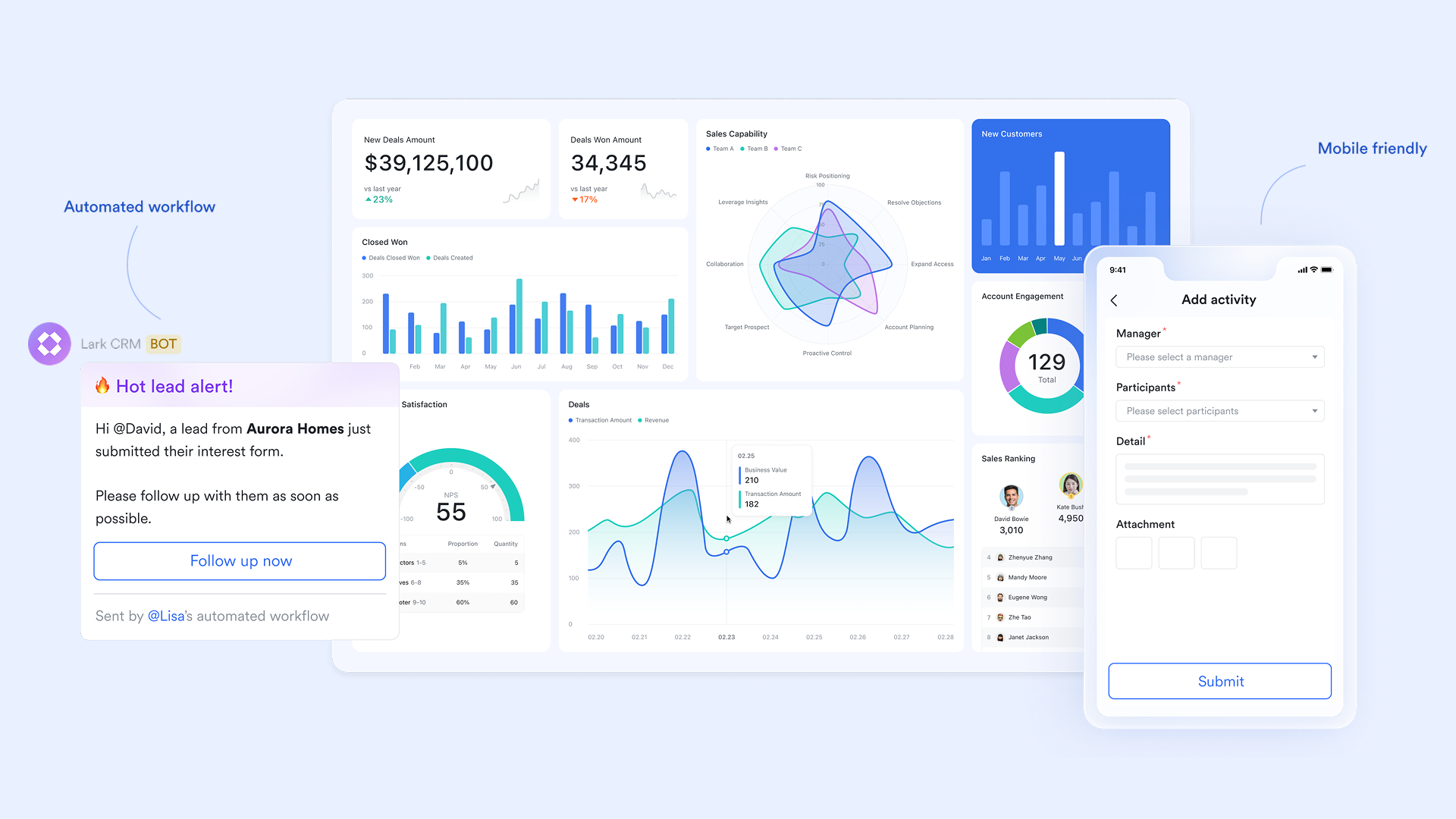
Customer engagement thrives when teams respond quickly, personalize every interaction, and follow through on commitments. Lark gives teams a connected environment to communicate, collaborate, and act, so customers always feel valued, understood, and supported. By unifying messaging, task management, and data in one workspace, Lark ensures every interaction is timely and relevant. Teams can track customer requests, automate follow-ups, and visualize engagement insights, turning feedback into actionable improvements.
- Lark Messenger channels: Always-on spaces for customer-focused teamwork
Customer engagement grows when teams communicate proactively, not only when an issue pops up. Lark Messenger channels give sales, success, and product teams a shared space to share usage insights, celebrate milestones, and discuss opportunities tied directly to each customer. Everyone stays in the loop without losing context in scattered chats across different tools. The result is faster alignment internally and customers feel the impact through quicker, more thoughtful engagement.
- Lark Meetings: Let customers shape the experience live
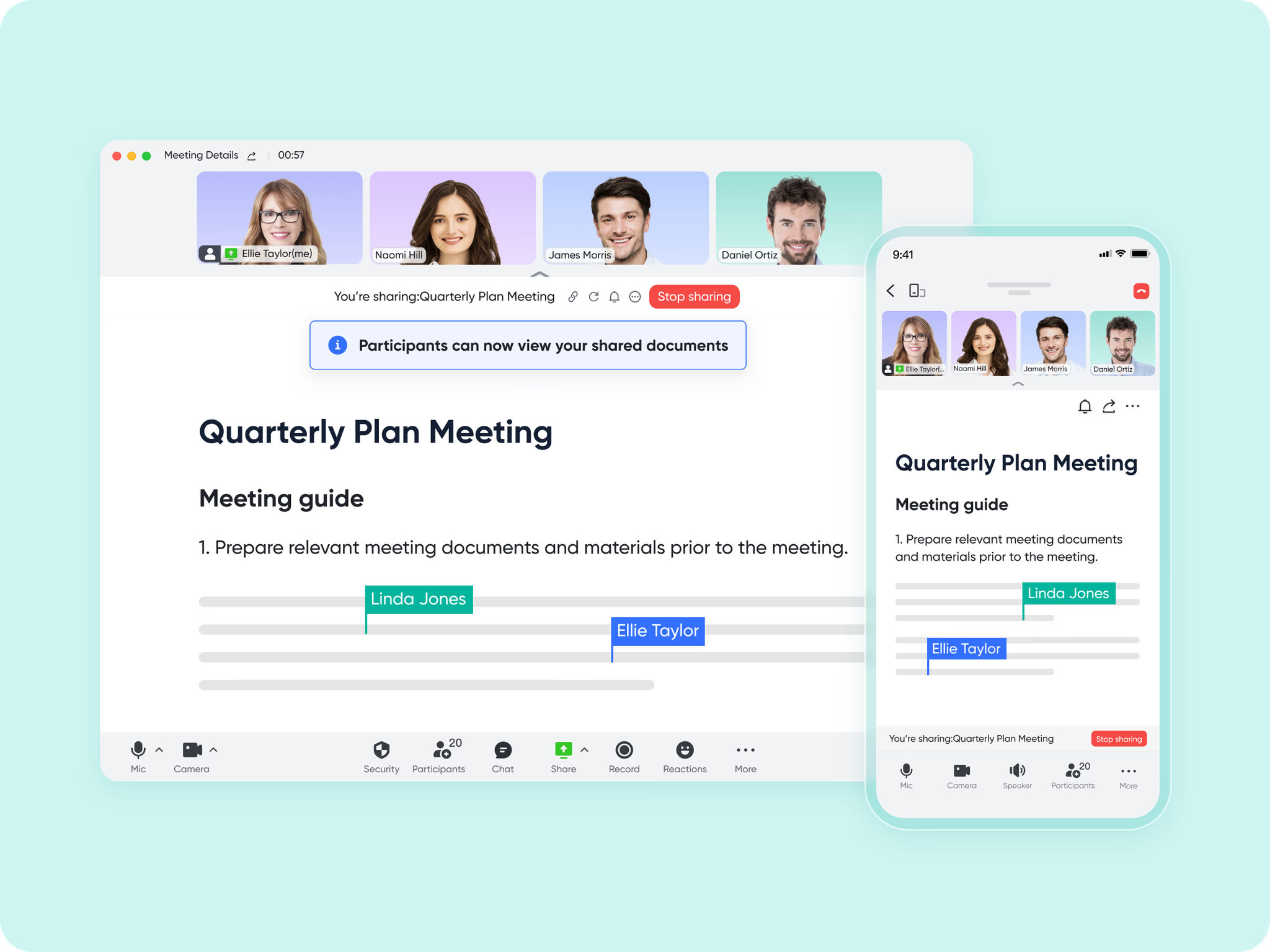
Customers feel truly engaged when their feedback creates real action in the moment. With Magic Share in Lark Meetings, teams can open customer dashboards, onboarding plans, or success playbooks directly inside a meeting and edit together in real time. No screen-share delays or "send the latest version later" customers witness improvements instantly. This transparency builds confidence and turns each meeting into a meaningful engagement milestone.
- Lark Forms: Gather feedback & improve satisfaction
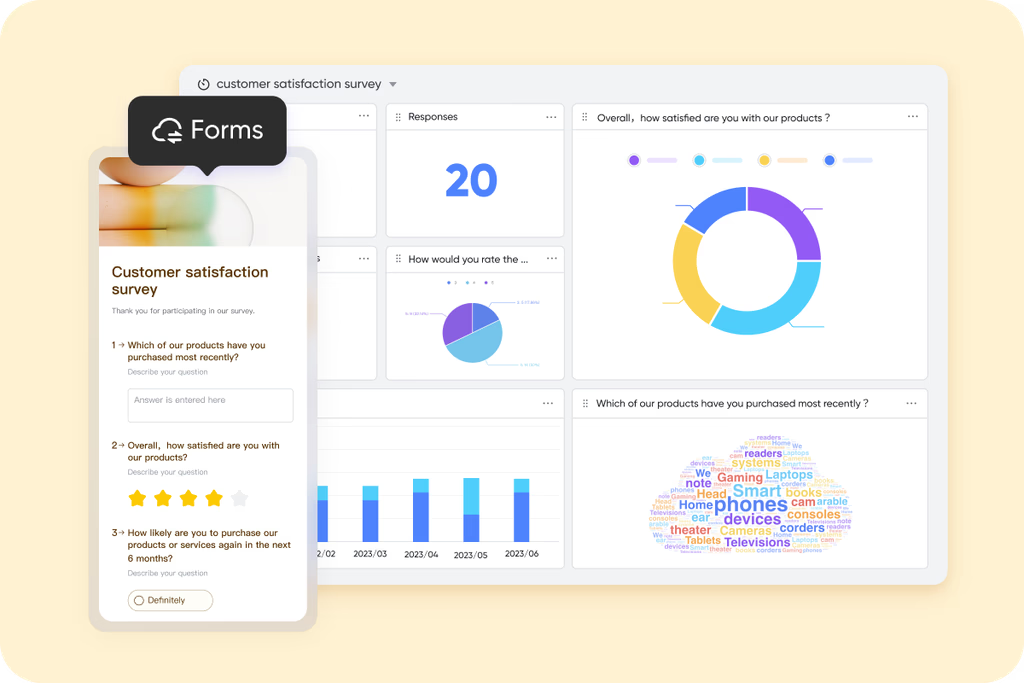
Lark Forms helps teams easily gather and act on customer feedback through customizable surveys, polls, and feedback forms shared via chat, links, or QR codes. Responses sync directly with Lark Base for instant analysis, enabling teams to visualize trends and identify improvement areas in real time. By simplifying collection, response, and action, Lark Forms turns feedback into an ongoing engagement tool that builds stronger customer relationships.
- Lark Mail: Keep customers included and informed
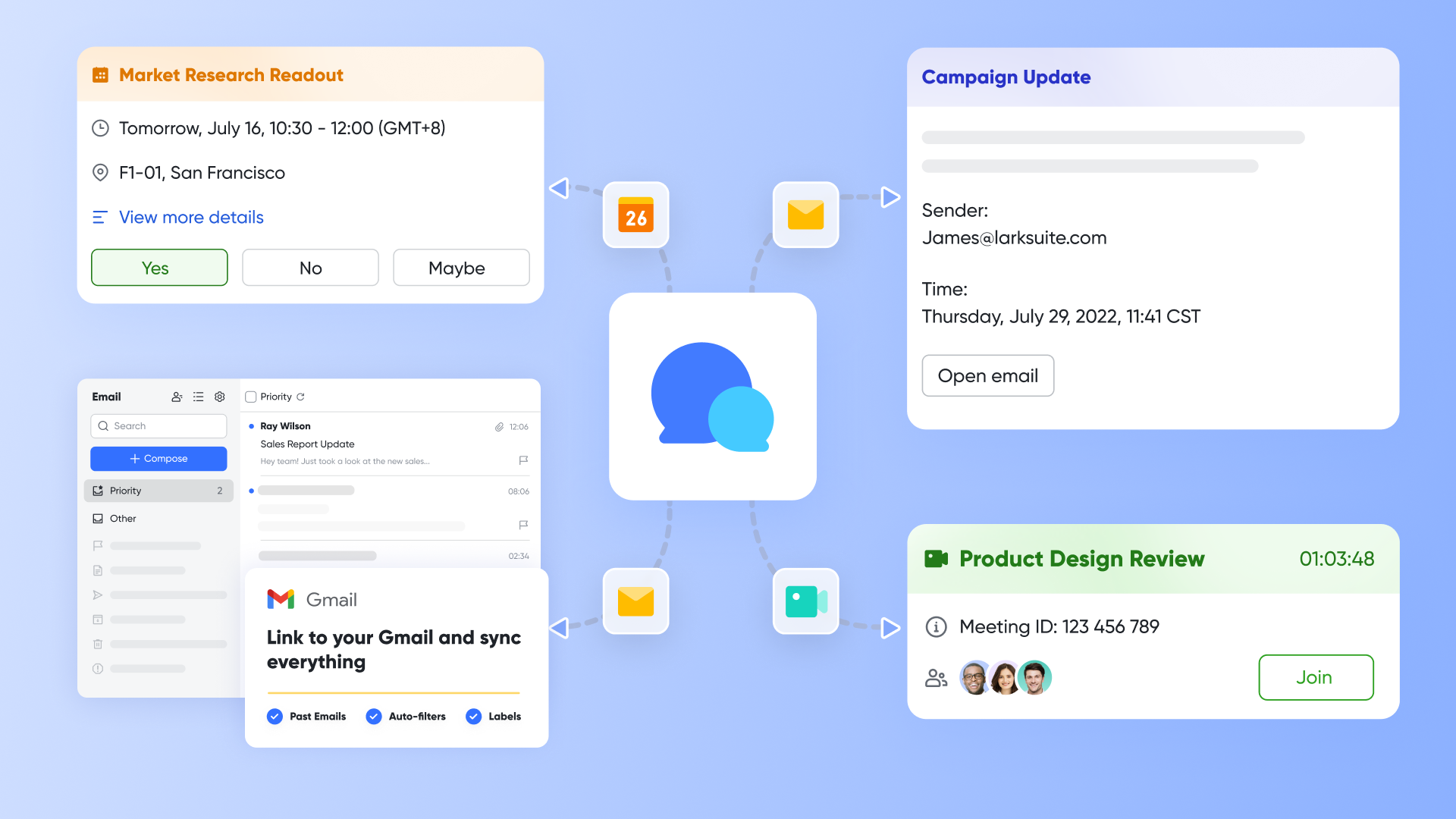
When customers are forced to follow fragmented communication across tools, engagement declines fast. With Gmail integration, Lark Mail brings external customer conversations into the same workspace where teams already plan and act, ensuring no request or detail is missed. And where deeper collaboration is needed, guest access lets customers be part of the workflow, with visibility into shared docs or timelines. Customers feel respected and valued because they're always kept in the loop.
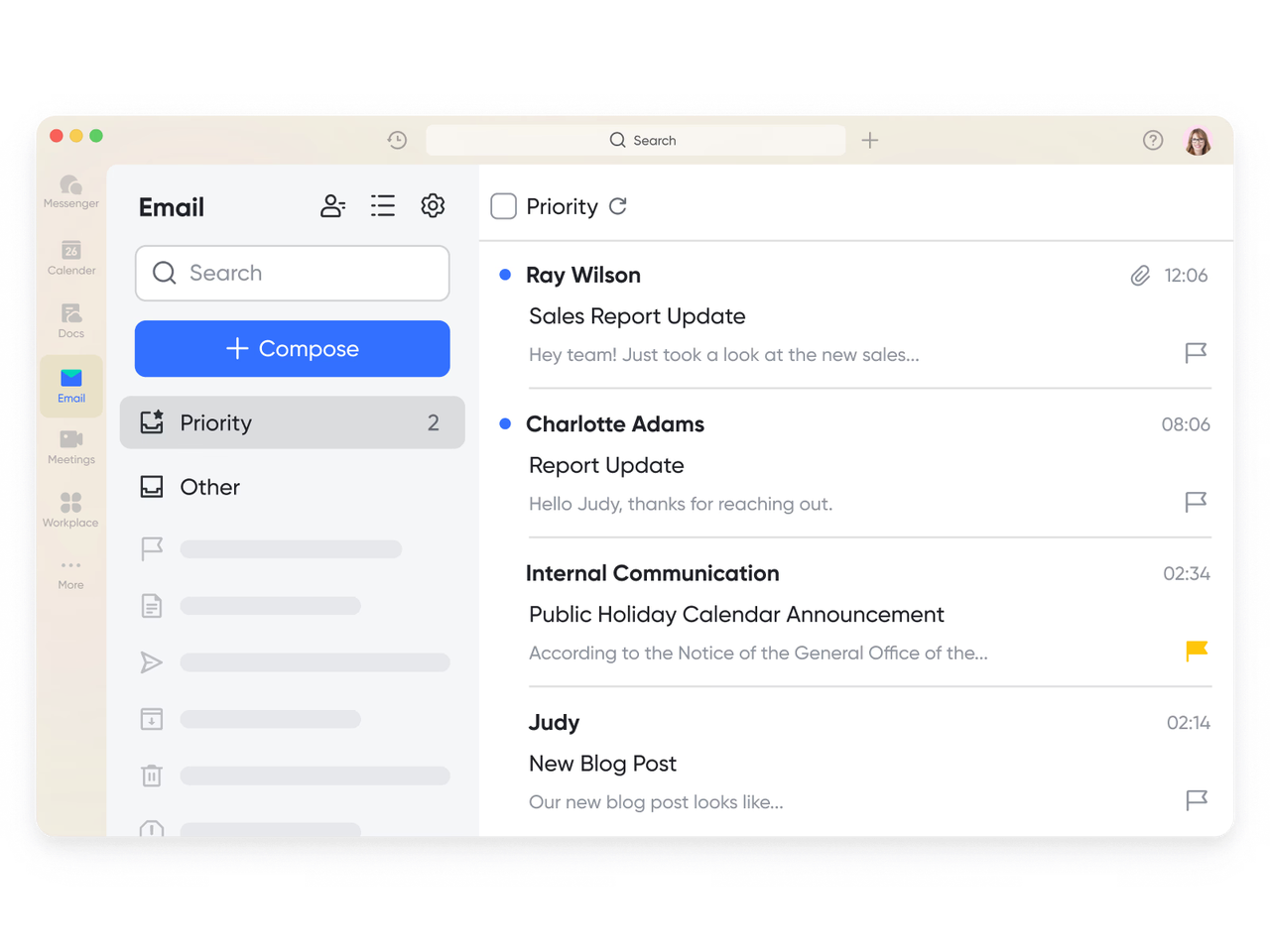
- Starter plan: Free forever plan that includes 11 powerful tools for up to 20 users. It also comes with 100GB of storage, 1000 automation runs, AI translations, and more.
- Pro plan: $12/user/month (billed annually) for up to 500 users. It includes everything in Starter plus group calling for up to 500 attendees, 15TB of storage, 50,000 automation runs, and more.
- Enterprise plan: Contact sales for custom pricing. Supports unlimited users and includes even more automation runs and advanced security, compliance, and management features.
2. Zendesk: Support-driven engagement
Customer engagement often begins when a customer needs help. Zendesk focuses on turning support moments into opportunities that build confidence and trust. It helps teams manage customer communication across multiple channels such as chat, email, and social media while ensuring every response is quick and consistent. For organizations that rely heavily on structured customer service workflows, Zendesk provides a strong foundation for dependable and data-driven engagement.
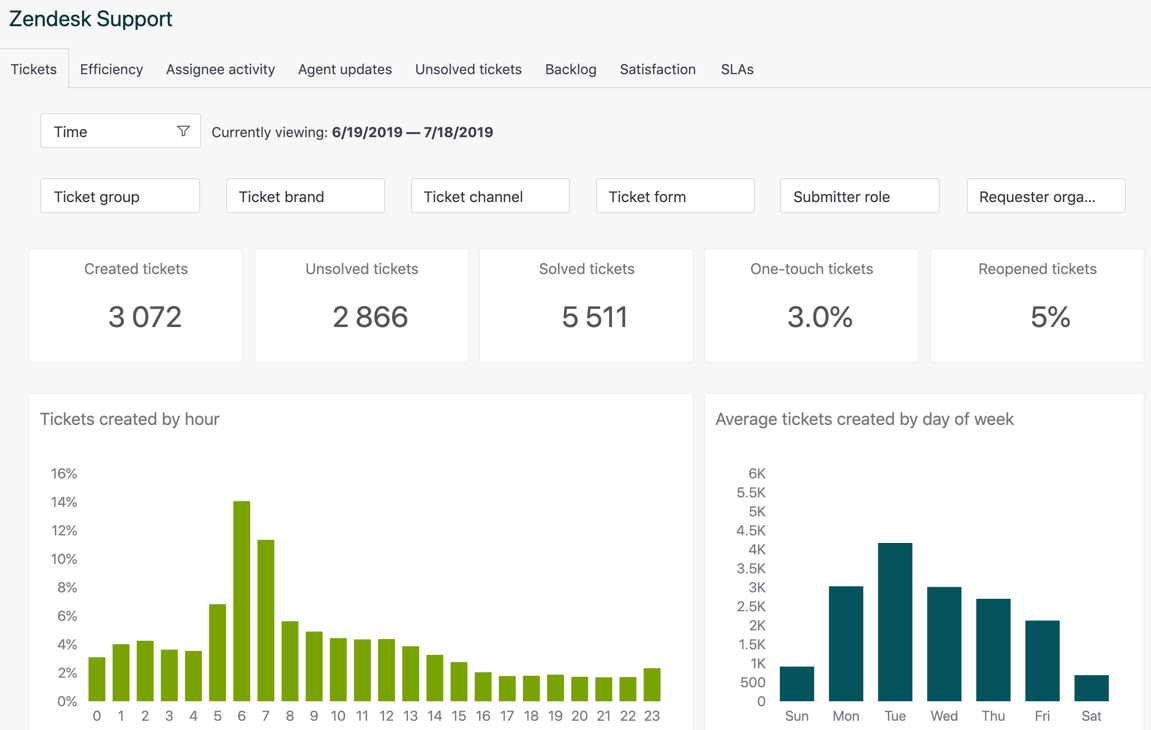
Image source: zendesk.com
Ideal fit:
- Businesses that manage a high volume of daily customer inquiries.
- Teams that depend on ticket-based systems to organize and resolve issues efficiently.
- Companies that need consistent communication across multiple channels.
- Organizations that prioritize performance tracking and strong service-level agreements.
- Departments with trained support professionals handling time-sensitive cases.
Engagement strengths:
- Helps customers feel supported through timely and organized responses.
- Automates ticket routing and repetitive workflows to improve service speed.
- Monitors sentiment during interactions to improve communication tone and accuracy.
- Includes a knowledge base that empowers customers to find answers independently.
- Strengthens brand trust by maintaining reliability during critical support moments.
Where it falls short:
- Engagement is mostly reactive and focused on issue resolution.
- Collaboration across sales, success, and product teams often requires separate tools.
Pricing: Starts at $19/agent/month (Suite Team); enterprise pricing available.
3. Intercom: In-product messaging at scale
Intercom helps businesses connect with customers directly inside web and mobile apps. It delivers timely, personalized messages based on user behavior, turning interactions into meaningful engagement opportunities. With its mix of automation, analytics, and chat features, Intercom is ideal for digital-first companies looking to maintain continuous in-product communication.
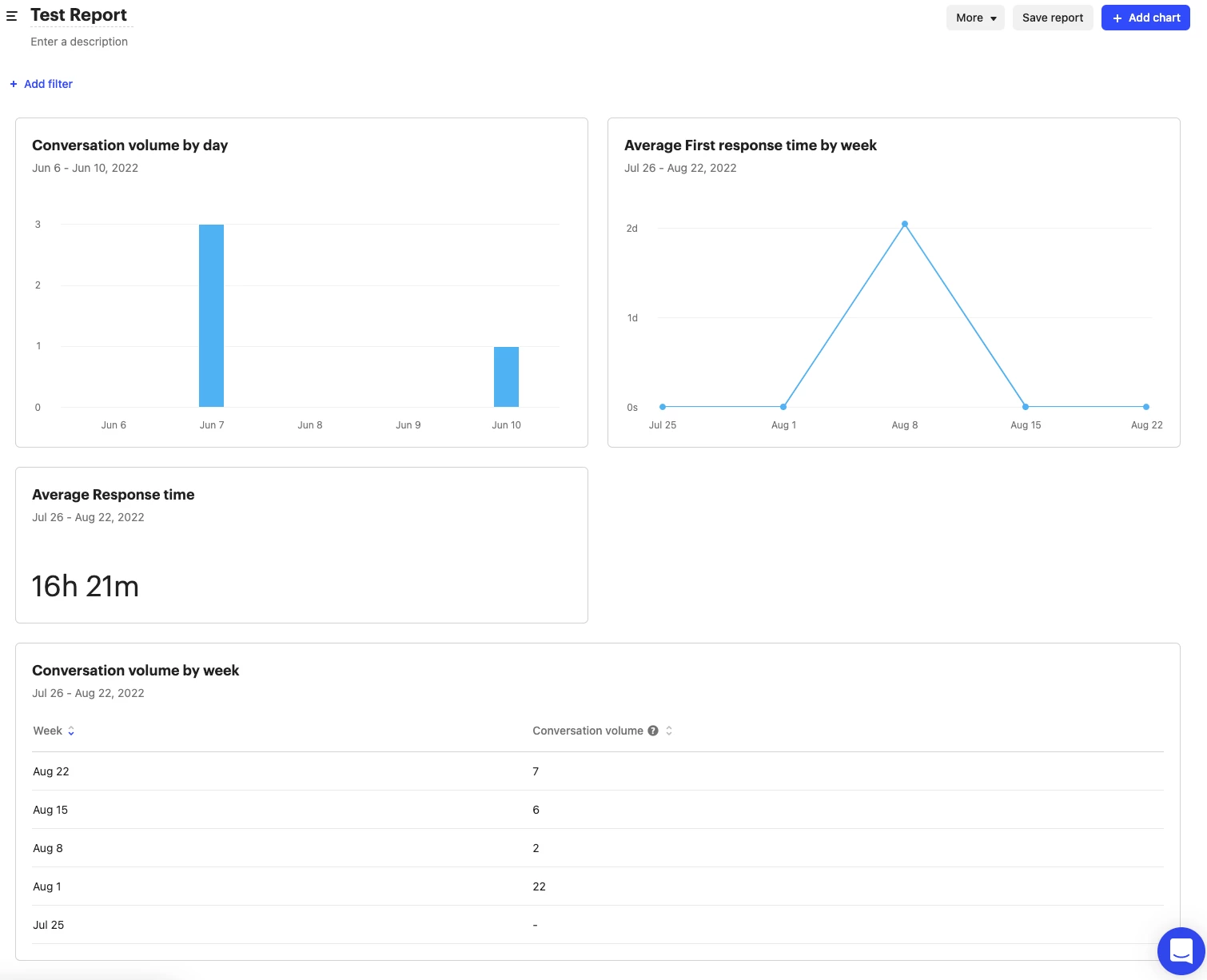
Image source: intercom.com
Ideal fit:
- SaaS businesses aim to improve onboarding and retention.
- Teams want real-time messaging inside their products.
- Companies managing large online user bases needing scalable engagement.
- Product teams focus on contextual, data-driven communication.
- Organizations use customer analytics to guide engagement strategy.
Engagement strengths:
- Sends personalized, behavior-triggered messages during key user actions.
- Combines live chat, bots, and automation for consistent communication.
- Tracks user activity to enhance engagement insights.
- Helps boost retention through ongoing, relevant interaction.
- Strengthens loyalty by making support feel part of the product experience.
Where it falls short:
- Pricing can increase quickly as user volume grows.
- Limited collaboration features outside the messaging system.
Pricing:
Starts at $74/month (Essential plan); enterprise pricing available.
4. HubSpot: Engagement plus marketing automation
HubSpot brings marketing, sales, and service teams together to create consistent engagement across the customer journey. It enables personalized communication through automation and provides data-backed insights into customer behavior. For small and mid-sized businesses, HubSpot simplifies engagement workflows while supporting growth and retention through unified CRM visibility.
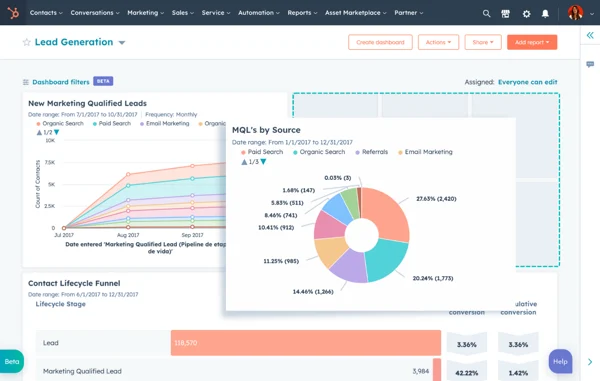
Image source: hubspot.com
Ideal fit:
- Businesses combine customer engagement with marketing campaigns.
- Teams need automation for lead nurturing and follow-ups.
- Companies manage outreach across email, chat, and social channels.
- Organizations seeking centralized reporting for marketing and service.
- Teams growing from startup stage to structured engagement management.
Engagement strengths:
- Connects all customer data through a single CRM.
- Automates communication for targeted engagement at scale.
- Provides analytics to refine messaging and improve response timing.
- Encourages alignment between marketing, sales, and service efforts.
- Maintains personalized engagement throughout the full lifecycle.
Where it falls short:
- Advanced features are accessible only in higher-tier plans.
- Automation setup can be complex for smaller teams.
Pricing:
Starts at $20/user/month (Starter CRM Suite); enterprise pricing available.
5. Freshworks: Affordable engagement for SMBs
Freshworks provides small and medium businesses with affordable tools to engage, support, and retain customers. It combines CRM, helpdesk, and marketing functions in one intuitive system. Freshworks focuses on usability and automation, allowing teams to manage customer relationships efficiently without technical overhead or high costs.
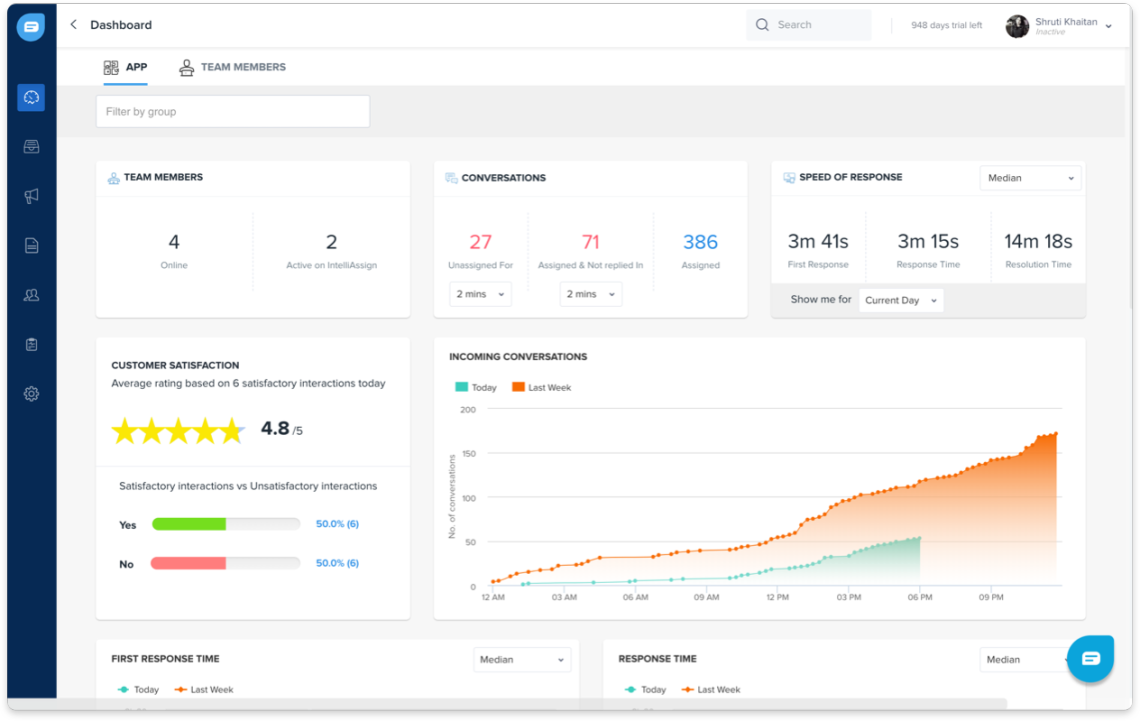
Image source: freshworks.com
Ideal fit:
- Small and mid-sized businesses prioritizing value and simplicity.
- Teams that want all customer engagement tools in one place.
- Companies manage email, chat, and voice support with limited resources.
- Organizations focus on improving service quality and responsiveness.
- Businesses scaling engagement without large infrastructure investments.
Engagement strengths:
- Combines marketing, CRM, and support tools in one platform.
- Supports omnichannel customer communication for better reach.
- Uses AI to automate replies and service suggestions.
- Provides reporting dashboards for engagement insights.
- Helps small teams build professional engagement workflows.
Where it falls short:
- Limited customization for complex enterprise setups.
- May require migration to advanced tools as teams expand.
Pricing:
Starts at $15/user/month (Growth plan); enterprise pricing available.
6. Twilio: Communication APIs for app-based engagement
Twilio helps businesses create custom communication experiences across apps, websites, and digital platforms. It provides APIs for SMS, chat, voice, and video, allowing developers to build scalable, personalized engagement. Twilio is best suited for companies that want full control over how and where they interact with customers globally.
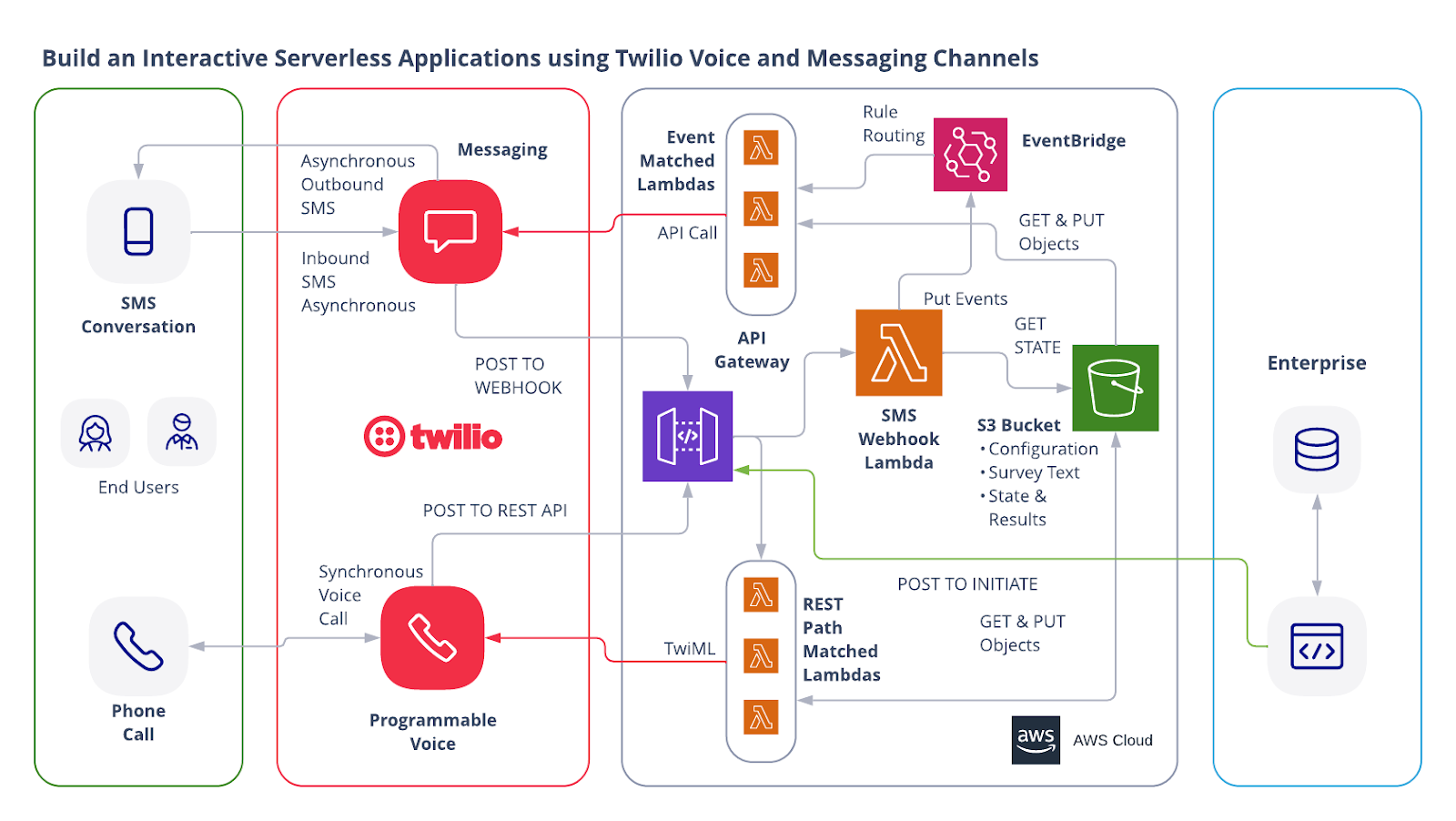
Image source: twilio.com
Ideal fit:
- Businesses embedding real-time communication inside digital products.
- Teams capable of managing API-based engagement systems.
- Organizations need global communication coverage.
- Companies design personalized messaging flows for users.
- Businesses require flexible, secure infrastructure for engagement.
Engagement strengths:
- Offers flexible APIs for building tailored communication workflows.
- Supports multi-channel engagement across text, voice, and video.
- Scales easily handle millions of customer interactions.
- Enables precise control over timing and personalization.
- Strengthens engagement through reliability and performance.
Where it falls short:
- Requires developer expertise for setup and maintenance.
- Lacks built-in CRM or engagement analytics tools.
Pricing:
Pay-as-you-go model; starts at $0.0075 per SMS sent (Messaging API).
7. Salesforce Service Cloud: Enterprise CX with complex setup
Salesforce Service Cloud helps enterprises manage customer engagement through data, automation, and AI-driven insights. It centralizes service operations across departments to deliver unified experiences at scale. For organizations with complex workflows and high engagement volume, Salesforce provides unmatched customization and control.
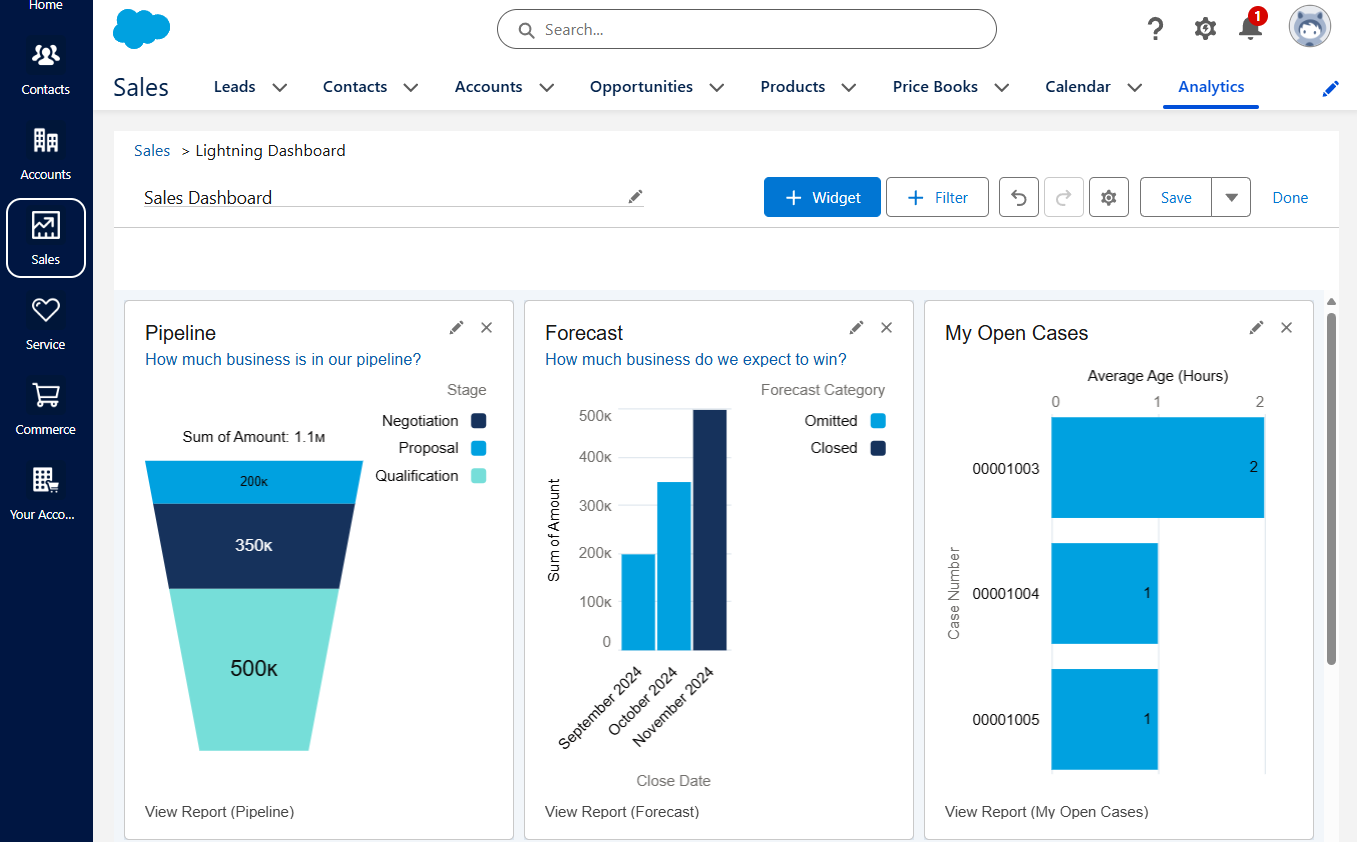
Image source: salesforce.com
Ideal fit:
- Large enterprises manage customer service across global regions.
- Teams need advanced automation and analytics.
- Businesses require deep CRM connection across sales and service.
- Organizations focused on predictive insights to improve engagement.
- Companies seeking customizable enterprise-grade engagement systems.
Engagement strengths:
- Combines AI and automation for personalized customer interactions.
- Connects engagement data across departments for full visibility.
- Supports advanced analytics to forecast customer needs.
- Delivers consistent service at enterprise scale.
- Enables detailed customization for complex workflows.
Where it falls short:
- Implementation requires time, cost, and dedicated technical teams.
- Smaller organizations may find it overly complex.
Pricing:
Starts at $25/user/month (Starter); enterprise pricing available.
8. Kapta: Engagement for only the most strategic accounts
Kapta focuses on managing engagement for strategic, high-value accounts. It helps businesses align customer goals with company objectives through structured success planning. For B2B enterprises, Kapta strengthens collaboration, transparency, and measurable customer outcomes.
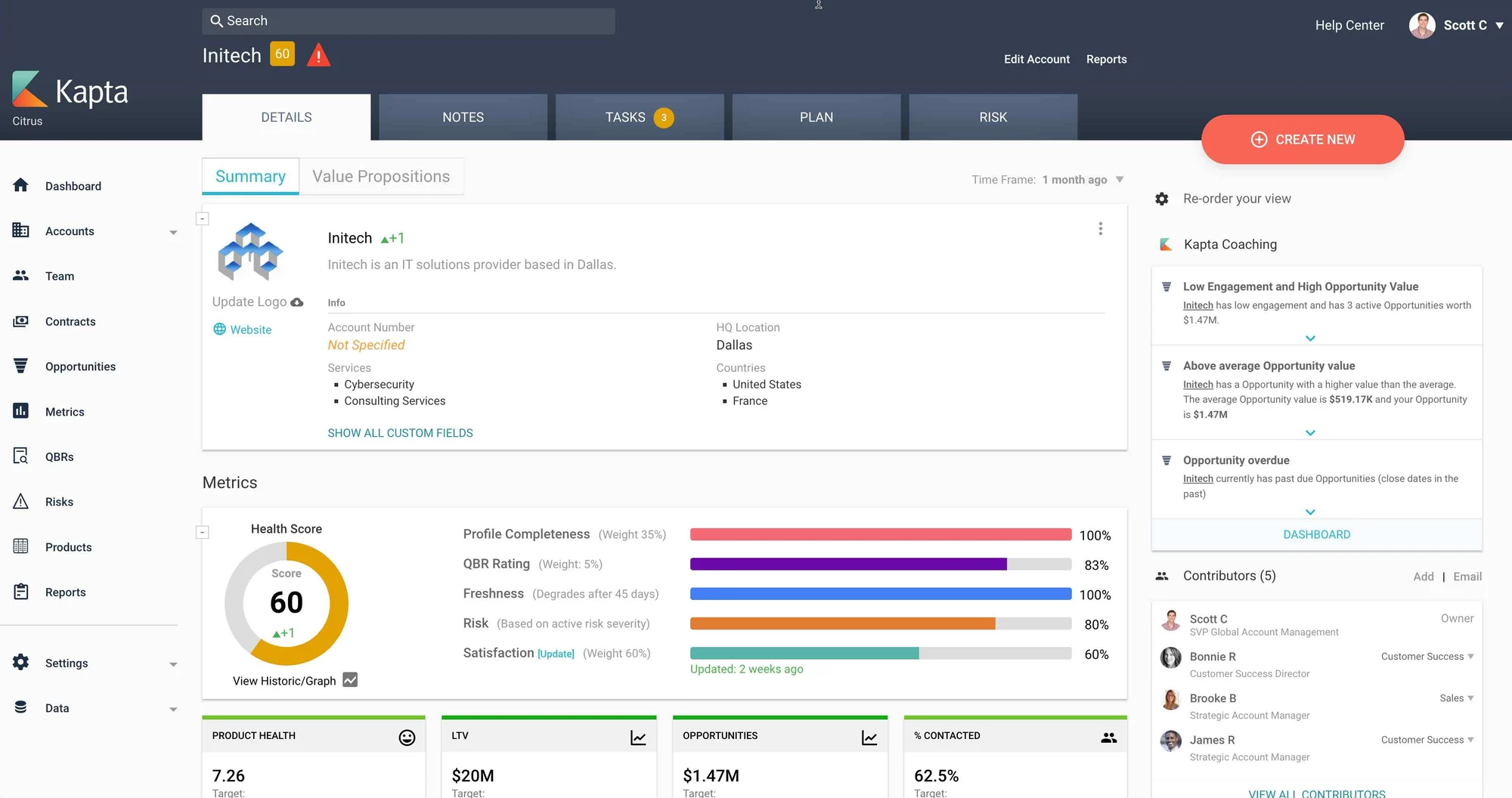
Image source: kapta.com
Ideal fit:
- B2B enterprises manage a limited number of key clients.
- Teams focused on long-term relationship building over transactions.
- Companies measure engagement through shared milestones.
- Organizations need visibility into account health and progress.
- Businesses emphasize trust and mutual success with strategic partners.
Engagement strengths:
- Promotes structured account planning and collaboration.
- Tracks engagement progress and customer satisfaction metrics.
- Provides dashboards for transparency and joint goal alignment.
- Encourages proactive communication for long-term retention.
- Strengthens client confidence through shared accountability.
Where it falls short:
- Narrow use case for enterprise-level account management.
- Limited features for high-volume engagement needs.
Pricing:
Starts at $49/user/month (Professional); enterprise pricing available.
Why customer engagement matters for business success
Customer engagement is one of the strongest indicators of long-term business performance. When customers actively interact with a brand, they form deeper connections that influence customer retention, advocacy, and profitability. Engaged customers are not only more loyal but also more valuable. They help refine products, attract new users, and sustain consistent revenue. In a competitive landscape, engagement is what transforms ordinary customer relationships into lasting partnerships built on trust and shared success.
- Higher retention and lifetime value
Retaining customers is far more cost-effective than acquiring new ones. Engaged customers stay longer because they see continuous value and relevance in their offerings. Their repeated purchases, renewals, and upgrades contribute significantly to overall revenue growth. When customers feel connected to your brand, their lifetime value increases naturally, forming a steady foundation for long-term profitability.
- Better review and referral potential
Positive engagement experiences often turn satisfied customers into strong advocates. They leave favorable reviews, share success stories, and recommend your products to peers. For SaaS teams, a structured customer advocacy program can turn these recommendations into a measurable referral acquisition channel. These organic endorsements create powerful word-of-mouth marketing that no advertising budget can replicate. Each referral builds credibility and attracts new prospects who already trust the opinions of existing users.
- Faster product adoption
Engagement helps customers understand a product's value more quickly. When teams provide helpful onboarding, training, and proactive communication, customers are more willing to explore advanced features. This familiarity leads to deeper product usage and greater satisfaction over time. As customers experience firsthand benefits, they become more confident and self-sufficient, driving stronger adoption rates.
- Reduced churn through continuous support
Continuous engagement ensures customers feel heard and supported at all times. Active communication channels and feedback systems help identify dissatisfaction early. When issues are addressed before they escalate, churn decreases significantly. By maintaining consistent dialogue, businesses can reinforce customer confidence and prevent silent disengagement.
- Stronger brand affinity
True engagement goes beyond functionality, it builds emotional connection. When customers relate to a brand's values and vision, they see themselves as part of a shared mission. This emotional bond turns purchases into relationships driven by loyalty and belief. Over time, this sense of belonging strengthens brand advocacy and creates a resilient community around the business.
Conclusion
Customer engagement is the foundation of business growth and loyalty. It ensures customers feel connected to your brand at every stage of their journey. From proactive communication to community building, engagement determines whether customers remain one-time buyers or lifelong partners.
Platforms like Lark make engagement more actionable. By connecting communication, collaboration, and analytics in one workspace, Lark enables teams to respond faster, deliver personalized experiences, and act on feedback instantly. The result is an environment where engagement drives not just satisfaction but shared success.
FAQs
What is the main purpose of customer engagement?
The main purpose of customer engagement is to create lasting relationships built on trust, responsiveness, and continuous value delivery. It ensures that customers feel connected to the brand beyond just transactions. When engagement is strong, customers are more likely to remain loyal, share feedback, and become advocates. Platforms like Lark make this process seamless by giving teams one shared workspace for communication, collaboration, and customer follow-up, ensuring no interaction goes unnoticed.
How does customer engagement differ from customer retention?
Customer engagement differs from customer retention in focus and intent. Engagement emphasizes active interaction, consistent communication, and shared success, while retention measures how well a business keeps its customers over time. Engagement drives retention, not the other way around. With Lark, teams can keep engagement continuous through connected tools such as Lark Messenger, Docs, and Meetings, helping customers feel valued and heard every step of the way.
What are the biggest challenges in digital customer engagement?
One of the biggest challenges in digital customer engagement is maintaining personalization at scale. Businesses often struggle with fragmented data, inconsistent communication, and delayed responses. When engagement tools are disconnected, customers receive mixed experiences that affect satisfaction. Lark helps solve this by uniting messaging, collaboration, and automation in one space, allowing teams to respond faster and maintain consistent context across every customer touchpoint.
How do small businesses improve customer engagement at low cost?
Small businesses can improve customer engagement at low cost by focusing on communication consistency and relationship building. Instead of using multiple disconnected tools, they can adopt unified platforms like Lark that offer free plans with chat, video calls, shared documents, and forms. This allows small teams to organize tasks, share updates, and track customer interactions efficiently without additional software costs.
Can AI improve customer engagement outcomes?
AI can significantly improve customer engagement outcomes by analyzing data, predicting needs, and automating routine responses. It helps teams personalize messages, anticipate customer issues, and deliver faster resolutions. Within Lark, AI features assist in automating daily workflows, summarizing discussions, and translating communication instantly. This ensures that every customer interaction feels timely, thoughtful, and relevant, enhancing overall satisfaction and loyalty.
Related reading
Table of contents
Start using Lark today

Manage all your work in one place
Boost team efficiency by 10x
Save up to 70% on software costs
Table of contents
Start using Lark today
Manage all your work in one place
Boost team efficiency by 10x
Save up to 70% on software costs
Keep reading








2026 Lark Technologies Pte. Ltd.
Headquartered in Singapore with offices worldwide.






Explore: