














Ultimate Guide to Smart Cross Selling for Higher Sales

Ryan Tanner
Product Marketing Specialist
Sep 18, 2026
Ryan Tanner
Sep 18, 2026

20 min read


Cross selling is more than a sales tactic—it's a strategy to enhance customer relationships and maximize business growth. This guide explores practical ways to identify opportunities, tailor offers, and increase revenue through effective cross-selling. Designed for modern sales teams, it combines proven methods with real-world insights to help you achieve measurable results.
At Lark, we believe success comes from collaboration and smart communication. That's why this guide also highlights how teams using Lark streamline workflows, share data seamlessly, and execute cross-selling strategies with greater efficiency and impact.

What is cross-selling?
Cross-selling is a sales strategy used to encourage customers to purchase additional, related, or complementary products or services along with their original purchase. The goal is to increase the customer's overall value while enhancing their experience by offering something that genuinely adds benefit.

Image source: unsplash.com
For example:
- In e-commerce, when you buy a smartphone and the website suggests a phone case or screen protector.
- In banking, when a customer with a savings account is offered a credit card or insurance plan.
- In SaaS, when a user subscribes to a project management tool and is offered an integration with a communication platform like Lark.
Cross-selling works best when it's relevant and personalized—it shouldn't feel like an upsell, but rather a helpful recommendation that meets the customer's needs. By understanding customer behavior and preferences, businesses can use cross-selling to increase revenue, strengthen relationships, and improve customer satisfaction.
Strategies for effective cross-selling
Implementing cross-selling successfully requires planning, relevance, and timing. Here are some proven strategies to make cross-selling effective:
- Understand your customers
To cross-sell effectively, you first need a deep understanding of your customers' preferences, purchase history, and behavior. Collecting and analyzing this data allows you to predict what products or services might interest them. The better you know your audience, the more relevant your offers will be.
Tip: Segment customers by demographics, interests, and past purchases to make targeted cross-selling recommendations.
- Personalize recommendations
Generic suggestions rarely convert. Tailor cross-sell offers to complement the customer's current purchase or needs. Personalized recommendations make customers feel understood and valued, increasing the likelihood of acceptance.
Tip: Use language that emphasizes relevance, like "Customers who bought this also loved…" or "Perfect addition to your recent purchase."
- Time your offers correctly
Timing is crucial for cross-selling. Present your offers at moments when customers are most receptive, such as during checkout, after a purchase, or when they engage with product pages. Poor timing can make suggestions feel pushy or irrelevant.
Tip: Use automated triggers in your sales system or platform, like Lark, to suggest offers at the right time.
- Bundle complementary products
Offering bundles or package deals encourages customers to buy multiple items together. Bundles should create value for the customer while highlighting products that naturally go together. This approach increases the average order value without feeling forced.
Tip: Highlight savings or convenience in the bundle to make the offer more appealing.
- Train your sales team
A well-trained sales team can cross-sell naturally and effectively. Employees should know the products, understand customer needs, and communicate additional offerings in a helpful way rather than being pushy. Role-playing scenarios can improve confidence and delivery.
Tip: Regularly update the team on new products, bundles, and cross-selling techniques to keep suggestions fresh and relevant.
- Leverage technology
CRM systems, analytics tools, and collaboration platforms like Lark can streamline cross-selling. They help track customer behavior, identify opportunities, and even automate personalized recommendations. Using technology ensures no potential cross-sell is missed.
Tip: Integrate customer data with your communication tools to send timely and relevant cross-sell suggestions automatically.
Let's practice: Use Lark to reach cross-selling success
Cross-selling can be challenging without the right tools and collaboration. However, Lark acts as a collaboration and workflow platform that streamlines the approval, communication, and tracking of offers.
Instead of manually emailing or waiting for managerial approval, sales reps can submit cross-sell proposals, discounts, or upsell requests directly within Lark. Managers or finance teams can review and approve these requests instantly—via chat, mobile, or desktop—ensuring faster response times, reducing bottlenecks, and improving the overall efficiency of cross-selling initiatives.
Lark Base: Identify and automate cross-sell opportunities
Lark Base serves as the foundation for cross-selling success, giving teams a real-time, structured view of every customer relationship. Within Base, you can build customizable databases that capture customer profiles, purchase history, product usage, and renewal dates — all in one workspace. Use Lark Base in Automation to add an intelligent layer to this process. Teams can set automated rules that trigger follow-ups, reminders, or approval workflows based on customer activity or timeline events.
Example: A sports equipment retailer uses Lark Base to flag customers who bought gym flooring but haven’t purchased maintenance supplies. Automation triggers personalized follow-up tasks for the sales team, ensuring consistent outreach and improved conversion rates.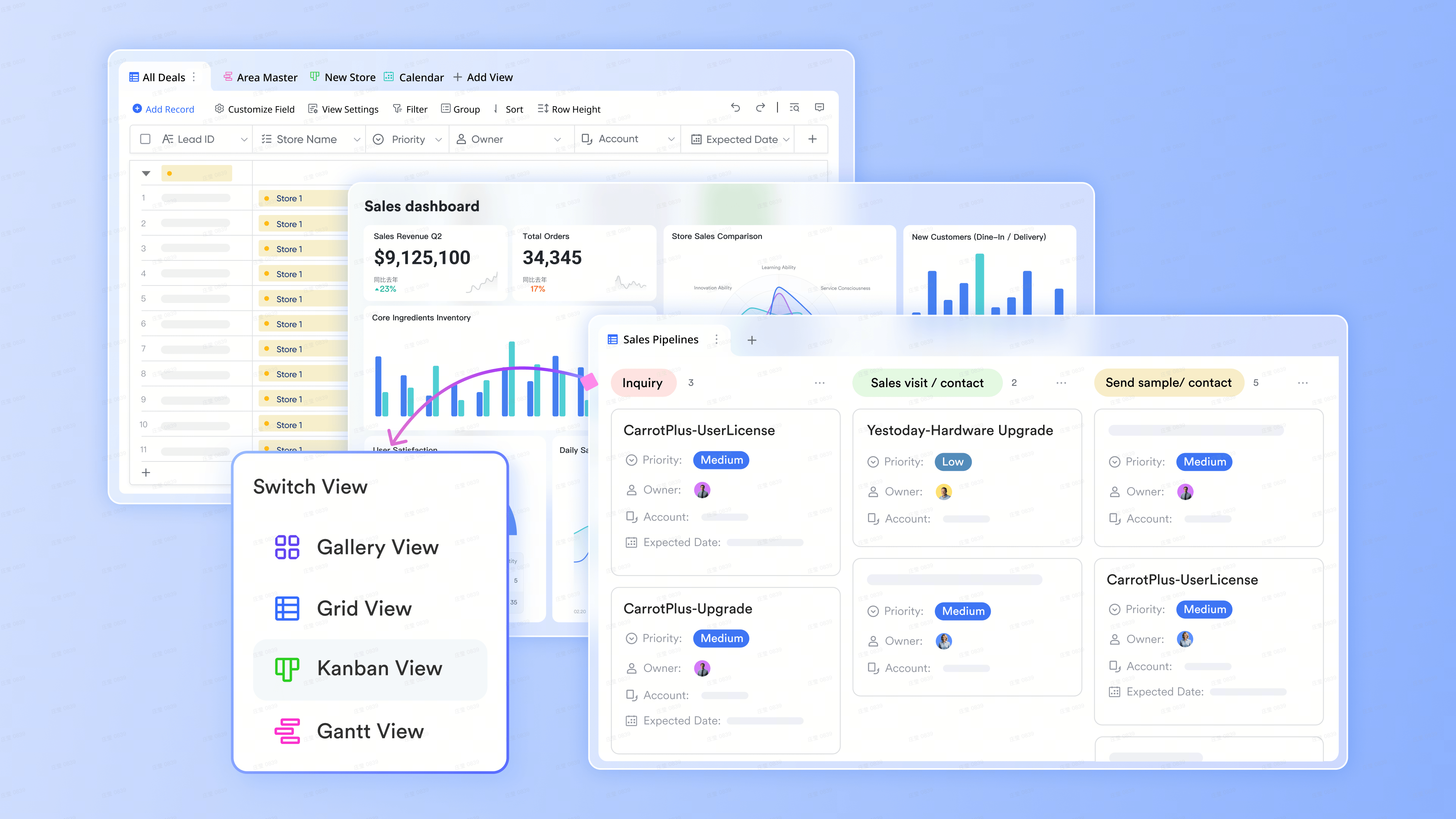
Lark Tasks: Coordinate cross-sell campaigns efficiently
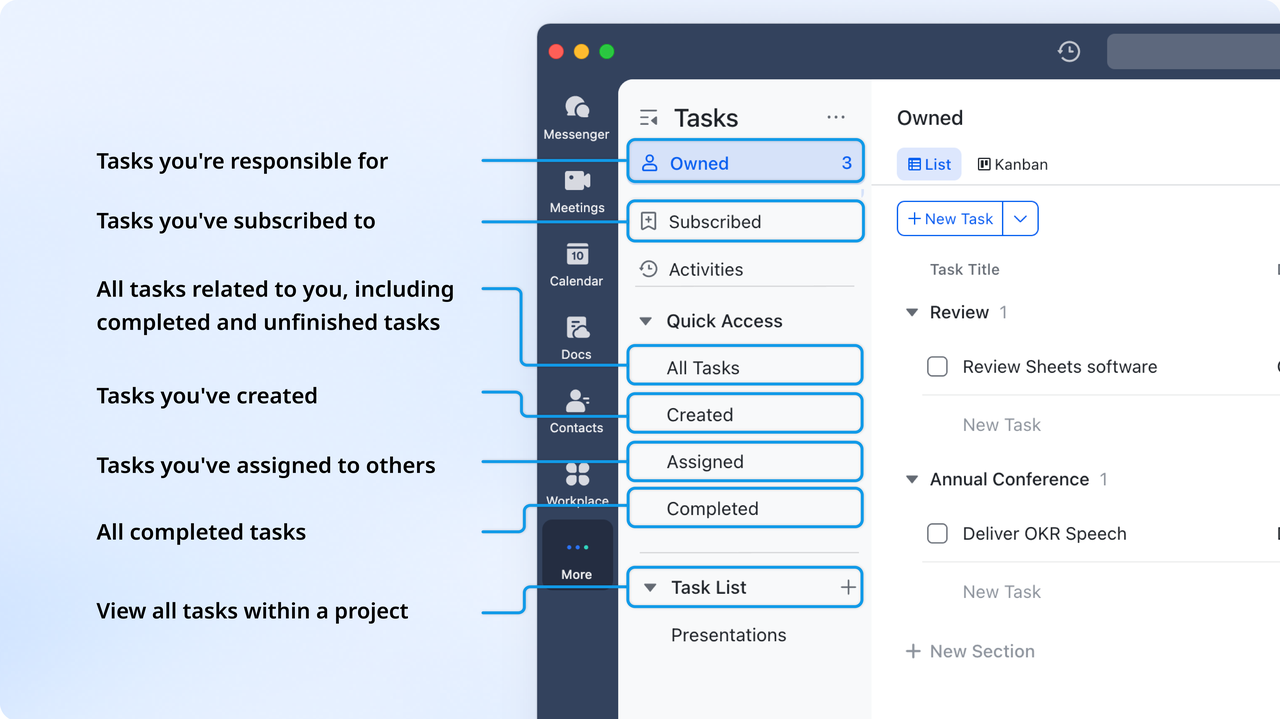
Once cross-sell targets are identified, Lark Tasks ensures every follow-up is tracked and assigned clearly. Sales reps can create task lists for outreach, proposal creation, or demo scheduling — all linked to the corresponding customer record in Base. Managers gain a clear view of progress, deadlines, and accountability, making it easier to track outcomes across multiple team members.
Example: A marketing manager assigns tasks for three reps to contact clients eligible for a premium plan upgrade, setting deadlines and automated reminders within Lark Tasks.
Lark Messenger & Lark Meetings: Align teams for faster conversions
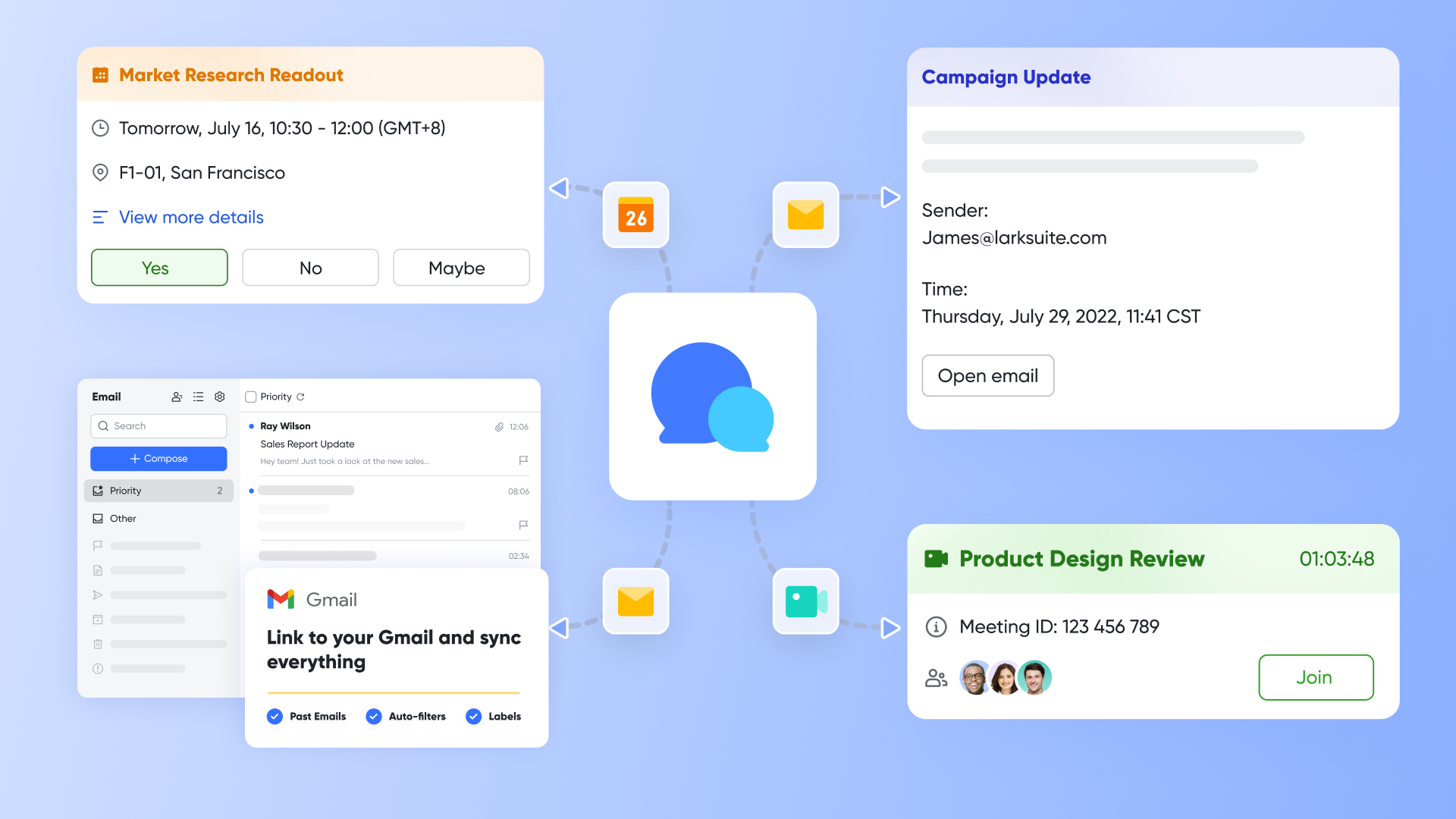
Cross-selling often involves collaboration between sales, marketing, and product teams. Lark Messenger and Lark Meetings enable these teams to share insights and refine offers in real time. Reps can discuss client responses, share pitch decks, or start a quick video call to strategize — without leaving the workspace.
Example: A rep shares feedback from a client in Messenger, prompting marketing to instantly update the offer deck before the follow-up call.
Lark Docs & Wiki: Share sales playbooks and collateral
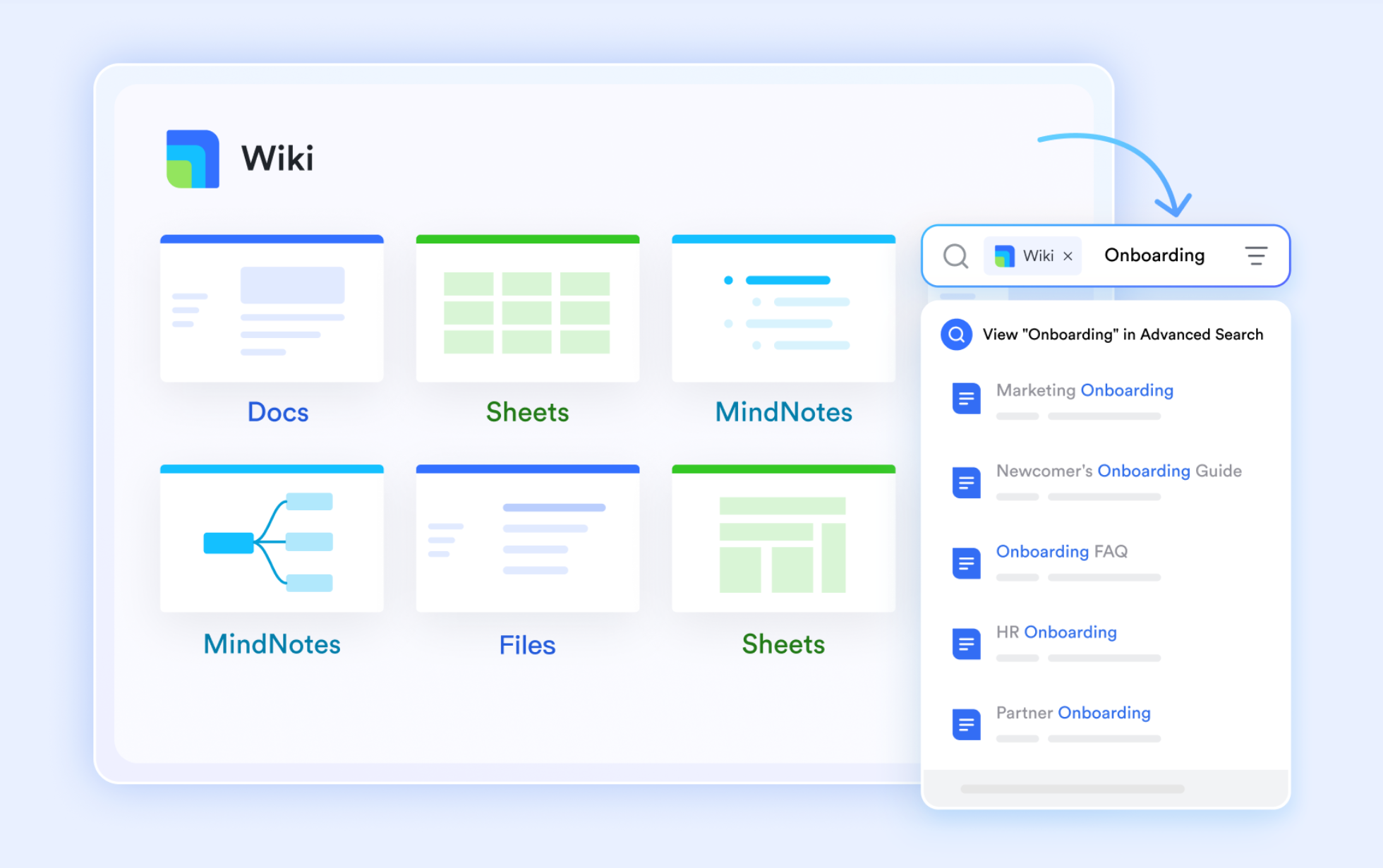
Consistent messaging drives successful cross-selling. With Lark Docs, teams can co-create and update sales scripts, pricing sheets, and customer success stories that reps can access anytime. Lark Wiki acts as a centralized knowledge hub — storing cross-sell playbooks, objection-handling guides, and best practices — ensuring new and existing reps follow proven strategies across campaigns.
Example: The sales enablement team updates the "Cross-Sell Success Stories" Wiki page weekly, so all reps have fresh client examples to use in their pitches.
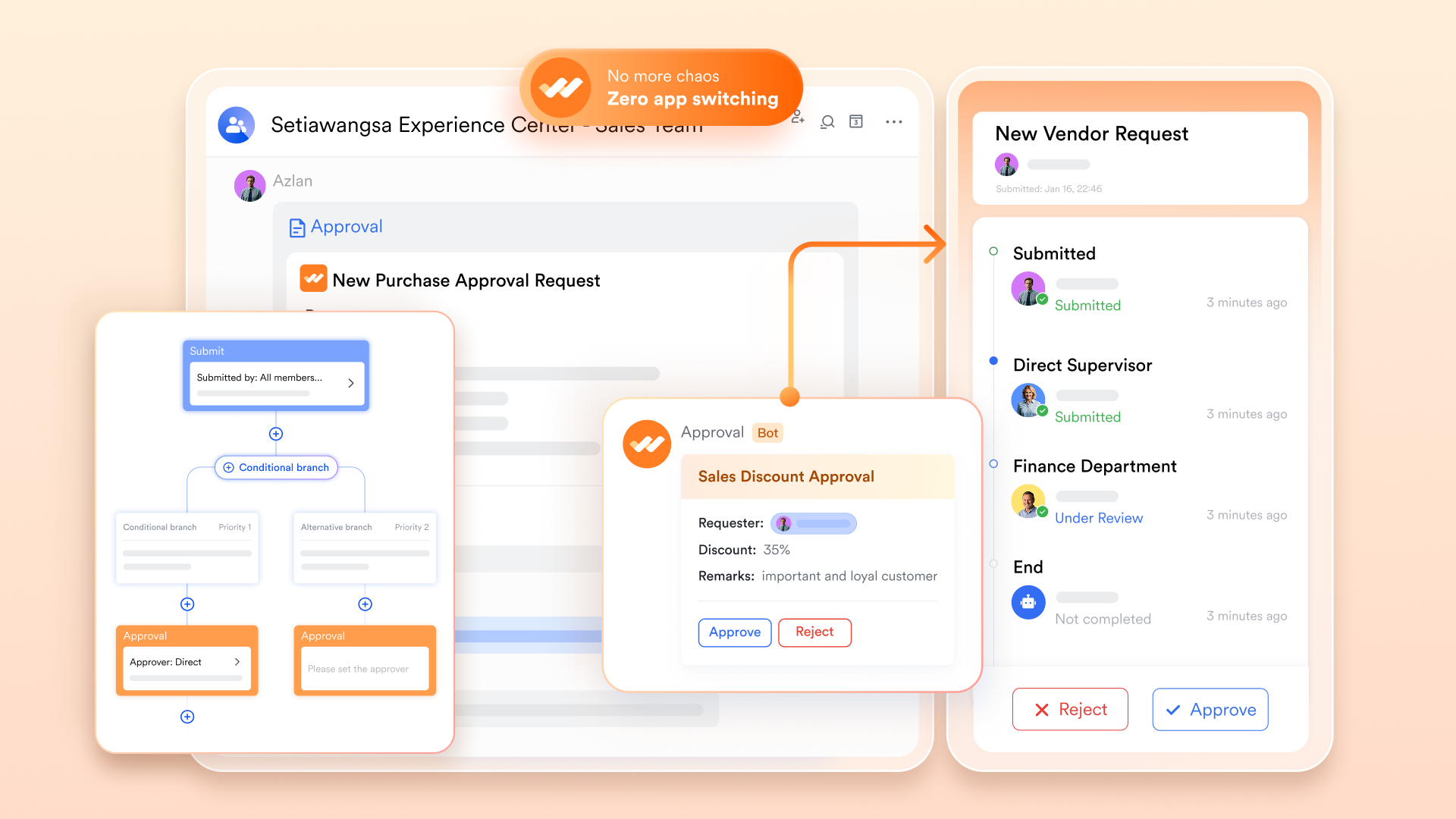
Lark Approval: Keep offers compliant and quick to market
Cross-selling offers often require managerial or finance approval before being sent to clients. Lark Approval streamlines this by allowing reps to submit quote or discount requests directly within the system. Administrators can approve instantly from their chat or mobile device, accelerating the customer response time.
Example: Sales reps can submit special discount requests directly in Lark, and managers can approve them instantly via chat or mobile, speeding up client communications.
Why Lark drives better cross-sell performance
- Unified view of customer data for identifying new sales opportunities
- Automated alerts and workflows to maintain timely follow-ups
- Streamlined communication between teams for faster deal coordination
- Shared Docs and Wiki for consistent, compliant messaging
- Transparent approval and task tracking to avoid bottlenecks
- Starter plan: Free forever plan that includes 11 powerful tools for up to 20 users. It also comes with 100GB of storage, 1000 automation runs, AI translations, and more.
- Pro plan: $12/user/month (billed annually) for up to 500 users. It includes everything in Starter plus group calling for up to 500 attendees, 15TB of storage, 50,000 automation runs, and more.
- Enterprise plan: Contact sales for custom pricing. Supports unlimited users and includes even more automation runs and advanced security, compliance, and management features.
Measuring and optimizing your cross-selling efforts
To ensure your cross-selling strategy is effective, it's essential to track performance, analyze data, and continuously refine your approach. Measuring results helps identify what works, what doesn't, and where improvements can be made. Let's explore deeply about it:
- Key performance indicators (KPIs) to track: Tracking the right KPIs allows you to measure the success of your cross-selling initiatives. Important metrics include average order value (AOV), cross-sell conversion rate, customer lifetime value (CLV), and repeat purchase rate. These indicators reveal how well your strategies increase revenue and customer engagement. Monitoring KPIs over time helps identify trends and areas for improvement.
- Using analytics to measure success: Analytics tools provide insights into customer behavior, product performance, and campaign effectiveness. By examining which cross-sell offers are most accepted and which customers respond best, you can make data-driven decisions to optimize strategies. This analysis also helps in predicting future opportunities and tailoring offers accordingly.
- A/B testing and customer feedback loops: Testing different offers, messaging, and timing helps determine what resonates most with your audience. Combine this with customer feedback to refine your approach, ensuring cross-sell recommendations are both relevant and effective. Continuous testing allows businesses to stay agile and respond to changing customer preferences.
- Continuous improvement through data-driven insights: Cross-selling isn't a one-time effort; it requires ongoing refinement. Use insights from KPIs, analytics, and testing to adjust offers, bundles, and messaging. Continuous improvement ensures your strategy evolves with customer needs and market trends. Regularly updating your approach keeps your cross-selling efforts competitive and impactful.
Why do people care about it: Benefits of cross-selling
Cross-selling offers significant advantages for both businesses and customers when done correctly. Here are the key benefits:
- Increases revenue: By encouraging customers to buy complementary products or services, businesses can boost their average order value without acquiring new customers. This means more profit from the same customer base with minimal additional effort.
- Enhances customer lifetime value (CLV): Offering relevant products increases repeat purchases and long-term engagement, making each customer more valuable over time. Over time, this creates a loyal customer base that consistently contributes to revenue growth.
- Strengthens customer relationships: Cross-selling demonstrates that you understand your customers' needs, building trust and loyalty. Customers are more likely to return when they feel the business anticipates their needs.
- Improves customer experience: When done thoughtfully, cross-selling provides solutions that genuinely help the customer, making their experience more convenient and satisfying. It can make the shopping journey smoother and more enjoyable.
- Cost-effective sales strategy: Selling to existing customers is usually cheaper than acquiring new ones, making cross-selling an efficient growth tool. Businesses can achieve higher returns without investing heavily in marketing campaigns.
- Encourages product awareness: Customers learn about products or services they might not have discovered otherwise, expanding their engagement with your brand. This can lead to more informed buying decisions and increased satisfaction.
Conclusion
Cross-selling is a powerful strategy for increasing revenue, strengthening customer relationships, and maximizing the lifetime value of each client. By understanding your customers, personalizing recommendations, timing offers correctly, and leveraging technology, businesses can implement effective cross-selling practices that drive measurable results. Continuous measurement, testing, and optimization ensure that these efforts evolve with changing customer needs and market trends.
Platforms like Lark make cross-selling even more efficient by enabling seamless collaboration, real-time data sharing, and streamlined communication across teams. By combining smart strategies with the right tools, businesses can unlock the full potential of cross-selling and achieve sustainable growth.
FAQs
How can small businesses implement cross-selling effectively?
Small businesses can start cross-selling by understanding their most loyal customers and identifying products or services that naturally complement their purchases. Tools like Lark help small teams coordinate, share customer insights, and track cross-selling opportunities in real time, even with limited resources.
Can cross-selling work in service-based industries?
Absolutely. Service-based businesses can cross-sell by offering add-on services, upgrades, or maintenance plans. Using Lark, teams can collaborate efficiently, track client needs, and ensure every service recommendation is timely and relevant.
How does cross-selling affect customer retention?
When done thoughtfully, cross-selling increases customer satisfaction by providing solutions that genuinely help clients. Platforms like Lark allow teams to stay aligned, follow up consistently, and maintain relationships, which directly improves retention and loyalty.
Is automation important in cross-selling?
Yes, automation helps deliver personalized cross-sell offers without overwhelming sales teams. With Lark, businesses can automate notifications, track customer interactions, and assign follow-ups to ensure opportunities are never missed.
How can cross-selling integrate with marketing campaigns?
Cross-selling can enhance marketing campaigns by including complementary product suggestions in emails, newsletters, or in-app messages. Lark supports campaign coordination by enabling marketing and sales teams to share data, plan strategies collaboratively, and track results in real time.
Related reading
Table of contents
Start using Lark today

Manage all your work in one place
Boost team efficiency by 10x
Save up to 70% on software costs
Table of contents
Start using Lark today
Manage all your work in one place
Boost team efficiency by 10x
Save up to 70% on software costs
Keep reading









2026 Lark Technologies Pte. Ltd.
Headquartered in Singapore with offices worldwide.






Explore: