














Customer Segmentation Examples: Real-World Models and Strategies

Ryan Tanner
Product Marketing Specialist
Sep 18, 2026
Ryan Tanner
Sep 18, 2026

22 min read


Customer segmentation is one of the most effective ways for sales and marketing teams to understand what different groups of customers need, how they behave, and what will influence them to buy again. Instead of treating all customers the same, segmentation helps teams personalize offers, messages, product experiences, and support. This results in better retention, higher conversion rates, and stronger long-term loyalty.
Modern platforms make this process easier. Teams can build segments, discuss insights, and turn decisions into action with the help of customer segmentation examples without switching platforms. In this guide, we will dive into the tools and help you improve CRM and sales:
1. Lark: The all-in-one workspace for managing customer segmentation and collaboration
2. HubSpot: CRM and marketing platform with built-in segmentation tools
3. Salesforce Marketing Cloud: Advanced customer segmentation and personalization
4. Klaviyo: E-commerce-focused segmentation for personalized marketing
5. Qualtrics XM: Experience management software for segmentation insights
6. Optimove: Predictive segmentation for data-driven marketing
7. Userpilot: Product experience platform with in-app user segmentation
8. Moosend: Email marketing software with behavioral segmentation
9. Omnisend: Omnichannel marketing platform with flexible audience segmentation
10. Zoho CRM: Data-driven segmentation for sales and marketing alignment

What customer segmentation is and why it matters
Customer segmentation is the process of dividing your existing customers into smaller groups based on shared traits, behaviors, needs, or value to the business. These segments enable sales, marketing, and product teams to personalize strategies, rather than relying on a single, generic experience for everyone. When done well, segmentation enhances retention, boosts customer lifetime value, facilitates targeted campaigns, drives upsell opportunities, and enables teams to allocate their budget where it matters most.
Segmentation also supports smoother collaboration between sales and marketing. Instead of debating assumptions, both teams work from the same data and speak a shared language about who customers are and what actions should follow. This becomes especially important as businesses scale, where the volume of customers and channels makes one-size-fits-all messaging ineffective.
Modern creation tools now allow dynamic segmentation that updates in real time. That means segments are no longer static lists but living groups that change automatically based on behavior, purchase frequency, engagement patterns, or churn risk.
Quick insight: Customer segmentation vs. Market segmentation
Customer segmentation and market segmentation are often confused, but they serve different purposes. Market segmentation focuses on identifying potential audiences before they become customers, while customer segmentation focuses on understanding and activating people already inside the business ecosystem. Both strategies support growth, but one guides acquisition while the other strengthens retention and loyalty.
Customer segmentation model examples to help understand better
Segmentation can be built on different data types depending on the goal. Below are eight common models with real-world use cases to show how each one supports marketing, sales, or product decisions.
1. Demographic segmentation
This model categorizes customers based on measurable personal data, such as age, education, income, gender, occupation, or family status. It is often used in industries where buying power or life stage influences purchase decisions.
Example: A fashion retailer offers premium minimalist clothing to professionals aged 28–45 and trend-driven collections to younger shoppers aged 18–25. The difference in age profiles shapes product design, price range, and messaging tone. An insurance provider may run separate campaigns for parents with children and young single earners because their financial needs differ significantly.
2. Geographic segmentation
Geographic segmentation categorizes customers based on their location, including country, region, climate, or population density. This helps businesses adapt product offerings, inventory, pricing, or language to fit the local environment.
Example: A cafe chain updates its seasonal menus based on temperature trends—offering iced drinks for coastal cities and warm, spiced drinks for colder regions. A logistics company may segment clients by country to tailor delivery timelines, tax rules, and regulatory compliance.
3. Psychographic segmentation
This model extends beyond basic data, focusing on values, motivations, lifestyle, personality traits, and interests. It helps brands shape emotional messaging and form deeper customer loyalty.
Example: A fitness brand distinguishes between "wellness-focused professionals" and "competitive performance athletes." The first group receives content on balance and recovery, while the second gets high-intensity training plans and performance supplements. Both groups may purchase workout gear, but they do so for different reasons.
4. Behavioral segmentation
Behavioral segmentation is based on actions like purchase frequency, browsing activity, repeat purchases, loyalty levels, or engagement with campaigns. It is dynamic because behavior changes over time.
Example: An e-commerce brand identifies three segments: frequent buyers, occasional shoppers, and first-time visitors. Each gets different incentives. Frequent buyers receive loyalty perks, occasional shoppers get targeted reminders, and new visitors get onboarding offers.
5. Firmographic segmentation (B2B)
Similar to demographics but for companies instead of individuals. Segments are created using industry type, company size, revenue range, business model, or growth stage.
Example: A software company offers low-cost, self-service plans to startups with fewer than 50 employees and high-touch enterprise packages to companies with more than 5,000 employees. The pricing and support structure shift based on segment value.
6. Technographic segmentation
Technographic segmentation classifies customers based on the tools, software, or devices they use. It is useful for SaaS and digital-first businesses that depend on integrations and tech adoption.
Example: A marketing automation platform builds targeted campaigns for businesses that use Salesforce vs HubSpot. One segment receives high-end API messaging while the other gets templates for quick-start onboarding.
7. Needs-based segmentation
This segmentation focuses on pain points and goals gathered through surveys, product feedback, or interviews. It works well when different customers buy the same product for different reasons.
Example: A financial services firm segments clients into retirement planners, wealth builders, and tax optimization users. Each group gets tailored content, calculators, and consultation offers.
8. Value-based segmentation
Customers are grouped based on their lifetime value, average order value, or profitability potential. It helps teams allocate budget, discounts, and support according to business impact.
Example: An airline identifies high-value frequent flyers and gives them lounge access, fast boarding, and personalized offers. Price-sensitive travelers get seasonal deals instead of loyalty perks.
10 top customer segmentation software
Before choosing software, teams should look for tools that support both data organization and team collaboration. A good segmentation tool should let you store customer data, build dynamic filters, automate workflows, measure performance, and allow multiple teams to act on insights without friction.
Below are the top 10 tools that support different types of segmentation, including all-in-one platforms, project solutions, and marketing automation systems.
1. Lark: All-in-one workspace for customer segmentation and collaboration
Lark is designed for teams that want to centralize customer data, analysis, planning, and execution in one place instead of spreading segmentation work across CRM, spreadsheet, messaging, and reporting tools. Because everything lives in a shared workspace, teams move from insights to action much faster.
Organize customer data and segmentation models with Lark Base
Lark Base helps you create structured databases for customer information, segmentation attributes, and performance metrics. Marketing teams can build tables with fields like demographics, purchase history, or engagement scores, and filter them to identify high-value or at-risk customers.
Example: Instead of paying for a rigid crm software, a retail brand can store customer data directly on Base and automatically group shoppers into "loyal," "occasional," and "new" categories based on spending frequency. These dynamic records can trigger tasks or notifications in Lark when a segment crosses a threshold, such as a drop in purchase activity.
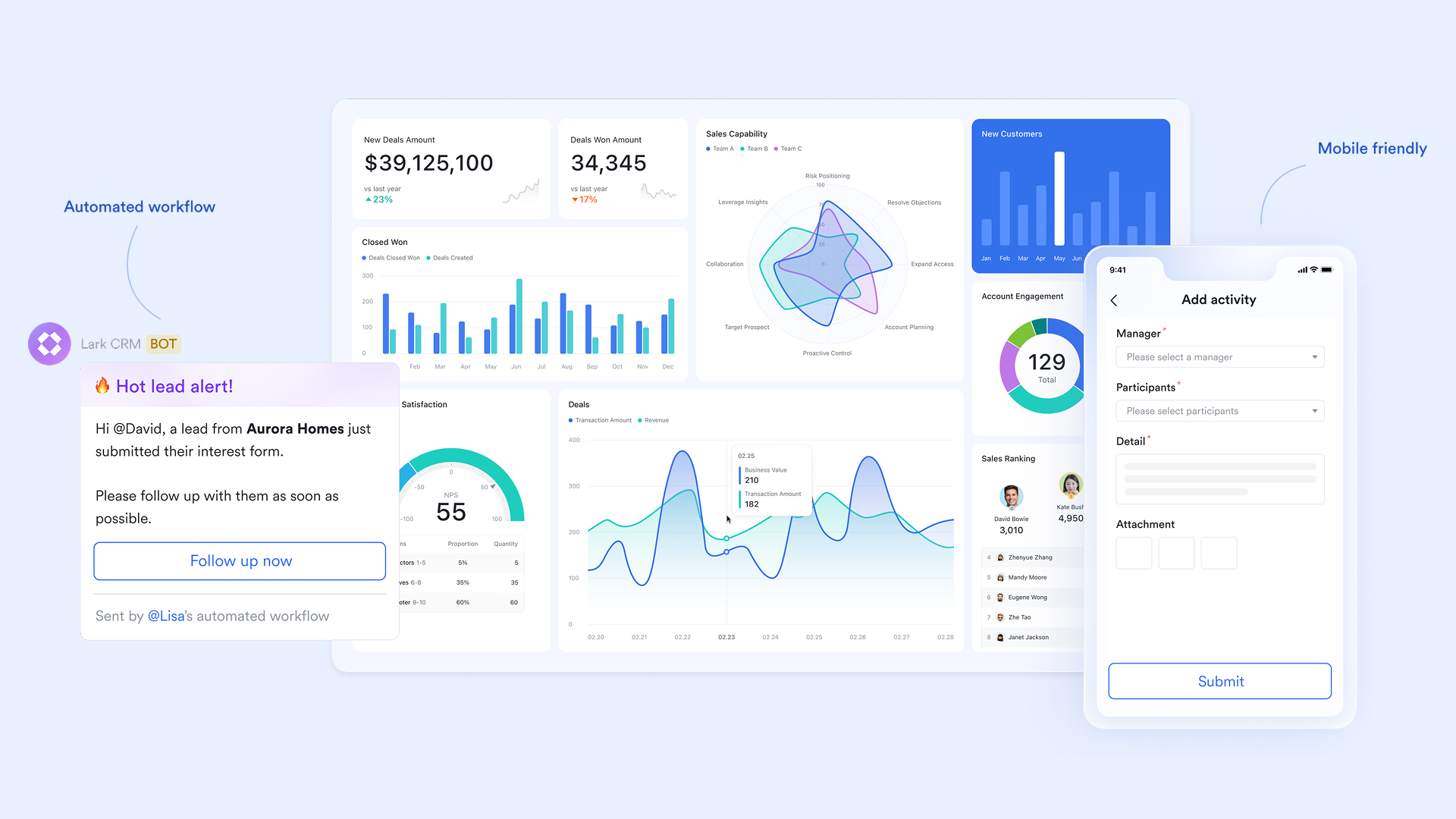
Visualize and analyze segmentation performance using Lark Sheets
With Lark Sheets, teams can convert raw customer data into spreadsheets to visualize segment performance over time. You can use built-in formulas, charts, and pivot tables to track metrics such as engagement rates, retention, or revenue by segment. Pivot tables and charts enable you to create dynamic dashboards for data visualization, and these features are available without requiring external BI tools.
Example: A SaaS company could use Sheets to visualize how churn rates vary across "frequent users" versus "trial customers." When combined with Base, the data updates automatically as new records come in, ensuring real-time visibility into customer behavior.
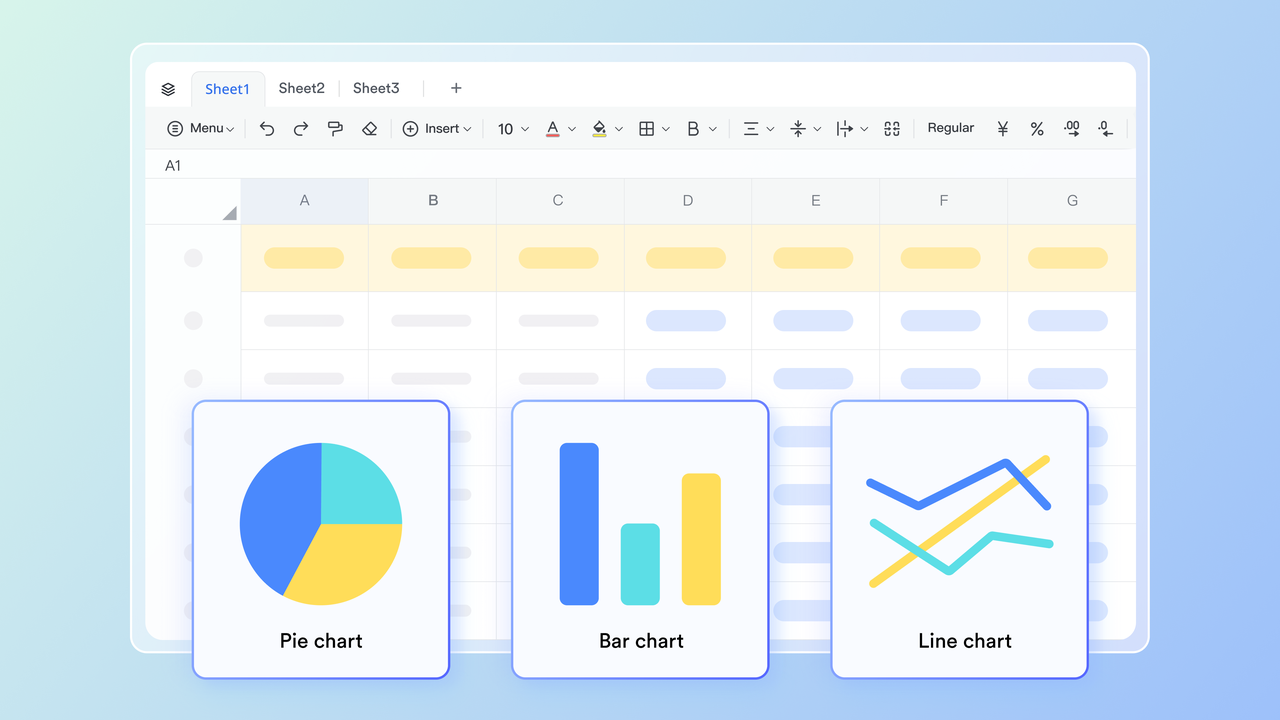
Collaborate on segmentation strategy with Lark Docs
Segmentation strategies evolve fast, and Lark Docs keeps everyone aligned. Teams can document target audience profiles, campaign ideas, or persona insights in shared Docs that update live. Inline comments and version history make it easy to refine ideas collaboratively.
Example: A marketing analyst drafts a document defining four primary customer personas. Product and sales teams can add feedback directly inside the doc—suggesting which features or offers appeal most to each persona—so the entire segmentation strategy is aligned before launch.
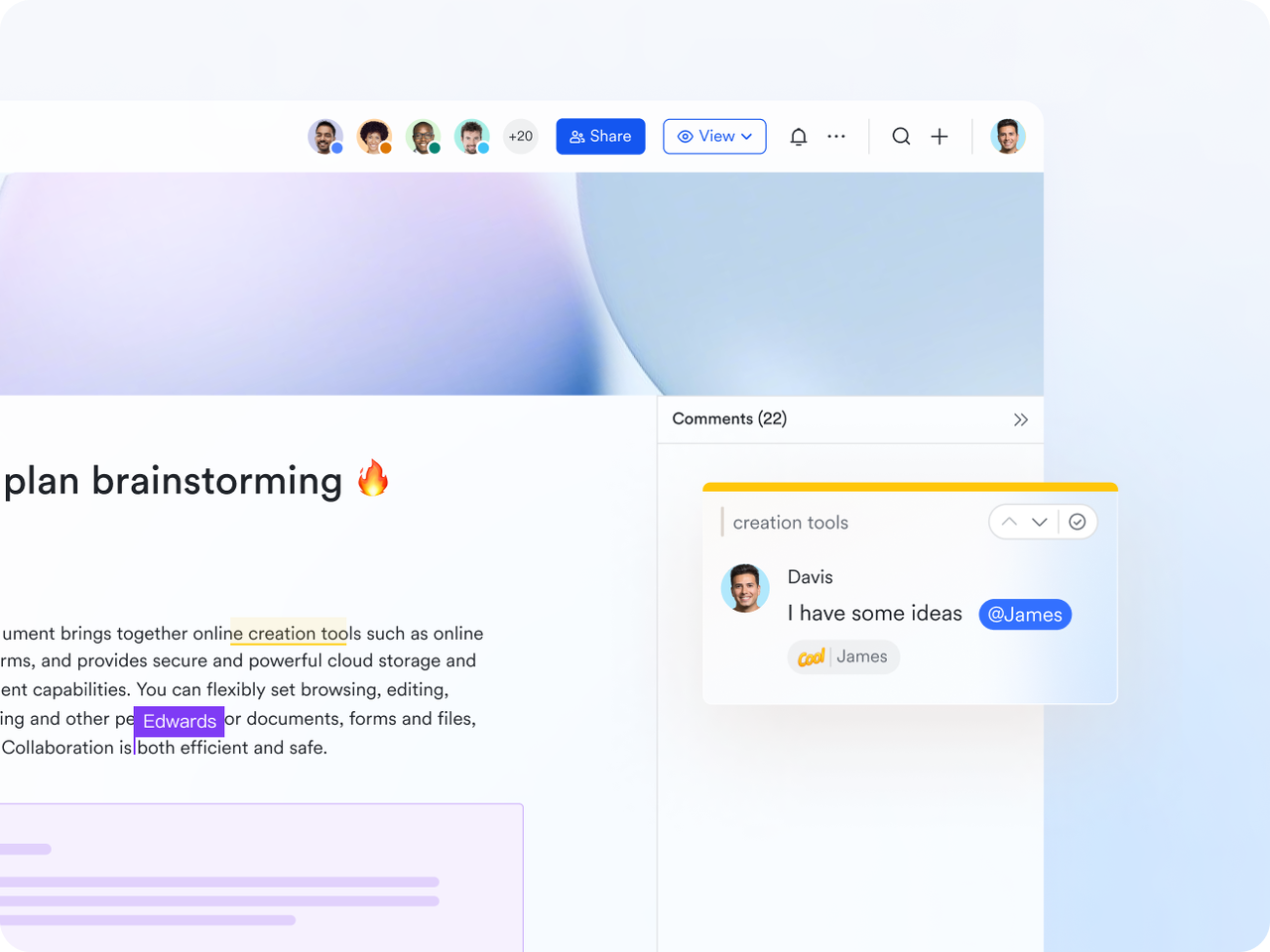
Discuss insights instantly through Lark Messenger
Data-driven insights often lose momentum when trapped in reports or emails. Lark Messenger keeps discussions immediate and contextual by letting teams share dashboards, Docs, or Base tables directly in chat threads. Each message can link to the source data, so conversations stay action-oriented.
Example: After spotting a spike in churn among a certain segment, a team member shares the chart in Messenger. Within the same thread, product managers brainstorm retention strategies and assign follow-up tasks—no meeting required.
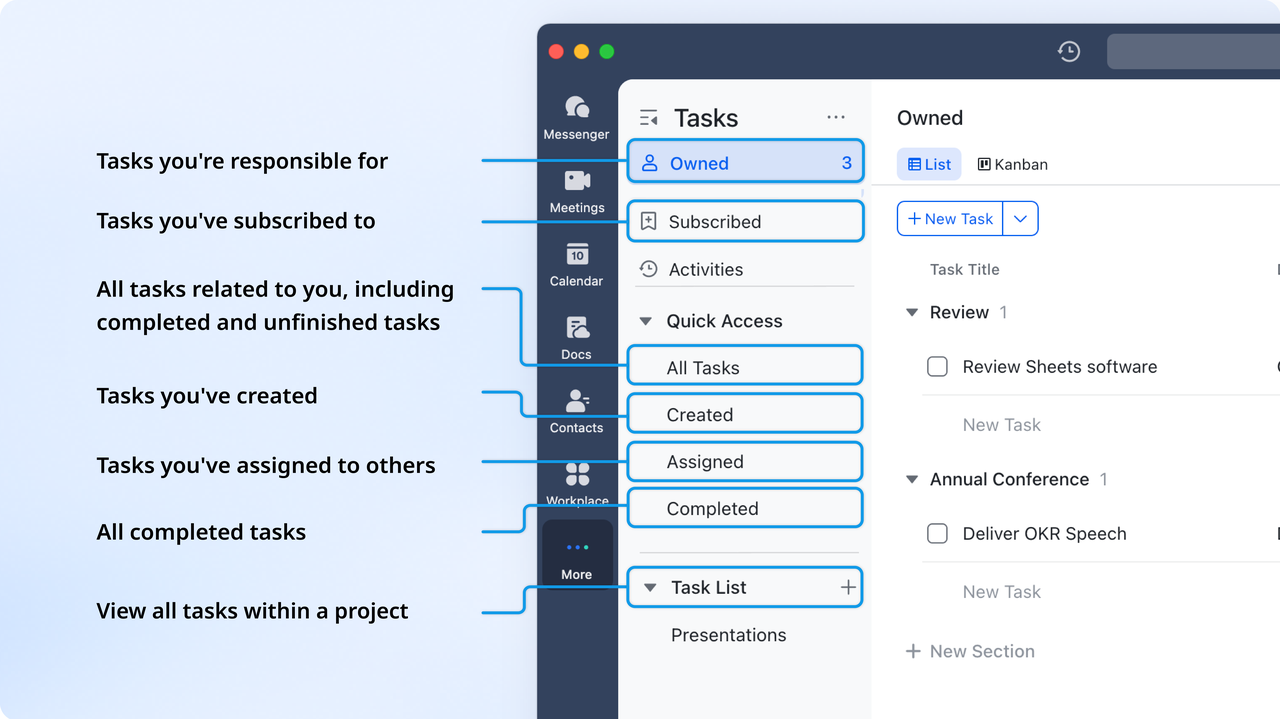
Coordinate campaigns and follow-ups using Lark Tasks
Turning segmentation insights into action requires accountability. Lark Tasks helps teams assign and track responsibilities tied to specific segments or campaigns. Each task can include context links to Docs, Sheets, or Base entries, ensuring everyone has the background they need.
Example: Once a "high-value customer" segment is identified, a marketing manager creates a Lark Task for the content team to design a loyalty email campaign. As the task progresses, status updates and due dates are visible to all stakeholders, keeping the entire workflow transparent.
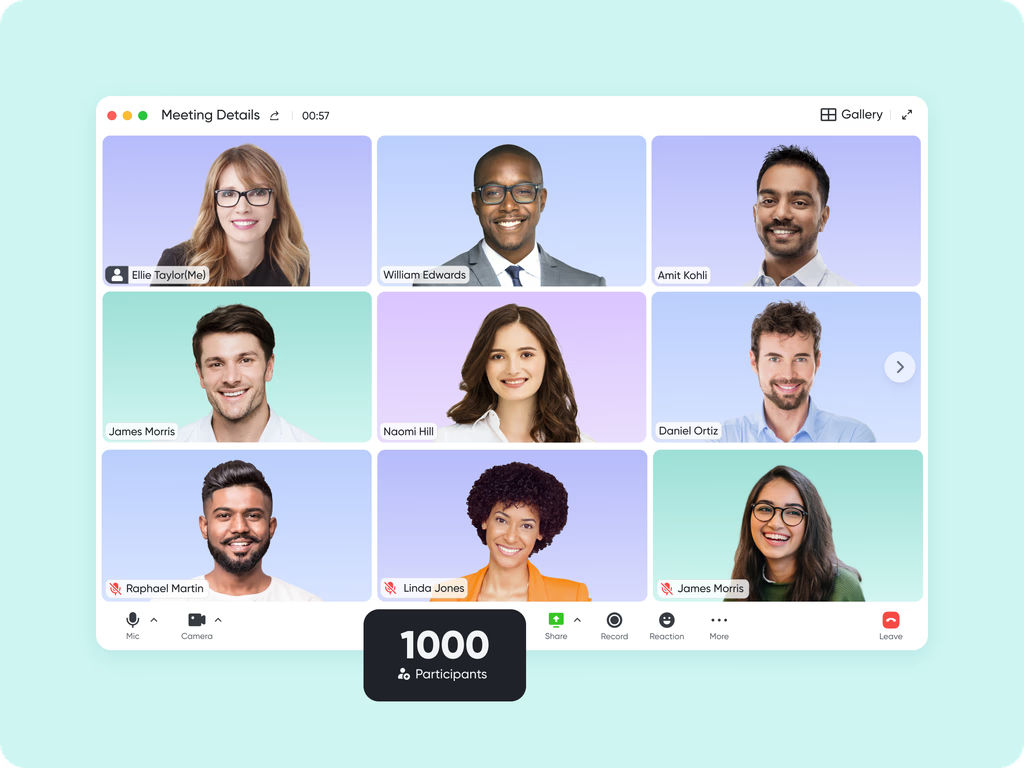
Align sales and marketing efforts with Lark Meetings
Cross-team alignment is essential for using segmentation effectively. Lark Meetings allows sales and marketing teams to review performance reports and discuss next steps directly within the workspace. Notes, action points, and recordings are stored automatically for reference.
Example: During a weekly meeting, the team reviews customer segment engagement metrics from Lark Sheets. Insights discussed—like declining activity in a key segment—are captured in meeting notes and linked to Tasks for immediate follow-up.
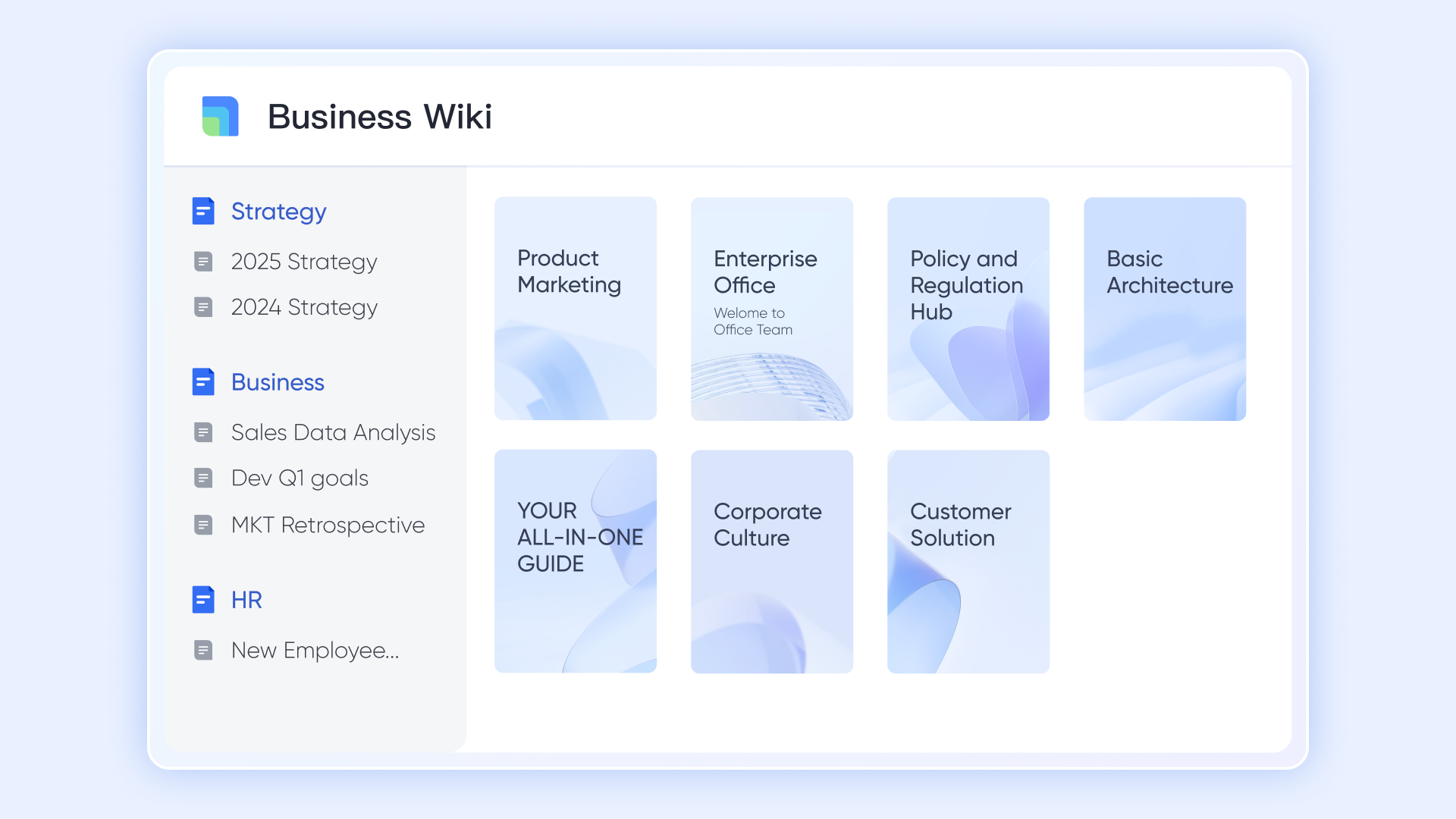
Build a shared segmentation knowledge hub with Lark Wiki
Over time, segmentation models, personas, and campaign data can become scattered across teams. With Lark Wiki, you can centralize all this knowledge in a structured, searchable library.
Example: The marketing team creates a Wiki page summarizing each customer segment, including demographic details, purchase motivators, and preferred communication channels. New hires or sales reps can quickly reference this hub to understand audience behavior before launching new initiatives.
- Starter plan: Free forever plan that includes 11 powerful tools for up to 20 users. It also comes with 100GB of storage, 1000 automation runs, AI translations, and more.
- Pro plan: $12/user/month (billed annually) for up to 500 users. It includes everything in Starter plus group calling for up to 500 attendees, 15TB of storage, 50,000 automation runs, and more.
- Enterprise plan: Contact sales for custom pricing. Supports unlimited users and includes even more automation runs and advanced security, compliance, and management features.
2. HubSpot: CRM and marketing platform with built-in segmentation tools
HubSpot combines CRM capabilities with marketing automation, making it easy for teams to segment and manage customers effectively. Its built-in tools provide a unified view of contacts, interactions, and behaviors, enabling highly personalized campaigns. HubSpot empowers teams to create segments based on a wide range of criteria, from demographics to purchase history, helping businesses connect with the right audience at the right time.
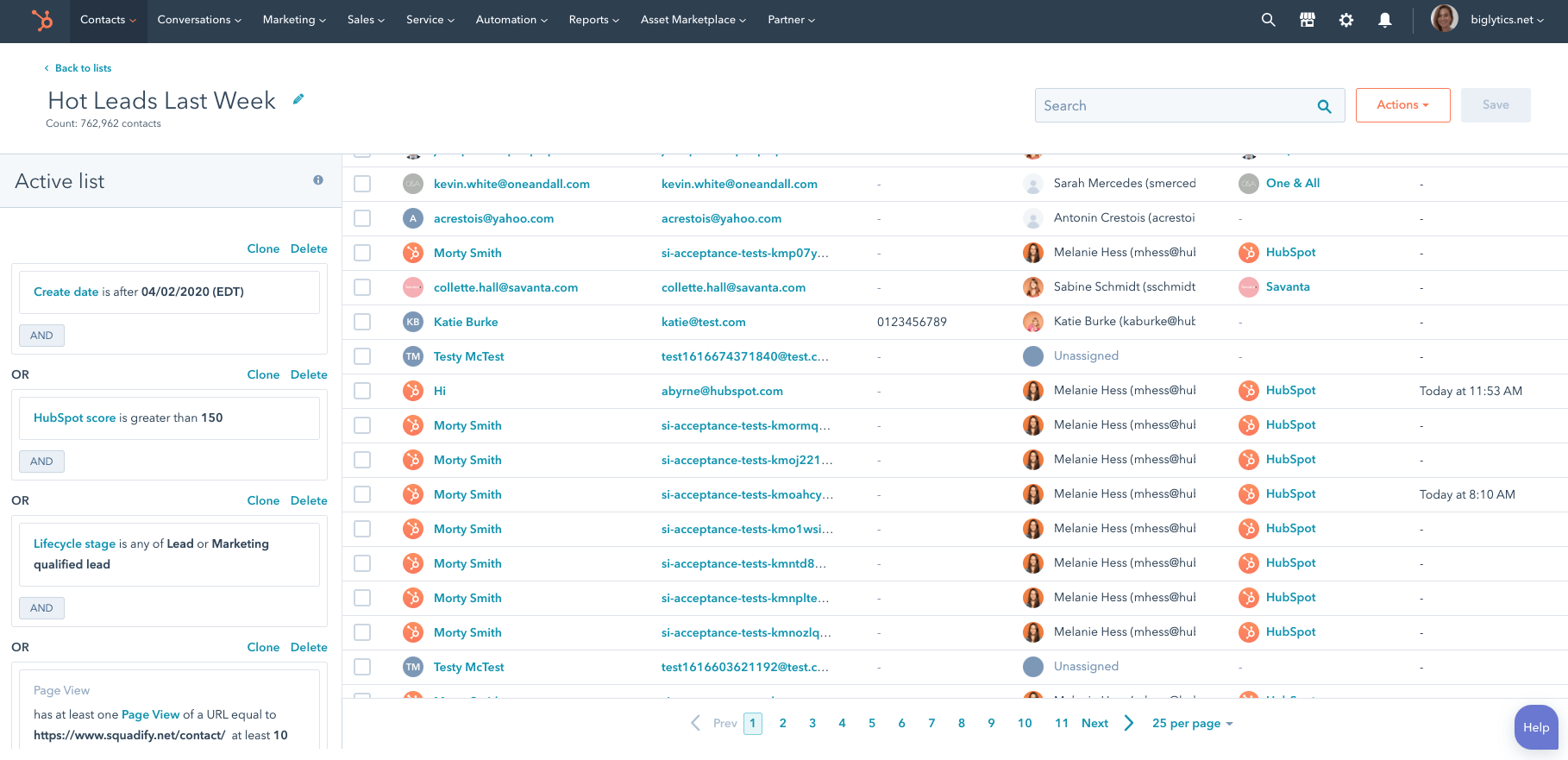
Image source: hubspot.com
Key features:
- Customizable segmentation based on behavior, demographics, and engagement
- Integration with CRM, marketing, sales, and service data
- Automated workflows to trigger campaigns for specific segments
- Real-time analytics to monitor segment performance
- Personalized content and email targeting for improved engagement
Pricing: Smart CRM Professional: US$45/mo (includes 1 core seat); Smart CRM Professional: $75/mo (includes 1 core seat)
3. Salesforce Marketing Cloud: Advanced customer segmentation and personalization
Salesforce Marketing Cloud empowers businesses to deliver highly targeted and personalized marketing experiences at scale. By combining customer data from multiple touchpoints, it enables teams to create precise segments based on behavior, preferences, and engagement. Its AI-driven insights help predict customer needs, optimize campaigns, and improve conversion rates. With Salesforce Marketing Cloud, teams can engage the right audience with the right message at the right time, turning data into meaningful, actionable marketing strategies.
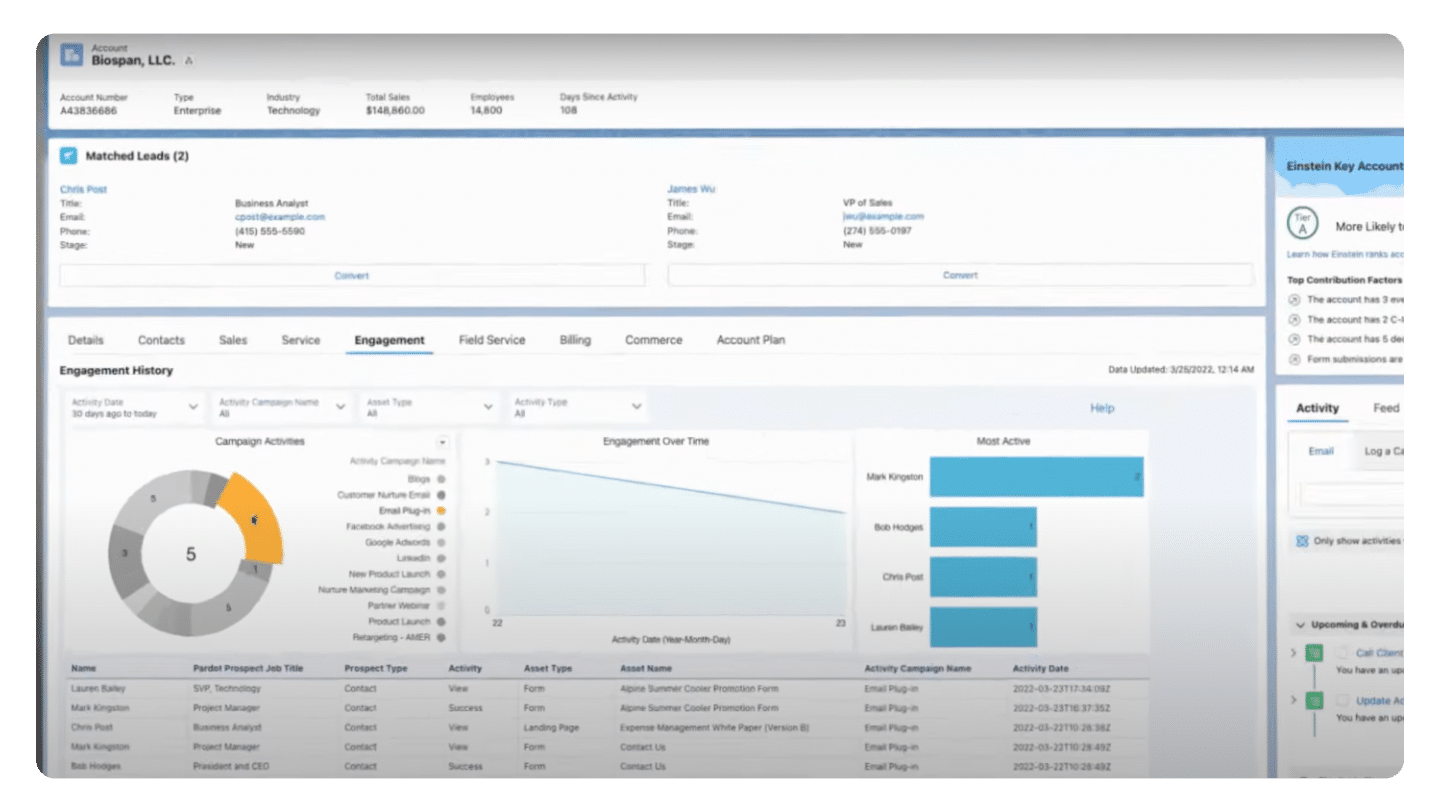
Image source: salesforce.com
Key features:
- AI-powered segmentation and predictive insights for personalized marketing
- Multi-channel campaign automation including email, mobile, and social
- Integration with Salesforce CRM and other data sources for a unified customer view
- Real-time analytics and performance dashboards to measure segment effectiveness
- Dynamic content personalization to increase engagement and conversions
Pricing: Starter plans start at $25/month
4. Klaviyo: E-commerce-focused segmentation for personalized marketing
Klaviyo is designed specifically for e-commerce businesses, helping teams deliver personalized marketing that drives revenue and loyalty. By analyzing customer behavior, purchase history, and engagement patterns, Klaviyo enables precise segmentation and targeted campaigns. Its automation features make it easy to send the right message at the right time, improving conversions and customer retention. With Klaviyo, teams can leverage data to create meaningful, personalized experiences that resonate with shoppers.
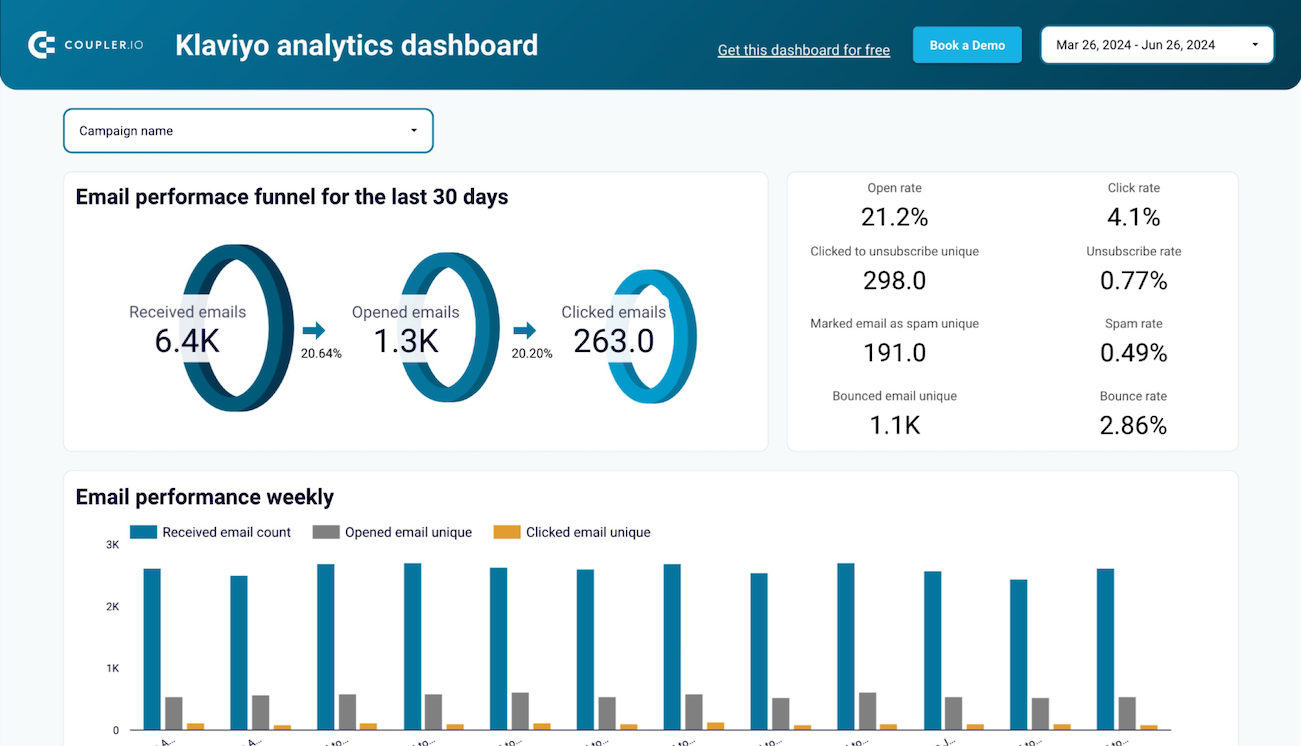
Image source: klaviyo.com
Key features:
- Behavior-based and purchase-history segmentation for targeted campaigns
- Automated workflows for cart abandonment, post-purchase, and re-engagement emails
- Deep integrations with popular e-commerce platforms like Shopify and WooCommerce
- Real-time analytics to track campaign performance and segment engagement
- Personalized email and SMS marketing to enhance customer experiences
Pricing: Starter plans start at $60/month
5. Qualtrics XM: Experience management software for segmentation insights
Qualtrics XM helps businesses understand and act on customer, employee, product, and brand experiences. Its powerful segmentation tools allow teams to uncover insights by grouping customers based on feedback, behavior, and satisfaction metrics. With AI-driven analytics and real-time reporting, Qualtrics XM enables data-backed decisions to enhance engagement and loyalty. This platform turns experience data into actionable strategies, helping teams deliver meaningful interactions at every touchpoint.
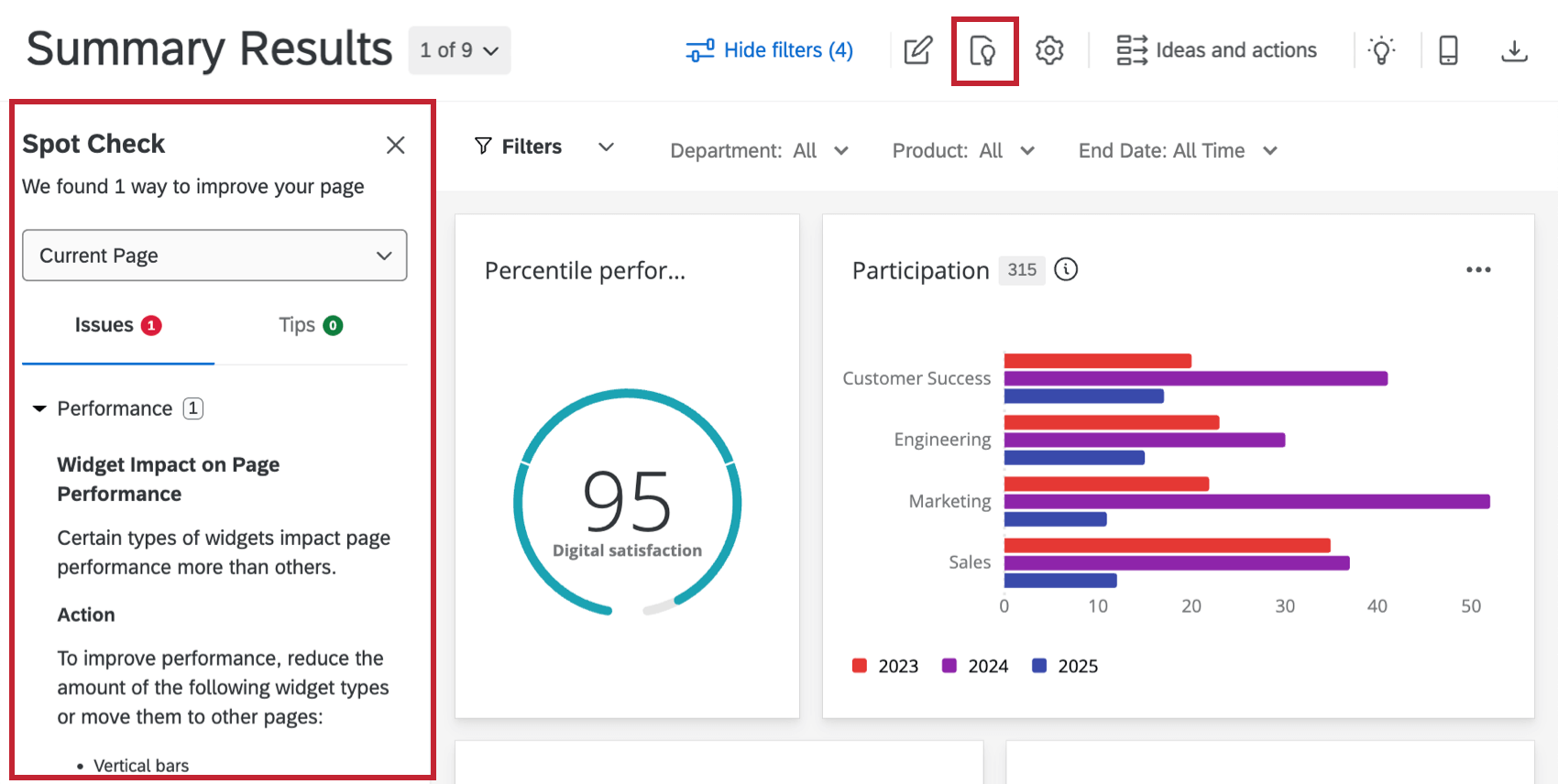
Image source: qualtrics.com
Key features:
- Advanced segmentation based on experience and behavioral data
- AI-driven analytics for predictive insights and trend identification
- Real-time dashboards to monitor customer and employee feedback
- Integration with CRM, marketing, and operational systems for a unified view
- Tools to design personalized engagement strategies for each segment
Pricing: Custom pricing
6. Optimove: Predictive segmentation for data-driven marketing
Optimove empowers businesses to leverage predictive analytics for precise customer segmentation and targeted marketing campaigns. By analyzing behavior, purchase patterns, and engagement trends, it identifies high-value segments and predicts future actions. This enables teams to craft personalized marketing strategies that maximize retention and lifetime value. Optimove combines data-driven insights with automation, helping teams execute campaigns efficiently while continuously optimizing performance.
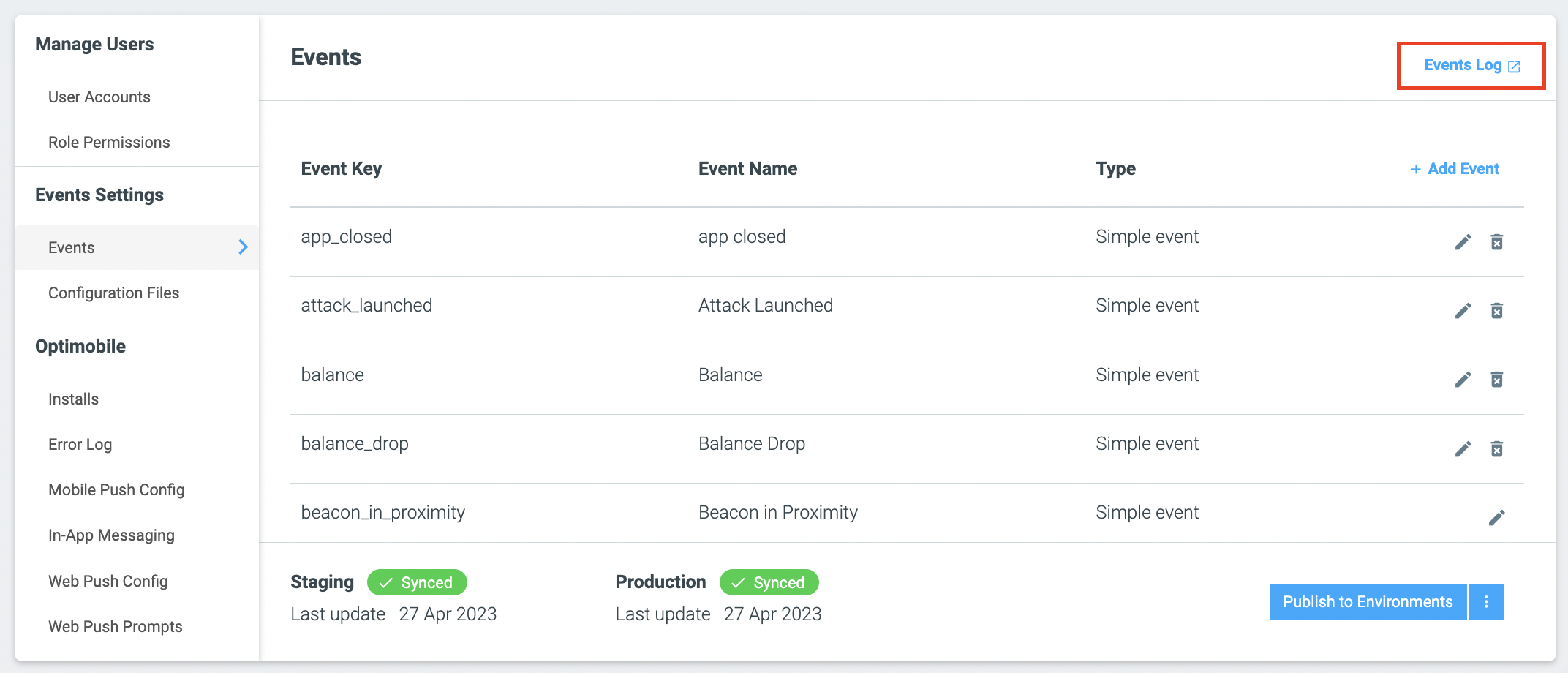
Image source: optimove.com
Key features:
- Predictive customer segmentation using behavior and engagement data
- Automated multi-channel campaign execution for personalized messaging
- Real-time performance tracking and analytics dashboards
- Integration with CRM and marketing platforms for unified customer insights
- Tools to optimize retention, cross-selling, and upselling strategies
Pricing: Custom pricing
7. Userpilot: Product experience platform with in-app user segmentation
Userpilot helps businesses enhance product adoption and user engagement through in-app experiences and segmentation. By tracking user behavior within your product, teams can create targeted experiences, personalized onboarding flows, and feature announcements for specific user groups. This ensures that each user receives the right guidance at the right time, improving retention and satisfaction. Userpilot turns product usage data into actionable insights for smarter, behavior-driven marketing and engagement strategies.
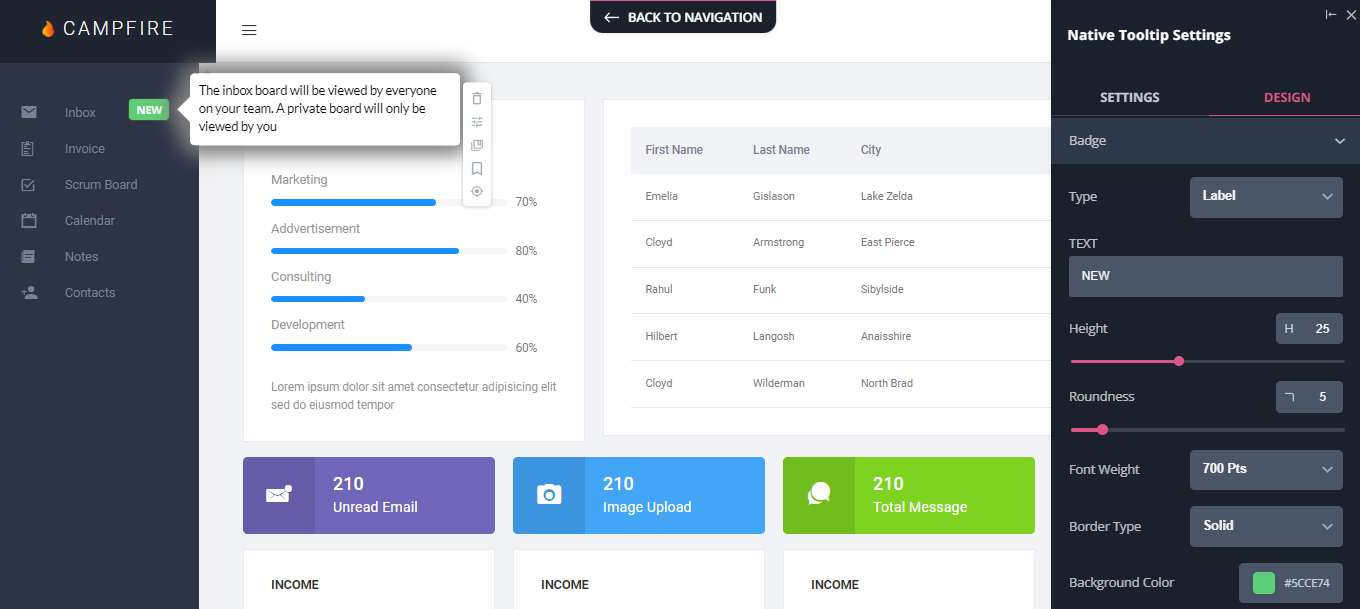
Image source: userpilot.com
Key features:
- In-app user segmentation based on behavior, usage, and engagement
- Personalized onboarding and feature adoption flows
- Targeted in-app messages, tooltips, and notifications
- Analytics dashboards to monitor segment performance and engagement
- Integration with CRM, product, and marketing tools for seamless workflows
Pricing: Starter plans start at $299/month
8. Moosend: Email marketing software with behavioral segmentation
Moosend is an email marketing platform that enables businesses to create highly targeted campaigns using behavioral and engagement-based segmentation. By analyzing user interactions, purchase history, and preferences, teams can deliver personalized emails that drive conversions and strengthen customer relationships. Moosend's automation features streamline campaign execution, allowing marketers to focus on strategy while ensuring timely and relevant communication.
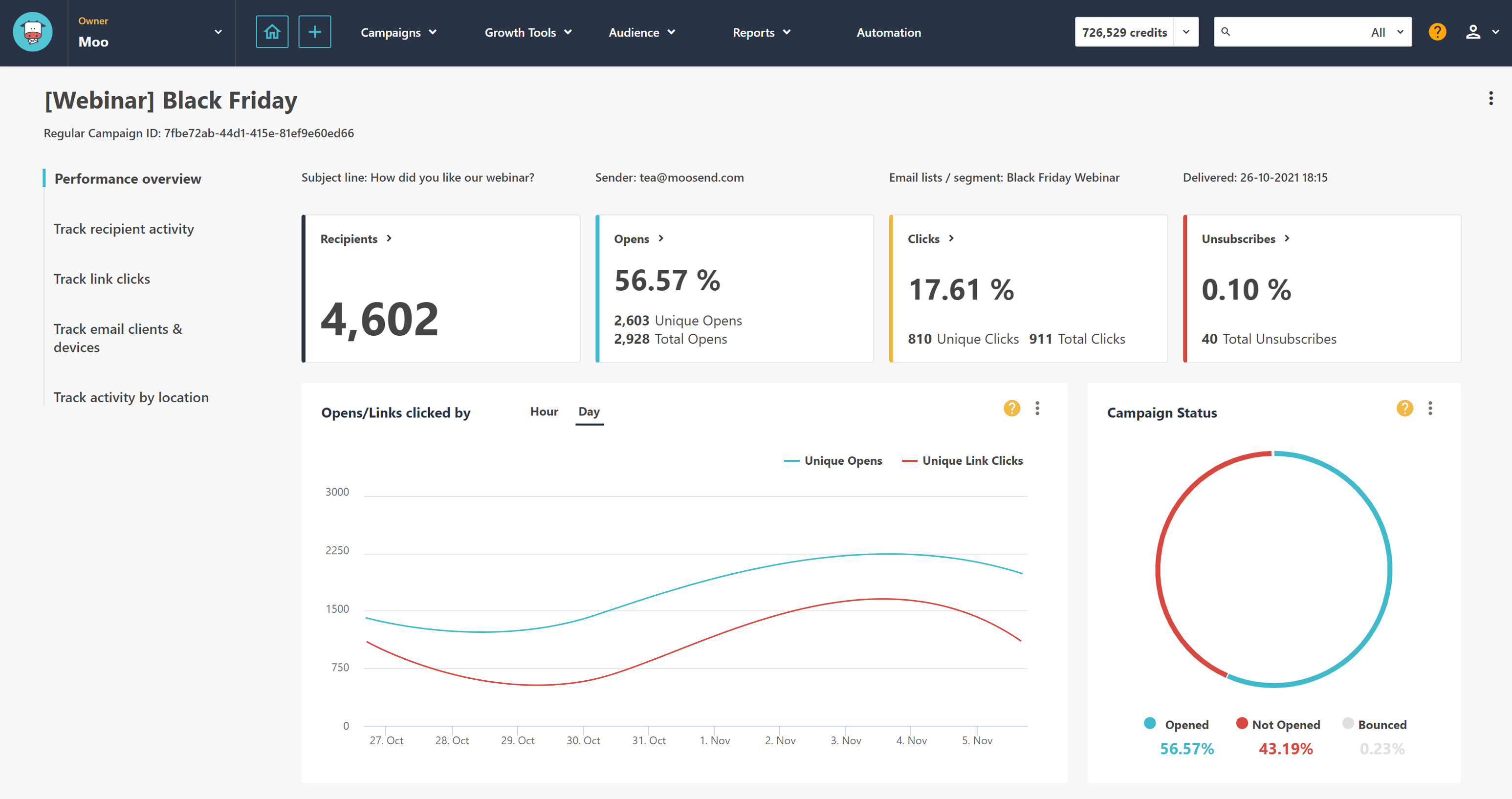
Image source: moosend.com
Key features:
- Behavioral and engagement-based segmentation for precise targeting
- Automated email workflows for onboarding, promotions, and re-engagement
- Real-time analytics to track campaign performance and optimize results
- Personalization tools for dynamic content in emails
- Integrations with CRM and e-commerce platforms to unify customer data
Pricing: Free plan available
9. Omnisend: Omnichannel marketing platform with flexible audience segmentation
Omnisend is designed for businesses looking to connect with customers across multiple channels while leveraging precise audience segmentation. By combining email, SMS, push notifications, and more, Omnisend enables teams to deliver personalized campaigns tailored to customer behavior, preferences, and engagement history. Its flexible segmentation tools allow marketers to target the right audience at the right time, improving conversions and customer loyalty. With Omnisend, businesses can create consistent, data-driven marketing experiences that resonate across every touchpoint.
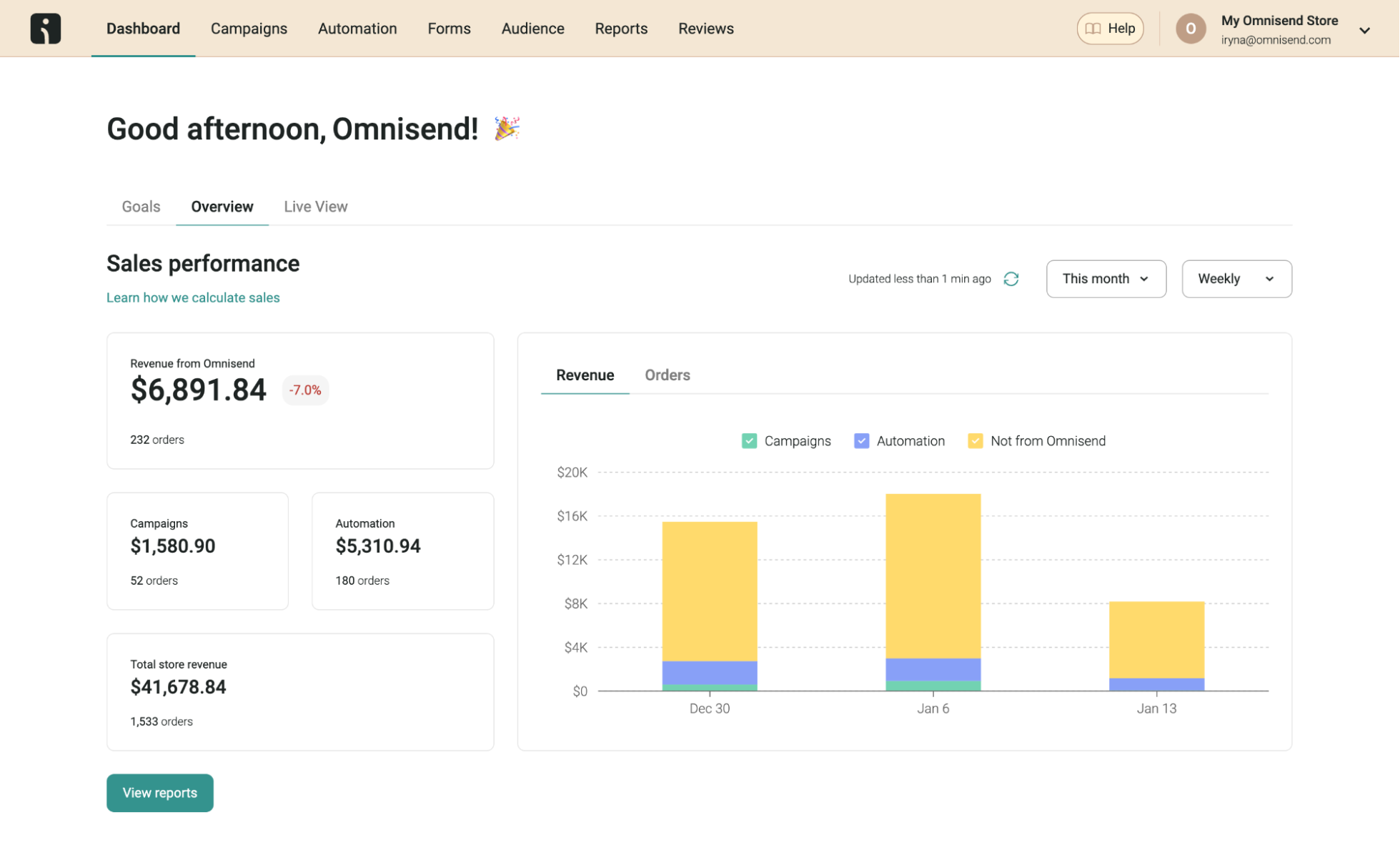
Image source: omnisend.com
Key features:
- Flexible audience segmentation based on behavior, purchase history, and engagement
- Omnichannel campaign automation including email, SMS, and push notifications
- Real-time analytics to track segment performance and conversions
- Personalized content and dynamic messaging for targeted campaigns
- Seamless integration with e-commerce platforms and CRM systems for unified customer data
Pricing: Free tier available
10. Zoho CRM: Data-driven segmentation for sales and marketing alignment
Zoho CRM helps businesses align sales and marketing teams through data-driven customer segmentation. By analyzing customer interactions, purchase history, and engagement patterns, teams can create targeted lists and campaigns that improve lead nurturing and conversion rates. Zoho CRM ensures that both marketing and sales have a unified view of customer segments, enabling coordinated outreach and more effective decision-making.
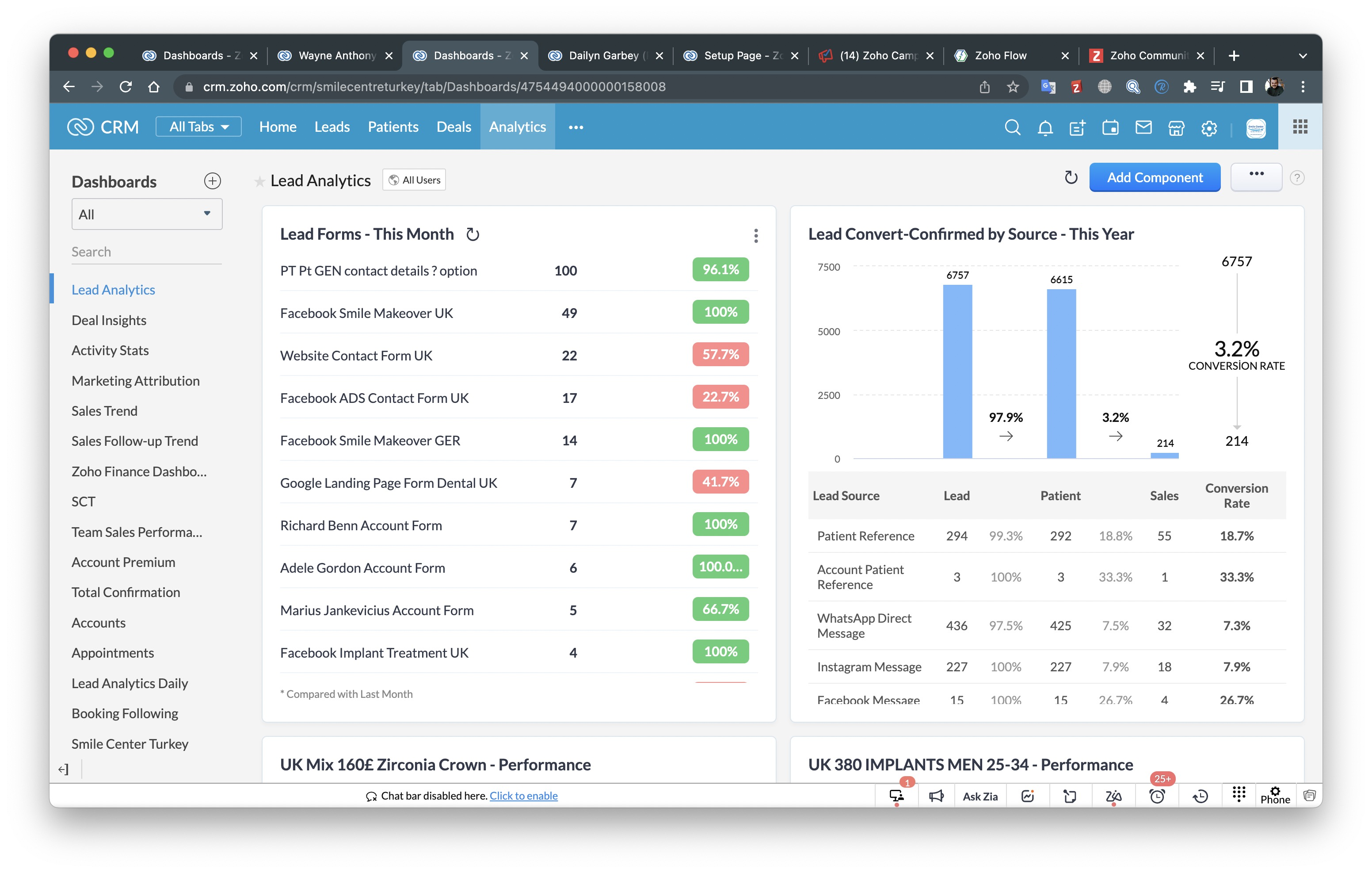
Image source: zoho.com
Key features:
- Segmentation based on behavior, demographics, and purchase history
- Unified dashboards for sales and marketing team alignment
- Automated workflows for lead nurturing and follow-ups
- Real-time analytics to measure campaign and segment performance
- Integrations with email, marketing automation, and third-party apps for seamless operations
Pricing: Free plan available
Steps to build your own customer segmentation strategy
Building a successful segmentation strategy requires combining data, goals, cross-team input, and ongoing refinement. Below is a structured process businesses can follow.
- Define your goals: Decide what you want segmentation to achieve. Goals might include boosting retention, driving upsell opportunities, reducing churn, improving campaign efficiency, or personalizing onboarding. Clear goals determine what kind of segmentation model you should use and how performance will be measured.
- Collect and analyze data: Gather data from CRM, product analytics, surveys, emails, purchase records, and support tools. The more reliable the data, the stronger the segmentation. Teams often start with demographic or behavioral data and evolve into predictive or value-based segmentation as dataset maturity grows.
- Define segments using selected models: Use the models from the previous section to group customers by behavior, demographics, lifecycle stage, or profitability. Ensure segments are meaningful, measurable, and large enough to act on. Avoid creating segments that are too small to justify effort or budget.
- Apply segments across campaigns and workflows: Teams should tailor messaging, channel use, timing, offers, and product recommendations according to segment needs. Segmentation should not stay inside spreadsheets; it should drive real execution in email, ads, onboarding flows, and sales follow-ups.
- Monitor, measure, and refine over time: Customer behavior changes. Segments that worked a year ago may lose relevance. Use performance dashboards and retention metrics to track impact. Update segment rules as new data enters the system and as strategies shift.
Conclusion
Customer segmentation is a powerful strategy that enables businesses to understand their audience, deliver personalized experiences, and improve marketing ROI. By leveraging tools like HubSpot, Salesforce, Klaviyo, and others—and integrating workflows with Lark—teams can create precise segments based on behavior, demographics, and engagement patterns.
Following best practices—while avoiding common pitfalls—ensures segments are actionable, measurable, and adaptable to changing customer behavior. Whether for e-commerce, SaaS, or enterprise-level marketing, effective segmentation drives smarter campaigns, stronger customer relationships, and sustainable growth. With Lark, businesses can centralize insights, coordinate teams, and turn data into meaningful, targeted actions that resonate with every audience segment.
FAQs
How often should businesses update their customer segmentation strategy?
Businesses should review and update their customer segments regularly—at least quarterly or whenever significant changes occur in customer behavior, market trends, or product offerings. This ensures segments remain accurate, actionable, and aligned with current business goals.
What data sources are most reliable for building customer segments?
Reliable data sources include CRM systems, purchase history, website analytics, email engagement, and customer surveys. Combining multiple sources provides a fuller picture of customer behavior and helps create more precise segments.
Can small businesses use customer segmentation without expensive software?
Yes. Small businesses can start with simple tools like spreadsheets, Google Sheets, or basic CRM platforms. Even lightweight segmentation methods can deliver valuable insights and guide targeted marketing efforts without a large investment.
What's the biggest mistake companies make with customer segmentation?
A common mistake is creating too many overly specific segments too early or relying on only one data source. This can complicate workflows, reduce actionable insights, and result in missed opportunities for personalized marketing.
How can Lark help improve collaboration on segmentation projects?
Lark centralizes data, documentation, and team communication, making it easier for marketing, sales, and product teams to collaborate on segmentation projects. With shared dashboards, workflows, and real-time updates, teams can coordinate efforts, track progress, and implement strategies more efficiently.
Related reading
Table of contents
Start using Lark today

Manage all your work in one place
Boost team efficiency by 10x
Save up to 70% on software costs
Table of contents
Start using Lark today
Manage all your work in one place
Boost team efficiency by 10x
Save up to 70% on software costs
Keep reading







2026 Lark Technologies Pte. Ltd.
Headquartered in Singapore with offices worldwide.






Explore: