














How to Write a Product Requirements Document (PRD)

Ryan Tanner
Product Marketing Specialist
Sep 18, 2026
Ryan Tanner
Sep 18, 2026

17 min read


A Product Requirements Document (PRD) is the foundation of every successful product launch. Knowing how to write a PRD ensures teams stay aligned, the scope is clear, and everyone—from designers to engineers—understands what's being built and why. Writing a good PRD goes beyond listing features; it demands clarity, structure, and collaboration across departments.
In this guide, we'll break down how to write a PRD that truly drives results, covering its key components, a step-by-step writing process, and common mistakes to avoid. You'll also see how modern tools like Lark simplify collaboration, turning your PRD into a living, evolving document that stays aligned through every stage of development.

What is a product requirements document (PRD)?
A product requirements document (PRD) is a comprehensive guide that outlines what a product will do, who it's for, and how it should function. It serves as a single source of truth for teams across product, engineering, design, and marketing to stay aligned throughout the development process. When learning how to write a PRD or how to write a good PRD, it's essential to include the product's objectives, user needs, key features, success metrics, and timelines. A well-structured PRD bridges the gap between ideas and execution by translating product vision into actionable details.
Whether you're figuring out how to write a PRD document or how to write a product requirements document (PRD) for software, clarity and collaboration are key. It ensures that every stakeholder understands what's being built and why—reducing confusion, rework, and missed expectations during product delivery.
Key components of a PRD
Every strong product requirements document (PRD) follows a clear and consistent structure that keeps teams aligned and informed. When learning how to write a PRD, it's important to focus on the key sections that translate product vision into actionable details. These components ensure that everyone—from stakeholders to engineers—understands not just what to build but why it matters. Whether you're figuring out how to write a good PRD or how to write a PRD document for a software product, including these core elements ensures clarity and execution success.
- Product overview and purpose: This section explains the "why" behind the product—its goals, market context, and intended impact. When you know how to write a PRD product requirements document, you define a clear vision that guides every subsequent decision. A concise overview aligns stakeholders before development begins.
- Target users and user needs: Defining your target audience ensures the product solves real problems and delivers meaningful value. Describe key personas, pain points, and desired outcomes. Understanding how to write a product requirements document (PRD) helps you translate user research into actionable insights.
- Key features and functionalities: List the main features that bring your product vision to life. Focus on "must-haves" versus "nice-to-haves" to maintain scope clarity. Those learning how to write a PRD for a software product should prioritize features by user value and technical feasibility.
- Technical requirements and dependencies: Detail the systems, platforms, APIs, and integrations your product depends on. This ensures engineering teams can assess effort, complexity, and compatibility early. Including this section when you write a PRD document helps prevent technical blockers later.
- Success metrics and KPIs: Quantify how success will be measured—whether through engagement, adoption, or revenue growth. This data-driven approach keeps teams focused on outcomes, not just outputs. Knowing how to write a good PRD means linking goals directly to measurable impact.
- Timeline and release plan: Outline the project's roadmap, major milestones, and expected delivery dates. This helps teams set realistic expectations and track progress effectively. When you know how to write a PRD product requirements document, timelines keep collaboration structured and accountable.
- Assumptions, risks, and open questions: Every PRD includes uncertainties—highlight them early to manage risk proactively. List assumptions that could impact design or delivery, and note open items needing validation. Learning how to write a PRD properly means acknowledging risks before they turn into delays.
How to write a PRD step by step
Learning how to write a PRD step by step ensures your document is both strategic and actionable. A clear process helps transform scattered ideas into a well-defined roadmap for product success. Whether you're learning how to write a PRD for a software product or how to write a good PRD for a cross-functional team, each stage plays a vital role in shaping clarity, alignment, and execution. Follow these steps to craft a PRD that drives collaboration and delivers measurable results.
Step 1: Define the product's purpose and audience
Start by outlining the problem your product solves and who it serves. This foundation guides every feature and design choice. Knowing how to write a PRD product requirements document begins with articulating clear objectives and identifying your target users.
Step 2: Gather requirements from stakeholders
Engage cross-functional teams—design, engineering, sales, and customer success—to collect all inputs. This ensures the PRD reflects both business and user priorities. When you write a PRD document collaboratively, it leads to stronger alignment and fewer revisions later.
Step 3: Structure your PRD with clear sections
Organize the PRD into logical parts such as objectives, user needs, features, and dependencies. A well-structured format helps stakeholders find information quickly. Understanding how to write a product requirements document (PRD) effectively makes your documentation easier to navigate and maintain.
Step 4: Validate assumptions and dependencies
Before development begins, identify any technical or business dependencies that could impact success. Validate these with relevant teams to avoid future delays. One key to how to write a good PRD is ensuring that all assumptions are tested and confirmed early.
Step 5: Review, collaborate, and iterate with the team
Treat your PRD as a living document that evolves as decisions change. Use real-time collaboration tools to gather feedback and maintain alignment. Those learning how to write a PRD for a software product should prioritize continuous iteration to keep the document current and actionable.
Once your PRD is drafted, the real challenge begins—keeping everyone aligned as requirements evolve, decisions are made, and execution moves forward. That's where the right collaboration platform makes all the difference.
Build your doc: Use Lark as your all-in-one PRD collaboration tool
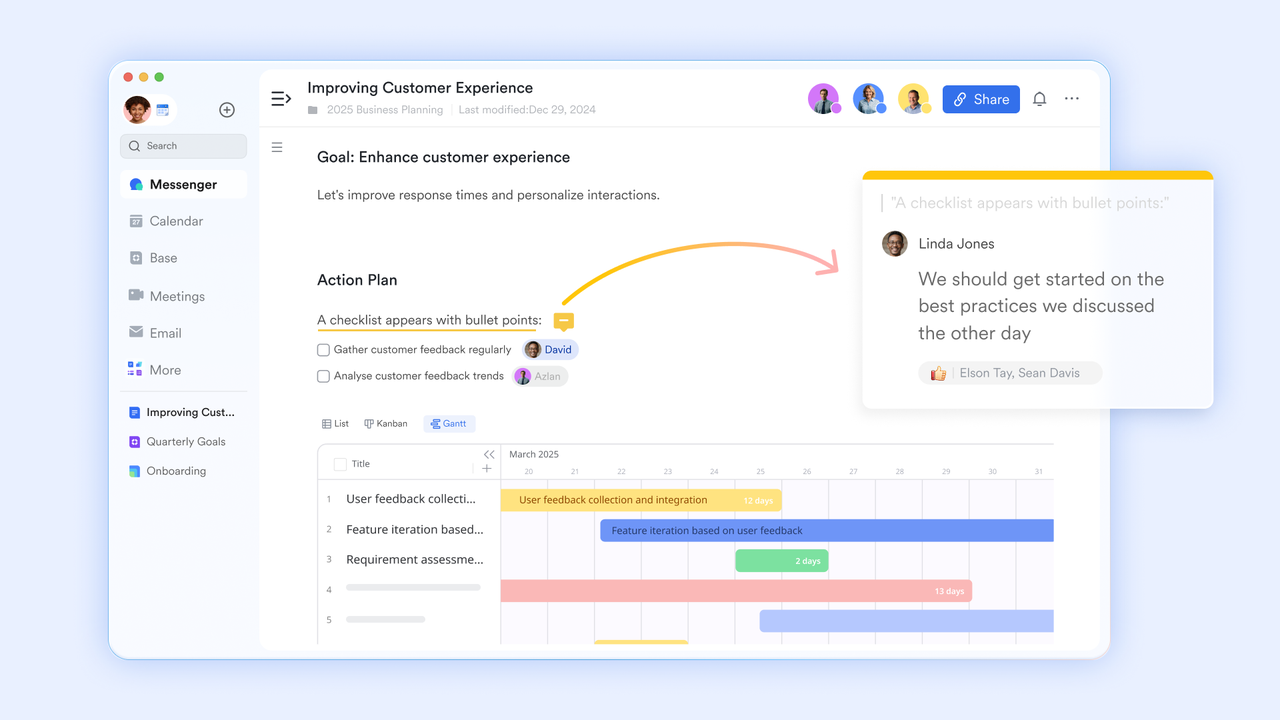
Lark gives product teams a single workspace to create, discuss, and refine PRDs without losing context or momentum. Instead of juggling multiple project management tools for documentation, feedback, and tracking, teams collaborate directly where the work happens. Requirements stay connected to conversations, prototypes, and progress updates, helping everyone stay aligned from initial scope to launch. With secure access controls, real-time editing, and following doc update, your PRD becomes a living document that stays accurate throughout development.
Key features
Lark Docs for PRD creation, collaboration, and control
Lark Docs makes PRD creation smooth and structured by combining detailed requirements with visual context in one collaborative document. Designers can embed prototypes, screenshots, and reference links directly next to specifications, while tables and checklists help clarify scope and acceptance criteria. Real-time co-editing ensures that everyone always works on the latest version without confusion or duplicate files. Full version history and permissions allow product managers to track changes, restore earlier drafts, and control who can view or comment on sensitive details.
Lark Messenger for instant PRD discussions and feedback
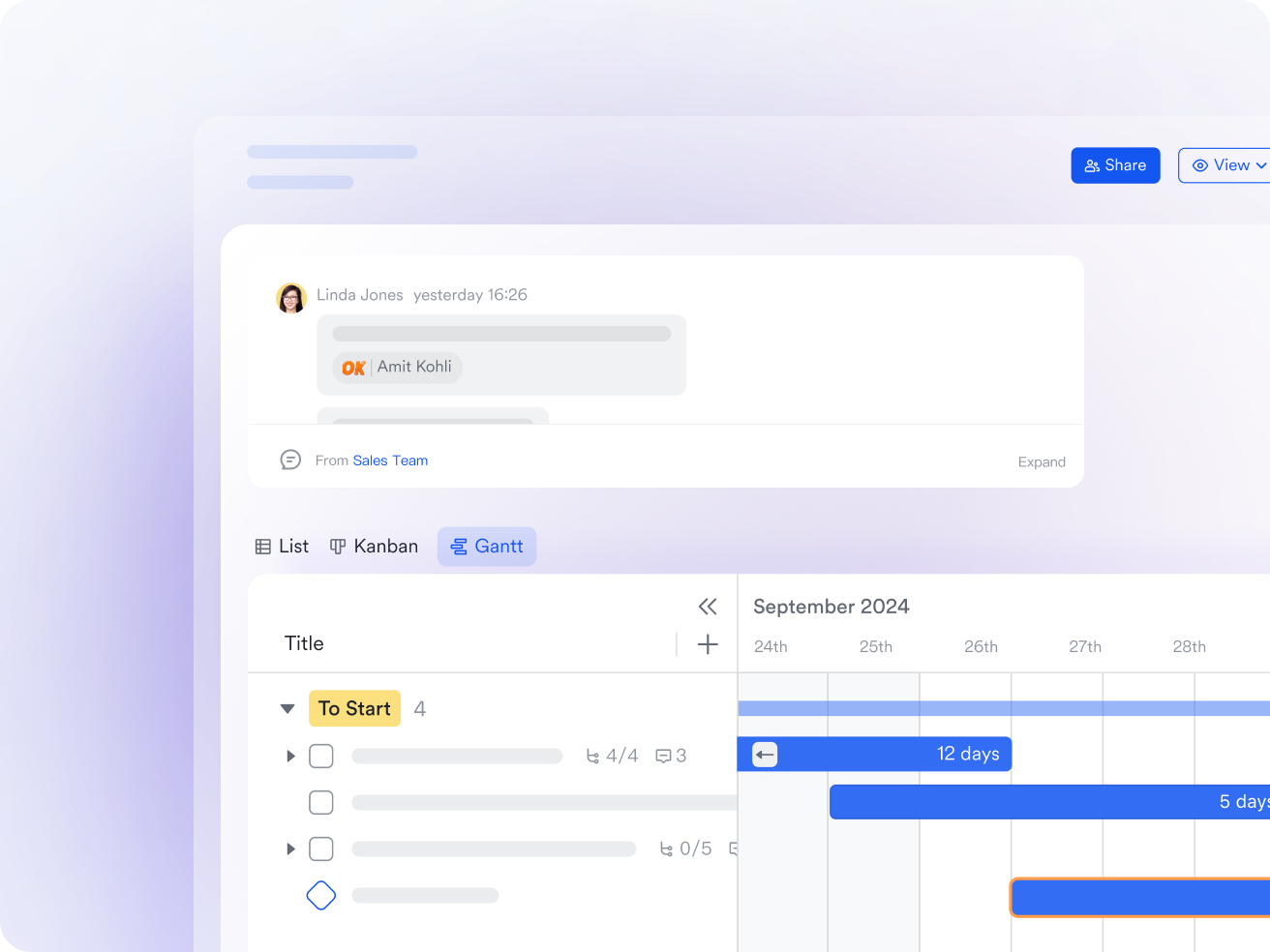
With Lark Messenger, PRDs are not isolated documents. Teams can comment directly inside Docs or send PRD links into group chat for fast review. let you group related messages together within a chat, keeping discussions organized and context-linked to the original message. Reactions, pins, flags, and replies in a thread reduce delays in decision-making.
Lark Meetings for prototype walkthroughs and live review sessions
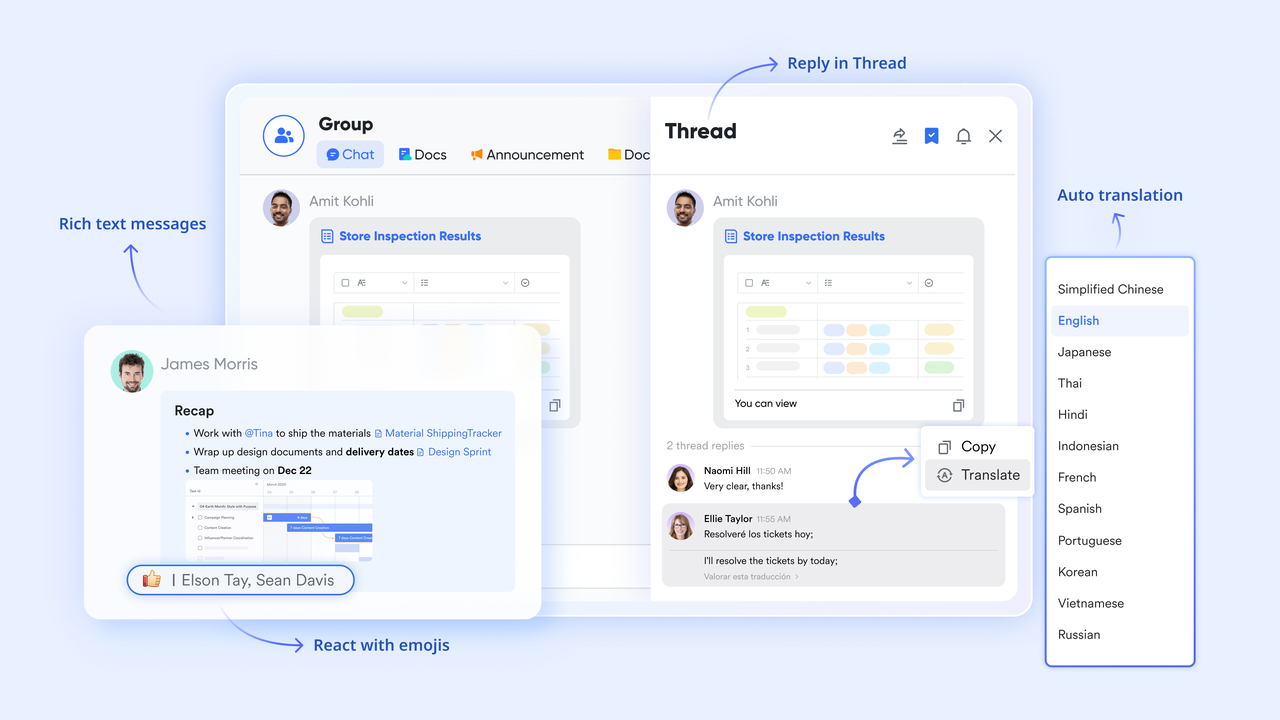
Product and design teams can open PRDs and prototypes directly in Lark Meetings to review details together. Participants annotate Docs live, update requirement fields, insert a board, and capture decisions instantly—no tedious post-meeting documentation. With screen sharing and recording support, stakeholders can revisit discussions and align more easily.

Lark Base for structured requirements and workflow progress
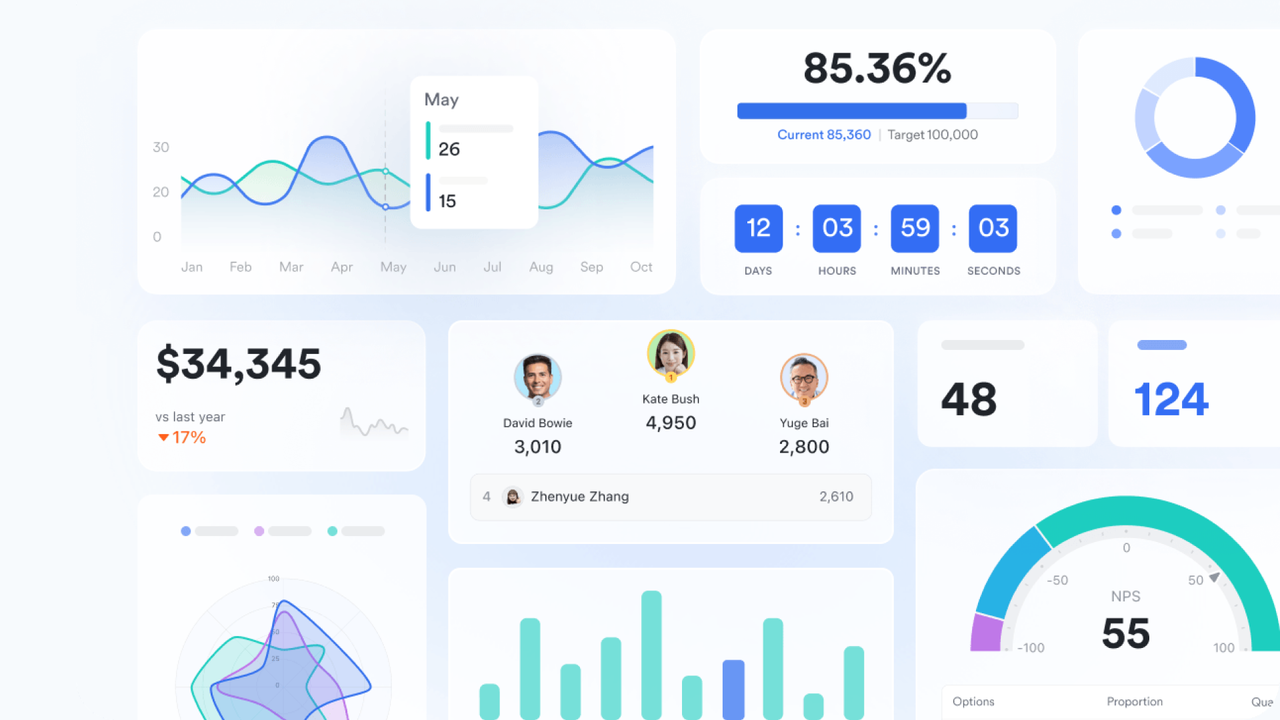
For teams who want workflow visibility, Lark Base converts PRD requirements into trackable items with status fields, owners, due dates, and dashboards. Product managers can visualize work with Kanban boards or timelines, ensuring development progresses according to scope. With automated workflow, notifications trigger when requirements advance stages or need review.
- Starter plan: Free forever plan that includes 11 powerful tools for up to 20 users. It also comes with 100GB of storage, 1000 automation runs, AI translations, and more.
- Basic plan: $6/user/month (billed annually) for up to 500 users. Includes everything in Starter plus unlimited message history, 5TB storage, 1,000 automation runs, and more. Some users may need to contact sales to purchase.
- Pro plan: $12/user/month (billed annually) for up to 500 users. It includes everything in Starter plus group calling for up to 500 attendees, 15TB of storage, 50,000 automation runs, and more.
- Enterprise plan: Contact sales for custom pricing. Supports unlimited users and includes even more automation runs and advanced security, compliance, and management features.
Ready-to-use templates
Business requirements document template
Capture the "what" and "why" of your project in one clear, organized place. This template helps you define objectives, scope, and stakeholders so everyone aligns from the start. It serves as your project’s contract with the business and helps prevent scope creep. Start strong so you can deliver with confidence and clarity.
Report requirements template
Every report needs more than numbers—it needs purpose, owners, and deadlines. This template helps you outline what the report will include, who’s responsible, and how progress will be tracked. Built for collaboration, it keeps everyone informed and your reporting process on schedule. Make every report count with clarity and structure.
Requirements and bug management template
Managing features and bugs in the same workspace keeps your project connected from planning to delivery. This template gives you a unified view of what’s required, what’s broken, and what’s fixed—all in one system. Assign owners, log issues, and monitor status seamlessly from start to finish. Gain control of both requirements and bugs so you can deliver quality faster.
Why a well-written PRD matters
A well-written product requirements document (PRD) acts as the foundation of successful product development. It ensures that all teams—from design to engineering—share a unified understanding of goals, priorities, and outcomes. When you know how to write a PRD effectively, you prevent miscommunication, reduce costly rework, and keep your roadmap aligned with business objectives. Whether you're learning how to write a good PRD or how to write a PRD for a software product, clarity and precision make all the difference.
- Reduces ambiguity between teams: A clearly structured PRD minimizes misunderstandings by outlining scope, priorities, and dependencies. Teams know exactly what's expected and can align their work accordingly. Learning how to write a PRD product requirements document ensures everyone operates from the same playbook.
- Sets clear success criteria and product goals: When you write a PRD document, defining measurable KPIs and success metrics helps teams stay outcome-driven. This ensures product decisions align with user needs and business strategy. It also clarifies how progress will be tracked from start to launch.
- Improves collaboration and accountability: A well-crafted PRD encourages cross-functional input, ensuring all voices are heard before development begins. Knowing how to write a product requirements document (PRD) the right way fosters transparency and shared responsibility. Each stakeholder understands their role in delivering value efficiently.
- Prevents scope creep and project delays: Detailed documentation in your PRD helps manage expectations and avoid uncontrolled changes mid-project. By specifying what's in and out of scope, teams maintain focus and timeline discipline. This is especially critical when learning how to write a good PRD for complex software builds.
Common mistakes to avoid when writing a PRD and how Lark helps
Even the most experienced product managers can make common mistakes when learning how to write a PRD. A well-structured product requirements document (PRD) ensures alignment, clarity, and actionable direction, but small missteps can lead to confusion, wasted time, or even product failure. Whether you're learning how to write a PRD for a software product or how to write a good PRD in general, understanding what not to do is just as crucial as knowing the best practices.
1. Overly detailed or overly vague specifications: One of the biggest challenges when figuring out how to write a PRD product requirements document is finding the right balance of detail. Some teams over-explain every technical aspect, turning the PRD into an engineering manual. Others stay too high-level, leaving critical gaps that lead to inconsistent interpretations and rework. Both extremes create confusion and slow development progress.
How Lark helps: Lark Docs allows teams to structure their PRD with flexible tables, feature summaries, and acceptance criteria. This keeps documentation comprehensive yet readable. Product managers can use comment threads to clarify sections without overcrowding the document. When you write a PRD document in Lark, it remains focused, collaborative, and easy to maintain.
2. Skipping stakeholder alignment: Even if you know how to write a product requirements document (PRD) perfectly, failing to align stakeholders early can derail progress. If product, engineering, and design teams interpret requirements differently, the result is rework, tension, and missed deadlines. Alignment must be built into the PRD creation process—not handled later as an afterthought.
How Lark helps: With Lark Messenger and Lark Meetings, stakeholders can discuss requirements instantly. PRD links shared in chat or meeting notes keep everyone referencing the same, up-to-date source of truth. Real-time discussions and contextual comments ensure that decisions are made collectively, improving both speed and accountability.
3. Not updating the PRD after decisions change: A static PRD is one of the most common causes of project breakdown. As development evolves, priorities shift, and assumptions get tested. When updates aren't reflected in the PRD, teams rely on outdated information, causing delays and duplication of work. Anyone learning how to write a good PRD must treat it as a living document.
How Lark helps: Lark Docs supports real-time co-editing so that any change—big or small—is instantly visible to everyone involved. Version history allows product managers to track revisions and restore earlier drafts when needed. This ensures transparency and consistency, especially when scope or strategy changes mid-cycle.
4. Focusing on features instead of outcomes and value: A frequent mistake for new product managers learning how to write a PRD for a software product is emphasizing what will be built rather than why. Listing features without connecting them to measurable outcomes often leads to low adoption or misaligned development priorities. Great PRDs tie features directly to customer value and business impact.
How Lark helps: Lark Sheets and Lark Base integrate metrics and dashboards that track progress against defined KPIs. This allows teams to measure performance, monitor adoption, and link delivery to value creation. Instead of focusing purely on checklists, teams can validate whether the features they're building achieve their intended goals.
5. Requirements aren't connected to execution
Many teams still rely on static documents that sit separate from their task tracking or project management tools. This disconnect means requirements don't evolve alongside execution, causing delays and inefficiencies. Knowing how to write a PRD document is only half the battle—keeping it connected to ongoing workflows is the real key.
How Lark helps: Lark Base bridges the gap between documentation and action. Each PRD requirement can be turned into a trackable task with assigned owners, due dates, and automated workflow updates. Teams gain full visibility through Kanban boards and dashboards, ensuring that every requirement moves smoothly from planning to completion.
Conclusion
A well-crafted product requirements document (PRD) ensures alignment, clarity, and accountability throughout the product lifecycle. From defining objectives and gathering stakeholder inputs to outlining features, dependencies, and success metrics, learning how to write a PRD helps teams stay focused and efficient. Avoiding common mistakes—like vague requirements, missed updates, or poor collaboration—further strengthens execution. A great PRD bridges strategy and delivery, guiding teams toward shared goals and measurable outcomes.
Yet, maintaining an accurate and collaborative PRD can be challenging without the right tools. That's where Lark comes in. With Lark Docs for co-editing, Messenger for quick feedback, Meetings for live reviews, and Base for tracking progress, teams can manage every aspect of their PRD in one place. It turns static documents into living, evolving hubs of collaboration.
FAQs
How can I ensure all stakeholders align with the PRD?
Lark makes stakeholder alignment seamless by bringing documentation, discussions, and reviews into one shared space. Teams can co-edit in real time, comment directly within context, and track decisions transparently. Regular review sessions in Lark Meetings keep everyone updated and accountable. Alignment becomes a continuous, effortless process.
Who should write the PRD?
Typically, the product manager owns the PRD, but collaboration from engineering, design, and business teams is essential. Each department contributes its perspective to ensure the document is comprehensive and realistic. The best PRDs are co-created, not written in isolation, to drive shared ownership and clarity.
How long should a PRD be?
There's no fixed length—a PRD should be detailed enough to guide execution, but concise enough to stay readable. Focus on clarity over volume, including only what's necessary for understanding scope, features, and outcomes. A well-structured PRD emphasizes precision, not length.
Can I use Lark to manage PRD reviews?
Yes. Lark simplifies PRD reviews by integrating Docs, Messenger, and Meetings in one platform. Reviewers can comment, annotate, and discuss updates instantly without switching tools. Version control ensures every change is tracked, keeping collaboration organized and transparent throughout the process.
What's the best format for a PRD—document, spreadsheet, or template?
The best format depends on your workflow, but a structured document format is generally ideal. It allows flexibility for visuals, links, and embedded resources. Many teams now use collaborative tools like Lark Docs that combine document and spreadsheet features for better organization and traceability.
Related reading
Table of contents
Start using Lark today

Manage all your work in one place
Boost team efficiency by 10x
Save up to 70% on software costs
Table of contents
Start using Lark today
Manage all your work in one place
Boost team efficiency by 10x
Save up to 70% on software costs
Keep reading







2026 Lark Technologies Pte. Ltd.
Headquartered in Singapore with offices worldwide.






Explore: