














Lead Conversion Strategies That Drive Revenue Growth

Cecilia Lane
Go-to-Market Associate
Sep 18, 2026
Cecilia Lane
Sep 18, 2026

17 min read


Imagine this: businesses invest significant resources into lead generation, driving traffic and capturing interest, but something crucial remains missing. The bridge between potential and profit—lead conversion—represents one of the most significant revenue opportunities for modern organizations. Whether managing real estate lead conversion strategies or optimizing B2B sales pipelines, understanding how to effectively move prospects from interest to action separates thriving businesses from struggling ones. Modern platforms like Lark are reimagining this process through integrated approaches, though the fundamentals remain essential to master.
Key takeaways: 4 strategies to boost lead conversion
- Personalization at scale: Use dynamic content and behavioral triggers to deliver tailored experiences that boost conversions.
- Multi-channel nurturing: Coordinate messaging across all platforms based on individual preferences to reinforce engagement.
- Sales-marketing alignment: Unify lead management and content creation to ensure smooth handoffs and address prospect objections.
- Tech-driven conversion: Integrate CRM and AI to automate tasks, prioritize follow-ups, and apply data-backed strategies.

What is lead conversion?
- Core definition and business significance
Lead conversion represents the critical transition point where a potential customer becomes an actual customer. This moment culminates all marketing efforts, content creation, and relationship building into a measurable action—whether that's a purchase, sign-up, or formal commitment. Understanding this process proves fundamental to lead generation and conversion success across industries.
- Direct financial implications
The lead conversion rate achieved directly correlates with revenue potential, serving as the efficiency metric for sales pipelinese. Higher conversion rates enable businesses to extract more value from the same number of leads, effectively lowering customer acquisition costs while increasing customer lifetime value. This becomes particularly crucial for specialized approaches like real estate lead conversion strategies, where each conversion represents substantial financial value.
- The complete conversion journey
Many organizations focus extensively on content conversion & lead generation but underestimate post-contact processes. The journey from lead to conversion involves multiple touchpoints, trust-building interactions, and strategic follow-ups.
- Critical early-stage metrics
The visit to lead conversion rate measures how effectively digital presence turns visitors into identifiable leads, identifying where prospects drop off during initial engagement phases. This metric enables targeted improvements in user experience and value proposition delivery, creating stronger foundations for subsequent conversion stages.
- Data-driven conversion mapping
For processes involving how you map a lead conversion field, understanding the complete conversion landscape becomes essential. Proper field mapping ensures capture of relevant data at each stage, enabling personalized follow-up strategies and enhanced conversion intelligence across organizational functions.
The psychology behind high-converting lead nurturing
- The reciprocity principle in action
The principle of reciprocity significantly influences conversion success when businesses provide genuine value before requesting commitment. Through educational content, personalized insights, or problem-solving resources, organizations create psychological momentum that makes conversion feel like a natural progression rather than a transactional exchange. This approach enhances lead conversion rate by systematically building trust and demonstrating expertise throughout the nurturing process.
- Social proof as conversion accelerator
Social proof operates as a powerful conversion mechanism across all industries, including specialized real estate lead conversion strategies. Evidence of successful conversions and positive outcomes decreases perceived risk while increasing decision confidence among prospects. This psychological effect explains why case studies, testimonials, and user-generated content consistently improve conversion metrics in content conversion & lead generation campaigns.
- Consistency and commitment dynamics
Creating opportunities for small, initial commitments—such as content downloads, webinar attendance, or free consultations—establishes engagement patterns that make larger conversions feel more natural. This gradual approach to lead to conversion movement respects the prospect's decision-making process while building momentum toward more significant actions through psychological consistency principles.
- Ethical application of scarcity and urgency
When applied authentically, scarcity and urgency create appropriate conversion pressure without manipulative undertones. The effectiveness of this psychological trigger depends on reflecting genuine limitations or opportunities rather than artificial constraints. This approach proves particularly valuable for improving visit to lead conversion rate by establishing compelling reasons for immediate action plan during critical decision moments.
- Behavioral signal identification
Understanding these psychological principles informs practical implementation of how do you map a lead conversion field to capture behavioral indicators of conversion readiness. By tracking engagement patterns, content consumption, and interaction frequency, businesses can identify psychological buying signals that optimize timing and approach strategies for maximum conversion effectiveness across different prospect segments.
- Integrated psychological-technological framework
The combination of psychological principles with modern tools creates a powerful framework for lead generation and conversion excellence. Whether using sophisticated lead conversion configurations or CRM platforms, the human understanding behind the technology differentiates mechanical process management from genuine conversion optimization, ultimately driving more meaningful and sustainable business relationships.
Essential lead conversion metrics you must track
- Core performance indicators
- Conversion rate analysis: The fundamental lead conversion rate metric provides the primary performance indicator, measuring the percentage of leads that successfully convert into customers. This metric serves as the baseline for evaluating overall conversion effectiveness and should be tracked across different channels, campaigns, and time periods to identify patterns and opportunities for improvement.
- Velocity and timing metrics: Lead velocity rate measures the month-over-month growth of qualified leads, providing early indicators of pipeline health and conversion potential. Time-to-conversion metrics reveal efficiency gaps in the sales process, highlighting opportunities to accelerate movement through the conversion funnel and reduce revenue cycle duration.
- Cost and value measurements: Customer acquisition cost (CAC) calculations ensure conversion efforts remain economically viable, while lifetime value (LTV) metrics confirm long-term profitability. CAC ratio provides crucial insight into conversion strategy sustainability, with optimal ratios indicating healthy conversion economics that support business growth.
- Funnel-specific metrics
- Top-of-funnel effectiveness: The visit to lead conversion rate measures website effectiveness at capturing visitor information, serving as a critical indicator of initial engagement success. Bounce rates and time-on-page metrics complement this data, revealing content performance and user experience quality that ultimately influences conversion potential.
- Middle-funnel engagement tracking: Engagement metrics including email open rates, content download frequency, and webinar attendance rates provide insights into lead nurturing effectiveness. These indicators help businesses understand which content types and communication channels drive the highest quality engagement toward conversion.
- Bottom-funnel conversion indicator: Opportunity-to-close ratios and proposal acceptance rates measure final-stage conversion effectiveness. These metrics help identify bottlenecks in the final conversion steps, enabling targeted improvements to contract processes, negotiation strategies, and closing techniques.
- Quality and segmentation metrics
- Lead quality assessment: Lead scoring accuracy metrics validate whether scoring models correctly predict conversion likelihood, ensuring sales resources focus on the highest potential opportunities. Conversion rates by lead source and quality grade help refine targeting criteria and resource allocation decisions.
- Segmentation performance: Conversion rates across different demographic, firmographic, and behavioral segments reveal patterns in conversion effectiveness. These insights enable more precise targeting and personalized conversion approaches tailored to specific audience characteristics and needs.
- Channel effectiveness analysis: Performance comparison across different lead generation and conversion channels identifies the most effective platforms and tactics. This analysis helps optimize marketing spend and effort allocation toward channels delivering the highest quality conversions at the lowest acquisition costs.
The 4 proven strategies to boost your lead conversion rates
1. Personalization at scale
- Dynamic content adaptation: Advanced marketing automation platforms enable personalized content delivery based on individual lead behavior and characteristics. Dynamic website content, personalized email sequences, and targeted recommendations create relevant experiences that significantly increase lead conversion probability by addressing specific needs and interests.
- Behavioral trigger implementation: Automated workflows triggered by specific lead actions ensure timely and relevant follow-up. These triggers might include content downloads, website page visits, or engagement milestones, creating natural progression pathways that guide leads toward conversion through contextual interactions.
2. Multi-channel nurturing optimization
- Integrated communication sequencing: Coordinated messaging across email, social media, retargeting ads, and direct communication creates consistent touchpoints that reinforce conversion messages. This integrated approach ensures leads receive multiple exposures to key value propositions through their preferred channels, increasing message retention and conversion likelihood.
- Channel preference optimization: Analysis of individual lead channel engagement patterns enables optimization of communication delivery methods. By focusing efforts on channels where specific leads demonstrate highest engagement, businesses can improve conversion efficiency and reduce communication waste.
3. Sales and marketing alignment
- Unified lead management processes: Shared definitions of lead quality and conversion readiness criteria ensure smooth handoffs between marketing and sales teams. Common lead conversion software or CRM workflows provide visibility into lead status and next steps, reducing friction in the conversion process.
- Collaborative content development: Sales team input into content creation ensures marketing materials address real prospect objections and questions. This collaboration produces more effective conversion content that directly supports sales conversations and addresses common barriers to conversion.
4. Technology-enabled conversion acceleration
- CRM and automation integration: Comprehensive lead conversion technology stacks automate routine tasks while providing rich data for conversion optimization. Integrated systems capture complete interaction histories, enabling personalized approaches based on comprehensive lead understanding rather than isolated interactions.
- AI-powered conversion insights: Machine learning algorithms analyze conversion patterns to identify successful approaches and predict conversion likelihood. These insights help prioritize lead follow-up and tailor conversion strategies based on data-driven understanding of what works for specific lead segments.
Transforms lead conversion with modern technology with Lark
Centralized conversion intelligence hub
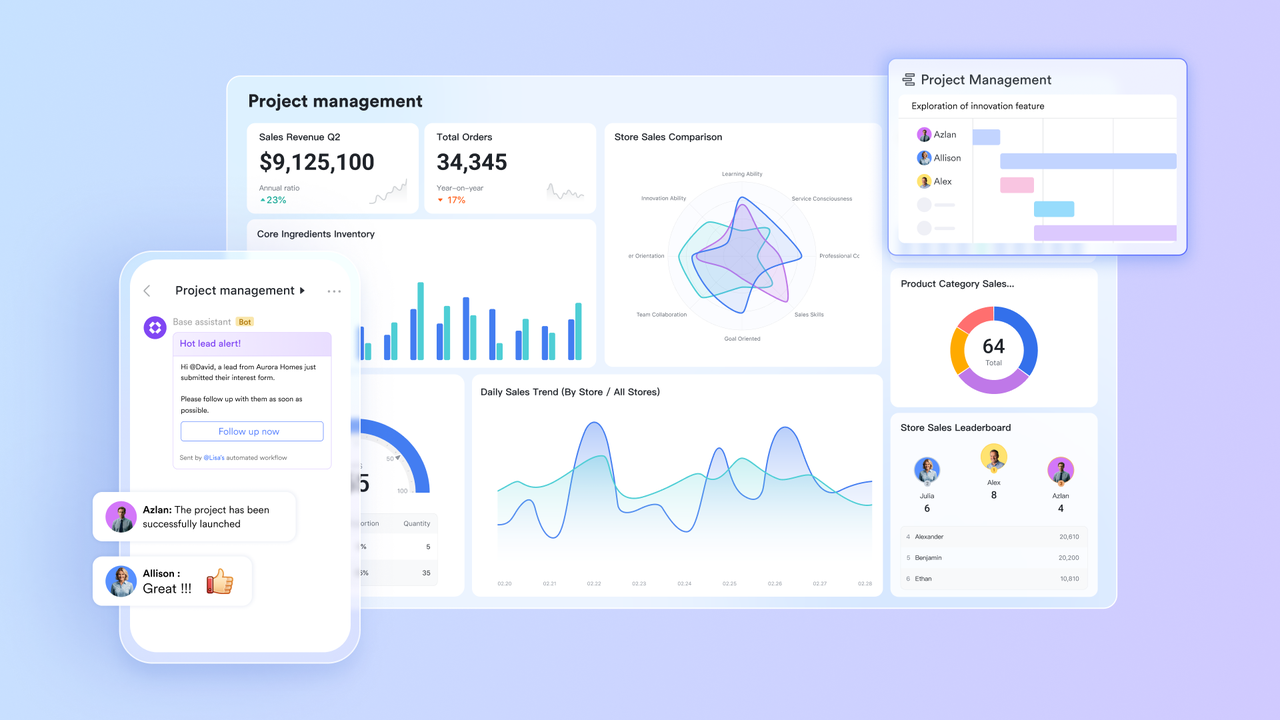
- Unified lead data ecosystem: A good lead conversion tools can serve as the central nervous system for lead conversion operations, aggregating data from all customer touchpoints into comprehensive lead profiles. These platforms' database capabilities enable organizations to track lead progression through custom-built pipelines that visualize each prospect's journey from initial contact to final conversion.
- Real-time behavioral analytics: A good platform provides real-time dashboards that display lead engagement metrics, conversion probability scores, and pipeline health indicators. Sales teams can monitor lead activity across a good platform like Lark, receiving instant notifications when prospects exhibit behaviors that signal conversion readiness.
- Automated workflow triggers: Automation capabilities allow businesses to create sophisticated lead conversion workflows that trigger based on specific behavioral patterns or data changes. When leads reach predetermined engagement thresholds, the system automatically assigns tasks, schedules follow-ups, or escalates opportunities to the appropriate team members, ensuring no conversion signal goes unanswered.
Lark's solution: Lark Base acts as the central nervous system for lead conversion, unifying data from all customer touchpoints into actionable intelligence. It empowers teams with real-time behavioral analytics and automated workflows to identify, prioritize, and engage high-intent prospects seamlessly.
Content-driven conversion acceleration
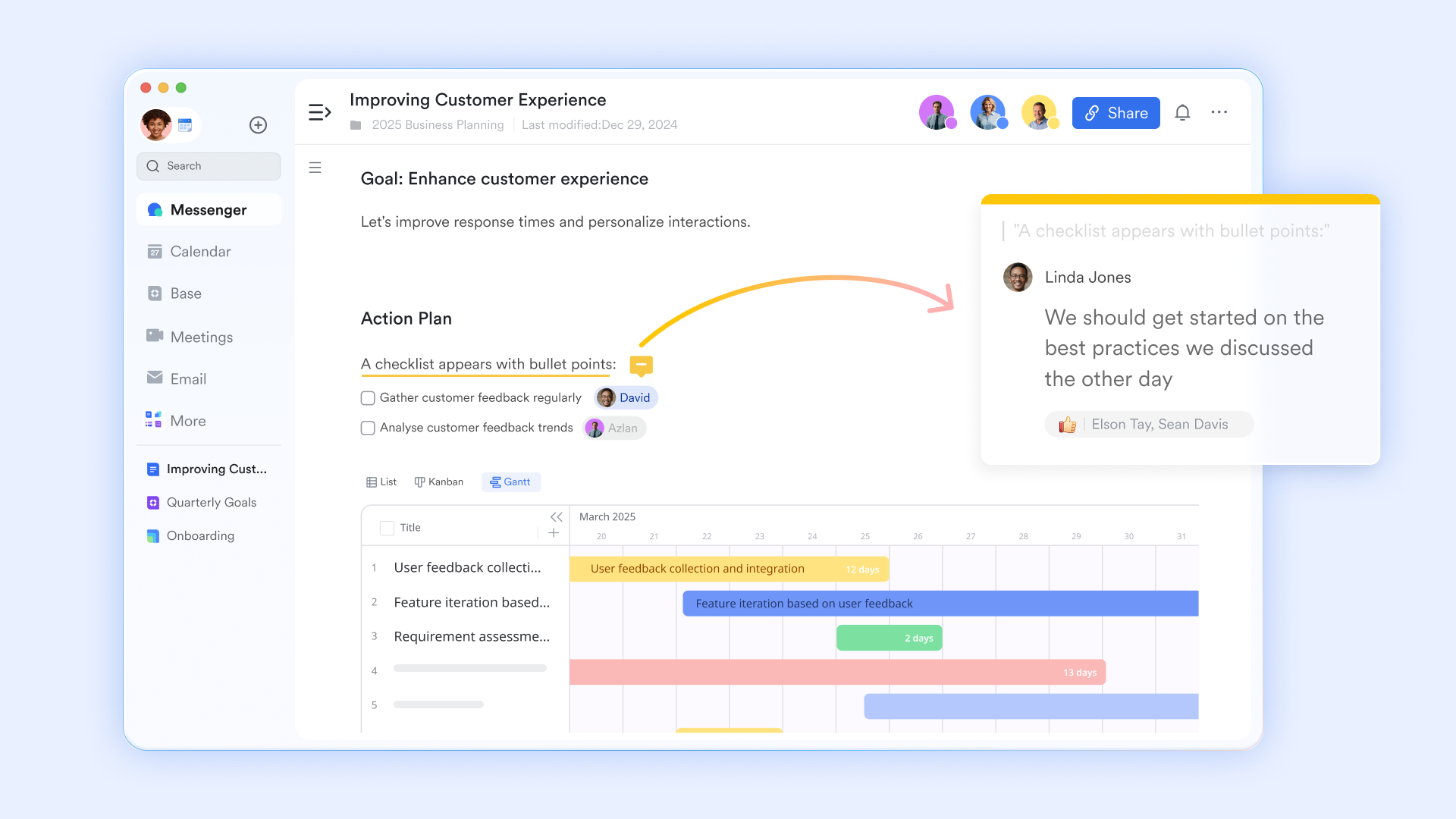
- Engagement-based content intelligence: This provides detailed analytics on how leads interact with sales and marketing materials, tracking which documents they access, how much time they spend reviewing content, and which sections receive the most attention.
- Collaborative proposal development: Real-time collaboration features enable sales teams to co-create proposals and presentations with input from product experts, legal teams, and executives directly within the document environment.
- Knowledge base integration: A knowledge hub integrates product documentation, case studies, and implementation guides directly into the conversion process. When prospects have questions during sales conversations, representatives can instantly share relevant knowledge base articles that address specific concerns, providing immediate value that builds trust and accelerates decision-making toward conversion.
- Lark's solution: Lark Docs & Lark Wiki transforms static content into dynamic conversion engines by delivering granular intelligence on how prospects engage with sales materials. Its integrated environment further accelerates deals by enabling real-time collaborative proposal development and providing instant access to a centralized knowledge base during sales conversations.
Communication-driven conversion signals
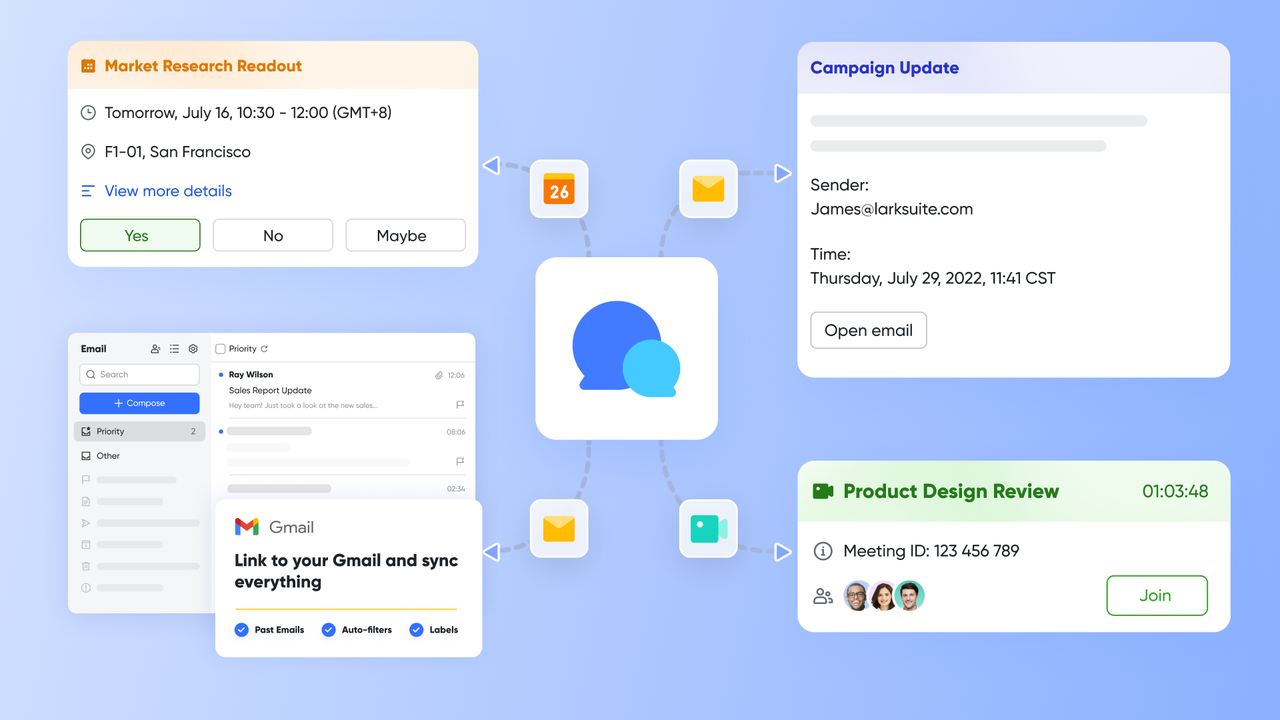
- Real-time engagement monitoring: A good messenger app captures rich behavioral data from prospect communications, including response times, message length, question sophistication, and emotional tone analysis. These communication patterns provide valuable insights into conversion readiness that complement traditional engagement metrics, enabling sales teams to tailor their approach based on individual communication styles and preferences.
- Automated conversation triggers: Automated workflows in a messenger app allows actions to be performed when a message is received.
- Lark's solution: Lark Messenger captures real-time engagement signals—from response times to communication style—to reveal each prospect's readiness to buy. Combined with Lark Messenger, automated workflows in Lark Base can send messages, notify users, and summarize records based on set conditions and triggers.
Streamlined conversion governance
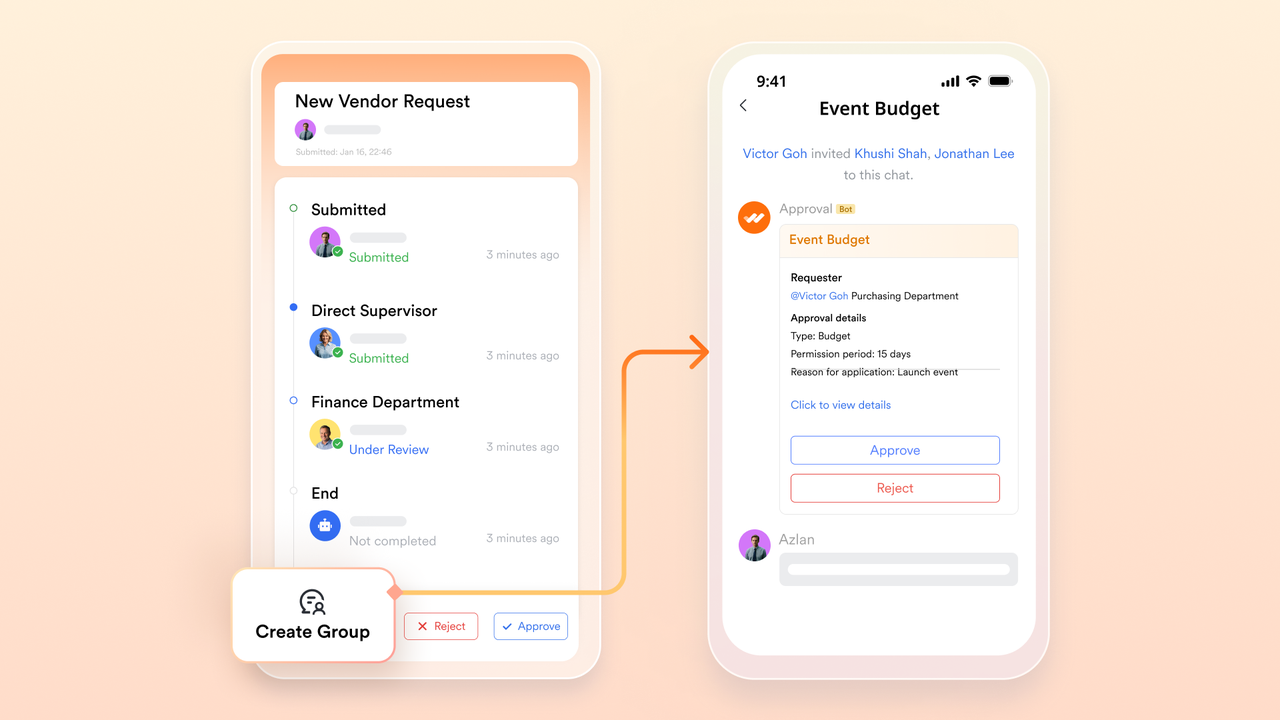
- Efficient approval: It streamlines the internal governance processes that often slow down lead conversion, particularly for complex B2B sales requiring pricing exceptions, contract modifications, or special terms.
- Compliance and documentation: If a system can seamlessly document every approval outcome and instantly notifies the requester, full transparency and an efficient workflow will be ensured.
- Lark's solution: Lark Approval's rule-based exception handling allows businesses to pre-define approval parameters for common conversion scenarios, automatically routing requests to the appropriate decision-makers based on deal size, product complexity, or customer segment. When using Base automations for approval workflows, approval results are automatically recorded in Base, and notifications are sent to the requester. This helps create a record of approval decisions.
Conversion intelligence amplification with AI
- AI-powered conversation insights feature automatically captures key discussion points, action items, and decision criteria from sales conversations, creating searchable records that inform future conversion approaches. This intelligence helps identify common objection patterns, successful negotiation tactics, and conversion triggers that can be replicated across similar prospect scenarios.
- Follow-up automation integration: AI-powered conversion intelligence automatically identifies critical insights and next steps from customer interactions, then seamlessly triggers tailored follow-up workflows to ensure no opportunity is missed.
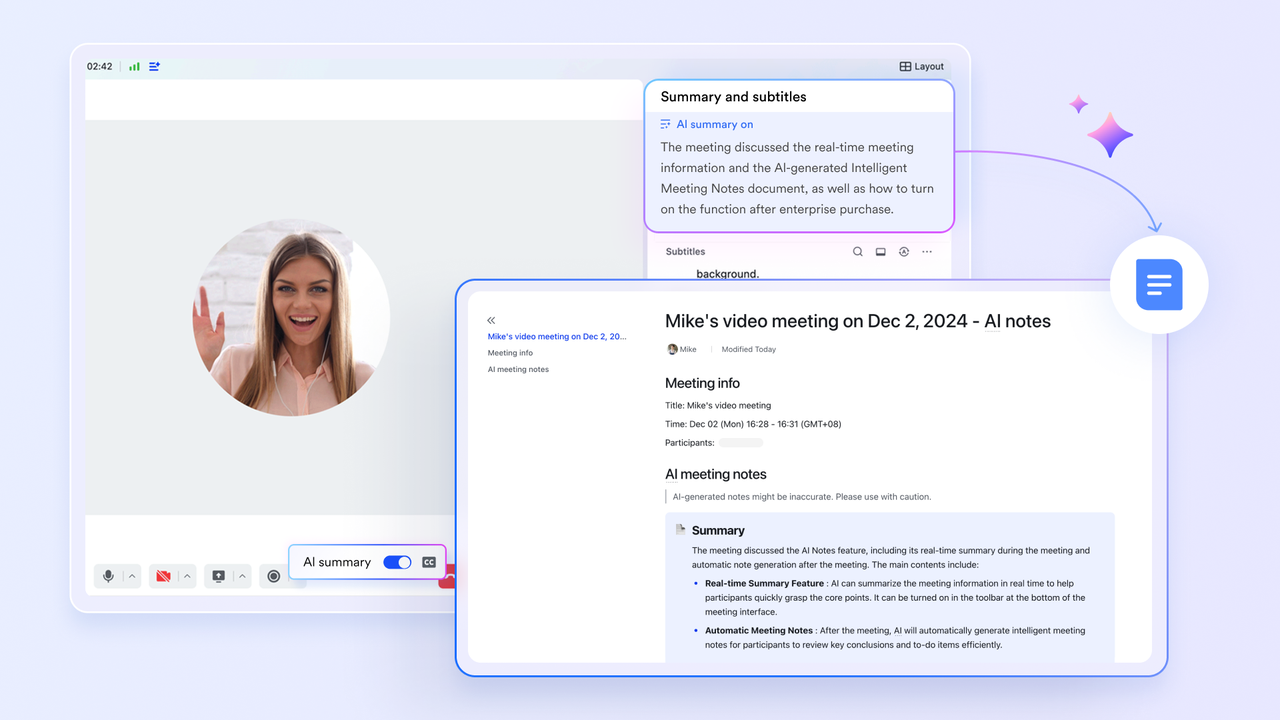
- Lark's solution: Lark AI Meeting Notes can automatically capture key insights and action items from every sales call, turning conversations into actionable steps that drive deals forward. Lark Meetings integrates with the broader Lark ecosystem to automatically generate follow-up tasks, schedule next steps, and share relevant materials based on conversation outcomes.
- Starter plan: Free forever plan that includes 11 powerful tools for up to 20 users. It also comes with 100GB of storage, 1000 automation runs, AI translations, and more.
- Pro plan: $12/user/month (billed annually) for up to 500 users. It includes everything in Starter plus a group calling for up to 500 attendees, 15TB of storage, 50,000 automation runs, and more.
- Enterprise plan: Contact sales for custom pricing. Supports unlimited users and includes even more automation runs and advanced security, compliance, and management features.
Industry-specific lead conversion strategies that work
- SaaS and technology conversion playbook
- Product-led growth integration: Free trials and usage tracking drive conversion decisions. Activation milestones serve as primary conversion indicators.
- Usage-based scoring models: Product engagement data weights more heavily than demographics. Real-time tracking informs conversion probability assessments.
- Enterprise sales coordination: Account-based approaches manage multiple stakeholders. Cross-functional collaboration ensures consistent messaging.
- E-commerce and retail optimization techniques
- Cart abandonment recovery: Automated sequences target abandoned purchases. Retargeting captures lost conversion opportunities.
- Behavioral personalization: Real-time data drives product recommendations. Individualized paths address specific preferences.
- Social proof integration: Customer reviews reduce purchase hesitation. Real-time notifications accelerate conversion decisions.
- Agency and service business conversion models
- Consultative selling approach: Multiple touchpoints build trust before commitment. Value demonstration through case studies establishes credibility.
- Project collaboration previews: Shared workspaces demonstrate working style. Real-time collaboration builds client confidence.
- Retainer-based conversion: Ongoing value demonstration secures long-term commitments. Clear success metrics support conversion decisions.
- Healthcare and regulated industry approaches
- Compliance-integrated nurturing: All materials adhere to regulatory standards. Balanced approach maintains effectiveness within requirements.
- Educational content strategies: Trust-building through informative materials. Compliant content addresses specific concerns.
- Longer nurture cycles: Extended project timelines accommodate complex decisions. Automated sequences maintain engagement during delays.
Common lead conversion mistakes and how to avoid them
- Data silo fragmentation
- Disconnected systems trap valuable signals: Separate platforms prevent comprehensive lead understanding. Integration enables complete behavioral assessment.
- Unified platforms provide complete intelligence: Aggregated data supports accurate conversion timing. Comprehensive views inform intervention strategies.
- Inconsistent follow-up timing
- Urgency imbalance damages conversion rates: Slow responses allow leads to cool off. Overly aggressive pursuit creates resistance.
- Automation ensures optimal engagement timing: Behavioral triggers remove human variability. Personalized approaches maintain effectiveness.
- Poor lead qualification
- Quantity focus overwhelms sales teams: Unqualified prospects waste valuable resources. Distraction reduces overall conversion effectiveness.
- Advanced scoring prioritizes promising opportunities: Behavioral data informs qualification decisions. Focus ensures effort allocation efficiency.
- Inadequate personalization
- Generic messaging reduces effectiveness: One-size-fits-all approaches fail to resonate. Specific pain points remain unaddressed.
- Segmentation enables targeted communication: Detailed audience groups receive relevant messaging. Personalized content improves conversion outcomes.
Measuring and optimizing your conversion ROI
- Financial modeling framework
- Revenue attribution across touchpoints: Multi-touch models distribute conversion credit appropriately. Realistic assessment informs strategy decisions.
- Lifetime value perspective: Long-term customer value guides acquisition focus. Sustainable relationships outweigh immediate transactions.
- Cost analysis methodology
- Comprehensive cost accounting: All associated expenses inform ROI calculations. Full understanding prevents cost underestimation.
- Efficiency metric monitoring: Cost per acquisition tracks performance trends. Continuous improvement maintains positive returns.
- Budget optimization strategies
- Performance-based allocation: Demonstrated results guide resource distribution. Dynamic adjustments maximize conversion impact.
- Testing investment balance: Reserved funds explore new approaches. Proven strategies receive majority allocation.
- Long-term optimization framework
- Continuous improvement cycle: Regular analysis and testing drive evolution. Adaptation maintains conversion effectiveness.
- Technology ROI assessment: Regular evaluation ensures tool effectiveness. Resource allocation matches current needs.
- Organizational capability development: Team training creates sustainable advantages. Internal expertise enhances performance over time.
Conclusion
Effective lead conversion represents the critical bridge between marketing investment and revenue generation. By implementing data-driven strategies, avoiding common pitfalls, and continuously measuring performance, organizations can significantly enhance their conversion effectiveness. Modern technology platforms like Lark provide integrated solutions that streamline the entire conversion process, from initial lead capture to final customer acquisition. Businesses seeking to optimize their conversion performance should consider exploring Lark's comprehensive suite of tools designed to unify data, automate workflows, and provide actionable conversion intelligence.
FAQs
What is a good lead conversion rate?
A good lead conversion rate varies significantly by industry, business model, and lead quality rather than following a universal benchmark. The most effective approach involves measuring against your own historical performance and continuously working to improve rather than comparing to industry averages.
How to calculate lead to conversion?
Calculate lead conversion rate by dividing the number of converted leads by the total number of leads generated, then multiplying by 100. This metric provides the percentage of leads that successfully become customers or achieve the desired conversion action.
What is the lead conversion rule?
The lead conversion rule emphasizes that quality always outweighs quantity when pursuing conversion opportunities. It also states that consistent, personalized follow-up timed according to behavioral signals dramatically improves conversion probability.
Why do leads convert at different rates across channels?
Different channels attract audiences with varying intent levels and readiness to purchase. The conversion rate variation reflects inherent differences in audience quality and engagement patterns specific to each marketing channel.
How long should lead nurturing continue before giving up?
Lead nurturing should continue as long as prospects demonstrate meaningful engagement and fit your ideal customer profile. The appropriate nurturing duration depends on your sales cycle complexity and the specific buying process in your industry.
Related reading
Table of contents
Start using Lark today

Manage all your work in one place
Boost team efficiency by 10x
Save up to 70% on software costs
Table of contents
Start using Lark today
Manage all your work in one place
Boost team efficiency by 10x
Save up to 70% on software costs
Keep reading









2026 Lark Technologies Pte. Ltd.
Headquartered in Singapore with offices worldwide.






Explore: