














Logistics CRM: The Ultimate Guide for Modern Logistics Businesses and Top 10 Tools Recommended

Cecilia Lane
Go-to-Market Associate
Sep 18, 2026
Cecilia Lane
Sep 18, 2026

22 min read


The logistics industry moves fast — from freight forwarding and trucking to warehousing and customer communication. In such a complex environment, traditional spreadsheets and emails can no longer keep pace with modern expectations. That's where logistics CRM software comes in. It helps businesses streamline client relationships, organize shipments, and automate repetitive operational steps.
Today, logistics CRM software for logistics and supply chain companies isn't limited to sales pipelines — it connects data, communication, and collaboration across teams. Platforms such as Lark demonstrate how flexible, collaborative ecosystems can transform how logistics firms manage both customers and operations. In this guide, we'll explore what logistics CRM really is, why companies need it, and how it's shaping the future of logistics management.
Key takeaways: The top 10 logistics CRM software you need to know
Information source: Official websites
Update time: 2025-11-13
What logistics CRM software really means today
While every industry benefits from CRM, CRM logistics software serves a uniquely hybrid purpose. For logistics professionals, it functions not only as a client management system but also as an operational hub — tracking orders, freight status, and customer communication in one place.
A modern CRM software logistics solution integrates data from various departments: sales, dispatch, customs, billing, and customer support. The result is one shared platform where everyone sees the same client information, shipment progress, and service status.
Unlike traditional business CRMs, logistics management CRM software is designed with supply chain complexity in mind. It captures details like shipment IDs, freight routes, carrier contacts, delivery documentation, and after-sales communication. The combination of logistics tracking and customer relationship management gives teams real-time visibility into the entire service chain. This also includes capabilities like last-mile delivery tracking, helping teams monitor the final and most critical stage of the delivery process in real time.
You might hear terms like "CRM software for logistics," "CRM logistics," or "CRM for freight forwarding" — these all refer to tools that move beyond sales organization. They unify operations and relationships into one strategic command center. This growing logistics CRM software market underscores a global shift from siloed management tools toward connected systems that foster responsiveness and transparency.
A logistics CRM is valuable because it enables collaboration across locations and roles. For example:
- Sales teams maintain customer profiles and quotes.
- Operations teams track delivery cycles and partner coordination.
- Customer support responds instantly based on shared data.
Through this unified environment, even small transport companies can perform at an enterprise level — offering timely updates, accurate quotes, and proactive support to their clients.
Why logistics companies need CRM software
In logistics, coordination defines profitability. Managing vehicles, routes, and customer interactions simultaneously can overwhelm traditional systems. CRM logistics software helps structure this complexity by offering clarity and continuity across the organization.
Overcoming communication chaos
Logistics workflows often involve multiple touchpoints — client inquiries, delivery updates, customs clearances, and supplier confirmations. When these happen over disconnected channels, information gaps appear. A unified CRM software for logistics bridges those gaps so no message or customer requirement is lost. Each interaction — from an initial quote to a fulfillment check — stays recorded and visible in one place.
Gaining unified visibility across operations
Many logistics managers still rely on fragmented systems that separate client data from dispatch tracking. By adopting CRM software for logistics companies, managers can synchronize operational and sales data, ensuring everyone—from warehouse staff to account managers—accesses the same information. Consolidated dashboards make it clear where shipments stand and which customers require urgent attention.
Scaling without friction
As logistics firms grow, manual coordination usually becomes the biggest bottleneck. CRM software logistics platforms automate follow-ups, notifications, and task assignments, allowing teams to expand their workload without proportional increases in overhead. This makes the transition from local to multi-region operations smoother and more predictable.
Building stronger customer relationships and ROI
Clients in the logistics world value reliability and transparency above all else. A purpose-built best logistics CRM software enables consistent communication, quick responses, and accurate tracking information. When these elements work together, customer satisfaction naturally increases — leading to stronger partnerships and recurring business. Modern CRM solutions also analyze performance patterns, helping logistics teams identify where processes can be tightened or communication improved. By turning operational data into actionable insights, CRM logistics systems transform everyday management into long-term relationship strategy.
Effective logistics CRM adoption doesn't just digitize your workflow; it reshapes how information and accountability flow across the business. It creates an environment where every delivery, customer, and document stays visible and connected — setting the foundation for faster, smarter, and more dependable logistics services.

Must-have features to look for in logistics CRM solutions
Choosing logistics CRM software isn't only about appearance or popularity — it's about functionality and fit. The right platform should mirror how your logistics teams operate across scheduling, sales, and dispatch. Below are core features shared by the most effective CRM software for logistics systems today.
Customizable dashboards and data fields
Every logistics business manages different workflows. Freight forwarders may prioritize shipment documents, while trucking firms track routes and vehicle availability. A strong CRM logistics software should allow flexible dashboards and data structures so each department can capture what they actually need. Custom views for clients, shipments, or carriers help teams focus on relevant insights instead of drowning in irrelevant details.
Workflow and automation tools
Manual coordination is one of the biggest inefficiencies in logistics. Automated workflows can send alerts when deliveries face delays, generate quotes instantly, or remind team members about pending client responses. These automations transform the CRM into a proactive system — one that works for you rather than one you constantly update.
Value-driven integration
A reliable CRM software logistics setup must connect seamlessly with existing systems such as ERP, TMS, or warehouse management tools. Integration keeps data consistent across the entire supply chain, eliminating duplicate work and improving decision-making accuracy.
Mobile readiness and collaboration
Logistics professionals are constantly on the move. Mobile-friendly CRM software for logistics companies allows sales reps, freight coordinators, and drivers to stay connected with shipment information and client updates in real time. Unified communication features — like in-app chat and shared files — help logistics teams act fast and stay aligned.
In short, the best logistics CRM solution supports both big-picture visibility and real-time, ground-level collaboration — a balance that determines long-term efficiency. In addition, a ready-to-use template for logistics and supply chain allowing real-time collaboration also boosts efficiency.
Top 10 logistics CRM software for 2026
Not every CRM system captures the complexity of logistics — tracking shipments, coordinating drivers, and maintaining long-term customer relationships simultaneously. The next generation of logistics CRM software bridges this gap by bringing together communication, automation, and real-time insights. Below are 10 best logistics CRM software options making an impact in 2025, ranging from enterprise-level systems to agile, collaboration-first platforms.
1. Lark: An all-in-one CRM tool for the logistics industry
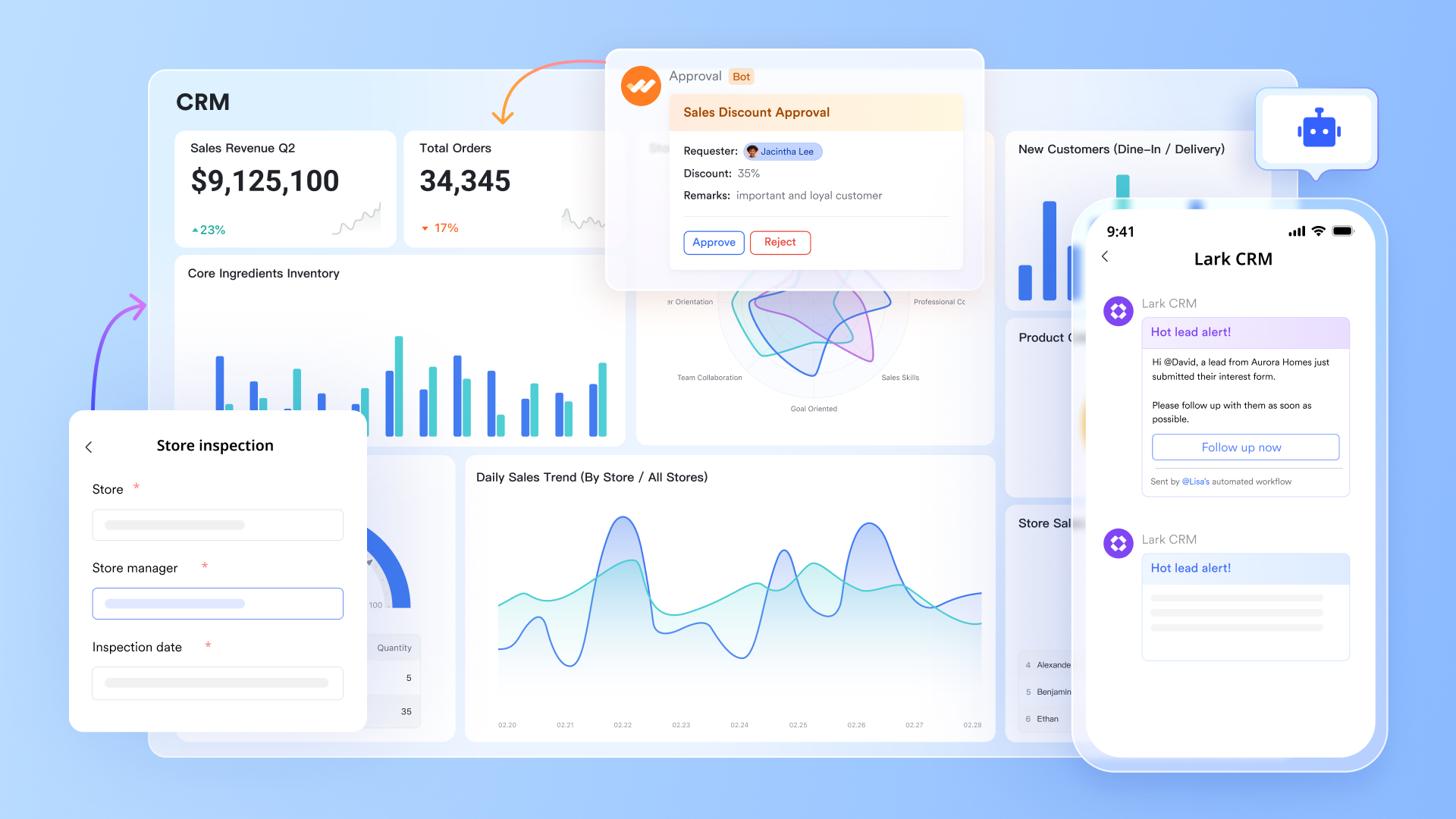
Lark is not just a communication tool; it's a connected digital workspace where logistics teams can build their own CRM logistics software using Lark Base. Combining chat, meetings, document collaboration, and data management, Lark transforms how companies track leads, manage deliveries, and engage customers.
Key features:
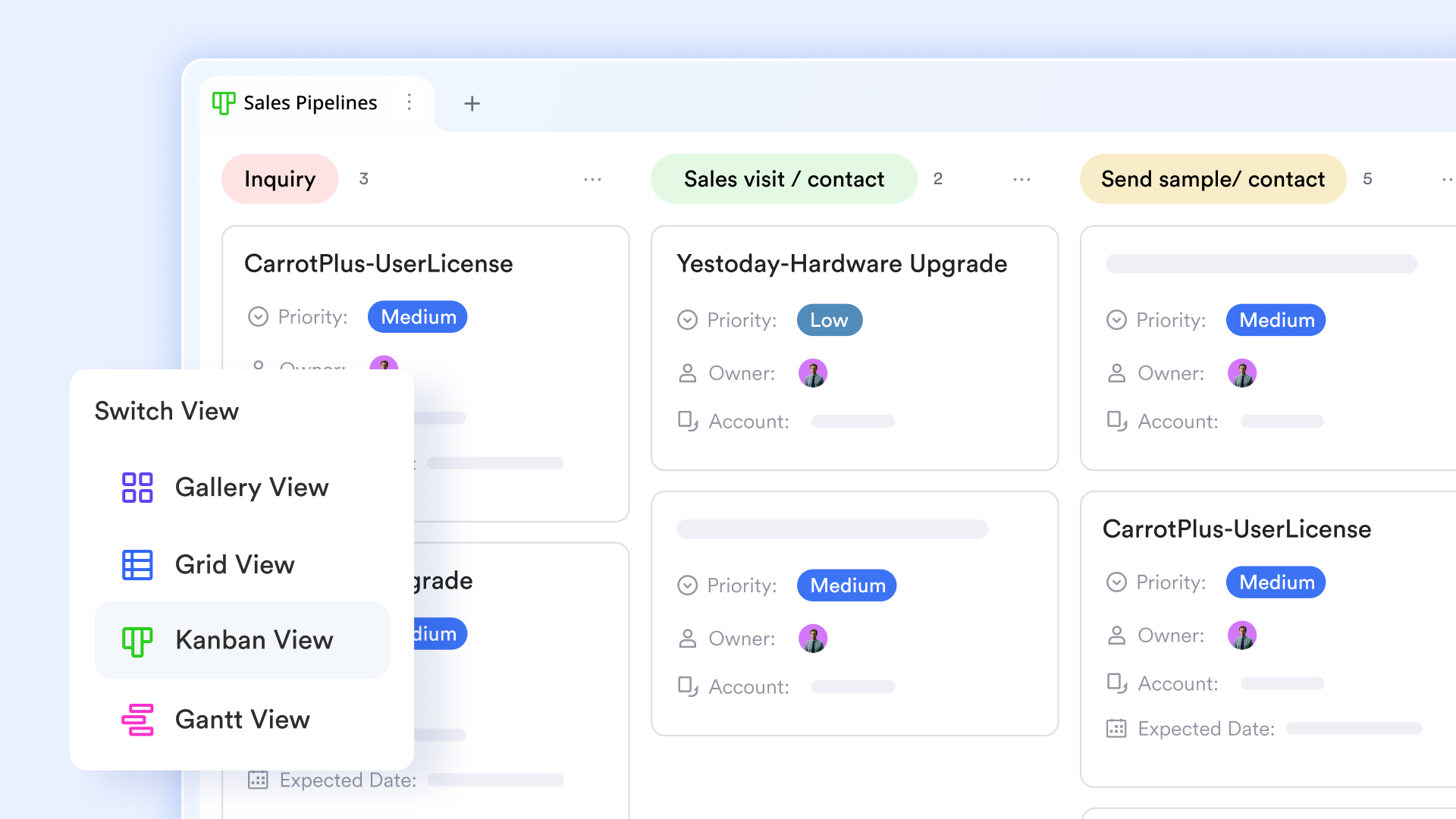
Customization and visualization CRM: Lark Base provides customizable and visual tables for client data, shipment details, freight rates, and partner records — no coding required. Logistics teams can build their own CRM-style dashboards, track shipments in real time, and link data to daily operations. This gives dispatchers, sales reps, and managers full access to shared, accurate information without toggling across multiple tools.
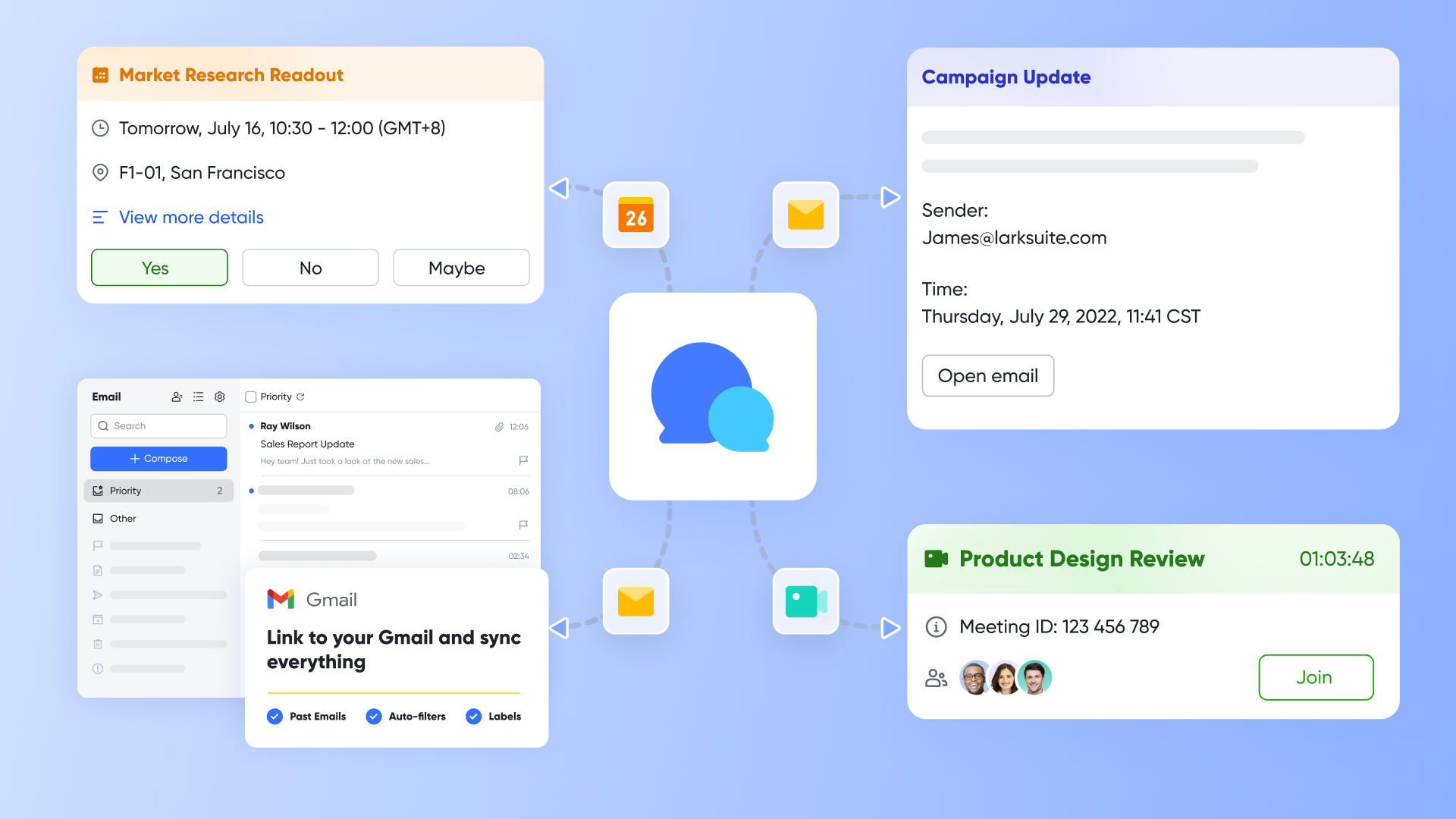
Communication-first design: Lark solves businesses' needs for efficient communication. Lark Meetings' video calls,Magic Share and AI Meeting Notes functions help marketing and products teams always stay aligned, helping teams share ideas, discuss new campaigns, and brainstorm without delay. In addition, Lark Messenger makes it easier for every team member to exchange insights, customers or leads updates in 1:1 or group channels, and team members can also send messages with attached files or share document that directly connect to CRM materials, without the dillema of searching for context.
For logistics companies that depend on instant communication across warehouses, ports, or time zones, this design ensures faster responses and eliminates confusion from scattered email threads.
Automation and alerts: Automated triggers in Lark Base can notify teams of quote requests, shipment milestones, or pending invoice approvals. Such proactive updates help logistics providers avoid delays, reduce manual coordination, and deliver a smoother client experience through timely notifications.
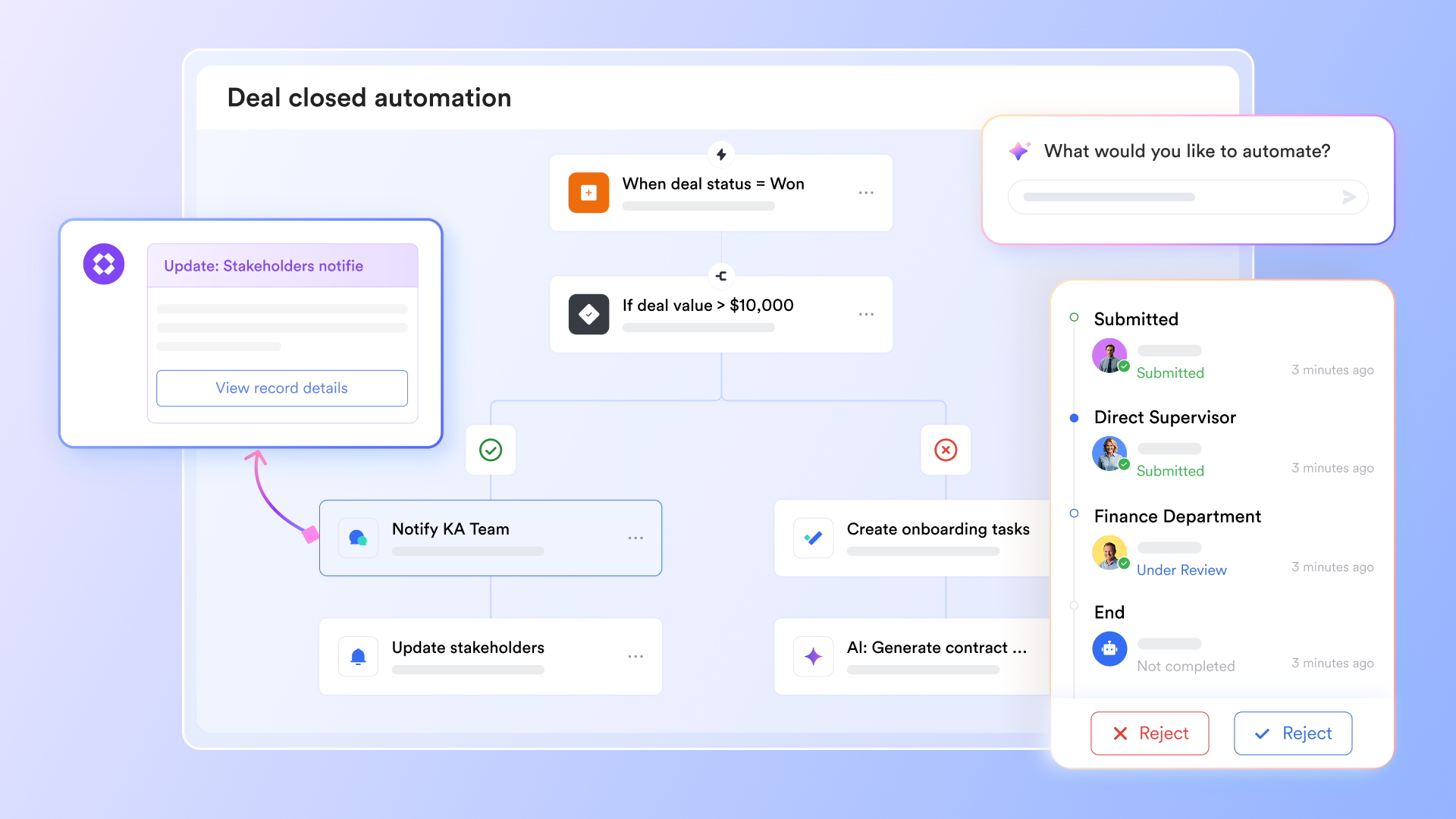
Streamlined approvals and centralized documentation: Lark Approval as built-in approval processes and Lark Docs & Wiki enabling collaborative documents streamline validation processes. For instance, confirming freight rates, processing customs paperwork, or approving transport quotes. This keeps everyone aligned and speeds up multi-department decision-making.
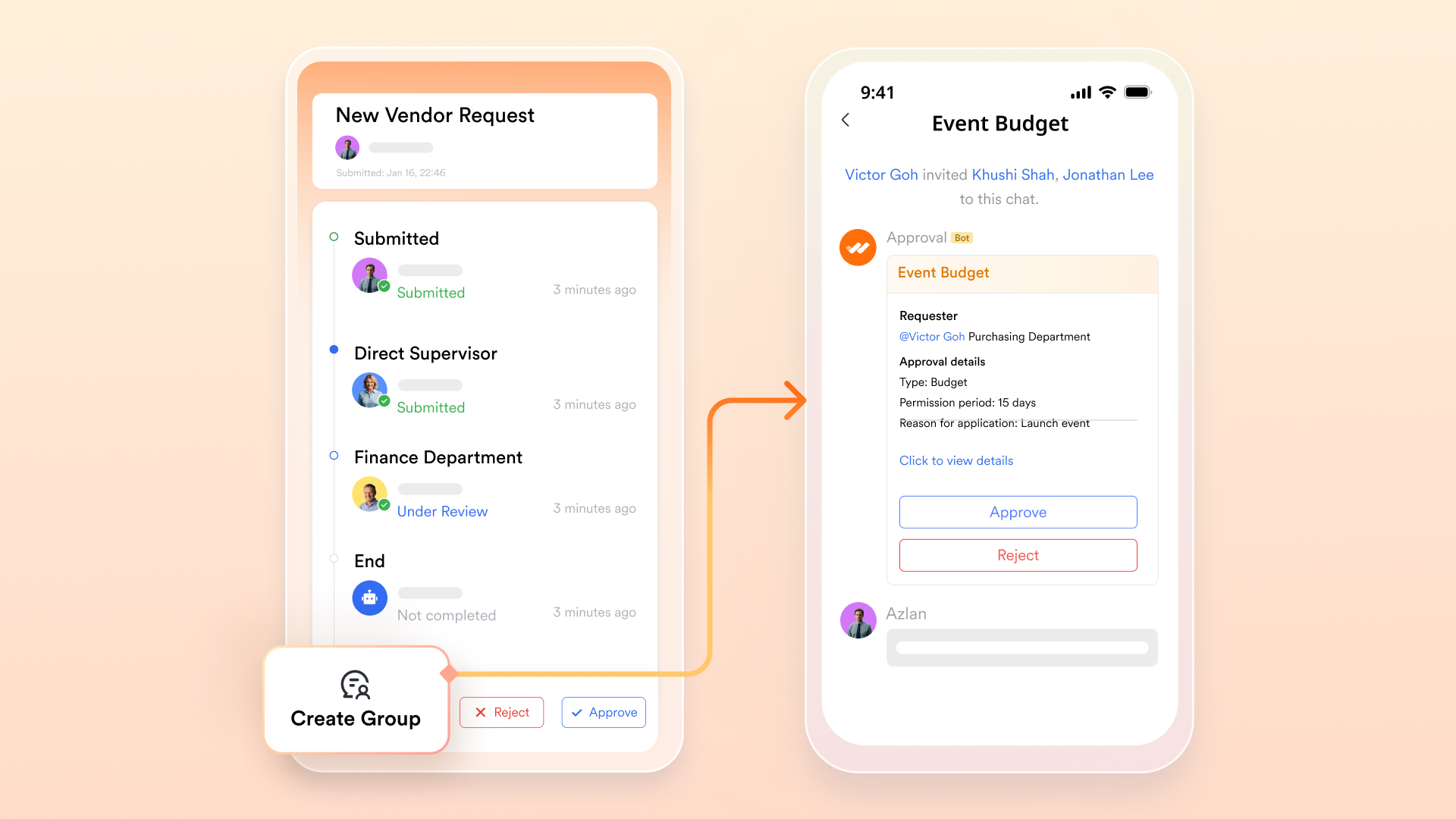
Migration and integrations: Lark allows seamless integration and migration of many tools or freight tracking systems, creating one continuous data flow between sales, operations, and finance. Logistics companies benefit from unified visibility and fewer integration silos, enabling real-time insights across the entire supply chain.
Why for logistics:
Lark bridges the divide between CRM data and real-world coordination. With its flexible structure, logistics firms can create a custom CRM software for logistics companies that supports dynamic communication, internal transparency, and automation — without the cost or rigidity of traditional CRMs.
- Starter plan: Free forever plan that includes 11 powerful tools for up to 20 users. It also comes with 100GB of storage, 1000 automation runs, AI translations, and more.
- Pro plan: $12/user/month (billed annually) for up to 500 users. It includes everything in Starter plus a group calling for up to 500 attendees, 15TB of storage, 50,000 automation runs, and more.
- Enterprise plan: Contact sales for custom pricing. Supports unlimited users and includes even more automation runs and advanced security, compliance, and management features.
Try Lark's savings calculator: Switching to Lark's Pro plan can lead to significant cost savings— for example, a 100-employee company using Slack, Google Workspace, and Airtable could save approximately $25,200 annually by consolidating their tools with Lark.
2. Salesforce Transportation Cloud: The enterprise-grade logistics CRM
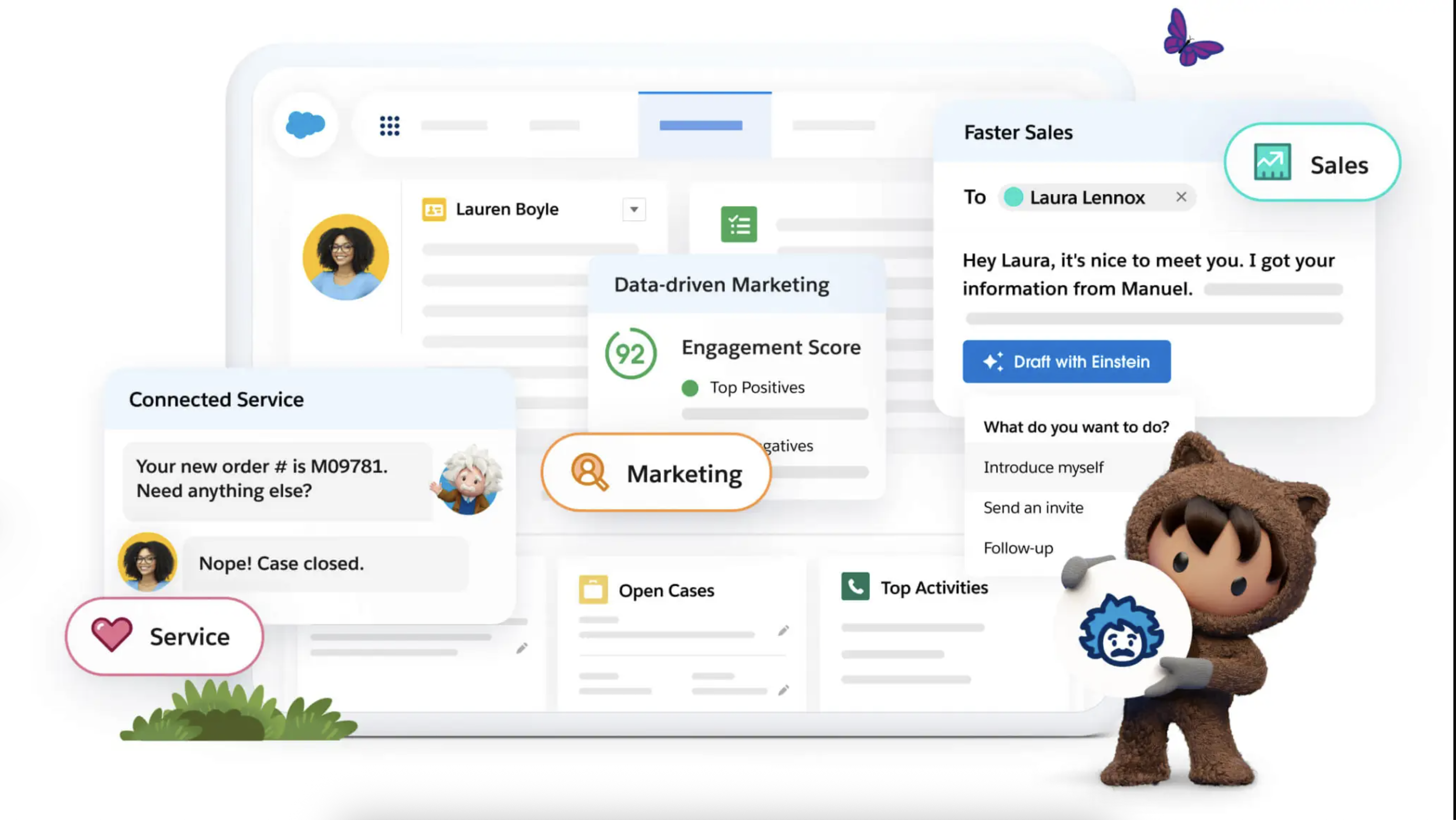
Image source: salesforce.com
Built on the Salesforce ecosystem, the Transportation Cloud brings powerful analytics and route intelligence for logistics providers seeking large-scale visibility.
Key features:
- Predictive analytics for demand forecasting and fleet optimization.
- End-to-end customer journey tracking and lead nurturing.
- Deep integration with ERP and warehouse systems.
Why for logistics:
Perfect for enterprises managing international routes, multimodal supply chains, or complex service contracts — Salesforce provides both scalability and strong ecosystem support.
Pricing:
- Starter Suite: $25 per user, per month
- Pro Suite: $100 per user, per month
- Salesforce Foundations ($0) lets you add Salesforce's key features to your existing CRM. However, it's only available if you have an Enterprise Edition or above.
3. HubSpot CRM: A simple growth platform for logistics operations
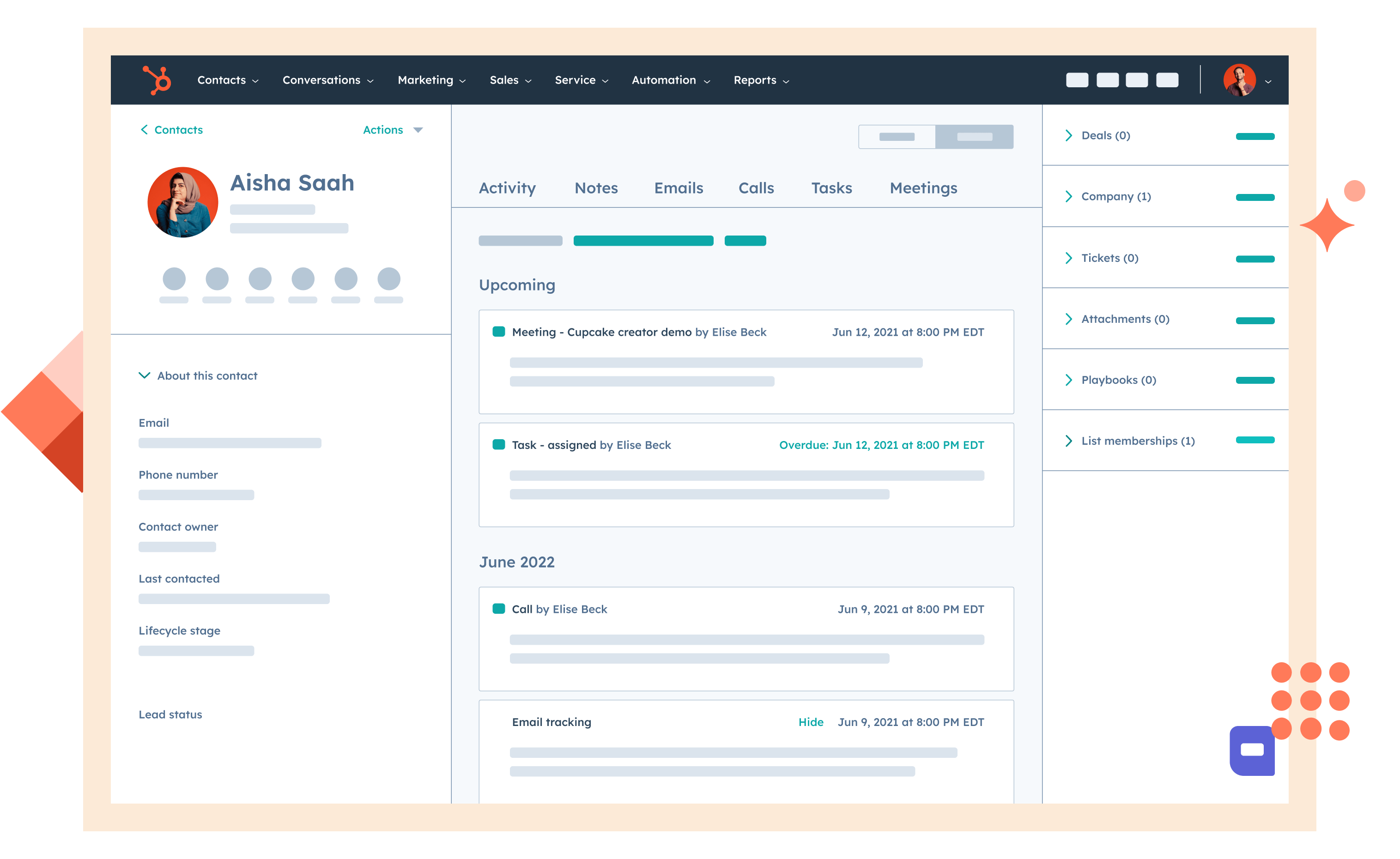
Image source: hubspot.com
HubSpot is one of the most popular CRM software for logistics startups thanks to its clean design and consolidated marketing, sales, and service tools.
Key features:
- Unified contact management and activity tracking.
- Built-in email campaigns and customer engagement tracking.
- Analytics dashboards to monitor performance and conversion.
Why for logistics:
Ideal for small and midsize logistics operators building a customer base. It helps track leads, manage quotes, and stay responsive to transport clients without over-complicated configuration.
Pricing:
- No free plan
- Smart CRM Professional: $45 per month (1 core seat)
- Smart CRM Enterprise: $75 per month (1 core seat)
4. Magaya CRM: The freight-forwarding expert's CRM
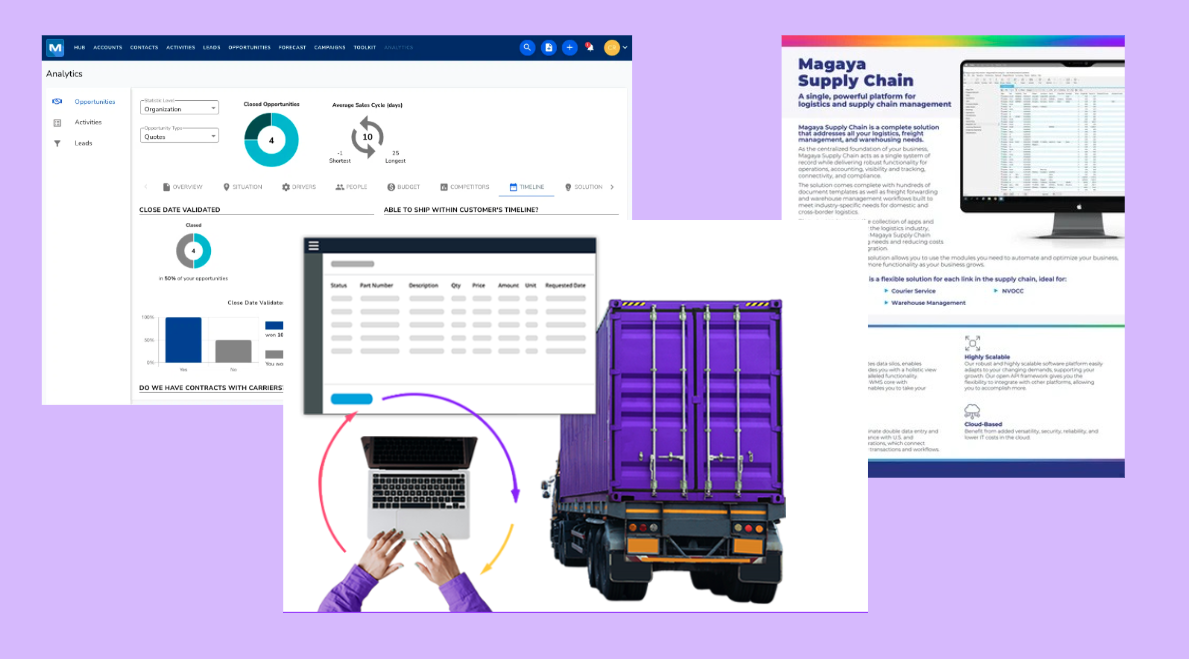
Image source: magaya.com
Magaya specializes in logistics technology, making this CRM logistics software a natural choice for freight forwarders and 3PL providers.
Key features:
- Integrated freight management with CRM tools.
- Real-time shipment tracking visible to both staff and clients.
- Automated quote generation and email follow-ups.
Why for logistics:
Magaya connects sales, operations, and customer service in one system — ideal for companies that rely on accurate documentation and fast communication across global time zones.
Pricing: Custom quotes based on business size and setup needs.
5. Pipedrive: A visual pipeline CRM for logistics sales teams
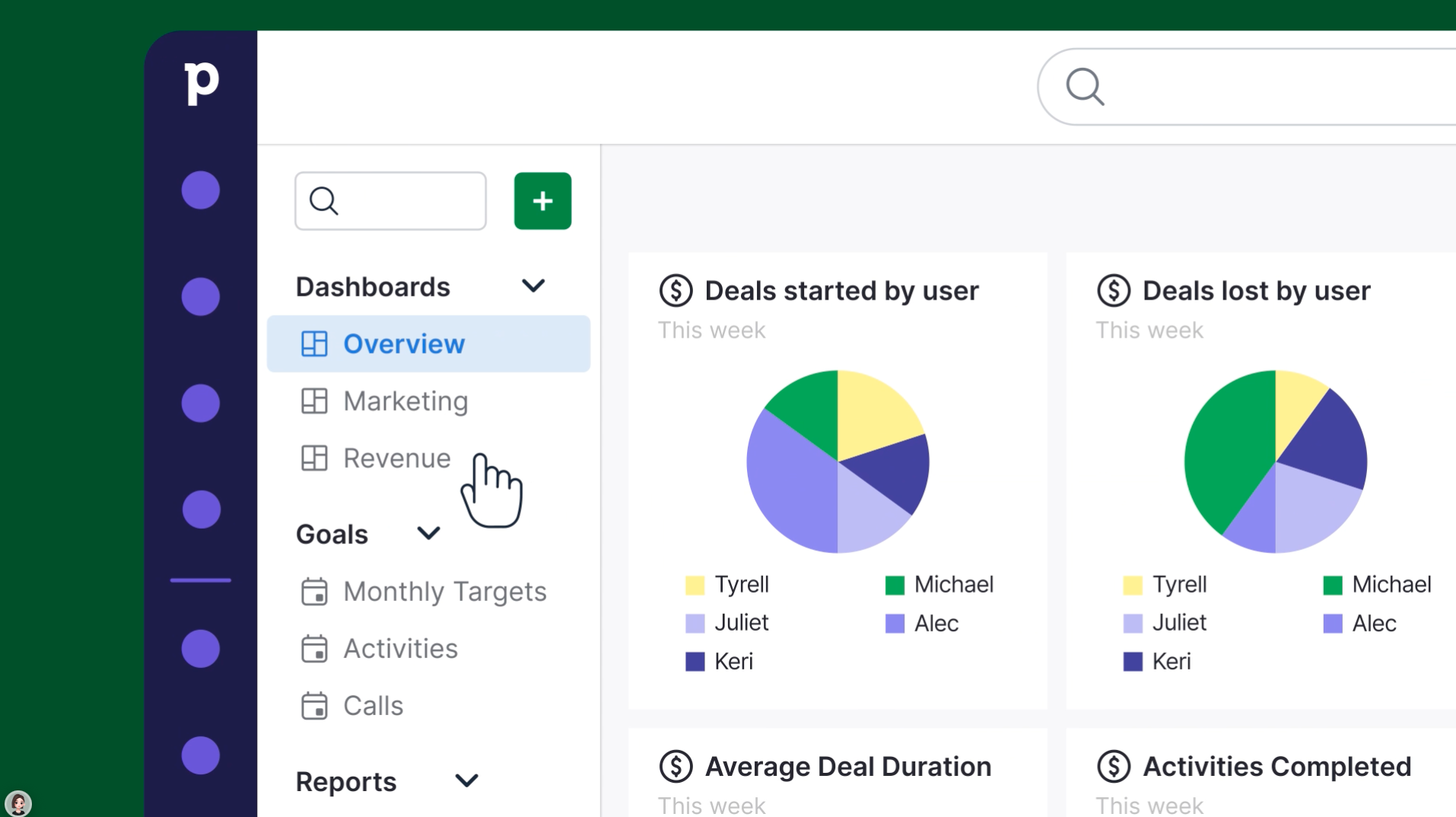
Image source: pipedrive.com
Pipedrive focuses on sales visibility and activity tracking through intuitive, drag-and-drop pipelines.
Key features:
- Visual deal management system for faster tracking.
- Task automation and integrated email sync.
- Reporting dashboards for sales performance.
Why for logistics:
Well-suited for brokers and forwarding agents managing repeat shipments. Pipedrive's usability shortens onboarding time and enhances sales consistency.
Pricing:
- No free plan; 14 days trial
- Lite: $14 per user/month
- Growth: $39 per user/month
- Premium: $59 per user/month
- Ultimate: $79 per user/month
6. Pipeline CRM: A streamlined CRM for transport and logistics sales
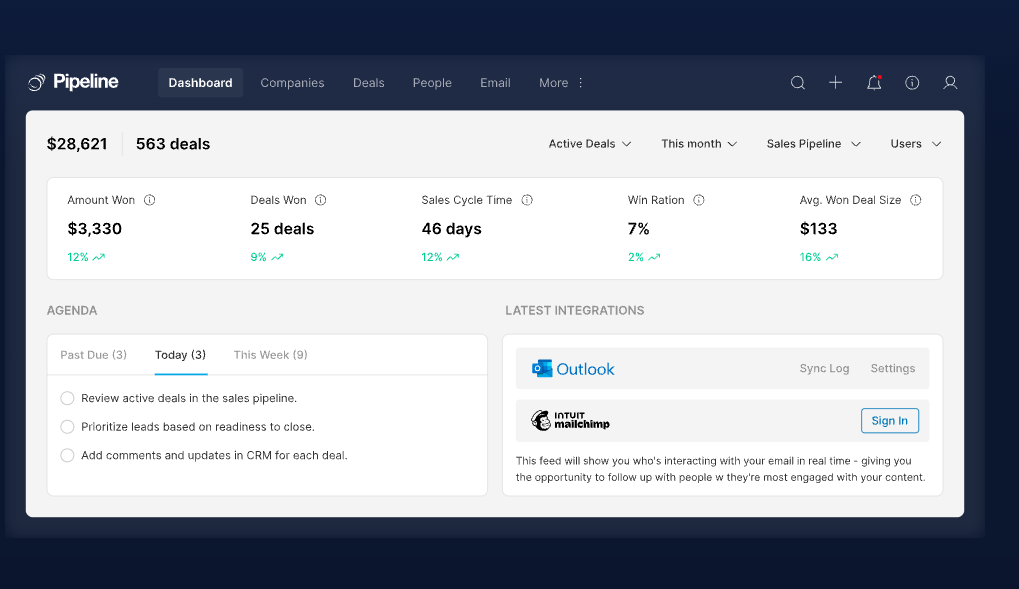
Image source: pipelinecrm.com
Pipeline CRM is tailored for teams that prioritize efficiency in pipeline management and customer nurturing.
Key features:
- Easy-to-configure sales stages and workflows.
- Real-time deal performance metrics.
- Email and communication tracking linked to client records.
Why for logistics:
Perfect for transportation service providers aiming to track deals and communication without the complexity of enterprise systems.
Pricing:
- No free plan; 14 days trial
- Start: $25 per user/month
- Develop: $33 per user/month
- Growth: $49 per user/month
- Enterprise: Custom
7. Zoho CRM: A versatile CRM platform for logistics scalability
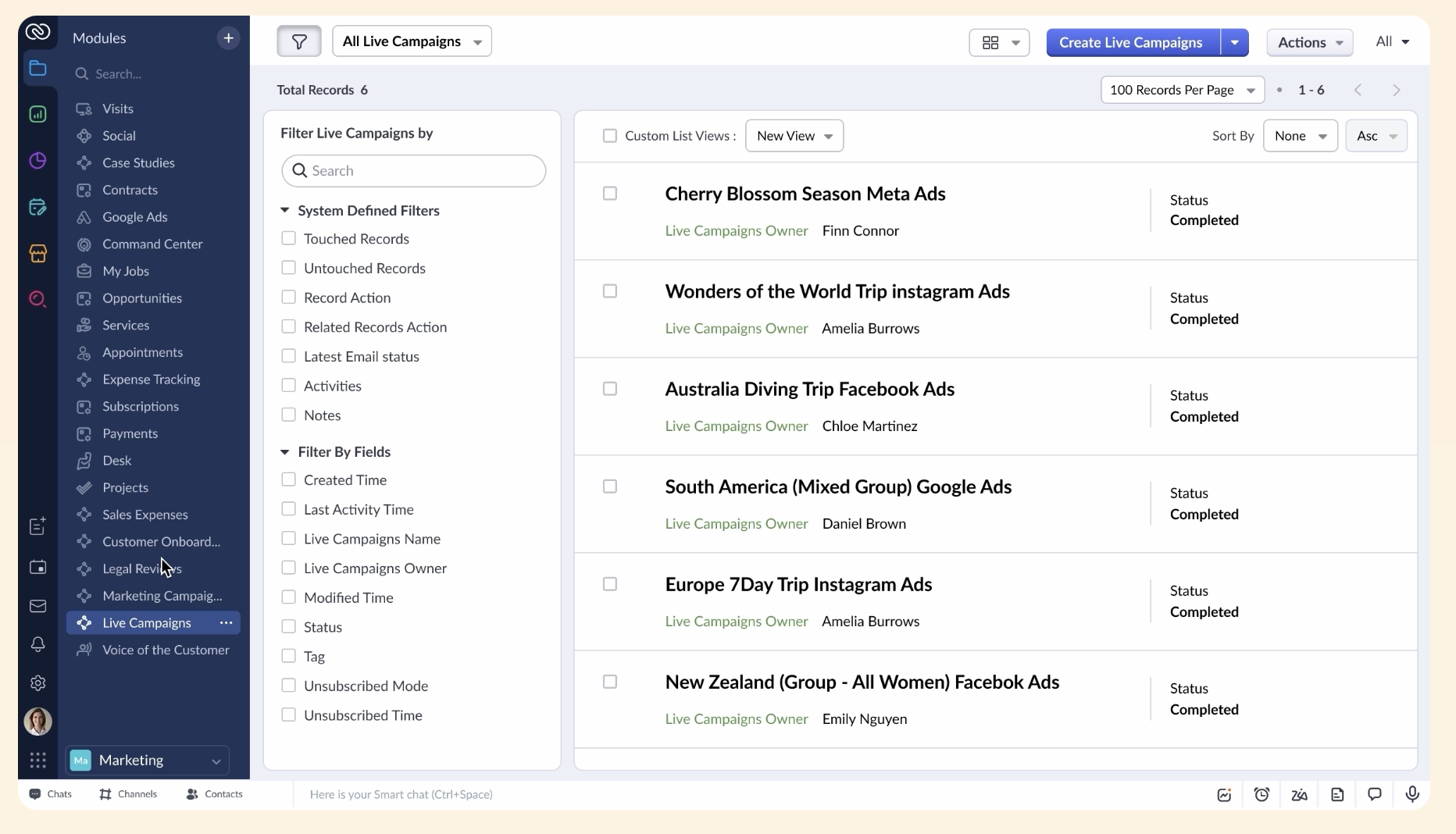
Image source: zoho.com
Zoho's modular design fits diverse businesses, including logistics and supply chain management companies.
Key features:
- Workflow automation, approvals, and AI-powered insights.
- Multi-channel communication (email, phone, chat).
- Mobile CRM and strong analytics reporting.
Why for logistics:
Affordable CRM software logistics that scales easily as business workloads and regions grow, making it a reliable option for small 3PLs expanding internationally.
Pricing:
- No free plan; Only free trial
- Standard: $17 per user/month
- Professional: $28 per user/month
- Ultimate: $70 per user/month
8. Insightly: The CRM for project-focused logistics teams
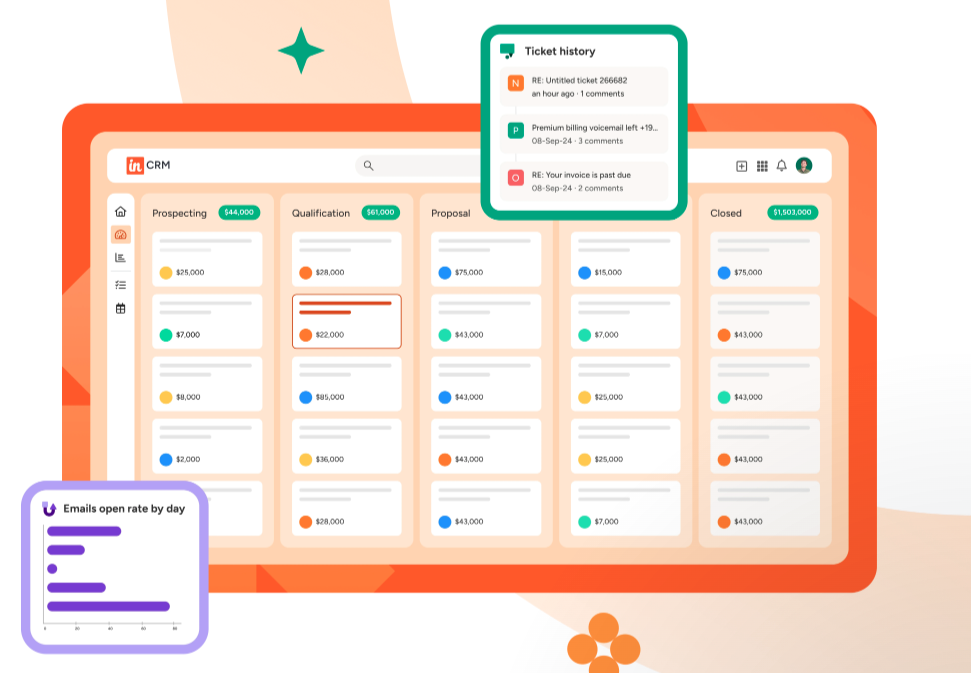
Image source: insightly.com
Insightly blends CRM features with project management tools, providing one space for tracking both client relationships and task execution.
Key features:
- Lead and opportunity management integrated with project timelines.
- Automation for recurring task management.
- Integration with Google Workspace, Office 365, and ERP systems.
Why for logistics:
Ideal for logistics companies managing multi-phase projects — from quoting to delivery follow-up — within a single platform.
Pricing:
- No free plan; 14 days trial
- Plus: $29 per user/month
- Professional: $49 per user/month
- Enterprise: $99 per user/month
9. Apptivo Sales CRM: A modular CRM for small logistics businesses
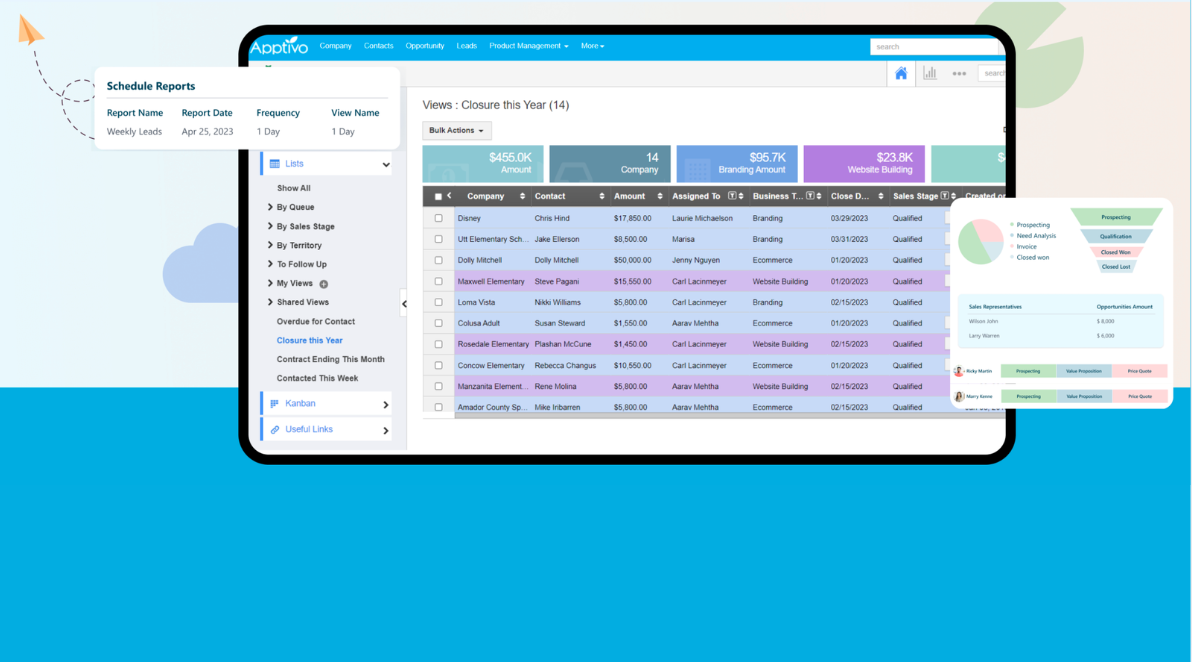
Image source: apptivo.com
Apptivo offers a suite of cloud-based business apps, letting smaller logistics teams tailor a lightweight yet structured CRM.
Key features:
- Shipment tracking templates and customizable modules.
- Integration with billing and inventory tools.
- Centralized customer contact management.
Why for logistics:
A cost-efficient, best logistics CRM software for startups or growing firms looking for simplicity without losing functionality.
Pricing:
- No free plan; 14 days trial
- Lite: $20 per suer/month
- Premium: $30 per suer/month
- Ultimate: $50 per suer/month
- Enterprise: Custom pricing
10. Microsoft Dynamics 365: An enterprise CRM with predictive intelligence
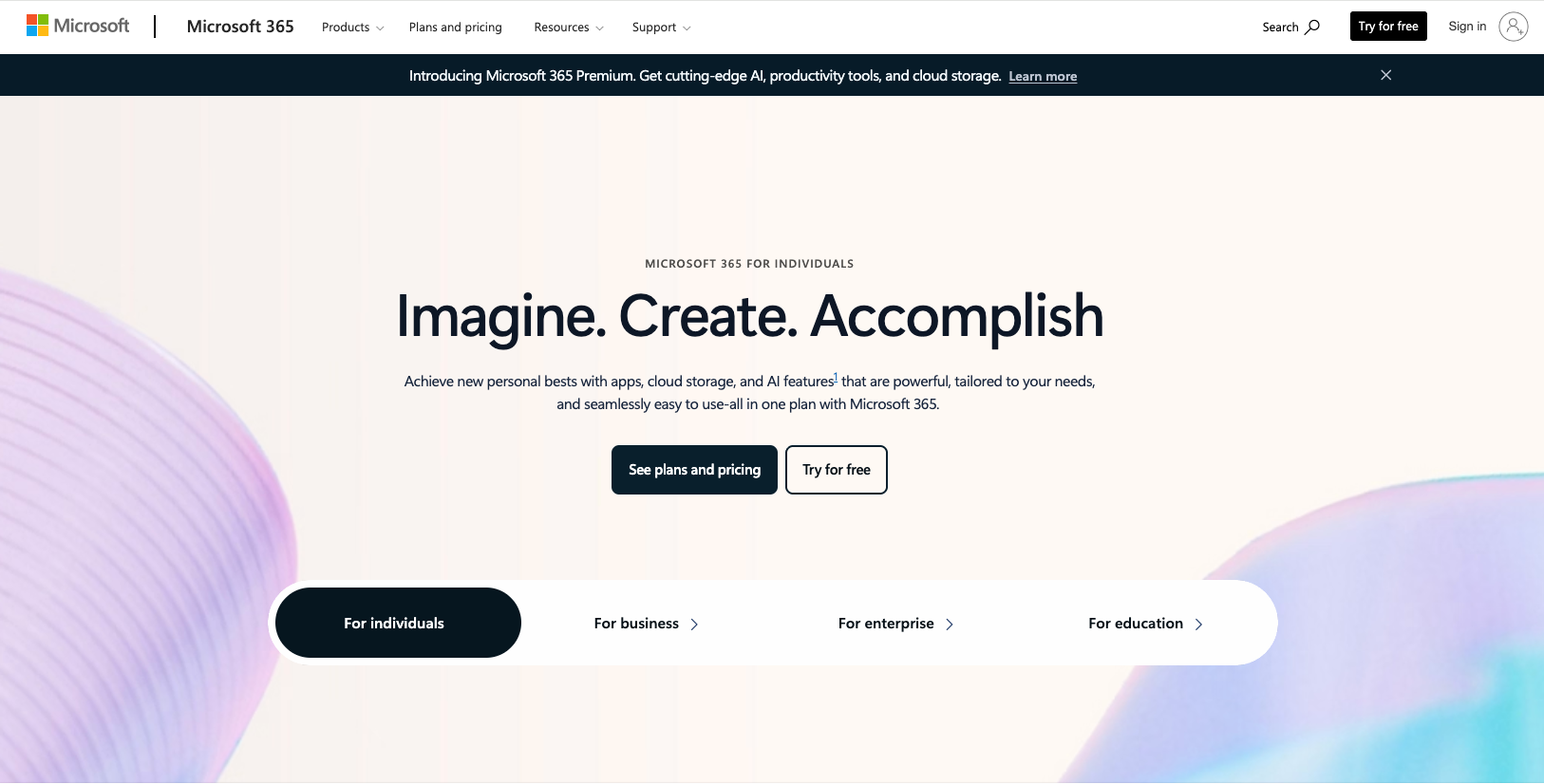
Image source: microsoft.com
Dynamics 365 merges CRM, ERP, and analytics into one powerful Microsoft ecosystem.
Key features:
- Predictive insights for customer and supply management.
- Power BI dashboards with real-time performance tracking.
- Security, compliance, and global deployment support.
Why for logistics:
Ideal for large or global logistics enterprises requiring tight systems governance, AI-enhanced reporting, and advanced automation across departments.
Pricing:
- Free plan: Not available (free trial available)
- Paid plans: Different Dynamics 365 features vary by price, but for Dynamics 365 Sales, it starts at $65 per user/month.
This spectrum of tools shows the diversity of the logistics CRM software market. Whether you need a flexible, all-in-one collaboration engine like Lark, or a traditional analytics-heavy system like Salesforce, the right choice depends on your operational structure, scale, and integration goals. Choosing the CRM software for logistics companies that aligns with your workflow ensures better visibility, faster collaboration, and much smoother coordination, from sales to shipping — the ultimate goal of every logistics business.
How flexible work platforms can enhance your logistics CRM setup
Today, logistics firms aren't just shopping for data repositories; they want connected digital ecosystems that combine communication, analytics, and operations. A flexible work platform can extend what traditional CRMs do — helping teams act on insights, not just store them.
- Turning CRM data into live operational workflows: Many CRMs treat data entry as an administrative task. A new approach connects information with real-time execution. Lark's solution, for instance, uses Base tables to organize shipments and automatically trigger updates, turning static data into ongoing workflows.
- Connecting teams, not just data: A major gap in logistics remains cross-department visibility. A flexible solution bridges this with integrated chat, docs, and approvals — enabling team members to communicate where the data lives, not in separate apps. This ensures fewer handover errors and faster client responses.
- Automating logistics workflows intelligently: Automation has practical value only when it reflects business needs. Modern software solutions allow teams to set up smart triggers — for example, automatic notifications when a freight quote is approved or when a shipment hits customs clearance.
- Integrating external systems for a unified view: Logistics thrives on connectivity, and CRMs must talk to TMS, ERPs, and tracking APIs. A well-designed solution supports open API integration, ensuring one orchestrated workflow instead of several fragmented tools.
Ultimately, flexible platforms extend traditional CRM software for logistics into fully connected ecosystems — allowing companies to collaborate in real time, maintain transparency, and adapt faster to the shifting demands of global logistics.
The future of logistics CRM software
The future of logistics CRM software is not just about tracking shipments or managing contacts — it's about building intelligent, connected systems that power agile decision-making. As global supply chains evolve, CRMs will continue to merge analytics, automation, and collaboration into unified ecosystems that respond instantly to customer and operational needs.
- AI-powered predictive operations: The next generation of CRM logistics software will leverage artificial intelligence to identify trends far earlier. Predictive models could anticipate route disruptions, customer churn, or seasonal demand spikes, allowing logistics managers to adapt ahead of time. Rather than reacting to problems, teams will prepare solutions proactively through CRM-integrated AI assistants.
- Unified digital ecosystems: Future CRM software for logistics companies won't exist in isolation. Instead, CRMs will blend seamlessly with ERP, transport management, and communication systems. This creates one continuous information flow — from client inquiry to final delivery — enabling real-time coordination across sales, dispatch, and customer service departments. Platforms such as Lark are already setting this direction by merging workflow automation with daily communication, minimizing the gap between data and execution. A logistics CRM of the future becomes not just a management tool, but a live environment where people, systems, and insights interact in real time.
- Human-centric CRM design: As automation deepens, the human aspect of logistics becomes even more important. Future designs will prioritize usability, transparency, and collaboration. Instead of overwhelming users with dashboards, CRMs will focus on contextual storytelling — showing relevant shipment or customer data exactly when teams need it. The goal is to empower logistics professionals with clarity rather than complexity.
- From management to orchestration: Traditional CRM systems tracked activities and stored data. Modern CRM logistics solutions are becoming orchestration engines — coordinating processes automatically across multiple teams and technologies. This shift transforms logistics CRM from a supportive tool into a strategic asset. Those who adapt early will build smarter, faster, and more resilient logistics operations.
Conclusion
The logistics industry thrives on precision, timing, and clarity — all of which depend on connected information. Logistics CRM software now serves as the backbone of that connection, allowing businesses to consolidate sales, communication, and delivery tracking into one cohesive environment. The future belongs to companies that value adaptability and integration. Whether through feature-rich enterprise CRMs or flexible platforms like Lark, success will depend on how seamlessly operations, communication, and client data come together.
The best CRM software logistics solutions are those that don't just record information but enable action. They empower people to work collaboratively, automate intelligently, and scale confidently — setting a new standard for efficiency in the logistics world.
FAQs
What is a CRM in logistics?
A CRM in logistics is a customer relationship management system designed specifically to manage relationships between logistics providers, clients, and partners. It centralizes data such as shipment timelines, client communication, quotes, and performance metrics. Unlike general CRMs, logistics management CRM software integrates operational tracking to ensure service consistency and faster decision-making.
Which software is best for logistics?
The best logistics CRM software depends on your business size, goals, and integration requirements. For small to mid-sized logistics companies, flexible tools like Lark and HubSpot enable easy customization and collaboration. Larger enterprises often favor platforms like Salesforce Transportation Cloud or Microsoft Dynamics 365 for scalability and analytics depth. The key is choosing a system that aligns with your workflow and data ecosystem.
What are the 4 types of CRM?
There are generally four types of CRM systems:
- Operational CRM: Streamlines day-to-day workflows, such as customer interactions and order tracking.
- Analytical CRM: Focuses on analyzing customer data to improve service outcomes.
- Collaborative CRM: Enhances communication and data sharing across departments.
- Strategic CRM: Aligns CRM insights with long-term company goals and growth strategies.
Many CRM software for logistics companies combine these types into hybrid systems to cover both operations and strategy.
What are the 7 C's of logistics?
The 7 C's represent the core pillars of logistics management: Customer, Cost, Convenience, Coordination, Communication, Competence, and Control.
In the context of CRM logistics software, these principles guide how CRMs optimize communication and coordination while ensuring control over service quality and cost efficiency.
How does CRM software improve logistics operations?
CRM software improves logistics operations by consolidating customer information, automating repetitive tasks, and connecting teams across departments. It provides real-time visibility into shipments, helps manage quotes and contracts, and automates notifications or follow-ups. With integrated modules, crm software logistics becomes the central system driving consistency and accountability across the entire supply chain.
Is logistics CRM software suitable for small businesses?
Yes, modern CRM software for logistics scales easily and can be adapted to businesses of any size. Cloud-based tools like Lark, Zoho, and Pipedrive allow startups and small logistics providers to centralize operations, track clients, and coordinate shipments affordably. These systems help small firms achieve enterprise-grade professionalism without requiring complex IT infrastructure.
Related reading
Table of contents
Start using Lark today

Manage all your work in one place
Boost team efficiency by 10x
Save up to 70% on software costs
Table of contents
Start using Lark today
Manage all your work in one place
Boost team efficiency by 10x
Save up to 70% on software costs
Keep reading









2026 Lark Technologies Pte. Ltd.
Headquartered in Singapore with offices worldwide.






Explore: