














Free project initiation templates (2026): Your complete PID checklist and guide

Chloe Wang
Content Manager
Sep 18, 2026
Chloe Wang
Sep 18, 2026

9 min read


Projects rarely fail at the finish line; they usually unravel during the first week. When teams jump straight into execution without a clear blueprint, scope creep and misaligned expectations inevitably follow. A project initiation document (PID) acts as your foundational contract. It forces everyone to agree on the core objectives, resources, and boundaries before a single hour of actual work is logged. In this guide, I will walk you through exactly what goes into a robust project initiation template and provide free resources to help your team start your next initiative on solid ground.
What is a project initiation document (PID)?
A project initiation document is the foundational reference point for any new business initiative. It takes the rough idea of a project and translates it into a structured, logical plan that answers the critical questions: Why are we doing this? What exactly are we delivering? Who is involved?
For many project managers, confusion often arises between a project charter and a PID. Think of it this way: a project charter is the executive elevator pitch. It is a high-level document that grants the project manager the authority to use company resources. The project initiation document, on the other hand, is the detailed operational blueprint.
While the concept of a formal PID originated from rigid, traditional frameworks like the PRINCE2 methodology, modern teams have adapted the core principles. Today, a good project initiation template is less about filling out endless paperwork and more about creating a single source of truth that aligns the entire team.

The true cost of starting without a standardized template
If you manage projects long enough, you have likely experienced the pain of a disorganized launch. When a team relies on verbal agreements, fragmented chat messages, and informal emails to kick things off, the consequences compound quickly throughout the project lifecycle.
Here are the most common pitfalls of skipping a formal project initiation template:
- Immediate scope creep: Consider a scenario where your team is tasked with redesigning the company homepage. The initial request was just a visual refresh. But midway through, the marketing director asks for a complete overhaul of the underlying CMS. Because there was no signed scope statement clearly defining what was out of scope, you are now forced to accommodate a massive pivot without additional time or budget.
- Fragmented tool chaos: Remote and hybrid teams often struggle with scattered information. The initial brief might live in a Word document on someone's desktop, the feedback happens in a disorganized Slack thread, and the final approval gets buried in an email chain. Without a centralized, cloud-native document, finding the original agreed-upon goals becomes a daily struggle.
- Wasted setup time: Starting from a blank page every time a new project launches is inefficient. A standardized checklist ensures that junior project managers and seasoned directors alike follow the same rigorous evaluation process, saving hours of administrative setup.
Key components of a complete project initiation checklist
Whether you are building a simple one-page project initiation document or a comprehensive multi-phase plan, certain elements are non-negotiable. A reliable template should guide you through the following core sections.
Business case & objectives
Why is the company investing money and time into this? This section must tie directly to broader organizational goals. Instead of writing build a new feature, define the objective through measurable outcomes, such as increase user retention by 15% in Q3. If your company uses OKR tracking, explicitly link the project to a specific key result.
Scope statement (In-scope and Out-of-scope)
This is arguably the most critical part of your template. Defining what you are not doing is just as important as defining what you are doing.
- In-scope: Redesigning the core UI of the mobile application.
- Out-of-scope: Rewriting the backend database architecture.
Stakeholder map & RACI matrix
Outline exactly who holds power and responsibility in this project. Use a RACI framework to clarify roles:
- Responsible: Who is doing the work?
- Accountable: Who takes the final fall if it fails? (Usually only one person).
- Consulted: Who needs to provide input before decisions are made?
- Informed: Who just needs regular progress updates?
Initial milestones & timeline
Avoid simply putting a single final deadline at the bottom of the page. Break the project down into three to five major milestones. This gives stakeholders a realistic view of the project's rhythm and helps the team celebrate small wins along the way.
Risk assessment
Identify what could go wrong before it actually does. If you know that the lead developer has a two-week vacation planned during the middle of the proposed build phase, document that risk and state your mitigation plan upfront.
Agile vs. traditional project initiation document templates
Traditional project management methodologies, like PRINCE2 or the PMBOK framework, treat the PID as a highly formal, rigid contract. In these environments, the template usually requires exhaustive risk logs, strict phase boundaries, and sign-offs from multiple governance boards. This level of rigor makes sense for a multi-million dollar construction project, but it is often excessive for software development or rapid marketing campaigns.
Agile methodologies take a fundamentally different approach. An agile project initiation document template is lighter and is actively treated as a living document. Instead of attempting to map out every single deliverable for the next twelve months, it focuses on the core product vision, the initial backlog, and the sprint cadence.
How do you choose the right format? Base the decision on your team's operational style and the specific initiative. If your project involves strict regulatory compliance requirements and a fixed, inflexible budget, lean toward a traditional, comprehensive template. If you are building a new SaaS feature where early user feedback will dictate the direction after the first month, adopt an agile format that allows for controlled flexibility.
Moving your PID from a static document to an automated workflow
The biggest flaw with a traditional project initiation document is that once the PDF is signed, it is filed away in a shared drive and rarely looked at again. A static document cannot alert you when a milestone is at risk or when a project diverges from its original scope. To keep the project initiation relevant, it needs to live exactly where the actual work happens.
Real-time collaboration prevents version nightmares
Imagine a remote marketing team finalizing a campaign launch. If the project manager sends a traditional document to five different regional directors, they will receive five different files back, each with conflicting track changes. Co-editing a cloud-native document ensures everyone is looking at the single, updated source of truth.
Automating approvals
Getting formal sign-off often involves chasing executives through crowded email inboxes. By moving your PID into an all-in-one suite like Lark, you can transform the document approval into a streamlined, automated workflow. You can trigger an approval request directly within your team's primary chat interface. Managers can review the core details and hit approve right from their mobile device, bypassing the email bottleneck entirely.
Connecting goals to execution
A project should never exist in a vacuum. Modern productivity suites allow you to link your finalized initiation document directly to the company's OKR management system. When the high-level company goal is updated, that context remains connected to the project level, keeping the team focused on measurable outcomes rather than just ticking boxes.
5 steps to get your project initiation document approved faster
Getting the document written is only half the battle. The real friction often occurs during the approval process. A solid PID sitting in an inbox unread does nothing to advance your project. Here is a practical approach to secure sign-off without the usual delays.
Step 1: Involve key stakeholders during the rough draft phase
Do not wait until the document is perfectly polished to share it. Bring in the primary decision-makers—like the product lead or marketing director—while you are still outlining the business case. Securing early buy-in prevents massive structural rewrites later.
Step 2: Send the pre-read well in advance
Never present a project initiation template for the first time during a meeting. Distribute the document at least 48 hours beforehand. This gives reviewers adequate time to process the scope and formulate productive questions instead of reacting on the spot.
Step 3: Run a structured kickoff for alignment, not reading
Use your kickoff meeting to address friction points, not to read the document aloud paragraph by paragraph. Assume everyone has read the pre-read, and focus the agenda strictly on resolving outstanding questions, confirming the timeline, and clarifying the RACI matrix.
Step 4: Manage all revisions in a centralized thread
When feedback rolls in, keeping track of it across emails and direct messages is a recipe for disaster. Force all comments into a single platform. If you use a cloud document, ask stakeholders to leave in-line comments. This ensures everyone sees the same feedback and prevents contradictory edits.
Step 5: Secure formal sign-off digitally
Ditch the physical signature or the cumbersome PDF export. Utilize tools with built-in approval workflows. When the document is finalized, a digital approval button can capture official agreement instantly and notify the entire team that the project is officially in motion.
Where to find free project initiation templates to get started
You don't need to reinvent the wheel when it comes to Project Initiation Document templates. A wealth of free resources are available online, providing structured frameworks that you can adapt to your specific project needs. These templates can save considerable time and effort, offering a solid starting point for your project planning.When searching for a free template, consider these points:
- Format options: Templates are often available in common formats such as Word documents, Excel spreadsheets, PDF files, or even as editable online documents. Choose a format that integrates best with your existing tools and your team's preferences. For collaborative environments, templates that support real-time editing in cloud-based platforms are particularly advantageous.
- Methodology alignment: If your team follows a specific project management methodology (e.g., PRINCE2, Agile, PMBOK), look for templates that are specifically designed to align with those principles. This ensures the template prompts for the necessary information and adheres to your operational framework.
- Level of detail: Some free templates are very comprehensive, suitable for complex projects, while others are more streamlined for simpler undertakings. Evaluate your project's expected complexity to select a template that offers an appropriate level of detail without overcomplicating your process.
- Adaptability: Most generic templates will require some degree of customization. Look for templates that are easy to modify, allowing you to incorporate your organization's specific terminology, branding, or unique project requirements.
Once you find the right template, the next step is implementation. Moving information between disparate tools often slows projects down. Platforms like Lark solve this by allowing you to import your templates into a collaborative environment. It turns a basic outline into a dynamic hub where co-authoring, approvals, and task management happen in one place. By eliminating app-switching friction, you keep everyone focused on the project's content. If your team is looking for an integrated solution without upfront costs, Lark's built-in tools and generous storage make it an effortless starting point..
How Lark transforms your project initiation process
Lark, as an all-in-one suite designed for collaboration and productivity, provides a powerful environment to move your project initiation process from static documentation to a dynamic, integrated workflow. It directly addresses many of the pain points associated with traditional PID creation and management, especially for remote and hybrid teams.
Here’s how Lark helps elevate your project initiation:
Real-time collaborative document creation (Lark Docs & Lark Sheets):
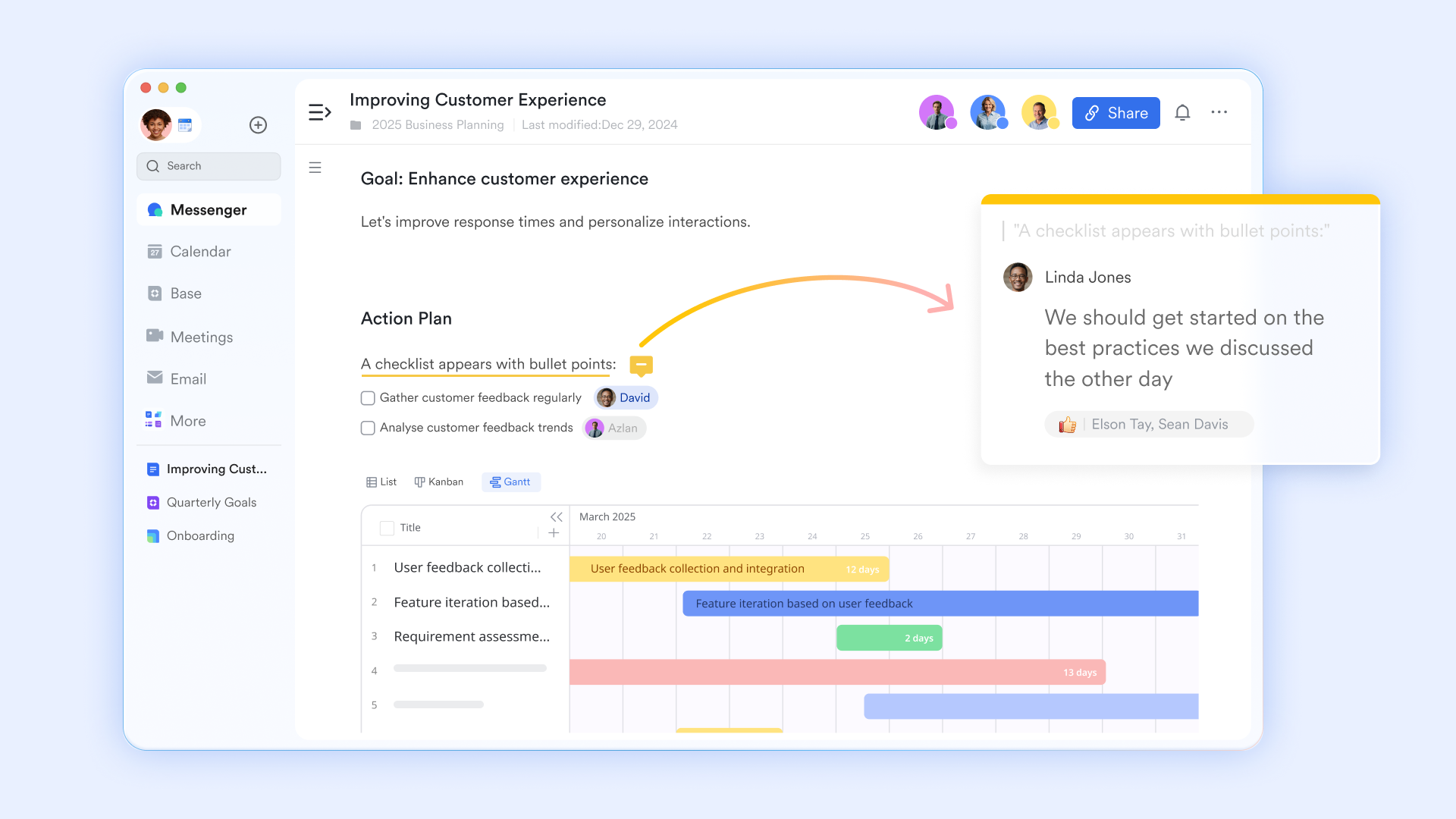
Forget emailing different versions of a Word document around. With Lark Docs and Sheets, multiple team members can co-author and edit your Project Initiation Document template simultaneously. Comments, suggestions, and revisions happen in real-time, allowing for instant feedback and rapid iteration. This ensures everyone's input is captured efficiently and the document evolves quickly to a consensus, reducing delays.
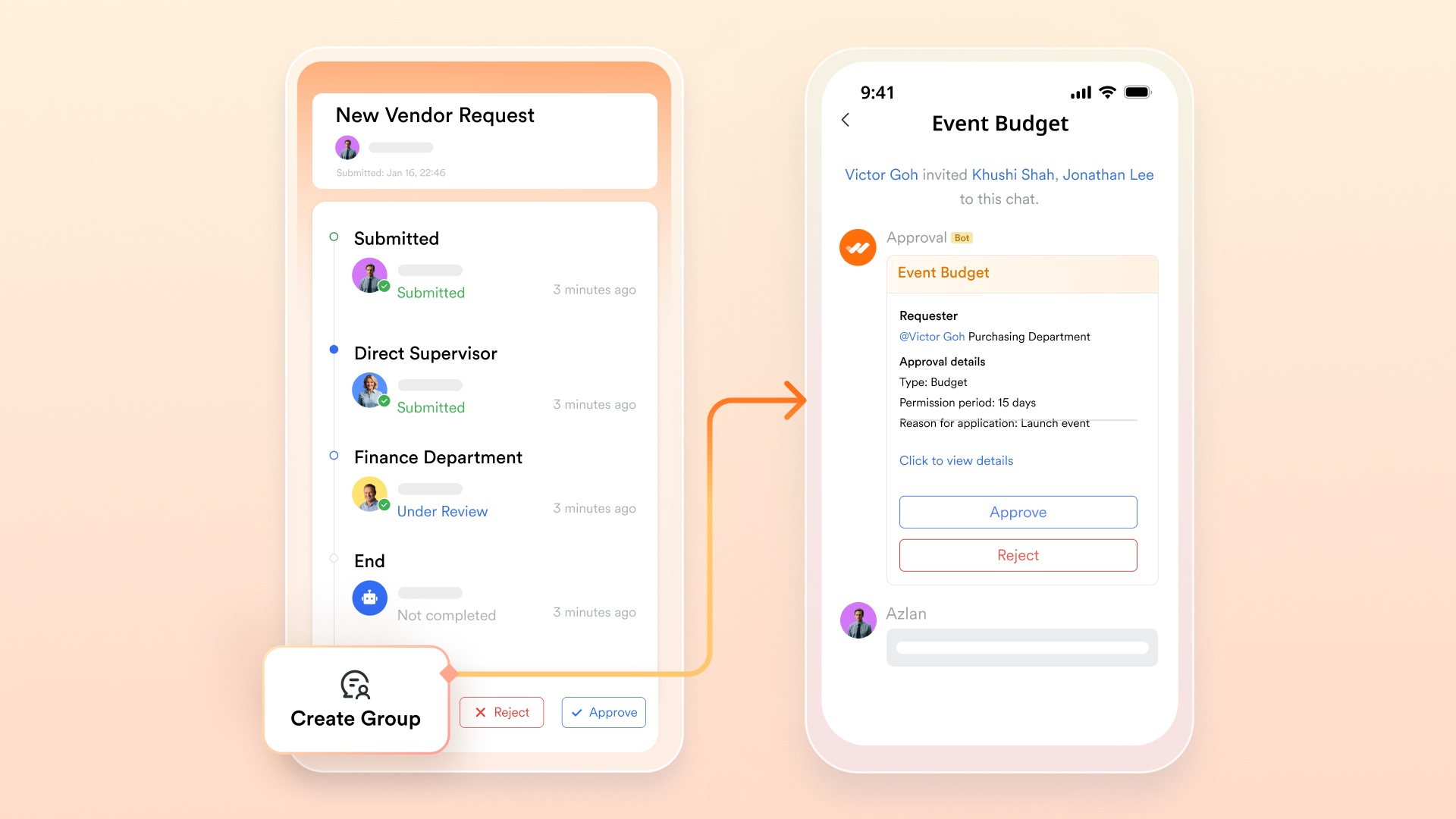
Formalizing PID sign-off becomes effortless with Lark's Approval tool. You can design custom approval flows, routing your completed PID to project sponsors and key stakeholders for their review and digital signature. Automated notifications and reminders keep the process moving, ensuring timely authorization without manual follow-ups. This makes governance transparent and efficient.
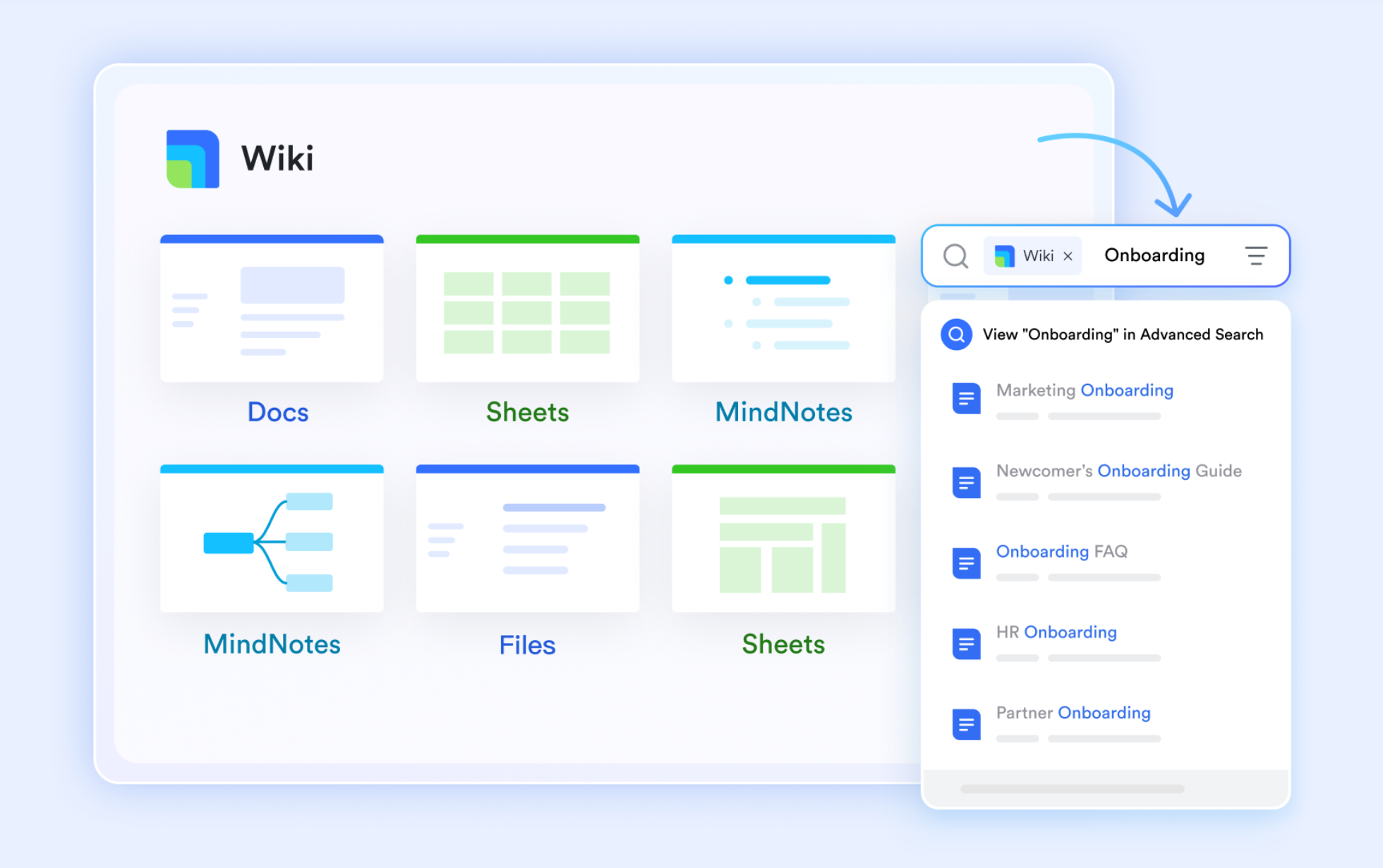
Once approved, your PID doesn't just sit in a folder. You can house it within Lark Wiki or dedicate a folder in Lark Docs, creating a central, easily searchable knowledge base for all project-related information. Link your PID to relevant project chats, video meeting recordings, related tasks, and even specific OKRs or goals. This ensures every team member has immediate access to the project's foundation, fostering transparency and reducing information silos.
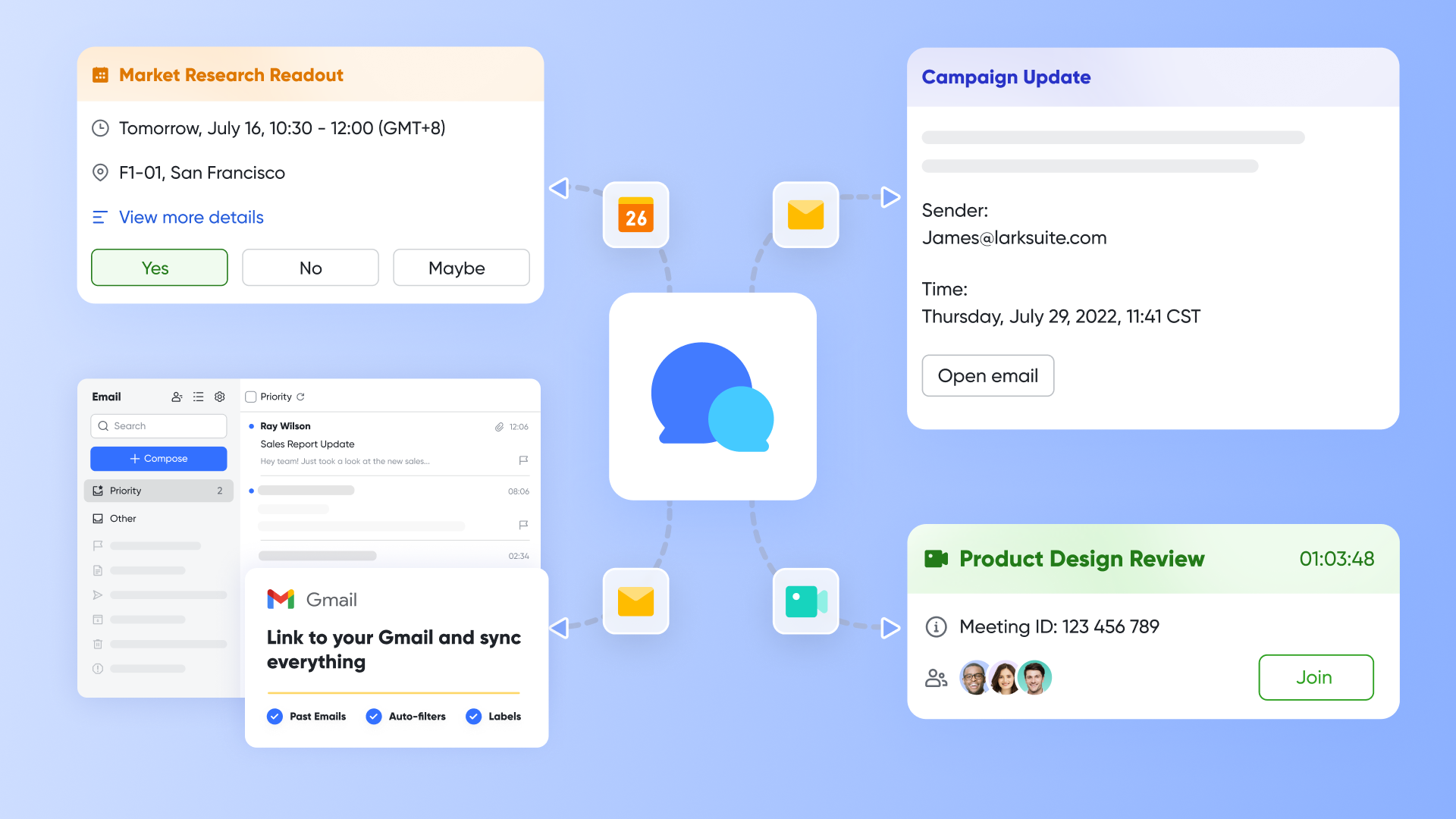
Discussions around the PID, clarifications, and critical decisions can happen directly within Lark Messenger or through video meetings. The context of these conversations can then be linked back to the PID, providing a rich history of how decisions were made and why certain parameters were set. This helps maintain clarity and context throughout the project lifecycle.
Beyond the document itself, Lark's automation capabilities can be used to trigger follow-up tasks once a PID is approved. For example, automatically create a new project folder, set up recurring review meetings, or send out introductory messages to newly assigned team members, all based on the PID's completion.
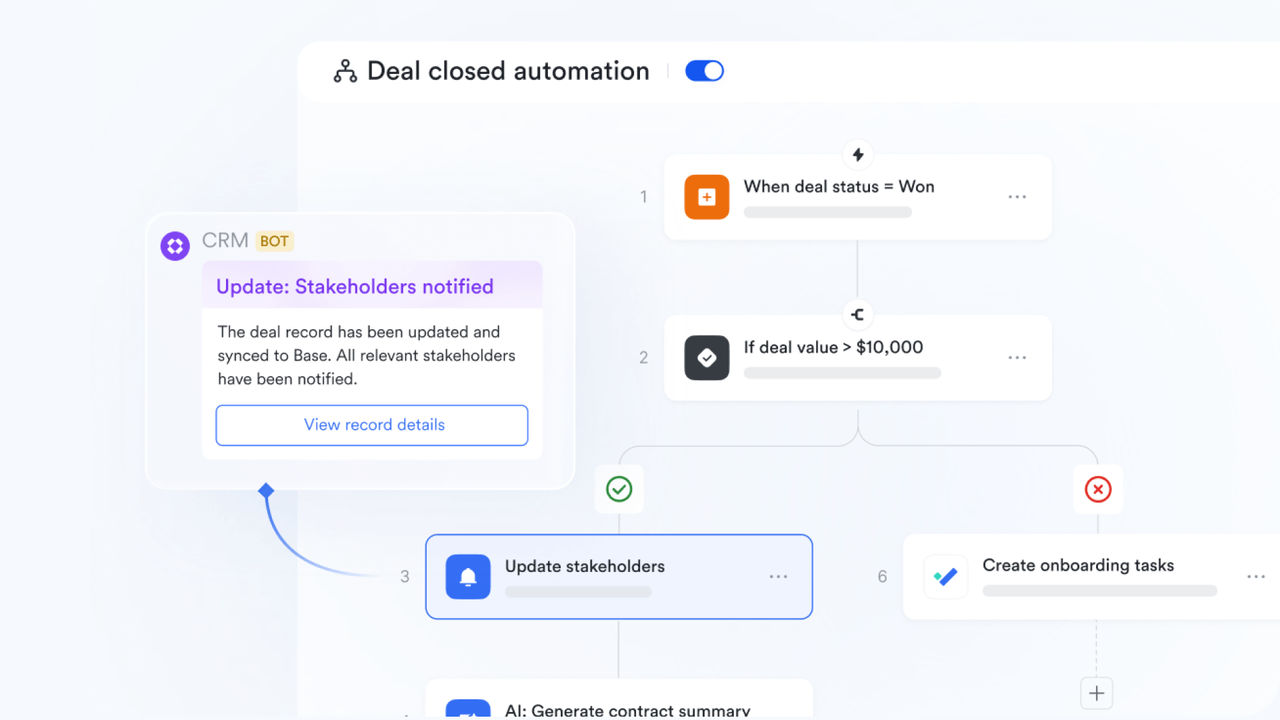
By leveraging Lark’s integrated tools, your Project Initiation Document transforms from a solitary document into a foundational element of a connected and productive project ecosystem, driving efficiency and alignment from day one.
- Starter plan: Free forever plan that includes 11 powerful tools for up to 20 users. It also comes with 100GB of storage space, 1000 automation runs, AI translations, and more. No credit card needed.
- Pro plan: $12/user/month (billed annually) for up to 500 users. It includes everything in Basic plus group calling for up to 500 attendees, 15TB of storage space, 50,000 automation runs, and more.
- Enterprise plan: Contact sales for custom pricing. Supports unlimited users and includes even more automation runs and advanced security, compliance, and management features.

Starter
Pro
Enterprise
Starter
For small teams with simple communication needs
$0
/ user / month
20 users max
18 months message history
1-on-1 video meetings
100 GB storage
Lark Docs & Mail
1000 Base automation runs/month
2000 rows per table in Base
Pro
For companies with comprehensive collaboration and management needs
$12
/ user / month
500 users max
Unlimited message history
500-participant video meetings
15 TB storage
Lark Docs & Mail
50k Base automation runs/month
20k rows per table in Base
Enterprise
For large companies with advanced security and organizational management needs
Get a personalized demo and pricing
Unlimited users
Unlimited message history
500-participant video meetings
15 TB storage + 30 GB storage/user
Lark Docs & Mail
500k Base automation runs/month
50k Base automation runs/month
Single sign-on (SSO)
Pro
For companies with comprehensive collaboration and management needs
$12
/ user / month
500 users max
Unlimited message history
500-participant video meetings
15 TB storage
Lark Docs & Mail
50k Base automation runs/month
20k rows per table in Base
Conclusion
A structured project initiation document is your best defense against scope creep and miscommunication. By defining boundaries early, you save your team countless hours of rework and frustration down the line. Whether you start with a simple Word file or transition to a unified workspace like Lark, the key is consistency. Stop reinventing the wheel for every new initiative. Grab a free project initiation template today, customize it to fit your team’s workflow, and start your next project with absolute clarity.
FAQs
What are the 5 phases of project initiation?
The five project phases, which the Project Management Institute (PMI) refers to as the five process groups, are initiation, planning, execution, monitoring and controlling, and closure. Together they provide a framework for guiding projects from start to finish.
What are the 5 C's of project management?
5 Cs of Project Management—Complexity, Criticality, Compliance, Culture, and Compassion—guide how often to perform project tasks. There are five, they fit on your hand, and they go in order. The first three, complexity, criticality and compliance, are about the work, and that's where we begin.
What are the 5 steps of initiation?
A simplified five-step project initiation process includes identifying the business need, defining objectives and scope, assessing feasibility and risks, identifying key stakeholders and roles, and obtaining approval or sign-off. This streamlined approach helps teams make early decisions without over-planning.
What are the 5 P's in project management?
The 5P Approach offers a robust framework for project management, enabling managers to make value-creating decisions. By focusing on planning, processes, people, possessions, and profits, organizations can achieve their goals efficiently and effectively.
Related reading
Table of contents
Start using Lark today

Manage all your work in one place
Boost team efficiency by 10x
Save up to 70% on software costs
Table of contents
Start using Lark today
Manage all your work in one place
Boost team efficiency by 10x
Save up to 70% on software costs



2026 Lark Technologies Pte. Ltd.
Headquartered in Singapore with offices worldwide.






Explore: