A database management system is the foundation of how modern organizations store, organize, and control information. Every customer record, transaction log, inventory update, and project milestone depends on a reliable database and management system operating behind the scenes. As data volumes increase and teams become more distributed, managing information accurately becomes a strategic requirement rather than a technical detail.
Historically, database management system software systems focused on performance, storage efficiency, and backend stability. Today, expectations are broader. Business teams need visibility, flexibility, and real-time access without relying entirely on technical administrators. This shift is changing how organizations think about what a database management system is and how data should support everyday work. Let's dive deep into a database management system and find everything you need for it.
What is a database management system?
A database management system is software that enables users to store, retrieve, modify, and manage data in a structured environment. Instead of keeping information scattered across files or isolated applications, a database management system centralizes data and enforces consistency. Data abstraction in a DBMS hides complex storage details from users, simplifying data management. This ensures that multiple users and systems can access the same information without conflicts or duplication.
When people ask what a database management system is, they usually refer to the layer of software that sits between raw data and . It handles data storage, indexing, querying, data access through query processing, security protocols, and access control behind the scenes. Whether the system supports a relational database management system or a newer model, the core purpose remains the same. Different database models, such as relational or object-oriented, define how data is structured and related within the system.
In practice, what is the database management system also depends on how it is used. For developers, it may be a backend engine optimized for performance. For organizations, it becomes the backbone of reporting, operations, and. By keeping data accurate, connected, and accessible, and by managing databases—including creating, updating, and protecting data—a database management system helps teams streamline workflows, reduce manual effort, and continuously improve how work gets done.
Why organizations need a database management system today
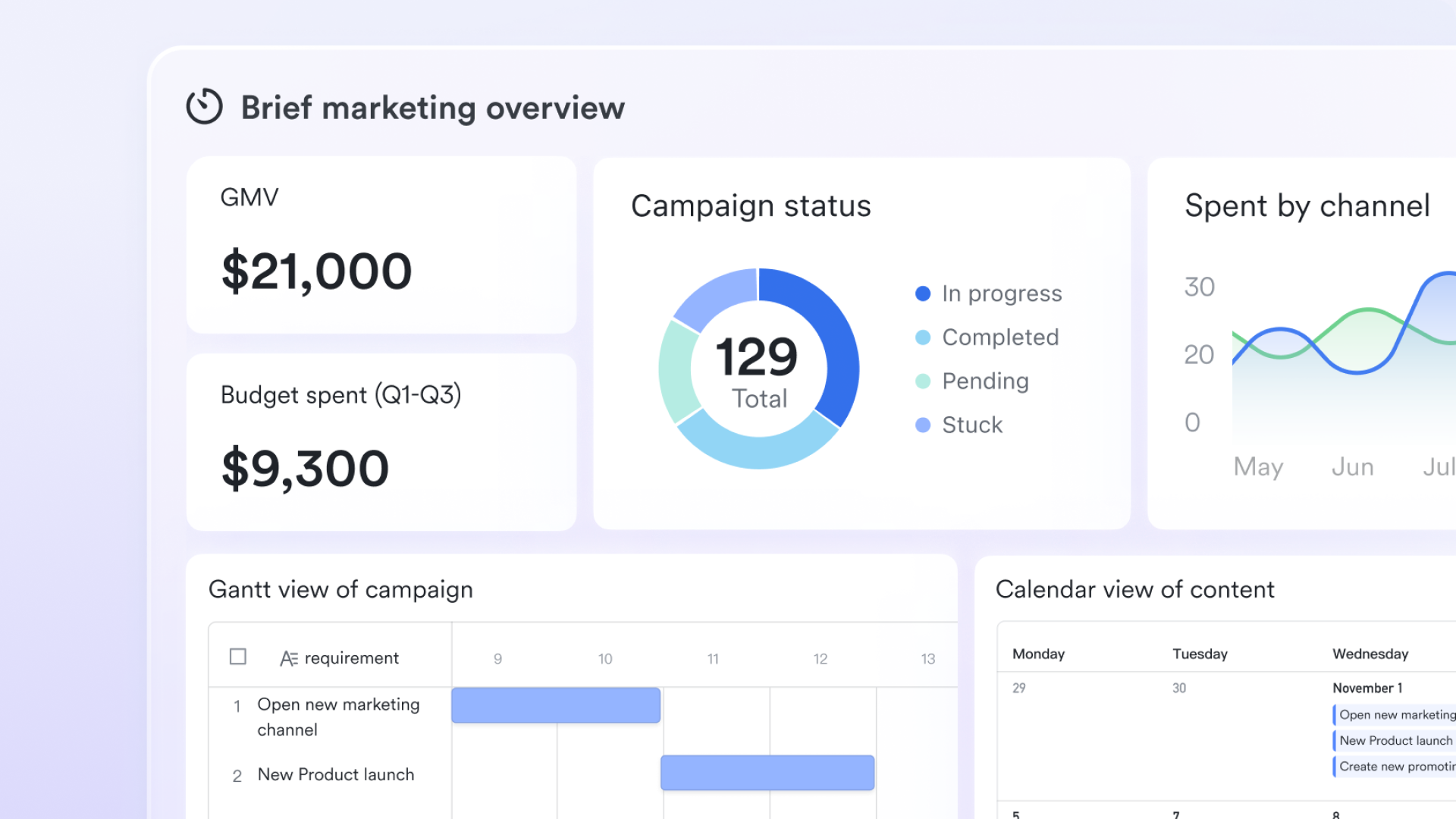
The need for database management systems has grown significantly as organizations handle larger volumes of structured and semi-structured data. Spreadsheets and flat files may work on a small scale, but they quickly break down when multiple users update data at the same time. A centralized database management system prevents version conflicts and data loss.
Another reason for the need of database management system is consistency. Business decisions depend on accurate and up-to-date information. A well-designed database and management system enforces rules around data formats, relationships, and validation. This reduces errors that come from manual entry or disconnected systems. Additionally, a database management system enables users to efficiently access data for decision-making by leveraging metadata catalogs and database dictionaries, which provide essential information about data objects, structure, and permissions.
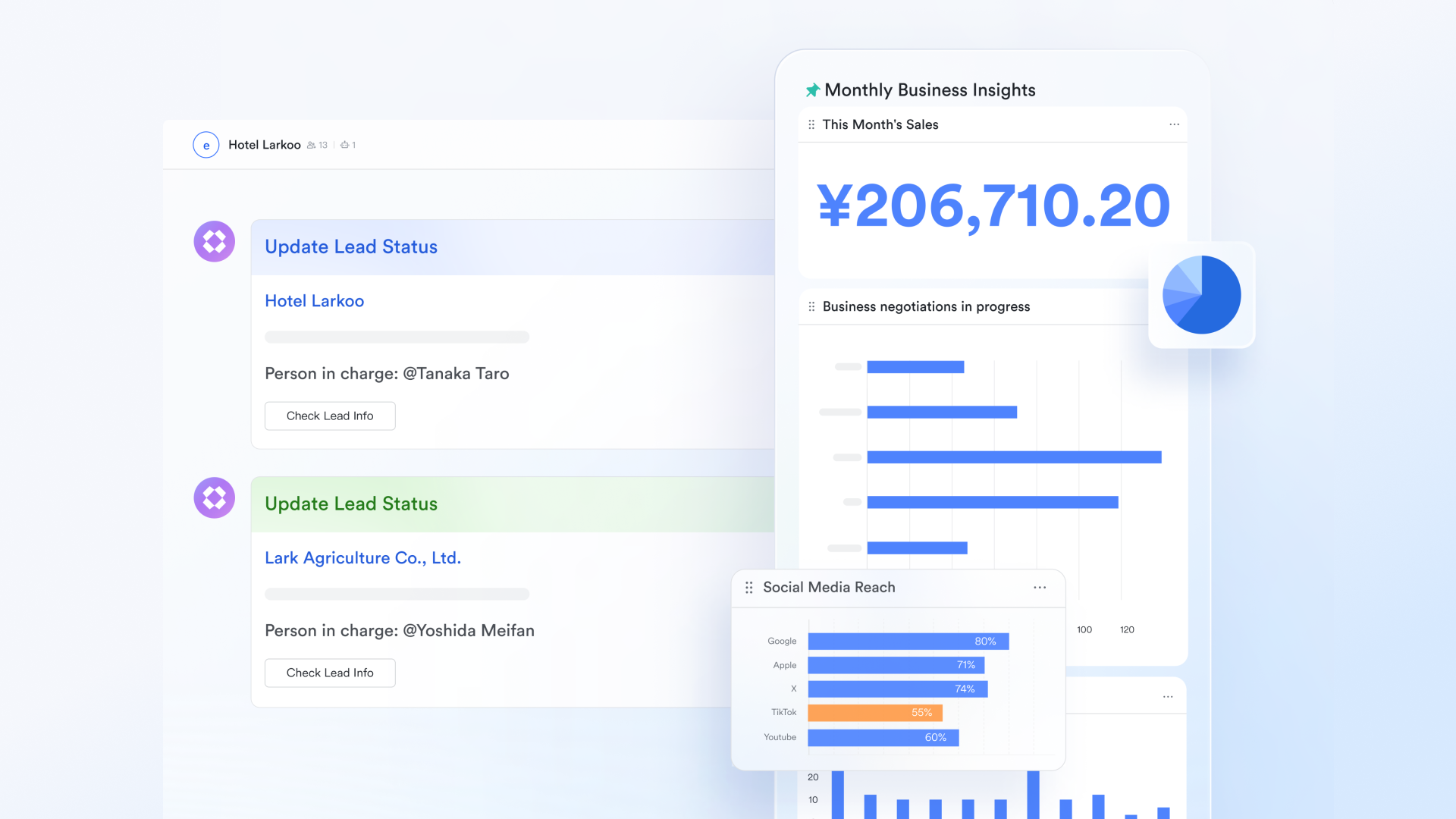
Finally, the use of a database management system supports scalability. As companies expand, lead data, applications, teams, and workflows grow together. Without a proper in place, lead enrichment efforts become fragmented and unreliable. A scalable database management system ensures data remains connected, accessible, and usable across the organization.
Reduce database complexity for business teams
Core components of a database management system
Every database management system is built from several foundational components. Each plays a critical role in ensuring data reliability, accessibility, and long-term usability.
- Data storage engine: The data storage engine is responsible for physically storing information on disk or in memory. It determines how data is written, read, and optimized for performance. In a relational database management system, the storage engine organizes data into tables, rows, and columns. This component directly affects reliability and speed. A strong storage engine ensures data durability even during system failures. Across different database management system examples, the storage engine design often differentiates performance characteristics.
- Schema and data models: Schemas and data models define how information is structured inside a database. They specify tables, fields, relationships, and constraints. In a relational database management system software environment, schemas ensure consistency across related data. Different types of database management systems use different models, including object-oriented database management system approaches that store data as objects rather than tables.
- Query processing and indexing: Query processing enables users and applications to retrieve data efficiently. Indexing improves performance by reducing how much data must be scanned during searches. Without proper indexing, even popular database management system platforms become slow under load. This component determines how usable a database management system is for analytics, reporting, and daily operations.
- Security, access control, and permissions: Security mechanisms control who can view, edit, or delete data. Permissions protect sensitive information and support . In large organizations, field-level access control is a core feature of database management system software. This ensures collaboration without compromising data integrity.
- Backup, recovery, and integrity mechanisms: Backup and recovery features protect against data loss caused by failures or human error. Integrity mechanisms ensure data remains accurate and consistent over time. Across many examples of database system deployments, recovery speed determines how quickly operations resume after disruptions.
Types of database management systems
Different organizations require different data architectures. Understanding the types of database management systems helps teams choose the right tool for their needs.
- Relational database management system (RDBMS): A relational database management system organizes data into structured tables with defined relationships. It is widely used for transactional systems, . Relational database management system software, such as MySQL and PostgreSQL, remains a standard choice for organizations that prioritize consistency and structured queries.
- Object-oriented database management system: An object-oriented database management system stores data as objects that align closely with programming languages. This reduces the gap between application logic and data storage. It is useful for applications with complex data structures and object-heavy workflows.
- Object database management system: An object database management system focuses entirely on storing objects without converting them into relational tables. This improves performance for specific use cases involving complex relationships. Many teams consider this option when evaluating different types of database management system designs.
- Distributed and online database management system: A distributed and online database management system spreads data across multiple servers or locations. This improves availability and fault tolerance. Online database management system platforms are common in that support global users.
- Open source relational database management system options: Open source relational database management system platforms like PostgreSQL and MySQL offer flexibility and cost efficiency. They are often considered a top database management system for startups due to their maturity and community support.
Use of a database management system in real business scenarios
The use of a database management system extends far beyond technical infrastructure. It supports daily business operations across departments.
CRM and customer records: rely on a database management system to store customer profiles, interactions, and transaction history. This ensures data consistency across sales, marketing, and support. Many database management system examples demonstrate how structured customer data improves engagement.
Inventory and supply tracking: Inventory systems depend on real-time data updates. A database management system tracks quantities, locations, and movements. This reduces stock errors and improves forecasting. The use of database management systems here directly impacts operational efficiency.
Project and resource management: Projects generate structured data such as tasks, timelines, dependencies, and ownership. A database management system supports visibility and accountability across teams. Many examples of database system usage highlight as a core scenario.
Compliance, reporting, and audit trails: Regulated industries rely on accurate records and traceability. Database management system software ensures reporting consistency and supports audit requirements. This is a key reason organizations adopt popular database management system platforms.
Limitations of traditional database management systems
Traditional database management system software was built to prioritize structure, control, and stability. While these strengths still matter, modern teams now expect speed, flexibility, and collaboration. As data becomes more central to daily operations, several limitations of traditional database management system designs become more visible, especially for non-technical users.
- Rigid schemas that slow change: Traditional database management system designs rely on fixed schemas that must be defined in advance. Adding new fields or changing relationships often requires migrations, testing, and administrator approval. This slows adaptation when shift quickly. Over time, the use of a database management system can feel restrictive rather than supportive in fast-moving environments.
- Dependence on SQL or technical administrators: Most database management system software requires SQL knowledge or elevated access to perform even basic updates or reporting. Business teams must rely on engineers or database administrators for changes. This dependency increases turnaround time and creates bottlenecks. It also limits how widely data can be explored across teams.
- Poor collaboration and visibility for business teams: Traditional systems are optimized for data integrity, not collaboration. Conversations, decisions, and explanations live outside the database in emails or chat tools. This separation makes it difficult to understand the context or reasoning behind changes. Many database management system examples highlight this gap between data and teamwork.
- Data disconnected from : In many organizations, databases operate separately from the tools people use every day. Data is stored in one system while execution happens in another. This disconnect reduces the practical value of the database and management system. As a result, teams often look for platforms like Lark that help bridge data and workflows without replacing core databases.
Comparing traditional database management systems
As powerful as these database management system software options are, they share a common reality: they are engineered primarily for developers and database administrators, not for day-to-day business execution. Schema design, query optimization, access control, and ongoing maintenance often require specialized skills and dedicated infrastructure. For many teams, the challenge isn't storing data; it's making that data usable across projects, workflows, and .
This is where Lark takes a different path. Instead of acting as a backend database engine, Lark Base functions as a business-friendly data layer that sits closer to execution. Teams can create structured records, link data, , and collaborate directly on live information without writing SQL or managing servers. For organizations that need speed, adaptability, and visibility rather than low-level database control, Lark offers a practical alternative to the complexity of traditional DBMSs.
Add collaboration to structured data systems
How Lark redefines database management for business teams
approaches data from a workflow-first perspective. Rather than replacing traditional database management system infrastructure, it focuses on how business teams interact with structured information. acts as a business-friendly data layer that brings database concepts closer to execution.
This approach helps bridge the gap between technical databases and daily operations. Teams can work with structured records, relationships, and automation without writing SQL. Over time, organizations begin using Lark alongside existing systems to improve accessibility and speed.
Multi-dimensional views of the same data
A database should not lock teams into a single perspective. Lark Base lets teams switch between multiple views of the same dataset based on what they need to accomplish at any moment. Grid view supports fast bulk entry and data cleanup in a spreadsheet-style layout, while Kanban view helps manage workflows by moving work through defined stages. Gantt view makes timelines and critical path dependencies easier to track, and Gallery view presents records visually, which is useful for managing creative assets and brand libraries. 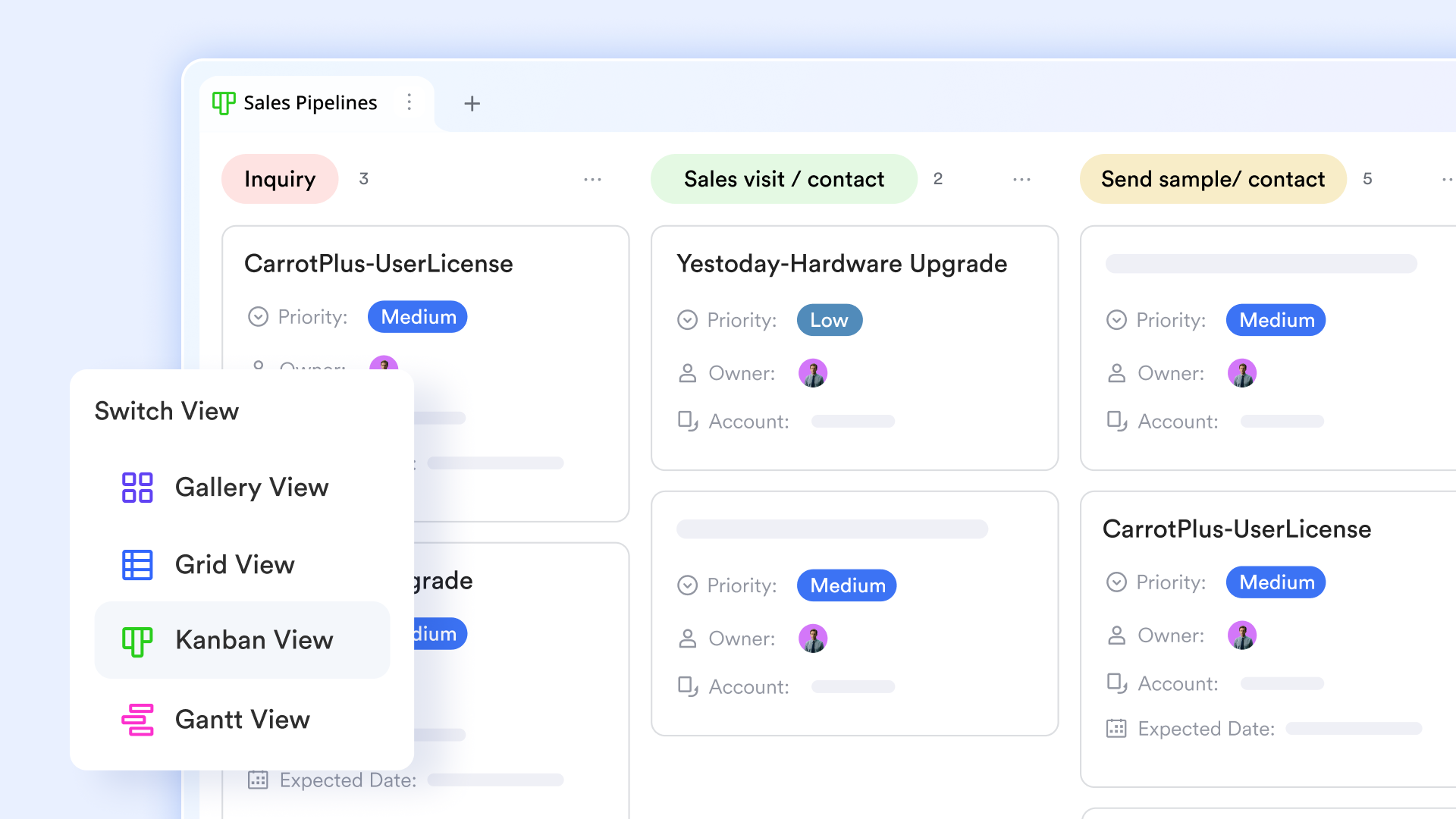
From "code-heavy" to "no-code" relational architecture
In the past, linking different sets of data (like connecting a Customer to a Project and then to an Invoice) required complex relational database knowledge. allows business users to create these connections using intuitive two-way link fields. This creates a seamless, bidirectional relationship across your data: when you link a Project to a Customer, both records are instantly connected. This allows you to build a sophisticated relational ecosystem where data flows naturally between tables without writing a single line of code. 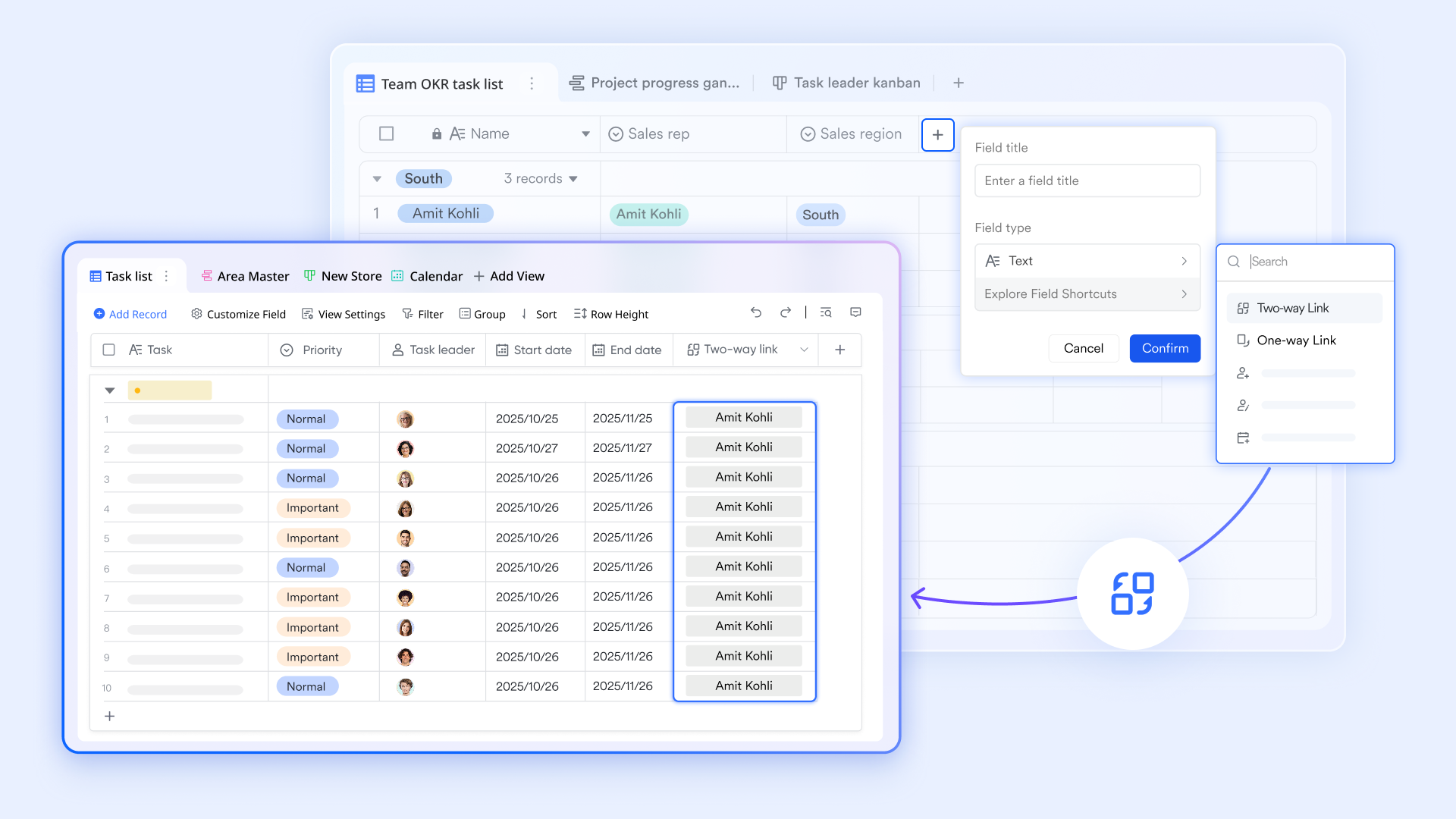
Native automation without third-party tools
Native automation without third-party tools addresses a common limitation of traditional database management system software. In many setups, triggering actions requires connecting external services or writing scripts. Lark Base automation provides a built-in automation center where teams can define simple "IF and ELSE" rules. For example, when a contract status changes, a message can be sent automatically to the legal team. This turns the database from a passive record system into an active part of daily workflows. 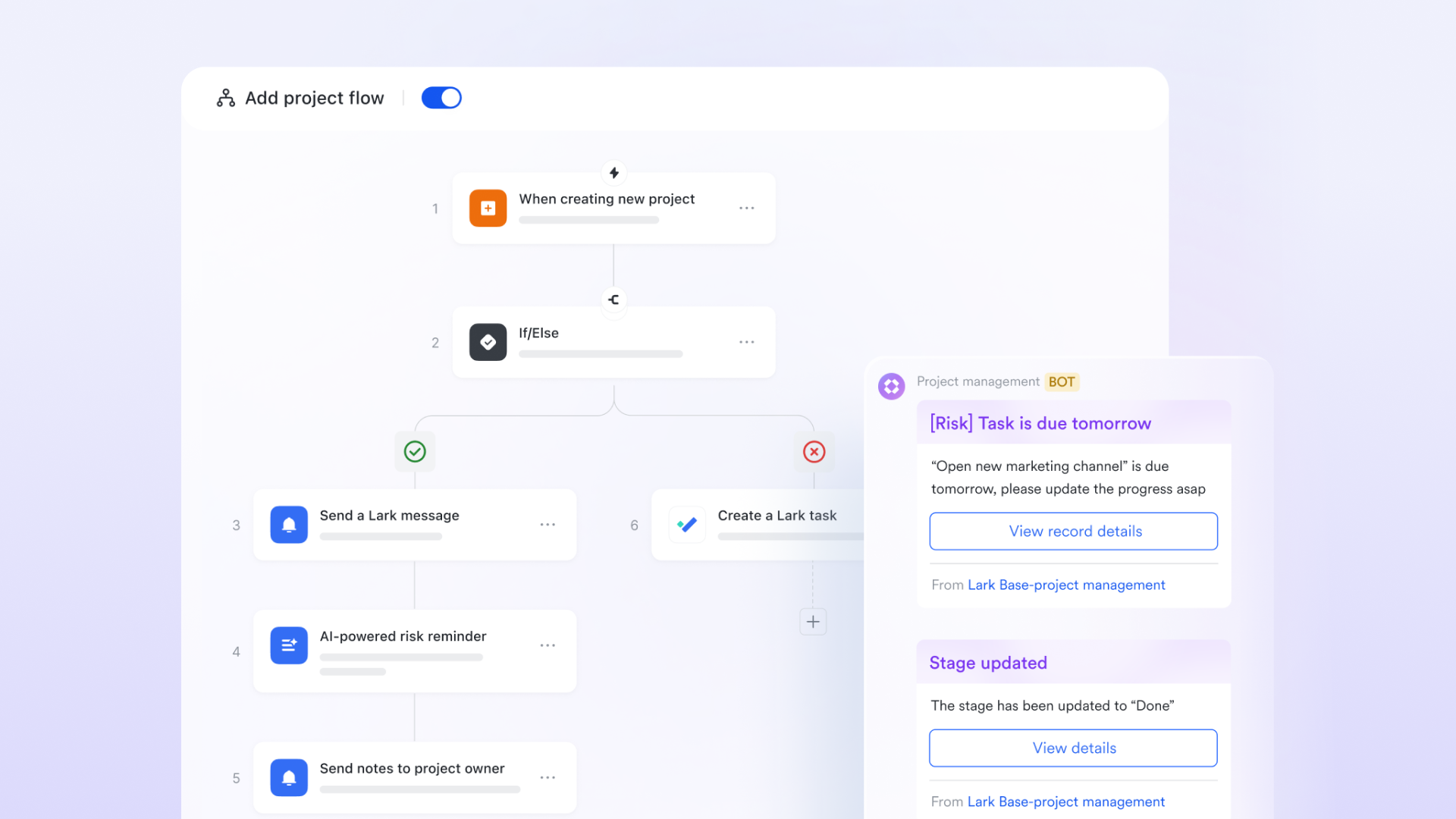
Turning rows into conversations
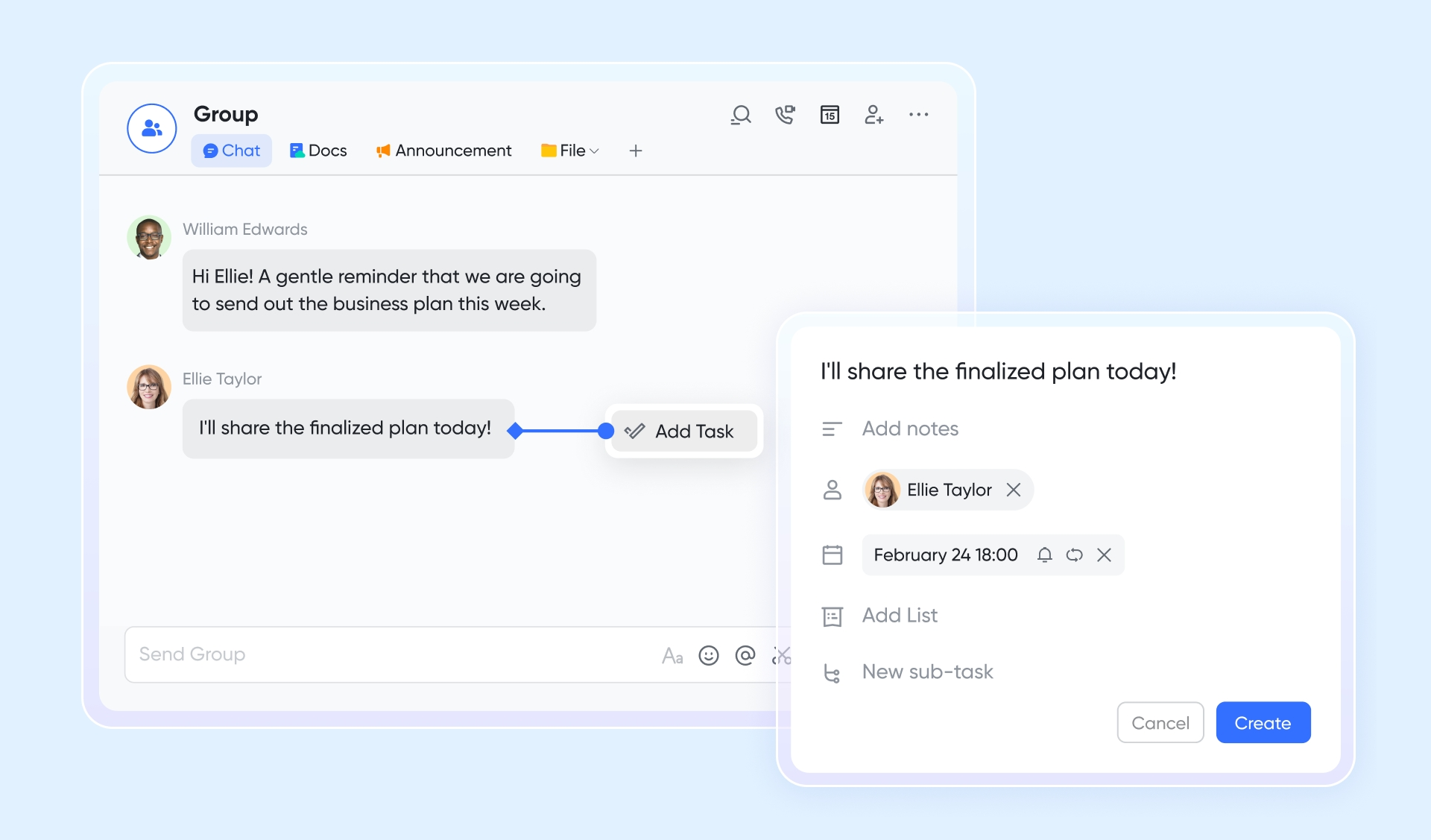
Updates may be made in a database, while context and decisions live in chat tools or email. This disconnect makes it harder for teams to understand why changes happened. Over time, important knowledge becomes fragmented. For that, helps you share Lark Base tables directly in chats and convert to-do items into real tasks, allowing teams to take quick action in one place. Decisions and clarifications remain attached to the data, improving visibility and continuity across workflows.
Bridging the gap between docs and data
Lark redefines the "Wiki" by allowing you to embed live, syncable database views directly into . Instead of copying and pasting a table that immediately becomes outdated, you insert a "Base view." When a team member updates a deadline in the database, that change is reflected instantly inside the strategy document, ensuring everyone is always looking at the most current version of the truth. 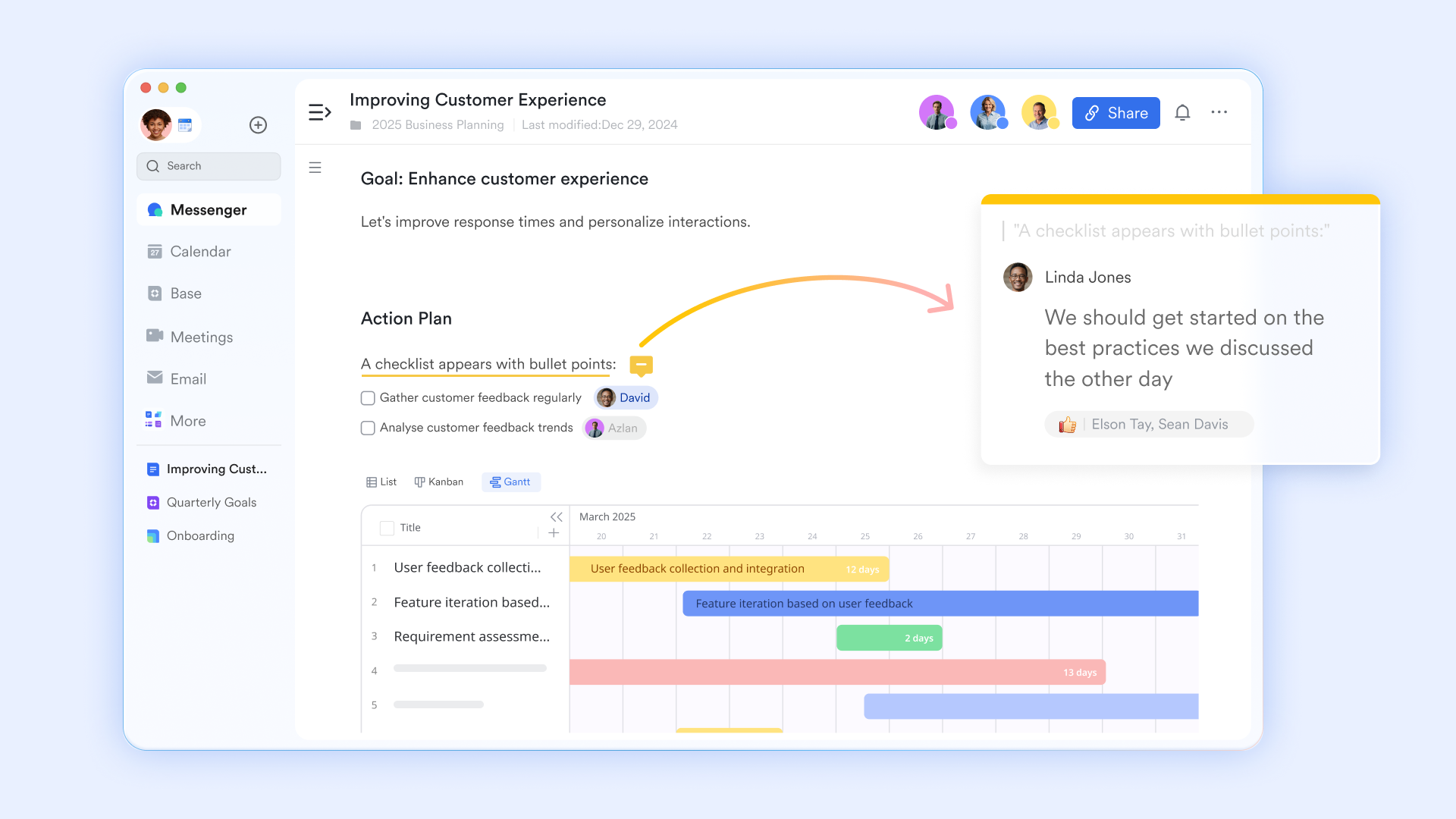
:
- Starter plan: Free forever plan that includes 11 powerful tools for up to 20 users. It also comes with 100GB of storage, 1000 automation runs, AI translations, and more.
- Pro plan: $12/user/month (billed annually) for up to 500 users. It includes everything in Starter plus group calling for up to 500 attendees, 15TB of storage, 50,000 automation runs, and more.
- Enterprise plan: for custom pricing. Supports unlimited users and includes even more automation runs and advanced security, compliance, and management features.
For small teams with simple communication needs

18 months message history
1000 Base automation runs/month
2000 rows per table in Base
Most POPULAR
For companies with comprehensive collaboration and management needs
Unlimited message history
500-participant video meetings
50k Base automation runs/month
20k rows per table in Base
For large companies with advanced security and organizational management needs
Get a personalized demo and pricing
Unlimited message history
500-participant video meetings
15 TB storage + 30 GB storage/user
500k Base automation runs/month
50k Base automation runs/month
Most POPULAR
For companies with comprehensive collaboration and management needs
Unlimited message history
500-participant video meetings
50k Base automation runs/month
20k rows per table in Base
Choosing the right database management system for your needs
Selecting the right database management system requires balancing technical capability with real-world usage. Beyond storage and performance, teams must consider how data supports , decision-making, and daily execution. Different organizations prioritize different factors based on size, industry, and growth stage.
- Define how data will be used: Start by understanding how data supports operations, reporting, and decision making. Consider data volume, update frequency, and access patterns across teams. This clarity helps narrow down suitable database management system software options.
- Assess scalability and growth needs: Startups often value speed and simplicity, while enterprises require stability and long-term scalability. Evaluating future growth helps avoid early system limitations. This ensures the chosen database management system evolves with the organization.
- Evaluate security and governance requirements: Data sensitivity, compliance needs, and permission structures vary widely. A strong database management system must support role-based access and auditability. Governance should not come at the cost of usability.
- Consider daily users, not just administrators: Many systems are optimized for technical teams, but business users also need access. When non-technical teams interact with data frequently, usability becomes critical. This is where tools like Lark help bridge structured data and everyday work.
- Balance backend power with : Traditional database management system software excels at storage and reliability. Workflow-oriented platforms add visibility, collaboration, and actionability. Many organizations combine both to get the best results.
Conclusion
A database management system remains essential for organizing and protecting business data. From relational database management system software to object database management system designs, each option serves a specific purpose. The challenge today lies in aligning these systems with how teams actually work.
Traditional platforms excel at storage and performance but often fall short in accessibility. Business users increasingly expect data to connect directly to , conversations, and decisions. This expectation is reshaping how organizations evaluate database and management system strategies.
represents a practical evolution in this space. By focusing on usability and execution, it complements traditional databases rather than replacing them. For teams balancing control with adaptability, combining strong database foundations with workflow-friendly layers offers a sustainable path forward.
Start managing structured data more flexibly using Lark
FAQs
What are the 4 types of database management systems?
The four common types include relational database management systems, management systems, object database management systems, and distributed or online database management systems. Each supports different data models and workloads. As teams grow, platforms like Lark help make these systems more accessible without replacing them.
What is the difference between SQL and DBMS?
SQL is a language used to query and manipulate data. A DBMS is software that stores and manages data. In many organizations, Lark works alongside SQL-based systems to help non-technical users interact with structured data more easily.
When should a company move beyond spreadsheets to a DBMS?
When data volume increases and collaboration becomes complex, spreadsheets begin to fail. This is when the need of database management system becomes clear. Tools like Lark help teams transition by offering structured data without heavy technical overhead.
How does AI change the future of database management systems?
AI improves automation, querying, and insights within databases. It reduces manual work and improves accessibility. Platforms like Lark apply these ideas at the workflow level, making structured data more actionable for business teams.
Can workflow platforms fully replace traditional databases?
platforms do not fully replace traditional databases. They complement them by improving usability and collaboration. Lark works best when paired with existing database management system software to bridge the gap between storage and execution.
Related reading