The modern project landscape often feels more like a chaotic circus than a well-oiled machine. We all strive for seamless execution, but the reality is frequently a messy patchwork of disconnected different apps and fragmented project data. As a project manager, you know this all too well.
So, how can we escape this cycle of chaos and build a system to manage projects that actually works? How do you, as a project manager or member of a project team, avoid this common fate?
The answer lies in building a solid project management database, a structured system that centralizes and streamlines all your project-related data. It's the foundation upon which successful projects are built, providing a single source of truth for your project team. In this guide, I'll walk you through everything you need to know about project management databases, including what they are, why they're important, and how to implement one effectively.
What exactly is a project management database?
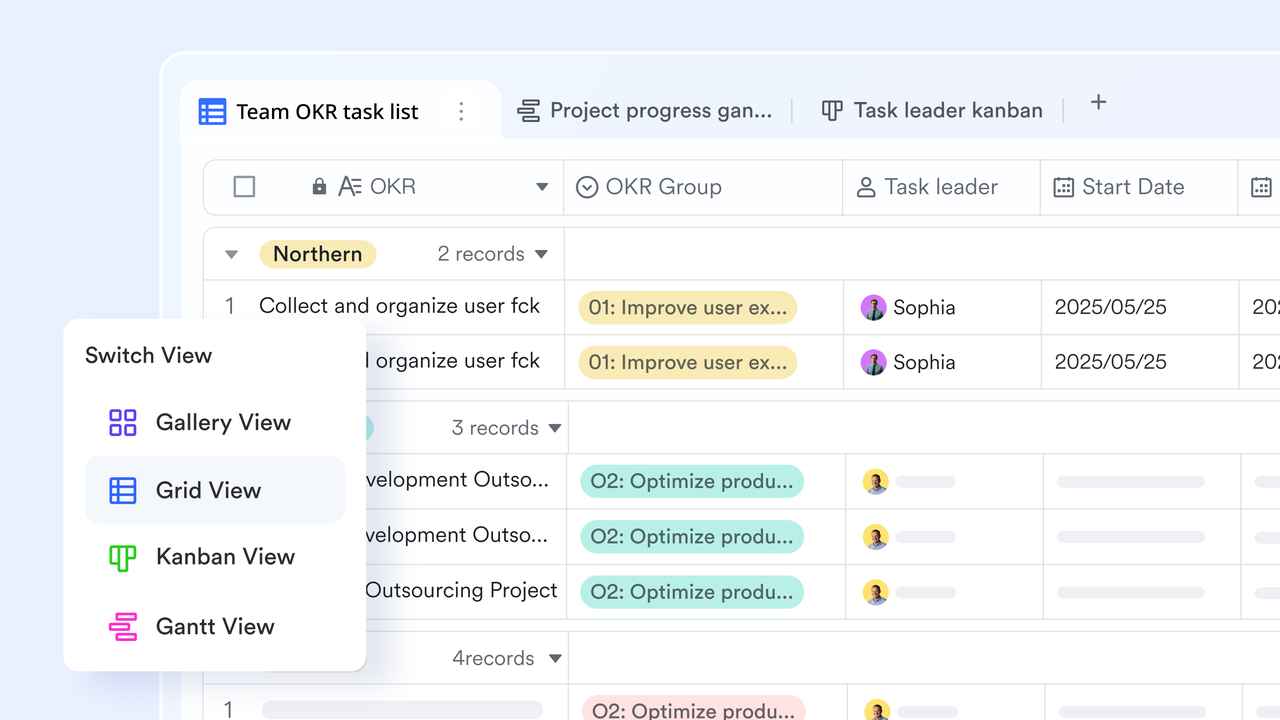
At its core, a database for is a structured system for storing, organizing, and managing projects. This requires efficiently handling all the project data. Think of it as a digital filing cabinet, but far more powerful. Instead of paper documents crammed into folders, a project management database uses tables, fields, and relationships to create a clear and organized structure for your project information. This structure allows you to efficiently store, retrieve, and analyze project data. The ability to track projects becomes seamless.
The beauty of a project management database lies in its ability to connect different pieces of . For example, you can link project tasks to other resources, deadlines, and related documents, creating a holistic view of your project. This interconnectedness is what sets a project management database apart from a simple spreadsheet or list. It's a dynamic system that adapts to your project's evolving needs. Many small businesses overlook this key feature, but it's essential for efficiency.
Find other potential of project management databases
Benefits of project management database
Imagine trying to build a house without a project plan. You might eventually get something built, but it's likely to be inefficient, structurally unsound, and prone to problems down the road. Similarly, attempting to manage multiple projects without a solid project database foundation is a recipe for disaster. A project management database provides the essential framework for project planning, executing, and track project progress effectively. To fully understand the impact, let's look at some of the best features.
Centralized project information: Eliminating data silos
One of the most significant advantages of a project management database is its ability to . No more searching through endless email threads or sifting through different apps to find the information you need. With a project management database, everything is stored in one place, easily accessible to the entire project team. This eliminates data silos and ensures that everyone is working with the same latest version of the information.
Enhanced team collaboration: Fostering transparency and accountability
Furthermore, a project management database enhances by providing a shared platform for team members to access and update project information. Team members can easily track project progress, share files, and communicate with each other directly within the project database. This fosters transparency and accountability, leading to better teamwork and more successful outcomes. It is so important to empower project teams with they need to succeed.
Data-driven insights: Improving project performance and tracking
Beyond team collaboration, a well-structured project management database facilitates better project performance and project tracking. By collecting and organizing project data in a consistent manner, you can easily generate reports on and track progress towards project goals. This data-driven approach allows you to identify potential problems early on and make informed decisions to keep your projects on track. You can share these updates with project stakeholders to create an environment of teamwork and transparency.
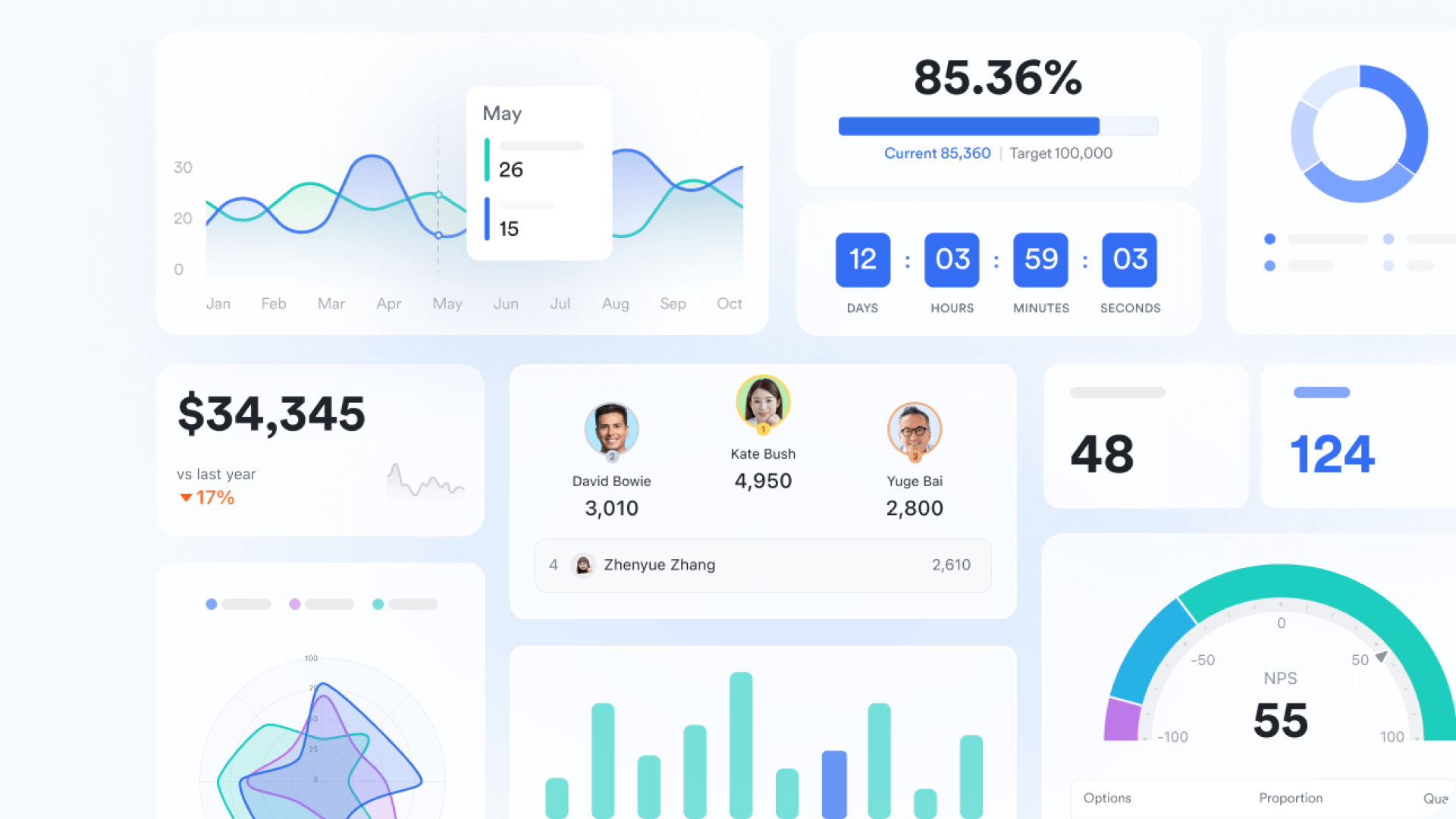
Ultimately, the enhanced team collaboration, centralized project information, and improved analysis all contribute to increased efficiency and productivity. By streamlining team's workflow and eliminating the time wasted searching for information, a project management database empowers your team to focus on what matters most: delivering project success. You can even customize the workflows to fit your team's unique needs. By empowering your team, you will transform your business functions.
Explore the benefits of PM database right now
Key features of a modern project management database
A robust project management database is more than just a repository of project information; it's a dynamic project management tool that empowers you to manage projects from start to finish. Here are some of the key features to look for:
- Project performance and project tracking: and custom reports to help you track progress, gain insights into project performance, and transform project management into a science. A robust project management database provides the you need to monitor key performance indicators (KPIs), identify potential risks, and make data-driven decisions. Real-time dashboards offer a snapshot of project health, while custom reports allow you to drill down into specific areas of concern.
- Resource management and resource allocation: Track , skills, and utilization, allowing you to reallocate resources and avoid overbooking. This not only saves money but allows team members to focus on their strengths. It's essential that the database is able to visualize the team's workload. You can identify potential bottlenecks and ensure that your team members have the support they need to succeed. This can also lead to more accurate project estimates and prevent unexpected cost overruns.
- Project scheduling and timelines: Visualize your project plan using features like , calendars, and task dependencies to create and manage realistic project plans. This saves time by ensuring that people and materials are in the right place at the right time.
- Stakeholder visibility: about project progress is crucial for maintaining their support and buy-in. A project management database should provide the tools you need to share project data with key stakeholders in a clear and concise manner. Real-time dashboards and custom reports can help you communicate project status, highlight key accomplishments, and address any concerns.
- Document management: Projects often generate a large number of documents, from contracts and proposals to reports and presentations. A robust within your project management database ensures that everyone has access to the latest version of all project-related documents. This prevents confusion, reduces the risk of errors, and streamlines collaboration. Features like version control and access permissions can further enhance the security and efficiency of your document management system.
Simplify project tracking with centralized data
Types of project management databases
Not all project management databases are created equal. The best choice for your organization depends on factors like project complexity, team size, budget, and technical expertise. Understanding the different types available can help you make an informed decision:
- Traditional databases: This is the most common and traditional type, using tables with rows (records) and columns (fields) to store data. Relationships between tables allow you to connect different pieces of project information (e.g., linking tasks to resources). This kind of project management databases like Access is known for their data integrity and scalability.
- Cloud-based databases: These databases are hosted on a cloud platform (like AWS, Azure, or Google Cloud) and accessed over the internet. Cloud-based databases offer several advantages, including scalability, cost-effectiveness, and accessibility from anywhere with an internet connection. They also typically include built-in security features and automatic backups.
- Graph databases: Graph databases use a graph structure with nodes (entities) and edges (relationships) to store and manage data. They are particularly well-suited for projects where relationships between entities are critical. For example, graph databases can be used to manage dependencies between tasks or resources.
Reasons to avoid traditional project management databases
While traditional databases like Microsoft Access have been foundational in project management, several factors make them less than ideal for today's fast-paced, collaborative environments. Instead of streamlining workflows, they can often become bottlenecks. Let's explore why:
Steep learning curve and maintenance burden
Designing and maintaining demands specialized skills that aren't always available within a typical project team. Building a database from scratch requires significant time and expertise, and ongoing maintenance is crucial to keep it relevant. The risk of losing critical project information due to staff turnover is real, especially if only one person understands how the database functions. This complexity often limits database usage to a select few, diminishing its overall utility.
Prone to human error and limited context
Entering data manually into an Access database is both laborious and prone to errors. Opportunities abound for mistakes, whether it's incorrect dates, misplaced decimal points, or accidental deletion of crucial formulas. While backups are essential, over-reliance on database figures can obscure qualitative insights vital for project success. Client discussions, shifting priorities, and task dependencies—all critical for informed decision-making—aren't easily captured in database cells, leading to a potentially skewed understanding of project dynamics.
Siloed information and hindered collaboration
Instead of fostering collaboration, traditional databases like Access can inadvertently create information silos. Their complexity and susceptibility to errors can deter from sharing them widely, and team members may resist using them. The time spent extracting, cleaning, and inputting data can outweigh the benefits, diverting resources from more productive tasks. Because these databases are often disconnected from the primary project execution platform, maintaining data integrity and ensuring everyone works with the most current information becomes a constant challenge.
Enhance team collaboration with real-time updates
Build a project management database to solve traditional challenges
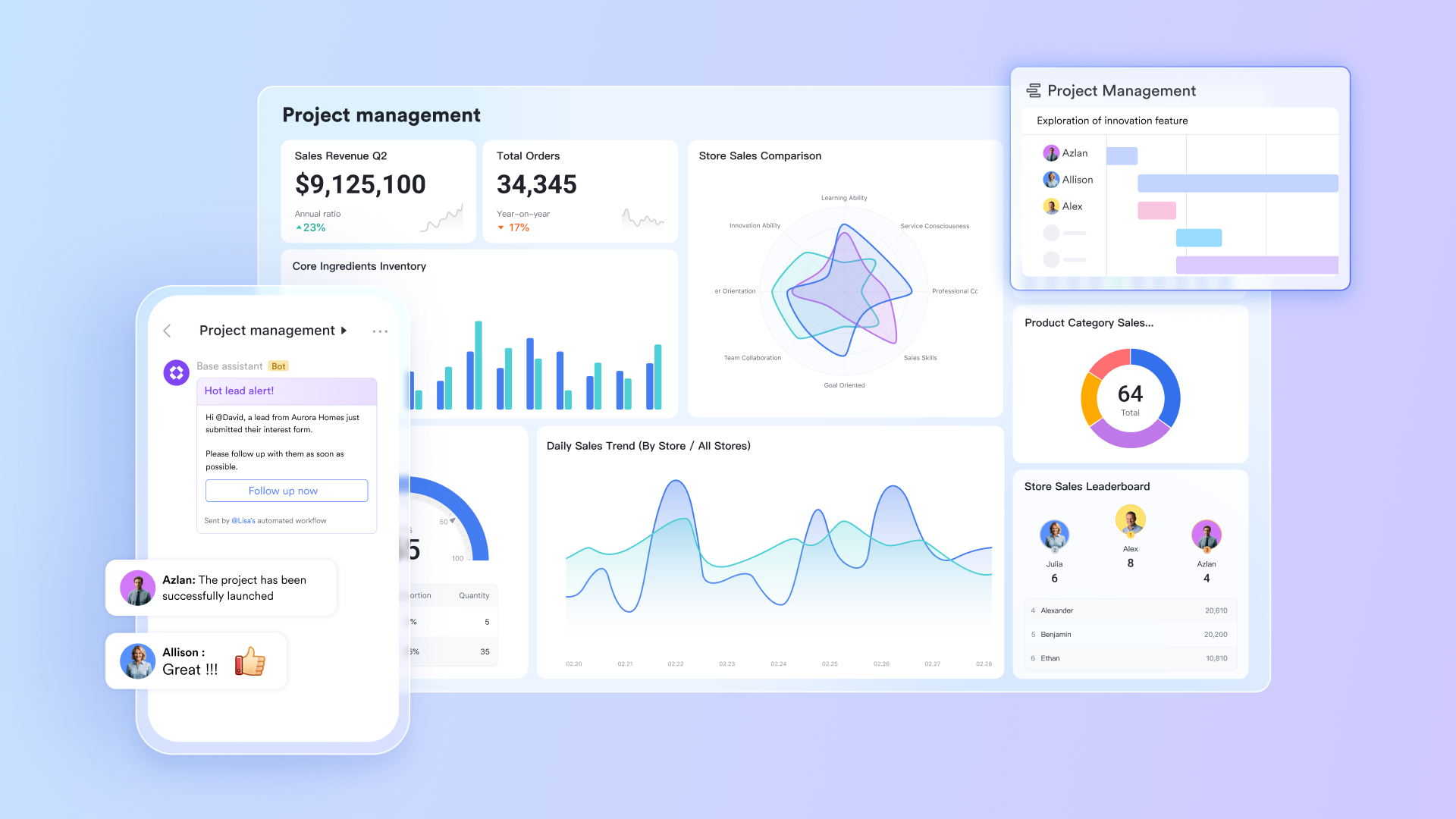
As I mentioned before, utilizing a project management database that effectively addresses traditional challenges is crucial for success. emerges as an innovative solution specifically designed to tackle the limitations of conventional databases while enhancing team collaboration and productivity.
AI-powered features for enhanced productivity
Lark Base is equipped with powerful AI functionalities that significantly boost productivity and streamline workflow processes:
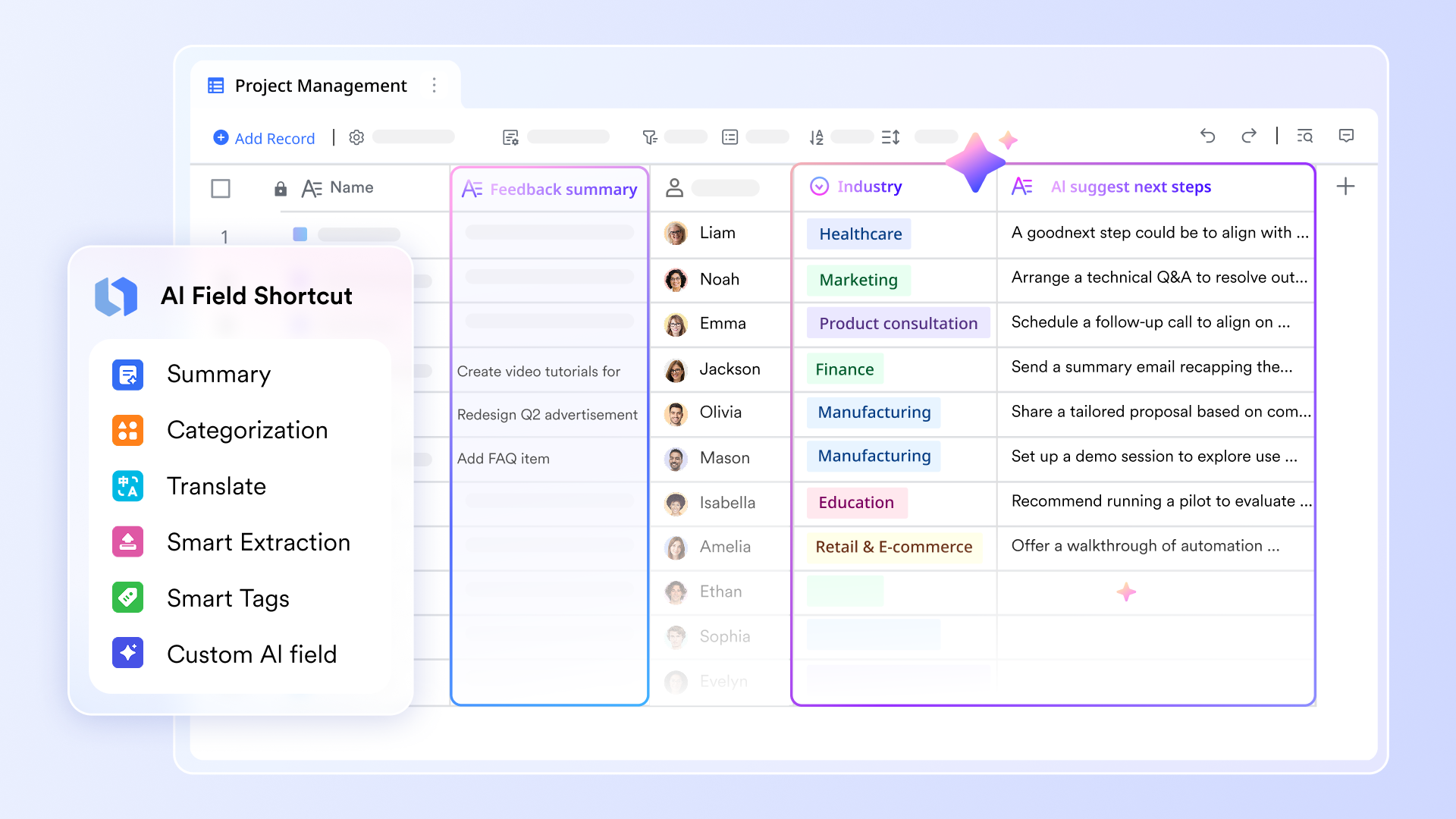
- AI field shortcuts: Quickly input and manage data with AI-driven short commands that expedite routine tasks, allowing users to focus on higher-level decision-making.
- AI analysis: Turn your data into clear, actionable business insights in seconds. Lark Base's AI capabilities analyze project performances, helping teams make informed decisions swiftly.
- AI-generated formulas: Automatically generate complex formulas based on user data and needs, eliminating manual calculations and improving accuracy.
- AI Q&A: Get instant answers to project-related questions from within Lark Base. This feature helps teams quickly find relevant information, enhancing responsiveness and collaboration.
Flexible data management
Lark Base enables users to manage both structured and unstructured data efficiently. This flexibility allows project managers to incorporate a vast array of information types—everything from task progress and deadlines to qualitative feedback and client discussions. By capturing a holistic view of projects, teams can make informed decisions based on comprehensive data insights, which traditional databases often overlook.
User-friendly interface
Lark Base features a highly intuitive interface that simplifies the process of creating and managing databases. Unlike traditional databases that require specialized skills for setup and maintenance, Lark Base allows users of all skill levels to quickly build tailored to their project needs. This accessibility ensures that team members can easily contribute and collaborate without the steep learning curve associated with other database systems.
Enhanced collaboration features
With Lark Base, collaboration is at the forefront. Users can build a project management database that not only tracks tasks but also fosters communication and collaboration across teams. Features such as commenting on specific database entries, setting permissions for different users, and creating shared views ensure that everyone has access to the information they need to contribute effectively. This open environment helps to circumvent the roadblocks typically associated with traditional databases. Automated workflows and templates
To further streamline project management processes, Lark Base offers capabilities and customizable templates. Users can set up to handle repetitive tasks, such as updating statuses or sending reminders for pending items. These features save time and reduce the likelihood of human error, a common issue in traditional database management. Additionally, organizations can utilize pre-built templates to kickstart their project management efforts, ensuring a consistent and efficient approach from the outset.
Beyond just a database: A customized project management platform
Lark stands out as a comprehensive all-in-one tool designed to enhance project management by seamlessly integrating essential functionalities into a single platform. This innovative solution enables teams to navigate their projects with clarity, efficiency, and collaboration at the forefront.
Start strong with clear communication and shared context
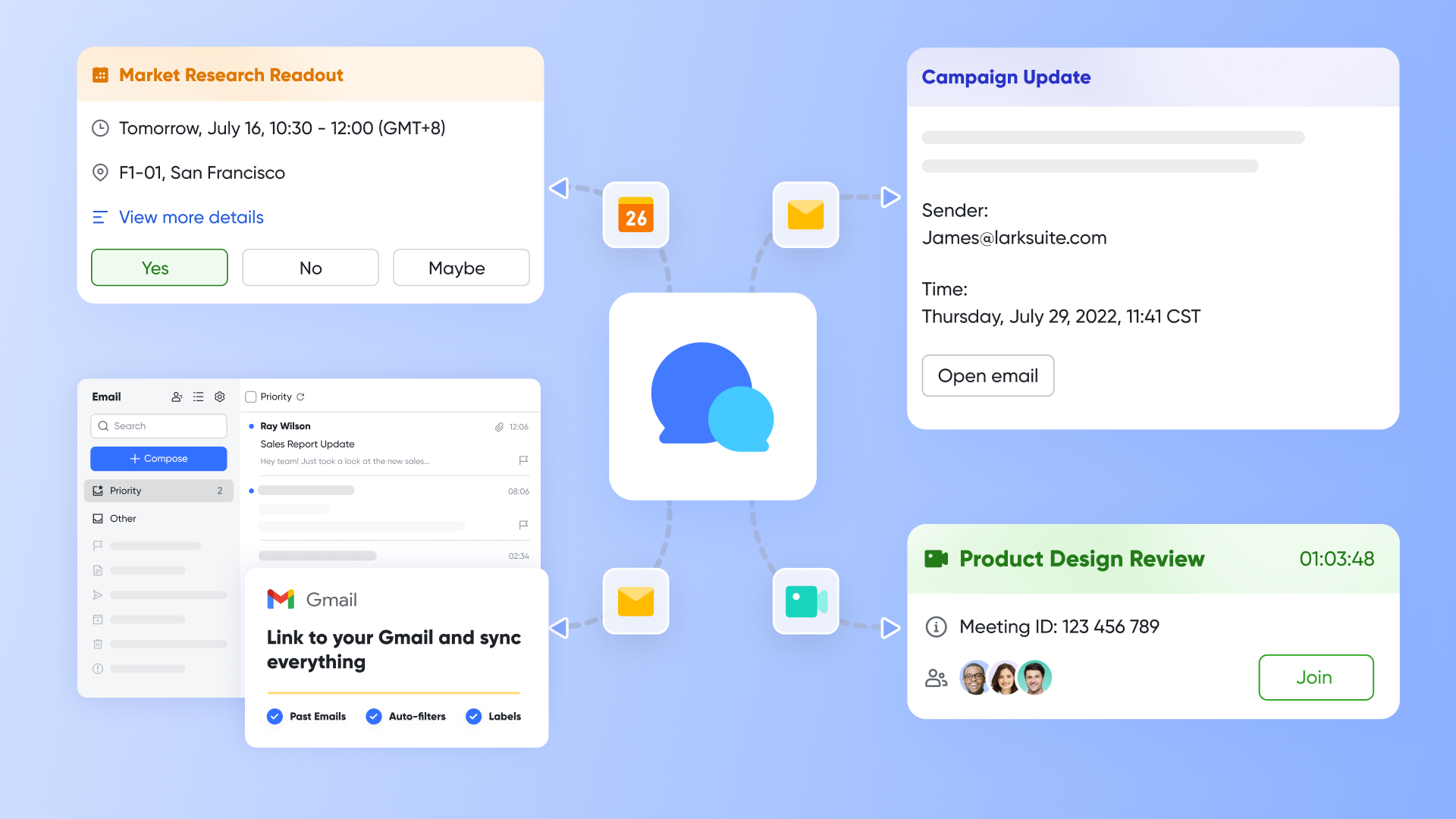
Successful projects begin with strong and a shared understanding of goals. Lark facilitates this by housing all messages, calendars, and emails within one platform. These secure and efficient spaces eliminate the need for constant tool-switching, allowing team members to engage in collaborative discussions without losing context. Additionally, Lark’s automatic reminders and built-in allow teams to align quickly, accelerating decision-making and minimizing delays.
Centralized project management documents
Lark fosters intelligent collaboration by allowing you to co-edit Docs, Sheets, and Slides and exchange comments seamlessly within a single platform. Furthermore, it centralizes project plans, timelines, and vital knowledge in an easily accessible . This organized platform ensures that all team members can quickly find and refer to the information they need, enhancing transparency and operational efficiency. By keeping everything in one place, teams can focus on executing their projects rather than searching for resources, thereby streamlining the workflow. 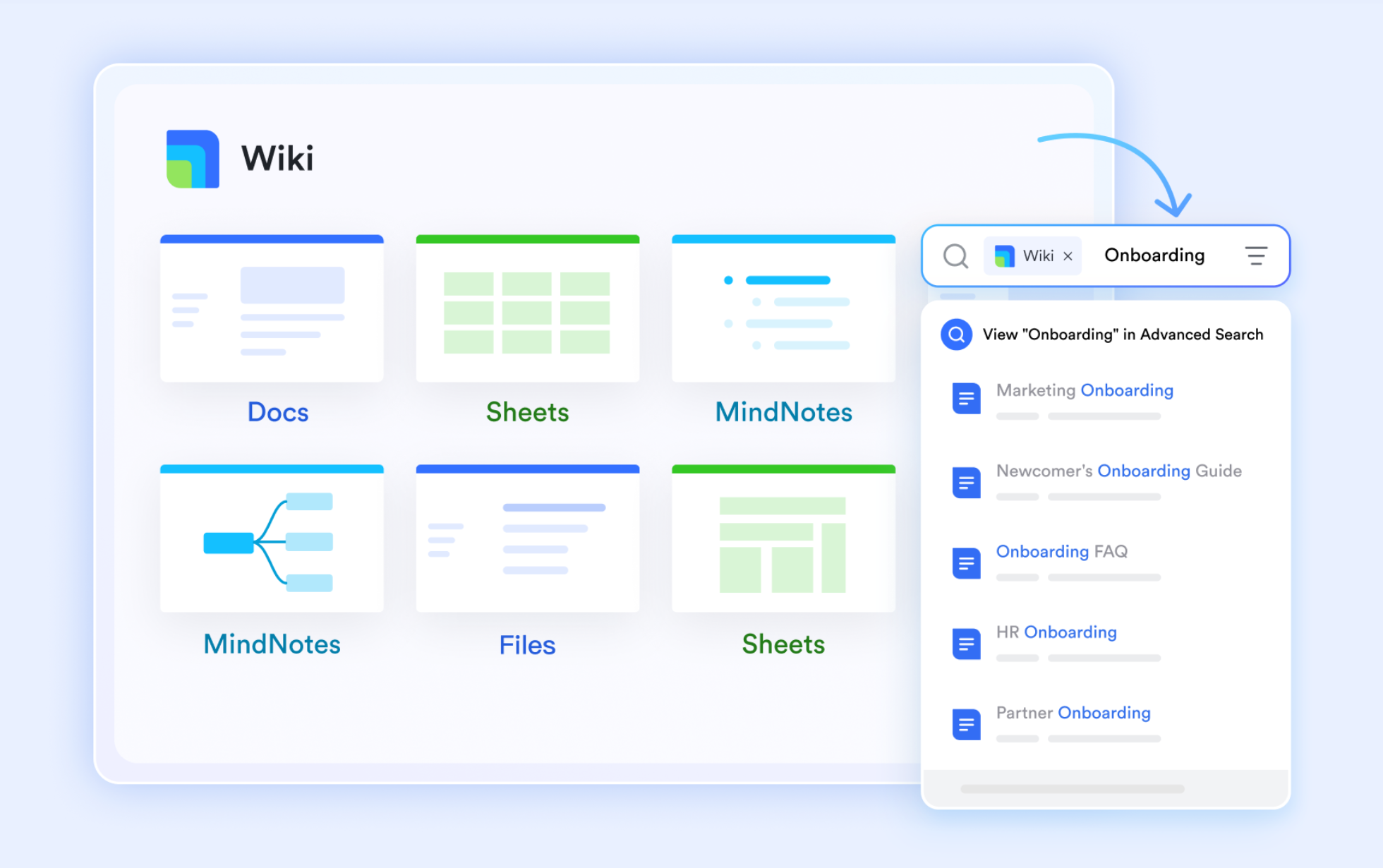
Built-in approvals for structure and accountability
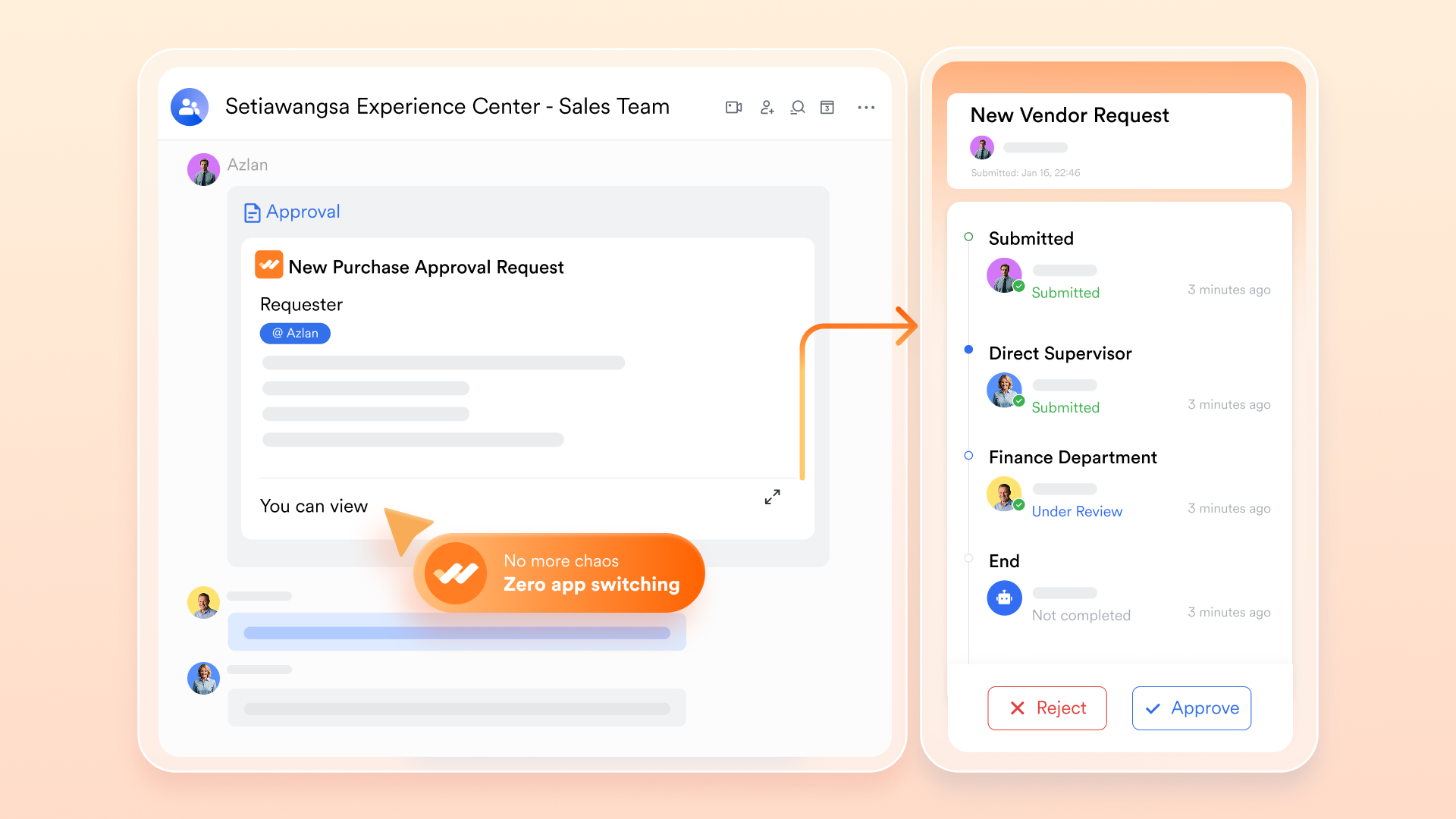
Effective project management requires clear structures and accountability at every stage. Lark's built-in allow teams to define approval stages and assign appropriate reviewers for crucial project decisions. By routing requests for scope changes, resource allocations, or sign-offs directly through chat, Lark ensures that nothing slips through the cracks. This systematic approach not only enhances visibility but also fosters control over project developments.
🌟Learn more about :
Lark serves as an all-in-one tool by offering all the features below in every plan, making it highly accommodating for project management requirements.

- Free plan: Includes 11 powerful products, supporting up to 20 users, 100 GB storage, 1,000 automation runs and unlimited AI translation in chats, docs and email.
- Pro plan: $12/user/month, supporting up to 500 users. Includes unlimited message history, 50,000 automated Base workflow executions per month. This plan is also the most popular plan for project management teams.
For small teams with simple communication needs

18 months message history
1000 Base automation runs/month
2000 rows per table in Base
Most POPULAR
For companies with comprehensive collaboration and management needs
Unlimited message history
500-participant video meetings
50k Base automation runs/month
20k rows per table in Base
For large companies with advanced security and organizational management needs
Get a personalized demo and pricing
Unlimited message history
500-participant video meetings
15 TB storage + 30 GB storage/user
500k Base automation runs/month
50k Base automation runs/month
Most POPULAR
For companies with comprehensive collaboration and management needs
Unlimited message history
500-participant video meetings
50k Base automation runs/month
20k rows per table in Base
Conclusion
A project management database is an essential project management tool for organizations looking to streamline their team's workflow, improve team collaboration, and make data-driven decisions. By centralizing project information, automating repetitive tasks, and providing real-time insights, a project management database can help you take control of your projects and achieve your business goals.
Ready to transform your projects from chaotic to controlled? Explore today and discover how you can build your own project management databases to unlock your team's full potential. By following the strategies and best practices outlined in this guide, organizations can unlock their full potential and achieve project success.
FAQs
What is a project management database?
A project management database is a structured system for storing and organizing all project-related data. It's more than a simple spreadsheet, using tables, fields, and relationships to provide a single source of truth for task assignments, deadlines, resources, and communications. This helps avoid confusion and improves accuracy across all project functions. Ultimately, a project management database helps with organization.
What is the best CRM for project management?
While CRMs primarily focus on managing customer relationships, many now include project management capabilities. The "best" CRM for you depends on your specific needs. Look for CRMs that offer robust task management, workflow automation, and collaboration features. Lark stands out as an excellent choice, functioning as both a powerful project management tool and a CRM solution.
What are the 5 C's of project management?
While definitions vary, a common interpretation includes: Concept (defining the project), Commitment (securing buy-in), Communication (keeping stakeholders informed), Control (monitoring progress), and Closure (formal project completion). These five elements are essential for effective project oversight. They can also serve as a checklist for project managers.
What is the 80/20 rule for project managers?
The 80/20 rule (Pareto principle) suggests that 80% of your project results come from 20% of your efforts. Project managers can use this to prioritize tasks, focusing on the vital 20% that will have the greatest impact. This principle can greatly improve time management skills.
Related reading