














Influencer CRM : The Key to Marketing Success

Fecilia Clarke
Solutions Marketing Specialist
Sep 3, 2026
Fecilia Clarke
Sep 3, 2026

14 min read


Your screen is a mosaic of open tabs: a sprawling spreadsheet for tracking your influencer partnerships, an overflowing email inbox, and a dozen direct message threads across various social media platforms. You're copy-pasting tracking links, manually checking for influencer posts, and trying to remember if you sent one of your constant follow ups about a pending invoice. This complex juggling act has become the default for many brands, but it comes at a significant cost—your time, your internal teams' efficiency, and ultimately, the potential of your creator partnerships.
This is where an influencer CRM comes in. Think of it less as just another piece of influencer marketing software and more as a new, centralized command center for your entire influencer program. It’s a solution designed to bring order to the chaos, automate the administrative burdens, and free up your team to focus on what truly matters: building strong, authentic, and lasting influencer relationships. In this guide, we'll explore what an influencer marketing CRM is, the critical problems it solves, and the powerful CRM platforms that you can leverage to transform your influencer management experience.

Key takeaways: Top 9 influencer CRMs
1. Lark: The all-in-one workspace for influencer CRM collaboration
2. Grin: The e-commerce specialist for creator management
3. Aspire: The community-focused influencer marketing platform
4. Upfluence: The data-driven discovery and management software
5. Traackr: The enterprise system of record for influencer marketing
6. CreatorIQ: The intelligence cloud for the creator economy
7. Tagger: The data-first influencer marketing solution
8. Creator.co: The marketplace for brands and creators
9. Influencer Hero: An influencer marketing platform
What is an influencer CRM?
At its core, an influencer CRM (Customer Relationship Management), also known as an Influencer Relationship Management (IRM) platform, is a specialized system designed to help you organize, manage campaigns, track, and measure all your interactions with creators. It's a single source of truth for all your marketing campaigns. Imagine a world where every piece of influencer data—from contact details and audience demographics to their content niche, past campaign performance, and payment history—lives in one clean, accessible, and searchable influencer database. That's the foundational promise of an influencer marketing CRM.
It's important to distinguish this from a traditional sales CRM. While a sales CRM is built around a customer journey, an influencer CRM is tailored to the unique workflow of influencer collaborations. Its focus is on campaign-centric processes: influencer discovery, vetting potential partners, managing content approvals, and nurturing long term partnerships. The goal is cultivating a relationship that produces authentic, high-impact influencer-generated content, which often takes the form of valuable user-generated content that resonates deeply with potential customers. This strategic approach is a true game-changer for any brand serious about creator marketing.
So, why is this so essential? Because effective relationship management is the key to unlocking scalable success. An influencer CRM saves your team countless hours by automating the repetitive, manual tasks that bog them down. It provides the data-driven insights you need to make smarter investment decisions and prove the real ROI of your efforts. Most importantly, by handling the administrative heavy lifting—eliminating the need for constant follow-ups—it frees your team to focus on the human element, adding a personal touch to build genuine, lasting partnerships with the creators who are the lifeblood of your program.
A look at the top 9 influencer CRM tools for modern marketing teams
Choosing the right platform is a critical step in elevating your influencer marketing. The market is filled with excellent influencer marketing platforms, each with its own unique strengths and key features. The best choice will depend on your goals, team size, and budget. To help you navigate the options, we’ve compiled a list of the top campaign management tools.
1. Lark: The all-in-one workspace for influencer CRM collaboration
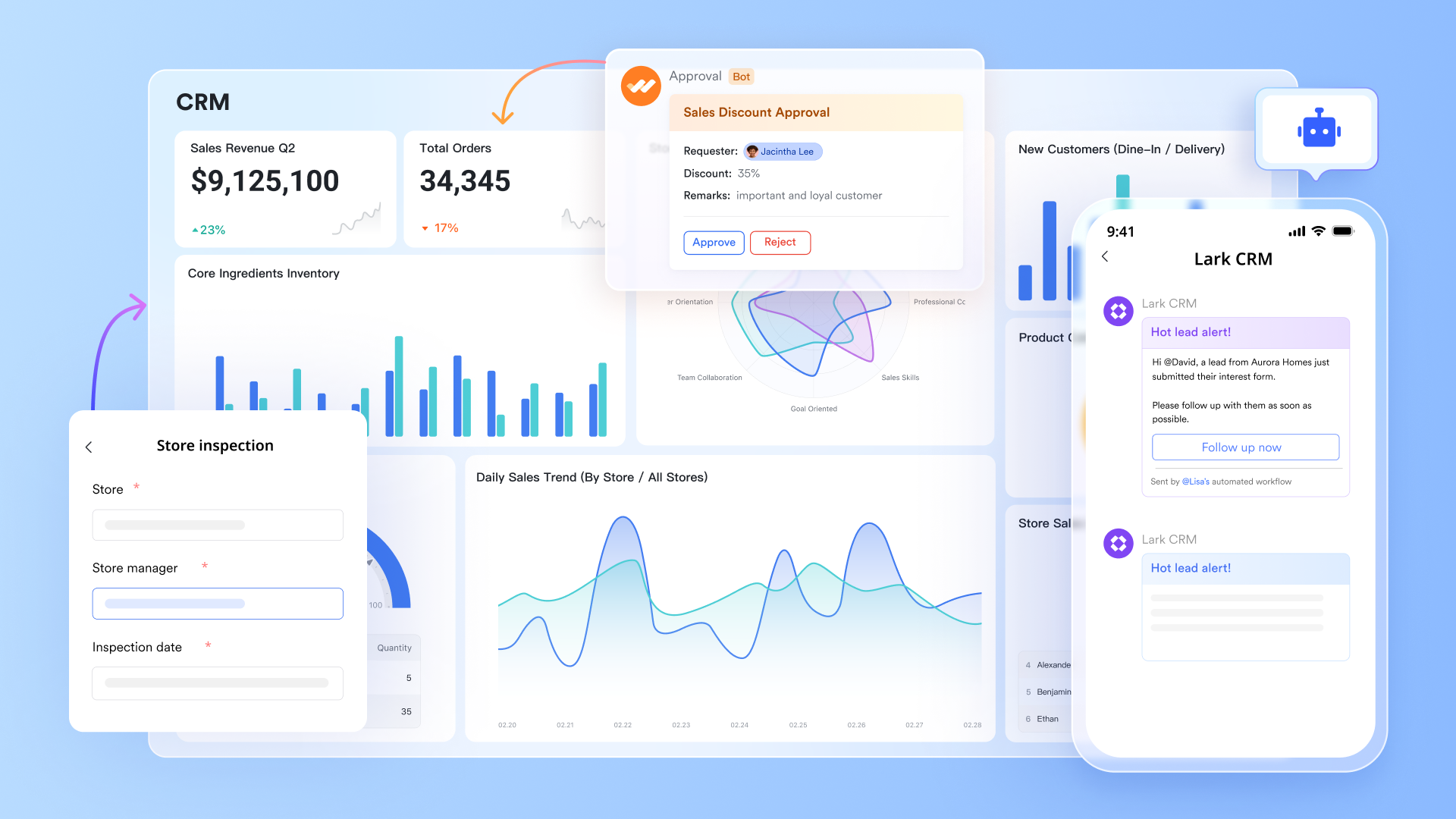
Overview: Lark is a comprehensive collaborative suite that functions as a powerful, all-in-one influencer CRM. It unifies your creator database, team and influencer communication, content creation, and project management into a single, seamless platform. It’s uniquely designed for teams who want to manage not just the relationship, but the entire collaborative process from initial outreach to final reporting, all within the same workspace they use for their daily tasks.
Key features:
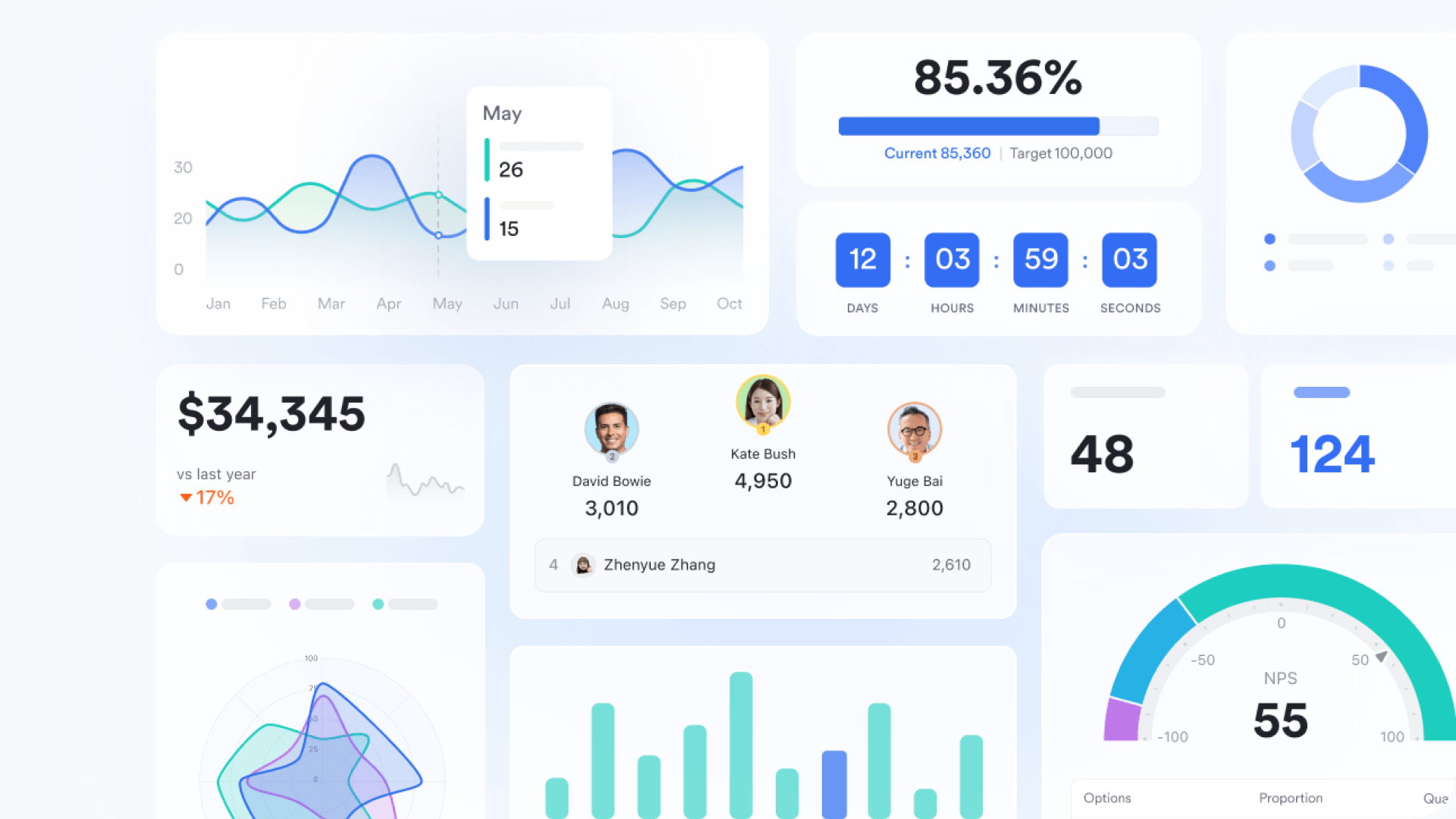
- Customizable CRM database: Utilize Lark Base to build a flexible influencer database with custom fields, multiple views like Kanban and Gallery, and powerful automations to track every stage of your partnerships.
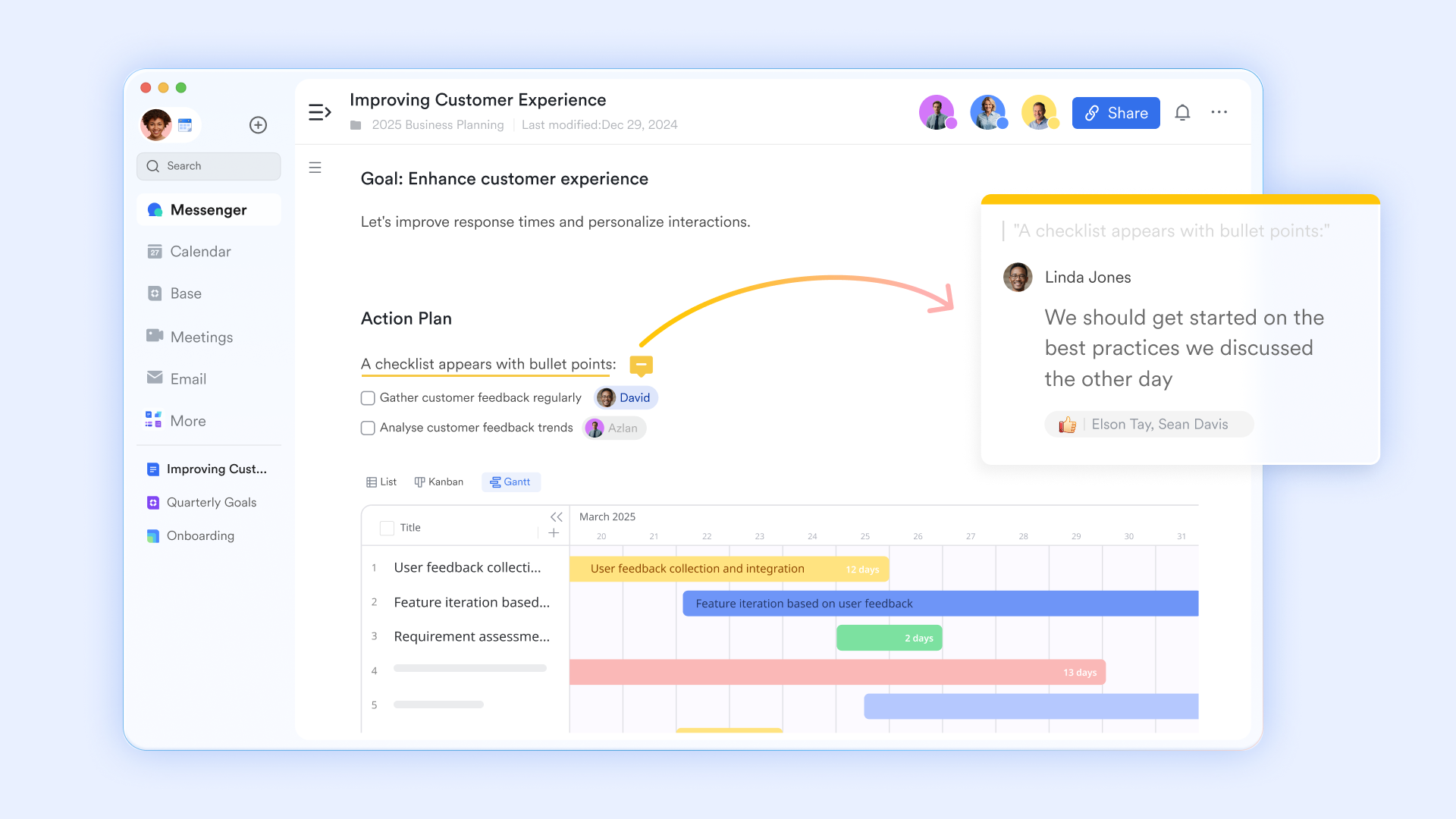
- Real-time collaborative docs: Co-create campaign briefs, scripts, and content calendars in Lark Docs, allowing for instant feedback, comments, and @-mentions to assign tasks directly within the document.
- Automated approval workflows: Streamline contract, content, and payment approvals using Lark Approval, creating custom, multi-step workflows that automatically route requests to the right stakeholders for timely sign-off.
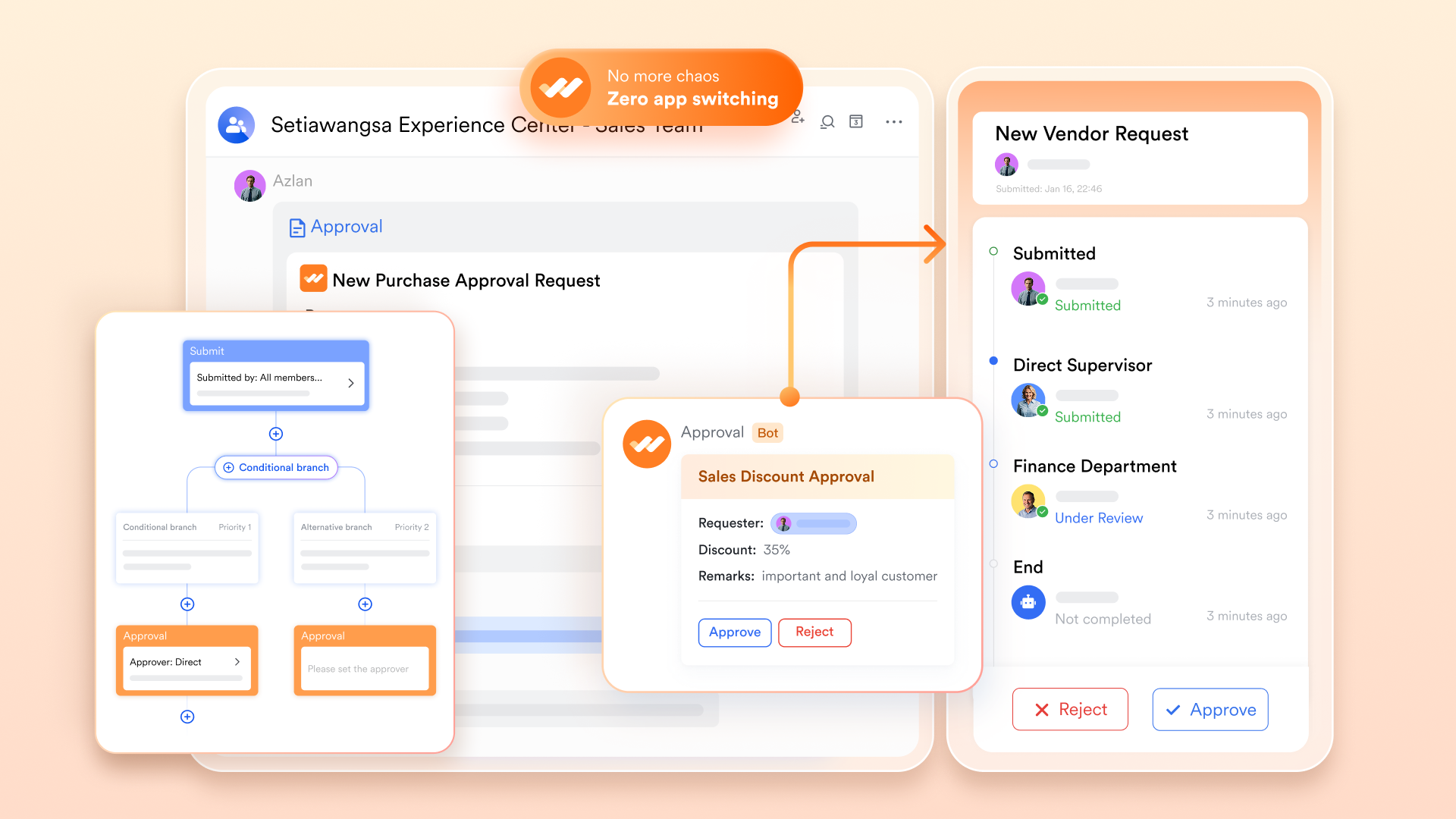
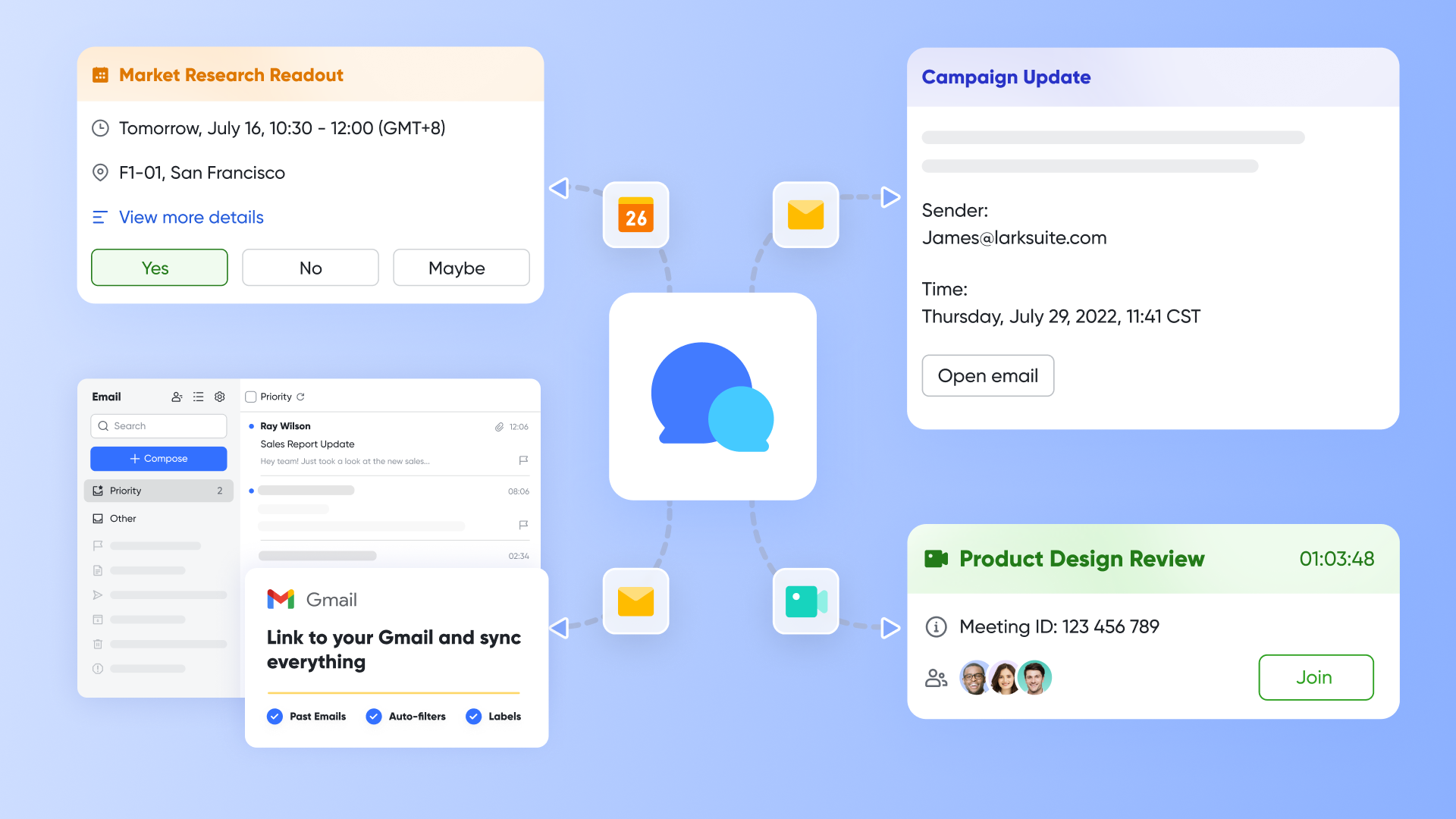
- Combined project & campaign calendars: Align your entire team on campaign timelines using shared Lark Calendar to map out every deadline from kick-off calls to post dates and payment reminders.
- AI-powered meeting summaries: Use Lark Meetings with its built-in AI to automatically transcribe calls, generate summaries, and extract actionable follow-up items from your influencer briefings and reviews.
Pricing:
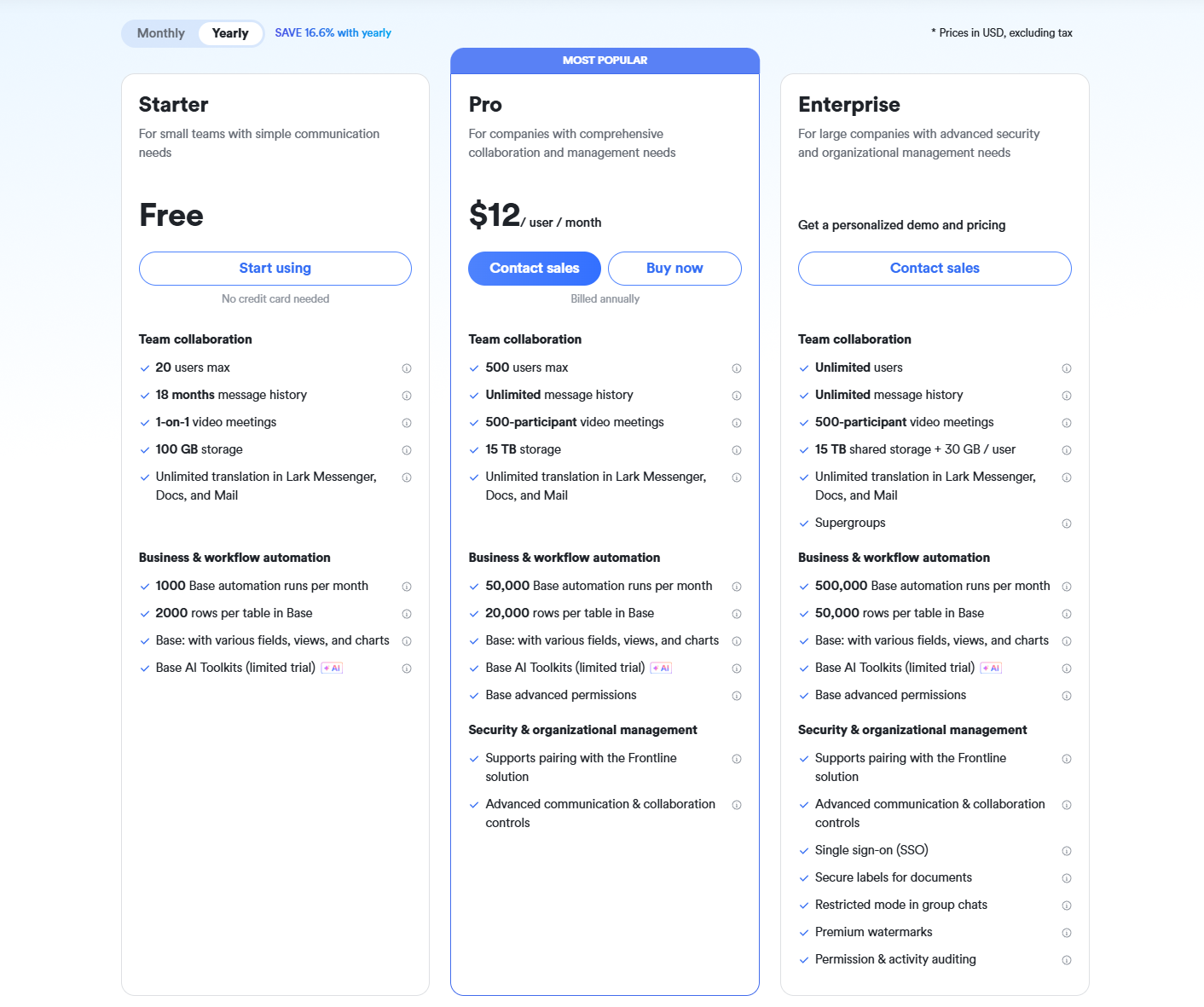
- Free plan: Includes 11 powerful products, supporting up to 20 users, 100 GB storage, 1,000 automation runs and unlimited AI translation in chats, docs and email.
- Paid plans: Starts at $12/user/month, supporting up to 500 users. Includes unlimited message history, 50,000 automated Base workflow executions per month. Understanding current Google Workspace pricing and ClickUp pricing can help organizations better evaluate overall software costs.
- Enterprise plan: custom pricing.
2. Grin: The e-commerce specialist for creator management
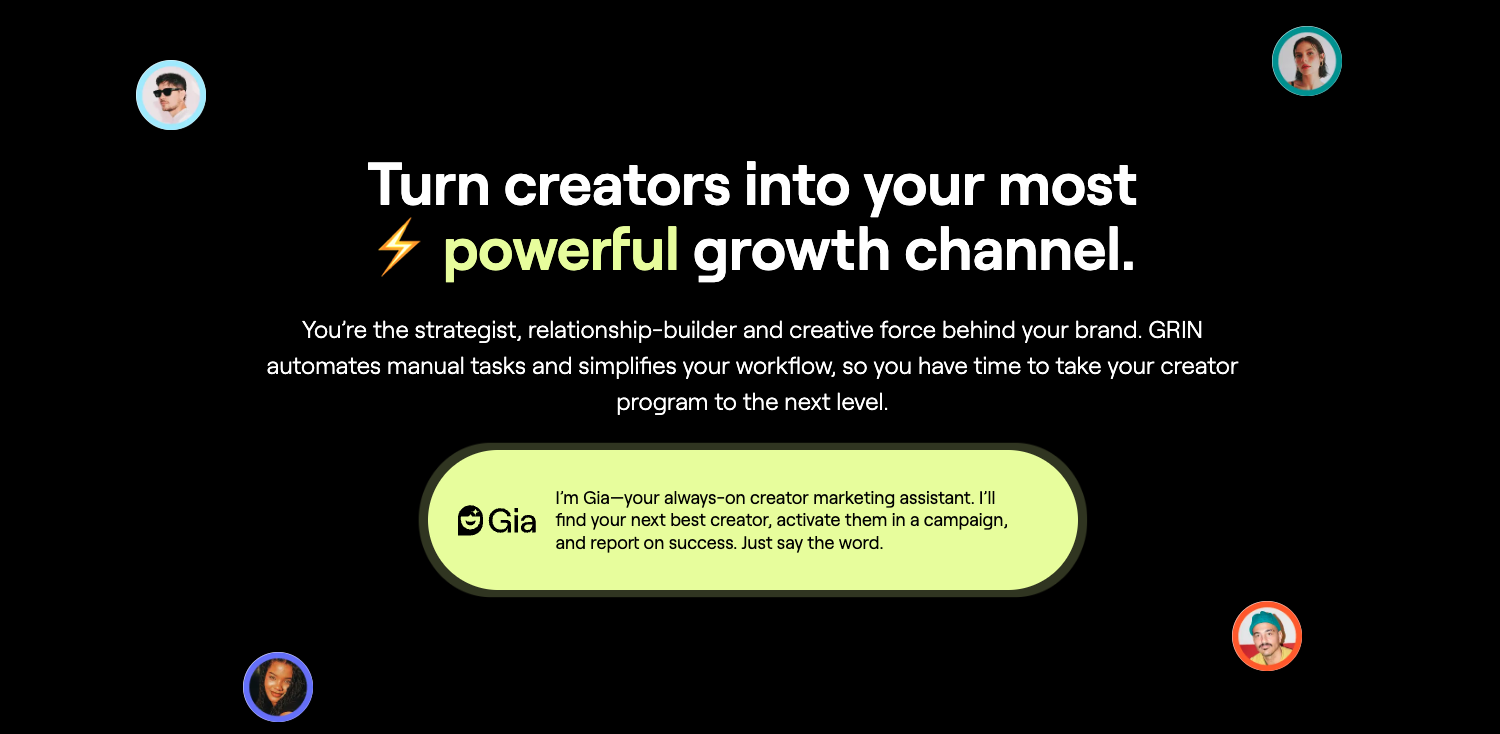
Image source: grin.co
Overview: Grin is a premier creator management platform built specifically for direct-to-consumer (D2C) brands, with a deep focus on e-commerce. It excels at integrating with platforms like Shopify, Magento, and WooCommerce to streamline product seeding, track influencer-driven sales, and manage affiliate payments. Its primary strength lies in connecting influencer marketing activities directly to tangible sales outcomes for online stores, which is why Grin helps so many D2C brands scale.
Key features:
- Deep e-commerce integration: Directly connects to major e-commerce platforms to sync product catalogs, automate product seeding, and track sales.
- Product gifting & seeding: Manages the entire workflow of shipping products to influencers, from order creation to delivery tracking.
- Sales & affiliate tracking: Generates and tracks unique discount codes and affiliate links to attribute revenue back to specific influencers.
- Content & relationship management: Centralizes influencer-generated content and provides a CRM to manage all creator relationships and communications.
- Robust reporting & analytics: Delivers detailed analytics on campaign ROI, sales conversions, and overall program performance.
Pricing:
Grin offers custom pricing based on a brand's specific needs, the size of its creator program, and required integrations.
3. Aspire: The community-focused influencer marketing platform
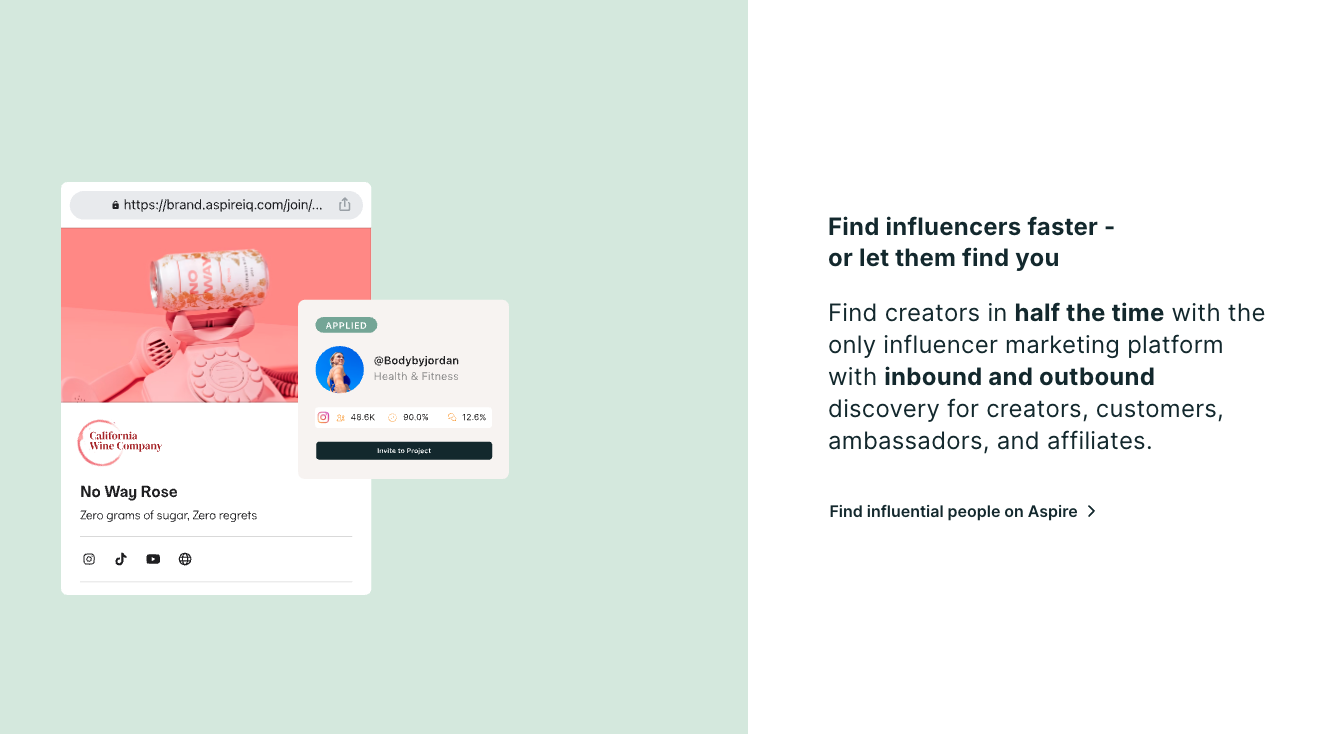
Image source: aspire.io
Overview: Aspire is a comprehensive platform designed to help brands build and nurture large-scale communities of influencers, ambassadors, affiliates, and loyal customers. It moves beyond transactional campaigns to focus on creating a network of advocates who drive authentic word-of-mouth marketing. The platform is structured to manage the entire lifecycle of these relationships, from initial discovery and outreach to tracking content and measuring long-term impact.
Key features:
- Creator discovery: Provides a marketplace and search tools to find new influencers, as well as the ability to identify and recruit existing customers as brand fans.
- Relationship management pipeline: Uses a visual, stage-based pipeline to track every creator's journey from applicant to active partner.
- Content collaboration tools: Offers tools for creating campaign briefs, reviewing and approving content, and managing digital asset rights.
- Automated campaign workflows: Allows brands to automate key stages of the campaign process, from sending initial welcome messages to shipping products.
- Sales tracking & analytics: Measures the impact of your community through sales tracking, affiliate links, and detailed performance reports.
Pricing:
Aspire provides custom quotes based on the size of a company’s creator program, specific feature needs, and overall usage.
4. Upfluence: The data-driven discovery and management software
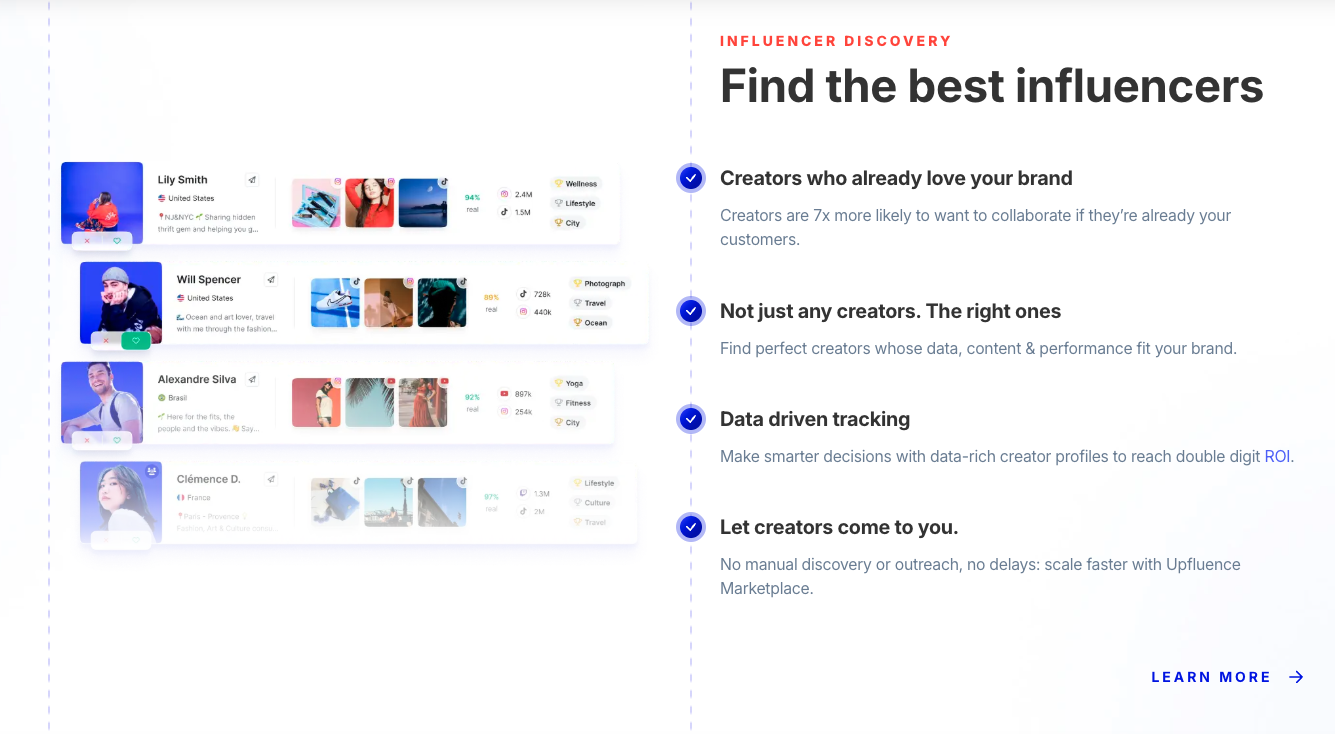
Image source: upfluence.com
Overview: Upfluence is a powerful, all-in-one platform that combines a massive, searchable creator database with a comprehensive suite of management tools. It leverages AI-powered technology to help brands identify the perfect influencers based on highly detailed audience and performance data. Its core strength is its robust search functionality, allowing for granular filtering that helps pinpoint creators with the highest relevance and engagement for a specific campaign.
Key features:
- AI-powered influencer search: Utilizes a database of millions of profiles with over 20 advanced filters, including demographics, interests, and performance metrics.
- Affiliate marketing integration: Includes native tools for creating and managing affiliate campaigns, tracking conversions, and generating unique discount codes.
- Social listening: Monitors social media for brand mentions and helps identify organic brand advocates who are already talking about your products.
- Campaign management workflows: Provides tools to manage influencer outreach, negotiate rates, and track deliverables from a central dashboard.
- In-depth performance analytics: Delivers detailed reports on campaign performance, ROI, and individual creator metrics.
Pricing:
Upfluence offers several subscription tiers with pricing that scales based on the number of users and the included feature set.
5. Traackr: The enterprise system of record for influencer marketing
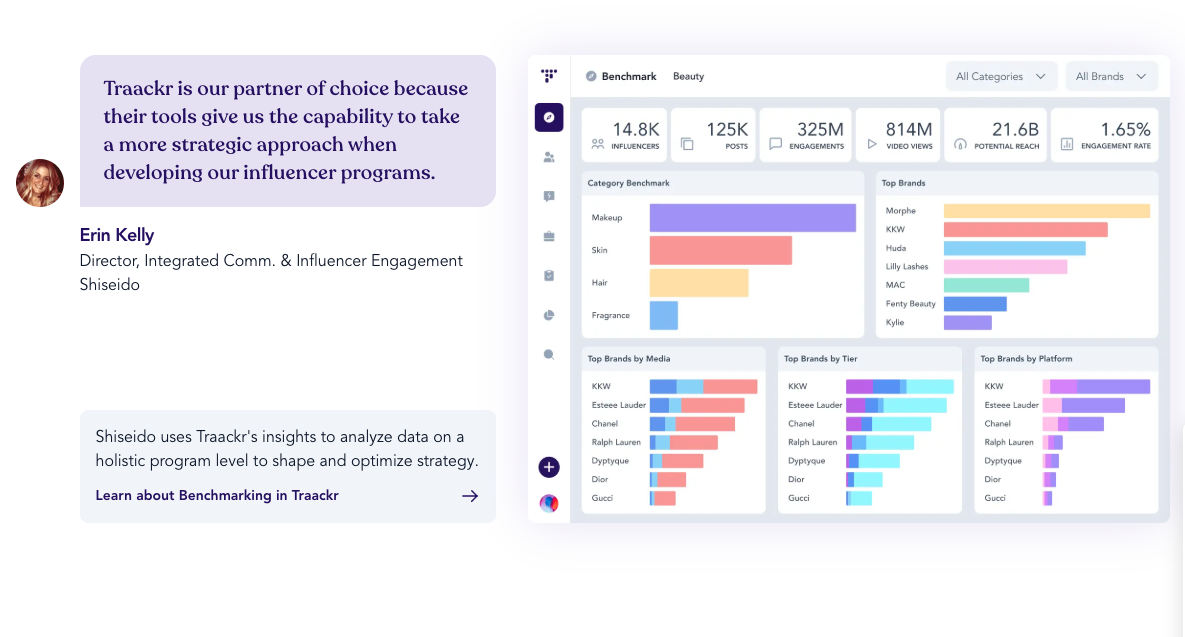
Image source: traackr.com
Overview: Traackr is an enterprise-grade platform designed for large, global brands that require a sophisticated, data-driven system of record for their influencer activities. It places a strong emphasis on providing deep analytical insights for strategic decision-making, competitive benchmarking, and budget optimization. Traackr is less a simple campaign tool and more a strategic intelligence platform for understanding your brand’s position within the creator economy.
Key features:
- In-depth audience analytics: Provides deep insights into an influencer's audience demographics, interests, and authenticity to ensure brand alignment and mitigate risk.
- Budget planning & tracking: Offers tools to allocate, track, and optimize influencer marketing spend across different campaigns, markets, and teams.
- Competitive intelligence: Allows brands to benchmark their share of voice and performance against competitors within specific influencer landscapes.
- Brand safety & fraud detection: Uses advanced algorithms to vet influencers for potential risks, including fake followers and past controversial content.
- Global program management: Designed for large organizations with features for managing global teams, setting different permission levels, and tracking market-specific performance.
Pricing:
Traackr is a premium enterprise solution. Pricing is available upon request and is customized for large organizations with complex needs.
6. CreatorIQ: The intelligence cloud for the creator economy
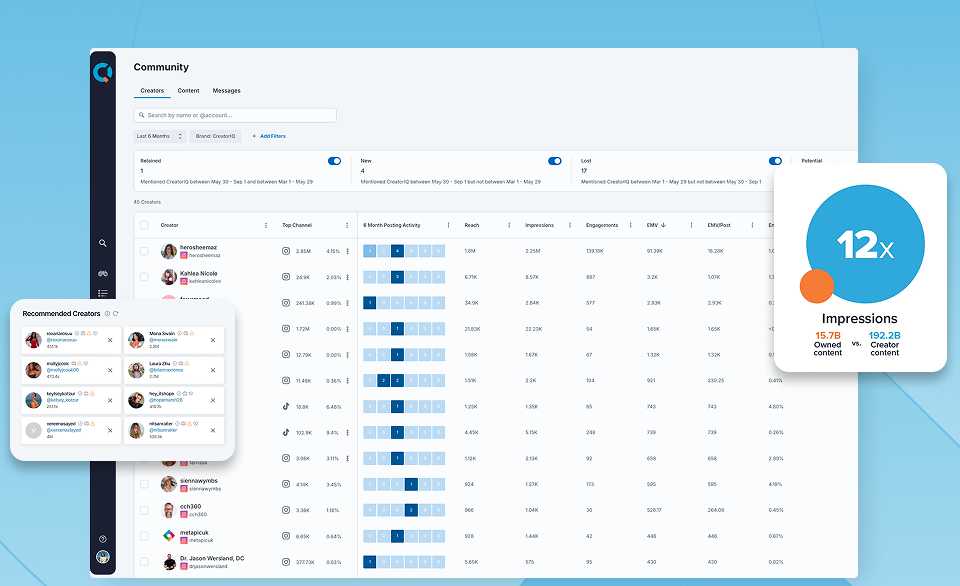
Image source: creatoriq.com
Overview: CreatorIQ positions itself as an "Intelligence Cloud" for the world’s largest and most innovative enterprises and agencies. It provides a sophisticated, powerful, and highly secure platform for managing complex, large-scale influencer marketing programs. With a strong emphasis on data integrity and an API-first architecture, CreatorIQ is designed to serve as the central, authoritative system of record that integrates with a company's broader marketing technology stack.
Key features:
- AI-powered creator discovery: Uses a proprietary algorithm, powered in part by Google AI, to analyze over a billion social accounts and identify the most relevant and authentic creators for your brand.
- Fully private CRM: Allows brands to build a private, white-labeled, and completely customizable CRM environment to manage all creator data and relationship history securely.
- Advanced campaign reporting: Provides end-to-end analytics, from tracking individual post performance to measuring the aggregate business impact and ROI of global programs.
- Content & compliance management: Includes tools to track content, manage usage rights, and ensure all influencer-generated content adheres to FTC and brand guidelines.
- Robust API & integrations: Built with an API-first approach, allowing for seamless integration with other essential business systems like BI tools, DAMs, and payment solutions.
Pricing:
CreatorIQ offers custom pricing tailored to the specific needs of large enterprises and agencies. Pricing is based on the required platform configuration, data usage, and the scale of the user's program.
7. Tagger: The data-first influencer marketing solution
Image source: taggermedia.com
Overview: Tagger, which was acquired by Sprout Social, is a comprehensive influencer marketing platform built on the principles of data intelligence and actionability. It offers a powerful, end-to-end suite of tools for discovery, campaign management, social listening, and reporting. Its core strength lies in its massive, indexed global database of creator and content data, providing brands with deep psychographic and demographic insights to fuel smarter campaign strategies.
Key features:
- Expansive global database: Provides access to a huge library of millions of creator profiles across all major social media platforms, with rich data points on each one.
- Advanced social listening: Moves beyond simple brand mentions to allow users to analyze conversations, trends, and competitor activity with high precision.
- Detailed audience psychographics: Offers unique insights into an influencer's audience, including their brand affinities, interests, and online behaviors.
- Campaign workflow automation: Streamlines the entire campaign process, from influencer outreach and onboarding to content approvals and performance tracking.
- Customizable reporting dashboards: Allows users to build and export beautiful, data-rich reports that are tailored to specific campaign goals and stakeholder needs.
Pricing:
Tagger by Sprout Social offers custom subscription plans. Pricing is typically provided through a consultation to tailor a package for the specific needs of agencies and brands.
8. Creator.co: The marketplace for brands and creators
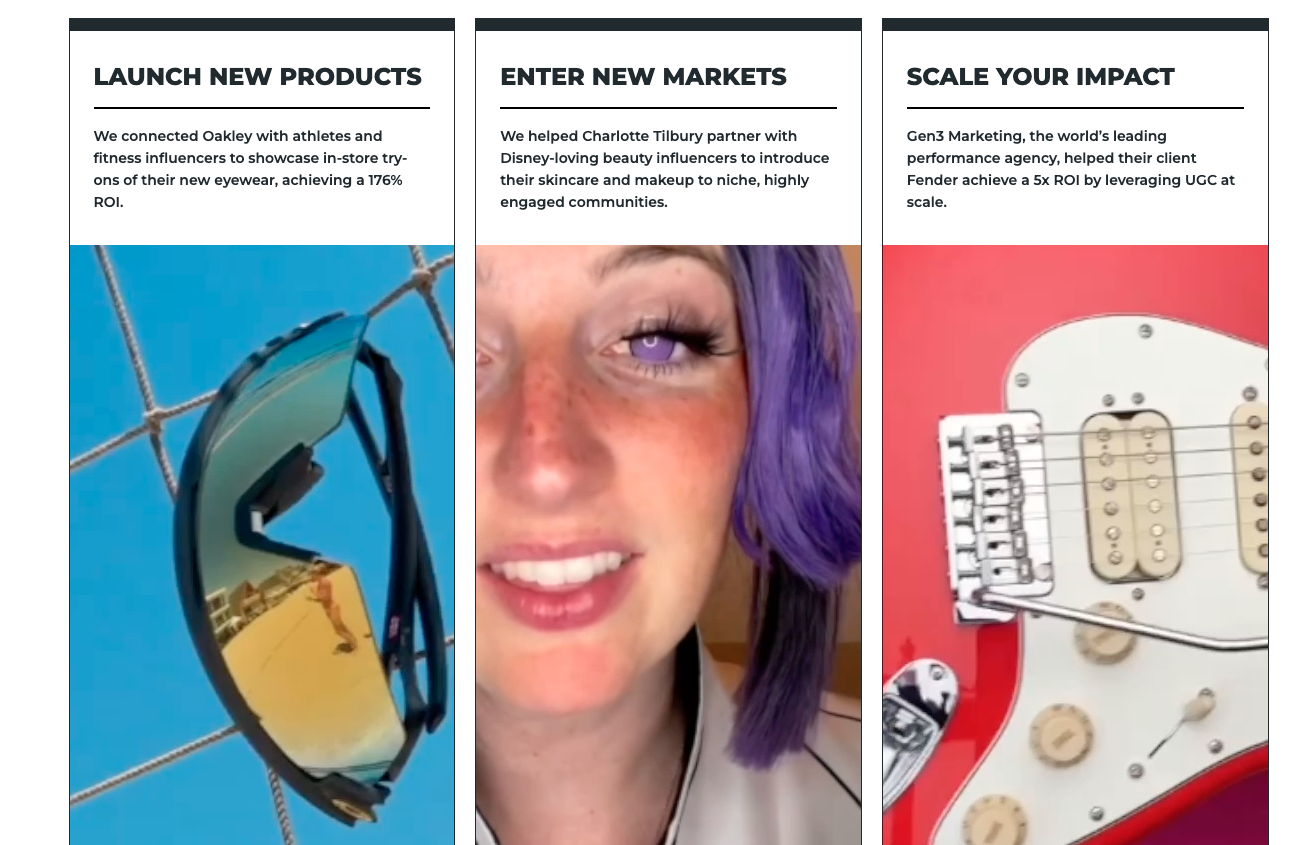
Image source: creator.co
Overview: Creator.co operates as both a marketplace and a collaboration platform, designed to connect brands with a large and vetted community of creators, with a particular focus on micro- and nano-influencers. It democratizes influencer marketing by offering a spectrum of service options, from a fully self-service platform for small businesses and startups to fully managed campaigns for larger brands that want a hands-on agency partner.
Key features:
- Large creator marketplace: Provides a searchable marketplace where brands can discover and connect with thousands of creators who have opted into the platform.
- Automated campaign builder: Features an intuitive, step-by-step process that guides brands through creating a campaign brief and launching it to the creator community.
- Integrated chat & collaboration: Offers built-in communication tools to chat with creators, negotiate terms, and collaborate on content directly within the platform.
- Managed service option: Provides a dedicated campaign management team for brands that need additional strategic support, creative guidance, and execution.
- Focus on micro-influencers: Excels at helping brands activate a large volume of smaller creators to generate authentic user-generated content at scale.
Pricing: Creator.co offers a range of publicly listed plans on its website, including a free "Pay-Per-Influencer" option and several monthly subscription tiers that unlock more advanced features and a larger number of creator collaborations.
9. Influencer Hero: An influencer marketing platform
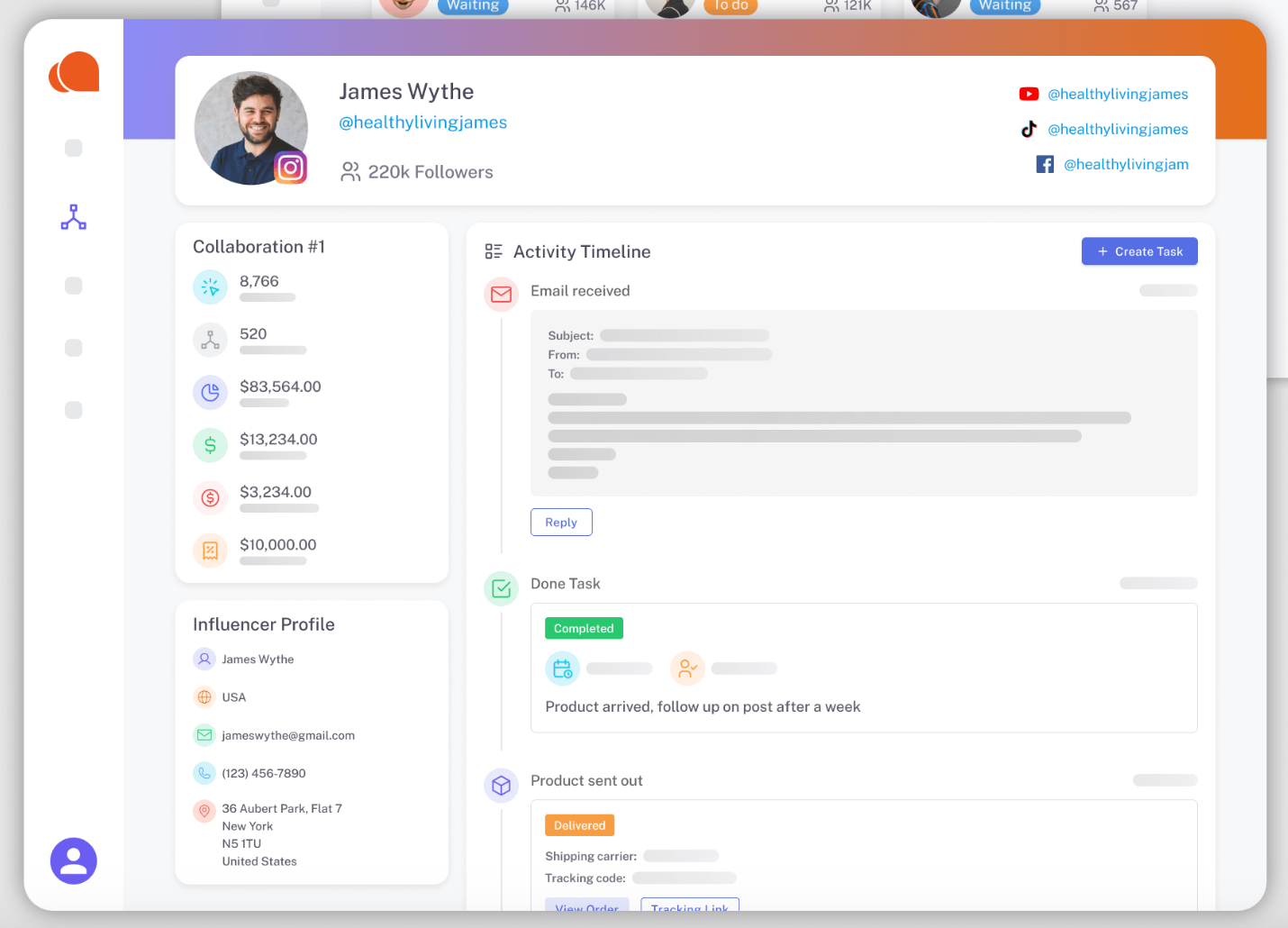
Image source: influencer-hero.com
Overview: Influencer Hero is one of the best influencer marketing platforms built to help brands manage influencer relationships, campaigns, and performance from a single dashboard. Designed for eCommerce and DTC brands, it combines influencer discovery, outreach automation, CRM functionality, and affiliate tracking to streamline end-to-end campaign management. The platform focuses on simplifying workflows while providing measurable ROI through integrated sales tracking and reporting.
Key features:
- AI-powered influencer discovery: It lets you find high-quality creators using filters like audience demographics, engagement, platform, and lookalike modeling helping brands identify the best influencers quickly from a massive database.
- Influencer CRM & relationship management: Its CRM lets you store and manage influencer profiles, outreach history, relationship boards, and campaign statuses in one central place, helping streamline collaborations and scale influencer marketing efforts.
- Automated personalized outreach & workflows: It empowers brands to automate influencer outreach with AI-powered personalized messages, drip campaigns, and follow-ups helping you send tailored emails at scale and significantly increase reply and collaboration rates without manual messaging.
- Detailed reporting & performance analytics: It provides in-depth reporting and performance analytics, letting you track campaign results such as clicks, impressions, follower reach, sales and ROI in real time. You can also see which creators are delivering the best results to optimize future campaigns and boost revenue.
- UGC library & content management: Automatically collect influencer-generated content into a central library so you can repurpose high-quality visuals for ads and social campaigns.
- Influencer gifting & payments automation: Send products directly to creators from the platform and track shipping status. Automate influencer payments and affiliate payouts without using other tools.
Pricing:
- Standard: $649/mo: 1 seat, 1,000 reach-outs, core tools.
- Pro: $1,049/mo: 3 seats, 5,000 reach-outs, advanced analytics.
- Business: $2,490/mo: 8 seats, 10,000 reach-outs, API & full features.
The 5 critical pain points an influencer CRM eliminates for your team
1. Chaotic discovery and vetting
Your data is scattered. Potential influencers are bookmarked, noted in a document, or exist only in memory. When launching new influencer campaigns, the influencer search begins anew, making it difficult to vet creators based on past performance or brand affinity. This disorganized manual outreach is inefficient and risky, making the process of finding the right influencers feel more like luck than a cohesive strategy.
An influencer CRM solves this by creating a centralized creator database. This becomes your private library of talent, complete with detailed influencer profiles and creator data. You can easily find creators by filtering for niche or follower count and see their entire history with your brand, allowing you to make informed, data-backed decisions quickly.
2. Scattered communication across platforms
The conversation starts with an email, moves to Instagram DMs, and then a key detail is discussed in a separate team chat. This communication chaos is a huge time sink. Important details get lost, leading to misunderstandings, missed deadlines, and a frustrating experience for both your team and the influencer. This reality makes managing multiple campaigns a nightmare.
A unified communication hub is the answer. An effective influencer CRM keeps all conversations organized and in context, allowing your team and the influencer to communicate in a single, dedicated space for each campaign. This ensures everyone is on the same page and fosters a more professional relationship.
3. A frustrating lack of visibility into campaign performance
You’re spending a significant budget, but when leadership asks, "What's the ROI?" you struggle to provide a clear answer. Manually pulling engagement metrics from each social platform is time-consuming and often fails to capture the full picture of campaign performance, making it difficult to optimize future campaigns.
An influencer CRM with integrated campaign tracking provides the clarity you need. It offers real time data dashboards that automatically track KPIs, allowing you to prove the value of your program and make strategic decisions to continuously improve your results.
4. Complicated and slow contract and payment cycles
Getting a contract signed or a payment processed often involves a lengthy chain of manual steps, creating bottlenecks that can strain your influencer relationships. For creators, who are often running their own small businesses, timely payments are crucial. A slow and complicated process can quickly damage your brand's reputation within the creator community.
Automated approval workflows are a true game-changer. Within an influencer CRM, you can digitize and streamline your entire contract and payment process. This automation reduces administrative overhead, minimizes errors, and ensures creators are paid accurately and on time, every time.
5. The sheer inability to scale your program effectively
Managing ten influencers might be doable, but what happens when you want to scale to one hundred? Manual systems break down, and your team becomes buried in administrative tasks instead of building relationships. This operational friction is the biggest barrier to growth, preventing your brand from capitalizing on the full potential of influencer marketing. Engaging an experienced influencer marketing agency can streamline these processes, helping you scale efficiently while maintaining strong, authentic relationships with your creators.
This is the most compelling reason to adopt a dedicated system. An influencer marketing CRM provides the structure to scale your program efficiently. By automating workflows and centralizing data, it allows your team to manage a much larger volume of relationships without a proportional increase in workload, turning your influencer program into a strategic engine for growth.
Conclusion
Moving from the managed chaos of spreadsheets and direct messages to a streamlined, centralized system is more than just a simple operational upgrade—it's a fundamental transformation of your influencer marketing program. It’s a strategic decision to eliminate the administrative friction that consumes your team's valuable time. By doing so, you empower them to shift their focus away from tedious data entry and toward what truly drives success: building authentic, collaborative, and impactful partnerships.
While many dedicated tools on the market can help you manage relationships, the future of work lies in integration. A platform like Lark offers a uniquely powerful advantage by not just giving you a place to store influencer data, but by empowering your team to manage the entire collaboration process—from the first outreach email to the final performance report—all within a single, interconnected workspace. This is how you build a program that is not only efficient and measurable but also truly scalable.
Ready to leave the chaos behind and build a more powerful and efficient influencer marketing engine? Start building your influencer CRM in Lark today.
FAQs
What is influencer CRM?
An influencer CRM (Customer Relationship Management), or IRM, is a specialized platform designed to help brands manage their relationships and campaigns with creators. It acts as a central database to track influencer data, communications, content approvals, and performance metrics. Unlike traditional CRMs, it's tailored for the unique workflows of influencer marketing, helping teams save time, prove ROI, and build stronger, long-term partnerships with creators. A platform like Lark can serve as a powerful, integrated influencer CRM.
What are the 4 types of CRM?
The four main types of CRM systems are Operational, Analytical, Collaborative, and Strategic.
- Operational CRMs streamline core business processes like sales, marketing, and service automation.
- Analytical CRMs focus on analyzing customer data to identify patterns and insights for better decision-making.
- Collaborative CRMs facilitate the sharing of customer information across various teams and departments.
- Strategic CRMs are centered on developing a customer-centric business culture to foster long-term, profitable relationships.
What platform do most influencers use?
Influencers use a variety of social media platforms, and their primary choice depends heavily on their content niche and target audience. Currently, Instagram and TikTok are dominant for visual storytelling, short-form video, and lifestyle content. YouTube is the top platform for long-form video, tutorials, and in-depth reviews. Facebook remains crucial for reaching a broad demographic, while platforms like Pinterest, X (formerly Twitter), and Twitch serve more specific communities and interests.
What are the 3 R's of influencer marketing?
The three R's of influencer marketing are Reach, Resonance, and Relevance.
- Reach refers to the size of an influencer's audience or the number of people their content can potentially touch.
- Relevance is the alignment between the influencer’s content, their audience, and the brand’s message or product.
- Resonance is the level of engagement and connection an influencer has with their followers, indicating their ability to drive genuine conversation and action.
Related reading
Table of contents
Start using Lark today

Manage all your work in one place
Boost team efficiency by 10x
Save up to 70% on software costs
Table of contents
Start using Lark today
Manage all your work in one place
Boost team efficiency by 10x
Save up to 70% on software costs
Keep reading









2026 Lark Technologies Pte. Ltd.
Headquartered in Singapore with offices worldwide.






Explore: