Imagine you're at the finish line of a major construction project. The plans were meticulously drawn up, tasks were delegated, and your team worked tirelessly to meet deadlines. Yet, as you approach the finish, you realize that the project is far from complete. Deliverables are still pending, documents are scattered, and stakeholders are anxious for closure. This scenario highlights the essential nature of project closeout, a phase too often overlooked in the rush to deliver.
In the realm of project management, understanding project closeout is crucial, as it involves ensuring all aspects of the project are finalized, documented, and communicated. A well-executed closeout process not only satisfies stakeholders but also prepares the team for future success by capturing valuable insights. In this blog, we will delve into the significance of project closeout, outline the necessary steps, explore common challenges, and highlight best practices, including built-in templates and features offered by Lark to aid in effective project completion.
What exactly is project closeout?
Project closeout is a vital phase in the lifecycle, marking the conclusion of a project. During this stage, all project activities are finalized, deliverables are handed over to stakeholders, and the project is formally closed. The closeout process is not merely a formality; it encompasses a series of structured steps designed to ensure that every aspect of the project is properly completed, reviewed, and documented. Effective project closeout is essential, as it establishes a strong foundation for future projects, promoting continuity and learning.
The significance of project closeout can be viewed through several lenses. First, it enables the project team to assess whether the project's objectives were met and if the deliverables adhered to the expected standards. Second, it offers an opportunity to reflect on the project journey, identify successes and challenges, and document lessons learned. This documentation serves as a critical resource for future projects, allowing teams to avoid repeating past mistakes and fostering an environment of continuous improvement.
Activities included in the closeout phase
The project closeout phase encompasses several key activities that ensure a thorough and effective conclusion to the project. These activities include:
- Final deliverable validation: One of the first steps in project closeout is to verify that all deliverables meet the predefined . This involves a careful review of all work to ensure it aligns with the expectations set in the project charter or scope statement. This validation step is crucial for gaining stakeholder satisfaction and confirming that the project has delivered as promised.
- Documentation completion: Compiling all necessary documentation is another critical element of project closeout. This includes creating a project closeout report that summarizes the project outcomes, challenges faced, and lessons learned. Additionally, a project closeout checklist is often utilized to ensure that all tasks are completed and documented adequately. Having organized and comprehensive records is invaluable for future reference.
- Stakeholder communication: Engaging with stakeholders throughout the closeout process is essential. This engagement helps confirm that stakeholders are satisfied with the project outcomes and provides an opportunity to communicate the completion of the project. Open communication channels can and strengthen relationships for future collaborations.
- Financial reconciliation: Finalizing any outstanding financial matters is a critical aspect of project closeout. This includes settling all invoices, payments, and outstanding financial obligations. Proper financial reconciliation ensures that the and provides clarity on financial performance.
- Archiving project materials: The final step in project closeout involves storing all relevant documents and for future reference. This includes contracts, reports, and correspondence that may be useful for future projects or audits. Archiving materials ensures that the project team has access to historical data and insights that can inform decision-making in subsequent endeavors.
Where closeout fits within the overall project cycle
In the broader context of the , closeout serves as a critical concluding phase. It follows the execution stage, where the project is developed and monitored against its objectives. After the project deliverables are completed and handed off, closeout becomes the final step before entering the monitoring and maintenance stage of future projects. Recognizing the significance of closeout within the overall project cycle allows project managers to and time to ensure it is thorough. By doing so, they enhance the quality and accuracy of the project closeout report, ensuring that all insights and lessons learned are effectively captured and communicated.
Importance of project closure
Discussing the importance of project closeout is vital for any aiming for long-term success. While many may perceive project closeout as simply a procedural formality, its significance cannot be overstated. A well-executed closeout phase serves as a crucial transition point between projects and establishes a foundation for future endeavors. By fully understanding the importance of project closure, managers can ensure smoother transitions, foster accountability within their teams, and enhance overall project performance.
Ensures stakeholder satisfaction
One of the primary reasons project closeout is critical lies in its ability to ensure stakeholder satisfaction. A comprehensive closeout process effectively communicates to all stakeholders—whether they are clients, team members, or upper management—that their expectations and requirements have been met. This transparency fosters trust, reinforcing the credibility of the project team and laying the groundwork for future collaborations. When stakeholders feel valued and see that their feedback is integrated into the project closure, it enhances their overall experience and , making them more likely to engage in future projects.
Facilitates lessons learned
Another essential aspect of project closure is the opportunity it provides for the team to reflect on both successes and challenges encountered throughout the project. This reflection process is invaluable, as it enables teams to identify effective strategies and potential pitfalls that should be noted for future projects. Engaging in a structured lessons-learned review during closeout can uncover insights that may not have been evident during the execution phase. Utilizing that facilitate documentation and analysis can streamline this process, making it easier to and ensure that valuable knowledge from each project is preserved.
Prepares for future projects
Documenting the entire closeout process, along with any lessons learned, ensures that critical insights are readily available for upcoming projects. This preparation is essential in helping teams avoid repeating past mistakes, thus enhancing the chances of success in future endeavors. By creating a well-organized archive of project closeout reports and feedback, teams can develop a repository of best practices that inform their work on new projects. This reflection and documentation not only empowers project teams but also helps to build a culture of continuous improvement within the organization.
Case studies showcasing successful vs. failed closures
Successful project closure:
- A construction project prioritized the closeout phase, recognizing its importance.
- The project team conducted thorough reviews and engaged stakeholders for feedback.
- All processes were meticulously documented, resulting in a comprehensive project closeout report.
- The report highlighted achievements, challenges faced, and lessons learned.
- The client felt valued and satisfied with the process.
- This led to a follow-up contract for a new project.
Failed project closure:
- A different project manager, overwhelmed with responsibilities, neglected the closeout phase.
- Incomplete documentation resulted in disputes over deliverables.
- The lack of a structured review process meant the team missed important learnings.
- Client dissatisfaction arose due to unresolved issues.
- Potential loss of future business followed, damaging the team's reputation and hindering contract opportunities.
In summary, the project closeout phase transcends beyond mere formality; it is a pivotal moment that can define the success of not just the concluded project but also shape the trajectory of future initiatives. By recognizing its significance and implementing a robust closeout process, project managers can significantly improve project outcomes and stakeholder .
Find affordable plans to maximize your success
7 Steps for effective project closure
To ensure a sustainable and successful project closeout, project managers must adhere to a structured approach that outlines essential steps in the process. By following these steps, teams can ensure that nothing is overlooked, leading to improved outcomes and stronger relationships with stakeholders.
1. Collecting deliverables
The first crucial step in project closure involves the thorough collection and validation of all project deliverables. This includes verifying that all materials, services, and products specified in the project plan have been received and meet the quality standards set out during project execution. Conducting a detailed review against the project scope ensures that every deliverable is accounted for and satisfies the stakeholders' requirements.
2. Obtaining stakeholder approvals
Once all deliverables are collected, the next step is to secure formal approval from stakeholders. This process involves presenting the completed deliverables to stakeholders for their review and confirmation that their expectations have been met. during this step not only solidifies trust but also provides an avenue for gathering vital feedback, enabling the project team to address any concerns before final closure. Obtaining these approvals is essential for ensuring that all parties are satisfied with the outputs and for avoiding disputes in the future.
3. Completing the project closeout checklist
An organized project closeout checklist serves as a roadmap for effective closure. This checklist should include all necessary tasks such as final inspections, stakeholder sign-offs, and outstanding invoices. The task of archiving vital documents is also part of this checklist. Essential documents include contracts, agreements, invoices, and the final project closeout report. Proper archiving ensures that there is a reliable reference for future projects or audits, preserving and facilitating easy access to information.
4. Conducting project review meetings
Once all deliverables have been approved, it is crucial to hold a project review meeting with all key stakeholders and team members. This meeting provides an opportunity to discuss overall , outcomes, and any lingering issues that may need resolution. Open dialogue during this review can surface valuable insights, with team members reflecting on their experiences and discussing what worked well and what didn’t. Capturing these discussions is essential as they contribute to the lessons learned documentation that will benefit future projects.
5. Finalizing financial matters
A successful closeout must also include the finalization of all financial issues. This entails completing any outstanding payments, reconciling the project budget, and closing financial accounts related to the project. Proper financial reconciliation is key to providing an accurate picture of the project’s financial health and ensuring that all contractual and fiscal obligations have been met.
6. Formalizing documentation
After financial matters have been settled, formalizing all project documentation becomes essential. This includes compiling the project closeout report, which summarizes key aspects of the project, including objectives achieved, performance metrics, and any deviations from the initial plan. This documentation not only serves as a historical record but also provides insights for future projects.
7. Conducting post-project evaluation
The final step in the project closeout process is the post-project evaluation. This evaluation involves analyzing the successes and challenges encountered throughout the project, as well as assessing the effectiveness of project management practices. Engaging the entire project team in this evaluation aids in developing a comprehensive understanding of what can be improved. Lessons learned from this evaluation should then be documented, ensuring they are available for future reference to inform and enhance future projects.
These seven steps form the backbone of an effective project closeout process, ensuring a thorough and organized transition from project completion to closure. By diligently following these steps, project managers can enhance stakeholder satisfaction, preserve valuable knowledge, and promote continuous improvement within their teams and organizations.
Perform these steps in an all-in-one tool
Common challenges in project closeout
Despite the best-laid plans and a structured approach to project closeout, many project managers encounter typical obstacles that can hinder their efforts. Understanding these common challenges is essential for effective project management, as they can significantly impact the smooth conclusion of any project.
Incomplete documentation
One of the most prevalent challenges during project closeout is incomplete documentation. Throughout the project lifecycle, various records, , and deliverables must be created and maintained. However, inadequate record-keeping can lead to missing or lost information necessary for a comprehensive project closeout report. For example, if crucial emails, approvals, or status updates are not adequately archived, it can create significant gaps in knowledge, which may complicate the closure process. This challenge becomes even more pronounced when team members transition out of the project or if there is a change in project management oversight, making it difficult to reconstruct the decision-making process or project trajectory.
Delayed stakeholder feedback
Another common issue is the delay in obtaining stakeholder feedback and approvals. Engaging stakeholders effectively is critical, but busy schedules and competing priorities can lead to procrastination or outright neglect when it comes to providing necessary input. This delay can push back the overall , creating frustration among team members who are ready for closure but are held back by outstanding approvals. Furthermore, if stakeholders feel disconnected from the project’s closing activities, it might lead to dissatisfaction and impact future collaboration opportunities.
Team morale issues
Finally, low team morale can emerge as a significant obstacle during the project closeout phase. A lack of clarity regarding the remaining tasks and expectations can create confusion among team members who may feel their contributions are not adequately recognized. When team members perceive that their hard work is unappreciated, it can lead to disengagement and a decline in productivity. This situation is exacerbated if team members are not included in the final discussions about the project's outcomes or if they receive minimal recognition for their efforts.
Overcome challenges with a powerful tool
Strategies to overcome these challenges
Project managers can adopt several strategies to overcome these challenges and facilitate a smoother project closeout process:
1. Regular check-ins
Maintaining consistent communication with stakeholders throughout the project lifecycle is essential for reducing delays during the closeout phase. Regular check-ins and updates can ensure that stakeholders are engaged, aware of any outstanding tasks, and able to provide timely feedback. Utilizing collaboration tools with allows for easy sharing of project updates, minimizing misunderstandings and enabling prompt responses. This proactive approach reinforces accountability and fosters collaboration among stakeholders.
2. Implement a construction project closeout checklist
Utilizing a construction project closeout checklist is an effective strategy to combat the issue of incomplete documentation. A well-structured checklist helps ensure that no critical documents or tasks are overlooked, providing project managers with a detailed roadmap for closure. This checklist should detail every necessary deliverable and task, from final inspections to stakeholder approvals, and can be accessed by the entire team for updates and modifications. Keeping this checklist dynamic and easily shared can streamline the documentation process and enhance .
3. Encourage team engagement
To address team morale issues, project managers should foster a supportive environment where team members feel that their contributions are acknowledged and valued. This can be achieved by recognizing individual and team achievements during meetings and encouraging open discussions about the project’s progress and any lingering challenges. Conducting appreciation sessions can significantly boost morale as the project approaches completion, reinforcing the value of each member’s efforts. Incorporating feedback mechanisms that allow team members to share their thoughts and experiences can also enhance and accountability.
By understanding these common challenges and implementing these strategies, project managers can lead their teams through project closeout more effectively. Addressing documentation gaps, fostering stakeholder engagement, and promoting team morale are all critical aspects of ensuring a successful project transition from completion to closure. With strong strategies in place, teams can not only finalize their current projects efficiently but also lay a solid foundation for future endeavors.
Best practices for a successful closeout: Lark
Effective project closeout is essential for ensuring that projects are completed successfully and provide a strong foundation for future initiatives. , with its suite of built-in tools, significantly enhances best practices in this area. This includes , which serves as a powerful foundation for managing project data and documentation. Here’s how the various features of Lark contribute to a smoother and more efficient project closeout.
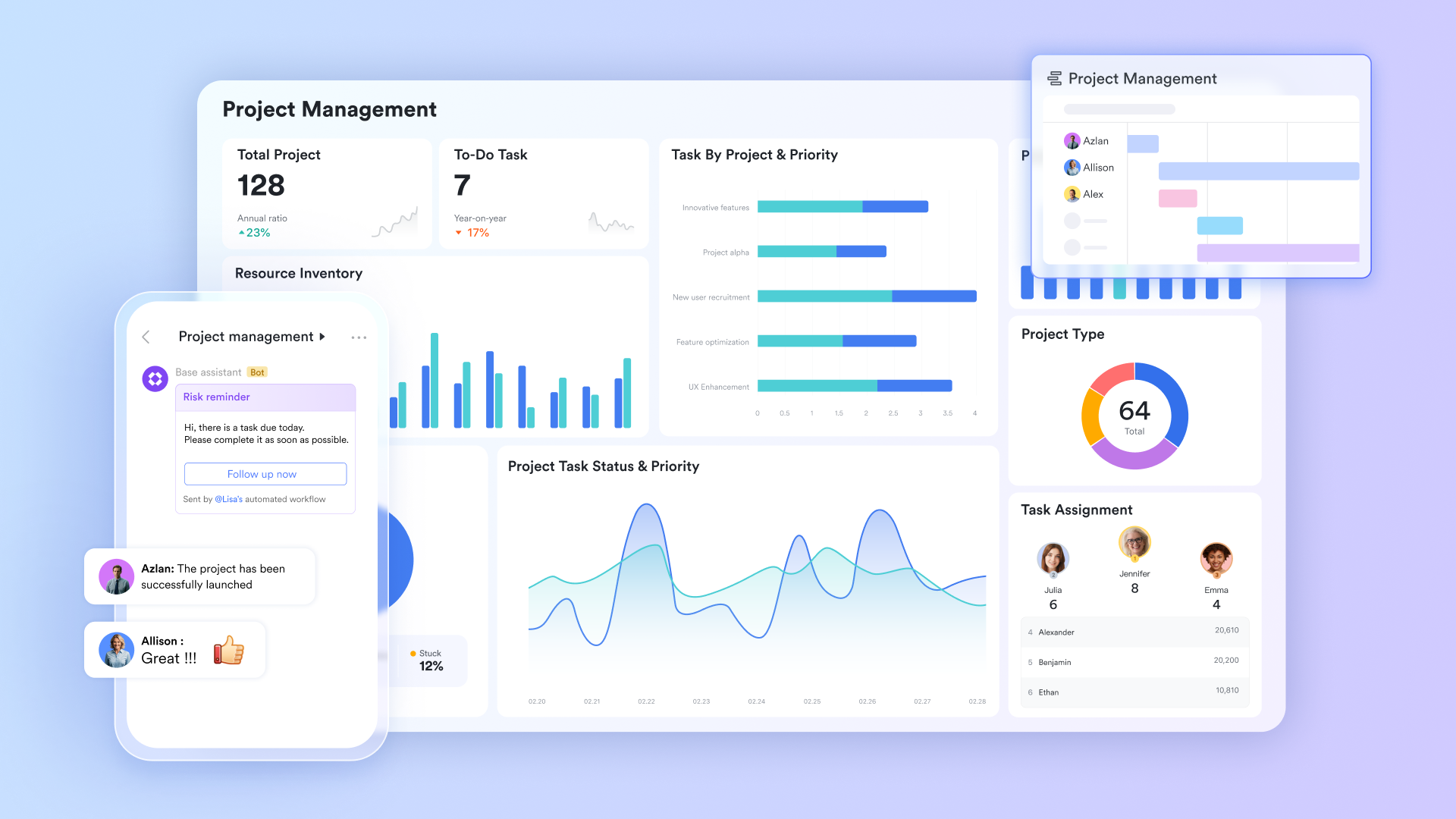
Lark Base for efficient project closeout
Lark Base serves as a central hub for all project-related information, significantly enhancing the project closeout phase. By utilizing Lark Base, project teams can develop customizable databases that effectively capture essential metrics, stakeholder feedback, and lessons learned throughout the project lifecycle. This centralized approach not only but also ensures that all necessary information is easily accessible during the closeout process.
With Lark Base, teams can streamline the compilation of essential project documentation, allowing for thorough and accurate reporting. The ability to gather insights and feedback in one location facilitates the creation of a detailed project closeout report, enabling teams to finalize their projects with confidence. By having all relevant data at their fingertips, teams can efficiently , ensuring that every aspect of the project is properly concluded and documented. This results in a smoother transition from project execution to closure, paving the way for future successes rooted in learned experiences.
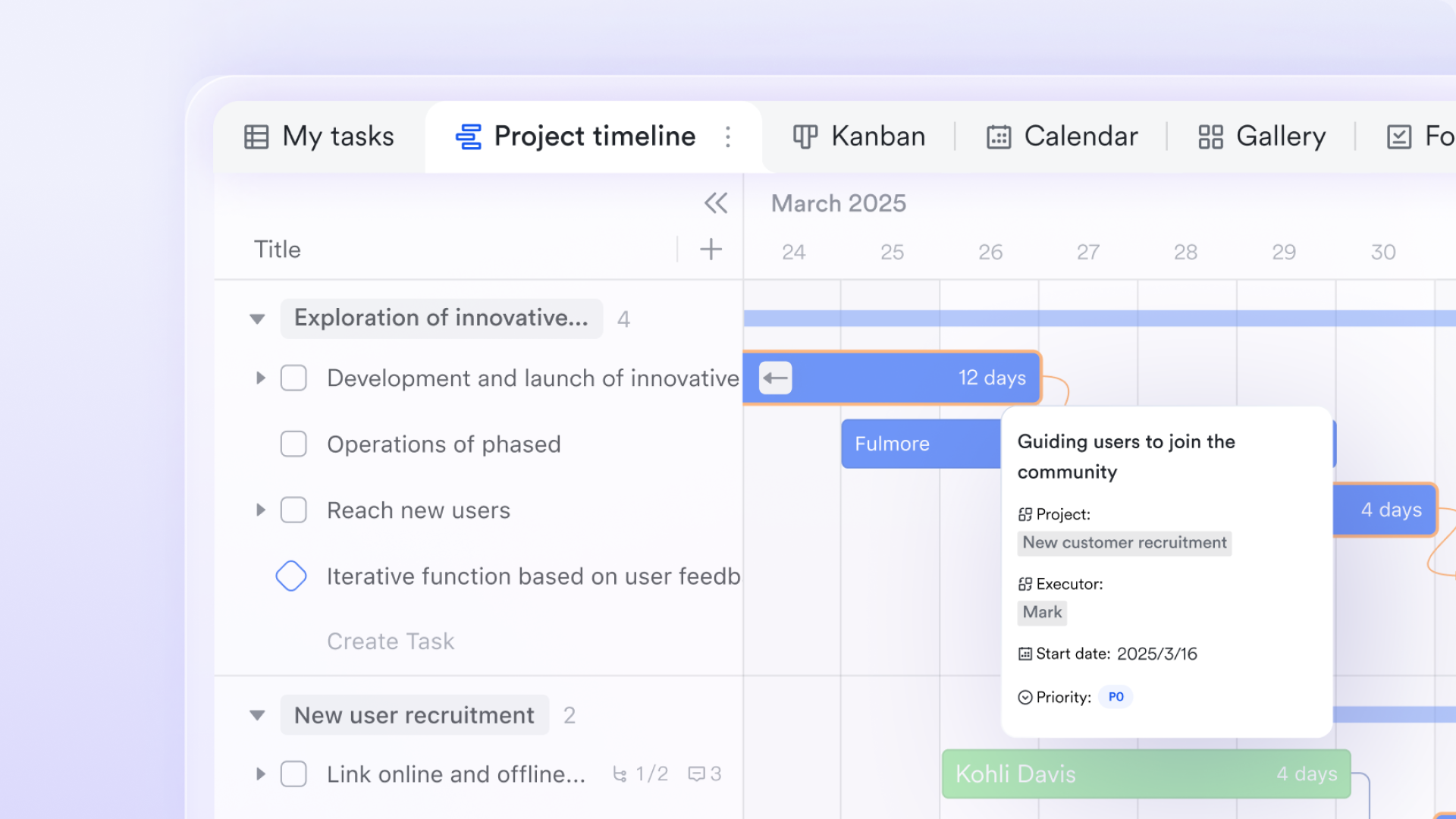
Real-time collaboration
Collaboration is critical during the project closeout phase, and Lark’s ecosystem facilitates seamless communication among project teams. With its built-in , document-sharing, and update functionalities, team members can stay connected in real-time, regardless of their physical location. This level of connectivity ensures that feedback from stakeholders is gathered and addressed promptly, minimizing potential delays. Swift decision-making is especially valuable during the final stages of a project, and Lark’s capabilities allow teams to conduct virtual meetings easily, addressing any remaining issues and finalizing project outcomes together.

Document management and archiving
Maintaining meticulous records during the project lifecycle is vital for successful closeout, and Lark simplifies this process through its capabilities. Teams can store all project-related documents—including contracts, reports, and feedback—within a centralized repository that is easily accessible to all stakeholders. This centralization eliminates the pitfalls of scattered information, significantly reducing the risk of losing vital documents.
Lark’s built-in solutions not only facilitate easy retrieval but also ensure that version control is maintained, so team members are always working with the most current information. This is especially important during the closeout phase when compiling the project closeout report and ensuring that all documentation is accurate and complete.
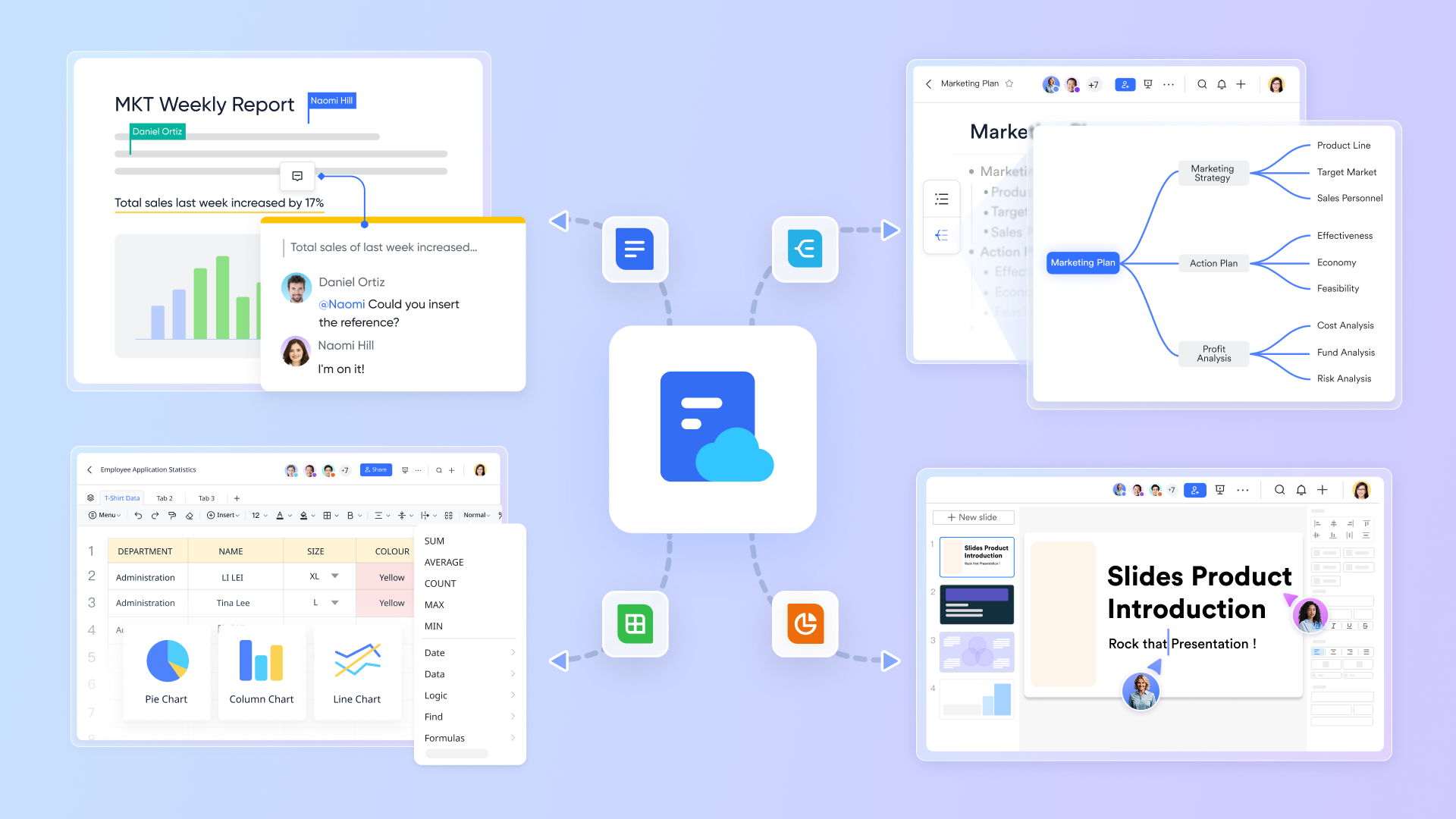
Additional tools for seamless project closeout
In addition to these core functionalities, Lark includes various other tools that further enhance project closeout processes. For example, allows teams to track objectives and key results throughout the project lifecycle, ensuring that all deliverables align with the initial goals set out during . This alignment with project objectives is invaluable during the closeout phase, offering clear insights into what has been accomplished versus what was planned.
The Forms and Approval tools enable project managers to gather stakeholder input and obtain the necessary sign-offs efficiently. By using structured forms for feedback and approval requests, project managers can streamline communication, ensuring everyone involved has provided their input before the project is officially closed.
Ready-to-use templates facilitating project closeout
Lark offers a variety of designed specifically to streamline project closeout processes. These templates include project closeout checklists, stakeholder feedback forms, and final report formats, enabling teams to efficiently gather necessary information and documentation. By providing structured frameworks, Lark’s templates reduce the likelihood of overlooking critical tasks and ensure that all pertinent details are captured. This facilitates and stakeholders, ultimately leading to a more organized and successful project closure. With these intuitive resources, project managers can enhance efficiency and maintain focus during the closing phase.
:
- Starter plan: Free forever plan with 11 powerful tools for up to 20 users, 100GB storage, 1,000 automation runs, AI translations, and more. No credit card needed.
- Pro plan: $12/user/month (billed annually) for up to 500 users. Includes everything in Starter plus group calling for up to 500 attendees, 15TB storage, 50,000 automation runs, and more.
- Enterprise plan: for custom pricing. Supports unlimited users and includes advanced automation, security, compliance, and management features.
For small teams with simple communication needs

18 months message history
1000 Base automation runs/month
2000 rows per table in Base
Most POPULAR
For companies with comprehensive collaboration and management needs
Unlimited message history
500-participant video meetings
50k Base automation runs/month
20k rows per table in Base
For large companies with advanced security and organizational management needs
Get a personalized demo and pricing
Unlimited message history
500-participant video meetings
15 TB storage + 30 GB storage/user
500k Base automation runs/month
50k Base automation runs/month
Most POPULAR
For companies with comprehensive collaboration and management needs
Unlimited message history
500-participant video meetings
50k Base automation runs/month
20k rows per table in Base
: Switching to Lark’s Pro plan can lead to significant cost savings— for example, a 100-employee company using Slack, Google Workspace, and Airtable could save approximately $19,800 annually by consolidating their tools with Lark.
Lessons learned during project closure
To conduct productive post-mortem reviews, project managers should adopt several key methods to ensure comprehensive evaluations:
- Gather feedback: It's essential to solicit input from all team members and stakeholders about their experiences during the project. This can be done through surveys, one-on-one interviews, or group discussions. By actively seeking diverse perspectives, project managers gain a deeper understanding of the project's strengths and weaknesses.
- Analyze outcomes: Reviewing the project's outcomes against the original objectives helps identify discrepancies and the reasons behind them. This analysis should include metrics such as timelines, , and quality of deliverables. Understanding where and why targets were not met is crucial for future planning.
- Discuss improvements: Open discussions about potential improvements for future projects are vital. Creating a safe environment where team members feel comfortable sharing their thoughts fosters honest feedback and generates innovative ideas for process enhancements. These discussions can lead to actionable recommendations that contribute to continuous improvement in project management practices.
By implementing these methods and communication strategies during project closure, organizations can effectively harness lessons learned, driving forward a culture of continuous improvement and greater project success in the future.
Conclusion
Effective project closeout is essential for ensuring that projects end on a positive note. It not only secures stakeholder satisfaction but also establishes a framework for ongoing improvement. By implementing structured steps and leveraging integrated tools like , project managers can navigate closure challenges with confidence.
We invite you to share your experiences with project closeout in the comments below. Have you encountered challenges or successes? Consider exploring Lark’s built-in features to streamline your project management and closure processes, fostering a successful project cycle from start to finish.
Optimize your project closeout today with Lark
FAQs
What is meant by project closeout?
Project closeout is the final phase in project management where all project activities are concluded, deliverables are completed, stakeholders are formally satisfied, and documentation is finalized for future reference.
What are the 7 steps to closing a project?
- Obtain stakeholder approvals
- Complete the project closeout checklist
- Conduct project review meetings
- Finalize financial matters
- Conduct post-project evaluation
Who is responsible for project closeout?
The project manager is primarily responsible for project closeout, coordinating with team members and stakeholders to ensure all tasks are completed and documented properly for a successful closure.
What are the 5 stages of a project?
The five stages of a project are:
- Monitoring and Controlling
Related reading