














Maximizing Efficiency with Vehicle Inventory Management Software

Fecilia Clarke
Solutions Marketing Specialist
Sep 18, 2026
Fecilia Clarke
Sep 18, 2026

11 min read


In today's automotive industry, effective management of vehicle inventory is crucial for the success of any dealership. This is where vehicle inventory management software comes into play. Such software not only helps streamline operations but also enhances overall efficiency and accuracy in managing vehicles. By automating various aspects of inventory management, this software plays a significant role in elevating customer satisfaction, ensuring that dealerships can respond quickly to market demands and provide better service to their clients.
Understanding vehicle inventory management software
Vehicle inventory management software is a specialized tool designed to assist automotive dealerships in tracking and managing their inventory of vehicles efficiently. At its core, this software serves to monitor and control the stock levels within the dealership, ensuring that every vehicle is accounted for and that information regarding each vehicle is easily accessible.
The primary functions of this software encompass several key capabilities. One of the most notable features is real-time tracking. This allows dealerships to maintain up-to-date information regarding their inventory status, including the availability of vehicles, ongoing sales, and even re-order needs. Accurate tracking is essential for making informed business decisions and optimizing stock levels.
Another critical function is stock management, wherein the software aids dealers in understanding their inventory turnover rates and maintaining optimal levels of stock. This feature helps prevent both overstocking and stockouts, ultimately leading to better cash flow and reduced holding costs. Additionally, vehicle data management is a critical aspect, allowing dealerships to store detailed information about each vehicle—such as its make, model, year, and condition—facilitating easy access for sales staff or managers.
Integration capabilities are also paramount in today's interconnected business environment. The ability of vehicle inventory management systems to sync with other tools, such as Customer Relationship Management (CRM) and accounting software, enhances operational efficiencies. This integration streamlines operations by reducing the need for duplicate data entry and ensuring consistent information across platforms. Advanced reporting and analytics features empower dealerships to analyze sales trends, customer preferences, and inventory performance. By utilizing these insights, dealerships can make data-informed decisions that optimize pricing and improve inventory turnover.

Key features of vehicle inventory management software
When investing in vehicle inventory management software, it is imperative to consider several essential features that can significantly impact your dealership's operations. Here are some of the primary features that you should look out for:
- Real-time inventory tracking: One of the cornerstones of effective inventory management is the ability to keep your stock levels updated in real-time. With this feature, dealerships can instantly see changes as they occur—whether vehicles are sold, cleared, or reassigned. This automation saves time and ensures data accuracy, helping to avoid costly errors.
- Stock management: Efficient stock management tools are integral to maintaining optimal inventory levels. The software can set thresholds for low stock levels, automatically triggering re-orders to ensure that your dealership is never caught without the vehicles that customers want. This responsiveness minimizes lost sales opportunities and enhances overall operational efficiency.
- Vehicle data management: Storing detailed vehicle information is crucial for any dealer. This software should allow you to catalog all necessary data, from the basics like make, model, and VIN to more intricate details concerning inspection histories and pricing strategies. The ease of access to this information means your sales team can provide accurate information to customers quickly.
- Integration with other tools: The modern automotive dealership often relies on numerous software systems for various functions—from customer relations to financial management. A robust vehicle inventory management software will integrate seamlessly with these existing systems, providing a unified approach to dealership management that enhances productivity and enhances data accuracy everywhere.
- Reporting and analytics: A smart inventory system does more than just track vehicles; it provides insights through analytics that help guide decision-making. You can generate reports on sales performance, inventory aging, and customer interactions, enabling you to refine strategies based on concrete data.
Benefits of using vehicle inventory management software
The advantages of implementing effective vehicle inventory management software are numerous and can substantially transform how a dealership operates. By adopting this software, dealerships experience a marked increase in efficiency and accuracy in their operations. Automation reduces the potential for human errors, cutting down on wasted resources and allowing employees to focus on higher-value tasks.
Furthermore, improved decision-making is a critical benefit of leveraging data analytics offered by these systems. Dealerships equipped with real-time analytics can adjust their strategies based on market demands, customer preferences, and sales performance—leading to better overall business outcomes.
Enhanced customer experience is another significant advantage. With streamlined processes, customers receive quicker responses and have access to accurate information about vehicle availability and pricing, which ultimately drives satisfaction and loyalty.
Additionally, cost savings are achieved through optimal stock levels that prevent both overstocking and stock shortages. With reduced holding costs, dealerships can see a clearer path to profit while maintaining the right mix of vehicles to meet customer demands.
Lastly, scalability is essential for any growing dealership. Whether you operate a small lot or a multi-location franchise, effective vehicle inventory management software adapts to your specific needs and scales alongside your business, promoting long-term growth in a competitive market.
Top 10 vehicle inventory management software
1. Lark: An all-in-one smart tool for inventory management
Lark is a cutting-edge platform designed to streamline every aspect of inventory operations, integrating key functions like tracking, ordering, and reporting into a cohesive workspace. This software enables dealerships to enhance communication and improve efficiency, allowing teams to respond quickly to customer needs and market changes.
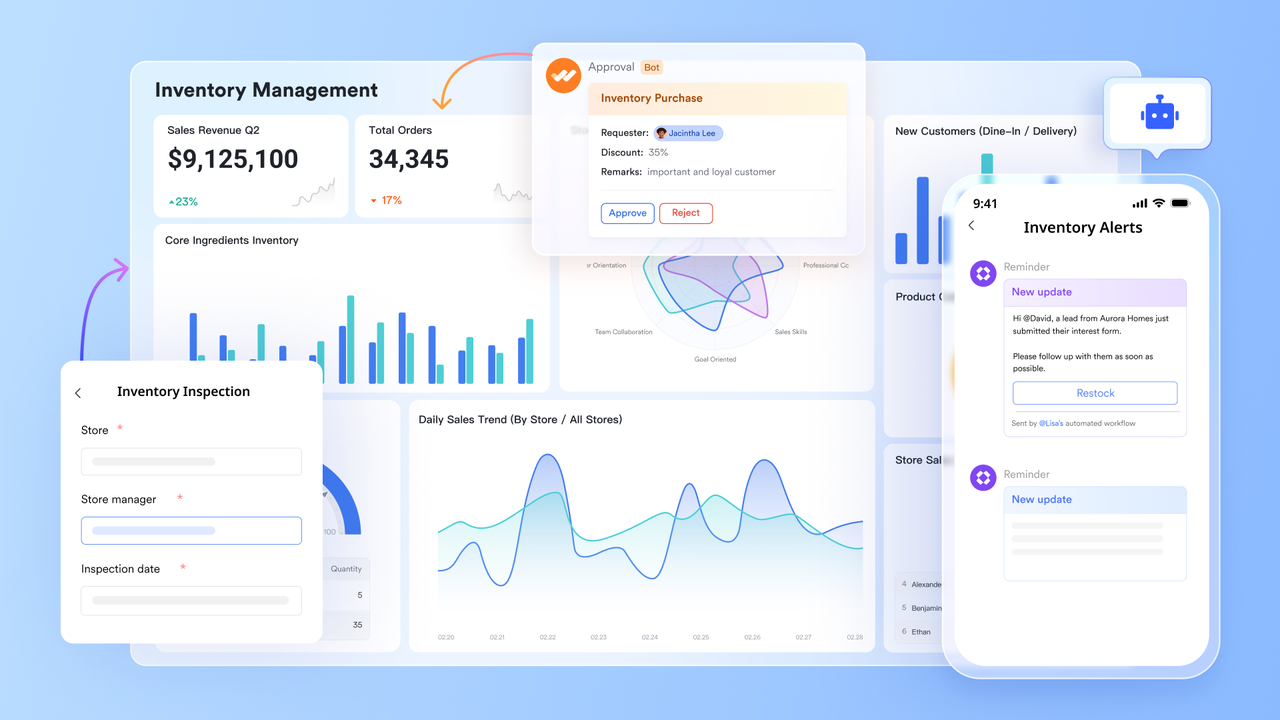
Key features: Lark boasts several standout features specifically tailored for vehicle inventory management.
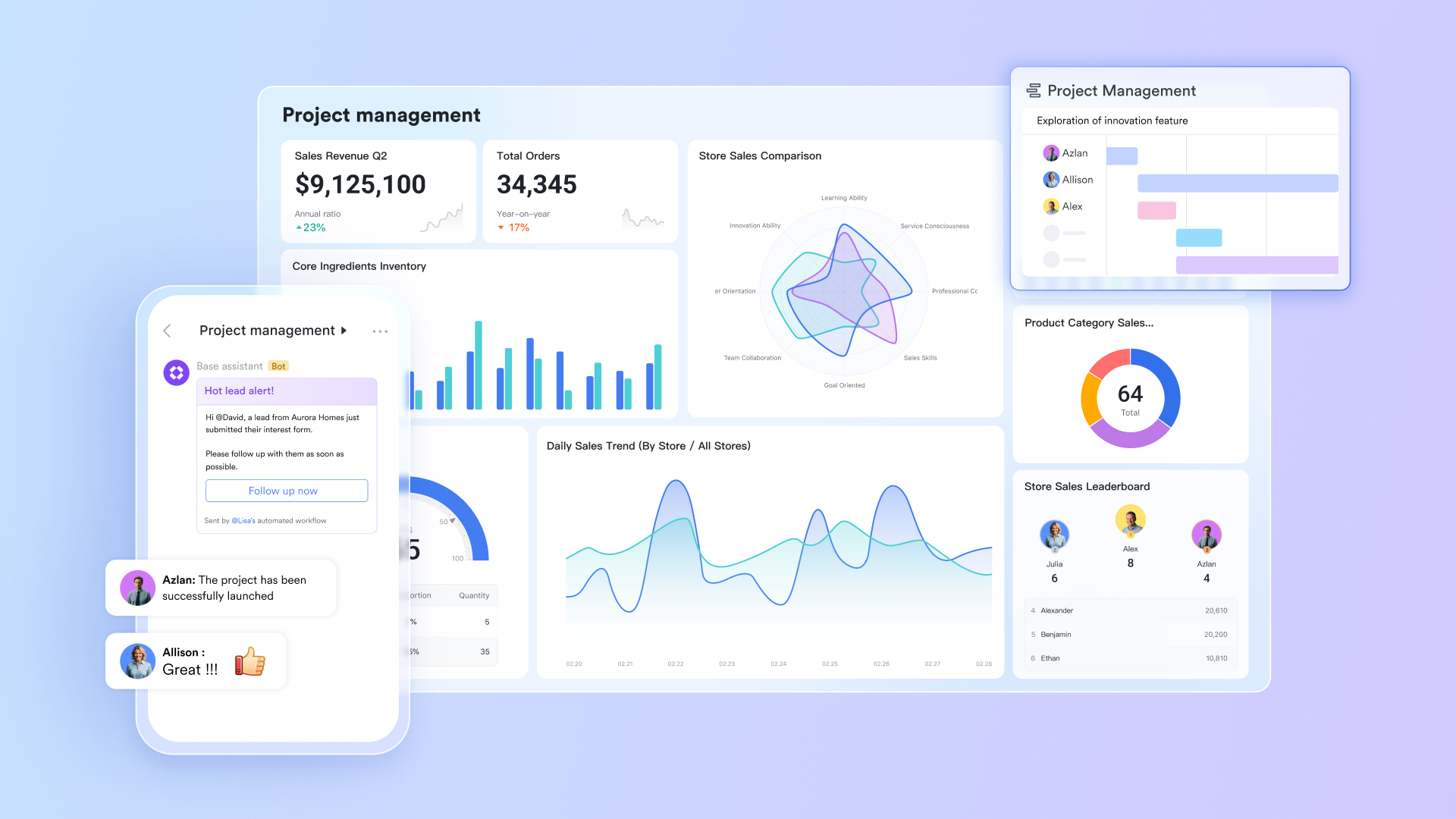
Lark Base: This feature serves as a centralized hub for visualizing workflows and organizing data. Dealership teams can create dynamic inventory databases that track stock levels, supplier data, and order workflows. For instance, by utilizing Kanban boards, users can monitor product movement through stages like "In stock," "Reserved," and "Shipped," ensuring transparency throughout the supply chain.
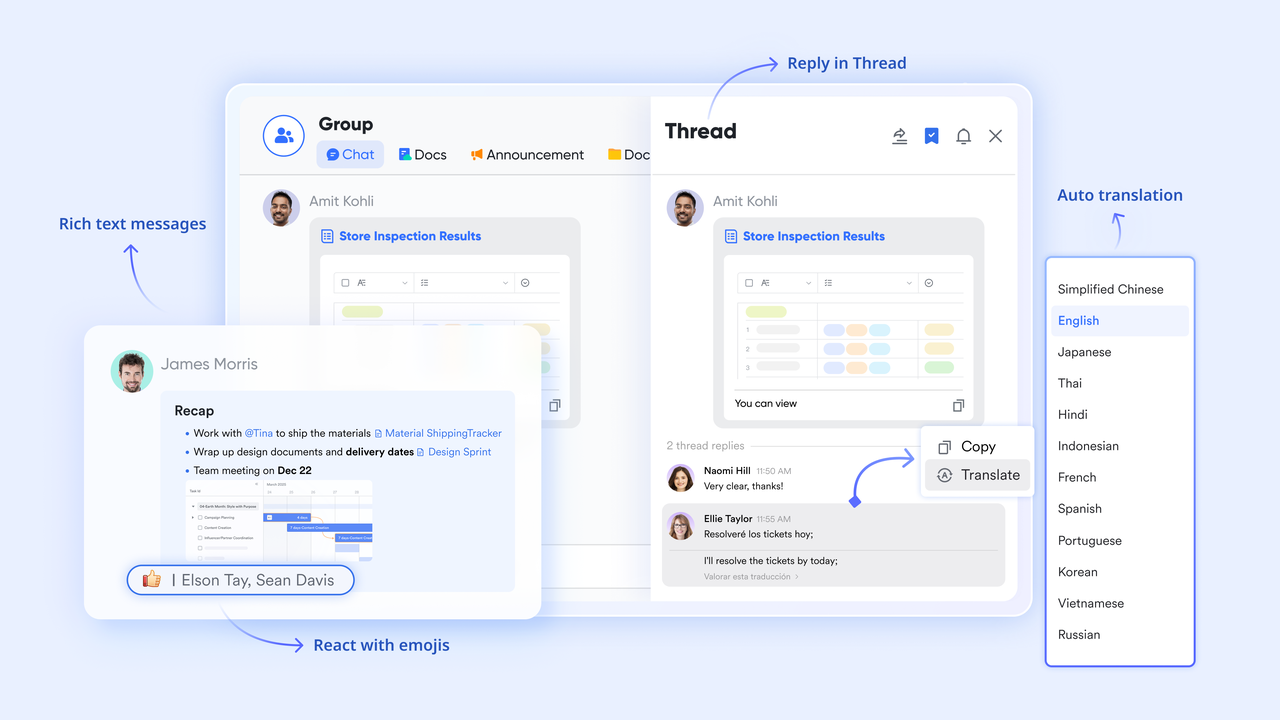
Lark Messenger: This built-in communication tool facilitates real-time messaging and file sharing among teams. For example, sales and procurement can immediately discuss inventory changes or shipment statuses, keeping everyone informed and reducing miscommunication.
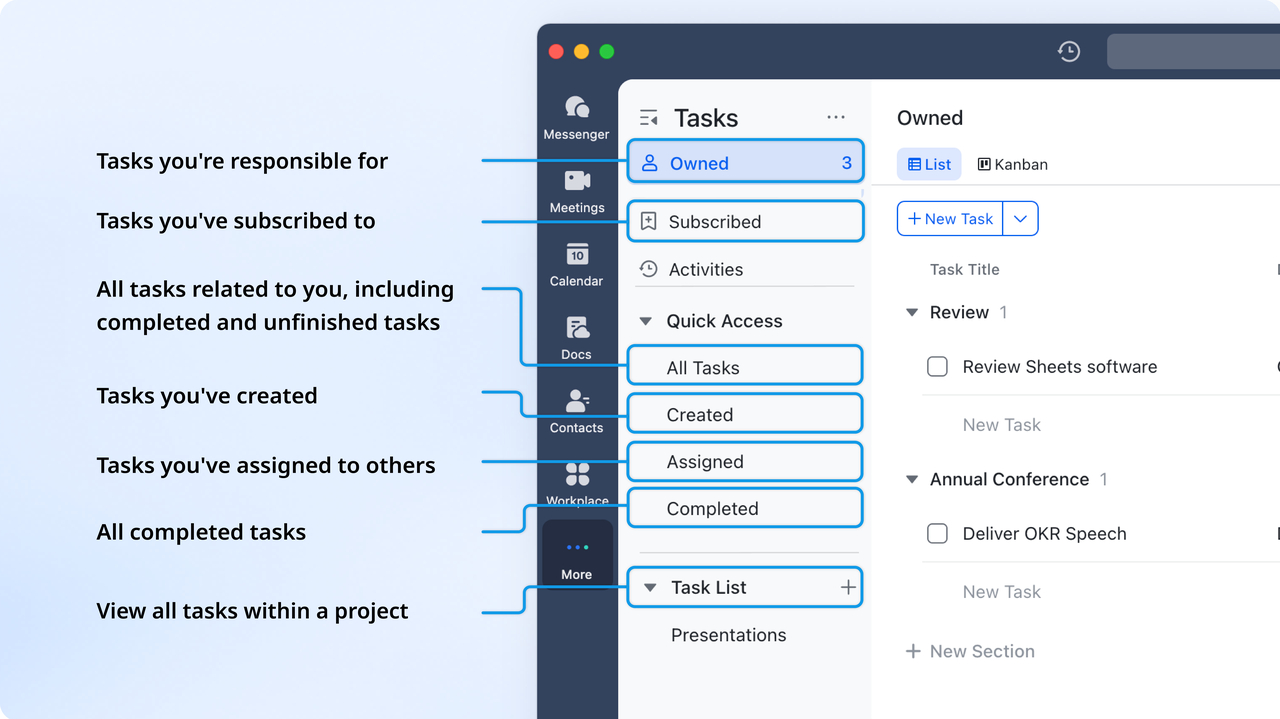
Lark Tasks: Task management within Lark helps structure daily operations into clear, actionable workflows. Teams can assign and track tasks related to stock audits, reorder confirmations, and supplier follow-ups, ensuring accountability and timely execution of responsibilities.
Lark Docs & Sheets: These collaborative tools allow teams to maintain live inventory logs and documentation. Users can co-edit records such as supplier lists, purchase orders, and cost sheets in real time, ensuring that everyone has access to the latest information.
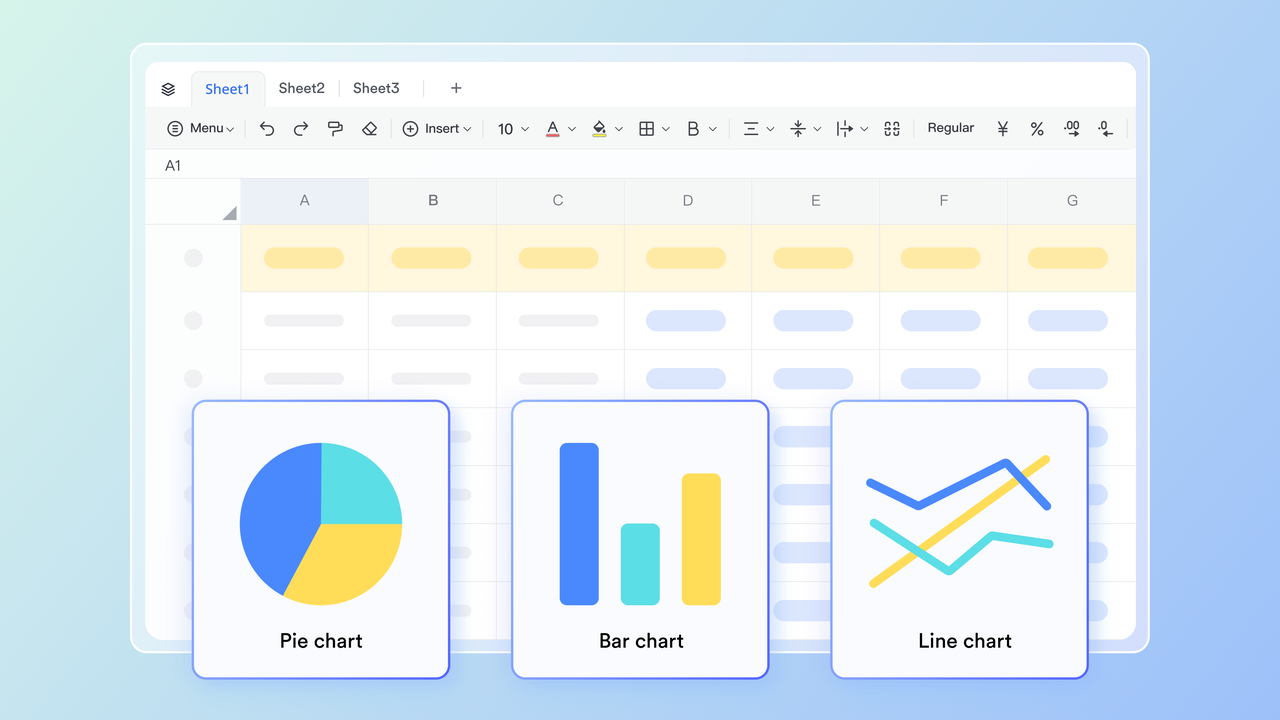
Lark Approval: This automates purchasing decisions, helping teams manage vendor onboarding and expense approvals efficiently. Pre-defined approval workflows streamline the procurement process, ensuring a faster turnaround for crucial inventory decisions.
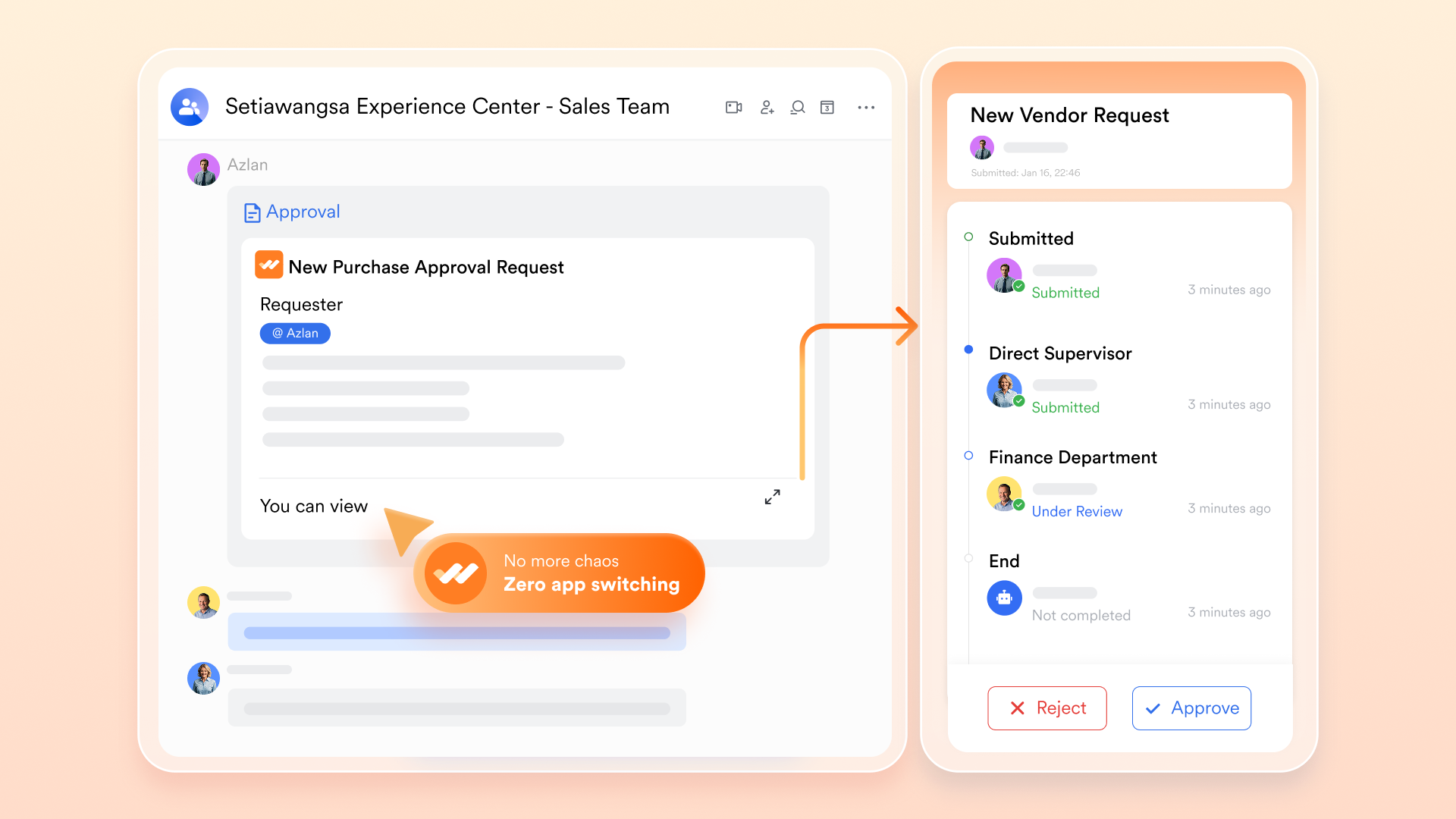
In summary, Lark excels as a vehicle inventory management software solution by merging effective inventory practices with everyday operational needs. Its powerful features empower dealerships to manage vehicle inventory seamlessly, driving productivity and enhancing customer satisfaction in a dynamic market.
Best for: Lark is ideal for dealerships that seek a comprehensive and integrated vehicle inventory management solution. It is particularly suited for teams that prioritize collaboration, real-time insights, and automation. With Lark, various departments—such as procurement, sales, and finance—can align their efforts seamlessly, enhancing overall operational efficiency.
2. CDK Global: A comprehensive solution for optimizing dealership inventory management
CDK Global's CDK vehicle inventory suite offers a comprehensive solution designed to optimize inventory management for automotive dealerships. This software includes advanced features such as real-time analytics, automated reporting, and inventory visualization tools that aid dealerships in tracking stock levels efficiently. Additionally, it provides integration capabilities with other CDK products, ensuring a seamless workflow across various dealership operations.
Key features: Real-time analytics, automated reporting, inventory visualization tools, seamless integration with other CDK products, and efficient stock tracking.
Best for: Dealerships seeking robust software solutions that combine inventory management with analytics and reporting capabilities tailored for the automotive industry.
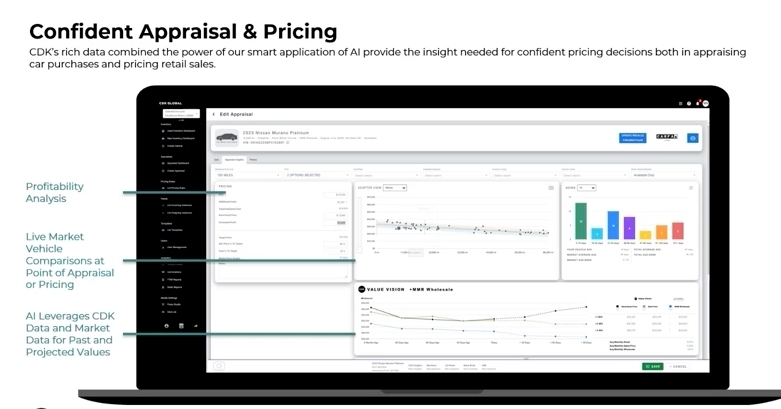
Image source: cdkglobal.com
3. DealerSocket: A data-driven solution for enhancing vehicle inventory operations
DealerSocket's inventory management tool focuses on delivering data-driven insights that enhance vehicle inventory operations. The platform features capabilities such as real-time stock tracking, customizable reporting options, and detailed analytics to improve decision-making. Its mobile access allows sales teams to stay updated on inventory status while in the field, ensuring they can provide accurate information to customers anytime, anywhere.
Key features: Real-time stock tracking, customizable reporting, detailed data analytics, mobile access for remote updates, and enhanced decision-making support.
Best for: Dealerships needing data-driven insights combined with mobile accessibility to enhance their sales performance and inventory oversight.
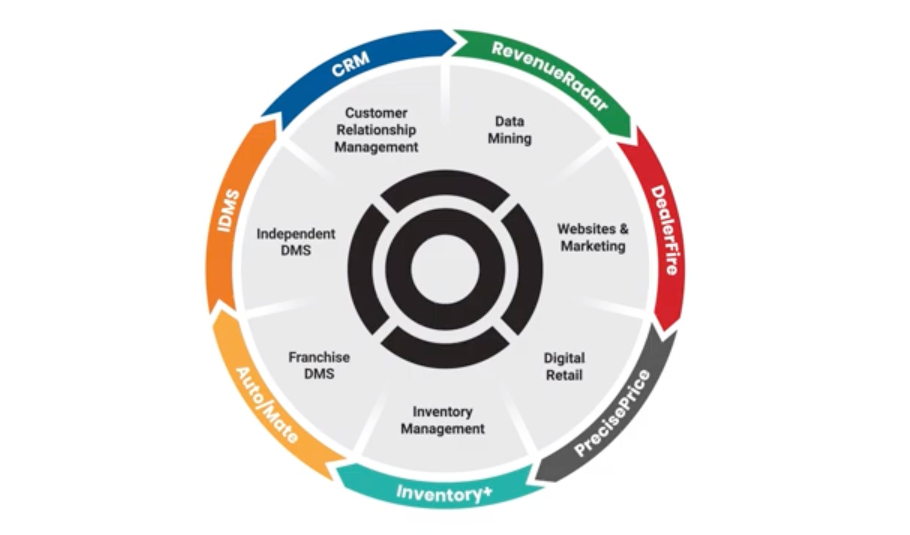
Image source: dealersocket.com
4. AutoSoft: A cloud-based platform for detailed vehicle analysis
AutoSoft's inventory management software is a cloud-based platform designed to facilitate detailed vehicle analysis and management. It provides features for comprehensive vehicle tracking, including VIN-specific inventory records, historical data analytics, and integration with dealership processes like sales and financing. This deeper understanding of inventory helps dealerships make informed decisions about vehicle acquisitions and sales strategies.
Key features: Comprehensive vehicle tracking, VIN-specific inventory records, historical data analytics, integration with sales and financing processes, and informed decision-making support.
Best for: Dealerships requiring detailed vehicle analysis capabilities to improve inventory turnover and optimize their stock.
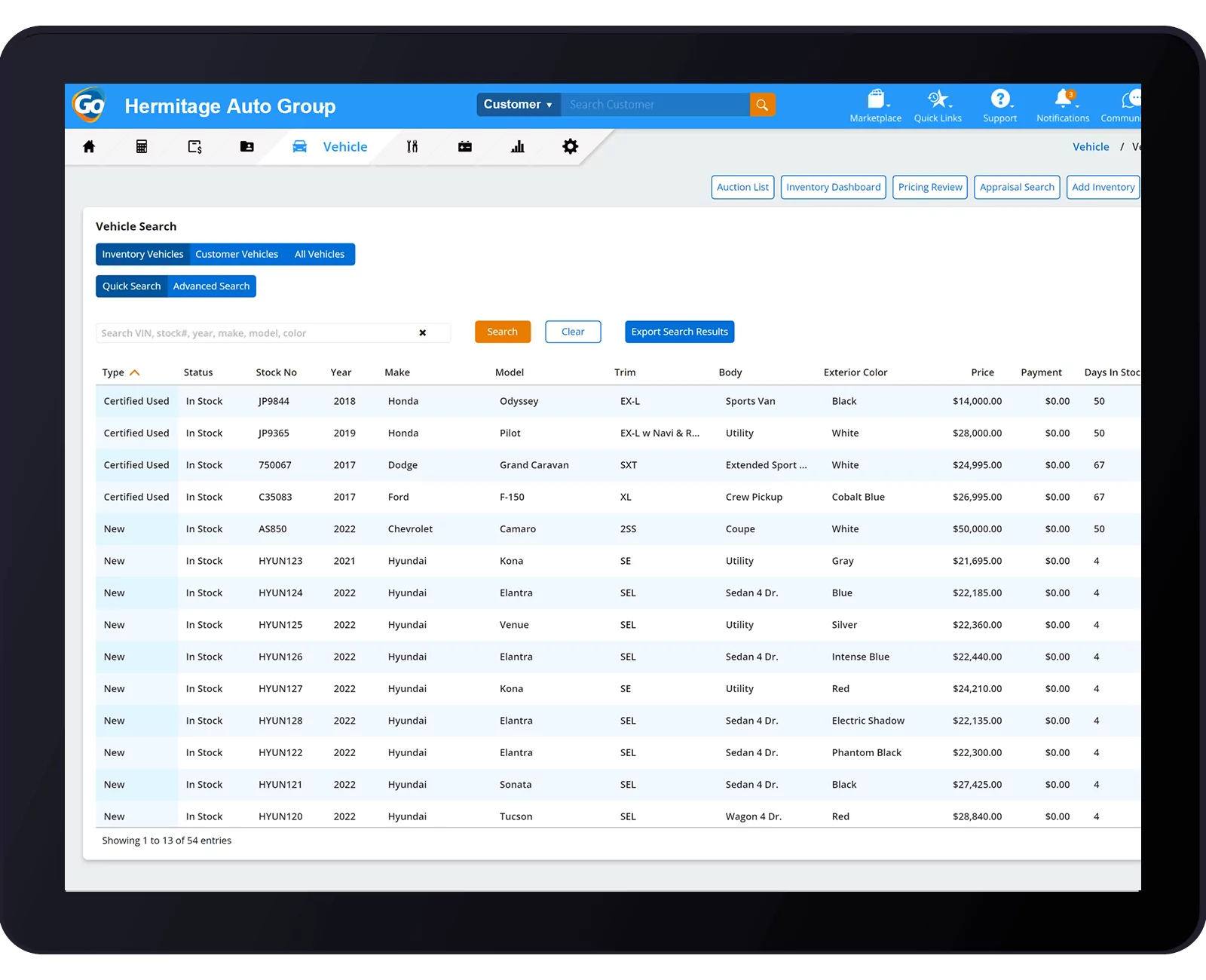
Image source: autosoftdms.com
5. VinSolutions: An intuitive system for enhancing dealer and customer interactions
VinSolutions offers an intuitive inventory management system that enhances dealer and customer interactions through features like real-time inventory updates, flexible vehicle listings, and integrated CRM capabilities. The software streamlines inventory management processes and allows for quick access to vehicle details, promoting better customer engagement and satisfaction. Its mobile-friendly design ensures that sales representatives have the necessary information at their fingertips during client interactions.
Key features: Real-time inventory updates, flexible vehicle listings, integrated CRM, mobile-friendly interface, and enhanced customer engagement tools.
Best for: Dealerships focused on enhancing customer engagement by providing real-time access to inventory information and improving communication with clients.
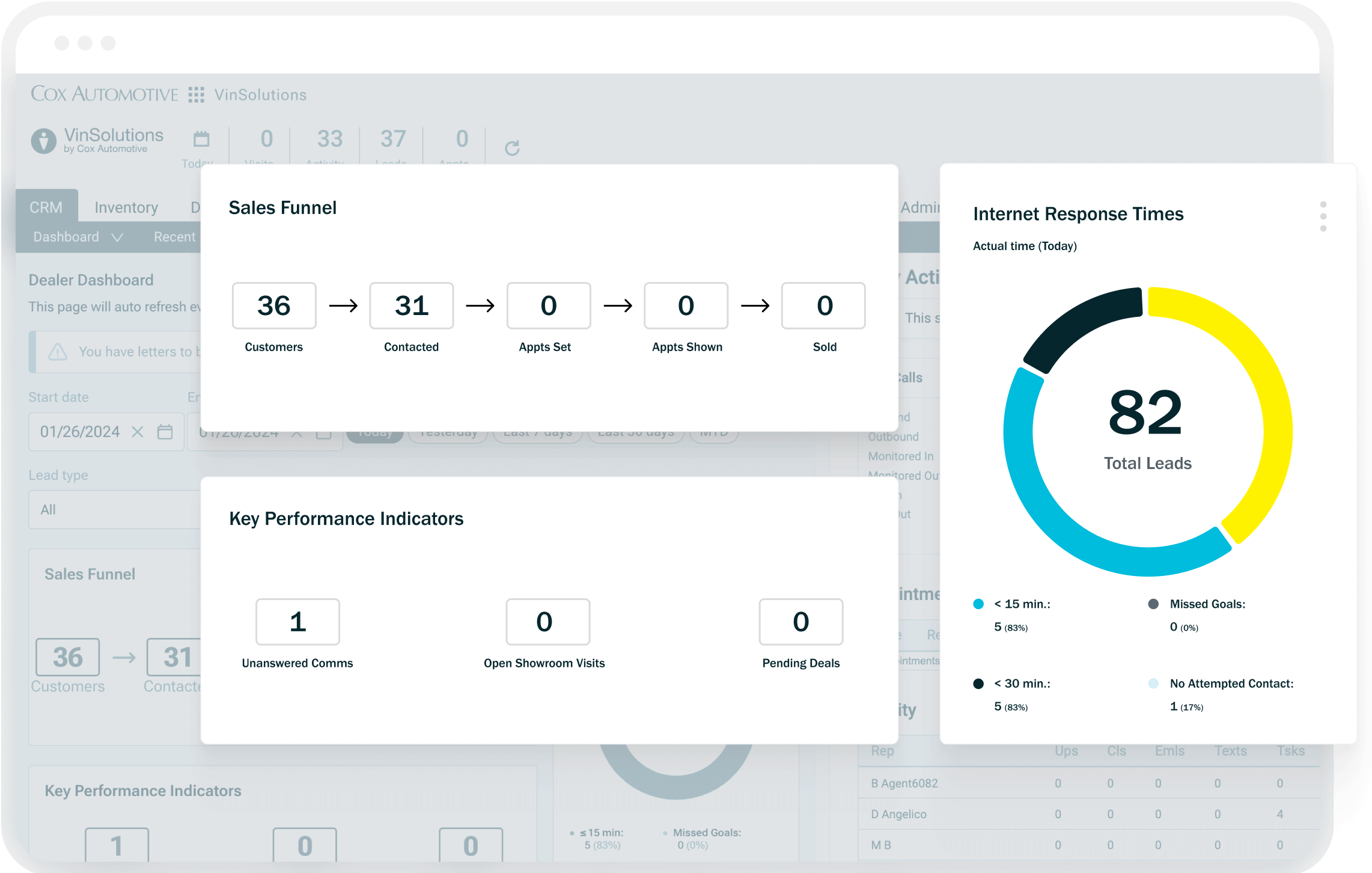
Image source: vinsolutions.com
6. MotorDesk: An all-in-one stock management solution for automotive dealerships
MotorDesk provides an all-encompassing stock management solution tailored for automotive dealerships. This software integrates various functions such as inventory management, financial reporting, and vendor management into one cohesive platform. Features like real-time inventory updates, auditing tools, and document management simplify inventory oversight and ensure accurate financial reporting. This comprehensive approach helps dealerships maintain effective control over their stock levels and streamline operations.
Key features: Integrated inventory management and financial reporting, real-time inventory updates, auditing tools, document management, and comprehensive stock control.
Best for: Dealerships needing comprehensive stock management solutions that integrate seamlessly with their other operational processes.
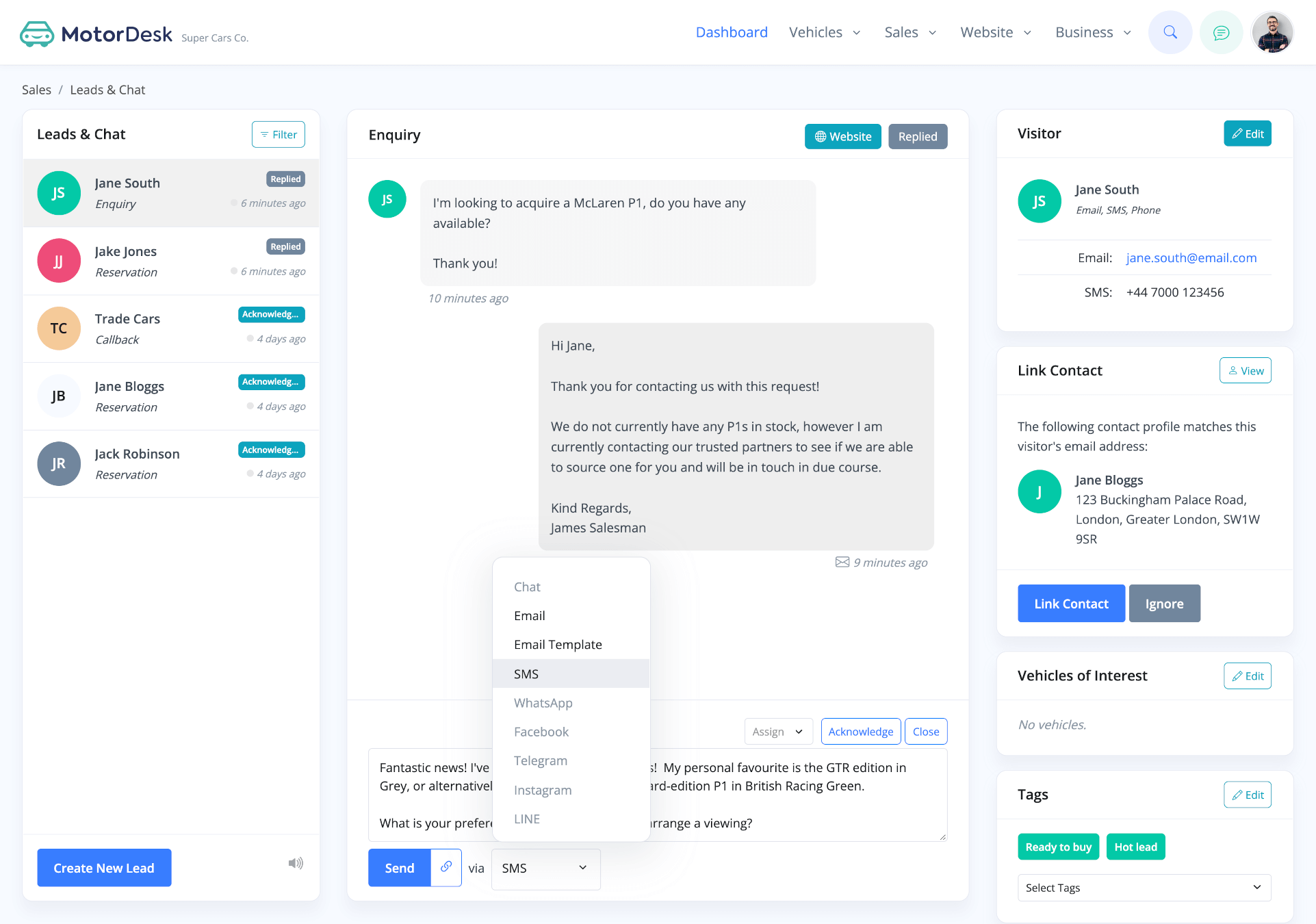
Image source: motordesk.com
7. Sortly: A user-friendly auto inventory management software
Sortly is a user-friendly auto inventory management software that focuses on simplicity and ease of use. The platform features intuitive barcode scanning, customizable inventory categories, and visual inventory tracking, making it straightforward for users to manage their vehicle stock. Sortly's mobile app allows for on-the-go inventory management, perfect for smaller dealerships or businesses that require a straightforward approach to tracking vehicle inventory.
Key features: Intuitive barcode scanning, customizable inventory categories, visual inventory tracking, mobile app for on-the-go management, and user-friendly interface.
Best for: Smaller dealerships needing straightforward tracking solutions that simplify the management of their vehicle inventories.
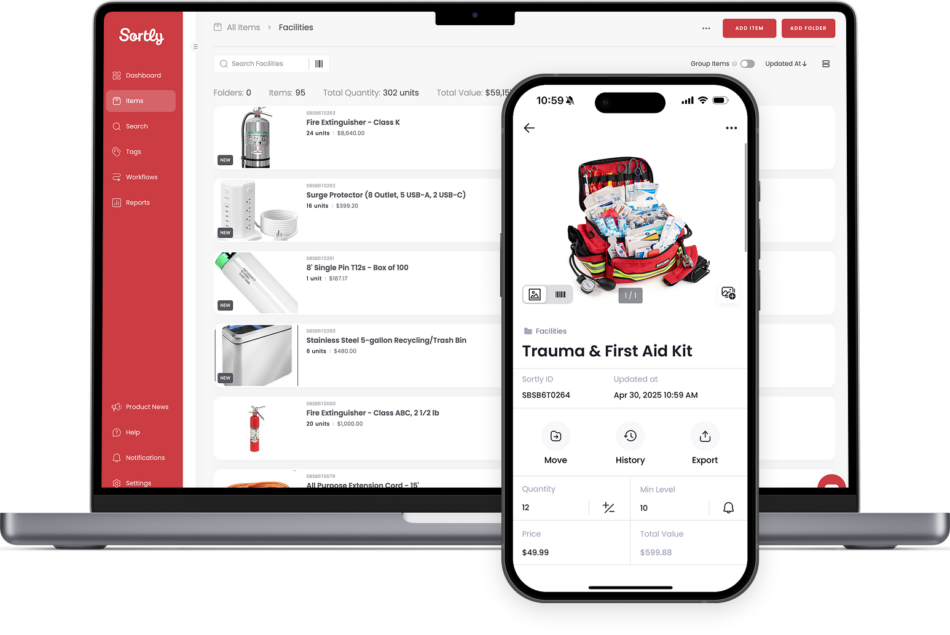
Image source: sortly.com
8. Chevin Fleet: A robust solution for fleet management
Chevin Fleet specializes in fleet management rather than typical dealership inventory management, offering robust tools for tracking fleet vehicles, parts inventory, and order processing. Its software includes real-time visibility into fleet stock levels and integrates with purchasing systems to streamline operations. This focus on fleet management provides businesses with the necessary tools to oversee their vehicle inventories effectively.
Key features: Real-time visibility for fleet management, parts inventory tracking, order processing integration, comprehensive fleet oversight tools, and streamlined operations.
Best for: Businesses managing fleets rather than traditional dealerships, requiring comprehensive tools for inventory and parts management.
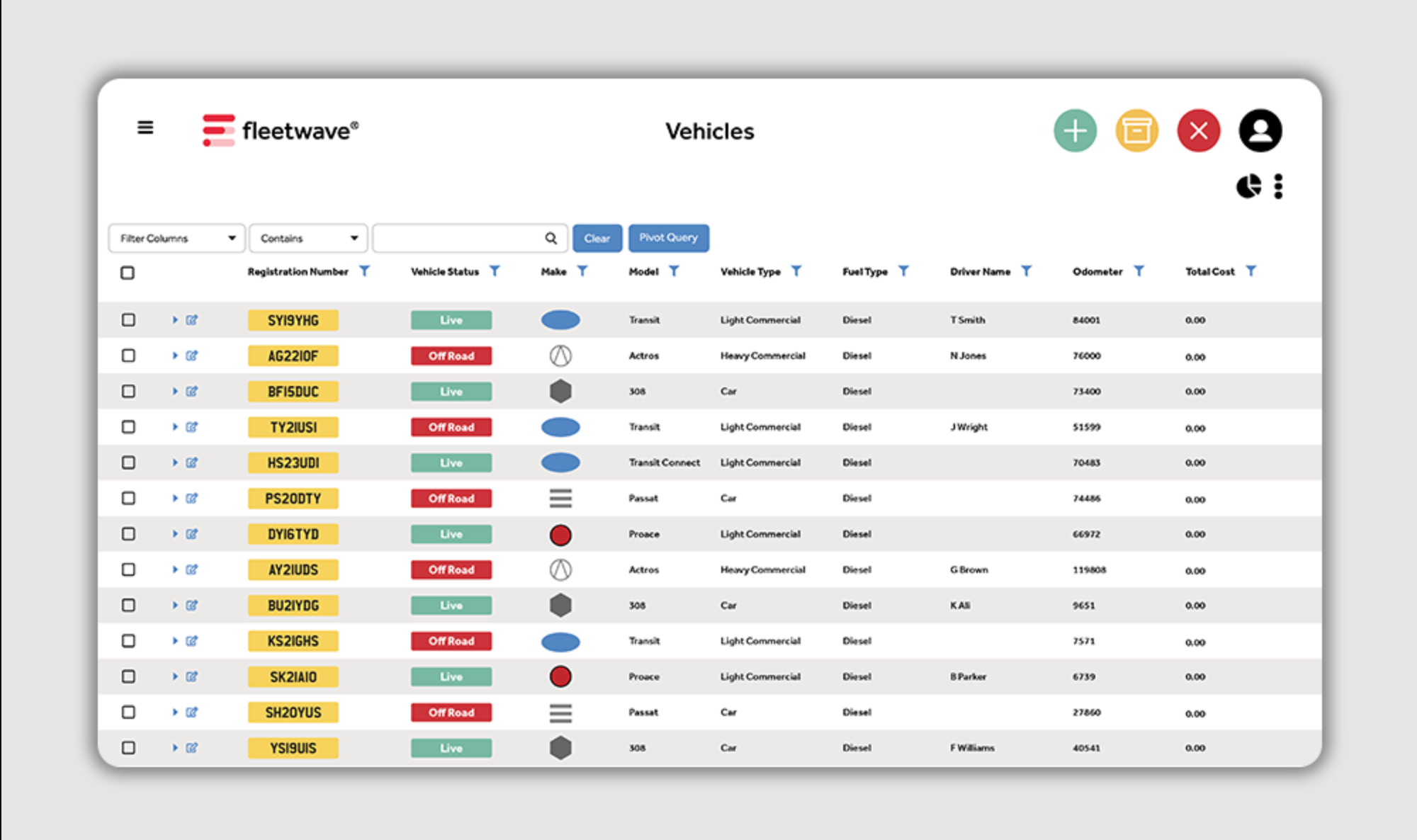
Image source: chevinfleet.com
9. Spyne: A visually-driven software for effective inventory management
Spyne delivers visually-driven vehicle inventory management software that prioritizes user experience and customer engagement. The platform integrates AI technologies to enhance inventory visibility and automate stock tracking procedures. Featuring tools for visual merchandising and performance analytics, Spyne enables dealerships to present their inventory attractively while streamlining operational efficiency.
Key features: AI integration for inventory visibility, automated stock tracking, visual merchandising tools, performance analytics, and enhanced customer engagement capabilities.
Best for: Dealerships looking for visually-driven inventory software that leverages AI to improve inventory management and attract customer interest.
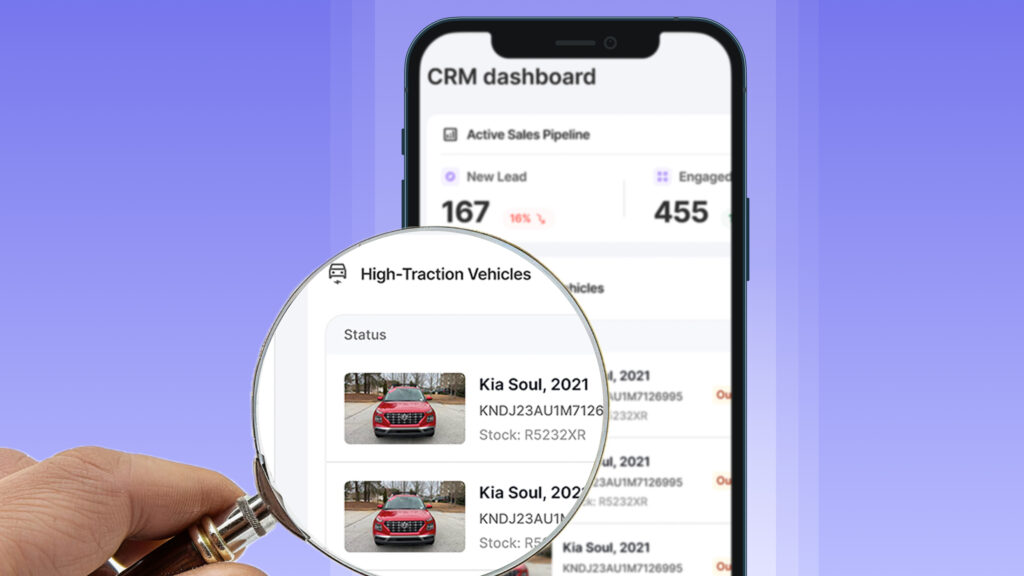
Image source: spyne.ai
10. DealersLink: A community-driven platform for inventory sharing
DealersLink focuses on connecting dealerships through its inventory management platform, promoting community-driven inventory solutions. Its software allows for seamless inventory sharing between dealerships, offering features like real-time pricing updates, inventory control, and extensive data analytics. This community approach empowers dealerships to collaborate more effectively, ensuring they can meet market demands efficiently.
Key features: Seamless inventory sharing, real-time pricing updates, inventory control features, extensive data analytics, and community-driven collaboration.
Best for: Dealerships seeking a community-driven inventory solution to enhance their networking and collaborative inventory management efforts.
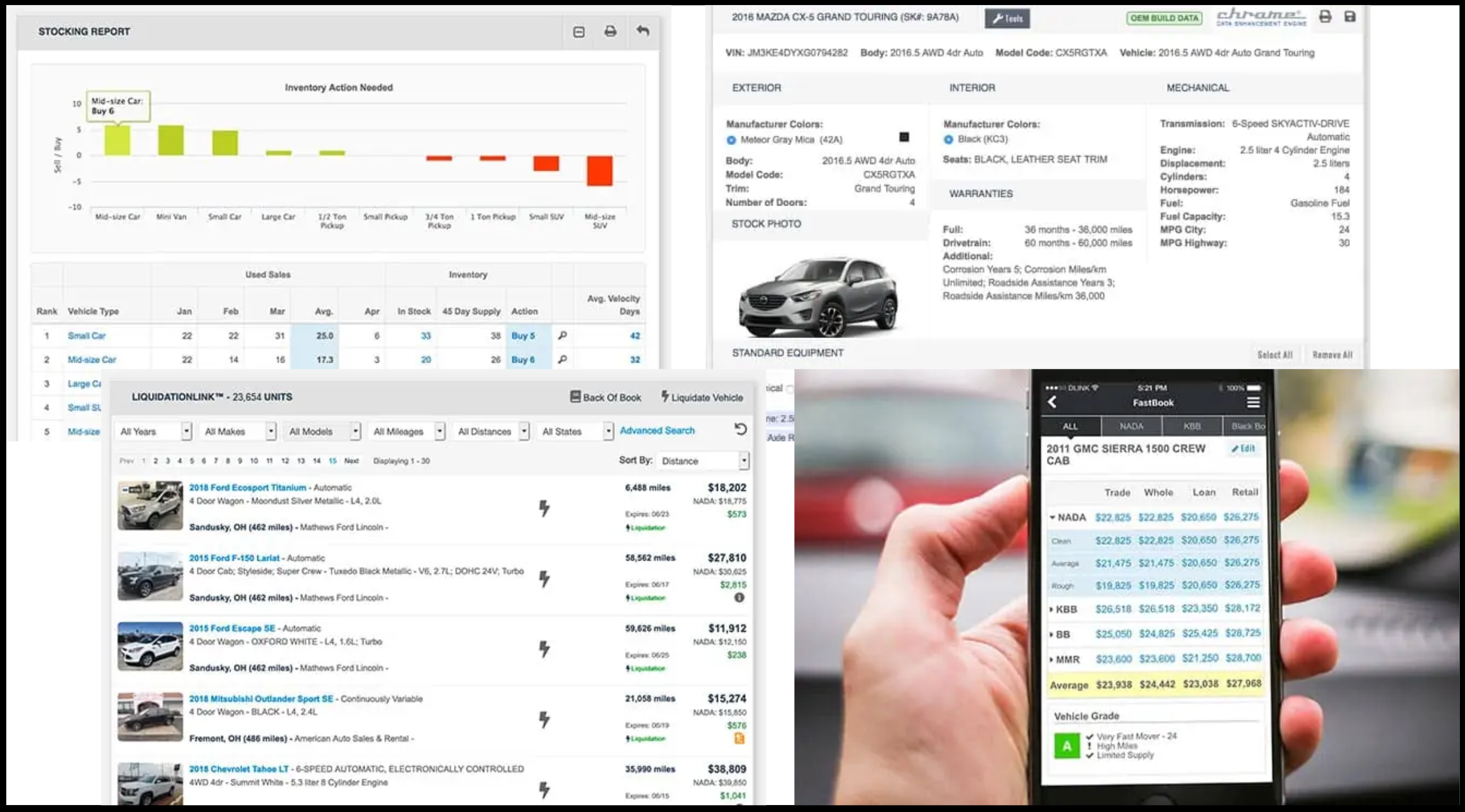
Image source: public.dealerslink.com
How to choose the right vehicle inventory management software
Selecting the right vehicle inventory management software is a critical decision that can significantly impact your dealership's efficiency and profitability. Here are some essential factors to consider when making your choice:
- Customizability: Every dealership has unique processes, and the ability to adapt the software to your specific needs is crucial. Look for a vehicle inventory management system that allows you to customize features such as reporting, inventory categorization, and user roles. This flexibility ensures that the software aligns well with your existing workflow, providing a tailored experience.
- User-friendliness: An intuitive interface can make a world of difference in how quickly your team adopts the new system. A user-friendly car dealership inventory management solution minimizes training time and enhances productivity. Ensure that the software includes tutorials and support documentation, making it easier for your staff to learn and use effectively.
- Support and maintenance: The level of customer service and technical support provided by the software vendor should not be overlooked. Reliable support can save you valuable time when troubleshooting issues. Check whether the vendor offers 24/7 assistance, training resources (for example, through an LMS for automotive industry), and regular updates to maintain the software's performance.
- Pricing: Understanding your budget is vital when selecting vehicle inventory management software. Compare the pricing options and features of different solutions, including any hidden costs for upgrades or customer support. Be sure to evaluate the return on investment by considering how the software will streamline operations and improve sales, potentially justifying the initial cost.
By evaluating these factors, you can choose a solution that best fits your dealership's needs, ensuring that your vehicle inventory management is effective and efficient.
Future trends in vehicle inventory management software
The landscape of vehicle inventory management is constantly evolving, driven by emerging technologies and changing market dynamics. Here are two significant trends to watch:
- Integration of AI and IoT: The integration of artificial intelligence (AI) and the Internet of Things (IoT) is set to revolutionize automotive inventory management. AI-powered tools can predict maintenance needs and analyze sales trends, helping dealerships make data-driven decisions. For example, IoT-enabled devices can monitor vehicle conditions in real-time, providing insights into their status and triggering alerts for maintenance or restocking when necessary. This level of automation not only enhances operational efficiency but also helps reduce costs and improve customer satisfaction.
- Impacts of electric vehicles (EVs): As electric vehicles continue to gain popularity, dealerships will face new inventory management challenges. This includes tracking the availability of EV models, parts, and accessories. Vehicle inventory management software must adapt to support the unique requirements of managing electric vehicle inventory, such as monitoring charging station availability and understanding range limitations. Solutions that specialize in EV management will likely become essential for dealerships looking to meet the rising consumer demand for electrified vehicles while optimizing their inventory.
Conclusion
In conclusion, implementing effective vehicle inventory management software is crucial for modern dealerships seeking to enhance operational efficiency and customer satisfaction. By considering key factors like customizability, user-friendliness, and support, dealerships can make informed decisions that align with their needs. Moreover, staying abreast of emerging trends, such as AI integration and the rise of electric vehicles, will enable dealerships to be proactive in their inventory management strategies. I encourage all dealership owners to explore innovative solutions like Lark, which can streamline day-to-day operations and pave the way for sustainable success in this ever-evolving automotive market.
FAQs
What are the 4 types of inventory management systems?
The four types of inventory management systems include:
- Periodic Inventory System: This method involves counting inventory at specific intervals, allowing businesses to assess stock levels and make adjustments based on sales projections and physical audits.
- Perpetual Inventory System: This system continuously tracks inventory levels in real time, updating stock counts automatically with each sale or purchase. It provides an accurate view of inventory at all times.
- Just-In-Time (JIT) Inventory: JIT minimizes storage costs by ordering inventory only as needed for production or sales, reducing excess stock and associated carrying costs.
- ABC Analysis: This method categorizes inventory into three groups (A, B, and C) based on value and turnover rates, helping businesses prioritize management efforts on high-value items.
What is the best CRM for automotive?
There is no definitive "best" CRM for the automotive industry, as the ideal choice depends on a dealership's specific needs and operational requirements. Various CRM systems cater to different aspects of automotive sales and customer management. For example, VinSolutions offers strong customer engagement tools and integration with dealership management systems. DealerSocket is popular for its data-driven insights and mobile accessibility. Ultimately, the best CRM will depend on factors such as dealership size, customer interaction style, and the specific features that align with business goals. Evaluating options based on these criteria is crucial for selecting the right fit.
Which dealers use CDK?
CDK Global serves a wide variety of automotive dealerships across North America and beyond, including independent dealerships and large franchises. Notable automotive brands using CDK services include Ford, General Motors, and Toyota dealerships. CDK provides dealership management systems that help these businesses streamline operations, manage inventory, and improve customer interactions effectively. Many dealers appreciate CDK's integration capabilities with other automotive technologies, making it a popular choice in the industry for enhancing operational efficiency.
What is VMS in cars?
VMS, or Vehicle Management System, refers to a software solution that helps organizations manage their fleet of vehicles more efficiently. It involves tracking vehicle locations, maintenance schedules, fuel usage, and driver behavior. A VMS enables businesses to optimize vehicle utilization, minimize operational costs, and improve safety and compliance. Additionally, VMS can integrate with telematics systems to provide real-time data on vehicle performance and diagnostics, enhancing decision-making for fleet operators and ensuring better overall management of automotive resources.
Related reading
Table of contents
Start using Lark today

Manage all your work in one place
Boost team efficiency by 10x
Save up to 70% on software costs
Table of contents
Start using Lark today
Manage all your work in one place
Boost team efficiency by 10x
Save up to 70% on software costs
Keep reading









2026 Lark Technologies Pte. Ltd.
Headquartered in Singapore with offices worldwide.






Explore: