














Building Your Dynamic Change Management Plan Template for Success

Cecilia Lane
Go-to-Market Associate
Sep 18, 2026
Cecilia Lane
Sep 18, 2026

17 min read


A brilliant change initiative falters, not from a lack of vision, but from an absence of a clear, adaptable roadmap. The reality is, even the most innovative transformations can unravel without a robust plan. One might have experienced the frustration of a new system rolling out, only to be met with slow adoption, high resistance, and benefits that seem to fade into the background. But here's the exciting part—it doesn't have to be that way. There are solutions to move beyond the traditional, static document. This isn't just about having a change management plan template; it's about building a dynamic, living system that empowers teams and ensures changes stick.

What is a change management plan?
At its core, a change management plan is your strategic roadmap for navigating any significant organizational transition. Think of it as the detailed blueprint that guides you from the initial idea of change to the point where it becomes the new normal. It's more than just a project timeline; it's a comprehensive strategy focused intently on people's side of change.
Essentially, a change management plan transforms the abstract concept of "change" into an actionable, structured process. It's meticulously designed to minimize disruption, maximize adoption, and ensure the intended benefits are fully realized. Without this structure, even the best-intentioned changes can quickly become chaotic, costly, or simply fail to deliver their promised value.
Why do you need a change management plan?
You might be thinking, "Can't we just communicate well and hope for the best?" Unfortunately, hope isn't a strategy when it comes to organizational change. Skipping a formalized change management plan carries significant, often underestimated, risks that can derail your initiatives and impact your organization's well-being. Let's explore the critical reasons why you absolutely need a robust plan.
- Mitigating employee resistance and low morale: People naturally resist the unknown, and change often brings uncertainty. Without a structured plan to proactively address concerns, provide clear information, and demonstrate the positive impact of change, skepticism can quickly escalate into active resistance. This can lead to decreased productivity, a dip in morale, and a general sense of unease within the workforce. A well-executed plan ensures employees feel heard, supported, and ultimately, empowered through the transition.
- Preventing project delays and budget blowouts: Unforeseen issues stemming from poor change adoption, such as widespread confusion, the need for extensive re-training, or having to rework systems due to user errors—can significantly delay project timelines. These delays inevitably lead to increased costs, draining valuable resources and potentially impacting other strategic initiatives. A plan helps anticipate these challenges, allowing you to allocate resources effectively and avoid risks.
- Ensuring achievement of objectives and ROI: The ultimate goal of any organizational change is to deliver specific benefits, whether it's improved efficiency, higher revenue, enhanced customer satisfaction, or better regulatory compliance. Without managing human transition effectively, the technical solution might be implemented perfectly, but if employees don't adopt or properly utilize it, those benefits remain unrealized. A change management plan ensures the "people side" of the change is managed, maximizing the likelihood that your investment yields its intended return.
- Protecting organizational reputation and trust: Poorly managed change can severely erode trust in leadership if employees feel unheard, unsupported, or blindsided by decisions. This can damage internal reputation, make future change initiatives even harder, and in some cases, even impact external perception of your organization. A transparent and supportive change process fosters trust and reinforces leadership credibility.
- Retaining top talent: When changes are chaotic, poorly communicated, or inadequately supported, frustration can build among employees. Valuable team members, especially those with in-demand skills, may seek more stable or supportive environments elsewhere. A thoughtful change management plan demonstrates an organization's commitment to its people, helping to retain critical talent during periods of transition.
Investing time upfront in a change management plan template is far cheaper and less painful than dealing with these consequences later. It provides the clarity, structure, and proactive approach needed to navigate the complexities of organizational transformation successfully, turning potential pitfalls into pathways to progress.
Steps to create your change management plan
Now that you understand the critical 'why' and the transformative power of a dynamic approach, let's dive into the practical 'how.' Creating your change management plan involves defining key components and processes that guide your initiative from conception to successful adoption. Here are the essential steps:
Step 1: Define your change vision, scope, and objectives
Begin by clearly articulating what success looks like for this change. What specific problem does this change solve? What new opportunities will it create? Without a clear destination, your journey will lack direction.
- Vision: Paint a compelling picture of the future state after the change is successfully implemented.
- Objectives: Define specific, measurable, achievable, relevant, and time-bound (SMART) objectives. This is where an objective management tool becomes invaluable.
- Scope: Clearly define what is changing and, equally important, what is not changing. This manages expectations and prevents scope creep.
Step 2: Conduct a thorough stakeholder analysis
Identify everyone who will be affected by the change, from employees directly involved to leadership, customers, and even external partners. Understanding your audience is paramount.
- Identification: List all individuals and groups impacted by change.
- Assessment: Analyze each stakeholder's level of influence over the change and how they will be impacted by it.
- Sentiment: Crucially, assess their likely attitude towards change (e.g., supportive, neutral, resistant, unaware). This insight allows you to tailor your engagement strategies.
Step 3: Develop your strategic communication plan
Communication is the bedrock of successful change. How will you inform, persuade, and engage stakeholders throughout the entire change journey?
- Key messages: Craft clear, consistent, and compelling messages tailored for different stakeholder groups. Avoid jargon.
- Channels: Determine the most effective communication channels (e.g., all-hands meetings, emails, newsletters, internal social feeds, dedicated workshops).
- Cadence: Establish a realistic schedule for communications. How often will updates be provided? Who is responsible for each message?
- Two-way feedback mechanisms: Create avenues for stakeholders to ask questions, voice concerns, and provide feedback (e.g., dedicated Q&A sessions, anonymous surveys, or suggestion boxes). This builds trust and ensures concerns are addressed.
Step 4: Build a comprehensive training and support framework
Change often requires new skills or ways of working. Your plan must ensure employees are equipped and supported to transition smoothly.
- Skill gap analysis: Identify what new knowledge, skills, or behaviors are required for the new state.
- Training programs: Develop and deliver relevant training programs. This could range from e-learning modules to hands-on workshops.
- Post-implementation support: Plan for immediate and ongoing support. Establish help desks, create accessible FAQs, and designate support champions.
Step 5: Active plan for resistance management
Resistance is a natural human reaction to change; it's not a sign of failure but an opportunity for deeper understanding. Don't wait for it to erupt.
- Proactive identification: Based on your stakeholder analysis, anticipate potential sources and forms of resistance. Why might people resist?
- Tactics for engagement: Develop specific strategies to address concerns. This might include one-on-one coaching, involving resistors in solution design, or clearly demonstrating the benefits they care about.
- Change champions: Identify and empower influential employees to act as change champions. These individuals can advocate for change and support their peers. Right project management tools can help you track resistance points and manage feedback efficiently, allowing for timely intervention.
Step 6: Establish clear roles, responsibilities, and governance
Clarity in roles and decision-making processes is crucial to avoid confusion and ensure smooth execution.
- Leadership & sponsorship: Clearly define who is sponsoring the change (executive leadership) and who is leading the change initiative itself (e.g., a project manager or change manager).
- Execution team: Assign specific roles and responsibilities for executing each part of the plan (e.g., communication leader, training coordinator, technical implementation team).
- Governance structure: Define the decision-making processes and oversight mechanisms (e.g., a Change Advisory Board, regular steering committee meetings).
Step 7: Define metrics and mechanisms for tracking success
How will you know if your change is succeeding? Defining success metrics upfront ensures you can measure impact and make data-driven adjustments.
- Key performance indicators (KPIs): Define measurable KPIs related to change adoption (e.g., software usage rates), utilization (e.g., new process adherence), performance improvements (e.g., increased efficiency), and employee sentiment.
- Monitoring tools: Establish methods for collecting data on these KPIs (e.g., system analytics, surveys, feedback forms). Lark Base can be used to track KPIs visually through dashboards.
- Review cadence: Schedule regular review meetings to assess progress against objectives, celebrate successes, and identify areas for adaptation.
By diligently working through these steps, you will build a comprehensive, resilient, and adaptive change management implementation plan template. This isn't just a document; it's a strategic framework that prepares your organization to not only survive change but to truly thrive because of it.
Recommended change management plan templates
Selecting the right, simple change management plan template can make the difference between a smooth transition and a chaotic one. Below are some of the most effective types of templates used across industries — from organizational transformations to IT project updates. Each type serves a unique purpose depending on the scale, structure, and focus of your change initiative.
Organizational change management plan template
An organizational change management plan template helps leaders manage the people side of transformation. This template guides teams in aligning leadership initiatives, engaging employees, and tracking adoption success across the organization. It includes structured sections such as stakeholder mapping to clarify roles and expectations, communication roadmaps to maintain transparency, and training outlines to strengthen team capabilities. It also incorporates proactive resistance‑management actions and measurable success indicators, making it easier to ensure long‑term cultural and operational alignment.
Project-based change management plan template
A project-based change management plan template integrates governance and flexibility by embedding change processes directly into project workflows. This template helps track every change—from submission and approval to implementation—while minimizing disruption to ongoing project tasks. It centralizes request procedures, captures impact assessments on cost, schedule, and scope, and defines accountability for each stakeholder. With detailed documentation and version control, project leads can maintain clear visibility into progress and outcomes across the full lifecycle of change.
Change management plan template for communication
A communication-focused change management plan template ensures clarity and consistency throughout the transformation journey. It helps organizations design and execute communication strategies that reach every stakeholder effectively. The framework includes audience segmentation, message theme development, delivery scheduling, and built-in feedback mechanisms. It also tracks engagement and sentiment to evaluate how well messages are received, enabling continuous improvement and stronger alignment during the change process.
Change management plan template for training
A training change management plan template provides a clear roadmap for upskilling employees throughout change initiatives. It includes structured guidance for identifying learning needs, defining measurable objectives, and building customized learning journeys through workshops, coaching sessions, or digital courses. The template also includes evaluation methods to measure training effectiveness and sustain new competencies beyond initial rollout—helping employees transition smoothly and confidently into new ways of working.
Editable change management templates for actions
Editable change management templates provide flexible, ready-to-use structures for teams that want to move fast without sacrificing clarity. These templates simplify documentation, allowing users to fill in pre-formatted fields like objectives, scope, and timelines. They also include visual tools such as Gantt charts, dashboards, and progress trackers to keep everyone aligned. The templates can be customized to fit team needs and accessed across multiple platforms, enhancing real-time visibility and accountability at every stage.
Government or compliance-based change management template
A compliance-based change management plan template is designed for organizations operating under strict regulatory oversight. It ensures every step of the change is properly documented, approved, and auditable. The framework provides defined authorization levels, compliance references aligned with government or IT policies, and detailed reporting structures. It also incorporates risk mitigation and archival procedures, ensuring transparency, accountability, and full traceability for audits and future reviews.
AI prompts for change management template
An AI prompts for change management template empowers teams to plan and communicate change more efficiently using artificial intelligence. It provides pre-built, customizable AI questions that spark strategic thinking, generate communication drafts, and analyze risks. Teams can collaborate in real time within shared documents, while also capturing insights for continuous improvement. This intelligent, user-friendly approach helps organizations apply AI practically—accelerating planning, saving time, and maintaining message consistency throughout the transformation process.
Change management record for project leads template
A change management record for project leads template gives project managers a structured and transparent way to log, review, and track change requests. It captures all relevant details—from request submission and priority to approval and implementation status—ensuring that each change is properly controlled. With built-in workflows for approval and progress tracking, it helps project leads maintain accountability, measure outcomes, and document key lessons learned for future improvements.
Change management plan template word
A change management plan template in Word provides a simple, professional format for documenting and managing change initiatives. Ideal for teams that prefer offline editing, it includes ready‑made sections for objectives, communication, risk assessment, and implementation tracking. Fully customizable and easy to share, this Word template helps standardize reporting while remaining flexible enough to suit different project needs.
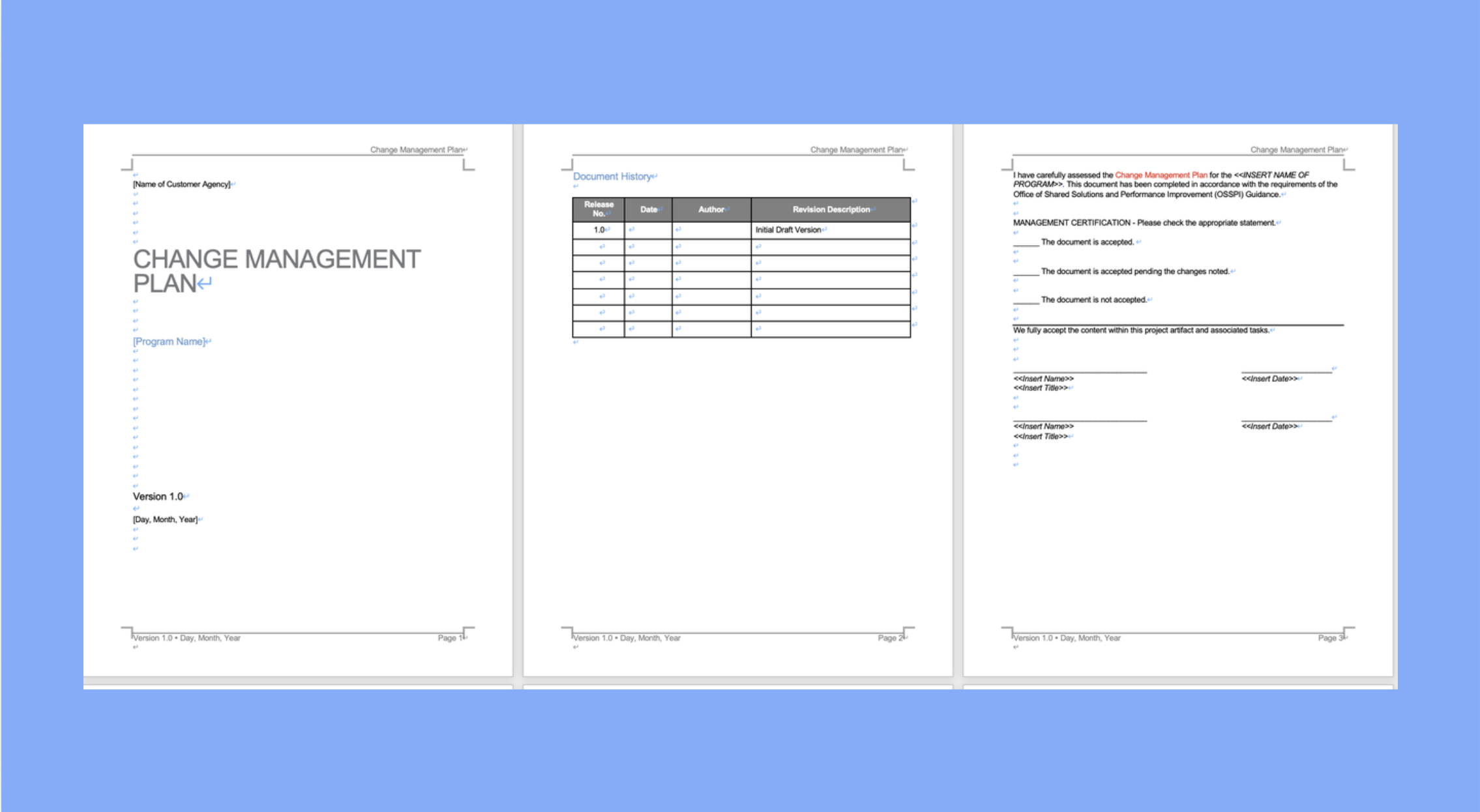
Image source: microsoft.com
Boost your change management with smarter execution
Lark elevates every change management plan beyond static documentation by turning it into an interactive, data-driven system. With Lark, teams can centralize change requests, align ownership, and visualize progress—all in one platform designed for real-time collaboration and accountability.
Connected data vs. scattered spreadsheets: Lark Base links every change record, workflow, and task update in a dynamic dashboard. Teams gain a single source of truth instead of juggling multiple tools.
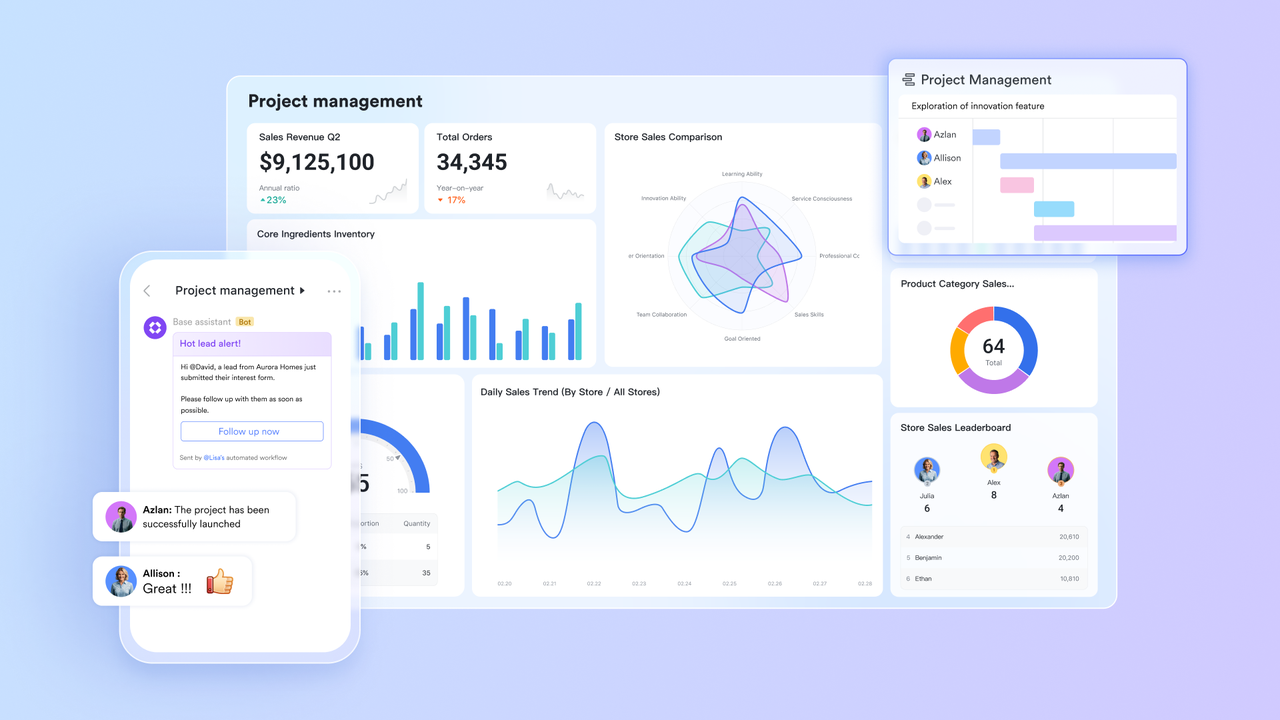
Live collaboration vs. static reporting: Lark Messenger involves functions including comment, @mention, or attaching files directly within each record. Lark keeps discussions transparent and decisions traceable.
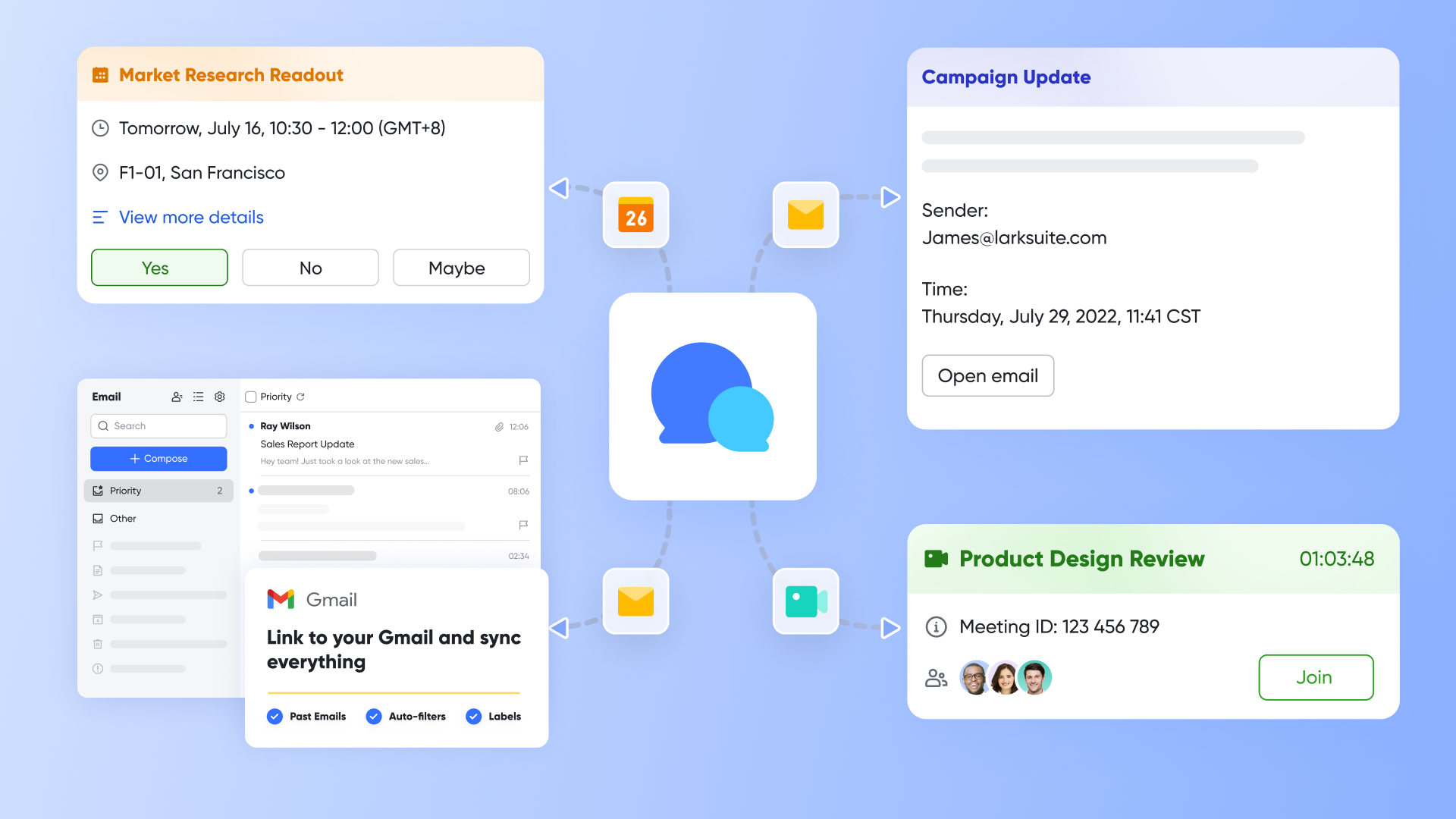
Real-time alignment vs. fragmented updates: Lark Meetings enables teams to discuss and decide on changes instantly through integrated video calls, shared screens, and in-meeting notes. Each discussion can be linked to specific tasks or records, ensuring that decisions are captured and actionable right away.
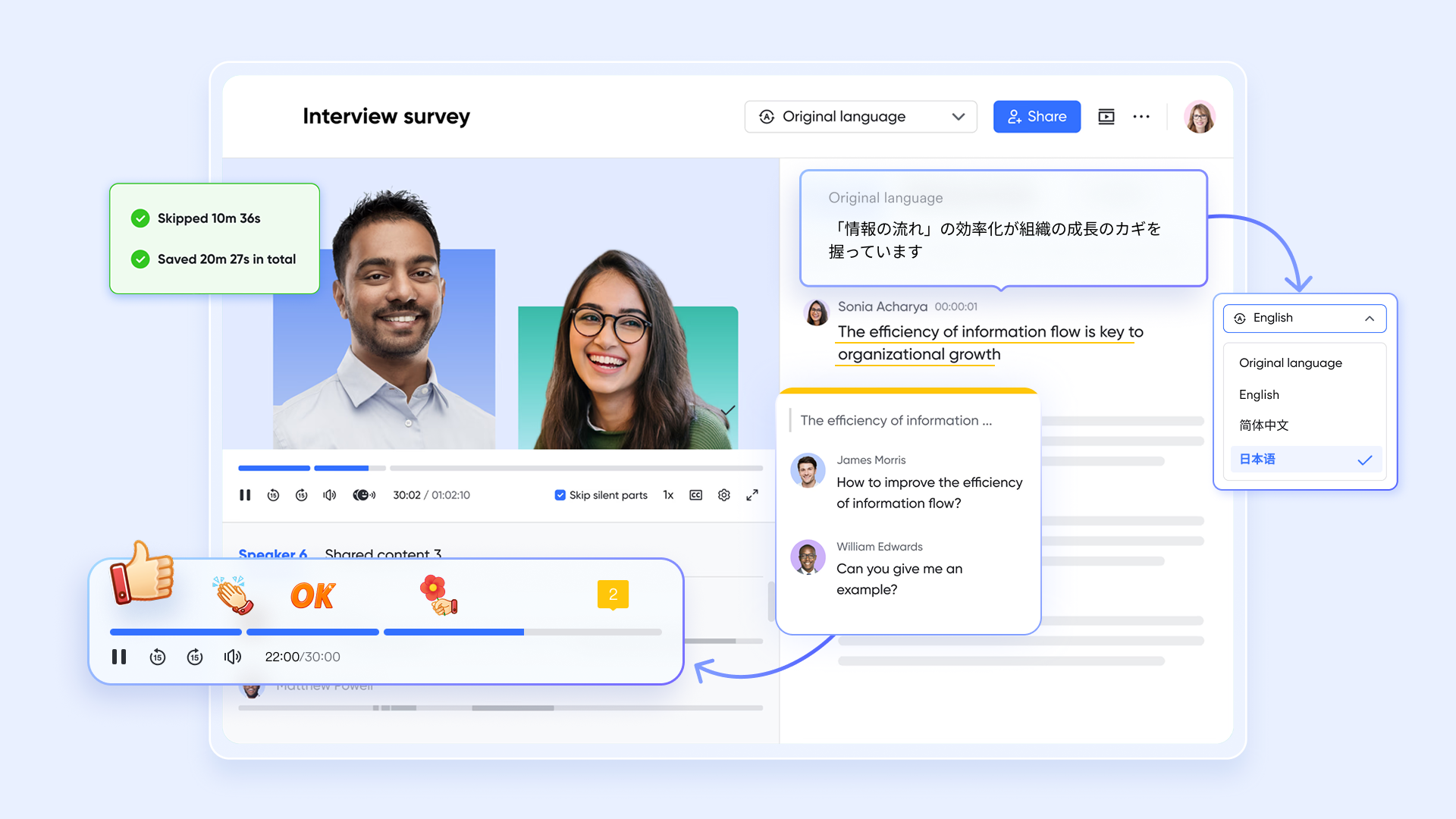
Knowledge sharing vs. scattered documents: Lark Docs & Wiki centralizes all change management materials—from plans and reports to training guides—into one collaborative hub. Teams can co-edit, add comments, or link related pages, making organizational knowledge consistent, accessible, and easy to maintain.
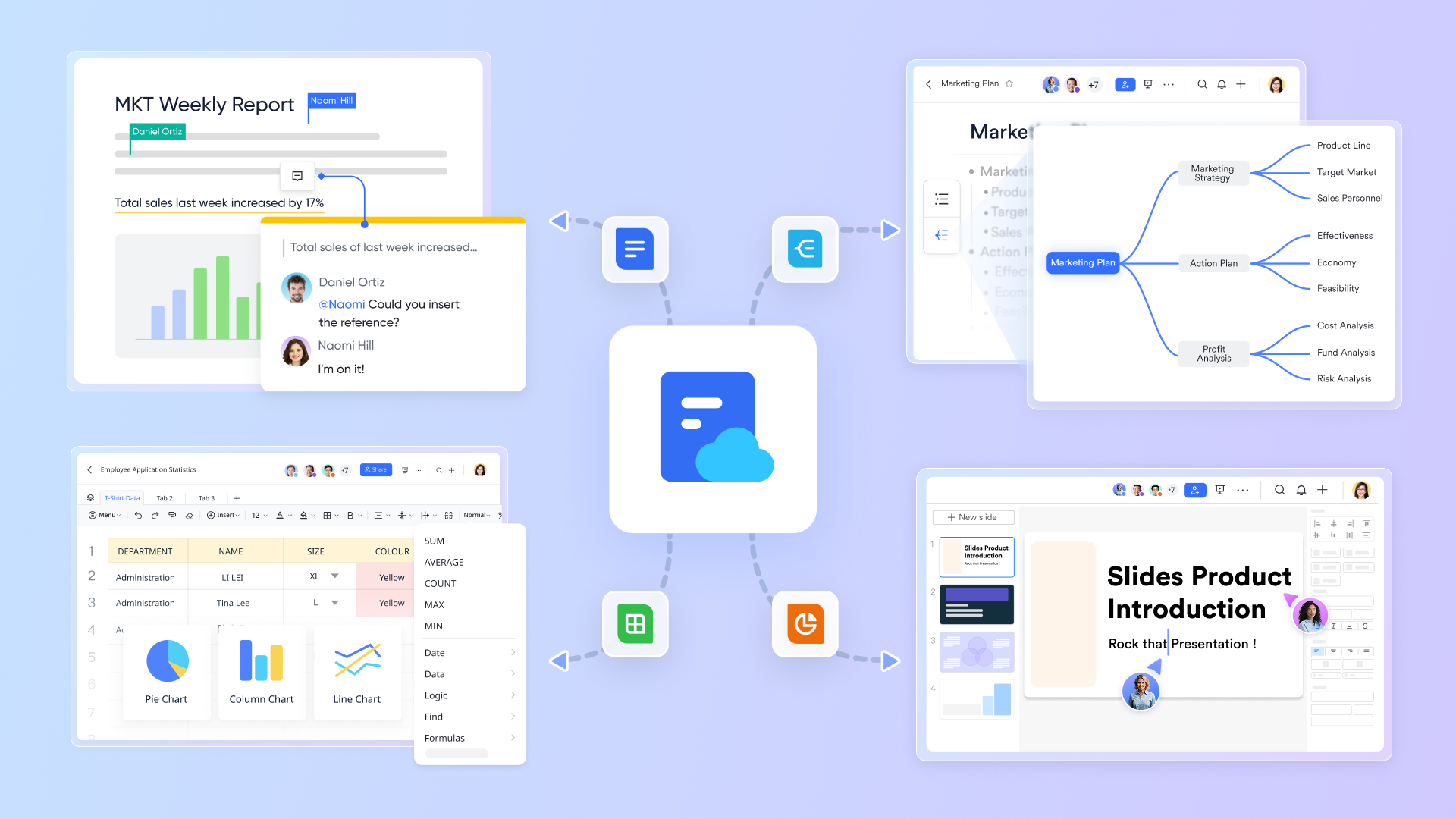
Scalable frameworks vs. fixed templates: Whether you're adjusting one process or leading enterprise-wide transformation, Lark's rich ready-to-use templates scale effortlessly with your organization's evolving needs.
With Lark, a change management plan template becomes more than a guide—it becomes a living system that accelerates adoption, strengthens visibility, and unites every stakeholder behind success. For organizations seeking to turn change plans into results, Lark's templates aren't just tools—they're a shortcut to smoother, more successful transitions.
Benefits of using change management plan templates
A structured change management plan template serves as a strategic framework that transforms how organizations navigate transformation. By providing a consistent approach to managing transitions, it turns potential disruptions into opportunities for growth and improvement. This systematic methodology delivers five key advantages that collectively strengthen project outcomes and organizational resilience.
- Accelerates successful adoption: A well-defined plan systematically addresses resistance by clarifying the purpose and benefits of change. It provides tailored training and support to bridge skill gaps, ensuring employees feel equipped for new ways of working.
- Enhances project predictability: Structured planning establishes clear milestones and success metrics from the outset, enabling precise progress tracking. Proactive risk identification allows teams to develop mitigation strategies before issues escalate.
- Strengthens organizational alignment: The template fosters executive unity by creating a shared vision and consistent messaging across leadership levels. It maintains employee engagement through transparent communication and meaningful involvement in the change process.
- Optimizes resource utilization: By minimizing operational disruption through careful planning and phased implementations, the template protects productivity. It prevents redundant efforts by applying proven methodologies across all change initiatives.
- Builds sustainable change capability: The reusable nature of the template institutionalizes best practices and lessons learned from previous initiatives. It creates a measurable framework for evaluating ROI and refining future change strategies.
Adopting a simple change management plan template ultimately transforms how your organization approaches transformation, turning each initiative into a building block for future success while creating a culture adaptable to evolving market demands.
Conclusion
A well-structured change management plan template is the foundation for guiding transformation with clarity and control. It turns complex initiatives into manageable steps by defining goals, responsibilities, and communication flows. Yet, the true impact of any plan depends on how easily teams can collaborate and execute it. That’s why many organizations choose Lark. By combining Docs, Base, and automated workflows in one unified workspace, Lark transforms static templates into dynamic, trackable systems—making it easier to plan, document, and manage change from start to finish. Try Lark’s templates to experience smarter, more seamless change management.
FAQs
How to write a change management plan?
To write a change management plan, start by defining the purpose and scope of the change. Identify stakeholders, outline communication and training strategies, set success metrics, and establish an implementation timeline. A well-structured change management plan template helps organize these elements and ensures alignment across all teams.
What are the 5 C’s of change management?
The 5 C’s of change management are Clarity, Communication, Collaboration, Commitment, and Celebration. Together, they represent the mindset and actions needed to successfully lead people through transformation—from setting clear goals to recognizing progress.
What are the 7 components of change management?
The 7 core components of change management typically include leadership alignment, stakeholder engagement, communication, training, resistance management, performance tracking, and continuous improvement. Each element ensures that the change is sustainable and delivers measurable impact.
What are the 5 Ps of change management?
The 5 Ps—Purpose, Picture, Plan, Part, and Progress—create a structured approach to guiding organizational change. They help clarify why change is happening, what success looks like, how it will be achieved, who is involved, and how progress will be measured.
Can change management templates be customized for different projects?
Yes, the best change management templates are designed to be flexible and adaptable. They provide a foundational structure that can be customized with specific details, project requirements, and organizational nuances, making them suitable for a wide range of change initiatives, from minor adjustments to major transformations.
Why is a change management plan template important?
A change management plan template ensures every step of the transformation process is clearly defined and easy to follow. It saves time, promotes consistency, and enables teams to focus on execution rather than structuring documentation from scratch.
Related reading
Table of contents
Start using Lark today

Manage all your work in one place
Boost team efficiency by 10x
Save up to 70% on software costs
Table of contents
Start using Lark today
Manage all your work in one place
Boost team efficiency by 10x
Save up to 70% on software costs
Keep reading








2026 Lark Technologies Pte. Ltd.
Headquartered in Singapore with offices worldwide.






Explore: