














Portfolio Management vs Project Management: Detailed Guide

Ryan Tanner
Product Marketing Specialist
Sep 8, 2026
Ryan Tanner
Sep 8, 2026

12 min read


In any growing business, success isn't just about finishing one project—it's about how different efforts work together to reach bigger goals. That's where understanding portfolio management vs project management really matters. Project management focuses on meeting specific goals on time, while portfolio management looks at how all projects fit into the company's overall strategy. When both are handled well, teams stay focused and resources are used wisely.
Software like Lark helps organize and track these efforts, making it easier for leaders to see progress and make better decisions.

What is project management?
Project management is the structured approach to turning an idea or objective into a completed outcome. It involves defining a project's scope, setting timelines, allocating resources, and coordinating people to meet clear, measurable goals. In simple terms, it's about making sure the right work gets done—on time, within budget, and to the expected quality.
When comparing portfolio management vs project management, project management operates at the execution level. It focuses on one project at a time, driving tasks, milestones, and deliverables forward. Project managers handle scheduling, risk control, and stakeholder communication to keep everything on track. Unlike portfolio management, which decides what projects should be pursued, project management is about how to deliver them effectively. By combining structure with adaptability, it ensures each project contributes tangible results—forming the foundation for broader organizational success.
Image source: unsplash.com
What is portfolio management?
Portfolio management is the coordinated oversight of multiple projects or programs to ensure they collectively support an organization's strategic goals. Unlike project management, which focuses on completing individual projects efficiently, portfolio management takes a broader view—prioritizing, selecting, and balancing projects based on their value, risk, and alignment with long-term objectives.
In the debate of project portfolio management vs project management, the portfolio manager's role is more strategic. They decide which projects deserve investment, monitor overall performance, and adjust priorities as business needs change. This helps organizations avoid overcommitting resources and ensures every project contributes to measurable outcomes. In practice, portfolio management acts as the bridge between vision and execution—turning strategy into a manageable set of projects that deliver business impact and sustained growth.
Image source: unsplash.com
Portfolio management vs project management: Key differences
Focus
- Project management focuses on delivering specific project outcomes within time, cost, and quality parameters.
- Portfolio management ensures all projects collectively align with business strategy and deliver maximum organizational value.
Time Horizon
- Project management operates on a short to medium-term basis, tied to individual project timelines.
- Portfolio management has a long-term perspective, balancing ongoing and future initiatives to support strategic growth.
Ownership
- Projects are led by project managers responsible for day-to-day execution.
- Portfolios are managed by portfolio managers or a PMO, focusing on strategic alignment and prioritization.
Metrics
- Project management success is measured by schedule adherence, budget control, and deliverable quality.
- Portfolio management evaluates ROI, risk exposure, and resource efficiency across all projects.
Decision-making
- Project managers make tactical decisions to keep their projects on track.
- Portfolio managers make strategic decisions, determining which projects to start, pause, or retire based on performance and value.
Tools
- Project management uses task-tracking and scheduling tools for execution and monitoring.
- Portfolio management relies on dashboards, performance analytics, and tools like Lark Base for visibility and strategic planning.
Connecting portfolio and project management in Lark
Connecting portfolio and project management in one place allows organizations to turn strategy into action without losing sight of progress. An effective portfolio system goes beyond static dashboards—it builds transparency, accountability, and coordination across all levels. With a platform like Lark, teams can plan, execute, and review projects within the same workspace.
Portfolio managers track goals, budgets, and performance, while project managers handle daily execution. Real-time updates and shared visibility ensure that leadership decisions align with ongoing work. This unified approach reduces silos, speeds up decision-making, and keeps every project connected to overall business objectives.
Lark Base: Portfolio visualization and tracking
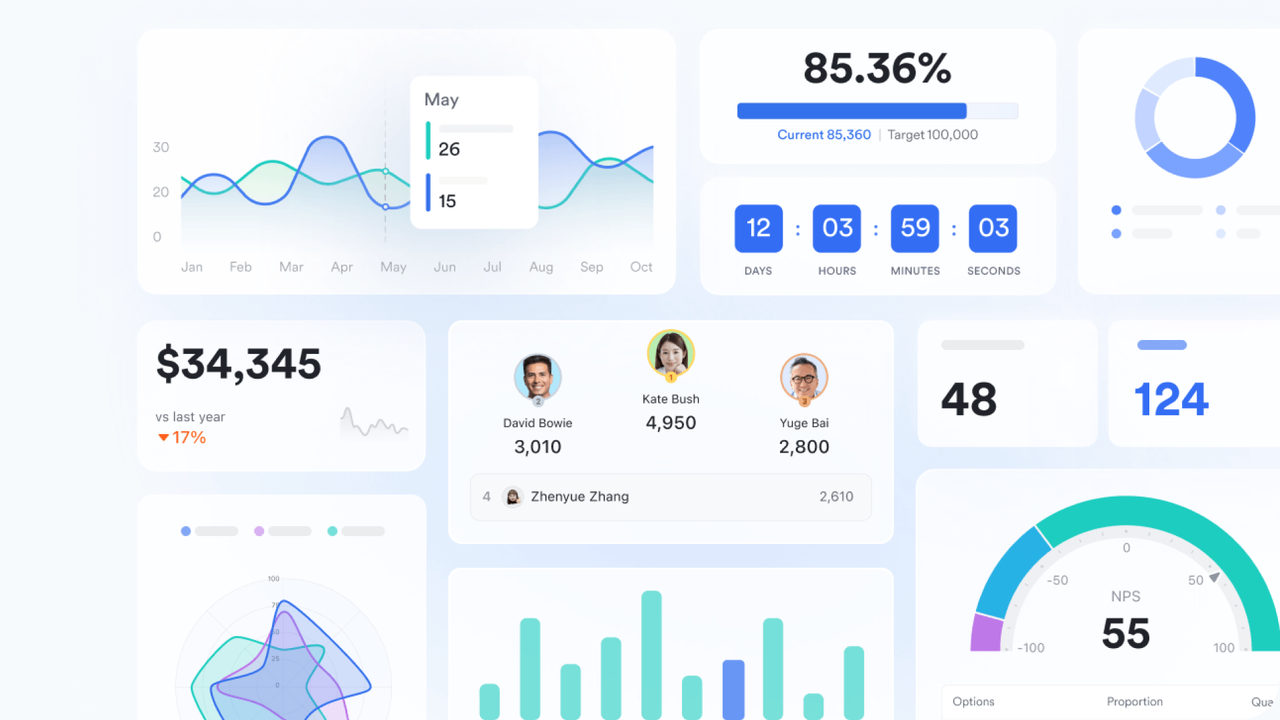
Lark Base is a powerful tool for managing portfolio vs project management, offering a centralized view of all ongoing initiatives. With Base, organizations can create a live portfolio dashboard that displays every active project, assigned owners, budgets, and progress in real time. This transparency allows leadership to quickly assess project performance across departments, goal areas, or strategic objectives using filterable dashboards. Managers can add custom fields for ROI, resource utilization, or risk level, providing deeper insights into how projects contribute to organizational value.
Automated workflows further enhance efficiency by sending status updates and alerts for delayed or at-risk projects, reducing manual tracking. By connecting portfolio-level oversight with project-level execution, Lark Base helps teams prioritize initiatives, allocate resources effectively, and maintain alignment with long-term business goals.
Example: The leadership team can view project performance by department or goal area using filterable dashboards.
Lark Tasks: Project-level execution clarity
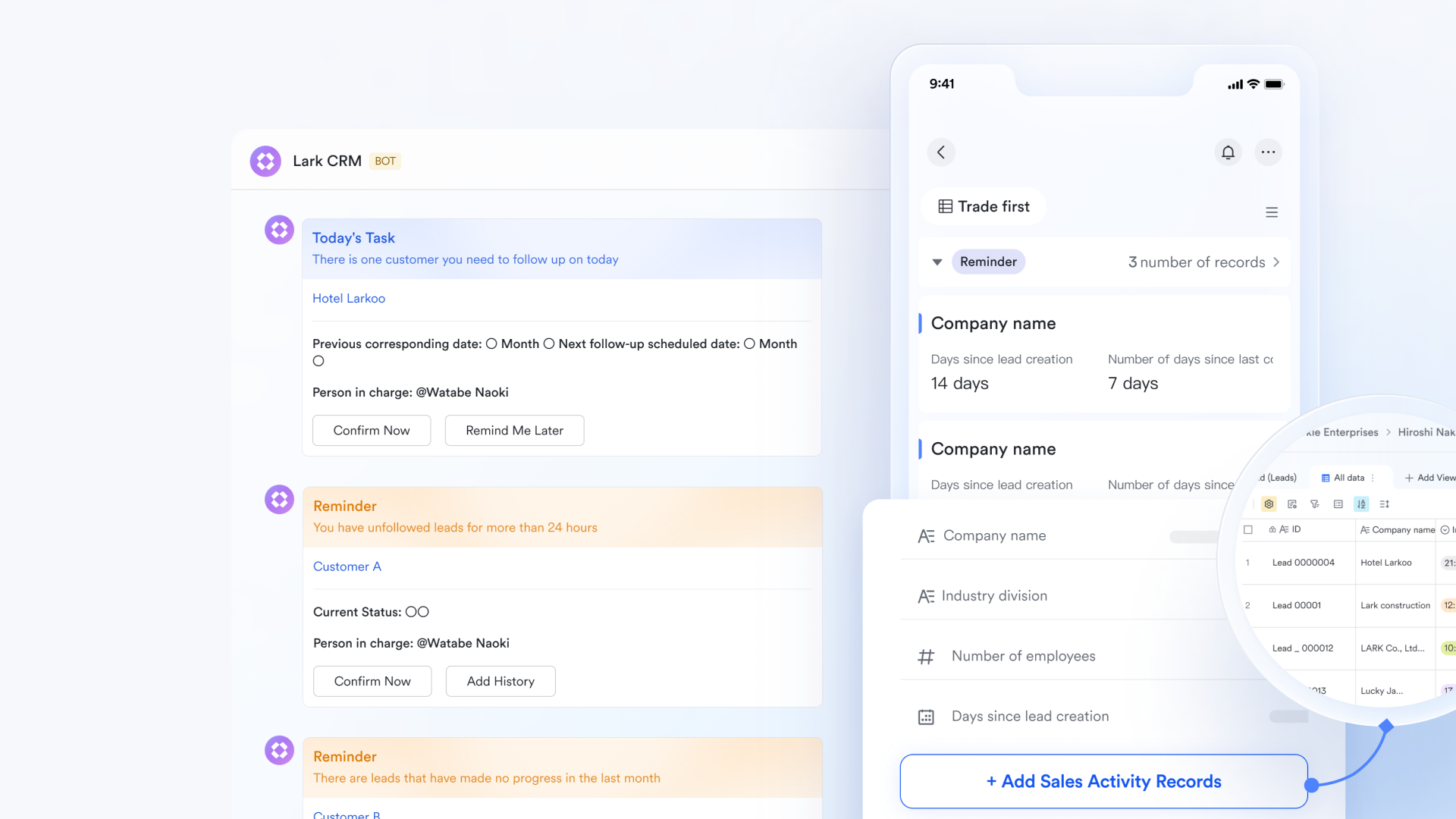
Lark Tasks provides the detail and structure needed to manage project management vs project portfolio management effectively. Every project tracked in Lark Base connects seamlessly to Tasks, allowing daily actions to be clearly assigned, prioritized, and monitored. This ensures that project managers and team members have a focused view of responsibilities, deadlines, and progress.
Real-time updates from Lark Tasks flow back to the portfolio dashboard, giving leadership a live view of progress without manual reporting. By linking day-to-day execution with strategic oversight, Lark Tasks helps organizations maintain alignment across multiple initiatives, optimize resource use, and improve overall accountability. It bridges the gap between individual project delivery and portfolio-level visibility, making execution more efficient and transparent.
Example: When a project milestone in Base moves to "Execution," linked tasks are automatically assigned to team members.
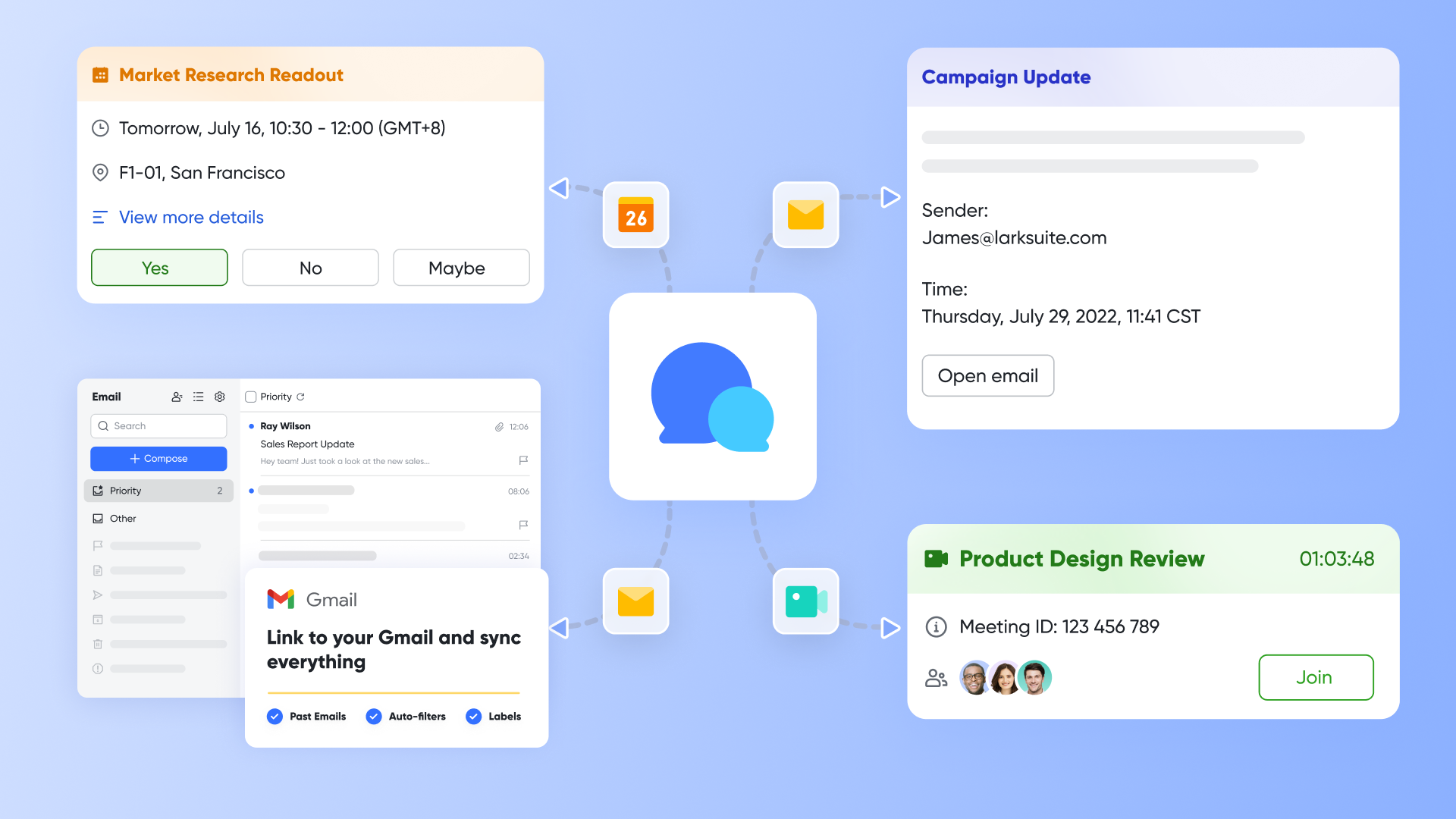
Lark Messenger & Lark Meetings: Strategic and operational communication
Effective communication is crucial for linking portfolio management vs project management, and Lark Messenger and Lark Meetings make this seamless. Cross-functional teams can discuss project priorities, risks, or updates directly in Messenger, with chats linked to relevant Base records for easy reference. This ensures that conversations are connected to real project data, reducing misunderstandings and information gaps.
Lark Meetings further enables portfolio reviews or check-ins with dashboards shared live on screen, allowing executives and project managers to analyze progress and make informed decisions together. By combining real-time chat, meetings, and linked project data, Lark strengthens strategic and operational communication, ensuring every team stays aligned with overall organizational goals.
Example: During a portfolio review, a PMO lead can identify a project at risk and initiate a focused discussion in Messenger, followed by an instant video meeting to resolve issues quickly.
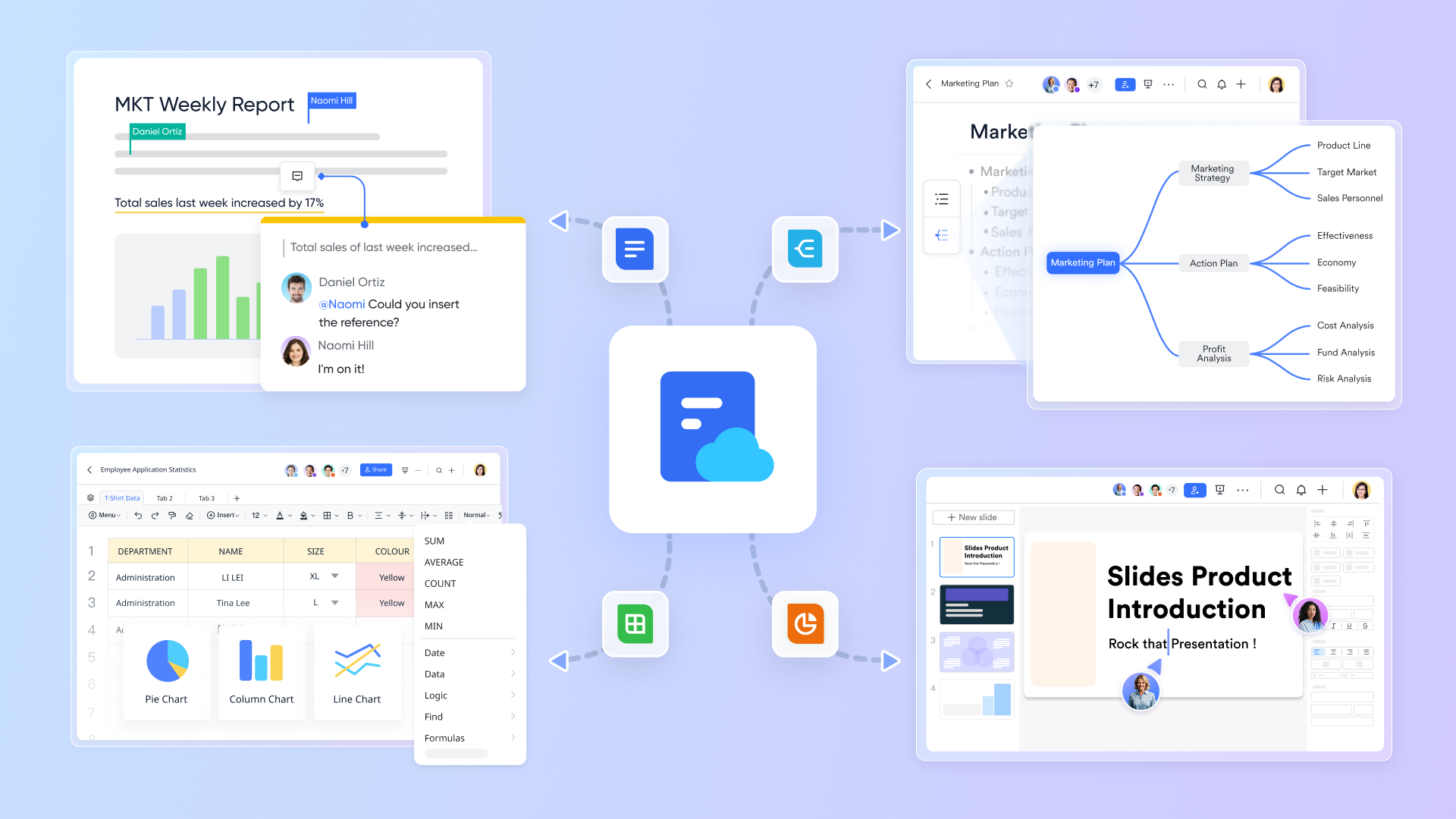
Lark Docs & Sheets: Planning, reporting, and insights
Lark Docs and Lark Sheets play a vital role in connecting portfolio management vs project management by providing a centralized space for planning, documentation, and performance tracking. Lark Docs allows teams to create detailed project plans, strategy documents, and governance notes, ensuring that all stakeholders have access to the latest information.
Lark Sheets consolidates performance metrics across multiple projects, giving portfolio managers and executives a clear picture of resource allocation, timelines, and risks. This seamless flow of information eliminates manual reporting, enhances transparency, and helps leaders make informed strategic decisions. By linking planning documents, performance metrics, and portfolio dashboards, Lark Docs and Sheets ensure that execution stays aligned with organizational priorities.
Example: Monthly portfolio reports auto-sync from Sheet into Base, giving decision-makers a live view of KPIs like budget variance and project health.
- Starter plan: Free forever plan that includes 11 powerful tools for up to 20 users. It also comes with 100GB of storage, 1000 automation runs, AI translations, and more.
- Pro plan: $12/user/month (billed annually) for up to 500 users. It includes everything in Starter plus group calling for up to 500 attendees, 15TB of storage, 50,000 automation runs, and more.
- Enterprise plan: Contact sales for custom pricing. Supports unlimited users and includes even more automation runs and advanced security, compliance, and management features.
Benefits of effective portfolio and project management alignment
When portfolio management and project management work in sync, organizations achieve a balance between strategic direction and on-ground execution. This alignment ensures every initiative contributes meaningfully to business goals while reducing inefficiencies and blind spots. It transforms fragmented efforts into a cohesive, results-driven system.
- Strategic visibility and alignment across initiatives: Alignment provides leaders with a clear view of how every project supports broader objectives. It ensures resources are spent on the right priorities rather than scattered across disconnected efforts.
- Optimized resource allocation and reduced redundancy: With shared oversight, teams avoid overlapping tasks and duplicate investments. Resources—time, talent, and budget—are distributed where they create the most impact.
- Improved risk management: Cross-project visibility helps identify risks early and evaluate their ripple effects. Portfolio managers can then adjust priorities to mitigate potential disruptions.
- Faster decision-making and prioritization: Real-time data from integrated systems speeds up approvals and strategic shifts. Leaders can reallocate or pause projects instantly based on performance or changing goals.
- Stronger communication between executive and delivery teams: Transparent dashboards and consistent reporting bridge strategy with execution. Executives see progress clearly, while project teams receive timely guidance and feedback.
Portfolio management vs project management examples
- Example 1: A construction firm uses portfolio management to evaluate which projects to approve based on strategic priorities, potential ROI, and resource availability. This ensures that investments are directed toward the most impactful initiatives. Once a project is approved, project management takes over at the execution level. Site managers coordinate tasks, monitor timelines, control costs, and ensure quality standards are met for each construction site.
- Example 2: A SaaS company managing multiple initiatives—product development, marketing campaigns, and customer success projects—leverages project management tools like Lark Base to integrate project portfolio management and project management. Portfolio managers track all initiatives, prioritize projects based on strategic impact, and allocate resources effectively. Project managers then use Lark Tasks to oversee day-to-day execution, assign responsibilities, and monitor progress. Real-time updates flow from Tasks into Base, providing leadership with insights into project health, deadlines, and ROI.
Conclusion
Portfolio and project management serve distinct but complementary purposes: portfolio management sets the strategic direction, while project management drives day-to-day execution. When both are aligned, organizations can prioritize initiatives, allocate resources effectively, and ensure every project contributes to broader business goals.
Tools like Lark help unify these functions by providing visibility at the portfolio level while supporting detailed project execution. Real-time updates, linked dashboards, and centralized reporting reduce the need for multiple disconnected systems. By connecting strategy with delivery, Lark enables teams to work efficiently, keeps leaders informed, and ensures that organizational objectives are met in a measurable and streamlined way.
FAQs
What is the main difference between project and portfolio management?
Lark helps illustrate the distinction between the two: project management focuses on completing a specific initiative within time, budget, and scope, while portfolio management looks at how multiple projects collectively serve strategic business goals. With Lark's unified workspace, leaders can oversee both levels—ensuring projects not only finish efficiently but also contribute to long-term priorities.
Can one person manage both portfolios and projects?
Yes, especially in smaller organizations or startups, a single manager might oversee both. However, as operations scale, separating the roles ensures clearer accountability—portfolio managers focus on prioritization and alignment, while project managers handle execution and delivery.
How do tools like Lark simplify portfolio tracking?
Lark simplifies tracking by bringing projects, data, and communication into one platform. Portfolio dashboards show real-time progress and risks, while automated updates from project teams reduce manual reporting—helping leaders make faster, data-backed decisions.
Is portfolio management only for large enterprises?
Not at all. Even small and mid-sized businesses benefit from portfolio management by aligning limited resources with high-impact projects. It helps growing organizations stay strategic, avoid duplication, and focus efforts where they drive the most value.
How can Lark Base and Tasks work together for PMOs?
Lark Base gives PMOs a high-level portfolio view—tracking performance,the budget, and progress—while Lark Tasks manages execution at the project level. Together, they sync updates automatically, ensuring every task contributes to portfolio goals and improves visibility across all initiatives.
Related reading
Table of contents
Start using Lark today

Manage all your work in one place
Boost team efficiency by 10x
Save up to 70% on software costs
Table of contents
Start using Lark today
Manage all your work in one place
Boost team efficiency by 10x
Save up to 70% on software costs
Keep reading







2026 Lark Technologies Pte. Ltd.
Headquartered in Singapore with offices worldwide.






Explore: