A perfect project plan is a myth. When a project kicks off, gaps in knowledge—regarding vendor timelines, budget approvals, or resource availability—are inevitable. To bridge these gaps and keep the initiative moving, project managers rely on project assumptions: Educated guesses that serve as temporary facts.
However, treating these placeholders as guarantees is dangerous. An unmonitored assumption is simply a risk waiting to happen. This guide explores the critical role of assumptions in project management, detailing how to identify them early and validate them before they turn into costly roadblocks.
What are project assumptions?
At its core, a project assumption is a factor you believe to be true for the sake of planning, even without empirical proof. It acts as a "temporary fact" that fills the inevitable blanks in your , budgets, or resources. Without these placeholders, planning would grind to a halt; they allow you to build a coherent schedule and move the project forward despite facing uncertainty.
Think of it like planning a road trip: You assume the highways are open so you can map a route, even though you cannot guarantee traffic conditions. However, unlike a random guess, assumptions of a project must be based on historical data or expert judgment. Stating that "The API will be ready by March 1st" is a calculated expectation—one that allows the team to proceed but requires constant monitoring until it becomes a verified fact.
The big confusion: Assumptions vs. constraints vs. risks
One of the most common hurdles in the planning phase is distinguishing between these terms. When you are sitting in a kickoff meeting, ideas and limits often blur together. However, mixing them up leads to a plan that misrepresents reality. Here is how to categorize them correctly to build a solid roadmap.
Assumptions vs. constraints
The difference comes down to certainty and control.
- An assumption is a "leap of faith"—it is internal logic you use to keep planning moving despite missing facts (e.g., "We assume the software license will cost $500").
- A constraint is a "hard box"—it is an external limitation imposed upon you that dictates how you work (e.g., "The budget cap for software is strict at $600").
- The litmus test: Ask yourself, "Is this a guess I need to prove, or a rule I must obey?" If you need to verify it, it is an assumption. If you have to work around it, it is a constraint.
To know more about project constraints 👉
Assumptions vs. risks
These are often the same events viewed through different lenses: optimism vs. pessimism.
- An assumption is the optimistic view, used to build your schedule (e.g., "The vendor will deliver the hardware by Friday").
- A risk is the pessimistic reality check, used to plan for failure (e.g., "The vendor might be delayed, pushing back installation").
- The Strategy: Every unvalidated assumption creates a hidden risk. If your plan relies on 50 assumptions, you implicitly have 50 risks. The goal of project management is to validate those assumptions early, effectively "deleting" the risks from your register.
To know more about project risks 👉
Why are project assumptions important?
If assumptions carry a degree of uncertainty, you might wonder why we rely on them at all. Why not wait for facts? The reality is that project assumptions are the fuel that prevents analysis paralysis.
- They enable planning to proceed: In the early stages of the , ambiguity is high. If a project manager stops to verify every single variable, the project initiation phase would drag on for months. Assumptions project management techniques allow teams to bridge the gap between "what we know" and "what we need to do." They provide a baseline. Once the project is in motion, you can replace these assumptions with facts as they become available.
- They and alignment: Implicit assumptions are dangerous. If a stakeholder assumes a feature is included, but the engineering team believes it is out of scope, you have a recipe for conflict. By explicitly documenting assumptions in project management, you force these hidden expectations into the open. Writing them down creates a shared reality for the team. It ensures that everyone agrees to the same set of working conditions.
- They are the first line of risk management: There is a direct link between assumptions and risks. In fact, many and assumptions examples are two sides of the same coin. When you identify an assumption (e.g., "We assume the hardware arrives on time"), you automatically identify a risk ("The hardware might arrive late"). By listing your assumptions, you are effectively creating a preliminary risk register. This proactive approach allows you to monitor the stability of your plan. If an assumption proves false, you can trigger a contingency plan immediately, rather than being blindsided by a crisis.
Centralize your project assumptions for better clarity
Types of project assumptions
To ensure you aren't missing critical gaps in your plan, it helps to categorize your thoughts. If you only focus on the budget, you might miss a massive assumption about your team's skill level. By scanning through different categories, you can uncover hidden beliefs that need to be documented. Most project management assumptions fall into four primary buckets.
- assumptions: These relate to the people doing the work. In modern knowledge work, people are the most variable variable. We often assume that our team will remain constant, healthy, and focused, but life happens. This category covers availability, productivity rates, and the specific skills required to complete tasks.
- : Unless you have a fixed-price contract already signed, most financial figures in a project charter are estimates. These assumptions cover the cost of labor, materials, software licensing, and even currency exchange rates for global projects. Financial assumptions are critical because if they are wrong, the project might be technically successful but financially unviable.
- assumptions: Time is the resource we can never get back. Schedule assumptions usually involve the duration of tasks and the "wait time" between steps. We assume approvals will happen quickly or that feedback loops will be short. This is where the "Optimism Bias" hits hardest, as we rarely plan for the worst-case scenario when estimating timelines.
- Scope and technical assumptions: These are specific to the deliverables. In IT project assumptions, for example, this often involves how different systems will talk to each other. You might assume a legacy database is clean and ready for migration, or that a new software tool has a specific feature your team needs. If these technical assumptions prove false, the scope of the project can explode instantly.
Examples of project assumptions
Theory is useful, but seeing how it applies to real-world scenarios is better. To move beyond generic checklists, let's look at three specific examples of project assumptions and the that help you manage them.
The "rate stability" assumption
Statement: "We assume the currency exchange rates and vendor quotes listed in the proposal will remain valid for the next 60 days without fluctuation."
Why it matters: When , you are freezing a moment in time. If the market shifts before approval, your project starts in the red. Documenting this assumption protects you from being blamed for market-driven cost overruns.
Recommended template: Use this to clearly list your financial assumptions alongside your cost breakdown, ensuring stakeholders know exactly what the numbers are based on.
The "proactive execution" assumption
Statement: "We assume task owners will update their progress status within 24 hours of completion and without requiring manual follow-up."
Why it matters: Project managers often assume the project board reflects reality. However, if the team does the work but fails to update the tool, you are making decisions based on old data. This assumption clarifies that accurate, timely reporting is a team responsibility, not just administrative work.
Recommended template: Enforce this discipline with this . It automates the "nagging" process, sending alerts when deadlines approach to ensure your assumption of timely updates holds.
The "standardized format" assumption
Statement: "We assume all incoming media assets will be tagged according to the new taxonomy and provided in high-resolution formats ready for upload."
Why it matters: Content projects often stall because the raw input is messy. If you assume the data is ready to go, but it arrives disorganized, your team loses weeks to manual cleanup. Stating this assumption upfront puts the quality responsibility on the contributor.
Recommended template: Enforce your standards early with this . It provides a rigid structure for asset collection, ensuring that what you assume you are getting is what actually arrives.
The reality check: Listing these examples is not just paperwork—it is a defensive strategy. These statements draw a line in the sand. They tell your stakeholders: "This is the plan based on current facts. If the budget shifts, the handoffs miss, or the data is messy, we use these templates to adjust the plan immediately."
How to identify project assumptions?
Now that we've defined the types, the challenge lies in spotting them. Identifying assumptions is difficult because they often masquerade as facts; we rarely question what feels obvious. To uncover them, you must shift from passive planning to active interrogation—essentially poking holes in your own strategy. Here are three effective methods to surface these hidden beliefs before they become risks.
The "assumption-busting" workshop
Most teams discuss tasks, but rarely do they discuss the beliefs behind those tasks. Dedicate a specific session—or at least a segment of your kickoff meeting—to what I call "assumption busting."
In this session, present the or the timeline to the team. Then, instead of asking "Is this plan good?", ask "What needs to go right for this plan to work?"
This simple rephrase changes the brain's focus. Suddenly, team members aren't critiquing the work; they are . You will hear things like:
- "Well, for the design to be done by Friday, we need the client to reply to our email today." (Assumption: Client responsiveness).
- "For the code to deploy, the server team needs to open that port." (Assumption: IT cooperation).
Record every single "If... then..." statement. Each one is an assumption that needs to be logged.
Reviewing historical data
Optimism is innate; we tend to assume this endeavor will be different. We tell ourselves: "The last migration took six weeks, but we're better equipped now—we can wrap it up in four."
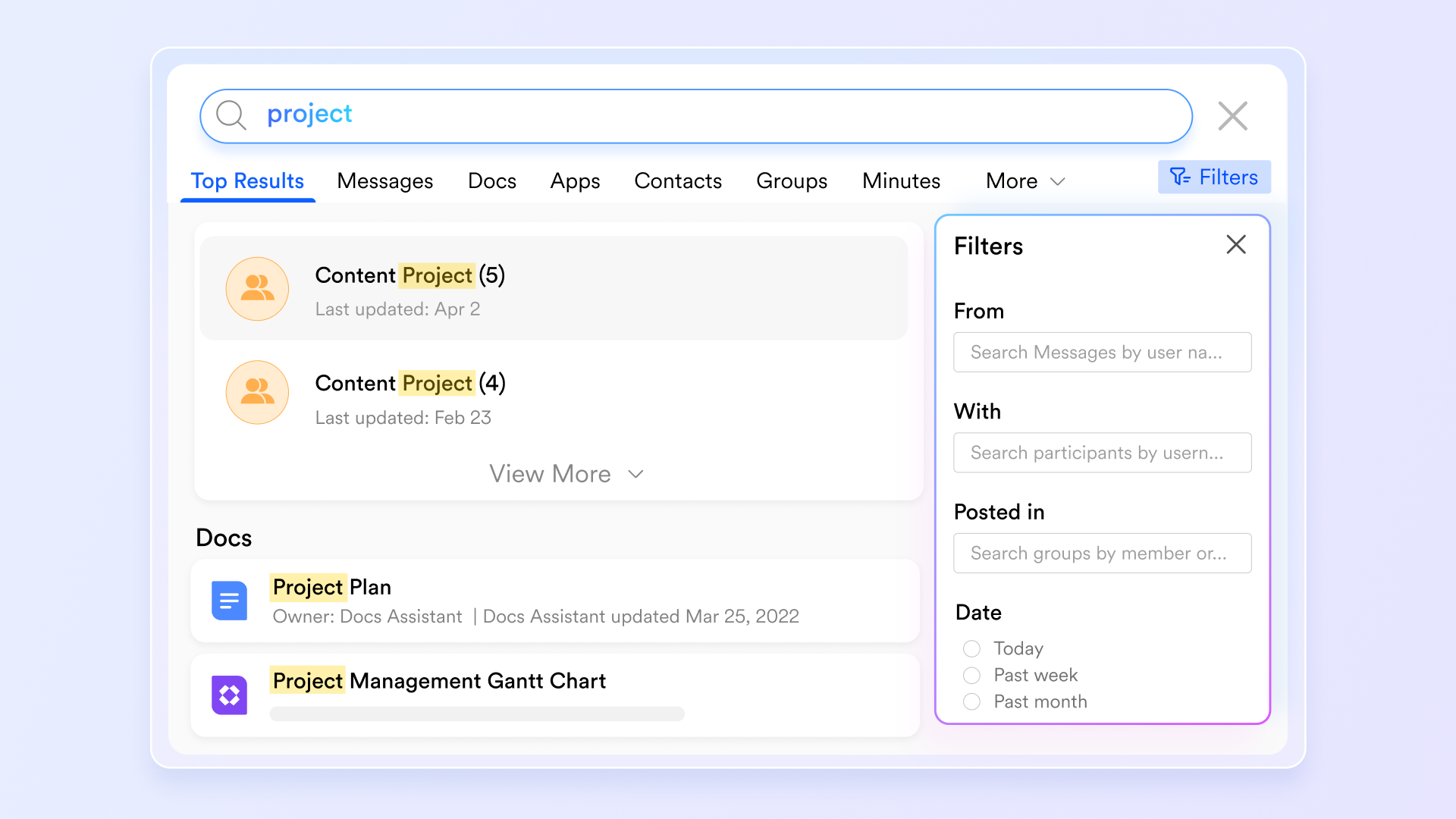
This is where historical data proves indispensable. Skip guesswork; tap into your organizational memory. On collaborative platforms like , search for documents and chat history from similar past projects—prioritize post-mortems and lessons learned reports.
Did the vendor meet deadlines last year? Did the budget fully cover the scope? If data shows a task typically takes three weeks, but your current plan allows only two, you've identified a high-risk assumption. Validating new plans against historical benchmarks is one of the most reliable ways to spot unsubstantiated assumptions in project management.
Stakeholder interviews
Your project sponsors and clients have assumptions too, and theirs are often the most dangerous because they relate to the outcome. A stakeholder might assume that "mobile-friendly" means "a native iOS app," while you assume it means "a responsive website."
Conduct short interviews with early on. Ask probing questions:
- "What are you most worried will go wrong?"
- "What is your expectation for how often we will communicate?"
- "Is there any upcoming organizational change that might impact this team?"
Their answers will reveal the constraints and assumptions of a project that aren't written in the official requirements document.
Brainstorm assumptions collaboratively with your team
How to write assumptions for a project
Once you have identified these potential pitfalls, write them down. But simply scribbling "budget might be tight" isn't enough. Vague assumptions lead to vague management. To be useful, project assumptions need to be specific, measurable, and tied to an owner.
Here is a framework for writing effective assumptions that will actually help you manage risk.
Be specific and measurable
Avoid generalities. A statement like "We assume the team will work hard" is useless because it cannot be proven or disproven. Instead, aim for precision.
- Bad: "Resources will be available."
- Good: "Two senior developers will be available 100% of the time for the duration of the 4-week sprint."
The second version gives you clear criteria for success. If one developer is pulled away for two days, you immediately know the assumption has been violated, and the plan is at risk. When writing examples of assumptions in project management, always ask: "How will I know if this is false?"
Assign an owner to every assumption
An assumption without an owner is just a wish. For every item you log, assign a team member who is responsible for validating it.
If the assumption is "The server arrives by Friday," the owner should be the IT lead or the procurement manager. Their job isn't necessarily to make the server arrive, but to monitor the situation. They are the ones who check the tracking number. If Wednesday comes and the server hasn't shipped, they are the ones who raise the red flag.
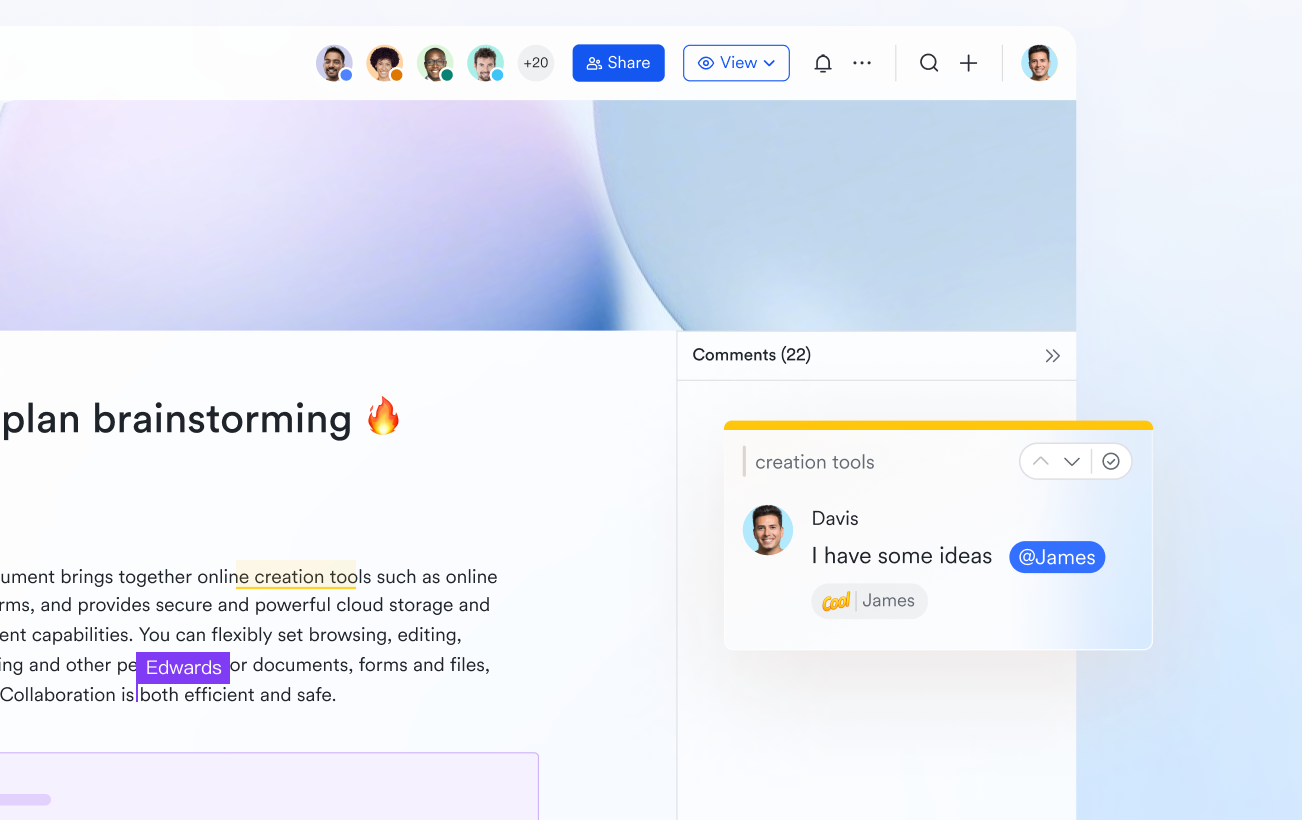
In tools like , you can easily use mentions (@name) right next to the assumption to assign this responsibility clearly. This ensures that someone is always watching the radar.
Connect the assumption to the impact
Finally, understanding the "So what?" is crucial. If this assumption proves false, what happens?
When documenting your list, include a brief note on the impact.
- Assumption: Client provides feedback within 24 hours.
- Impact: If delayed, the design phase pushes into the development sprint, risking the launch date.
This context . An assumption with a minor impact (e.g., "The meeting room has a projector") doesn't need as much monitoring as one with a major impact (e.g., "Funding is approved"). This practice helps you build a more , turning a simple list into a strategic tool for navigating uncertainty.
Managing project assumptions with Lark
Then, let's look at how to move this process out of dusty spreadsheets and into a . Tools like are designed to bridge the gap between static documentation and active collaboration, which is exactly what modern assumption management requires.
Collaborative documentation and validation
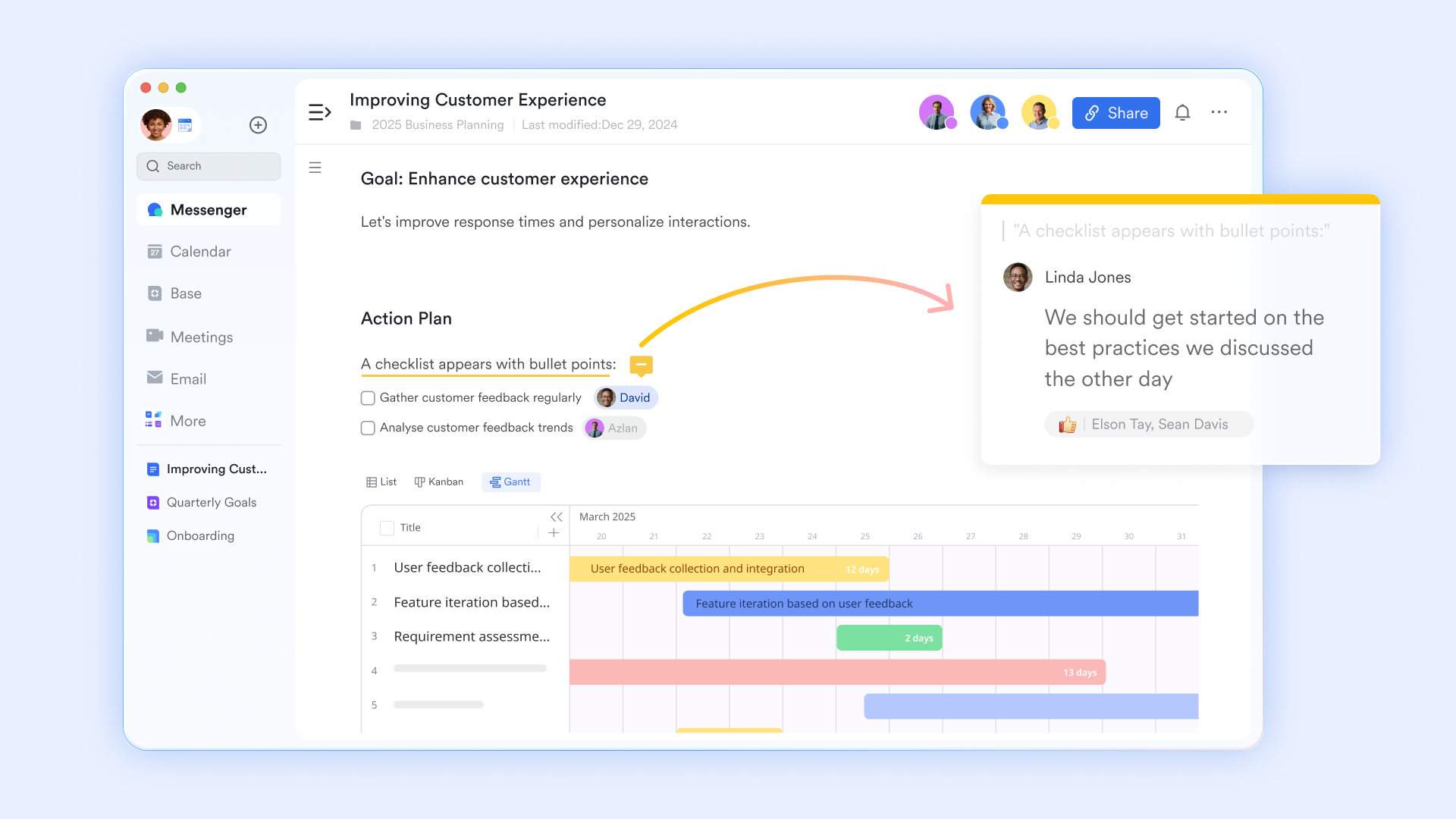
Instead of emailing versions of a Word doc back and forth, keep your in . You can list your examples of project assumptions right there in the main plan. The power here is the comment function. You can highlight a specific assumption—say, about resource availability—and @mention the engineering lead to ask, "Is this still accurate?" They can reply inline, validating or correcting the assumption without a meeting. This turns your plan into a conversation rather than a monologue.
Automating your assumption tracker
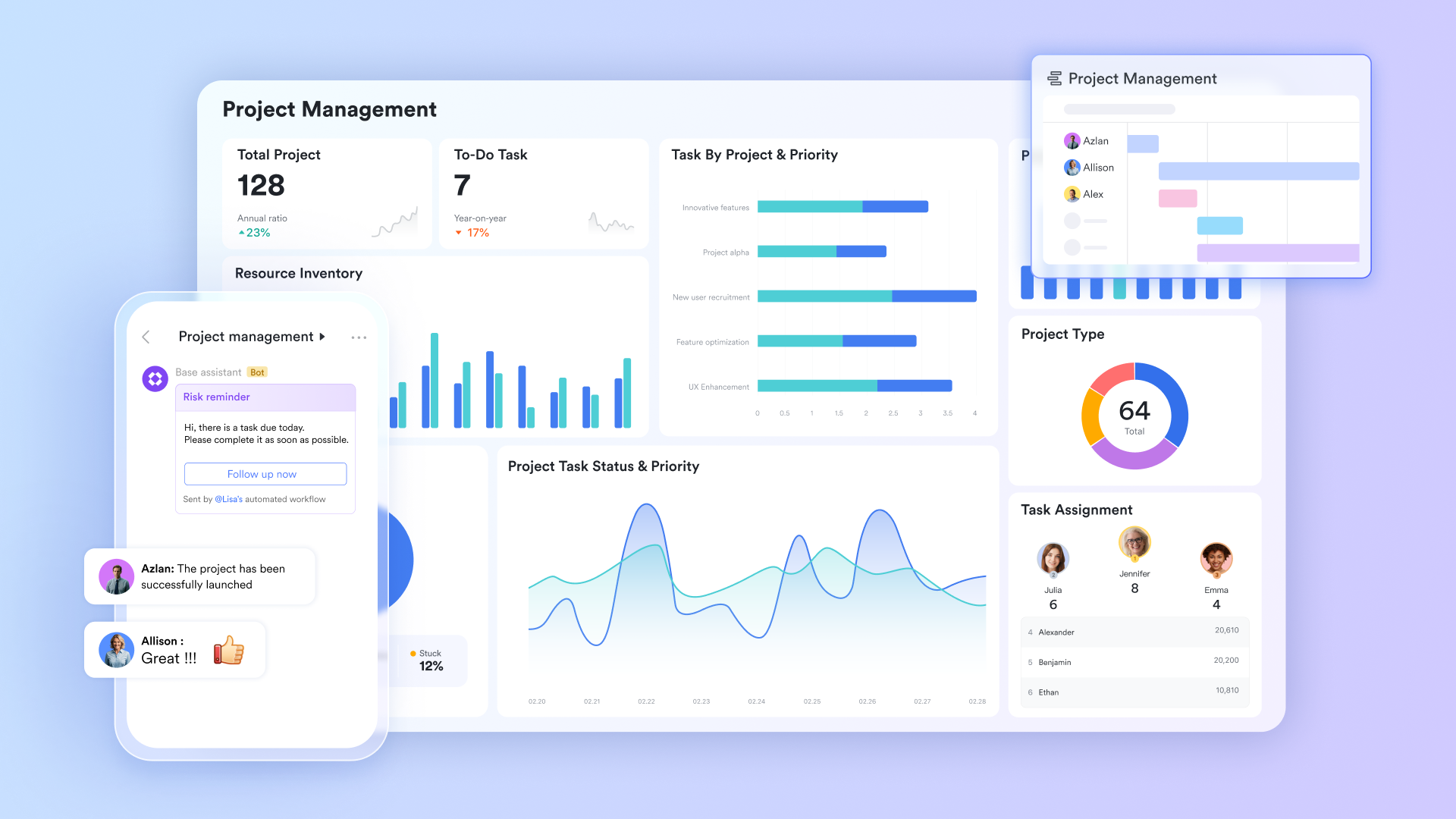
For the actual tracking, is a game-changer. You can build a custom RAID log that does more than just hold text—it actively monitors your project health.
Filters: Create a specific view that filters only for "High Impact" assumptions, so you see what matters immediately. Automations: Set up a rule where if an assumption's status changes to "False," the system automatically notifies the project manager via a dedicated message card. Views: Use the Gantt view to link your time-based assumptions directly to your schedule. If an assumption about a delivery date slips, you can instantly see the ripple effect on your milestones. 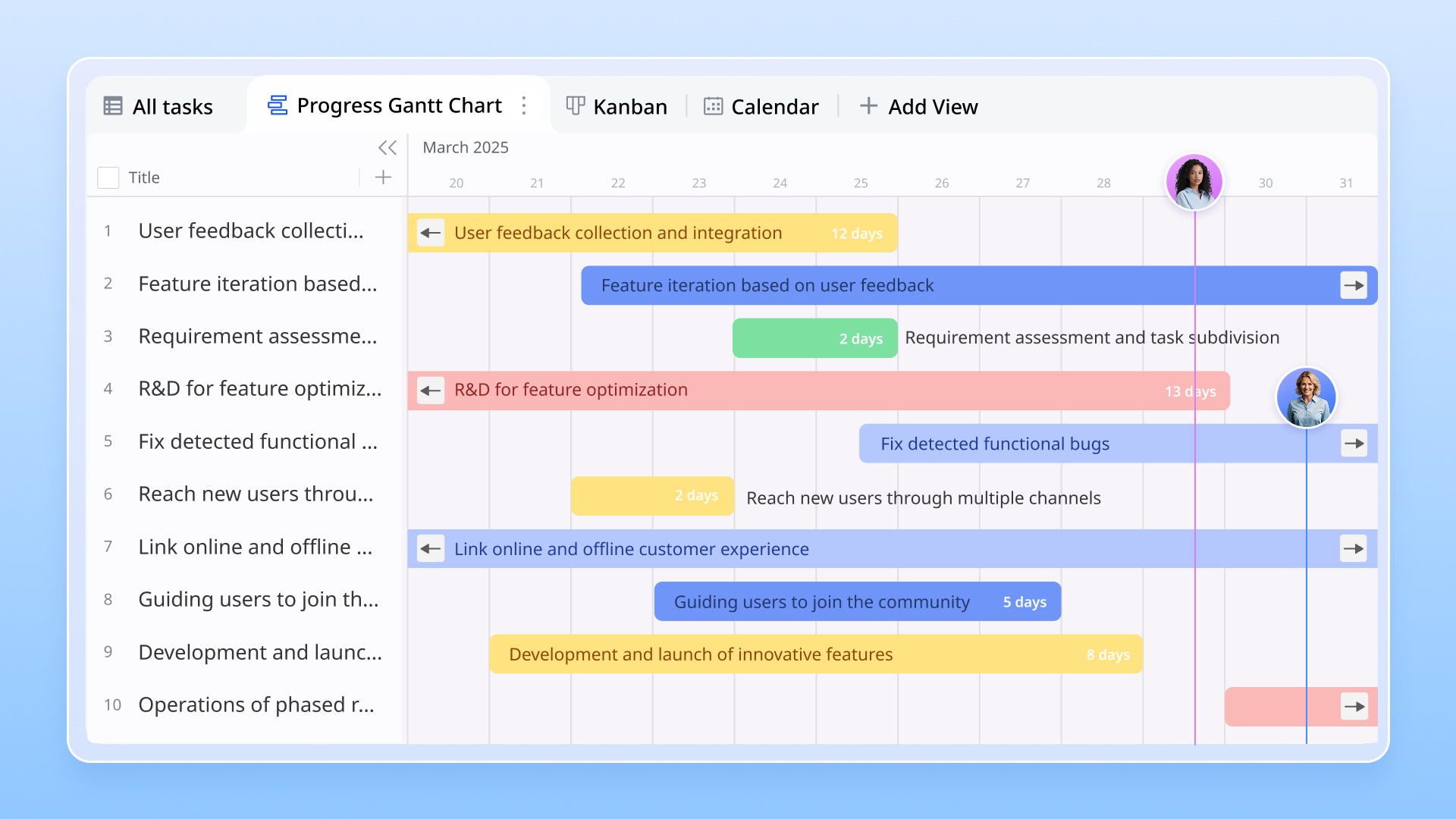
Capturing verbal assumptions from meetings
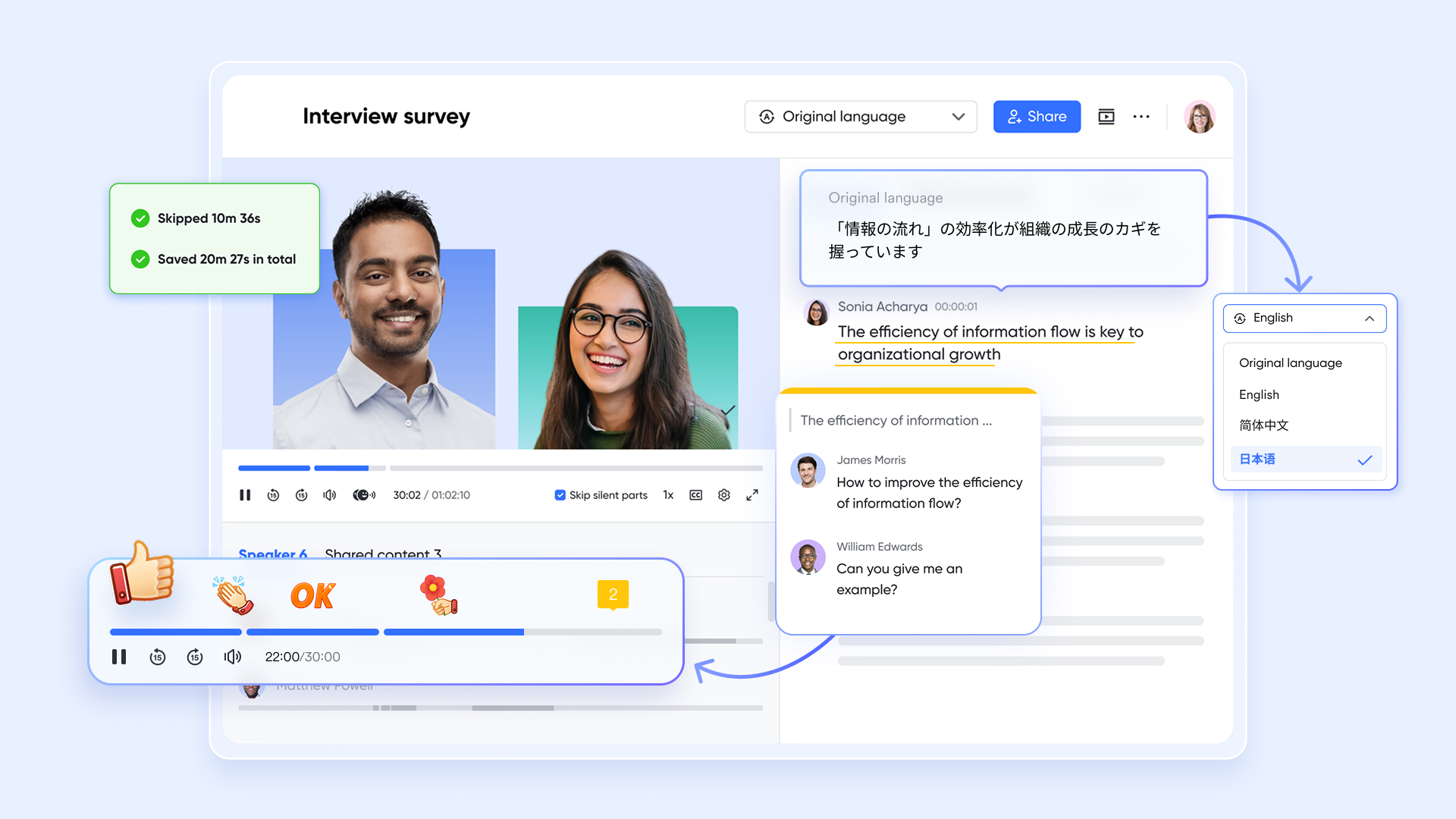
Some of the most critical assumptions in project management are spoken, not written. During or weekly syncs, people often say things like, "I assume we can use the old code," or "Probably the client won't mind." These verbal caveats often vanish into thin air. With , you can transcribe your video meetings. Later, you can search the transcript for keywords like "assume," "guess," or "probably" to catch these verbal risks and move them into your formal register.
Leveraging organizational memory
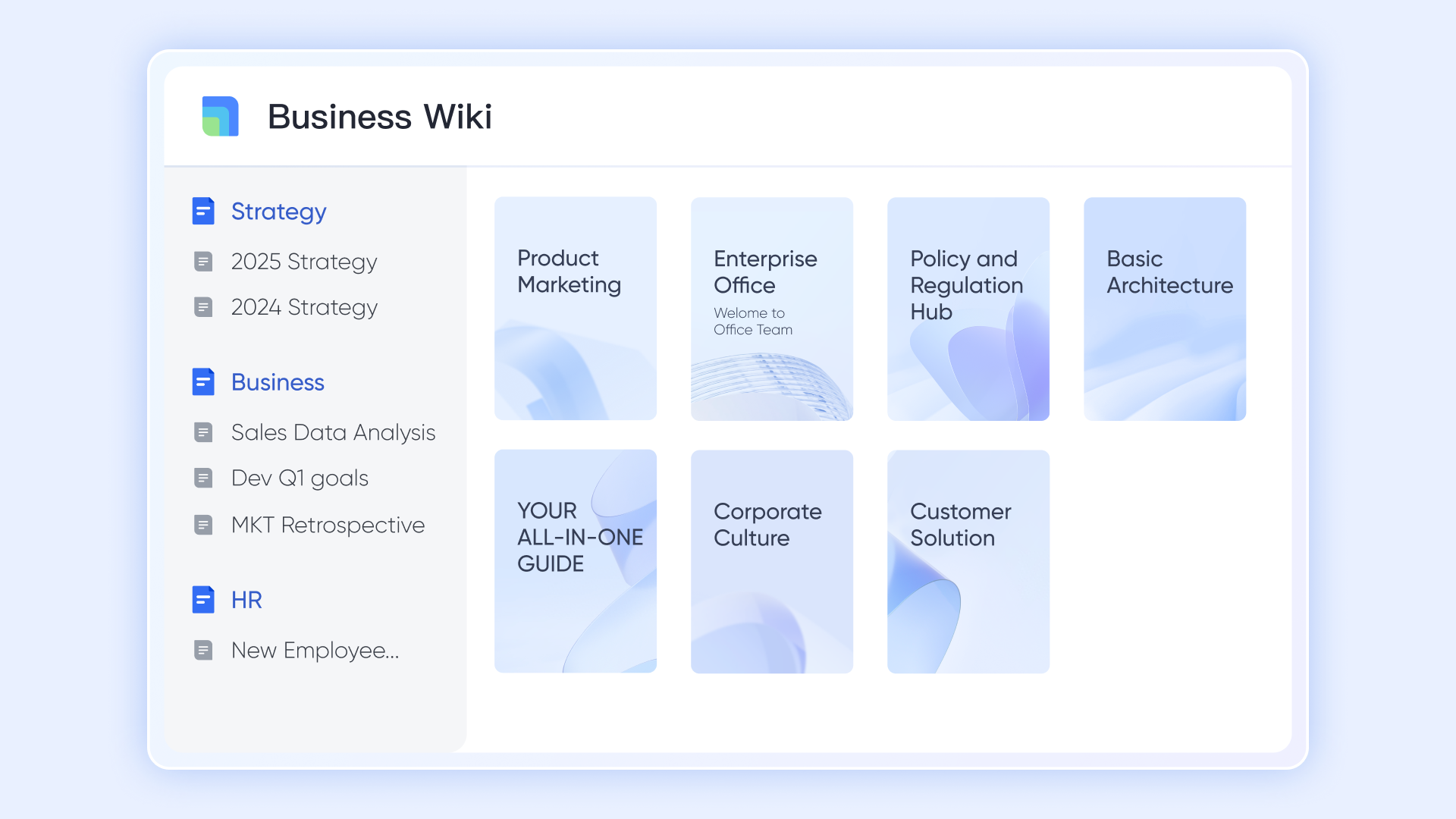
As we discussed, historical data is the best cure for bad guesses. acts as your team's long-term memory. Before you write a new assumption, search your wiki for keywords from past projects. You might find a "Lessons Learned" page from two years ago that reveals exactly how long a specific vendor actually takes to deliver, allowing you to replace a hopeful guess with a data-backed estimate.
:
- Starter plan: Free forever plan that includes 11 powerful tools for up to 20 users. It also comes with 100GB of storage, 1000 automation runs, AI translations, and more.
- Pro plan: $12/user/month (billed annually) for up to 500 users. It includes everything in Starter plus group calling for up to 500 attendees, 15TB of storage, 50,000 automation runs, and more.
- Enterprise plan: for custom pricing. Supports unlimited users and includes even more automation runs and advanced security, compliance, and management features.
For small teams with simple communication needs

18 months message history
1000 Base automation runs/month
2000 rows per table in Base
Most POPULAR
For companies with comprehensive collaboration and management needs
Unlimited message history
500-participant video meetings
50k Base automation runs/month
20k rows per table in Base
For large companies with advanced security and organizational management needs
Get a personalized demo and pricing
Unlimited message history
500-participant video meetings
15 TB storage + 30 GB storage/user
500k Base automation runs/month
50k Base automation runs/month
Most POPULAR
For companies with comprehensive collaboration and management needs
Unlimited message history
500-participant video meetings
50k Base automation runs/month
20k rows per table in Base
Mistakes to avoid when making project assumptions
Even with the best intentions, it is easy to mishandle assumptions. I have seen project charters filled with noise rather than value. To keep your project on solid ground, avoid these common traps.
- Listing facts as assumptions: Do not clutter your log with things that are already guaranteed. If you have a signed contract or a hard budget cap, that is a fact or a constraint, not an assumption. Adding proven facts to your list makes it harder to focus on the actual uncertainties that need monitoring.
- The "set it and forget it" mentality: This is the most dangerous mistake. Many project managers brainstorm a list of project management assumptions during kickoff and never look at them again. But project environments change. An assumption that was safe in January might be risky in March. You must treat your assumption log as a and review it at every status meeting.
- Ignoring implicit assumptions: We often focus on hard technical numbers and forget the human elements. You might list technical IT project assumptions perfectly, but miss the assumption that "The client understands our terminology." If you assume a workflow is "obvious" to a user and you are wrong, the project can still fail. Always question unwritten expectations.
- Failing to communicate changes: When an assumption is proven false, you cannot keep it to yourself. As soon as an assumption turns into an issue, the plan must change. Using a centralized tool helps prevent these silos. When your assumptions are tracked in a collaborative space like , rather than a static spreadsheet, the whole team can see status updates in real-time, ensuring no one is executing based on outdated beliefs.
Conclusion
Project management is the art of navigating uncertainty. Since we never have 100% of the facts on day one, assumptions are the critical bridge between what we know and what we need to achieve. By documenting and monitoring these beliefs early, you transform them from hidden risks into manageable stepping stones, ensuring you are actively steering the project rather than just hoping for the best.
Don't let a silent belief be the reason your project fails. Start validating your assumptions today to keep your strategy grounded. If you are looking for a way to centralize your RAID logs, plans, and team communication in one seamless workspace, give a try—it might be the assumption-busting tool your next project needs.
Master project assumptions with our all-in-one tool
FAQs
What are the 5 C's of project management?
While frameworks vary, the 5 C's often refer to Complexity, Criticality, Compliance, Culture, and Compassion. These factors help project managers assess the scale and risks of an initiative. Understanding the 5 C's helps in identifying the initial assumptions of a project, particularly regarding how the team will operate and what external rules they must follow.
What is an example of an assumption?
A classic example project assumption is believing that "Key stakeholders will be available to approve deliverables within 48 hours." You do not have a written guarantee of their schedule, but you must assume this timeline is true to build your project schedule and determine the critical path.
What are key assumptions?
Key assumptions are the high-level, foundational beliefs that, if proven false, would cause the entire project to fail. Unlike minor logistical guesses, these involve critical factors like funding availability, core technology viability, or continued market demand, serving as the strategic "must-haves" for your plan.
What are examples of basic assumptions?
Basic assumptions in project management usually cover standard operational or environmental factors. Common examples include "The development server will have 99% uptime," "Material costs will remain stable for the quarter," or "The team will have access to necessary software licenses on Day 1."
Related reading