Effective project management relies on several factors that contribute to a project's success, and one of the most critical elements to consider is what are project stakeholders. These individuals or groups have a vested interest in the project's outcome and can both influence and be influenced by project activities. Understanding who these stakeholders are and how to engage them effectively is essential for delivering projects on time, within scope, and within budget. In this article, we will delve into the concept of project stakeholders, identify the different types involved, and provide practical strategies for managing their engagement successfully.
Engage your project stakeholders right now
What are stakeholders in project management
Stakeholders in project management refer to any individual, group, or organization that has an interest in and can be affected by the outcome of a project. They can impact the , execution, and completion, making it essential to understand their roles and expectations. Stakeholders vary widely, encompassing team members, clients, project sponsors, suppliers, and also external parties like regulatory bodies and the community.
By identifying project stakeholders early on, project managers can facilitate better communication, , and address potential concerns proactively. This overall approach helps minimize risks, enhances project delivery, and increases stakeholder satisfaction. Understanding what stakeholders are in project management lays the foundation for practices throughout the project lifecycle.
Types of project stakeholders
There are several types of stakeholders involved in a project, each with distinct roles and interests. Understanding these different categories can help in tailoring engagement strategies effectively. Here are four types of stakeholders commonly identified in project management:
- Internal stakeholders: These include individuals or teams within the organization executing the project. Internal stakeholders can range from project managers to team members, executives, and department heads. Their primary interest lies in ensuring that project goals align with organizational objectives, maintaining quality, and adhering to deadlines.
- External stakeholders: External stakeholders are individuals or groups outside the organization. They can significantly influence the project's success. This group includes clients, suppliers, customers, and regulatory bodies. Their input is crucial for meeting project requirements and ensuring compliance with industry regulations and standards.
- Influencers: Influencers are stakeholders who may not be directly involved in the project but can sway opinions or decisions about it. They may include industry experts, consultants, or even community leaders. Understanding their perspectives can provide valuable insights and help in addressing broader concerns that could affect the project.
- Gatekeepers: Gatekeepers are stakeholders who or information vital for the project. This group often includes higher management or regulatory entities. Building a positive relationship with gatekeepers is crucial since they can facilitate or hinder project progress based on their level of support and engagement.
Understanding these various types of stakeholders is essential for effective communication and management practices, making it easier to address their concerns and involve them appropriately in the project's activities.
Examples of project stakeholders
Identifying specific examples of project stakeholders helps clarify the diverse range of individuals and groups involved in a project. Here are some key examples of stakeholders typically found in various projects:
- Clients and customers: These are often the primary stakeholders. They define the project's success by specifying requirements, expectations, and desired outcomes. Engaging them throughout the project ensures that the final deliverable meets their needs.
- Project team members: This group includes everyone directly involved in executing project tasks. Project managers, developers, designers, and quality assurance testers all fall into this category. Their input is crucial for effective project execution.
- Management and executives: Senior leaders usually serve as project sponsors and decision-makers. They provide necessary resources, set strategic directions, and help navigate organizational hurdles. Their support can be pivotal for project success.
- Suppliers and contractors: External vendors provide essential services, materials, or expertise that projects often rely on. Their performance directly impacts and budgets, making their engagement critical.
- Regulatory bodies: Compliance with laws and regulations often involves stakeholders such as government agencies or industry regulators. Engaging these stakeholders ensures adherence to necessary standards and mitigates legal risks.
- Community and environmental groups: In projects affecting local communities or the environment, these groups represent public interests and concerns. Their involvement is essential for understanding the broader impact of the project and gaining community support.
By acknowledging these examples, project managers can develop tailored engagement strategies that consider the unique interests and contributions of each stakeholder group.
Why are stakeholders important for a project?
Understanding why project stakeholders are important goes beyond mere identification; it's about recognizing their influence on the overall project landscape. Here are several reasons why stakeholders are crucial:
- Influence on project success: Stakeholders can directly affect the outcome of a project. Their support can lead to smoother execution, while their opposition can cause delays or even project failure. Ensuring stakeholder satisfaction is essential for meeting project objectives.
- Enhancing communication: Engaging with stakeholders facilitates . This interaction allows project managers to gather feedback, clarify expectations, and maintain transparency throughout the . Effective communication builds trust and fosters long-term relationships.
- Managing risks: Identifying and understanding stakeholders helps in . Stakeholders bring valuable insights and perspectives that can highlight potential issues before they escalate. Addressing their concerns proactively minimizes disruptions to project plans.
- Resource allocation: Stakeholders often for the project's success. By fostering positive relationships and understanding their interests, project managers can secure essential support, whether financial, human, or informational resources.
- Ensuring alignment with goals: Stakeholders can also provide insight into how a project aligns with broader organizational objectives. Their input helps ensure that the project contributes to overall business strategy, enhancing both relevance and sustainability.
In summary, stakeholders are vital to any project as they influence various aspects, from resources to outcomes. Effective stakeholder management is key to navigating challenges and enabling project success.
Manage your project stakeholders better
Methods to do a stakeholder analysis
Conducting a stakeholder analysis is a crucial step in understanding the dynamics of your project environment. It helps identify who the stakeholders are, their interests, and how they might influence your project's success. Here's a step-by-step guide on how to perform a thorough stakeholder analysis:
Step 1: Identify stakeholders
Start by identifying all potential stakeholders involved in your project. Consider all the groups and individuals who might influence or be affected by the project. , team discussions, and review of project documentation to compile a comprehensive list. Be sure to account for:
- Internal stakeholders (teams, departments, executives)
- External stakeholders (customers, clients, suppliers, regulators)
Step 2: Classify stakeholders
Once you've identified your stakeholders, classify them based on their level of influence and interest in the project. A common method is the Power-Interest Grid, which divides stakeholders into four categories:
- High power/High interest: These stakeholders need to be closely managed and engaged, as they can significantly impact project outcomes.
- High power/Low interest: Keep these stakeholders satisfied but not overwhelmed with information. They hold power but may not need frequent updates.
- Low power/High interest: These individuals should be kept informed and engaged loyally, as their interest level is high even though their power is low.
- Low power/Low interest: Minimal management is needed here; just keep a watchful eye on them.
Step 3: Determine stakeholder needs and expectations
For each identified stakeholder, document their specific needs, expectations, and concerns regarding the project. This can involve direct interviews, surveys, or informal conversations to gather insights. Ask questions like:
- What are their goals for the project?
- How do they define success?
- What are their primary concerns or risks?
Step 4: Analyze the impact on the project
Evaluate how each stakeholder's interests and influence will impact the project's success. Consider their potential to support or hinder the project. to visualize the relationships and impacts. This analysis will help you prioritize stakeholder engagement efforts.
Step 5: Develop engagement strategies
With a clear understanding of each stakeholder's role and influence, you can develop targeted engagement strategies. For instance:
- Personal meetings might be necessary for key stakeholders who have significant influence.
- Regular updates through emails or newsletters can be effective for those who need to be kept in the loop but are not directly involved.
Step 6: Monitor and update
Stakeholder analysis is not a one-time task. As the project progresses, continuously monitor stakeholders' interests and influence. Regularly update your stakeholder analysis to reflect any changes. This ongoing approach allows you to adapt engagement strategies as needed and ensure all stakeholders remain aligned with project goals.
By conducting a thorough , you can foster better relationships, enhance communication, and ultimately improve project outcomes.
How to manage your project stakeholders
Effective stakeholder management is vital for ensuring project success and aligning stakeholders' expectations with project goals. Here are strategies to manage your project stakeholders effectively:
Step 1: Create a stakeholder communication plan
Developing a comprehensive communication plan helps ensure that stakeholders receive relevant information at the right time. Include:
- Communication methods: Determine how you will communicate (e.g., emails, meetings, newsletters).
- Frequency of communication: Specify how often updates will be provided based on stakeholder classification.
- Content type: Tailor the information shared based on the stakeholder's level of interest and influence.
Step 2: Build relationships
is crucial for project success. Engage with them on a personal level, show genuine interest in their concerns, and be receptive to their feedback. Building rapport can lead to increased trust and collaboration, which are essential for overcoming challenges.
Step 3: Actively involve stakeholders
Involve key stakeholders in the project processes. Include them in brainstorming sessions, decision-making processes, and regular project reviews. This active engagement not only informs stakeholders but also cultivates a sense of ownership in the project's outcome.
Step 4: Address conflicts promptly
Conflicts among stakeholders or between stakeholders and project teams are inevitable. Address issues promptly and constructively to prevent escalation. Utilize conflict resolution techniques to mediate differences and ensure that all voices are heard. Encourage open dialogue and develop solutions collaboratively.
Step 5: Monitor and adapt
Continuously monitor stakeholder engagement and satisfaction throughout the project. regularly allows you to identify areas for improvement. If stakeholder needs change, be ready to adapt your engagement strategies accordingly. This adaptability reinforces the importance of stakeholder input and strengthens relationships.
Step 6: Celebrate successes
Recognizing and celebrating milestones or successes with stakeholders can reinforce positive relationships. Acknowledge their contributions and show appreciation for their support. This could be as simple as sending thank-you notes or organizing small celebratory events.
Step 7: Document stakeholder feedback
Maintain a record of feedback and interactions with stakeholders. Documenting insights not only informs adjustments to the project but also provides a resource for future projects. Understanding what worked well and what didn't is invaluable for continuous improvement.
These strategies enable project managers to navigate stakeholder relationships effectively, turning potential challenges into opportunities for collaboration. By prioritizing stakeholder management, you can significantly enhance project outcomes and build a solid foundation for future initiatives.
Enhance your engagement strategies with a powerful tool
Use Lark to manage project stakeholders
Effective stakeholder management is crucial for project success, yet it often involves juggling scattered information across spreadsheets, emails, and meetings. transforms this fragmented process by providing a unified platform that centralizes stakeholder insights, , and structures key interactions.
By combining its core features, Lark empowers project teams to move from reactive, ad-hoc updates to a proactive and transparent strategy, ensuring every stakeholder is adequately identified, engaged, and aligned throughout the project lifecycle.
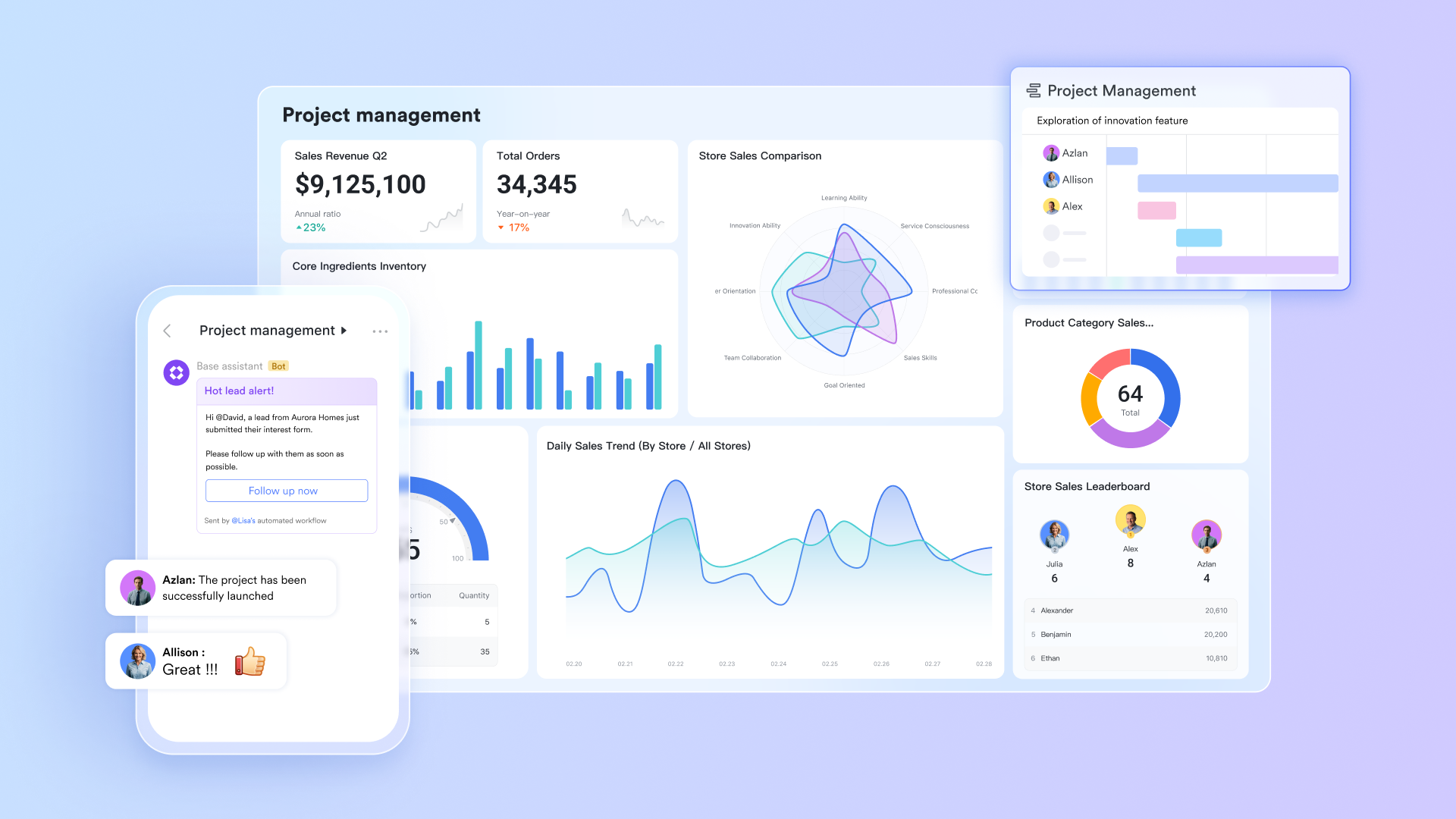
Building a dynamic stakeholder panorama and communication strategy
The first step in effective project stakeholder management is systematically identifying, analyzing, and developing communication strategies. Traditional methods often rely on static Excel spreadsheets, leading to scattered information that is difficult to share and update.
provides a dynamic, collaborative solution for this. You can create a "Project Stakeholder Register" databse to manage all stakeholder information in a structured, shareable table. Each row represents a stakeholder, and you can customize key fields such as: department, interest level (high/medium/low), influence (high/medium/low), expectations and needs, along with a tailored communication frequency (e.g., daily/weekly) and preferred channel (e.g., meeting/email/document update).
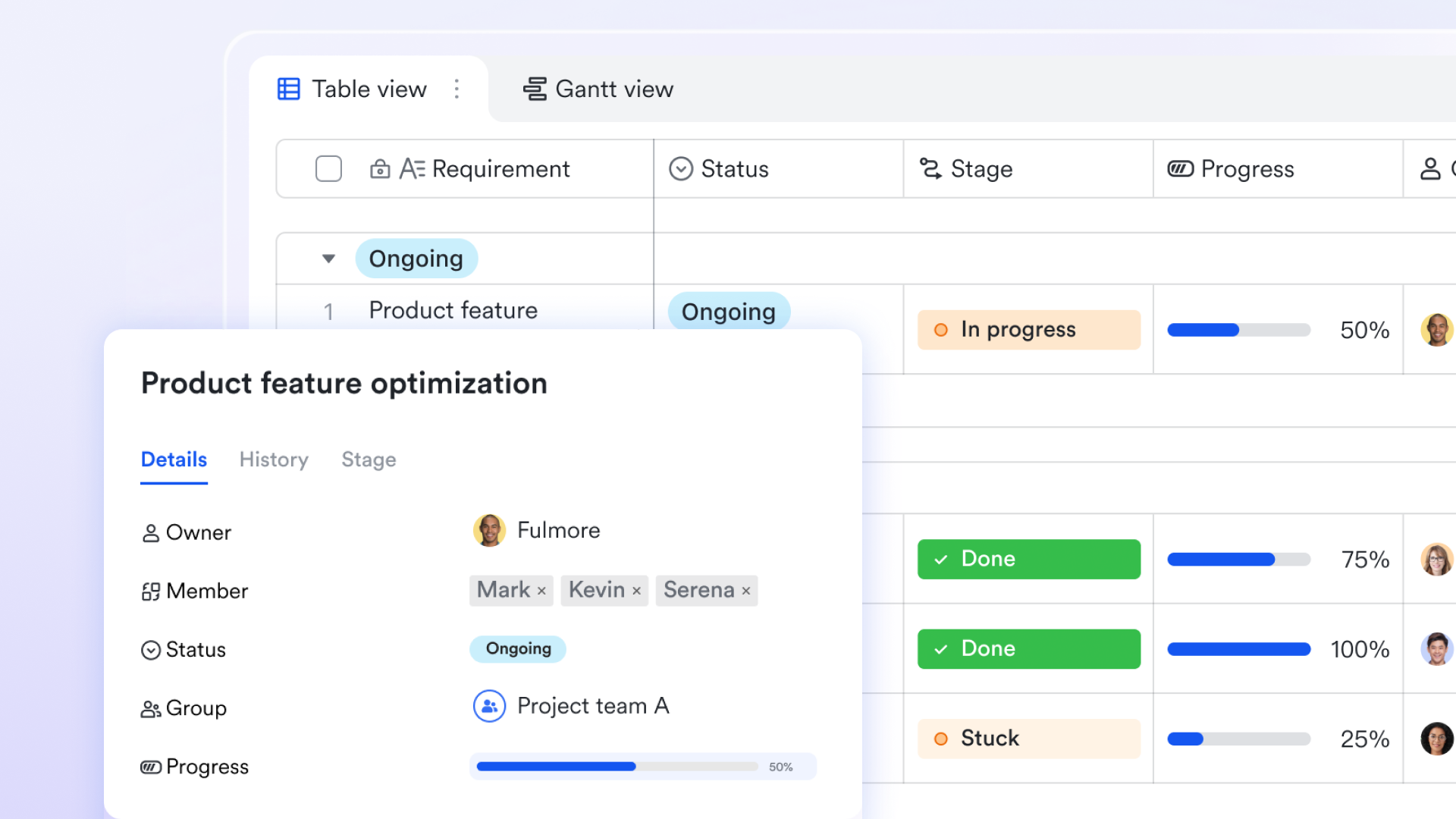
The advantages of this approach are threefold: First, information is synchronized in real-time, allowing core project members to access the latest version anytime, avoiding information gaps. Second, views are flexible and switchable; you can use filtering and grouping to instantly generate lists like "high-influence stakeholders requiring key management" or view communication plans for technical vs. business teams separately. Third, permissions are controllable; you can set viewing or editing rights for different members to protect sensitive information. This transforms stakeholder analysis from an isolated document into a "dynamic command map" that the team maintains and acts upon together. 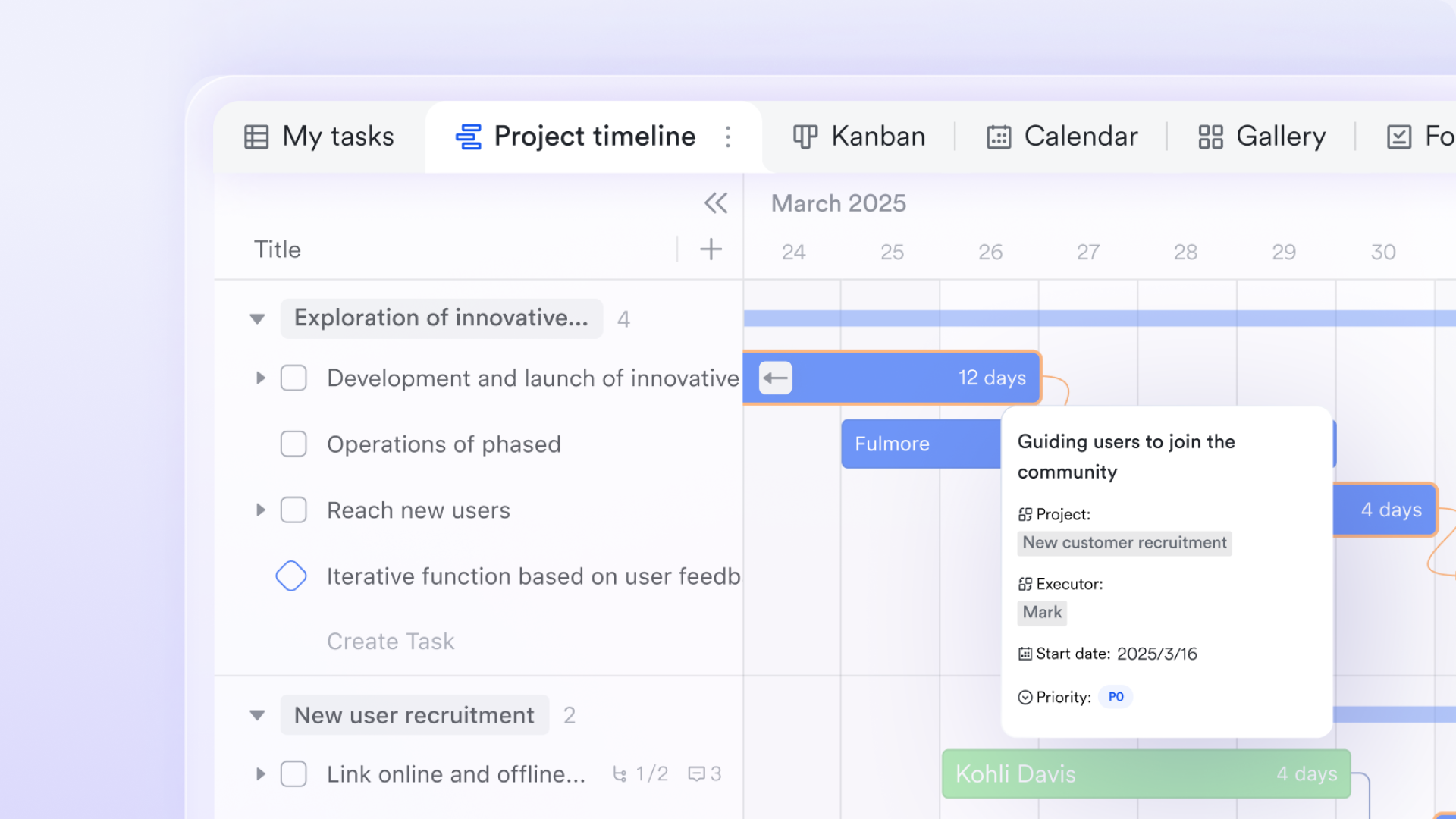
Ensuring transparent and targeted synchronization of key information
The core challenge of stakeholder management is ensuring the right people receive the right information, at the right time, and in the right way. Mass emails can cause information overload, while private chats may lead to inconsistencies.
's group and communication features can build a layered, efficient synchronization network. You can create a core team group for the project and establish separate communication groups for each key stakeholder or external client. Key updates, project documents, or decisions can be forwarded or "shared" with one click to relevant stakeholder groups from the core chat, accompanied by a brief note. This ensures consistency and traceability in information delivery without disturbing unrelated parties.
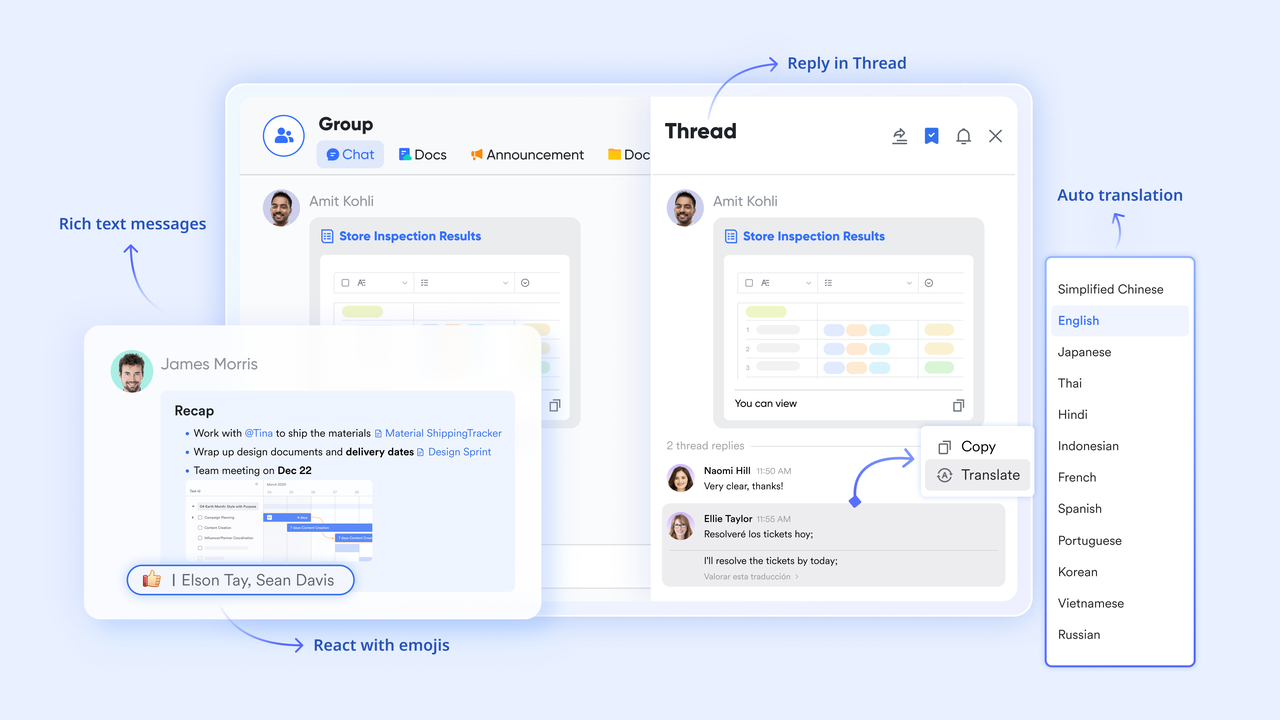
More importantly, serves as an ideal medium for formal information synchronization. You can create a weekly project brief and use the "@mention" feature to notify specific stakeholders to review it. For materials requiring two-way communication, such as requirement specification documents, relevant parties can directly provide real-time comments or suggestions within the document itself. All discussions are centered on the specific context, avoiding the chaos of back-and-forth emails and significantly improving feedback quality and review efficiency.
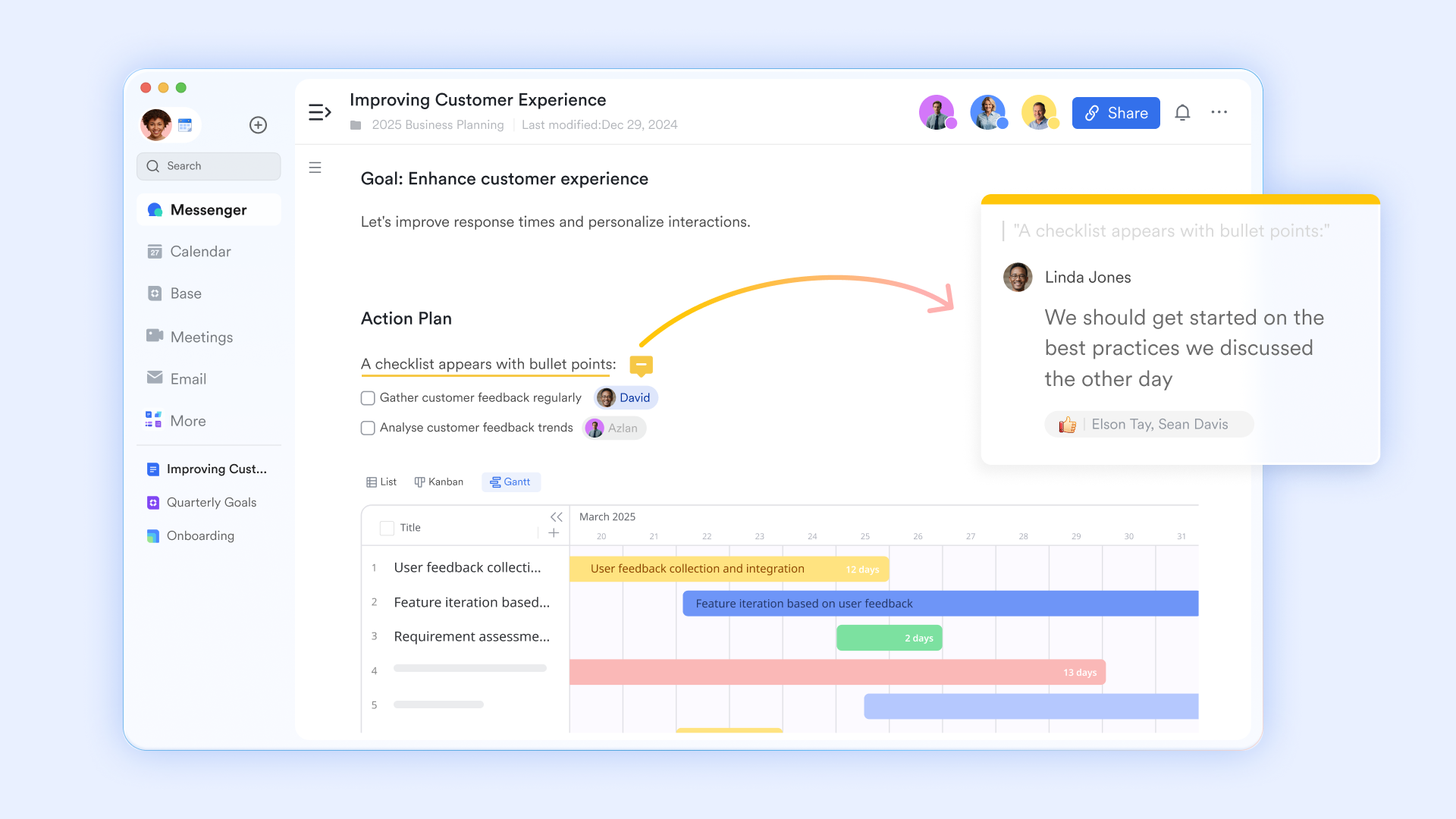
Efficiently coordinating and documenting key meetings with stakeholders
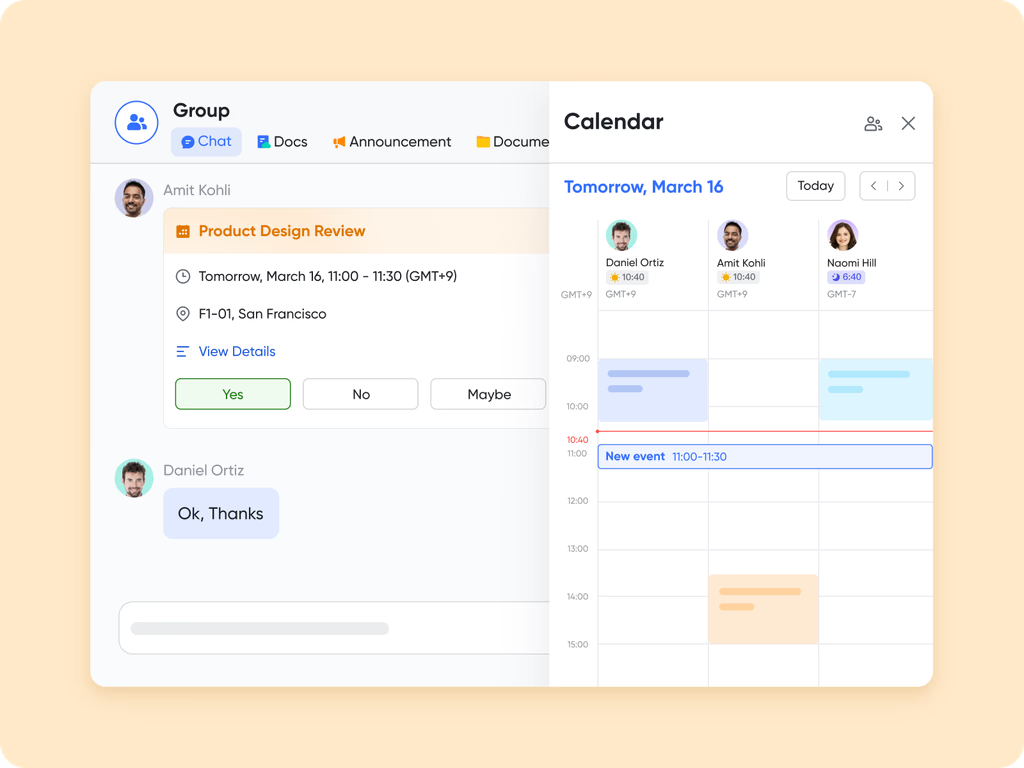
Meetings with stakeholders (especially external or senior ones) are time-sensitive, and inefficient scheduling coordination and vague meeting notes are common pain points.
and streamline this process seamlessly. When you need to schedule a meeting with stakeholders, you can directly check each stakeholder's free/busy status in Lark Calendar, greatly simplifying schedule coordination. The meeting invitation can also include the agenda document directly, allowing attendees to prepare in advance.
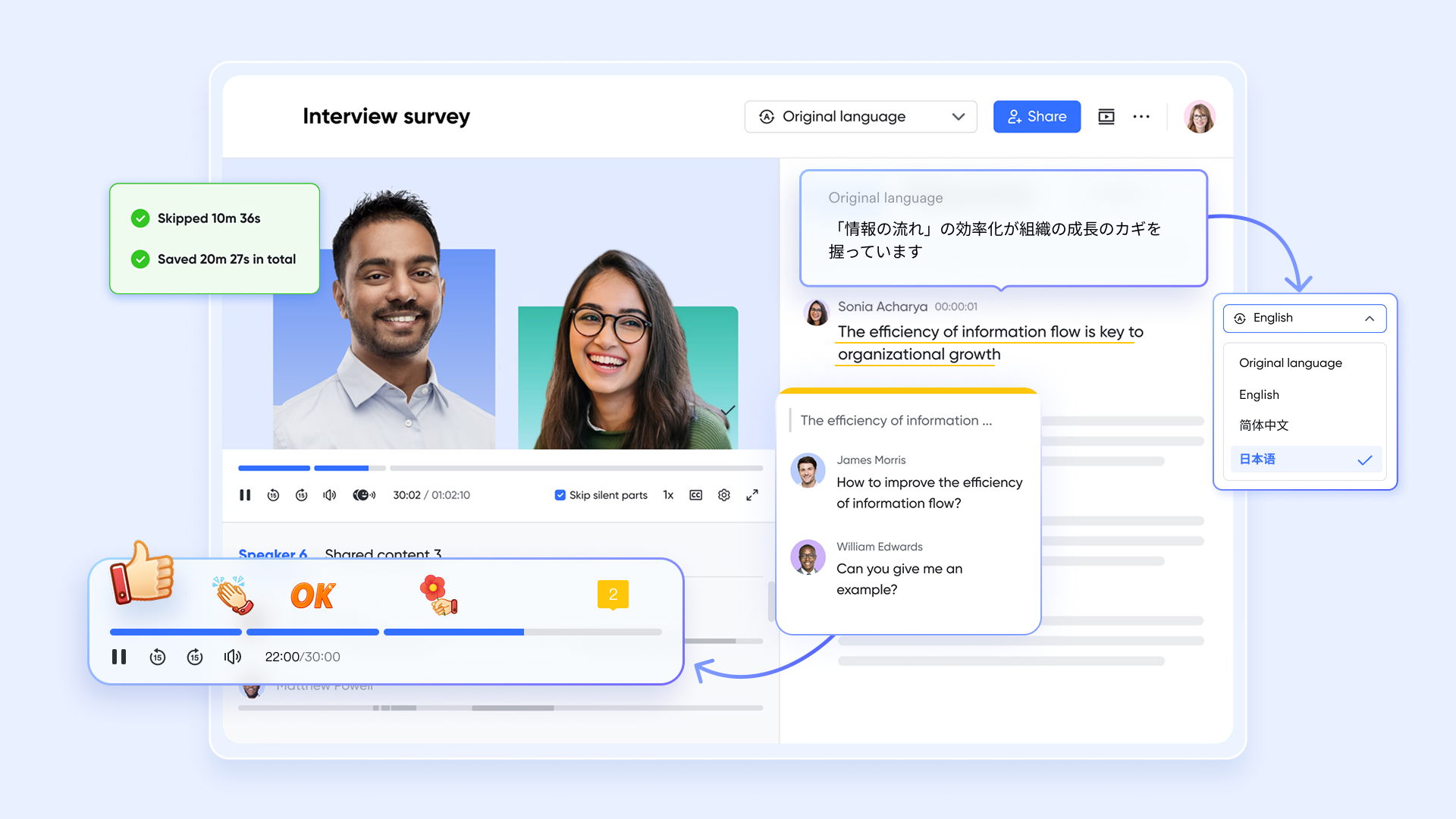
During the meeting, Lark Meetings can not only generate real-time multilingual transcriptions but also automatically distinguish between different speakers. Action items that arise from the discussion can be converted into tasks with one click within and assigned to relevant personnel. After the meeting, a comprehensive summary including the full recording and text minutes () is automatically generated and can be shared with one click to attendees and other relevant stakeholders who couldn't attend. This process ensures meeting outcomes are clearly and unambiguously recorded and distributed, making every promised action traceable.
- Free plan: Includes 11 powerful products, supporting up to 20 users, 100 GB storage, 1,000 automation runs and unlimited AI translation in chats, docs and email.
- Pro plans: $12/user/month, supporting up to 500 users. Includes unlimited message history, 50,000 automated Base workflow executions per month.
- Enterprise plan: for custom pricing. Supports unlimited users and includes even more automation runs and advanced security, compliance, and management features.
For small teams with simple communication needs

18 months message history
1000 Base automation runs/month
2000 rows per table in Base
Most POPULAR
For companies with comprehensive collaboration and management needs
Unlimited message history
500-participant video meetings
50k Base automation runs/month
20k rows per table in Base
For large companies with advanced security and organizational management needs
Get a personalized demo and pricing
Unlimited message history
500-participant video meetings
15 TB storage + 30 GB storage/user
500k Base automation runs/month
50k Base automation runs/month
Most POPULAR
For companies with comprehensive collaboration and management needs
Unlimited message history
500-participant video meetings
50k Base automation runs/month
20k rows per table in Base
Strategies for effective stakeholder engagement
Engaging stakeholders effectively is crucial for ensuring project success and fostering a collaborative environment. Here are several strategies to enhance stakeholder engagement throughout the project lifecycle:
Foster open communication
Establishing open lines of communication helps build trust and transparency. Encourage stakeholders to voice their opinions, concerns, and suggestions. Create , ensuring that stakeholders can easily reach project teams for inquiries or feedback. Regular updates, whether through newsletters or meetings, keep everyone informed about project progress and changes.
Involve stakeholders in decision-making
When stakeholders are included in the decision-making process, they feel a greater sense of ownership and responsibility for the project. Involve stakeholders in discussing project plans, resolving issues, and . This involvement not only enhances the quality of decisions made but also strengthens relationships with key stakeholders.
Tailor engagement strategies
Recognize that different stakeholders have varying interests, influence, and communication preferences. Tailor your engagement strategies accordingly. For instance, high-power stakeholders may require more direct and frequent communication, while low-power stakeholders might appreciate less frequent updates. allows you to customize communication to suit the needs of different stakeholder groups.
Utilize feedback mechanisms
Feedback is essential to understanding stakeholder satisfaction and refining project processes. to assess stakeholder opinions on project developments and areas for improvement. Actively addressing feedback demonstrates that you value stakeholder input and are committed to meeting their needs.
Monitor and adjust engagement plans
Stakeholder needs may change as the project progresses. Continuously monitor engagement levels and adjust strategies accordingly. Regularly check in with stakeholders to reassess their interests and concerns, and make sure to adapt your communication strategies. This ongoing attentiveness ensures that you remain responsive to stakeholder needs and keeps them engaged.
By implementing these strategies, project managers can create a robust framework for stakeholder engagement that enhances collaboration, mitigates risks, and ultimately leads to a more successful project outcome.
Conclusion
In conclusion, understanding and effectively managing project stakeholders is essential for achieving project success. By employing strategies for engagement and utilizing like Lark, teams can enhance communication, collaboration, and stakeholder satisfaction. Embrace the power of in your projects to streamline stakeholder management and create an environment where everyone feels valued and involved. Start leveraging Lark today to elevate your project outcomes!
Start improving your stakeholder engagement
FAQs
What are the 4 types of stakeholders?
The four types of stakeholders typically include internal stakeholders (such as team members and executives), external stakeholders (clients and suppliers), influencers (industry experts), and gatekeepers (who manage access to resources or information). Understanding these categories helps in effectively managing their involvement using tools like Lark to facilitate communication and collaboration.
What best describes a project stakeholder?
A project stakeholder is any individual or group that has an interest in the project and can influence or be impacted by its outcome. This includes everyone from team members to clients and regulatory bodies. Engaging them effectively is crucial, and Lark can streamline communication and feedback throughout the project lifecycle.
How to identify your project stakeholders?
To identify your project stakeholders, start by brainstorming all potential individuals and groups affected by the project. This can include team members, clients, suppliers, and regulatory agencies. Utilizing Lark's collaborative features allows you to gather input from your team, ensuring that you capture all relevant stakeholders early in the project.
Who are the 5 stakeholders?
The five key stakeholders often include clients (who define project success), project team members (who execute the work), management (who provide resources and direction), suppliers (who deliver necessary materials or services), and regulators (who enforce compliance with laws and standards). Using platforms like Lark can help manage and engage these stakeholders effectively throughout the project.
Related reading