Understanding project constraints is essential for ensuring the success of any initiative. Project constraints dictate the limitations and restrictions that can impact a project, and they typically revolve around three core elements: Time, cost, and scope, commonly referred to as the triple constraints of project management. These constraints not only shape the planning and execution of projects but also play a crucial role in the decisions that project managers make. In this article, I will walk you through the key concepts surrounding project constraints and delve into examples that highlight their significance in project management, and mention tools like Lark that handle well with project constraints.
What are project constraints?
Project constraints are inherent limitations that can shape the way a project is approached, executed, and ultimately completed. Project constraints are the general limitations of a project, including time, costs, and risks. Recognizing these constraints is fundamental for project managers as they navigate the complexities of and delivering results within defined boundaries.
Project constraints serve as the framework within which project teams must operate. They often dictate the resources available, the timelines defined, and the expected. Project constraints limit the options available to project teams and can restrict project choices if not managed properly. By acknowledging these constraints early in the project lifecycle, teams can better prepare for potential challenges and make informed decisions that align with their objectives. Properly defined constraints act as a , helping project managers prioritize tasks and make informed decisions.
Ultimately, understanding the nature of project constraints not only impacts the efficiency of project execution but also plays a crucial role in stakeholder satisfaction and overall project success. This foundational knowledge equips project managers with the to balance competing demands and drive their projects toward successful completion.
The importance of project constraints in successful management
Recognizing and managing project constraints is not just about adhering to budgets and ; it is also about ensuring project success and delivering value to stakeholders. To achieve this, project managers must balance project constraints, which can be challenging because the triple constraints all affect one another. Effective management of project constraints brings several benefits:
- Enhanced decision-making: By understanding the limits imposed by constraints, project managers can make informed decisions about resource allocation and task prioritization. This clarity fosters a more strategic approach to .
- Improved stakeholder satisfaction: When project timelines and budgets are managed effectively, stakeholder expectations are more likely to be met. Addressing constraints proactively demonstrates reliability, builds trust within project teams and among clients, and highlights the importance of effective .
- Increased flexibility: Effective constraint management allows teams to adapt to changes and unforeseen challenges. With a strong grasp of their limitations, teams can pivot more readily and explore alternative solutions.
Incorporating the principles of the project management triangle constraints can drastically improve how teams approach their projects. By actively engaging with the constraints inherent in their projects—whether they concern time, cost, or scope—project managers can mitigate risks and enhance their overall . Effective communication is essential for managing project constraints and keeping stakeholders informed.
Identify your project constraints with examples
The triple constraint framework
The triple constraint framework is a foundational concept in project management that illustrates the interrelationship between three primary elements: Time, cost, and scope—collectively known as the triple constraints. This model, also referred to as the project management triangle or iron triangle and popularized by the Project Management Institute, emphasizes that these three constraints are the most significant in and management.
Time
Time refers to the schedule for completing the project and is closely tied to the project timeline, which is a key part of time constraints. The defines deadlines, milestones, and the overall duration, and must be managed carefully across each project phase—such as initiation, execution, and closing—since each phase presents its own time management challenges. Managing time constraints involves creating a realistic project schedule that outlines when tasks must start and finish, accounting for dependencies between tasks, and ensuring the team can meet these deadlines. Effective throughout each project phase is essential for timely project completion.
Cost
Cost constraints include the , variable costs, and all financial resources required for the project. A cost constraint means that you're limited to a specific project budget, and variable costs such as materials and labor can fluctuate and impact the budget. Cost encompasses the budget allocated for the project, which includes expenses for resources (human and material), labor, and any other necessary expenditures. A sudden budget cut may force reductions in quality or project delays as the team seeks lower-cost alternatives. High-performance quality requirements can also limit options for cheaper resources or faster testing.
Scope
Scope refers to all of the work to be performed in a project, including the specific tasks, deliverables, and features required to complete it. The involves the goals, project deliverables, and tasks that define the project. It outlines what is included in the project as well as what is explicitly excluded. Having a clear project scope is essential; it sets expectations for the team and stakeholders and helps prevent scope creep, which occurs when additional features or requirements are added without corresponding adjustments to time or budget.
The interplay among time, cost, and scope requires constant attention and adjustment as the project progresses, with each element influencing and often constraining the others. This dynamic relationship is vital for guiding decision-making and ensuring project alignment with organizational goals.
Document and analyze to prevent constraints
3 additional project constraints
Beyond the foundational three constraints, project management also encompasses several additional constraints that can significantly affect. Common project constraints include scope, cost, time, risk, resources, and quality, and important project constraints such as scope, schedule, and cost define the boundaries and limitations of a project.
Quality
is a distinct constraint in project management and is the measure of how well project deliverables meet initial expectations. Quality constraints are defined by client expectations and are incorporated into a quality management plan, which helps clarify expectations and serves as a reference in case of disputes. Quality tolerance allows for some variation within defined limits, such as specific technical attributes or word count. is closely tied to project quality, making it essential for project managers to prioritize quality alongside the other constraints. Rushing a project to meet a tight deadline without extra funding can directly impact the quality of the final deliverable.
Resources
Resources include all the assets required for completing a project, such as manpower, skill availability, tools, personnel, equipment, technology, and materials. are subject to resource constraints, which cover limitations posed by all resources other than time and cost. Limited resources require efficient allocation and management to ensure that available personnel, tools, and materials are used effectively to complete the project within time and budget constraints. Recruiting skilled project team members is essential to address resource limitations and meet demands, especially for large or .
Risk
are any unexpected occurrences that can affect your project, and they are distinct from project constraints, which are the defined limitations within which a project must operate. Risk involves potential uncertainties that could impact project success. Effective risk management allows project teams to mitigate adverse effects and adapt when variables change. But risk also has a positive meaning, because some project risks can lead to a positive outcome, such as new opportunities or increased client satisfaction. Recognizing how risk interacts with time, cost, and scope is essential for creating a .
These additional constraints intertwine with the primary three in complex ways. For instance, increased quality standards may require additional budget and extended timelines. Similarly, resource availability may necessitate adjustments to project scope or deadlines to ensure that all deliverables can be met.
How to manage project constraints via the right tool
Effectively managing project constraints is essential for ensuring that projects are completed successfully and on time. Project management software like can help visualize project constraints in real time and provide real-time dashboards to monitor project progress and constraints.
All-in-one feature that eliminates time constraints
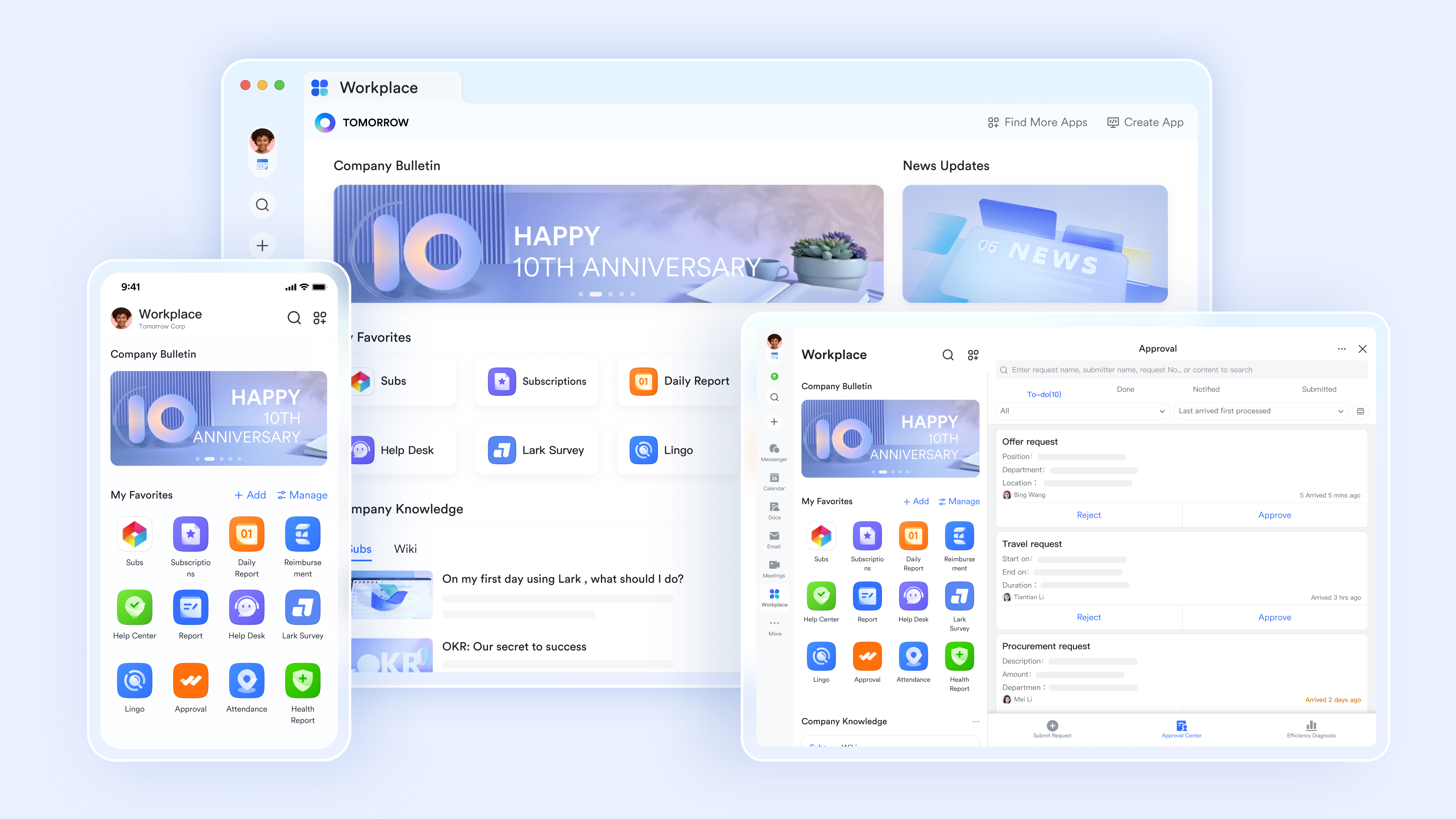
One of Lark's standout features is its comprehensive functionality, which minimizes the time spent switching between multiple tools. Lark centralizes chat, video conferencing, file editing, email, task management, and data management to one workplace. This centralization streamlines workflows and enhances productivity.
In particular, and Lark Tasks help with efficient time management. Lark Calendar offers a clear calendar view that allows users to easily see their schedules and those of their team members. By subscribing to colleagues' calendars, users can quickly pinpoint available times for meetings or discussions. This combination streamlines scheduling and minimizes coordination hassles. 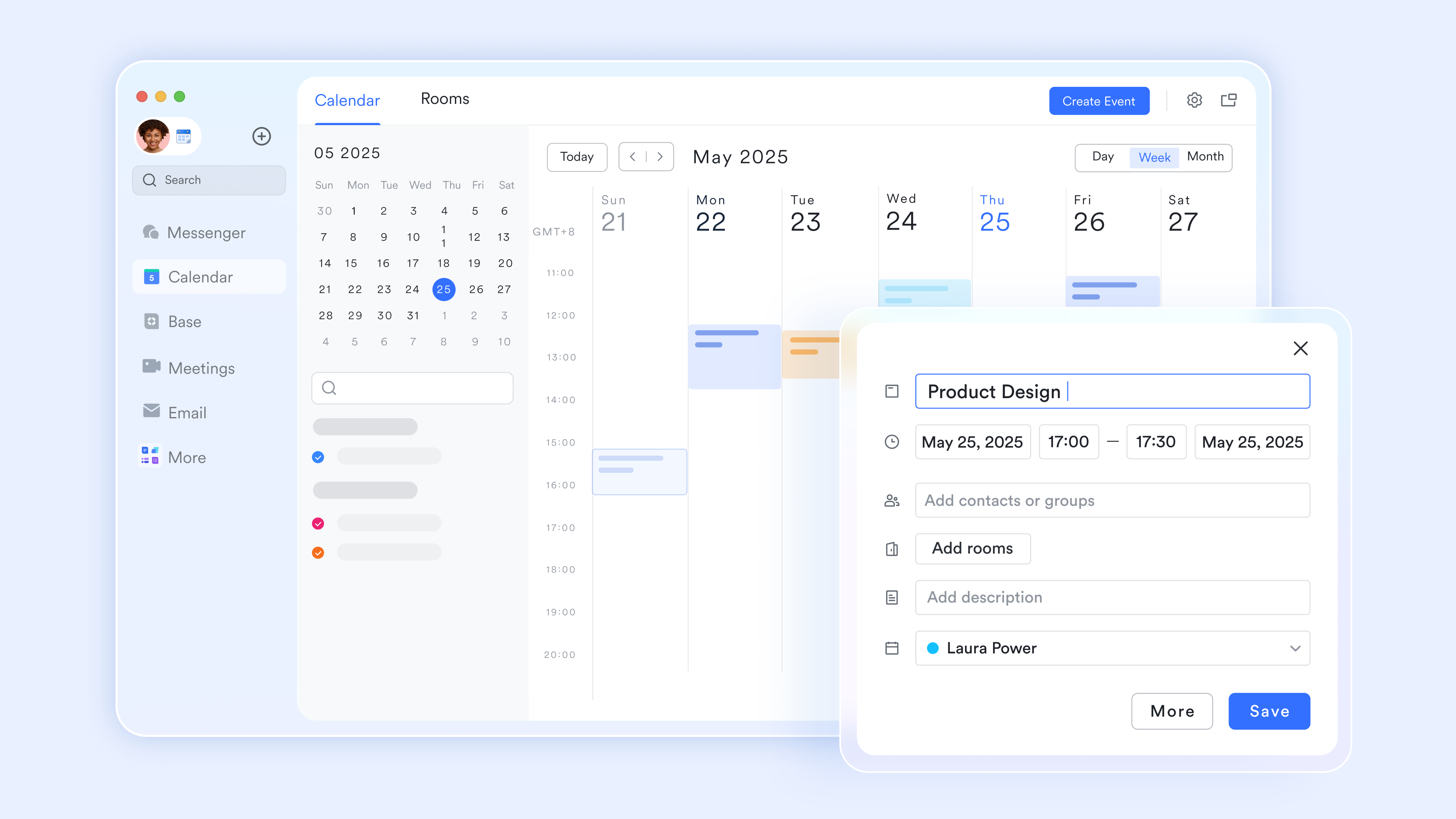
Lark Tasks enables users to manage tasks seamlessly, presenting critical details like assignees, deadlines, and priority labels. With multiple views, including Kanban and Gantt charts, progress tracking becomes more intuitive. Tasks automatically sync with the calendar, ensuring tasks and deadlines are always visible, thus maximizing time management efficiency. 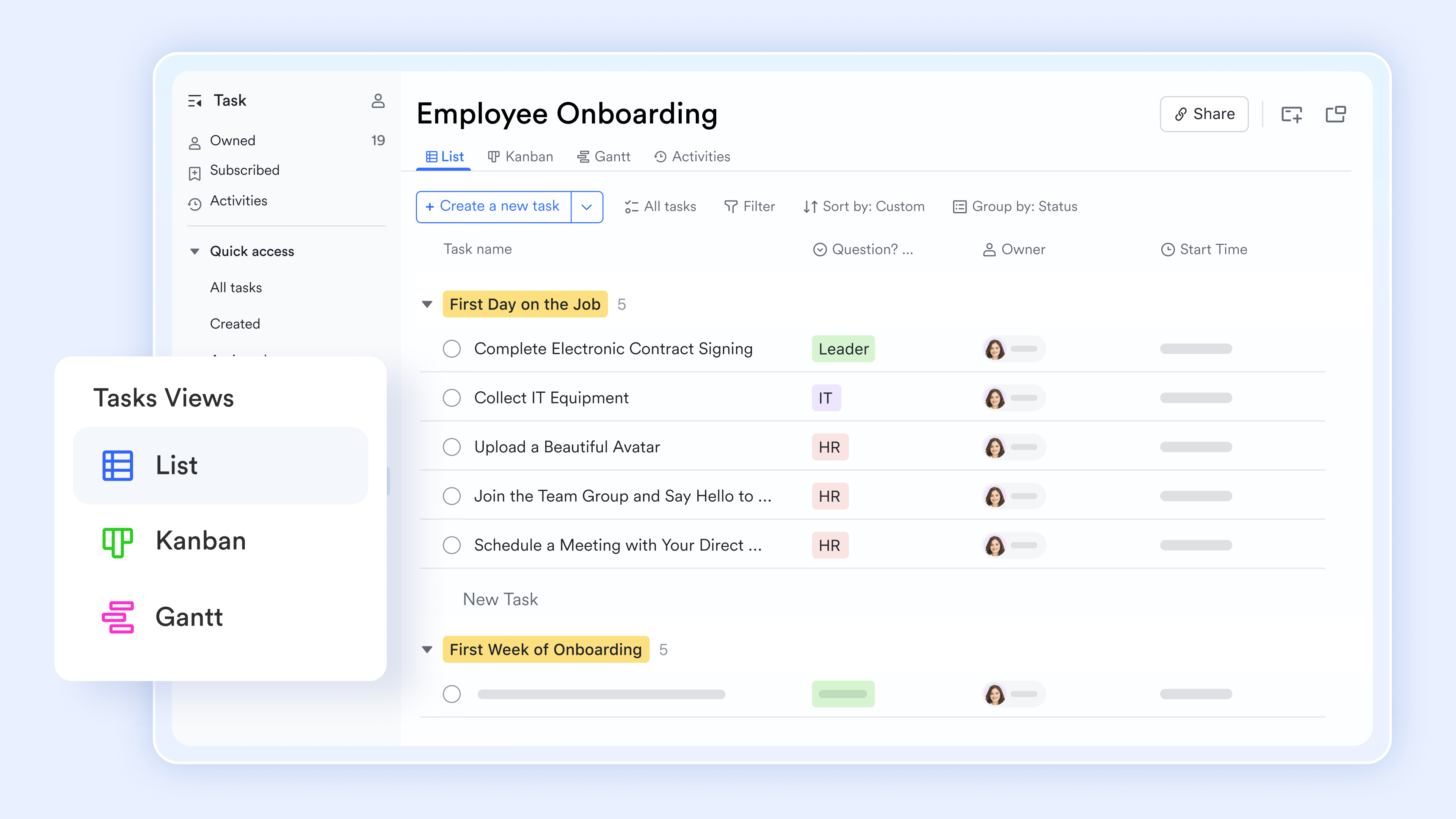
Budget planning and controlling ability that help solve cost constraints
Effective financial management is crucial for project success, and Lark provides tools to address budgetary challenges head-on. feature enables teams to manage project costs and budgets in a straightforward manner. Users can use the various types of fields in Base to track expenses, set budget limits, and create financial plans tailored to project needs in visual, customizable dashboards without code building. 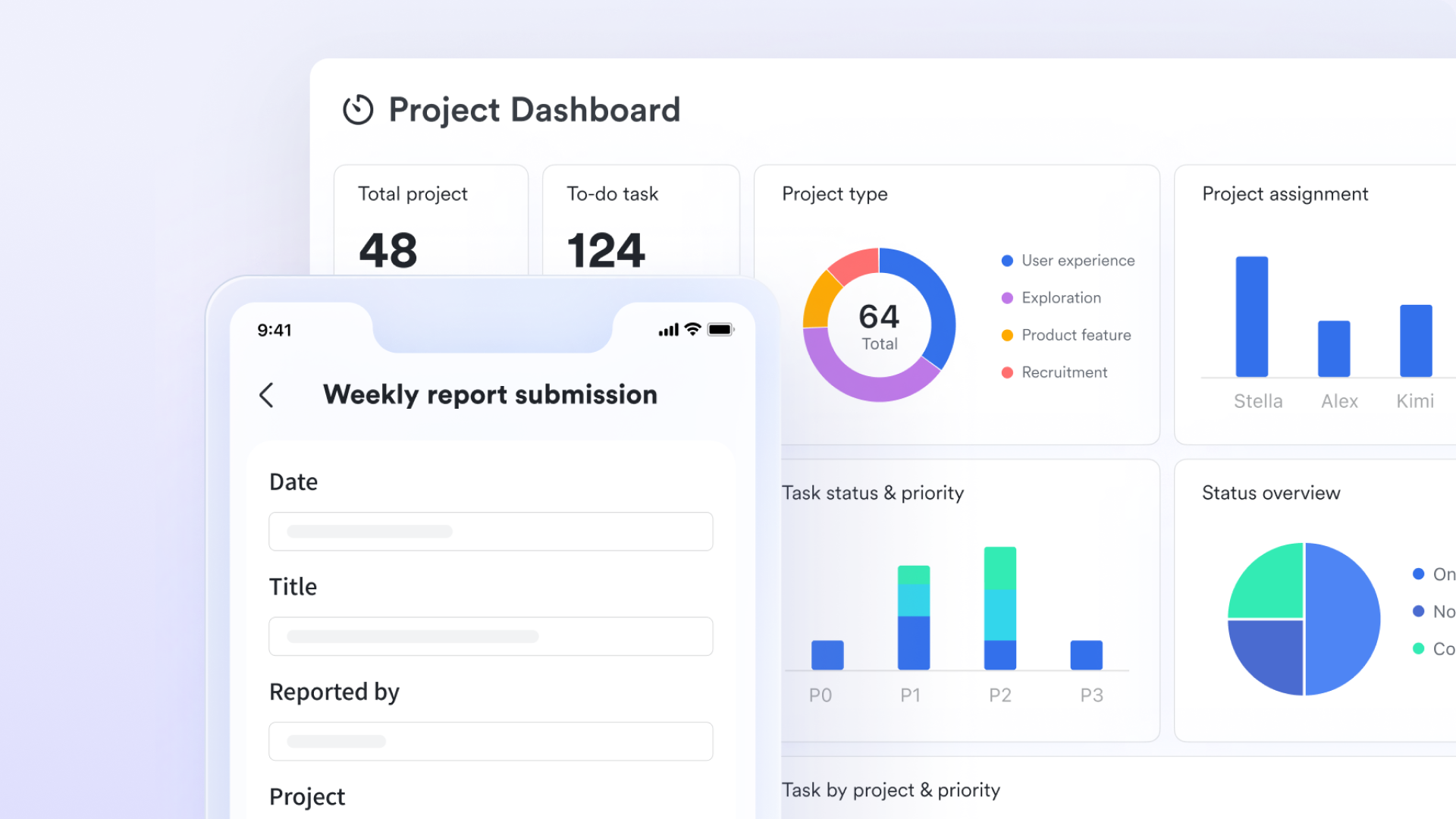
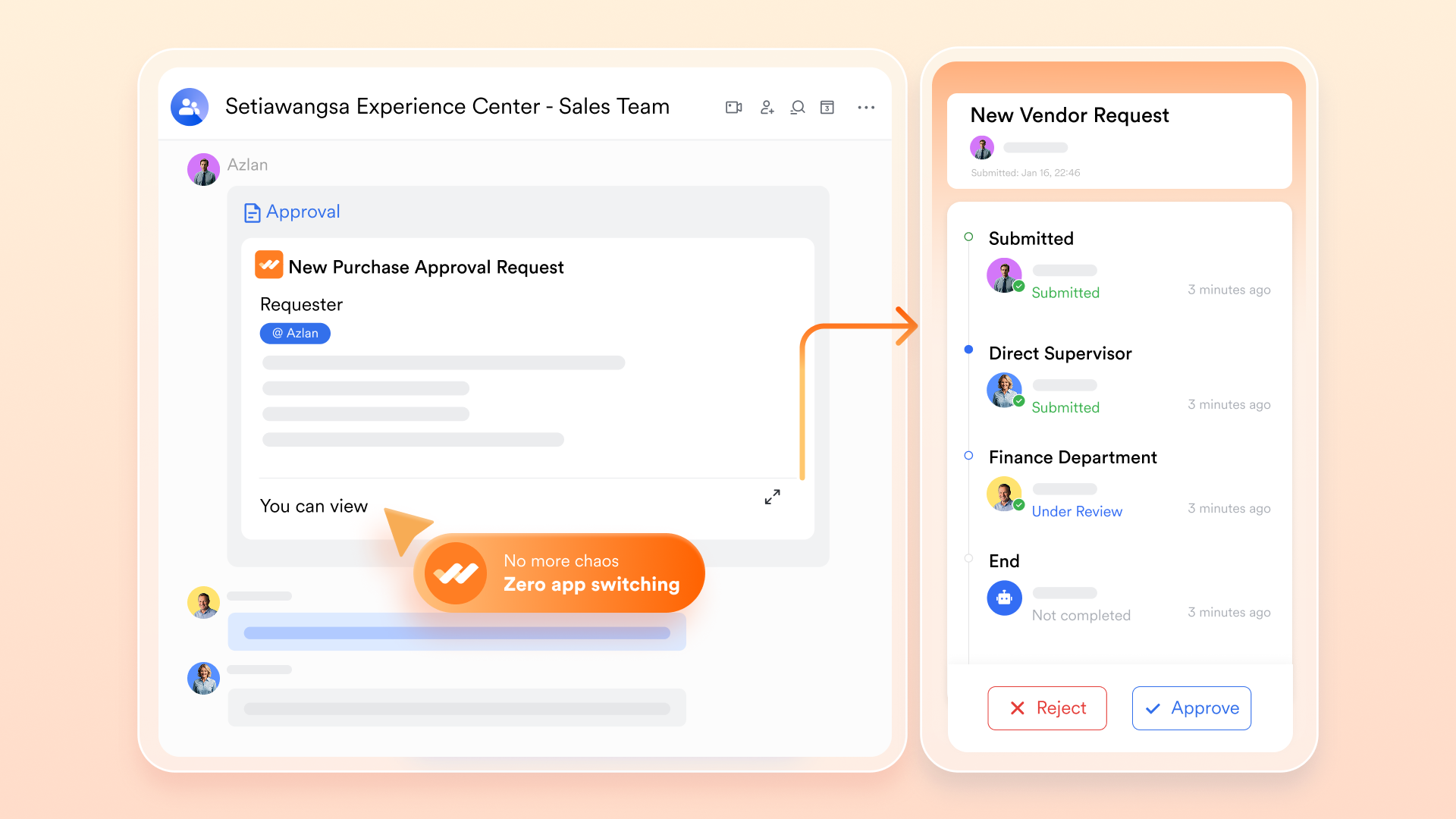
Furthermore, workflows allow users to set custom automated budget approval processes. Team members can attach relevant documents for approvals and initiate group chats to discuss budget decisions, ensuring a transparent and efficient approval cycle that keeps financial oversight smooth.
Collaborative documentation and meetings cope with scope constraints
Defining and managing the scope of a project is essential to its success, and Lark facilitates this through . The collaborative nature of (includes Docs, Sheets, Slides, Boards, and MindNotes) allows multiple team members to contribute to project documentation in real time and use the @mention function to remind members, ensuring that everyone is on the same page. 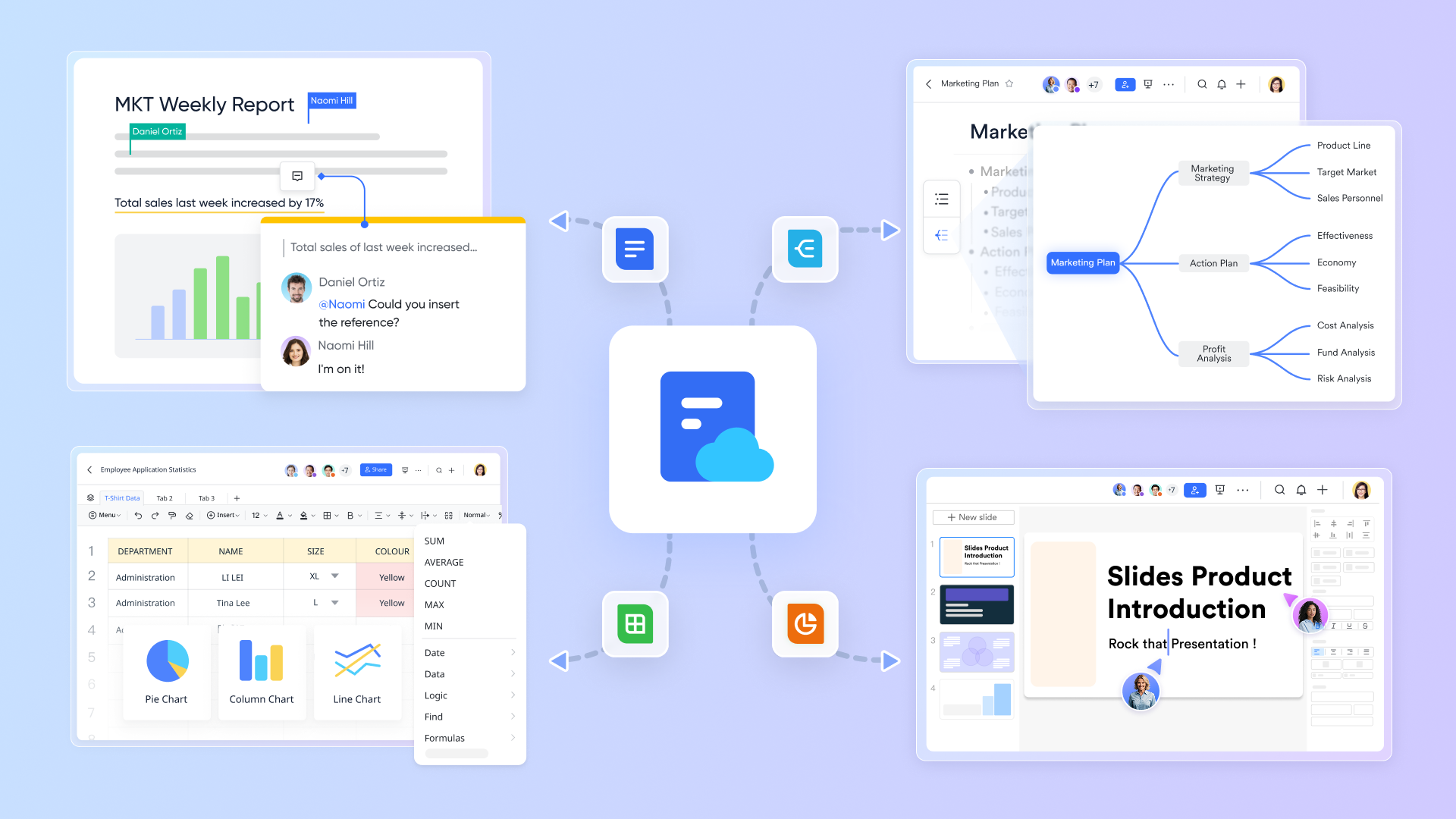
can be scheduled directly from the platform, making it easy to discuss project scope and objectives. Members can use the Magic Share function to show the file during meetings, and makes sure everyone has access to the complete project scope. These features enhance communication and alignment among team members, which is vital for avoiding scope creep and ensuring that all deliverables are clearly defined and understood. Powerful knowledge-hub and cloud drive that enhance resource management
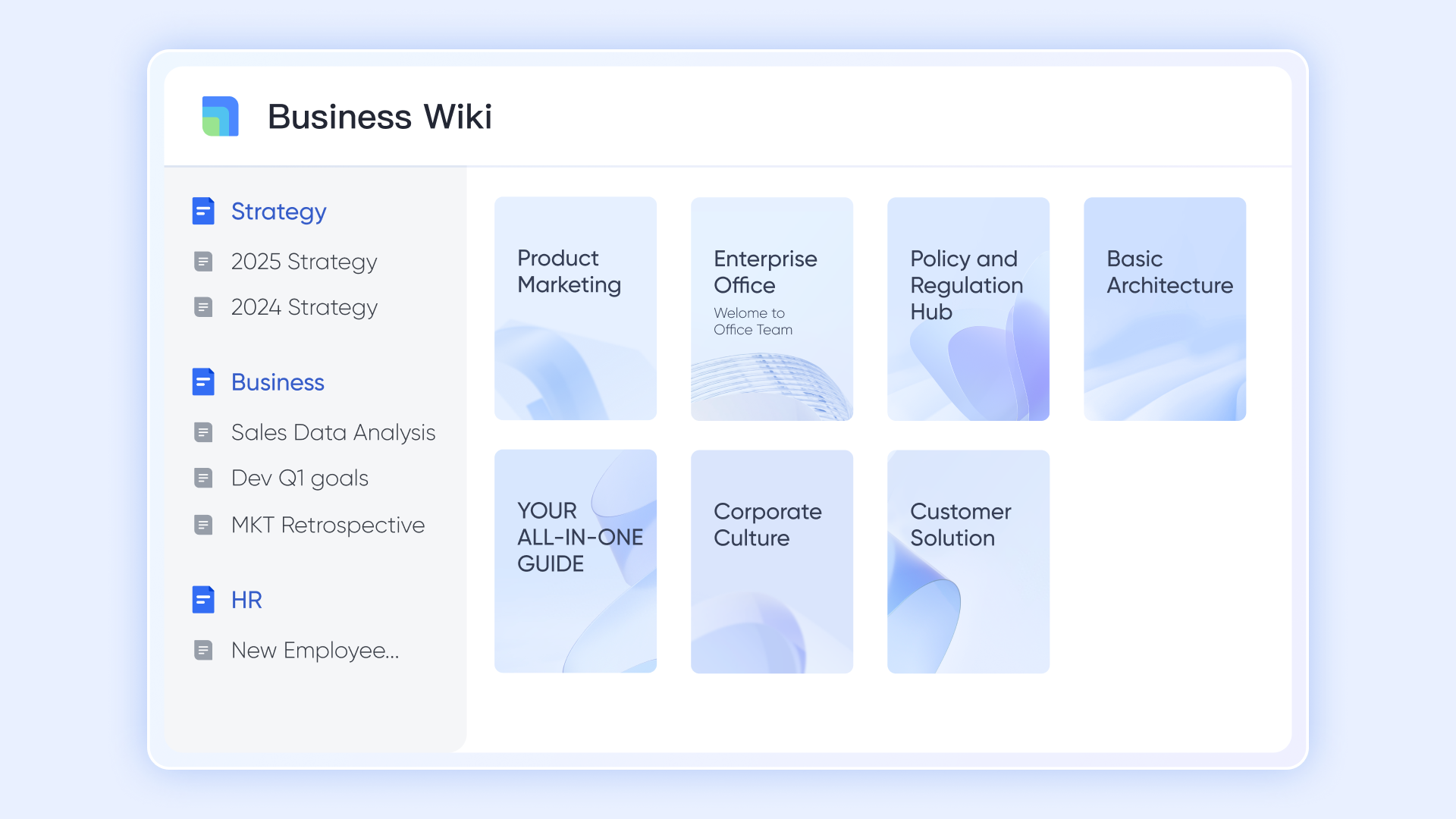
Managing resources effectively, especially in resource-limited scenarios, is crucial to project success. Lark includes the feature, which serves as a centralized knowledge base where team members can share information, processes, and best practices. This fosters resource sharing and reduces unnecessary duplication of efforts. Additionally, Lark's secure allows easy access to important documents from any location. This facilitates better collaboration among remote teams and addresses challenges related to resource availability.
Clear channels for risk management
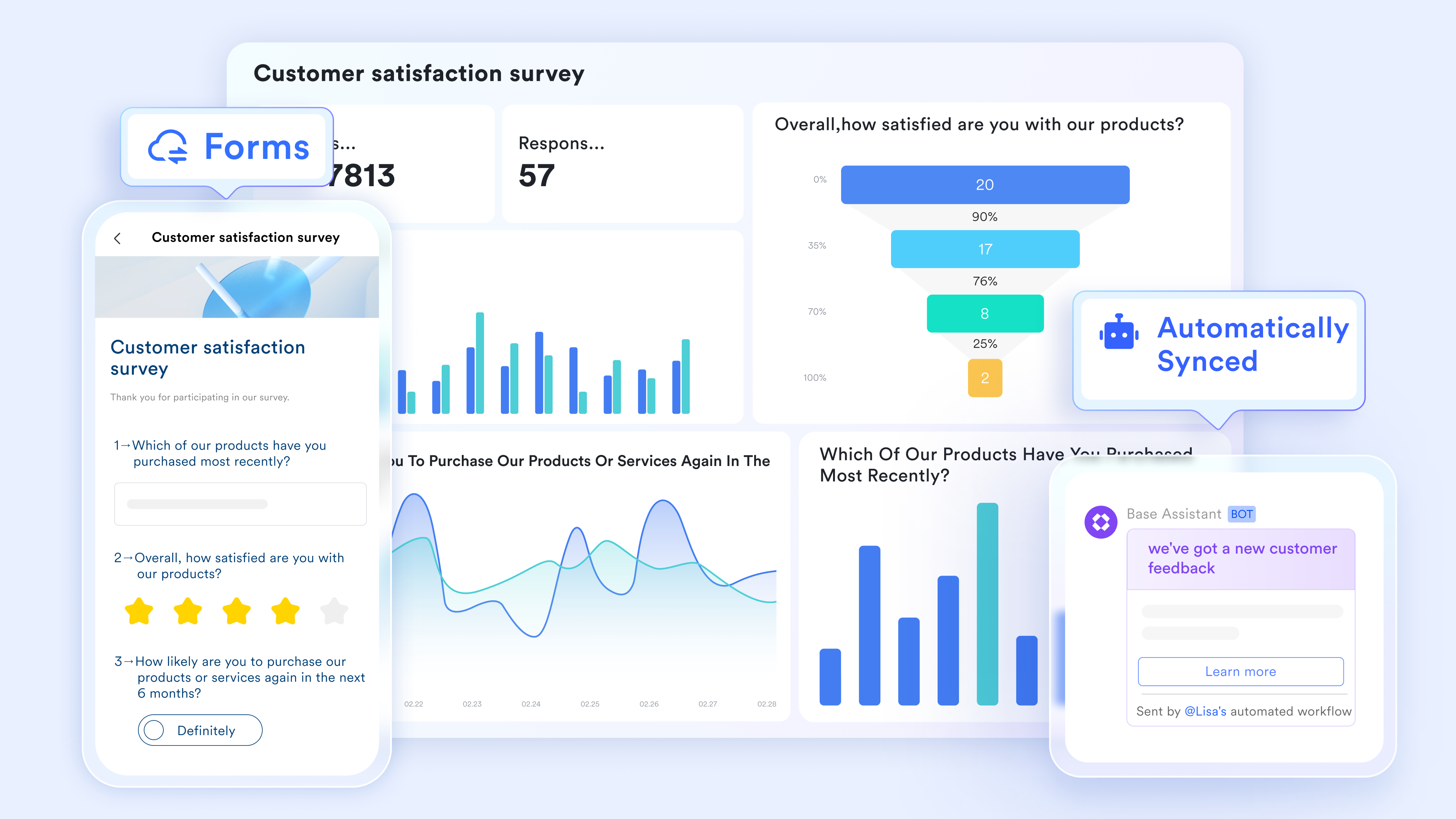
Identifying and in projects is vital to preventing potential setbacks. Lark Forms functionality allows users to document and submit reports on bugs or issues that may arise during the project, and submissions from can be synced to Lark Base for later follow-up steps. Additionally, the Help Desk feature enables teams to track these reports and prioritize resolutions. By allowing immediate reporting and proactively, Lark helps mitigate risks before they escalate into crises, ensuring smoother project execution.
for Lark:
- Starter plan: Free forever plan that includes 11 powerful tools for up to 20 users. It also comes with 100GB of storage, 1,000 automation runs, AI translations, and more. No credit card needed.
- Pro plan: $12/user/month (billed annually) for up to 500 users. It includes everything in Starter plus a group calling for up to 500 attendees, 15TB of storage, 50,000 automation runs, and more.
- Enterprise plan: for custom pricing. Supports unlimited users and includes even more automation runs and advanced security, compliance, and management features.
For small teams with simple communication needs

18 months message history
1000 Base automation runs/month
2000 rows per table in Base
Most POPULAR
For companies with comprehensive collaboration and management needs
Unlimited message history
500-participant video meetings
50k Base automation runs/month
20k rows per table in Base
For large companies with advanced security and organizational management needs
Get a personalized demo and pricing
Unlimited message history
500-participant video meetings
15 TB storage + 30 GB storage/user
500k Base automation runs/month
50k Base automation runs/month
Most POPULAR
For companies with comprehensive collaboration and management needs
Unlimited message history
500-participant video meetings
50k Base automation runs/month
20k rows per table in Base
Strategies to manage project constraints
Controlling constraints effectively is crucial for effective project management and successful outcomes. It is essential to balance constraints by planning, strategizing, and maintaining flexibility to manage scope, resources, time, and risks throughout the . This involves a systematic approach to identifying and addressing the limitations that can impact a project's outcome.
Practical approaches to identifying and analyzing project constraints
- Conduct a comprehensive assessment: Start by evaluating all aspects of the project, including timelines, budget, and scope. This assessment should involve stakeholders to capture a wide range of perspectives and data. Project management tools can provide real-time data to help , track resources, and analyze risks, making it easier to identify and address project constraints as they arise.
- Use brainstorming sessions: Engage team members in discussions that focus on potential constraints. This collaborative approach encourages diverse insights and can reveal hidden challenges that may not be immediately apparent.
- Implement : Analyzing Strengths, Weaknesses, Opportunities, and Threats enables project managers to identify constraints in a structured manner. This framework helps in understanding how different factors may limit success.
Techniques for prioritizing constraints based on project goals
- Align constraints with project objectives: Prioritize constraints based on their impact on . For instance, if timely delivery is critical, time constraints should be addressed first.
- Use the MoSCoW method: This prioritization technique categorizes requirements into must-have, should-have, could-have, and won't-have. By applying this method, project managers can determine which constraints are non-negotiable and which can be flexible.
- Establish trade-offs: Assess how adjusting one constraint may affect others. For example, if budget limitations require trimming scope, make informed decisions on which aspects of the project to modify while keeping overall goals in mind.
Tools and methodologies to aid in managing constraints effectively
- The Agile approach encourages regular reassessment of project progress and adaptability to change. Agile practices specifically promote flexibility, collaboration, and adaptability in managing project constraints, enabling teams to continuously improve and respond to changing requirements.
- Lean focuses on maximizing value while minimizing waste. This methodology helps identify areas where resources can be used more efficiently, addressing cost and resource constraints effectively.
- Utilize : PM tools like Lark offer an integrated platform that combines communication, document management, and task tracking. Project management software can also help project managers create contingency plans to address unexpected changes in constraints, and balance multiple constraints effectively.
By employing these strategies and methodologies, project managers can navigate the complexities of project constraints more effectively, leading to improved and successful project outcomes.
Start your comprehensive constraints assessment now
The interplay between constraints and project success
Understanding the interplay between project constraints and overall success is crucial for . Constraints such as time, cost, scope, quality, resources, and risk influence every aspect of project delivery. These factors can determine not only the feasibility of a project but also its outcome and stakeholder satisfaction.
- Impact on : Constraints directly affect the timelines and execution of a project. For example, strict deadlines can lead to rushed outcomes that compromise quality. If project managers do not effectively balance these constraints, they may find that deliverables are either late or subpar, negatively impacting overall project success. Unmanaged constraints can hurt project outcomes and hinder the achievement of the project's objectives. Monitoring and constraints through the project's life cycle is crucial for project success.
- Budget implications: Budget constraints force decisions on which project aspects are prioritized, often narrowing the scope or quality. Projects that don't stay within budget may require additional funding or lead to dissatisfaction among stakeholders who expected comprehensive deliverables.
- Stakeholder satisfaction: Meeting constraints is closely tied to stakeholder satisfaction. When projects are delivered on time, within budget, and meet predefined quality standards, stakeholders are more likely to be satisfied. Conversely, failing to manage constraints can lead to increased frustration and a lack of trust in the project team.
Research indicates a robust correlation between effective constraint management and project success rates. Studies show that projects that actively monitor and adapt to their constraints enjoy higher success rates, demonstrating the importance of strategic management approaches throughout the .
Tips for project managers to navigate constraints
Navigating project constraints effectively requires foresight, clear communication, and . By adopting best practices and maintaining open lines of communication, project managers can mitigate the impacts of constraints.
- Ongoing monitoring and adjustment: Project managers should implement continuous monitoring of constraints throughout the project lifecycle. Regularly reviewing timelines, budgets, and scope allows teams to identify potential issues early and adapt plans as necessary, ensuring alignment with project objectives.
- Stakeholder communication: regarding constraints is vital. By providing consistent updates on any changes or challenges faced, project managers can foster trust and encourage collaborative problem-solving. This dialogue ensures stakeholders are aligned with the project vision.
- Resource allocation strategies: Efficient resource allocation is key to managing constraints. Project managers should prioritize resources based on project needs and urgency. Utilizing can enhance visibility and optimization, ensuring that tasks are completed effectively.
By employing these strategies, project managers can enhance their ability to navigate project constraints, ultimately leading to better project outcomes and higher stakeholder satisfaction. Understanding and managing constraints not only supports improved but also strengthens the relationship between project teams and their stakeholders.
Implement a proactive strategy to handle constraints
Conclusion
Understanding and managing project constraints is essential for achieving project success. Constraints such as time, budget, and scope can significantly impact project delivery and stakeholder satisfaction. Recognizing these constraints as opportunities rather than obstacles allows project managers to innovate and find effective solutions that enhance the overall project outcome.
By effectively navigating these challenges through proactive monitoring and communication, project managers can not only minimize risks but also foster a collaborative environment among stakeholders. Leveraging tools like Lark can further streamline this process. Lark's integrated features for task management, scheduling, and real-time collaboration provide a comprehensive solution to address project constraints efficiently. Embrace to enhance your project management capabilities and turn constraints into opportunities for success!
FAQs
What are 5 project constraints?
Project constraints typically include five major factors: time, cost, scope, quality, and resources. These constraints define the boundaries within which a project must operate, influencing every decision made throughout the project lifecycle.
What are the 6 constraints of project management?
The six constraints of project management generally include: time, cost, scope, quality, resources, and risk. Each of these constraints interacts with the others, requiring careful management to ensure project success.
Which is an example of a project constraint?
An example of a project constraint could be a strict budget limit that restricts spending on necessary resources. Another example is a fixed timeline, which imposes deadlines that must be met to achieve project goals.
What are the four project constraints?
The four primary project constraints, often referred to as the "project management triangle," include time, cost, scope, and quality. These elements must be balanced for a project to be successful, as changes to one constraint can affect the others.
How can project managers effectively communicate constraints to their teams?
Project managers can communicate constraints effectively by holding regular meetings, using project management tools that visualize constraints, and providing clear documentation. Ensuring that every team member understands the constraints helps in aligning efforts and expectations.
What strategies can be used to mitigate project constraints?
To mitigate project constraints, project managers can employ various strategies such as agile methodologies for flexibility, regular progress reviews to identify issues early, and stakeholder engagement to foster collaboration. Using Lark can significantly aid project managers in addressing these constraints, providing an integrated platform for communication, task management, and scheduling, ultimately leading to more successful project outcomes.
Related reading