Project risk management is crucial for ensuring that projects are completed successfully and within the defined scope, budget, and timeline. As a project manager, it's vital to identify, evaluate, and address various types of risks that could derail progress. In this article, we will explore key types of risks in project management, examining their characteristics and potential impacts. Additionally, we'll discuss effective risk management strategies that can enhance project outcomes. Along the way, I'll highlight how tools like Lark can assist teams in navigating and managing these risks effectively, ensuring a smoother project journey.
What are the risk types in projects?
refer to uncertain events or conditions that may impact the success of a project if they occur. These risks can arise from various sources within and outside the project framework, and they can influence key areas such as timelines, budgets, and overall quality. Effectively understanding and managing these risks is crucial for project managers to safeguard project objectives. Common project risks include cost risks, scope creep, and issues related to technology or . Risks can affect project management in several ways:
- Timelines: Delays in project tasks or resource allocation due to unforeseen risks can lead to missed deadlines, jeopardizing the delivery schedule. This can create a cascade of issues for subsequent .
- Budgets: Financial risks, such as budget overruns, can occur when additional resources are needed to address unexpected challenges. These overruns can strain the project's financial resources and compromise its profitability. Accurately estimating and managing project expenses and is critical, and creating a detailed budget based on careful research helps manage these effectively.
- Quality: Quality can be compromised when risks disrupt processes or divert attention from key tasks. For example, rushed work to catch up on a delayed schedule may lead to subpar deliverables.
Thorough and careful management of project resources are vital for risk mitigation, helping to prevent issues such as scope creep, cost overruns, and resource shortages. Project managers categorize risks to systematically identify and mitigate potential threats, improving the likelihood of project success.
Recognizing these implications underscores the importance of implementing effective risk management strategies, ensuring that project managers are equipped to anticipate and respond to potential challenges.
Types of project risks
Identifying the types of project risks is vital for developing a comprehensive . Below are some of the most common project management risk types encountered across various industries:
Operational risks
Operational risks stem from the internal processes and systems within a project. These risks arise from problems with day-to-day and activities, including issues related to resource management and resource risk. Examples include:
- Process failures: Inefficient workflows or tools that lead to bottlenecks, resulting in delays or errors.
- Resource constraints: Limited availability of human, financial, or physical resources can hinder project progress. Resource risk occurs if there are not enough resources, such as time, skills, or tools, to complete the project.
Mitigation strategies for operational risks involve:
- Implementing process improvements to streamline workflows.
- Regularly and adjusting plans to address constraints proactively.
- Prioritizing effective resource management to balance labor, materials, and finances, and preventing project disruptions.
- Consulting experienced team members to improve the accuracy of project planning and mitigate risks associated with underestimating task durations or resource needs.
Financial risks
Financial risks encompass issues related to budgeting and funding. Cost risk is a specific type of risk centered on project costs and project expenses, which can lead to budget overruns. Common concerns include:
- Budget overruns: Costs exceeding initial estimates due to unforeseen circumstances. Cost risk occurs when a project goes over the budget initially set, often due to unrealistic budgeting or unexpected expenses.
- Funding issues: Delays in securing necessary financial resources or changes in project funding.
To prevent these risks, project teams can use techniques such as:
- Establishing detailed budgeting processes that allow for contingency funds.
- Regularly reviewing financial status and adjusting forecasts based on evolving project needs.
- Incorporating practices, such as using accurate data and contingency funds, to mitigate risks related to budget overruns and unforeseen project expenses.
Technical risks
These risks, often referred to as technical or technological risks, relate to technology and performance, posing challenges such as:
- System failures: Technology breakdowns that impact project operations.
- Integration challenges: Difficulties in implementing new technologies or systems within existing frameworks.
Technical risks include issues with hardware, software, platforms, data security, or new technology implementation, such as integration problems or system breakdowns.
The importance of thorough testing and validation cannot be overstated. Teams should perform rigorous testing phases to ensure that systems function as intended before full-scale implementation.
External risks
External risks arise from outside the project, including environmental risks, market risks, and external hazard risks. External risks or environmental/market risks are factors outside the project or organization, such as regulatory changes, market volatility, or natural disasters. Internal risks occur within the organization and are generally easier to control than external risks, which arise from outside the project.
- Regulatory changes: New laws, industry regulations, or compliance requirements that may affect project requirements.
- Market volatility: Economic factors such as fluctuations in commodity markets, foreign exchange rates, interest rates, or competition that impact resource availability or project feasibility.
- Natural disasters and external hazard risks: Unpredictable events such as floods, storms, political instability, criminal actions, or labor strikes that can disrupt and threaten project stability.
Managing these risks involves maintaining strong communication with stakeholders and monitoring external factors that could influence the project landscape.
Strategic risks
Strategic risks, including short-term strategic risks as a category, relate to how well a project aligns with . Strategic risks arise from poor strategic choices, misalignment with business goals, or market changes that affect the project's success. According to the PMBOK Framework, risks are categorized into Operational, Short-term Strategic, and Long-term Strategic categories.
Misalignment can lead to:
- Inadequate resource allocation or prioritization of the project within the organization.
- Project failure or reduced support from key stakeholders.
To address strategic risks, it's essential to regularly review alignment with organizational goals and adjust project strategies as necessary.
Human resource risks
Human resource risks pertain to team dynamics and . Involving project team members in risk identification and mitigation is crucial, as it ensures clear roles and responsibilities and helps prioritize and address risks effectively. Key issues include:
- Skill shortages: Insufficient expertise within the team to meet project demands.
- Turnover: High employee turnover rates disrupt continuity and knowledge retention.
Stakeholder risks, such as conflicts, misaligned expectations, or poor engagement, can also impact project decisions and buy-in, making it essential to manage relationships and communication with all stakeholders.
Scope risks/scope creep
Scope creep occurs when project requirements expand without proper control. This can hinder success in several ways, such as:
- Increased workloads for the team.
- Potentially inflated budgets and timelines.
Managing and controlling project scope requires clear documentation of project objectives and change control procedures to evaluate new requests critically.
Governance risks
Governance risks involve the structures and processes that guide project decisions. They can include:
- Compliance failures: Not adhering to regulatory or internal governance standards.
- Lack of oversight: Insufficient review processes to ensure project alignment with standards.
Strategies for ensuring proper governance include establishing clear guidelines, maintaining oversight mechanisms, and involving key stakeholders throughout the project lifecycle.
Legal risks
Legal risks stem from various contractual and regulatory obligations. Common issues include:
- Contracts: Potential disputes arising from unclear terms or misunderstandings.
- Regulatory compliance: Failing to adhere to laws and regulations can result in penalties.
Recognizing and understanding the various types of project risks allows project managers to make informed decisions when planning and . By effectively managing these risks, teams can enhance the likelihood of successful project outcomes, ensuring that objectives are met while maintaining quality and stakeholder satisfaction.
Take the first step toward effective risk management
Analyzing and prioritizing project risks
Effectively managing project risk types starts with a thorough analysis and prioritization process. Risk assessment is essential in project management, as it helps identify, evaluate, and prioritize potential risks. Using a risk assessment matrix enables project teams to systematically assess and manage risks. By systematically identifying and , project managers can focus their efforts on the most critical threats, ensuring that resources are allocated efficiently to mitigate potential issues.
Techniques for identifying potential risks
Several methods can help teams identify potential risks effectively:
- : Engaging team members in brainstorming sessions encourages the generation of diverse ideas and perspectives. This collaborative approach often uncovers risks that individuals might overlook on their own, allowing for a comprehensive understanding of potential threats.
- : Analyzing a project's Strengths, Weaknesses, Opportunities, and Threats (SWOT) can provide valuable insights into potential risks. For instance, weaknesses identified within the project may point to operational risks, while threats from the external environment can reveal strategic risks or market volatility. Using a SWOT analysis helps identify strengths, weaknesses, opportunities, and threats specifically related to project risks, supporting a more thorough risk assessment.
- Interviews and surveys: Conducting interviews or surveys with stakeholders, including team members and external partners, can help in identifying risks based on their unique insights and experiences. Involving stakeholders in risk discussions provides a broader view of potential issues and enhances buy-in for risk response plans. This method can uncover specific concerns that might not emerge in group settings.
- Checklists: Utilizing predefined risk checklists tailored to the project's nature or industry can ensure that common risks are not overlooked. These checklists can serve as a useful reference point throughout the and are particularly helpful for identifying risks associated with specific tasks that could impact the overall project.
- Historical data analysis: Reviewing past projects and their risk outcomes can offer valuable lessons. Analyzing historical data helps identify patterns and trends in risk occurrences, contributing to a more informed risk identification process.
Methods for assessing risk impact and likelihood
Once potential risks are identified, the next step is to assess their impact and likelihood, allowing teams to prioritize them accordingly. One of the most effective tools for this purpose is the risk matrix.
Risk matrix: A risk matrix plots the likelihood of a risk occurring against its potential impact on the project. By categorizing risks based on these two dimensions, project teams can quickly identify which risks require immediate attention. For example, risks that fall into the "high likelihood, high impact" quadrant should be prioritized for mitigation strategies.
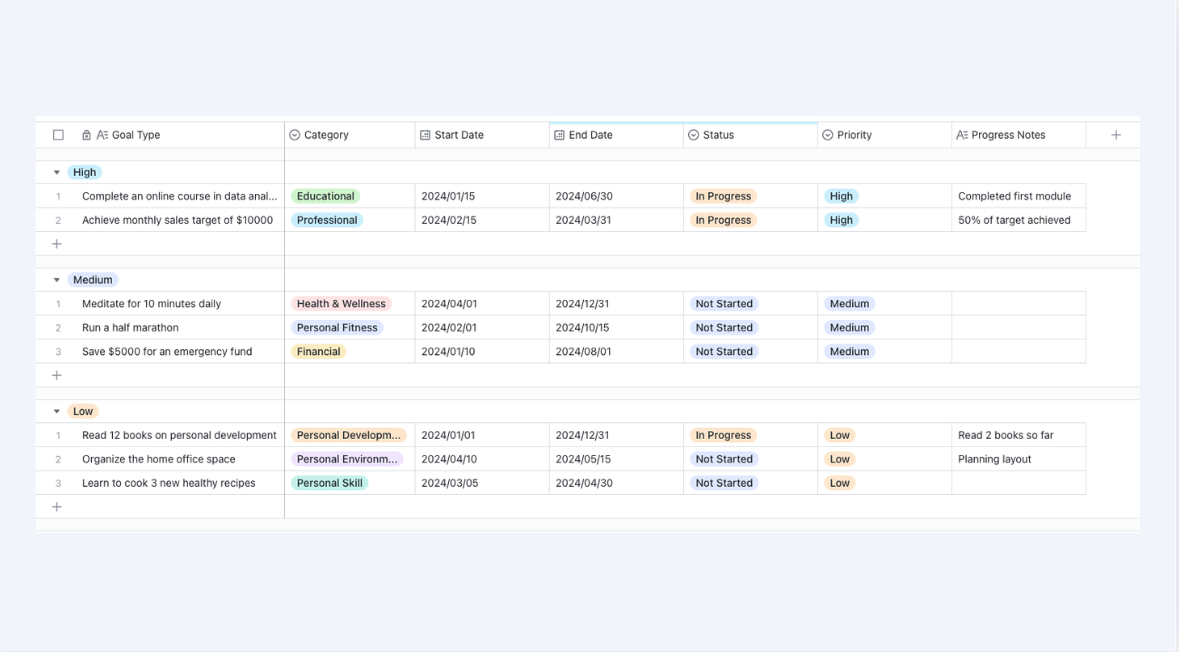
Steps to use a risk matrix:
- Define likelihood levels: Establish a scale for likelihood (e.g., rare, unlikely, possible, likely, almost certain) to categorize how often each risk might occur.
- Define impact levels: Similarly, create an impact scale (e.g., negligible, minor, moderate, major, catastrophic) to assess how significantly each risk could affect the project.
- Plot risks on the matrix: As risks are evaluated, they are plotted on the matrix according to their likelihood and impact, providing a visual representation of risk severity.
- Prioritize risks: Based on their position in the matrix, prioritize risks for further analysis or action. Focus efforts on addressing risks that are both highly likely and have severe consequences.
By utilizing these techniques for identifying and analyzing project risks, teams can effectively navigate the uncertainties inherent in . This structured approach ensures that risks are managed proactively, enhancing the likelihood of project success and the achievement of strategic objectives.
Start your comprehensive risk assessment today
Risk management strategies for project execution efficiency
Managing project risks effectively requires a well-rounded strategy that includes avoidance, mitigation, transfer, acceptance, and continuous monitoring. Lark's suite of , project management capabilities, and real-time communication features provides the necessary support for each of these strategies. By leveraging , teams can improve their risk management processes, ensuring greater project success and resilience in the face of uncertainties.
Risk avoidance
Risk avoidance involves altering project plans to sidestep potential risks entirely. This approach is most effective when the risks could significantly derail project objectives.
How Lark helps:
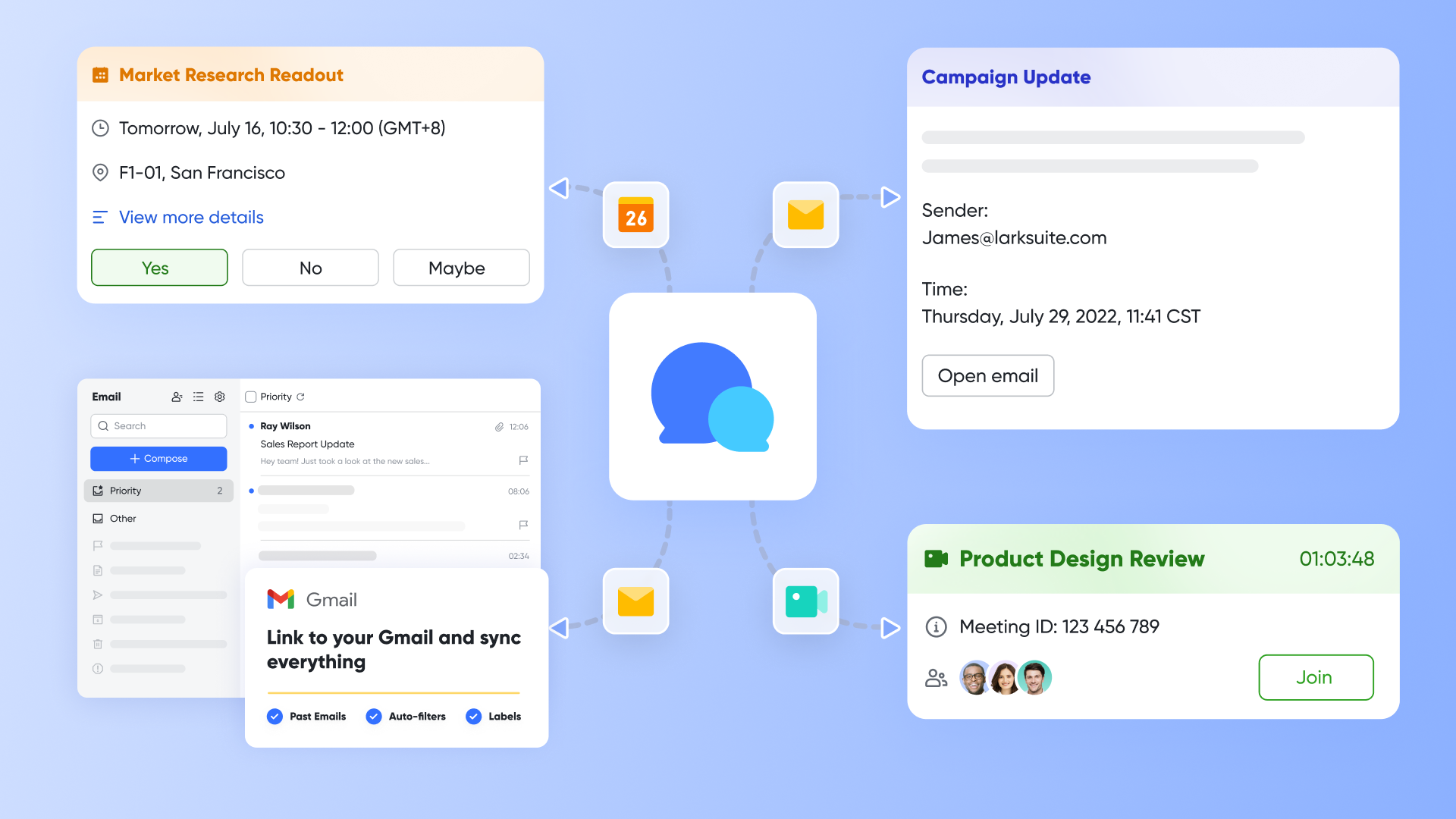
unifies chat, video conferencing, collaborative documentation, and file sharing in one place, so that teams can engage in thorough discussions during the planning phase to identify potential pitfalls and adjust project scopes or approaches accordingly. This open communication fosters a proactive environment where risks are addressed before they become barriers.
Lark's project management features, such as Gantt view and timeline visualizations in , help teams see the big picture. These functions allow for the identification of scheduling conflicts early in the planning process, enabling teams to restructure timelines to avoid possible risks. 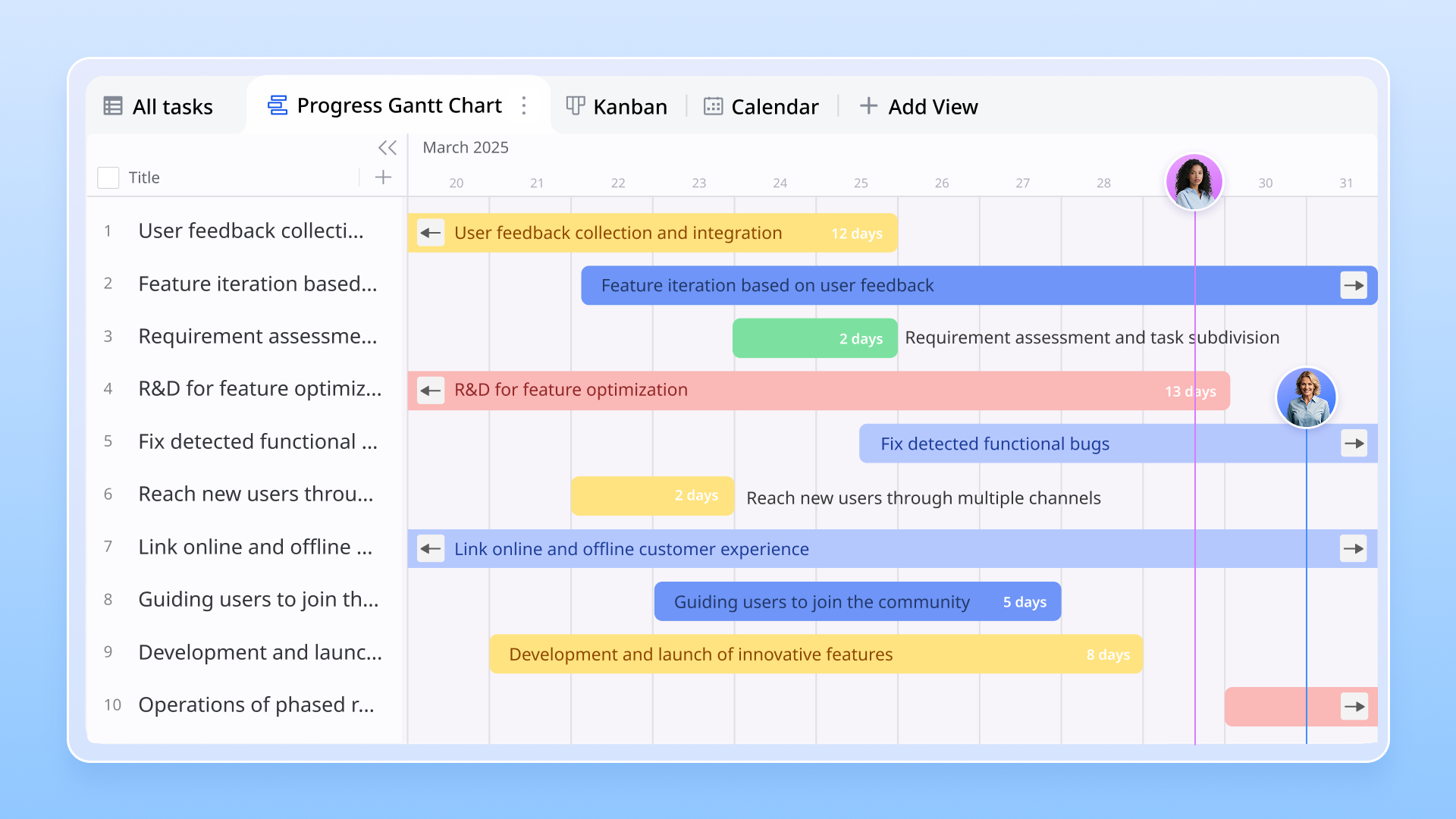
Risk mitigation
Mitigation entails taking proactive measures to reduce the impact or likelihood of identified risks. This strategy is common in project management and is crucial for maintaining project stability.
How Lark helps:
empowers users to create customizable project management tables with various fields, allowing for clarity in task phases, responsible personnel, timelines, associated risks, and priority levels. Its dynamic dashboards and two-way link function provide real-time updates linked directly to the Base tables, enabling teams to visualize project progress and identify risks swiftly. 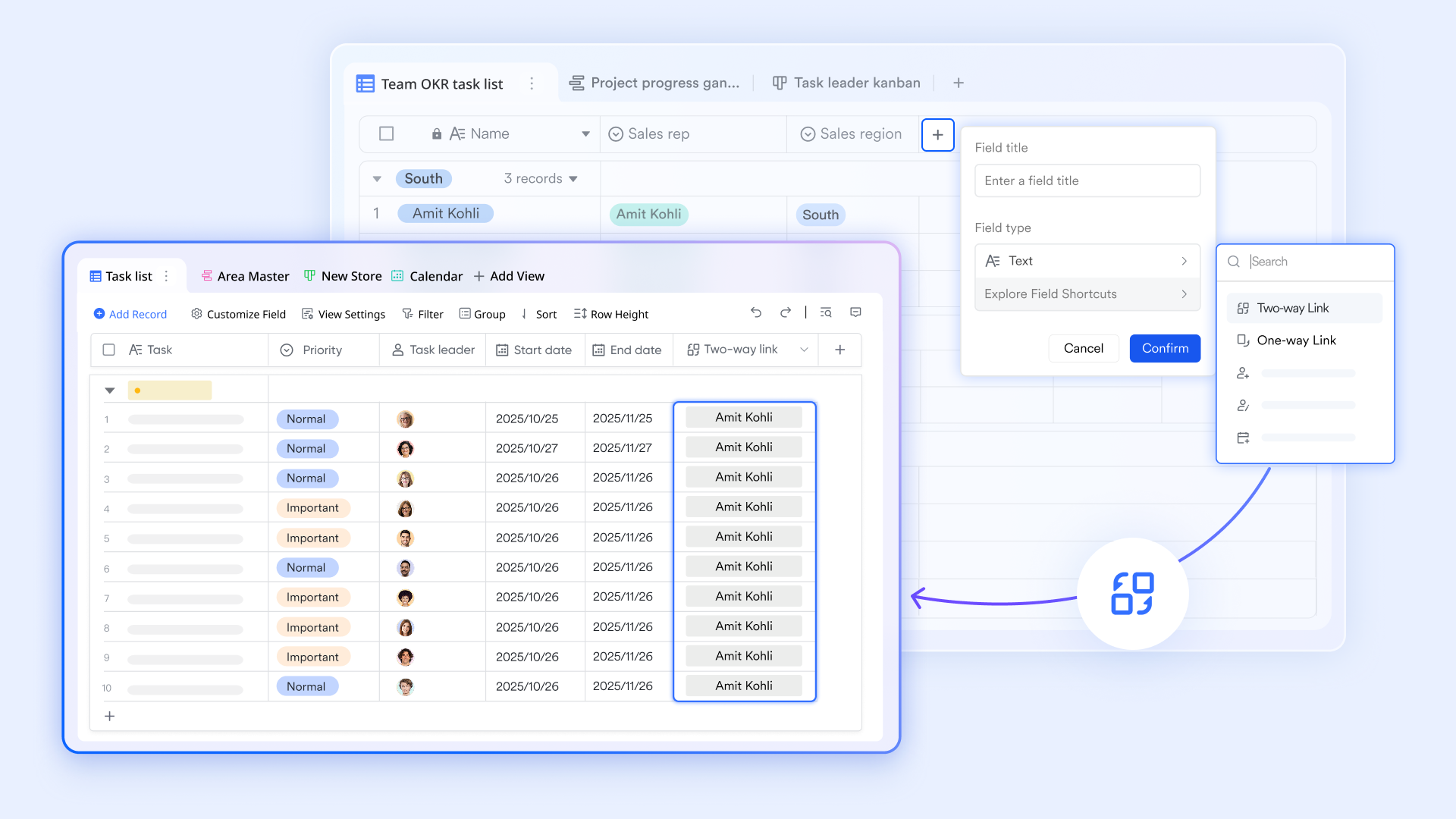
Lark Tasks facilitates effective task management by enabling users to prioritize assignments and designate responsible team members. The Gantt and Kanban views in Tasks enhance project visibility, allowing teams to track progress effortlessly. With these tools, project managers can clearly define roles in risk mitigation efforts, fostering accountability and ensuring timely actions are taken. 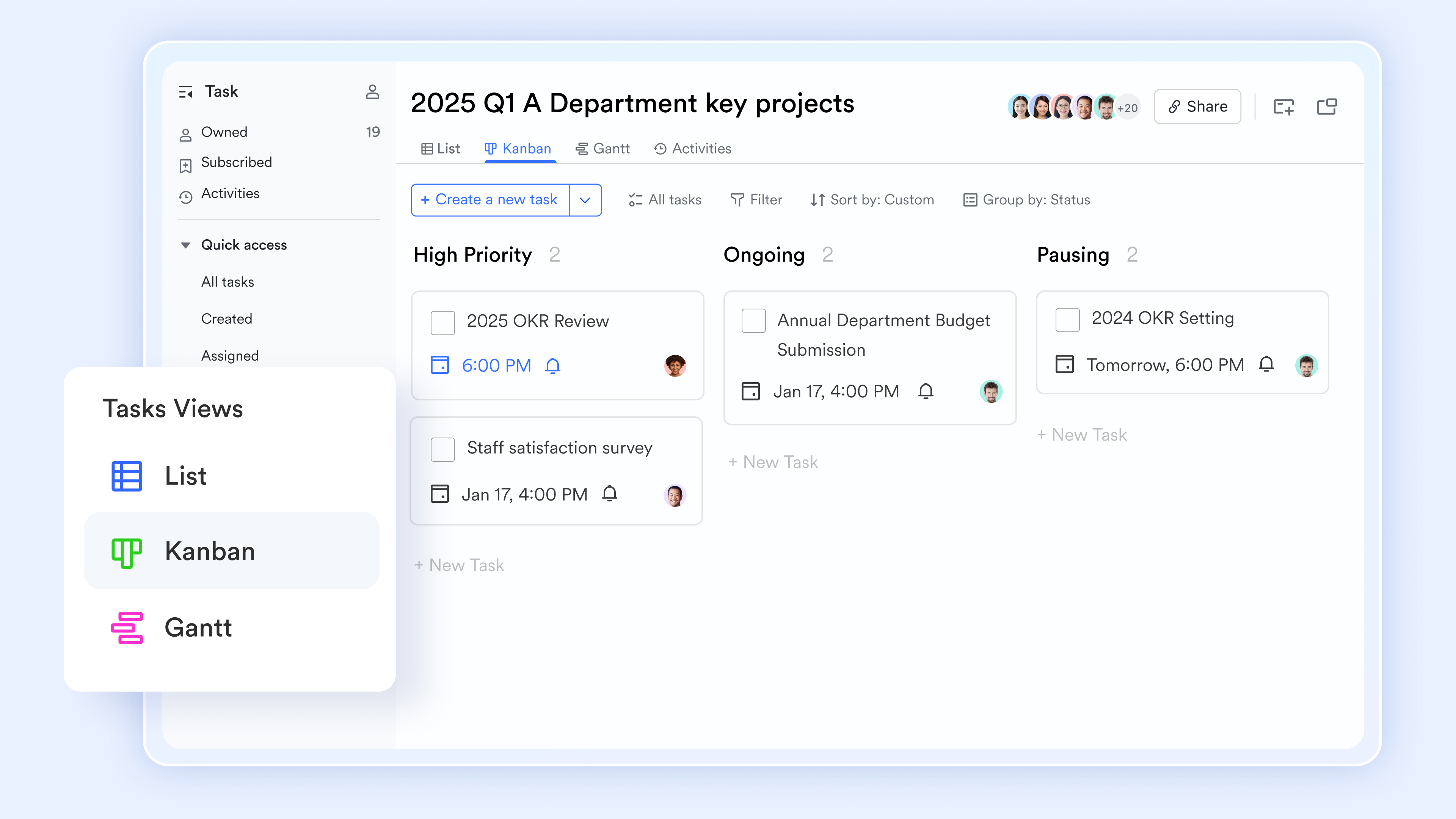
Risk transfer
Risk transfer involves shifting the impact of a risk to a third party, often through contracts or insurance. This can be an effective strategy for managing risks that are out of the project team's direct control.
How Lark helps:
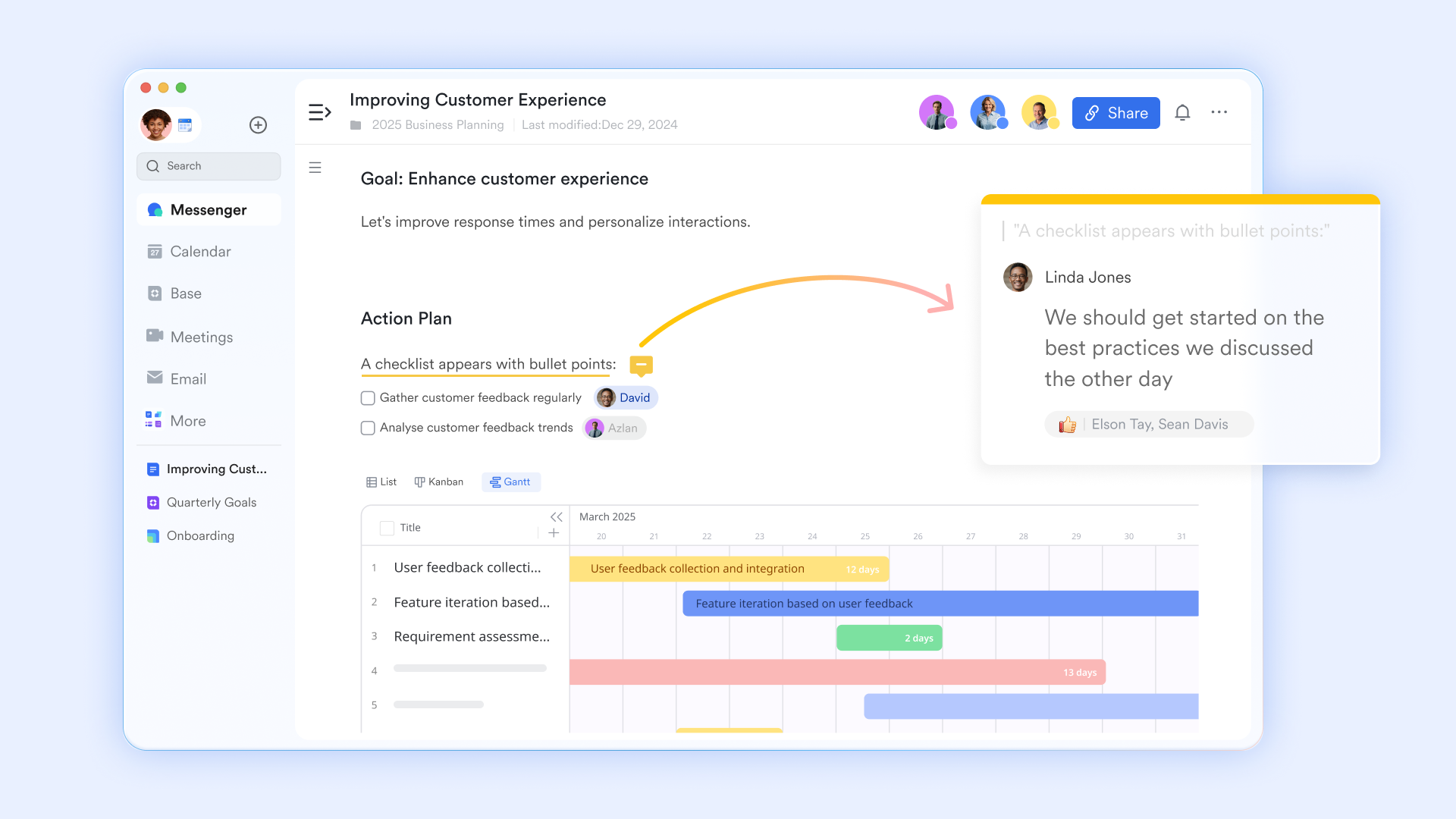
' document collaboration features facilitate the drafting and reviewing of contracts, ensuring that all terms related to risk transfer are clearly outlined and understood by stakeholders. This clarity helps prevent misunderstandings that could lead to disputes.
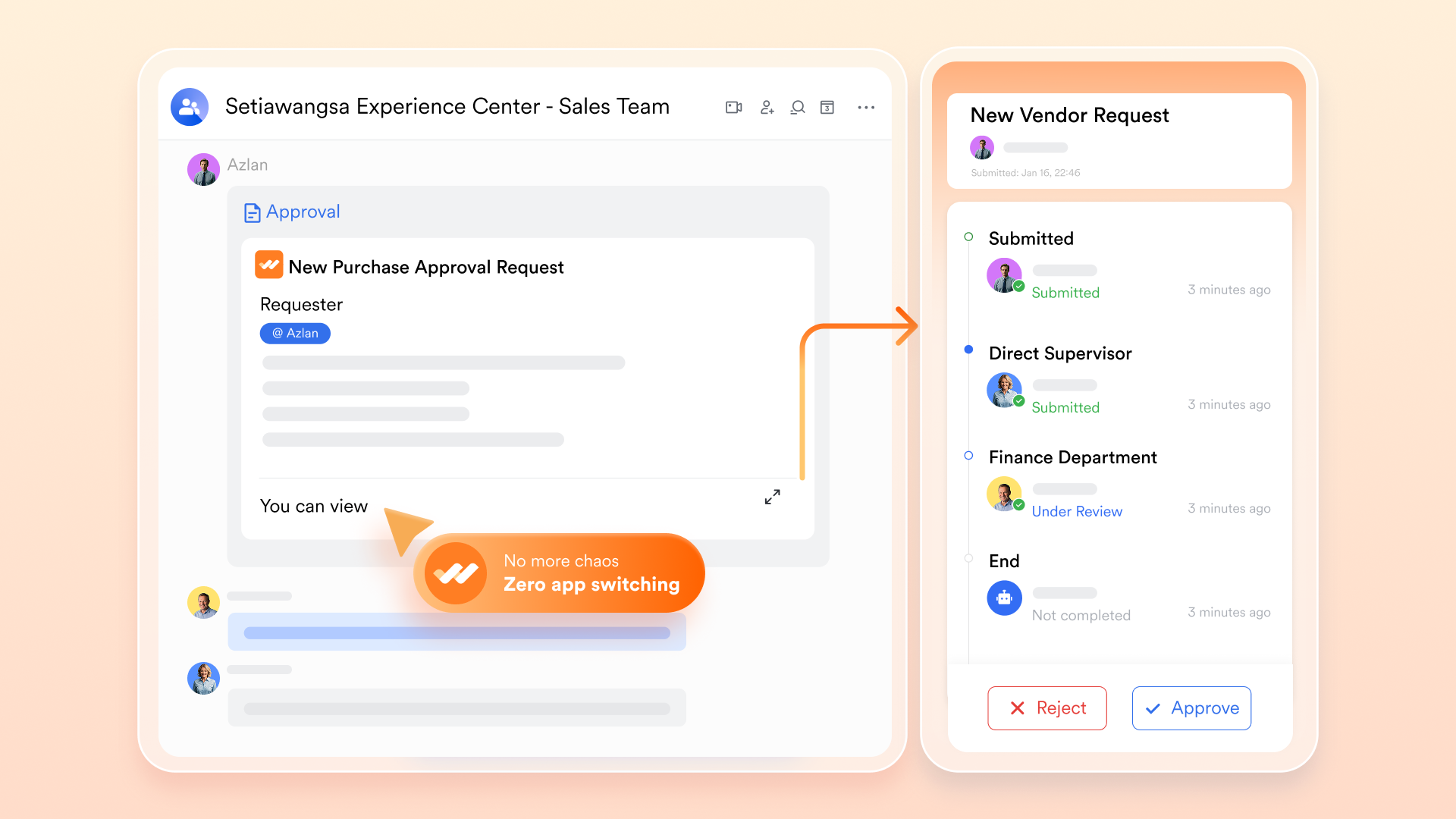
Customizable approval workflows in further streamline the process of managing contracts, ensuring compliance and oversight. By integrating feedback and approvals from relevant parties, teams can ensure that all aspects of risk transfer are addressed thoroughly.
Risk acceptance
In some cases, project teams may determine that the potential impact of a risk is acceptable, especially if mitigating the risk would be more costly than the risk itself.
How Lark helps:
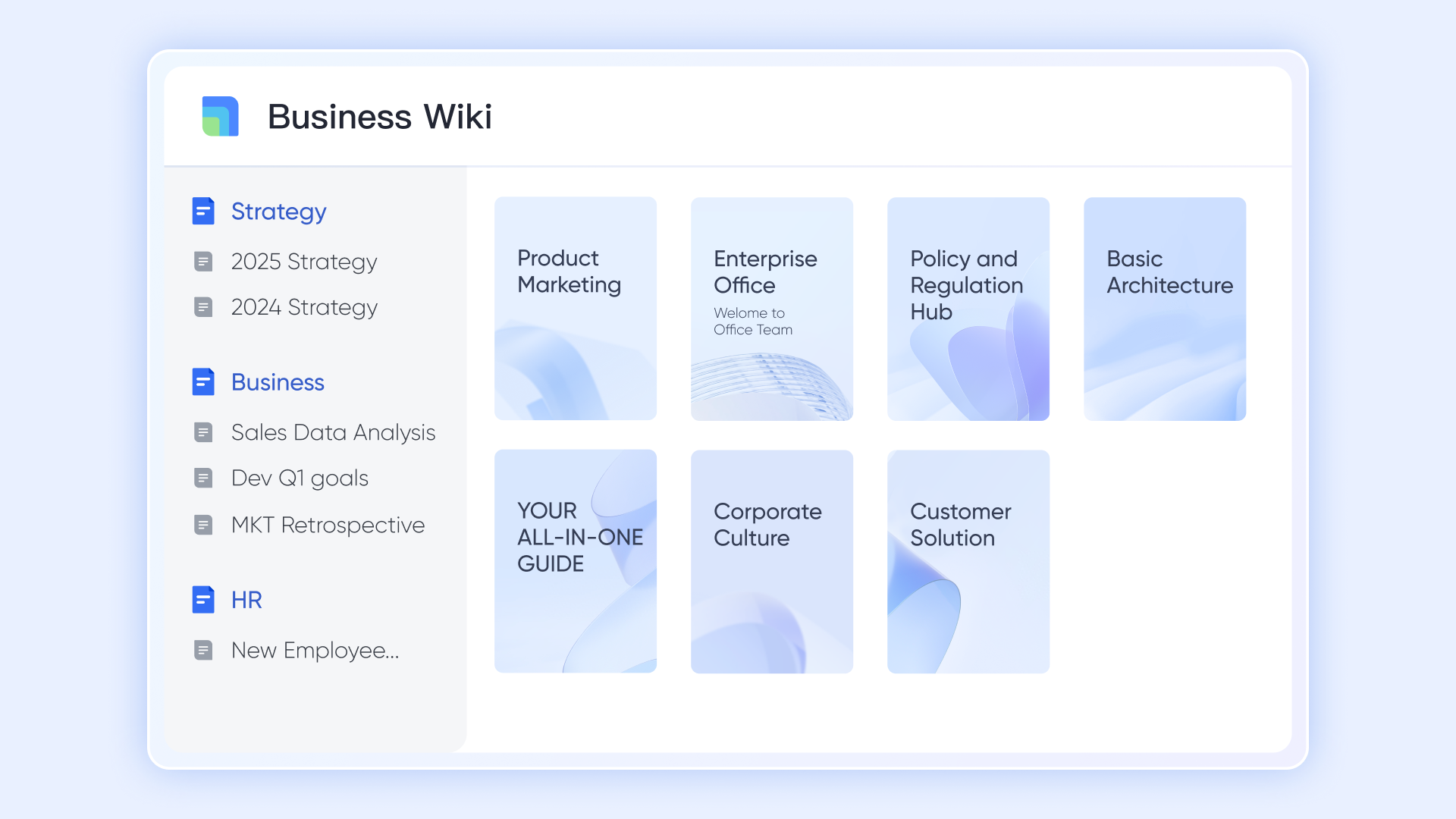
Lark Wiki serves as a cloud-based knowledge repository that organizes all project-related documents. Team members can regularly discuss these materials, facilitating informed decisions about risk acceptance. The role-based permissions in ensure that sensitive information remains secure while still accessible to authorized personnel.
enhances communication during risk discussions. With features like Magic Share, participants can easily share their screens and navigate documents collaboratively, ensuring clarity in discussions. With one simple click, the feature automatically captures key points and transforms them into actionable items, making it easier to address risks efficiently. 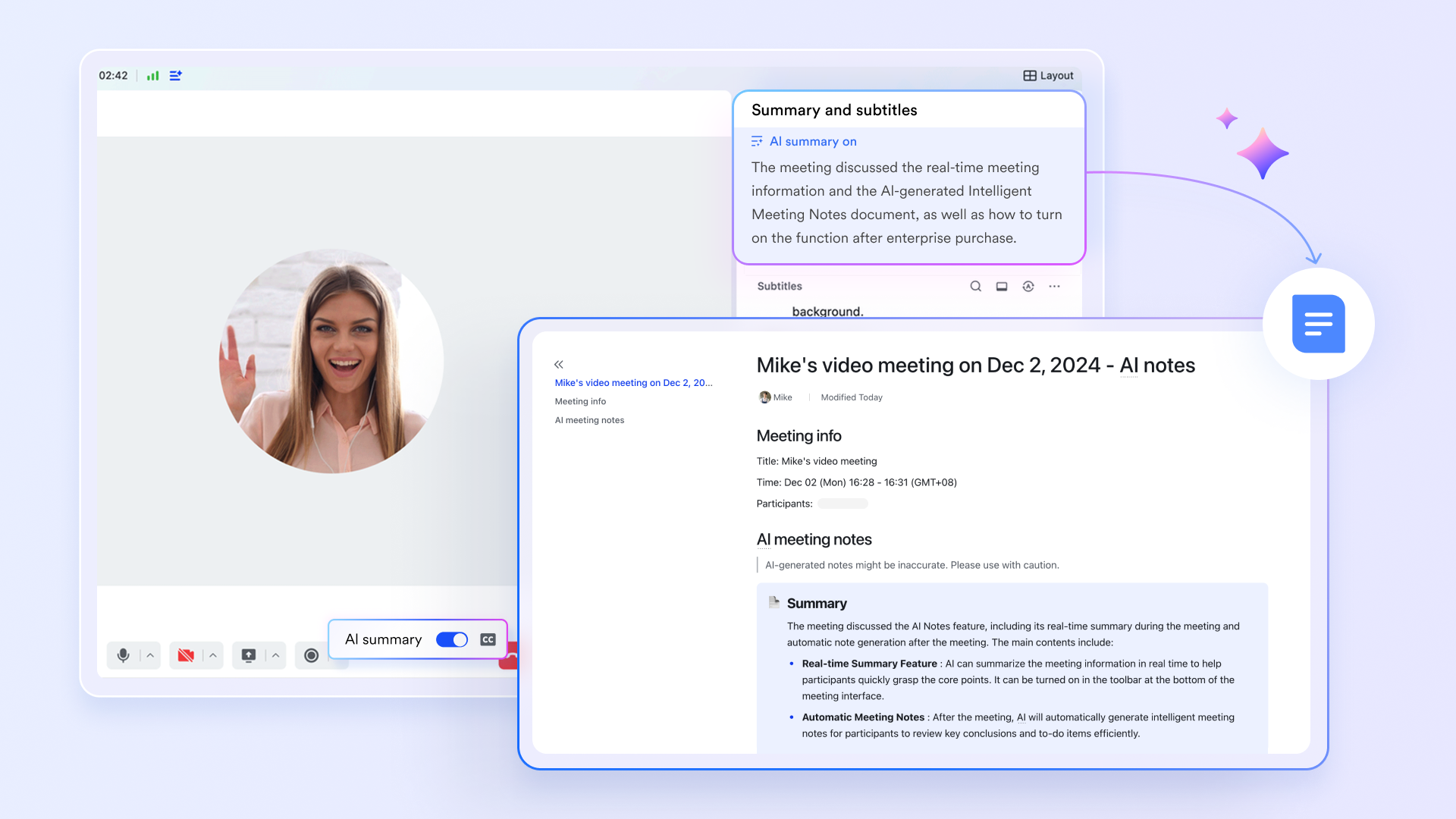
Continuous monitoring
This strategy involves regularly reviewing and reassessing risks throughout the project lifecycle. helps catch new risks early before they escalate into significant issues.
How Lark helps:
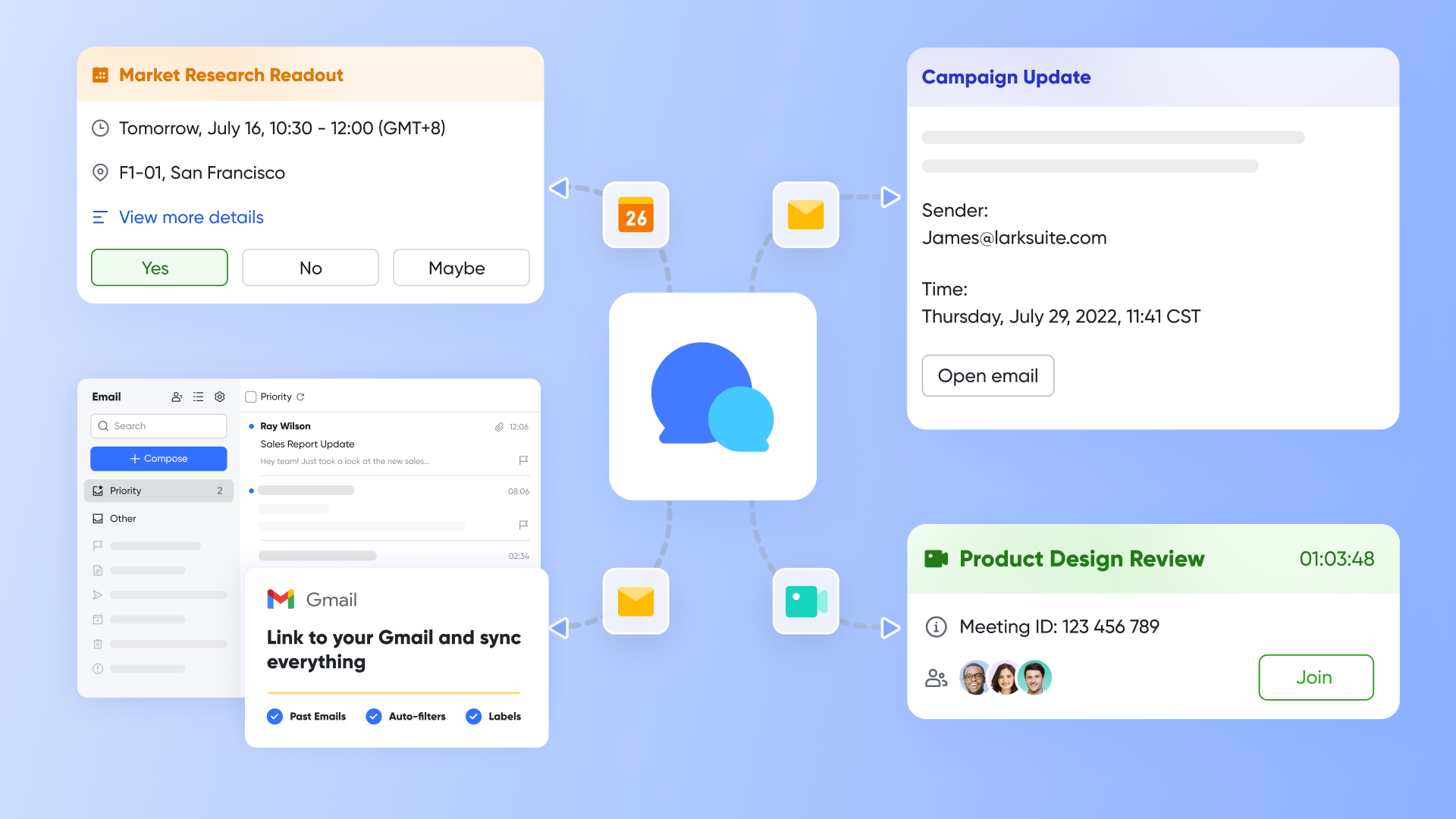
deeply combines with other functions. Its real-time notifications and alerts inform project teams immediately about changes or issues, facilitating timely responses to emerging risks. For example, changes in Lark Base or due tasks in Lark Tasks can trigger notifications in Messenger. This immediacy helps teams remain agile and responsive.
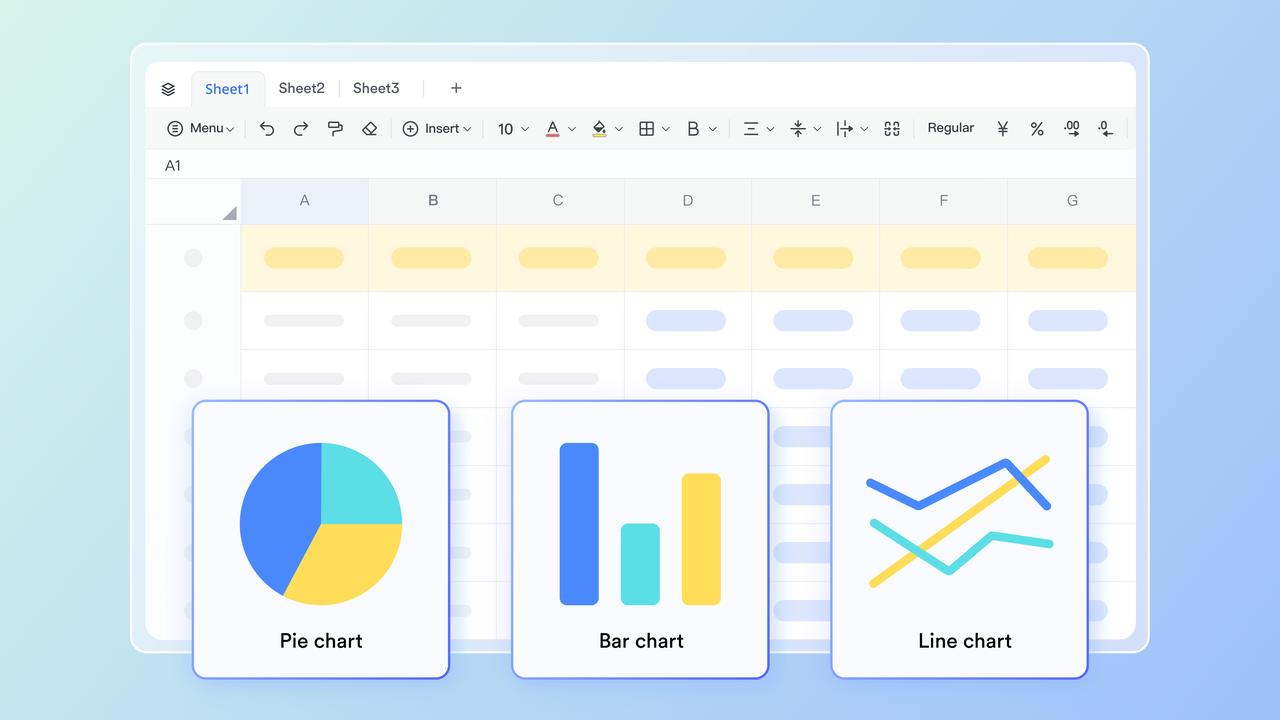
Customizable reporting spreadsheets in Lark Base and analyzing fields in enable teams to generate insights and track trends related to risk management efforts. This capability makes it easier to spot patterns or potential concerns, allowing for quicker intervention when needed.
for Lark:
For small teams with simple communication needs

18 months message history
1000 Base automation runs/month
2000 rows per table in Base
Most POPULAR
For companies with comprehensive collaboration and management needs
Unlimited message history
500-participant video meetings
50k Base automation runs/month
20k rows per table in Base
For large companies with advanced security and organizational management needs
Get a personalized demo and pricing
Unlimited message history
500-participant video meetings
15 TB storage + 30 GB storage/user
500k Base automation runs/month
50k Base automation runs/month
Most POPULAR
For companies with comprehensive collaboration and management needs
Unlimited message history
500-participant video meetings
50k Base automation runs/month
20k rows per table in Base
Tools for managing project risks
In managing project risks effectively, leveraging the right tools and methodologies can significantly enhance a team's ability to identify, analyze, and respond to potential threats. Here's an overview of various software and frameworks that can assist in this process:
- : There are several dedicated tools designed specifically for risk management, such as Lark, Acumen Risk, Safran Risk, and Risk Register+. These platforms allow teams to track and monitor risks, link them to project tasks, and provide a central repository for all risk-related information.
- : General project management tools like Lark, Trello, or Asana can also be effectively utilized for risk management. They offer features such as task assignments, timelines, and collaborative documentation, which help teams manage risks as part of their broader project workflows.
- Methodologies and frameworks:
- : This framework helps teams identify internal strengths and weaknesses as well as external opportunities and threats, providing a comprehensive view of potential risks.
- Risk matrices: Visual tools that enable teams to assess the likelihood and impact of risks, prioritizing them for response. This method aids in organizing risks effectively and communicating them to stakeholders.
When choosing the right tools for your project needs, consider the following:
- Project complexity: Select a tool that matches the scale and complexity of your project. Smaller projects might benefit from simpler , while more complex initiatives may require robust risk management software.
- : Opt for tools that enhance collaboration among team members, allowing for seamless communication and shared understanding of risks.
- Integration capabilities: Ensure that the chosen tools can integrate with existing project management systems for cohesive workflows and better data management.
Empower your team with risk management tools
Best practices for effective risk management
Implementing best practices for risk management is essential to maintain a proactive approach throughout the project lifecycle. Here are proven strategies to enhance risk management:
- Establish a risk management plan: Create a comprehensive at the onset of a project. Clearly outline how risks will be identified, assessed, and managed, ensuring all team members understand their roles and responsibilities regarding risk.
- Foster a risk-aware culture: Promote an organizational culture where team members feel comfortable discussing and reporting risks. Open communication encourages early identification and more effective management of potential threats.
- Maintain continuous monitoring and feedback loops: Regularly review and reassess risks throughout the project lifecycle. Utilizing tools with real-time data capabilities, such as Lark's dashboards, allows teams to catch emerging risks early, minimizing potential impacts on project objectives.
- Regularly : Involve stakeholders in the risk management process through regular updates and discussions. Their insights and feedback can provide valuable perspectives on risks that might not be immediately apparent to the project team.
- Document lessons learned: After project completion, take the time to document lessons learned regarding risk management. These insights can guide future projects, helping to refine processes and improve overall project resilience.
By adopting these best practices and utilizing appropriate tools, project managers can maintain a proactive approach to risk management, ultimately leading to more successful project outcomes and improved team collaboration.
Conclusion
Understanding and managing project risk types is crucial for achieving project success. By recognizing risks—be they operational, financial, or technical—project managers can implement effective strategies to mitigate their impact. These strategies, including avoidance, mitigation, transfer, and acceptance, are essential for maintaining project timelines and budgets while ensuring quality.
I encourage you to apply these insights in your projects. Establishing a proactive risk management approach can make a significant difference in navigating uncertainties. Tools like offer valuable support by facilitating collaboration, providing real-time updates, and enhancing visibility into project risks. By leveraging Lark's capabilities, teams can improve their risk management processes, ultimately leading to more successful projects and strengthened team dynamics.
Implement a proactive risk strategy today
FAQs
What are the three types of project risks?
The three main types of project risks are:
- Cost risks: These include uncertainties related to financial aspects, such as budget overruns or unforeseen expenses.
- Schedule risks: These arise from potential delays in project timelines, affecting delivery dates and project milestones.
- Performance risks: These relate to the project's ability to meet its intended goals and quality standards, such as technical failures or scope creep.
What are the four types of risk categories?
The four primary categories of project risks are:
- Technical risks: Issues related to technology, software, and system capabilities.
- Financial risks: Concerns about budgeting, funding, and overall financial management.
- External risks: Factors outside the organization's control, such as regulatory changes or market volatility.
- Project management risks: Risks associated with ineffective project governance or management practices.
What are the 5 C's of project management?
The 5 C's of project management typically refer to:
- Communication: Ensuring clear and consistent messaging among all stakeholders.
- Collaboration: Working effectively as a team to achieve project goals.
- Coordination: Aligning tasks and resources to prevent overlaps and gaps.
- Control: Monitoring project progress and making adjustments as needed.
- Commitment: Ensuring all team members are dedicated to the project's success.
What are the three biggest common risks for a project?
The three most common risks that projects face include:
- Scope creep: The uncontrolled expansion of project scope without adjustments to time, cost, and resources.
- Resource constraints: Limitations in the availability or capacity of necessary resources, including personnel, budget, or materials.
- Schedule slippage: Delays in meeting project timelines, which can result from various factors, including unforeseen challenges or dependencies.
Related reading