














Scrum Meetings: A Complete Guide to Agile Team Check-ins

Ryan Tanner
Product Marketing Specialist
Sep 18, 2026
Ryan Tanner
Sep 18, 2026

9 min read


Scrum meetings are the heartbeat of Agile, helping teams stay aligned, identify blockers early, and maintain focus on delivering value. Unlike traditional status updates, these meetings are short, structured check-ins that promote accountability, transparency, and continuous improvement. From daily stand-ups to retrospectives, each scrum ceremony has a distinct role in keeping the sprint cycle on track.
While the meetings themselves are intentionally brief, their impact grows when supported by the right tools. Digital platforms such as calendars, messaging hubs, and collaborative documents make it easier to schedule, capture, and share outcomes in real time. For example, Lark brings these elements together in one place, ensuring scrum meetings remain efficient, clear, and actionable for both in-office and distributed teams.

What are scrum meetings in Agile?
Scrum meetings in Agile are short, structured discussions designed to keep projects moving smoothly. They are not lengthy status updates but focused check-ins where the team aligns on progress, shares priorities, and identifies potential blockers. This rhythm helps maintain momentum and ensures that everyone understands how their work contributes to the sprint’s goals.
The purpose of these meetings is threefold: to foster transparency, build accountability, and encourage continuous improvement. Each team member has a chance to share what they’ve completed, what they’re working on, and where they may need support. This simple but powerful format keeps small issues from growing into larger challenges.
Attendees typically include the Scrum Master, who facilitates the process, the Product Owner, who represents business priorities, and the development team, who execute the work. By bringing these roles together regularly, scrum meetings in Agile help create a culture of collaboration, responsiveness, and shared responsibility across the project.
Types of agile scrum meetings explained
Agile teams rely on four core scrum meetings to structure their work and ensure steady progress throughout a sprint. Each type of meeting has a distinct purpose, and with the right tools, teams can make them more effective.
Daily Scrum (stand-up): This short, 15-minute meeting is where team members share what they did yesterday, what they’ll do today, and identify any blockers. The goal is synchronization and accountability. Using a Lark Base Kanban template, teams can quickly visualize task progress during the stand-up instead of relying only on verbal updates.
Sprint planning: Before a sprint begins, the team defines the scope and objectives. The Product Owner prioritizes backlog items, and the team commits to what’s achievable. With Lark Base backlog templates and Lark Calendar, teams can map goals, assign tasks, and set sprint timelines clearly.
Sprint review: At the end of the sprint, the team presents completed work to stakeholders, demonstrating outcomes and gathering feedback. By using a Lark project board template, teams can showcase finished items visually, making it easy for stakeholders to connect results with goals.
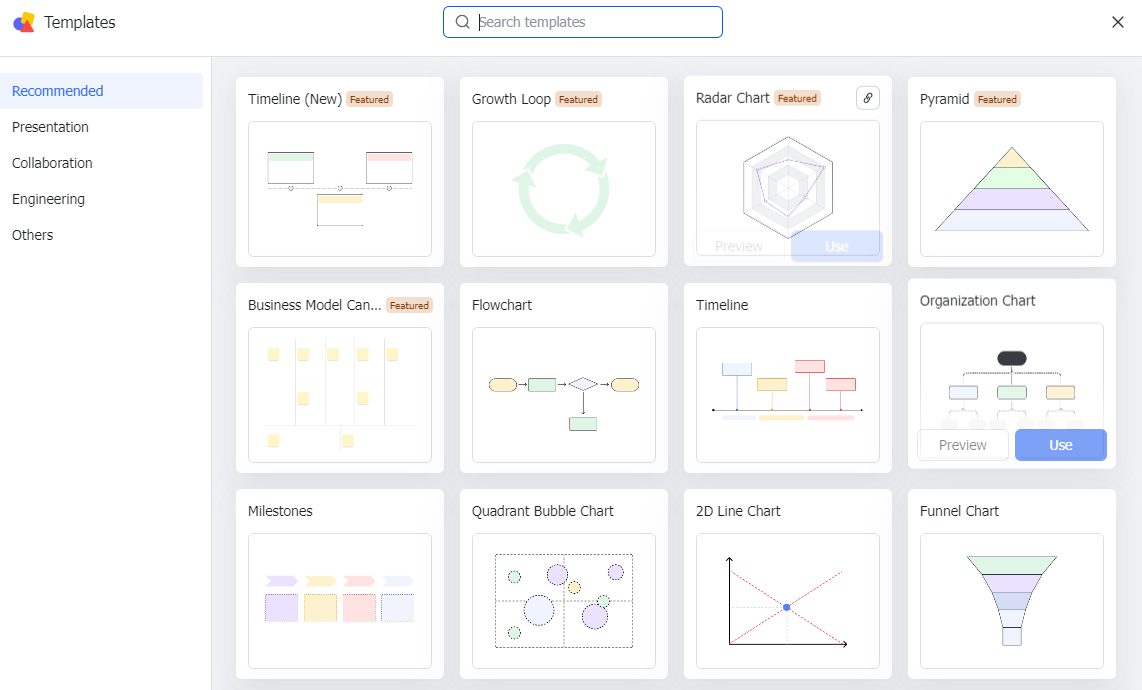
Sprint retrospective: This reflective meeting helps the team identify what went well, what didn’t, and how to improve. A Lark retrospective template in Docs allows participants to add comments collaboratively, ensuring that improvement actions are captured and not forgotten.
Benefits of scrum meetings
- Improves communication and collaboration: Scrum agile meetings foster open dialogue and reduce silos. With Lark Messenger, teams can extend these conversations beyond the meeting itself, keeping discussions organized in dedicated channels and ensuring no update gets lost.
- Identifies issues early: Blockers surface quickly when teams meet daily. By linking tasks to Lark Base boards, issues are visible in real time, making it easier to reassign work or adjust priorities before they become major delays.
- Keeps sprints on track: Frequent check-ins serve as guardrails for progress. Using Lark Calendar, teams can schedule recurring stand-ups and sprint reviews, while progress dashboards in Lark Base show whether the sprint is on target.
- Aligns stakeholders and teams: Sprint reviews are most effective when stakeholders see work clearly. With Lark Docs and Magic Share in Meetings, teams can present completed features, gather feedback instantly, and capture outcomes for the next sprint.
- Builds accountability: Daily updates create a rhythm of ownership. In Lark Tasks, commitments from scrum meetings translate directly into assigned items with deadlines, reinforcing accountability across the team.
Lark as your Agile scrum meeting hub
Lark serves as a central hub for Agile Scrum meetings by combining video conferencing, live document sharing, automatic meeting notes, and real-time translation in one platform. Teams can run daily stand-ups, sprint planning sessions, reviews, and retrospectives. As one standout feature, Lark Meetings is designed for conferencing purposes, turning every stand-up, sprint review, or retrospective into a seamless, collaborative experience.
Lark Meetings: Reliable, scalable, and interactive
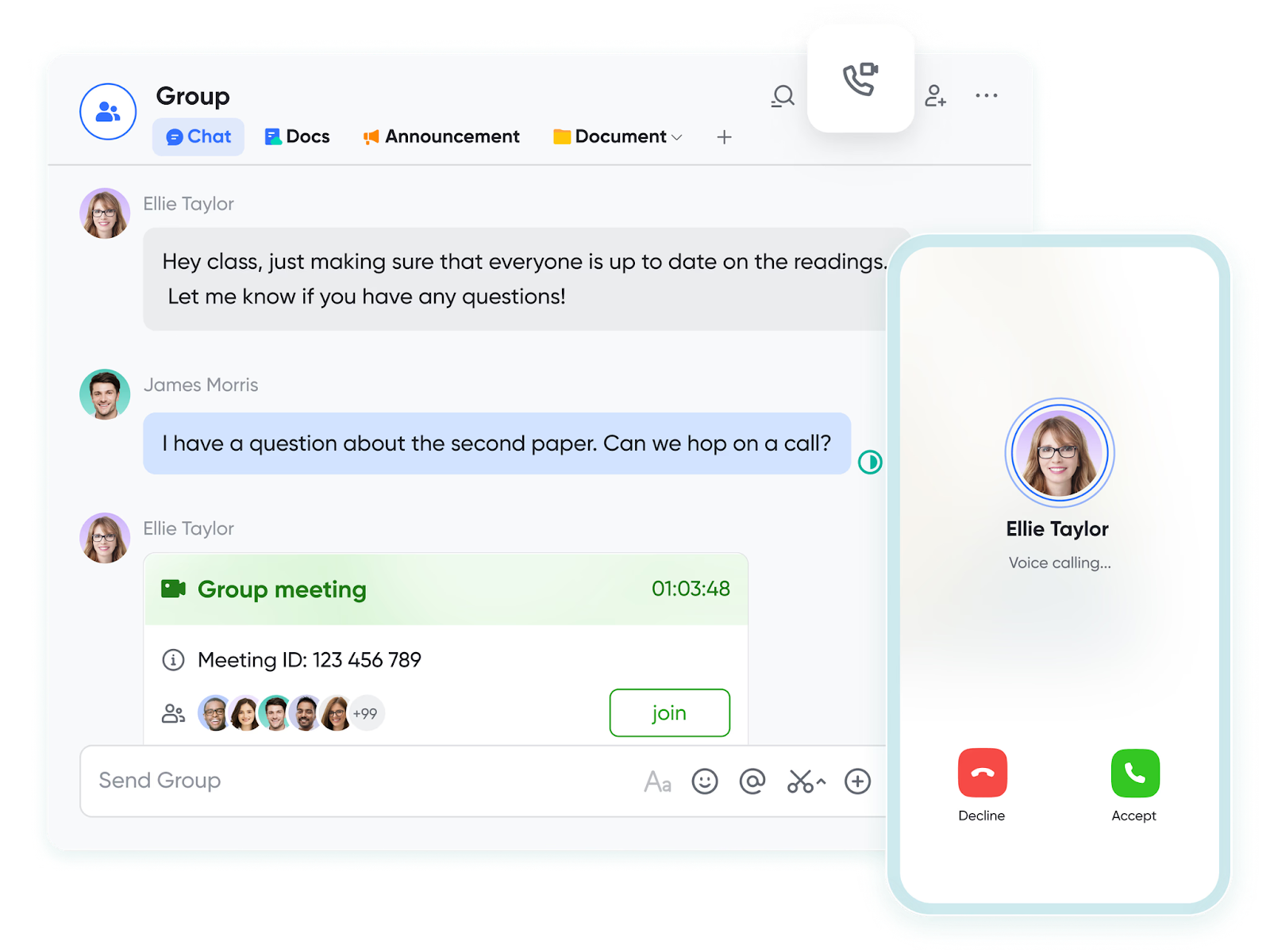
Lark Meetings supports everything from daily scrums to large sprint reviews with smooth video quality, breakout sessions, and screen sharing. Teams can jump into a meeting directly from a Messenger chat, ensuring conversations flow naturally into action.
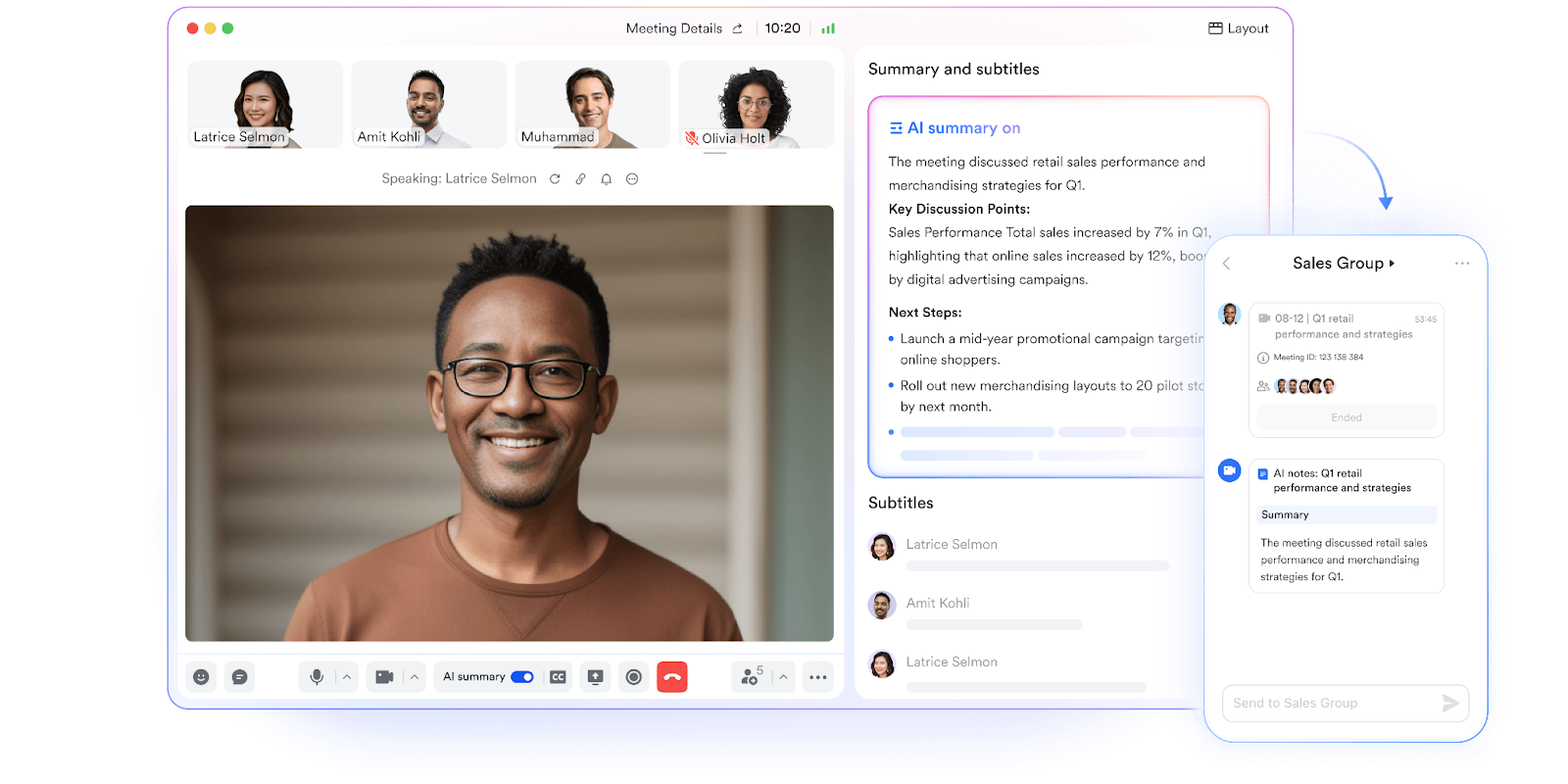
AI Meeting Notes: Instant summaries for every sprint check-in
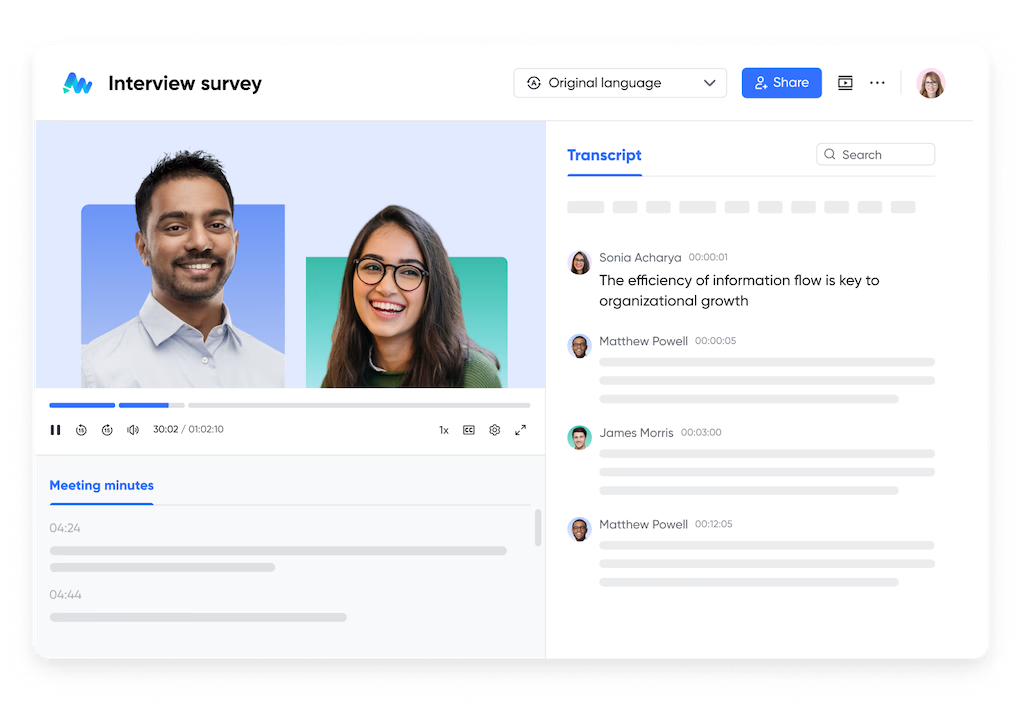
Scrum meetings often generate many insights in a short time. Lark AI Meeting Notes automatically transcribe discussions, summarize action points, and highlight blockers—making it easy for product owners and scrum masters to follow up after the session.
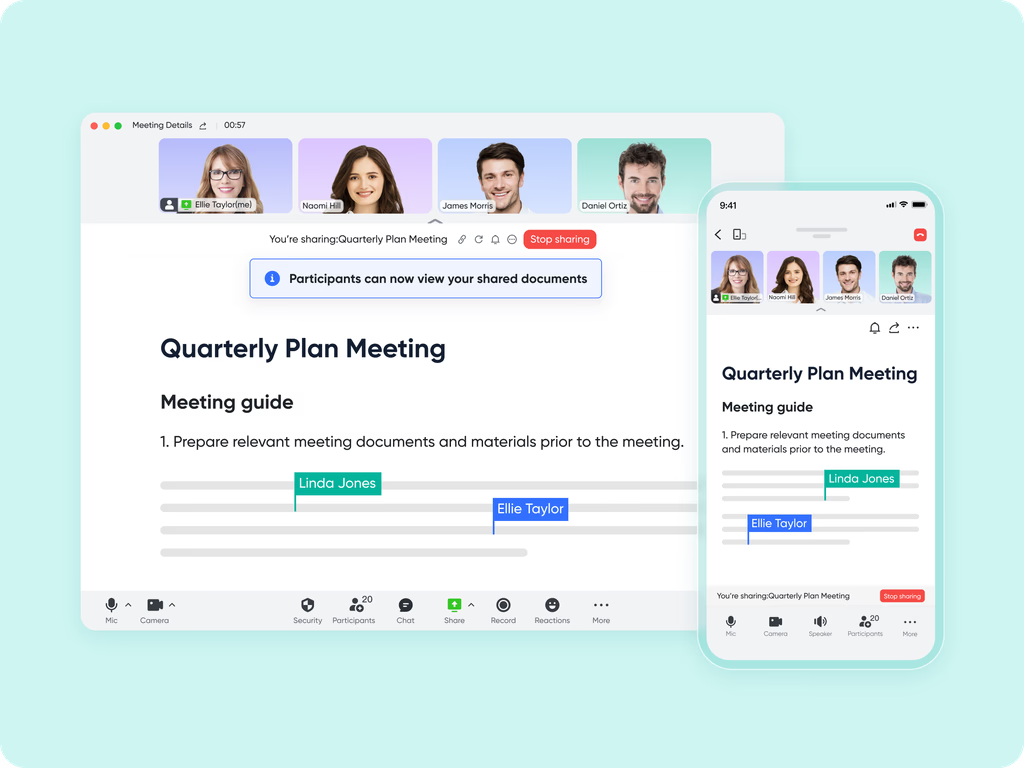
Magic Share: Collaborate on docs without leaving the meeting
Instead of flipping between tools, teams can co-edit a backlog in Lark Base, update sprint goals in Lark Docs, or review a burndown chart in Lark Sheets—right inside the meeting window. Magic Share keeps everyone engaged and on the same page.
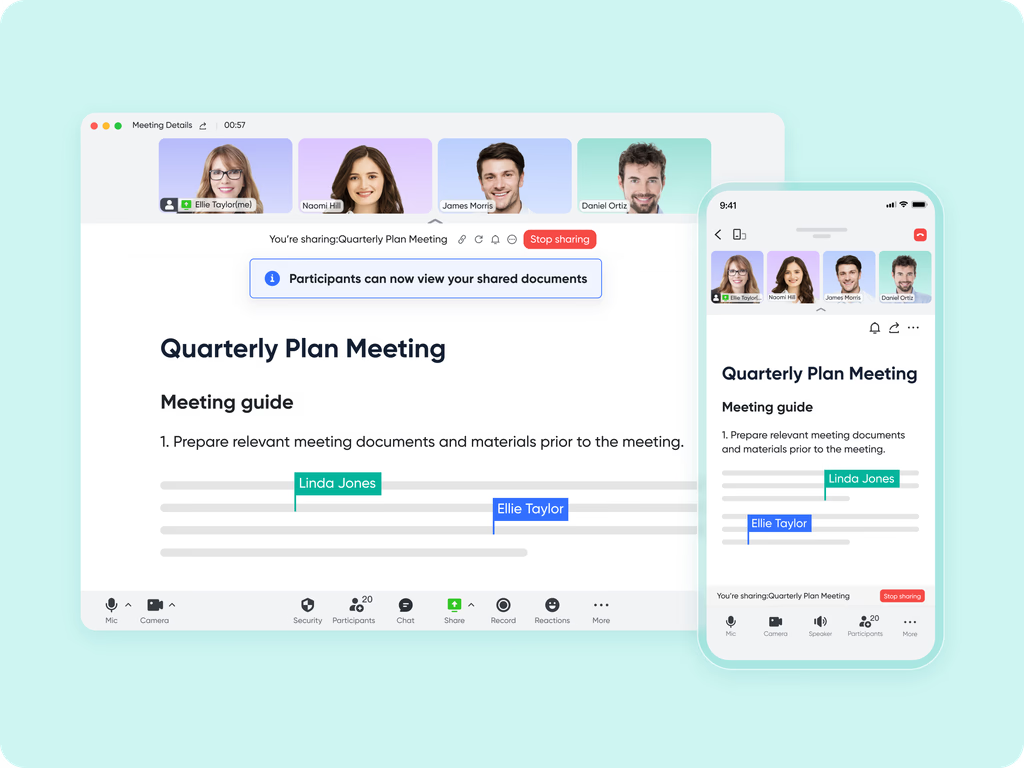
Real-time translation: Bridge time zones and languages
Global Agile teams often face communication barriers. Lark’s built-in translation supports real-time captions and chat translations during meetings, ensuring clarity and inclusivity no matter where team members are located.

Lark Minutes: Decisions documented and shared instantly
Every scrum meeting should end with clarity. With Lark, minutes can be drafted collaboratively, stored in Docs or Wiki, and linked to related tasks in Base. This ensures action items don’t get lost and retrospectives lead to measurable improvements.
Pricing:
- Starter plan: Free forever plan that includes 11 powerful tools for up to 20 users. It also comes with 100GB of storage, 1000 automation runs, AI translations, and more.
- Pro plan: $12/user/month (billed annually) for up to 500 users. It includes everything in Starter plus group calling for up to 500 attendees, 15TB of storage, 50,000 automation runs, and more.
- Enterprise plan: Contact sales for custom pricing. Supports unlimited users and includes even more automation runs and advanced data security, compliance, and management features.
Best practices for remote scrum meetings
1. Use video conferencing for face-to-face connection
Remote teams can lose context when relying only on text. Video calls restore human connection, helping teams read body language and build trust during ceremonies.
2. Timebox meetings to avoid fatigue
Keep stand-ups to 15 minutes and retrospectives focused. Short, well-structured sessions respect everyone’s time and prevent long calls from draining energy.
3. Use shared dashboards for sprint tracking
Visual tools like Kanban boards or burndown charts give distributed teams a real-time view of progress, ensuring alignment without lengthy explanations.
4. Encourage async updates when time zones differ
In globally distributed teams, not everyone can join live. Async updates posted in team chat channels allow members to share progress without disrupting others’ schedules.
5. Document outcomes for accountability
Every decision or action item should be recorded in a shared space. This practice ensures that remote scrum meetings in Agile remain actionable and transparent, even if not everyone attended.
Conclusion
Scrum meetings are the cornerstone of Agile, providing teams with the rhythm and structure they need to stay aligned and deliver value. From daily stand-ups to retrospectives, these ceremonies promote transparency, accountability, and continuous improvement. When done well, they keep sprints on track and ensure stakeholders remain engaged throughout the process. Project management tools bring an extra layer of clarity and efficiency, especially for distributed teams managing complex projects. With Lark, scrum meetings become faster, more collaborative, and easier to run—helping Agile teams turn every ceremony into measurable progress.
FAQs
How long should a daily scrum be?
A daily scrum should last no longer than 15 minutes. The purpose is to share quick updates, identify blockers, and align the team without turning it into a long status meeting. With Lark Calendar, you can set recurring 15-minute stand-ups and send automatic reminders to keep the rhythm consistent.
Who should attend scrum meetings?
Typically, the Scrum Master, Product Owner, and development team attend. Stakeholders may join sprint reviews but aren’t required for daily scrums. Lark Messenger helps ensure the right people are looped in by setting up dedicated team channels and tagging relevant members.
How do scrum meetings differ from regular team meetings?
Scrum meetings are short, structured, and designed to drive progress, while regular meetings often cover broader discussions without strict timeboxing. Using Lark Meetings with AI transcripts, teams can run focused scrums and still capture decisions for future reference.
What tools can help with remote scrum meetings?
Remote teams need video conferencing, shared dashboards, and documentation tools to collaborate effectively. The best tools combine these features into a unified platform. Lark Meetings, Base, and Docs provide all-in-one support for remote scrums, from live video to real-time task tracking.
How does Lark make scrum meetings more effective?
By unifying scheduling, communication, task tracking, and documentation, Lark eliminates silos. Teams can run meetings, assign actions, and share outcomes without switching apps. This integration means scrum agile meetings become more seamless, especially for distributed teams.
Can scrum meetings be async instead of live?
Yes, asynchronous scrums are possible for distributed teams. Members can share updates in a chat or document instead of attending a live call. With Lark Messenger and Docs, async updates are organized, timestamped, and easy to reference later.
Related reading
Table of contents
Start using Lark today

Manage all your work in one place
Boost team efficiency by 10x
Save up to 70% on software costs
Table of contents
Start using Lark today
Manage all your work in one place
Boost team efficiency by 10x
Save up to 70% on software costs
Keep reading


![What Is a 2-2-3 Work Schedule? Explanation and More [2026]](https://framerusercontent.com/images/uKHRfkp4v7y4azRNTYUmuteNQz8.png)



2026 Lark Technologies Pte. Ltd.
Headquartered in Singapore with offices worldwide.






Explore: