














Scrum Project Management: Framework, Roles, and Workflow

Ryan Tanner
Product Marketing Specialist
Sep 18, 2026
Ryan Tanner
Sep 18, 2026

15 min read


Managing complex projects today requires adaptability, teamwork, and real-time visibility—qualities that Scrum project management is built to deliver. As an agile framework, Scrum helps teams plan, execute, and review work in short, focused sprints, ensuring faster feedback and continuous improvement. It replaces rigid plans with iterative progress, empowering teams to adjust priorities as needs evolve.
In this guide, we'll explore the framework, roles, and workflow of Scrum, its benefits and challenges, and how collaborative platforms like Lark can support teams in achieving agile efficiency and seamless communication.

What is Scrum project management?
Scrum project management is an iterative approach that focuses on delivering value through short, time-boxed cycles known as sprints. It's part of the broader agile project management philosophy, which prioritizes adaptability, collaboration, and customer feedback over rigid long-term planning. In practice, Scrum in project management helps teams break complex goals into manageable increments, ensuring faster results and continuous improvement.
Each sprint ends with a potentially shippable product increment, allowing stakeholders to review progress and provide input. Unlike traditional Waterfall project management, where tasks follow a fixed sequence, Scrum encourages flexibility—teams can refine priorities and adjust direction based on real-time insights. This dynamic, transparent, and team-driven framework makes agile project management with Scrum one of the most effective methods for organizations seeking to enhance productivity and deliver value consistently.
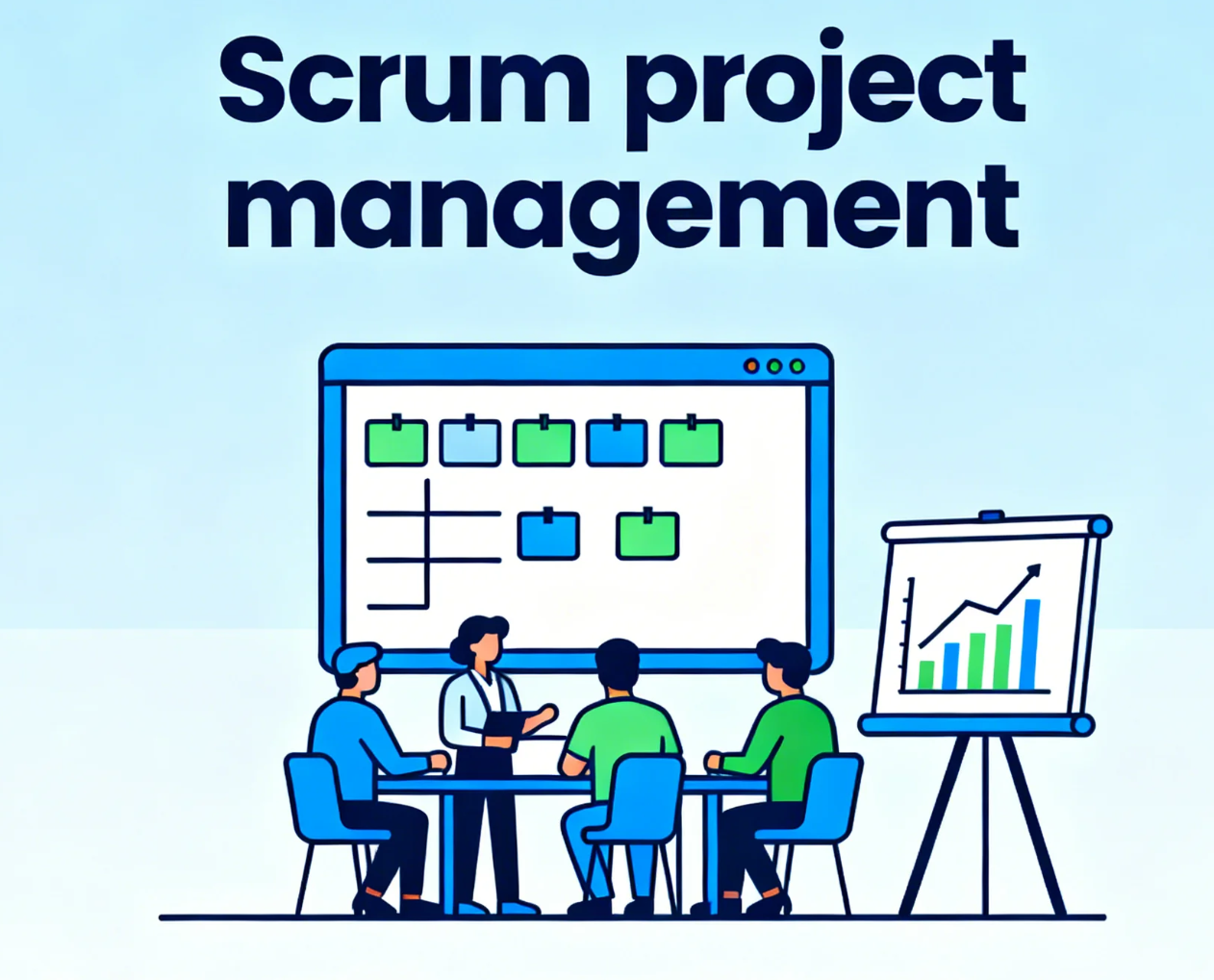
Image source: unsplash.com
Core roles in Scrum teams
Every successful Scrum project management setup depends on well-defined roles that ensure accountability and alignment. Each role in a Scrum team contributes to delivering value efficiently within every sprint, making collaboration and transparency central to success.
- Product owner: The Product Owner defines the product vision, sets priorities, and manages the product backlog to ensure the team works on the most valuable features first. They balance customer needs, business goals, and technical feasibility, providing clarity on what should be built next. In Lark Base, Product Owners can easily organize and update backlog items, keeping the entire team aligned in real time.
- Scrum master: The Scrum Master facilitates the Scrum process, ensuring that meetings, sprint planning, and reviews run smoothly. They help remove blockers, coach the team in Agile practices, and maintain focus on sprint goals. Using Lark Messenger, Scrum Masters can track issues, assign follow-ups, and promote open communication among all team members.
- Development team: The Development Team is responsible for turning backlog items into working product increments during each sprint. They are cross-functional, self-organizing, and committed to achieving sprint objectives collaboratively. Through project management tools like Lark Tasks and Lark Docs, developers can coordinate work, share updates, and maintain transparency throughout the sprint cycle.
Scrum workflow explained
The Scrum project management framework follows a structured yet flexible workflow designed to help teams deliver value iteratively. Each phase promotes transparency, collaboration, and continuous improvement—core principles of agile project management with Scrum.
- Backlog creation: This stage involves compiling and prioritizing all product requirements in a dynamic backlog. Managed by the Product Owner, it serves as a single source of truth for what needs to be developed. Teams rely on the backlog to plan upcoming sprints effectively and align their work with business goals.
- Sprint planning: Sprint planning defines what the team will accomplish in the next sprint and how they will do it. The team selects items from the backlog, estimates effort, and commits to clear sprint objectives. This ensures the workload is realistic and progress is measurable.
- Daily Scrums: These are short, daily stand-up meetings where team members discuss what they completed, what they'll do next, and any blockers. Daily Scrums keep the team aligned, encourage accountability, and enable early issue resolution.
- Sprint review: At the end of each sprint, the team demonstrates completed work to stakeholders and gathers feedback. This collaborative session ensures transparency and helps validate whether deliverables meet expectations.
- Sprint retrospective: After the review, the team reflects on the sprint to identify successes, challenges, and opportunities for improvement. These insights drive continuous enhancement of both the product and the development process.
At Lark Base, teams can visually structure this entire Scrum workflow, link sprint items to owners, and automate updates—keeping every stage of the project transparent, organized, and efficient.
Advantages of Scrum in project management
The Scrum project management framework provides a structured yet flexible approach that helps teams deliver high-quality outcomes efficiently. Agile project management with Scrum emphasizes iterative delivery, collaboration, and responsiveness to change, making it ideal for modern, dynamic projects.
- Faster delivery of value: Scrum divides work into short, focused sprints, ensuring incremental progress is visible quickly. Teams can release usable features early, gathering feedback to refine priorities. This approach accelerates delivery and reduces the risk of late-stage surprises.
- Better collaboration and communication: Regular ceremonies such as daily stand-ups, sprint reviews, and retrospectives encourage open dialogue. Teams share updates, discuss blockers, and align on goals consistently. This creates a culture of transparency and stronger cross-functional teamwork.
- Flexibility to adapt mid-project: Scrum embraces change at every stage, allowing teams to adjust priorities after each sprint. Backlog items can be reprioritized based on stakeholder feedback or market shifts. This flexibility ensures the project remains aligned with business objectives.
- Continuous improvement culture: Retrospectives and review sessions promote learning from successes and challenges. Teams identify process improvements, refine practices, and implement incremental changes. Over time, this fosters efficiency, higher quality, and stronger team performance.
- Higher stakeholder satisfaction: Frequent sprint reviews and demonstrations keep stakeholders informed and involved throughout the project. Early visibility allows timely feedback, reducing misunderstandings. This ensures delivered outcomes align with expectations and build trust.
Challenges of Scrum Project Management
While Scrum project management offers many benefits, teams can face challenges when adopting the framework. Understanding these common obstacles helps organizations prepare and maintain effective agile project management with Scrum practices.
- Requires cultural shift: Scrum relies on self-managing, cross-functional teams that take ownership of their work. Organizations must foster trust, accountability, and empowerment for this shift to succeed. Without a supportive culture, team performance and engagement can be limited.
- Hard to scale for very large organizations: Coordinating multiple Scrum teams across departments can be complex. Scaling requires additional frameworks and alignment strategies, such as SAFe or LeSS. Large organizations may struggle with maintaining consistency and communication at scale.
- Needs consistent communication and discipline: Daily Scrums, sprint planning, and reviews require regular participation and focus. Teams must maintain discipline to track progress, update tasks, and resolve blockers promptly. Lack of consistency can reduce the effectiveness of Scrum practices.
- Risk of scope creep without a clear backlog: An unclear or unprioritized product backlog can lead to uncontrolled changes and shifting priorities. Teams may lose focus and miss sprint goals. Proper backlog management is essential to prevent delays and maintain value delivery.
Tools like Lark Calendar and Lark Docs help teams stay organized, schedule ceremonies, and document progress, reducing these challenges and keeping Scrum workflows aligned and transparent.
Why Lark is ideal for Scrum project management
Scrum teams thrive on transparency, collaboration, and iterative progress—and Lark brings all three together in one connected workspace. By combining visual task tracking, real-time communication, and automation, Lark helps Scrum masters, product owners, and developers stay aligned across every sprint cycle. Here's how each core feature contributes to agile project execution:
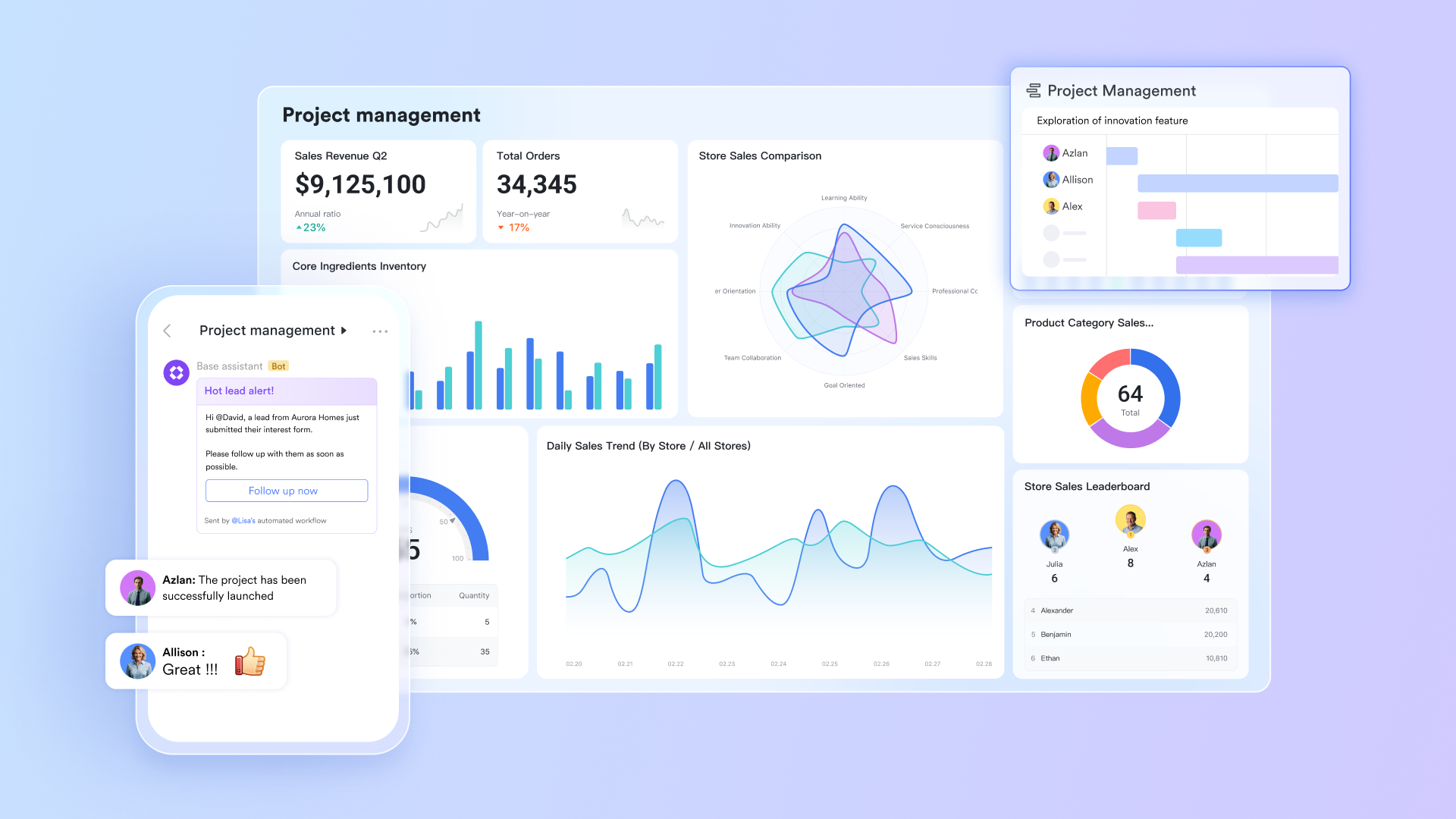
- Lark Base: Sprint planning and backlog management
Lark Base serves as a flexible, database-driven workspace to manage your product backlog, sprint items, and progress tracking. Teams can use Base to organize epics, user stories, and tasks, view them in Kanban, Gantt, or Table formats, and link each item to owners, priorities, and due dates.
You can also create automation rules to move stories across columns automatically—for example, when a task status changes from "In Progress" to "Review," a notification is sent to the QA channel in Messenger.
Example: A product team creates a Base table with fields for Sprint Name, Story Points, Status, and Assignee. As each developer updates their story, Base auto-updates the sprint velocity dashboard, helping Scrum masters visualize workload distribution and burndown progress in real time.
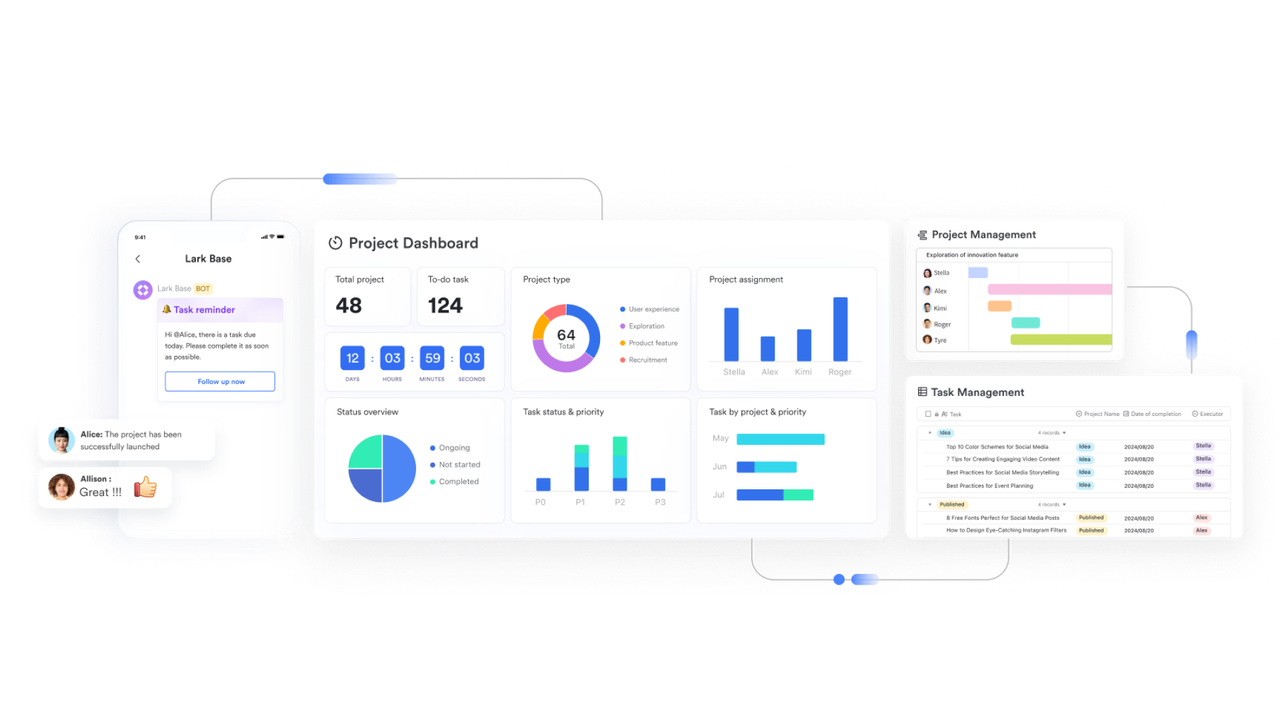
- Lark Tasks: Daily progress tracking and accountability
Scrum depends on consistent visibility of who's doing what—and Lark Tasks delivers exactly that. With Kanban and List view, Tasks allow each user's story or subtask to be assigned with deadlines, and attachments.
Example: During a stand-up, a developer mentions a bug fix in Messenger. The Scrum master converts that message into a Task, and assigns it to the developer. Everyone can now track their progress without manual duplication.
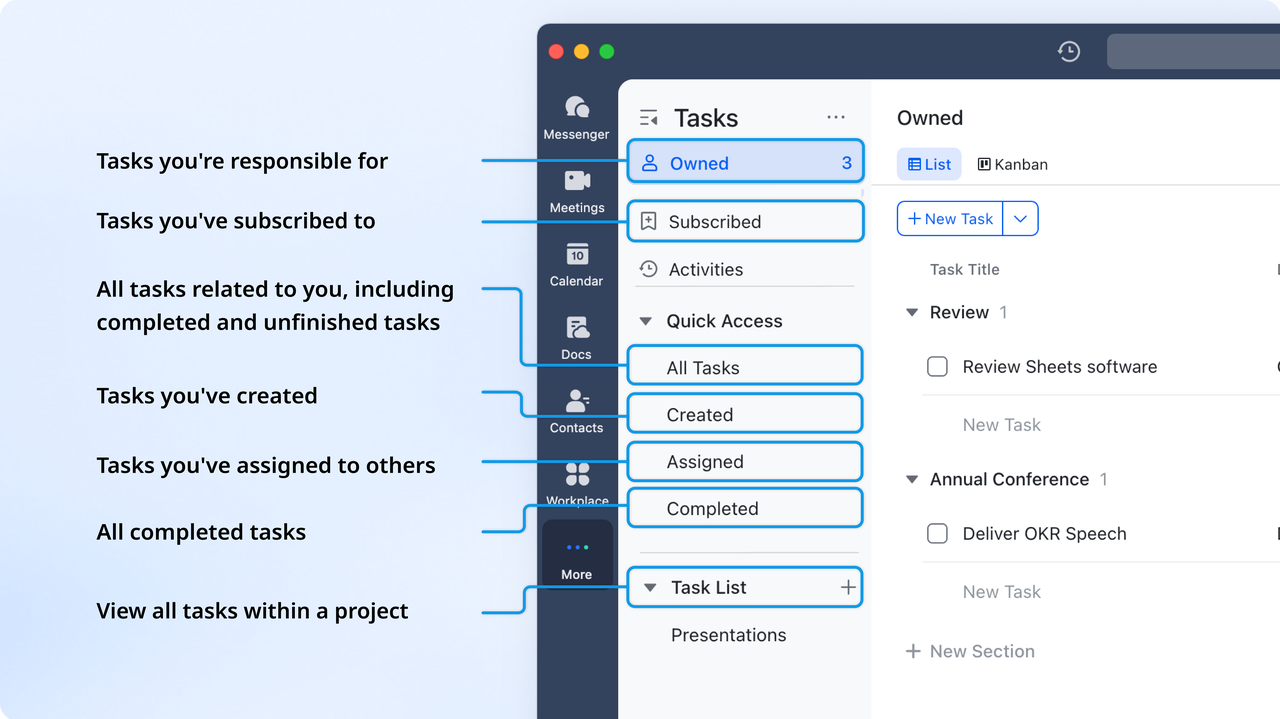
- Lark Messenger: Team communication made agile
Effective Scrum requires constant, contextual communication—and Lark Messenger makes this seamless. Every sprint team can have a dedicated channel for discussions, stand-up notes, and real-time issue resolution.
Messenger allow quick clarifications, and file sharing for design assets or documents. Connections with Lark Base and Tasks mean team members can share live data directly within chats.
Example: The QA team posts on the "Sprint 14 QA" channel, tagging developers about two failed test cases. The linked Base record updates instantly when developers mark fixes as completed—keeping all communication tied to actual work items.
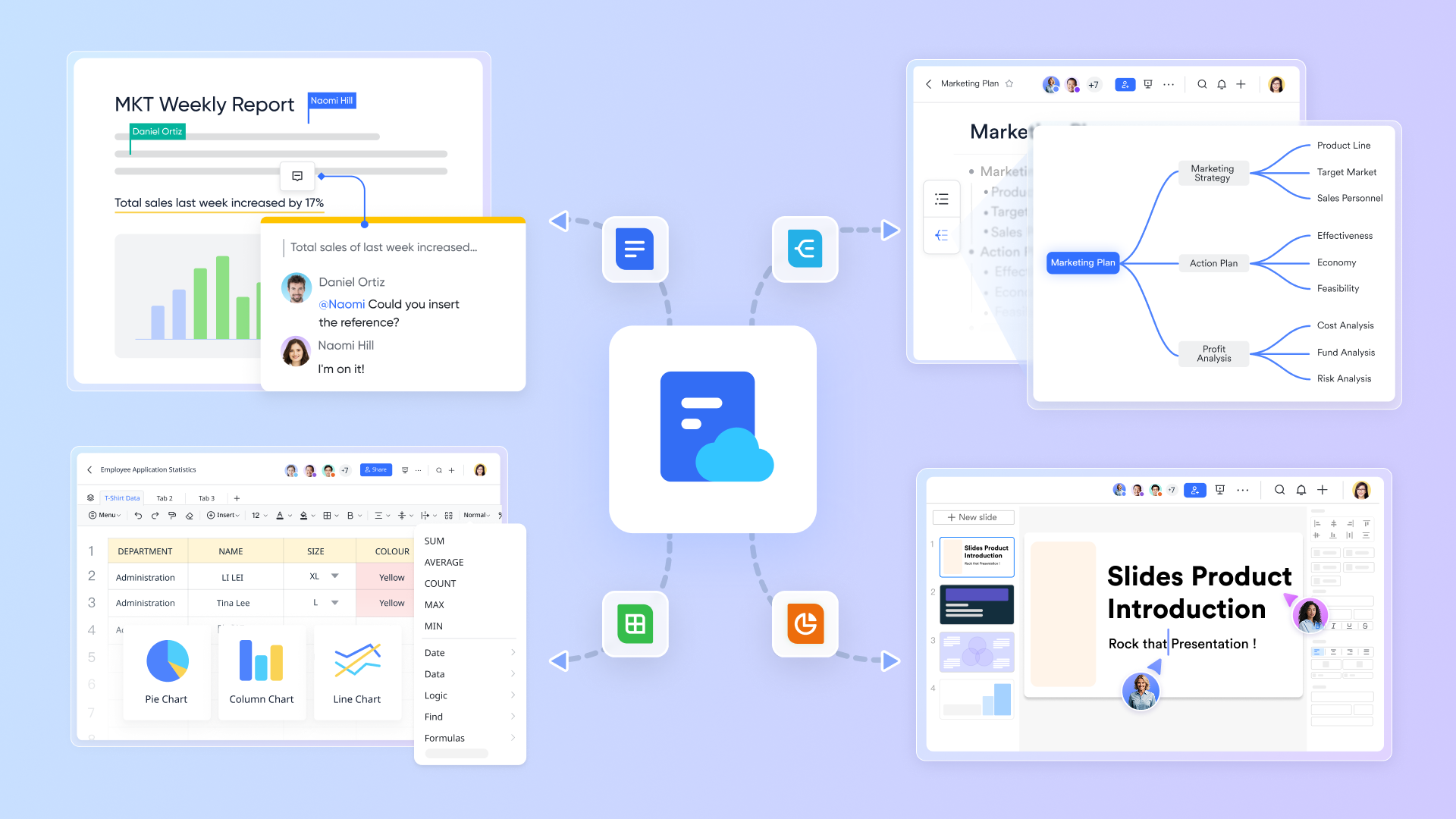
- Lark Docs & Lark Sheets: Centralized Scrum documentation
Scrum thrives on documentation that's easy to update and accessible to everyone. With Lark Docs, teams can maintain sprint goals, meeting notes, and retrospective outcomes collaboratively. Meanwhile, Lark Sheets allows Scrum masters to track sprint velocity, cycle time, and burndown charts dynamically—with formulas and charts updating in real time.
Example: During sprint retrospectives, the team co-edits a "Lessons Learned" Doc while reviewing metrics from a connected Sheet. Insights are tagged with action items that automatically convert into Tasks for the next sprint.
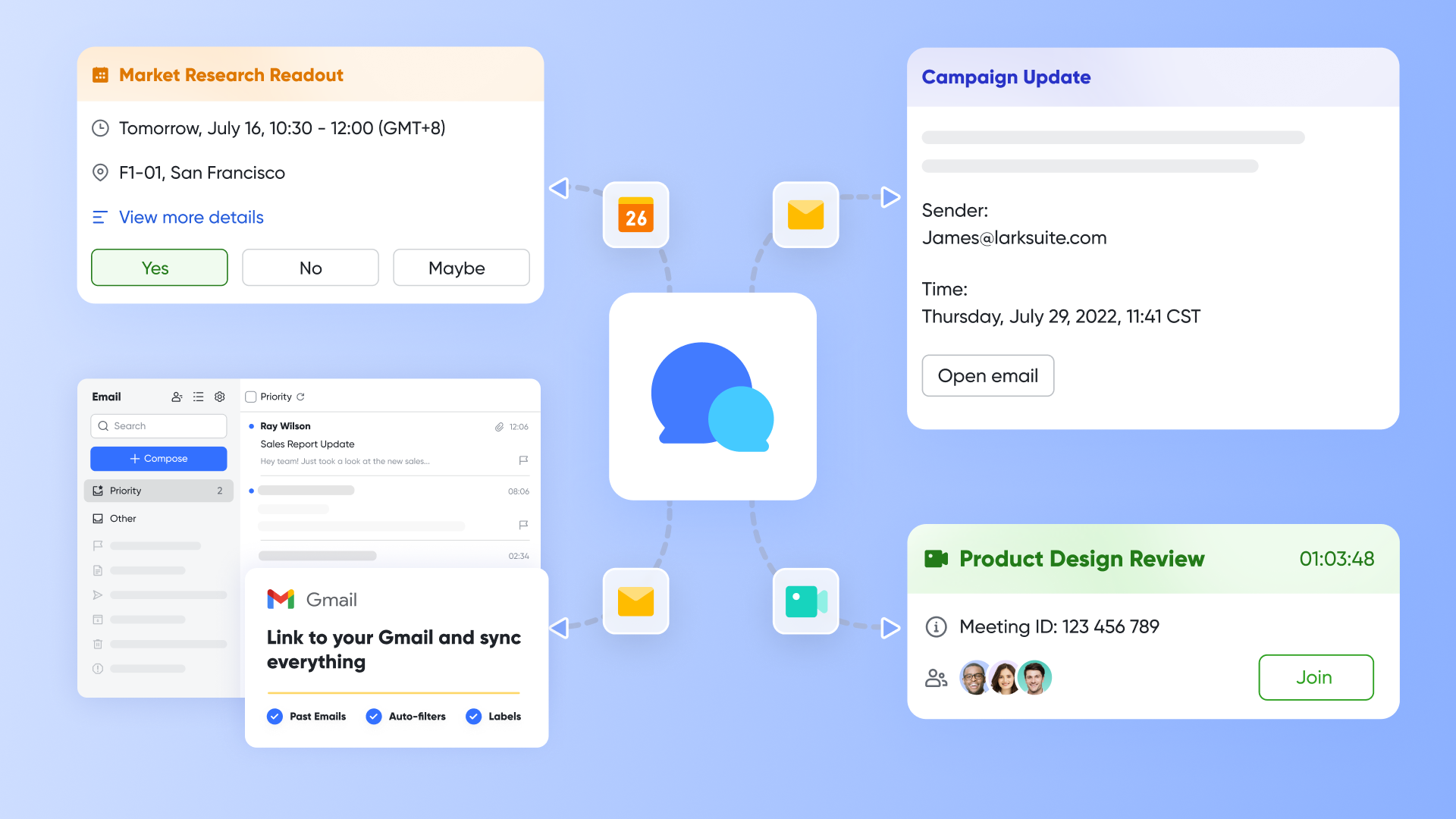
- Lark Calendar & Lark Meetings: Sprint ceremonies made effortless
From sprint planning to retrospectives, Lark Calendar and Lark Meetings ensure all ceremonies are scheduled and documented effectively. You can link meetings directly to related Docs or Base records, ensuring every discussion connects back to sprint goals.
Example: A Scrum master schedules a "Sprint Review" in Lark Calendar with attached sprint goals Doc and demo recording link. Post-meeting, Tasks are automatically generated for unresolved backlog items, ensuring continuity into the next sprint.
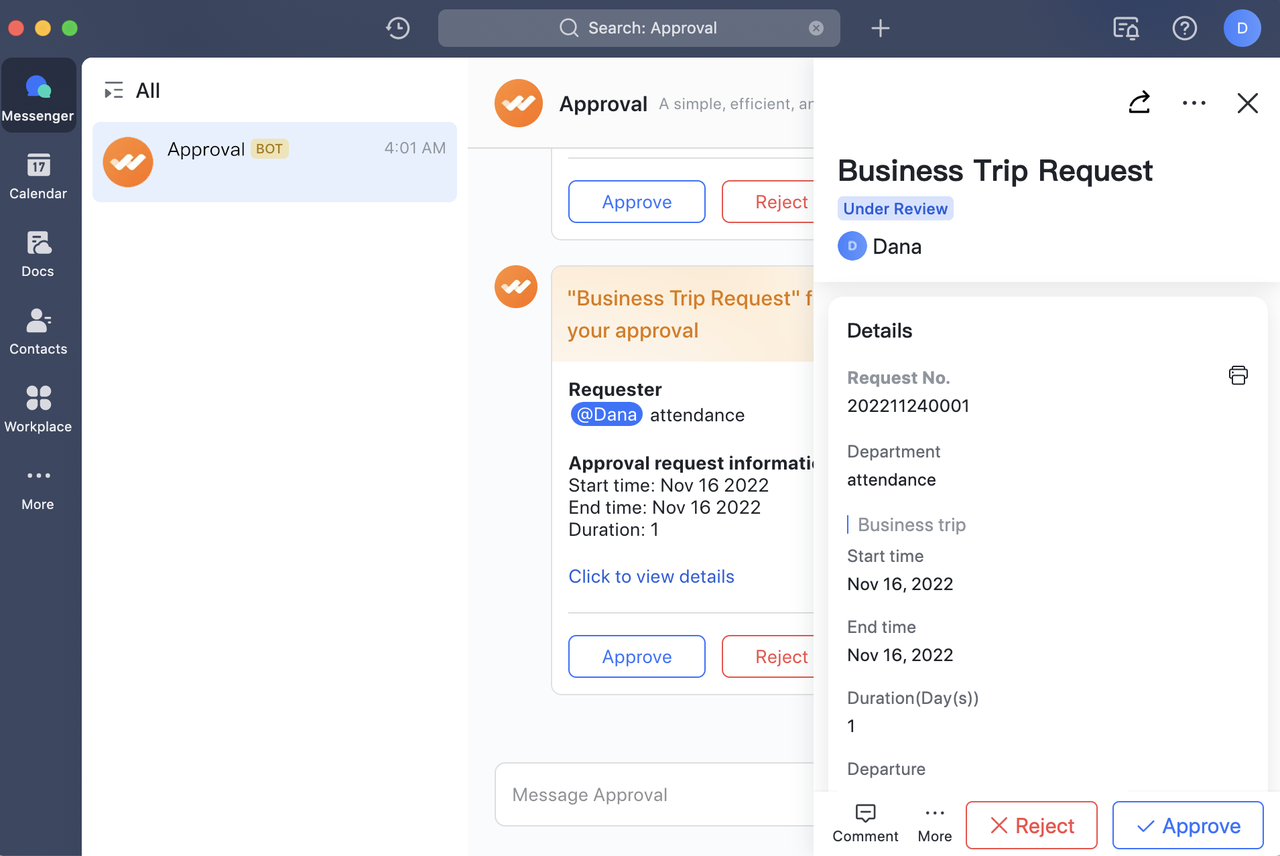
- Lark Approval: Streamlined decision-making within sprints
Even agile teams need structured approval processes—for production releases, design sign-offs, or sprint changes. Lark Approval helps formalize these without slowing down the team. You can create simple approval flows (e.g., "Release Candidate → QA Lead → Product Owner") and track decisions in Messenger.
Example: Before a release, the QA Lead submits an Approval request tagged "Sprint 15 Release." Once the Product Owner signs off, the approval status updates in Base and notifies the deployment team instantly.
- Starter plan: Free forever plan that includes 11 powerful tools for up to 20 users. It also comes with 100GB of storage, 1000 automation runs, AI translations, and more.
- Pro plan: $12/user/month (billed annually) for up to 500 users. It includes everything in Starter plus group calling for up to 500 attendees, 15TB of storage, 50,000 automation runs, and more.
- Enterprise plan: Contact sales for custom pricing. Supports unlimited users and includes even more automation runs and advanced security, compliance, and management features.
Best practices for successful Scrum projects
Implementing Scrum project management effectively requires adherence to key best practices that foster agility, transparency, and high performance. Following these guidelines ensures that teams using agile project management with Scrum deliver value consistently while minimizing common pitfalls.
- Timebox meetings and sprints: Set strict time limits for all Scrum ceremonies, including daily stand-ups, sprint planning, and retrospectives. Timeboxing maintains focus, avoids meeting fatigue, and ensures sprints stay on schedule. Consistent time management enhances productivity and accountability.
- Keep backlog refined and prioritized: Regularly review and update the product backlog to ensure the most valuable work is planned first. Prioritization keeps the team focused on delivering maximum impact each sprint. A refined backlog prevents confusion and reduces scope creep.
- Empower cross-functional teams: Encourage team members to take ownership and make decisions within their expertise. Cross-functional team collaboration promotes problem-solving and innovation. Empowered teams work more efficiently and adapt quickly to changes.
- Track metrics like velocity and burndown: Monitor key Scrum metrics to measure team performance and progress. Velocity and burndown charts help forecast sprint capacity and identify bottlenecks. Regular metric tracking drives continuous improvement and informed planning.
- Document retrospectives and lessons learned: Capture insights from each sprint retrospective to guide future work. Documenting lessons ensures knowledge is retained and shared across the team. This practice fosters a culture of learning and ongoing process improvement.
Conclusion
Scrum project management combines structure, agility, and iterative delivery to help teams achieve faster, higher-quality outcomes. By breaking work into sprints, promoting collaboration, and emphasizing continuous improvement, Scrum enables organizations to respond quickly to change while maintaining transparency and alignment with stakeholder goals. Its defined roles, ceremonies, and artifacts create a framework that supports accountability and efficiency across teams of all sizes. With platforms like Lark, Scrum becomes even more effective—facilitating real-time communication, visual task tracking, and centralized documentation, allowing teams to work collaboratively and streamline every stage of the agile project lifecycle.
FAQs
How does Scrum differ from agile?
Agile is a broader methodology focused on iterative delivery, collaboration, and responsiveness to change. Scrum is a specific framework within Agile that defines roles, ceremonies, and artifacts to organize work into sprints. While Agile provides principles, Scrum offers structured practices that guide teams in executing projects, measuring progress, and continuously improving performance.
What are Scrum artifacts?
Scrum artifacts are tools that provide transparency and track progress throughout the project. The main artifacts include the Product Backlog (all desired features and tasks), the Sprint Backlog (items selected for a sprint), and the Increment (completed, usable work). These artifacts ensure visibility, help prioritize work, and facilitate continuous improvement within Scrum project management.
How long is a typical sprint in Scrum?
A typical sprint in Scrum lasts between two to four weeks, depending on project complexity, team size, and product requirements. Sprints are time-boxed to ensure focus, deliver incremental value, and enable frequent feedback. Shorter sprints allow teams to adapt quickly, while longer sprints may be suitable for larger, more complex deliverables.
Can small teams use Scrum effectively?
Yes, Scrum works well for small teams. Even with fewer members, structured roles, backlog management, and iterative sprints help maintain focus, accountability, and continuous delivery. Small teams benefit from frequent communication, faster decision-making, and direct stakeholder feedback, making Scrum project management an effective approach for startups or focused project groups.
How can Scrum be scaled for large organizations?
Scaling Scrum involves coordinating multiple teams while preserving agile principles. Frameworks like SAFe (Scaled Agile Framework) or LeSS (Large-Scale Scrum) provide guidelines for aligning objectives, managing dependencies, and maintaining consistent communication. Tools like shared backlogs, cross-team ceremonies, and centralized dashboards help large organizations implement agile project management with Scrum at scale efficiently.
What metrics are used in Scrum project management?
Key metrics include sprint velocity (work completed per sprint), burndown charts (remaining work over time), cycle time, and defect rates. These indicators track team performance, highlight bottlenecks, and inform future planning. Monitoring metrics supports continuous improvement, ensures alignment with goals, and helps teams deliver consistent value through Scrum project management practices.
Related reading
Table of contents
Start using Lark today

Manage all your work in one place
Boost team efficiency by 10x
Save up to 70% on software costs
Table of contents
Start using Lark today
Manage all your work in one place
Boost team efficiency by 10x
Save up to 70% on software costs



2026 Lark Technologies Pte. Ltd.
Headquartered in Singapore with offices worldwide.






Explore: