


Venture Capital CRM: Guide and Best Tools for Modern Investment Teams

Cecilia Lane
Go-to-Market Associate
Aug 5, 2026
Cecilia Lane
Aug 5, 2026

20 min read


In the field of venture capital, managing relationships and deals effectively separates top-performing firms from the rest. Traditional customer relationship management systems simply weren't built to handle the complex web of connections that venture capital professionals navigate daily. From tracking hundreds of potential investments to maintaining strong limited partner relationships, the right venture capital CRM solution becomes the central nervous system of a successful investment practice. Throughout my experience working with investment teams, I've seen how specialized CRM for vcs transforms chaos into clarity, turning fragmented data into actionable intelligence. This guide explores how modern venture capital CRM software addresses the unique challenges investment professionals face, helping you identify 8 best CRM for venture capital that aligns with your firm's specific needs and growth ambitions.
Key takeaway: Best 8 CRM tools for VCs at a glance
The following table provides a concise comparison of the top 8 venture capital CRM platforms, highlighting their core features, ideal user types, and pricing structures. It’s designed to help investment teams quickly identify which solution best aligns with their workflow, collaboration needs, and growth stage.
Why generic CRMs fail venture capital firms
Traditional customer relationship management systems consistently fall short for venture capital operations due to fundamental mismatches in design philosophy and functional requirements. Where conventional CRMs excel at linear sales pipelines, they struggle with the dynamic, multi-dimensional relationship networks that define venture capital workflows.
- Relationship complexity: Venture capital involves managing intricate networks where a single founder might be connected to multiple funds, co-investors, and portfolio companies simultaneously. Generic CRMs treat contacts as isolated entities rather than nodes in a dynamic network, making it impossible to visualize relationship density or identify strategic connection points.
- Deal flow dynamics: Investment processes operate through overlapping stages that require parallel tracking of due diligence, term sheet negotiations, and portfolio monitoring. Traditional CRMs force linear progression through sales stages, causing investment teams to create workarounds that ultimately compromise data integrity and visibility.
- LP (limited partner) relationship requirements: Limited partners demand specialized communication protocols including quarterly reports, capital call documentation, and transparent performance analytics. Generic systems lack the template structures and security frameworks needed for investor communications, forcing teams to maintain separate systems for LP management.
- Integration limitations: Venture capital workflows depend on seamless connectivity between email platforms, calendar systems, document repositories, and financial analysis tools. Most CRMs offer limited integration capabilities, creating data silos that require manual reconciliation and increase operational risk.
- Security concerns: Investment firms handle confidential deal terms, sensitive financial projections, and proprietary investment theses that demand enterprise-grade security. Generic CRM security models often prioritize sales data protection rather than the complex permission structures needed for investment collaboration.

Essential features every venture capital CRM must have
Modern venture capital success demands CRM solutions with specialized capabilities designed specifically for investment workflows and relationship management challenges.
- Relationship intelligence: The system should automatically map and visualize connections across your entire network, identifying relationship strength and uncovering hidden connections between founders, co-investors, and industry experts. This capability transforms random networking into strategic relationship building.
- Customizable workflows: Investment teams need flexible pipeline management that accommodates different strategies—whether pre-seed investing, growth equity, or sector-specific focus. The CRM should allow custom deal stages, conditional logic, and automated progression rules that match how your team actually evaluates opportunities.
- Integrated communication tracking: Every email, meeting, call, and message should automatically log against relevant company and contact records without manual data entry. This creates comprehensive communication histories that ensure context isn't lost when multiple team members engage with the same relationships.
- Portfolio monitoring: Beyond basic company tracking, the system must monitor performance metrics, track milestone achievement, and coordinate value-creation activities across your portfolio. This functionality becomes crucial for firms that actively support their investments through strategic guidance and operational support.
- LP (limited partner) reporting functionalities: Specialized tools for limited partner communication should include automated report generation, secure data sharing portals, and compliance documentation management. These features streamline investor relations while maintaining the transparency and professionalism that LPs expect.
- Document collaboration: Integrated document management with version control, permission settings, and collaborative editing spaces ensures that investment memos, due diligence materials, and legal documents remain organized and accessible throughout the investment lifecycle.
- Mobile accessibility: Full-featured mobile applications enable investment professionals to access critical information, update records, and communicate with team members during site visits, conferences, or partner meetings, ensuring that time away from the office doesn't mean being disconnected from crucial data.
Top 8 venture capital CRM solutions compared
The venture capital CRM landscape has evolved significantly, with several established players and emerging solutions offering specialized capabilities for investment teams. Each platform brings distinct strengths tailored to different firm sizes, investment strategies, and operational preferences.
1. Lark: An all-in-one collaboration and CRM workspace
Lark is an all-in-one collaboration and productivity platform that unifies team communication, document collaboration, workflow management, and data organization — making it ideal for venture capital firms that want an integrated operational hub.
Key features:
Workflow assessment & customization flexibility: A comprehensive workflow analysis is essential for identifying specific pain points in deal flow processes, LP communication patterns, and portfolio monitoring practices. This assessment should map current operational bottlenecks and define requirements for automation and process optimization.
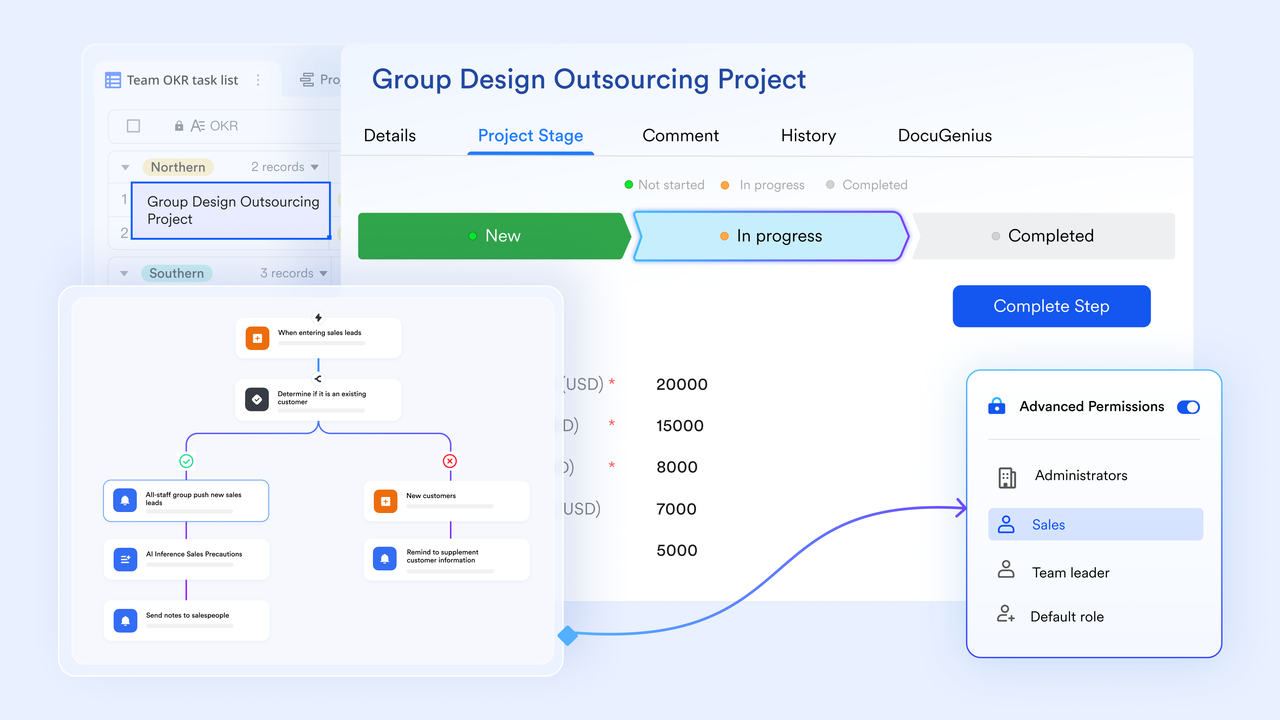
Lark's solution: Lark Base provides no-code database capabilities that enable venture capital firms to create custom deal flow workflows, automate deal progression from sourcing to due diligence, and build tailored portfolio monitoring systems. Its drag-and-drop functionality allows for easy customization of pipeline stages while maintaining integration with the broader Lark ecosystem.
Team collaboration: Effective CRM implementation requires evaluating how the platform supports real-time communication and coordination across investment teams, particularly during critical deal evaluations and portfolio management activities.
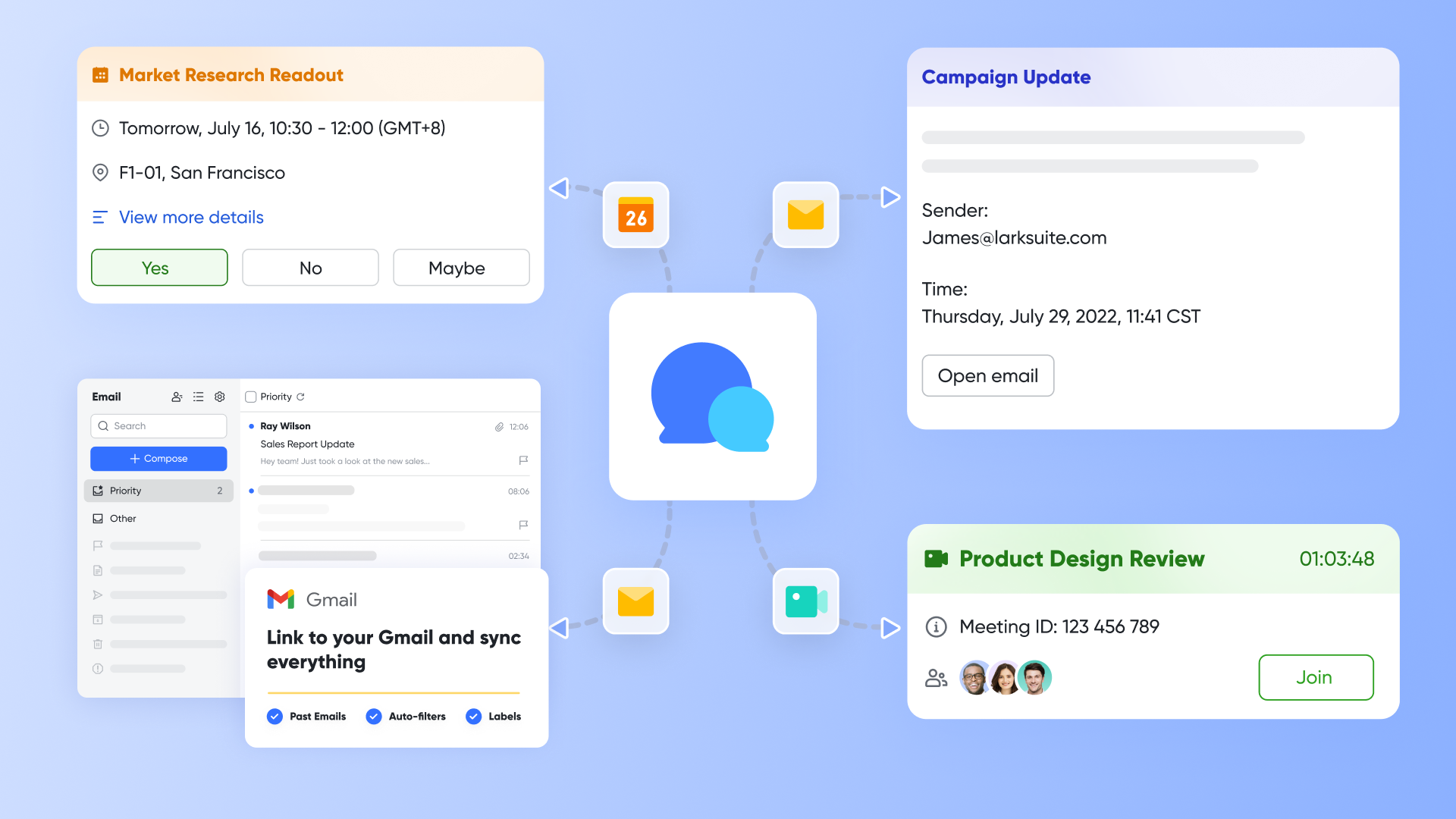
Lark's solution: Lark Messenger enables seamless team coordination through integrated messaging that supports both synchronous discussions and asynchronous updates. This ensures distributed teams can maintain continuous communication through complex investment timelines while keeping all relevant stakeholders informed.
Document management: Robust document collaboration features are crucial for co-authoring investment memos, maintaining due diligence checklists, and creating secure knowledge repositories for sensitive financial information.
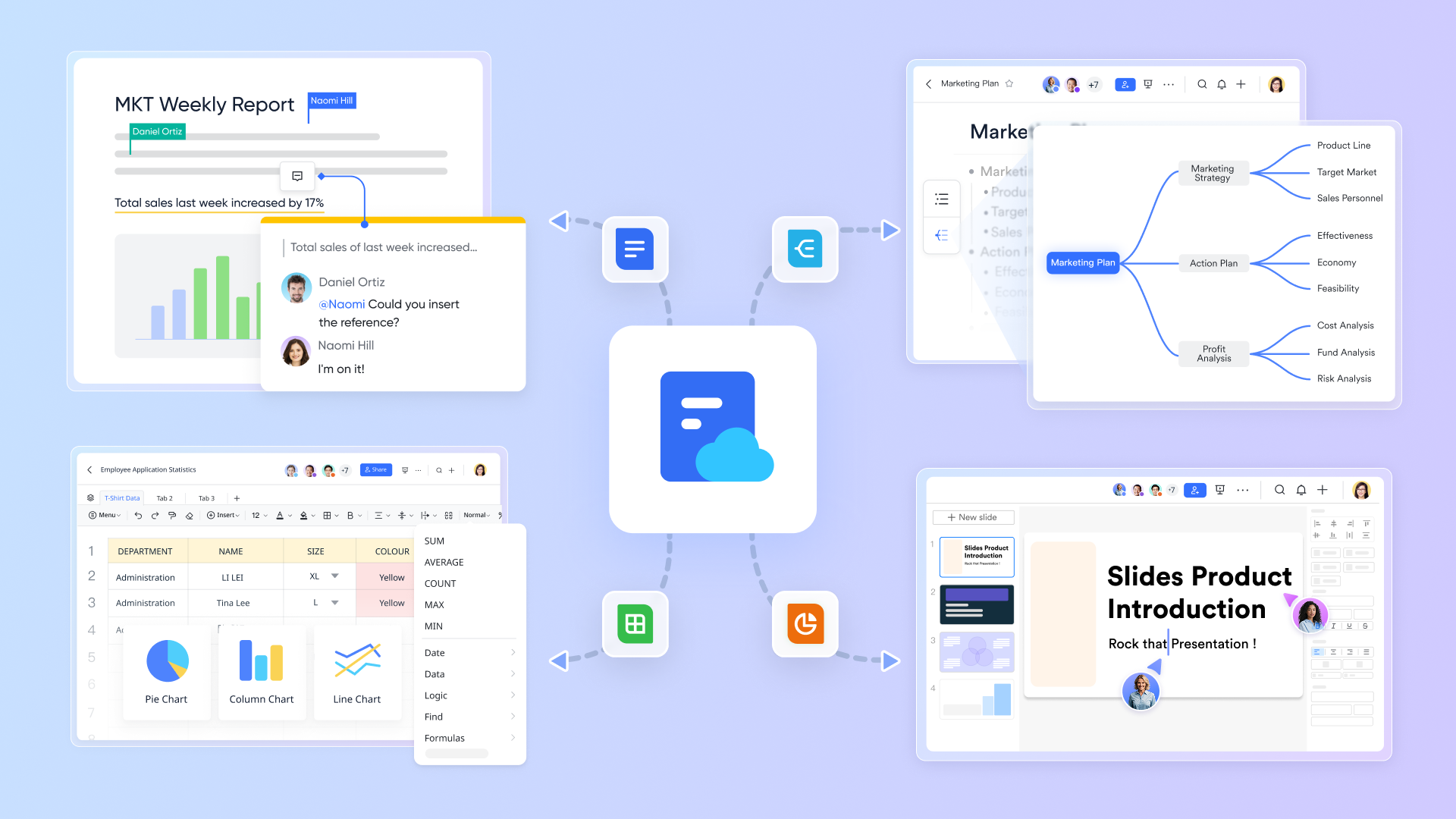
Lark's solution: Lark Docs & Wiki offers comprehensive document management with version control and secure access permissions, allowing investment teams to collaborate on sensitive documents while ensuring proper governance and compliance standards are maintained.
Goal alignment: Implementing objective tracking ensures investment activities align with firm-wide goals, providing visibility into deal sourcing targets, portfolio performance metrics, and LP relationship objectives.
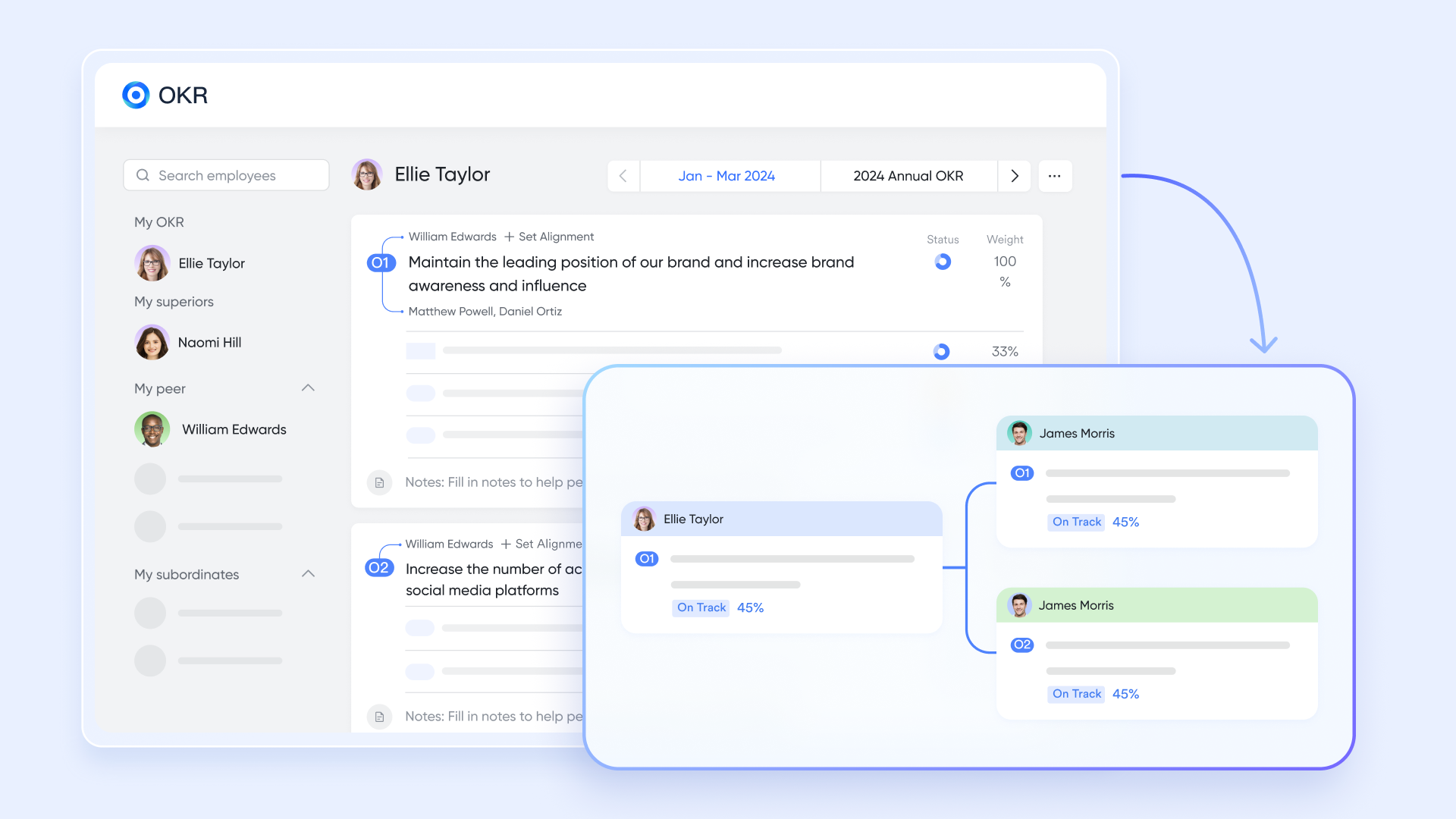
Lark's solution: Lark OKR enables venture capital firms to align investment activities with strategic objectives, tracking key results around performance metrics and relationship goals while maintaining transparency across the organization.
Meeting integration: Seamless calendar integration and video conferencing capabilities are essential for investment committee meetings, founder presentations, and regular LP updates.
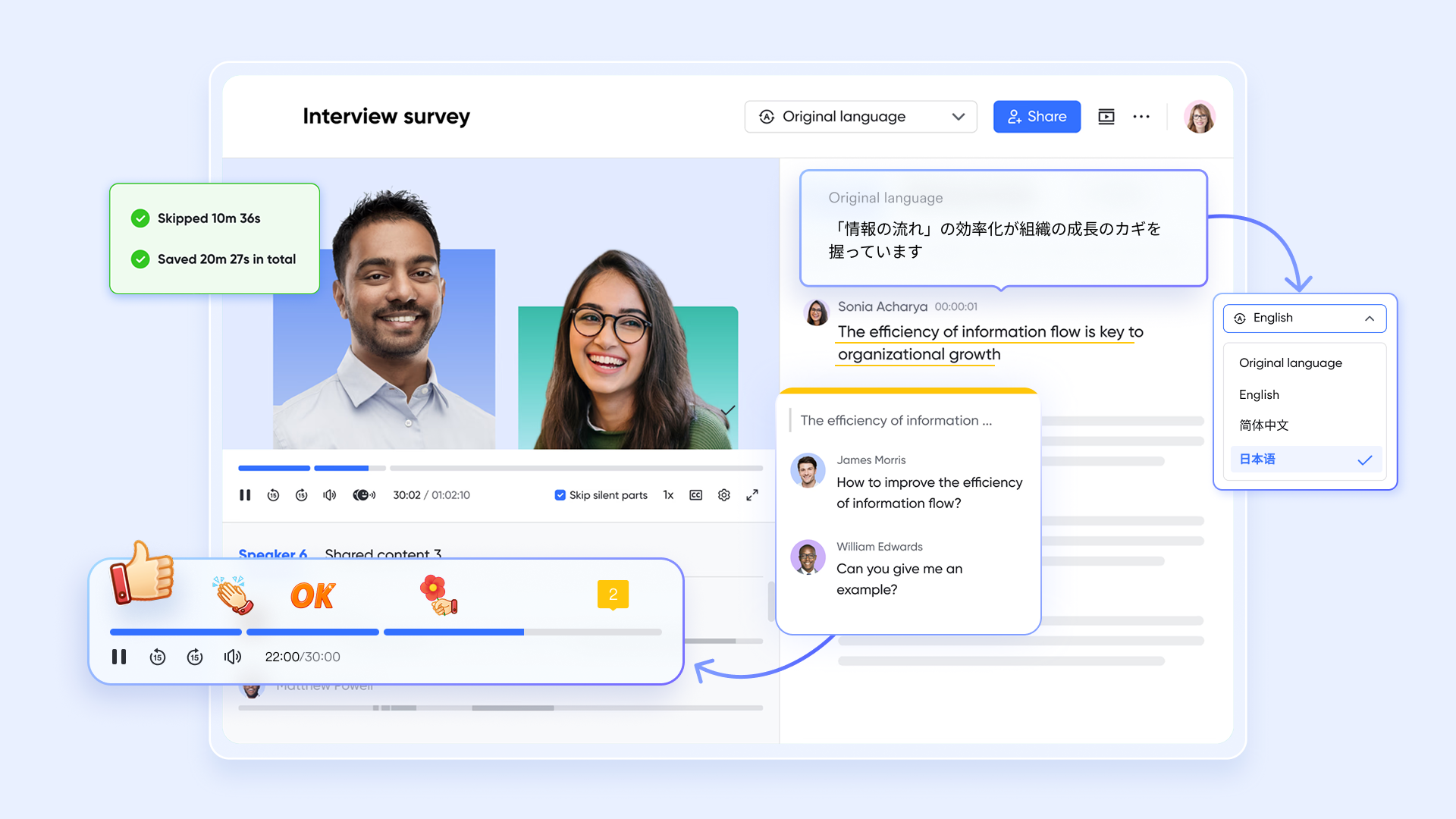
Lark's solution: Lark Meetings with Magic Share feature allows real-time collaboration during critical discussions, enhancing decision-making efficiency while maintaining context across all meeting participants.
Integration ecosystem: Compatibility with existing email systems, calendar applications, financial analysis tools, and portfolio monitoring software prevents data fragmentation and ensures operational continuity.
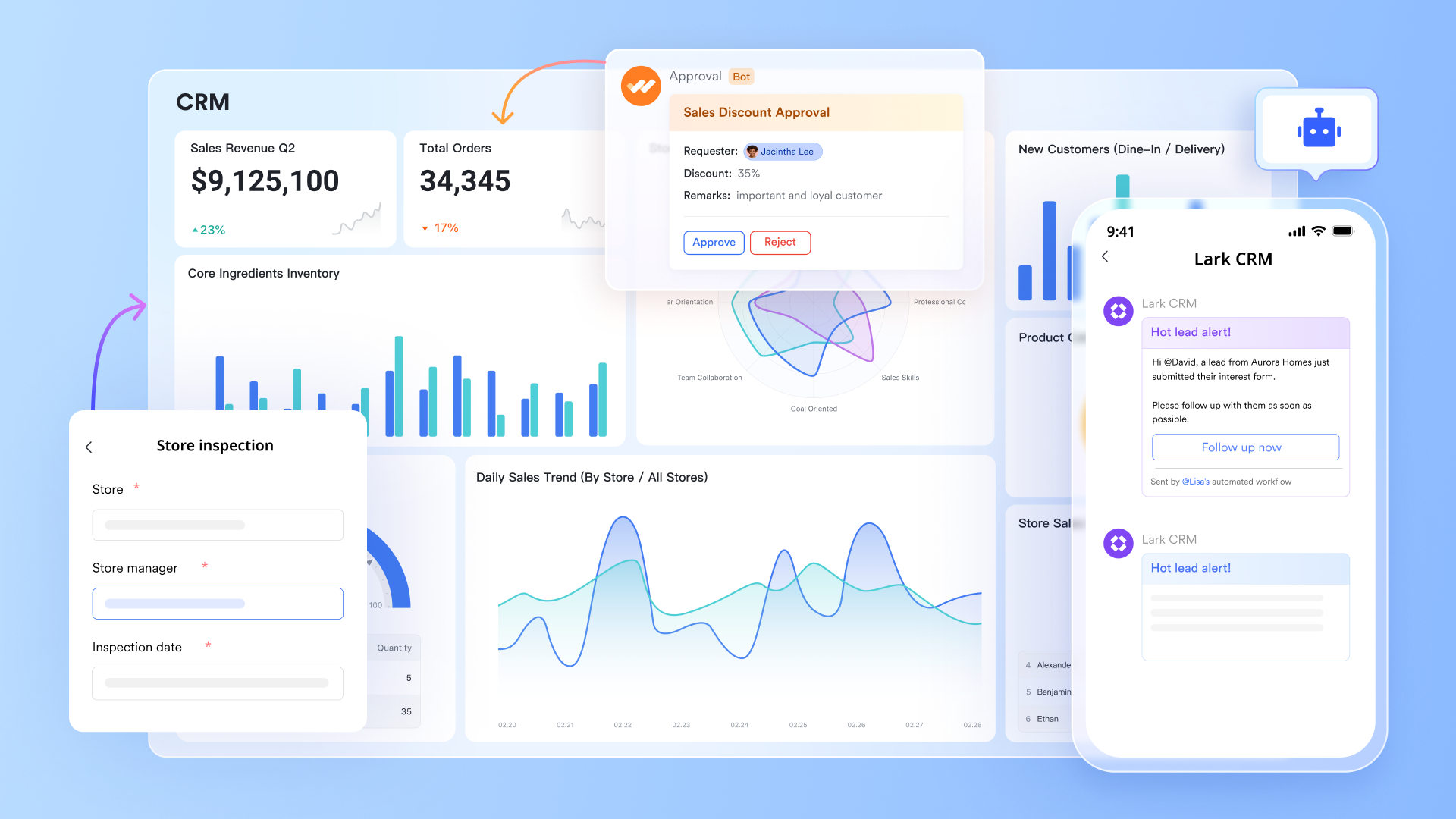
Lark's solution: Lark's unified platform integrates seamlessly with existing systems, creating a connected operational framework that eliminates data silos and maintains workflow consistency across all venture capital activities.
Best for:
Venture firms seeking a single integrated platform that combines CRM, communication, goal tracking, and workflow automation.
- Starter plan: Free forever plan that includes 11 powerful tools for up to 20 users. It also comes with 100GB of storage, 1000 automation runs, AI translations, and more.
- Basic plan: $6/user/month (billed annually) for up to 500 users, including everything in Starter plus 1-on-1 video meetings, 5TB of storage, 1,000 automation runs, and more. To know more about Basic plan, contact our sales.
- Pro plan: $12/user/month (billed annually) for up to 500 users. It includes everything in Starter plus a group calling for up to 500 attendees, 15TB of storage, 50,000 automation runs, and more.
- Enterprise plan: Contact sales for custom pricing. Supports unlimited users and includes even more automation runs and advanced security, compliance, and management features.
2. Affinity: An AI-driven relationship intelligence CRM
Affinity is a relationship intelligence CRM purpose-built for investors and deal teams. It automatically maps and analyzes professional networks by scanning communication data, surfacing hidden relationships that can lead to deal opportunities. Its automatic contact tracking and AI-powered connection scoring help venture firms transform relationship insights into a sourcing advantage. However, it requires ongoing data input and calibration to maintain accuracy and extract full value.
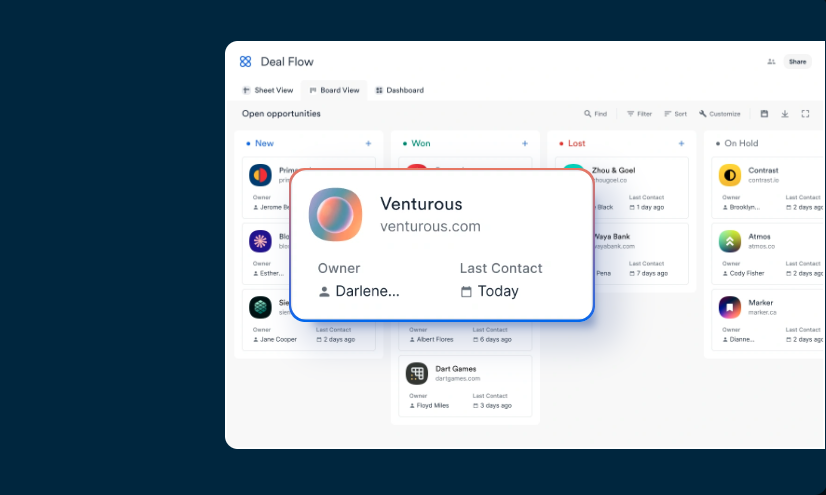
Image source: affinity.co
Key features:
- Automated contact and relationship mapping
- Connection scoring algorithms based on communication frequency and signal strength
- Email and calendar integration
- Smart alerts for warm introductions and deal engagement
Best for:
Firms focused on leveraging relationship intelligence to improve deal sourcing and network optimization.
Pricing plans: Request for pricing
3. Visible VC: A reporting and portfolio tracking platform
Visible VC specializes in portfolio monitoring and LP (Limited Partner) reporting. The platform simplifies investor communication through automated performance updates, data dashboards, and LP reports that highlight portfolio metrics. It’s best suited for firms emphasizing transparency and investor relations rather than deep deal analytics or relationship mapping.
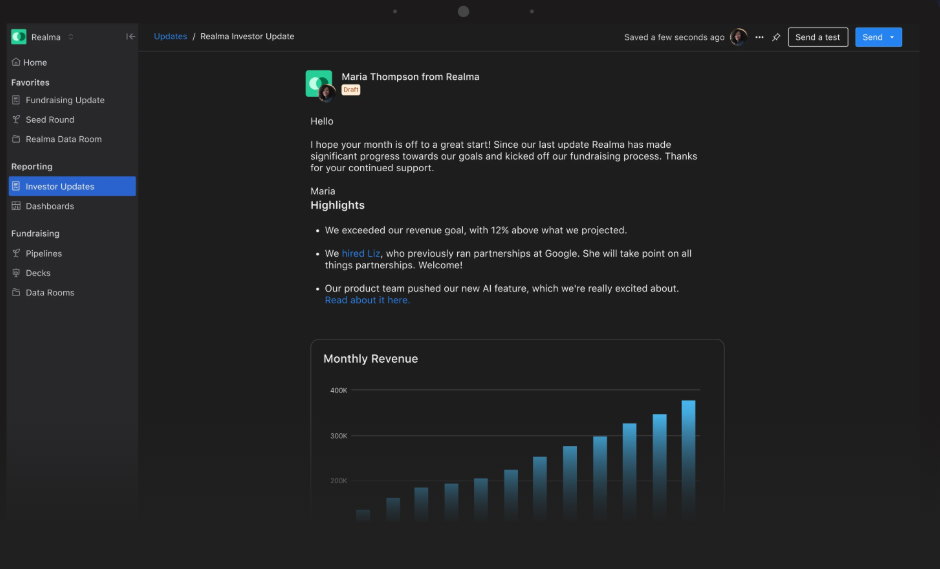
Image source: visible.vc
Key features:
- Automated fund performance reports
- LP dashboards and update templates
- Portfolio analytics and KPI visualization
- Streamlined email updates to investors
Best for:
Firms that prioritize LP communication, data transparency, and post-investment performance tracking.
Pricing plans:
- For founders:
Starter: Free; Base: $59/mo; Core: $129/mo; Growth: $199/mo
- For investors: Need to request Essential, Premium, and Enterprise plans
4. 4Degrees: A CRM with smart network insights
4Degrees combines traditional CRM structure with AI-driven relationship insights. It scans emails, calendars, and meeting interactions to capture data automatically and identify business development opportunities. The platform provides smart pipeline prioritization, making it ideal for teams balancing structured deal tracking with network intelligence without the complexity of larger enterprise tools.
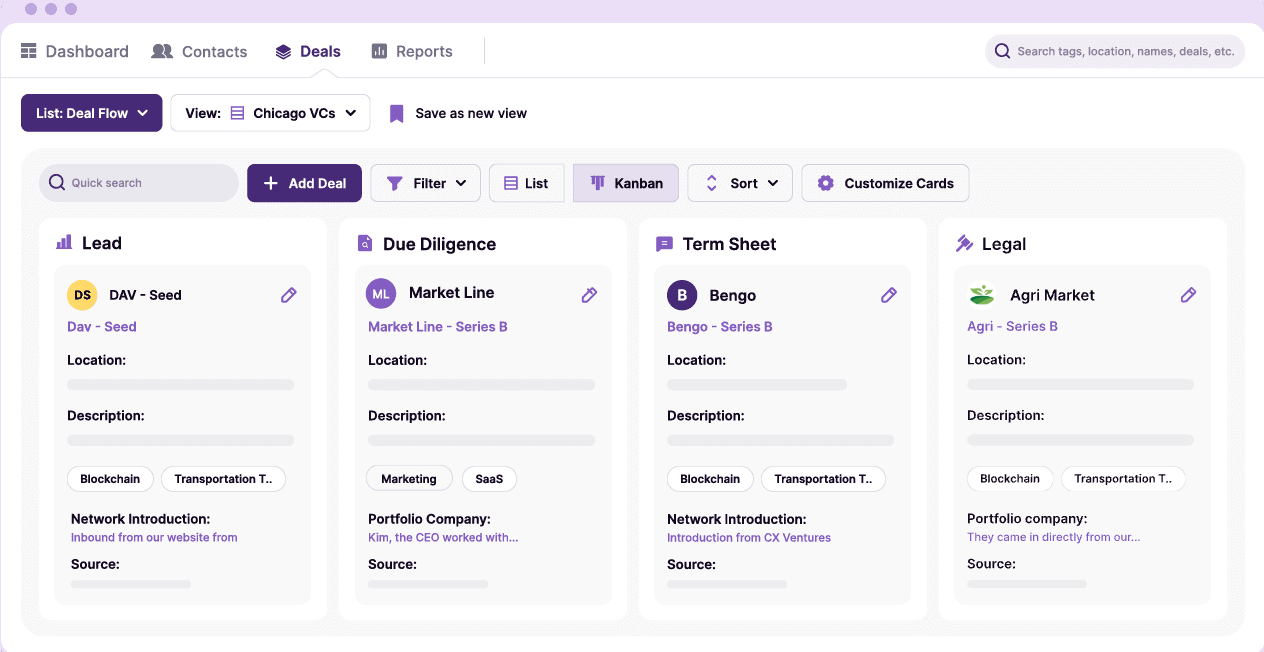
Image source: 4degrees.ai
Key features:
- Automatic email and calendar data capture
- AI-driven deal prioritization and smart recommendations
- Relationship intelligence scoring
- Configurable pipelines and reporting dashboards
Best for:
Firms balancing structured CRM management with data-driven relationship insights.
Pricing plans:
Charge on a per-user per-month model and require custom pricing, depending on team size and features.
5. Salesforce for VCs: A customizable enterprise-grade CRM
Salesforce remains the go-to enterprise CRM for large venture capital firms requiring maximum customization. Through integrations and extensions like Salesforce for Venture Capital, firms can configure workflows, deal pipelines, and LP reporting to their exact needs. While powerful and flexible, it demands more implementation effort, technical oversight, and sometimes dedicated admin resources.
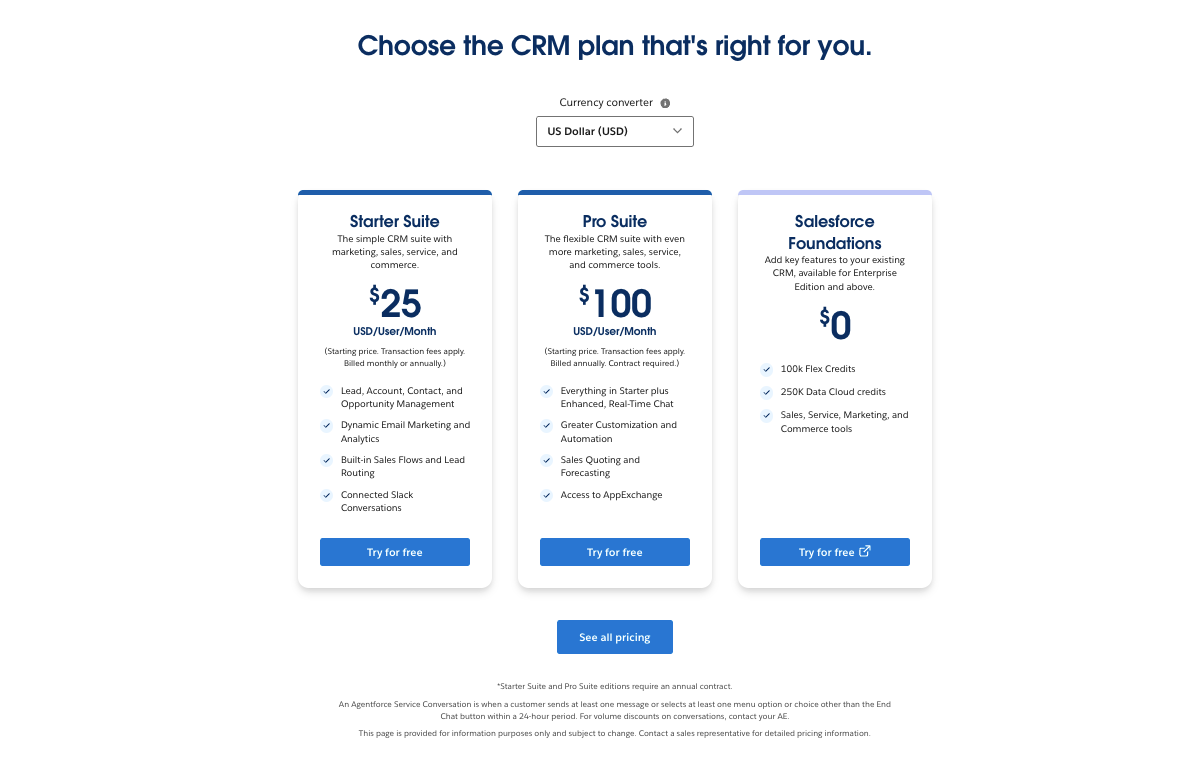
Image source: salesforce.com
Key features:
- Fully customizable CRM and portfolio dashboards
- Integration with analytics, marketing, and communication platforms
- Robust reporting and workflow automation
- Scalable architecture for large teams
Best for:
Enterprise venture firms require deep customization and integration with existing business systems.
Pricing plans:
- Starter Suite: $25/user/month offers core tools for marketing, sales, service, and commerce.
- Pro Suite: $100/user/month includes all Starter features plus enhanced, real-time chat, advanced customization and automation options.
- Salesforce Foundations ($0) lets users add Salesforce's key features to your existing CRM. However, it's only available if you have an Enterprise Edition or above.
6. Airtable: A flexible no-code CRM builder
Airtable CRM for venture capital offers a highly flexible, spreadsheet-style CRM alternative, enabling firms to build deal databases, track portfolio milestones, and integrate automation through its Interface Designer and workflow scripts. While not VC-specific out of the box, Airtable’s modular templates allow tech-savvy teams to tailor it into an agile investment management hub—ideal for smaller firms and early-stage funds.
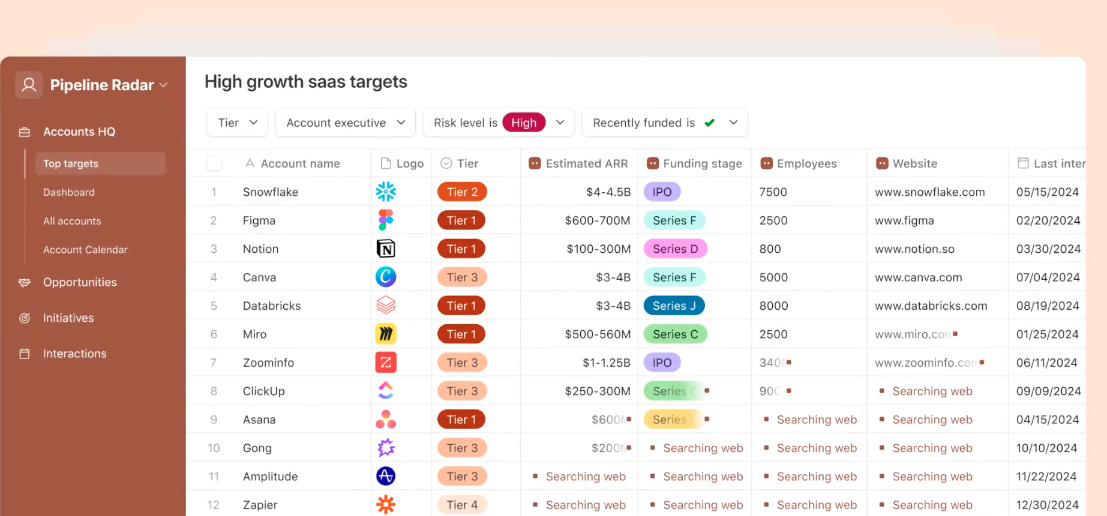
Image source: airtable.com
Key features:
- Custom venture CRM templates
- Interface Designer for deal dashboards
- Automation and workflow scripting
- Third-party integrations (e.g., Zapier, Asana, Slack)
Best for:
Small to mid-sized funds seeking flexibility, design simplicity, and low-cost customization.
Pricing plans:
- Free tier available (Up to 5 editors)
- Team plan at $20/user/month
- Business plan at 45/user/month
- Enterprise by quote
7. Attio: A modern, collaborative CRM for investors
Attio CRM for venture capital provides a modern CRM solution purpose-built for investment professionals. It offers relationship tracking, collaborative deal pipelines, and customizable data models that sync automatically with email and calendar systems. Its visual, intuitive interface and API integrations make it particularly popular among emerging managers seeking a balance of power and simplicity.
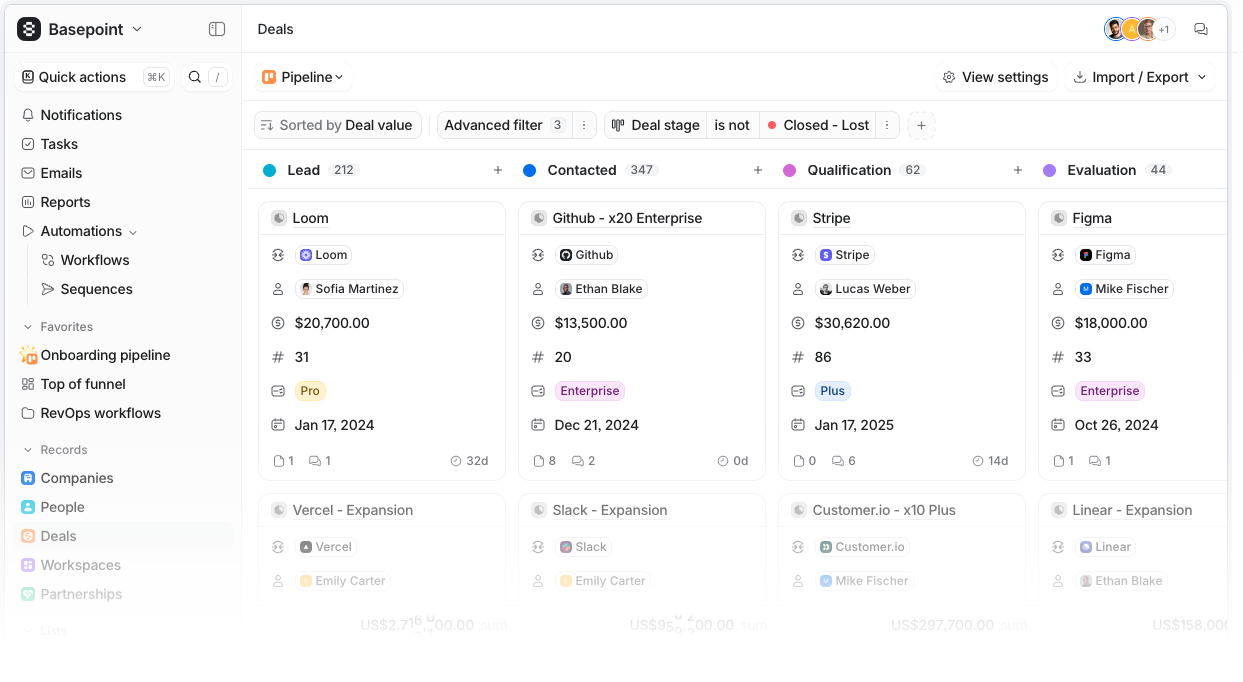
Image source: attio.com
Key features:
- Automatic contact and company data syncing
- Visual pipeline and timeline views
- Custom object modeling for LPs, deals, and portfolios
- Collaborative workspaces with API integrations
Best for:
Emerging venture managers and agile firms wanting a visually modern, highly customizable CRM.
Pricing plans:
- Free plan available (Up to 3 seats)
- Pro plan at 29/user/month,
- Plus plan at 69/user/month,
- Enterprise with custom options.
8. Pipedrive: A simple, visual pipeline management tool
Pipedrive is a sales-focused CRM that has gained traction with smaller venture and angel firms due to its user-friendly design and robust pipeline visualization. It helps track deals from sourcing to closing and automates reminders and follow-ups. While not tailored exclusively to venture workflows, its simplicity and integrations with third-party tools make it an affordable, lightweight choice for early-stage teams.
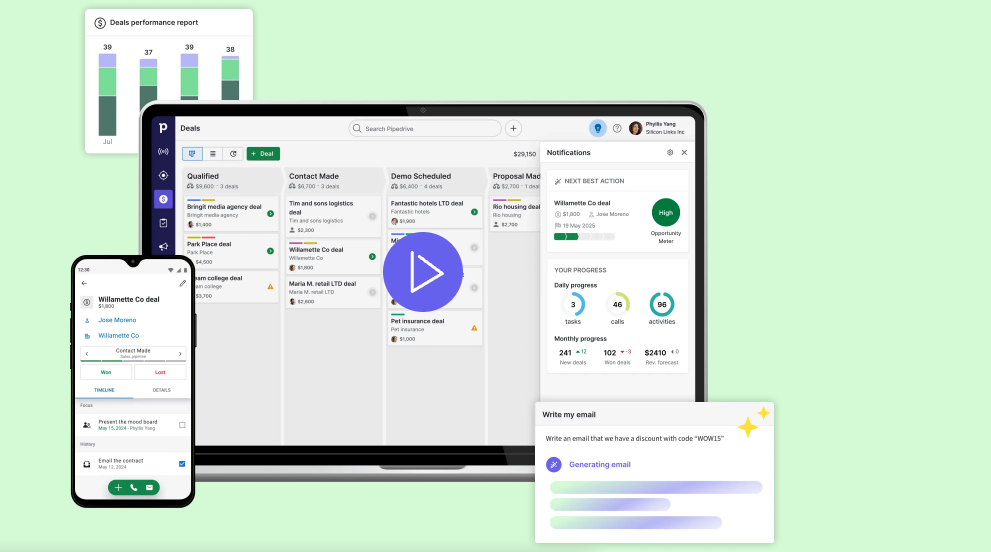
Image source: pipedrive.com
Key features:
- Drag-and-drop visual pipelines
- Automated reminders and follow-up tracking
- Custom fields for deals and contacts
- Integration with tools like Gmail, Slack, Zapier, and Google Calendar
Best for:
Small venture firms or angel investors needing a straightforward, affordable CRM solution.
Pricing plans:
- Free trial for 14 days
- List plan at14.90/user/month
- Growth plan at $39/user/month
- Premium plan at $59/user/month
- Ultimate plan at $79/user/month
Modern approaches to venture capital relationship management
Forward-thinking venture capital firms are moving beyond traditional CRM concepts toward integrated platforms that connect relationship management with investment operations. This evolution addresses the industry's need for cohesive systems that reduce manual work while enhancing strategic insights.
- Unified platform strategy: Leading firms are consolidating multiple tools into single platforms that combine CRM, document management, and portfolio monitoring. This approach eliminates data silos and ensures that relationship context flows seamlessly into investment decision-making processes without manual transfer between systems.
- Intelligent deal flow orchestration: Modern systems automatically prioritize opportunities based on relationship strength, strategic fit, and timing factors. They provide dynamic pipeline views that adapt to different investment theses and automatically surface relevant connections during due diligence phases.
- Integrated LP communication ecosystems: Advanced platforms connect LP data with communication tools to create continuous engagement streams rather than periodic reporting cycles. They automate performance reporting directly from portfolio data and maintain synchronized communication logs that ensure consistent investor relations.
- Portfolio company operating platforms: Sophisticated systems extend beyond tracking to actively facilitate value creation by connecting portfolio companies with relevant resources, experts, and potential customers within the firm's network. They track support activities and measure their impact on portfolio performance.
- AI-powered relationship analytics: Cutting-edge solutions employ machine learning to predict relationship opportunities, identify potential co-investors, and suggest strategic introductions. These systems continuously analyze communication patterns and network dynamics to provide proactive recommendations rather than retrospective reporting.
- Mobile-first collaboration: Modern platforms prioritize mobile CRM accessibility with full functionality, recognizing that venture capital relationships develop during site visits, conferences, and informal meetings. They enable real-time data access and collaboration regardless of team members' physical locations.
Best practices for venture capital CRM adoption and usage
Successful CRM implementation extends beyond software selection to encompass change management, data hygiene, and continuous optimization practices that drive long-term value.
- Phased implementation approach: Roll out the system in stages, starting with core functionality before introducing advanced features, allowing users to build confidence and proficiency gradually.
- Comprehensive training programs: Develop role-specific training that addresses different user needs—from investment professionals focused on deal tracking to operations staff managing LP reporting requirements.
- Data governance framework: Establish clear protocols for data entry, quality control, and maintenance procedures to ensure consistent information standards across the organization.
- Executive sponsorship: Secure active leadership support and participation to demonstrate organizational commitment and encourage widespread adoption across the investment team.
- Continuous feedback mechanism: Implement regular check-ins and feedback channels to identify usability issues, feature requests, and training needs as team members gain experience with the system.
- Performance metrics: Define and track key adoption indicators such as data completeness, user activity levels, and time savings to measure success and justify ongoing investment.
- Ongoing optimization: Schedule periodic reviews to assess system utilization, identify new integration opportunities, and explore additional features that align with evolving business needs.
Future trends in venture capital CRM technology
The venture capital CRM landscape is rapidly evolving with emerging technologies that promise to fundamentally transform investment operations. Artificial intelligence and machine learning are advancing toward predictive analytics capabilities that can forecast deal success probabilities and identify optimal co-investment partners. Augmented reality applications may soon provide real-time relationship intelligence during networking events, and regulatory technology integration will automatically ensure compliance with evolving securities laws. The most significant shift involves the development of truly integrated investment ecosystems that seamlessly connect portfolio company operations and CRM operations, market data providers, and limited partner systems, creating comprehensive platforms that extend far beyond traditional relationship management.
Conclusion
Selecting and implementing the right venture capital CRM represents one of the most strategic technology decisions an investment firm can make. The ideal system transcends traditional contact management to become the central nervous system of your investment operations, connecting relationship intelligence with deal flow management and portfolio oversight. As venture capital becomes increasingly competitive and data-driven, the ability to leverage your network effectively and make informed decisions quickly separates top-performing firms from the rest. While platforms like Affinity, Visible VC, and 4Degrees offer specialized capabilities, the ultimate choice depends on your firm's specific workflow requirements, team structure, and growth ambitions. Remember that even the most sophisticated system requires thoughtful implementation and ongoing optimization to deliver maximum value. For teams seeking modern, flexible solutions, platforms like Lark provide intuitive interfaces that can be customized to support venture capital workflows while maintaining the security and reliability that investment professionals require.
FAQs
What makes venture capital CRM different from regular CRM software?
Venture capital CRMs are specifically designed for the investment lifecycle, featuring relationship intelligence, LP reporting tools, portfolio monitoring, and deal flow management capabilities that generic sales-focused CRMs lack. They understand that VC relationships are multi-directional and long-term rather than transactional.
How much does a typical venture capital CRM system cost?
Pricing varies significantly based on team size and feature requirements, ranging from 50−50−150 per user monthly for entry-level solutions to enterprise agreements exceeding $100,000 annually for customized implementations with advanced analytics and integration capabilities.
What's the implementation timeline for a new VC CRM system?
Most firms can expect 2-4 weeks for basic implementation and data migration, followed by 1-2 months of phased adoption and training. Complex enterprise deployments with custom integrations may require 3-6 months for full optimization and organizational adoption.
How do we ensure team adoption of a new CRM system?
Successful adoption requires executive sponsorship, role-specific training, clear data governance policies, and phased implementation that demonstrates immediate value to investment professionals through time savings and improved deal insights.
Can we integrate our existing tools with a new VC CRM?
Modern venture capital CRMs offer extensive integration capabilities with email platforms (Gmail, Outlook), calendar systems, document management tools (Google Drive, Dropbox), communication apps (Slack, Teams), and financial analysis software, though specific connectivity varies by platform. For firms seeking Google Workspace alternatives, especially those looking for a more specialized CRM solution, these integrations are crucial, allowing them to leverage existing tools without being constrained by the native offerings or specific Google Workspace pricing models.
Related reading
Table of contents
Start using Lark today

Manage all your work in one place
Boost team efficiency by 10x
Save up to 70% on software costs
Table of contents
Start using Lark today
Manage all your work in one place
Boost team efficiency by 10x
Save up to 70% on software costs
Keep reading









2026 Lark Technologies Pte. Ltd.
Headquartered in Singapore with offices worldwide.






Explore: