We are well aware that deadlines slip for simple reasons, such as unclear ownership, scattered updates, or too many tools in one workflow. When you're running a marketing campaign, coordinating academic coursework, or managing cross-functional teams, structured assignment tracking brings clarity, accountability, and measurable results.
Assignment tracking tools go beyond basic to-do lists. They centralize task visibility, track deadlines, balance workloads, and enable real-time collaboration. From spreadsheet-based templates to AI-powered dashboards, modern assignment tracking software helps teams stay organized and aligned. If you're still juggling email threads or static sheets, this guide covers templates, key metrics, common challenges, and how collaborative platforms like Lark simplify assignment management.
What is assignment tracking?
Assignment tracking is the structured , monitoring their progress, and ensuring they are completed within defined timelines. It provides visibility into who is responsible for what, when it is due, and how far along the work has progressed. Rather than relying on informal communication or memory, assignment tracking creates a documented system that promotes accountability and clarity.
In professional settings, it helps managers distribute workloads efficiently, identify bottlenecks, and measure team performance. In academic environments, it enables students and educators to monitor coursework, submission deadlines, and grading status. Effective assignment tracking typically includes task descriptions, priority levels, deadlines, status updates, and performance metrics.
Modern assignment tracking systems often integrate automation, notifications, dashboards, and to reduce manual follow-ups. By centralizing task information, assignment tracking minimizes missed deadlines, improves coordination, and supports data-driven decision-making across teams and projects.
Who benefits from assignment tracker templates?
Assignment tracker templates provide structure and clarity across different roles and workflows. They standardize how tasks are assigned, monitored, and completed while improving visibility. This consistency strengthens accountability, adherence to deadlines, and productivity.
- Project managers: Assignment tracker templates help distribute responsibilities clearly and . They provide insight into workload allocation, task dependencies, and completion rates. This improves planning accuracy and overall project delivery.
- Students: Tracking templates help them organize coursework, manage deadlines, and prioritize assignments effectively. They reduce confusion about pending tasks and submission dates. This supports stronger time management and academic consistency.
- Educators: Templates help educators monitor grading schedules, track submissions, and . A structured system ensures evaluations are completed efficiently. It enhances transparency and academic coordination.
- Content and editorial teams: Assignment tracking templates streamline content calendars, task assignments, and publishing deadlines. Shared visibility keeps writers, editors, and designers aligned. This improves collaboration and ensures timely content production.
Bring structure and accountability to decisions
Assignment tracking template format created for task visibility
Clear task visibility begins with choosing the right assignment-tracking template. Different structures support different workflow needs, depending on complexity and team size. Selecting the appropriate format improves clarity, monitoring, and execution efficiency.
- Spreadsheet templates: Spreadsheet-based assignment-tracking templates organize tasks in rows and columns, with defined fields such as owner, deadline, status, and priority. They are flexible, easy to customize, and widely accessible. This format works well for teams that prefer and manual control.
- Checklist-based formats: Checklist formats focus on simplicity by listing assignments with completion indicators. They are ideal for straightforward workflows or smaller teams. This approach ensures tasks are visibly marked as complete, improving accountability.
- Dashboard-style layouts: Dashboard formats provide visual summaries using charts, status indicators, and progress bars. They offer high-level insights into task completion and workload distribution. This layout is suitable for managers who need quick performance overviews.
- Deadline monitoring sheets: Deadline monitoring sheets emphasize due dates and . They clearly highlight upcoming, overdue, and completed assignments. This format helps prevent delays and improve time-sensitive task management.
Assignment tracking metrics indicators used for performance analysis
Effective assignment tracking goes beyond monitoring tasks — it measures performance through clear indicators. Metrics provide insight into productivity, efficiency, and workload distribution. Using the right performance indicators helps teams identify gaps and improve execution.
- Completion rate: The percentage of within a given timeframe. It reflects overall productivity and commitment to deadlines. A consistently high completion rate indicates effective planning and accountability.
- Delay frequency: Delay frequency tracks how often assignments miss their deadlines. It highlights recurring bottlenecks or planning inefficiencies. helps teams address the root causes of missed timelines.
- Task turnaround time: Task turnaround time calculates the average duration taken to complete assignments from start to finish. It measures operational efficiency and responsiveness. Shorter turnaround times typically indicate streamlined workflows.
- Workload balance: Workload balance evaluates how evenly tasks are distributed across team members. It helps prevent burnout and underutilization. Maintaining balanced workloads improves morale and sustainable productivity.
While templates and metrics provide structure, managing assignments manually can still limit visibility and collaboration. Growing teams need more than static sheets — they require real-time updates, automation, and centralized communication. This is where integrated assignment tracking software becomes essential. Platforms like Lark combine task management, collaboration, and performance monitoring into one unified workspace.
Turn scattered tasks into structured progress in Lark
Ready-to-use assignment tracking template
A ready-to-use assignment tracking template helps teams implement structured task management instantly. It eliminates the need to build formats from scratch or design tracking systems manually.
Project roadmap Gantt chart template
The project roadmap Gantt chart template helps teams visualize project timelines, milestones, and dependencies in a structured timeline view. Managers can map project phases, assign responsibilities, and track progress across multiple stages. By clearly displaying schedules and task relationships, the template improves planning accuracy, supports better resource coordination, and keeps teams aligned on long-term project objectives.
Project tracking
The project tracking template provides a structured overview of tasks, milestones, and overall progress. It allows teams to assign responsibilities, set deadlines, and monitor completion status in real time. With clear visibility into timelines and dependencies, it helps prevent bottlenecks and keeps projects aligned with strategic goals.
Task management
The template helps teams organize daily assignments, prioritize responsibilities, and track progress efficiently. It includes fields for task owners, deadlines, priority levels, and status updates. Centralizing work in a single view improves accountability, reduces missed deadlines, and enhances overall productivity.
Design project management template
The design project management template helps creative teams coordinate design tasks, feedback cycles, and delivery timelines. It allows teams to organize design requests, assign responsibilities, and track project stages from concept to completion. By maintaining a clear workflow for revisions and approvals, the template helps design teams manage workloads while keeping projects organized and on schedule.
Employee task tracker
The employee task tracker template enables managers to assign responsibilities, monitor progress, and . It includes fields for task descriptions, owners, priority levels, due dates, and status updates. By providing transparent workload visibility, it improves accountability, balances team capacity, and enhances overall operational efficiency.
To-do list
The to-do list template offers a simple yet structured way to organize daily tasks and short-term priorities. It allows users to list activities, assign deadlines, and clearly mark completion status. Keeping responsibilities visible and manageable improves focus, productivity, and task follow-through.
Employee task tracker template
The employee task tracker template allows managers to monitor assignments, deadlines, and individual workload distribution across teams. It includes fields for task descriptions, owners, priorities, due dates, and completion status. By providing visibility into ongoing responsibilities, the template helps improve accountability, balance team capacity, and ensure tasks progress efficiently without unnecessary delays.
Meet Lark: An efficient solution for task tracking and management
is a collaborative platform supporting assignment management, and team communication. It combines task boards, shared documents, calendars, and messaging into a single workspace. Teams can assign responsibilities, , and update statuses in real time without switching tools. Built-in automation and reporting features reduce manual follow-ups and improve visibility. By integrating collaboration with structured tracking, Lark helps organizations execute assignments more efficiently and transparently.
Centralizes assignment creation and progress tracking
Lark Tasks enables teams to create, assign, and prioritize work within shared spaces. Each task includes deadlines, owners, status updates, and progress indicators. keep everyone aligned with changes and due dates. Task dependencies help prevent workflow conflicts. This structured system strengthens accountability and execution clarity. 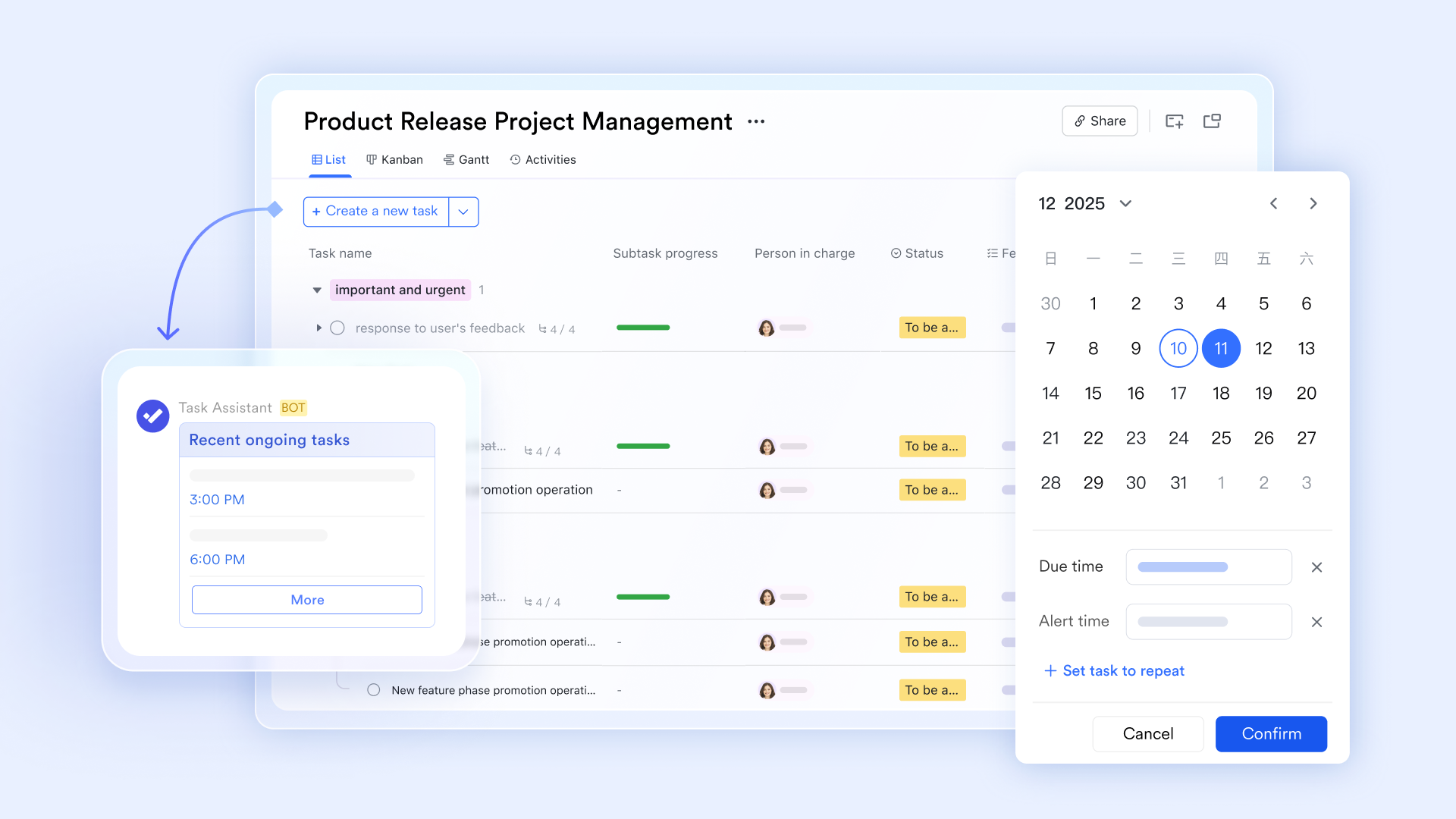
Unified database with customizable views and dashboards
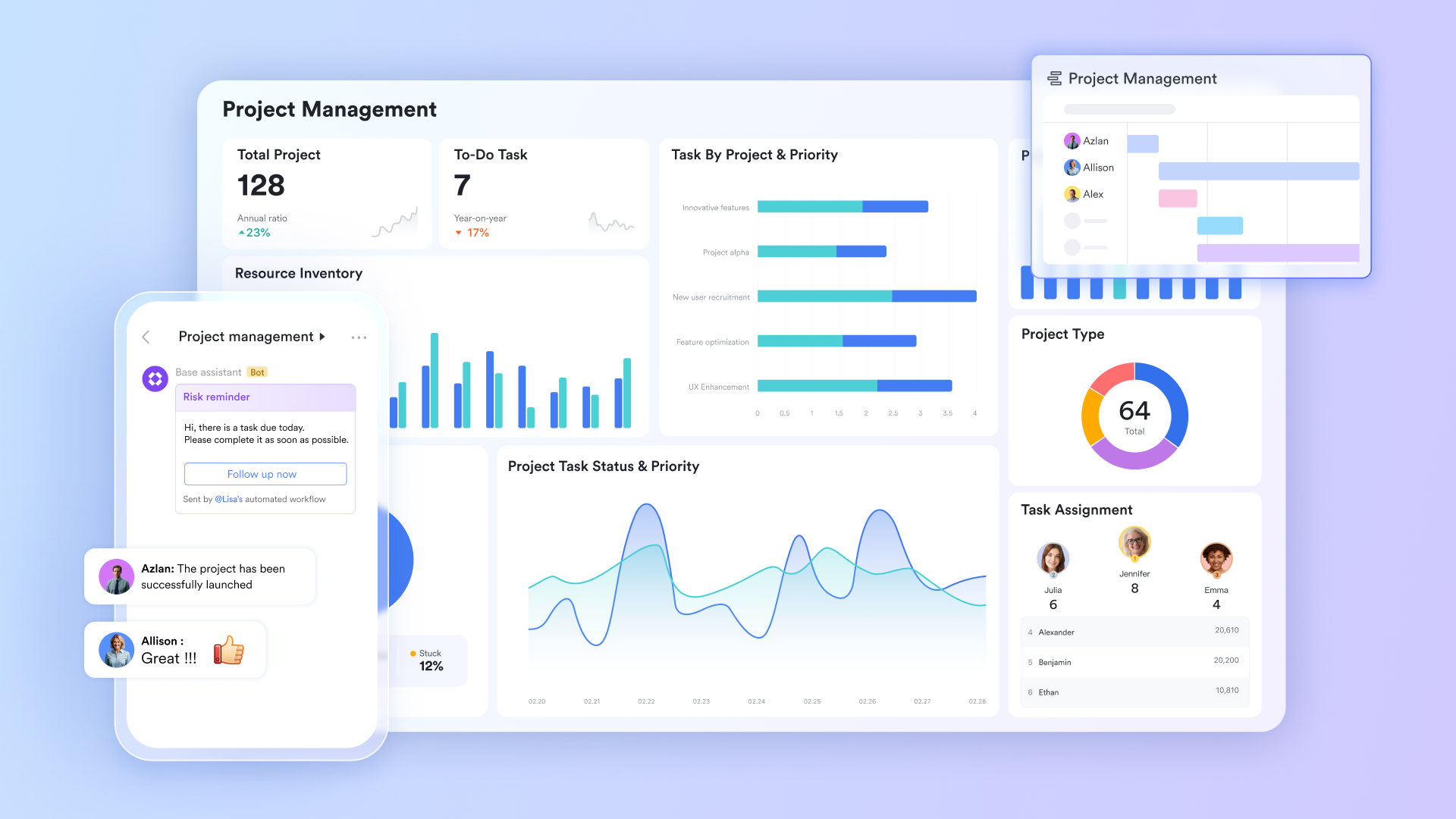
is a flexible database that lets teams design tracking systems tailored to their workflows. Filtered views and improve visibility into progress and workload. Automation rules trigger reminders and status changes automatically. Performance data can be analyzed in real time. This supports scalable and data-driven assignment tracking.
Documentation directly with actionable tasks
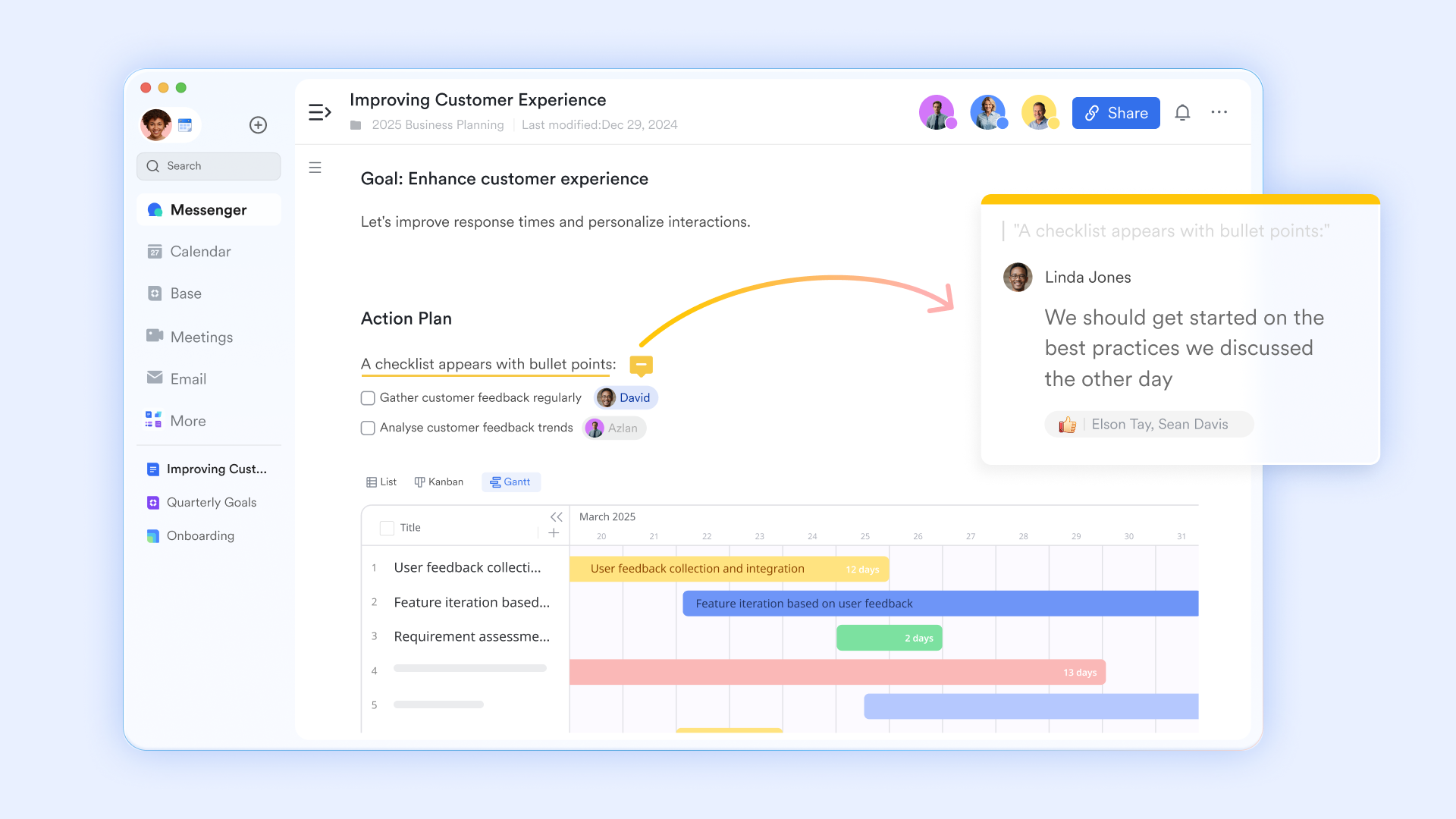
lets teams embed task lists and assign action items directly in collaborative documents. while tracking responsibilities in context. Comments and @mentions streamline feedback and follow-ups. Version history prevents document conflicts. This ensures documentation and execution stay fully aligned.
Aligns assignments with schedules and milestones
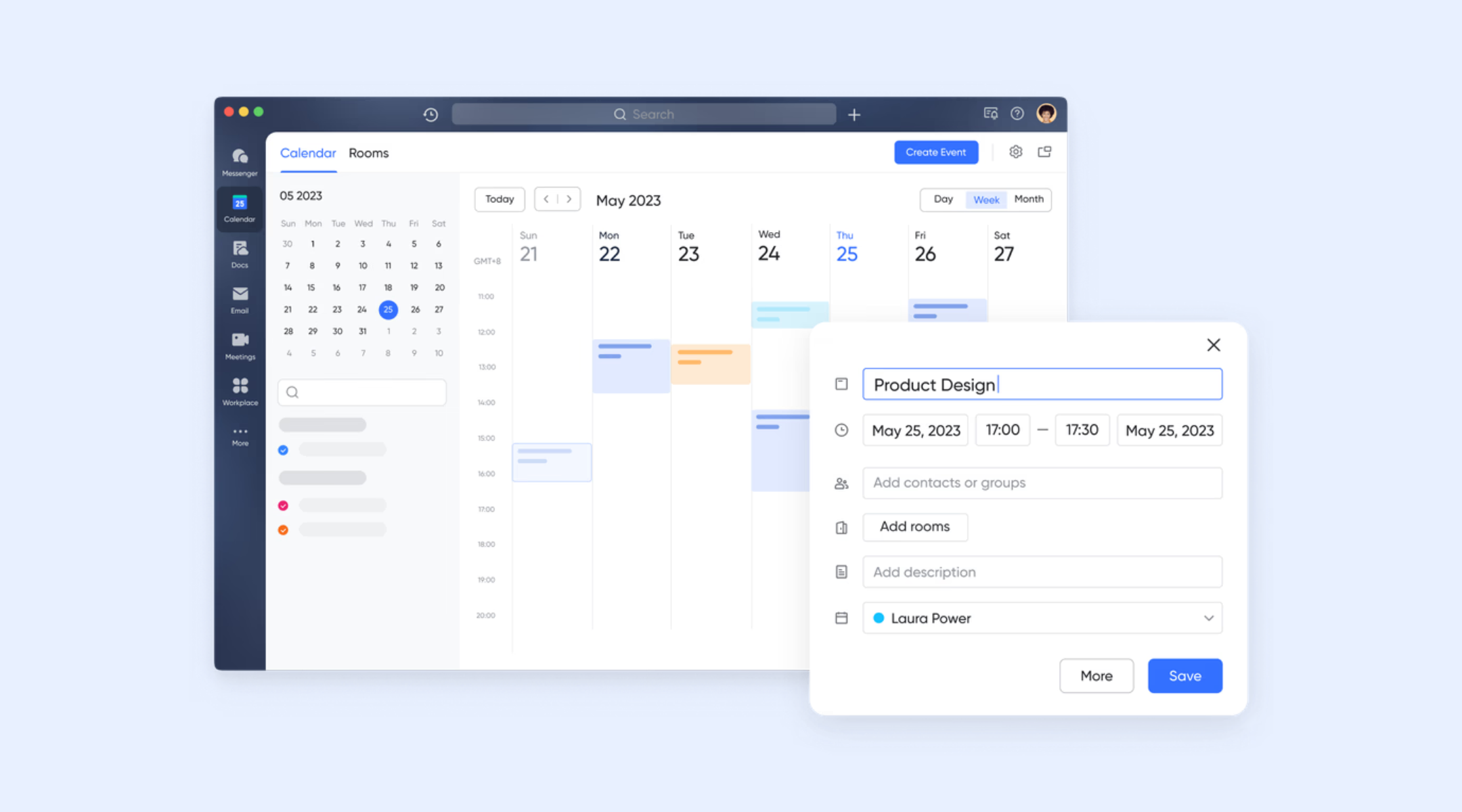
syncs tasks with due dates, meetings, and project timelines. Shared calendar views prevent deadline overlaps and scheduling conflicts. Teams gain a visual overview of workload distribution across time. reduce missed commitments. This integration keeps assignment tracking in sync with broader planning.
Turns conversations into trackable action items
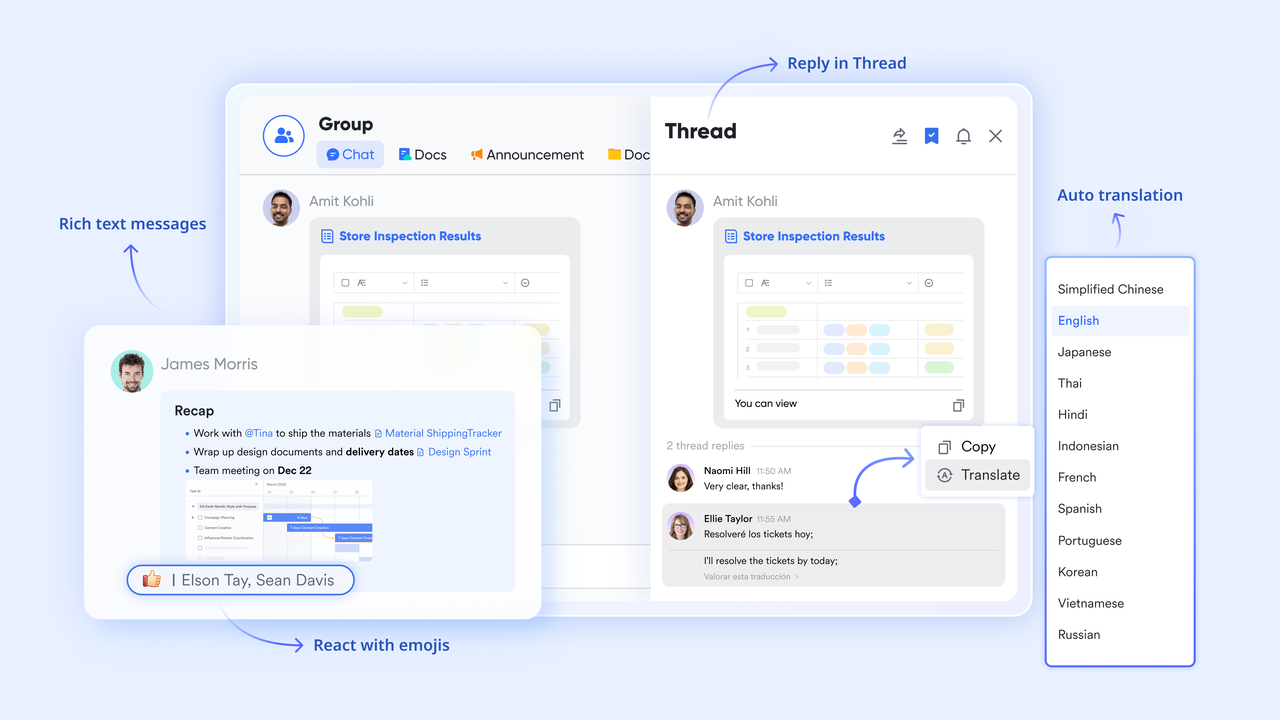
allows users to convert chat messages into tasks instantly. Discussions remain linked to assignments for contextual clarity. File sharing and quick updates eliminate scattered communication. reduces dependency on external tools. This seamless connection between communication and tracking improves team responsiveness.
:
- Starter plan: Free forever plan that includes 11 powerful tools for up to 20 users. It also includes 100GB of storage, 1,000 automation runs, AI translations, and more.
- Pro plan: $12/user/month (billed annually) for up to 500 users. It includes everything in Starter, plus group calling for up to 500 attendees, 15 TB of storage, 50,000 automation runs, and more.
- Enterprise plan: for custom pricing. Supports unlimited users and includes even more automation runs and advanced security, compliance, and management features.
For small teams with simple communication needs

18 months message history
1000 Base automation runs/month
2000 rows per table in Base
Most POPULAR
For companies with comprehensive collaboration and management needs
Unlimited message history
500-participant video meetings
50k Base automation runs/month
20k rows per table in Base
For large companies with advanced security and organizational management needs
Get a personalized demo and pricing
Unlimited message history
500-participant video meetings
15 TB storage + 30 GB storage/user
500k Base automation runs/month
50k Base automation runs/month
Most POPULAR
For companies with comprehensive collaboration and management needs
Unlimited message history
500-participant video meetings
50k Base automation runs/month
20k rows per table in Base
Assignment tracking systems challenges caused by manual methods
Manual assignment-tracking methods often create inefficiencies that slow productivity. Spreadsheets, email threads, and disconnected tools make coordination difficult as teams grow. These limitations lead to visibility gaps, delays, and reduced accountability.
- Version conflicts: When multiple team members update separate spreadsheet copies, inconsistencies quickly arise. Important status changes may be overwritten or lost. This creates confusion about which .
- Communication gaps: Relying on emails or chat threads for task updates often scatters critical information. Team members may miss updates or misunderstand responsibilities. This weakens coordination and increases the risk of missed deadlines.
- Lack of accountability: Without a , task ownership can become unclear. Responsibilities may overlap or fall unnoticed. This reduces transparency and weakens performance management.
- Reporting delays: Manual reporting requires collecting data from multiple sources and manually compiling updates. This slows decision-making and limits real-time visibility. Delayed insights make it harder to address bottlenecks promptly.
Conclusion
Effective assignment tracking is essential for maintaining clarity, accountability, and consistent performance across teams and academic environments. From structured templates and performance metrics to dashboards and workload analysis, the right system transforms scattered tasks into organized workflows. However, manual methods often lead to version conflicts, communication gaps, and reporting delays that limit productivity. Modern assignment tracking software solves these challenges by centralizing tasks, , and improving real-time visibility.
brings these capabilities together in one collaborative workspace — combining task management, documentation, messaging, calendars, and automation into a unified platform. Instead of juggling multiple tools, teams can assign, monitor, and complete work seamlessly. If you're ready to improve transparency, streamline coordination, and strengthen execution, now is the time to upgrade your assignment tracking approach.
Start building smarter workflows today with Lark
FAQs
Can assignment tracking improve remote team productivity?
Yes, assignment tracking improves remote productivity by providing clear task ownership and visibility into deadlines. Teams can monitor progress without constant follow-ups or meetings. Platforms like Lark centralize communication and tracking, reducing confusion across distributed teams.
What industries benefit from assignment tracking software?
Industries such as education, marketing, IT, healthcare, retail, and consulting benefit significantly from assignment tracking software. Any sector managing deadlines and collaborative workflows can improve efficiency through structured systems. Lark supports cross-industry coordination with integrated task and communication tools. How often should assignments be reviewed?
Assignments should typically be reviewed weekly for ongoing projects and daily for time-sensitive tasks. Regular reviews help identify bottlenecks and rebalance workloads early. Lark enables real-time status tracking, making continuous performance monitoring easier.
Are assignment tracking apps suitable for small teams?
Yes, assignment tracking apps are highly suitable for small teams seeking clarity without complexity. Even a compact team benefits from visible task ownership and shared deadlines. Lark provides scalable task assignment and that grows alongside team needs.
Can task tracking tools integrate with project management systems?
Modern task tracking tools often integrate seamlessly with broader project management systems. This ensures assignments align with milestones, timelines, and reporting dashboards. Lark combines task tracking, documentation, and collaboration into a single unified ecosystem.
Related reading












