We communicate more than ever at work, yet staying truly aligned as a team often feels harder than it should. Messages move quickly across emails, chats, project tools, and meetings, and without a clear structure, important information can get lost in the noise.
This is where planned communication makes a meaningful difference. Instead of reacting to updates as they arise, teams thoughtfully design how, when, and why information is shared. By ensuring the right people receive the right message at the right time, organizations can reduce confusion, strengthen accountability, and move projects forward with greater confidence and clarity.
What is planned communication?
Planned communication is the structured approach to deciding how information will be created, shared, and managed across a team, project, or organization. Rather than relying on spontaneous updates or informal conversations, it defines clear goals, audiences, channels, timing, and responsibilities for every key message. This ensures stakeholders receive consistent, accurate information to and progress.
A strong communication plan example might include weekly project updates for leadership, daily task briefings for team members, and for clients, all delivered through appropriate platforms and formats. The importance of communication planning lies in its ability to reduce confusion, prevent duplication of work, and align everyone around shared objectives. By setting expectations in advance, teams can respond more quickly to changes, maintain transparency, and build trust, ultimately improving efficiency and outcomes across both short-term tasks and long-term initiatives.
4 core elements of an effective communication plan
A strong communication plan is built on a clear structure and thoughtful intent, ensuring that every message serves a purpose and reaches the right people. By defining key elements in advance, teams can reduce confusion, improve alignment, and maintain consistency across projects and departments.
- Audience and stakeholder mapping: Identify who needs what information and why, from core team members to external stakeholders. This helps tailor messages to different expectations, influence levels, and decision-making roles.
- Message purpose and priority: Clarify the goal behind each message, whether it is to inform, approve, or prompt action. ensures critical updates stand out and are not buried among routine communications.
- Channels, formats, and ownership: Select the most effective platforms and formats for each update type, such as email, chat, or dashboards. , so every message has a responsible sender and a defined source of truth.
- Timing and review cadence: Decide when and how often to share updates to maintain momentum without overwhelming stakeholders. Regular reviews help refine the plan as goals, teams, and project conditions evolve.
Bridge communication gaps with a reliable tool
Planned communication vs ad hoc communication
To maintain a Lean workflow, it is essential to understand the distinction between structured and spontaneous interactions. The following table compares planned and ad hoc communication across key project aspects to help you maintain professional standards.
How to write a communications plan
Creating a communication plan step-by-step helps teams move from scattered updates to a structured system that supports clarity and accountability. By following a simple framework, you can ensure every message serves a purpose and fits into the broader workflow.
Step 1: Define communication goals and outcomes
Start by identifying what each message should achieve, such as informing, approving, or driving action. Referencing a communication planning PDF can help and align them with broader organizational goals.
Step 2: Choose channels intentionally
Select platforms and formats based on urgency, audience, and message type, rather than convenience. When reviewing a communication plan, an example PDF can help you match channels to different communication needs.
Step 3: Assign responsibility for updates
Designate clear owners for each message type to ensure accountability is never ambiguous. This is especially critical in communication planning, where multiple teams and stakeholders rely on timely, accurate updates.
Step 4: Review and adapt as work evolves
Regularly assess what's working and what's not as projects and priorities change. Continuous improvement ensures the plan remains relevant, efficient, and supportive of team performance.
Communication plan examples by use case
A communication plan becomes most effective when it is tailored to the specific context in which it's used. Below are practical examples that demonstrate how can support diverse teams, goals, and work environments.
- Project management communication plan: This plan outlines how progress updates, risks, and milestones are shared with stakeholders on a regular schedule. It typically includes weekly status reports, sprint reviews, and escalation paths for issues. Defining channels and owners helps keep everyone aligned from kickoff to project closure.
- Internal change communication plan: Designed for organizational changes such as policy updates or system rollouts, this plan focuses on clarity and . It uses a mix of leadership announcements, FAQs, and feedback sessions to address concerns. The goal is to reduce resistance and build understanding across departments.
- Marketing campaign communication plan: This example outlines how to coordinate messaging among creative, sales, and leadership teams during a campaign launch. It defines approval workflows, content calendars, and reporting formats for performance metrics. Consistency in communication helps maintain brand alignment and faster decision-making.
- Crisis communication plan: Used during incidents or emergencies, this plan specifies who communicates, what is shared, and how often updates are issued. It prioritizes speed, accuracy, and transparency across internal teams and external stakeholders. A clear structure helps prevent misinformation and maintains trust.
Ready-to-use communication plan templates
Using ready-made templates helps teams move from planning to action without reinventing the process every time. These standardized formats ensure consistency, save setup time, and make it easier for everyone to follow the same communication structure across projects and departments.
Action plan for communication
An action plan for communication turns strategy into clear, practical steps that teams can follow day-to-day. It outlines specific activities, deadlines, owners, and expected outcomes for each message or update. Breaking communication into actionable tasks ensures consistency, accountability, and steady progress toward .
Communication matrix report
A communication matrix report maps out who needs to receive specific information, how often, and through which channel. It creates a clear reference point for roles, responsibilities, and message flow across teams and stakeholders. Visualizing communication paths, it helps prevent gaps, duplication, and misaligned expectations during project execution.
Communication hazard communication plan
A hazard communication plan outlines how safety-related information, risks, and are shared across teams. It defines clear procedures for labeling, training, and reporting to ensure everyone understands potential hazards. By standardizing these communications, organizations can improve workplace safety and meet regulatory requirements more effectively.
Action plan for retail
An action plan for retail communication focuses on coordinating updates between headquarters, store managers, and frontline staff. It defines how promotions, inventory changes, and operational guidelines are shared in a timely and consistent way. By aligning communication across locations, it helps ensure a uniform customer experience and smoother day-to-day store operations.
Crisis communication plan for crisis managers
A crisis communication plan for crisis managers establishes a clear framework for sharing accurate, timely information during emergencies or high-risk situations. It defines decision-makers, spokespersons, and approved channels to prevent conflicting messages. By prioritizing transparency and speed, the plan helps protect organizational credibility and maintain trust with both internal teams and external stakeholders.
Meet Lark: Deliver your message and plans with efforts
is the cornerstone of any successful build, yet traditional methods often fragment vital information across siloed emails and disconnected chat apps. facilitates this by weaving messaging, documentation, and management into a single, cohesive thread. With it, teams can eliminate information silos, reduce response latency, and maintain a clear, actionable record of every project decision from kickoff to final handover.
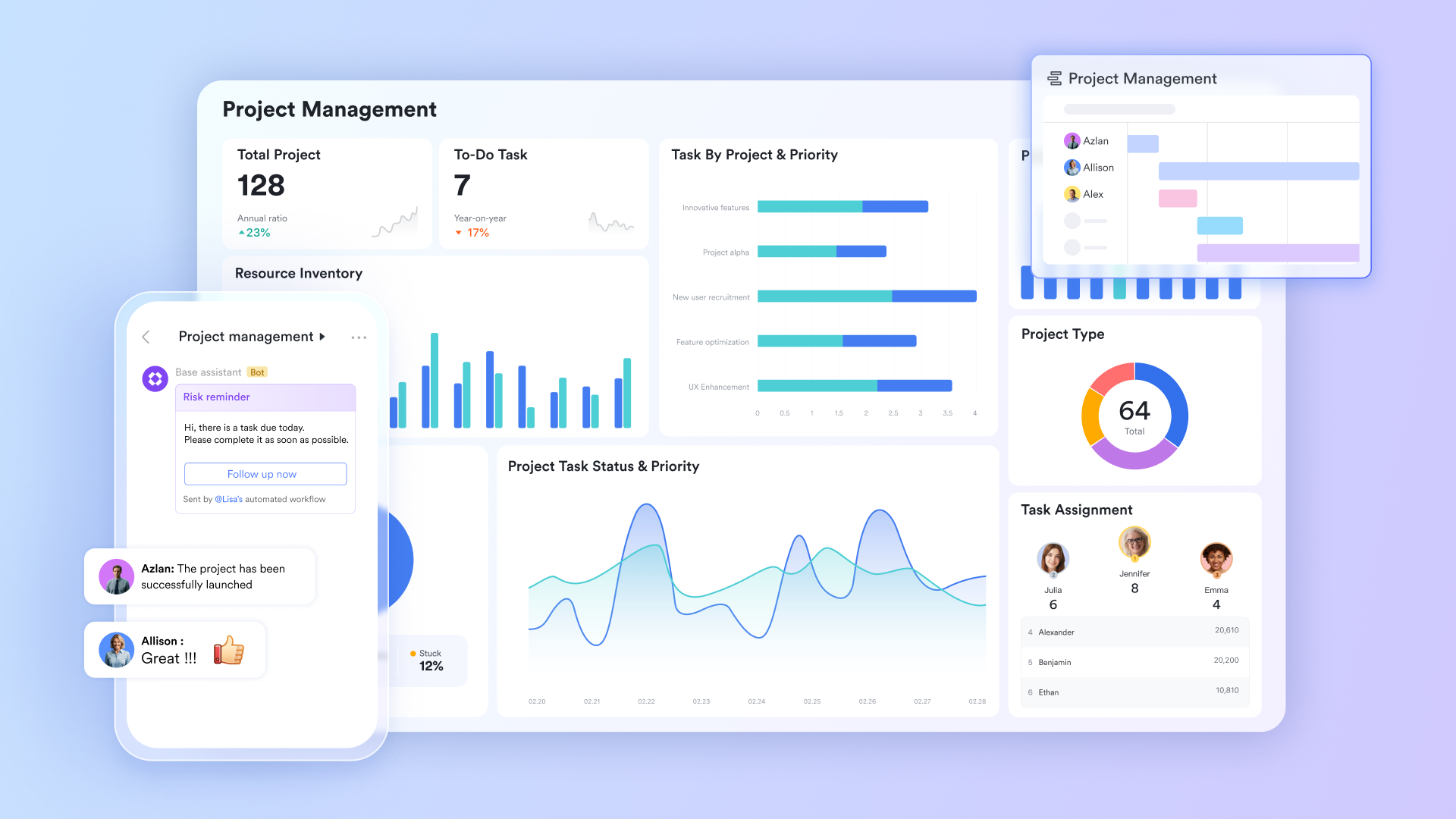
Lark Base: The engine of structured data
provides the multidimensional database structure needed to track your roadmap's execution. By categorizing information into customizable fields—such as "Stakeholder," "Deadline," and "Status"—you can transform a flat communication plan into a. Whether you prefer a Gantt chart to see timelines or a Kanban board to manage task flow, Base ensures that the data stays organized and the roadmap stays on course.
Lark Docs: The strategy and roadmap hub
acts as the living headquarters for your documented communication plans. These interactive documents allow you to lay out a structured "roadmap" where you can embed live project data and @mention specific owners for each phase. Because it supports rich media and built-in widgets, it serves as more than a text file—it is a collaborative space where the team can see the "big picture" and the fine details in one single location. 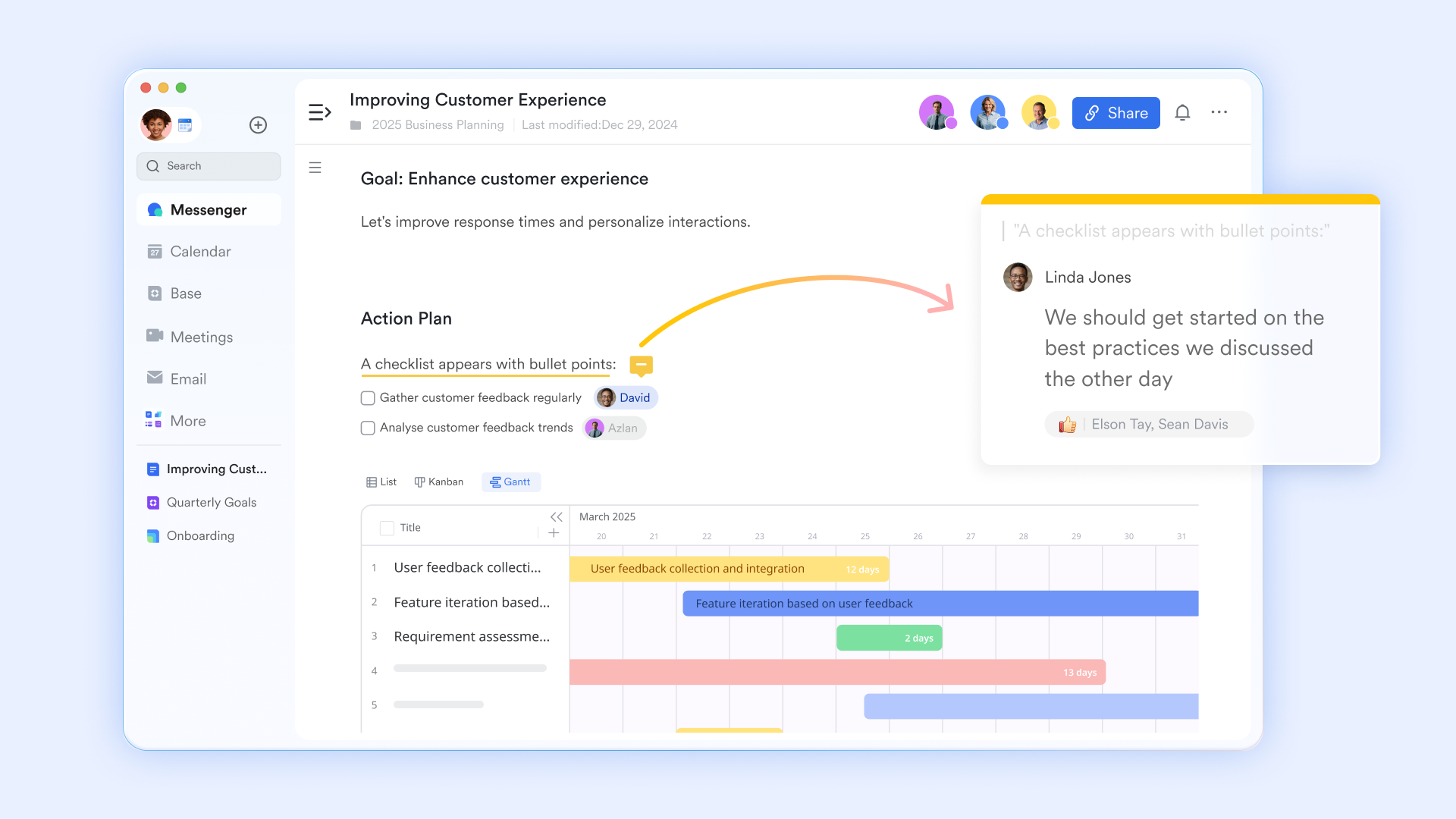
AI Meeting Notes: The independent record keeper
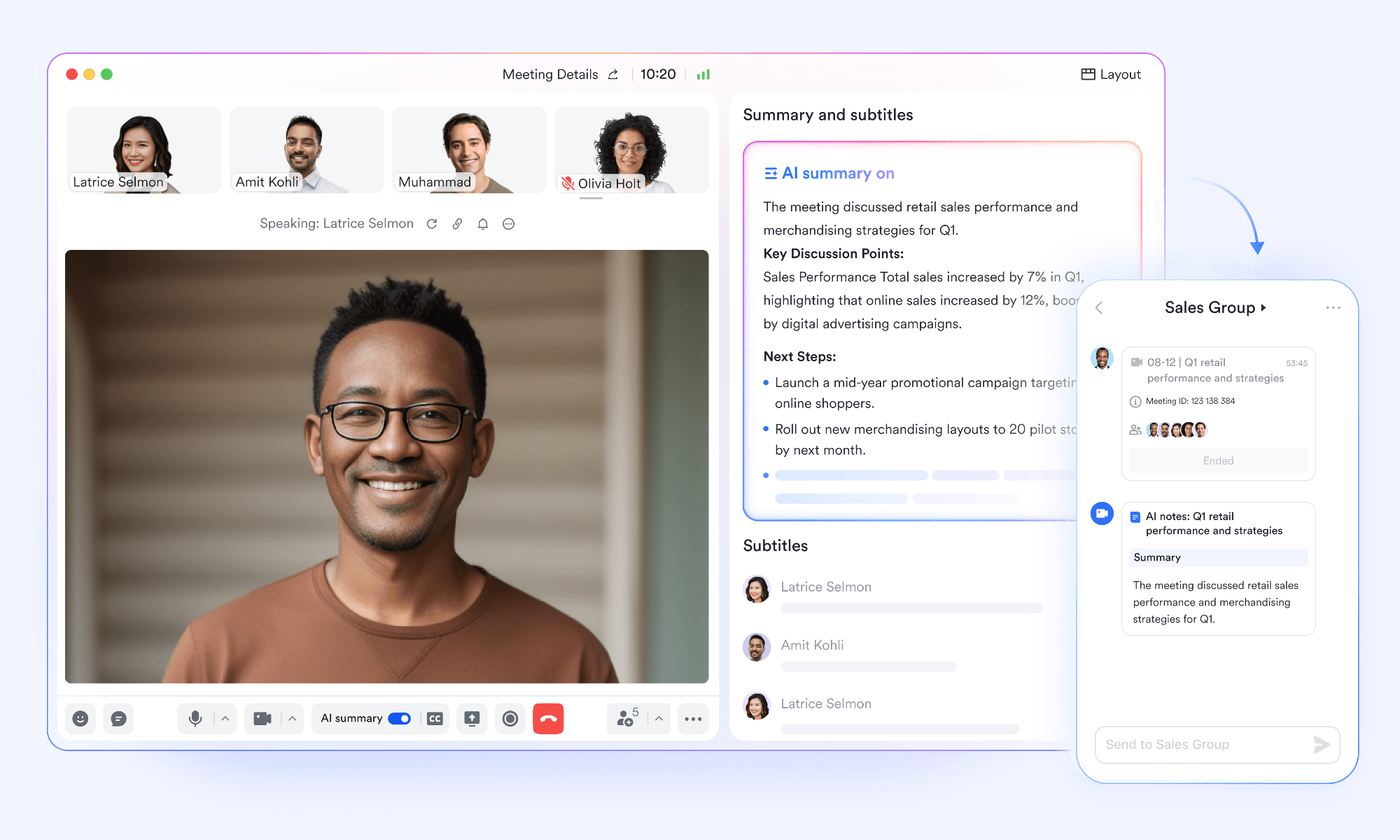
is a standalone power tool that utilizes advanced recognition to capture every word of a discussion. Unlike simple recordings, it generates a . This ensures that even the most spontaneous brainstorming session results in a documented trail that can be audited or reviewed by stakeholders who were unable to attend, effectively eliminating "he-said-she-said" confusion.
Lark Messenger: The channel for contextual updates
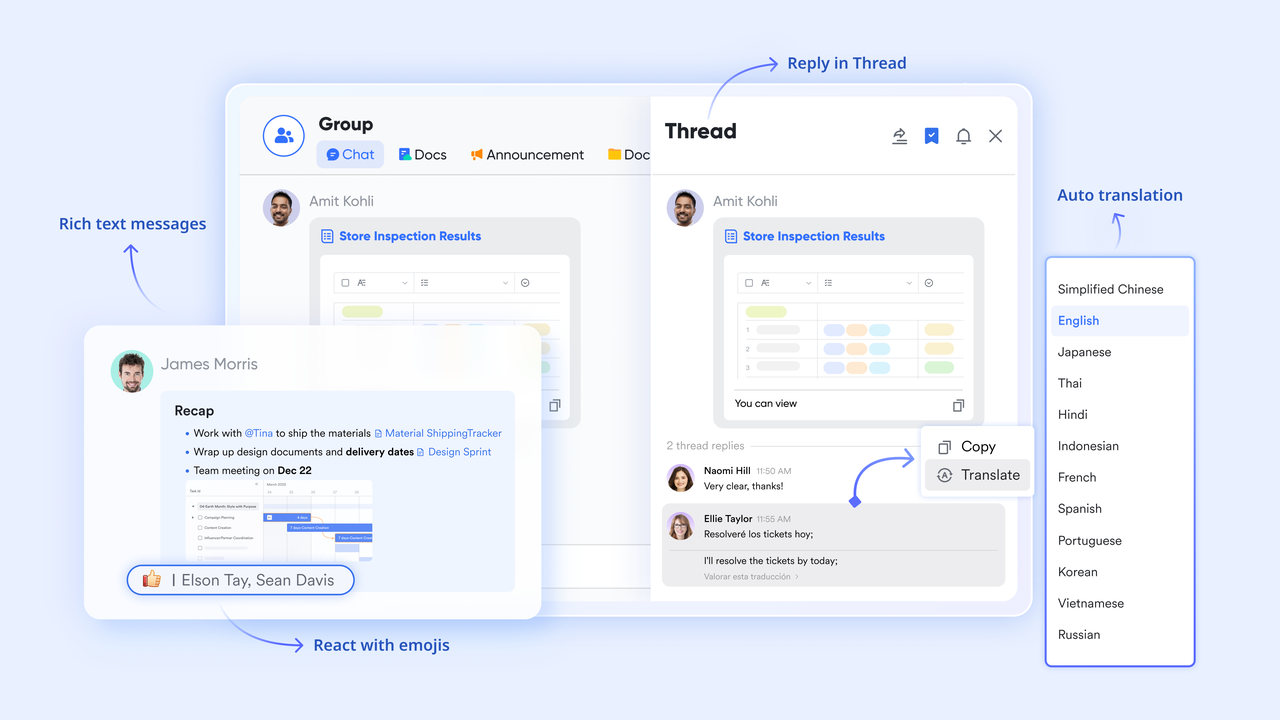
is the real-time delivery layer that ensures your communication plan reaches the right people at the right time. By creating dedicated project groups and using threaded replies, you keep discussions focused on the roadmap. The ability to link directly to specific AI Meeting Notes or Lark Docs within a chat ensures that every message is grounded in the project’s documented context.
:
- Starter plan: Free forever plan that includes 11 powerful tools for up to 20 users. It also includes 100GB of storage, 1000 automation runs, AI translation, and more.
- Pro plan: $12/user/month (billed annually) for up to 500 users. It includes everything in Starter plus group calling for up to 500 attendees, 15TB of storage, 50,000 automation runs, and more.
- Enterprise plan: for custom pricing. Supports unlimited users and includes even more automation runs and advanced security, compliance, and management features.
For small teams with simple communication needs

18 months message history
1000 Base automation runs/month
2000 rows per table in Base
Most POPULAR
For companies with comprehensive collaboration and management needs
Unlimited message history
500-participant video meetings
50k Base automation runs/month
20k rows per table in Base
For large companies with advanced security and organizational management needs
Get a personalized demo and pricing
Unlimited message history
500-participant video meetings
15 TB storage + 30 GB storage/user
500k Base automation runs/month
50k Base automation runs/month
Most POPULAR
For companies with comprehensive collaboration and management needs
Unlimited message history
500-participant video meetings
50k Base automation runs/month
20k rows per table in Base
Measuring the effectiveness of planned communication
Measuring the effectiveness of planned communication helps teams understand whether their messages are truly being received, understood, and acted upon. By , organizations can refine their approach and improve outcomes over time.
- Engagement and response indicators: Monitor open rates, message views, and response times to see how actively stakeholders interact with updates. High engagement levels often signal that content is relevant and delivered through the right channels.
- Decision clarity and follow-through: Assess how quickly and accurately decisions are made after key communications. Fewer follow-up questions and indicate that messages are clear and actionable.
- Reduction in rework and escalations: Track the number of issues that need correction or escalation due to miscommunication. A consistent decline suggests that planned communication is improving alignment and preventing costly misunderstandings.
Conclusion
Planned communication transforms the way teams share information by replacing scattered updates with a clear, , accountability, and consistent execution. By defining audiences, setting message priorities, selecting the right channels, and regularly reviewing communication, organizations can reduce confusion and keep projects moving forward with confidence. From everyday team updates to high-stakes crisis responses, a well-designed communication plan ensures that every message serves a purpose and reaches the people who need it most.
To put these ideas into practice, teams often benefit from tools that connect planning with daily work. Platforms like help bring communication plans into a single, collaborative space where messages, tasks, and documents stay linked and accessible. If you're ready to streamline how your team communicates and turn strategy into action, explore how Lark can support more organized, transparent, and effective collaboration across your workflows.
Try Lark for swift updates and smooth communication
FAQs
What are the 4 types of communication methods?
The four main types of communication are verbal, nonverbal, written, and visual, each serving different purposes for sharing information. Teams often combine these methods to ensure clarity and reach diverse audiences. Tools like Lark can centralize these approaches, while referencing a plan pdf helps standardize how each method is used.
Who owns planned communication in cross-functional teams?
Ownership is typically shared between the project lead and functional managers who coordinate updates across departments. Clear roles prevent overlap and ensure accountability for key messages. Platforms like Lark support this structure, and learning how to write a communications plan can help define responsibilities upfront.
Can planned communication reduce meeting overload?
Yes, by shifting routine updates into structured messages, dashboards, or reports, teams can reserve meetings for decisions and . This reduces time spent on status calls and improves focus. With Lark, teams can keep information visible and accessible without scheduling extra meetings.
How does planned communication support remote teams?
It creates predictable channels and schedules, so remote employees know where and when to find critical updates. This consistency reduces isolation and misalignment across time zones. With Lark, teams can combine messaging, documents, and tasks in a single workspace for smoother collaboration.
What's the difference between a communication plan and a stakeholder plan?
A communication plan focuses on how messages are delivered, while a stakeholder plan defines who needs attention and how influence is managed. Both work together to ensure the right people receive the right information. Lark can help teams manage both by linking stakeholder insights with daily communication workflows.
Related reading