Effectively engaging project stakeholders is critical for success, as their expectations and support can make or break an initiative. Misunderstandings often lead to delays and failures.
A robust stakeholder register template transforms this abstract challenge into a structured process. This guide explores what a stakeholder register template is and how to use it as a dynamic tool throughout your project lifecycle for clarity and effective communication.
What is a stakeholder register template?
A stakeholder register template is a foundational project management document. It's designed to methodically identify, analyze, and record crucial information about everyone with an interest in or impact on a project. Think of it as your project's "people directory" with strategic intelligence. Project Management Institute (PMI) and PMBOK stakeholder register template principles emphasize early and continuous stakeholder engagement, with the register serving as the starting point. Many project managers seek a stakeholder register template excel for ease of use.
A comprehensive project stakeholder register template typically organizes information into distinct categories:
- Identification: Stakeholder Name, Role/Organization, Contact Information.
- Expectations: Key Requirements/Expectations.
- Analysis: Interest Level, Influence Level, Potential Impact (positive, negative, or neutral).
This isn't a static checklist; it's a living document that evolves with your project. For instance, launching a new software tool might initially involve IT, end-users, and senior management. Later, you might add legal (for data privacy) or marketing (for communications). A robust stakeholder register template allows you to adapt your engagement plan, preventing roadblocks. For those preparing for certification, a PMP stakeholder register template can be particularly helpful.
Why a dynamic stakeholder register is indispensable for project success
Many project managers see a stakeholder register as just an administrative task. However, this overlooks its profound strategic value. A dynamic, actively maintained stakeholder register is a cornerstone of effective , acting as a preventative measure against common pitfalls and a catalyst for strategic alignment.
The register helps in several key ways:
Combating scope creep: Unmanaged stakeholder expectations often lead to scope creep. By rigorously documenting and continually re-evaluating stakeholder requirements in your register, you can:
- Identify potential scope changes early.
- Address them proactively, either by integrating them through formal change control or by managing expectations.
- For example, if a key business unit head (high interest, high influence) requests a new feature, your updated register helps discuss original agreements and negotiate a path forward.
Proactive: Every stakeholder represents both an opportunity and a potential risk. A thorough stakeholder analysis in your register helps you:
- Identify potential detractors who might resist changes or delay progress.
- Identify potential champions who can provide critical support.
- Develop targeted engagement strategies (e.g., frequent meetings for a high-influence, potentially negative stakeholder; leveraging support from a high-influence, positive stakeholder). This foresight transforms potential roadblocks into manageable challenges.
Ultimately, a well-managed stakeholder register fosters a deeper understanding of the project's ecosystem. When you know who cares, why they care, and their influence, you can tailor communication, , and priorities to those who matter most. This leads to better-informed decisions, protecting project objectives and ensuring ultimate success.
Ready to elevate your project management? Get your free stakeholder register template today!
You now understand the profound impact a well-managed stakeholder register can have on project success – from preventing scope creep to proactively managing risks. Why wait to transform your project's potential challenges into opportunities for ?
Take control of your project's stakeholder landscape right now. Download our free, customizable stakeholder register template. It's meticulously designed to give you the clear framework you need to effectively identify, analyze, and strategically engage with everyone who influences your project, ensuring smoother execution and clearer results.
To help you choose the best fit for your needs, we offer several common template variations:
Enhancing your stakeholder register with engagement reporting
This template is designed for comprehensive stakeholder management, extending beyond basic identification to include robust engagement reporting. It provides a structured approach to track interactions, communication frequency, and the impact of engagement strategies on various stakeholders throughout the project lifecycle. Utilize this template to ensure consistent and effective communication, build strong relationships, and proactively address any concerns from individuals or groups who can influence your project's success.
Leveraging your stakeholder register for in-depth analysis
This template offers a robust framework for detailed stakeholder analysis, focusing on understanding their interest levels, influence, and potential impact on your project. It helps categorize stakeholders based on these factors, enabling you to prioritize engagement efforts and tailor communication strategies. By moving beyond simple data entry to provide actionable insights, this template transforms how you manage risks and leverage opportunities presented by your project's ecosystem.
Adapting the shareholder report as a specialized stakeholder register
While primarily a shareholder report, this template can be adapted as a specialized stakeholder register for investor-facing projects. It's particularly useful for documenting and tracking key information related to investors and shareholders, including their interests, communication preferences, and any specific requirements or concerns. This allows for a structured approach to investor relations, ensuring timely and transparent communication, which is crucial for maintaining trust and support in projects with significant financial backing.
Step-by-step: how to effectively use your stakeholder register template
Translating the concept of stakeholder management into actionable steps is where a well-designed template proves its worth. Here’s a structured approach to leveraging your stakeholder register throughout your project's lifecycle:
Step 1: stakeholder identification and brainstorming
The first crucial step is to cast a wide net. Don’t limit yourself to obvious candidates. Think broadly about anyone who might be affected by the , or who could exert influence over it.
- Methods for initial stakeholder discovery: Begin with involving your core project team. Consider past projects for similar stakeholder groups. Interview key project sponsors or senior leaders who have a broader organizational view. Look at organizational charts, process maps, and external agreements.
- Considering internal and external stakeholders: Remember to account for both internal stakeholders (e.g., department heads, team members, legal counsel, HR) and external stakeholders (e.g., customers, vendors, regulators, community groups, industry associations). For a software development project, internal stakeholders might include developers and QA, while external ones could be beta testers and integration partners.
Step 2: information gathering and documentation
Once identified, the next phase is to populate your template with essential details. Accuracy here is key to effective engagement.
- What specific data points to collect for each stakeholder: Include their name, title, department/organization, contact information (email, phone), and their primary role or interest in the project. Document their key requirements and expectations—what do they hope to gain or avoid from this project? Also, note their methods and frequency.
- Tips for organizing information within the template: If using an Excel template, ensure consistent formatting. Use dropdowns for categorical data (e.g., 'Interest Level: High/Medium/Low') to maintain data integrity. Consider adding a column for "Notes" to capture specific historical interactions or nuanced details that might not fit into other categories.
Step 3: stakeholder analysis: interest, influence, and impact
This is where the register truly becomes a strategic tool, moving beyond simple data entry to provide actionable insights.
- Explaining the interest/influence matrix and its application: For each stakeholder, assess their level of "interest" (how much they care about the project's outcome) and "influence" (their power to affect the project). Plotting these on a simple 2x2 matrix (high/low interest vs. high/low influence) helps categorize stakeholders and prioritize your engagement efforts. For example, a "high interest, high influence" stakeholder requires close management and frequent communication.
- Assessing potential impact on project objectives: Go a step further and analyze whether their current stance is generally supportive, neutral, or resistant. Document the potential positive or negative impact they could have on project objectives if their expectations are not met or if their concerns are ignored. This foresight allows for proactive mitigation strategies.
Step 4: developing communication and engagement strategies
The analysis from the previous step directly informs your strategy for interaction.
- Tailoring communication frequency and methods based on analysis: A "high influence, high interest" stakeholder might need weekly detailed reports and direct meetings, while a "low influence, low interest" stakeholder might only require monthly summary emails.
- Planning for proactive engagement to build support: For critical stakeholders, don't wait for issues to arise. Proactively involve them in key decisions, seek their input on relevant deliverables, and acknowledge their contributions. For example, if a department head is a key decision-maker, involve them in early design reviews to ensure their vision is incorporated from the start.
Step 5: ongoing monitoring and updates
A project is rarely static, and neither are its stakeholders. The register must reflect this dynamism.
- Emphasizing the dynamic nature: When and how often to review and update the register: Schedule regular reviews of your stakeholder register—at minimum, during key project phase gates, but ideally monthly or quarterly, depending on project velocity.
- Recognizing shifts in stakeholder power or interest: Organizational changes, new priorities, or even personal circumstances can alter a stakeholder's interest or influence. Be vigilant for these shifts and update the register promptly, adjusting your engagement strategy as needed. For example, a new senior leader might suddenly become a critical stakeholder, requiring immediate identification and analysis.
Streamline stakeholder engagement with Lark
Beyond the basics: advanced tips for maximizing your stakeholder register
While the core steps provide a solid foundation, truly mastering your stakeholder register involves integrating it more deeply into your project management practice.
Unifying with other project management tools: Your stakeholder register shouldn't exist in isolation. Connect it with your project schedule (e.g., noting when specific stakeholders need to approve milestones), your risk register (e.g., identifying stakeholder-related risks), and your communication plan. This integrated view provides a holistic understanding of how people connect to project progress and potential roadblocks.
Leveraging the register for conflict resolution and negotiation: When conflicts arise, refer back to your register. Understanding a stakeholder's primary interests, influence, and past interactions documented there can provide crucial context for de-escalating tensions and finding mutually beneficial solutions. For instance, if you know a stakeholder's main concern is budget, you can frame solutions in terms of cost-efficiency.
Using the register to build and maintain project momentum and buy-in: Identify your champions—those with high interest and positive influence. Empower them to advocate for the project and solicit their help in overcoming resistance. Similarly, use the register to track how you're addressing concerns from hesitant stakeholders, demonstrating progress and building trust over time.
Customizing your template for different project types or organizational structures: While a generic template is a good start, don't hesitate to adapt it. A template for a software development project might need fields for "User persona" or "Product owner," whereas a construction project might require "Permitting authority" or "Community representative." Tailor it to fit your unique project landscape.
How Lark helps: elevating your stakeholder management with an integrated platform
While a standalone template provides structure, modern project management thrives on integrated solutions that foster real-time collaboration and dynamic updates. This is where a unified platform like Lark can transform your stakeholder management from a static exercise into a living, breathing component of your project.
Centralized stakeholder data in Lark docs
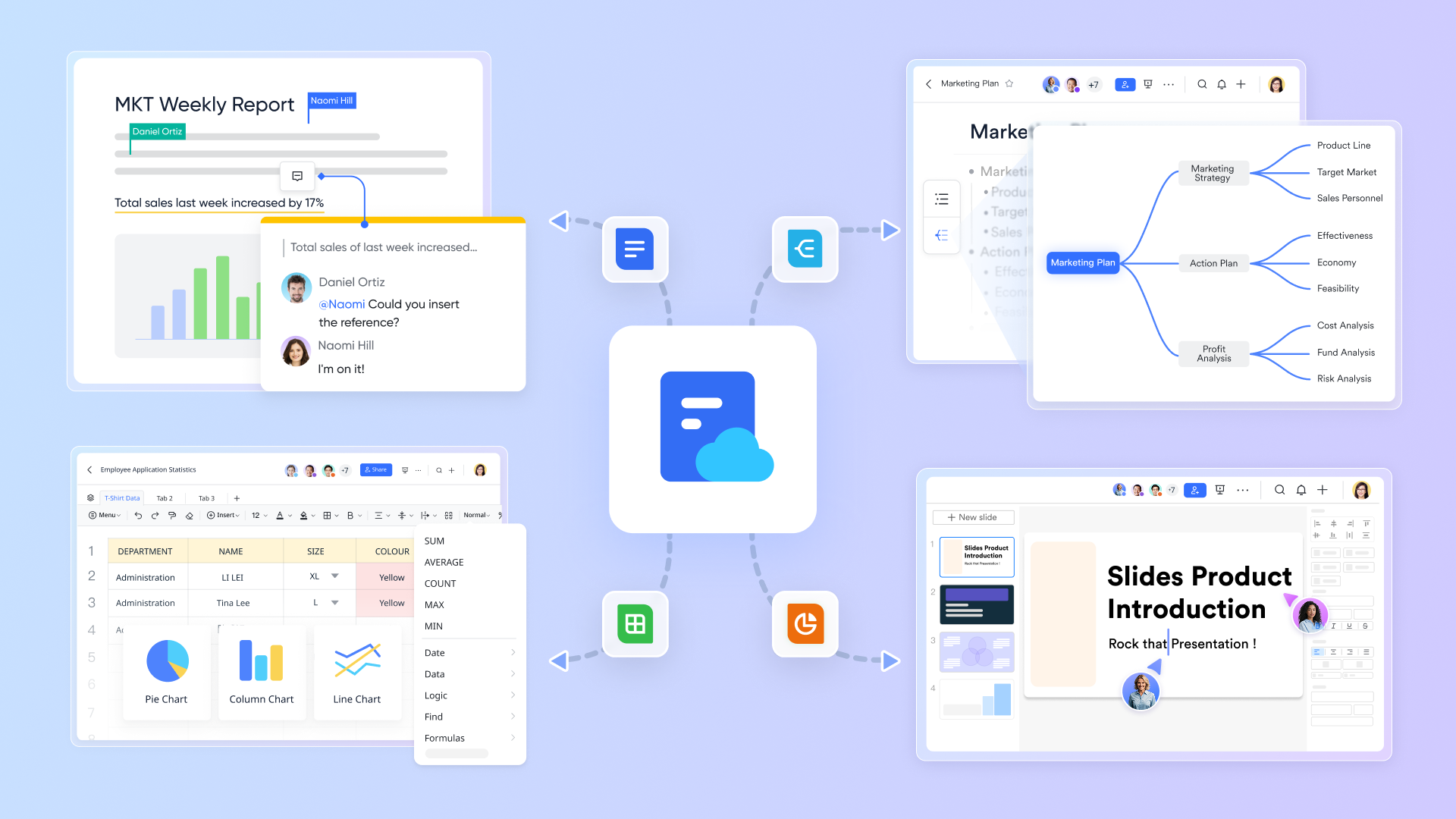
Imagine creating your stakeholder register directly with in . This isn't just a document; it's a collaborative workspace where team members can access, update, and comment on stakeholder information in real-time. Changes are immediately visible to everyone, ensuring your team always works with the most current data. You can embed tables, links to relevant communications, and even task lists associated with specific stakeholders, making it a truly living repository.
Streamlined communication with Lark messenger and video meetings
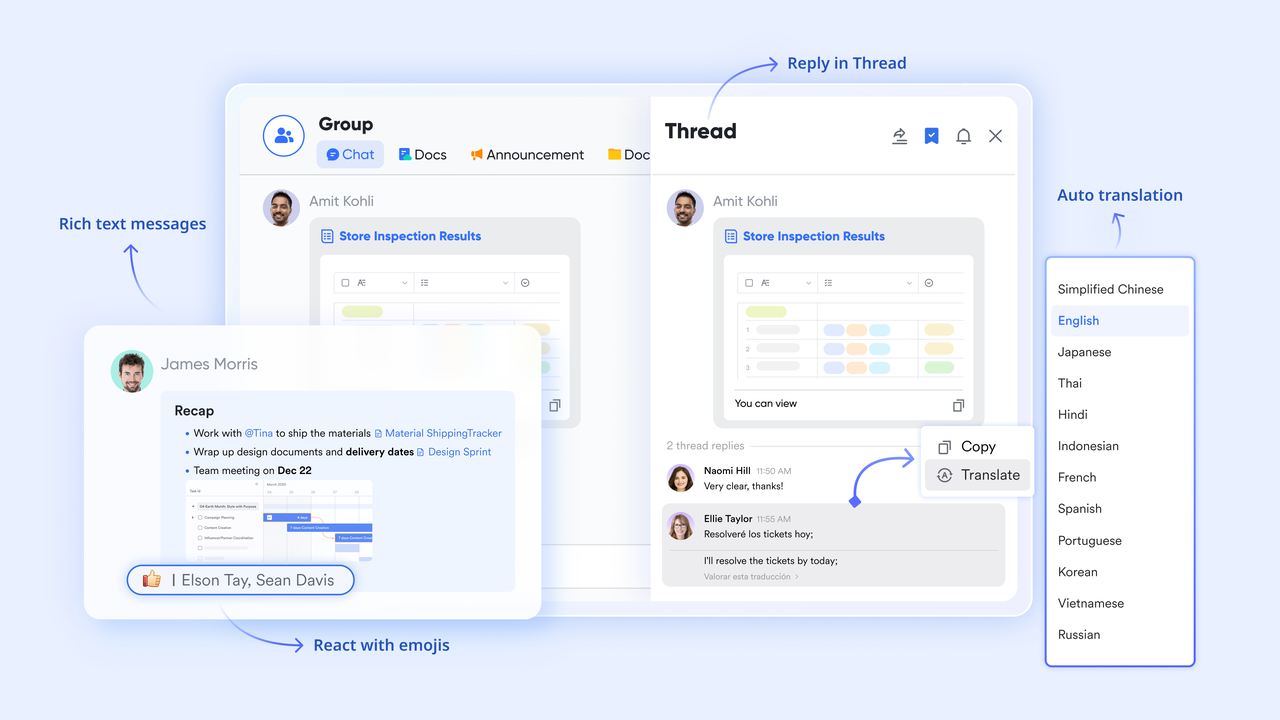
The stakeholder register identifies preferred communication methods. brings these to life. Once you've identified a stakeholder who prefers quick updates, use Lark messenger for instant, targeted messages. For those requiring more detailed discussions, schedule a video meeting directly from , knowing all relevant project documents (including the register) are easily accessible within the platform. This direct integration ensures your communication strategy is not just planned but actively executed with efficiency.
Actionable insights and workflow automation via Lark base and approvals
Move beyond simple documentation. With , you can transform your stakeholder register into a dynamic database. Track engagement activities, set reminders for follow-ups, and even link stakeholder sentiment to project progress. For critical decisions requiring stakeholder buy-in, leverage workflows. This ensures that formal approvals are routed to the right stakeholders, documented, and tied directly back to your project records, making your stakeholder management truly actionable and integrated into your overall project workflow. 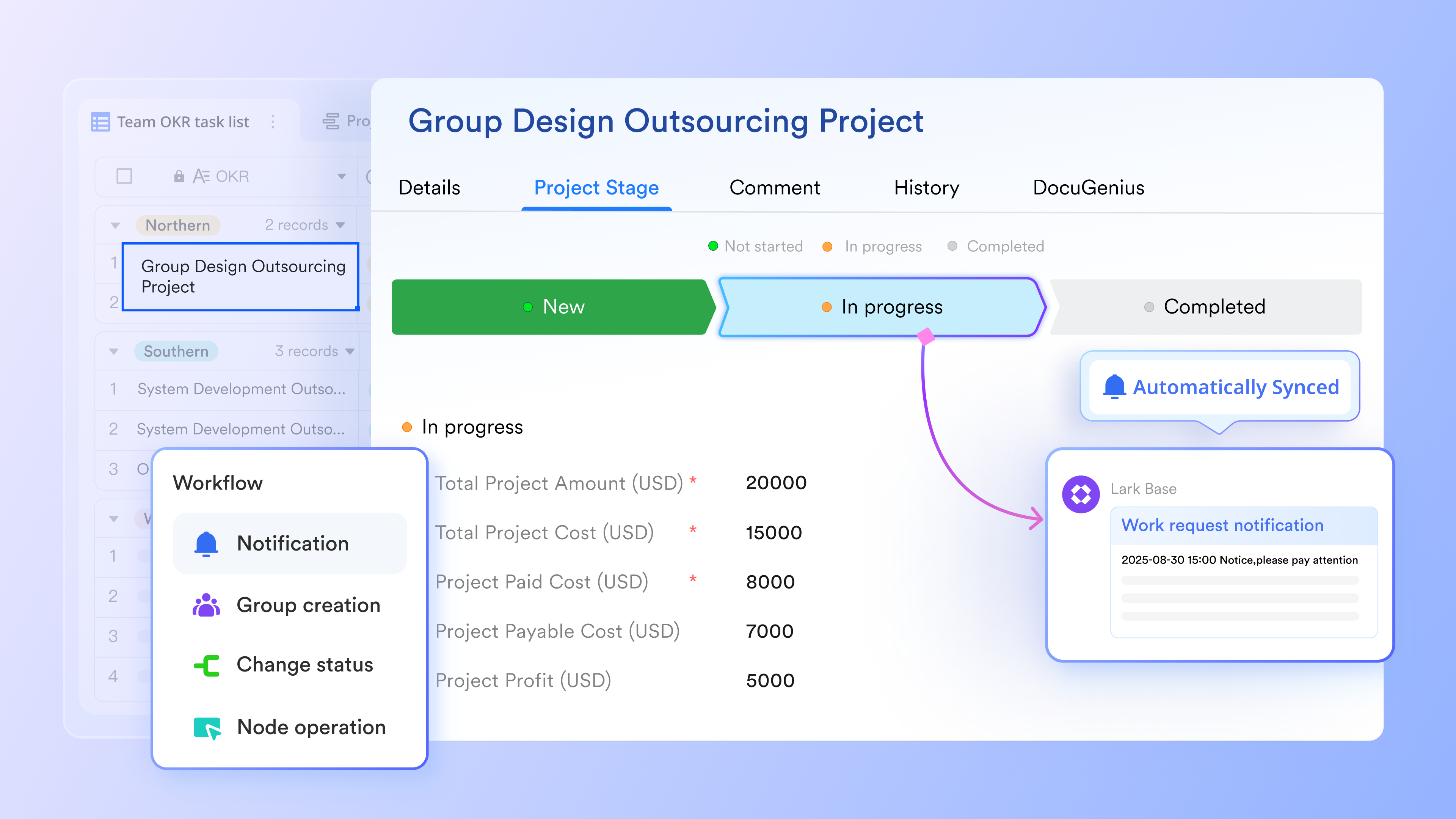
:
- Starter plan: that includes 11 powerful tools for up to 20 users. It also comes with 100GB of storage space, 1000 automation runs, AI translations, and more. No credit card needed.
- Pro plan: (billed annually) for up to 500 users. It includes everything in Starter plus group calling for up to 500 attendees, 15TB of storage space, 50,000 automation runs, and more.
- Enterprise plan: for custom pricing. Supports unlimited users and includes even more automation runs and advanced security, compliance, and management features.
For small teams with simple communication needs

18 months message history
1000 Base automation runs/month
2000 rows per table in Base
Most POPULAR
For companies with comprehensive collaboration and management needs
Unlimited message history
500-participant video meetings
50k Base automation runs/month
20k rows per table in Base
For large companies with advanced security and organizational management needs
Get a personalized demo and pricing
Unlimited message history
500-participant video meetings
15 TB storage + 30 GB storage/user
500k Base automation runs/month
50k Base automation runs/month
Most POPULAR
For companies with comprehensive collaboration and management needs
Unlimited message history
500-participant video meetings
50k Base automation runs/month
20k rows per table in Base
Conclusion
The journey of any project is significantly shaped by the individuals and groups invested in its outcome. A well-managed stakeholder register is far more than an administrative chore; it's a dynamic, strategic asset that empowers project managers to foresee challenges, build consensus, and drive projects toward successful completion. By embracing a proactive approach to stakeholder identification, analysis, and engagement, and by utilizing modern tools for collaboration, you equip your projects with the clarity and support needed to thrive. Investing time in your stakeholder register is an investment in your project's ultimate success. Empower your project management today with 's integrated platform, designed to streamline your stakeholder engagement and collaboration efforts.
Empower your project management with Lark
FAQs
What is the difference between a stakeholder register and a stakeholder analysis matrix?
A stakeholder register is a comprehensive document that lists all identified stakeholders and their relevant details. A stakeholder analysis matrix is a tool often used within the process of creating or updating the register, specifically for analyzing stakeholders' interest and influence to categorize them and inform engagement strategies. The matrix is a component of the broader register.
How often should I update my stakeholder register?
The frequency of updates depends on the project's length and complexity. For short, fast-paced projects, you might review it weekly. For longer projects, monthly or during key phase transitions is advisable. The most important thing is to update it whenever there's a significant change in the project environment, new stakeholders emerge, or existing stakeholders' roles, interests, or influence shift.
Can a stakeholder register help with conflict resolution?
Absolutely. By providing a detailed record of each stakeholder's interests, expectations, influence, and communication preferences, the register offers valuable context when conflicts arise. It helps project managers understand the root causes of disagreement and develop targeted, empathetic strategies for negotiation and resolution, focusing on shared interests rather than entrenched positions.
Is an Excel stakeholder register template sufficient for large projects?
While an Excel template can be a good starting point, for very large or complex projects with numerous stakeholders and dynamic relationships, it can become cumbersome. Dedicated project management software or integrated platforms like Lark offer better solutions for collaboration, real-time updates, version control, and linking to other project artifacts, providing a more robust and scalable approach.
Who is responsible for maintaining the stakeholder register?
Typically, the Project Manager is ultimately responsible for the creation and ongoing maintenance of the stakeholder register. However, effective stakeholder management is often a team effort. Project team members, business analysts, or communication leads may assist in gathering information, updating details, and executing engagement plans under the Project Manager's guidance.
Related reading