Managing a modern IT landscape often feels like trying to navigate a maze without a map. As companies grow, they accumulate hundreds of software licenses, creating a complex web of redundant apps and shadow IT. This is where application portfolio management tools become essential for bringing order to the chaos.
By treating your software stack like an investment portfolio, you can cut unnecessary costs and drive innovation. Whether you are looking for the best application portfolio management software or just starting your research, this guide covers the essentials. Let's explore how these tools can transform your IT strategy from a cost center into a competitive advantage.
What is application portfolio management?
Before we dive into software, we must understand discipline. Application portfolio management (APM) is the practice of managing your company's software applications to maximize value and minimize risk. Much like investment portfolio management tools track financial assets, APM tracks digital assets.
The goal is not simply to list every app you own. It is about assessing the health, cost, and business impact of those apps. In many organizations, software sprawl happens unnoticed. Departments purchase simple software or niche tools without IT oversight, leading to bloated budgets and security gaps.
APM provides a structured framework—often referred to as the TIME model—to categorize applications:
- Tolerate: Applications that provide value but are not strategic.
- Invest: High-value applications that require innovation.
- Migrate: Applications that need to be modernized or moved to the cloud.
- Eliminate: Redundant or obsolete apps that should be retired.
By utilizing application portfolio management solutions, IT leaders gain a holistic view of the landscape. This visibility allows organizations to make data-driven decisions about which software to keep, which to upgrade, and which to retire. While some small teams might try to manage this via spreadsheets or application portfolio management open source projects, enterprise-grade portfolio management system software is usually required to handle the complexity of modern tech stacks.
Manage application portfolios in one hub
Benefits of application portfolio management tools
Implementing high-quality application portfolio management tools is not just an IT housekeeping exercise; it is a strategic business move. When done correctly, it fundamentally changes how an organization operates, freeing up resources that were previously trapped in "keeping the lights on" to focus on innovation.
Here are the primary benefits of adopting a app or platform.
Significant cost reduction
The most immediate impact of using portfolio management tools is saving money. Organizations often pay for duplicate subscriptions or unused licenses. By visualizing the , you can identify overlapping capabilities—such as three different used by three different teams—and consolidate them. This process, known as application rationalization, often yields in the first year alone.
Improved strategic alignment
IT should support business goals, not hinder them. Application portfolio management solutions ensure that every dollar spent on software contributes to the company's long-term objectives. If the business goal is digital transformation, the portfolio management tool highlights which legacy systems are holding the company back and where investment is needed. This aligns the CIO's roadmap with the CEO's vision.
Reduced technical debt and risk
Legacy systems and unpatched software are security liabilities. A portfolio management software solution highlights aging infrastructure that poses a risk. By proactively identifying these vulnerabilities, teams can prioritize updates or migrations before a security incident occurs. This strategy is most effective when paired with advanced to ensure that aging systems haven't already been compromised. Furthermore, reducing the complexity of the IT landscape lowers the chance of system failures and improves overall resilience.
Enhanced agility and innovation
When your IT team isn't bogged down maintaining hundreds of low-value apps, they have time to innovate. Technology portfolio management tools help streamline the architecture, making it easier to integrate new technologies like AI or automation. An optimized portfolio makes the organization more agile, allowing it to pivot quickly in response to market changes without being anchored by technical debt.
Data-driven decision making
Finally, these tools replace "gut feelings" with hard data. When asking for budget approval for new software, IT leaders can use reports from their portfolio management tools to justify the expense. They can prove why a new investment is necessary or why an old system must go, backed by usage data, cost analysis, and strategic scoring.
Enjoy those benefits with a smart tool
8 best application portfolio management software
To help you navigate the complex market of IT asset management, we have curated a list of top-tier solutions designed to streamline your operations. Whether you need deep enterprise architecture visibility or automated SaaS discovery, these platforms offer the features necessary to transform your tech stack into a strategic asset.
1. Lark: The all-in-one workspace for unifying application data and team collaboration
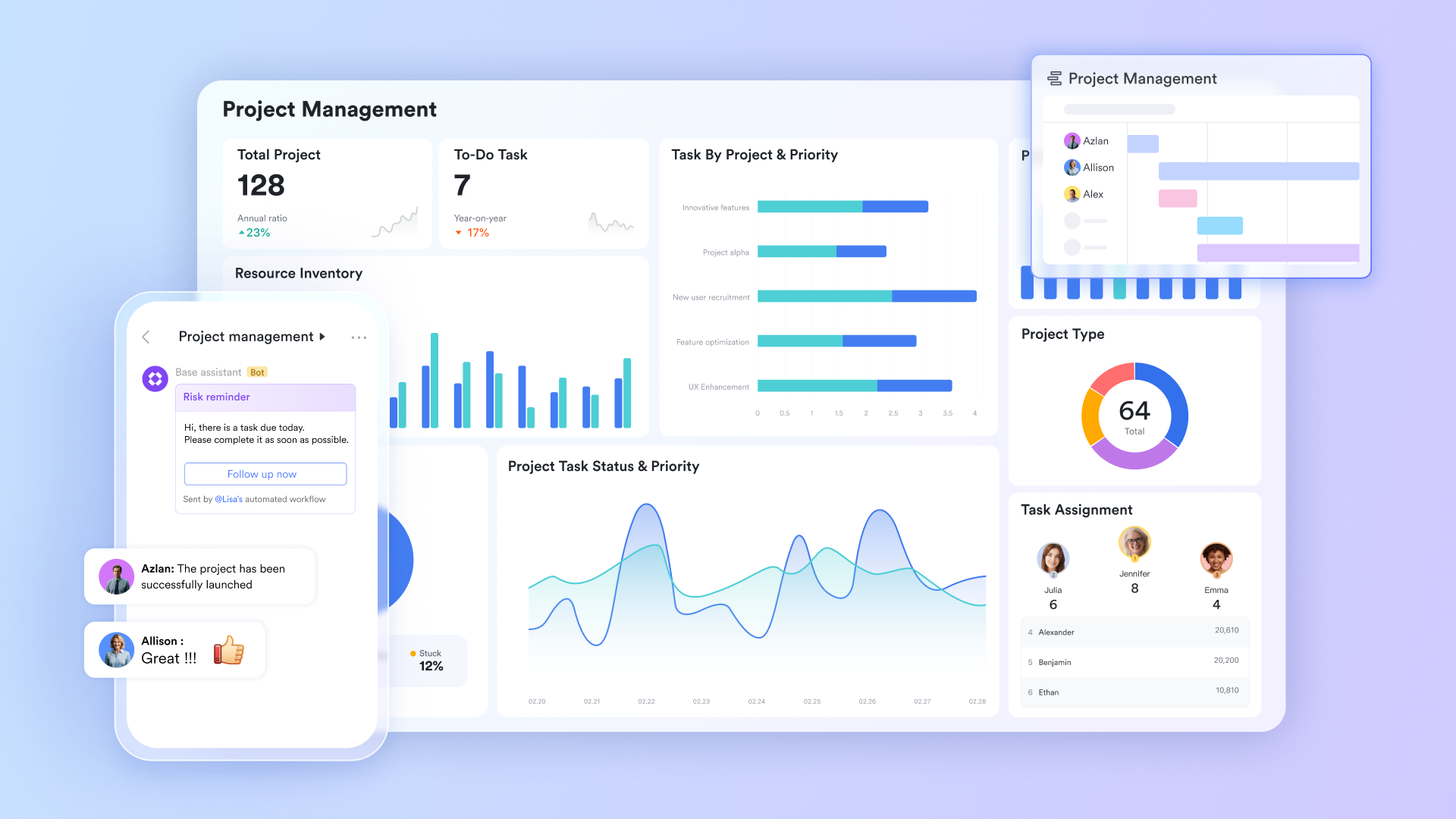
While many niche application portfolio management tools focus solely on IT asset tracking, Lark offers a more holistic approach. It is a comprehensive superapp that combines data management with the communication tools your team uses every day. For organizations that find traditional enterprise software too rigid or complex, provides the flexibility to build a software tailored exactly to your needs.
Key features
Customizable application inventory: serves as the backbone of your APM strategy. You can create a "single source of truth" for all applications, using flexible views to list technical details and Kanban to categorize apps by their status in the TIME framework (Tolerate, Invest, Migrate, Eliminate). 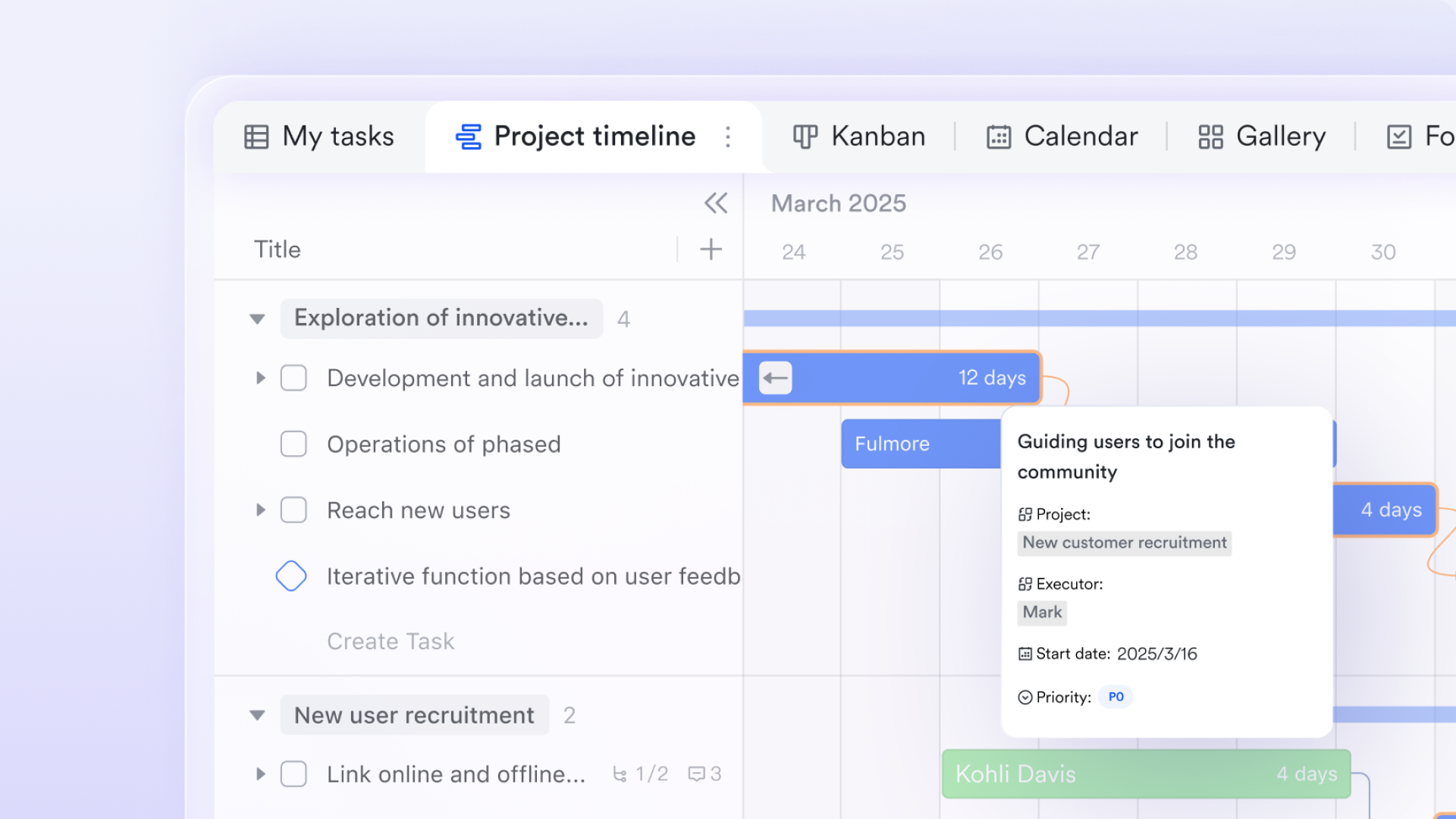
Visual lifecycle roadmapping: With the Gantt view in Lark Base, teams can map out timeline-critical events such as license renewals, version upgrades, or sunsetting legacy systems. This ensures that migration projects stay on track and stakeholders can visualize the future state of the IT landscape. 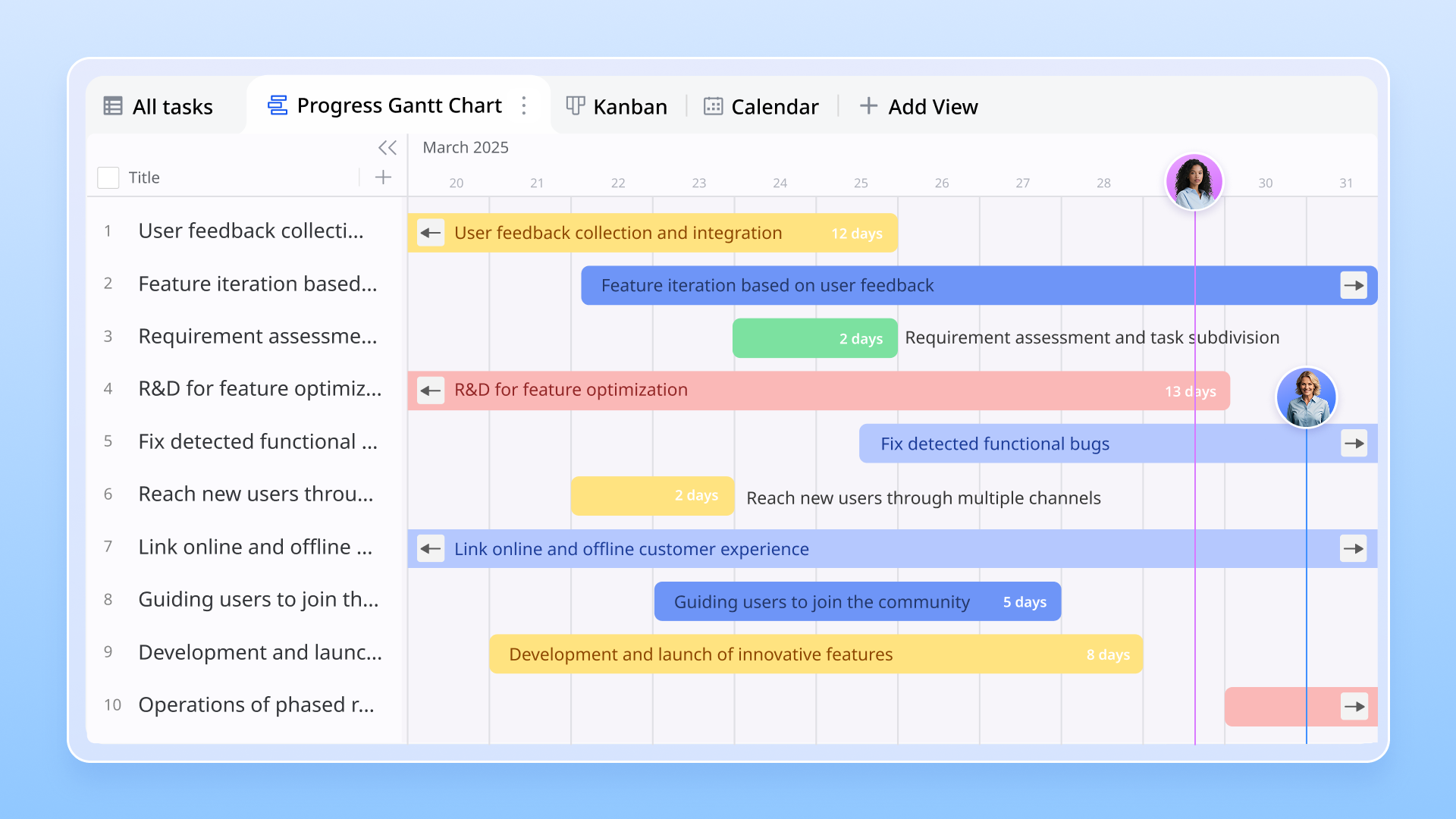
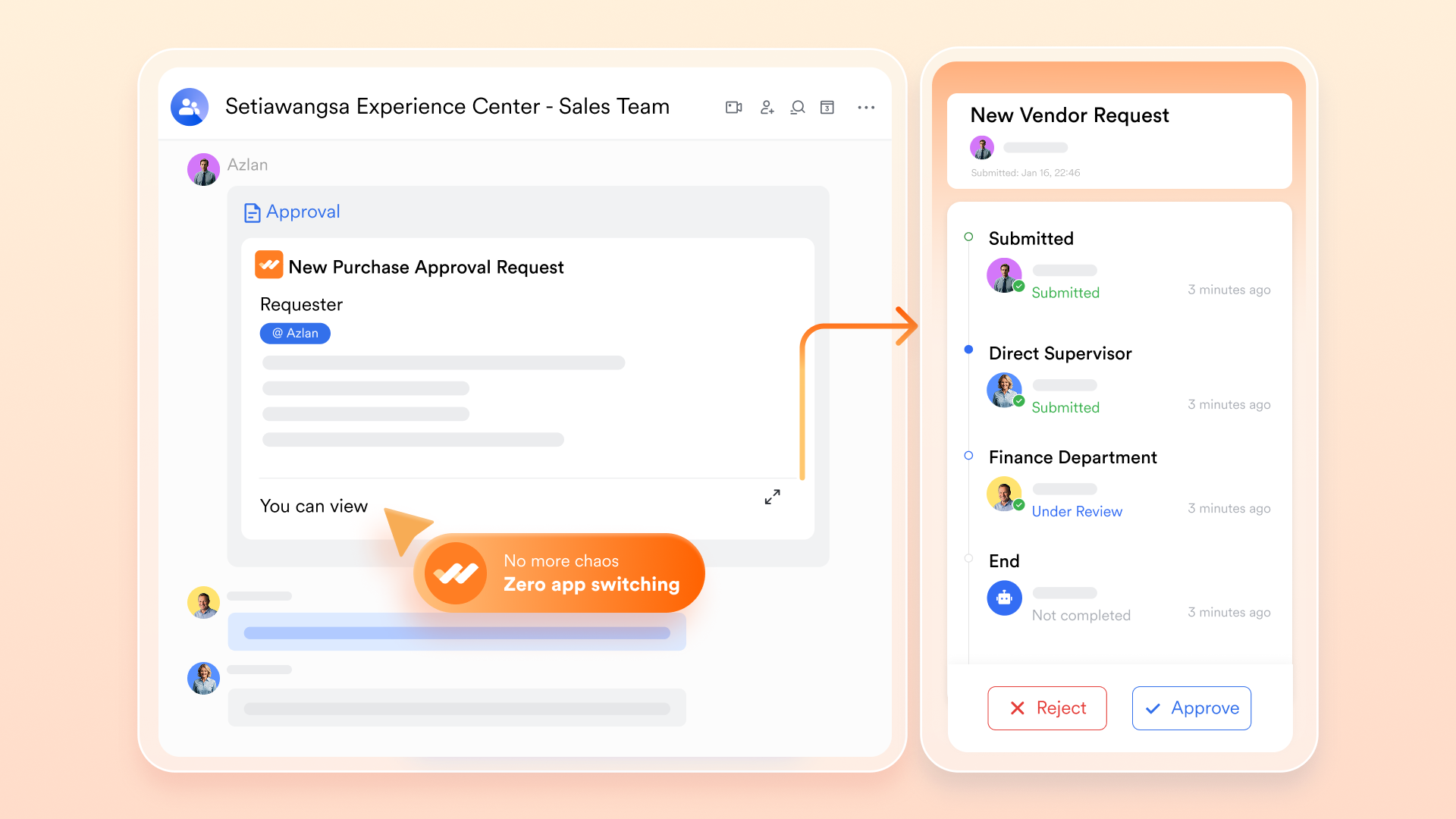
Streamlined procurement approvals: To combat shadow IT, allows you to digitize the software request process. When a department needs a new tool, they can submit a request that automatically routes to IT for review, ensuring that new additions align with your overall portfolio strategy before money is spent.
:
- Starter plan: Free forever plan that includes 11 powerful tools for up to 20 users. It also comes with 100GB of storage, 1000 automation runs, AI translations, and more.
- Pro plan: $12/user/month (billed annually) for up to 500 users. It includes everything in Starter plus group calling for up to 500 attendees, 15TB of storage, 50,000 automation runs, and more.
- Enterprise plan: for custom pricing. Supports unlimited users and includes even more automation runs and advanced security, compliance, and management features.
For small teams with simple communication needs

18 months message history
1000 Base automation runs/month
2000 rows per table in Base
Most POPULAR
For companies with comprehensive collaboration and management needs
Unlimited message history
500-participant video meetings
50k Base automation runs/month
20k rows per table in Base
For large companies with advanced security and organizational management needs
Get a personalized demo and pricing
Unlimited message history
500-participant video meetings
15 TB storage + 30 GB storage/user
500k Base automation runs/month
50k Base automation runs/month
Most POPULAR
For companies with comprehensive collaboration and management needs
Unlimited message history
500-participant video meetings
50k Base automation runs/month
20k rows per table in Base
2. Ardoq: A data-driven enterprise architecture platform designed to bridge the gap between IT and business strategy
Ardoq stands out as a next-generation solution that reimagines traditional enterprise architecture for the modern age. Unlike legacy software portfolio management tools that rely on static, manually updated repositories, Ardoq focuses on dynamic data and living relationships. It is particularly effective for large organizations undergoing complex digital transformations, as it helps map out the intricate dependencies between applications, people, and processes.
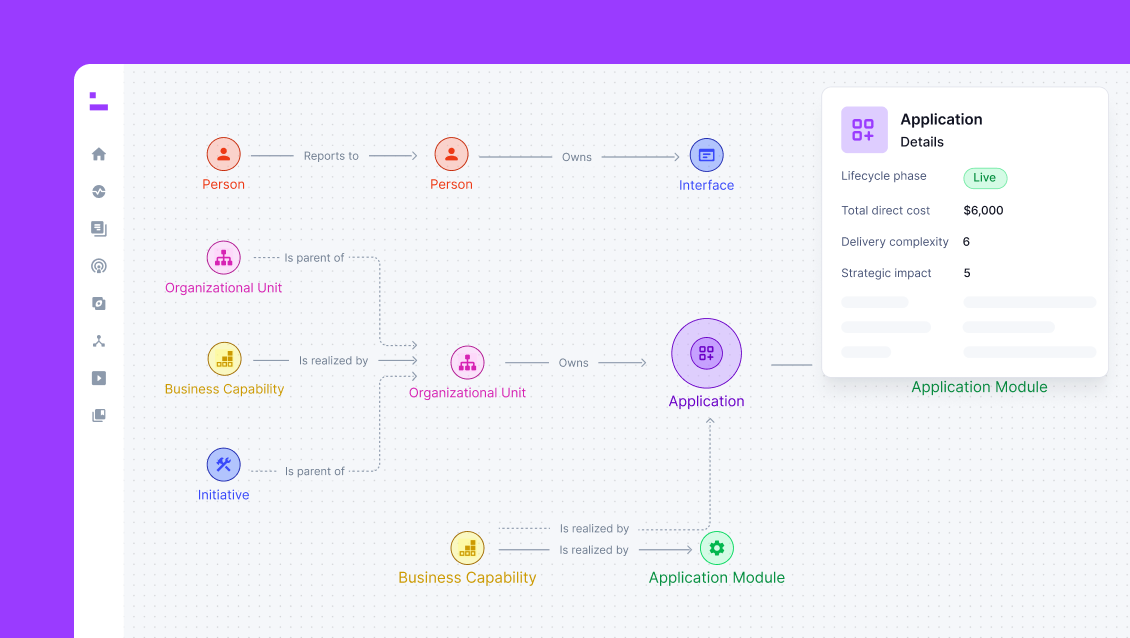
Image source: ardoq.com
Key features
- Dynamic visualization and insights: The platform excels at transforming dense architectural data into clear, interactive diagrams and heatmaps. This allows stakeholders to instantly grasp the complexity of the landscape without needing deep technical expertise to interpret the data.
- Crowdsourced data maintenance: Keeping an inventory up to date is often a struggle for IT teams. Ardoq tackles this by automating surveys and broadcasts that prompt app owners to update their own data, ensuring your application portfolio management system remains accurate with minimal administrative effort.
- Scenario planning: Before making big changes, IT leaders can model different future states. This feature helps identify potential risks and cost implications of migrating or eliminating specific tools, reducing the uncertainty in decision-making.
Pricing: Contact sales.
3. Flexera One: An IT asset management solution built to optimize complex hybrid environments
Flexera One is a powerhouse solution designed specifically for enterprises navigating the complexities of hybrid IT environments. While many application portfolio management solutions focus purely on SaaS or cloud, Flexera One excels at providing a unified view that spans on-premises hardware, SaaS subscriptions, and cloud infrastructure. It is particularly valuable for large organizations seeking to optimize their technology spend and gain leverage during critical vendor negotiations. By consolidating asset data, it empowers IT leaders to govern their estate with precision and clarity, ensuring that no part of the infrastructure is left in the dark.
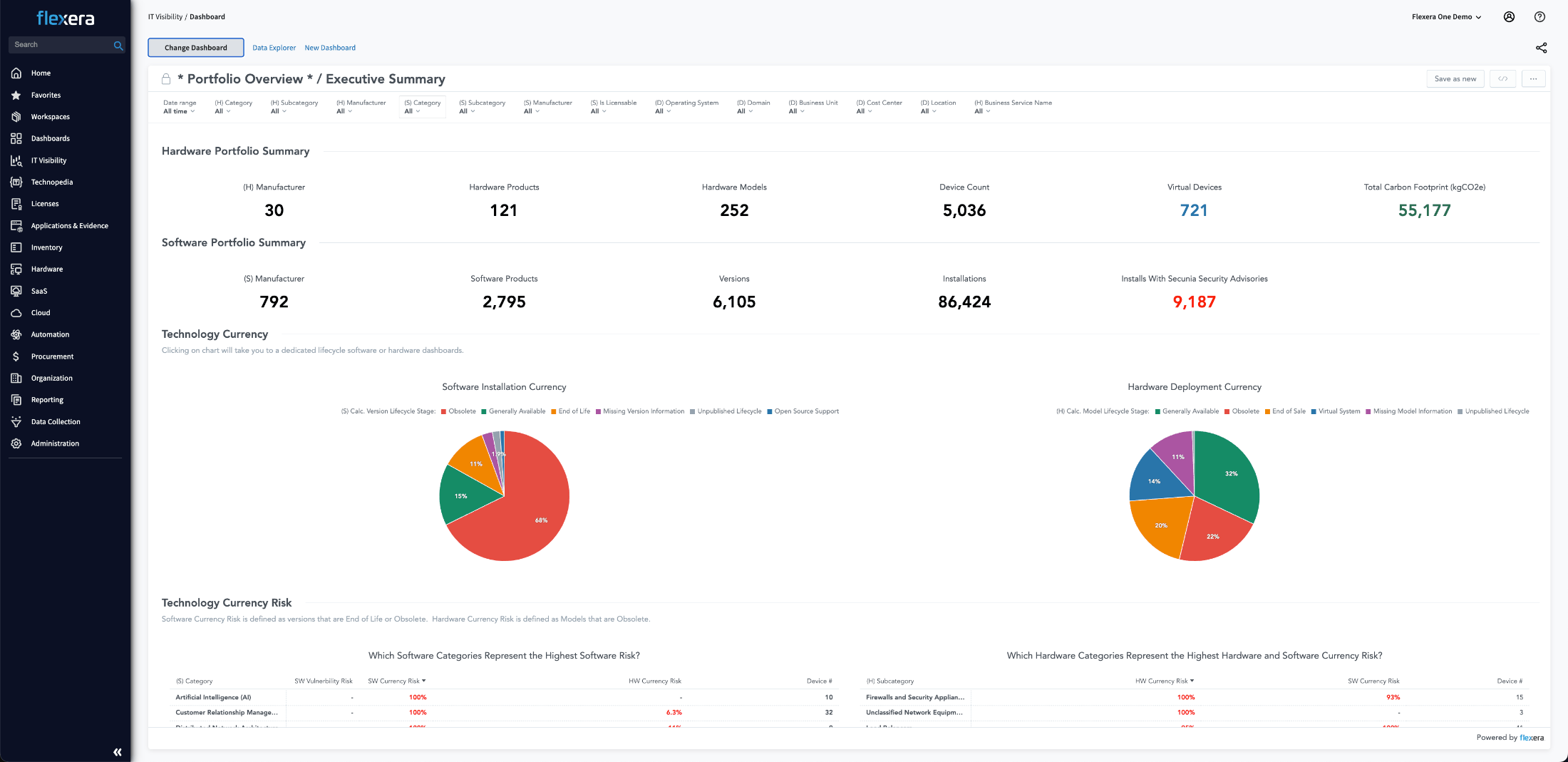
Image source: flexera.com
Key features
- Comprehensive asset visualization: The platform delivers a single pane of glass for all IT assets, allowing teams to track usage and spend time across disjointed environments like data centers and public clouds simultaneously.
- Strategic vendor management: Flexera One provides deep insights into licensing positions for major vendors like Microsoft and Oracle, helping companies avoid compliance audits and negotiate better renewals based on actual usage data.
- Resource optimization: It actively identifies underutilized resources and software waste, enabling teams to reallocate budget to innovation rather than paying for shelfware or unnecessary capacity.
Pricing: Contact sales.
4. LeanIX: An enterprise architecture management tool designed to oversee and mitigate the risks of IT landscape transformation
LeanIX is a leading platform designed to guide organizations through complex IT landscape transformations. It is not just about tracking assets; it is about mitigating the risks associated with modernization and ensuring technology evolves alongside business needs. By providing a clear, collaborative platform, LeanIX enables IT leaders to make faster, data-backed decisions regarding their software stack. It serves as a vital central hub for companies looking to manage the shift from legacy systems to modern cloud environments efficiently.
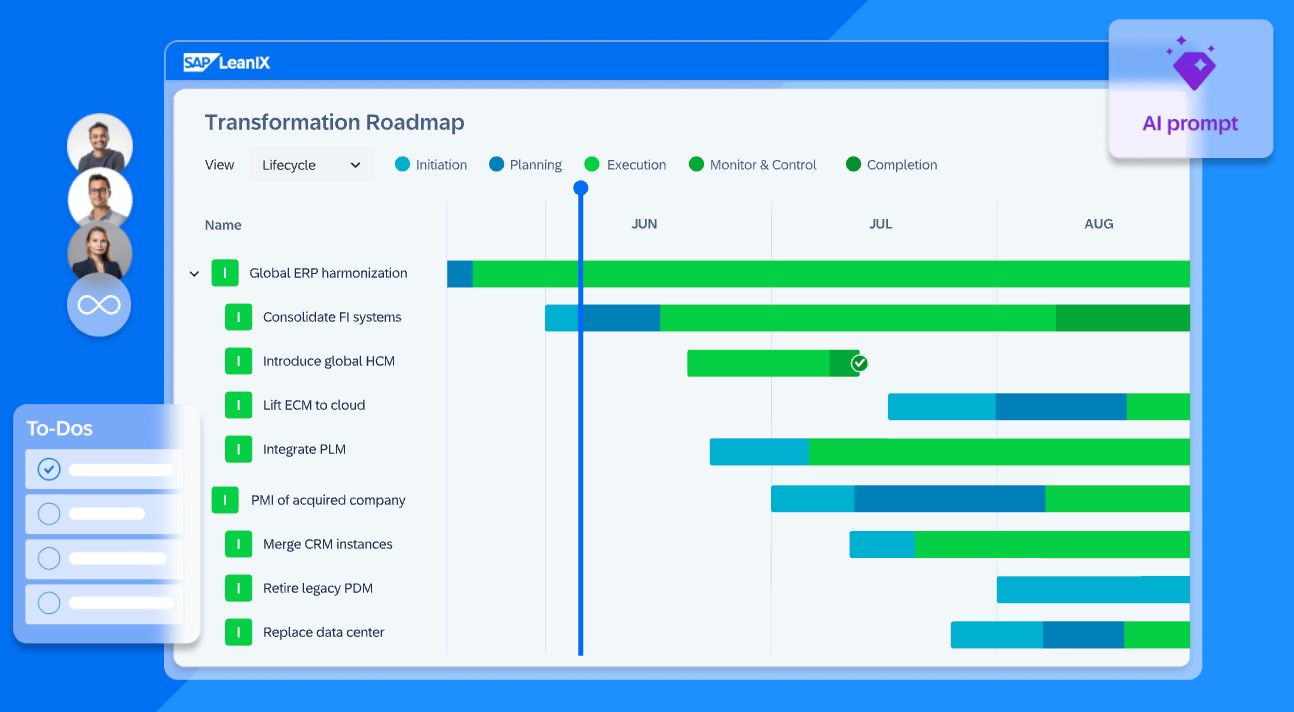
Image source: leanix.net
Key features
- Deep integration capabilities: The tool integrates robustly with financial, contract, and single sign-on systems, providing a 360-degree view of your application portfolio without relying on manual data entry.
- Automated SaaS discovery: It automatically identifies SaaS applications running on your network, helping teams quickly map their ecosystem and uncover shadow IT usage.
- Configurable reporting: The platform excels at generating data-driven insights through visual reports, allowing architects to easily communicate complexity, cost, and ROI to non-technical stakeholders.
Pricing: LeanIX charges based on the number of applications. There's no limit on the number of users who can access LeanIX Enterprise Architecture. This means that LeanIX can serve as a single source of truth for the entire organization.
5. ServiceNow: An integrated platform for aligning technology investments with business goals
ServiceNow is a heavyweight in the IT world, and its application portfolio management software module leverages the platform's vast data capabilities to provide a holistic view of your landscape. By connecting APM directly to your existing IT service management workflows, ServiceNow allows you to see not just what applications you have, but how they are supporting—or hindering—business operations. It is particularly strong for enterprises looking to identify redundancies and plan for the future without disrupting business continuity, turning complex data into a clear strategy for modernization.
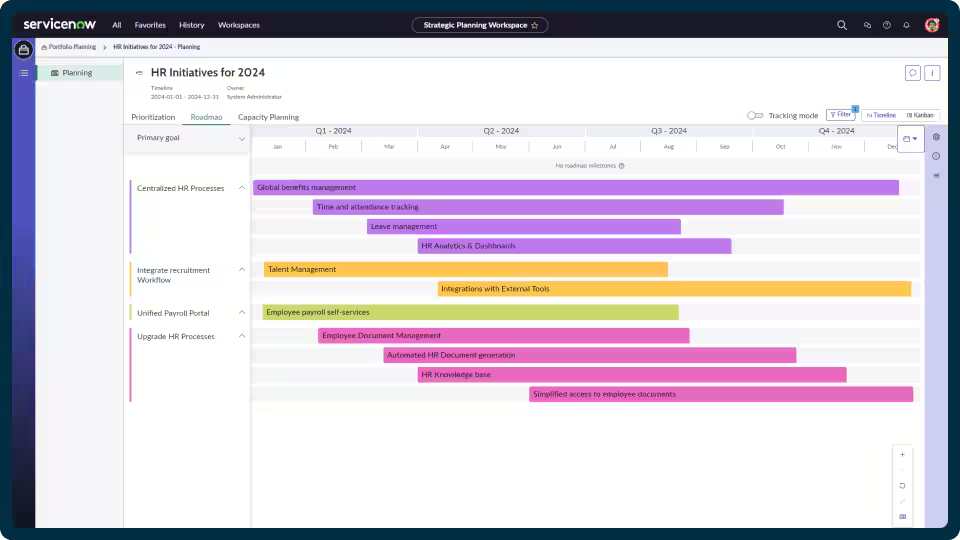
Image source: servicenow.com
Key features
- Data-driven decision making: The platform uses comprehensive analytics to help leaders decide objectively whether to invest in, sustain, or retire applications based on real performance data rather than guesswork.
- Strategic technology alignment: It ensures that every IT dollar spent directly supports a business goal, effectively bridging the gap between technical operations and broader organizational strategy.
- Automated lifecycle management: ServiceNow automates the inventory process and tracks vendor lifecycles, ensuring you are never caught off guard by end-of-life software or outdated versions that could introduce risk.
Pricing: ServiceNow offers flexible pricing tailored to customer's requirements.
6. Zluri: A specialized SaaS management platform designed to uncover shadow IT and streamline operations
Zluri focuses specifically on the SaaS layer of your portfolio, giving IT teams complete visibility into subscription-based software. While traditional application portfolio management tools often rely on manual input, Zluri uses advanced discovery methods to automatically find every app in use across your organization. It is an excellent choice for modern companies where "software sprawl" is primarily driven by unauthorized SaaS adoption, offering a command center to secure, manage, and optimize these assets effectively.
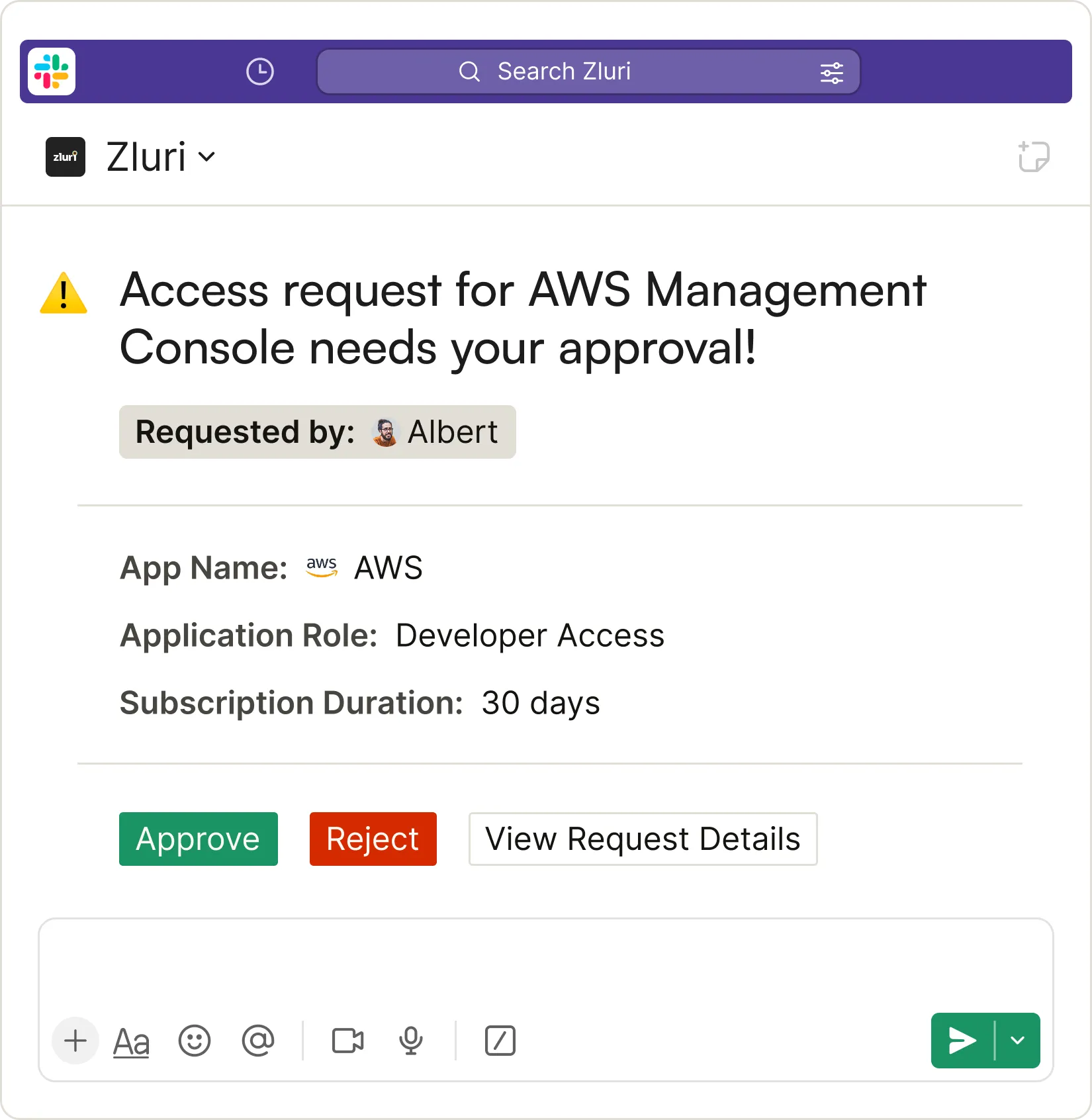
Image source: zluri.com
Key features
- Comprehensive discovery: The platform utilizes multiple detection methods—from finance systems to browser extensions—to ensure total visibility, catching even the shadow IT that other portfolio management software might miss.
- Proactive renewal intelligence: It eliminates the stress of surprise auto-renewals by sending alerts well in advance, giving you time to negotiate better terms or cancel unused subscriptions.
- Usage monitoring and rightsizing: Zluri analyzes actual login and usage data to identify underutilized licenses, helping you cut costs by downgrading or removing seats that are not driving value.
- Automated lifecycle workflows: It streamlines the employee onboarding and offboarding process by automating the provisioning and revocation of licenses, ensuring security and operational efficiency.
Pricing: Contact sales.
7. Torii: An automated platform for discovering and managing decentralized SaaS applications
Torii is an automated platform designed to help organizations manage the chaotic expansion of SaaS applications. Unlike legacy application portfolio management solutions that rely on manual data entry, Torii integrates directly with your existing systems—like finance tools and HR software—to build a real-time inventory of your software stack. It is an ideal choice for IT leaders who need instant visibility into decentralized software adoption. By surfacing every tool in use, Torii transforms a fragmented landscape into a managed portfolio, ensuring security and cost efficiency without slowing down the business.
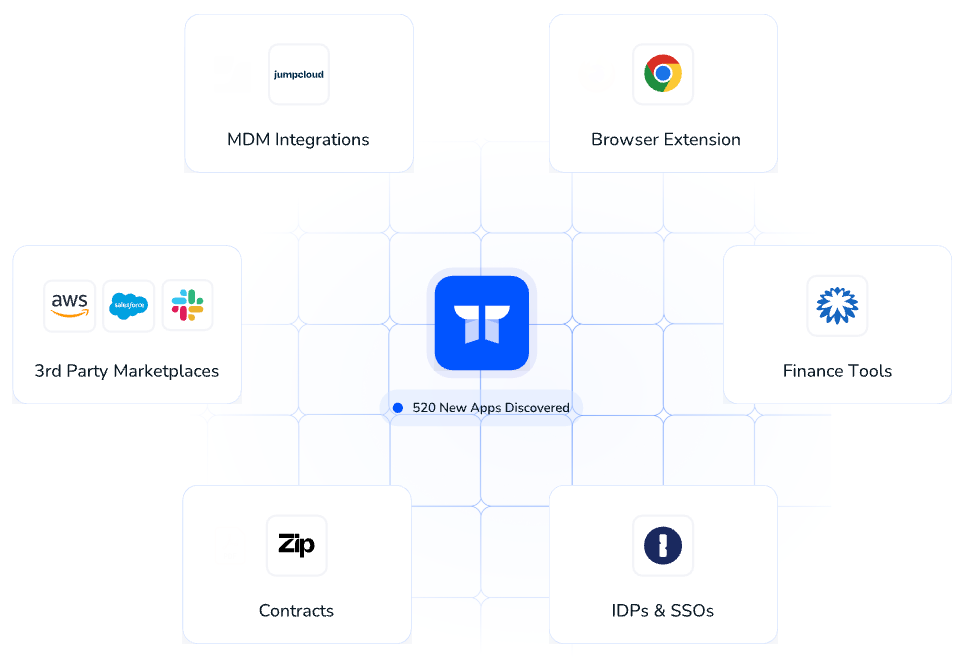
Image source: toriihq.com
Key features
- Shadow IT detection: The platform automatically identifies unauthorized or unmonitored applications running on your network, significantly improving overall IT security and inventory accuracy.
- Cost optimization: Torii analyzes utilization data to uncover wasted spend, helping teams reduce unnecessary expenses and allocate resources more effectively.
- Automated workflows: It streamlines complex processes like employee onboarding and offboarding, ensuring that access to your application portfolio is granted and revoked securely.
- Renewal management: The tool monitors contract dates to prevent unwanted auto-renewals, giving you the leverage needed to negotiate better terms with vendors.
Pricing: Torii offers IGA and SMP features. Contact sales for detailed pricing information.
8. ManageEngine Applications Manager: A comprehensive monitoring tool for tracking performance across complex IT infrastructures
ManageEngine Applications Manager focuses on the operational health of your portfolio, ensuring that the applications you invest in are actually performing as expected. Unlike strategic planning tools, this software is built for the trenches, offering deep visibility into complex, heterogeneous environments. It allows IT administrators to discover assets and map dependencies, ensuring consistent service quality for end-users. By tracking availability and resource usage, it helps teams proactively detect issues before they impact business operations, making it a vital component for maintaining a reliable application landscape.
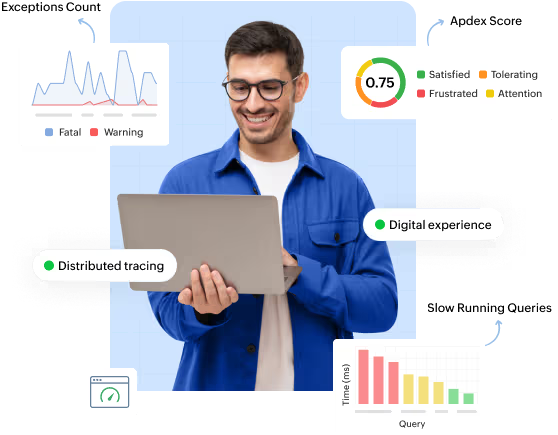
Image source: manageengine.com
Key features
- Automated discovery and mapping: The tool automatically discovers applications and maps their interdependencies, providing a clear structural view of your entire IT infrastructure.
- Service-based grouping: Users can categorize applications by business service or geography, making it easier to track the health of specific business functions and identify root causes.
- Analytical reporting: It enables data-driven decision-making through detailed performance reports and capacity planning analysis, helping teams forecast future resource needs effectively.
Pricing:
- Free: Supports monitoring up to 5 apps or servers.
- Professional: Get integrated performance monitoring for a heterogeneous set of applications. Pricing varies according to the number of monitors and users.
- Enterprise: Monitor up to 10,000 applications or servers with its distributed monitoring capability. Pricing varies according to the number of monitors and users.
Key features of application portfolio management tools
When you are evaluating different application portfolio management tools, it is vital to look beyond basic inventory capabilities. The market is filled with options, from software tools to broader IT asset management platforms. To truly optimize your stack, effective tools must offer specific functionalities that bridge the gap between IT operations and business strategy.
Most robust software includes the following core features.
Comprehensive inventory and discovery
You cannot manage what you cannot see. Top-tier tools offer automated discovery features that scan your network to identify every application in use, including shadow IT. This creates a "single source of truth," eliminating the need for manual tracking. This central repository is the foundation of any application portfolio management system.
Lifecycle management and roadmapping
Applications have a natural lifecycle. Program tools often include visualization features that show where an app is in its life—from introduction to sunset. This helps IT teams plan for upgrades or retirements well in advance, preventing last-minute scrambles when a critical vendor ends support.
Cost analysis and scoring
Effective application portfolio analysis tools allow you to assign scores to apps based on business value, technical fit, and total cost of ownership (TCO). This quantitative approach helps you objectively compare a microsoft application portfolio management solution against a niche competitor.
Risk and compliance assessment
With data privacy regulations tightening, portfolio management services software must help identify risks. Features often include:
- Data dependency mapping: Seeing where data flows between apps.
- Compliance tracking: Ensuring all software portfolio management adheres to GDPR, SOC2, or internal standards.
- : Assessing the stability and security of the SaaS providers you rely on.
Choosing the best application portfolio management software
Selecting the right vendor is critical. The market is crowded with portfolio management software solutions, ranging from lightweight portfolio management app options to heavy-duty enterprise suites.
When looking for the best application portfolio management software, consider these factors to ensure the tool fits your specific needs.
Usability and adoption
If the software is too difficult to use, your team won't update it, and the data will become stale. Look for a portfolio management tool with an intuitive interface. It should be easy for non-technical stakeholders to view dashboards and understand the status of the portfolio.
Integration capabilities
Your APM tool should not exist in a silo. The most effective software portfolio management software integrates seamlessly with other systems you already use, such as your ITSM tools, financial software, and enterprise architecture repositories. This ensures data flows automatically, reducing manual entry errors.
Scalability and flexibility
As your business grows, your portfolio will become more complex. You need technology portfolio management tools that can scale with you. Avoid rigid tools that force you into a specific workflow. Instead, look for flexible platforms that allow you to customize data fields, reports, and scoring models to match your unique business logic.
Cost vs. value
Finally, consider the pricing model. While there are open source application portfolio management tools available for low budgets, they often lack the support and security features enterprise teams need. Conversely, massive legacy suites might be overkill. Look for tools of portfolio management that offer a balance of robust features and transparent pricing, ensuring you get a return on your investment without paying for bloatware.
How to implement application portfolio management
Buying application portfolio management tools is only the first step. To get value from the software, you need a structured implementation process. Many organizations make the mistake of buying alternative software for portfolio management system options and expecting them to work by magic. In reality, success requires a clear framework.
Here is a practical guide to implementing APM in your organization.
Step 1: Define your goals
Before loading data into your portfolio management software, determine what you want to achieve. Are you trying to cut costs, , or prepare for a cloud migration? Defining these goals early will dictate how you configure the tool. You should also decide if you are tracking all software or just critical business applications.
Step 2: Build the inventory
This is often the hardest part. You need to populate your application portfolio management system.
- Automated discovery: Use the tool's scanning capabilities to find installed software.
- Survey stakeholders: Ask department heads what tools used in portfolio management and daily operations they rely on.
- Financial cross-reference: Check the accounts payable ledger to find software purchases that IT doesn't know about.
Step 3: Assess and score applications
Once the inventory is live, you must evaluate the apps. Use your application portfolio analysis tools to score them based on specific criteria:
- Business value: How critical is this app to daily operations?
- Technical health: Is the code stable? Is the vendor reliable?
- Cost: What is the total cost of ownership? This assessment helps you categorize apps using the TIME model (Tolerate, Invest, Migrate, Eliminate).
Step 4: Develop the roadmap
Now that you have analyzed the portfolio, create a forward-looking plan. Your program portfolio management tools should allow you to . Decide which apps will be retired in Q1, which will be upgraded in Q2, and where new investments will be made.
Step 5: Continuous governance
APM is not a one-time project; it is a habit. Set up quarterly reviews using your portfolio management services software to ensure the inventory stays accurate. As the company grows, new application portfolio management open source utilities or will enter the ecosystem. Continuous governance ensures you maintain the efficiency you worked so hard to achieve.
Take the first step of portfolio management
Conclusion
Effective application portfolio management is no longer a luxury; it is a necessity for modern organizations aiming to stay agile and cost-efficient. By bringing visibility to your software stack, the right tools allow you to eliminate redundancies, mitigate risks, and ensure every technology investment directly supports your business goals. Whether you are battling shadow IT or managing complex enterprise architectures, the solutions listed above offer the clarity needed to make smarter, data-driven decisions.
If you are looking for a versatile starting point that combines project management with powerful database capabilities, we recommend giving a try. Its flexible Base feature allows you to build a custom application inventory that grows with your team, helping you maintain a lean and effective digital ecosystem from day one.
FAQs
What are the tools for portfolio management?
Key tools for Application Portfolio Management include LeanIX, which focuses on landscape transformation, and ServiceNow, which connects strategy with governance. Ardoq offers data-driven visualization, while Flexera One helps manage assets and reduce spend. Faddom specializes in dependency mapping. Other notable tools mentioned are Torii (for SaaS), OrbusInfinity, and CAST Highlight. It is important to distinguish these from performance monitoring tools like Datadog, New Relic, and Dynatrace, which serve a different function.
Which APM tool is best?
There is no single "best" tool; the right choice depends on your specific focus. If you need Strategic Portfolio Management to map and govern your inventory, Lark, LeanIX, ServiceNow, and Ardoq are leading choices. However, if your goal is real-time Application Performance Monitoring (a different type of APM), top contenders include Datadog, New Relic, and Dynatrace.
What is application portfolio management?
Application Portfolio Management (APM) is a strategic framework for governing an organization's software inventory. It treats applications as investment assets, involving the creation of an inventory to assess their business value, technical health, and cost. This high-level process allows organizations to make informed decisions about retaining, replacing, or retiring applications, ultimately optimizing the IT landscape and aligning it with broader strategic goals.
Is APM part of ITAM?
APM and IT Asset Management (ITAM) are closely related but distinct. APM is generally considered a higher-level strategic function often sitting within Enterprise Architecture, focusing on value and alignment. In contrast, ITAM focuses on the operational tracking of licenses, costs, and resources. They are described as part of a "three-legged stool" alongside performance monitoring; while they must interact effectively to be successful, they are separate disciplines with different primary objectives.
Related reading