Effectively managing projects is crucial for organizational success. This is where the concept of project portfolio management (PPM) comes into play. PPM is not only about managing individual projects; it's about aligning all projects with the organization's overall strategy to maximize value and efficiency. In this blog, I aim to explore the various phases and benefits of the project portfolio management process, providing insights on how to implement it effectively for better project outcomes.
Defining project portfolio management
So, what exactly is ? At its core, PPM is the centralized management of processes, methods, and technologies used by project managers and to analyze and collectively manage a group of current or proposed projects. I like to think of PPM as a way for organizations to ensure they are working on the right projects and managing them efficiently, which ultimately contributes to business success.
It's important to understand the relationship between project management and project portfolio management. While project management focuses on executing specific projects effectively—on time and within budget—PPM takes a broader approach. It encompasses the selection, prioritization, and management of various projects that collectively support the organization's strategic objectives. This means that effective PPM requires to not only manage their projects efficiently but also to understand how those projects fit into the bigger picture.
A crucial aspect of successful PPM is strategic alignment. This means ensuring that all projects contribute toward the organization's goals. Without strategic alignment, organizations risk wasting resources on projects that do not drive value. Therefore, cultivating a clear understanding of organizational goals and ensuring that the project portfolio is aligned with these goals is vital for maximizing benefits.
Why the project portfolio management process is important
Understanding the importance of the project portfolio management process is vital for organizations seeking to optimize their project outcomes. By focusing on PPM, organizations can significantly enhance their approach to managing projects and resources.
- Efficient resource allocation: PPM ensures that resources—time, money, and human capital—are allocated efficiently, which is crucial in a competitive environment where resources may be limited. By prioritizing the right projects, organizations can avoid overextending themselves on initiatives that might not deliver substantial returns.
- Better decision-making: The PPM process provides a structured framework for prioritizing projects based on strategic alignment, potential returns, and resource availability. This enables organizations to concentrate on projects that are most likely to succeed and align with their overall goals.
- Increased transparency and accountability: PPM fosters transparency by clearly documenting and communicating the status of various projects. Stakeholders gain visibility into how each project aligns with , which builds trust and facilitates more informed discussions about project priorities and resource allocation.
The project portfolio management process is essential for optimizing resource utilization, enhancing decision-making, and promoting organizational transparency—all of which contribute to effectively achieving strategic objectives.
Manage project portfolios in one hub
Phases of the project portfolio management process
Effective project portfolio management helps organizations aiming to achieve their strategic objectives while optimizing resource allocation. The PPM process unfolds in several distinct phases, each designed to ensure that projects are aligned with the organization's goals and deliver maximum value. By following these phases, organizations can systematically identify, select, and manage projects that contribute to their overall success. This structured approach not only enhances decision-making but also fosters a unified vision among stakeholders. In this discussion, we will explore the key phases of the project portfolio management process, detailing how each contributes to achieving strategic alignment and operational excellence.
Strategic planning and alignment
The first critical phase of the project portfolio management process is and alignment. This phase ensures that all projects align with the organization's overall business strategies, significantly enhancing resource utilization.
To effectively define strategic goals, begin with a thorough analysis of market conditions and your organization's mission. Engaging through workshops can provide diverse insights into priorities. Once goals are established, communicate them clearly across the organization to ensure that every team member contributes toward shared objectives. This alignment creates a unified approach, ensuring every project supports broader organizational aims.
Project identification
The next step in the project portfolio management process is project identification, where the right projects are considered to support strategic objectives. This involves gathering potential project ideas using brainstorming sessions, surveys, and stakeholder interviews. Engaging employees at all levels can reveal unique opportunities, while benchmarking against industry standards helps identify market trends.
It's essential to evaluate these potential projects against the defined strategic goals to ensure they add genuine value. A systematic approach to project identification leads to a diverse portfolio that addresses immediate needs while aligning with long-term organizational goals.
Project selection
The project selection phase is where project ideas undergo critical evaluation. This stage is vital for ensuring that the organization invests in projects that align with strategic objectives and deliver the best returns.
Criteria for evaluating projects can include strategic fit, resource availability, and . A scoring model can help objectively rate each project based on these factors, guiding teams in prioritizing projects effectively. Balancing the portfolio by considering project size and complexity ensures it is diverse enough to mitigate risks while maximizing potential.
Planning
The planning phase is where strategies are transformed into actionable steps. This phase sets the stage for and requires thorough documentation outlining objectives, deliverables, and responsibilities. Clarity helps minimize misunderstandings and sets expectations for performance.
Risk assessment is another critical aspect of planning. Identifying potential risks and developing mitigation strategies can prevent setbacks later in the project lifecycle. Collaborating on project plans and using can facilitate communication and foster ownership among team members.
Execution
In the execution phase, the project portfolio management process truly comes to life. This phase mobilizes resources and implements plans, making the success of projects dependent on effective execution.
Monitoring progress closely is essential. Regular check-ins and the use of project management software enhance visibility, enabling teams to track and deadlines. Encouraging open communication allows for the timely identification of roadblocks and facilitates problem-solving.
Successful execution requires adaptability. The ability to pivot based on feedback ensures that projects remain aligned with organizational objectives. By regularly reviewing progress against KPIs, teams can maintain focus on delivering quality outcomes.
Optimization
The optimization phase is an ongoing part of the project portfolio management journey. This phase focuses on evaluating project performance and making adjustments to enhance outcomes. Continuous assessment is key to ensuring projects deliver value.
Establishing performance metrics allows teams to measure success comprehensively. Regularly reviewing these metrics helps identify areas for improvement. Incorporating feedback from stakeholders through retrospectives provides valuable insights.
Fostering a culture of enables organizations to evolve alongside changing demands. Effective optimization not only enhances current projects but also prepares organizations for future success in their project portfolio management efforts.
Manage those phases with a smart tool
How Lark enhances the project portfolio management process
simplifies project portfolio management by uniting communication, task tracking, resource allocation, and analytics within a single platform. Whether drafting a project proposal, updating reports, or tracking performance metrics, Lark ensures your team can collaborate in real time from any device. It's more than just a PPM tool—it's a workspace where strategy, execution, and communication happen seamlessly.
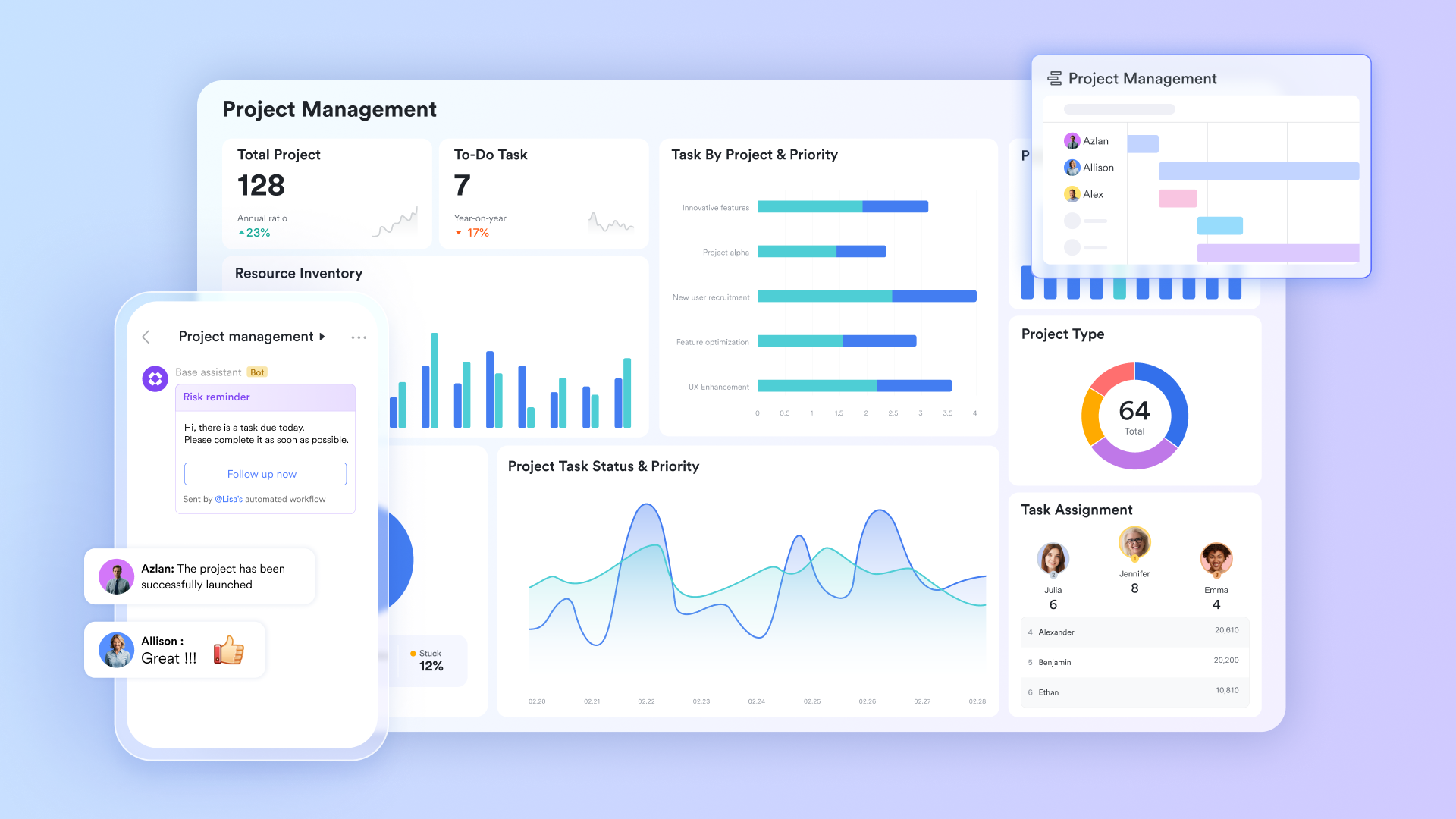
Centralized project management with Lark Base and Tasks
and Lark Tasks are fundamental components of managing an effective project portfolio. With Lark Base, teams can visualize their project landscape using Kanban, Gantt, or Table views, providing a dynamic overview of ongoing projects. Teams can filter, sort, and group projects based on priorities, deadlines, and statuses, which helps them gain real-time insights into performance. For example, a consulting firm managing multiple concurrent projects can easily track task dependencies and resource usage, identifying which initiatives are on schedule or experiencing delays. By centralizing portfolio data, teams can make rapid, informed decisions that align daily execution with long-term strategy. 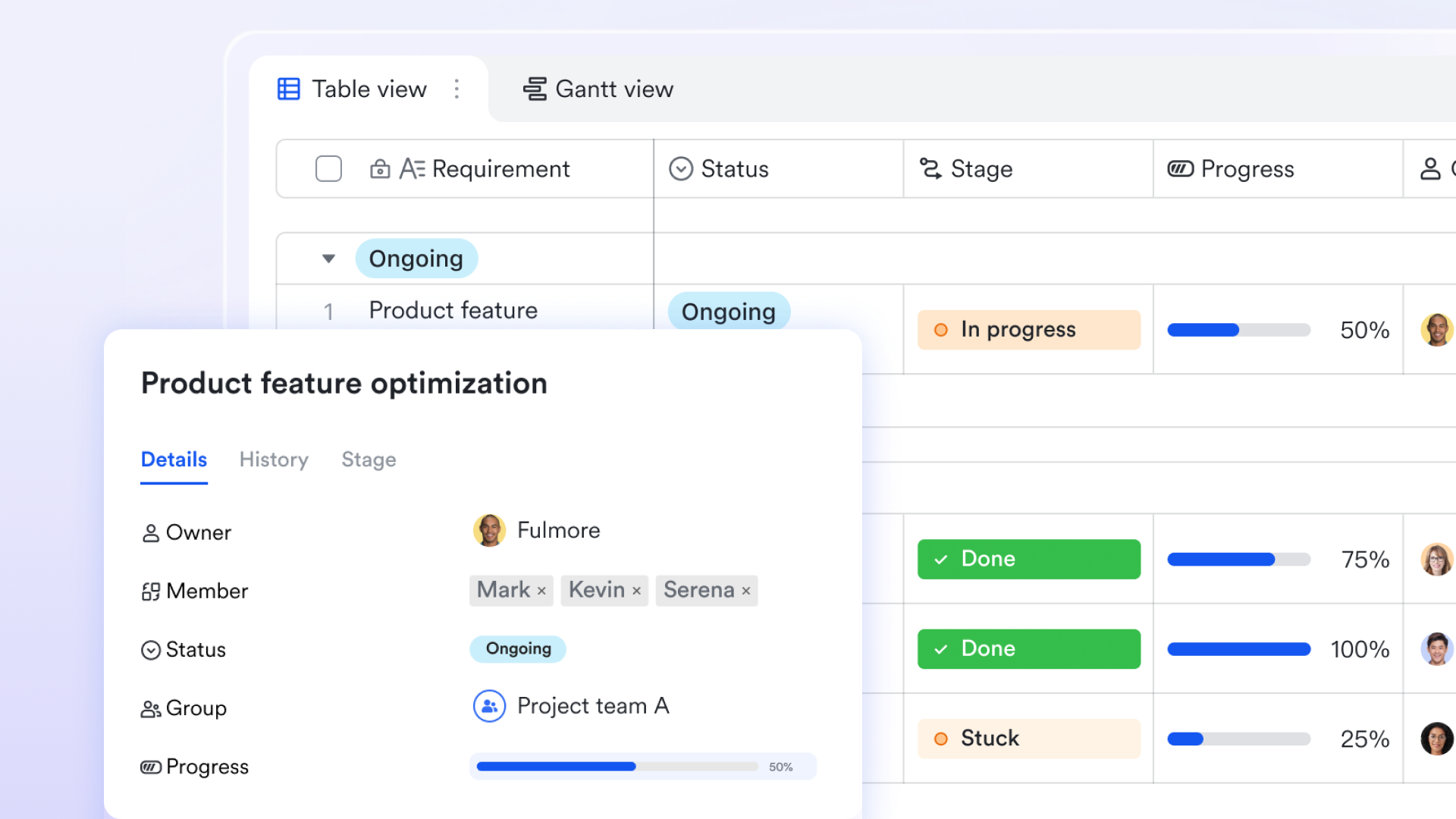
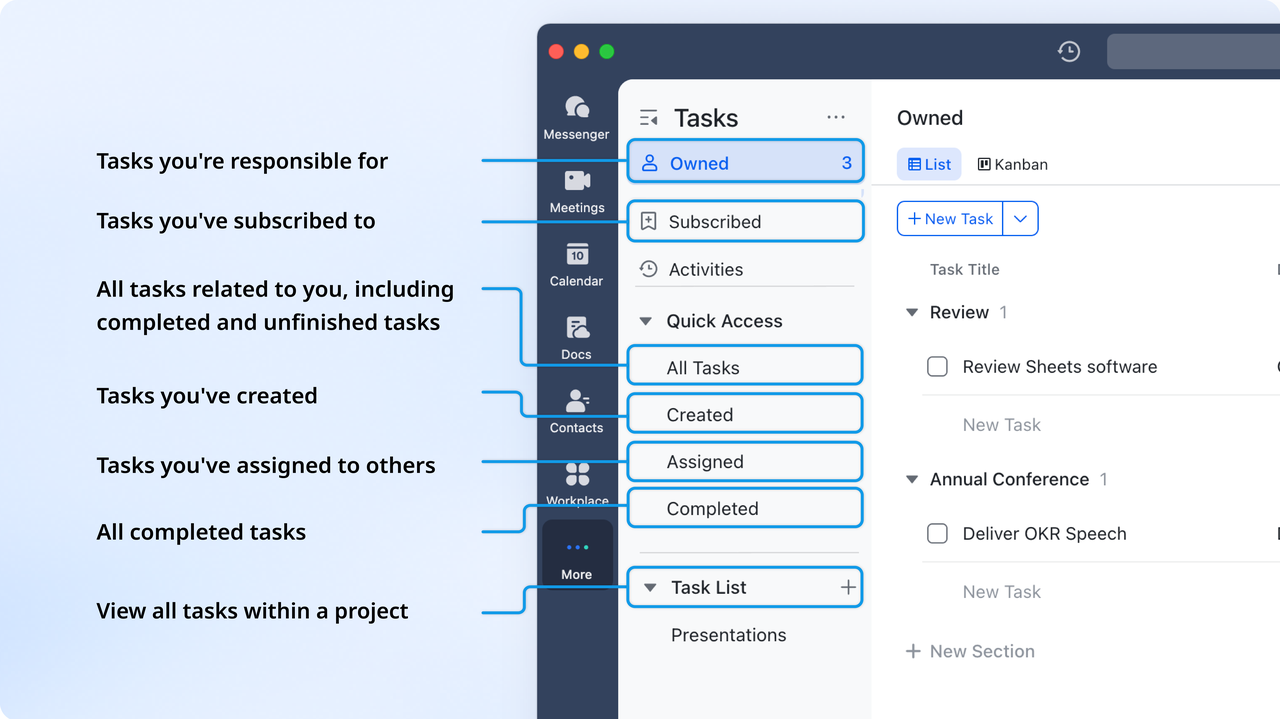
Complementing this is Lark Tasks, which allows teams to break down large projects into actionable tasks and milestones. This enhances transparency, reduces confusion, and ensures that every deliverable moves forward on schedule.
Streamlining documentation and approvals
Another powerful feature of Lark is & , which enables teams to draft, share, and collaborate on project strategies and roadmaps. Documents can be linked directly to related tasks or Lark Base records, allowing for a seamless transition between planning and execution without losing context. Real-time co-editing and inline commenting foster collaboration, ensuring everyone works from the latest information. For instance, if a project roadmap is created in Lark Docs, it can be linked directly to tasks, confirming that every objective aligns with the active project portfolio. 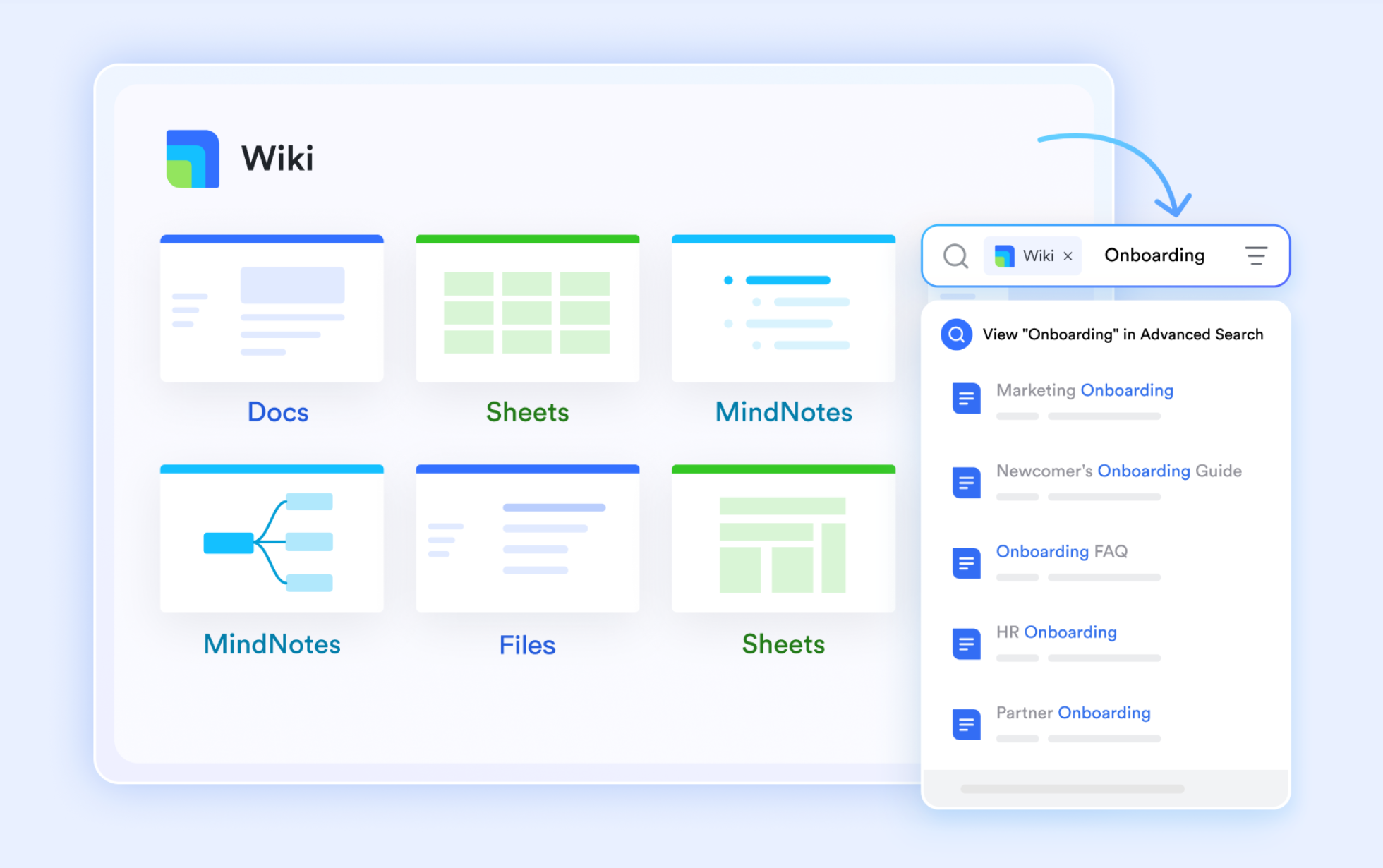
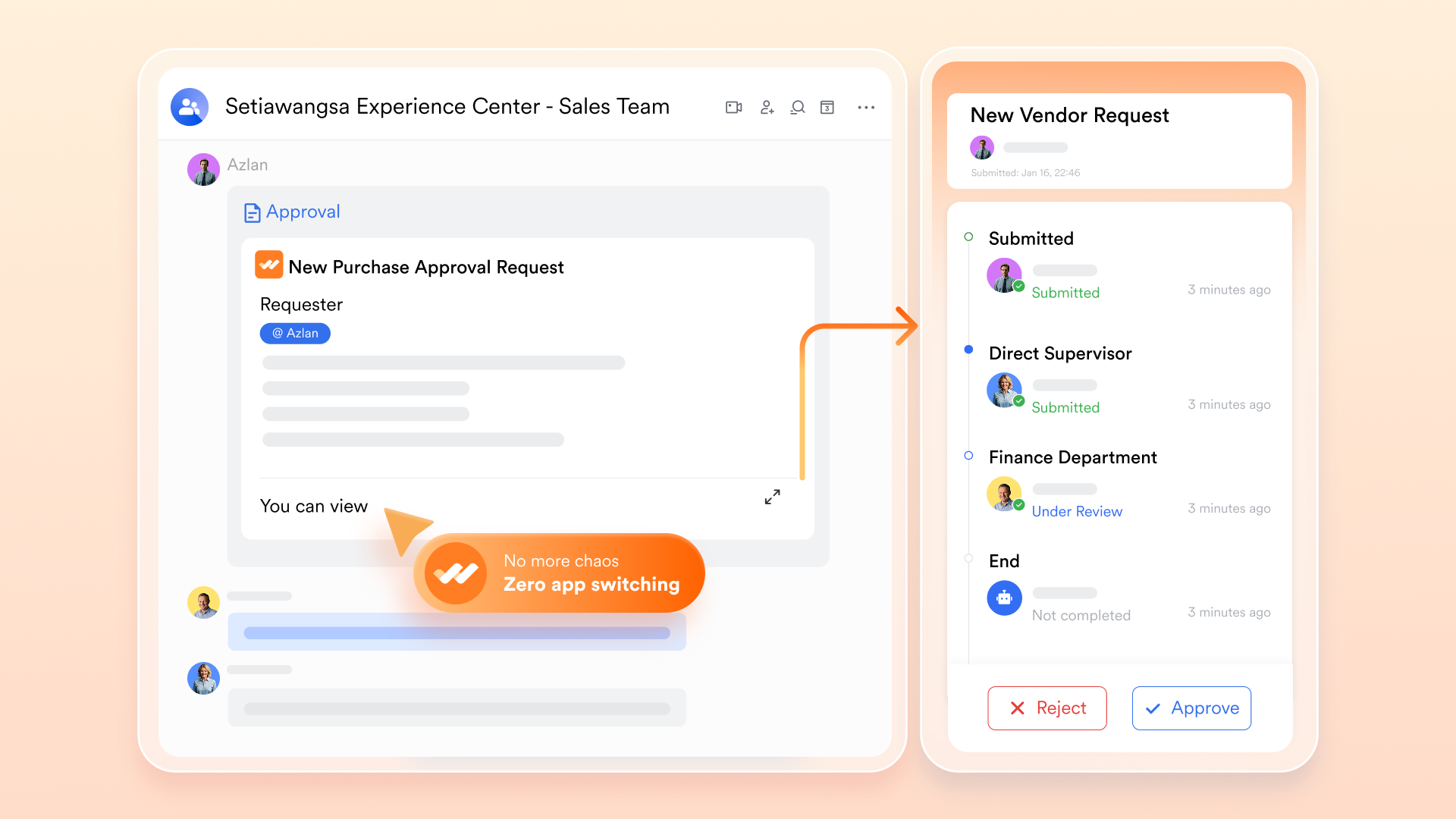
In addition to documentation, streamlines budget requests, project proposals, and milestone sign-offs. By automating workflows, Lark transforms lengthy email threads into efficient, transparent processes. Requests automatically route to the appropriate stakeholders, who can approve or comment directly within the platform. This automation speeds up decision-making while providing a documented trail for accountability.
Coordinated teamwork with Meetings & Calendar
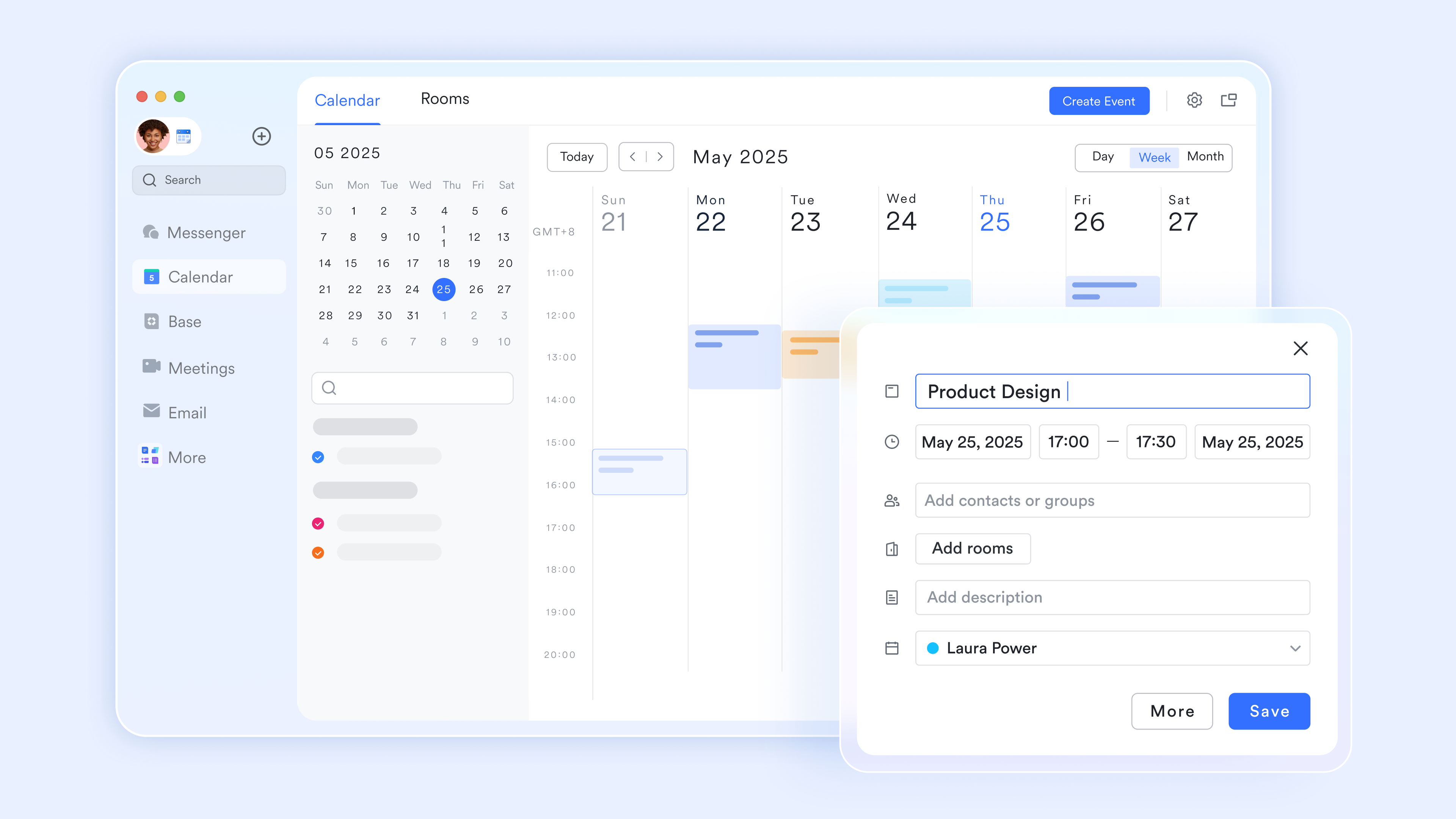
To enhance collaboration, & allow teams to plan and review portfolio progress all within the same workspace. With synchronized scheduling and shared notes, teams can coordinate milestone check-ins and strategy discussions effortlessly. For instance, a project management office (PMO) can schedule recurring portfolio reviews that incorporate the latest status reports and key performance indicators. After meetings, notes and action items sync with relevant projects, providing everyone with clarity on next steps. This combination of scheduling, collaboration, and reporting keeps projects aligned and communication continuous.
Why choose Lark
Lark combines PPM functionality with real-time collaboration, making it an ideal choice for modern organizations. By managing projects, portfolios, approvals, and documentation in a single intelligent workspace, Lark ensures transparency, accountability, and efficiency across the organization. The integration of various features into a comprehensive platform not only simplifies processes but also enhances overall project success, ultimately supporting strategic objectives.
:
- Starter plan: Free forever plan that includes 11 powerful tools for up to 20 users. It also comes with 100GB of storage, 1000 automation runs, AI translations, and more.
- Pro plan: $12/user/month (billed annually) for up to 500 users. It includes everything in Starter plus group calling for up to 500 attendees, 15TB of storage, 50,000 automation runs, and more.
- Enterprise plan: for custom pricing. Supports unlimited users and includes even more automation runs and advanced security, compliance, and management features.
For small teams with simple communication needs

18 months message history
1000 Base automation runs/month
2000 rows per table in Base
Most POPULAR
For companies with comprehensive collaboration and management needs
Unlimited message history
500-participant video meetings
50k Base automation runs/month
20k rows per table in Base
For large companies with advanced security and organizational management needs
Get a personalized demo and pricing
Unlimited message history
500-participant video meetings
15 TB storage + 30 GB storage/user
500k Base automation runs/month
50k Base automation runs/month
Most POPULAR
For companies with comprehensive collaboration and management needs
Unlimited message history
500-participant video meetings
50k Base automation runs/month
20k rows per table in Base
Key benefits of implementing a project portfolio management process
Implementing a structured project portfolio management (PPM) process offers numerous advantages that can transform how organizations operate:
- Improved resource allocation: Maintaining a clear overview of all projects enables organizations to allocate resources effectively, ensuring high-priority projects receive the attention and support they need.
- Enhanced strategic alignment: Managing projects within a cohesive PPM framework ensures every project contributes to overall organizational goals, driving value and facilitating informed decisions about project investments.
- Enhanced ROI: A structured PPM process allows organizations to focus on the right projects and optimize resources. This leads to better outcomes and financial performance, with companies often reporting increased rates and higher returns on investments.
- Real-life examples: Successful PPM implementation has allowed companies to align their project portfolios with market demands, leading to competitive advantages and growth. Continuous of PPM processes ensures adaptability in the evolving business landscape.
Best practices for a successful PPM process
To achieve success in your project portfolio management process, consider the following best practices:
- : Engaging stakeholders throughout the PPM process ensures diverse perspectives are incorporated, leading to more informed decision-making.
- Clear evaluation criteria: Establishing specific criteria for assessing projects based on strategic fit, resource availability, and potential allows teams to prioritize initiatives that align with organizational goals.
- Regular portfolio reviews: Schedule periodic assessments of the project portfolio to evaluate performance, address issues, and make necessary adjustments. This practice fosters continuous improvement and keeps the portfolio relevant to changing market conditions.
- Leverage collaborative tools: Utilizing collaborative technologies like Lark enhances communication, promotes transparency, and encourages a culture of collaboration, all contributing to more successful project outcomes.
Conclusion
Effective project portfolio management is essential for aligning projects with organizational strategies and achieving successful outcomes. Utilizing tools like Lark can greatly enhance the various phases of the PPM process, fostering collaboration and improving efficiency. By implementing a structured PPM process and following best practices, organizations can optimize resource allocation, enhance strategic alignment, and ultimately improve their return on investment. I encourage you to consider how you can implement or refine your project portfolio management processes to drive your organization's success.
Take first step of portfolio management
FAQs
What is the process of project portfolio management?
The process of project portfolio management (PPM) involves defining strategic goals and ensuring that all projects align with these objectives. It begins with identifying potential projects through brainstorming and stakeholder feedback, followed by evaluating and prioritizing these projects based on criteria like strategic fit and ROI. Once selected, comprehensive project plans are developed, outlining objectives, timelines, and resource allocations. The execution phase implements these plans while monitoring progress and maintaining communication. Continuous evaluation of project performance leads to optimization through adjustments based on feedback and changing conditions. Finally, projects are formally closed, and lessons learned are documented to improve future initiatives. This structured approach ensures effective portfolio management and strategic alignment.
What are the 7 steps of the portfolio process?
The steps of the project portfolio management process include:
- Strategic planning and alignment: Define strategic goals and ensure projects align with them.
- Project identification: Identify potential projects using methods like brainstorming and surveys.
- Project selection: Evaluate and prioritize projects based on criteria such as strategic fit and ROI.
- Planning: Develop detailed project plans, including objectives, timelines, and risk assessments.
- Execution: Implement plans while monitoring progress and maintaining effective communication.
- Optimization: Evaluate project performance, make adjustments, and incorporate feedback for continuous improvement.
- Project closure: Formally close projects, document lessons learned, and conduct retrospectives for future insights.
These steps create a continuous cycle for effective portfolio management.
What's the difference between PMO and EPMO?
The primary distinction between a PMO (Project Management Office) and an EPMO (Enterprise Project Management Office) lies in their scope and focus. A PMO operates at a tactical level, establishing standards and processes for individual departments or specific projects. In contrast, an EPMO functions at a strategic level, managing the entire organizational project portfolio. Its role is to ensure that all initiatives align with corporate objectives, report directly to executives, and deliver consistent, enterprise-wide value.
What are the key benefits of implementing a Project Management Office (PMO)?
Implementing a Project Management Office (PMO) offers several key benefits. Firstly, a PMO significantly improves project success rates by establishing standardized processes, methodologies, and governance, ensuring consistency across projects. It also enhances resource management by overseeing multiple projects, optimizing resource allocation, balancing workloads, and avoiding conflicts. Furthermore, a PMO fosters better risk management by creating a proactive approach to identify, assess, and handle risks across projects, helping organizations mitigate potential issues before they escalate. Additionally, by ensuring that all projects align with the organization's strategic objectives, a PMO prioritizes initiatives that deliver the greatest value and support overall company goals. Lastly, improved communication and transparency enhance stakeholder satisfaction, as stakeholders are kept informed about project progress and outcomes.
Related reading