Organizations often struggle to turn strategic plans into structured execution. A program implementation plan template helps teams translate high-level goals into clearly defined tasks, timelines, and measurable outcomes. By outlining responsibilities, resources, milestones, and performance indicators in one framework, teams gain better visibility into how initiatives progress. This structured approach improves coordination across departments, reduces confusion, and keeps projects aligned with strategic objectives. With a well-designed implementation plan template, organizations can move from planning to execution with greater clarity, accountability, and operational efficiency.
Key takeaways
- A program implementation plan template converts strategy into actionable tasks.
- Structured templates improve accountability, resource planning, and timeline tracking.
- Different industries require specialized implementation templates.
- Automation and collaboration tools improve implementation visibility.
- Modern collaboration platforms can support real-time implementation tracking.
Plan and manage programs in one collaborative workspace
Program implementation planning explained
Program is the process of organizing the steps, resources, and responsibilities required to successfully execute a program or initiative. It transforms strategic ideas into clear, actionable tasks by defining objectives, timelines, deliverables, and accountability.
A well-structured implementation plan outlines who is responsible for each activity, what resources are needed, and when key milestones should be completed. It also includes performance indicators to measure progress and ensure the program stays aligned with its goals. Effective implementation planning improves coordination among teams, reduces risks, and helps organizations manage complex projects more efficiently from initial to final execution.
Core components included in an effective implementation plan template
A well-structured implementation plan template outlines the essential elements needed to successfully execute a program. It ensures that objectives, responsibilities, resources, and are clearly defined so teams can move from planning to action efficiently.
- Program objectives: Program objectives define what the initiative aims to achieve. These objectives should be clear, measurable, and aligned with the organization's overall goals. Well-defined objectives help guide decision-making and provide a benchmark for evaluating success. By setting specific targets, teams can focus their efforts on outcomes that deliver meaningful impact.
- Key deliverables and milestones: Deliverables are the tangible outputs that must be produced during the program, while milestones mark significant progress points along the timeline. Identifying these elements helps break the program into manageable phases and ensures that progress can be tracked. Milestones also allow teams to , make adjustments, and keep the program on schedule.
- Stakeholder responsibilities: An effective implementation plan clearly defines the roles and responsibilities of everyone involved in the program. This includes project managers, team members, external partners, and decision-makers. Clear responsibility allocation reduces confusion, improves accountability, and ensures that each task is assigned to the appropriate person or team.
- Resource management: focuses on assigning the necessary tools, budget, personnel, and technology required to complete the program successfully. Proper planning ensures that resources are distributed efficiently and that teams have everything needed to complete their tasks. This step also helps avoid delays caused by shortages or resource mismanagement.
- Risk management framework: Every program carries potential risks that could affect its success. A risk management framework identifies possible challenges, evaluates their likelihood and impact, and outlines strategies to mitigate them. By planning for potential obstacles in advance, organizations can respond quickly and minimize disruptions during program execution.
- Timeline and progress tracking: A detailed timeline establishes when tasks should begin and end, helping teams stay organized and focused. such as status reports, performance indicators, and regular reviews allow managers to monitor the program's advancement. This continuous oversight ensures that any issues are addressed early and that the program remains aligned with its planned schedule.
Simplify implementation planning and execution with Lark
Common use cases where implementation plan templates are essential
Implementation plan help teams organize complex projects by defining objectives, tasks, timelines, and responsibilities. Whether a company is launching a new initiative or managing operational changes, a structured implementation plan template provides clarity and direction. Many organizations also rely on tools such as an implementation plan template, a Word document, or specialized software to standardize planning across teams.
- Organizational change initiatives: When companies introduce structural changes, new policies, or cultural transformation programs, a clear implementation plan is critical. An implementation plan template helps outline communication strategies, training programs, timelines, and leadership responsibilities. It ensures that employees understand the changes and that the transition happens smoothly with minimal disruption.
- Software implementation programs: Deploying new technology systems requires careful coordination between technical teams, stakeholders, and end users. A software implementation plan template helps document system requirements, testing stages, deployment schedules, and user training plans. Many teams prefer using an implementation plan template in Word format because it is easy to customize and share across departments.
- Marketing campaign execution: involve multiple moving parts, such as content creation, advertising schedules, campaign budgets, and performance tracking. Using an implementation plan template helps marketing teams organize campaign activities, assign responsibilities, and monitor progress to ensure campaigns launch on time and achieve their goals.
- Annual strategy rollout: Organizations often develop annual strategies that require cross-departmental coordination. An implementation plan template Word document helps leadership teams translate strategic goals into actionable tasks. It also allows teams to track milestones, measure progress, and align operational activities with long-term business objectives.
- IT transformation projects: Digital transformation initiatives, such as cloud migration or infrastructure upgrades, require detailed . A software implementation plan template helps IT teams map out technical phases, allocate resources, manage risks, and ensure system integration runs smoothly. Using a structured implementation plan template improves transparency and helps organizations successfully execute complex technology projects.
10 program implementation plan templates
Different industries use various implementation plan templates depending on the complexity and nature of their projects. These templates help organizations structure tasks, manage resources, and ensure smooth execution of programs or initiatives.
Software implementation plan template
A software implementation plan template helps teams manage the rollout of new software systems or platforms. It outlines deployment phases, testing stages, resource allocation, and user training plans. By organizing technical tasks, timelines, and responsibilities, the template helps ensure smooth adoption while reducing disruptions to existing workflows and business operations.
Marketing implementation plan template
A marketing implementation plan template organizes campaign execution from strategy to launch. It includes timelines, channel selection, budget allocation, content schedules, and performance metrics. This template helps marketing teams coordinate tasks, track deliverables, and monitor results while ensuring campaigns remain aligned with overall business objectives and brand strategy.
IT implementation plan template
An IT implementation plan template supports the structured deployment of technology infrastructure or digital systems. It defines project scope, system configuration tasks, security considerations, and integration steps. By outlining responsibilities, timelines, and technical checkpoints, the template helps IT teams manage complex implementations while minimizing risks and maintaining operational stability.
Annual implementation plan template
An annual implementation plan template translates yearly organizational goals into structured execution steps. It outlines major initiatives, milestones, resource requirements, and progress indicators across departments. This template helps leadership teams monitor strategic priorities throughout the year while ensuring projects remain aligned with company objectives and operational timelines.
Strategy implementation plan template
A strategy implementation plan template converts strategic objectives into operational actions. It identifies key initiatives, responsible stakeholders, timelines, and measurable success indicators. By connecting strategy with daily execution activities, the template helps organizations track progress, maintain accountability, and ensure long-term goals are consistently supported by coordinated actions.
Change implementation plan template
A change implementation plan template supports organizations during transformation initiatives such as restructuring, system upgrades, or process changes. It outlines communication plans, training programs, transition timelines, and stakeholder responsibilities. This structured approach helps teams manage change smoothly while reducing resistance, maintaining productivity, and ensuring successful adoption of new practices.
AI implementation guide template
Artificial Intelligence (AI) implementation can bring significant benefits to businesses, from automating tedious tasks to providing valuable insights for decision-making. To ensure a successful AI implementation, it's important to follow a systematic approach and consider various key factors. This template provides a comprehensive guide to help you effectively implement AI in your organization.
Predictive analytics implementation plan template
Predictive analytics models are crucial for making data-driven decisions in various industries. However, managing and optimizing these models can be complex and time-consuming. That's where our predictive analytics model template comes in. With Lark's user-friendly features, you can easily track the performance metrics, data used, key features, deployment status, and updates/changes of your predictive models.
Excel simple implementation plan template
An Excel simple implementation plan template is widely used to organize tasks, timelines, and responsibilities in a clear spreadsheet format. It helps teams track progress, allocate resources, and manage milestones efficiently. Many organizations adapt for different needs, including a strategy implementation plan template for executing business goals and a change implementation plan template for managing organizational transitions smoothly.
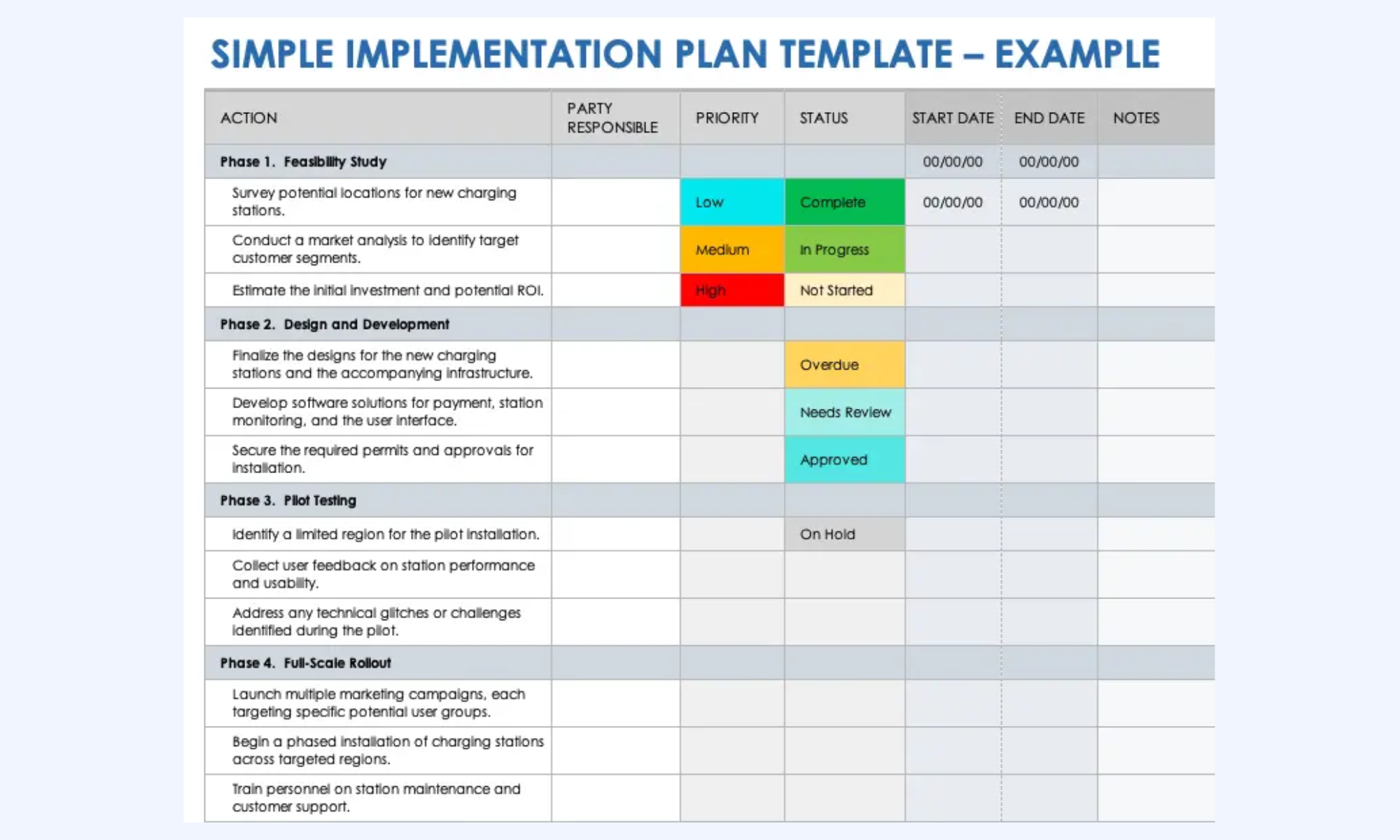
Image source: smartsheet.com
PowerPoint implementation plan presentation template
A PowerPoint implementation plan presentation template helps teams present project strategies, timelines, and responsibilities in a clear visual format. It is commonly used in meetings to explain and progress updates. Businesses often combine it with a detailed implementation plan template for deeper documentation and a marketing implementation plan template to outline campaign strategies and key milestones.
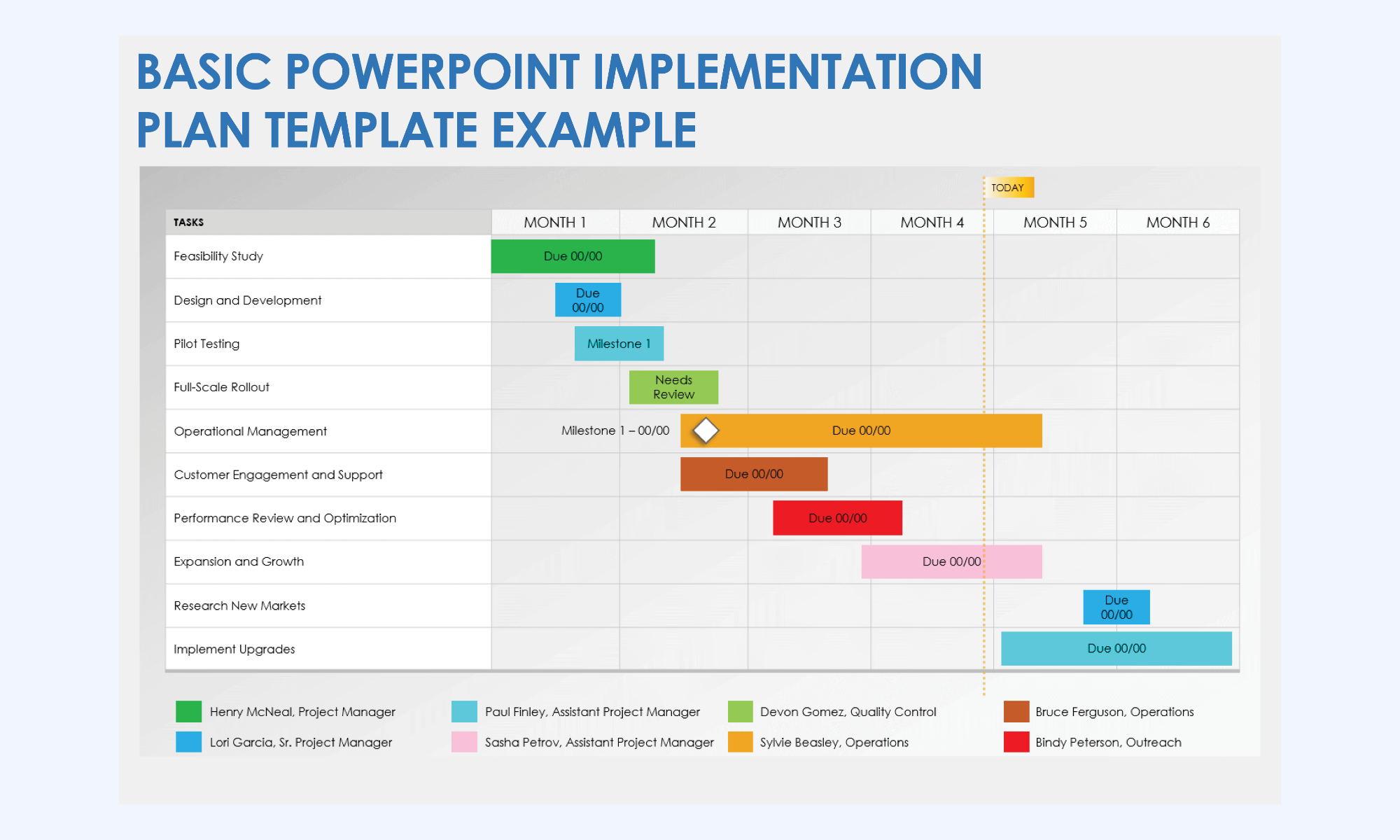
Image source: smartsheet.com
Meet Lark: A smart way for collaborative planning and execution
Managing program implementation often requires coordination across multiple teams, timelines, and operational workflows. provides a unified workspace where organizations can plan, track, and execute implementation programs efficiently. By combining collaboration, , and data organization tools, Lark helps teams keep program execution transparent and structured.
Dynamic data management
Managing complex and evolving data is a primary hurdle in any implementation plan. addresses this by moving beyond the limitations of traditional spreadsheets, turning static data into an interactive workspace. Teams can utilize rich field types and personalized dashboards to visualize milestones and track progress in real time. Furthermore, its no-code automation engine handles repetitive tasks—like sending status notifications or syncing updates—allowing the team to focus on high-level execution rather than manual data entry.
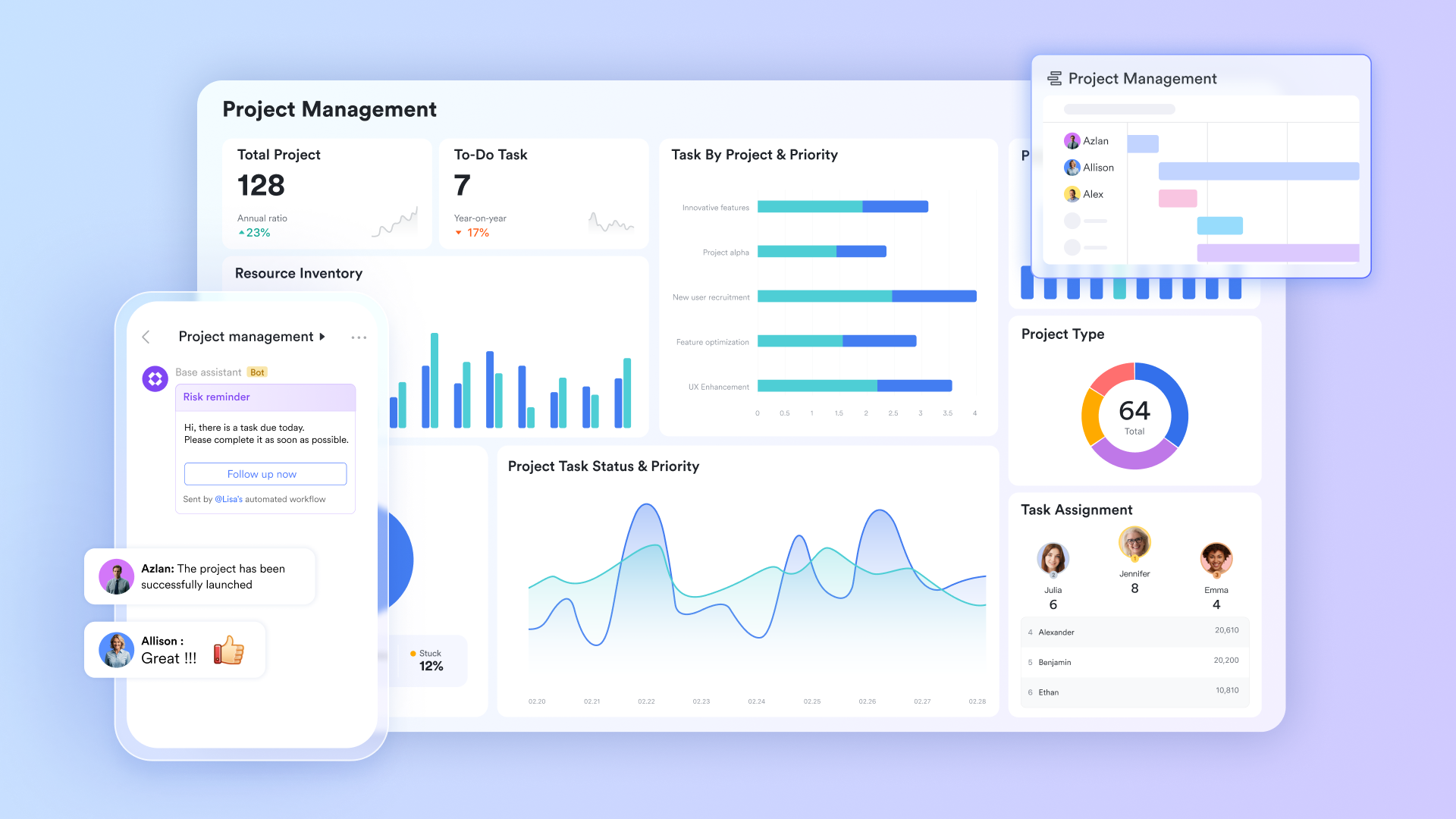
Centralized knowledge via Docs and Wiki
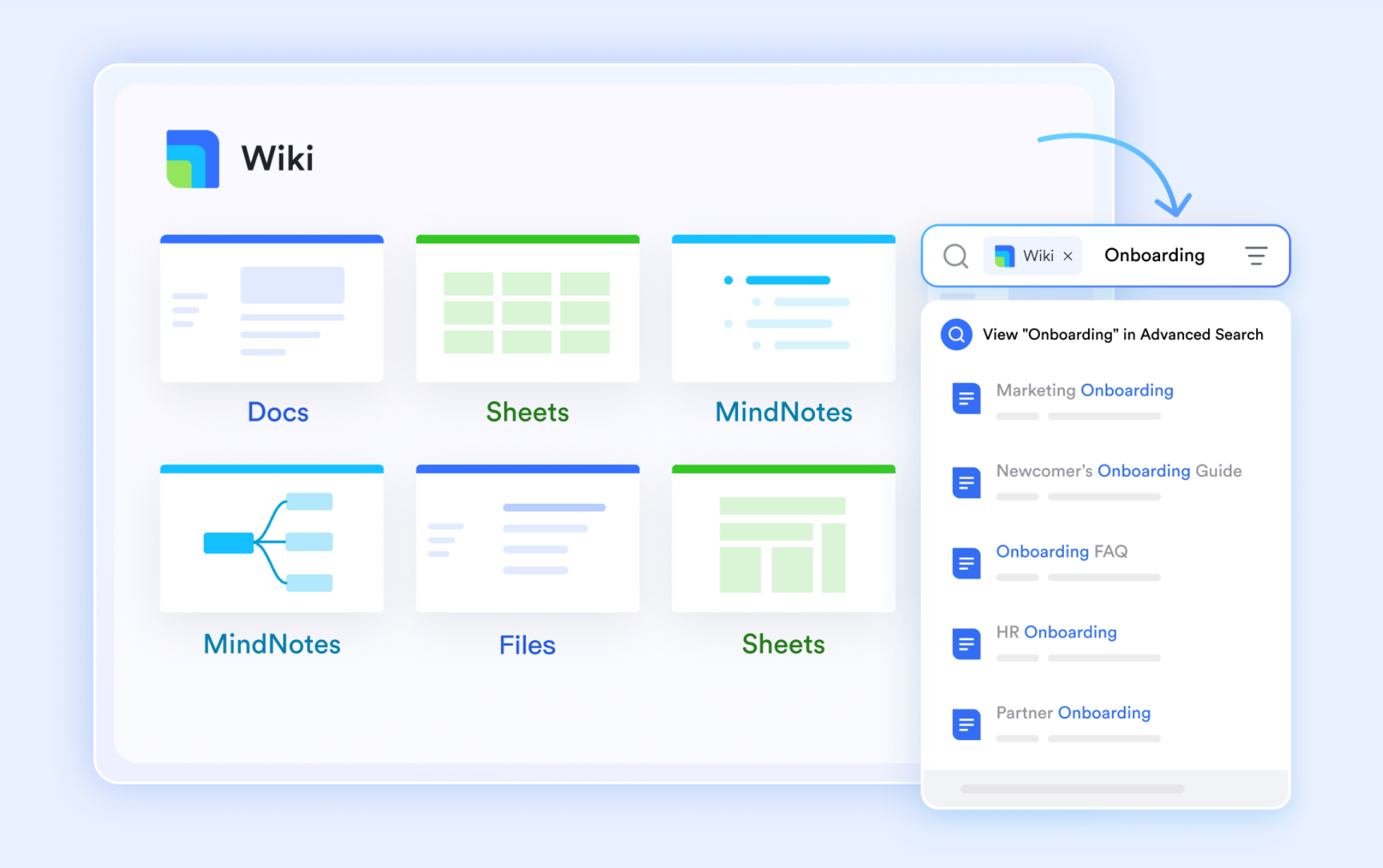
Clear documentation is the backbone of a successful rollout. and provide a centralized repository where teams can co-author implementation strategies and store best practices. To accelerate the planning phase, Lark offers a library of free templates that provide prebuilt structures for goal setting and timelines. Via Lark Wiki, an organizational knowledge hub, guidelines, plans, briefs, and charts are accessible for permitted members, thereby simplifying onboarding and maintaining consistency across the project lifecycle.
Synchronized communication and scheduling
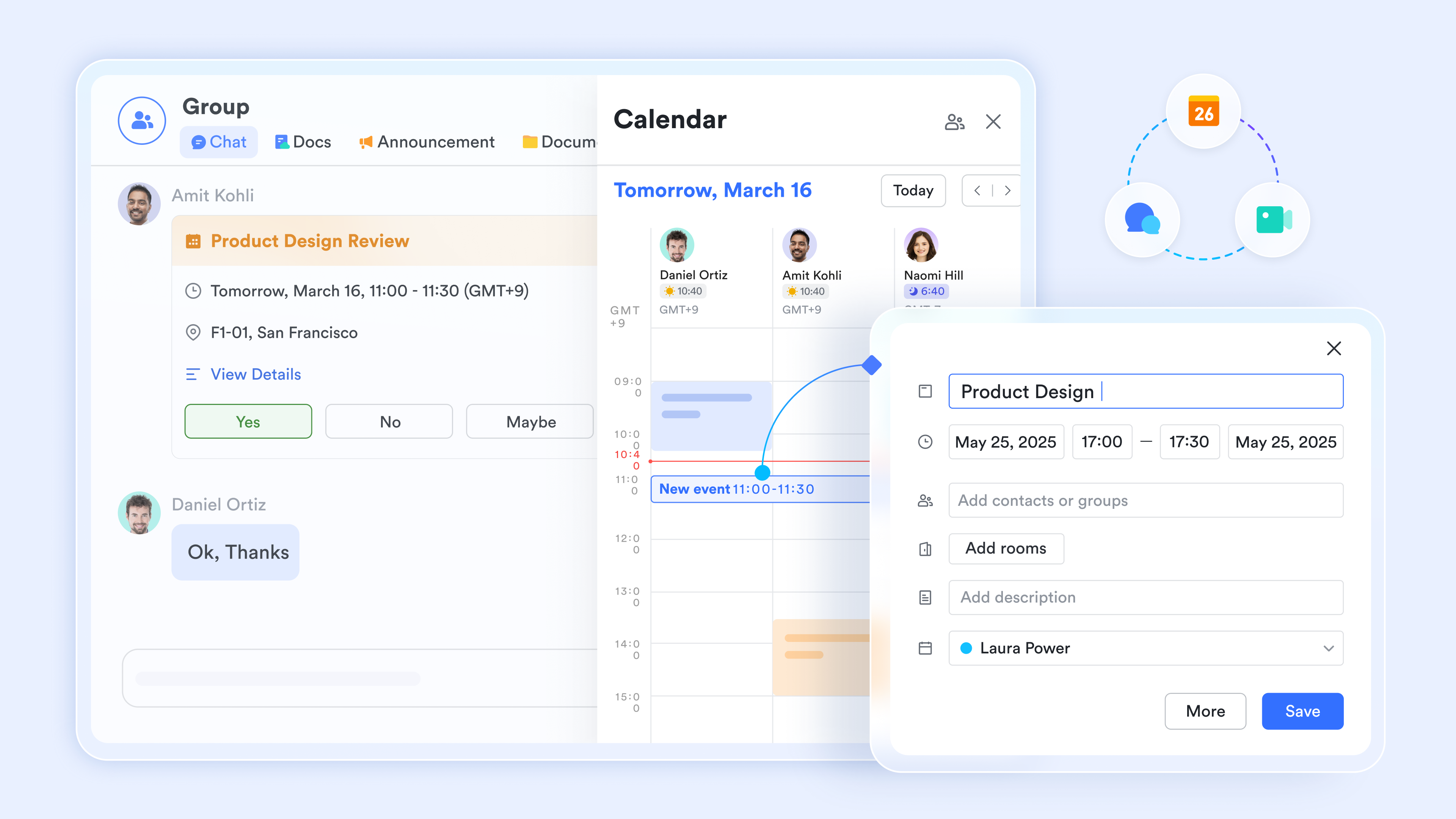
Effective implementation relies on the tight alignment of messaging and time management. and work in tandem to ensure that critical updates are never lost in the noise. The Messenger allows for threaded, focused discussions on specific tasks, while the Calendar integration enables teams to link agenda documents directly to meeting invites. This ensures that every sync-up is rooted in the relevant documentation and milestones. With shared and public scheduling, entire organizations gain visibility into deadlines and deliverables.
Structured project execution
The final leap in any implementation plan is moving from high-level strategy to granular execution and formal sign-offs. Lark Tasks provides a structured framework for managing individual deliverables and cross-departmental authorizations. Users can break down complex into actionable tasks with clear owners and deadlines, which are then tracked within the same interface used for messaging and documentation. 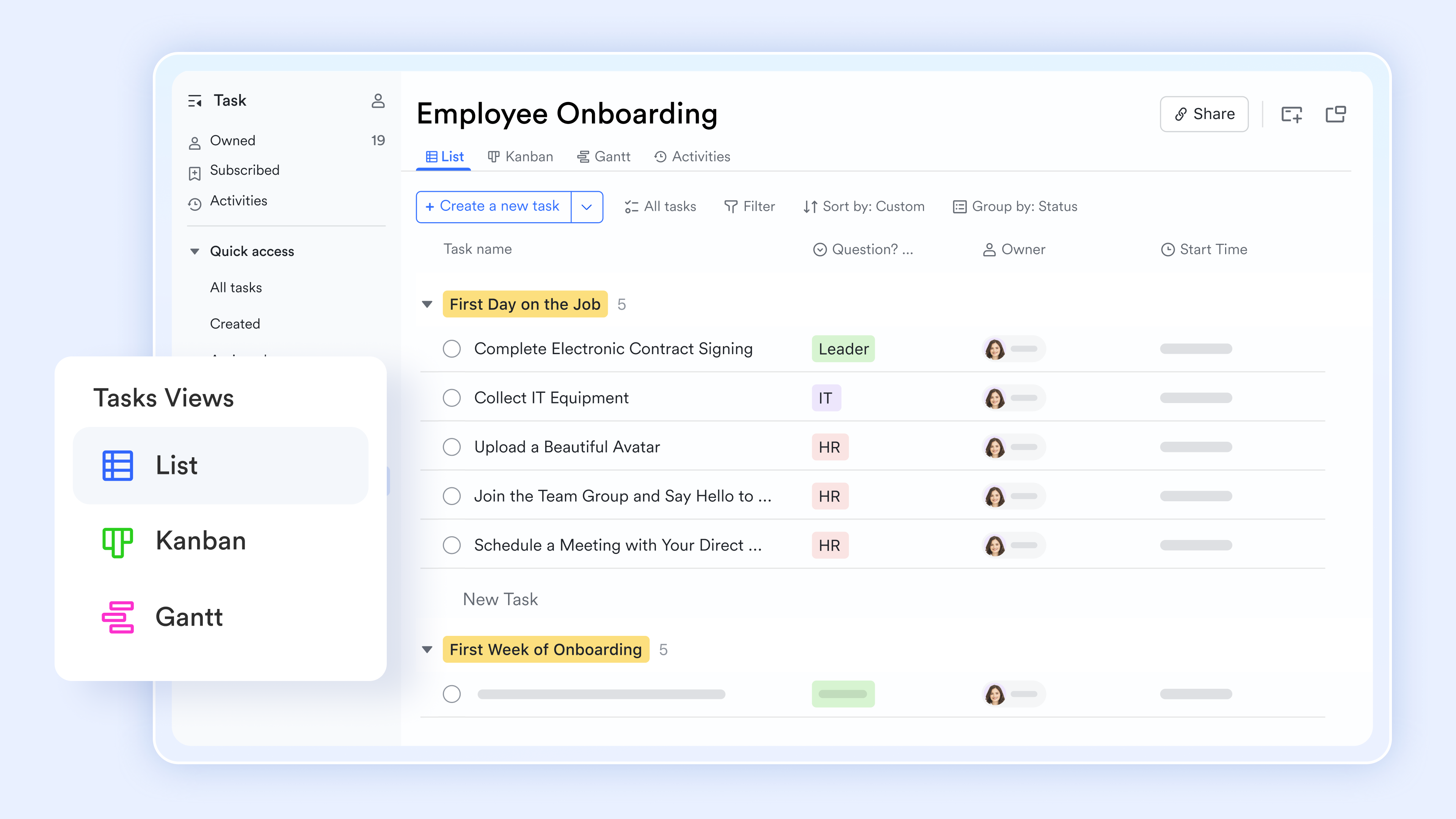
:
- Starter plan: Free forever plan that includes 11 powerful tools for up to 20 users. It also comes with 100GB of storage, 1000 automation runs, AI translations, and more.
- Pro plan: $12/user/month (billed annually) for up to 500 users. It includes everything in Starter plus group calling for up to 500 attendees, 15TB of storage, 50,000 automation runs, and more.
- Enterprise plan: for custom pricing. Supports unlimited users and includes additional automation runs, as well as advanced security, compliance, and management features.
For small teams with simple communication needs

18 months message history
1000 Base automation runs/month
2000 rows per table in Base
Most POPULAR
For companies with comprehensive collaboration and management needs
Unlimited message history
500-participant video meetings
50k Base automation runs/month
20k rows per table in Base
For large companies with advanced security and organizational management needs
Get a personalized demo and pricing
Unlimited message history
500-participant video meetings
15 TB storage + 30 GB storage/user
500k Base automation runs/month
50k Base automation runs/month
Most POPULAR
For companies with comprehensive collaboration and management needs
Unlimited message history
500-participant video meetings
50k Base automation runs/month
20k rows per table in Base
Common mistakes when creating implementation plans
Even well-designed strategies can fail if the implementation plan is poorly structured. Avoiding common planning mistakes helps organizations execute programs more efficiently and achieve their intended results.
- Unclear ownership of deliverables: One of the most frequent issues is failing to assign clear responsibility for tasks and deliverables. When ownership is not defined, teams may assume someone else is handling the work, leading to delays and confusion. Clearly assigning accountability ensures that every activity has a responsible person or team.
- Unrealistic timelines and milestones: Setting overly ambitious deadlines can create unnecessary pressure and reduce the quality of results. If timelines are unrealistic, teams may struggle to complete tasks on schedule. Effective implementation plans use practical timelines based on available resources and workload capacity.
- Poor communication between departments: Implementation often requires collaboration across multiple teams. Without consistent communication, departments may work in isolation, leading to misalignment and duplication of effort. Regular updates, shared documentation, and meetings help keep everyone aligned.
- Lack of measurable performance indicators: Without clear metrics, it becomes difficult to evaluate whether the plan is succeeding. Many implementation plans fail because they do not include measurable indicators for tracking progress. Defining helps teams monitor results and make improvements when needed.
Conclusion
A well-structured implementation plan plays a crucial role in turning strategies into real, . By clearly defining goals, responsibilities, timelines, and performance indicators, organizations can manage projects more efficiently and reduce the risk of delays or miscommunication. Using structured templates also helps teams stay organized and maintain accountability throughout the process.
Modern collaboration platforms like further simplify implementation planning by enabling teams to coordinate tasks, track progress, and communicate in a single centralized workspace. With the right planning approach and the right tools, organizations can execute programs with greater clarity, efficiency, and long-term success.
Plan and manage every phase of your programs with Lark
FAQs
What are the 5 stages of implementation?
The five common stages of implementation include planning, preparation, execution, monitoring, and evaluation. These stages help organizations move from strategy to action while ensuring progress is tracked and improvements are made along the way. Many teams rely on a simple implementation plan template in Word format to organize these stages clearly and keep documentation structured.
How to draw an implementation plan?
To create an implementation plan, start by defining the program scope and objectives. Next, outline tasks, assign responsibilities, set timelines, allocate resources, and establish performance indicators. Using a structured template, such as a simple implementation plan template Word file, makes it easier to organize the plan and share it with stakeholders.
Can implementation plans be automated?
Yes, many modern project management and collaboration platforms allow implementation plans to be automated. These tools can assign tasks, send reminders, track milestones, and automatically generate progress reports. For technology projects, teams often use an IT implementation plan template to structure workflows and monitor system deployment steps.
Is an implementation plan different from a project plan?
Yes, although they are closely related. A project plan focuses on the overall management of a project, including scope, budget, and scheduling. An implementation plan specifically outlines how strategies or project objectives will be executed step by step. Organizations often use an IT implementation plan template to detail the execution process for technology initiatives.
Related reading