Marketing teams are drowning in generative AI hype, but the daily reality of execution tells a different story. Adding ten new text generators to your tech stack rarely improves productivity; it usually just creates fragmented workflows.
To see real ROI, AI in digital marketing must become a functional part of your team's operating model, not just a standalone content generator. In this guide, we cover practical definitions, review the current software landscape, weigh the pros and cons, and provide a step-by-step framework to turn AI output into coordinated team action.
What is AI in digital marketing?
At its core, artificial intelligence in digital marketing refers to the use of advanced algorithms to analyze data, predict customer behavior, and generate content or messaging at scale.
To understand how teams actually apply it, we need to separate the technology into two distinct categories:
1. Traditional machine learning (ML): This is the analytical side of AI that marketers have used for years behind the scenes. It handles massive data sorting, predictive analytics, programmatic ad bidding, and dynamic pricing models.
2. Generative AI: The newer wave of technology that synthesizes information to create new, original outputs—such as drafting blog posts, generating ad creative, translating global campaign briefs, or simulating conversational chatbots.
However, the definition of AI in a requires drawing a sharp line between "isolated AI usage" and "AI embedded in a team workflow."
Isolated usage looks like this: A single content marketer opens a separate browser tab, prompts an AI tool for a blog outline, copies the text, pastes it into a separate document app, and emails it to a manager for review. This creates friction.
Embedded AI, on the other hand, lives directly where the team already works. It plays a role across the entire campaign lifecycle. During the planning phase, it helps analyze search intent. During creation, it helps remote teams translate briefs and draft copy in a shared, cloud-native workspace. During operations, it automatically routes finished assets through .
The true value of AI in marketing lies in reducing manual coordination and operational friction, not just indiscriminately increasing the volume of assets your team produces.
Why AI matters in digital marketing today
Why are so many B2B and enterprise teams overhauling their operational processes to adopt AI right now? The answer comes down to immense external pressure.
Marketing departments are dealing with faster campaign cycles, higher content demands across highly fragmented distribution channels (from TikTok to LinkedIn to niche industry forums), and the complex logistics of managing distributed remote teams. Budget constraints often mean that hiring more people to meet these demands is not an option. Marketers are expected to do more with the same headcount.
in an AI world fundamentally shifts expectations around speed, iteration, and responsiveness. Previously, A/B testing two email subject lines took manual drafting and hours of waiting. Today, algorithms can predict the performance of fifty variations in seconds, adapting to customer needs proactively rather than reacting to past behavior.
But adopting AI is not about replacing human marketers. When paired with clear review processes, AI serves as a . It handles the heavy lifting of data aggregation and first drafts so that human teams can focus on strategic alignment, creative direction, and execution quality.
The pros and cons of AI in digital marketing
Like any major technological shift, integrating artificial intelligence into your marketing operations carries significant advantages alongside distinct risks. Understanding both sides is the key to building a sustainable strategy.
The pros of AI in marketing execution
When properly integrated into your team's workflow, AI delivers immediate, measurable benefits across speed, scale, and operational efficiency.
- Speed and scale of asset production: effectively cures "blank page syndrome." Whether you need to draft 20 variations of ad copy for a paid social campaign, outline a 3000-word ebook, or spin up an automated email sequence for a new product launch, AI accelerates the initial drafting phase from hours to minutes.
- Advanced pattern recognition: Marketing spreadsheets can become overwhelmingly complex. AI excels at analyzing vast datasets—such as multi-channel performance trends or CRM interaction logs—to identify anomalies and predict which customer segments are most likely to convert. This drastically reduces the time analysts spend on manual reporting.
- Cost-efficiency in routine tasks: By handling the repetitive, manual work involved in creative ideation, keyword clustering, and basic audience segmentation, AI frees up high-level marketing managers to act as strategic editors rather than sheer volume producers.
- Faster collaboration and feedback loops: When AI is native to a team's communication workspace, it improves cross-functional handoffs. For example, AI can auto-transcribe a remote marketing sync, instantly generate action items, and assign those tasks to regional team members with built-in language translation, keeping everyone aligned without manual follow-ups.
The cons and risks of AI adoption
Despite the aggressive marketing from software vendors, AI is not a magic solution. If implemented poorly, it can actively damage your brand and slow your team down.
- Hallucinations and factual errors: Generative AI models predict the next most likely word in a sequence; they do not inherently "know" the truth. Without strict human review, AI can invent statistics, misquote industry figures, or misrepresent your product features.
- Weak brand nuance and homogeneous messaging: If marketers rely on generic prompts, AI will produce bland, generic content. Human editors remain absolutely mandatory for writing , adjusting brand tone, and ensuring the final messaging resonates with specific cultural nuances.
- Data privacy and security issues: Pasting sensitive company data, unreleased product specs, or customer email lists into open, unverified public LLMs poses a massive security risk. Enterprises must use that do not use proprietary data to train external models.
- The operational trap of "tool fatigue": This is the most common risk teams face today. Handing a marketing department five different, disconnected AI tools—one for writing, one for SEO, one for images, one for chatbots—without a structured review process creates chaos. When tools are fragmented, AI output often creates more noise, version-control issues, and manual copy-paste work. The speed gained by generating text quickly is entirely lost if the team spends days navigating a disjointed approval bottleneck just to get that text published.
Core AI use cases by marketing channel
When looking outward at external, customer-facing disciplines, artificial intelligence transforms how teams capture attention and drive revenue. The focus here shifts away from internal efficiency and toward optimizing the exact touchpoints where a customer interacts with a brand.
Search engine optimization (SEO) and web traffic
requires far more than stuffing exact-match keywords into a blog post. Search engines prioritize user intent, topical authority, and comprehensive answers. AI supports SEO managers by grouping massive keyword lists into logical content clusters and analyzing Search Engine Results Page (SERP) patterns. For example, an SEO lead can feed hundreds of search queries into an algorithm to determine that users searching for "B2B payment gateways" are actually looking for integration guides rather than basic definitions. AI can then generate a detailed content architecture—outlining exact subheadings, internal linking structures, and required technical definitions—allowing marketing teams to build content calendars based on actual user behavior rather than guesswork.
Paid advertising and PPC
In paid media, human intervention is moving away from manual bid adjustments and toward strategic parameter setting. AI algorithms now optimize bidding strategies in real time, calculating millions of data points across device types, geographic locations, and time of day to ensure the lowest possible cost-per-acquisition (CPA).
Additionally, dynamic creative rotation relies heavily on AI. Instead of running one static banner ad, marketing teams upload a pool of assets (ten headlines, five images, and three call-to-action buttons). The AI tests every possible combination, showing one specific variation to a mobile user in London and an entirely different variation to a desktop user in Tokyo, based entirely on which combination is most likely to secure a click.
Email marketing and lifecycle automation
suffer from low engagement. AI corrects this by introducing hyper-targeted lifecycle automation. Predictive send-time algorithms analyze a subscriber's historical open rates and deliver the email at the exact minute they are most likely to check their inbox.
More importantly, AI powers behavior-based triggers. Consider a B2B SaaS scenario: A user signs up for a free trial but abandons the software after testing the reporting dashboard. An AI-driven email platform registers this specific interaction and automatically triggers a customized follow-up sequence focusing entirely on the benefits of that specific reporting feature, rather than sending a generic "Welcome to the platform" message.
Conversational marketing and chatbots
B2B websites often struggle to capture high-intent buyers who want immediate answers but refuse to fill out a static contact form. AI-powered conversational interfaces solve this by qualifying inbound website leads in real time.
Using natural language processing (NLP), modern chatbots can interpret complex user questions, categorize the buyer's intent, and provide relevant technical documentation on the spot. If the chatbot identifies a high-value prospect—such as an enterprise user inquiring about specific security compliance—it instantly routes the conversation to an available human sales representative, ensuring that valuable leads do not bounce to a competitor's site.
Evaluating top AI tools in digital marketing (and the app fatigue trap)
The market is saturated with specialized software promising to revolutionize marketing execution. While many of these individual applications are powerful, adopting all of them simultaneously creates a massive operational problem. Here is an objective look at seven popular AI marketing tools, their primary functions, and the hidden workflow friction they often introduce.
AI tools for content and copywriting
1. ChatGPT (OpenAI)
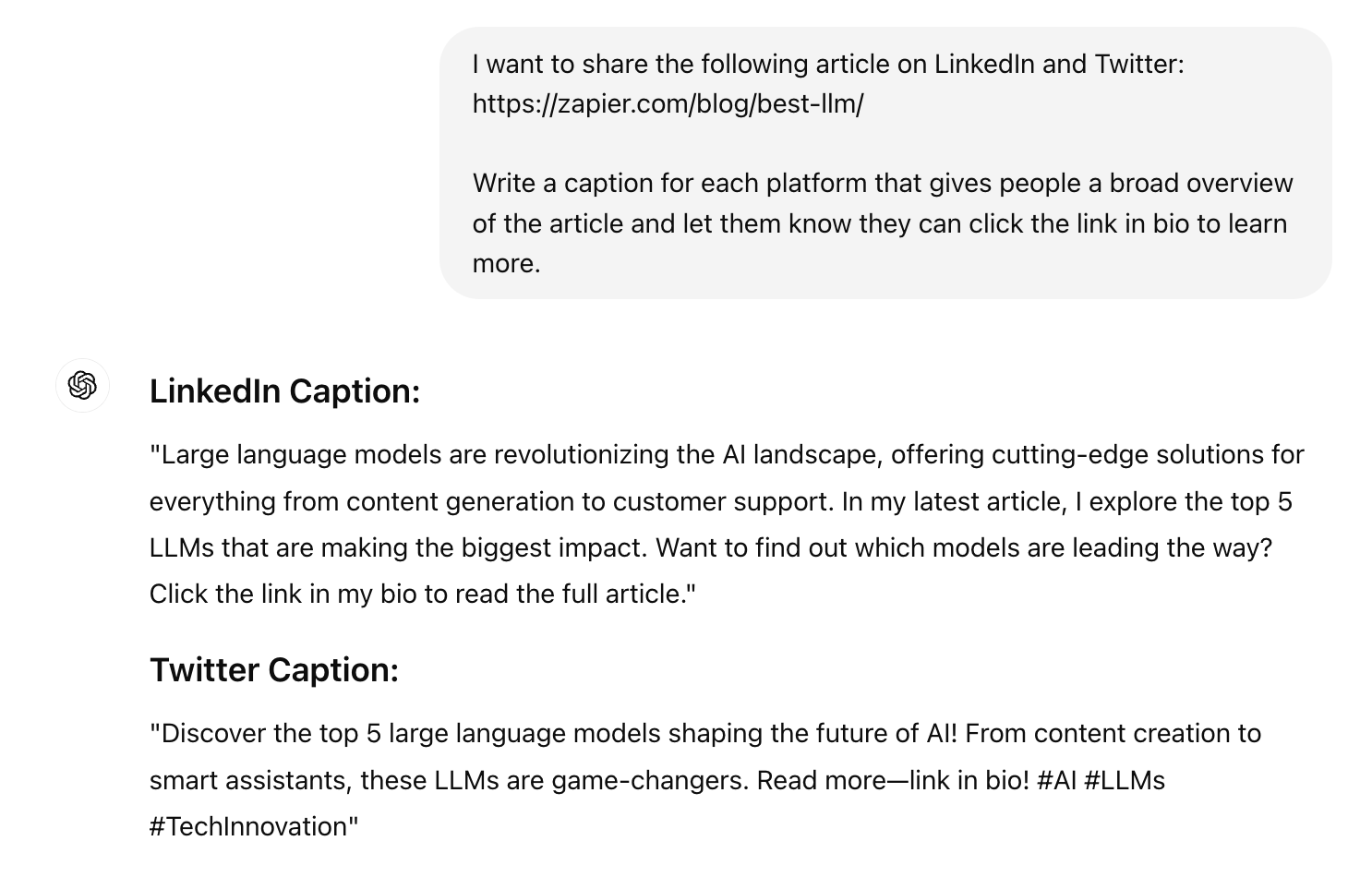
Image source: zapier.com
ChatGPT is best for digital marketers who need a versatile, general-purpose text assistant for brainstorming, outlining, and rapid initial drafting.
ChatGPT operates through a simple conversational interface, making it highly accessible for teams trying to cure "blank page syndrome." Marketers use it to generate blog outlines, summarize long transcripts into actionable meeting notes, or write basic email copy. It excels at adapting to specific conversational prompts, allowing human writers to iterate on ideas rapidly.
However, its simplicity is also its primary workflow bottleneck. Because it functions as an isolated chat interface, it does not connect directly to your team’s core project management or review systems. Marketers are forced into a manual routine of copying AI-generated text, switching windows, and pasting it into separate document apps for stakeholder approval.
Pros & Cons:
Pros:
- Highly versatile across nearly all text-based marketing tasks.
- Extremely fast response times for brainstorming and ideation.
- Low barrier to entry with an intuitive chat interface.
Cons:
- Output requires manual copying and pasting into other apps for team review.
- Lacks native collaborative features for multi-user editing.
Pricing:
Offers a robust Free plan that provides access to standard models. The Plus plan costs $20/month, providing priority access during peak times, faster response speeds, and advanced data analysis features.
2. Jasper AI
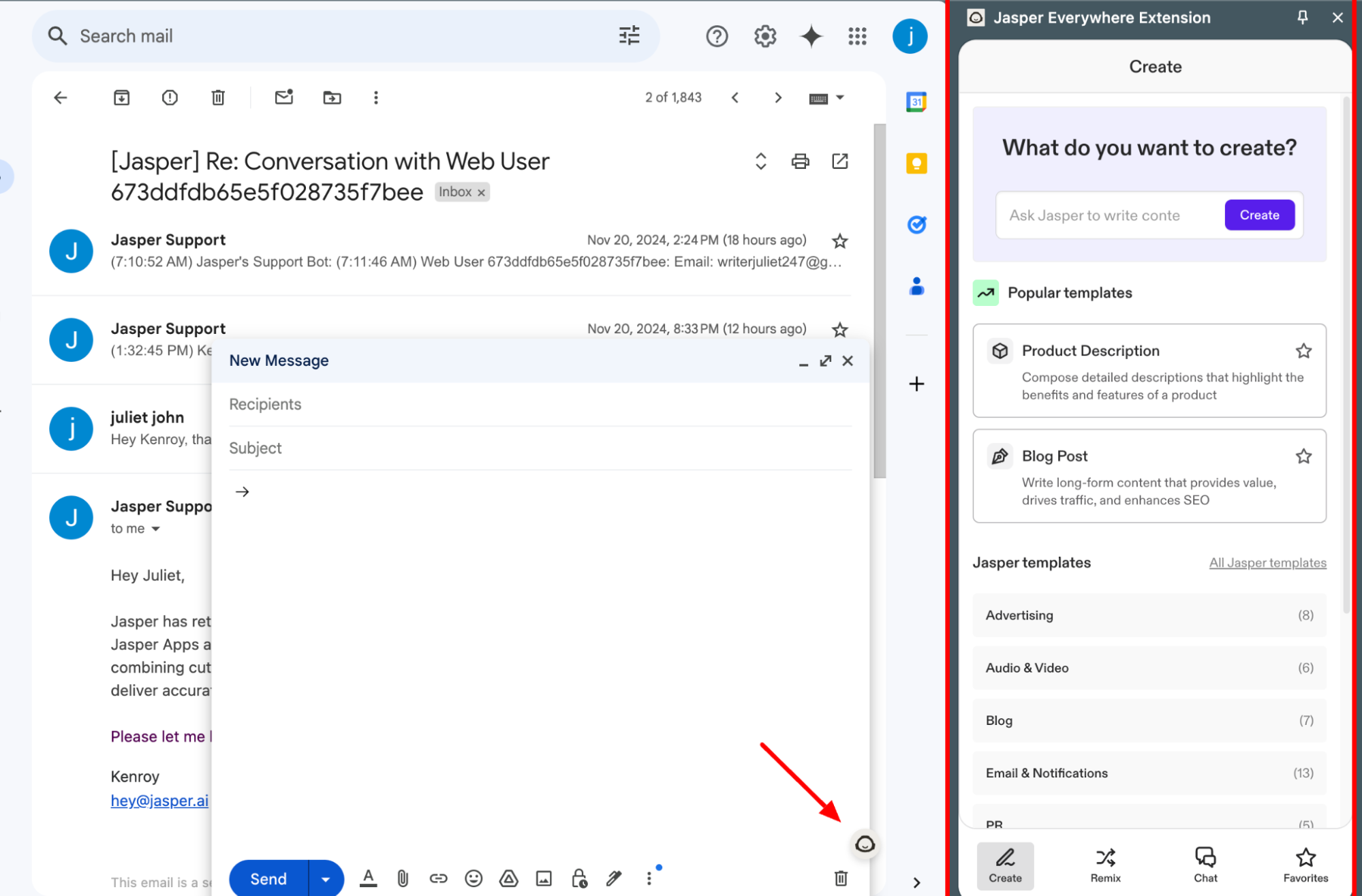
Image source: zapier.com
Jasper AI is best for dedicated content teams and marketing agencies looking for rigid, conversion-optimized copywriting templates.
Unlike general-purpose models, Jasper was built specifically for marketing professionals. The platform provides structured templates for high-converting Facebook ads, SEO-optimized blog posts, and engaging social media captions. It allows users to train the AI on their specific brand voice by uploading style guides, ensuring the output sounds less robotic and more aligned with corporate messaging.
The tool solves the problem of formatting by structuring content precisely how digital platforms require it. Yet, the friction arises during the approval process. If an agency copywriter generates a brilliant ad campaign in Jasper, the client or marketing manager still needs a separate platform to track the launch status, often resulting in messy email threads containing exported Jasper documents.
Pros & Cons:
Pros:
- Extensive library of marketing-specific content templates.
- Brand voice memory ensures stylistic consistency across campaigns.
- Integrates with tools like Grammarly and Surfer SEO.
Cons:
- Pricing is steep for casual users or small teams.
- Operates entirely outside your team's core communication channels.
Pricing:
Jasper does not offer a free forever plan, only a 7-day free trial. Paid plans start around $59/month/seat.
AI tools for SEO and analytics
3. Surfer SEO
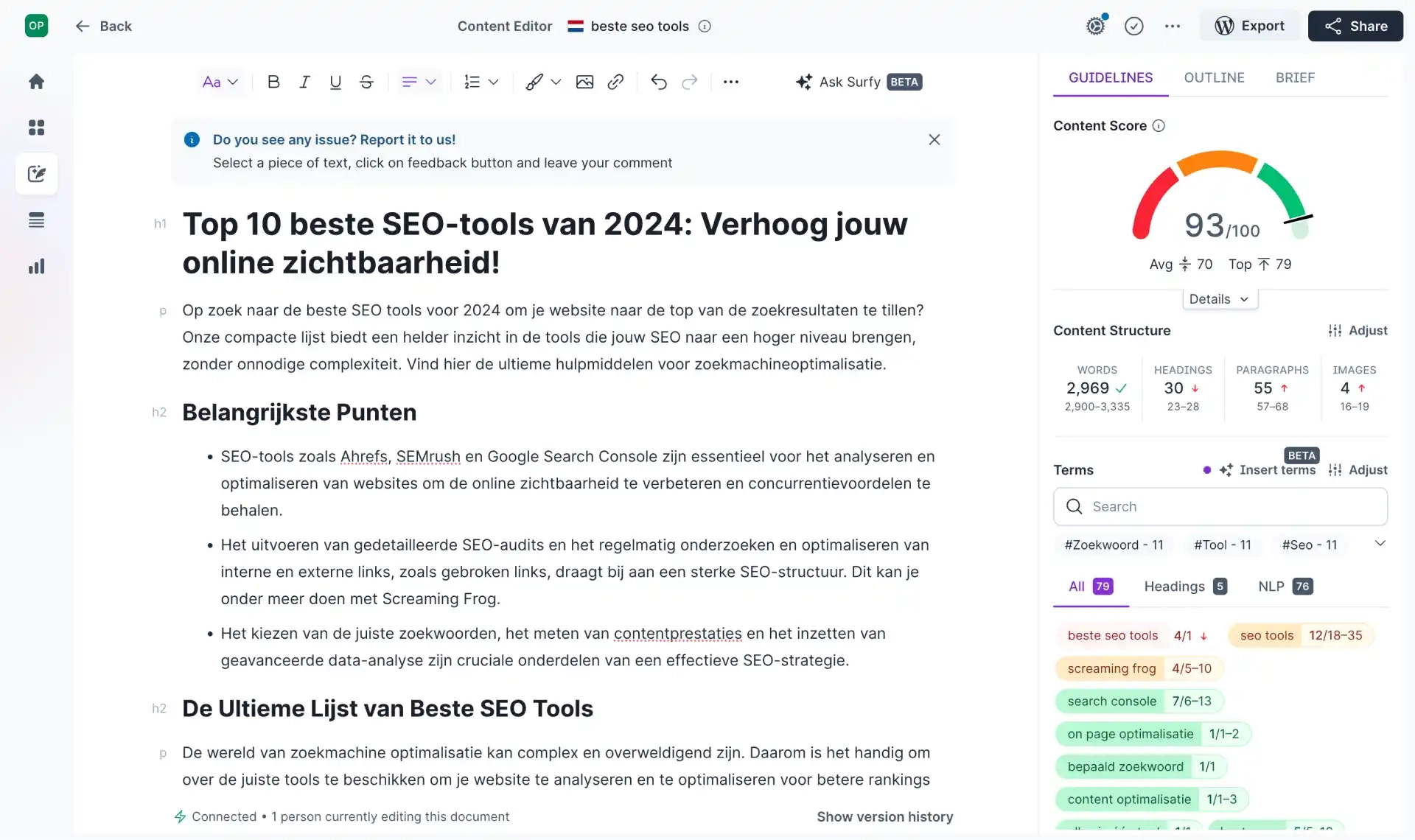
Image source: surferseo.com
Surfer SEO is best for content writers and SEO managers who need real-time, data-driven optimization recommendations while drafting articles.
Surfer analyzes the top-ranking pages on search engines for your target keyword and provides a precise, AI-driven blueprint for how to outrank them. Its core interface features a visual "content score" meter that adjusts in real time as writers type, offering recommendations on exact keyword density, ideal word count, and optimal header structures.
By removing the guesswork from on-page SEO, Surfer ensures that every piece of content published has a high probability of ranking. However, if followed blindly, the tool can sometimes encourage writers to prioritize algorithmic keyword checklists over readability, leading to unnatural phrasing.
Pros & Cons:
Pros:
- Provides clear, visual feedback via the content scoring system.
- Integrates directly with Google Docs and WordPress.
- High correlation between its recommendations and SERP improvements.
Cons:
- Can encourage keyword stuffing if writers lack editorial judgment.
- Pricing can be prohibitive for solo bloggers or small startups.
Pricing:
No free plan is available. Pricing starts at roughly $99/month (billed yearly).
4. Semrush
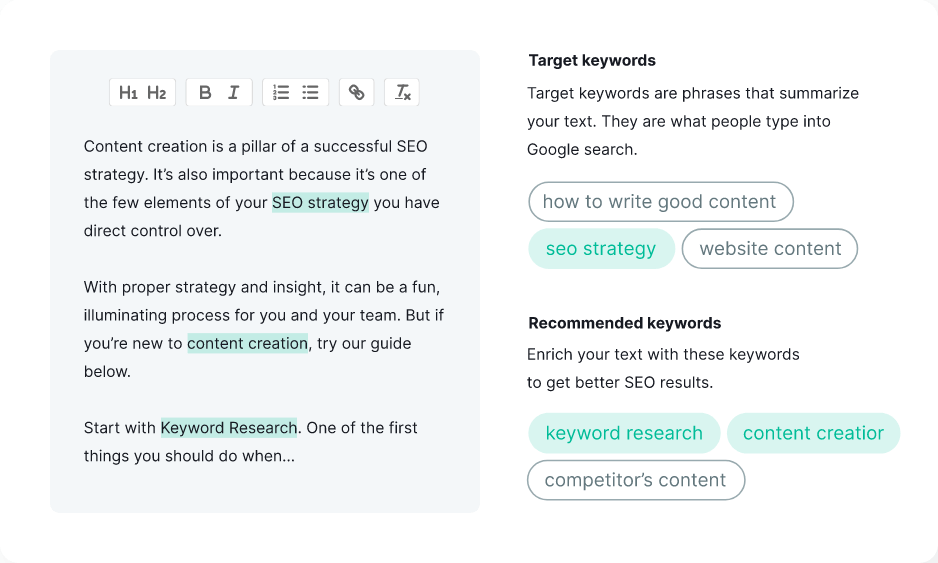
Image source: semrush.com
Semrush is best for comprehensive search marketing teams requiring deep keyword analytics, competitor tracking, and AI-assisted clustering.
Semrush is a massive SEO suite that utilizes machine learning to process billions of search queries. Its AI features excel at keyword clustering—grouping hundreds of related search terms into distinct, logical categories based on user intent. It also provides deep competitive analysis, allowing marketers to see exactly which keywords their competitors are bidding on or ranking for organically.
While it is an absolute powerhouse for data collection, deep SEO insights often get trapped within its complex dashboards. Sharing the strategic context behind these metrics with freelance writers or executive decision-makers usually requires downloading static CSV files, which immediately breaks the collaborative flow of a modern marketing team.
Pros & Cons:
Pros:
- Massive, highly accurate database of global search metrics.
- Excellent tools for tracking competitor performance and backlink profiles.
- Comprehensive toolkit covers SEO, PPC, and social media tracking.
Cons:
- Extremely high learning curve for users new to SEO.
- Data silos make it hard to share live insights with non-technical stakeholders.
Pricing:
Offers a highly restricted free account (limited to a few queries a day). The paid plans start at around $117/month, making it a significant investment for smaller teams.
AI tools for visual creation and email
5. Canva (Magic Studio)
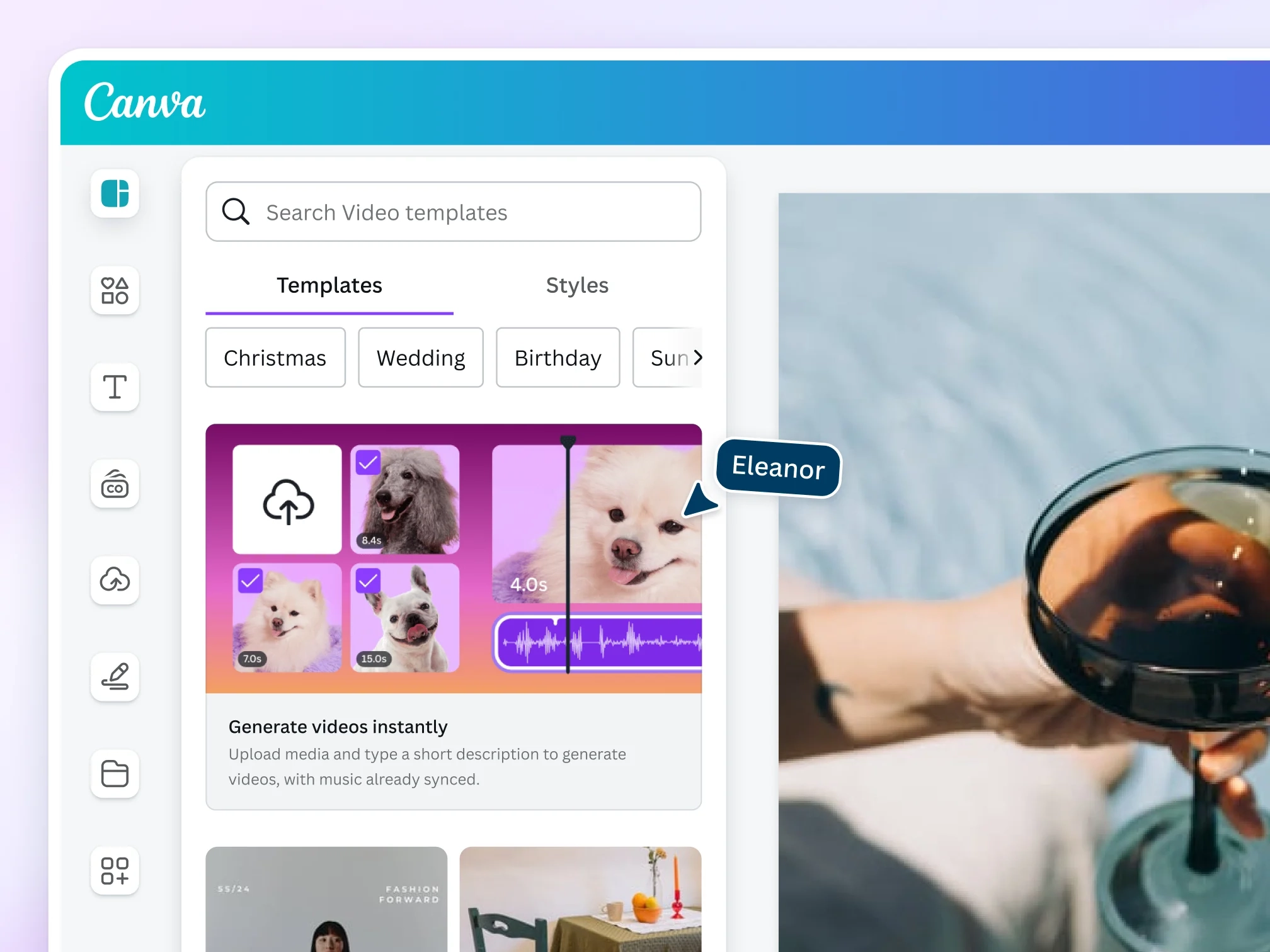
Image source: canva.com
Canva is best for social media managers and marketing generalists needing rapid, high-quality visual assets without a formal graphic design background.
Canva democratized visual marketing, and its integrated AI suite, Magic Studio, takes this a step further. Marketers can use text-to-image generators to create custom graphics, automatically resize a single image for ten different social media dimensions with one click, and isolate or remove backgrounds flawlessly.
This directly solves the common bottleneck of waiting days for an overbooked design team to deliver simple social media graphics. However, while it is exceptional for rapid production, enterprise design teams often find that Canva lacks the advanced vector manipulation required for highly complex, technical brand assets.
Pros & Cons:
Pros:
- Highly intuitive, drag-and-drop interface requires zero design training.
- Magic Resize drastically cuts down production time for multi-channel campaigns.
- Brand kit features ensure standardized fonts and colors across the team.
Cons:
- Lacks the advanced layering and vector tools of professional Adobe software.
- Heavy reliance on templates can make output look generic over time.
Pricing:
Offers an excellent Free plan with access to standard templates and basic tools, paid plans start around $18/month for one person (billed monthly).
6. Mailchimp

Image source: mailchimp.com
Mailchimp is best for email marketers and mid-sized businesses wanting predictive analytics and automated journey mapping integrated directly into their send pipelines.
Mailchimp leverages predictive machine learning to determine optimal email send times based on the historical open habits of individual subscribers. Its AI-powered customer journey builder allows marketers to map out complex, multi-step email sequences that react dynamically to how a user interacts with a website or previous emails.
The platform makes setting up behavioral triggers visually intuitive. A marketer can easily build a workflow that sends a discount code only to users who clicked a specific product link but failed to check out. The downside is that as a company’s email list grows, the cost of the software scales aggressively, often pricing out rapidly growing startups.
Pros & Cons:
Pros:
- Visual customer journey builder is highly intuitive and easy to map.
- Predictive send times measurably increase open rates.
- Massive library of native integrations with popular e-commerce platforms.
Cons:
- Pricing scales very aggressively as your subscriber count increases.
- Reporting dashboards can lack the granular depth required by advanced B2B operations.
Pricing:
Offers a free plan for 14 days, paid plans start around $20/month.
AI tools for conversational marketing
7. Drift
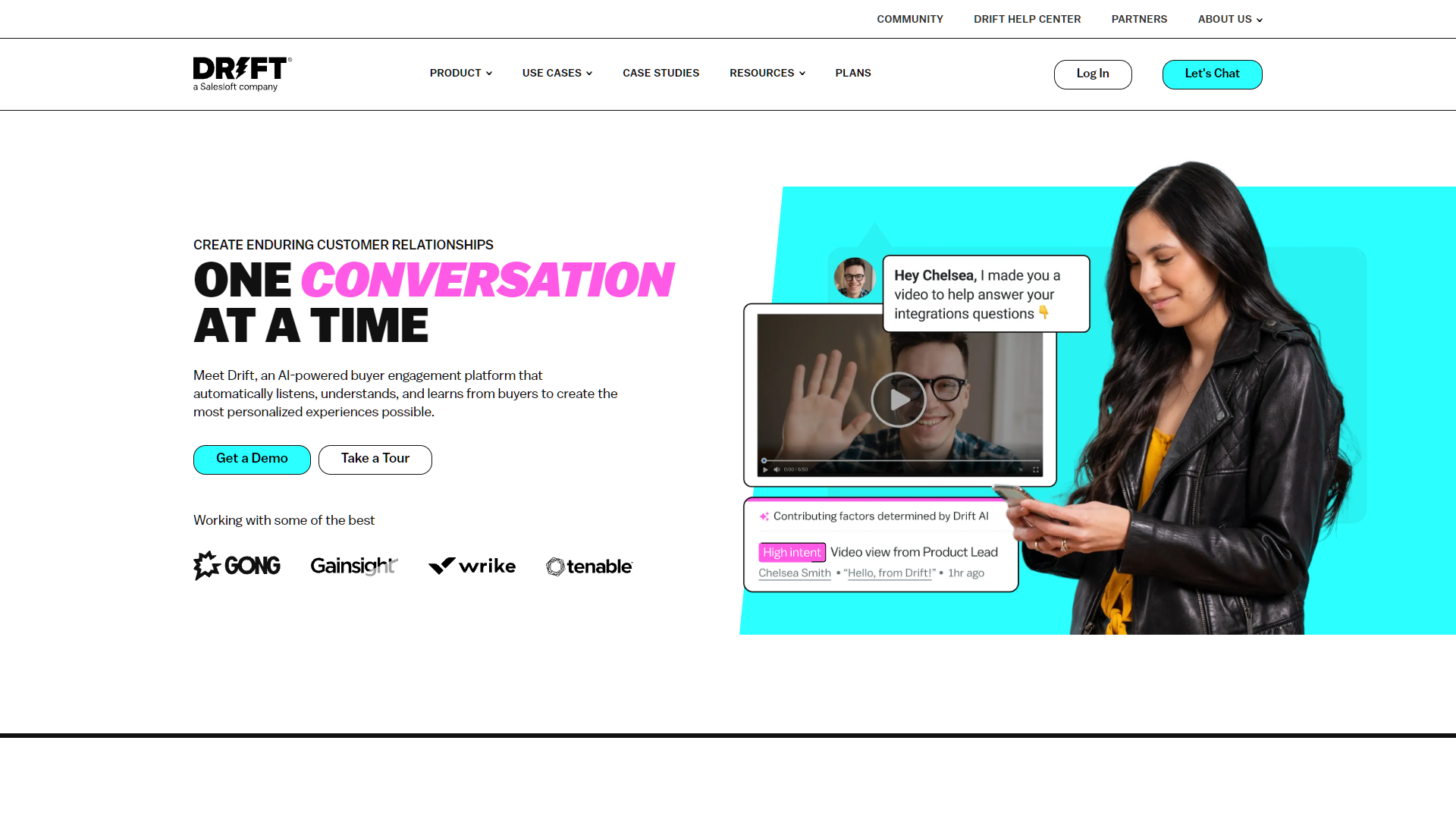
Image source: 10web.io
Drift is best for enterprise B2B sales and marketing teams aiming to capture and qualify high-intent website traffic in real time.
Drift focuses on revenue acceleration by deploying sophisticated AI-powered chatbots. Instead of forcing prospects to fill out static forms, Drift uses natural language processing to engage website visitors instantly. It qualifies inbound leads by asking strategic questions, categorized by intent, and can automatically schedule a meeting on a sales representative's calendar right from the chat window.
By automating the initial qualification process, marketing teams ensure that valuable leads do not bounce to a competitor while waiting for an email reply. However, setting up the complex routing rules and conversational playbooks requires significant technical mapping and administrative oversight.
Pros & Cons:
Pros:
- Exceptional at capturing high-intent leads that would normally bounce.
- Deep, native integrations with major CRMs like Salesforce.
- Highly customizable conversational routing rules.
Cons:
- Premium pricing makes it largely inaccessible for small to mid-sized businesses.
- Requires significant technical setup and continuous optimization to sound natural.
Pricing:
Drift does not offer a free plan. It utilizes custom enterprise pricing, which typically represents a premium investment tailored to large organizations.
The hidden cost of disconnected tech stacks
Individually, these seven applications execute their specialized functions exceptionally well. However, paying for and toggling between multiple single-purpose AI tools destroys productivity.
Software budgets inflate rapidly, and the marketing team loses all shared context. A campaign brief lives in one app, the AI draft lives in another, the team discussion happens in a third, and the launch is tracked in a fourth. This "app fatigue" is the single biggest barrier to AI success. The speed you gain by generating text quickly is entirely wasted if your team spends days navigating a disjointed approval bottleneck just to get that text published.
Stop context switching and centralize your team's marketing approvals
How Lark unifies your AI marketing workflow
The only way to overcome this operational bottleneck is to stop treating AI as a separate, isolated step in your process. To avoid the hidden tax of app fatigue, marketing teams need a single, centralized environment where AI generation, human collaboration, and final approvals happen in the exact same place.
This is where Lark serves as the antidote to the Frankenstein tech stack. Instead of forcing your team to jump between disconnected apps, natively combines , , , , , , , , and essential workflows into one unified workspace.
By consolidating these 11 essential tools, Lark ensures that AI outputs translate directly into team action .
Real-time collaboration on AI-generated content
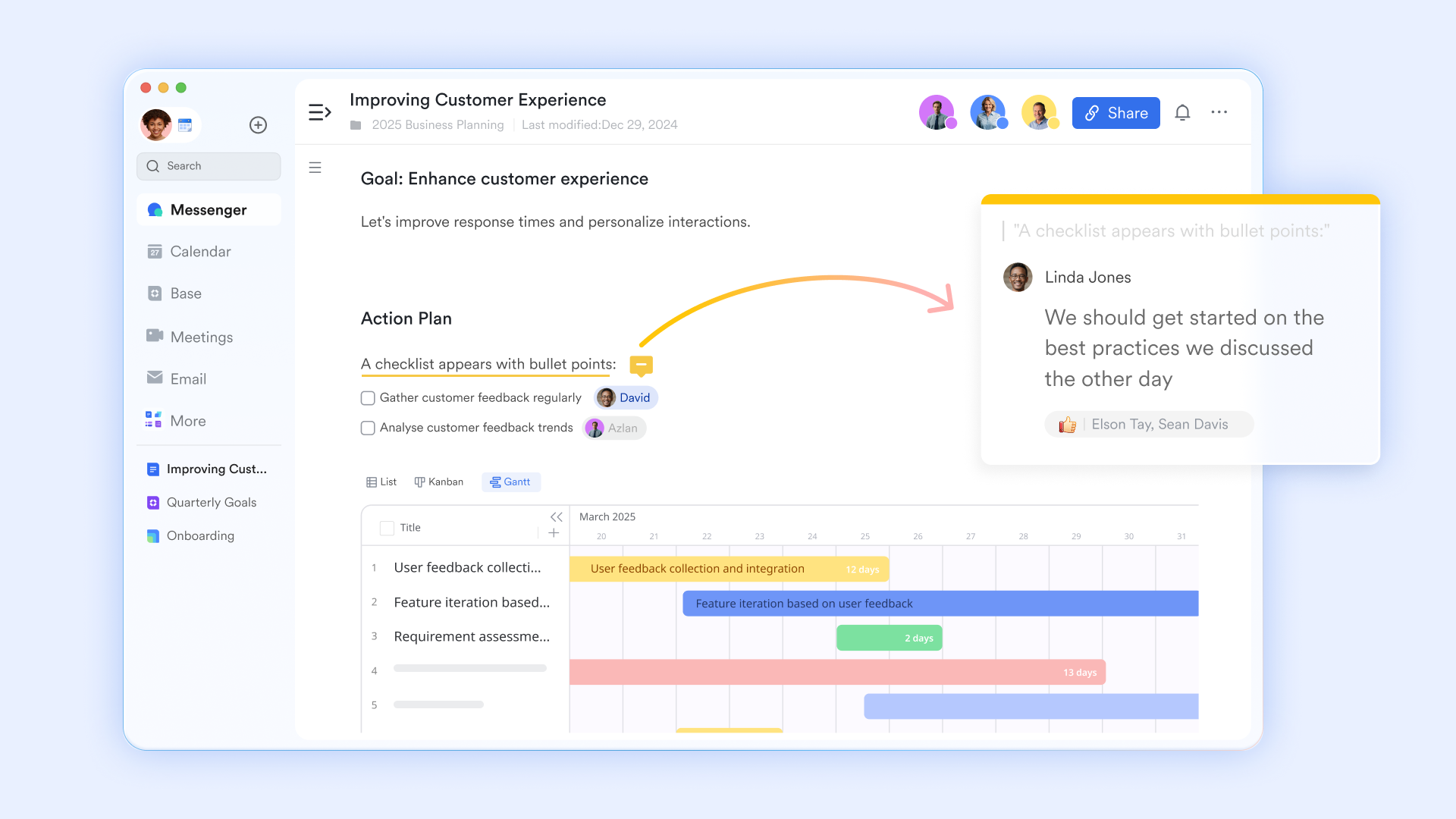
The handoff between AI drafting and human editing requires immediate communication. With , remote marketing teams can simultaneously. If an AI generator produces the first draft of a product launch blog, a marketer drops it directly into Docs.
From there, stakeholders leave inline comments in real time. If a specific product claim needs verification, the editor can simply @mention the Legal team directly within the document paragraph. The Legal representative receives a notification in their chat, clicks straight into the exact line of text, and approves it. All feedback remains strictly centralized.
Automating campaign approvals and handoffs
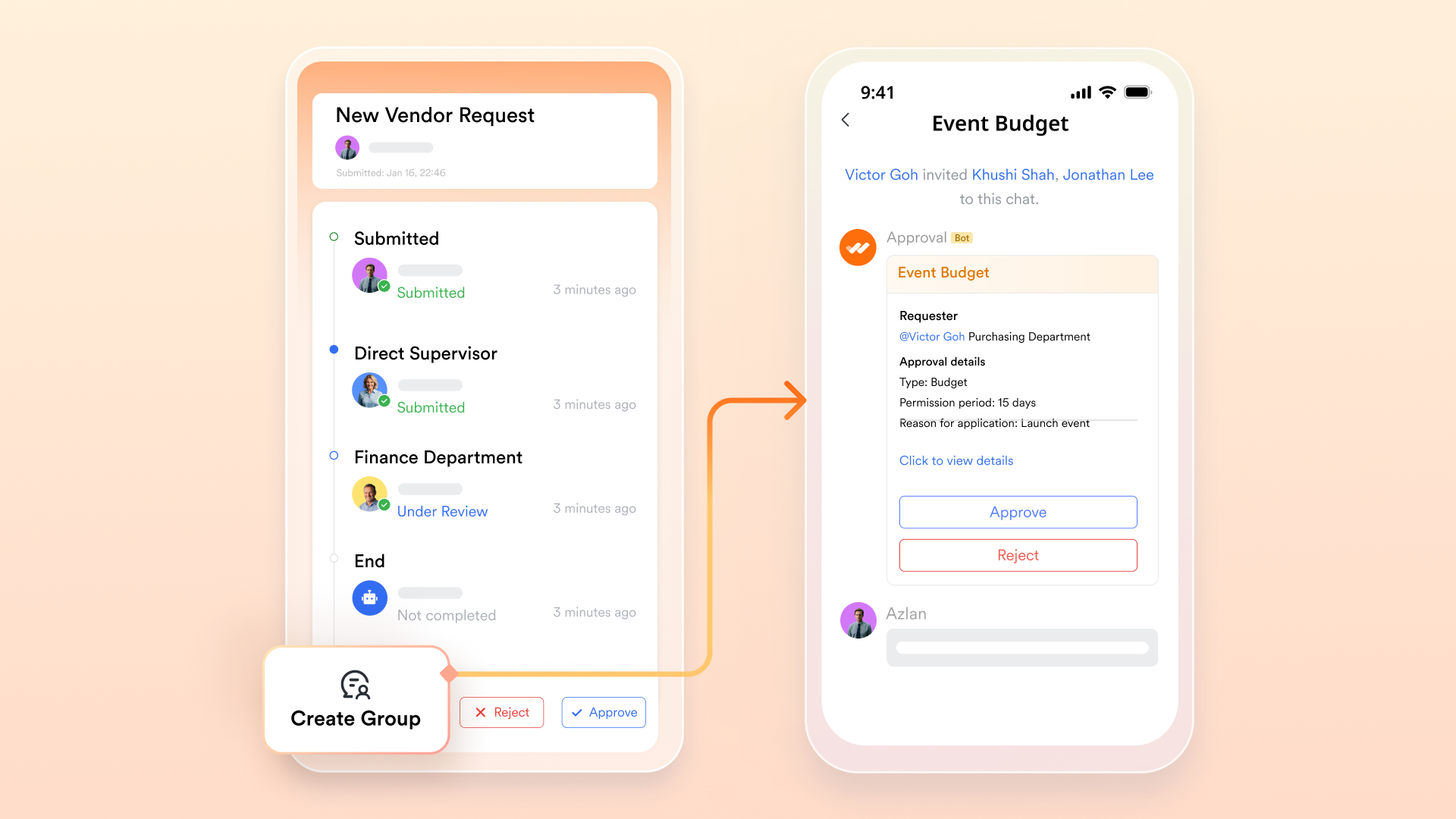
Manual follow-ups kill campaign momentum. addresses this through deep . Marketing managers can set up specific rules to route documents and requests automatically.
Consider a mini-scenario: A performance marketing lead finalizes the copy for a high-budget LinkedIn ad campaign. Instead of emailing the CMO and waiting three days for a reply, the lead clicks a button in Lark. The system automatically routes the AI-assisted campaign brief to the CMO via a chat card. The CMO can click "Approve" directly from the chat window on their phone. (Lark’s Pro plan supports up to 50,000 automation runs per month, easily scaling to handle massive, multi-channel enterprise approvals).
Aligning global teams with AI translations
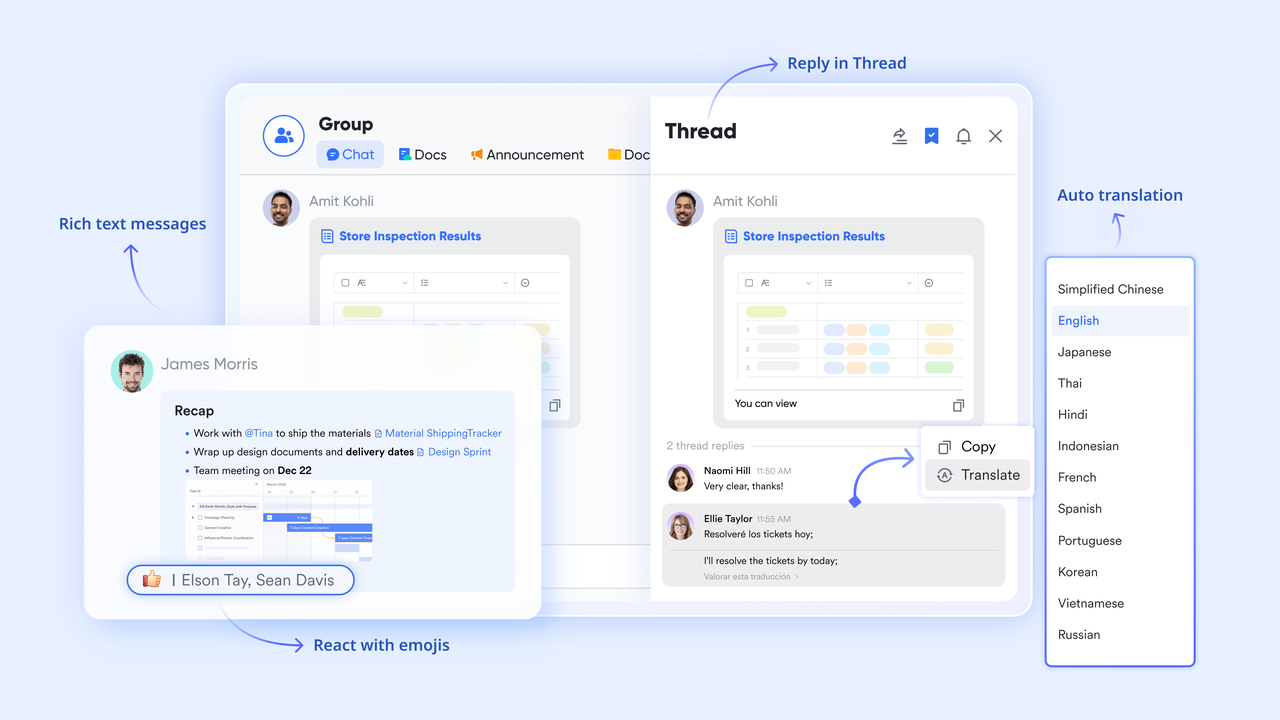
For distributed, , language barriers often slow down campaign localization. Lark removes this obstacle entirely through native AI translations embedded directly in chats and documents.
If a product marketing manager in the United States drafts a campaign strategy in English, a regional manager in Japan can open the same and instantly read it in Japanese. During a team chat, French, German, and English speakers can type in their native languages, and for each user in real time. This ensures global alignment without the need for external translation software.
Building a single source of truth with Lark Wiki
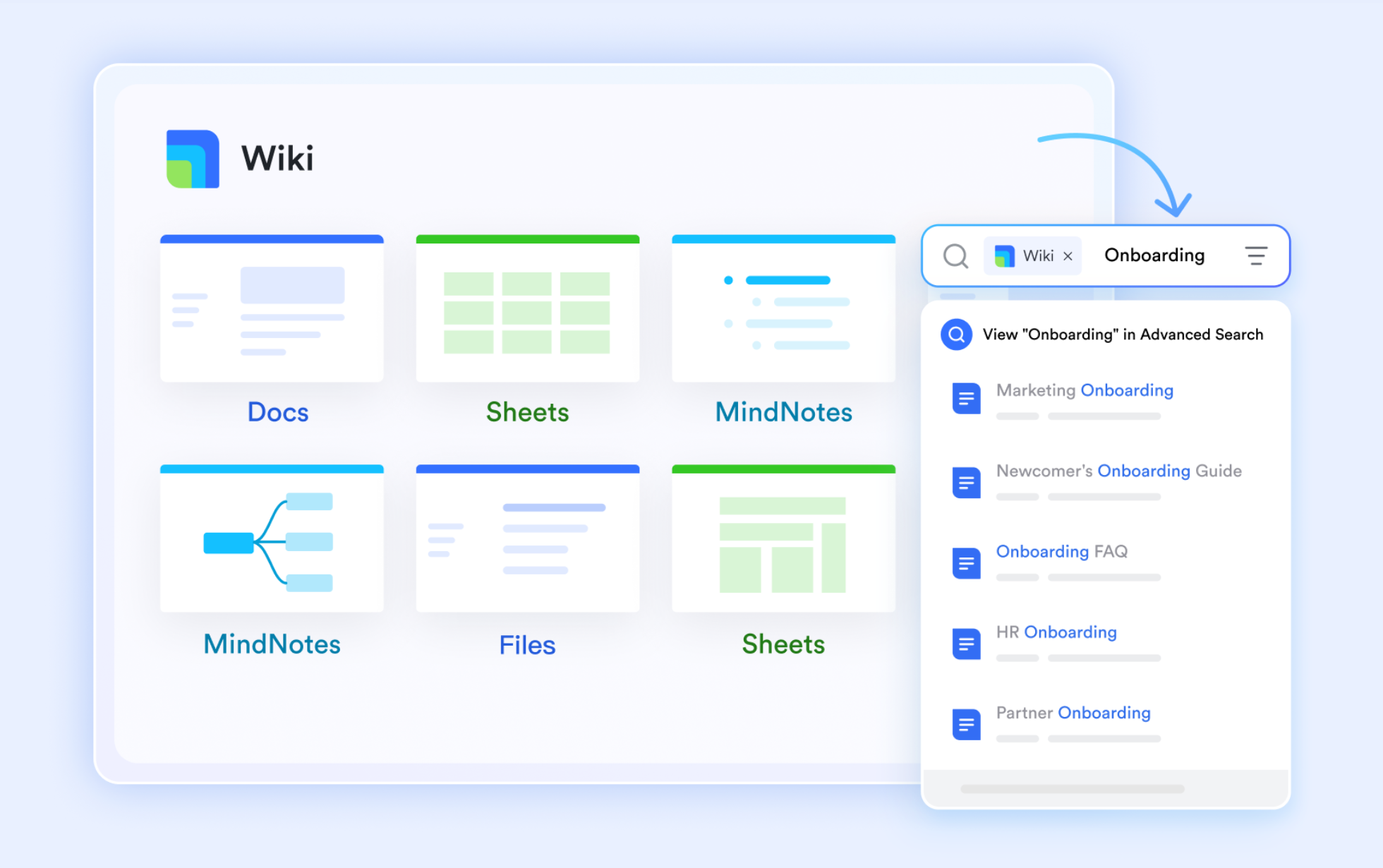
To prevent AI tools from generating off-brand or generic content, your team needs strict, shared guidelines. Lark Wiki allows marketing operations directors to build a central repository of knowledge.
Teams use to store target audience personas, brand voice rules, and a highly structured "Prompt Library." When a new social media manager joins the company, they do not have to guess how to prompt an AI tool; they simply pull the verified, standardized instructions from the Wiki. This guarantees that every team member, regardless of their location, generates content that aligns with the exact same corporate messaging.
Replacing a fragmented stack of expensive point solutions with Lark offers aggressive cost efficiency for growing B2B organizations.
- Starter plan: Free forever plan with 11 powerful tools for up to 20 users, 100GB storage, 1,000 automation runs, AI translations, and more. No credit card needed.
- Basic plan: $6/user/month (billed annually) for up to 500 users. Includes everything in Starter plus unlimited message history, 5TB storage, 1,000 automation runs, and more. Some users may need to to purchase.
- Pro plan: $12/user/month (billed annually) for up to 500 users. Includes everything in Basic plus group calling for up to 500 attendees, 15TB storage, 50,000 automation runs, and more.
- Enterprise plan: for custom pricing. Supports unlimited users and includes advanced automation, security, compliance, and management features.
For small teams with simple communication needs

18 months message history
1000 Base automation runs/month
2000 rows per table in Base
Most POPULAR
For companies with comprehensive collaboration and management needs
Unlimited message history
500-participant video meetings
50k Base automation runs/month
20k rows per table in Base
For large companies with advanced security and organizational management needs
Get a personalized demo and pricing
Unlimited message history
500-participant video meetings
15 TB storage + 30 GB storage/user
500k Base automation runs/month
50k Base automation runs/month
Most POPULAR
For companies with comprehensive collaboration and management needs
Unlimited message history
500-participant video meetings
50k Base automation runs/month
20k rows per table in Base
This consolidation model is heavily vetted by active users, with Lark maintaining a and a , proving its reliability as the core operating system for modern, AI-enabled teams.
How to execute AI in digital marketing step-by-step
Building a sustainable AI strategy requires moving away from isolated prompting tricks and toward a resilient operational model. If you want to deploy generative AI without creating chaos, follow this specific framework designed to fix the handoff failure between machine generation and human execution.
Step 1: Centralize your knowledge base.
Before your team generates a single word of copy, store your audience personas, brand guidelines, and product specs in a . AI needs context to produce quality work; ensure your team has one single source of truth to pull that context from.
Step 2: Draft in a collaborative workspace.
Ban the practice of emailing Word document attachments. When a marketer generates text, they must paste it into a cloud-native document where multiple stakeholders can edit, highlight, and revise the material simultaneously.
Step 3: Automate the approval pipeline.
Stop chasing managers for a sign-off. Set up system triggers that automatically ping the required directors in a chat group the moment an AI-generated draft moves from "Drafting" to "Ready for Review."
Step 4: Connect execution to your calendar and launch.
Once approved, tie the finalized asset directly to a . Everyone should have total visibility into what is launching, when it goes live, and who is responsible for the final upload.
Step 5: Document learnings and update your team's OKRs.
After the campaign concludes, analyze the results and record your findings in your central knowledge base. so the entire department sees how AI-assisted execution moved the needle on quarterly goals.
The future of AI in digital marketing
The conversation around AI is rapidly shifting. We are moving past the novelty of generating a blog post in ten seconds and entering an era of deep workflow integration.
In the near future, the most successful marketing departments will prioritize and sophisticated system automation over sheer creative volume. Industry leaders will demand closed-loop systems where AI algorithms safely without feeding that information back to public models.
The future is not just about better AI generation; it is about better coordination. Marketing teams that combine algorithmic speed with strong operational discipline, unified workspaces, and rigorous human review processes will easily outperform competitors who merely stack disconnected, single-purpose tools.
Conclusion
The most valuable role of AI in digital marketing is helping your team move from an initial idea to final execution with less friction. While algorithms bring incredible speed and scale, intentional workflow design determines the actual quality of your output. Marketers who rely on fragmented point solutions will always struggle with app fatigue. By consolidating your tech stack into a unified workspace like , you can effectively translate AI-assisted work into coordinated, high-impact action—keeping your team aligned, your budget intact, and your campaigns on schedule.
Turn AI marketing ideas into coordinated action today
FAQs
What is AI in digital marketing?
Artificial intelligence in digital marketing involves using machine learning and generative algorithms to automate tasks, analyze customer data, and create content. It helps teams predict consumer behavior, personalize advertising, and draft marketing assets at scale.
How to use AI in digital marketing effectively?
Effective usage requires embedding AI directly into your team's core workflow. Instead of using it as an isolated text generator, integrate it with your collaboration tools. Centralize your brand guidelines, co-edit AI drafts in shared cloud documents, and use automated approval pipelines to ensure human oversight.
What are the main pros and cons of AI in digital marketing?
The primary benefits include rapid asset production, advanced data pattern recognition, and highly personalized customer messaging. The main drawbacks include factual hallucinations, generic brand voices, and the severe operational friction—often called "app fatigue"—caused by managing too many disconnected software tools.
What are some common AI use cases in digital marketing?
Marketers frequently use AI for SEO keyword clustering, dynamic PPC ad rotation, predictive email send times, behavior-triggered lifecycle campaigns, and conversational chatbots that qualify inbound website leads in real time.
Can AI replace digital marketers?
No. AI acts as a powerful decision-support and drafting system, but it cannot replace human judgment. Marketing professionals are mandatory for writing strategic briefs, verifying factual claims, adapting cultural nuances, and providing final creative approval.
What AI tools do digital marketing teams actually need?
Teams need a unified workspace (like Lark) that handles chat, documents, and approvals to act as their operational foundation. While specific point solutions (like Semrush for SEO or Mailchimp for email) are valuable, they must be intentionally connected to your core communication platform to avoid creating a fragmented, inefficient tech stack.
Related reading