You might recognize this scenario: Your sales and marketing teams are operating in different worlds. Sales tracks leads in a spreadsheet that hasn't been updated in weeks. Meanwhile, marketing is sending emails to addresses that bounced months ago. Worst of all, your support agents are fielding complaints from VIP clients without knowing their status because that customer information is locked away in a system they cannot access. This is the chaos of the "messy desk" syndrome applied to digital infrastructure.
The solution to this chaos is not just buying a new tool; it is adopting a new mindset. It requires a strategic shift toward holistic customer database management. In this comprehensive guide, we will explore how to structure your data, how to secure it, and, most importantly, how to make it actionable. Whether you are an operations manager trying to streamline workflows or a business leader looking for a single source of truth, mastering customer database management is the key to unlocking the next stage of your growth.
What is customer database management?
At its core, is the systematic process of collecting, organizing, securing, and updating customer data to maintain a high-quality, accurate record of your business relationships. It is the discipline that ensures the information you have about your clients is usable, accessible, and safe.
Many professionals confuse this concept with . While the two are deeply intertwined, they are not identical. A CRM is often a specific software used to manage customer relationships. In contrast, customer database management is the overarching strategy and set of practices that govern how that tool operates. You can have an expensive CRM subscription, but without proper , it will simply become a costly graveyard for bad data.
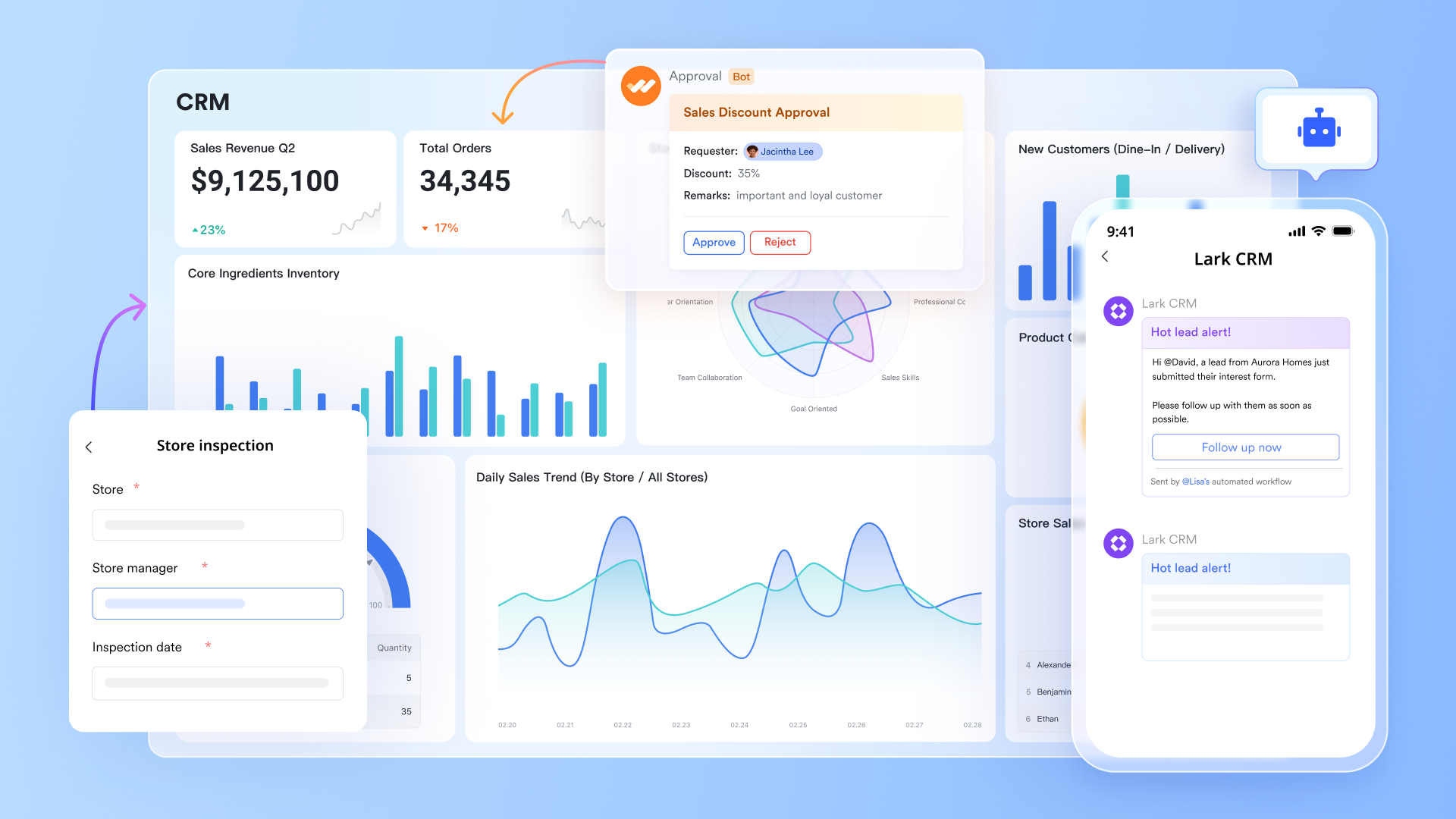
The scope of this discipline covers the entire lifecycle of a data point. It begins the moment a prospect interacts with your brand—perhaps by visiting your website or handing over a business card. It continues as that prospect becomes a customer, generating transaction logs and customer interactions. Finally, it covers the archiving or deletion of that data to comply with privacy regulations.
Effective customer database management transforms raw data into intelligence. It involves deduplicating records so you don't annoy customers with repeat messages. It involves enriching profiles so you know not just who a customer is, but what they need. Ultimately, the goal is to build a reliable foundation that allows every department in your company to operate with confidence.
Eliminate messy spreadsheets with unified real-time data
The anatomy of a modern customer ecosystem
To master customer database management, you first need to understand exactly what you are managing. Not all data is created equal, and different types of information require different handling methods within your system. Generally, client data falls into specific categories that you must identify.
Understanding data types
The first category is demographic data. This is the "who" of your database: names, titles, ages, and locations. It also includes basic like email addresses and phone numbers. This is the foundational layer of any client database. Without accurate demographics, you cannot segment your audience.
Next is behavioral data. This tracks what a customer does. It includes purchase history, website visits, and email open rates. This data is crucial for understanding customer behavior and predicting future needs. When you combine demographics with behavior, you get a multidimensional view of the person behind the screen.
Sources of truth
We also classify data by its source. First party data is information you collect directly from your audience based on their behavior across your own channels. Because you own the data collection source, this is often the most accurate and compliant data you can hold.
In contrast, third party data is aggregated by outside sources that do not have a direct . While historically popular, reliance on third-party sources is declining due to privacy concerns. Modern customer databases prioritize organic data growth over purchased lists.
Finally, there is zero-party data. This is information the customer intentionally shares, such as customer preferences regarding product sizes or communication frequency. This data is highly valuable because it comes directly from the source and indicates high intent.
Why proper customer database management matters now
In the past, a simple Rolodex or a shared Excel file was sufficient for doing business. Today, the speed of commerce and the complexity of digital interactions make those manual methods obsolete. Investing in professional database management is no longer a luxury; it is a survival mechanism for modern teams to boost overall business performance.
Creating a single source of truth
One of the most critical functions of a managed database is to establish a "Single Source of Truth." Without this, your business suffers from fractured reality. believes a client is active, while the finance team knows they churned three months ago. This misalignment leads to poor decision-making and internal conflict.
A centralized system ensures that when sales and teams look up a client, they see the same data. They see the latest emails, the current deal stage, and the most recent support ticket status. This synchronization eliminates the need for "sync meetings" just to figure out what is going on with an account.
Improving the customer journey
Customers today expect you to know them. There is nothing more frustrating for a client than having to repeat their problem to three different agents because the support team cannot see the notes from the sales team. Good data management solves this friction and smooths the customer journey.
When your is clean and accessible, you can deliver hyper-personalized experiences. You can recommend products based on past purchases or send support guides based on recent behavior. These small details, powered by accurate data, build lasting customer loyalty.
Data compliance and security
We are operating in a strict regulatory environment. If your is scattered across random spreadsheets on employee laptops, you are a compliance nightmare waiting to happen. You must prioritize data security.
Professional management provides the architecture for security. It allows you to implement access controls and audit logs. If a customer exercises their "right to be forgotten," allows you to delete their data instantly. This capability protects your business from massive fines and reputational damage associated with a data breach.
Centralize scattered customer data in one hub
Top challenges facing customer database managers
Despite the clear benefits, managing customer data is difficult. It requires constant vigilance. Even the most sophisticated companies struggle with common pitfalls that can degrade the value of their information assets over time.
The problem of data silos
Data silos occur when different departments use different software that doesn't talk to each other. Marketing uses an email tool, Sales uses a CRM, and Operations uses a board. Each system holds a piece of the puzzle, but no one sees the full picture.
To avoid data silos, you need an integrated strategy. Silos force employees to manually copy-paste data between systems, which inevitably leads to errors. Breaking down these silos is the primary objective of modern management. The goal is to connect these islands of information into a cohesive continent.
Data decay and hygiene
Customer data is a perishable asset. People change jobs, companies go bankrupt, email addresses are abandoned, and phone numbers change. Data maintenance is not a one-time task; it is an ongoing requirement. If you aren't actively cleaning your database, a significant portion becomes useless every year.
"Dirty data" costs money. It leads to wasted marketing efforts, bounced emails that damage your sender reputation, and sales reps wasting hours calling dead numbers. A managed database requires automated hygiene processes to ensure data quality remains high.
The "static data" trap
This is a challenge that is often overlooked. Many companies treat their database as a library—a place where information sits quietly on a shelf. This is the "static data" trap. To gain valuable insights, your database shouldn't be a storage locker; it should be a command center.
The challenge is transforming static records into dynamic triggers. When a VIP customer's usage drops, does your database sit there, or does it alert an account manager? Moving from passive data storage to active management is the frontier of competitive advantage. Moving from storage to action: The operational approach
To escape the static data trap, we need to rethink how our tools interact with our daily work. This is where the concept of "Operational Customer Database Management" comes into play. It bridges the gap between simply looking to store data and actually using it to get work done.
Integrating communication with data
In traditional setups, happens in one place (email, Slack, Teams) and data lives in another. When a team member wants to discuss a client, they take a screenshot of the data and paste it into the chat. This severs the context.
A modern approach integrates communication directly with the database. Imagine being able to share a live database record directly into a chat window. The team can discuss the account, and any updates made to the record during the chat are saved instantly. This allows you to track customer interactions in real-time alongside the conversation.
Automating routine workflows
Your database should be your hardest-working employee. Through , you can offload repetitive administrative tasks involving data entry. This ensures that management doesn't become a burden on your staff.
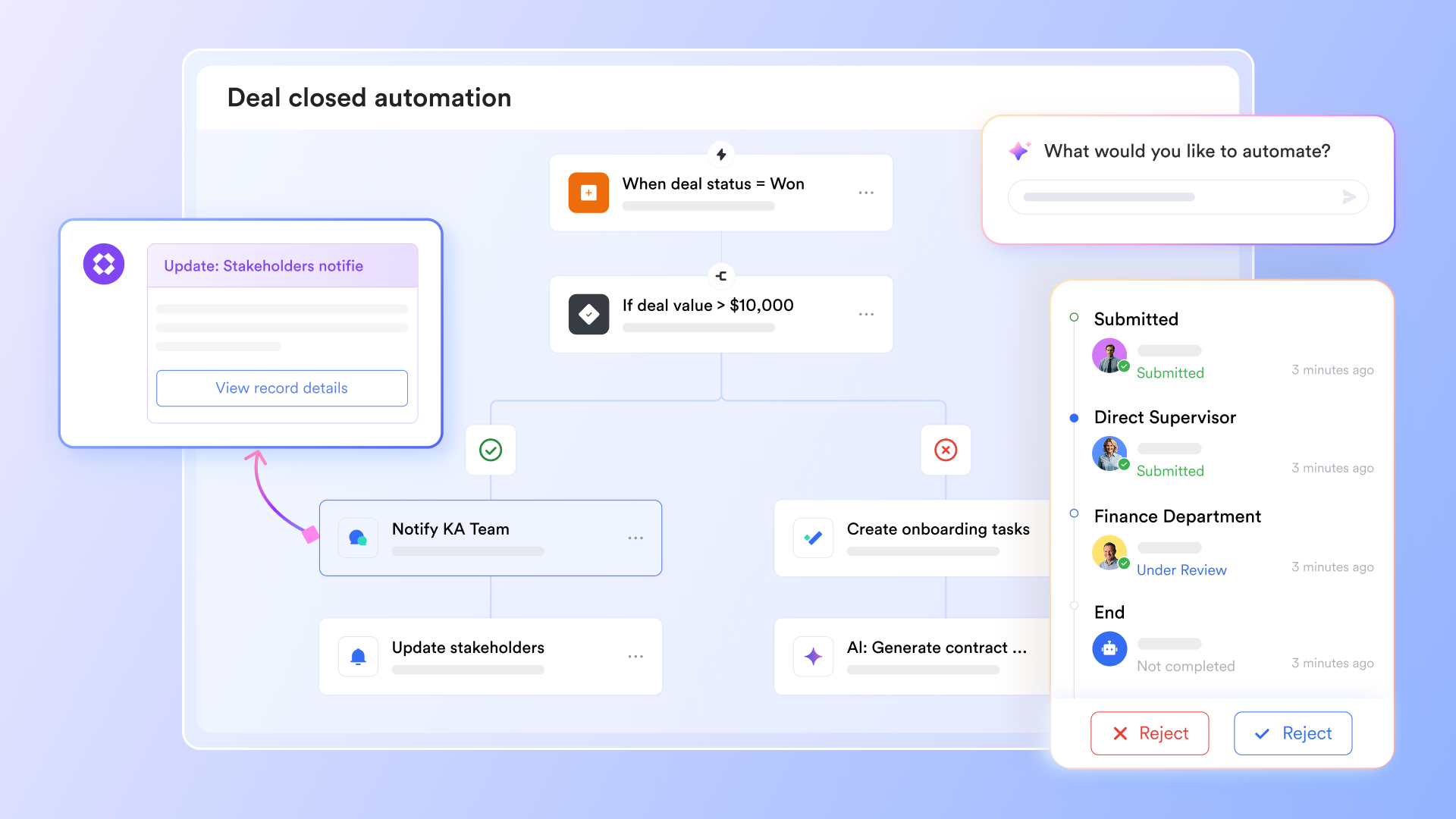
For example, you can set up rules where if a "Status" field changes, the system automatically notifies the sales management team. This turns a simple data update into a coordinated team response without any manual intervention, enabling businesses to move faster.
Escape data trap with all-in-one solutions
How all-in-one tools transform your customer database management experience
Lark offers a unique perspective on this challenge. Rather than being just another niche database tool, Lark provides where your database lives alongside your chat, calendar, and documents. This ecosystem approach solves the fragmentation problem at its root.
Unified workplace for sales and marketing
With , you can build a powerful, customized customer database that serves as your single source of truth. But the magic happens in the connections. You can reference a Base record inside Lark Docs where you are writing a marketing strategy.
This means your data follows you across your workflow. and teams can collaborate on the same data set without switching tabs. It helps you manage customer relationships with full context, as every conversation is linked to the relevant data.
Visualizing the sales process
Different brains process data differently. An accountant might prefer a grid view, while a sales manager wants a to visualize the sales process. Lark Base allows you to toggle between these views instantly using the same underlying data.
Besides, Lark Base offers clear and dynamic dashboards to support data analysis. This visualization capability is crucial because it helps you spot trends. You can see if targeted marketing campaigns are generating leads that actually progress through the pipeline. It provides actionable insights at a glance. 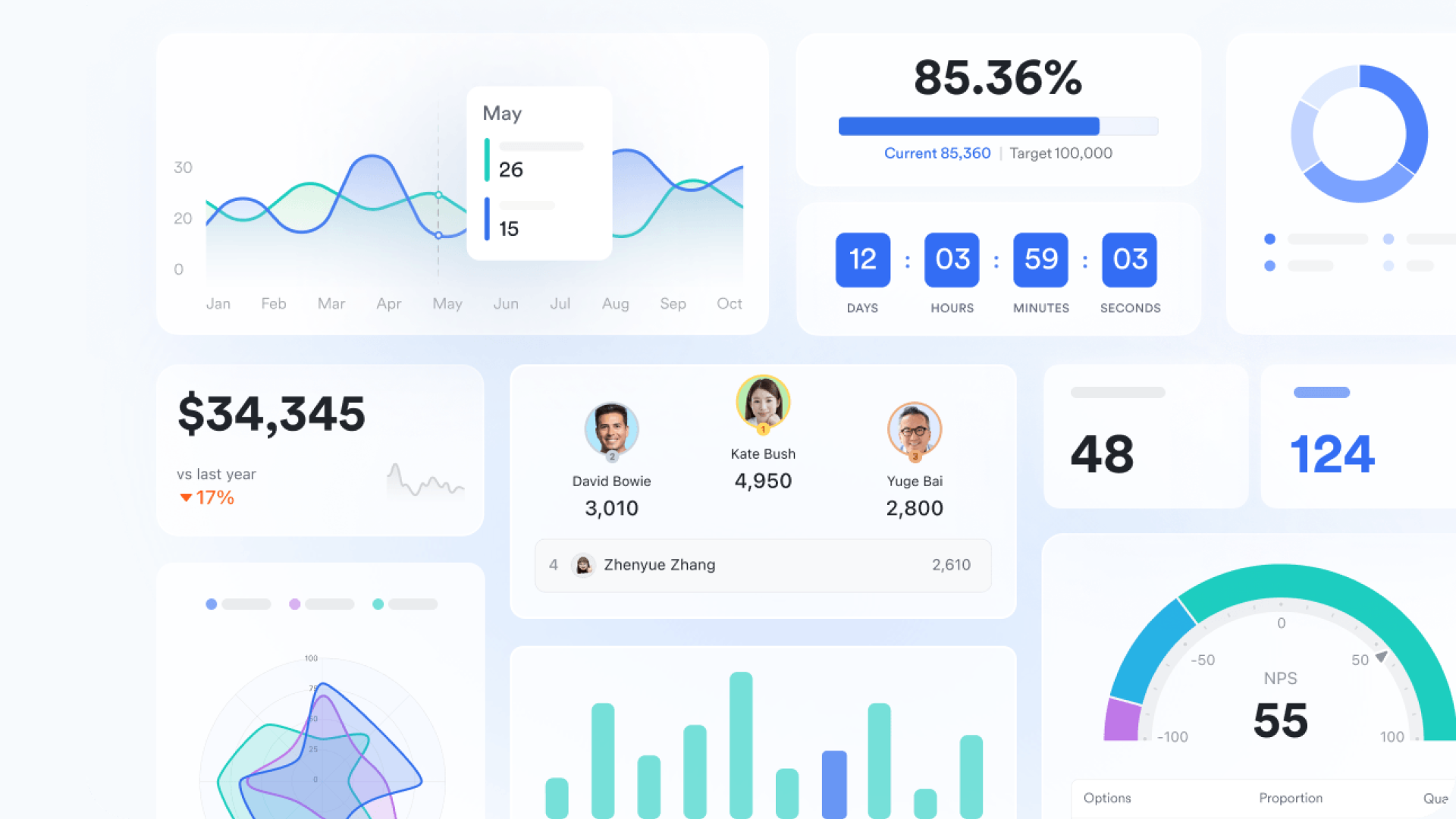
Automated workflow
With Lark, you can create that streamline your data management processes. By setting up automation between different components of your workspace, you remove bottlenecks and reduce the manual effort involved in tracking customer interactions and follow-ups. This means less time spent on administrative tasks and more time focusing on strategic initiatives.
AI-enhanced data entry
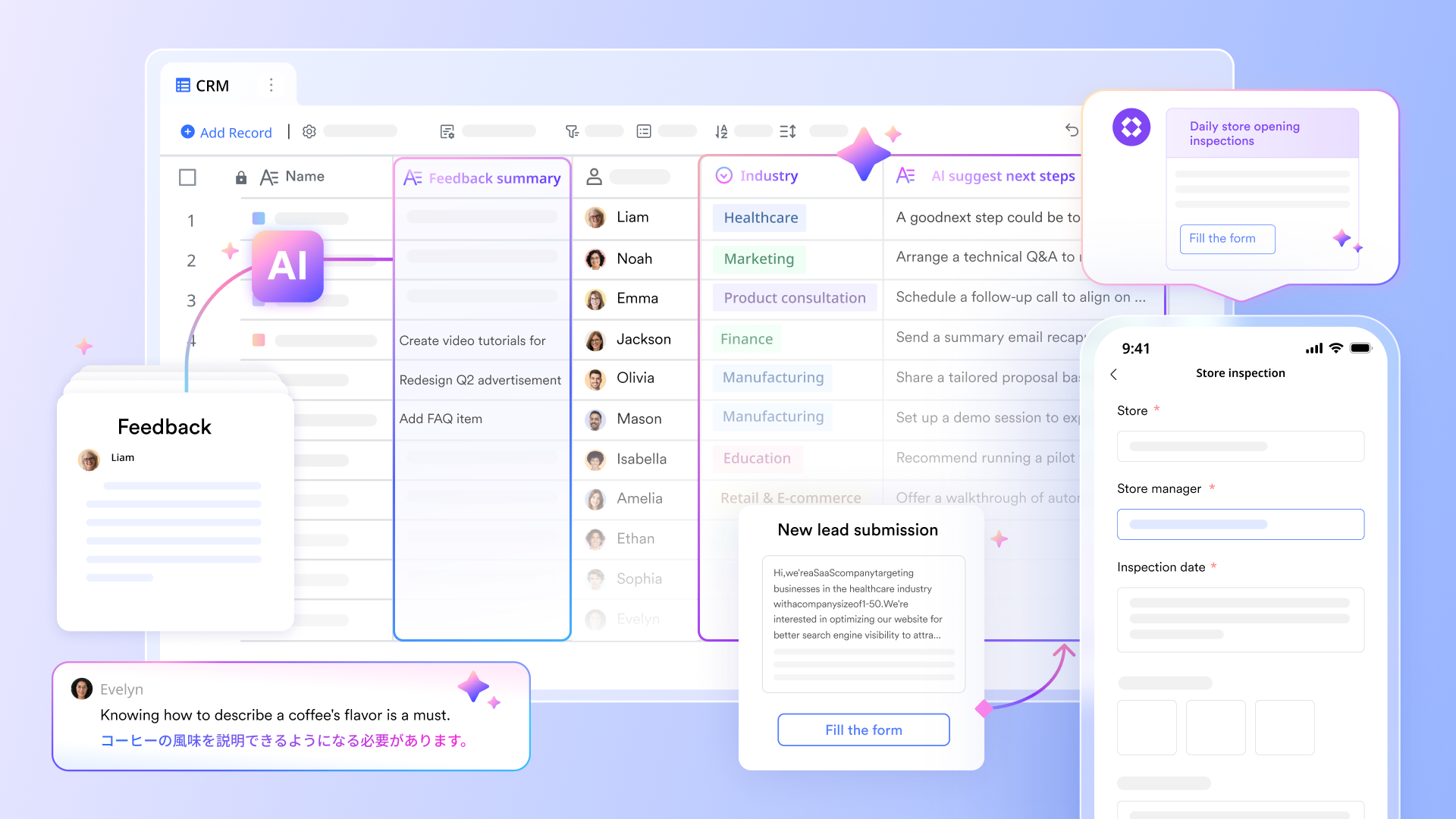
Lark is also pioneering the use of AI to reduce the manual burden of management. With features that can and extract action items, you can ensure that vital qualitative data is captured. Additionally, Lark's AI capabilities can assist in tagging data automatically based on context, making it easier to categorize and retrieve information later. This ensures that valuable data from verbal conversations is stored structurally. It isn't complex; it is just that simple to keep your records updated when the tool does the heavy lifting for you.
Streamlined communication
Lark also fosters streamlined across teams. By unifying chat, documents, and databases all in one platform, you can easily share insights and updates. Team members can @mention stakeholders directly and discuss specific Base records, ensuring that everyone involved has immediate access to the latest information. This keeps discussions focused and relevant, driving productivity and collaboration.
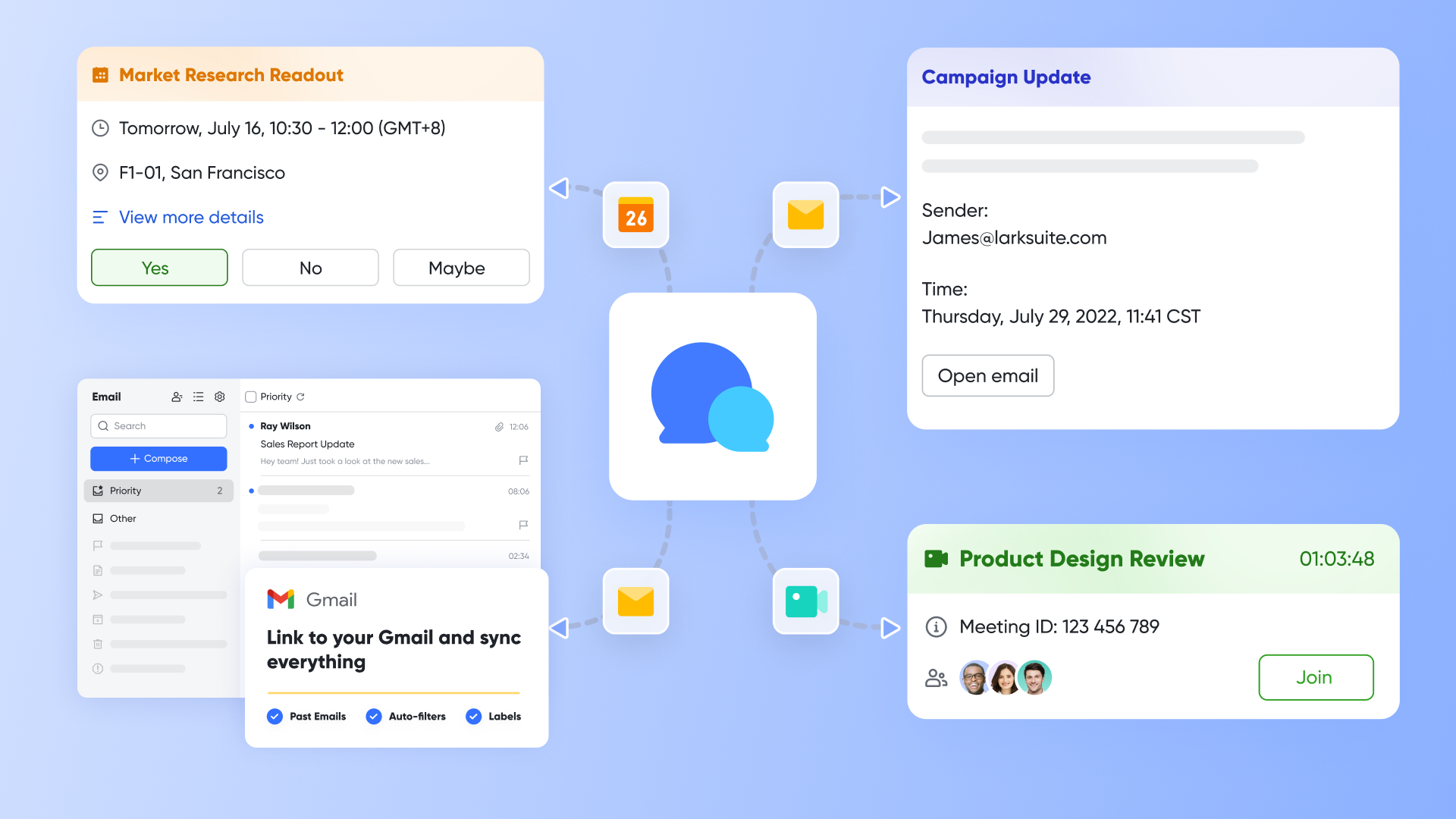
Additionally, Lark combines , , , and into a cohesive ecosystem, further enhancing team collaboration. When all communication channels are interconnected, your team can work more efficiently, respond quickly to changes, and maintain alignment on project goals, creating a more agile and responsive work environment.
🌟 Learn more about :
As an all-in-one solution, Lark includes all these features below in every plan:

- Free plan: Includes 11 powerful products, supporting up to 20 users, 100 GB storage, 1,000 automation runs and unlimited AI translation in chats, docs and email.
- Pro plan: $12/user/month, supporting up to 500 users. Includes unlimited message history, 50,000 automated Base workflow executions per month.
For small teams with simple communication needs

18 months message history
1000 Base automation runs/month
2000 rows per table in Base
Most POPULAR
For companies with comprehensive collaboration and management needs
Unlimited message history
500-participant video meetings
50k Base automation runs/month
20k rows per table in Base
For large companies with advanced security and organizational management needs
Get a personalized demo and pricing
Unlimited message history
500-participant video meetings
15 TB storage + 30 GB storage/user
500k Base automation runs/month
50k Base automation runs/month
Most POPULAR
For companies with comprehensive collaboration and management needs
Unlimited message history
500-participant video meetings
50k Base automation runs/month
20k rows per table in Base
Best practices for maintaining a healthy database
Once your system is built, the work shifts to maintenance. A database is like a garden; it requires regular weeding and watering to thrive.
Regular data audits
Schedule a quarterly "Data Cleaning Day" using Lark's built-in task management features. Run reports to identify records with missing fields or duplicate entries. You can also utilize Lark's to communicate with your team, ensuring everyone is on the same page during the review process. Archive records that haven't been active in over two years. Keeping your database lean improves performance and makes it easier to analyze data. Standardizing inputs for better analysis
One of the biggest causes of messy data is free-text fields. If you let users type in the "Industry" field, you will end up with "Tech," "Technology," and "Software," all meaning the same thing. This inconsistency complicates data analysis. To avoid this, implement standardized inputs through drop-down menus in . This ensures that when you want to run targeting a specific sector, you capture 100% of the relevant records without any variations.
Continuous team training
Your database is only as good as the people using it. Invest time in training your team not just on how to use the software, but why it matters. Use to provide continuous support on best practices for , emphasizing the importance of accurate data. Highlight how proper data usage improves workflows and ultimately drives better commissions. When the team understands the downstream impact of bad data, they become partners in maintaining data privacy and quality.
By employing these practices and leveraging Lark's features, you can enhance the integrity of your database and empower your team to maintain high data quality.
Discuss customer records directly inside team chat
Conclusion
Customer database management is the unsung hero of business growth. It doesn't always get the glory that a flashy ad campaign receives, but it is the foundation that makes those campaigns possible. It is the bedrock of customer retention and operational efficiency.
The future of work belongs to those who can organize their information and act on it quickly. Don't let your data become a burden that slows you down. Take control of your infrastructure, break down the silos, and build a view of your customer that is clear, accurate, and actionable. This is the path to making informed business decisions and securing the future of your company.
Ready to build a customer database that works as hard as you do? Try today and experience the power of centralizing your customer data in one seamless, collaborative workspace.
FAQs
What is a customer database management system?
A customer database management system is a technology framework used to collect, store, organize, and analyze customer data securely. It goes beyond simple storage by ensuring data hygiene, preventing silos, and making information accessible to authorized teams. This system acts as your business's central "source of truth," transforming raw contact details and behavioral logs into actionable insights for decision-making.
What are the 4 types of database management?
The four traditional types of database management systems (DBMS) are Hierarchical, Network, Relational, and Object-Oriented. In the context of customer data, Relational Databases (RDBMS) are the most common, as they organize data into tables with clear links. However, modern teams also utilize NoSQL databases to handle unstructured data, such as social media feeds or complex customer documents.
What is CRM and its examples?
CRM (Customer Relationship Management) refers to software designed to manage a company's interactions with current and potential customers. It streamlines sales pipelines, tracks communication history, and improves retention. Common industry examples include Salesforce and HubSpot. Additionally, flexible platforms like Lark Base are increasingly used to build custom CRM solutions that integrate directly with team chat and project workflows.
What do you mean by customer data management?
Customer Data Management (CDM) is the holistic process of acquiring, organizing, validating, and storing information about your clients. Unlike CRM, which is the tool, CDM is the strategy ensuring data quality. It focuses on breaking down silos, ensuring privacy compliance (like GDPR), and unifying records so that marketing, sales, and support teams all operate from a single, accurate dataset.
Related reading