














The Complete Guide to Deal Management: Process, Challenges & Solutions

Matthew Sia
Product Marketing Manager
Sep 18, 2026
Matthew Sia
Sep 18, 2026

18 min read


Effective deal management is the foundation of successful sales operations—it turns messy pipelines into organized paths for generating revenue. Many organizations only focus on basic tracking, but true deal management involves strategically coordinating people, processes, and information to guide opportunities from first contact to successful closing. This systematic approach solves common pain points that trouble sales teams, such as stuck contracts, communication gaps, and slow approvals. By using proven methods and collaborative technology, organizations can build predictable, repeatable processes that deliver consistent results.
This guide explores the key components of modern deal management, offering actionable strategies to optimize your sales workflow. From setting clear stages to promoting cross-team collaboration, these insights will help your team work more efficiently and close deals better in today's competitive market.

What is deal management
Deal management is a strategic process that guides sales opportunities from initial contact to successful closure. It goes beyond basic tracking to include coordinating the people, information, and activities needed to move deals forward systematically.
This practice acts as a vital coordination tool across sales, legal, and finance teams. It establishes clear workflows for collaboration and approval processes. By centralizing critical deal information, organizations can track deal health and potential risks throughout the entire sales cycle.
Modern deal management uses technology platforms to create collaborative environments. These let teams work efficiently while staying aligned on goals and timelines. This approach turns random sales activities into a coordinated strategy—every interaction purposefully pushes deals forward while maintaining proper oversight.
The framework helps organizations continuously optimize their sales methods. They use performance data and feedback to refine their approaches and adapt to changing market conditions. This builds a dynamic capability that supports steady sales performance and long-term business growth.
Benefits of deal management
Adopting a structured approach to deal management brings significant advantages that reach across the entire organization. These benefits impact not just sales results, but also operational efficiency and customer relationships.
Increased win rates and revenue growth
Organizations with structured deal management consistently see better conversion rates and revenue performance. The systematic approach lets them develop more effective strategies using comprehensive deal insights. Progressive qualification ensures resources focus on opportunities most likely to convert—this disciplined method directly drives measurable improvements for sales teams.
Shorter and more predictable sales cycles
Standardized processes create steady momentum through defined sales stages with clear requirements for advancement. This structure helps teams identify and fix bottlenecks systematically, whether in legal reviews, pricing approvals, or technical validations. The resulting predictability improves resource planning and makes revenue forecasting more accurate across the organization.
Enhanced cross-functional alignment
A formal deal management system clearly defines responsibilities across departments. It specifies when legal, financial, and technical stakeholders need to get involved. Shared access to information breaks down departmental silos and reduces miscommunication. With common context, decisions happen faster, and customers don't have to answer redundant questions.
Improved customer experience
When sales teams work with full context and coordination, customers receive more professional interactions. Consistent engagement builds trust in the vendor's capabilities. Streamlined internal processes also let teams respond faster to customer requests and concerns throughout the sales journey.
Data-driven strategic planning
Combining historical deal data with current pipeline metrics supports reliable revenue forecasting and strategic decision-making. Analyzing how deals progress provides valuable insights for continuous process improvement. This lets organizations refine their methods based on real evidence, not just assumptions.
Stages of deal management
A clear, step-by-step process through distinct stages is the foundation of effective deal management. Understanding these phases helps organizations build repeatable workflows and spot improvement opportunities at every step. Modern teams often use collaborative platforms to streamline these stages—ensuring nothing slips through the cracks while keeping momentum going throughout the sales cycle.
1. Lead qualification and prioritization
This foundational stage is about finding potential customers through different channels and checking them against your existing qualification standards. It makes sure sales resources focus on prospects with genuine potential, using priority scoring (based on strategic value and closure probability) to allocate resources wisely. For specialized industries, venture capital deal flow management software or commercial real estate deal management systems can enhance this qualification process. However, for common teams, tools like Lark can meet their needs. Lark can support teams systematically filter and sort incoming leads using custom criteria to support smarter prioritization decisions.
2. Needs analysis and stakeholder mapping
This phase focuses on building relationships by understanding the prospect's needs and organizational context—through structured questioning and active listening. Comprehensive stakeholder mapping identifies all key decision-makers and influencers, laying the groundwork for targeted engagement strategies across the entire sales process. Collaborative platforms store these insights centrally, so all team members have access to a shared understanding of customer requirements and internal power dynamics.
3. Solution development and value alignment
This critical stage involves creating value propositions that directly address the specific customer challenges uncovered during discovery. It also includes strategic objection handling and finalizing terms—not just pricing, but also implementation timelines and success metrics—to build comprehensive agreements. A well-defined deal management process ensures nothing gets overlooked during these critical negotiations. Teams can collaborate in real-time on proposal documents, with version control ensuring everyone works from the latest draft while keeping a full record of all changes and discussions.
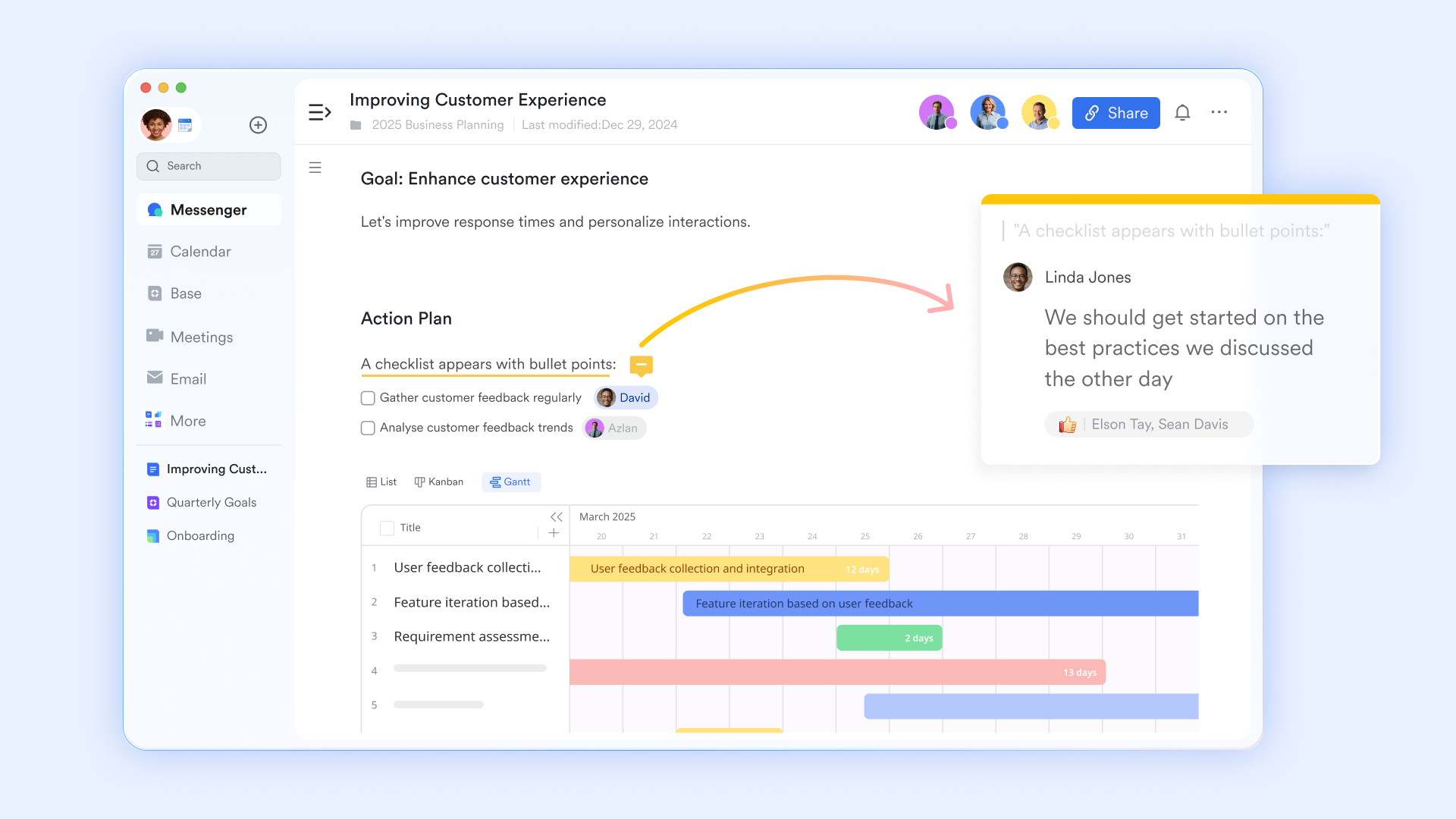
4. Cross-functional coordination and risk assessment
Complex deals require expertise from multiple departments, making this stage key for managing specialized input efficiently. Structured approval workflows ensure necessary sign-offs happen without slowing momentum, while collaborative risk assessment identifies potential obstacles before final commitment. This is particularly crucial when using specialized systems like M&A deal management CRM or private equity deal management software where compliance requirements are stringent.
5. Contract finalization and execution
This stage turns negotiated terms into formal contracts while preserving the core business understanding. Efficient review coordination (with clear version control) comes before execution—either via electronic signatures or formal ceremonies—to complete the contractual commitment. Without high expenses of a VDR with top deal management features, the combination of documentation and communication in Lark can help legal teams provide precise feedback directly within the document context. It can not only reduce misinterpretation, but also speed up finalization.
6. Implementation planning and relationship transition
Knowledge transfer ensures implementation teams fully grasp customer expectations and specific requirements. Setting clear success metrics and smooth transition processes creates the foundation for ongoing account growth and future expansion opportunities. Structured handoff protocols—supported by comprehensive documentation and aligned task assignments—help keep customer confidence high during the critical shift from sales to delivery teams.
Enhancing deal management with a unified platform
Effective deal management goes beyond basic contact tracking. It needs seamless collaboration, real-time visibility, and aligned workflows across all departments. But most organizations struggle with fragmented tools—these create operational silos, delay important decisions, and hurt customer experience.
Lark redefines deal management by bringing communication, data, and processes into one unified system. This lets teams speed up sales cycles, boost collaboration, and unlock their full revenue potential. Here's how:
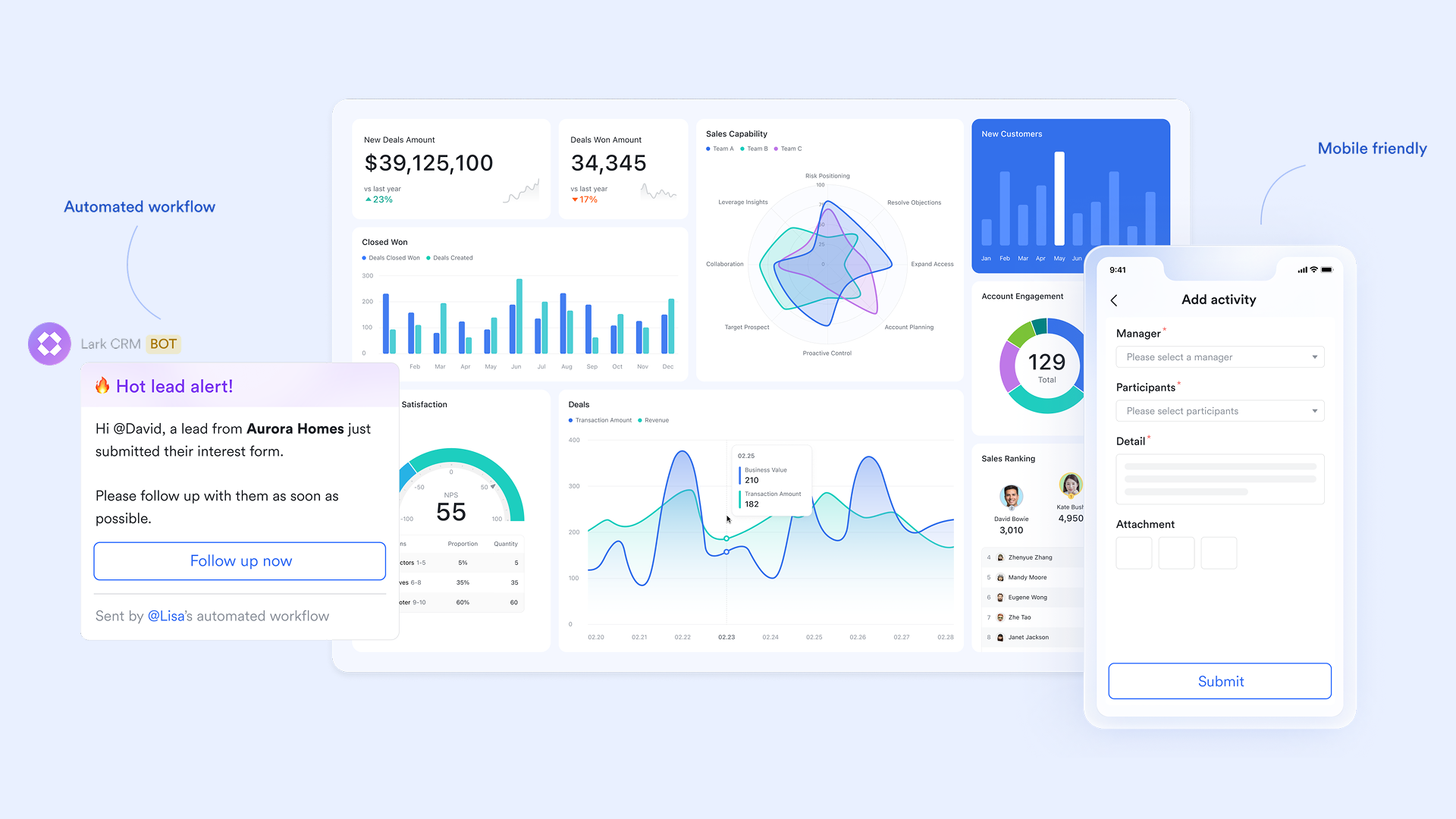
📊 Centralized customer information and deal process
The whole process from first contacting a lead to final conversion depends on complete, accurate data in your deal management system. Many teams lose leads during lead management because info is all over the place—customer details spread across Excel sheets, personal emails, and chat histories. This challenge is equally relevant whether you're using real estate deal management software or a general deal management platform for your business. By building a unified customer info hub, businesses can not only organize fragmented lead data but also create traceable decision-making foundations for how deals progress next.
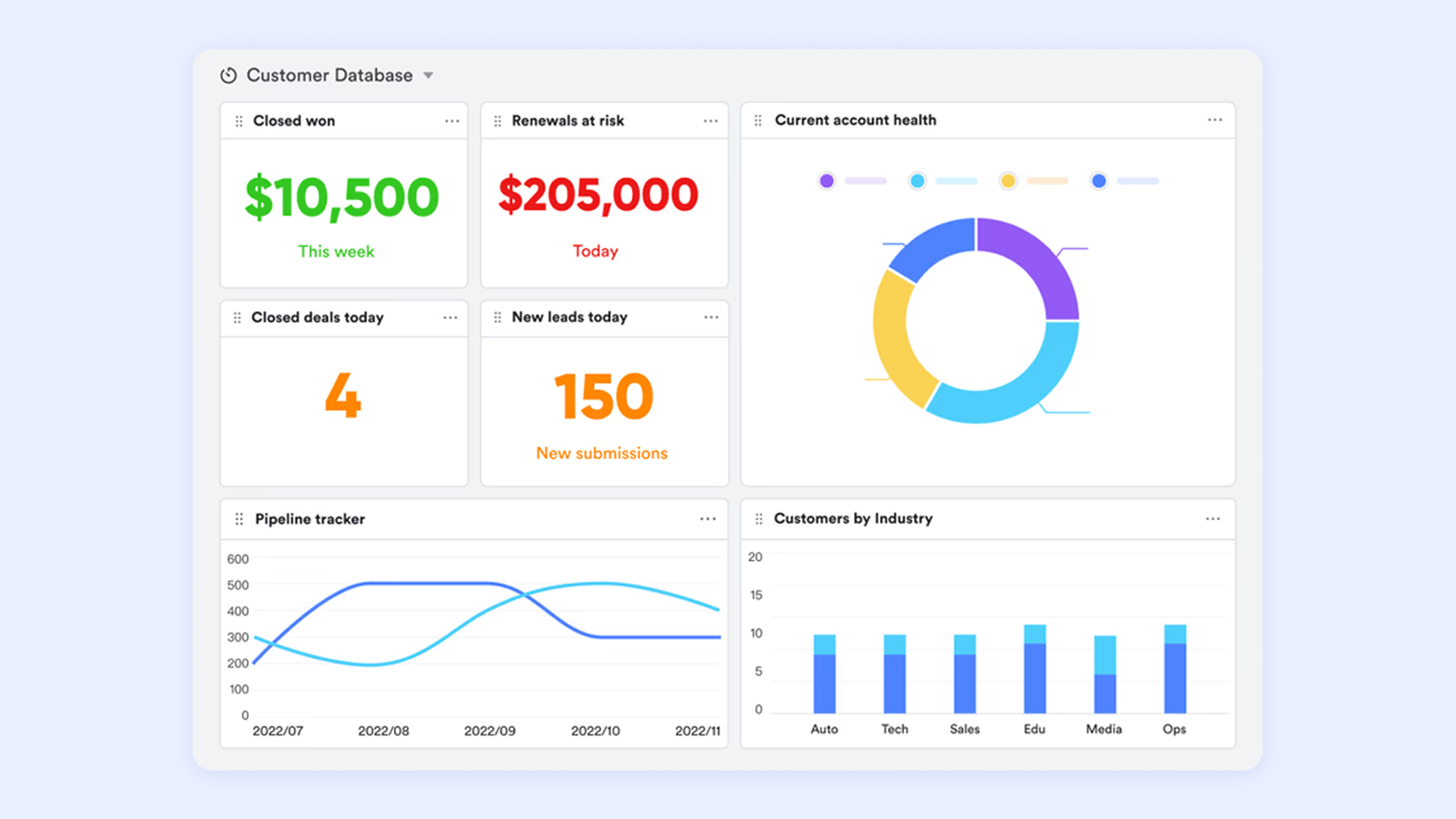
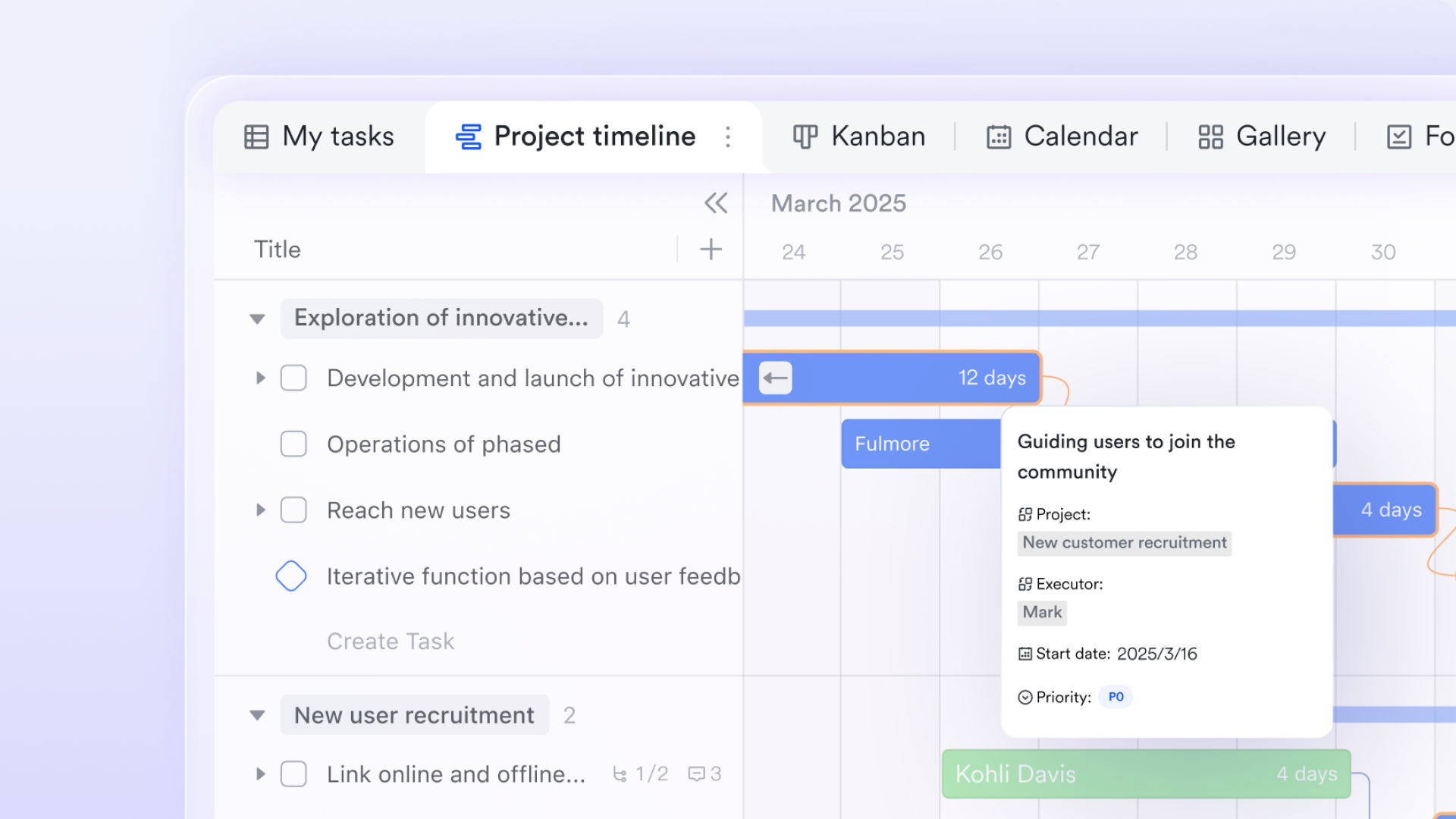
Building a deal database: Lark Base works as a powerful core database, storing everything from customer profiles and deal stages to interaction records. You can customize fields and views (like tracking deals by stage with a Kanban board or managing key deadlines via Gantt charts). Lark Base dashboards spot deal management trends, helping you make proactive, smart decisions.
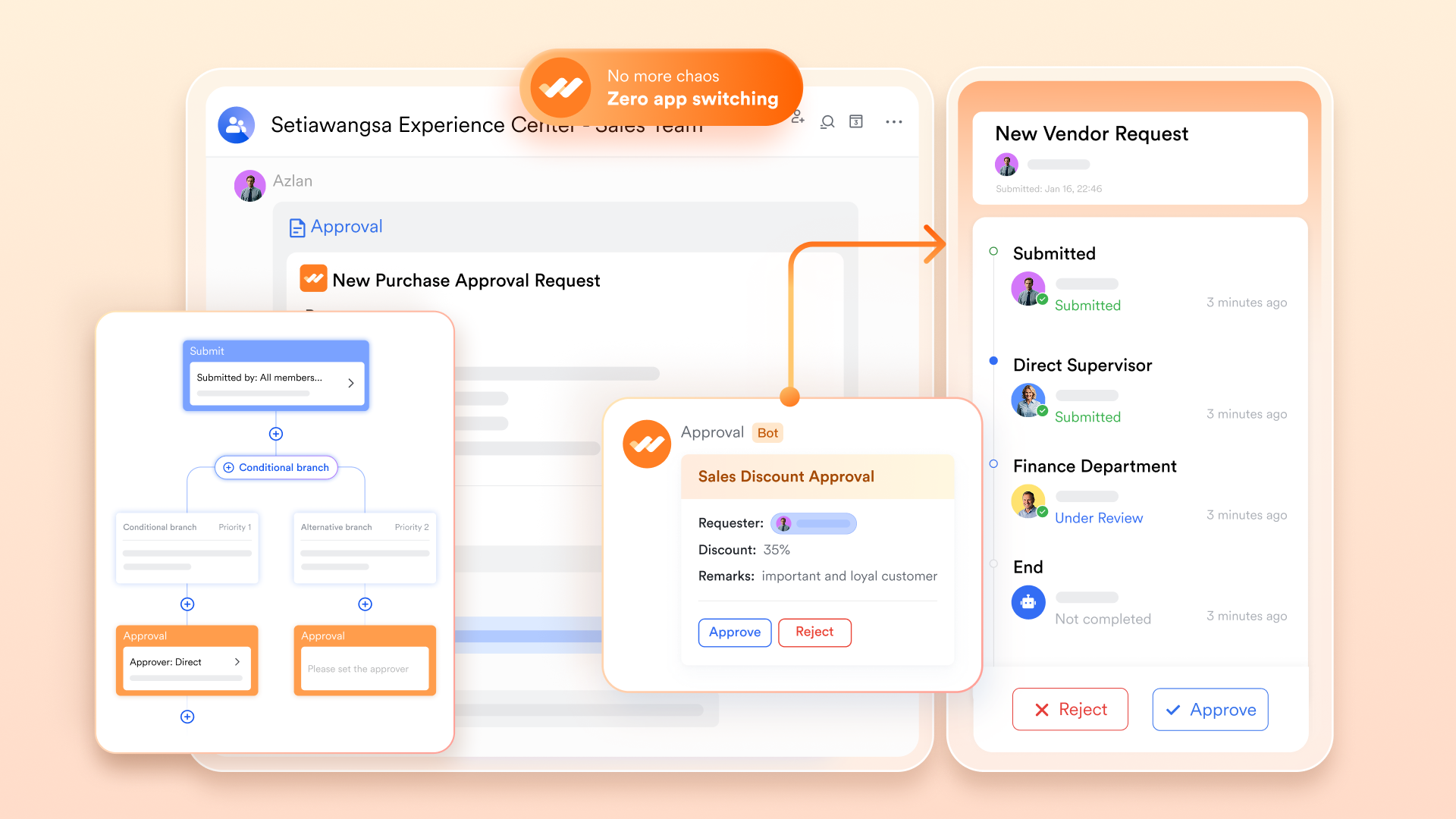
Ensuring traceable information and standardized processes: Use Lark Docs to create standard documents, proposal templates, or project plans for deals. Link them to Base records to keep things consistent. Lark Approval digitizes critical steps like contract reviews and special discount approvals—you can set custom approval paths and form fields, plus use instant messaging for one-click mobile approvals. This gets rid of delays from offline approvals.
🤝 Enhancing team collaboration and customer communication
When leads reach deep engagement stages, how well departments collaborate directly affects conversion success. In traditional setups, sales teams often mix up customer needs when talking to technical teams—and customers have to deal with multiple contacts over and over, creating a disjointed experience. Lark fixes this easily.
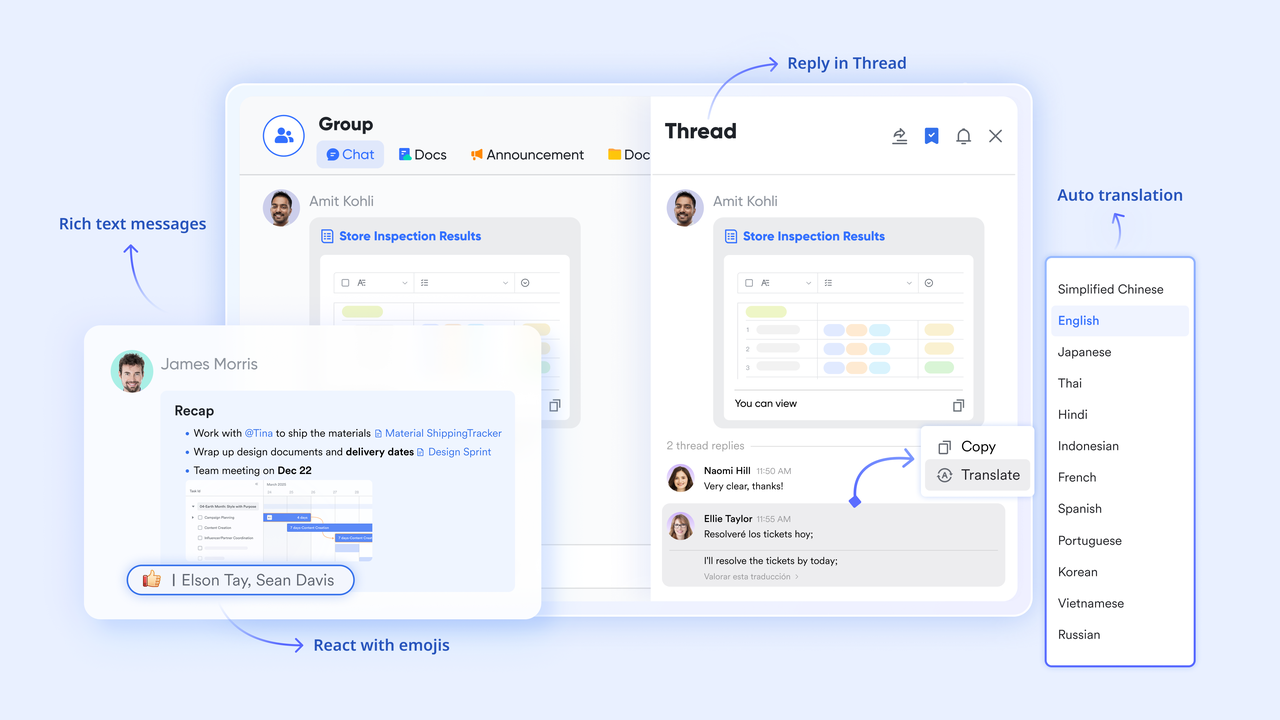
Built-in communication channels: Dedicated customer groups in Lark Messenger let you invite internal experts to discussions anytime. All past conversations are saved, so new members catch up fast. You can talk about personalized customer needs right in these groups, making chat history easy to manage.
Efficient communication and task allocation: Create dedicated Messenger groups for key customers, bringing together sales, technical, and delivery teams. When you confirm technical feasibility in discussions, turn conclusions into Lark Tasks instantly and assign them to the right people. Tasks sync automatically to personal calendars and to-do lists—so critical promises never get lost in chats.
🎯 Improving meeting efficiency and decision-making quality
From lead nurturing to deal conversion, meeting efficiency at every key decision point is critical. Inefficient meetings not only drain team energy but also miss optimal windows for advancing deals.
Automated meeting management: Lark Calendar centralizes all customer meeting schedules. It automatically adjusts for global teams across time zones to avoid conflicts. Calendar events can include attached customer background info, so participants prepare in advance.
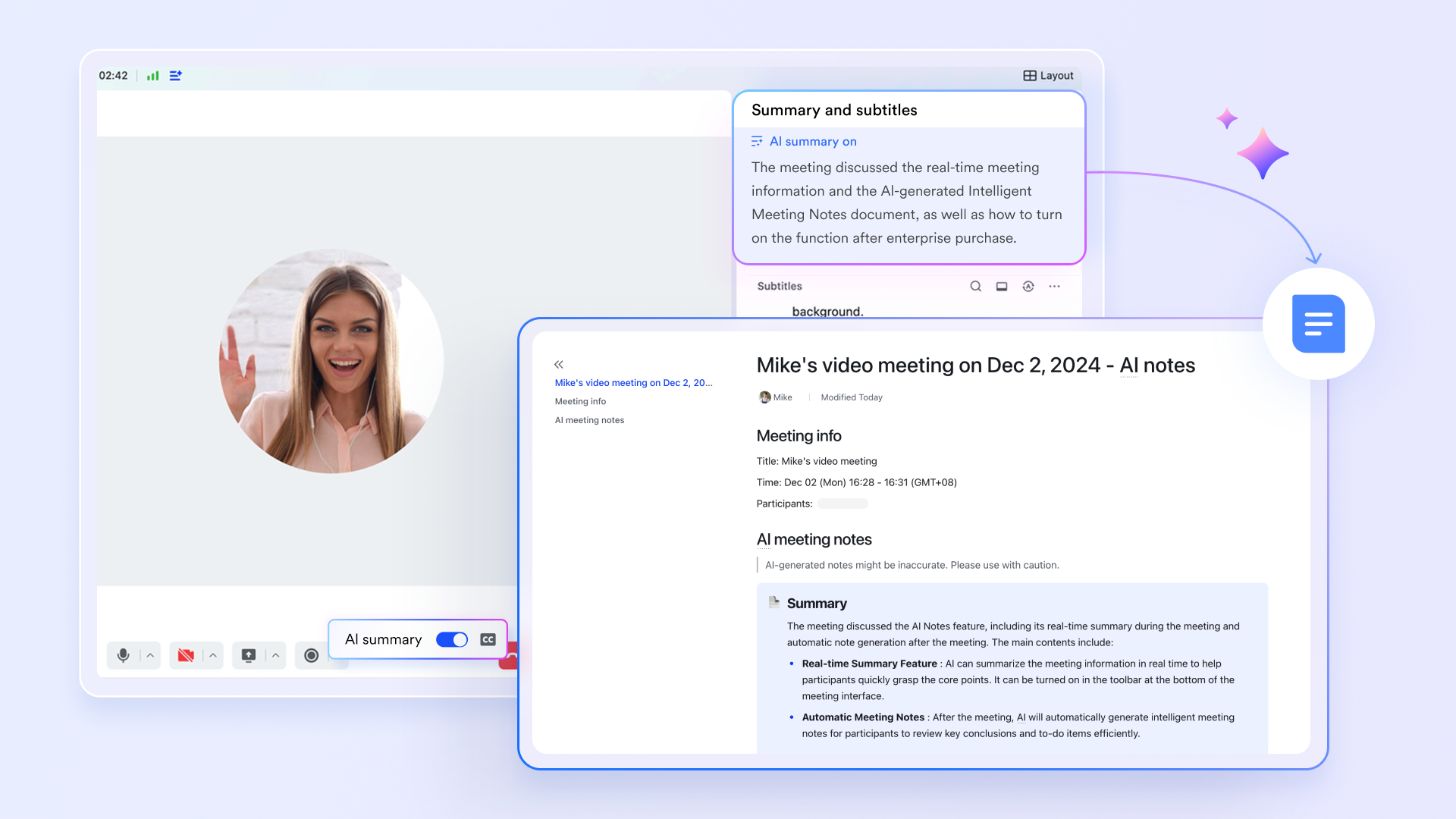
Enhancing meeting effectiveness: When you host customer technical exchanges or internal coordination calls via Lark Meetings, Lark AI Meeting Notes automatically picks out key points from different speakers. It generates structured summaries and highlights pending decisions and action items. These insights are easy to share with attendees and anyone who missed the meeting—keeping everyone aligned.
Focusing on key goals: Lark OKR helps teams set and track big goals (like quarterly deal values) and key tasks transparently. This ensures every action that drives deals lines up with overall business objectives.
📝 Unified document management and external communication
Professional, consistent documents are key to building customer trust. If leads get documents with different styles from different departments, it makes them question the company's professionalism.
Collaborative deal document creation: Critical files like sales proposals and contract drafts can be co-written and commented on in real time via Lark Docs. Finalized docs can be shared directly with customers or linked/saved to the corresponding deal records in Lark Base—so team members always access the latest versions.
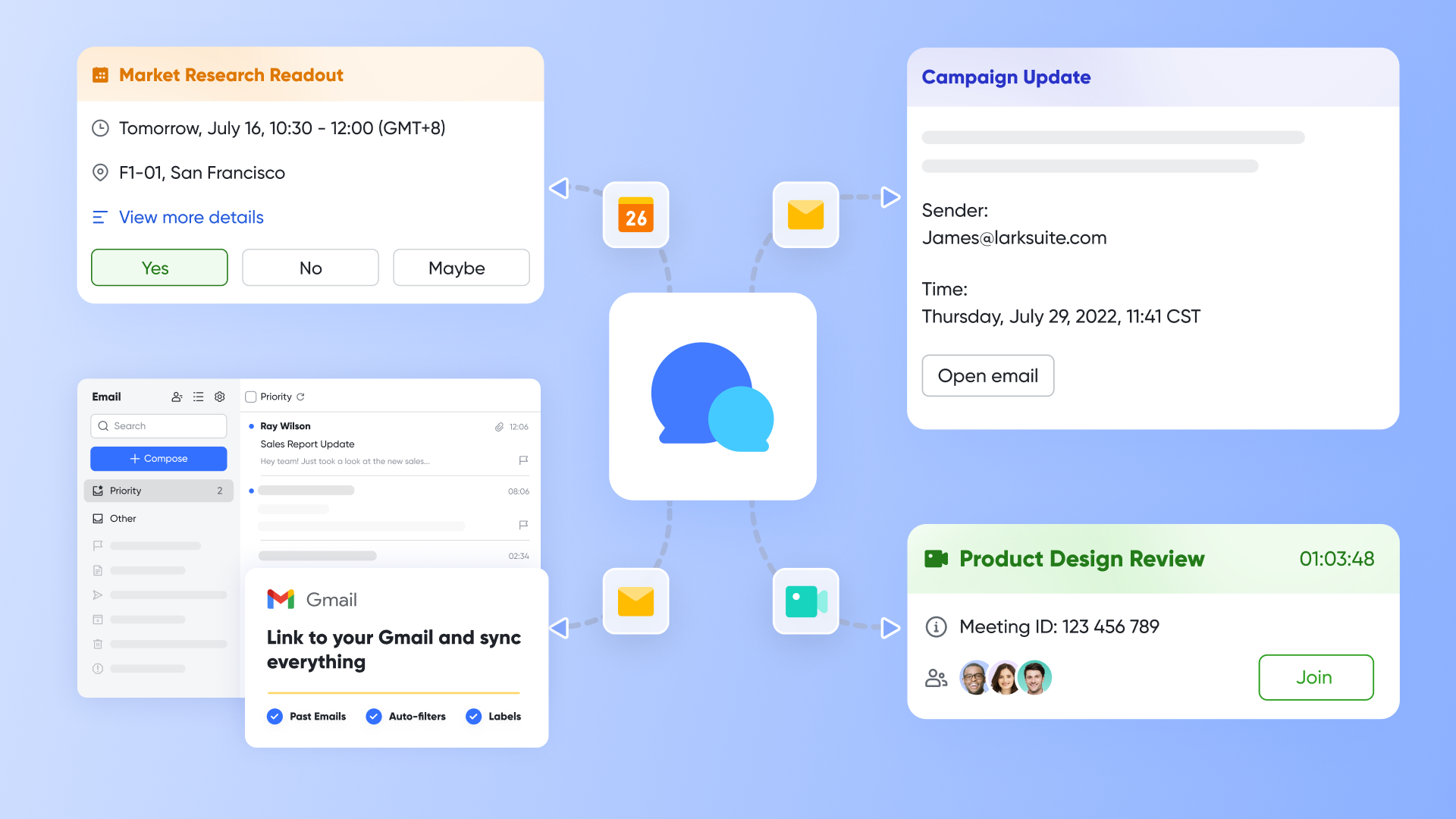
Professional external communication: Before emailing customers via Lark Mail, you can easily check past interaction records in Base to send personalized messages. For lead nurturing, create segmented groups in Lark Base using customer tags (like industry or pain points). Then launch targeted marketing campaigns via Lark Mail to nurture opportunities systematically.
⚡ Accelerating internal coordination and approval processes
How fast deals move usually depends on how well your team collaborates internally. If sales teams wait days for legal to review contracts or finance to confirm details, competitors might steal the opportunity. Especially for high-value leads, slow responses directly hurt customer trust and their willingness to decide.
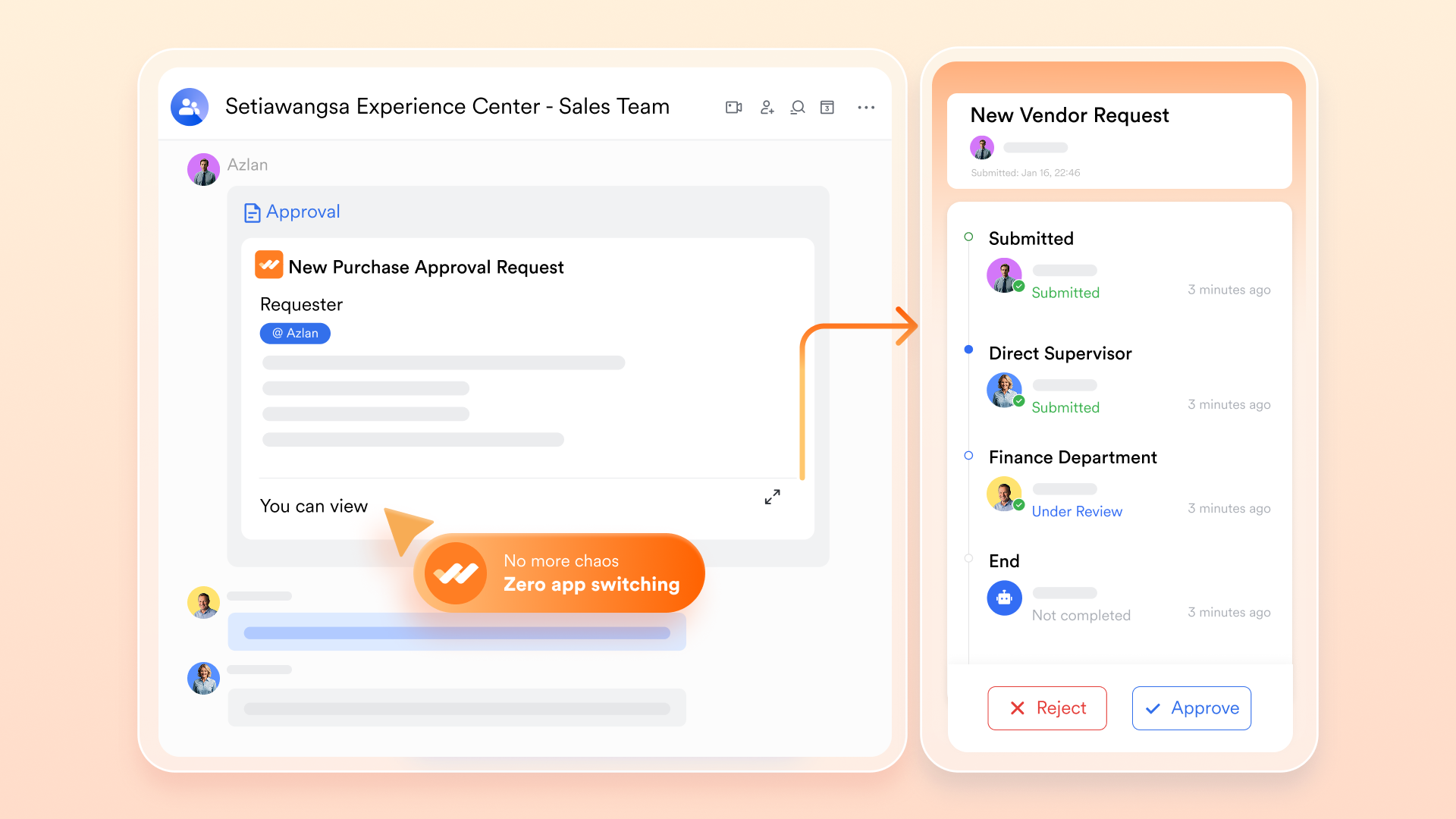
Streamlining approvals: Lark Approval lets you set preset approval paths for different deal values and types. Approvers get instant task notifications in Lark Messenger—with one click, they can review attached customer background info to make informed decisions. This is particularly valuable for companies evaluating leading vdr providers for deal management or needing a best-rated vdr for deal management solution.
Pricing:
- Free plan: Includes 11 powerful products, supporting up to 20 users, 100 GB storage, 1,000 automation runs and unlimited AI translation in chats, docs and email.
- Basic plan: $6/user/month (billed annually) for up to 500 users. Includes everything in Starter plus unlimited message history, 5TB storage, 1,000 automation runs, and more. Some users may need to contact sales to purchase.
- Pro plans: $12/user/month, supporting up to 500 users. Includes unlimited message history, 50,000 automated Base workflow executions per month.
- Enterprise plan: Contact sales for custom pricing. Supports unlimited users and includes even more automation runs and advanced security, compliance, and management features.
By leveraging the synergistic capabilities of Lark's features, your team can accomplish the entire process—from lead mining and customer communication to internal collaboration, approval workflows, document management, and goal tracking—within a unified platform. This not only significantly enhances efficiency and shortens sales cycles but also provides robust, data-driven support for decision-making.
Common deal management challenges
Organizations often face specific roadblocks that can hurt how well they manage deals. The first step to fixing these issues is recognizing them—and then building better solutions and processes.
Limited pipeline visibility
Information spread out across different systems and communication tools hurts forecasting accuracy and strategic decisions. Without real-time updates on how deals are progressing, managers struggle to assign resources effectively or spot risks before they derail outcomes.
Inefficient cross-team collaboration
Department silos cause coordination headaches: approval delays, communication breakdowns, and wasted time switching between different tools. When teams have conflicting priorities, it slows down deal progress.
Inconsistent processes
When team members use different methods, customers get inconsistent experiences, and data becomes unreliable. Without standard procedures, training new hires is harder, and tracking performance accurately becomes impossible.
Slow approval workflows
Manual approval routing and email chains add big delays to sales cycles. Without clear priorities or status updates, deals get stuck—and sales teams waste time chasing approvals instead of moving deals forward.
Difficulty tracking communications
With so many communication channels, customer interactions get scattered across platforms. This leads to lost knowledge and incomplete understanding of customer commitments—especially during team handoffs or long sales cycles.
Fortunately, these common challenges can be effectively addressed through a unified platform like Lark. By centralizing deal information in Lark Base, teams gain complete pipeline visibility and process consistency. Automated approval workflows in Lark Approval eliminate bottlenecks, while communication tools in Lark Messenger ensure all customer interactions are tracked and accessible. This eliminates the need for constant context switching between disparate systems, allowing teams to focus on advancing deals rather than managing tools.
Best practices for deal management
Organizations can overcome common challenges by implementing proven strategies and methodologies. These best practices provide a framework for building effective deal management capabilities that deliver consistent results. By combining strategic approaches with modern collaboration tools, teams can transform their sales processes from chaotic to streamlined.
Centralize customer data
Keep all customer interactions and deal history in one centralized database. This stops information fragmentation and ensures consistency across the company—no more team members working with outdated or conflicting data. Whether you choose specialized deal flow management software or a comprehensive deal management platform, maintaining a single source of truth is crucial for success. Tools like Lark let you customize fields and views to match your workflow, while automated sync and access controls keep data accurate and secure.
Standardize sales stages
Set clear criteria for moving deals through stages, using consistent terms. When everyone knows what each stage means and what's needed to advance, deals progress more predictably. This standardization is equally important, whether you're implementing private equity deal management software or a general sales deal management system for your organization.
Automate approval workflows
Use digital routing systems to send approval requests to the right people quickly—with all the context they need. Automated workflows cut down on the delays of manual processes, especially in companies with multiple approval layers. Lark also supports this feature which is involved in VDRs with excellent deal management. Approval route requests by predefined rules, sends reminders for pending items, and lets sales teams see approval status without constant follow-ups.
Prioritize transparency
Give stakeholders clear visibility into deal status, key milestones, and potential risks. Transparency isn't just about sharing data—it's about presenting it so different teams can understand and act fast. Modern platforms like Lark do this with customizable dashboards and reports that show real-time insights, while role-based access keeps sensitive info secure.
Build cross-functional teams around big opportunities to bring in all the needed expertise. Good collaboration isn't just about grouping people—it needs the right tools for seamless info sharing and decision-making. Unified platforms combine messaging, docs, and task management to break down silos, keeping everyone focused on shared goals and deadlines.
By using these best practices and tools that support smooth execution, you'll create deal management processes that are both structured and flexible. They'll handle today's complex sales environments while getting better over time—using performance data and team feedback.
Conclusion
Effective deal management is no longer just a sales task—it's a strategic capability that needs smooth coordination across your whole company. From lead qualification to contract execution, every stage requires careful attention to detail, clear communication, and efficient workflow management. The strategies in this guide give you a roadmap to shift your deal management from reactive tracking to proactive governance.
As you put these tactics into action, think about how the right tech foundation can boost your results. Lark offers an all-in-one environment to make these best practices work, with tools that cover the entire deal lifecycle. From centralized data management in Lark Base to streamlined approvals and collaborative workspaces, our platform helps teams keep momentum going while making sure nothing slips through the cracks.
The shift to modern deal management starts with one simple step. We invite you to see how Lark's all-in-one platform helps your team close deals faster, collaborate better, and drive long-term growth. Start your journey to more efficient deal management today—and discover how real collaboration can transform your sales organization.
FAQs
What is the meaning of deal management?
Deal management refers to the end-to-end process of guiding sales opportunities from initial identification through successful closure. It encompasses strategic planning, stakeholder coordination, and systematic tracking to maximize conversion rates. This approach transforms random sales activities into a coordinated strategy with clear oversight.
What is a deal management system?
A deal management system provides the tools and processes to track and advance sales opportunities through defined stages. It typically includes features for pipeline visualization, workflow automation, and cross-team collaboration. Modern systems often integrate with existing CRMs to enhance functionality and data consistency.
What is a deal manager?
A deal manager oversees the progression of sales opportunities through the entire lifecycle. This role involves coordinating between sales, legal, and finance teams while maintaining deal momentum. The manager ensures proper execution of processes and helps remove obstacles that could impede successful closure.
What is a deal in CRM?
In CRM terminology, a deal represents a specific sales opportunity with an estimated value and probability of closing. It tracks interactions, stages, and key decision-makers throughout the sales process. Deals serve as the fundamental unit for pipeline management and revenue forecasting within the system.
Related reading
Table of contents
Start using Lark today

Manage all your work in one place
Boost team efficiency by 10x
Save up to 70% on software costs
Table of contents
Start using Lark today
Manage all your work in one place
Boost team efficiency by 10x
Save up to 70% on software costs
Keep reading









2026 Lark Technologies Pte. Ltd.
Headquartered in Singapore with offices worldwide.






Explore: