In the vibrant world of interior design, creativity and aesthetics often take center stage. However, as projects grow in scale and complexity, the art of design must merge with the science of management. This convergence, often challenging, is where effective interior design project management becomes not just beneficial, but essential for success. For design firm leaders, navigating intricate client demands, coordinating diverse teams, and managing countless details can feel overwhelming. This guide aims to demystify project management within our unique industry, offering practical strategies and insights to streamline your operations, enhance client satisfaction, and ultimately, foster sustainable business growth.
Understanding the nuances of interior design project management
Interior design project management is the specialized discipline of overseeing and executing interior design projects from conception to completion. It encompasses the strategic planning, organization, and control of resources, timelines, and budgets, tailored to the unique demands of creating functional and aesthetically pleasing interior spaces.
When we discuss within interior design, it's essential to recognize the field's unique characteristics that differentiate it from other industries. It's not solely about scheduling tasks; it requires a profound grasp of aesthetic principles, material procurement, and client psychology, all while unifying with broader construction processes.
Differentiating interior design project management
There's often confusion surrounding terminology. Many in our industry might instinctively label all their coordination efforts as "project management." However, a clearer distinction is beneficial.
🖊️ Interior design project management (IDPM):
- Interior design project management primarily focuses on design-specific aspects such as conceptualization, space planning, material selection, FF&E (furniture, fixtures, and equipment) procurement, and managing design documentation.
- Ensures the design vision is realized, specifications are accurate, and design-related decisions are made efficiently.
- Our focus as interior designers is generally on managing the creative and aesthetic journey, ensuring every detail contributes to the final vision.
Contrasting with other project management types:
To further clarify the unique role of interior design project management, it's helpful to distinguish it from related disciplines. The table below outlines the key differences between IDPM, (CPM), and (DPM).
Understanding these distinctions helps , clarifies professional boundaries, and mitigates potential liability issues. For example, if a client assumes you are managing all aspects of the construction build, including the plumbing schedule, and a delay occurs, misaligned expectations can quickly sour a relationship.
The 5-Phase Interior Design Lifecycle: Who Owns What?
To move away from chaotic, ad-hoc execution, professional design firms map their projects to a structured, five-phase lifecycle. Each phase requires distinct deliverables and a clear division of labor among your principal designers, project managers (PMs), procurement specialists, and clients.
Phase 1: Programming & Conceptual Design
- Focus: Aligning on budget, spatial requirements, and design direction.
- Who owns what: The Principal Designer leads the creative vision and crafts mood boards; the PM establishes preliminary timelines and draft budgets; the Client completes design questionnaires and signs off on the conceptual direction.
Phase 2: Schematic Design
- Focus: Translating concepts into initial floor plans, space planning, and 3D renderings.
- Who owns what: The Principal Designer develops spatial layouts and schematic CAD drawings; the PM refines the project schedule; the Client reviews and selects their preferred layout options.
Phase 3: Design Development & Specs
- Focus: Finalizing construction drawings, detailed specifications, and selecting FF&E (Furniture, Fixtures, and Equipment).
- Who owns what: The Principal Designer finalizes material finishes and spec sheets; the Procurement Specialist gathers preliminary quotes from vendors; the Client approves the physical material boards.
Phase 4: Procurement & Logistics
- Focus: Placing orders, monitoring lead times, and managing warehouse deliveries.
- Who owns what: The Procurement Specialist issues purchase orders (POs) and tracks shipments; the PM monitors overall cash flow; the Client makes payments based on the invoice schedule.
Phase 5: Construction Administration & Installation
- Focus: Managing site contractors, staging furniture, resolving punch lists, and handoff.
- Who owns what: The PM conducts site visits and manages contractor queries; the Principal Designer oversees final furniture placement and styling; the Client performs the final walkthrough for project sign-off.
Common pitfalls in interior design projects and how to avoid them
Even with the best intentions, interior design projects can encounter significant hurdles. Recognizing these common pitfalls early is the first step toward avoiding them, saving your firm time, money, and reputation.
- Avoiding scope creep:One of the most frequent challenges is scope creep. This happens when project requirements or deliverables expand beyond what was originally agreed upon, often without corresponding adjustments to the timeline or budget. A client might casually request a "small addition" to a room, unaware of the domino effect it has on material orders, contractor schedules, and your team's workload. To counteract this, at the project's outset, detailing every deliverable and exclusion. Crucially, implement a formal change order process. For instance, if a client decides to upgrade all kitchen cabinet hardware midway through a project, document the new choice, its cost implications, and the revised timeline, then require a formal sign-off before proceeding. This transparency manages expectations and ensures fair compensation for additional work.
- Managing budget overruns:Another significant issue is budget overruns. These can stem from unforeseen site conditions, escalating material costs, or, often, poorly managed change orders. Beyond meticulous initial budgeting, for all expenses. Regularly compare actual spending against the budget and communicate any potential variances to the client immediately. Educate clients upfront about potential contingencies and the cost implications of changes. For example, if a custom fabric's lead time unexpectedly doubles, leading to an expedited shipping charge, having a pre-agreed contingency plan or a transparent discussion about options (waiting longer, choosing an alternative, or absorbing the expedited cost) can prevent disputes.
- Preventing communication breakdowns:Finally, communication breakdowns are a silent project killer. Misunderstandings between designers, clients, vendors, and contractors can lead to costly errors, delays, and strained relationships. This is particularly true in a multi-stakeholder environment. Establish clear communication channels and protocols from day one. Decide who communicates what, when, and through which platform. Regular, structured meetings with documented minutes are vital. For instance, holding a weekly stand-up with your core project team (designers, project managers, procurement specialists) and a bi-weekly client update call ensures everyone is informed and issues are addressed promptly, rather than festering into larger problems. A centralized platform where all project-related communication is recorded and easily accessible can also be a game-changer.
Use Lark to manage projects, prevent pitfalls, and ensure success
Optimizing your workflow: From concept to curtain call
To achieve successful outcomes and mitigate pitfalls, an efficient workflow is paramount. An efficient workflow is the backbone of any successful interior design firm. It transforms creative ideas into tangible realities, ensuring projects move smoothly from initial concept to the final flourish. Rather than relying on ad-hoc processes, a structured approach allows your team to operate with greater predictability and control.
Streamlining concept development:Let's break down the typical interior design project into key phases and explore how to optimize each. The concept development phase requires clear client briefs, thorough site analysis, and inspired ideation. Optimize this by using templated client questionnaires to gather comprehensive data, and allocate dedicated blocks of time for creative brainstorming. Tools that creation and easy client feedback unification can accelerate this initial stage.
Optimizing procurement:The procurement phase is often where projects encounter significant delays and budget challenges. This involves sourcing, ordering, tracking, and receiving all furniture, fixtures, equipment, and materials (FF&E). To optimize this, standardize your vendor selection process, negotiate clear terms, and implement a robust tracking system for every item. For example, rather than simply noting an order number, track key milestones for each item: "Order placed," "Deposit paid," "Production started," "Estimated ship date," "In transit," "Received at warehouse," "Inspected," "Scheduled for installation." This allows for proactive problem-solving if an item is delayed.
Efficient installation and project closure:The installation phase is the culmination of months of planning. Efficient installation requires detailed scheduling, clear communication with contractors and installers, and thorough site supervision. Create a comprehensive installation schedule that accounts for dependencies between tasks. Conduct a pre-installation meeting with all involved parties to review logistics, access, and specific requirements. Post-installation, a systematic punch list process is essential to capture and resolve any final discrepancies, ensuring client satisfaction before the project officially closes with the client handover. Implementing standardized checklists for each of these phases ensures no critical steps are missed and maintains a consistent quality of delivery across all projects. How Lark helps interior design firms thrive
Interior design firms rarely struggle with creativity. The challenge is execution: keeping decisions, files, and stakeholders aligned as timelines, budgets, and procurement change. helps centralize project communication and documentation so teams can move faster with fewer handoff errors.
Keep communication and decisions tied to the work
Interior design projects involve frequent handoffs across clients, vendors, contractors, and internal teams. When feedback, meeting notes, and selection decisions are spread across email threads and multiple tools, teams lose context, repeat work, and miss small but costly details.
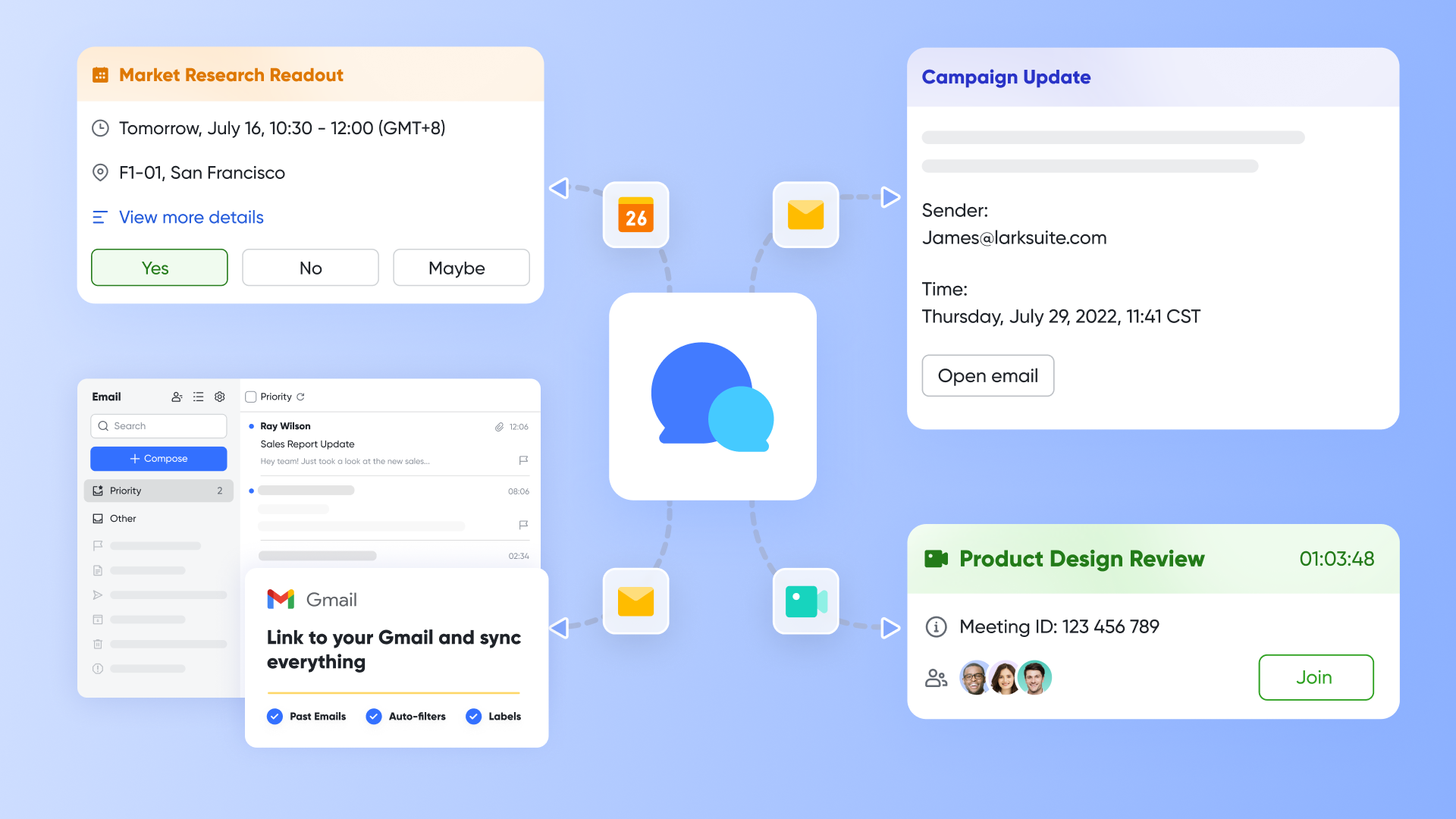
reduces this fragmentation by keeping conversations and working documents closely connected. With and , teams can capture decisions where they happen and keep the latest version easy to locate. For longer projects, can organize specs, meeting records, and change history into a searchable hub.
Make FF&E procurement visible and trackable
Procurement is a common source of delays in interior design projects. FF&E details such as lead times, substitutions, shipping updates, and installation readiness often live in separate spreadsheets, vendor emails, and ad hoc notes. This fragmented information makes it hard to see risks early, leading to potential budget overruns and timeline disruptions.
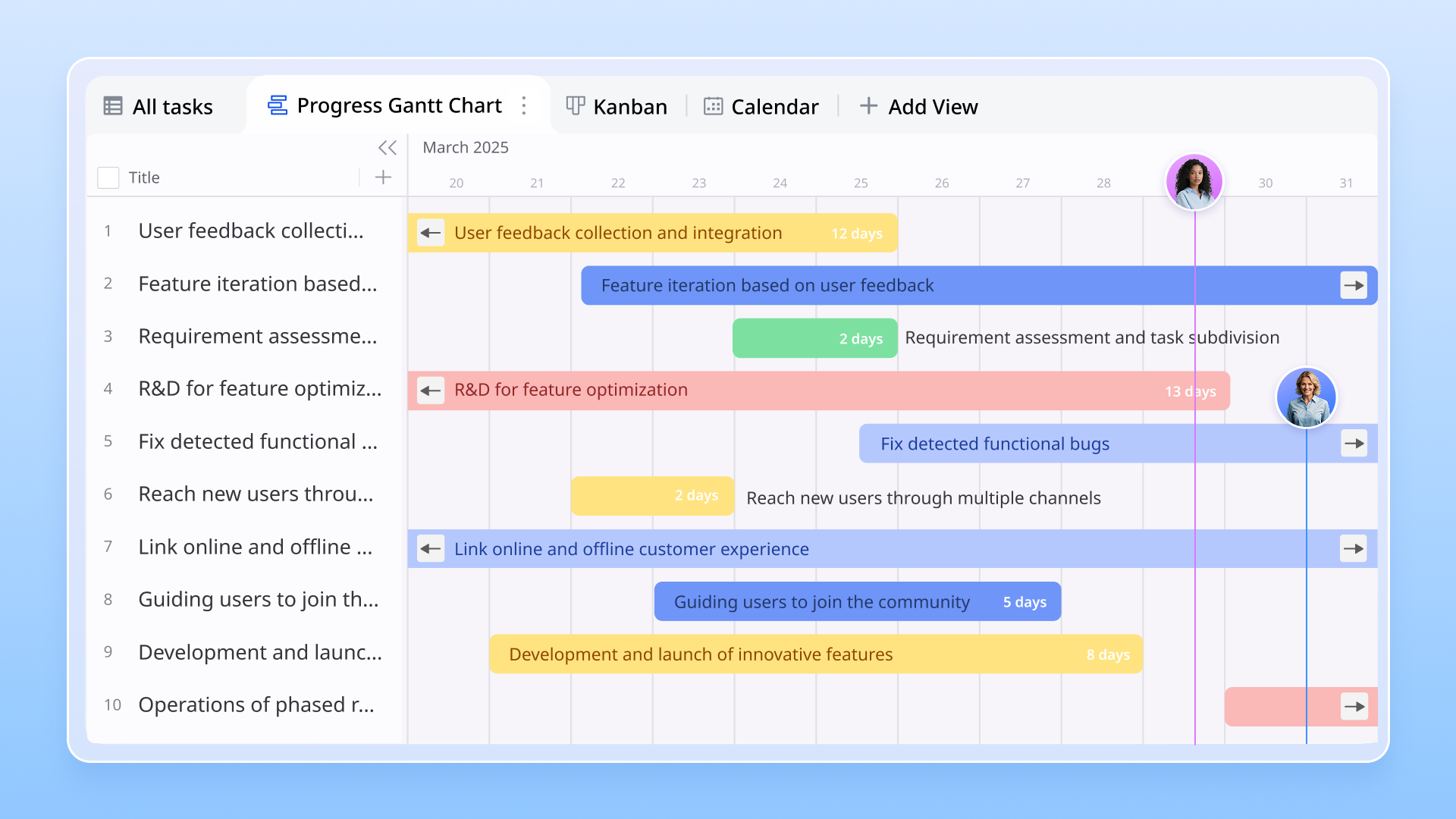
provides a structured way to track procurement end to end, with clear statuses, owners, and expected dates for every item. Because specifications, images, and vendor documentation can be attached to each record, updates stay tied to the exact item they impact, making delays easier to flag and resolve. Beyond just procurement, Lark Base also serves as a powerful, customizable database for overall project management, enabling firms to track project progress, manage tasks, monitor budgets, and centralize client selections from concept to installation. This integrated approach ensures efficient project completion.
Standardize approvals and reduce decision delays
Interior design workflows depend on frequent approvals, including concept sign-offs, material selections, substitutions, and budget changes. When approvals rely on informal confirmation or scattered email replies, teams risk misalignment, rework, and disputes about what was agreed.
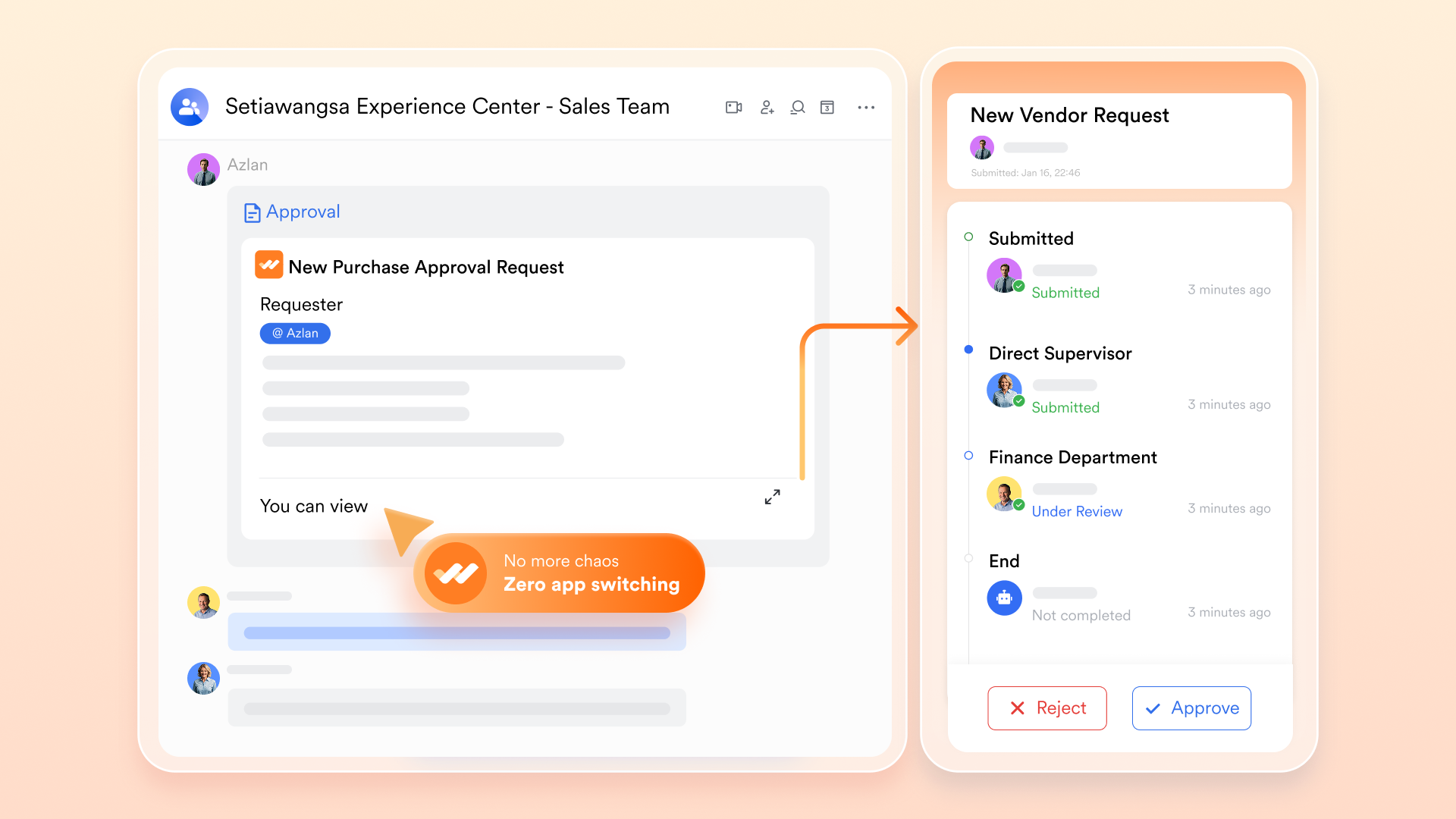
turns key decisions into a trackable workflow, making it clear what was approved, by whom, and when. By keeping supporting materials such as spec sheets and quotes within the request, teams reduce ambiguity and maintain an audit trail that protects both timeline and scope.
:
- Starter plan: that includes 11 powerful tools for up to 20 users. It also comes with 100GB of storage space, 1000 automation runs, AI translations, and more. No credit card needed.
- Basic plan: (billed annually) for up to 500 users. It includes everything in Starter and unlimited message history, 5TB of storage space, 1,000 automation runs, and more. Some users may need to to purchase this plan.
- Pro plan: (billed annually) for up to 500 users. It includes everything in Basic plus group calling for up to 500 attendees, 15TB of storage space, 50,000 automation runs, and more.
- Enterprise plan: for custom pricing. Supports unlimited users and includes even more automation runs and advanced security, compliance, and management features.
For small teams with simple communication needs

18 months message history
1000 Base automation runs/month
2000 rows per table in Base
Most POPULAR
For companies with comprehensive collaboration and management needs
Unlimited message history
500-participant video meetings
50k Base automation runs/month
20k rows per table in Base
For large companies with advanced security and organizational management needs
Get a personalized demo and pricing
Unlimited message history
500-participant video meetings
15 TB storage + 30 GB storage/user
500k Base automation runs/month
50k Base automation runs/month
Most POPULAR
For companies with comprehensive collaboration and management needs
Unlimited message history
500-participant video meetings
50k Base automation runs/month
20k rows per table in Base
The role of digital tools in modern interior design project management
In addition to , digital tools play an increasingly critical role. The interior design industry, like many others, has undergone a significant technological transformation. Gone are the days when project management relied solely on spreadsheets and physical folders. Today, a multitude of tools exist to support every facet of our work, from initial concept to final client sign-off. The right technology can be a force multiplier for design firms, enhancing efficiency, accuracy, and profitability.
Evolution of project management tools:The evolution of for interior designers has moved from generic software to specialized platforms tailored to our unique needs. Initially, designers might have repurposed tools designed for IT or construction. However, these often fell short in areas crucial for design, such as , material specification, and client presentation. Modern solutions now offer features like mood board creation, FF&E tracking, specification sheets, and client portals, directly addressing these specialized requirements.
Embracing modular, interconnected tools:When considering technology, it's easy to be drawn to the allure of a single "all-in-one" platform promising to solve every problem. However, our unique angle suggests that a rigid, monolithic solution might actually hold your firm back. While some built-in tools offer value, the truly adaptable approach often lies in embracing a strategy of modular, interconnected tools. This means selecting best-in-class solutions for specific functions (e.g., one for 3D rendering, another for accounting, and a powerful, flexible platform for core communication and project coordination), then ensuring they can communicate effectively.
This modular approach provides flexibility and scalability. For instance, if your rendering software changes, it doesn't disrupt your entire . It allows firms to build a customized tech stack that precisely matches their workflow and budget, without being locked into features they don't need or missing those they do. The key is to have a central hub or platform that can act as the glue, facilitating data exchange and consolidating information from these various specialized applications. This ensures that while you leverage the best tools for each task, your team still has a unified, comprehensive view of every project.
Discover Lark's power for your design projects
Client relationship management: Building trust and loyalty
Beyond internal processes and technological solutions, successful interior design hinges on strong client relationships. In the service-oriented world of interior design, strong client relationships are not merely a nice-to-have; they are fundamental to long-term success, repeat business, and positive referrals. Effective project management extends beyond deliverables and deadlines to encompass the entire client experience. Cultivating trust and loyalty starts with proactive communication and meticulous expectation setting.
- Proactive communication and transparency:From the very first consultation, it is crucial to establish clear communication channels and outline what the client can expect at each stage of the project. Transparency is key. Rather than just delivering updates, involve clients in the process in a structured way. This might include regular scheduled meetings, providing , or sharing progress reports. For example, setting up a dedicated client portal within a collaborative platform where they can view project timelines, design concepts, and budget breakdowns empowers them with information and reduces their need to constantly reach out for updates. This fosters a sense of partnership rather than simply being a service provider.
- Effective feedback loops:Creating effective feedback loops is also vital. Actively solicit client input at defined milestones and demonstrate that their feedback is valued and unified into the project where appropriate. This means not just presenting designs, but guiding them through the decision-making process, explaining the rationale behind choices, and managing their expectations about potential changes or challenges. If a client expresses concern about a particular fabric choice, for instance, a responsive designer would acknowledge their concern, discuss alternatives, and present solutions rather than dismissing it. This proactive approach builds confidence and shows that their vision and satisfaction are paramount. When clients feel heard, informed, and respected throughout the project, they are far more likely to become advocates for your firm, leading to invaluable word-of-mouth referrals and a pipeline of future work.
Measuring success: KPIs for interior design projects
Ultimately, measuring success goes beyond just aesthetics. For design firm leaders, understanding "success" goes beyond delivering a beautiful space. It involves quantifiable metrics that reflect both project performance and business health. By identifying and consistently tracking key performance indicators (KPIs), you can into your operations, pinpoint areas for improvement, and make data-driven decisions to enhance profitability and client satisfaction.
Key performance indicators: On-time completion and budget adherence
One of the most immediate KPIs is on-time project completion. This directly impacts client satisfaction and your firm's reputation. Tracking the percentage of projects delivered by the agreed-upon deadline, or the average project delay, reveals efficiencies or bottlenecks in your planning and execution. Another crucial financial KPI is budget adherence. This involves comparing actual project costs against the initial budget. Consistently exceeding budgets indicates issues with estimation, scope management, or vendor negotiation. Breaking this down into material costs, labor costs, and other expenses can provide more granular insights.
Client satisfaction and resource utilization
Beyond timelines and budgets, client satisfaction is a paramount KPI, albeit one that requires qualitative measurement. This can be tracked through post-project surveys, Net Promoter Score (NPS) surveys, or direct feedback. A high satisfaction rate often correlates with repeat business and positive referrals. A more operational KPI is resource utilization, which measures how effectively your team's time and skills are being used across projects. Are designers spending too much time on administrative tasks? Are certain team members consistently overloaded? This helps in optimizing staffing and workload distribution.
Project profitability for sustainable growth
Finally, project profitability is the ultimate business health metric. This is calculated by comparing total project revenue against total project costs. While a project might be on time and satisfy the client, if it wasn't profitable, it doesn't contribute to sustainable growth. allows you to move beyond anecdotal evidence and into a realm of continuous improvement. If you consistently see that procurement is a cause of delays, you can then investigate new vendor management strategies or technological solutions. If certain project types are less profitable, you might adjust your pricing model or refine your niche. This data-driven approach ensures that every design choice is supported by sound business intelligence.
Measure success effectively with Lark's insights
Conclusion
Effective interior design project management is no longer a peripheral concern; it is a core competency that underpins the success and sustainability of any design firm. We've explored how understanding the unique nuances of project management within our industry, navigating the delicate balance between creative vision and execution, and proactively addressing common pitfalls can transform your operations. Embracing optimized workflows, strategically leveraging modern technology like , building robust client relationships, and consistently measuring success through key performance indicators are not just best practices—they are necessities for growth. By unifying these strategies, design firm leaders can empower their teams, delight their clients, and ultimately, elevate their business to new heights, ensuring that every project is not only creatively inspiring but also operationally sound and profitable.
Elevate your firm with Lark today
FAQs
Can interior designers be project managers?
Yes, interior designers can and often do perform project management functions, particularly related to the design-specific aspects of a project. This includes managing design concepts, material specifications, procurement schedules, and client communications. However, it's crucial to distinguish this from construction project management, which typically handles the physical build and site logistics. Designers can manage the "design project" effectively, collaborating with but not typically replacing a construction project manager for the build phase.
What is the 3-5-7 rule in interior design?
The "3-5-7 rule" is a guideline, not a strict rule, often used in interior design to achieve visual balance and interest, particularly when arranging decorative items or art. It suggests grouping items in odd numbers (e.g., 3, 5, or 7) for a more aesthetically pleasing and natural look. This can apply to objects on a shelf, pillows on a sofa, or even plants in a corner. The principle behind it is that odd numbers are less symmetrical and therefore more dynamic and engaging to the eye.
What is project management in interior design?
Project management in interior design is the application of processes, methods, skills, knowledge, and experience to achieve specific design project objectives. It involves planning, organizing, securing, and managing resources to bring a design concept to fruition, on time and within budget. Key aspects include client communication, scope definition, budget tracking, procurement, vendor coordination, scheduling, and quality control of design elements and finishes.
What is the 70/20/10 rule in interior design?
The 70/20/10 rule in interior design is a guiding principle for color or pattern distribution within a space, aimed at creating visual harmony and balance. It suggests that 70% of a room should be a dominant color (often a neutral backdrop), 20% should be a secondary color or texture (adding interest and depth), and the remaining 10% should be an accent color or bold element (providing a pop of contrast or personality). This rule helps designers consciously apply color to achieve a cohesive and appealing aesthetic.
Related reading