IT PMO plays a crucial role in managing technology-driven projects in today's rapidly evolving business landscape. Acting as a centralized hub, an IT PMO aligns IT initiatives with strategic objectives, optimizing project delivery and resource management. This guide will cover the essential features and benefits of IT PMOs, common challenges, and best practices for implementation. It will also explore the future of IT PMOs amidst digital transformation and advanced technologies, showing how they evolve from traditional oversight roles to strategic partners in organizations.
What is IT PMO?
Definition of PM and PMO
(PM) has expanded far beyond its roots in engineering and software, and is now used across marketing, logistics, and creative work. This shift led to the rise of that standardize processes and improve outcomes. In IT, PMOs often emerge to fix delivery issues around time, budget, and quality. Project managers may sit within the PMO or across IT teams. Over time, many IT PMOs evolve from focusing on single projects to managing programs and portfolios, becoming a strategic partner for wider business initiatives.
Understanding the IT PMO meaning is important for the organizations. The IT PMO ( Office) is a dedicated arm of the IT department that coordinates and manages all IT-related projects. In a landscape where IT teams frequently face escalating demands for new software solutions and quicker implementation timelines, the IT PMO plays a crucial role. It is essential for this office to remain flexible and highly organized, equipped with optimal to handle an increasing volume of projects. Unlike a general PMO, an IT PMO oversees every project under its purview, regardless of size, and is staffed by professionals typically well-versed in software development. As technology becomes integral to various business functions, IT PMOs are often tasked with managing more projects than other departments combined, highlighting their significance in today's organizations.
The responsibilities of the IT PMO encompass a range of activities, from offering project management support to ensuring the successful execution of IT projects. The IT PMO is not just an oversight body; it defines a standardized project management methodology for the entire IT organization. This framework includes essential policies, procedures, and templates for all phases of project management—initiating, planning, executing, controlling, and closing projects. By establishing a repeatable process, the IT PMO enhances project success rates across the board, fostering a culture of accountability and efficiency.
See how an excellent tool promotes project management
The significance of IT PMO in project management
The IT PMO emerges as a significant support structure. When organizations face challenges such as unmet objectives, significant milestones like mergers or acquisitions, or persistent project failures, the IT PMO becomes a focal point for resolving these issues. It provides the framework necessary for implementing a coherent project management strategy that aligns with company goals, enhances visibility, and fosters control over project outcomes.
One of the key benefits of an IT PMO is its ability to standardize project management practices across the organization. By developing proven processes and methodologies, the IT PMO ensures that projects remain on track, on time, and within budget. This alignment is vital, as it enables organizations to prioritize both critical projects and strategic initiatives while effectively managing resources. Without a solid PMO in place, companies may struggle with resource allocation, leading to increased costs and missed deadlines.
Moreover, the IT PMO plays a vital role in and . By clarifying project dependencies and enhancing visibility into project impacts, it mitigates potential risks and ensures that stakeholders remain informed throughout the project lifecycle. This proactive approach not only reinforces accountability but also drives a culture of continuous improvement, ultimately supporting the organization in navigating the complexities of modern project demands more effectively. Emphasizing the importance of IT PMO ultimately leads companies toward sustainable growth and success in an ever-evolving landscape.
Characteristics of an effective IT PMO
An effective IT PMO is characterized by several essential traits that contribute to its success in project management. These traits ensure that the IT PMO functions efficiently while aligning with organizational goals and fostering a culture of accountability and continuous improvement.
- Governance and oversight: A strong governance framework is essential for an effective IT PMO, establishing clear processes and standards that guide project execution and decision-making. Effective oversight enhances risk management, ensures accountability, and promotes adherence to best practices across all projects. By maintaining consistent practices and monitoring compliance, the PMO can minimize project failures and achieve successful outcomes. Additionally, sharing information and best practices fosters collaboration, creating a unified approach to project management organization-wide.
- Alignment with business strategy: For an IT PMO to be effective, it must closely align with the organization's strategic goals. This alignment ensures the PMO focuses on high-value projects that support broader business objectives. Engaging with business leaders and understanding shifting priorities allows the IT PMO to respond quickly and prioritize initiatives that contribute to the organization's success. This focus enhances the relevance of IT projects, improving resource allocation and increasing the likelihood of success.
- Transparency and continuous improvement: Transparency is vital for an effective IT PMO. Promoting clear communication regarding project activities and outcomes builds trust and support from . This openness encourages collaboration and fosters a culture of continuous improvement. By regularly assessing performance, soliciting feedback, and integrating lessons learned, the IT PMO refines its processes and remains responsive to challenges, enhancing the quality and efficiency of project delivery.
Key benefits of an IT PMO
An effective IT PMO brings structure and visibility to how technology projects are planned and delivered. Standardizing processes and improving coordination helps IT teams deliver more predictable outcomes, reduce risk, and better support business goals.
Consistency and standardization: One of the primary benefits of an IT PMO is its ability to establish consistency and standardization across project management processes. By standardizing methodologies, templates, and workflows, the IT PMO ensures that all projects are managed effectively and efficiently. This unified approach minimizes confusion and reduces variations in project execution, enabling teams to achieve repeatable results. As a result, the organization can enhance its overall project success rates, making it easier to replicate successful outcomes across different initiatives.
Improved efficiency and resource allocation: An effective IT PMO serves as a centralized hub that facilitates better resource allocation and project coordination. By having insight into multiple projects across the organization, the IT PMO can identify overlaps and similarities, optimizing the use of resources and preventing duplication of efforts. This structured oversight not only streamlines project delivery but also helps ensure that the right skills are matched to the right tasks when needed. Enhanced efficiency in managing resources leads to increased productivity, allowing project teams to focus on delivering high-quality results within set timelines.
Enhanced project visibility and risk management: Improved visibility into project progress is another significant advantage of having an IT PMO. By centralizing project data, the IT PMO enables stakeholders at all levels to stay informed about project statuses, risks, and timelines. This transparency facilitates quicker decision-making and helps identify potential issues early in the project lifecycle, allowing for proactive risk management. With a clear understanding of project dynamics, organizations can mitigate risks effectively while increasing overall project success rates. Ultimately, the IT PMO fosters a culture of continuous improvement and accountability, leading to better alignment with corporate objectives and enhanced customer satisfaction.
Common challenges faced by IT PMOs
Even mature IT PMOs run into recurring obstacles that can limit their impact. These challenges typically fall into a few themes: how resources are allocated, how the PMO is perceived, the complexity of modern IT environments, and the realities of hybrid work and mixed delivery models. Understanding these pain points is the first step toward designing an IT PMO that is both effective and resilient.
- Resource and capacity management: IT PMOs frequently contend with resource overcommitment, as many IT leaders report their teams are stretched too thin for new projects. This issue arises from a skills mismatch, as rapid technological advancements often outpace staff expertise. Additionally, key technical experts can become bottlenecks, limiting their availability across multiple projects. This strain hampers the IT PMO's ability to respond promptly to urgent demands and sustain project momentum.
- Strategic alignment and perception: A significant challenge for IT PMOs is the often negative perception among stakeholders, who may view the PMO as bureaucratic rather than a value driver. This viewpoint can foster frustration and resistance. Furthermore, the emergence of "shadow IT" initiatives—projects initiated by business units without IT involvement—creates fragmentation and security risks. IT PMOs may struggle to demonstrate their return on investment (ROI) through measurable efficiency gains, which can impede executive support and alignment with strategic organizational goals.
- Technical and project complexities: The rapid evolution of technology introduces significant hurdles for IT PMOs. Accelerated technology cycles mean new solutions may arise during a project's development, complicating execution. Modern IT environments also feature interdependencies among software, hardware, and data, where failure of one component can disrupt the entire system. Managing scope creep—resulting from shifting requirements and stakeholder demands—also remains a challenge, underscoring the need for clear communication and adaptability during project lifecycles.
- Hybrid and remote work dynamics: The transition to hybrid and remote work complicates project management due to the geographical dispersion of teams, often leading to communication breakdowns. Furthermore, ensuring data security across various devices and networks adds complexity, requiring robust protocols to mitigate risks. IT PMOs must enhance their communication strategies and security measures to uphold project integrity.
- Methodology and : IT PMOs face the challenge of balancing different project management methodologies, like . Such hybridity can create friction among team members. Additionally, PMOs increasingly take on vendor management responsibilities, which can lead to inefficiencies if procurement expertise is lacking. Thus, a clear strategy for vendor interactions is vital for PMO success.
Apply Agile with a powerful tool
How to determine if your organization needs an IT PMO
Determining if your organization needs an IT PMO requires a thorough evaluation of its current project management landscape. If your organization faces fragmented project delivery or struggles to leverage rapid technological advancements, this may indicate a strong need for centralized oversight. Key indicators can signal the necessity of establishing an IT PMO.
- Identifying key red flags: Organizations should be alert for signs suggesting that the absence of an IT PMO is impairing performance. Projects that consistently finish late or exceed budgets, or fail to deliver expected business value, are critical warning signs. Resource chaos, where business units compete for limited technical expertise, can create bottlenecks and hinder productivity. Additionally, a lack of visibility into project health, portfolio risks, and overall spending underscores the need for centralized control to effectively manage these complexities.
- Assessing strategic alignment: It is crucial to evaluate whether ongoing projects align with the organization's strategic goals. If projects are completed yet do not support key objectives, it may indicate a disconnect that an IT PMO could bridge. The use of disparate tools and methodologies complicates performance comparisons and inhibits operational scaling. A PMO can standardize processes to enhance project alignment and execution.
- Leadership assessment questions: Before creating a PMO, leaders should consider several questions to evaluate its necessity. What actionable information is currently missing that a PMO could provide? Assessing project execution challenges and determining the complexity of the project portfolio can clarify the type of PMO needed—supportive, controlling, or directive. Addressing these questions ensures the PMO's alignment with organizational objectives, paving the way for improved project success.
IT PMO best practices
Implementing best practices within an IT PMO is beneficial for optimizing operations and aligning with strategic business goals. Here are key practices to enhance the effectiveness of an IT PMO and ensure successful project outcomes.
- Strategic alignment: Ensure that all projects align with the organization's business objectives. This practice helps prioritize initiatives that deliver tangible value, allowing the PMO to focus on high-impact areas and enhance overall performance.
- Centralized communication: Establish centralized communication channels to facilitate smooth information sharing across teams. Transparent collaboration minimizes misunderstandings and builds trust among stakeholders, particularly executives, which is vital for project success.
- Defined governance and roles: Create clear governance structures and well-defined roles within the PMO. This clarity streamlines processes and ensures compliance, allowing for effective assignment of responsibilities and enhancing accountability across the organization.
- Standardized methodologies and tools: Implement standardized processes and methodologies, such as Agile or Waterfall, to ensure consistency in project management practices. Utilizing predefined templates and tools simplifies communication and resource allocation.
- Collaborative : Centralize resource allocation to optimize utilization and prevent bottlenecks. A collaborative approach fosters transparency, allowing for the effective deployment of expertise where needed and ensuring project teams are adequately supported.
- Proactive risk management: Focus on proactively identifying and mitigating risks throughout projects. This practice helps address potential obstacles early and protects project outcomes, enabling teams to maintain momentum.
- Continuous improvement and training: Promote a culture of continuous improvement through regular training and project evaluations. Learning from past initiatives allows the PMO to refine its practices and enhance team capabilities for future success.
- Effective reporting and executive sponsorship: Implement robust, data-driven reporting to track progress and show measurable impact. Securing executive sponsorship reinforces the PMO's authority, enabling it to operate effectively and support business objectives.
By integrating these best practices, an IT PMO can become a strategic partner, driving significant value and ensuring successful across the organization.
Start streamlining your IT PMO collaboration
Optimize IT PMO with Lark for project management
As organizations increasingly rely on technology to drive their business objectives, the role of the IT PMO has never been more critical. An effective IT PMO software not only aligns technology initiatives with strategic goals but also ensures that projects are executed efficiently, resources are managed judiciously, and team collaboration is optimized. In this context, leveraging the right tools like is essential for fostering productivity and accountability across the project lifecycle.
Proactive portfolio governance
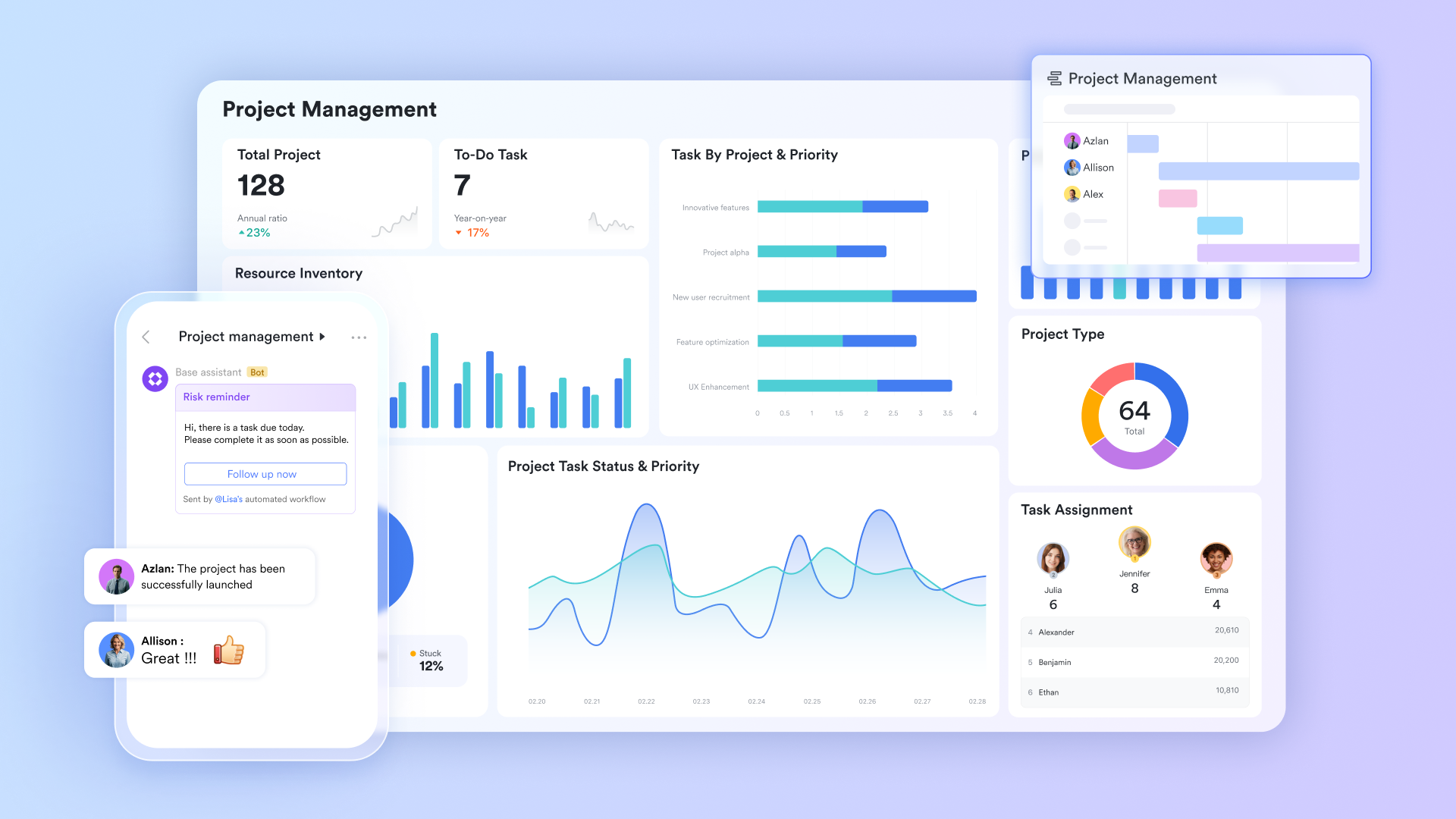
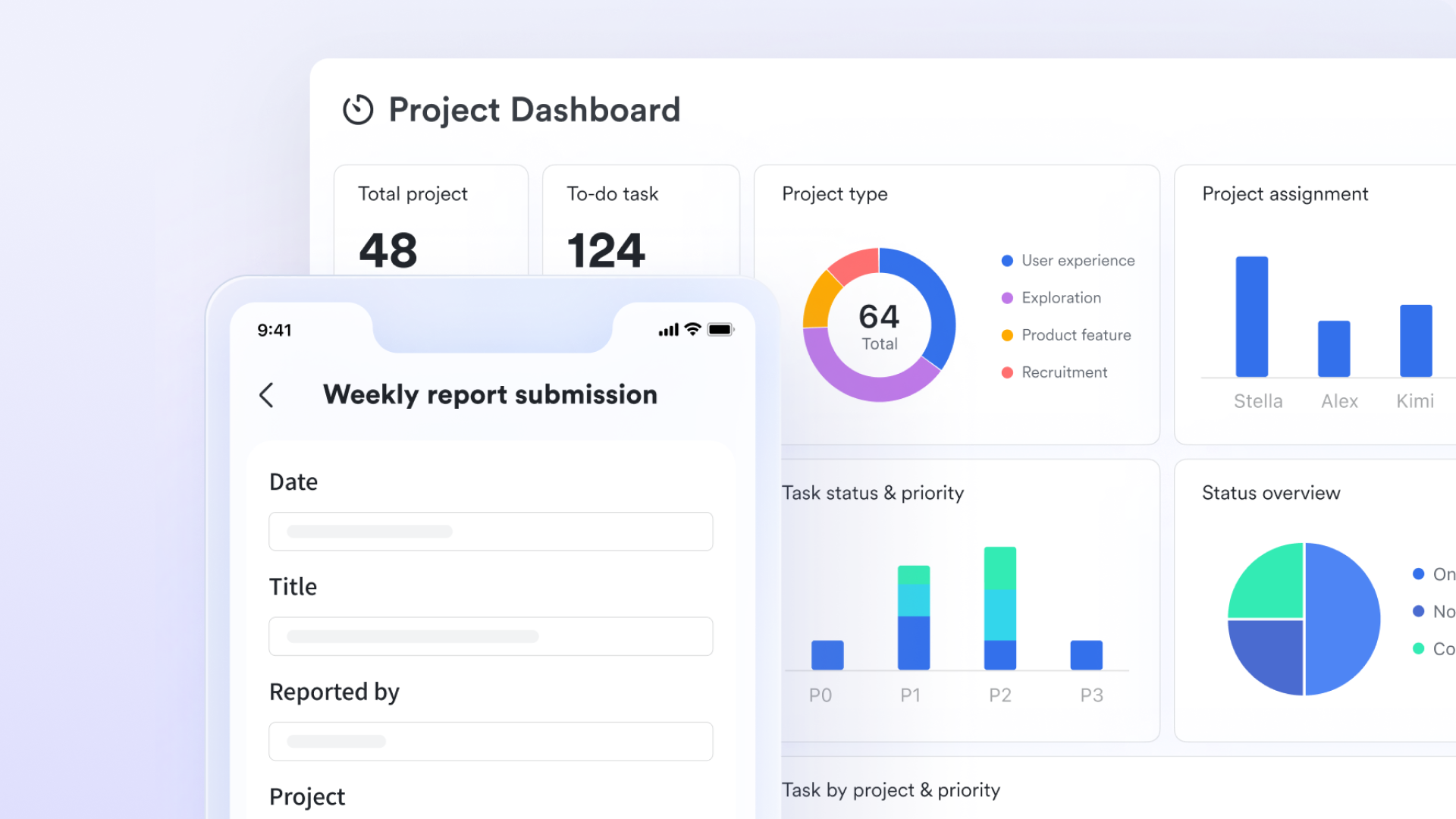
A typical function of the IT PMO involves monitoring the health, status, and risks of all IT projects in real-time. Relying on manual data gathering through emails and spreadsheets can be labor-intensive and susceptible to inaccuracies, leading to outdated information. With , the IT PMO can develop a customized, no-code centralized hub that acts as the command center for the IT project portfolio. And project managers can efficiently submit weekly status updates via standardized Lark Forms that automatically feed the hub, significantly decreasing manual data entry while ensuring accuracy. Furthermore, powerful automation capabilities empower the PMO to implement notifications for any status changes, enhancing proactive risk management.
Unified management system for alignment
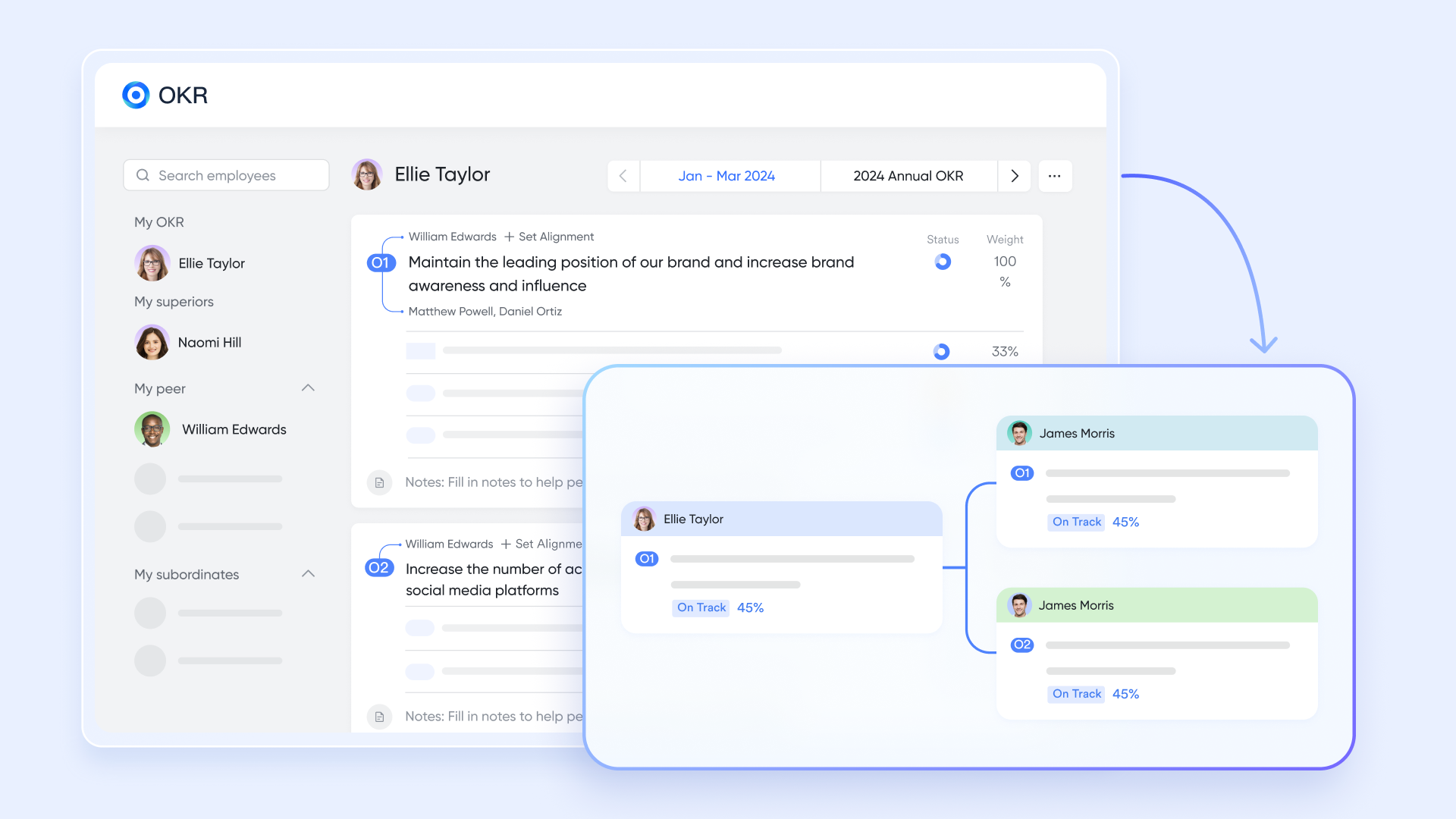
For an IT PMO to operate effectively, it requires a robust, centralized system that enhances processes and synchronizes IT initiatives with strategic business goals. Contemporary IT PMOs are transitioning away from isolated tools and embracing comprehensive digital workspaces. Utilizing , the IT PMO can establish the organization's strategic IT objectives, dynamically linking each project to specific Key Results, which illustrates how every initiative supports the broader IT strategy visibly, ensuring that all efforts align directly with business objectives.
Integrated communication hub
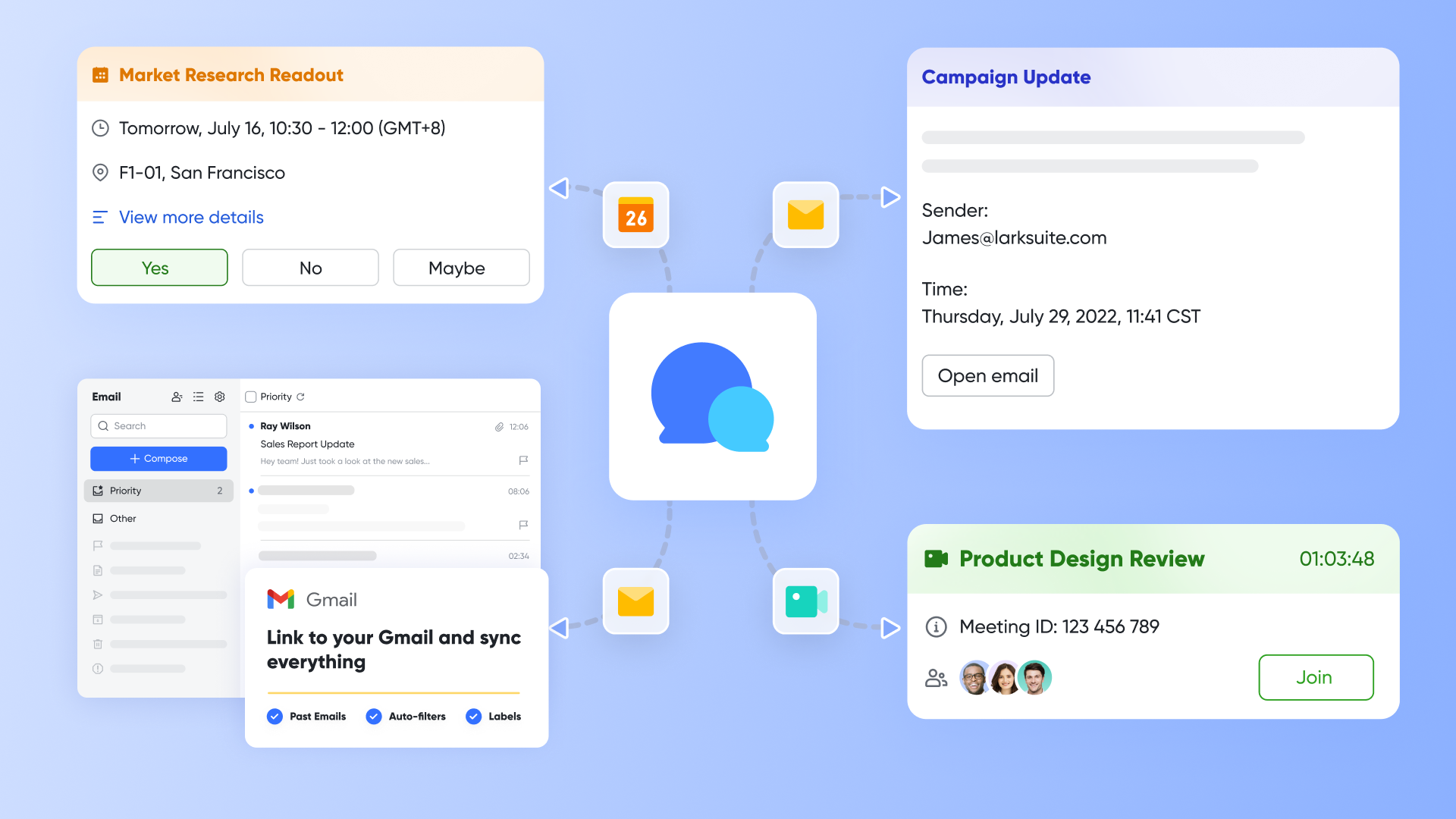
Within IT projects, communication can frequently become disjointed, scattered across various chat platforms, emails, and lengthy meeting summaries, complicating the tracking of key decisions and critical information. This disarray may result in lost data and misalignment among team members. functions as a consolidated hub that allows the IT PMO to form dedicated chat groups for each project. With interconnected , , and , dialogues can smoothly evolve into meetings while keeping all relevant contexts tied directly to the project, ultimately minimizing confusion and guaranteeing that everyone has access to the same information.
Holistic knowledge management
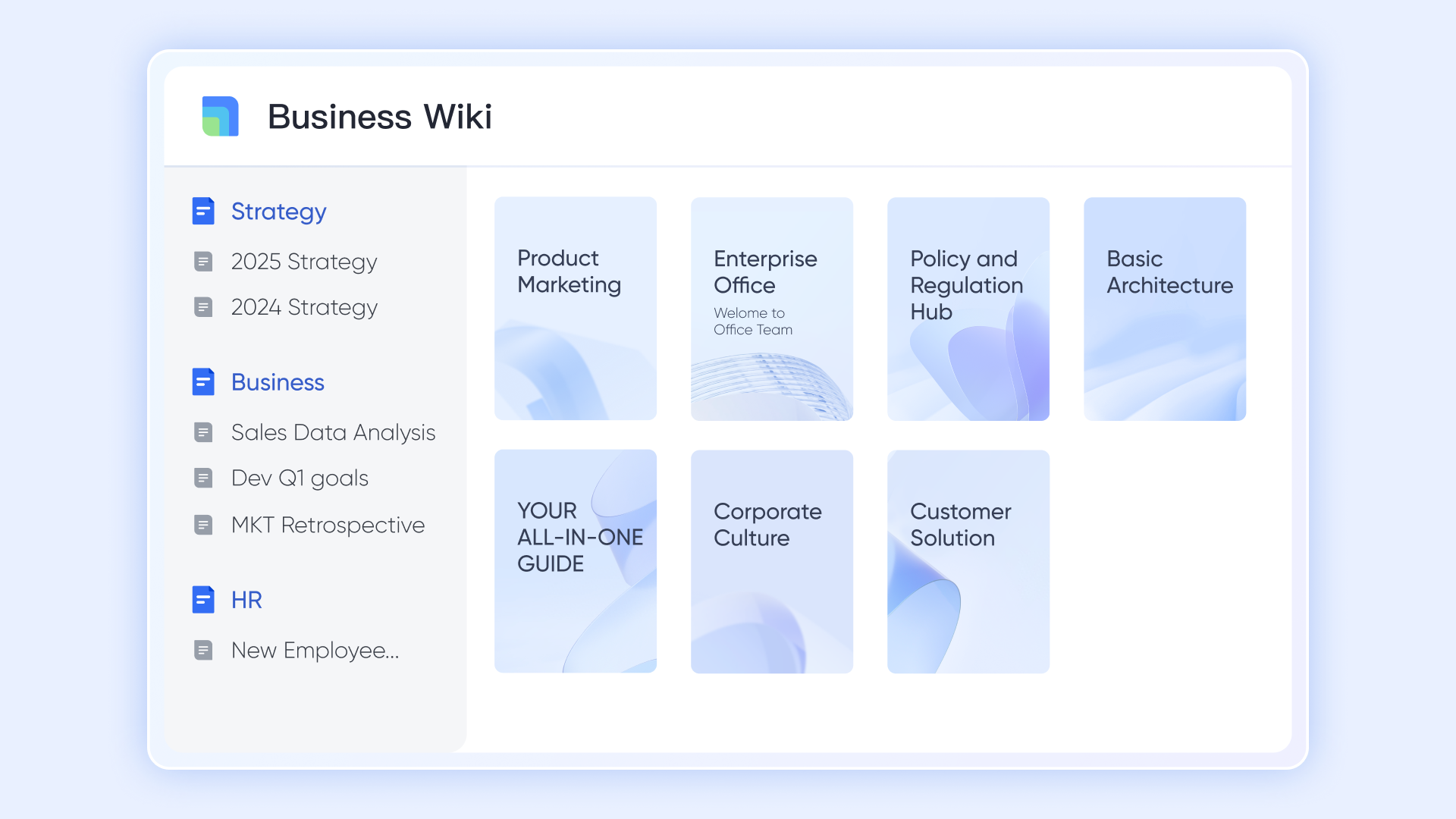
An effective IT PMO must ensure that project managers adhere to established procedures and that vital knowledge is preserved post-project. Relying on dispersed documents stored locally hinders the ability to maintain a single source of truth for templates, methodologies, and best practices. By leveraging and , the IT PMO can create a comprehensive knowledge repository, housing all official templates, process guides, and brand standards in a collaborative manner. With real-time updates, every project manager can access the most accurate and current resources.
Insights driven by data
Upon project completion, the IT PMO needs to evaluate success and capture lessons learned for ongoing improvement. Manually producing performance reports is often cumbersome and inconsistent. By utilizing the data gathered in , the IT PMO can create real-time, visual dashboards that monitor portfolio-wide KPIs, such as on-time delivery rates and adherence to budgets. This grants immediate insights into leadership.
:
- Starter plan: Free forever plan that includes 11 powerful tools for up to 20 users. It also comes with 100GB of storage, 1000 automation runs, AI translations, and more.
- Pro plan: $12/user/month (billed annually) for up to 500 users. It includes everything in Starter plus group calling for up to 500 attendees, 15TB of storage, 50,000 automation runs, and more.
- Enterprise plan: for custom pricing. Supports unlimited users and includes even more automation runs and advanced security, compliance, and management features.
For small teams with simple communication needs

18 months message history
1000 Base automation runs/month
2000 rows per table in Base
Most POPULAR
For companies with comprehensive collaboration and management needs
Unlimited message history
500-participant video meetings
50k Base automation runs/month
20k rows per table in Base
For large companies with advanced security and organizational management needs
Get a personalized demo and pricing
Unlimited message history
500-participant video meetings
15 TB storage + 30 GB storage/user
500k Base automation runs/month
50k Base automation runs/month
Most POPULAR
For companies with comprehensive collaboration and management needs
Unlimited message history
500-participant video meetings
50k Base automation runs/month
20k rows per table in Base
Future of IT PMOs
The future of IT PMOs will be shaped by demands for faster delivery, higher quality, and end‑to‑end digital transformation. As technology becomes core to business efficiency, IT PMOs will focus on optimizing processes and tools to support initiatives such as mobile applications and AI across all business units.
A major trend is the integration of AI and automation. Routine tasks like data collection, tracking, and reporting will be automated, allowing PMOs and project managers to focus on strategic, value‑driven work using predictive insights and real‑time data. Many traditional project management activities will be streamlined or replaced.
The rise of Agile and hybrid delivery models will further redefine the PMO's role from strict governance to enabling flexible execution and continuous value delivery. In a world of remote and hybrid work, strong digital collaboration and communication skills will be essential. Ultimately, IT PMOs will evolve into "Architects of Value," linking technology to business strategy and outcomes.
Conclusion
In summary, the IT PMO plays a crucial role in today's business environment, serving as a central hub that aligns IT projects with organizational strategy. This article reviewed the core aspects of IT PMOs, including their key benefits, common challenges, best practices for implementation, and how their role is evolving with digital transformation and advanced technologies. We highlighted the shift from traditional, control-focused PMOs to strategic partners that drive business value.
As organizations rely more on technology to boost efficiency and innovation, a well-functioning IT PMO becomes indispensable. By managing resources effectively, promoting cross-functional collaboration, and ensuring projects deliver measurable outcomes, IT PMOs help organizations navigate complexity and change. To support this, adopting a modern digital collaboration platform like Lark can further enhance visibility, coordination, and execution, empowering IT PMOs to deliver strategic impact at scale.
Empower your IT PMO with Lark
FAQs
What is PMO in IT?
A PMO in IT is a centralized unit that oversees IT projects to ensure alignment with business goals and efficient execution. It monitors project progress to meet timelines and budgets, implements standardized methodologies like Agile or Waterfall, and optimizes resource use. The PMO identifies risks early, leverages data for strategic prioritization, and ensures clear communication between teams and executives. By connecting technology initiatives with business objectives, the IT PMO plays a crucial role in fostering innovation and ensuring successful project delivery within organizations.
Is PMO better than project manager?
Determining whether a PMO is better than a project manager depends on their distinct but complementary roles.
The PMO oversees multiple projects, ensuring alignment with organizational goals, standardizing processes, and providing support. As a PMO staff member, you help coordinate projects and support project managers. Conversely, a project manager is responsible for the day-to-day management of a specific project, focusing on task completion, team coordination, and staying within budget. The project manager utilizes the frameworks established by the PMO to achieve project success. Both roles are essential for effective project delivery. The PMO provides strategic oversight while project managers focus on execution, and their collaboration drives organizational success.
What does a tech PMO do?
A Technology Project Management Office (Tech PMO) oversees IT projects within an organization, ensuring they align with business goals. It establishes standards and methodologies for project management, promoting consistency across initiatives. The Tech PMO manages resource allocation, identifies and mitigates risks associated with technology projects, and tracks progress while providing regular performance reports to . It supports project managers by supplying tools, templates, and training to enhance their skills. Additionally, the Tech PMO facilitates communication between project teams and executive management to maintain alignment and transparency. Ultimately, it plays a critical role in driving successful technology initiatives that support organizational objectives.
Related reading