Project monitoring is a vital aspect of effective project management. It encompasses the processes and activities that ensure projects remain on track, meet their intended goals, and deliver value. In today's fast-paced environment, organizations across various industries recognize the critical need for robust project monitoring techniques. Through proper monitoring, teams can identify potential issues early, make informed decisions, and adjust strategies as needed. This article delves deep into the concept of project monitoring, its significance, key elements, and best practices to help guide teams in enhancing their project outcomes.
Discover effective methods for monitoring
Key takeaways for successful project monitoring
- Establish a project monitoring plan
- Select appropriate monitoring tools
- Define key performance indicators (KPIs)
- Implement regular data collection processes
- Conduct regular monitoring activities
- Adjust plans as necessary
- Engage stakeholders consistently
- Review and reflect post-project
What is project monitoring?
Project monitoring refers to the systematic process of and performance against established benchmarks, goals, and timelines. It involves collecting, analyzing, and reporting on project data to ascertain how well the project is aligning with its predefined objectives. Effective project monitoring is crucial for various reasons, including:
- Ensuring accountability: By regularly reviewing project activities, stakeholders can hold team members accountable for their contributions and responsibilities.
- Measuring performance: Monitoring allows project managers to , helping determine whether the project is on schedule and within budget.
- Facilitating communication: Regular monitoring provides a framework for among team members and stakeholders, fostering collaboration and transparency.
Project monitoring encompasses various activities, including project monitoring and evaluation, project monitoring and control, and the use of project monitoring software. These components work together to ensure projects are not only completed successfully but also provide valuable insights for future initiatives.
Importance of project monitoring
The importance of project monitoring cannot be overstated. It serves as a cornerstone of project management by enabling teams to navigate through challenges and celebrate successes. Here are several key reasons why effective project monitoring is essential:
- Early detection of issues: By , project managers can identify potential problems before they escalate. This proactive approach allows for timely interventions and course corrections.
- Enhanced resource management: Project monitoring helps in effectively, ensuring that they are allocated optimally across activities. This aids in minimizing waste and maximizing productivity.
- Improved decision-making: With accurate data at hand, project managers can make informed decisions that align with project goals. Insights gained during monitoring can guide adjustments in strategies, timelines, and scope.
- : When stakeholders see that a project is being monitored diligently, they feel more assured about its progress and outcomes. This enhances their confidence in the project team and fosters stronger relationships.
- Learning for future projects: from monitoring activities provides valuable insights that can inform future projects. Teams can learn what worked well and what didn't, leading to continuous improvement over time.
Overall, effective project monitoring is the key to navigating the complexities of project management. By maintaining a clear focus on monitoring and controlling in project management, teams can ensure that their projects achieve their goals and deliver meaningful results.
Enhance your project's success today
Steps to project monitoring
Monitoring a project effectively requires a structured approach that ensures all components are addressed. This section outlines the critical steps necessary for successful project monitoring.
Step 1: Establish a project monitoring plan
Begin by creating a comprehensive project monitoring plan. This document should detail the objectives of your monitoring efforts, the , and the frequency at which monitoring will occur. Discuss this plan with your team to ensure clarity and buy-in. For instance, you could outline goals such as or achieving specific milestone deadlines. This plan serves as a roadmap, guiding your monitoring activities throughout the project lifecycle.
Step 2: Select appropriate monitoring tools
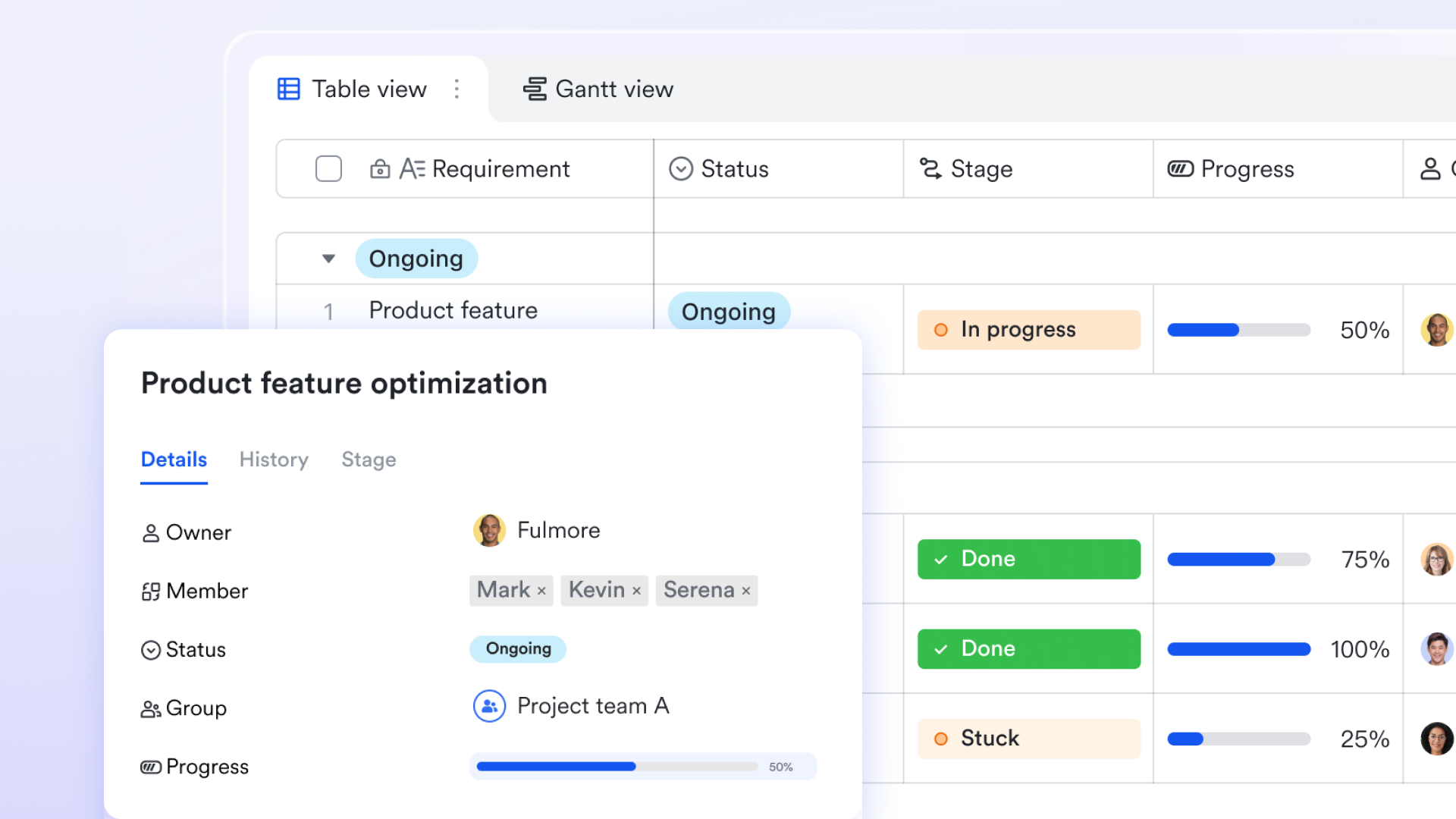
Choose project monitoring tools that align with your team's workflow and . Consider using project monitoring tools like , which offers cohesive features like , document sharing, and communication channels. By centralizing these activities, you can save much energy when you execute project monitoring.
Step 3: Define key performance indicators
Clearly identify the KPIs that will be most relevant to your project. These could encompass a variety of metrics, such as:
- Task completion rate: Quantifies how many tasks are finished versus planned.
- Budget variance: Tracks the difference between projected and actual spending.
- : Assesses how well the outputs meet established standards or client expectations. Involving team members in this process can help ensure that the KPIs resonate with everyone's understanding of project success.
Step 4: Implement regular data collection processes
Establish a systematic approach for collecting data related to your KPIs. This may involve:
- Weekly progress reports from team members, where they can update their task statuses.
- within your that allow you to pull real-time data.
- Surveys or to gauge team morale and satisfaction regarding project processes. Regular data collection enables you to identify trends and react promptly to any concerns.
Step 5: Conduct regular monitoring activities
Schedule and adhere to regular check-ins with your project team. These could be weekly meetings or bi-weekly progress reviews, depending on the project's pace. During these meetings:

- Discuss current performance against your KPIs, using the data collected to highlight trends. For example, if task completion rates are lagging, explore the underlying issues together.
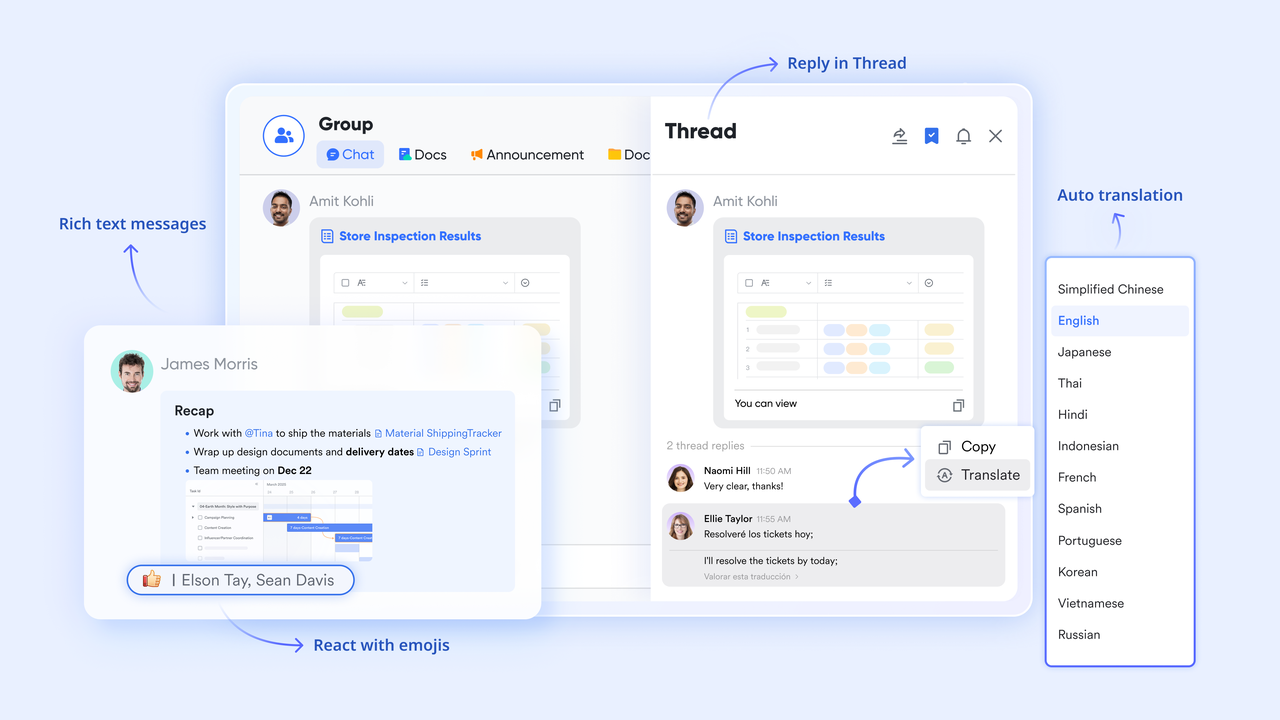
- Encourage open dialogue about challenges team members face. What deserves special mentioning is that Lark can facilitate these discussions through its or , making communication more straightforward and efficient.
- Use these meetings not just to report progress but to engage the team in problem-solving. This way, everyone feels they have a part in steering the project toward success.
Step 6: Analyze and report data
Once you have collected data, it's time to analyze it for insights. Look for patterns, anomalies, or changes in performance. Present this information both in written reports and visual formats, such as dashboards, to make it accessible to all stakeholders. For example, you can create where analyses can be collaborated on and improved collectively. Highlight key successes and areas of concern to ensure transparency.
Step 7: Adjust plans as necessary
Based on your data analysis, be prepared to make necessary adjustments to your project plan. If certain tasks are falling behind schedule, consider reallocating resources or to regain momentum. For instance, if a critical task is behind schedule, you might need to prioritize resources towards that task, possibly by deferring less critical activities. Maintain a flexible approach, as project dynamics often require quick adaptations.
Step 8: Engage stakeholders consistently
throughout the project's duration. Regular updates help maintain trust and encourage collaboration. Utilize tools like Lark to send out quick updates, share progress reports, or set up stakeholder meetings. Transparency about project status, both positive and negative, fosters strong relationships and creates an environment where stakeholders feel involved in the process.
Step 9: Review and reflect post-project
After project completion, conduct a thorough review of both the project outcomes and the effectiveness of your monitoring processes. Hold a post-project meeting where team members can reflect on what worked and what didn't. Document these insights in a shared file, making it simple to refer back to whenever starting new projects. Collectively discussing lessons learned ensures that your team continuously improves its monitoring strategies.
By following these detailed steps to project monitoring, you can build a robust framework that not only addresses current project goals but also lays the groundwork for future successes. Effective monitoring is a dynamic process that requires engagement, adaptability, and a commitment to continuous improvement—a vital approach that can lead your team to achieve remarkable results.
Follow these steps in a powerful app
Key elements of effective project monitoring
Effective project monitoring relies on foundational, structural elements that form the backbone of tracking and management. These components ensure monitoring is systematic, goal-aligned, and actionable from the start:
- SMART-aligned project baseline: Establish a clear baseline with goals as the core. This baseline defines "success criteria" and serves as the anchor for all monitoring activities, ensuring every tracking action ties back to project objectives.
- : Define a set of KPIs directly linked to the project baseline. These metrics should cover three dimensions: progress (e.g., milestone completion rate), resources (e.g., budget utilization), and quality (e.g., deliverable pass rate). KPIs act as "monitoring anchors" to avoid unfocused data collection.
- Standardized data collection system: Build a unified system for data capture, including predefined data types (quantitative: task cycle time; qualitative: stakeholder satisfaction), collection formats (e.g., task status templates), and storage repositories. This ensures data consistency and accessibility.
- Monitoring responsibility matrix: Clarify roles for monitoring: who collects data, who analyzes it, who reports to stakeholders, and who owns issue resolution. A clear matrix eliminates ambiguity and ensures accountability for each monitoring link.
- Risk & deviation alert thresholds: Predefine thresholds for "normal vs. abnormal" status (e.g., "task delay > 2 days = high risk," "budget overrun > 10% = alert"). These thresholds turn vague monitoring into targeted triggers for intervention.
- Continuous improvement mechanism: Embed a mechanism to iterate on monitoring processes—such as post-phase reviews of KPI relevance, data collection efficiency, or alert accuracy. This ensures the monitoring framework evolves with project dynamics.
By integrating these key elements into your project monitoring practices, you create a solid framework that supports successful project execution and delivery.
Useful templates for project monitoring
Jumpstart your project oversight with these purpose-built templates. They provide structured starting points to , align goals, collect feedback, and resolve issues—turning data into actionable insights.
Project tracker template
This is your command center for a single project's health. It provides a unified view of all tasks, milestones, deadlines, and owners. Use it to monitor workloads, spot upcoming deadlines, and identify tasks that are at risk or falling behind. With visual fields like "Status", you get an immediate, intuitive understanding of your project's timeline and progress, ensuring nothing slips through the cracks.
Demand collection management template
Effective monitoring also involves tracking what's coming into the project pipeline. This template helps you systematically capture, evaluate, and prioritize incoming requests from stakeholders or customers. By monitoring this "demand pool," you can make informed decisions about , scope changes, and future sprints. It brings transparency to the request intake process, ensuring valuable ideas are tracked and not forgotten.
Project problem tracker template
Proactively monitoring projects means swiftly identifying and resolving issues. This template provides a structured form for recording problems as they arise. By tracking problems through to resolution, you can monitor patterns, implement lasting fixes, and gather data to prevent similar issues in future projects, turning setbacks into learning opportunities.
Transform project monitoring from chaos
Project monitoring has moved far beyond simple task check-offs nowadays. Team leaders need a nervous system that provides real-time insights, warnings of risks, and ensures every piece of work is tightly connected to strategic goals. Fragmented tools, passive data collection, and delayed reactions often leave project management stuck in a reactive mode.
redefines project monitoring with its unified, intelligent, and collaborative design. It's more than a place to —it's a command center that helps you foresee problems, analyze root causes, and drive team action. This article will show you how to build a proactive project monitoring system with Lark.
Seamlessly connecting "seeing a problem" and "solving it"
Core pain point: In traditional workflows, discovering a problem in a monitoring tool and then switching to a chat app to discuss it leads to lost context. Task details, historical comments, and related documents get left behind, requiring repetitive synchronization and killing efficiency.
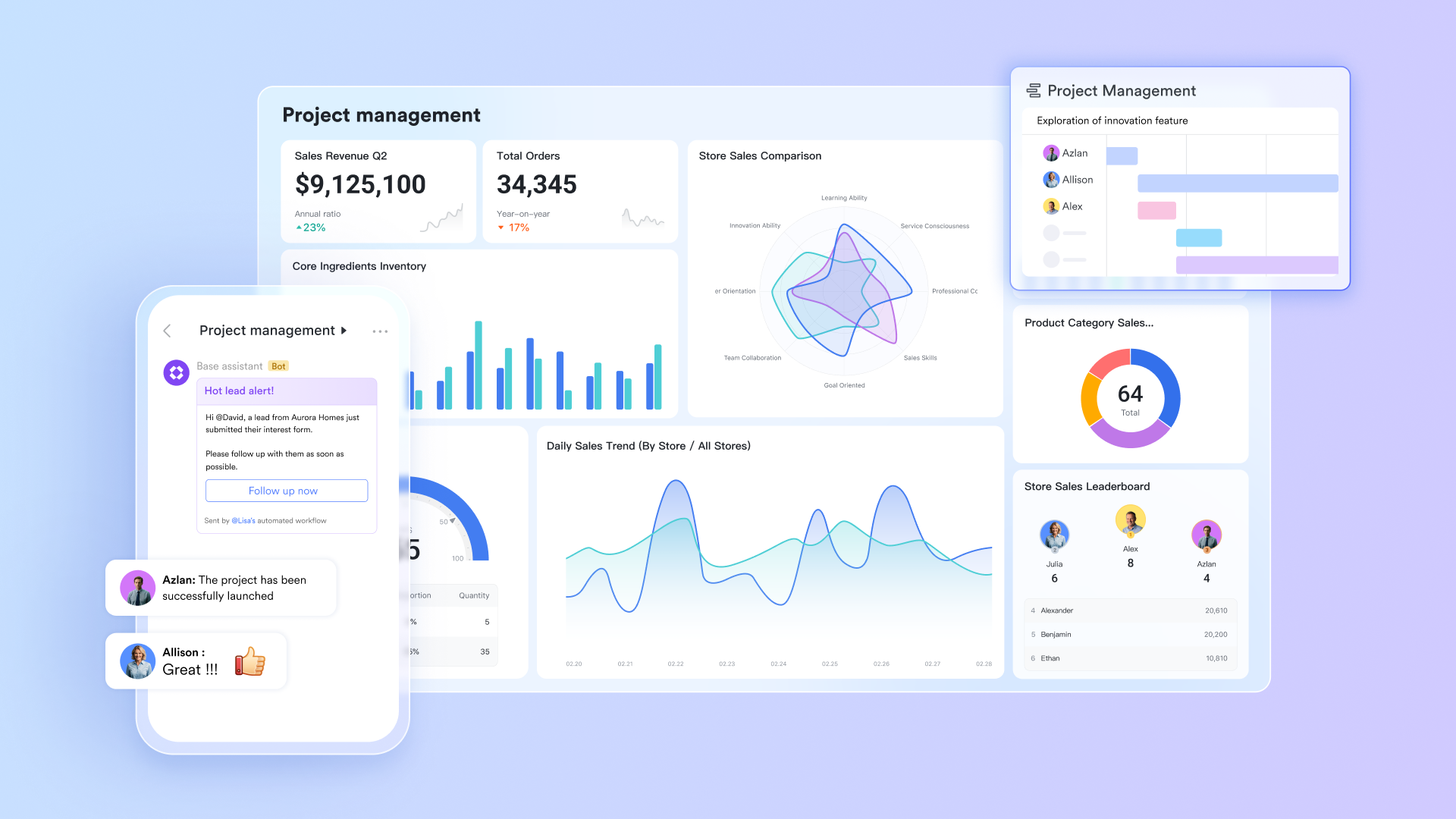
Lark's solution: Its natively unified design. Tasks, group chats, , and meetings are deeply connected, eliminating friction and information loss from switching between apps.
How to use it for smart monitoring: When you spot a risky task in , you don't need to leave the page. You can instantly comment under the task records to @mention relevant people or quickly right from the chat. This means moving from discovering a problem to launching a solution discussion can happen almost instantly, allowing the team to collaborate efficiently within the full context.
From static reports to dynamic, conversational insights
Core pain point: Traditional project reports are static and historical. They can't flexibly answer specific ad-hoc questions, often forcing teams into manual and tedious data tracing.
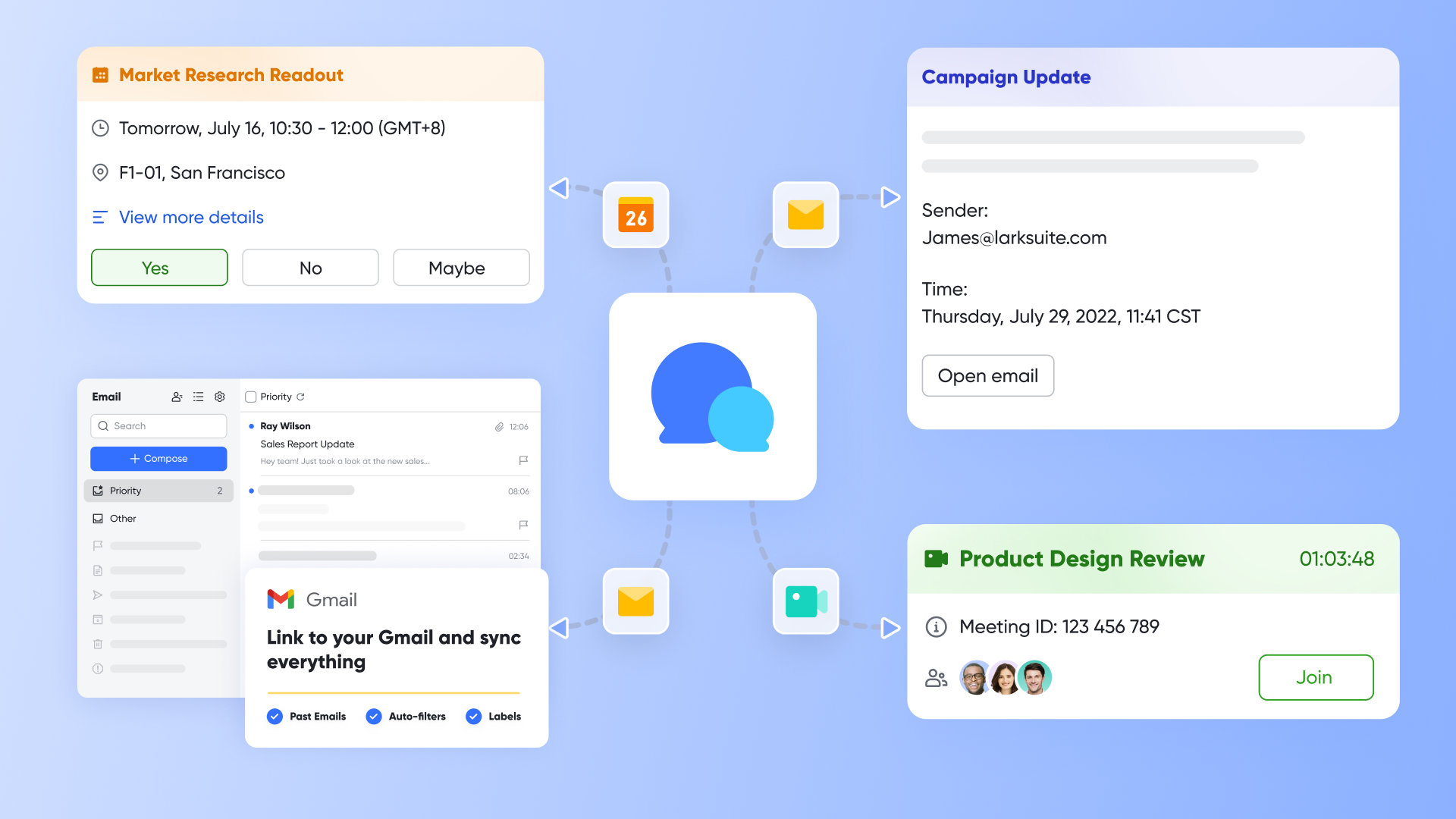
Lark's solution: It frees project managers from the "interpreting the graph" work. Dashboards in Lark Base are not just visualization tools; they can directly output data-driven judgments and descriptions, significantly lowering the barrier and time cost of interpreting monitoring data. How to use it for smart monitoring: Create dashboards for key metrics like "Task delay rate" or "Bug distribution" in your Base. With "Smart Analysis" enabled, Lark doesn't just show charts—it can automatically generate detailed summaries. For example, if a bug reopen rate suddenly spikes in a sprint, the smart summary might highlight that "70% of reopened bugs this cycle are related to the 'user authentication' module," letting you pinpoint the root cause immediately. 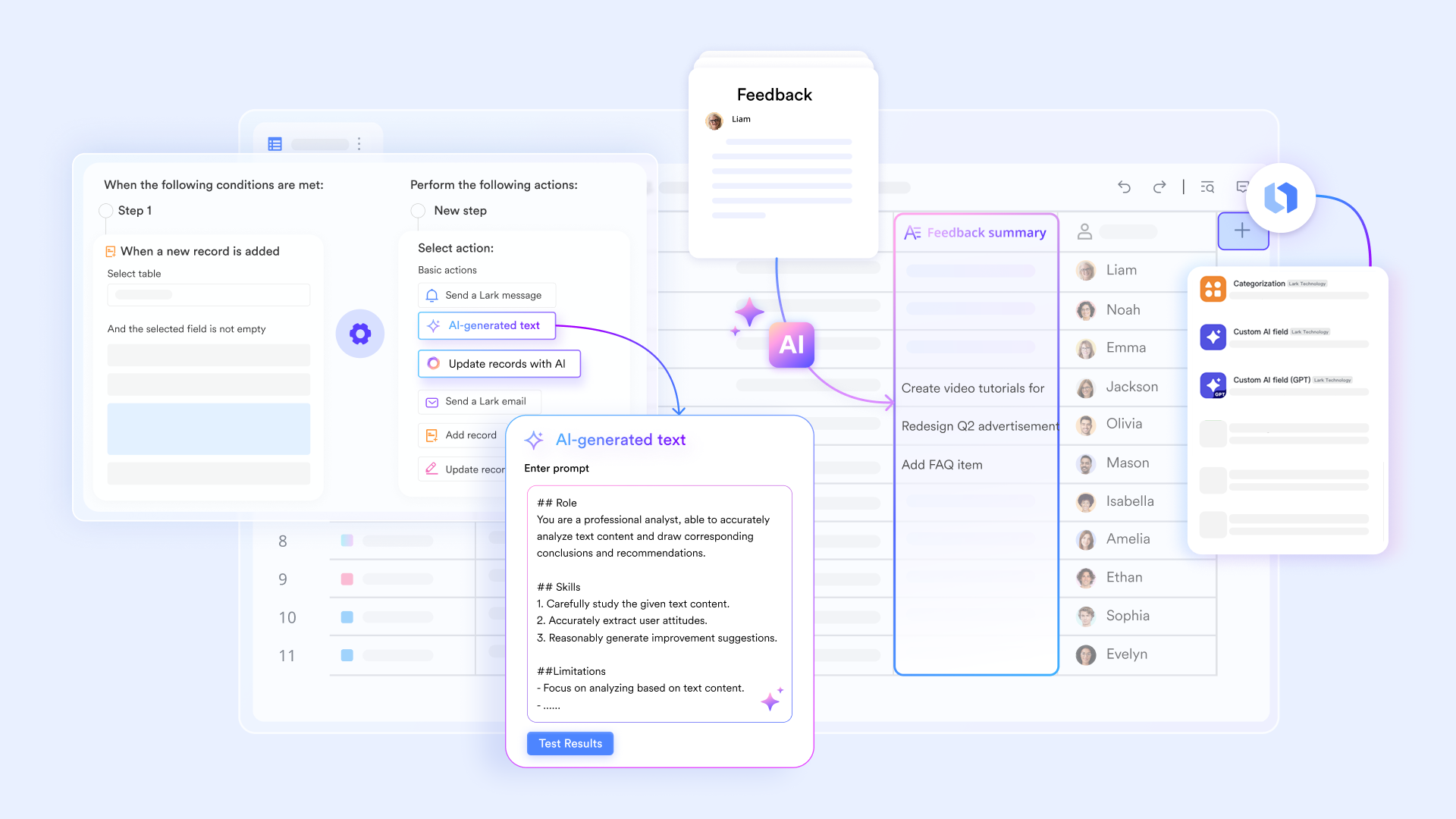
Turning passive queries into active risk interception
Core pain point: Project risks often aren't found until they've already caused impact. Managers rely on periodic stand-ups or team members to proactively report issues, a process that is passive and inefficient.
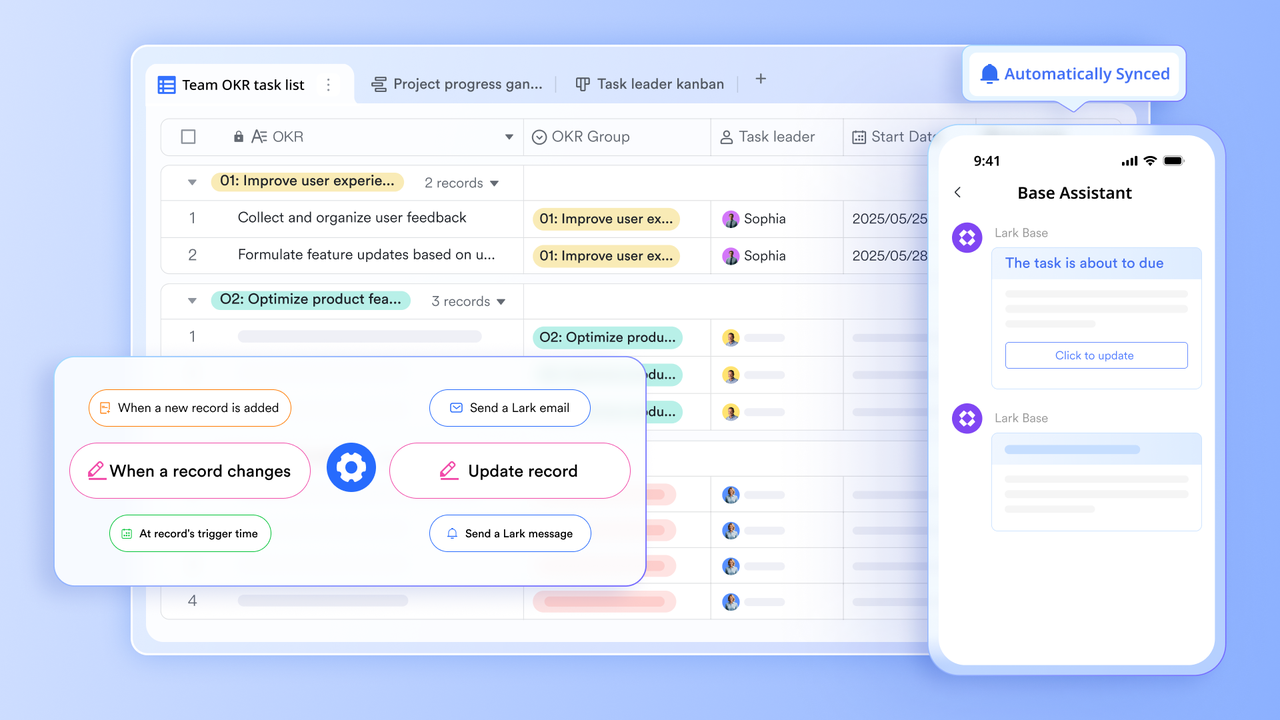
Lark's solution: Powerful automation workflows allow you to set up a series of "If This... Then That..." rules for project monitoring, turning the system into a 24/7 online sentinel. How to use it for smart monitoring: You can create automation rules like these: when any task is marked as "high-risk," immediately send a notification to the project group and the responsible person. Or, every Friday afternoon, automatically summarize a list of all "upcoming but not started" tasks and send it as a reminder to the team. This is like installing smoke alarms for your project, sounding the alert at the first sign of trouble to eliminate problems before they grow.
Ensuring the execution engine stays aligned with goals
Core pain point: Teams can get so busy completing individual tasks that they drift from the original strategic objectives, leading to "using tactical business to cover up strategic laziness." Project monitoring becomes disconnected from company goals.
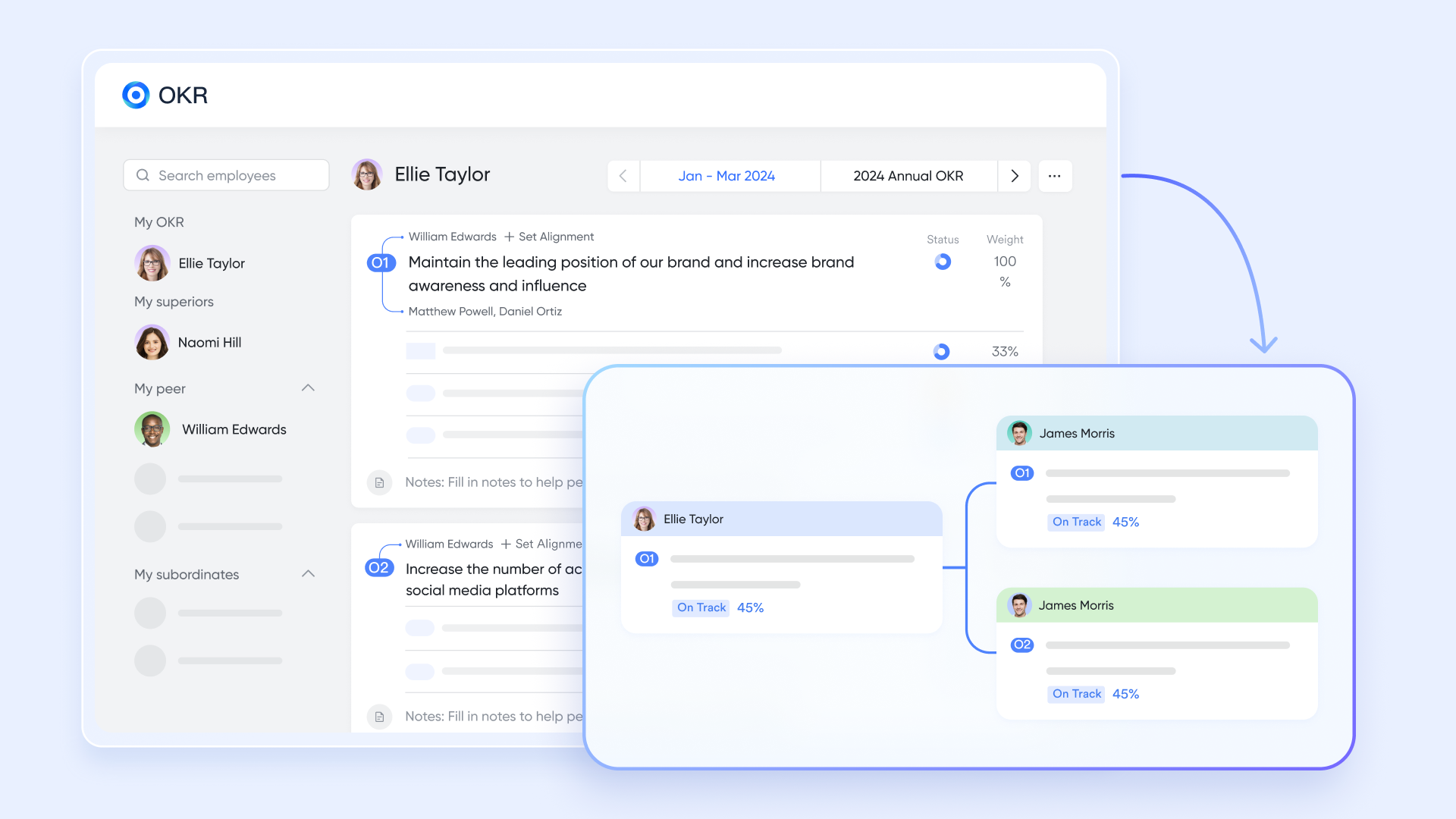
Lark's solution: establishes clear strategic benchmarks and a value-oriented direction for project monitoring. By answering the two fundamental questions—"Where are we going?" (Objective) and "How do we measure if we've arrived?" (Key Results)—it ensures all project activities revolve around unified and transparent goals.
How to use it for smart monitoring: During project weekly meetings or milestone reviews, a core part of monitoring should be reviewing OKR progress. The team shouldn't just discuss what percentage of tasks are done. They must ask: "How much is our current work contributing to advancing the KR? Is the current KR completion at 30% or 70%?" This kind of check-in immediately exposes misalignment. If all tasks are done but KR progress is stalled, it means the work may have strayed from the core value path, requiring an immediate strategy adjustment.
Turning monitoring experience into organizational assets
Core pain point: Valuable insights from project monitoring—like incident reviews, risk response strategies, and decision rationale—often disappear when a project ends or team members change. This failure to form organizational memory leads to the same problems repeating.
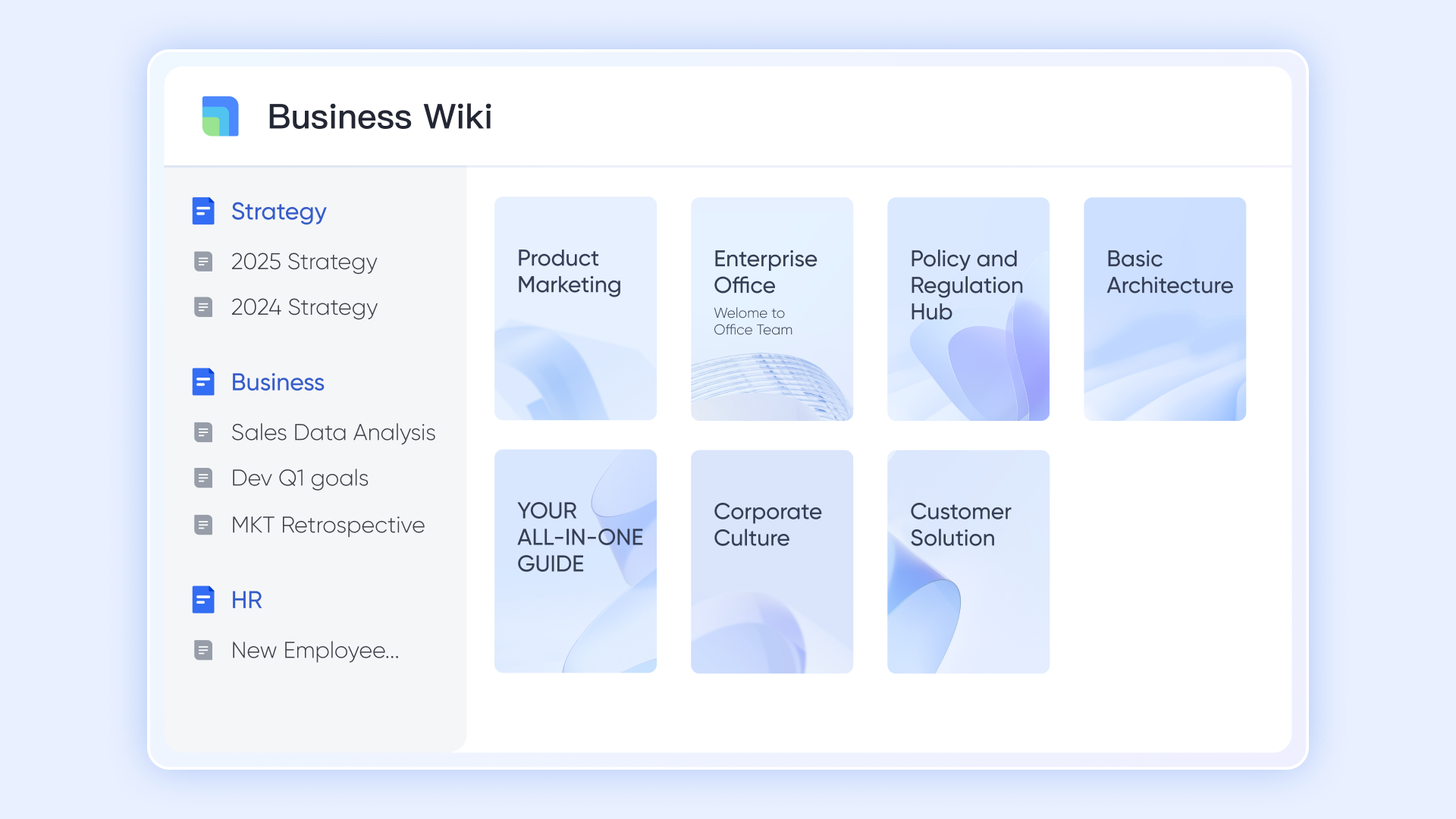
Lark's solution: provides a powerful, easy-to-manage knowledge base for systematically from a project's lifecycle.
How to use it for smart monitoring: Create a Wiki homepage for each project and establish a rule that all project weekly reports, milestone review meeting notes, and post-incident analysis reports must be archived there. The value this brings to monitoring is historical traceability and decision reusability. When the monitoring system flags a similar risk again, new members or managers can quickly search the Wiki for past solutions, avoiding past mistakes and enabling continuous team growth.
Pricing
Here is Lark's detailed pricing plans:
- Starter plan: Free forever plan that includes 11 powerful tools for up to 20 users. It also includes 100GB of storage, 1,000 automation runs, AI translations, and more.
- Pro plan: $12/user/month (billed annually) for up to 500 users. It includes everything in Starter, plus group calling for up to 500 attendees, 15 TB of storage, 50,000 automation runs, and more.
- Enterprise plan: for custom pricing. Supports unlimited users and includes even more automation runs and advanced security, compliance, and management features.
For small teams with simple communication needs

18 months message history
1000 Base automation runs/month
2000 rows per table in Base
Most POPULAR
For companies with comprehensive collaboration and management needs
Unlimited message history
500-participant video meetings
50k Base automation runs/month
20k rows per table in Base
For large companies with advanced security and organizational management needs
Get a personalized demo and pricing
Unlimited message history
500-participant video meetings
15 TB storage + 30 GB storage/user
500k Base automation runs/month
50k Base automation runs/month
Most POPULAR
For companies with comprehensive collaboration and management needs
Unlimited message history
500-participant video meetings
50k Base automation runs/month
20k rows per table in Base
Challenges in project monitoring
While project monitoring is fundamental to successful project management, it also comes with its fair share of challenges. Understanding these obstacles allows teams to devise strategies for overcoming them effectively. Here are some common challenges faced during project monitoring:
- Lack of clear goals and objectives: One of the primary challenges in project monitoring is the absence of well-defined goals. Without clear objectives, it becomes difficult to measure progress or determine what success looks like. This ambiguity can lead to confusion among team members about their responsibilities and expected outcomes.
- Inconsistent data collection: For monitoring to be effective, teams must regularly collect accurate and relevant data. Inconsistent data collection processes can lead to a lack of reliable information for decision-making. This inconsistency may arise from varying reporting styles, differing timelines, or the use of incompatible that hinder seamless data aggregation.
- Overwhelming amounts of data: In an age where data is abundant, project teams can struggle with information overload. Sifting through vast quantities of data to extract meaningful insights can be daunting and time-consuming. Without proper filtering or analysis techniques, teams may find it challenging to focus on what truly matters.
- Communication breakdowns: Effective communication is vital for successful project monitoring. However, breakdowns in communication can occur due to unclear reporting structures, misunderstandings among team members, or lack of engagement from stakeholders. These breakdowns can delay decision-making and lead to project derailment.
- Insufficient resources: Project monitoring can be resource-intensive, requiring both time and effort. Teams may find it challenging to balance ongoing monitoring activities with their primary project tasks. Limited resources can result in inadequate monitoring practices and, consequently, diminished project success.
However, you can proactively avoid these challenges with , which paves the way for a more effective project monitoring process.
Overcome common project monitoring obstacles with Lark
Best practices for project monitoring
These are actionable strategies to activate the core elements, turning structural frameworks into effective on-the-ground operations:
- Goal decomposition & alignment workshops: Translate the SMART baseline into team/department-level sub-goals via . Use tools like to document alignment and share it with all members, ensuring everyone understands how their work maps monitor targets.
- Real-time data sync & visualization: Deploy tools to sync data in real time and visualize KPIs as dynamic charts (e.g., burndown charts for progress, pie charts for resource allocation). This makes deviations visible at a glance, avoiding delayed insights from static reports.
- Tiered review meetings with focused agendas: Hold structured, tiered check-ins: weekly reviews (30 mins, KPI trend analysis), monthly retros (60 mins, process optimization). You can use to share dashboards live and assign action items directly.
- Cross-stakeholder transparency channels: Create dedicated groups for different stakeholders(e.g., "project-update-management," "client-progress-report"). Automate weekly digest posts with key KPIs and milestones, ensuring transparency without manual follow-ups.
- Deviation response playbooks: Develop step-by-step playbooks for common deviations (e.g., "task delay > 2 days: assign backup resource; budget overrun > 10%: review scope with client"). Link playbooks to alert thresholds in your monitoring system for quick action.
- Lessons learned library & iteration: After each project phase, —tagging insights by "KPI adjustment," "data collection improvement," or "response playbook optimization." Reference this library when designing monitoring frameworks for new projects.
By following these best practices, teams can strengthen their project monitoring capabilities, leading to more successful project outcomes. Proactive monitoring, , and continuous improvement are key to navigating the complexities of project management.
Conclusion
Effective project monitoring is crucial for ensuring projects are completed on time and within budget while meeting their intended goals. By adopting best practices and overcoming common challenges, teams can significantly improve their monitoring efforts. offers a robust platform that enhances collaboration, provides real-time task management, and delivers valuable insights through data analytics. With these tools at their disposal, teams can streamline their project monitoring processes, foster open communication, and drive better results in their projects.
Implement project monitoring strategies for lasting success
FAQs
What is meant by project monitoring?
Project monitoring involves the continuous assessment of project progress, performance, and resource utilization against established metrics and goals. It helps ensure that projects stay on track and meet their objectives. You can monitor projects smoothly with Lark.
What are the four types of project monitoring?
The four types of project monitoring are scope monitoring, time monitoring, cost monitoring, and quality monitoring. Each focuses on different aspects of the project, allowing teams to evaluate their adherence to the project plan effectively.
Why is project monitoring important?
Project monitoring is crucial for identifying issues early, ensuring that projects are delivered on time and within budget. It enables teams to make informed decisions, adjust strategies, and improve overall project outcomes. Tools like Lark can facilitate real-time monitoring and enhance collaboration among team members.
What is another name for project monitoring?
Another name for project monitoring is project oversight. This term emphasizes the supervisory aspect of ensuring that a project is progressing as planned, often incorporating various monitoring techniques and methodologies.
Related reading