A Work Breakdown Structure (WBS) is one of the most powerful tools in project management. Whether you're planning a new product launch, executing a retail expansion, or managing cross-functional projects, a well-designed WBS helps you transform a significant, complex initiative into clear, manageable components.
This guide explains what is a Work Breakdown Structure, why it matters, the different types of WBS formats, practical examples, and how modern platforms like Lark help teams build, track, and automate WBS execution from start to finish.
Plan, track, and manage your WBS seamlessly
What is the work breakdown structure?
A Work Breakdown Structure (WBS) is a hierarchical framework that breaks a project into smaller, manageable components. When people ask, "What is a work breakdown structure in project management?" The answer is simple: it's the blueprint that defines all and organizes them into clear levels of work. Instead of listing random tasks, a WBS focuses on outcomes that must be delivered for the project to succeed.
Understanding what a work breakdown structure is also means understanding its purpose. A WBS ensures complete clarity of scope, eliminates duplication, improves planning accuracy, and establishes ownership across teams. By decomposing the project into deliverables and work packages, teams gain better visibility, estimation, scheduling, and cost control.
In short, if you want reliable execution and aligned expectations, you need a strong WBS. It acts as the foundation for and connects directly to timelines, budgets, and resource planning.
What is the purpose of a work breakdown structure?
Understanding the purpose of a work breakdown structure is essential because it defines how teams manage complexity and ensure project success. A WBS creates structure, clarity, and alignment by breaking work into well-defined deliverables that support accurate planning and smooth execution.
- Ensuring clarity of scope: A WBS provides a complete view of the project scope, showing precisely what is included and what is not. By breaking the project into structured components, teams avoid misunderstandings and hidden work. This clarity helps stakeholders align expectations from the very beginning.
- Establishing deliverables and outcomes: Instead of focusing on tasks, the WBS defines the results required for project success. Each deliverable becomes a measurable output that guides planning and execution. This outcome-driven structure keeps teams focused on what truly matters.
- Reducing ambiguity and duplication of work: A clear WBS eliminates overlap by making every deliverable visible in the hierarchy. Teams understand who owns what, preventing duplicate efforts and missed responsibilities. This reduces confusion and ensures smooth coordination.
- Improving estimation and planning: By breaking work into smaller components, estimation becomes more accurate and based on concrete deliverables. Teams can more reliably. This structure leads to better schedules and fewer planning surprises.
- Creating accountability in project teams: Each work package in the WBS can be assigned to a specific owner or team. This builds transparency and ensures responsibility at every level of the project. Clear ownership and improves execution discipline.
Learn more about work breakdowns and workflows
What is the role of the work breakdown structure in project management
To understand what a work breakdown structure is in project management, you need to see how deeply it influences every stage of planning and execution. A WBS is not just a document. It is the structural backbone that connects scope, schedules, budgets, and resources into one coherent system.
- Role of WBS during initiation and planning: During initiation, the WBS clarifies what the project must deliver and how the work is organized. It helps teams identify major components early, reducing uncertainty in the planning phase. This structured breakdown provides the foundation for realistic timelines, estimates, and .
- Relationship to scope management: The WBS acts as the primary tool for defining and controlling project scope. Every deliverable and sub-deliverable is documented, making it easier to prevent scope creep. Any change request must map back to the WBS to ensure alignment with approved project objectives.
- How WBS connects to scheduling, budgeting, and resource tracking: Once the WBS defines clear deliverables, project managers can translate them into schedules and cost estimates. Each work package serves as a unit for assigning resources, , and controlling the budget. This linkage ensures that execution stays aligned with planned timelines and financial constraints.
- WBS as the foundation for Work Packages: At the lowest level of the WBS are Work Packages, small, manageable units of work. Each Work Package includes detailed scope, owners, costs, and timelines. Because they originate from the WBS hierarchy, they remain firmly aligned with the project's overall goals and measurable outcomes.
What are the types of WBS structures?
When teams explore what a work breakdown structure is in real project settings, they quickly discover that not all WBS formats are the same. Different structures support different methodologies, clarity needs, and project complexities.
- Deliverable-based WBS: A deliverable-based WBS organizes the project around primary outputs, such as product components, , or completed features. This structure keeps teams focused on tangible outcomes instead of unrelated tasks. It is ideal for projects where results are clearly defined.
- Phase-based WBS: This approach breaks the project into sequential phases such as initiation, planning, execution, testing, and closure. It aligns naturally with waterfall or stage-gated methodologies. Teams benefit from a chronological flow that supports structured progress tracking.
- Hybrid approaches depending on : A hybrid WBS blends deliverable-based and phase-based elements to support flexible or iterative approaches. It works exceptionally well for Agile or mixed-method projects where both outcomes and processes matter. This combination adapts to evolving requirements without losing structure.
- When each type works best: Deliverable-based WBS works best for projects with clear, outcome-driven goals. Phase-based WBS excels in predictable, sequential environments. Hybrid structures are ideal for teams that need a balance of flexibility and control, such as in digital, IT, or cross-functional projects.
How to create a work breakdown structure
To fully understand what a work breakdown structure in is, it's essential to know how to build one effectively. A strong WBS is structured, outcome-oriented, and detailed enough to support accurate planning without overwhelming the team.
Understanding : Start by clarifying the overall project objective and the outcomes the team must achieve. This high-level understanding ensures the WBS aligns with business value, not just activities. Clear goals help guide the hierarchy and prevent unnecessary work from entering the structure.
Group related deliverables: Cluster similar deliverables into logical categories to create a clean, intuitive hierarchy. Grouping prevents fragmentation and helps teams see relationships across work components. This makes the WBS easier to navigate and maintain. Use and Lark Sheets to draft the initial structure collaboratively, allowing team members to easily drag and drop, and suggest groupings before finalizing the hierarchy in the WBS management tool. 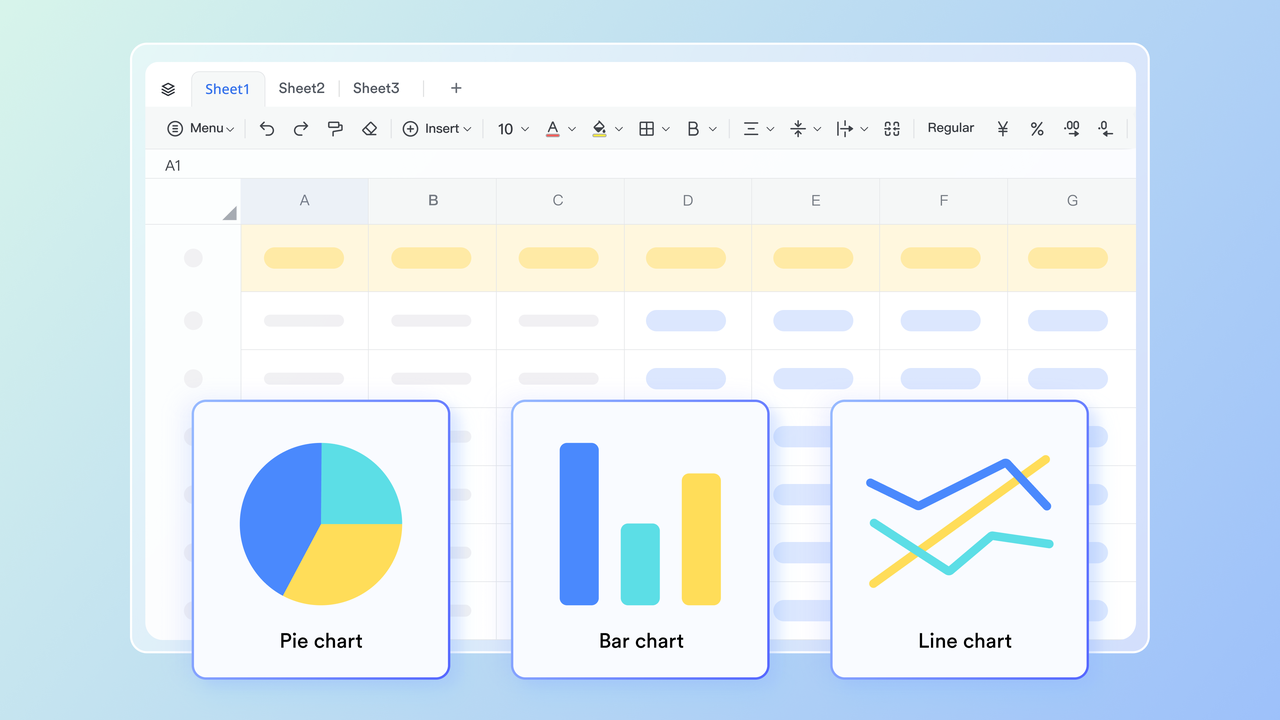
Breaking down outcomes, not just tasks: A proper WBS focuses on deliverables to be produced, not isolated tasks. This approach keeps teams aligned with results instead of busywork. It also ensures each component directly contributes to the final project goals.
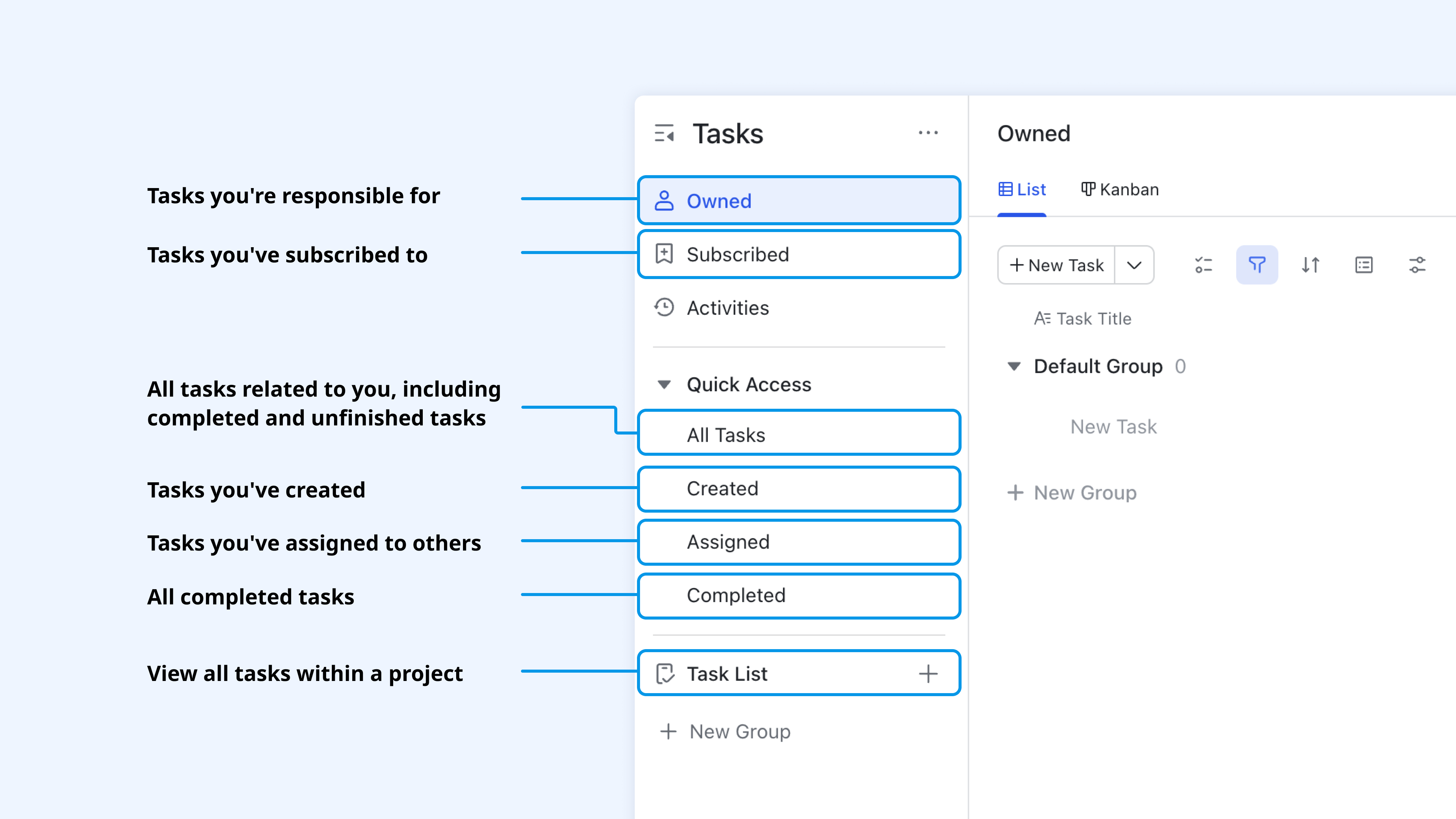
Decompose until work is measurable: Break down each deliverable into work packages that can be estimated, scheduled, and assigned. The goal is to reach a level where effort, cost, and ownership are apparent. Stop decomposition when additional detail no longer adds meaningful clarity. The smallest unit should be assignable to a specific person or small group. Lark Task can help convert these to a task list, enabling the team to assign owners, deadlines, and automatically track status updates that are instantly visible to stakeholders.
Common mistakes to avoid: Teams often overcomplicate the WBS, confuse tasks with outcomes, or overlook critical deliverables. Another mistake is treating the WBS as a one-time document instead of updating it as the scope evolves. Avoiding these pitfalls ensures the WBS remains accurate, actionable, and aligned with business goals.
Create clearer deliverables in minutes
Action time: Use Lark to create and practice a work breakdown structure
Creating and practicing a work breakdown structure becomes faster and more collaborative when teams use an all-in-one workspace like Lark. Its connected , tasks, and databases allows project managers to map , assign ownership, and track issues in real time. Instead of managing scattered files, teams build a structured WBS that updates automatically as work evolves. This ensures scope clarity, accountability, and seamless alignment across every project phase. Documenting WBS frameworks, scope definitions, and project notes
supports work breakdown structure creation by giving teams a collaborative space to define scope, outline deliverables, and document assumptions before structuring them in Lark Base. With add-ons and boards, project managers can draft WBS dictionaries, add detailed descriptions for each work package, and annotate requirements using tables, checklists, bullet points, or embedded diagrams. Inline comments and @mentions keep discussions tied to specific WBS components, while version history ensures changes to scope or deliverables remain transparent over time. 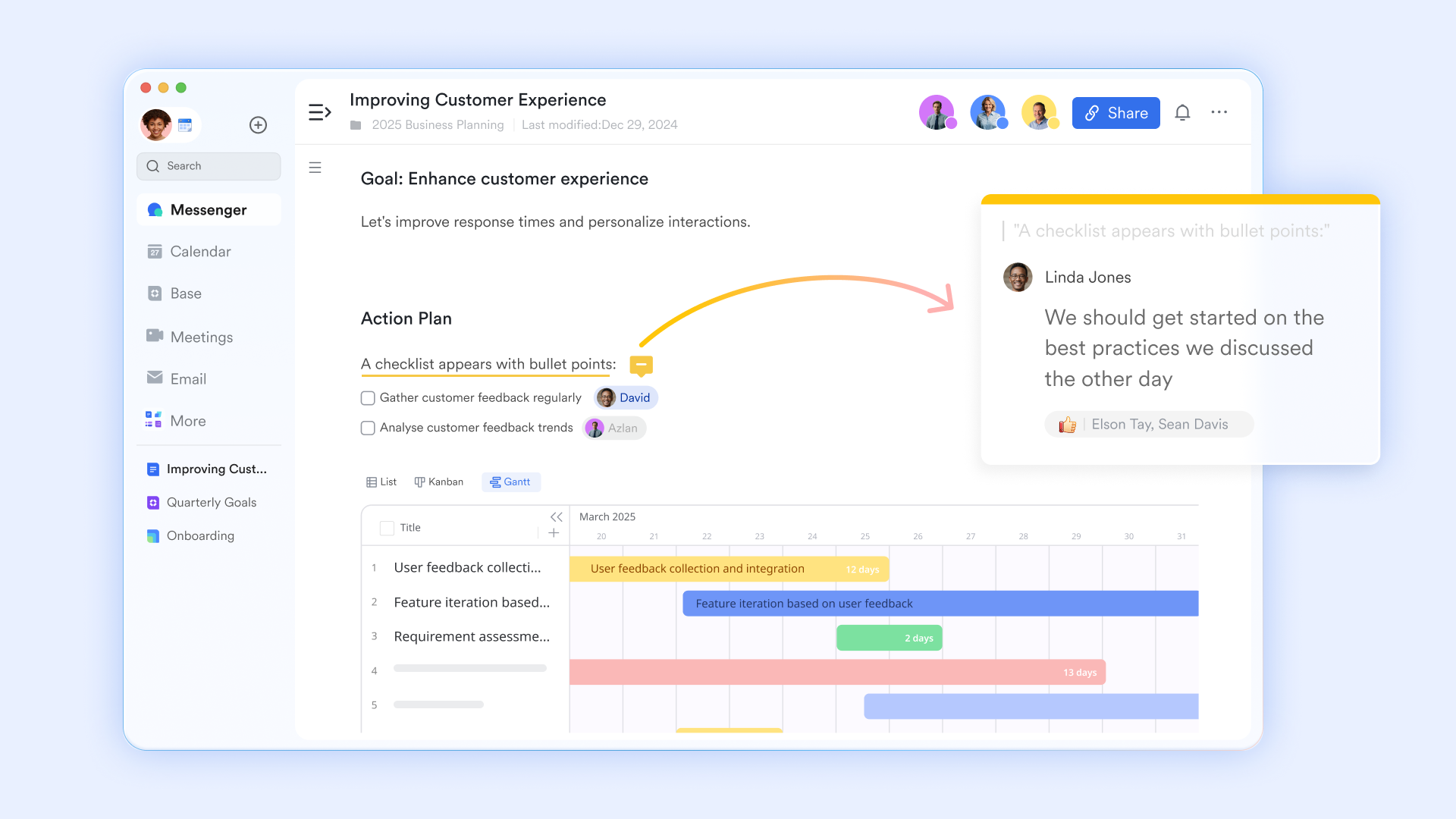
Structuring WBS components into relational project data
is the foundation for building a Work Breakdown Structure because it allows teams to organize deliverables, work packages, and sub-tasks into structured, relational tables. Each WBS element can include fields for scope, owners, timelines, cost estimates, and dependencies, ensuring every component is clearly defined. With multiple views, such as Grid, , Gallery, and Timeline, teams can visualize how high-level deliverables break down into actionable work. Linked records preserve parent-child relationships, so connections across phases remain intact. This helps teams maintain a clean WBS hierarchy while supporting ongoing updates as the project evolves. 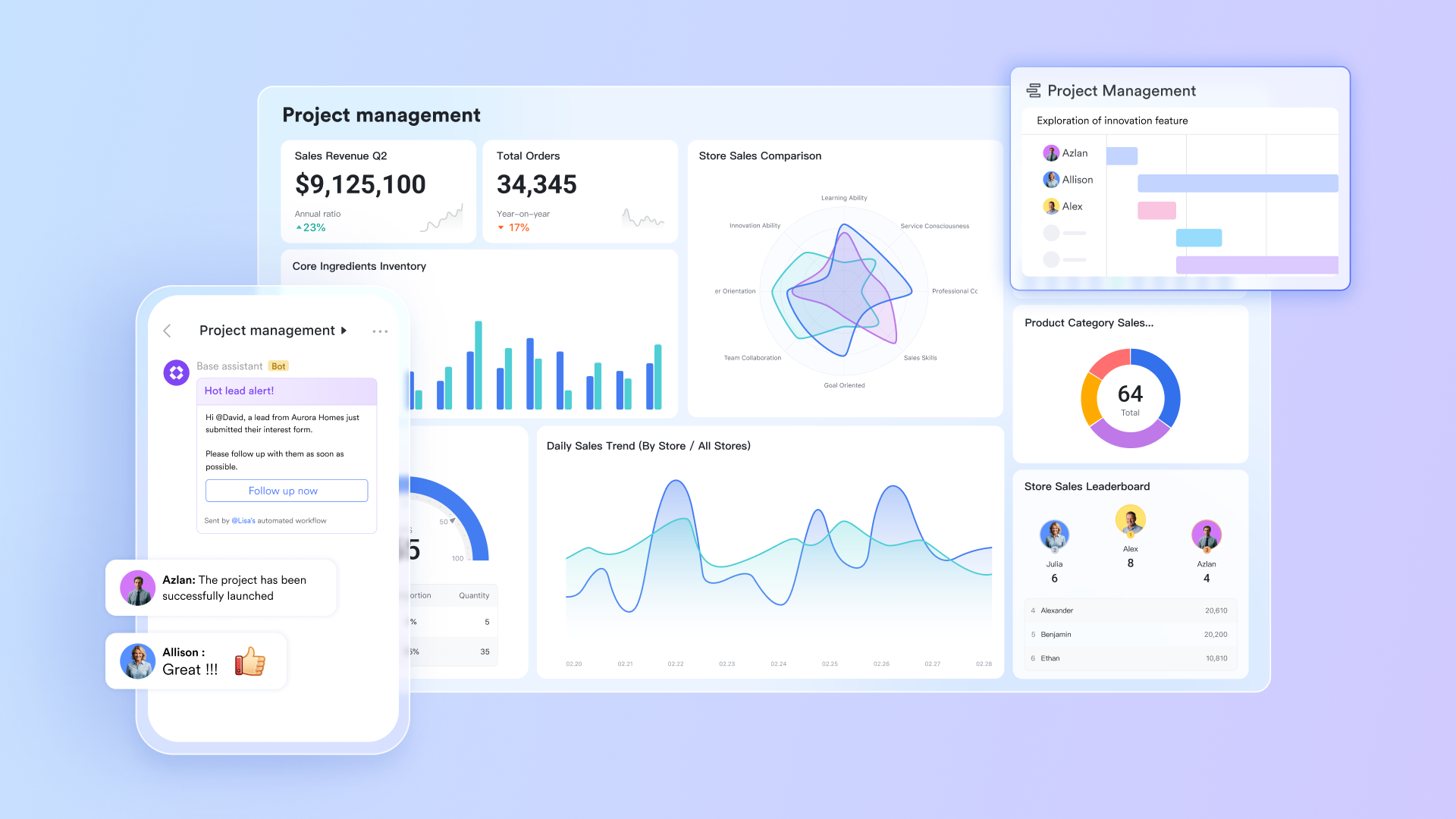
Automating status updates and WBS progression
Lark Base workflow streamlines WBS management by and keeping every work package aligned with project progress. Workflows can automatically trigger task creation when a deliverable is approved, send notifications when a work package changes stage, or update fields such as progress, priority, or owners. Conditional logic ensures workflows adapt based on each WBS component's state, preventing missed handoffs or scheduling gaps. This automation removes manual tracking overhead and ensures that the status of each WBS level remains accurate in real time, even across large or multi-team projects. 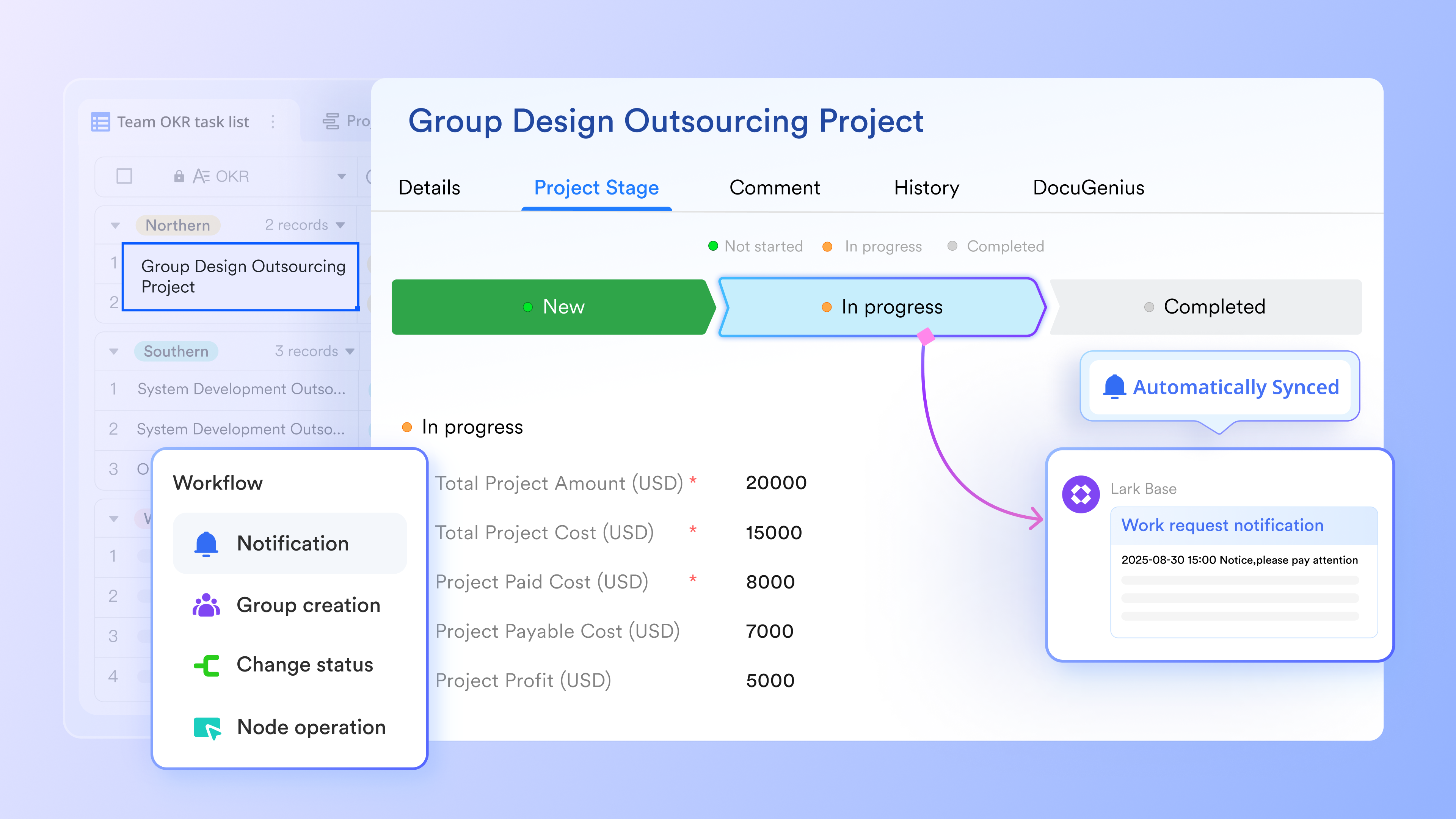
Visualizing WBS status, progress, and performance
Lark Dashboards transform WBS data from Base into clean that help teams and stakeholders understand project health at a glance. Teams can create charts showing completion percentage by WBS level, outstanding tasks, budget usage, or risk indicators tied to specific deliverables. Dashboard components auto-update as Base records change, eliminating the need for manual reporting. This real-time visibility helps identify bottlenecks, monitor scope, ensure work packages stay on track, and communicate progress clearly during reviews or status meetings. 
Executing work packages with clear ownership and tracking
Lark Tasks helps convert WBS work packages into actionable, trackable assignments with defined owners, deadlines, and priorities. Teams can break each work package into smaller tasks or subtasks, set dependencies to reflect sequencing, and visualize execution using List, Board, or Calendar views. Tasks can link back to Base records, ensuring context remains consistent with the WBS structure. Features like reminders, progress percentages, and workload visibility keep execution disciplined and transparent, allowing everyone to understand their responsibilities within the broader WBS hierarchy. 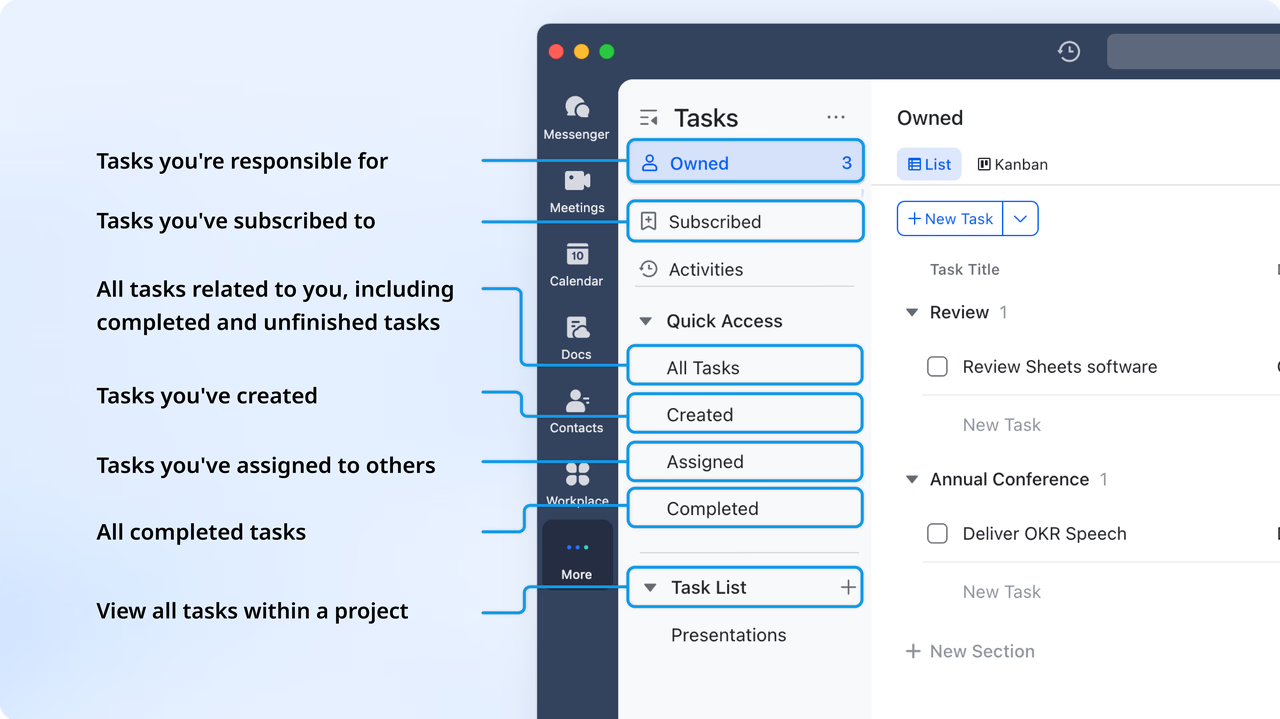
Mapping WBS milestones and schedules across teams
Lark Calendar brings timelines and dependencies from the WBS into a coordinated schedule that the entire team can follow. Milestones, , and deliverable deadlines can be added directly to shared calendars, with alerts and visibility across departments. Events can link to tasks or Base records, ensuring every scheduled item corresponds to a defined WBS component. help teams differentiate workstreams, while shared views prevent overlap or resource conflicts. This turns the WBS into a living schedule that guides execution and keeps stakeholders aligned on timing. 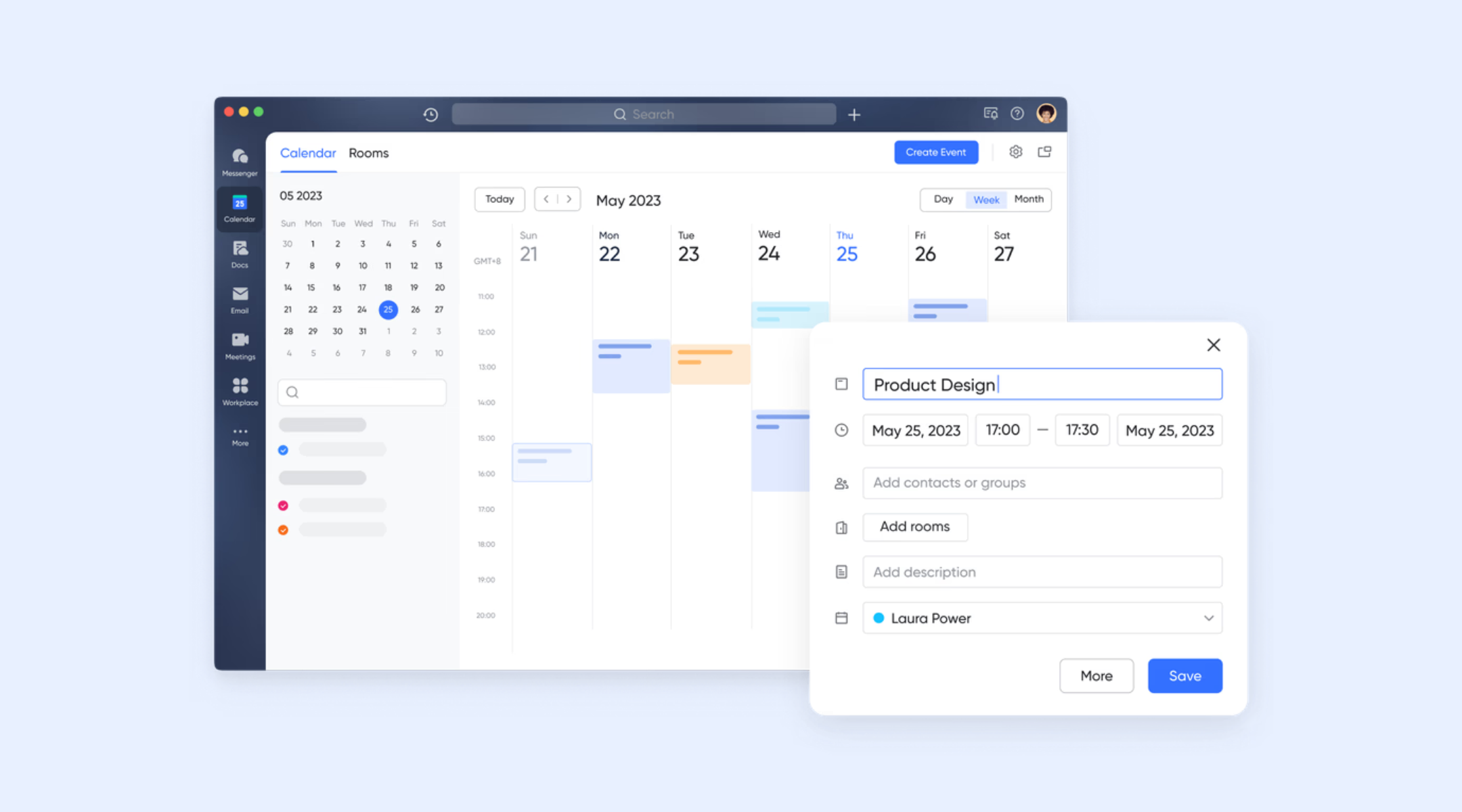
:
- Starter plan: Free forever plan that includes 11 powerful tools for up to 20 users. It also comes with 100GB of storage, 1000 automation runs, AI translations, and more.
- Pro plan: $12/user/month (billed annually) for up to 500 users. It includes everything in Starter plus group calling for up to 500 attendees, 15TB of storage, 50,000 automation runs, and more.
- Enterprise plan: for custom pricing. Supports unlimited users and includes even more automation runs and advanced security, compliance, and management features.
For small teams with simple communication needs

18 months message history
1000 Base automation runs/month
2000 rows per table in Base
Most POPULAR
For companies with comprehensive collaboration and management needs
Unlimited message history
500-participant video meetings
50k Base automation runs/month
20k rows per table in Base
For large companies with advanced security and organizational management needs
Get a personalized demo and pricing
Unlimited message history
500-participant video meetings
15 TB storage + 30 GB storage/user
500k Base automation runs/month
50k Base automation runs/month
Most POPULAR
For companies with comprehensive collaboration and management needs
Unlimited message history
500-participant video meetings
50k Base automation runs/month
20k rows per table in Base
Common mistakes to avoid while creating WBS
Even when teams understand what a work breakdown structure is, they can fall into common pitfalls that weaken its value. Avoiding these mistakes ensures your WBS remains clear, actionable, and aligned with real project objectives.
- Over-complicating hierarchy: A WBS should simplify complex work, not create unnecessary layers. Adding too many levels makes the structure harder to manage and understand. Keep the hierarchy logical and only as detailed as needed for .
- Missing deliverables during planning: One overlooked deliverable can cause delays, cost overruns, or incomplete outputs. Ensuring every major component is captured during planning helps maintain alignment across teams. Use reviews and expert input to avoid gaps in the WBS.
- Treating WBS as a one-time document: A WBS should evolve as project scope and conditions change. Treating it as static leads to misalignment between planned and actual work. Regular updates keep the structure relevant throughout the .
- Confusing tasks with outcomes: A common mistake is focusing on activities instead of results. The WBS must emphasize deliverables, not individual tasks, to ensure clarity and proper scope definition. This approach strengthens accountability and supports accurate estimating.
- No alignment with actual business goals: If the WBS does not reflect true business priorities, teams risk delivering outputs that lack value. Each deliverable should directly support the project's strategic purpose. Aligning with business goals ensures effort contributes to meaningful results.
Conclusion
A Work Breakdown Structure is the foundation of effective project management, turning complex initiatives into clear, manageable deliverables. By understanding what a work breakdown structure is, why it matters, and how it connects to scope, scheduling, budgeting, and execution, teams can plan with accuracy and deliver with confidence. Choosing the right WBS type and avoiding common mistakes ensures every work package supports real business goals. With modern like , teams can build dynamic WBS structures, automate workflows, visualize progress, and execute projects with unmatched clarity and alignment, helping every project stay on track from start to finish.
Boost team clarity with structured planning
FAQs
How detailed should a work breakdown structure be?
A WBS should be detailed enough that every deliverable is clear, measurable, and assignable. To understand what is a , you must ensure each component supports accurate planning. In what is work breakdown structure in project management terms, it should break down work to the point where teams understand responsibilities. This reflects what is the purpose of a work breakdown structure and ensures clarity in what is a work breakdown structure in project management.
Is WBS mandatory for all project types?
While not mandatory, understanding what is a work breakdown structure shows why it benefits most projects. In what is work breakdown structure in project management, the WBS creates structure, clarity, and alignment. Even smaller projects gain from its organization. Whether simple or complex, its value lies in what is the purpose of a work breakdown structure and the visibility offered by what is a work breakdown structure in project management.
Who is responsible for creating the WBS in a project team?
Typically, the project manager leads the creation of the WBS, supported by team experts who know what is a work breakdown structure and how to structure deliverables. In what is work breakdown structure in , collaboration ensures accuracy. Stakeholders contribute to clarify what is the purpose of a work breakdown structure. This shared knowledge strengthens ownership of what is a work breakdown structure in project management.
Can WBS be changed after execution starts?
Yes, the WBS can evolve as long as teams understand what is a work breakdown structure and maintain control. In what is work breakdown structure in project management, updating the hierarchy ensures alignment with new realities. Flexibility is part of what is the purpose of a work breakdown structure: to reflect scope accurately. This adaptability is central to what is a work breakdown structure in project management.
Does WBS help with budgeting and cost control?
Absolutely. Knowing what is a work breakdown structure helps teams estimate cost at each level. In what is work breakdown structure in project management, the WBS links deliverables to resources and budgets. This supports clear financial oversight and reflects what is the purpose of a work breakdown structure. Strong cost-tracking depends on structured clarity within what is a work breakdown structure in project management.
Related reading