Change is no longer an occasional disruption—it's a constant. Whether driven by technology, shifting customer expectations, or evolving market dynamics, modern organizations must adapt continuously to stay competitive. Traditional change management models, built around rigid plans and long approval cycles, often struggle to keep pace with today's business speed, leaving teams disconnected from decisions and slow to respond on the ground.
This is where agile change management comes in. Instead of treating change as a one-time project, agile approaches frame it as an ongoing, collaborative, and people-centered process. By combining the flexibility of agile methodologies with structured change management practices—and supported by collaborative platforms like Lark, that help teams communicate, document, and track progress in real time—organizations can respond faster, learn continuously, and build lasting alignment across the organization without adding unnecessary complexity.
What agile change management really means today
Agile change management today means treating change as a continuous, shared responsibility rather than a top-down initiative with a fixed end date. Instead of relying on long-term plans that can quickly become outdated, organizations focus on short cycles of action, feedback, and adjustment. This approach allows teams to respond to real-world challenges as they emerge, rather than reacting after problems have already escalated.
At its core, agile change management emphasizes collaboration, transparency, and learning. Leaders provide strategic direction, but teams are empowered to shape how change is implemented within their . Progress is measured through outcomes—such as improved adoption, performance, or engagement—rather than simply checking off milestones.
In practice, this means using , shared documentation, and visible task tracking to keep everyone aligned. The goal is not just to manage change efficiently, but to build an organizational culture that is comfortably evolving over time.
6 core principles of agile change management
Agile change management is built on a set of guiding principles that prioritize flexibility, collaboration, and . These principles help organizations move away from rigid, top-down change programs and toward adaptive, team-driven transformation.
- Continuous adaptation over fixed plans: Instead of locking teams into long-term roadmaps, this principle encourages regular reassessment of priorities based on real-world feedback and shifting conditions. Plans become living guides that evolve as teams learn what works and what doesn't.
- Incremental and iterative change: Change is delivered in small, manageable steps rather than large, disruptive rollouts. This allows teams to test ideas quickly, reduce risk, and build momentum through visible, ongoing progress.
- People-centered approach: The focus shifts from processes and tools to the experiences and needs of people affected by change. By involving employees early and often, organizations improve adoption and create a stronger sense of ownership.
- Fast feedback and learning loops: Short feedback cycles help teams understand what is working and where adjustments are needed. Continuous learning ensures that insights from each iteration directly inform the next phase of change.
- Transparency and shared understanding: about goals, progress, and challenges builds trust across the organization. When everyone understands the "why" behind change, alignment and engagement increase.
- Empowered teams over top-down control: Teams are given the autonomy to decide how best to implement change within their context. Leadership sets direction, but execution is shaped by those closest to the work.
View a smarter approach to managing change together
5 key agile change management methodologies and frameworks
Agile change management draws on proven methodologies that provide structure without sacrificing flexibility. Each framework offers a different way to organize work, engage teams, and guide continuous improvement during periods of change.
- Scrum: uses short, time-boxed sprints to plan, execute, and review change initiatives in manageable cycles. Regular stand-ups and create clear checkpoints for alignment, feedback, and rapid course correction.
- Kanban: focuses on visualizing work as it moves through different stages of progress. By limiting work in progress and highlighting bottlenecks, teams can maintain a steady flow of change and improve efficiency over time.
- Extreme Programming (XP): XP emphasizes high-quality execution through frequent testing, close collaboration, and . In a changing context, it helps teams reduce errors and adapt quickly without compromising standards.
- Feature-Driven Development (FDD): FDD organizes change around delivering small, clearly defined features that provide tangible value. This approach keeps teams focused on outcomes and helps stakeholders see progress early and often.
- Lean: centers on eliminating waste and maximizing value from every effort. In change management, it encourages teams to streamline processes and focus on activities that directly support the desired transformation.
Benefits and limitations of agile change management
Agile change management offers a flexible, responsive approach to guiding organizations through constant transformation. However, like any approach, it comes with both strengths and challenges that leaders should understand before adopting it at scale.
Benefits
- Faster response to change: Short feedback cycles and allow teams to adapt quickly when priorities or conditions shift. This reduces delays and helps organizations stay aligned with real-world needs.
- Higher employee engagement: Involving employees in shaping change builds a sense of ownership and trust. When people feel heard and valued, adoption rates and long-term commitment tend to improve.
- Reduced risk through small experiments: Testing changes in smaller increments helps identify issues early before they impact the entire organization. This approach reduces the cost and disruption associated with failed initiatives.
Limitations
- Risk of unclear direction: Without a strong guiding vision, frequent adjustments can create confusion about priorities. Teams may struggle to see how their work connects to broader organizational goals.
- Increased coordination effort: and collaboration require time and discipline. In large or complex organizations, this can add to meeting and alignment overhead.
See a practical tool for guiding change collaboratively
Modern option: Manage change with Lark in agile teams
Teams managing change incrementally need that support continuous communication, visible progress, and and locations. Rather than relying on static documents or disconnected apps, they benefit from having conversations, plans, and tasks in one shared workspace. This makes it easier to capture feedback as it happens and translate ideas into actionable next steps.
Agile roadmapping
Successful change requires a shared vision that can evolve. Using , teams can co-create living Agile roadmaps. Unlike static PDFs, these docs allow for and the embedding of live Lark Base views. By using the "now-next-later" time-horizon approach rather than fixed dates, leadership can communicate strategic direction while maintaining the flexibility to pivot based on ongoing feedback. 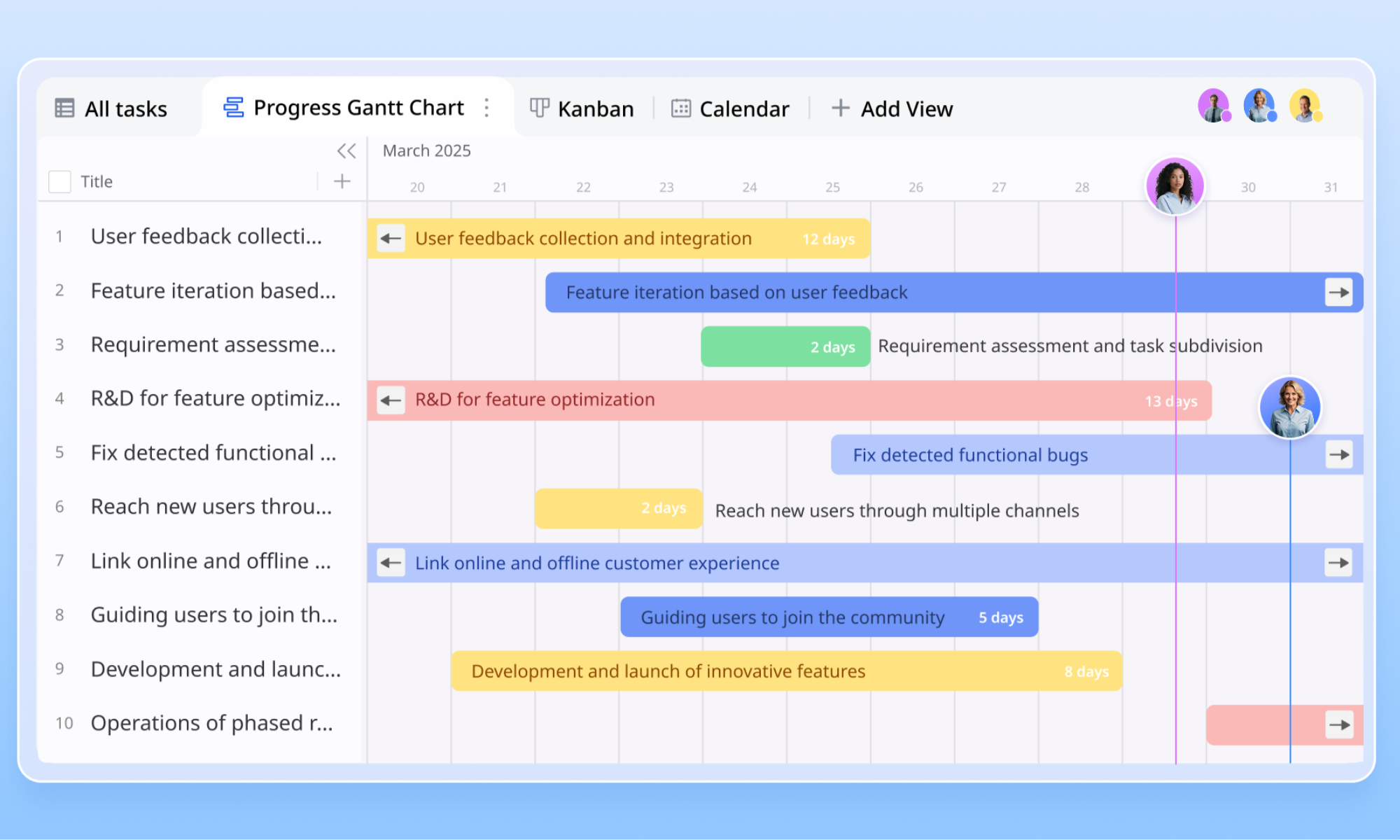
Dynamic feedback loops
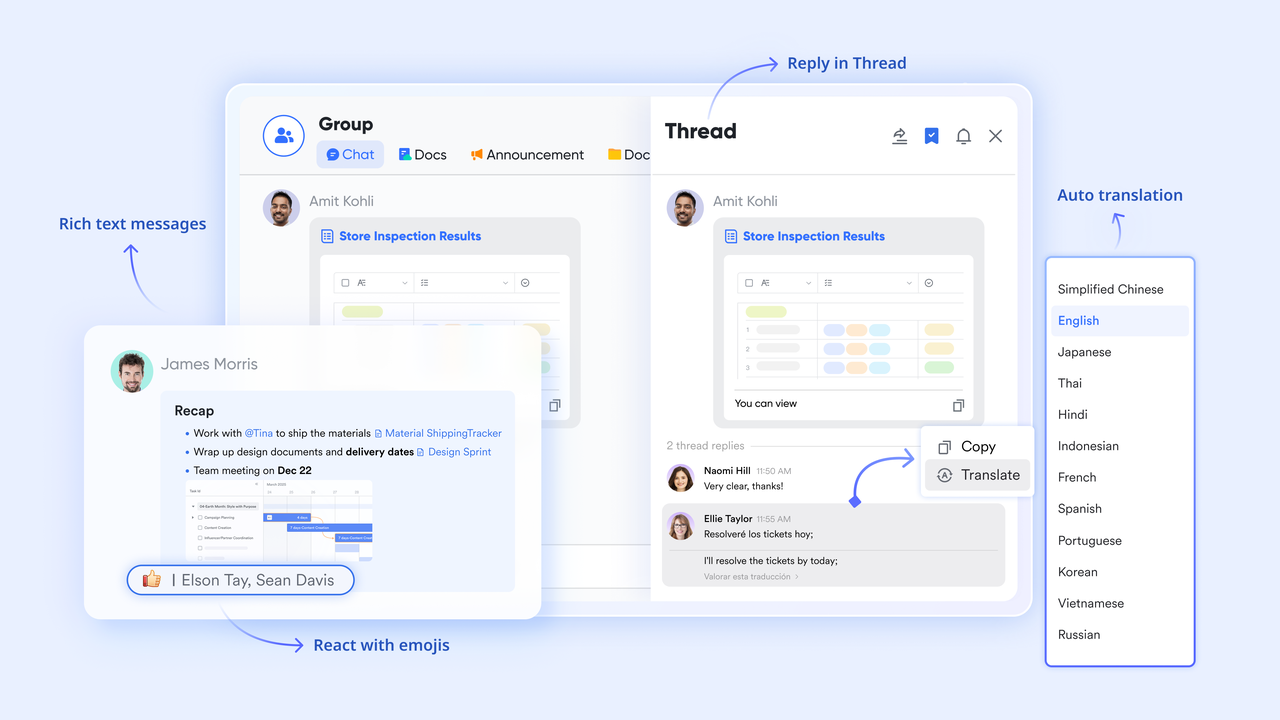
Agile change thrives on constant communication. The topic group function in allows teams to create dedicated spaces for specific change initiatives. By using , feedback stays organized by context, preventing important insights from getting lost in a general chat. When a decision is reached in chat, it can be instantly pinned or converted into a task, ensuring a direct path from feedback to action.
Kanban boards for change execution
To manage the "Flow" of change, teams use the Kanban view function in Lark Base. This allows you to visualize the status of various change experiments (e.g., "Testing," "Review," "Iterating," "Implemented"). By dragging and dropping cards across stages, the team gains a transparent view of the transition progress and can quickly identify bottlenecks that are resisting change. 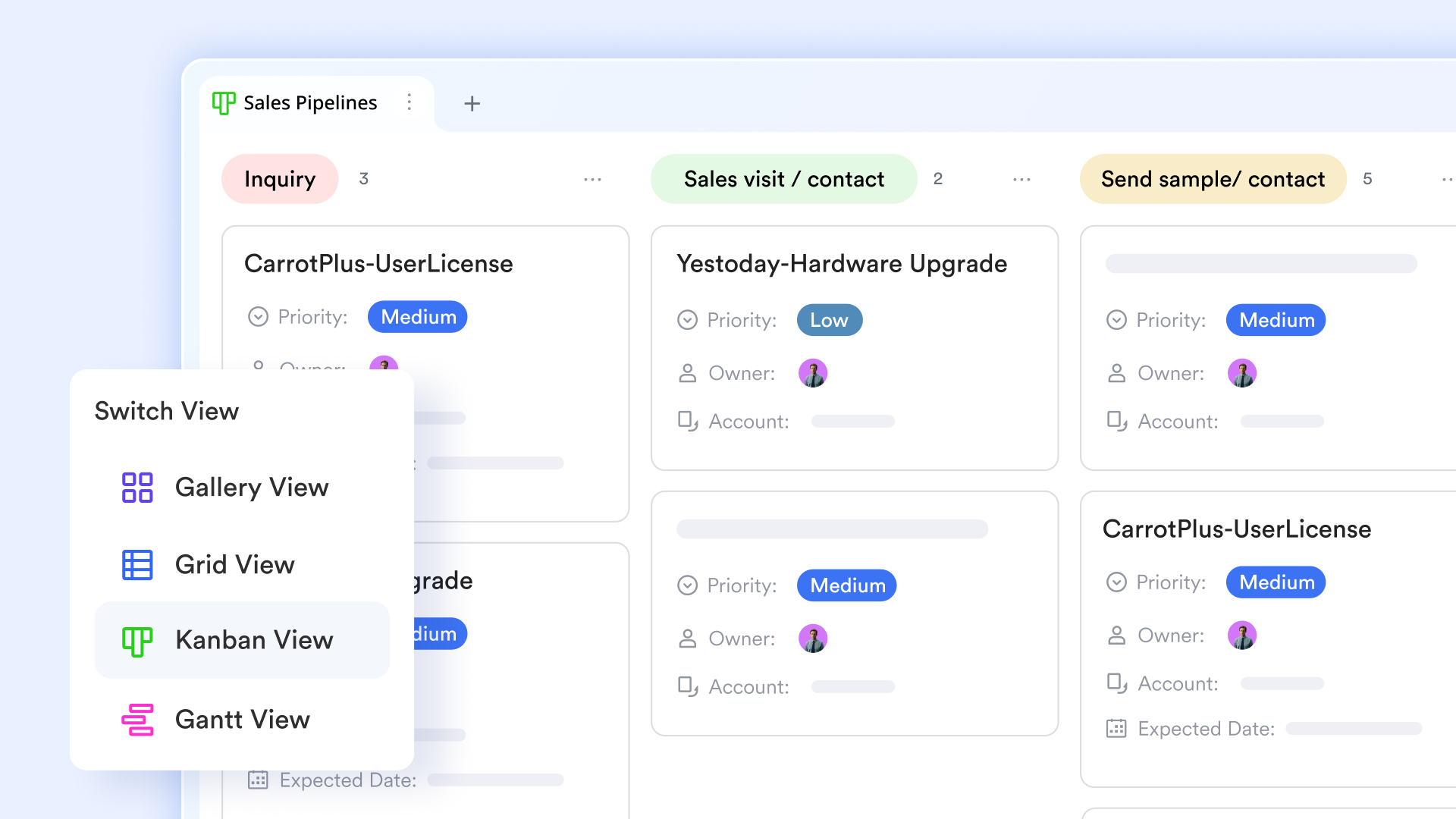
Collaborative sprint meetings
Using , teams can facilitate "sprint meetings" where the primary function is Magic Share. This allows participants to co-edit the roadmap or the change-log directly within the video call interface. By turning the meeting into an active working session, teams can capture retrospective feedback and update sprint goals in real-time, ensuring that the "Next" step of the change process is defined before the call even ends. 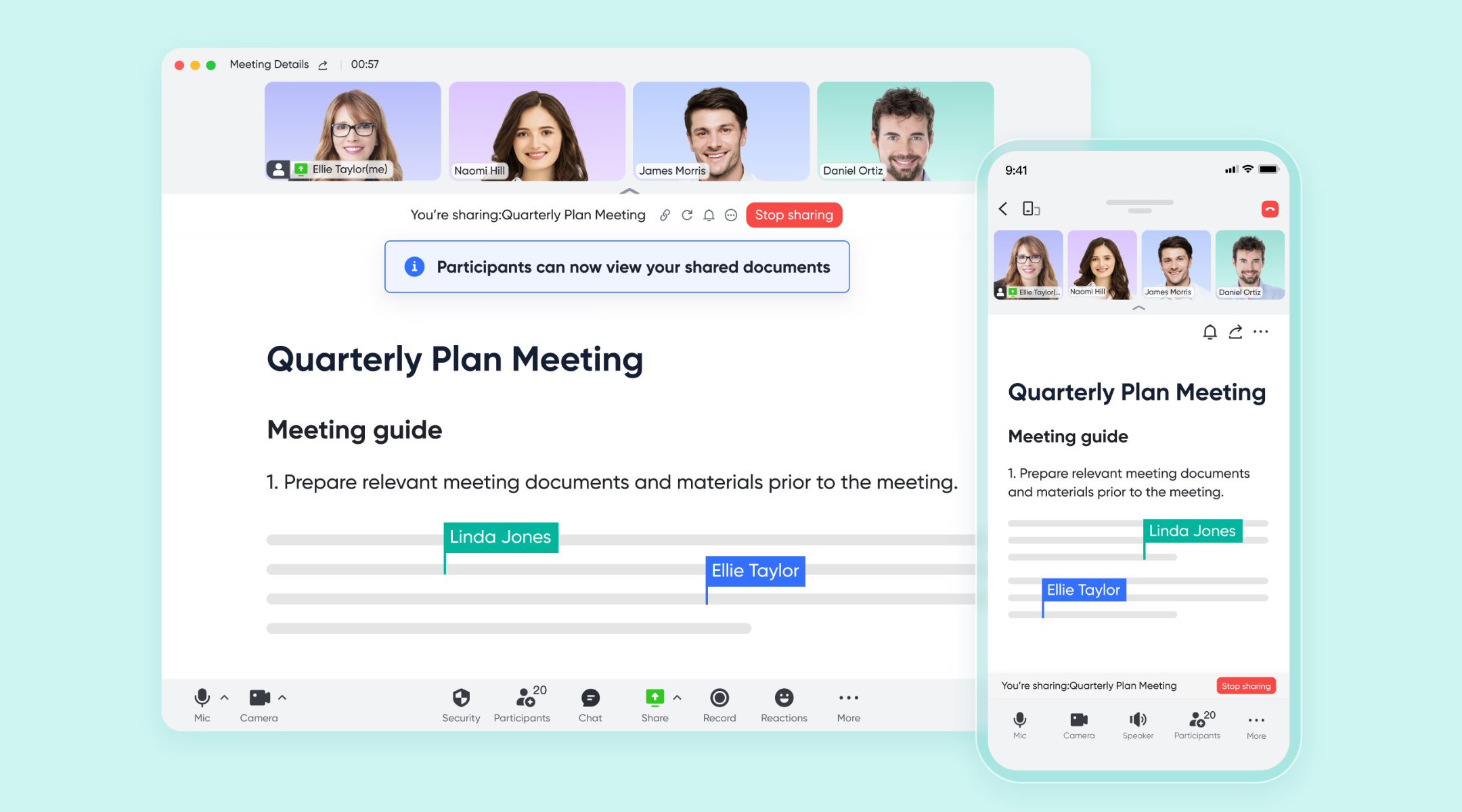
Automated transparency
Resistance to change often stems from a lack of information. Using Lark Base automations, you can set a trigger for "When a record matches certain conditions" (e.g., a new policy update is finalized). The system automatically executes a "Send a message" action to a wide announcement group. This "Push" of information ensures all stakeholders are without requiring manual status reports. 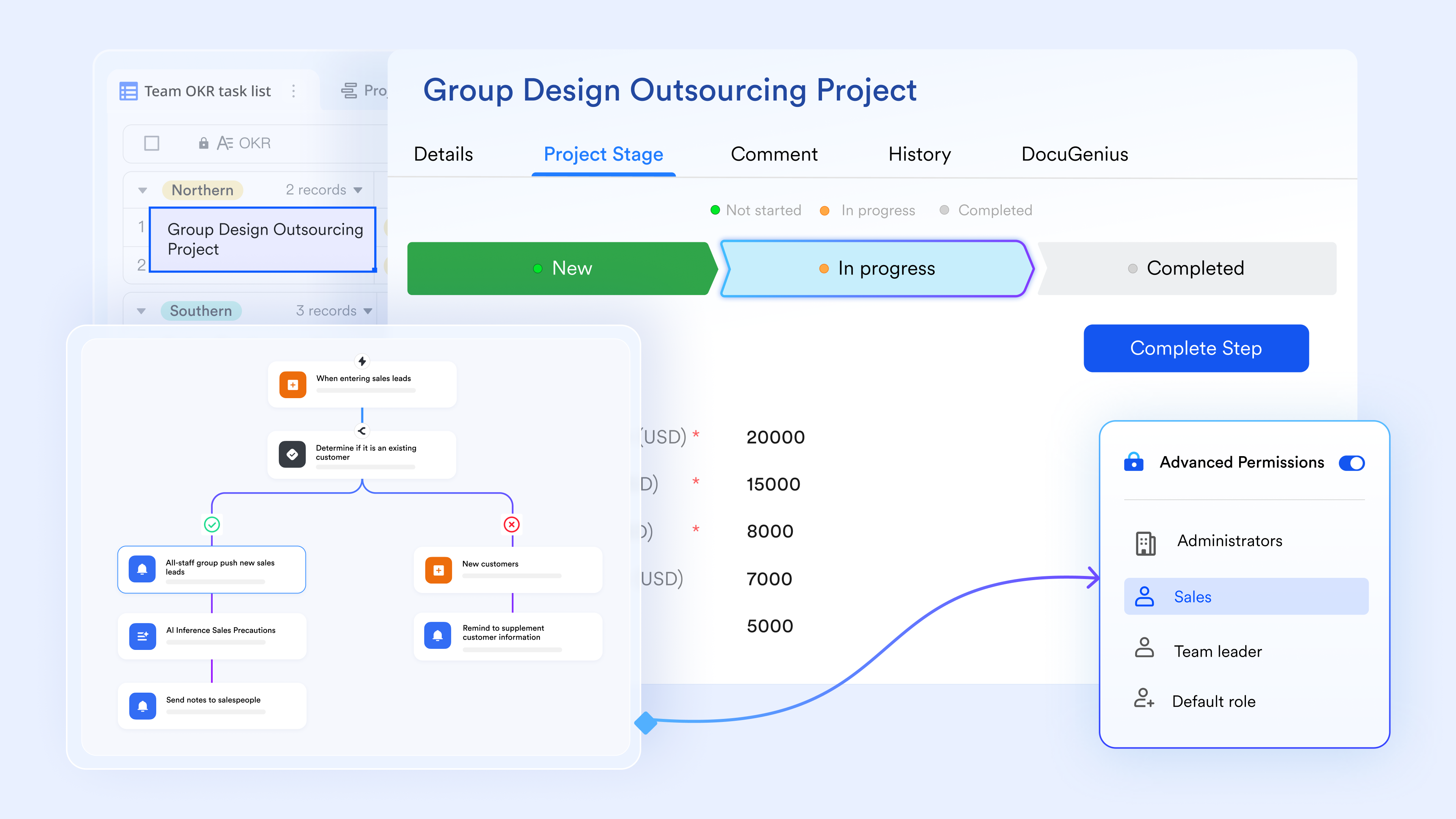
:
- Starter plan: Free forever plan that includes 11 powerful tools for up to 20 users. It also includes 100GB of storage, 1,000 automation runs, AI translations, and more.
- Pro plan: $12/user/month (billed annually) for up to 500 users. It includes everything in Starter plus group calling for up to 500 attendees, 15TB of storage, 50,000 automation runs, and more.
- Enterprise plan: for custom pricing. Supports unlimited users and includes even more automation runs and advanced security, compliance, and management features.
For small teams with simple communication needs

18 months message history
1000 Base automation runs/month
2000 rows per table in Base
Most POPULAR
For companies with comprehensive collaboration and management needs
Unlimited message history
500-participant video meetings
50k Base automation runs/month
20k rows per table in Base
For large companies with advanced security and organizational management needs
Get a personalized demo and pricing
Unlimited message history
500-participant video meetings
15 TB storage + 30 GB storage/user
500k Base automation runs/month
50k Base automation runs/month
Most POPULAR
For companies with comprehensive collaboration and management needs
Unlimited message history
500-participant video meetings
50k Base automation runs/month
20k rows per table in Base
Mistakes organizations make when adopting agile change management
While agile change management offers flexibility and speed, it can fall short when applied superficially or without cultural alignment. Understanding common mistakes helps leaders avoid turning a people-centered approach into a rigid set of practices.
- Treating agile as a process checklist: Focusing only on ceremonies, templates, and tools can lead teams to "go through the motions" without . Agile becomes a formality rather than a mindset for adapting and improving.
- Ignoring people-side impacts: Changes that overlook employee concerns, workload, and emotional responses often face resistance. Without active listening and support, even well-designed initiatives can struggle to gain adoption.
- Scaling tools without a scaling mindset: Rolling out or frameworks across the organization doesn't guarantee agile behavior. Without leadership modeling collaboration and trust, teams may revert to traditional, top-down ways of working.
Move beyond surface-level agile change
Agile change management across different scenarios
Agile can be applied across a wide range of organizational situations, from structural shifts to subtle cultural transformations. Its flexible, iterative nature allows teams to tailor their approach to the type and impact of the change they are navigating.
- Organizational restructuring: During restructures, agile change management helps leaders test new team models and reporting lines in small phases rather than all at once. This reduces disruption and allows adjustments based on employee feedback and .
- Process improvements: For workflow and operational changes, teams can introduce updates incrementally and measure their effectiveness in real time. Continuous feedback ensures that new processes are refined before they are scaled across the organization.
- Technology adoption: When rolling out new tools or systems, agile approaches prioritize pilot groups and early adopters. Their insights help improve training, usability, and integration before full deployment.
- Cultural and behavioral change: Shifts in mindset and behavior are supported through ongoing communication, visible leadership actions, and small, consistent reinforcement. Over time, these incremental efforts help embed new values into everyday work practices.
Conclusion
Agile change management offers organizations a practical way to navigate constant transformation without losing clarity or momentum. By focusing on incremental progress, , and continuous learning, teams can adapt to shifting priorities while keeping people at the center of every initiative. From selecting the right frameworks to avoiding common pitfalls, the goal is not just to implement change faster, but to build a culture that is comfortably evolving over time.
As organizations grow and change become more interconnected, having a shared workspace for conversations, documentation, and task tracking can make a meaningful difference. Platforms like help bring these elements together, making it easier for teams to stay aligned and turn feedback into action. If you're looking for a more collaborative way to support ongoing change, explore how Lark can fit into your team's workflow and help you move forward with confidence.
Explore how teams manage change in real time
FAQs
What are the 4 types of change management?
The four common types include strategic change, structural change, process change, and people-centered change. Each focuses on a different layer of the organization, from leadership direction to daily workflows. In agile and , platforms like Lark help teams document these shifts and maintain consistent communication as changes unfold.
What are the 4 C's of agile?
The 4 C's typically refer to collaboration, communication, customer focus, and continuous improvement. These principles guide how teams stay aligned and responsive during ongoing transformation. In agile methodology, change management tools like Lark support these values by keeping conversations, plans, and updates in one shared space.
What skills are most important for change agents in agile teams?
Key skills include strong communication, adaptability, emotional intelligence, and the ability to facilitate feedback across teams. Change agents also need to connect strategy with everyday execution. Lark can support this by helping them share updates clearly and track actions in agile change management environments.
How do you prevent constant change from overwhelming teams?
Breaking initiatives into smaller, manageable steps helps reduce stress and confusion. Clear priorities and visible progress also give teams a sense of stability. Lark can help by centralizing tasks and discussions, so teams always know what matters most.
Is agile change management suitable for large enterprises?
Yes, but it requires strong coordination and alignment of leadership to scale effectively. Large organizations often use agile practices to maintain flexibility across departments. Lark can support enterprise teams by providing a shared workspace for communication, documentation, and progress tracking at scale.
Related reading





























