In project work, I've learned that the fastest way to lose time is to start with a goal that sounds inspiring but can't be owned, measured, or approved. That's why I rely on project management SMART goals: They turn "we should improve X" into a clear outcome with a number, a deadline, and a responsible owner.
In this guide, I'll define SMART in a practical project context, show how I separate goals from objectives, walk through a simple writing process you can reuse, and share real examples you can adapt—then I'll close with how I run SMART goals day to day in a smart tool.
What are SMART goals in project management?
SMART goals in project management are a practical way to define what "success" looks like before the work starts. Instead of broad intentions like "improve delivery" or "launch on time," SMART goals for project management turn the project outcome into a clear target that the team can plan for, execute against, and report on. Used well, SMART project management goals connect project planning to day-to-day execution by clarifying scope, expected results, ownership, and the timeframe—so align early and teams avoid ambiguity later.
SMART is an acronym for five criteria you can use to test whether a project goal is clear and executable:
- Specific: Defines the exact deliverable and boundaries (what will be delivered, for whom, and what is out of scope).
- Measurable: Includes metrics, , acceptance criteria, or milestone-based indicators to track progress and confirm completion.
- Achievable: Realistic given constraints like capacity, budget, , dependencies, and risk.
- Relevant: Directly supports the , stakeholder needs, and broader business goals.
- Time-bound: States a clear deadline and an appropriate timeline for checkpoints and reviews.
SMART started as a management approach for setting clearer objectives and was widely adopted in project delivery because it improves communication and accountability. Today, you'll often see it used alongside OKRs and milestone-based planning: the common thread is turning strategy into outcomes that can be executed, monitored, and reviewed. SMART works best when it's written in plain language, tied to real measures, and revisited throughout the project—not treated as a one-time kickoff exercise.
SMART goals vs SMART objectives in project management
In day-to-day project management, SMART goals and SMART objectives are often used as if they mean the same thing. The difference is more about level than framework: A goal describes the broader project outcome (the destination), while an objective translates that outcome into smaller results that guide . If you only write a SMART goal, the team may still struggle to plan tasks and . If you only write SMART objectives, the project can turn into a checklist with no shared definition of overall success.
A simple rule is: SMART goals are outcome-oriented; SMART objectives are deliverable- and milestone-oriented. Both should be specific, measurable, achievable, relevant, and time-bound, but they measure different things and serve different moments in the project lifecycle. In practice, one SMART goal often maps to several SMART objectives, which then map to work packages, dependencies, and acceptance criteria. This improves stakeholder alignment, makes status reporting clearer, and strengthens when trade-offs are needed.
Key differences (goal vs objective):
- Scope: Goal = the end state; objective = the steps and checkpoints.
- Measurement: Goal = outcome metrics; objective = execution and delivery metrics.
- Detail: Goal = clear but high-level; objective = operational and specific enough to act on.
- Ownership: Goal = typically shared across the project; objective = owned by a role or workstream.
- Timeline: Goal = may span a longer horizon; objectives = shorter cycles tied to milestones.
Example (one goal → multiple objectives):
- SMART goal: Deliver a standardized campaign template that enables scheduled posts for the launch window and improves engagement by the launch date.
- SMART objectives: Finalize the template requirements and approval criteria, build a content calendar and draft the posts, produce supporting visuals and complete brand reviews, configure scheduling and run a pre-launch test, and then monitor performance during the launch window while capturing lessons learned.
To keep the distinction clean, draft the goal in one sentence, then break it into a short list of objectives that can be owned, tracked, and reviewed on a regular cadence. If an "objective" sounds like an aspiration, rewrite it as a goal. If a "goal" reads like a task list, it's probably an objective.
Begin your SMART journey here
How to write project management SMART goals
Writing strong project management SMART goals is less about clever wording and more about creating shared clarity. The fastest path is to work with your team and key stakeholders to agree on the outcome, the constraints, and how success will be judged. Start by clarifying the project's purpose (the "why"), then translate it into a single sentence that the whole team can repeat without interpretation. Keep the goal focused on a result—not a list of tasks—and make sure it supports the project charter, scope baseline, and the broader business objective.
Step 1: Align on the outcome and boundaries
Before you touch the SMART acronym, confirm the basics that shape every decision later:
- Desired outcome: What must be true when the project is "done"?
- In scope vs. out of scope: What is included, and what is explicitly excluded?
- and ownership: Who approves, who delivers, and who is impacted?
- Constraints and assumptions: Budget, capacity, tools, dependencies, compliance, and risk.
This short alignment conversation prevents common project issues like scope creep, unclear acceptance criteria, and mismatched expectations during status updates.
Step 2: Choose the right scope
SMART goals should be big enough to represent a meaningful project result, but not so big that they become vague. A quick check is to ask: "Can this goal be owned and tracked without turning into dozens of unrelated sub-goals?" If you're creating many "goals" that look like tasks, the scope is probably too granular—combine them into a broader outcome. If your goal reads like a vision statement with no clear finish line, it's too broad—break it down into a smaller outcome that can be delivered within the project timeline.
Step 3: Draft the goal using a simple sentence template
Use a consistent structure, so the goal is easy to review and easy to communicate:
Verb + deliverable/outcome + audience/area + success measure + deadline
Choose verbs that describe a concrete outcome (for example: Deliver, implement, launch, migrate, standardize, automate, establish). Avoid vague starters like "improve" or "enhance" unless you immediately define what will change and how you will measure it. This keeps the goal actionable for , resource allocation, and .
Step 4: Make it specific
Specific means anyone reading the goal can picture what will be delivered and what "done" looks like. Pressure-test specificity with questions such as:
- What will be delivered (and what won't)?
- Who is it for, and who must approve it?
- Where does it apply (product line, region, department, system)?
- Which requirements or constraints matter most?
- Why does it matter to the project and the business?
If the goal could be interpreted in multiple ways, add the missing detail—or move that detail into acceptance criteria and a definition of done.
Step 5: Make it measurable
Measurable means progress and completion can be verified with evidence, not gut feel. Select a measurement that matches the goal type:
- Outcome measures: Customer impact, quality level, adoption signal, service performance, readiness for launch.
- Delivery measures: Completed deliverables, approvals obtained, critical milestones met, and defects closed to an agreed standard.
Also, decide the data source early (reports, audits, testing results, stakeholder sign-off, surveys, ). If measurement is hard, don't skip it—agree on the most practical proxy and document how it will be collected as part of the project plan.
Step 6: Make it achievable
Achievable does not mean "easy"; it means doable within real constraints. Validate attainability by checking:
- Capacity: Do you have the right people, roles, and time?
- and tooling: Are necessary systems, vendors, and environments available?
- : What must happen first, and who controls it?
- : What could block delivery, and what is the mitigation plan?
If the goal isn't achievable as written, adjust scope, sequence, or expectations. This is where project managers protect the team from burnout and protect stakeholders from unrealistic delivery promises.
Step 7: Make it relevant and time-bound
Relevant means the goal clearly supports the project's business case, customer need, or strategic priority. If stakeholders can't explain the benefit, the goal will be harder to defend when trade-offs appear. Time-bound means adding a clear deadline that matches the project schedule. Pair the end date with planned checkpoints (reviews, stage gates, milestone dates) so the team can manage progress proactively. A time-box also helps resolve common conflicts between scope, time, and resources.
Step 8: Review, socialize, and maintain the goal throughout execution
A SMART goal only works if it stays visible in project execution. Share it widely (kickoff, status reports, project dashboard), and review it at key moments such as planning sign-off, change control, and milestone reviews. If conditions change—priority shifts, dependency slips, or scope changes—update the goal transparently rather than quietly letting it become untrue. To save time and keep consistency, use a lightweight template for the goal statement, metrics, data source, owner, and timeline. That way, the project plan stays clear even as the work evolves.
Project management smart goals examples
A good SMART goal is easy to read aloud, hard to misinterpret, and simple to track in a . The examples below cover common project manager responsibilities—delivery, process improvement, communication, risk, and capability-building—so you can adapt them to your own project plan. Each example is written as a single sentence first (the goal statement), followed by a quick SMART breakdown you can reuse in stakeholder updates and status reports. Keep in mind: The best metric is one you can reliably measure using your existing reporting, approvals, or workflow data.
Delivery: Hit a release milestone without scope creep
SMART goal: Deliver the agreed MVP scope for the product release by the approved launch date, meeting the documented acceptance criteria and sign-off requirements.
- Specific: MVP scope, acceptance criteria, and sign-off path are defined.
- Measurable: Completion is verified via milestone completion and formal approvals.
- Achievable: Delivery plan matches current capacity and dependencies.
- Relevant: Supports the project charter and launch commitments.
- Time-bound: Tied to the launch date and key stage gates.
Reporting: Improve visibility for stakeholders
SMART goal: Implement a standardized status reporting workflow with a real-time project dashboard so stakeholders can review progress, risks, and milestones without ad hoc updates, starting with the next project cycle.
- Specific: A shared dashboard plus a defined reporting cadence.
- Measurable: Fewer manual status requests; consistent weekly reporting completion.
- Achievable: Uses existing project management software and templates.
- Relevant: Improves stakeholder alignment and governance.
- Time-bound: Live by the next planning phase.
Schedule: Reduce cycle time by removing bottlenecks
SMART goal: Shorten delivery cycle time for a recurring project phase by streamlining approvals, clarifying handoffs, and reducing rework, with results reviewed at the end of the next release cycle.
- Specific: Targets a defined phase (e.g., review/approval, QA handoff).
- Measurable: Cycle time and rework signals tracked in workflow metrics.
- Achievable: Changes focus on process, not extra capacity.
- Relevant: Improves throughput and predictability.
- Time-bound: Evaluated at the end of the next cycle.
Meetings: Protect focus time while keeping alignment
SMART goal: Reduce unnecessary by introducing clear agendas, decision logs, and async updates, and review the new meeting cadence after one full sprint or monthly cycle.
- Specific: Agenda standard + decision log + async update channel.
- Measurable: Meeting count/duration trends and attendance relevance.
- Achievable: Requires behavior change, not a new budget.
- Relevant: Frees time for execution and reduces context switching.
- Time-bound: Review after one cycle and adjust.
Communication: Improve cross-functional collaboration
SMART goal: Establish a project plan that defines channels, response expectations, and escalation paths for each stakeholder group, and apply it throughout the project lifecycle.
- Specific: Who communicates what, where, and when.
- Measurable: Fewer duplicated messages; faster resolution of blockers.
- Achievable: Built into existing ceremonies and tools.
- Relevant: Prevents misalignment and late surprises.
- Time-bound: Finalized during planning and maintained through delivery.
Risk management: Move from reactive to proactive
SMART goal: Create and maintain a risk register with regular at key milestones, ensuring top risks have owners, mitigation actions, and clear triggers for escalation.
- Specific: Risk register, owners, actions, and escalation triggers.
- Measurable: Risk review completion and mitigation action closure rate.
- Achievable: Lightweight process integrated into status meetings.
- Relevant: Protects timeline, budget, and quality constraints.
- Time-bound: Reviewed at each milestone/stage gate.
Quality: Reduce defects reaching users
SMART goal: by strengthening the definition of done, test coverage expectations, and defect triage workflow, with quality outcomes reviewed after the next release.
- Specific: DoD, testing expectations, and triage process are explicit.
- Measurable: Defect trends and rework signals tracked post-release.
- Achievable: Focuses on prevention and faster feedback loops.
- Relevant: Protects customer experience and supports workload.
- Time-bound: Assessed after the next release.
Capability: Build team skills that support delivery
SMART goal: Increase team capability in a selected delivery method (e.g., Agile practices, tooling, documentation standards) through structured enablement and mentoring, and validate adoption through project artifacts and working outcomes by the end of the program cycle.
- Specific: Skill area and expected behaviors/artifacts are defined.
- Measurable: Training completion plus observable adoption in workflows.
- Achievable: Uses internal knowledge sharing and planned learning time.
- Relevant: Raises delivery maturity and reduces execution risk.
- Time-bound: Evaluated by the program cycle end.
Create your own SMART examples
Achieve your SMART goals with Lark
SMART goals only work when they move from a neat statement to day‑to‑day execution. That shift often breaks down because plans live in one place, updates live in another, and decisions get lost in chat. helps teams keep goal setting, project planning, and delivery connected in a single workflow—so the goal stays visible, progress stays measurable, and accountability stays clear. The approach below follows a practical project management rhythm: Align the goal, turn it into an execution plan, monitor performance, manage change, and then capture learnings for the next cycle.
Align the SMART goal
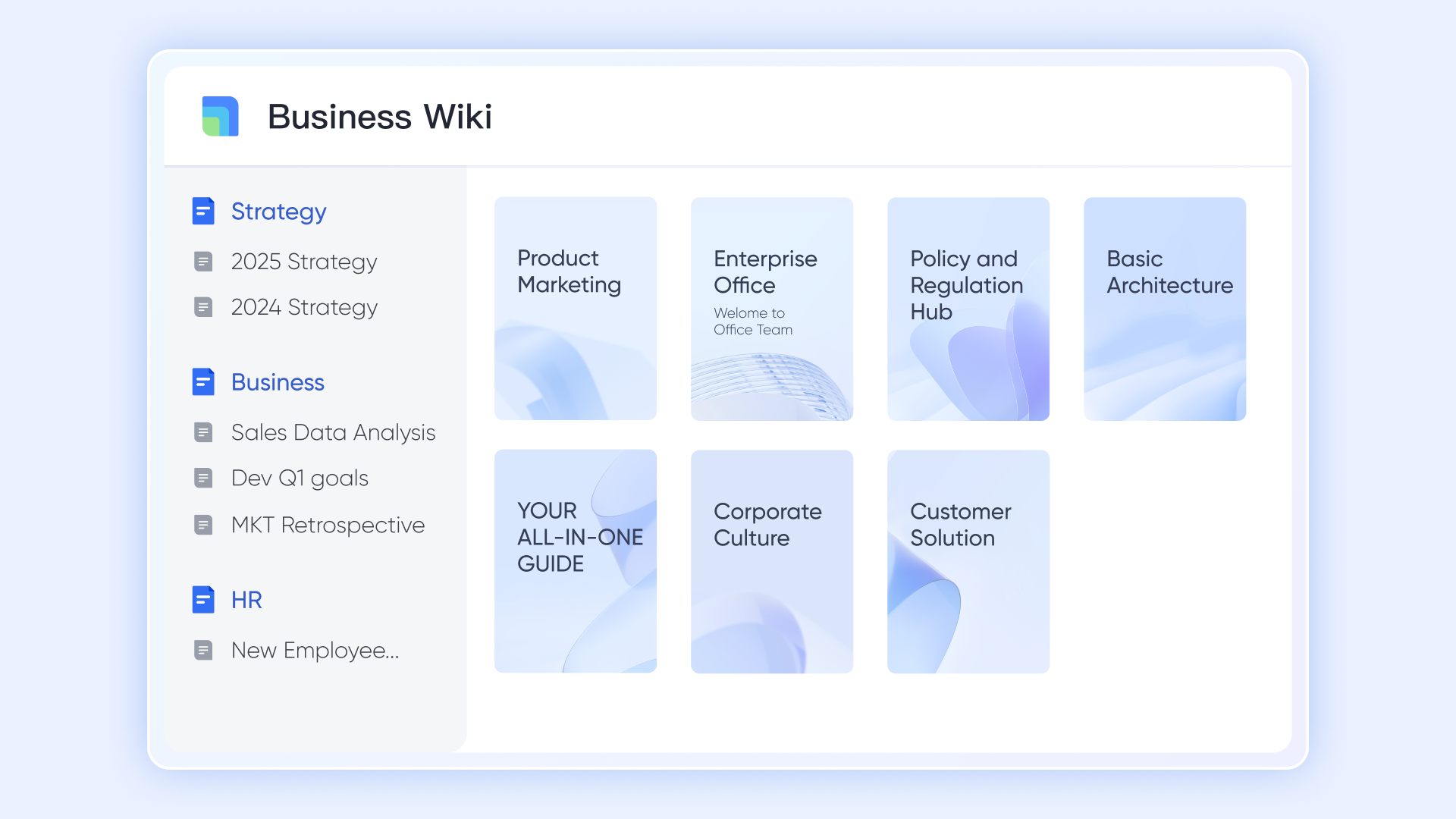
Start by drafting a project planning document in Lark Docs that spells out the SMART goal in plain language, alongside scope boundaries, success criteria, owners, and decision rules. This becomes the reference point for stakeholder alignment and reduces ambiguity during delivery. If your organization has Lark OKR enabled, you can add OKRs directly to the document (for example, via the slash command) to clarify outcomes and measurable key results without leaving the page. Invite the team to co-edit, resolve comments, and finalize wording. Once approved, publish the document into Lark Wiki so it sits in a structured page tree with clear relationships, searchable access, and controlled permissions. 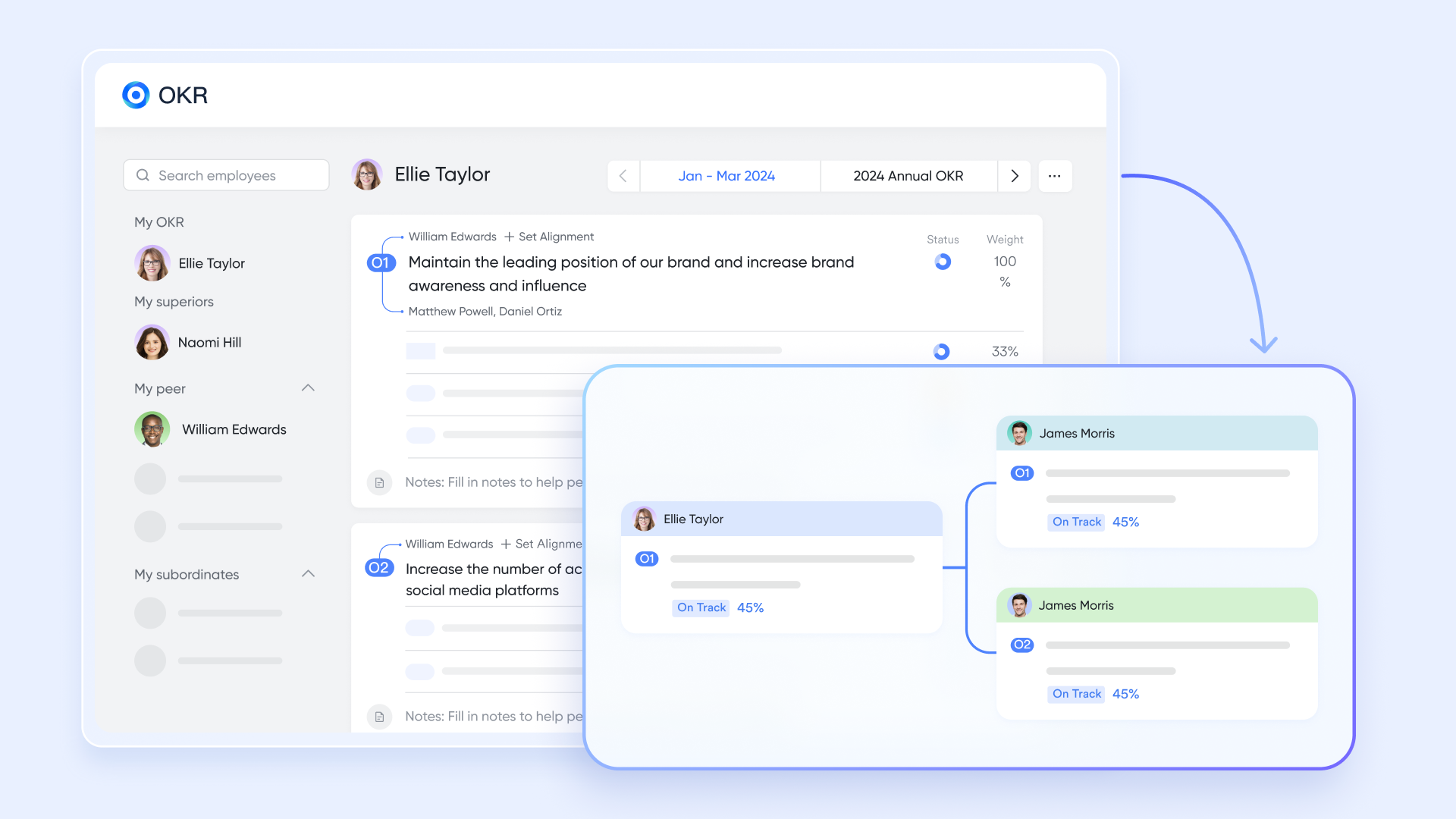
Turn goals into an execution plan
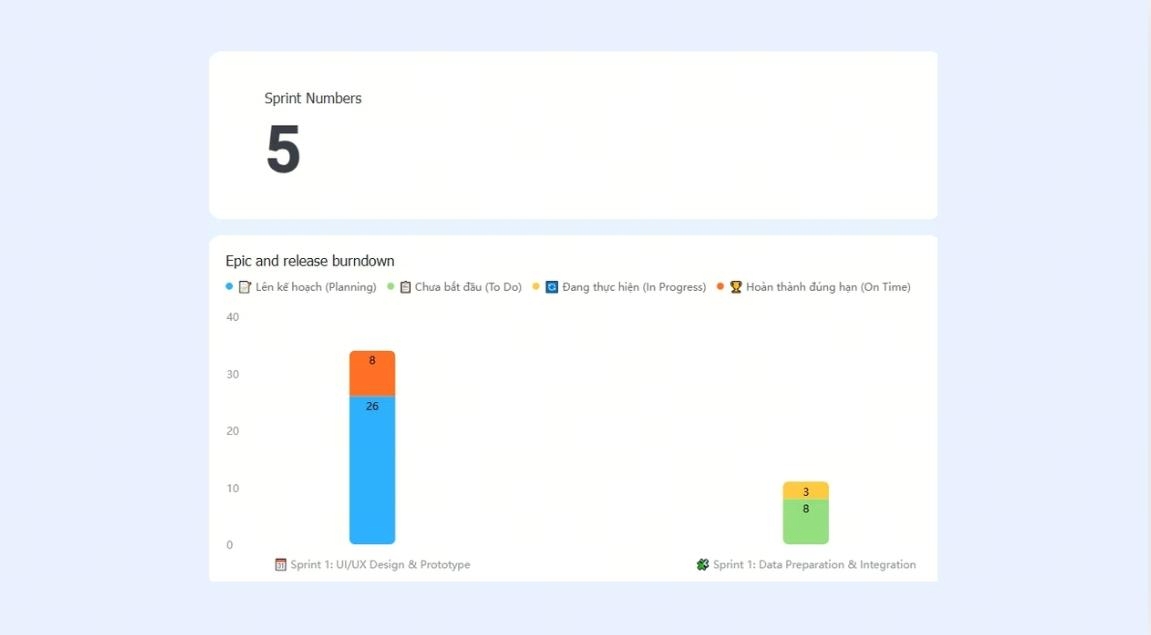
With the goal locked, convert the statement into an actionable execution plan. Lark Tasks is a natural place to translate objectives into deliverables and milestones, assign owners, set priorities, and make the work trackable. To manage complexity beyond a simple list, use Lark Base as the structured system behind the plan. Build a table that captures task name, owner, status, dates, dependencies, and links back to objectives or key results. This creates a clean project workflow where workstreams are visible, and handoffs are explicit. When teams need different lenses, Base views (such as kanban, grid, or Gantt-style timelines) help maintain clarity without rewriting the plan. 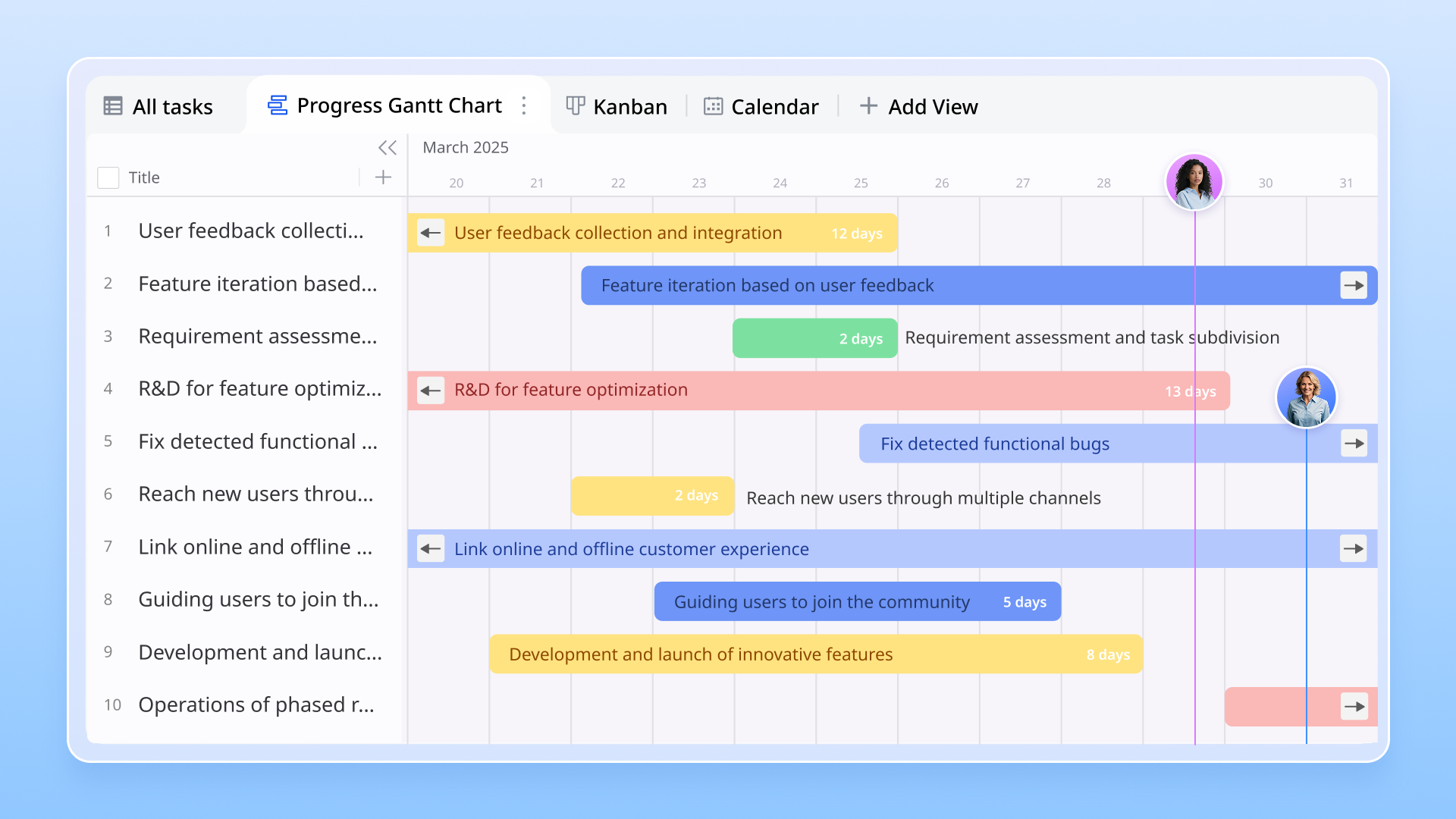
Measure and monitor progress
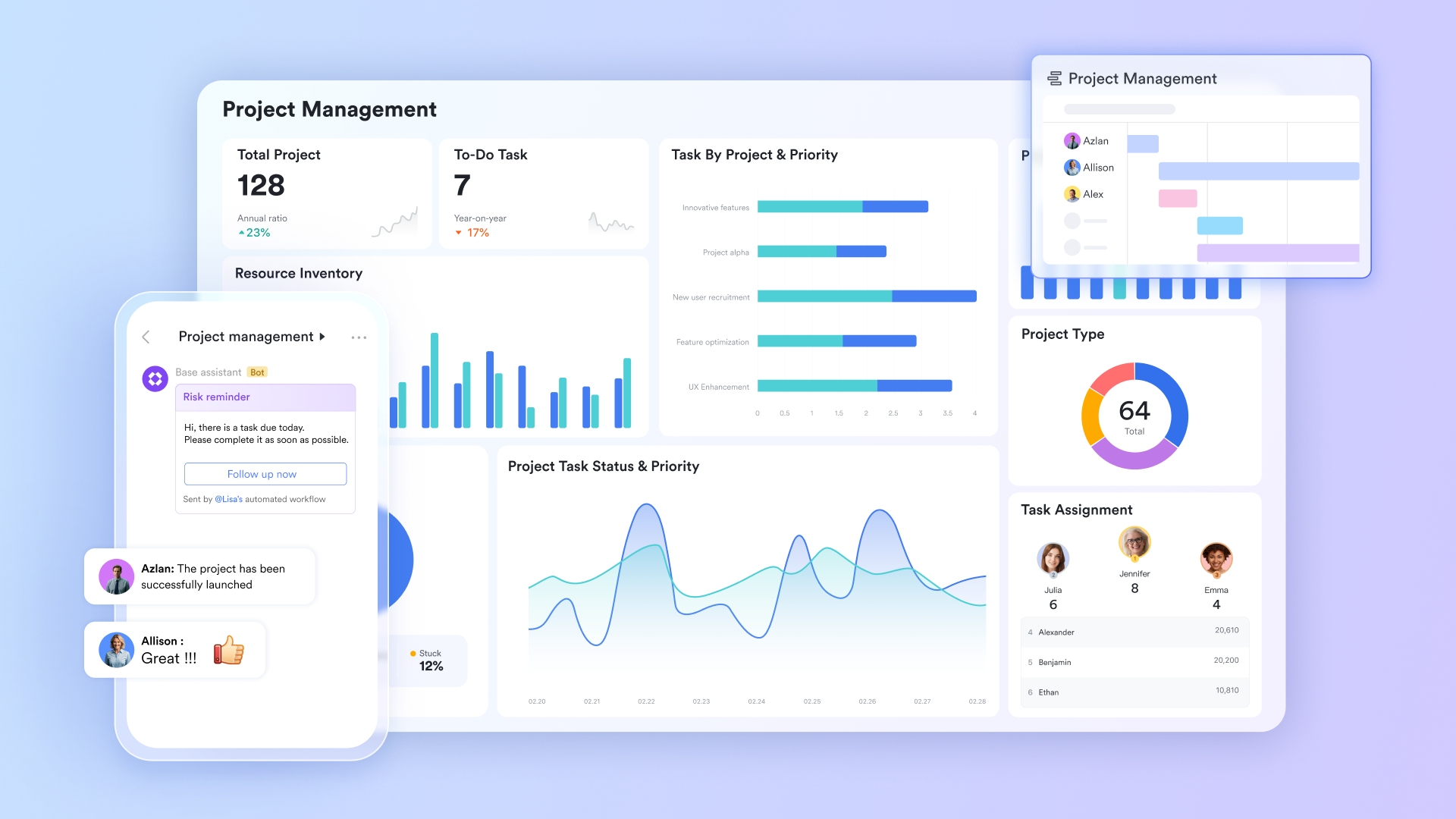
SMART goals require measurement that's easy to update and hard to dispute. In , you can track KPIs, milestone completion, and risk signals alongside delivery work, keeping project status and performance indicators in one place. As work progresses, views help different stakeholders consume updates quickly—delivery teams may prefer a kanban board, while managers may want a timeline or dashboard-style overview. To keep momentum without constant manual chasing, add Automations/Bots for reminders, overdue nudges, and escalation paths (subject to permissions). This supports a healthier cadence of execution: Consistent check-ins, timely attention to blockers, and fewer surprises at stage gates. 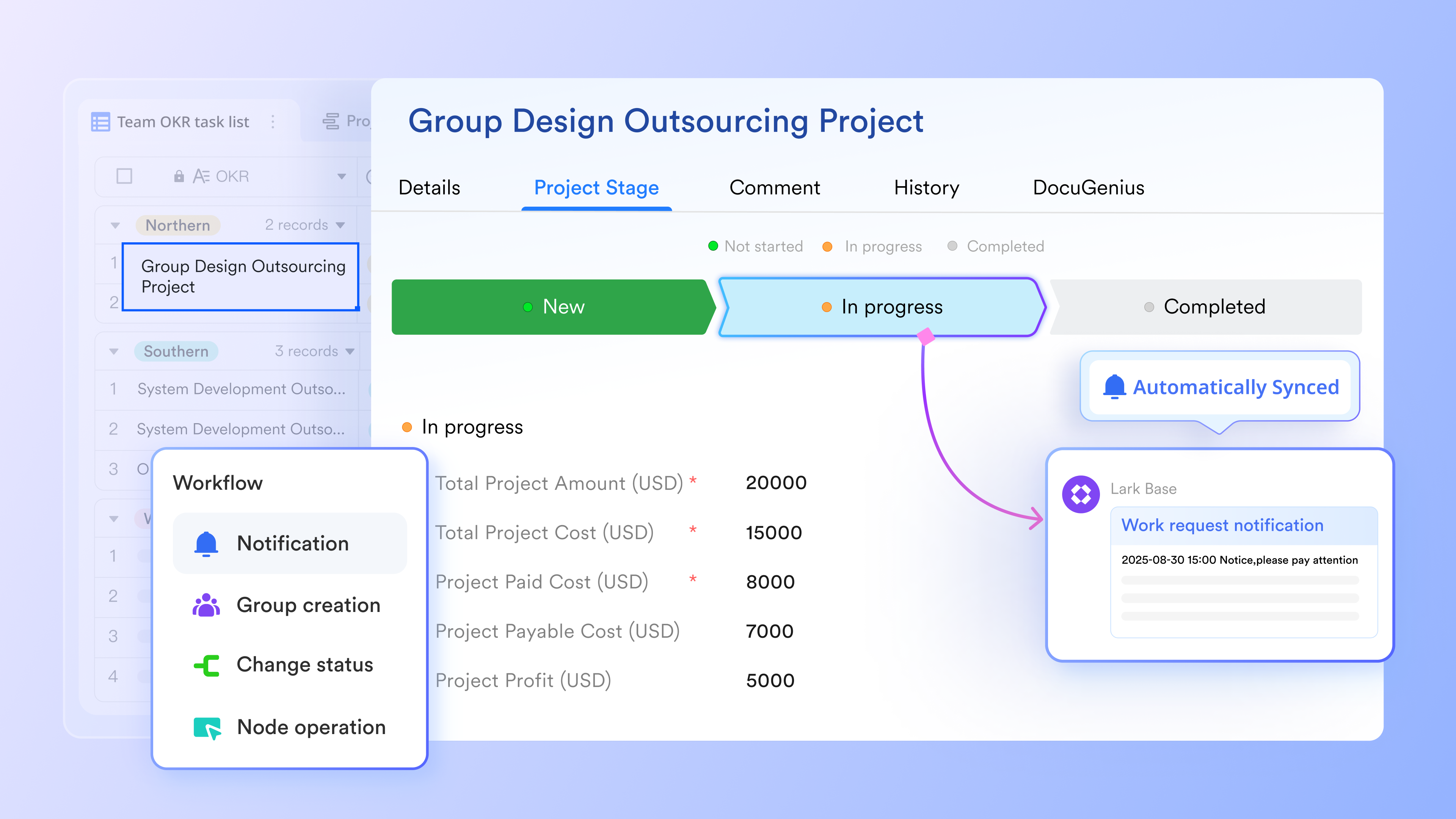
Collaborate and control changes
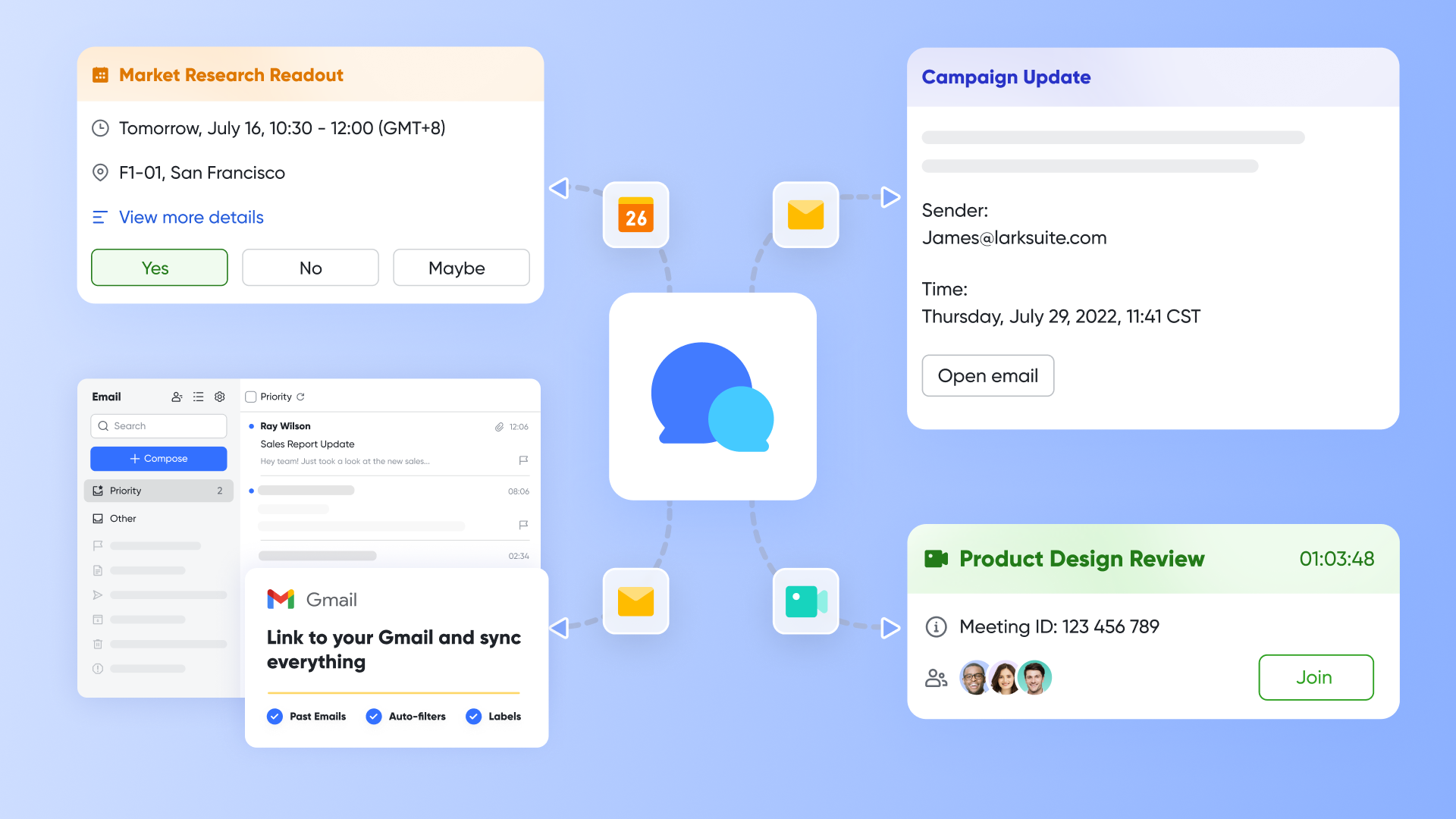
Execution gets smoother when conversations stay attached to decisions. supports ongoing collaboration through threads, mentions, and quick sharing of Docs and Base records, so context doesn't fragment across channels. By keeping discussions organized and easily accessible, teams can maintain a clear focus on their objectives. This ensures everyone is aligned, minimizing misunderstandings. Ultimately, a unified platform fosters greater accountability and efficiency, leading to more successful project outcomes.
Close the loop and reuse what works
A SMART goal cycle shouldn't end at delivery; it should produce better execution next time. Use to run retrospectives with a consistent structure (for example, a quick review-style template), capturing what happened, why it happened, and what to change in process, resourcing, or communication. Keep evidence and outputs in a single place for traceability, then convert the final document into a reusable template or playbook. Publishing these materials to turns lessons learned into shared knowledge, making future project planning faster and more standardized. Over time, this creates a practical operating system for goal management, continuous improvement, and repeatable project success.
:
- Starter plan: Free forever plan that includes 11 powerful tools for up to 20 users. It also comes with 100GB of storage, 1000 automation runs, AI translations, and more.
- Pro plan: $12/user/month (billed annually) for up to 500 users. It includes everything in Starter plus group calling for up to 500 attendees, 15TB of storage, 50,000 automation runs, and more.
- Enterprise plan: for custom pricing. Supports unlimited users and includes even more automation runs and advanced security, compliance, and management features.
For small teams with simple communication needs

18 months message history
1000 Base automation runs/month
2000 rows per table in Base
Most POPULAR
For companies with comprehensive collaboration and management needs
Unlimited message history
500-participant video meetings
50k Base automation runs/month
20k rows per table in Base
For large companies with advanced security and organizational management needs
Get a personalized demo and pricing
Unlimited message history
500-participant video meetings
15 TB storage + 30 GB storage/user
500k Base automation runs/month
50k Base automation runs/month
Most POPULAR
For companies with comprehensive collaboration and management needs
Unlimited message history
500-participant video meetings
50k Base automation runs/month
20k rows per table in Base
Common mistakes and best practices
One common mistake in SMART goal setting is treating it like a checkbox exercise: Goals get written, then buried in a folder while the project plan moves on. Another is writing goals that sound measurable but aren't operational—no clear owner, no agreed data source, and no definition of "done." Teams also run into trouble when they set too many objectives at once, ignore dependencies across workstreams, or choose targets that are either too safe or unrealistically aggressive. Finally, weak stakeholder communication creates misalignment: People interpret , , and differently, which shows up later as rework.
Best practice starts with . Involve the delivery team and key stakeholders early so the goal is realistic for the people executing it and relevant to business outcomes. Document the SMART goal in a visible place, then connect it to the work: Break it into milestones, acceptance criteria, and a clear measurement plan. Many project managers find it helpful to lock the time window first, then refine requirements until they become specific and measurable. Keep goals focused, align them to the project charter, and be explicit about assumptions and dependencies.
SMART goals should also be reviewed like any other project artifact. Build regular check-ins into your project cadence to compare progress against milestones, update risks, and adjust scope or approach when constraints change. If the timeline and scope can't both hold, clarify stakeholder priorities early and revise the plan accordingly. Celebrate progress when milestones are reached—not as hype, but as recognition that reinforces good execution, strengthens team morale, and keeps momentum through the next phase.
Define, align, and deliver your goals effortlessly
Conclusion
SMART goals are most effective as a living system—clear for alignment, structured for execution, and measurable for management. With Lark, teams can unify goal setting, project planning, collaboration, and progress tracking in one workspace, reducing friction and enhancing accountability. Start with a well-defined SMART goal, break it into milestones, monitor progress with consistent updates, and conduct practical reviews. By utilizing Lark, you can streamline workflows and create an environment where teams effectively achieve their objectives.
FAQs
What are SMART goals in project management?
SMART goals are project objectives written to be Specific, Measurable, Achievable, Relevant, and Time-bound. In project management, they define what success looks like, how it will be measured, who is responsible, and when results are due—so the team can plan scope, tasks, and milestones around clear outcomes.
Why are SMART goals important to project management?
They reduce ambiguity and align stakeholders on priorities, scope, and success criteria. SMART goals improve planning and estimation, enable progress tracking through measurable indicators, and strengthen accountability by clarifying ownership and timelines. They also support better decision-making when trade-offs arise, helping teams adjust scope, resources, or schedules without losing sight of the intended outcome.
What are the 5 C's of project management?
The 5 Cs of Project Management offer different frameworks, but a prominent one focuses on Complexity, Criticality, Compliance, Culture, and Compassion, guiding managers to balance project specifics with human elements for success. Another common set emphasizes team dynamics: Clarity, Communication, Collaboration, Commitment, and Consistency.
What are the 5 SMART goals, and give an example?
SMART stands for Specific, Measurable, Achievable, Relevant, and Time-bound.
Example: "Launch the new onboarding flow by June 30, increasing activation from signup to first key action from X to Y, by delivering 3 prioritized UX improvements, with PM and Engineering accountable for release and tracking."
What are some good goals for project managers?
Good project manager goals include: Improving on-time delivery, reducing scope creep through clearer change control, increasing stakeholder satisfaction via predictable updates, lowering project risk with earlier identification/mitigation, improving resource utilization, increasing quality (fewer defects/rework), and strengthening team communication and documentation for smoother handoffs.
Related reading