An agile implementation approach defines how organizations adopt agile methodologies across teams and workflows. It encompasses more than selecting Scrum or Kanban—it involves strategic planning around organizational readiness, change management, and phased rollouts. This article covers agile methodology, agile project methodology, agile management methods, and practical steps to implement them effectively. While examples focus on agile methodology in software development, the principles apply to marketing, operations, HR, and other business functions. In the sections ahead, we'll explore how to design and execute an agile implementation that drives real results.
Agile basics: From agile methodology to agile management methods
Understanding agile begins with recognizing it as both a mindset and a management method. Agile methodology represents a fundamental shift in how teams approach work—emphasizing iteration, collaboration, and responsiveness over rigid planning. Before diving into implementation, teams need a solid foundation in agile concepts and how they differ from traditional approaches.
Define agile methodology
is an iterative project management and product development approach that delivers value in small, manageable increments. Rather than waiting months or years for a complete product, agile teams release working software frequently, gathering customer feedback along the way. This approach has its roots in agile methodology in software development, where the need for flexibility and rapid adaptation became clear in the early 2000s. The Agile Alliance, formed to promote these principles, helped establish agile as a mainstream approach to managing projects, shaping many of today's . Core characteristics of agile methodology include:
- Iterative development: Work is completed in short cycles called sprints or iterations
- Customer collaboration: Stakeholders participate throughout the development process
- Adaptive planning: Plans evolve based on feedback and changing requirements
- Continuous delivery: Functional software ships frequently rather than in one large release
- Cross-functional teams: Team members with diverse skills work together toward shared goals
Agile management methodology
Agile management method extends beyond development teams to encompass planning, prioritization, reporting, and stakeholder alignment across entire organizations. This agile management methodology applies agile values to how leaders set direction, allocate resources, and measure success, closely connecting to the broader discipline of that focuses on day-to-day collaboration and continuous improvement at the team level. Key elements of agile management methods include:
- Portfolio planning: Prioritizing initiatives based on value and strategic alignment
- Lightweight governance: Checkpoints focused on outcomes rather than compliance
- Transparent reporting: Shared visibility into progress, blockers, and decisions
- Adaptive budgeting: Funding flows to value delivery rather than fixed project plans
- Stakeholder engagement: Regular communication, keeping everyone aligned on priorities
Agile project methodology vs. traditional methods
Agile project methodology contrasts sharply with traditional project management approaches like waterfall. In traditional project management, each phase depends strictly on completing the previous one, making mid-project changes difficult and expensive. Requirements are captured early, detailed plans are created upfront, and execution follows a linear path. The differences become clear when examining how each approach handles change:
To know more about Agile vs. Waterfall, click
Designing your agile implementation approach
Before selecting Scrum or Kanban, organizations need a high-level agile implementation methodology that fits their specific context. Jumping straight to ceremonies and tools without strategic preparation often leads to superficial adoption that fails to deliver real benefits. Taking time to design your approach increases the likelihood of sustainable agile transformation.
Clarify your goals
Effective agile implementation starts with concrete objectives that executives and teams can align around. Vague goals like "become more agile" provide little direction for decision-making or measurement. Consider defining specific agile objectives such as faster release cycles (reducing time from idea to production), improved cross-team coordination (breaking down silos between departments), and better loops (incorporating user input more frequently). These goals should connect to business outcomes. Faster delivery means customers see a return on investment sooner. Better coordination reduces handoff delays. Quality improvements lower support costs and increase customer satisfaction.
Assess current maturity
You need a clear picture of your starting point before adopting agile. Mapping your existing practices against agile principles helps you spot gaps and what needs to change.
During the assessment, you can review how often your teams deliver working results, how priorities are set, whether existing approval workflows are necessary, how progress and blockers are communicated, how well your current tools are integrated, how customer feedback is collected and used, and which metrics you're already tracking. This helps you keep supportive processes and redesign the ones that hold you back.
Select scope and pilot area
Starting with a pilot team or product line reduces risk and generates learnings before broader rollout. Choosing the right pilot area increases the chances of early success. Criteria for selecting pilot teams include:
- Willingness to experiment: Teams that are open to new approaches
- : Work with clear boundaries and limited dependencies
- Visible impact: Results that stakeholders will notice and care about
- Supportive leadership: Managers who will champion the experiment
- Reasonable complexity: Challenging enough to be meaningful, not so complex as to overwhelm
A specific software product or new feature launch often makes an ideal pilot because outcomes are measurable and the development team can iterate quickly.
Choose an implementation style
The approach to rolling out agile significantly impacts success. Organizations typically choose among top-down, bottom-up, or hybrid agile implementation approaches based on their culture and leadership structure. The next section explores each approach in detail.
Define measurable outcomes
Outcome-based metrics demonstrate value and guide improvement. Measuring "number of teams using Scrum" tells you about adoption but not impact. Focus instead on metrics that reflect actual business and operational improvement. Recommended agile metrics include:
- Lead time: Duration from idea to production
- Deployment frequency: How often teams release to customers
- Defect rate: Quality measured through bugs and issues
- : Feedback scores and sentiment
- Sprint health: Planned versus delivered work
- Cycle time: Duration for individual work items
These metrics enable data-driven retrospectives and help teams track progress toward their goals.
Start designing your team's agile transformation with Lark
Top-down vs. bottom-up vs. hybrid agile implementation
Agile implementation success depends more on change strategy than on the framework chosen. How an organization introduces agile practices shapes adoption, sustainability, and ultimate impact. Understanding the trade-offs between different approaches helps leaders select the right strategy for their context.
Top-down agile implementation, and its pros and cons
In top-down agile implementation, executives mandate agile adoption, set transformation timelines, and define enterprise-wide standards. Leadership commits resources, hires agile coaches, and establishes consistent practices across the organization. Typical characteristics of top-down approaches include:
- Executive sponsorship: Clear mandate from senior leadership
- Transformation office: Dedicated team overseeing implementation
- Standardized frameworks: Consistent practices across teams
- : Target dates for adoption milestones
- Centralized training: Organization-wide learning programs
Advantages of top-down implementation include clear sponsorship, adequate funding for training and coaching, consistent practices that enable scaling, and alignment with strategic priorities. When executives visibly champion agile transformation, it signals organizational commitment.
However, risks exist with this approach:
- Perceived as imposed: Teams may resist practices they didn't choose
- Insufficient training: Mandates without preparation create frustration
- One-size-fits-all: Forcing identical practices on diverse teams reduces effectiveness
- Ceremony without substance: Teams adopt terminology without a genuine mindset change
Bottom-up agile implementation, and its pros and cons
Bottom-up agile implementation occurs when individual teams experiment with the Scrum agile method or Kanban, proving value through local results. A software squad might adopt Scrum practices, demonstrate improved delivery, and inspire other teams to follow.
Characteristics of bottom-up approaches include:
- Team initiative: Adoption starts with motivated practitioners
- Local experimentation: Teams adapt practices to their context
- Grassroots momentum: Success spreads through informal networks
- Practical learning: Teams discover what works through experience
Bottom-up implementation generates organic enthusiasm and practical experimentation. Teams feel ownership over their practices and have the flexibility to adapt approaches to their specific needs. This often produces more genuine adoption than mandated programs.
Limitations include:
- Scaling challenges: Practices that work for one team may not scale
- Lack of alignment: Different teams may adopt incompatible approaches
- Resource constraints: Without executive backing, training and coaching suffer
- Organizational friction: Existing processes may block agile practices
Hybrid agile implementation approach
A combines leadership direction with team-level co-design. Executives provide vision, resources, and guardrails while teams choose specific agile frameworks and practices suited to their work. This approach balances organizational alignment with team autonomy. Key elements of hybrid approaches include:
- Shared principles: Organization-wide agreement on agile values
- Framework flexibility: Teams select Scrum, Kanban, or other methods
- Coordinated support: Centralized training and coaching resources
- Iterative refinement: Regular review and adjustment of practices
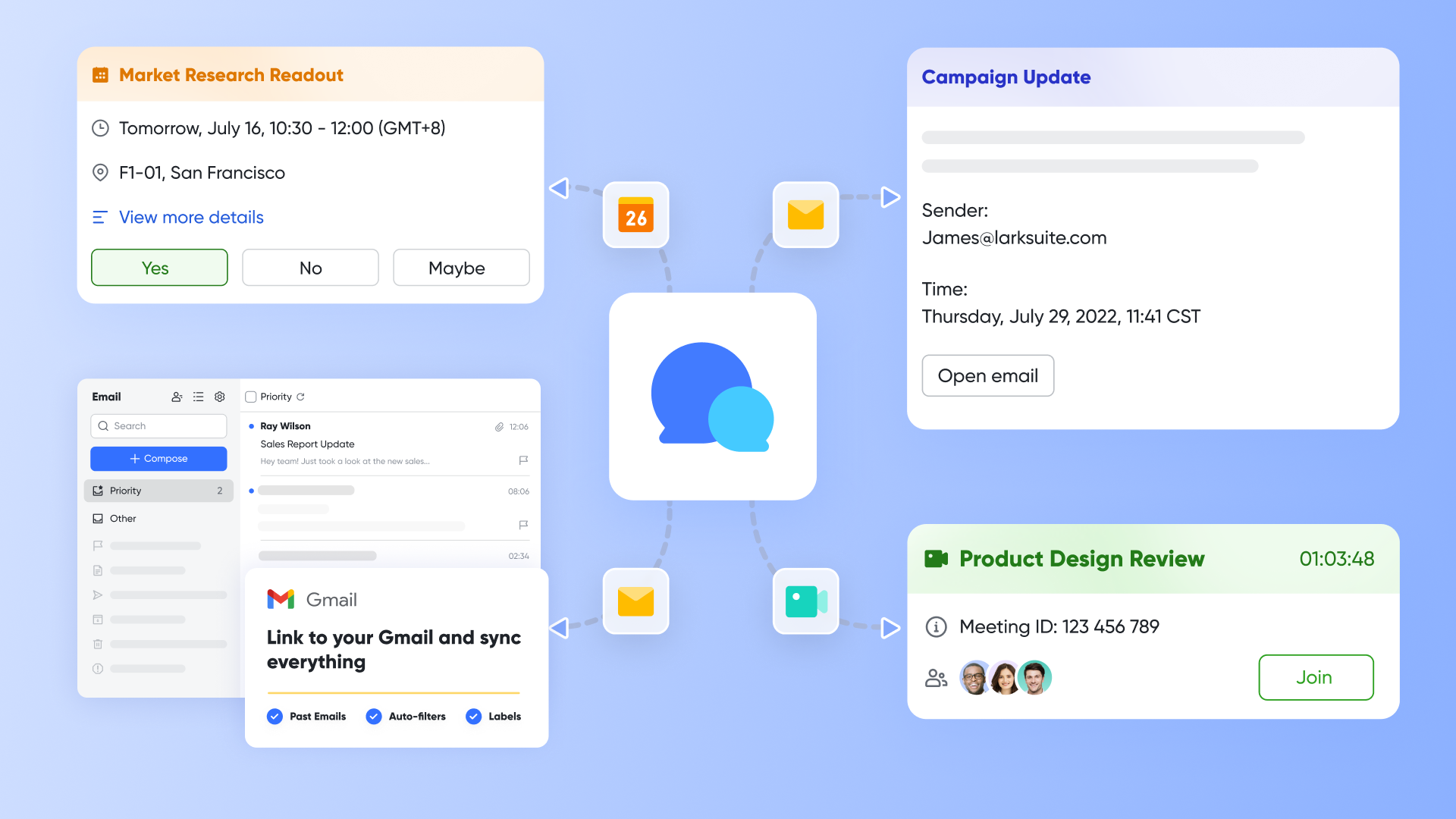
Unified messaging, video meetings, and shared documentation support transparency and alignment across all implementation approaches. When communication happens in scattered channels, and decisions live in disconnected documents, coordination suffers, underscoring the need for purpose-built that keeps conversations, meetings, and work artifacts in sync. A platform like Lark provides integrated chat for quick questions, video conferencing for sprint reviews and retrospectives, shared documents for user stories and decisions, and calendars that keep everyone synchronized. This consolidation supports both top-down visibility and bottom-up collaboration.
Choosing your agile project methodology and framework
There is no single "best" agile development framework. Teams should select based on product type, team size, release frequency, and regulatory environment. Understanding the options helps organizations make informed choices that support their agile project management methodology.
Scrum as a core agile methodology
The structures work into time-boxed sprints, typically two to four weeks long. Each sprint produces a potentially shippable increment of working software. Scrum defines specific roles, events, and artifacts that create rhythm and accountability. Core elements of Scrum include:
- Product owner: Represents stakeholders and manages the product backlog
- Scrum master: Facilitates Scrum events and removes impediments
- Development team: A cross-functional group that delivers increments
- Sprint planning: A session where the team commits to sprint goals
- Daily standup: Brief synchronization meeting
- Sprint review: Demonstration of completed work to stakeholders
- Retrospective: Team reflection on process improvement
Kanban for flow-based work
Kanban visualizes work as it flows through stages, using a kanban board to show status and identify bottlenecks. Unlike Scrum's time-boxed sprints, Kanban emphasizes continuous flow with work pulled through the system as capacity becomes available, often supported by that make visualization and workflow design accessible to any team. Kanban principles include:
- Visualize work: Make all tasks visible on a shared board
- Limit work in progress: Cap the number of items in each stage
- Manage flow: Monitor and optimize how work moves through the system
- Make policies explicit: Define clear rules for each stage
- Implement feedback loops: Regular reviews to improve the process
- Improve collaboratively: Evolve practices based on evidence
Kanban works well for support teams, operations groups, and any team with a continuous intake of work.
Combining Scrum and Kanban (Scrumban)
Some teams blend fixed-length sprints with Kanban-style work-in-progress limits and board visualization. This hybrid approach, sometimes called , provides the rhythm and planning structure of Scrum while maintaining the flow, focus, and flexibility of Kanban. Scrumban typically includes:
- Sprint cadence for planning and retrospectives
- Kanban board for daily work visualization
- Work-in-progress limits to prevent overload
- Continuous improvement based on flow metrics
Lean and other Agile and Scrum methods
Beyond Scrum and Kanban, other agile management methods serve specific needs:
- Extreme programming (XP): Emphasizes technical practices like pair programming, test-driven development, and continuous integration. Extreme programming XP strengthens the engineering foundation that enables sustainable agile delivery.
- Dynamic systems development method: A framework that focuses on business needs and active user involvement throughout the software development process.
- Rapid application development: Prioritizes prototyping and iterative development over extensive planning.
- Feature-driven development: Organizes work around features that deliver client value.
- Disciplined agile delivery: Provides a process decision framework that incorporates practices from multiple agile methods.
Scaling frameworks
Large enterprises need coordinated agile implementation across dozens or hundreds of teams. Scaling frameworks provide structures for this coordination:
- SAFe (Scaled Agile Framework): Comprehensive framework for enterprise-scale agile
- Large scale scrum: Applies Scrum principles to multiple teams working on one product
- Disciplined Agile: Flexible framework offering choices based on context
These frameworks address challenges like cross-team dependencies, portfolio planning, and enterprise governance while maintaining agile principles.
Practical agile implementation methodology: Step-by-step
This section turns theory into a concrete sequence that any organization can adapt over six to twelve months. While every organization differs, these steps provide a framework for systematic agile implementation that builds momentum while managing risk.
Step 1: Establish an agile change team
Form a cross-functional team to plan and oversee agile implementation, including representatives from engineering, product, operations, and HR to champion agile across departments and resolve organizational barriers. Their key responsibilities are defining implementation goals and success criteria, coordinating training, monitoring progress, communicating with stakeholders, and adapting the plan based on learnings.
Step 2: Define target operating model
Document your future agile operating model—including team structure, planning cadences, governance, and shared tools—to guide implementation decisions. Key elements include team organization, sprint/portfolio planning cadence, decision rights, cross-team communication, and standard tooling.
Step 3: Select pilot teams and projects
Select 1–3 pilot teams/projects with clear boundaries (e.g., new features, process redesigns). Pilots should be meaningful enough to show value but manageable to control risk, with , motivated teams, limited dependencies, and visible outcomes.
Step 4: Train and coach
Structured agile training builds foundational knowledge, while ongoing coaching helps teams apply concepts to their unique contexts. Training includes agile mindset workshops, framework-specific (Scrum/Kanban) sessions, role-based learning, ongoing coaching, and self-paced resources.
Step 5: Implement agile ceremonies
Introduce framework-appropriate ceremonies: Scrum uses sprint planning, daily standups, reviews, and retrospectives; Kanban uses replenishment and delivery reviews. Follow basic guidelines (e.g., 15-minute standups, 2–4 hour sprint planning) and refine ceremonies based on team feedback.
Step 6: Integrate agile methodology tools
Consolidate chat, sprint boards, documents, and issue tracking into a few connected tools to reduce fragmentation. Prioritize a single workspace, connected task boards, automated updates, and unified search. unifies these features in one workspace.
Step 7: Measure, review, and iterate
Establish a quarterly review cycle to examine metrics, gather team/stakeholder feedback, and refine your agile methodology. Review activities include metric analysis, team retrospectives, stakeholder input, and process adjustments—applying agile's core principle of continuous improvement to implementation.
Follow these steps to Agile success with Lark
Use Lark for agile implementation to match your team's rhythm
Agile implementation is about adapting quickly, collaborating constantly, and delivering value continuously. But agile principles can break down when your tools don't keep up. provides a unified workspace that aligns perfectly with agile practices—helping teams visualize work, automate routines, and connect conversations directly to execution.
Visualize your entire agile process at a glance
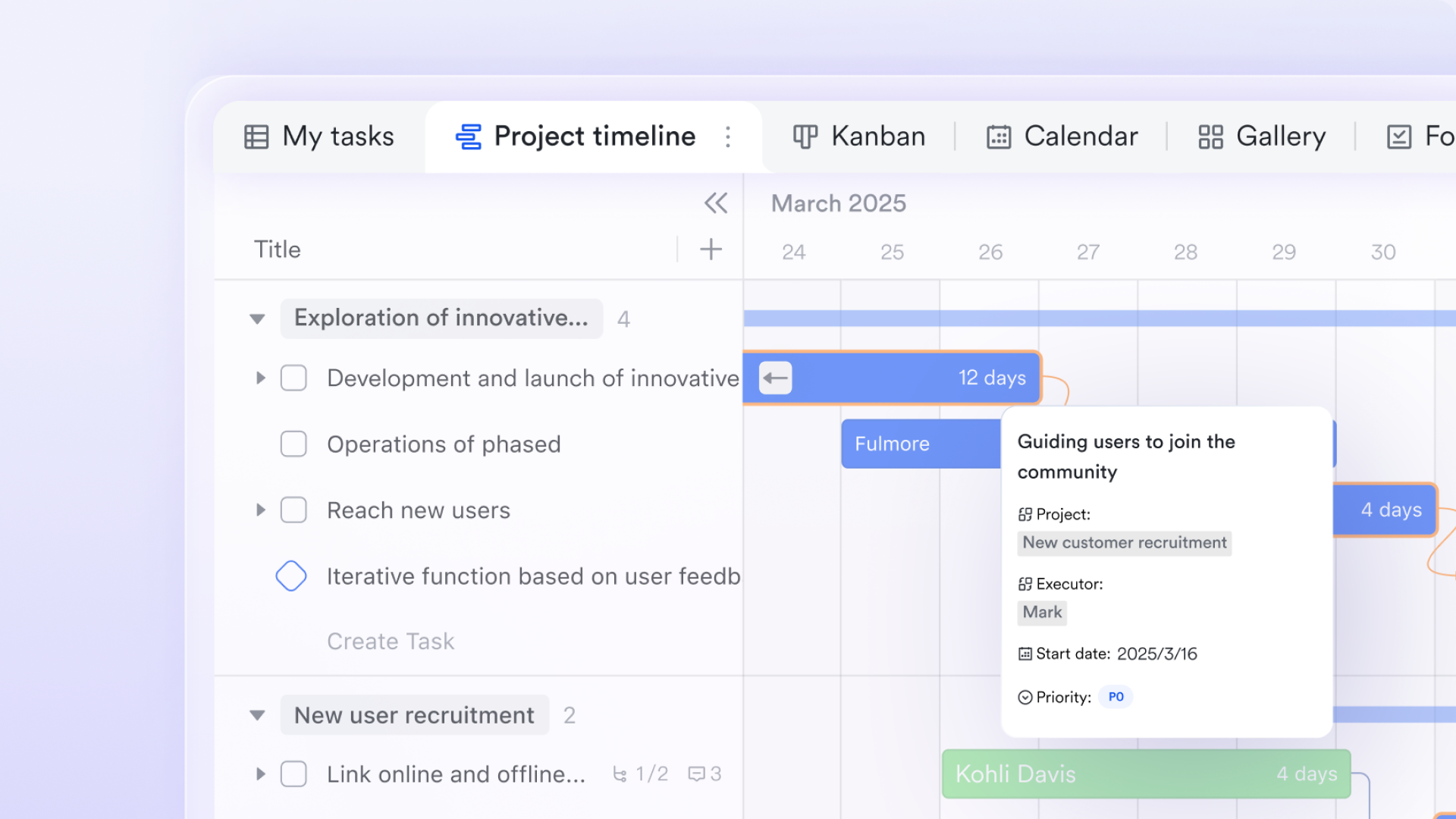
Agile teams need real-time visibility into their work. brings this to life with multiple interconnected views of your project data. You can create a Kanban view to track tasks across sprint stages like "Backlog," "In Progress," and "Done." Use a table view to maintain and prioritize your product backlog. Switch to a to understand dependencies across multiple sprints. All these views draw from the same underlying data. When a developer moves a card on the Kanban board, the timeline updates automatically for the project manager. No duplicate work, no manual sync—just real-time alignment across the whole team.
Automate repetitive work so your team can focus
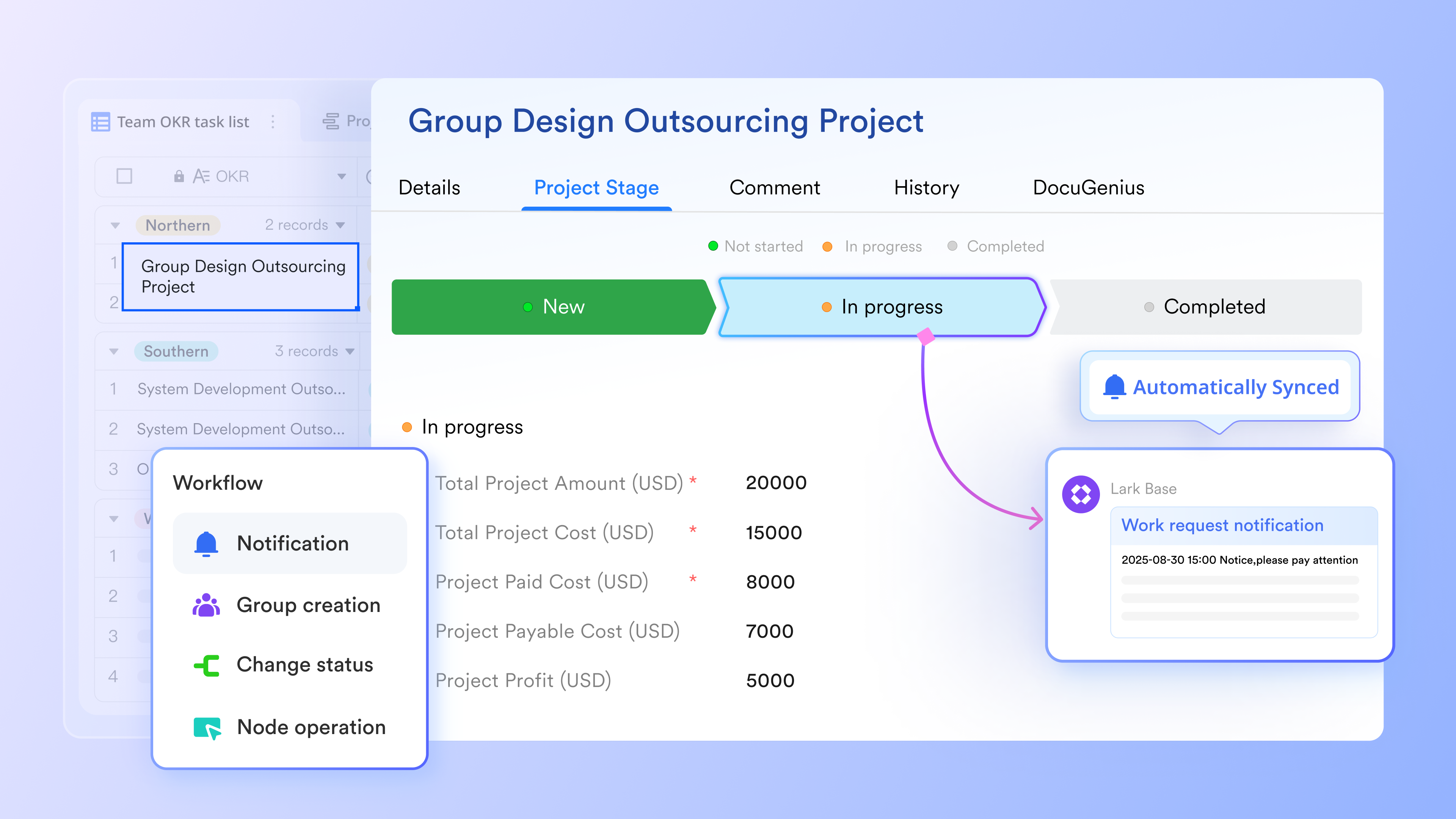
Manual updates and reminders slow agile teams down. Lark Base workflows handle these routine tasks for you. Set up simple rules: when a task moves to "Ready for QA," automatically notify the tester in . When all tasks in a sprint are complete, automatically create a calendar invite for the sprint review. These automations eliminate the need for someone to remember to send that "it's your turn" message. Your team stays focused on delivering value instead of chasing status updates.
Turn standup conversations into trackable tasks instantly
Action items from daily standups and sprint planning often get lost in chat history. lets you convert any message directly into a task with one click. When a teammate says, "I'll update the API documentation today," turn that message into a task—assign it to them, set a due date, add details. The task appears automatically in Lark Tasks, and syncs to their calendar. What was just a conversation becomes accountable work, ensuring nothing falls through the cracks. 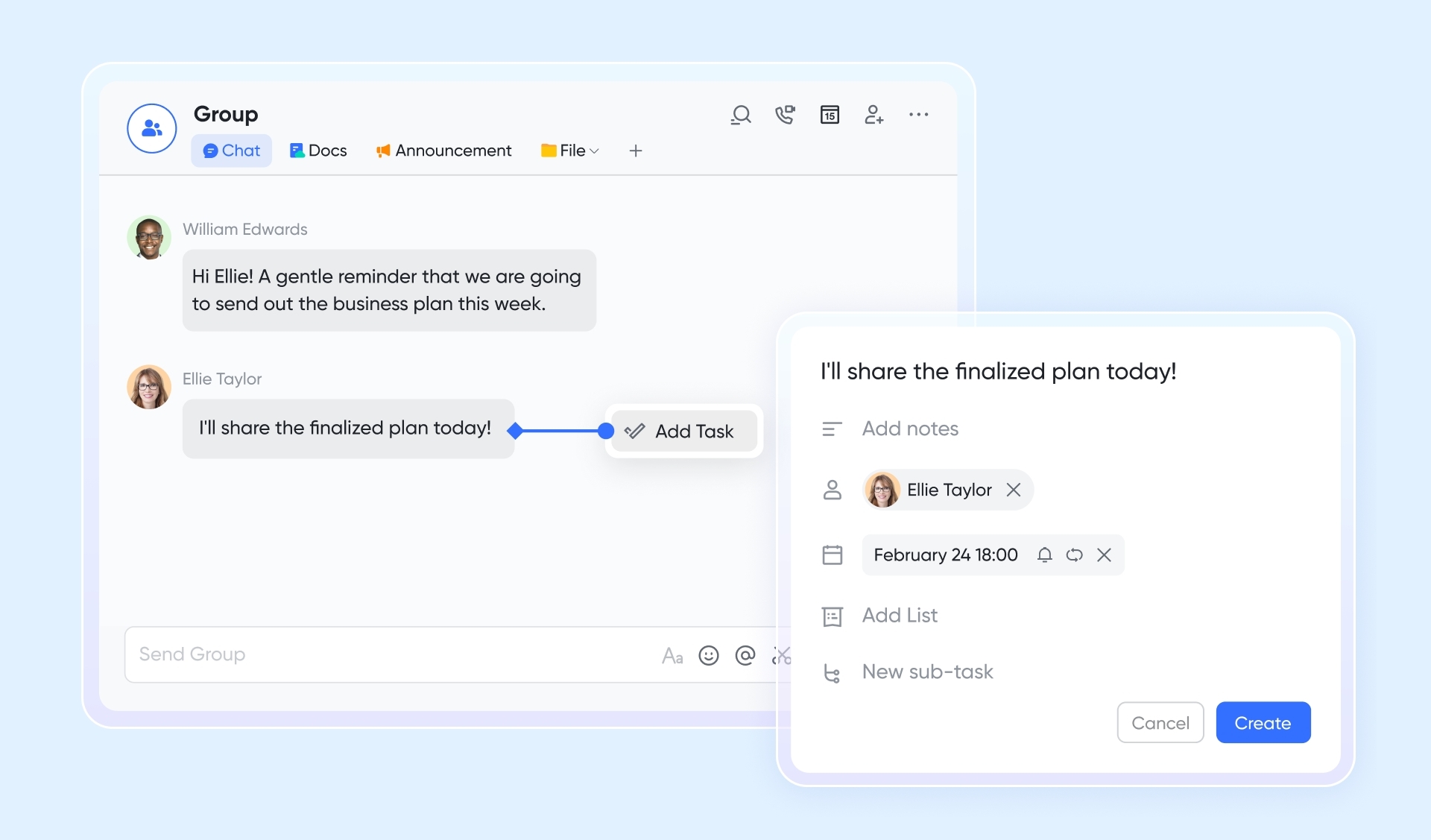
Keep approvals from blocking your sprint
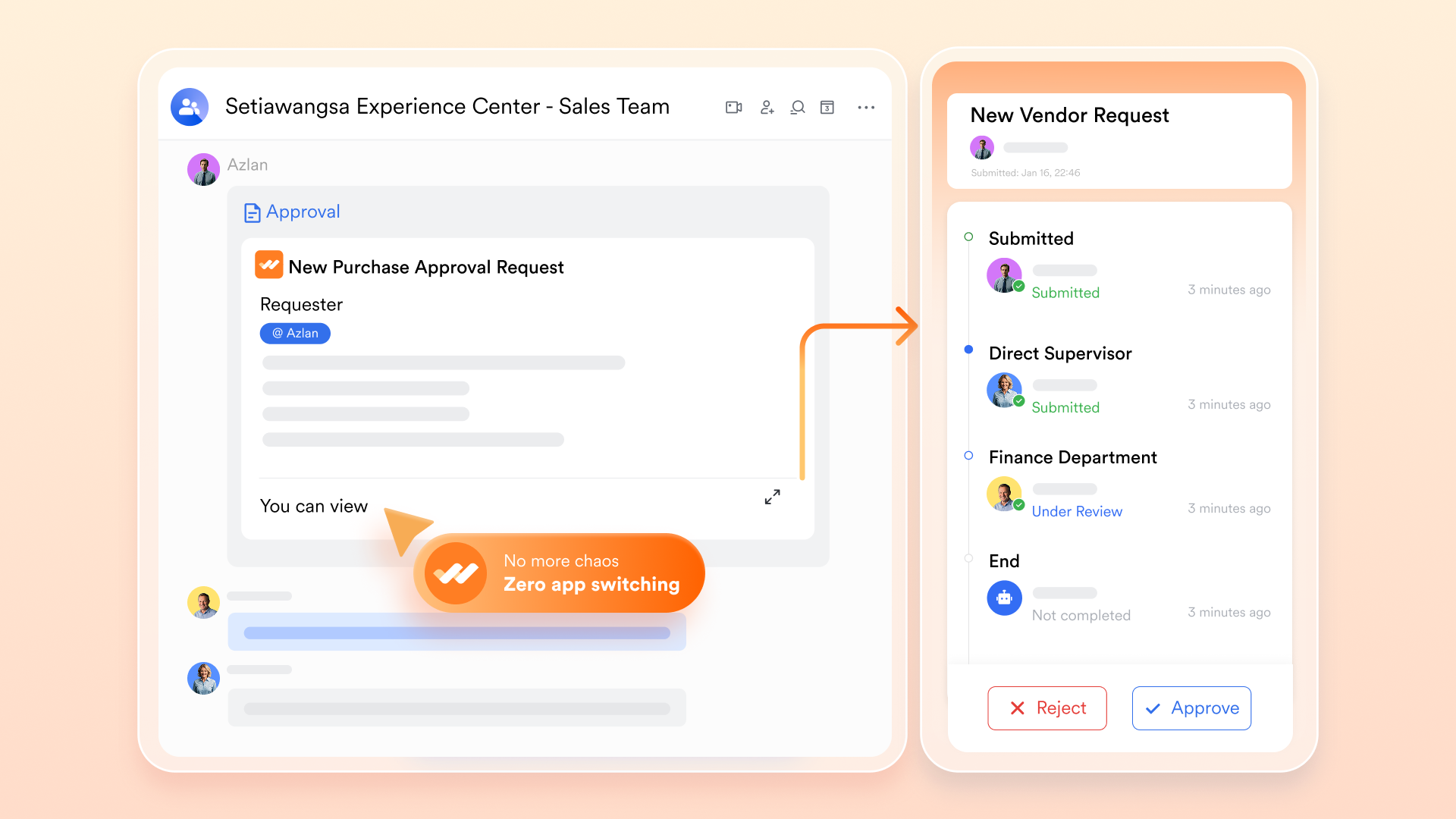
User story approvals, scope changes, or tool requests can stall progress when they get stuck in email. provides a centralized system for any approval flow. Create custom approval paths that route requests to the right people automatically. Approvers get notifications in Lark Messenger and can approve with one click. Every step is logged for audit purposes. When a product owner needs to approve stories before sprint planning, they can do it in seconds from their phone. The sprint starts on time, every time.
Make retrospectives drive real improvement
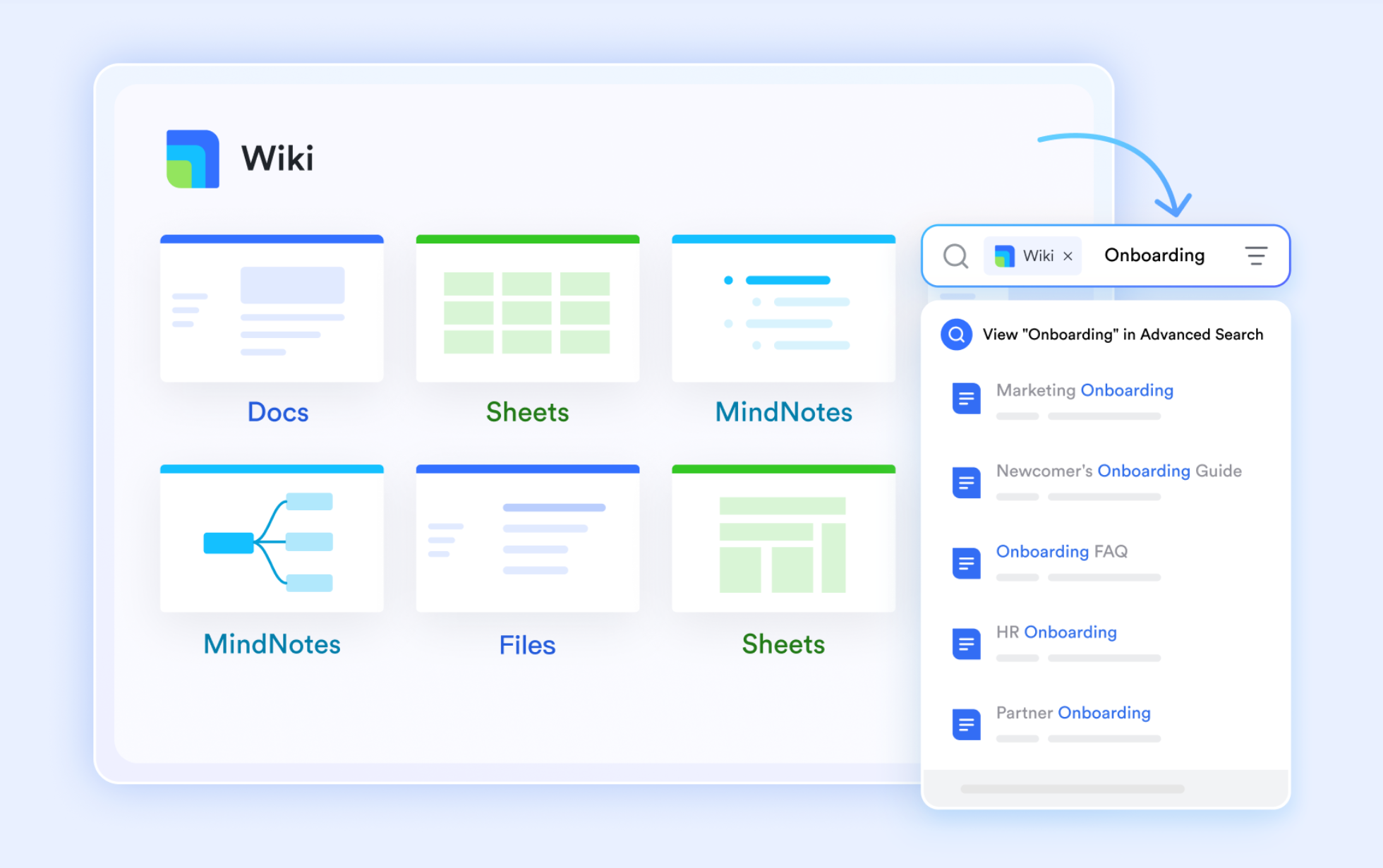
Sprint retrospectives generate great ideas, but those ideas often disappear after the meeting. In , your team can co-create retrospective documents in real time. Everyone adds observations and suggestions simultaneously. And all retrospectives live in , creating a searchable history of your team's continuous improvement journey. When the next retrospective comes around, you can review past action items and build on previous insights instead of starting from scratch.
for Lark:
- Starter plan: Free forever plan that includes 11 powerful tools for up to 20 users. It also comes with 100GB of storage, 1000 automation runs, AI translations, and more.
- Pro plan: $12/user/month (billed annually) for up to 500 users. It includes everything in Starter plus group calling for up to 500 attendees, 15TB of storage, 50,000 automation runs, and more.
- Enterprise plan: for custom pricing. Supports unlimited users and includes even more automation runs and advanced security, compliance, and management features.
For small teams with simple communication needs

18 months message history
1000 Base automation runs/month
2000 rows per table in Base
Most POPULAR
For companies with comprehensive collaboration and management needs
Unlimited message history
500-participant video meetings
50k Base automation runs/month
20k rows per table in Base
For large companies with advanced security and organizational management needs
Get a personalized demo and pricing
Unlimited message history
500-participant video meetings
15 TB storage + 30 GB storage/user
500k Base automation runs/month
50k Base automation runs/month
Most POPULAR
For companies with comprehensive collaboration and management needs
Unlimited message history
500-participant video meetings
50k Base automation runs/month
20k rows per table in Base
Change management for agile implementation
Agile adoption represents organizational culture change as much as process change. Teams need more than training on ceremonies—they need support navigating the shift to new ways of working.
- : Identify sponsors, champions, and skeptics across departments. Understand their concerns and motivations. Tailor communication for each group, addressing their specific questions and highlighting benefits relevant to their roles.
- Communication cadence: Regular town halls, Q&A sessions, and written updates in a central knowledge base keep everyone informed. Transparency about progress, challenges, and decisions builds trust and reduces resistance.
- Training pathways: Provide separate learning paths for leaders, product owners, scrum masters, and team members. Leaders need to understand how to support agile teams without micromanaging. Product owners need skills in backlog management and stakeholder communication. Team members need practical skills in agile practices.
- Recognition and incentives: Highlight teams that successfully adopt agile practices and share their results. Celebrating wins builds momentum and provides proof points for skeptics.
- Handling resistance: Listen to concerns rather than dismissing them. Run time-boxed experiments to test assumptions. Adjust the implementation plan based on feedback rather than forcing uniformity. People resist change when they feel unheard or when change threatens their sense of competence.
Equip your team for smooth agile adoption
Governance and compliance in an agile management method
should enable rather than block agile projects. The goal is ensuring appropriate oversight while preserving team autonomy and speed.
- Lightweight governance model: Design minimal but effective checkpoints such as quarterly portfolio reviews. Focus these checkpoints on outcomes and risks rather than process compliance. Trust teams to manage daily decisions while maintaining strategic alignment.
- Regulated environments: Agile teams in regulated industries maintain traceability and approvals using digital records and automated workflows. The software development process can include compliance requirements without abandoning agile principles.
- Risk and dependency management: Visualize dependencies across teams in shared roadmaps. Use frequent synchronization meetings to identify and address coordination needs. Cross functional team members should participate in dependency discussions.
- Standardizing definitions: Create organization-wide definitions of done, ready, and priority levels. These shared definitions reduce confusion when teams collaborate and when leadership reviews progress.
Common agile implementation challenges and how to avoid them
Agile implementation often stalls due to predictable pitfalls. Recognizing these early and preparing responses boosts success chances.
- Doing agile vs. being agile: Many organizations adopt agile ceremonies but skip genuine mindset change—holding standups and reviews while working traditionally. An agile mindset focuses on outcomes and customer value, not just processes. Address this by emphasizing principles over practices in training, measuring outcomes over ceremony compliance, empowering teams to adapt processes, and celebrating customer-focused decisions.
- Over-standardization: Forcing one rigid framework on all teams ignores different work needs—Scrum may suit dev teams, while Kanban works for operations. Instead, set shared principles with local flexibility, let teams choose fitting frameworks, create guardrails not rigid rules, and learn from team variations.
- Tool overload and fragmentation: Too many tools cause friction, scattered information, and wasted time. Consolidate onto a unified platform like Lark, which integrates communication, documentation, and project tracking to reduce fragmentation.
- Poor product ownership: Unclear or overloaded product owners hinder agile success. Solutions include clear role definition with dedicated time, training on backlog management and stakeholder communication, organizational empowerment, and support to prevent burnout.
- : Distributed teams face communication gaps that undermine agile. Integrated video, chat, and documentation platforms mitigate this by providing multiple channels and ensuring accessible information for all team members, regardless of location.
Conclusion
A deliberate agile implementation approach, supported by the right tools, helps teams deliver faster and stay better aligned with stakeholders. True success comes from clear goals, a suitable agile methodology, and careful change management—not just following ceremonies or terminology.
Agile transformation demands long-term commitment, from early pilots to full-scale adoption. Organizations that view agile as an ongoing journey of improvement gain lasting benefits: greater responsiveness to customer feedback, higher-quality deliverables, and more engaged teams.
For teams looking to streamline agile execution, provides a unified workspace for daily standups, backlog management, document collaboration, and workflow automation. Its all-in-one platform makes it easier to scale and sustain effective agile practices.
Begin your agile journey with confidence
FAQs
What is an agile implementation method?
An agile implementation method is a systematic approach to integrating agile principles into an organization's workflows. It involves defining goals, selecting suitable frameworks (e.g., Scrum, Kanban), training teams, and iterating practices to ensure sustainable agile adoption, rather than just surface-level ceremony adoption.
What is the 3 5 3 rule in agile?
The 3 5 3 rule in agile simplifies Scrum core elements: 3 key roles (Product Owner, Scrum Master, Development Team), 5 essential events (Sprint Planning, Daily Standup, Sprint Review, Retrospective, Backlog Refinement), and 3 critical artifacts (Product Backlog, Sprint Backlog, Increment).
What are the 5 principles of agile methods?
The 5 core agile principles focus on customer-centricity and adaptability: prioritizing customer satisfaction, embracing changing requirements, delivering working software frequently, collaborating closely with stakeholders, and continuously improving processes based on feedback.
What are the 5 C's of agile?
The 5 C's of agile are key values guiding team behavior: Collaboration (cross-team alignment), Communication (transparent information flow), Creativity (innovative problem-solving), Commitment (team ownership of goals), and Courage (adapting to change and speaking up).
Related reading