Effective project delivery is crucial for achieving strategic goals and optimizing resources in nowaday's dynamic business environment. Understanding the various project delivery methods can significantly enhance the likelihood of success in any project, whether it's in construction, IT, or other industries. As teams strive for efficiency and clarity, tools like Lark can facilitate this process by promoting collaboration and transparency among stakeholders. This article will explore project delivery, its key components, common methods, and the importance of a structured approach.
What is project delivery
Project delivery refers to the comprehensive process of organizing and executing a project, ensuring that it meets its objectives within scope, time, and budget constraints. It encompasses all stages from initial planning to implementation and closure. Various sectors, including construction and IT, employ distinct project delivery methods that align with and stakeholder needs. Project owners play a crucial role in initiating, funding, and overseeing projects, making key decisions and managing budgets to ensure successful outcomes.
The essence of project delivery lies in effectively transforming ideas into actionable outcomes. This requires a clear understanding of the project's goals, the resources involved, and the collaborative efforts required among teams. For instance, in construction project delivery, choosing the appropriate method can have a significant impact on timelines, costs, and overall quality. Selecting the right is essential to ensure the approach aligns with project goals and requirements, ultimately supporting project success.
Key components of successful project delivery
Successful project delivery hinges on several critical components:
- Planning: This foundational phase involves defining the , objectives, and deliverables. A well-articulated project plan sets the stage for successful execution.
- Execution: This is where the planned tasks are put into action. Efficient execution requires effective communication and coordination among team members.
- Monitoring: Regularly tracking project progress against milestones is vital. Using helps monitor progress and maintain quality, ensuring the project stays on course and meets established standards.
- Closure: The project concludes with a formal close-out process, which includes final evaluations and documentation of lessons learned to inform future projects.
is essential throughout the project lifecycle to adapt to unforeseen challenges, oversee adjustments, and ensure project goals and stakeholder expectations are met. Risk mitigation is a key part of project management, involving the identification, assessment, and proactive addressing of potential risks throughout the project lifecycle to ensure successful delivery and minimize disruptions.
An integrated approach to these components ensures that each phase aligns with the overall project goals. Recognizing what project delivery is and its fundamental components helps teams strategically navigate the complexities associated with various project delivery methods.
Common project delivery methods
Various project delivery methods cater to different project types and objectives. Understanding these methods is essential for selecting the most appropriate one for your project needs. A procurement method is a formal approach used in construction projects to select contractors and , with options like Job Order Contracting (JOC) establishing long-term contracts for repetitive, on-demand work. A project delivery plan serves as a strategic roadmap that guides a project from inception to completion.
Design-Bid-Build (DBB)
The Design-Bid-Build method is one of the most traditional project delivery methods, where the owner hires separate entities for design and construction. This traditional model involves sequential phases of design, bidding, and , with each stage completed before the next begins. The design process is a critical phase in this method, where architects or engineers work closely with the project owner and other stakeholders to plan and oversee the architectural and engineering aspects of the project before construction begins.
Advantages:
- Clear separation of responsibilities between design and construction teams.
- The bidding process and competitive bidding process can lead to lower construction costs by allowing owners to obtain better pricing from contractors.
This method often involves separate contracts between the owner and each party, such as designers and contractors. However, it may lead to prolonged timelines since the design must be fully completed before starting construction.
Design-Build (DB)
In contrast, the Design-Build method integrates the design and construction phases, allowing for a more collaborative and streamlined approach. In this model, the owner contracts a single entity that handles both design and construction, promoting efficiency and clear communication.
Advantages:
- Faster project delivery due to overlapping design and construction phases.
- Improved teamwork can lead to higher quality outcomes and innovation.
- The integrated approach of Design-Build enhances project efficiency by and reducing delays.
Design-Build is particularly suitable for projects where speed is essential, aligning well with agile project delivery principles.
Integrated project delivery (IPD)
The Integrated Project Delivery (IPD) method is a more collaborative approach that brings together key stakeholders from the project's early stages. This method emphasizes shared risk and reward among all parties involved, fostering a high level of communication and collaboration. IPD facilitates effective project execution by aligning all parties from the start, ensuring that planning, , and risk management are integrated for successful project outcomes.
Advantages:
- Enhanced collaboration can lead to reduced costs and improved quality.
- Streamlined decision-making processes promote agility and flexibility throughout the project lifecycle.
- Clearly defining specific tasks for each stakeholder improves coordination, helps manage the project scope, schedule, and quality, and supports successful project delivery.
In IPD, how much control each party has is balanced through shared decision-making, allowing all stakeholders to contribute to while maintaining accountability and alignment with the overall project vision.
This method is particularly beneficial for complex projects requiring significant stakeholder coordination and integration.
Public-Private Partnership (PPP)
A Public-Private Partnership (PPP), also known as 3P or P3, is a collaborative agreement between government entities and private sector companies to finance, design, build, and operate infrastructure projects or services. This partnership aims to leverage the strengths of both sectors to deliver public goods and services more efficiently and effectively. Job order contracting is often used for repetitive construction projects in the public sector, enabling long-term collaboration with contractors for various tasks as needed.
Advantages:
- Access to capital: PPPs allow public entities to tap into private financing, facilitating large-scale infrastructure and construction projects that might otherwise be restricted by public funding limits.
- Efficiency and innovation: By involving the private sector, PPPs can lead to the adoption of innovative construction methods and technologies, as private contractors have incentives to deliver projects efficiently and on time.
- Improved service delivery: The collaboration encourages the delivery of higher-quality public services, as private entities are often accountable for performance and service levels over the contract duration.
Public-Private Partnerships offer a strategic method for governments to utilize private sector efficiencies and innovation while providing vital services and infrastructure to communities. By aligning the interests of public and private entities, PPPs can foster sustainable development and improve public service delivery, enhancing the overall quality of life.
Try agile project management method now
Phases of project delivery
Every successful project follows distinct phases that guide it from initiation to completion. Completing projects on time, within budget, and to the desired quality standards is a key goal of the project delivery process. Understanding these phases is critical in ensuring effective project delivery. The implementation phase is where project plans are put into action and resources are allocated to execute the work.
Planning phase
is crucial as it lays the groundwork for the entire project. During this phase, project managers and stakeholders work together to determine the project's scope, objectives, resources, and timeline. Key activities in this phase include:
- Defining project goals: Clearly articulating what the project aims to achieve helps align all stakeholders toward shared objectives.
- Resource allocation: Identifying the resources—human, financial, and material—required for project completion is essential for effective project delivery.
- : Analyzing potential risks and developing mitigation strategies ensures that the project can adapt to challenges that may arise during execution.
Developing a comprehensive project delivery plan is a crucial outcome of this phase, serving as a strategic roadmap that guides the project from inception to completion and facilitates coordination among stakeholders. A well-structured planning phase enhances the likelihood of success and sets the stage for future phases of the project.
Design phase
Once the planning phase is complete, the design phase commences. This phase involves creating detailed designs and specifications that guide the construction or implementation aspects of the project. Key activities include:
- : Engaging all relevant parties ensures that the designs meet everyone's needs and expectations. This collaboration can help prevent costly changes later in the project.
- Development of blueprints and plans: Crafting comprehensive design documents is essential for communicating the project's vision and requirements to the construction teams.
Effective project delivery during this phase relies on clear communication and thorough documentation to prevent misunderstandings and errors.
Execution phase
The execution phase, also known as project execution, is where the actual work begins. In this phase, project teams implement the plans crafted during the earlier phases. Key components of this phase include:
- Coordinating tasks and activities: Ensuring that all team members understand their roles and responsibilities is critical for maintaining momentum.
- Regularly checking project milestones against the established timeline enables project managers to identify potential delays or issues early and adjust plans as needed. It is also essential to keep stakeholders informed of progress and milestones to ensure transparency and alignment.
- Quality control: Implementing quality assurance practices ensures that deliverables meet the required standards of quality and performance.
Effective execution requires continuous communication and adaptability, allowing teams to address challenges proactively.
Closure phase
The closure phase brings the project to a formal end, with the ultimate goal of achieving successful project completion. This phase is often overlooked but is vital for ensuring successful project delivery. Key activities include:
- Final evaluations: against the initial objectives helps measure success and identify areas for improvement.
- Documentation: Compiling and organizing all project documents provides valuable insights for future projects, especially in understanding what worked well and what did not.
- Celebrating achievements: Recognizing the hard work of the team fosters a positive culture and encourages collaboration in future projects.
A thorough closure process not only signifies the completion of the project but also lays the groundwork for future initiatives.
Best practices for successful project delivery
Implementing best practices in project delivery can significantly enhance the efficiency and effectiveness of project outcomes. By following these best practices, organizations can better control project costs and improve overall results. Here are several key strategies to consider:
Clear communication
Effective communication is the backbone of successful project delivery. It involves:
- Establishing communication channels: Defining how and when team members will communicate helps prevent misunderstandings and ensures everyone is informed.
- Regular updates: Scheduling consistent meetings to share updates on progress and address any emerging issues keeps the team aligned and focused on common goals.
By fostering an environment of open communication, teams can minimize conflicts and enhance collaboration, ultimately leading to better project outcomes.
Managing risks is critical for successful project delivery. Effective risk management involves:
- Identifying potential risks early: Conducting a thorough risk assessment during the planning phase allows teams to foresee challenges and plan accordingly.
- Developing mitigation strategies: For each identified risk, crafting a plan to manage or mitigate its impact can help safeguard project progress. This proactive approach reduces the likelihood of surprises during execution.
By prioritizing risk management, teams can navigate uncertainties more effectively and maintain project momentum.
Continuous monitoring and adaptation
Monitoring project progress and adapting to changes is essential for staying on course. This includes:
- : Establishing KPIs provides measurable criteria for evaluating project performance and success.
- Adjusting timelines and resources as needed: Agile project delivery practices allow teams to be flexible, making adjustments to plans based on real-time feedback and circumstances.
Adopting a mindset of continuous improvement helps teams refine their processes and achieve better results over time.
Experiment best practices for efficient management
Key roles in project delivery
Project delivery thrives as a collaborative journey that draws on diverse expertise, yet remains anchored by thoughtful coordination among essential team members. Each role contributes distinct talents and clear responsibilities, creating a foundation that's both dynamic and structured, ensuring projects move forward with purpose while staying true to their intended outcomes. Grasping these interconnected roles becomes the cornerstone of effective project leadership—optimistic in its vision but grounded in practical wisdom—as it empowers teams to channel resources thoughtfully, foster genuine communication, and guide projects toward meaningful success.
The role of the project manager
The project manager sits right where it all happens, simple yet essential in moving projects from start to finish. They're the ones crafting plans that make sense but stay flexible, balancing big dreams with real budgets and deadlines. Day by day, they bring teams together while keeping everyone focused, organized yet adaptable to whatever comes their way.
A good leads with confidence but listens closely, becoming that steady voice everyone can count on while staying open to new ideas. They watch for problems but don't panic, adjusting course when needed while keeping spirits up. Through clear communication and genuine teamwork, they make projects work smoothly, practical yet inspiring, ensuring everything flows toward success.
The role of construction management
A talented construction manager combines solid technical know-how with natural leadership skills that make things happen. They become invaluable allies in , tackling potential challenges head-on, and keeping quality standards strong throughout the entire construction journey. There's real wisdom in involving a construction manager early in the project delivery process—this approach allows for better oversight of costs, more effective risk management, and a greater chance of project success from the outset. By bringing a construction manager early into the conversation, they can spot practical solutions and potential hurdles that others might miss, helping projects stay on track before issues can take hold. When construction managers do their work well, they create the foundation for project success that everyone can feel confident about.
The role of the project owner
The project owner drives the project forward yet remains grounded in practical realities, taking responsibility for initiating, funding, and defining scope and objectives. As the primary decision-maker, they set direction but stay flexible, ensuring project goals align with organizational priorities yet adapt when circumstances change. Throughout the project lifecycle, the project owner collaborates closely with the project manager and construction manager, developing and approving plans while and making decisions as situations arise.
Utilizing technology for effective project delivery with the right tool
Leveraging technology is essential to enhance project delivery. Integrated collaboration tools streamline workflows, facilitate communication, and improve teamwork, which is crucial for achieving project goals efficiently. offers a suite of that optimize team productivity and enhance project delivery. By integrating diverse functionalities into one platform, Lark supports seamless communication and teamwork across all project phases.
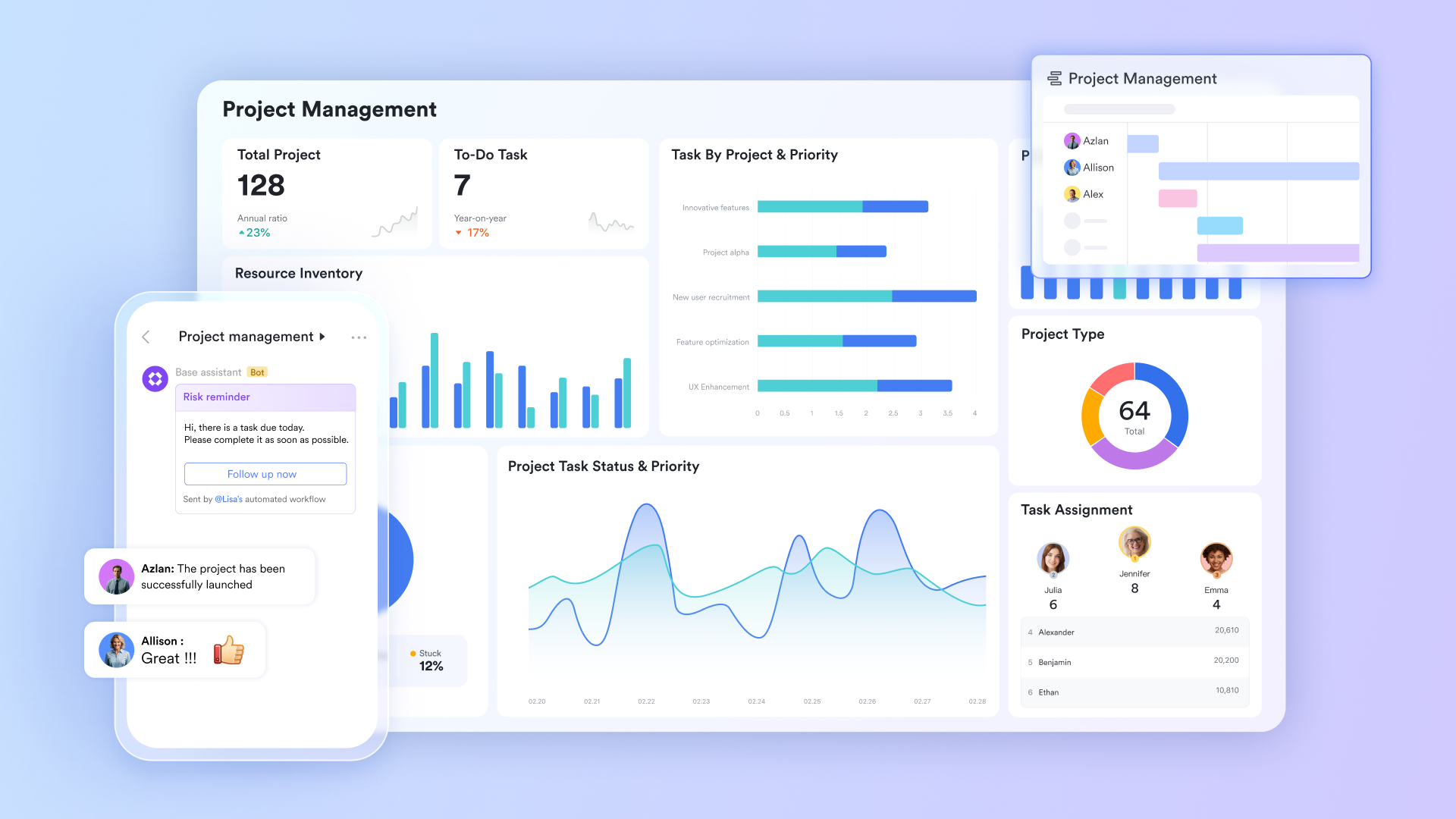
Collaboration and communication
Effective collaboration and communication are critical to project success. Teams must coordinate efforts, share information efficiently, and ensure every member is updated and aligned. Comprehensive tools that facilitate real-time communication not only enhance teamwork but also help to minimize misunderstandings.
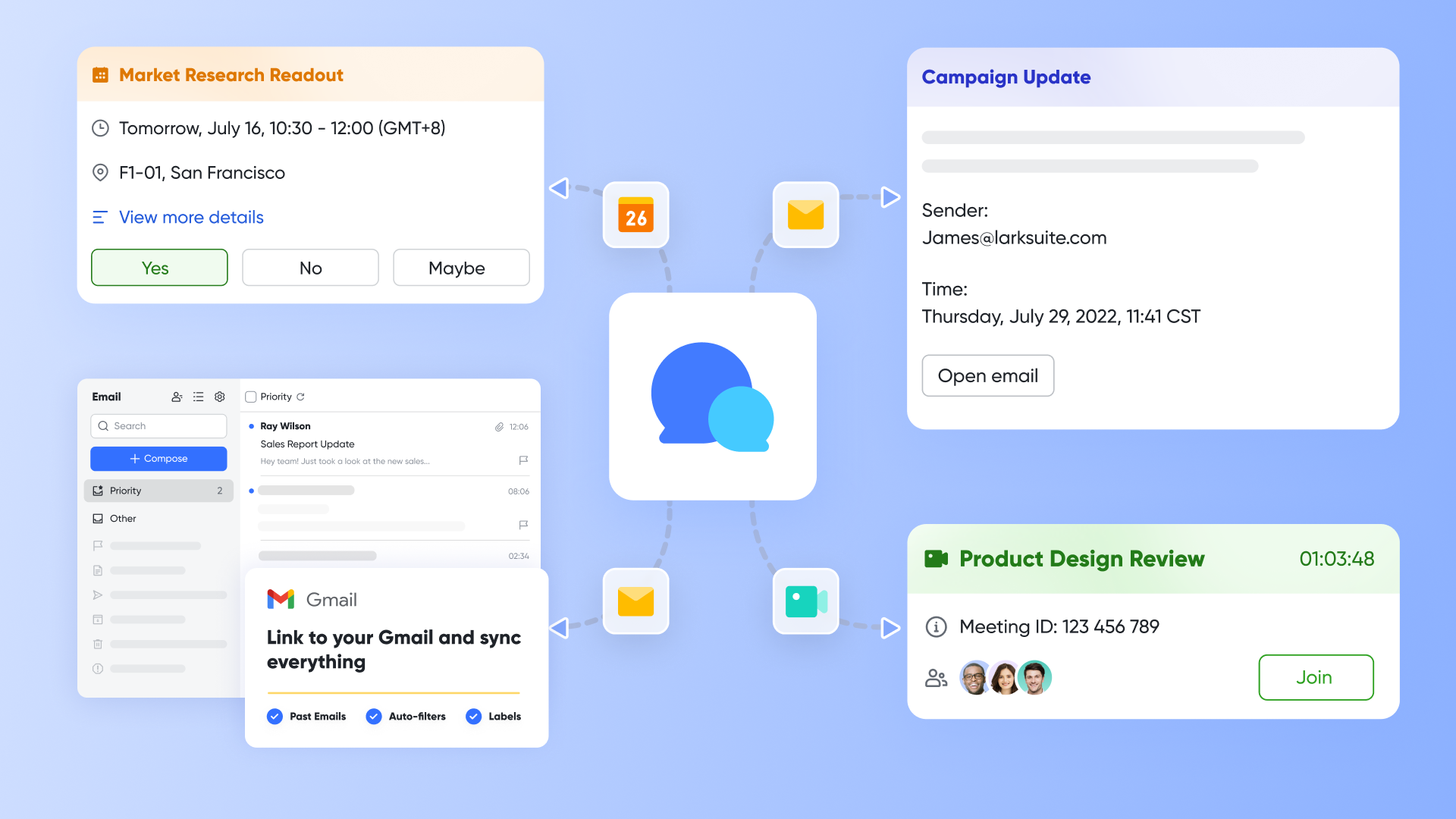
Lark's solution: Lark combines several essential tools, including for instant messaging, for collaborative document editing, and for scheduling meetings and deadlines. This combination allows teams to communicate seamlessly, share updates, and manage documents all in one place, significantly enhancing overall productivity.
Flexible and accountable task management
is vital to ensure that responsibilities are well-defined and tracked throughout the project lifecycle. A flexible task management system allows teams to adapt to changes and maintain accountability, which is crucial for achieving project objectives.
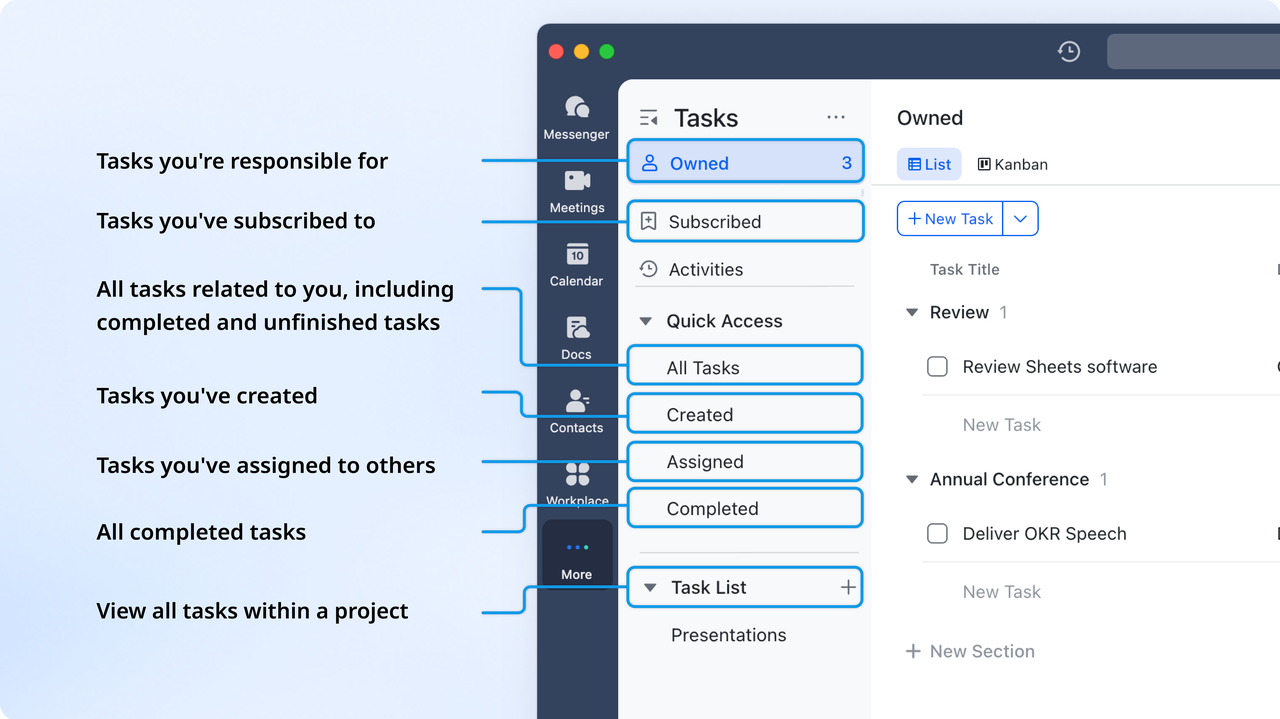
Lark's solution: Lark Tasks delivers robust features for task assignment and tracking, enabling project managers to set deadlines and collaboratively monitor progress. This tool also includes task Kanban boards and Gantt chart views, which allow task owners to visualize their workloads and make timely adjustments when necessary. By providing multiple perspectives on tasks, Lark ensures that every team member stays informed and engaged, fostering a culture of accountability. Powerful project visualization
is essential for effective management and decision-making. Strong visualization tools help teams monitor timelines, identify bottlenecks, and adjust resources as needed to keep the project on track.
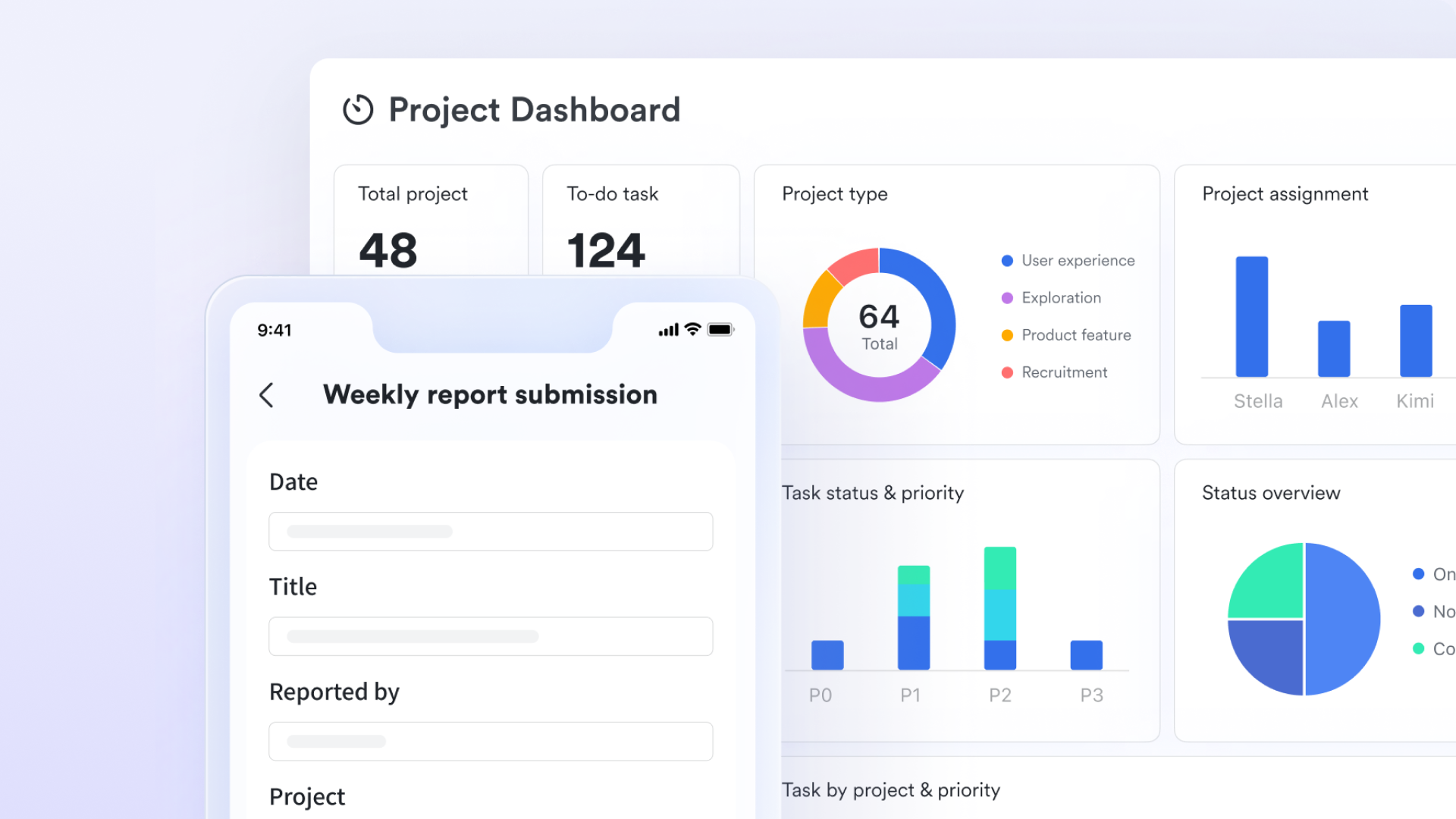
Lark's solution: offers powerful visualization capabilities that allow teams to create interactive dashboards and visual reports. It also includes , enabling teams to quickly start tracking metrics and performance insights. These visual tools make it easier for teams to identify trends and adjust strategies proactively, ensuring project success.
Analyzing and reporting functions
Thorough analysis and reporting are critical for continuous improvement. By assessing project performance and outcomes, teams can identify best practices and areas needing enhancement.
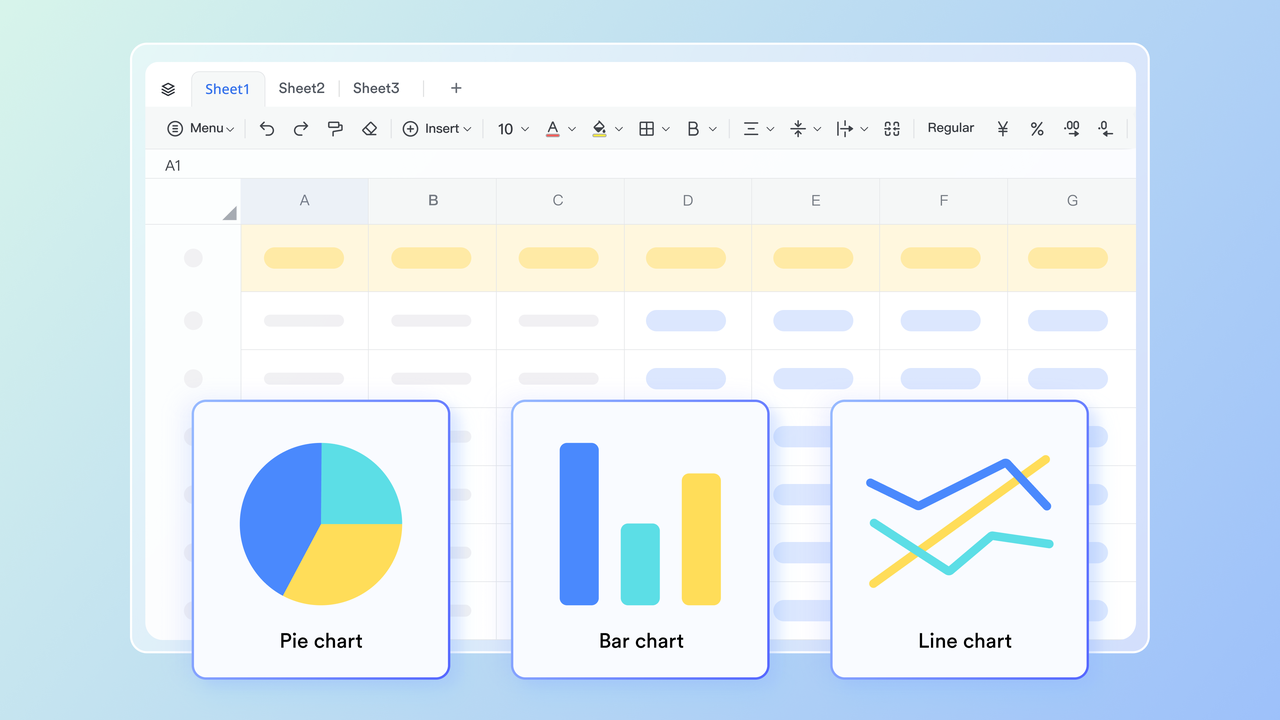
Lark's solution: is equipped with multifunctional fields and a no-code database that streamlines data management. Coupled with the capabilities of , which support various formulas, data views, and pivot tables, teams can conduct in-depth analysis and generate comprehensive reports. This functionality allows for efficient project assessments and post-project reviews, enabling teams to implement strategies that enhance future project delivery.
Automated workflow for efficiency
Automation plays a vital role in enhancing efficiency by reducing the need for manual intervention in repetitive tasks. streamline operations, allowing teams to focus on higher-priority activities.
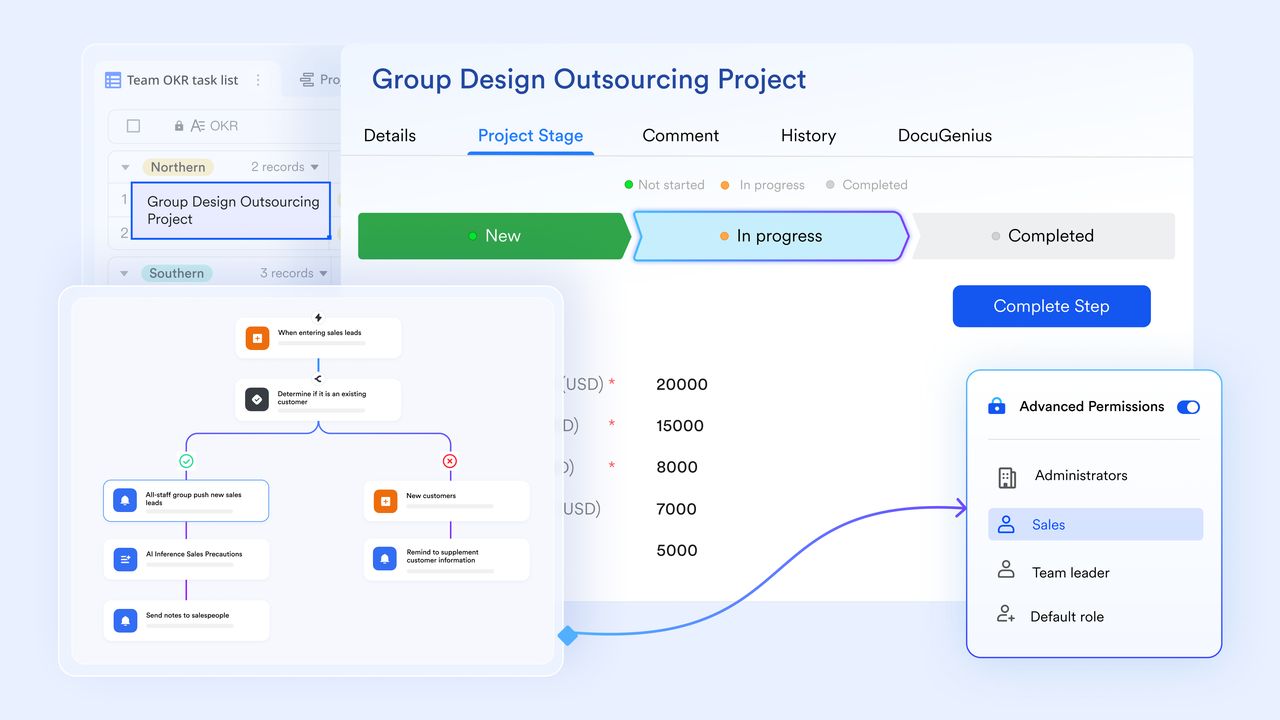
Lark's solution: empowers teams with workflow automation features that can eliminate manual, repetitive tasks. This functionality allows for automatic task assignments, notifications, and data updates, ensuring that workflows are smooth and efficient. By automating standard processes, teams can minimize delays and increase productivity, keeping projects on schedule.
:
- Starter plan: Free forever plan that includes 11 powerful tools for up to 20 users. It also comes with 100GB of storage, 1,000 automation runs, AI translations, and more.
- Pro plan: $12/user/month (billed annually) for up to 500 users. It includes everything in Starter plus a group calling for up to 500 attendees, 15TB of storage, 50,000 automation runs, and more.
- Enterprise plan: for custom pricing. Supports unlimited users and includes even more automation runs and advanced security, compliance, and management features.
For small teams with simple communication needs

18 months message history
1000 Base automation runs/month
2000 rows per table in Base
Most POPULAR
For companies with comprehensive collaboration and management needs
Unlimited message history
500-participant video meetings
50k Base automation runs/month
20k rows per table in Base
For large companies with advanced security and organizational management needs
Get a personalized demo and pricing
Unlimited message history
500-participant video meetings
15 TB storage + 30 GB storage/user
500k Base automation runs/month
50k Base automation runs/month
Most POPULAR
For companies with comprehensive collaboration and management needs
Unlimited message history
500-participant video meetings
50k Base automation runs/month
20k rows per table in Base
Key challenges in project delivery
Despite best efforts, project delivery often encounters various challenges. Understanding these challenges can help teams prepare and respond effectively.
Misalignment of goals among stakeholders
One of the most common challenges is the misalignment of goals among project stakeholders. This can lead to:
- Conflicting priorities: When stakeholders have different expectations, it can create friction and confusion, ultimately hindering project progress.
- Lack of commitment: If team members are not aligned with the project's objectives, their engagement and performance may suffer.
Proactively addressing stakeholder alignment through regular communication and involvement can mitigate these issues.
Resource management
Effective resource management is critical for successful project delivery. Common challenges include:
- Underestimating resource needs: Inadequate allocation of resources can impede project progress and lead to delays.
- Skill gaps: The absence of necessary skills or expertise among team members can impact and timeline.
Implementing thorough resource planning and regularly assessing team capabilities can enhance resource management and ensure project success.
Maintaining project timelines and budget
Adhering to and budgets is a perennial challenge in project delivery. Issues can arise from:
- Scope creep: Changes in project scope can lead to extended timelines and increased costs.
- Unforeseen issues: Unexpected challenges, such as supply chain disruptions or technical difficulties, can derail project schedules.
Instituting rigorous project controls and regularly reviewing timelines and budgets helps teams stay on track and avoid unnecessary surprises.
Overcome all challenges with the right solution
Effective project delivery
Smart project delivery really is what makes or breaks any project, especially when you're dealing with the exciting complexities of construction work. The good news is that choosing the right delivery approach—whether that's design-bid-build, design-build, or integrated project delivery (IPD)—can set you up for success from day one. When you match the method to your project's unique needs and scale, everything just flows better, and you'll find that stakeholders naturally align around shared goals.
Here's what makes the difference: A solid, that everyone can actually understand and follow. You'll want to clearly map out your project scope, break down the work into manageable pieces, set realistic timelines, and create a budget that makes sense. The real magic happens when you build in strong risk management and quality assurance from the start—this way, you're not just reacting to problems, you're staying ahead of them.
Project managers are the ones who bring it all together, and honestly, they're pretty amazing at what they do. With today's , teams can communicate seamlessly, collaborate in real-time, and keep everyone in the loop on progress and deliverables. These tools don't just make life easier—they help teams stay agile, respond quickly to changes, and keep their eyes on the prize. When you bring together the right delivery method, a comprehensive plan, and smart technology use, something wonderful happens: projects don't just meet expectations, they exceed them. You'll see better quality, stay on budget, and hit your deadlines with confidence. This thoughtful approach to project delivery creates a positive cycle that sets the stage for even greater success down the road.
Conclusion
In summary, effective project delivery is essential for achieving organizational goals, and understanding its key components, methodologies, and best practices is crucial for success. By leveraging technology, teams can enhance collaboration, streamline communication, and navigate common challenges, ultimately improving their project outcomes.
Project delivery is not just about following a set of procedures; it's about fostering a culture of communication, accountability, and continuous improvement. Adapting to the evolving landscape of project management through innovative tools and practices will ensure that teams are well-equipped to deliver successful projects time and again. As organizations strive for excellence, embracing a structured approach like to project delivery, supported by the right technology, can significantly enhance their capacity to achieve desired results. Ultimately, investing in effective project delivery practices will position teams for success in an increasingly complex and competitive environment.
FAQs
What is meant by project delivery?
Project delivery refers to the comprehensive process of organizing and executing a project from its initiation to completion. It encompasses all phases, including planning, design, execution, and closure. The goal of project delivery is to ensure that the project achieves its objectives—meeting scope, time, and budget constraints—while satisfying stakeholder expectations.
What is the role of project delivery?
The role of project delivery is to provide a structured framework that guides teams through the complexities of managing a project. Effective project delivery helps to coordinate resources, streamline communication, and maintain alignment among stakeholders. It ensures that all project activities are aligned with the overall goals and objectives, ultimately leading to successful outcomes and improved efficiency.
What are the three project delivery methods?
While there are several project delivery methods, three commonly used ones include:
- Design-Bid-Build (DBB): A traditional method where the project is designed first, and then contractors bid to complete the construction.
- Design-Build (DB): An integrated approach where a single entity handles both design and construction, fostering collaboration and efficiency.
- Construction Manager at Risk (CMAR): A method where a construction manager is involved early in the design phase and assumes the risk of cost overruns.
What are the steps of project delivery?
The project delivery process generally follows these key steps:
- Planning: Defining the project's goals, scope, resources, and timeline.
- Design: Creating detailed plans and specifications for construction or implementation.
- Execution: Implementing the plans, managing resources, and coordinating tasks among team members.
- Monitoring and Control: Regularly tracking progress against milestones and making adjustments as necessary to stay on track.
- Closure: Completing final evaluations, documenting lessons learned, and formally closing the project.
How does technology influence project delivery?
Technology significantly enhances project delivery by simplifying communication, facilitating collaboration, and streamlining task management. Tools like project management software and collaboration platforms allow teams to share documents, track progress, and communicate effectively in real time, ultimately improving efficiency and project outcomes.
Why is stakeholder involvement important in project delivery?
Stakeholder involvement is crucial in project delivery because it ensures that the needs and expectations of all parties are considered. Engaging stakeholders throughout the project helps to foster collaboration, minimize misunderstandings, and enhance the overall quality of the project's outcomes. This involvement can also lead to quicker decision-making and a greater sense of ownership among stakeholders.
Related reading