Manual timesheets are inherently time-consuming and frequently trigger team resistance, leaving management without the reliable data needed for strategic decisions. To eliminate these costly inefficiencies, deploying an advanced automated time tracker is the ultimate breakthrough. By shifting away from outdated manual entry methods to a modernized ecosystem, companies can seamlessly integrate time management into their daily workflow. This strategic pivot reduces administrative friction and completely redefines high-efficiency collaboration, turning abstract working hours into actionable insights without disrupting your team's natural creative rhythm.
The business dividend of automated time tracking
For corporate executives and business leaders, the true value of any operational shift lies strictly in the tangible business outcomes it delivers. Bidding farewell to traditional spreadsheets is no longer just an IT upgrade; it is a strategic mandate. By adopting a modern employee time tracking software, we can directly impact our company’s profit margins and organizational efficiency. Here is how moving to a modernized model secures your bottom line.
Plugging profit leaks and ensuring precise billing
When teams rely on human memory to compile timesheets at the end of a chaotic week, billable minutes inevitably slip through the cracks. For service-oriented enterprises like design agencies, law firms, and management consultancies, unrecorded time directly translates to lost revenue. Let us look at the raw mathematics of this inefficiency: Imagine a mid-sized agency with 50 employees. If each team member forgets to log just 2 billable hours per week due to memory blur, and your agency’s blended hourly rate is $150, you are bleeding $15,000 a week. Over a 52-week fiscal year, that seemingly minor memory lapse results in a staggering $780,000 of lost profit.
Implementing an automatic time tracking strategy—powered by —ensures that every minute of client service is accounted for with absolute precision. This eliminates the guesswork from your invoicing process, directly increasing your revenue and guaranteeing 100% billing accuracy for your clients without demanding extra effort from your staff.
Eliminating administrative friction and unleashing cognitive power
We hire top-tier talent for their creative output and strategic problem-solving skills, not their ability to painstakingly recall what they did on a Tuesday morning. The traditional manual timesheet is an administrative burden that drains employee morale and wastes expensive hours. More importantly, it introduces the severe penalty of the "Context Switching Cost." , reveals that every time an employee is interrupted—for instance, pausing their design work to toggle over to a separate chat app, and then opening a disconnected time log—it takes an average of 23 minutes to fully regain deep focus.
Deploying a reliable directly within their natural workflow fundamentally liberates your workforce from this tedious, energy-depleting chore. By removing this operational friction and minimizing those 23-minute cognitive recovery periods, you return countless hours of cognitive power back to your core business, empowering your team to focus exclusively on high-impact, high-yield tasks that drive actual enterprise growth.
Ending "gut feeling" resource allocation
Assigning critical project tasks based on intuition or a superficial glance at a calendar frequently leads to severe operational imbalances. Without objective data, managers risk overloading their top performers while other resources remain underutilized. Adopting an automated time tracking software replaces these subjective "gut feelings" with concrete, macro-level insights into your team's actual workload saturation. This allows leadership to dynamically balance resources, prevent burnout before it happens, and avoid costly idle time. By leveraging the pure data generated by a modern time tracking software online, executives can , ultimately maximizing the overall profitability and .
A buyer’s guide: The 4 core features that define top-tier software
Knowing the undeniable business value that a sophisticated automated time tracker can deliver, the next crucial step is understanding what makes a solution truly effective. When evaluating the saturated market of productivity tools, it is crucial not to be misled by superficial marketing jargon. For a tool to be genuinely adopted by your team and integrated seamlessly into your business operations, it must possess these four core technical mechanisms.
Invisible background tracking
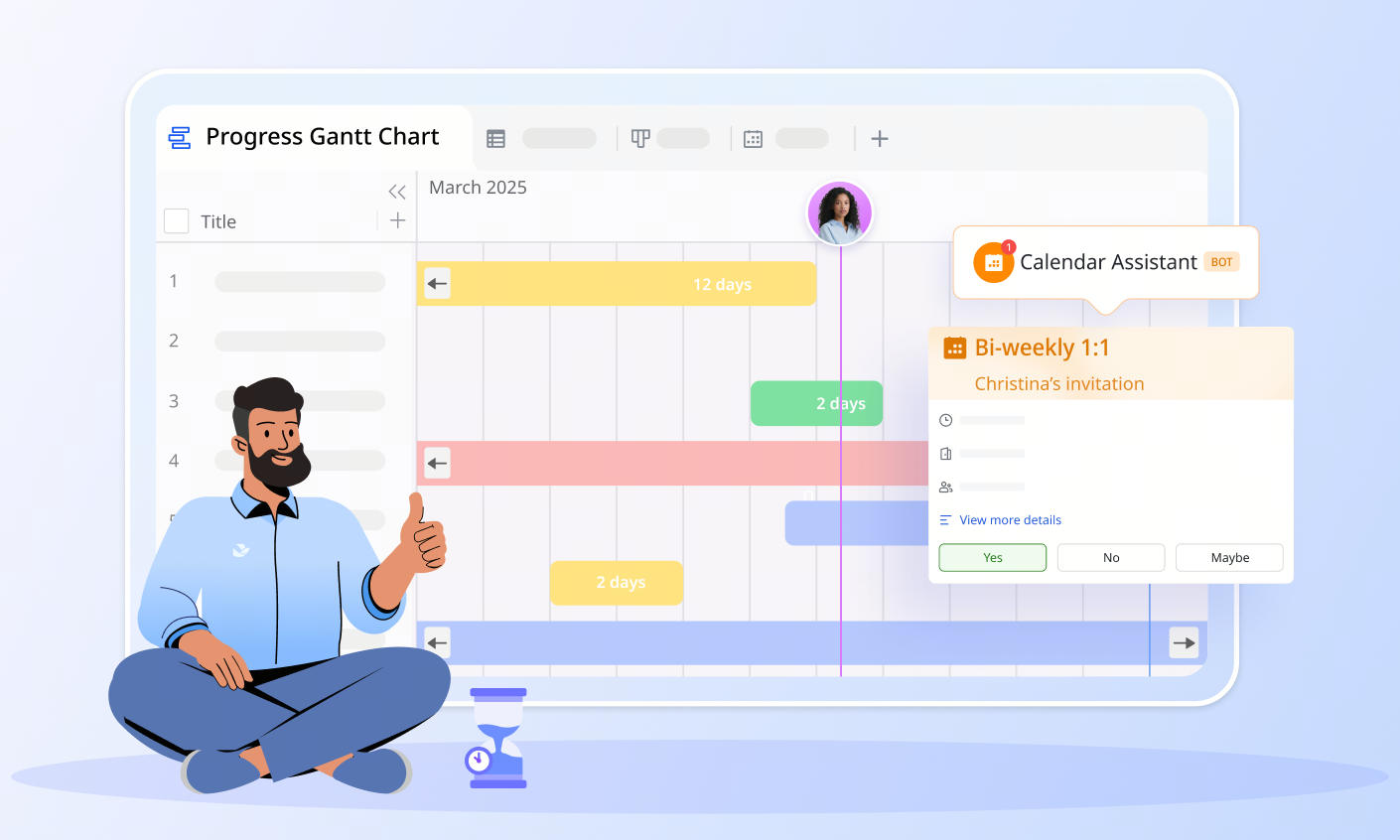
The traditional "start/stop" timer button is an outdated relic of the past. A modern automated time tracker should possess the capability to record activity silently in the background. It must seamlessly , website visits, and even calendar meeting durations without requiring the user to constantly interrupt their workflow to click a button. The best platforms go a step further, utilizing AI to automatically categorize activity tags based on the context of the work, achieving truly frictionless time logging.
Comprehensive visual dashboards
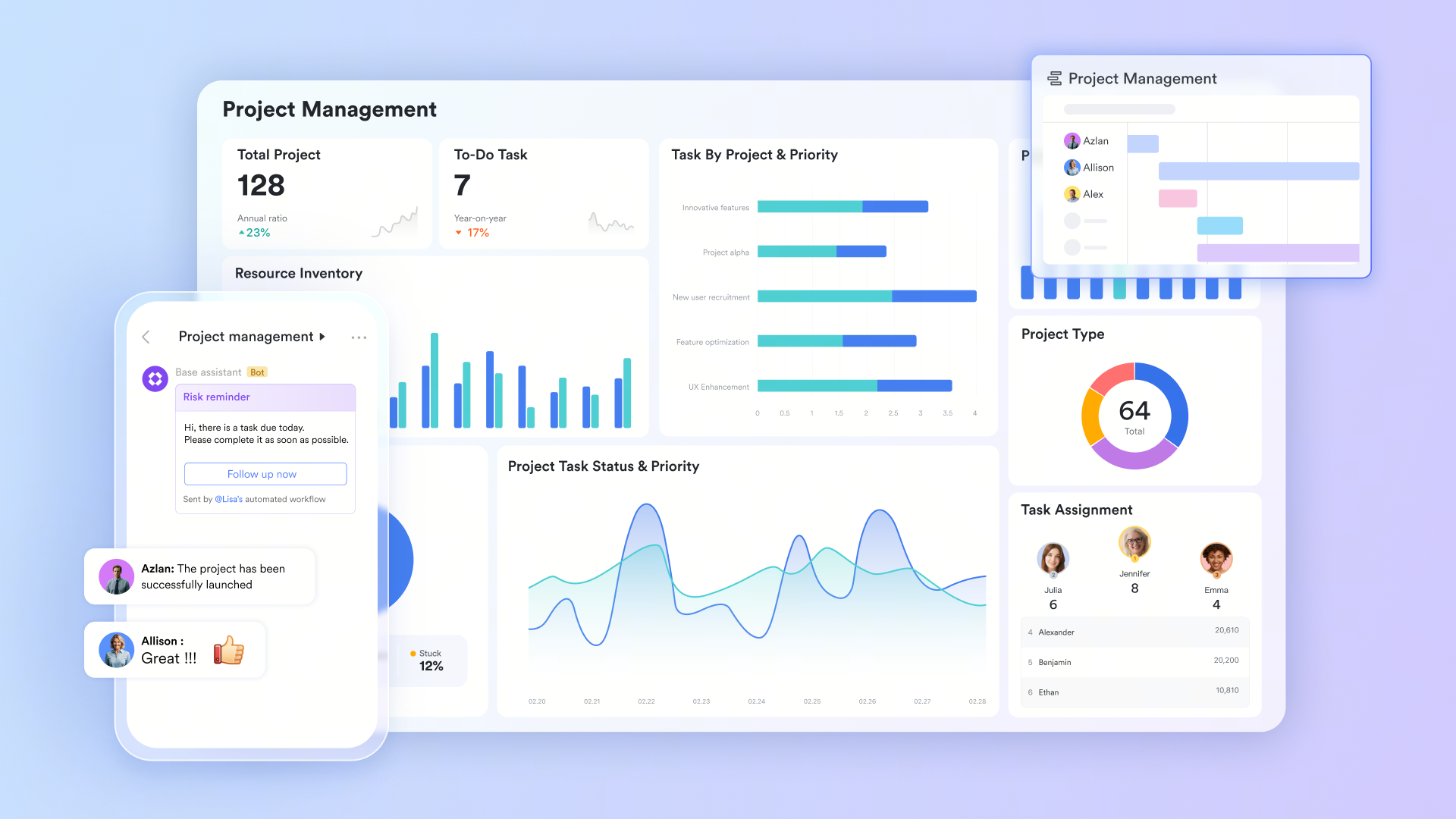
Raw data is entirely useless if it cannot be intuitively understood and immediately acted upon. A powerful time tracking software online must provide . Through robust filters and deep drill-down functionalities, managers should be able to view a heat map of working hours categorized by project, by client, or by individual team member at a single glance.
This panoramic visibility allows leadership to quickly identify efficiency bottlenecks, understand where the bulk of the team's energy is being directed, and reallocate resources before a project goes over budget. Instead of waiting for end-of-month reports, a modern employee time tracking software provides these , enabling agile and responsive leadership.
Open APIs and seamless ecosystem integration
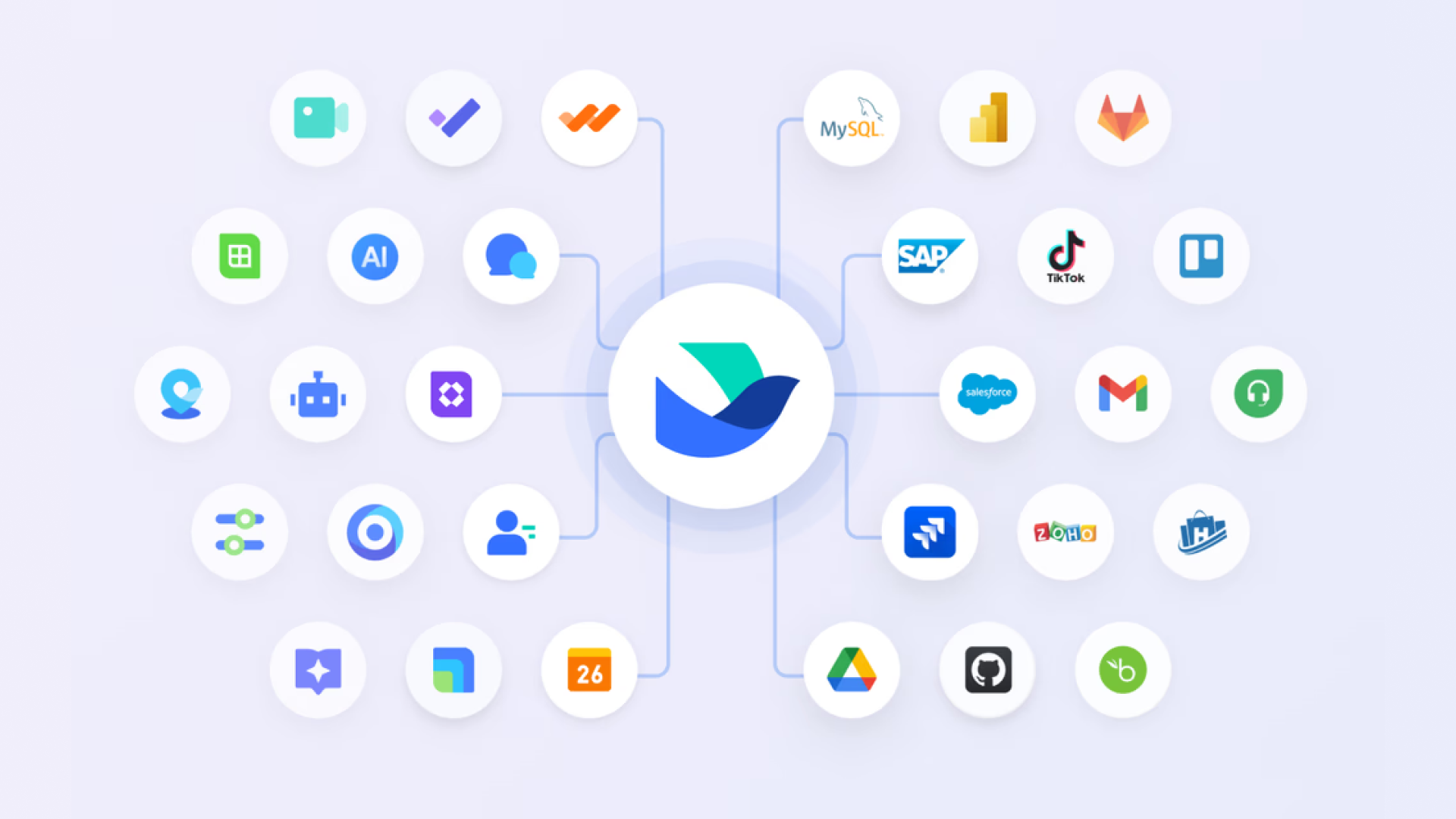
Isolated time data holds zero commercial value. To be considered a competent employee time tracking app, the software must feature a highly open API architecture. It needs to seamlessly integrate with your existing (such as Salesforce), systems, or .
When your automated time tracking software operates as a silo, it forces employees to constantly switch contexts and manually port data between platforms. Seamless integration ensures that the tracked data flows smoothly across the entire business value chain—from the moment a task is executed to the moment the invoice is automatically generated and sent to the client.
Granular privacy controls and user transparency
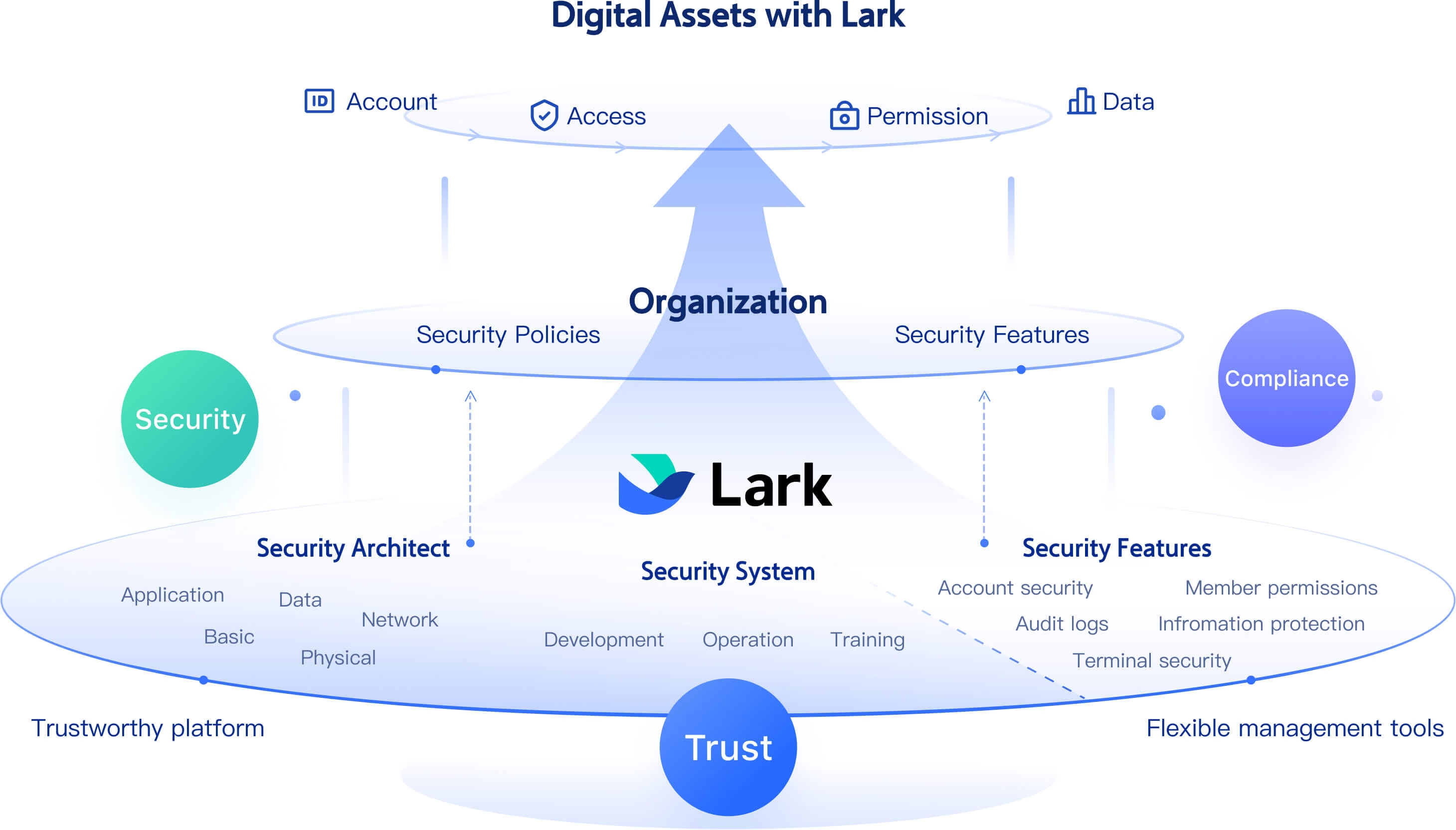
Privacy protection is a non-negotiable technical prerequisite for rolling out any monitoring tool, especially for enterprise-grade deployments. A superior automatic time tracking software must be built with hard-coded privacy guardrails to satisfy the strictest IT and .
Rather than invasive screen recording, top-tier platforms employ "Blurred Tracking" and metadata-only capture. This means the system simply logs the software metadata (e.g., "Figma was active for 2 hours") without ever capturing the designer's actual screen content. If visual proof is strictly mandated by client billing contracts, the software must utilize advanced pixelation algorithms to heavily blur the screen grabs before they are uploaded to the cloud, ensuring personal messages and proprietary client data remain completely illegible. Furthermore, the best integrations allow employees to actively review and edit their synced time logs before final submission. Establishing these rigid, technically enforced boundaries is what separates a modern enterprise tool from outdated spyware.
Automated time tracking is empowerment, not surveillance
There is a deeply ingrained stereotype in the corporate world that tracking software is synonymous with "Big Brother" style surveillance. When leadership introduces an employee time tracking app, teams often instinctively brace for micromanagement. However, this is the greatest misunderstanding of modernized productivity tools. When implemented with the right intent and transparency, it is actually a tool for organizational liberation.
Shattering the surveillance myth
The genuine purpose of adopting an automated time tracker is to "," not to micromanage individuals. The original intent of collecting precise time data is to diagnose the health of the business operations, identify systemic roadblocks, and . For instance, if data shows an entire department spending 40% of their week in internal meetings, the fault lies in the meeting culture, not the individual employees. An advanced automatic time tracking software is a diagnostic stethoscope for the business; it is explicitly not designed to be used as a punitive measure. When leadership shifts the narrative from "monitoring you" to "optimizing our system," cultural friction completely disappears.
Empowering employee self-iteration
When time becomes transparent, employees emerge as the greatest beneficiaries. Modern time tracking software online grants employees exclusive access to their private data dashboards, allowing them to look into a mirror that clearly reflects their . This objective reflection helps them discover hidden "efficiency black holes" (such as excessive email checking) and identify their personal "peak concentration hours." Armed with this private knowledge, they can proactively optimize their individual workflows, take control of their daily rhythm, and block out focus time when they are naturally most productive. It gives them the data they need to protect their own work-life balance.
Establishing a baseline of team fairness
Relying on subjective impressions often creates an environment where those who "look busier" or speak the loudest are perceived as working harder. By leveraging the transparent and objective data provided by an employee time tracking software, teams can eliminate these subjective biases. This fact-based evaluation mechanism greatly promotes a fair, indisputable understanding of workload and contributions within the team. The transparent and egalitarian collaboration culture advocated by is the absolute best soil for this philosophy of empowerment to take root and flourish. When everyone knows the data is objective, trust naturally elevates.
How Lark reshapes your automated time tracking experience
is an all-in-one platform that helps teams of every size communicate seamlessly and work smarter together. By combining , , , , , , and into a unified workspace, Lark eliminates the fragmented tool stacks that usually plague modern businesses. Relying on the absolute advantage of this unified collaboration suite, Lark allows you to experience the perfect integration of time management with your daily workflows.
Demolishing context switching in all-in-one platform
You no longer need to jump back and forth between your communication software, document editors, task panels, and a dedicated standalone automated time tracker. Because instant messaging, video meetings, and cloud-native docs all occur within Lark, Lark's powerful integration ecosystem allows you to easily connect with mainstream time tracking software online. Through our robust app directory, the time you spend collaborating on a document,, or participating in a client sync can be naturally correlated. This eliminates the context-switching tax that drains employee energy, bringing the automatic time tracking capabilities directly into the interface where the actual creative execution takes place.
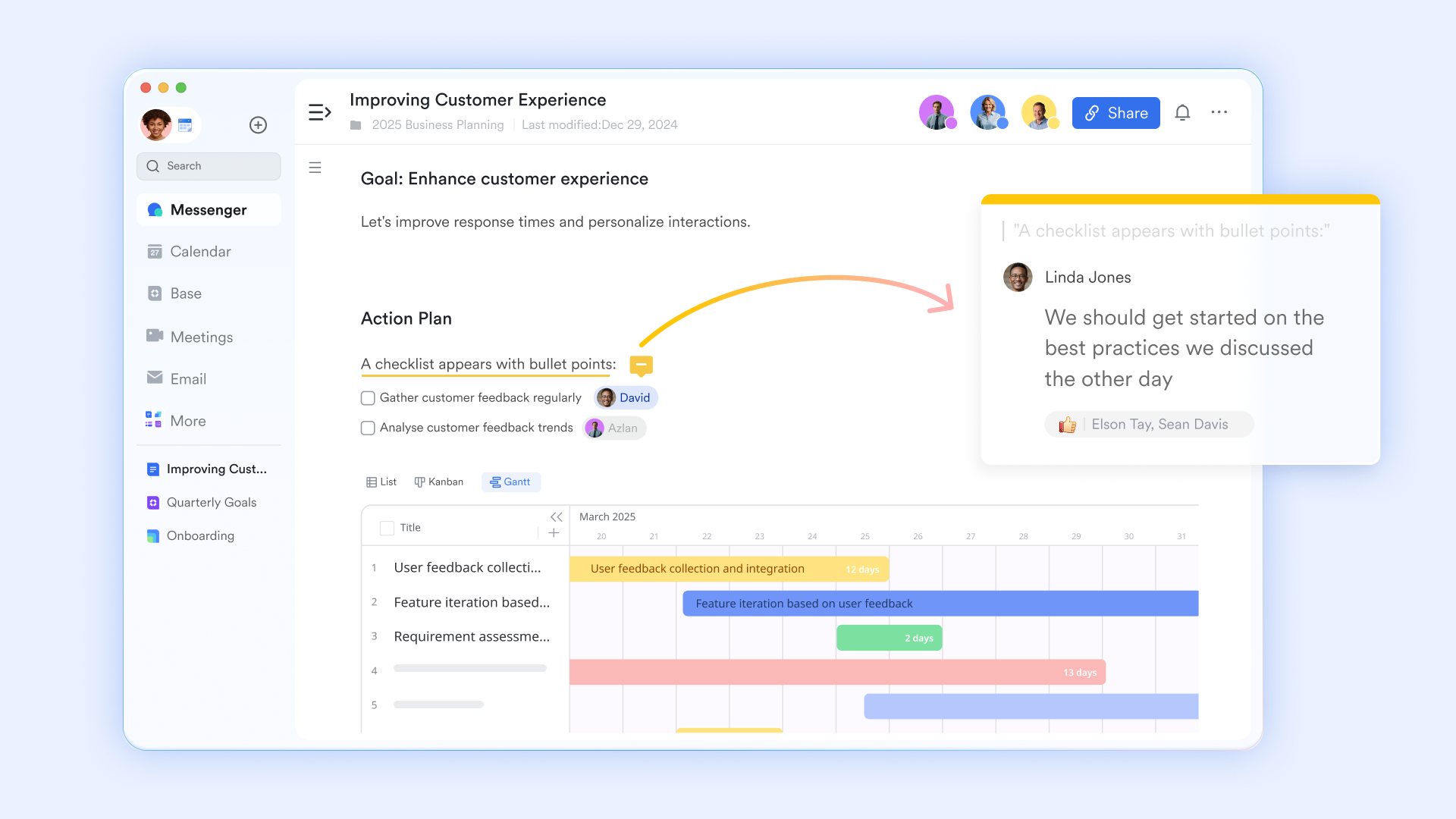
Transforming data in Lark Base
Lark's most formidable capability lies in its ability to digest and visualize external data. When you , the raw hourly data flows directly via API into —our powerful, customizable database and spreadsheet hybrid. But it doesn't just sit there as a static list. You can transform this data in Base, generating dynamic Gantt charts for project managers and visual Gallery views for executives. Furthermore, utilizing Base’s advanced formula capabilities, the system automatically cross-references the tracked hours against the project budget and individual hourly rates, calculating your real-time profit margins down to the exact decimal point without any manual data entry.
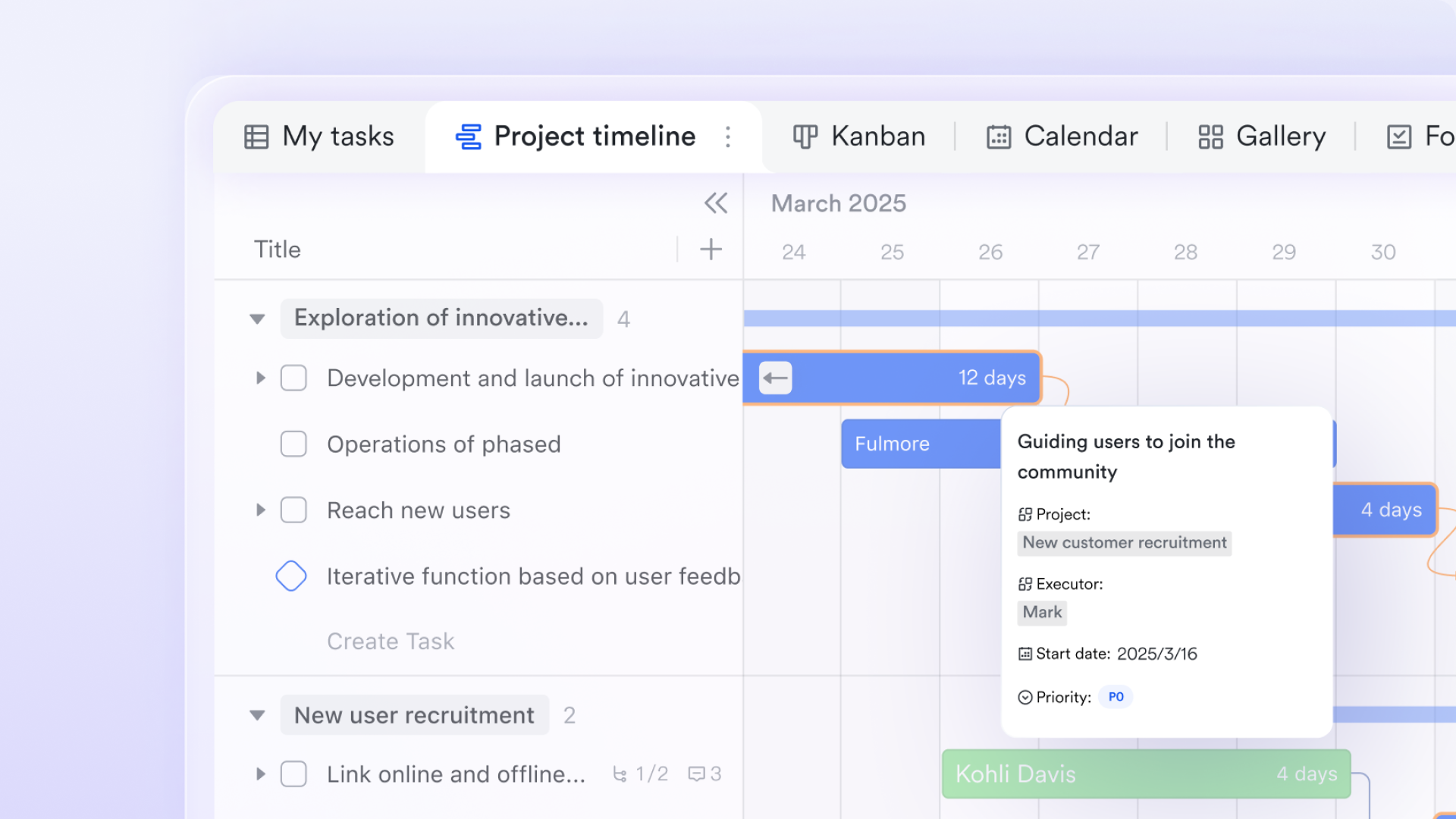
Intelligent triggers with Lark Automations
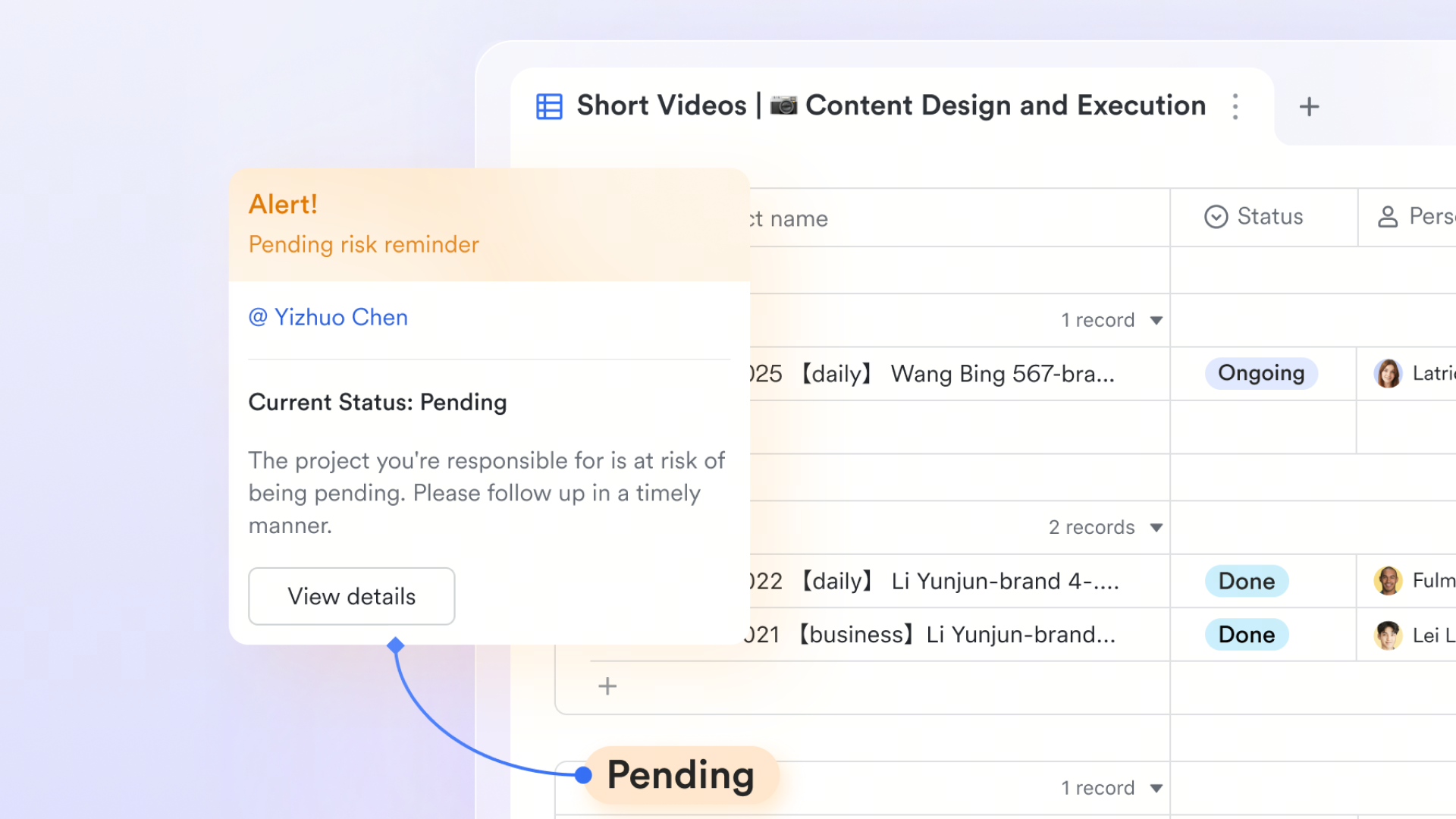
Data is only useful if you act on it. Lark Automations turns your time data into an active project guardian. You can easily set up a customized automation flow: When [Tracked Hours exceed 80% of the allocated budget] -> [Trigger Lark Bot] -> [@ Project Manager in the dedicated project chat group]. This instant alert ensures that leadership is notified the second a project risks going into the red. And the best part? Lark’s Starter plan provides 1,000 automation runs per month entirely for free, while the Pro plan scales up to an incredible 50,000 runs, ensuring that even enterprise-grade workflows are handled flawlessly.
- Starter plan: Free forever plan with 11 powerful tools for up to 20 users, 100GB storage, 1,000 automation runs, AI translations, and more. No credit card needed.
- Basic plan: $6/user/month (billed annually) for up to 500 users. Includes everything in Starter plus unlimited message history, 5TB storage, 1,000 automation runs, and more. Some users may need to to purchase.
- Pro plan: $12/user/month (billed annually) for up to 500 users. Includes everything in Basic plus group calling for up to 500 attendees, 15TB storage, 50,000 automation runs, and more.
- Enterprise plan: for custom pricing. Supports unlimited users and includes advanced automation, security, compliance, and management features.
For small teams with simple communication needs

18 months message history
1000 Base automation runs/month
2000 rows per table in Base
Most POPULAR
For companies with comprehensive collaboration and management needs
Unlimited message history
500-participant video meetings
50k Base automation runs/month
20k rows per table in Base
For large companies with advanced security and organizational management needs
Get a personalized demo and pricing
Unlimited message history
500-participant video meetings
15 TB storage + 30 GB storage/user
500k Base automation runs/month
50k Base automation runs/month
Most POPULAR
For companies with comprehensive collaboration and management needs
Unlimited message history
500-participant video meetings
50k Base automation runs/month
20k rows per table in Base
Build a more connected workflow
Lark's seamless time tracking loop for service businesses
To move beyond abstract concepts, let us examine exactly how this integration functions in a real-world scenario. Imagine a fast-growing creative design agency tasked with delivering a comprehensive branding overhaul for a high-profile enterprise client. In a service-oriented B2B environment where time is literally money, establishing a flawless workflow from project initiation to final payment collection is critical. Here is how Lark acts as the ultimate hub for an employee time tracking app ecosystem.
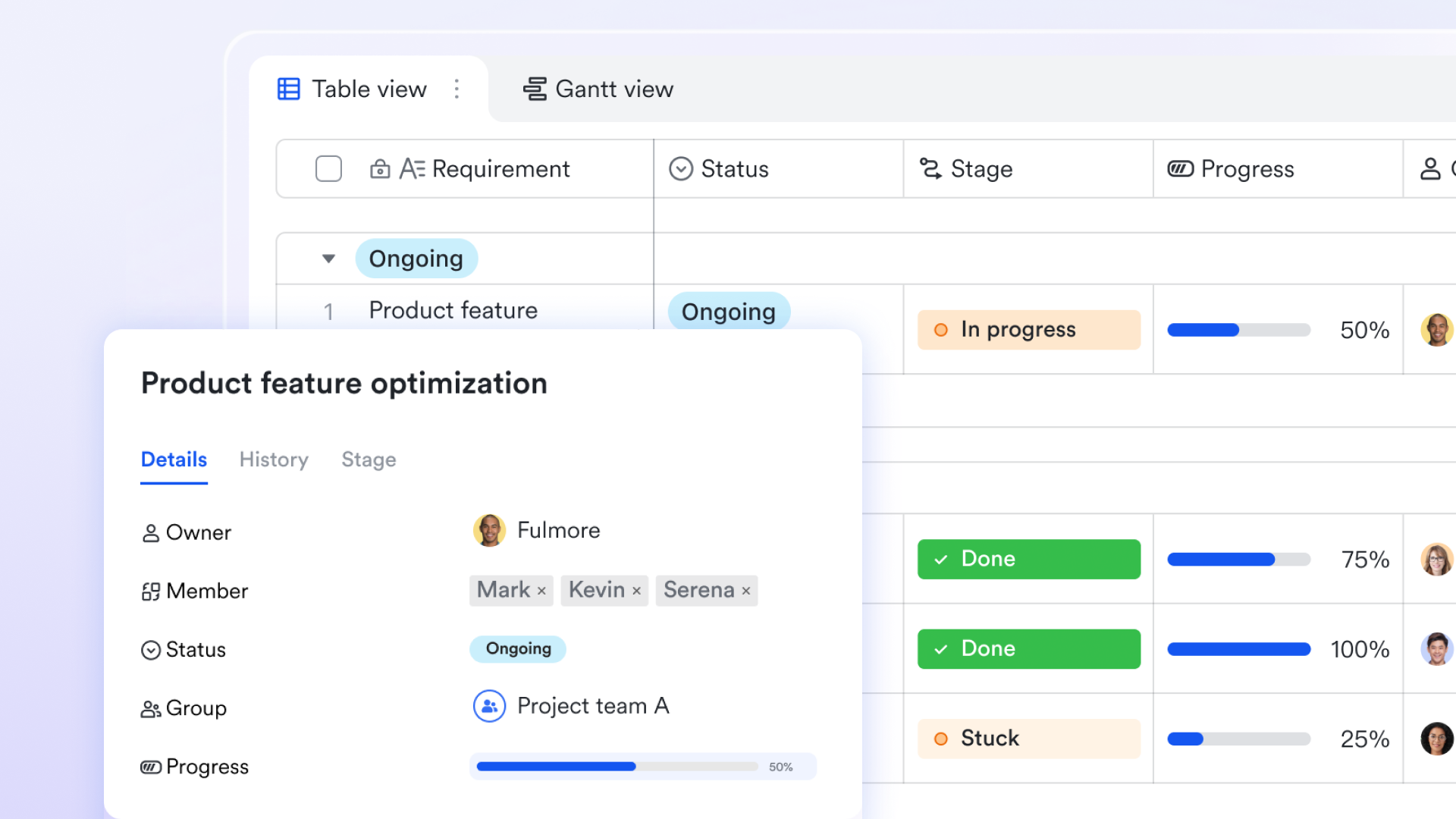
Step 1: Project setup and architecture in Lark Base
The journey begins by establishing a single source of truth. The project manager creates a dedicated workspace in , setting up custom project cards that define the exact scope, , and timeline. They then link these cards to specific tasks, assigning distinct roles—such as lead designer, copywriter, and account manager—to team members. This centralized, transparent setup ensures that everyone knows exactly what needs to be done, effectively eliminating the chaotic email chains and fragmented messages that usually plague complex project kick-offs.
Step 2: Frictionless execution and data capture
As the project progresses, the team begins to execute. The account manager hosts weekly client syncs via Lark Video meetings, the copywriter drafts brand narratives in (utilizing AI translations if the client is international), and the designers upload massive media assets into Lark's generous cloud storage. Because Lark serves as an all-in-one productivity powerhouse, providing users with a unified platform to manage projects effectively, the integration with your preferred automatic time tracking software functions beautifully. The system silently logs the hours spent on each specific task via . The copywriter doesn’t need to remember to start an external timer before opening their document; captures the active engagement time seamlessly and accurately. 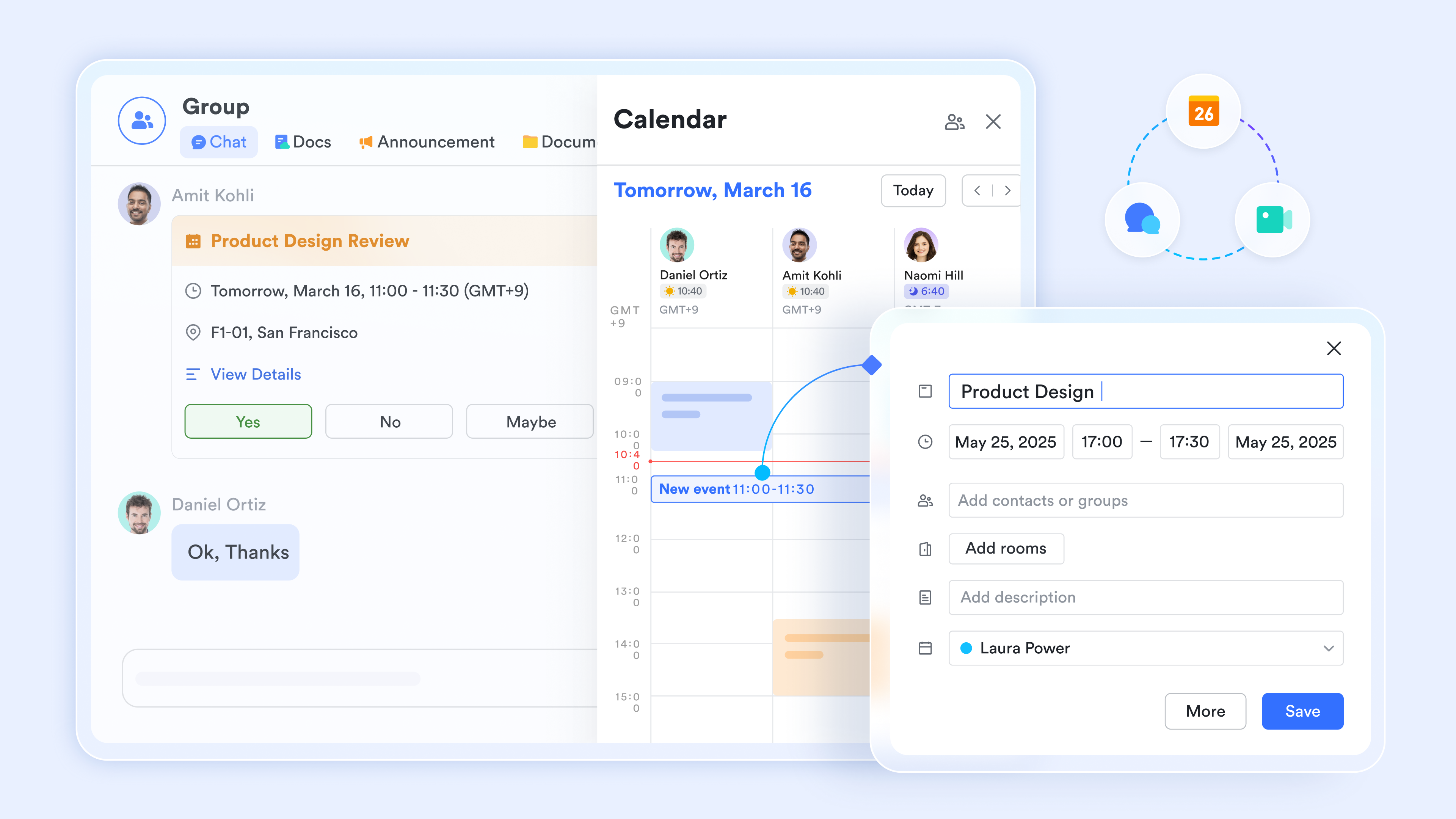
Step 3: Precise reporting and transparent client approvals
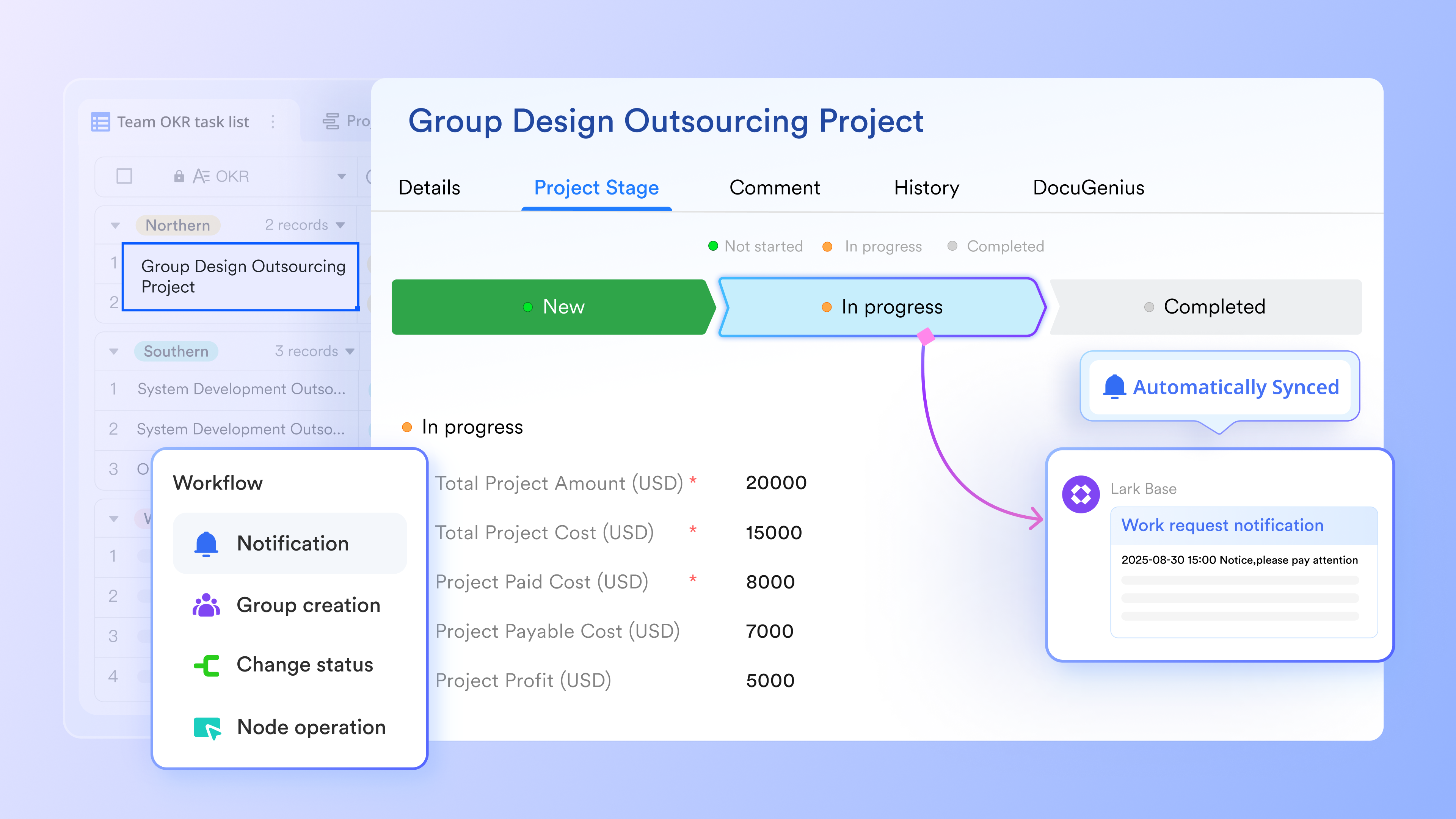
Midway through the project, the client requests a sudden budget review. In the past, this would mean a frantic scramble to compile scattered spreadsheets from various team members. Now, the project manager simply opens Lark Base, where the integrated automated time trackerdata has automatically populated a dynamic dashboard. With one click, this "hours invested" report is securely shared with the client. Using , the client can digitally sign off on the logged hours directly within the platform. This unparalleled transparency ensures that , building immense trust with the client and completely neutralizing any disputes over invoiced amounts.
Step 4: Post-mortem analysis and profitability scaling
Once the project successfully concludes and the final invoice is paid, the workflow transitions into the critical analytical phase. The agency’s leadership reviews the aggregated data in the Lark dashboard to analyze team saturation. Did the lead designer work extreme overtime while the junior designer was underutilized? By comparing the initial "estimated hours" against the "actual hours spent" captured by the automated time tracking software, managers can identify resource bottlenecks and implement risk warnings for future endeavors. This post-mortem data acts as a highly accurate reference for pricing similar projects, closing the loop and ensuring the agency becomes more profitable and efficient with every single campaign. 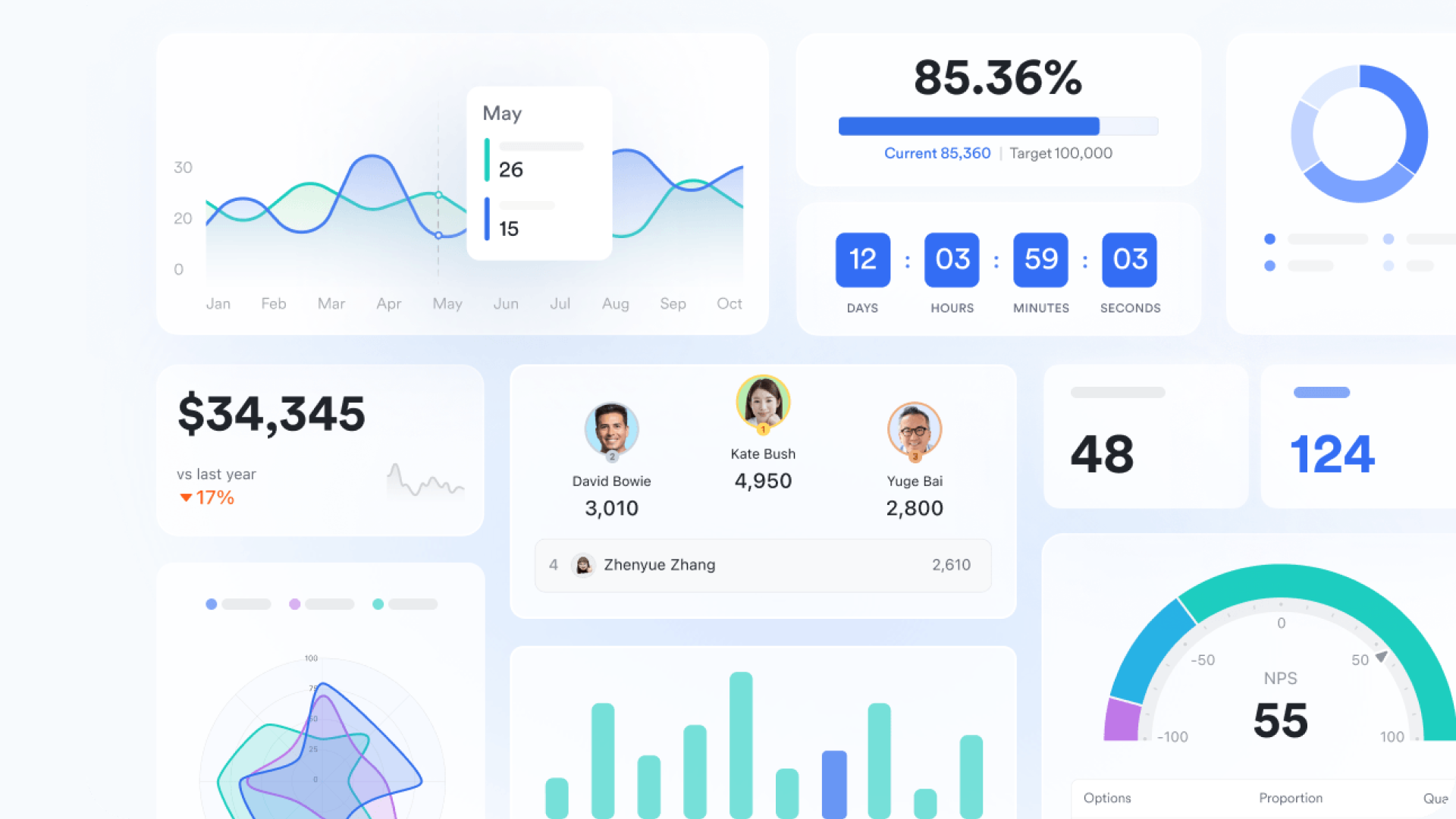
Ultimately, this four-step lifecycle demonstrates that time tracking is no longer a standalone administrative chore, but a compounding business asset. When this continuous feedback loop is powered by a unified workspace like Lark, the benefits scale exponentially across your entire organization. Instead of post-hoc analysis of isolated projects, leadership gains a holistic, living blueprint of company-wide operational health. It is this crucial shift—from disconnected data points to a fully integrated ecosystem of insights—that lays the groundwork for sustainable, long-term success.
Conclusion
An advanced employee time tracking software does more than guarantee accurate billing; it prevents burnout and transforms raw hours into strategic intelligence. However, true efficiency requires leaving fragmented tools behind. For a truly seamless collaboration experience, there's , an all-in-one platform, connecting your automated time tracker, and empowering your team to turn every invested minute into measurable business growth.
Stop wasting energy on isolated apps
FAQs
What is the best time tracker?
The "best" automated time tracker depends on your organization's specific needs, but top-tier options universally seamlessly integrate into your daily workflow rather than acting as isolated silos. Platforms that connect easily with comprehensive workspaces like Lark are ideal. This allows your automatic time tracking data to flow directly into project management and communication hubs, eliminating context switching and uniting your entire team.
What is the app that automatically tracks how you spend time on your devices?
A robust employee time tracking app operates silently in the background to monitor digital activity without interrupting your work. These automatic time tracking software solutions natively record application usage, document editing, and website visits without requiring manual start/stop clicks. When integrated with an all-in-one suite like Lark, this data effortlessly syncs with your project tasks and unified calendars to provide a complete picture of your productivity.
Is there a free work hours tracker?
Yes, there are several free time tracking software online options available for basic needs. However, for teams looking to maximize efficiency without extra costs, integrating a free tracker with Lark's Starter plan is a game-changer. Lark is free forever for up to 20 users, offering 100GB of storage, robust project management, and seamless integration capabilities to build a complete productivity ecosystem at zero cost.
Is using an automated time tracker legal, and does it invade employee privacy?
Yes, utilizing an automated time tracking software is perfectly legal in most global jurisdictions when used strictly to monitor work activities during agreed-upon business hours. The very best tools actively prioritize privacy. They offer granular privacy controls, allowing employees to blur specific activities, designate private off-clock times, and review their data before final submission. The ultimate goal is to optimize the business, not monitor personal behavior.
Does a small team or a startup really need employee time tracking software?
Absolutely. While large global enterprises use it for macro-resource management, small teams benefit immensely from the intense operational clarity it provides. For growing SMEs and startups, every hour counts. It entirely eliminates administrative overhead, allowing a small team to focus on scaling the business rather than managing Excel spreadsheets.
How does Lark integrate with my company's existing time tracking tools?
Lark is brilliantly designed with an open, highly flexible API architecture. While Lark serves as your all-in-one unified workspace for messaging, documents, and project management, its robust integrations allow it to seamlessly connect with your preferred third-party automated time tracker. Through intelligent automation workflows, the precise time data captured externally can be pulled directly into Lark Base to trigger automated approvals within a single interface.
How can management ensure employees actually accept and effectively use this software?
Successful adoption relies entirely on absolute transparency and correct positioning. Position the automated time tracking software as a supportive tool designed to ensure fair, balanced workloads, aggressively prevent burnout, and streamline the complex billing process. Give employees full access to their own data so they can self-manage and optimize their days. Integrating it naturally into a unified, user-friendly platform like Lark also drastically reduces the friction of adoption.
Related reading